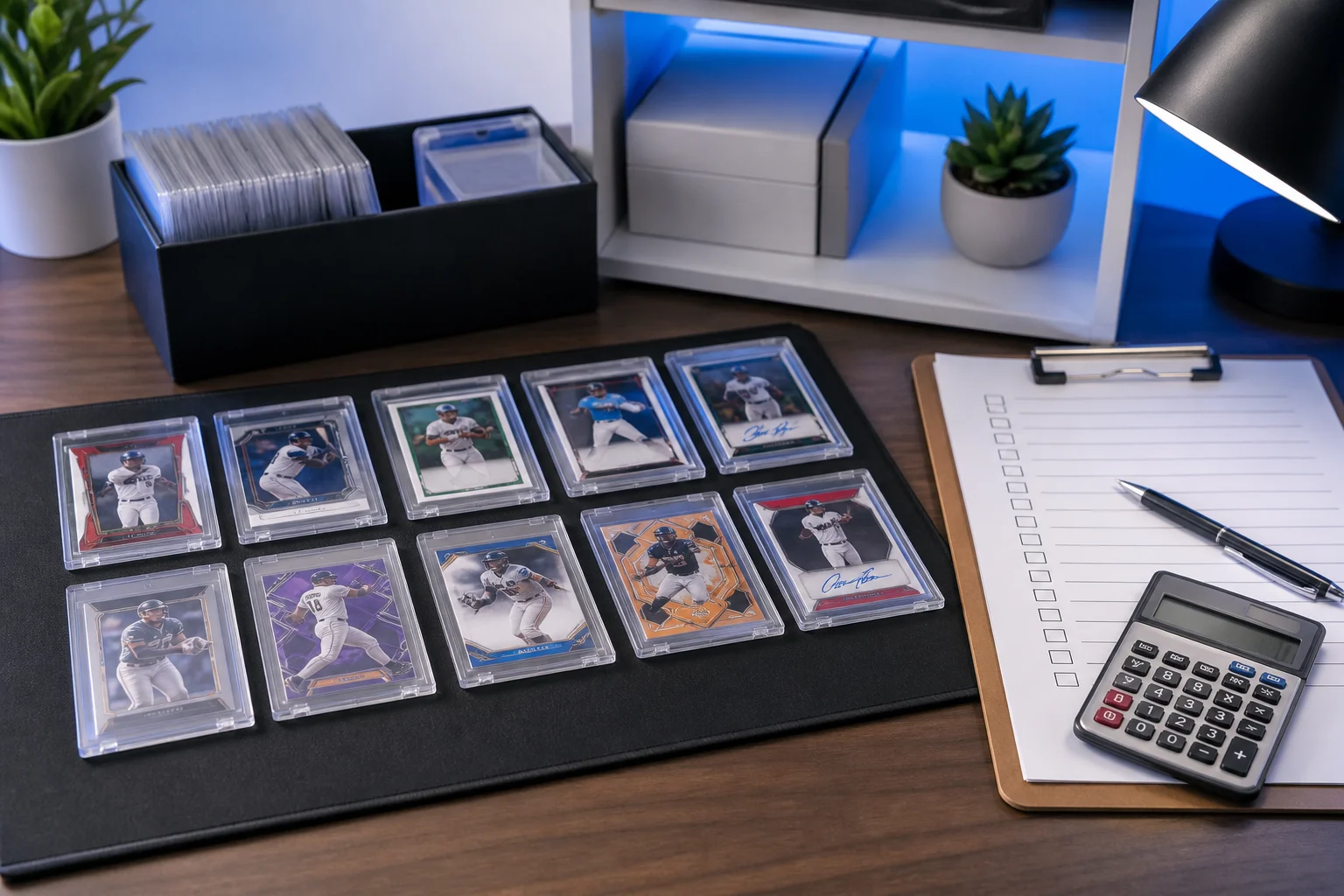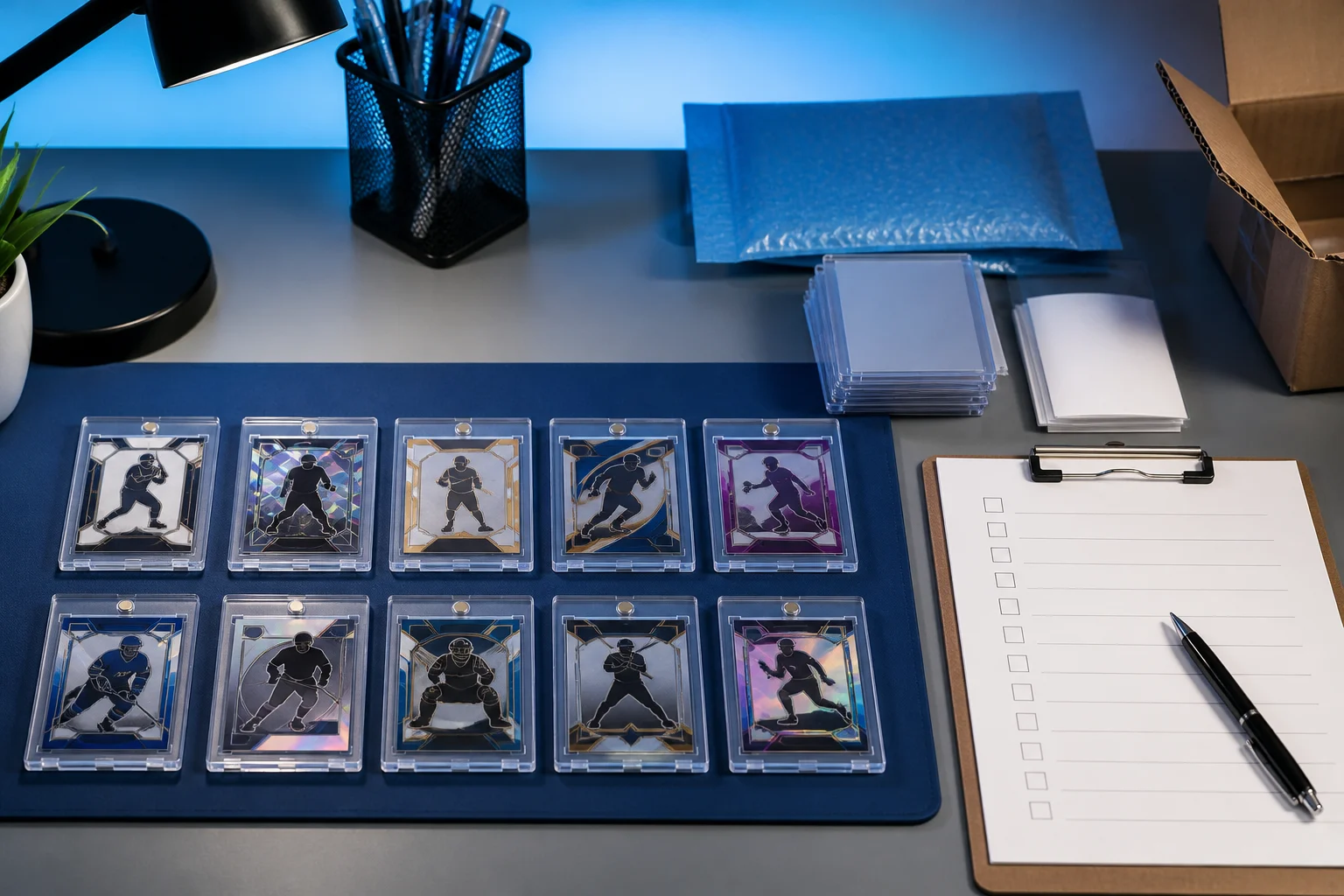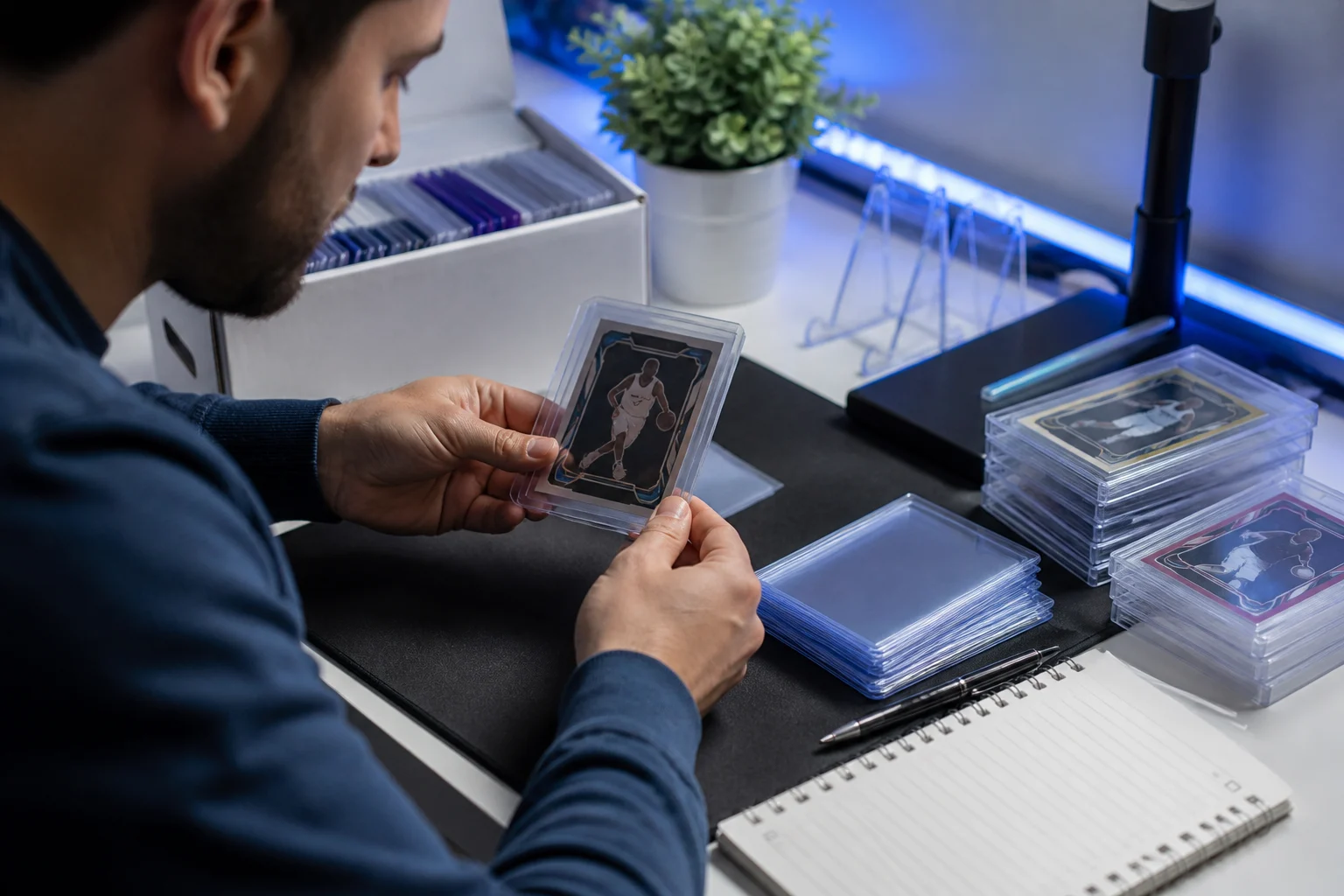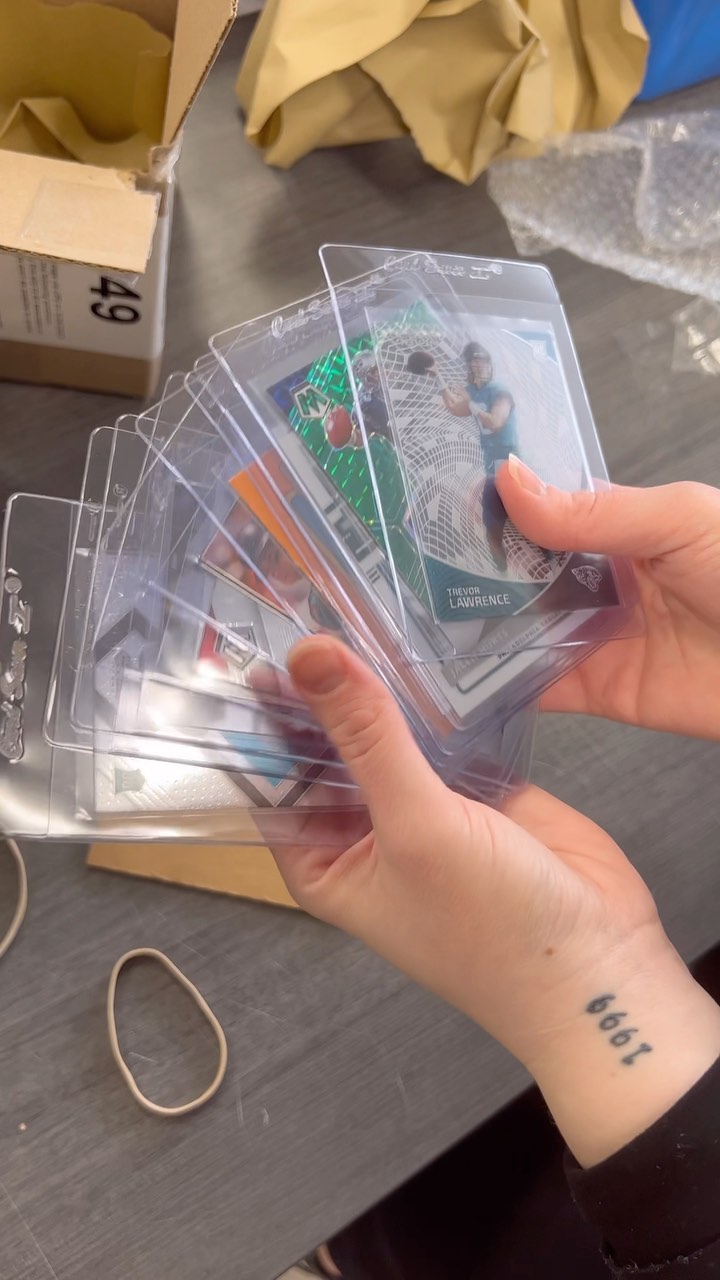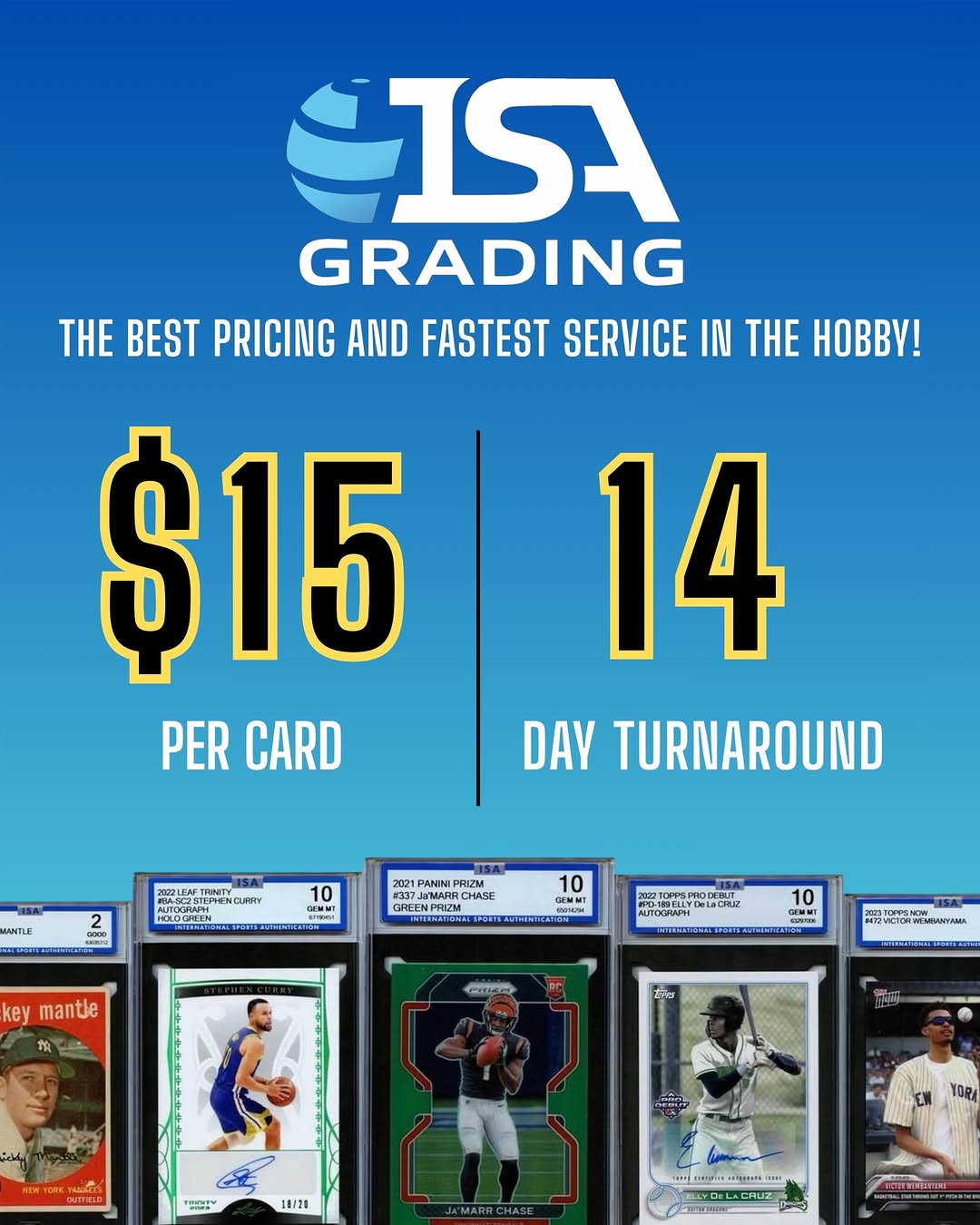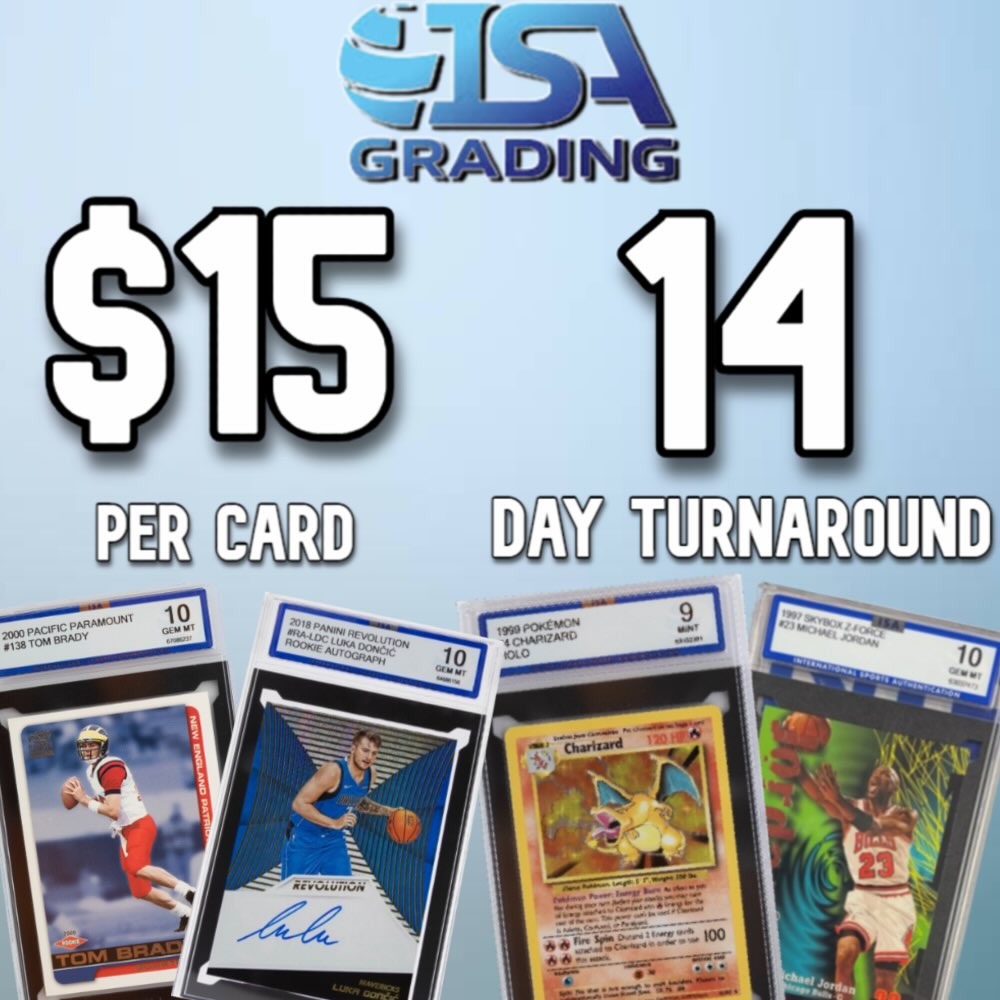
Card grading should help collectors understand, protect, and present their cards without turning the submission process into a pricing puzzle. ISA Grading, also known as International Sports Authentication, offers a current service built around four clear terms: $15 per card, a 14 day turnaround, a 10 card minimum, and no upcharges.
That structure can be useful whether you are submitting rookie cards from a recent break, vintage cards from a personal collection, or inventory that may be listed for sale. Instead of trying to interpret several service levels, collectors can focus on selecting cards, reviewing condition, preparing the package, and deciding what role grading will play in their collection or business.
What $15 card grading means for a submission
ISA's active grading service is priced at $15 per card. With the required 10 card minimum, the base grading price for a qualifying submission starts at $150 before any applicable shipping or checkout costs. Collectors can review the current service and begin an order through the ISA card submission page.
Pricing clarity matters because grading decisions often involve more than one card. A collector might have several basketball rookies, a group of baseball prospects, or a mix of football and Pokemon cards. Knowing the grading price in advance makes it easier to compare the cost of submission with the purpose and potential market value of each card.
ISA also states that there are no upcharges. That means collectors can plan around the listed per card grading charge without expecting a later grading upcharge. For a closer look at why predictable pricing matters, read The Value of No Upcharge Card Grading with ISA Grading.
Planning around a 14 day turnaround
The current ISA service lists a 14 day card grading turnaround. A defined turnaround helps collectors and dealers plan more effectively than an open ended timeline. It can be especially relevant when preparing cards for an upcoming show, reorganizing sales inventory, or grading cards from an active sports season.
Collectors should still account for shipping time to and from ISA when building a schedule. The listed turnaround describes the grading service, while carrier transit adds time around that process. Preparing a complete submission and packaging it carefully can also help prevent avoidable delays caused by missing information or inadequate protection.
Fast card grading is not only about receiving slabs quickly. It is also about knowing when cards may return so that the owner can plan photography, listings, storage, insurance records, or show inventory. Dealers working on a sales calendar may find additional preparation ideas in Fast Grading Solutions for Dealers.
Why the 10 card minimum can simplify card selection
The active ISA service requires a 10 card minimum. For collectors asking where to grade my cards, this requirement provides a useful starting point: build a focused group of at least 10 cards that are appropriate for authentication, card condition grading, and encapsulation.
A submission does not have to represent one sport or one collecting goal. A collector might select baseball stars, basketball rookies, football inserts, and other trading cards after reviewing the submission requirements. The important step is to evaluate every card individually rather than adding weaker candidates simply to reach the minimum.
For dealers and hobby sellers, batches of 10 or more can fit naturally into inventory planning. For personal collectors, the minimum may be an opportunity to combine recent pulls with long held favorites. Collectors who search for card grading near me should consider more than location alone. Transparent pricing, turnaround, preparation requirements, encapsulation, and online verification all affect the overall experience.
What to examine before submitting a card
Pregrading at home does not replace professional trading card grading, but it can help you choose stronger submission candidates. Use clean hands, bright indirect light, and a careful viewing angle. Avoid repeatedly handling card surfaces or pressing on corners while inspecting them.
Card centering
Card centering describes how evenly the printed design sits within the card's borders. Compare the left and right borders, then examine the top and bottom. Borderless designs can be more difficult to judge, so look for repeated design elements, frames, logos, or other visual reference points. The ISA grading scale provides useful context for understanding how card condition is assessed.
Corners and edges
Look for whitening, soft corners, small bends, chipping, rough cuts, and other visible wear. Vintage card grading often requires realistic expectations because older cards may show signs of storage, handling, printing, or circulation. Age alone does not determine a grade, and an older card should still be evaluated according to its observed condition.
Card surfaces
Check the front and back for scratches, print lines, stains, dents, creases, residue, and loss of gloss. Tilt the card under light rather than rubbing the surface. Chrome and foil cards may reveal fine scratches at certain angles, while paper cards can show wrinkles or impressions that are difficult to see straight on.
The same inspection habits apply across basketball card grading, baseball card grading, football card grading, rookie card grading, and Pokemon card grading. Sport and design may change, but careful condition review remains important. More category specific guidance is available in Essential Tips for Basketball, Baseball, Football, and Pokemon Card Grading.
How to prepare cards for grading
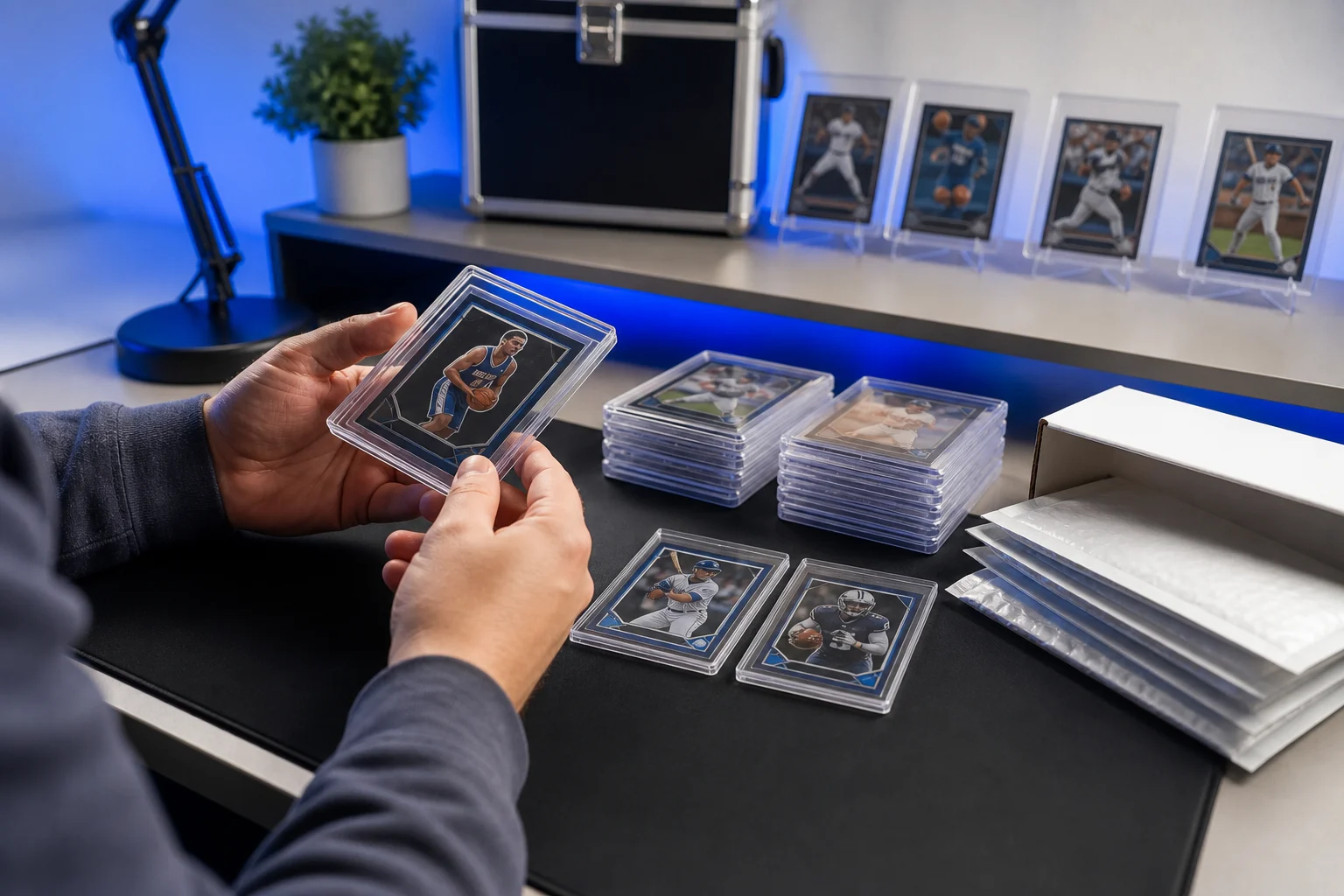
Good preparation protects cards during transit and makes a submission easier to process. Start by confirming that you have met the 10 card minimum and entered the requested card information accurately. Match the physical order of the cards to the order shown on the submission paperwork whenever the instructions call for it.
- Inspect each card. Review centering, corners, edges, and surfaces before deciding whether the card fits your grading goal.
- Keep the card clean without altering it. Remove loose dust only when it can be done safely. Avoid chemicals, polishing compounds, trimming, pressing, recoloring, or other alterations.
- Use appropriate card protection. Place each card in the protective supplies specified by the current submission instructions. The holder should reduce movement without making removal unnecessarily difficult.
- Organize the order. Keep cards in the same sequence as the submission record and verify player names, years, sets, and card numbers.
- Protect the group. Use sturdy outer packaging, cushioning, and a shipping method appropriate for the value of the contents.
- Keep records. Save photographs, a card list, tracking information, and a copy of the submission details.
Do not assume that wiping or attempting to improve a card will produce a better result. Aggressive cleaning can damage gloss, create scratches, or affect printed surfaces. When in doubt, prioritize preservation and submit the card in its existing state.
Card encapsulation and long term protection
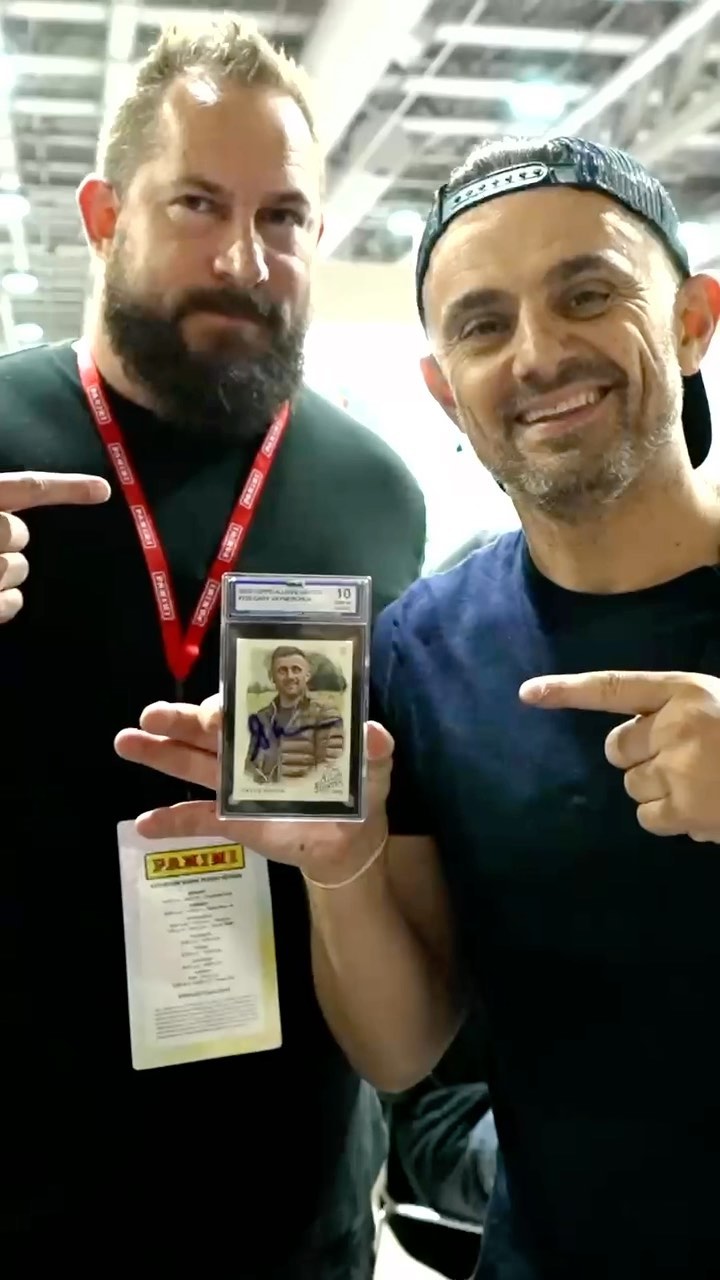
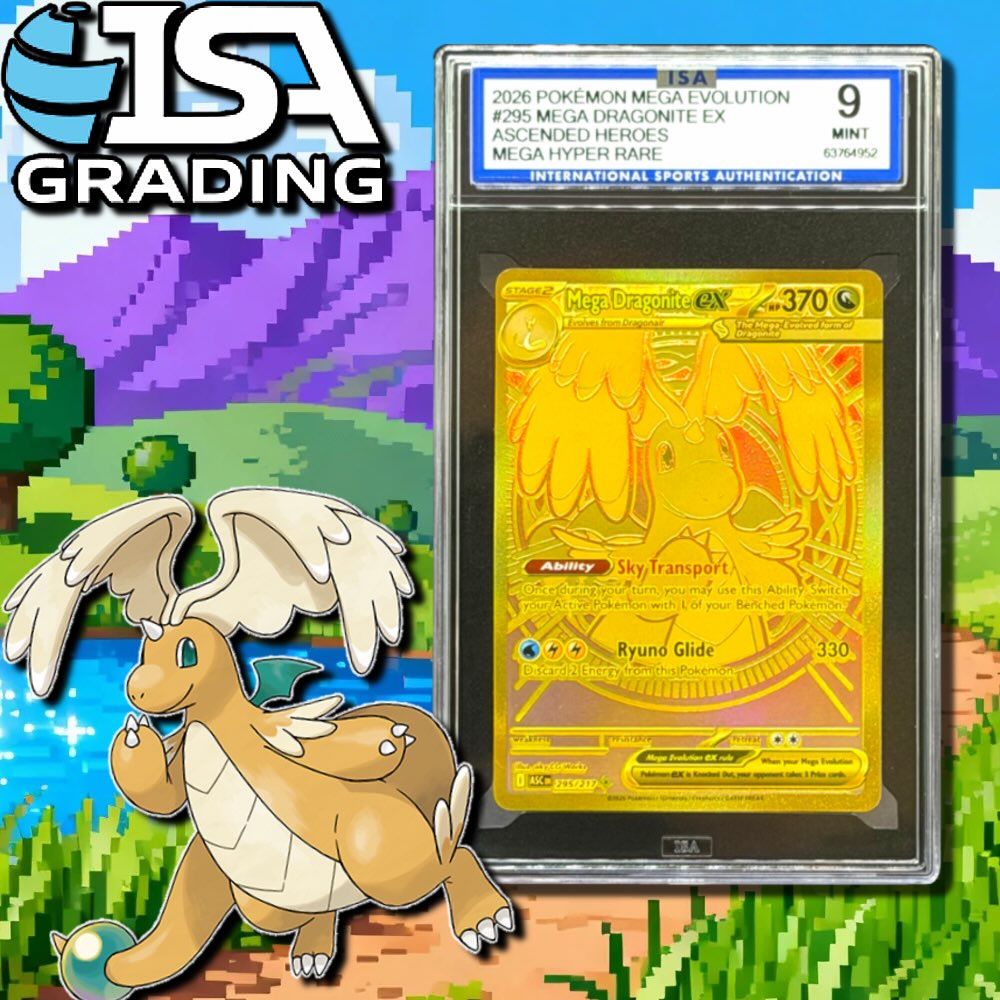
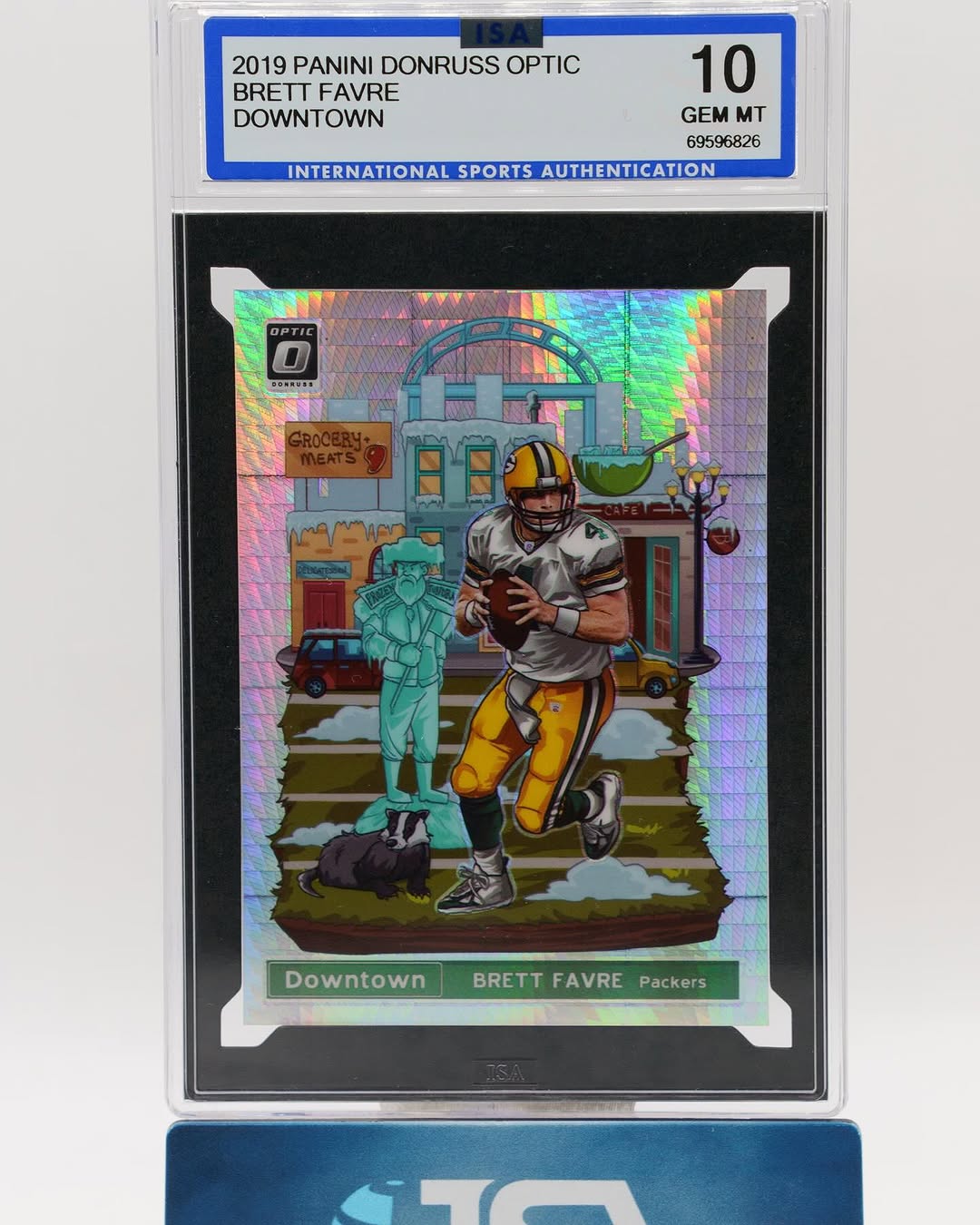
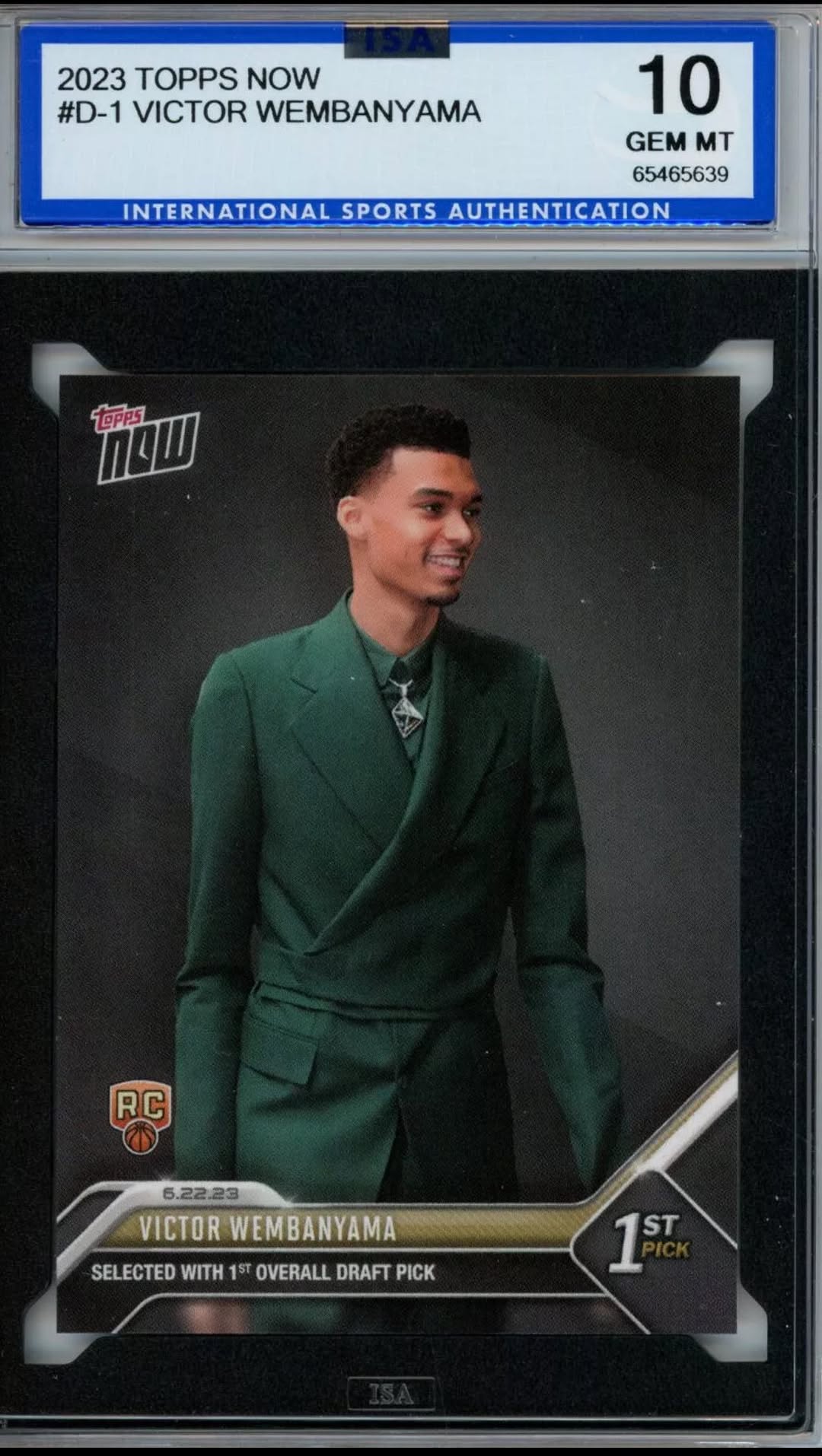
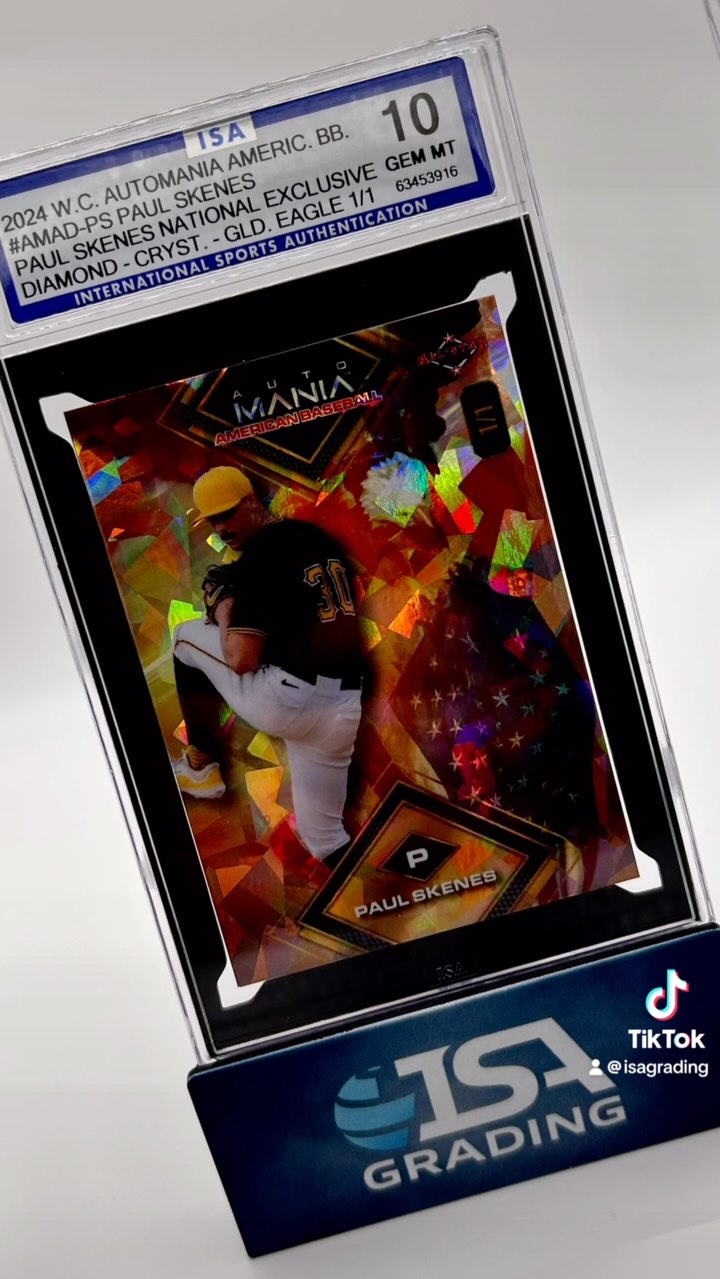
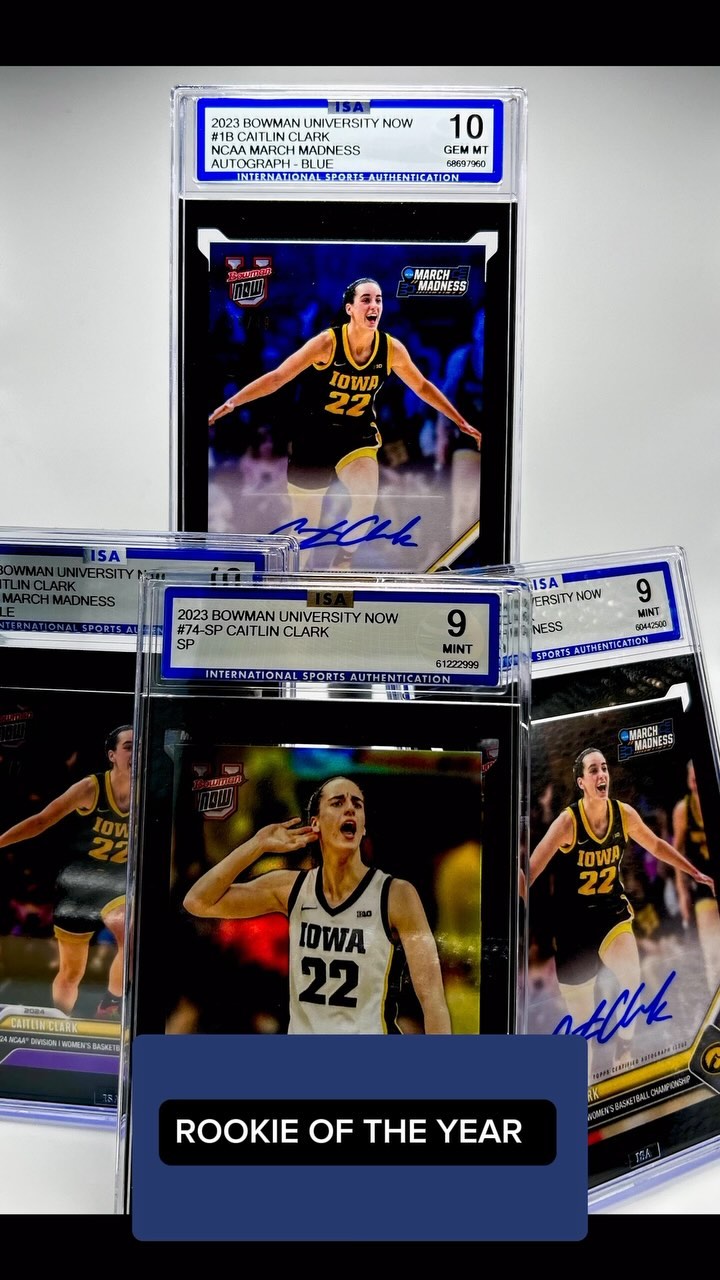
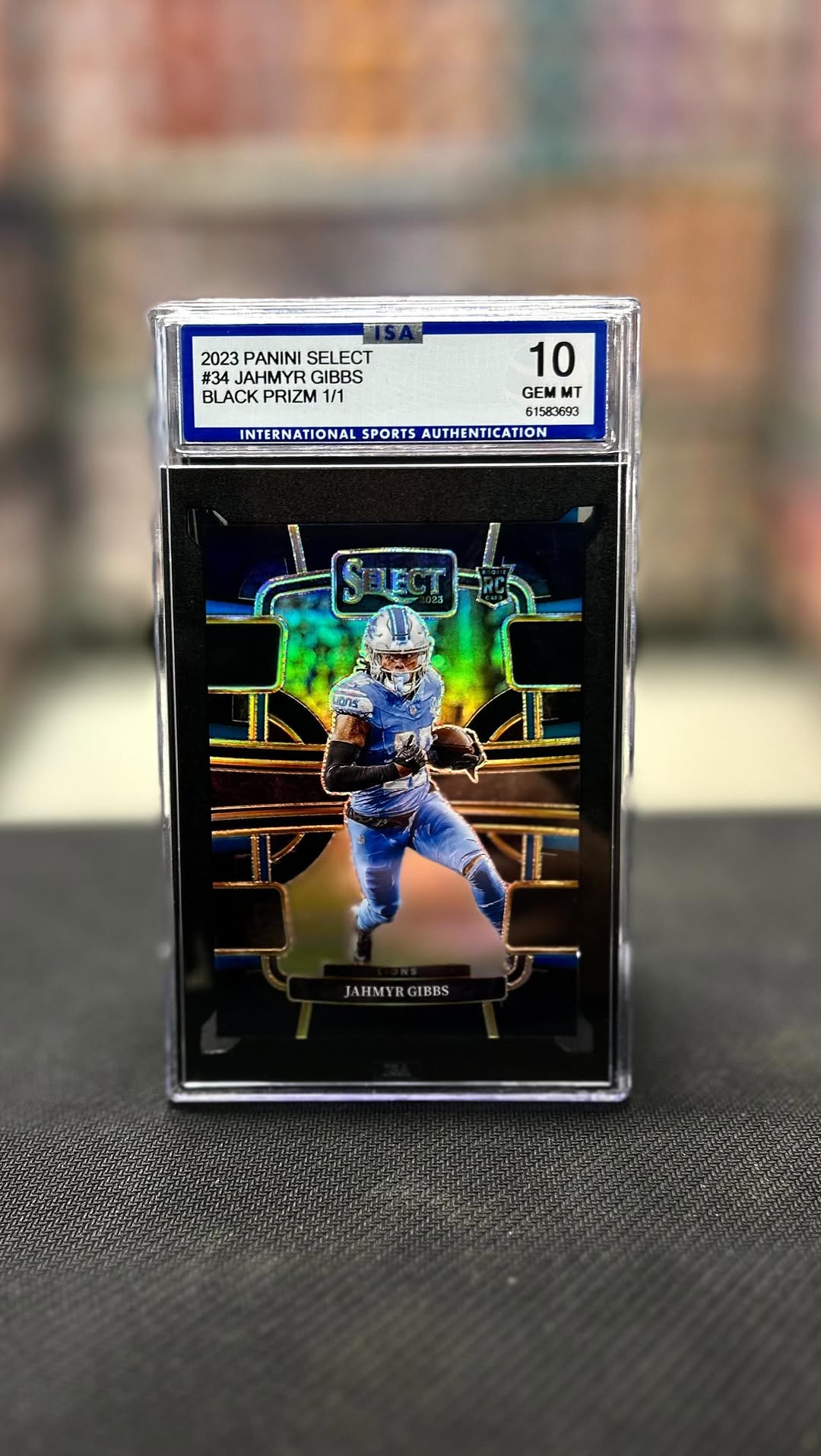
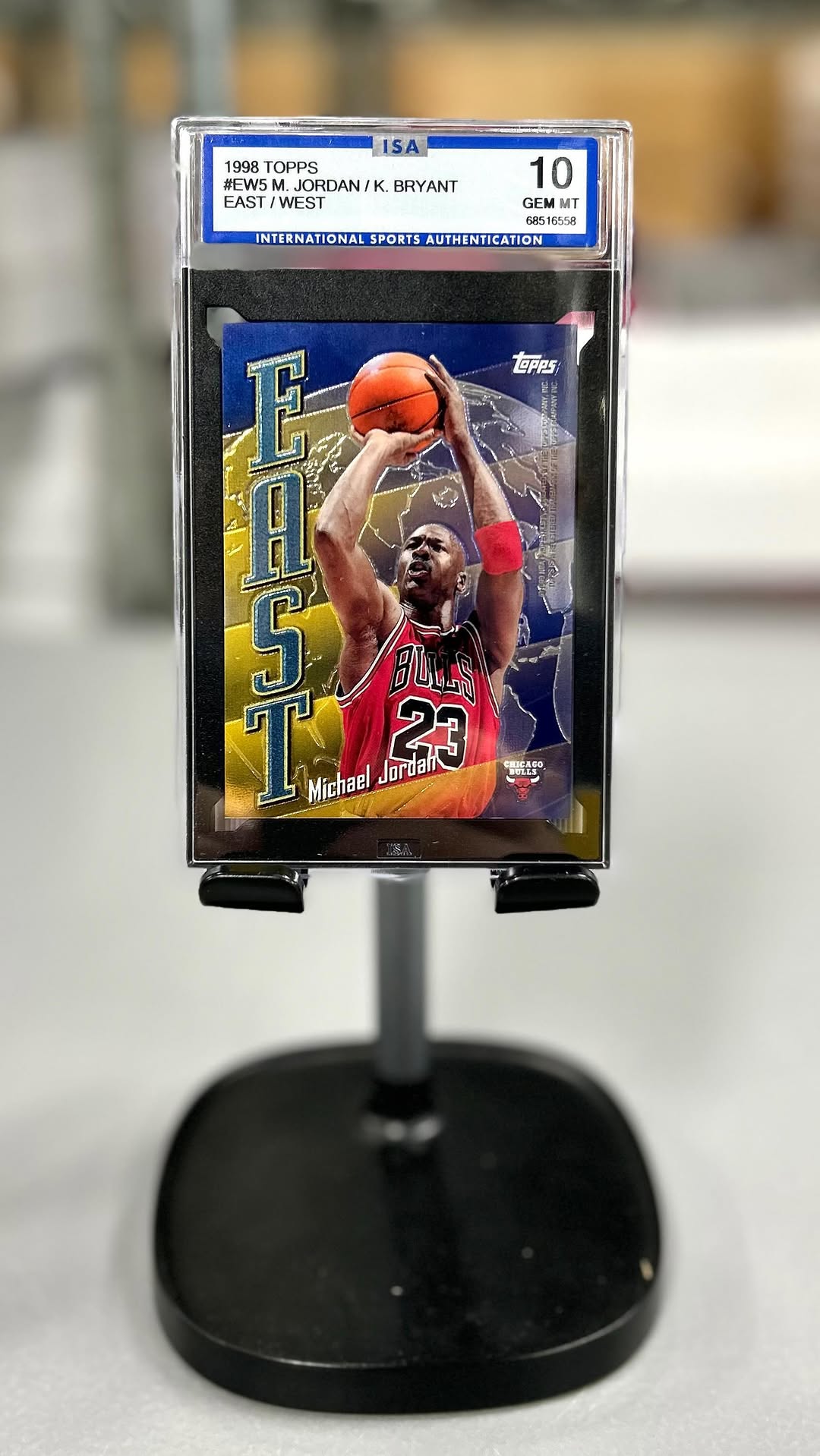
After grading and sports card authentication, encapsulation places the card in a rigid holder commonly called a slab. Trading card slabs make cards easier to handle and display while reducing direct contact with corners, edges, and surfaces. A slab does not eliminate every environmental risk, so graded cards should still be stored away from excessive heat, moisture, pressure, and prolonged sunlight.
Consistent storage is important for both personal collections and sales inventory. Keep slabs upright or in a suitable storage box, avoid stacking heavy objects on them, and handle the holder rather than the card area whenever possible. Collectors can learn more from Understanding Card Slabs, Protection, and Certificate Verification with ISA Grading.
How certificate verification supports buyer confidence
ISA provides online certificate verification for graded cards. A collector or buyer can use the certificate verification page to check the certification information associated with an ISA graded card.
Verification is useful when cataloging a collection, reviewing a card offered online, or preparing a graded card for sale. Sellers can photograph the front and back of the slab clearly and include the relevant certification information in the listing. Buyers can then compare the listing details with the verification record.
A certificate lookup does not replace a buyer's review of the card, slab, seller, photographs, and transaction terms. It is one practical part of due diligence. Clear images and accurate descriptions remain important, especially when a card has visible characteristics that a buyer may want to examine closely.
Selling cards after grading
A numerical grade and encapsulated presentation can make a card easier to describe, but grading does not guarantee a particular sale price or profit. Market value can change based on player performance, collector demand, scarcity, set popularity, card condition, timing, and recent comparable sales.
Before submitting inventory, sellers should compare the $15 grading cost with realistic market expectations. Review recent sales of the same card in comparable grades when that information is available. For lower value cards, the cost of grading, shipping, marketplace fees, and fulfillment may represent a meaningful portion of the expected sale price.
Once the cards return, use sharp photographs that show the entire slab, label, certification details, and card surface. Avoid hiding glare by editing away relevant card details. State the grade exactly as shown, identify the grading company, and describe any visible holder wear accurately. Certificate verification can then provide an additional reference point for prospective buyers.
Dealers may also sort graded inventory by sport, player, price range, or sales channel. A 14 day card grading turnaround can support more organized listing cycles, while the no upcharge structure makes the grading portion of inventory costs easier to calculate before submission.
A simple submission framework for collectors and dealers
ISA's current service can be summarized without a complicated tier comparison: $15 per card, a 10 card minimum, a 14 day turnaround, and no upcharges. That clarity allows collectors to spend more time on card selection and preparation.
- Choose intentionally. Submit cards that fit a collection, resale plan, registry goal, or preservation need.
- Review condition. Examine card centering, corners, edges, and surfaces under good lighting.
- Calculate the batch. Confirm at least 10 cards and account for the full cost of grading and shipping.
- Package carefully. Follow current instructions and protect cards against movement during transit.
- Plan for timing. Add carrier transit to the listed 14 day service turnaround when scheduling sales or events.
- Verify after grading. Use ISA's online certificate tool when cataloging, buying, or selling graded cards.
Simple pricing does not remove the need for careful decisions, but it gives those decisions a clear foundation. Collectors can identify the right cards, prepare a complete batch, and understand the listed grading cost before sending their submission to ISA Grading.
Submit Cards to ISA Grading
Collectors ready to use ISA Grading can start on the submission page. The current active service is $15 per card with a 14 day turnaround, no upcharges, and a 10 card minimum.
Frequently Asked Questions
How much does ISA charge to grade a card?
ISA Grading's current active service costs $15 per card. The submission minimum is 10 cards, so the base grading price for a qualifying submission starts at $150 before any applicable shipping or checkout costs.
What is the current ISA grading turnaround?
ISA currently lists a 14 day turnaround for its active grading service. Collectors should also allow time for shipping to and from ISA when planning a submission.
Does ISA have a minimum number of cards per submission?
Yes. ISA currently requires a 10 card minimum for the $15 per card grading service.
Does ISA add grading upcharges?
No. ISA states that its current $15 per card service has no upcharges, which helps collectors calculate the grading cost of a submission in advance.
How can I verify an ISA graded card?
Use the certificate verification tool on the ISA website. Enter the relevant certification information to review the record associated with the graded card.
Related ISA Grading Articles
- Understanding Card Slabs, Protection, and Certificate Verification with ISA Grading
- Essential Tips for Basketball, Baseball, Football, and Pokemon Card Grading with ISA Grading
- Fast Grading Solutions for Dealers: Preparing Your Inventory with ISA Grading
- The Value of No Upcharge Card Grading with ISA Grading