A ten-card grading order is small enough to review carefully and large enough to benefit from a consistent preparation routine. Whether you collect rookies, sell singles, or organize inventory for a card show, the goal is the same: send the right cards, document them accurately, and protect them in transit.
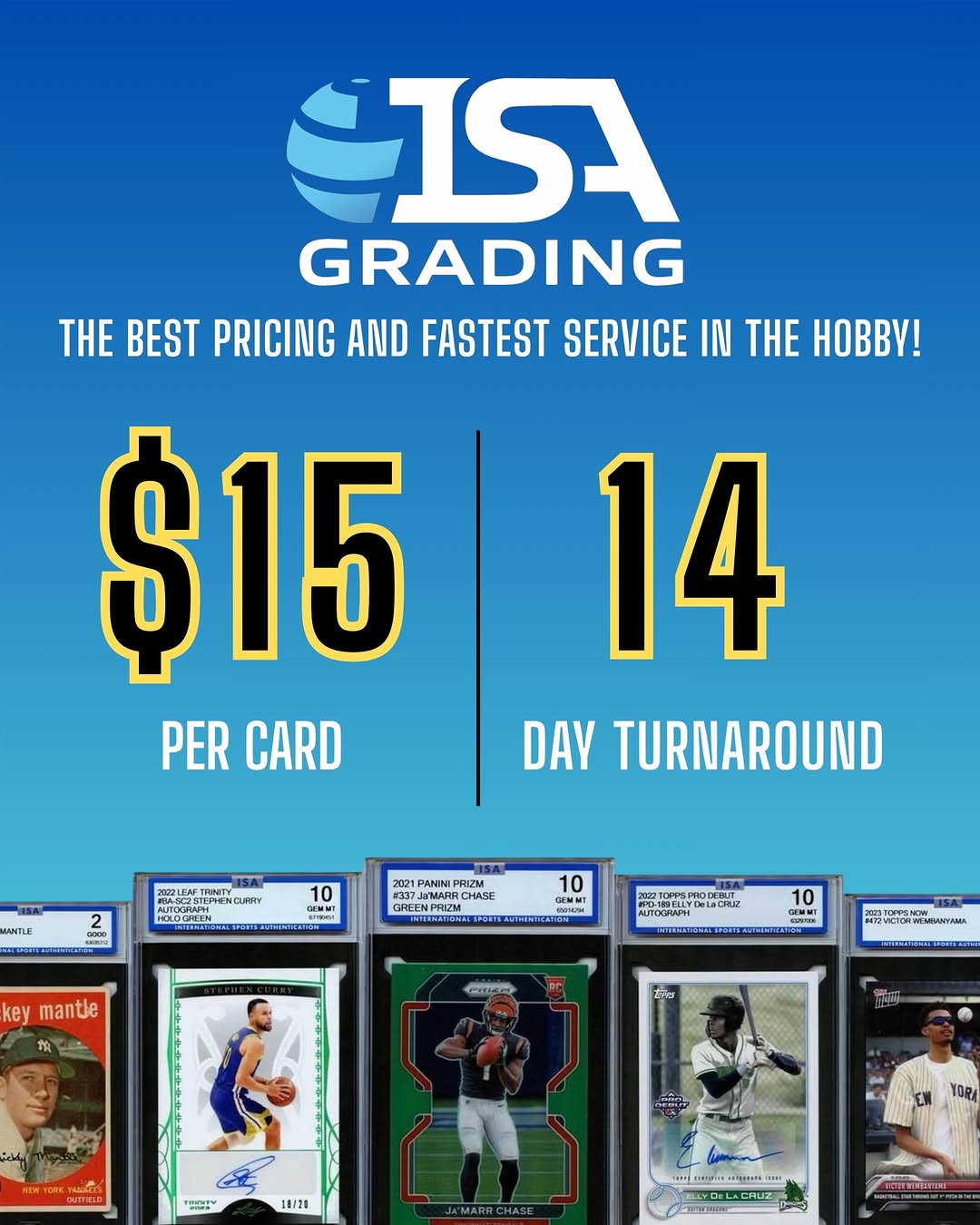
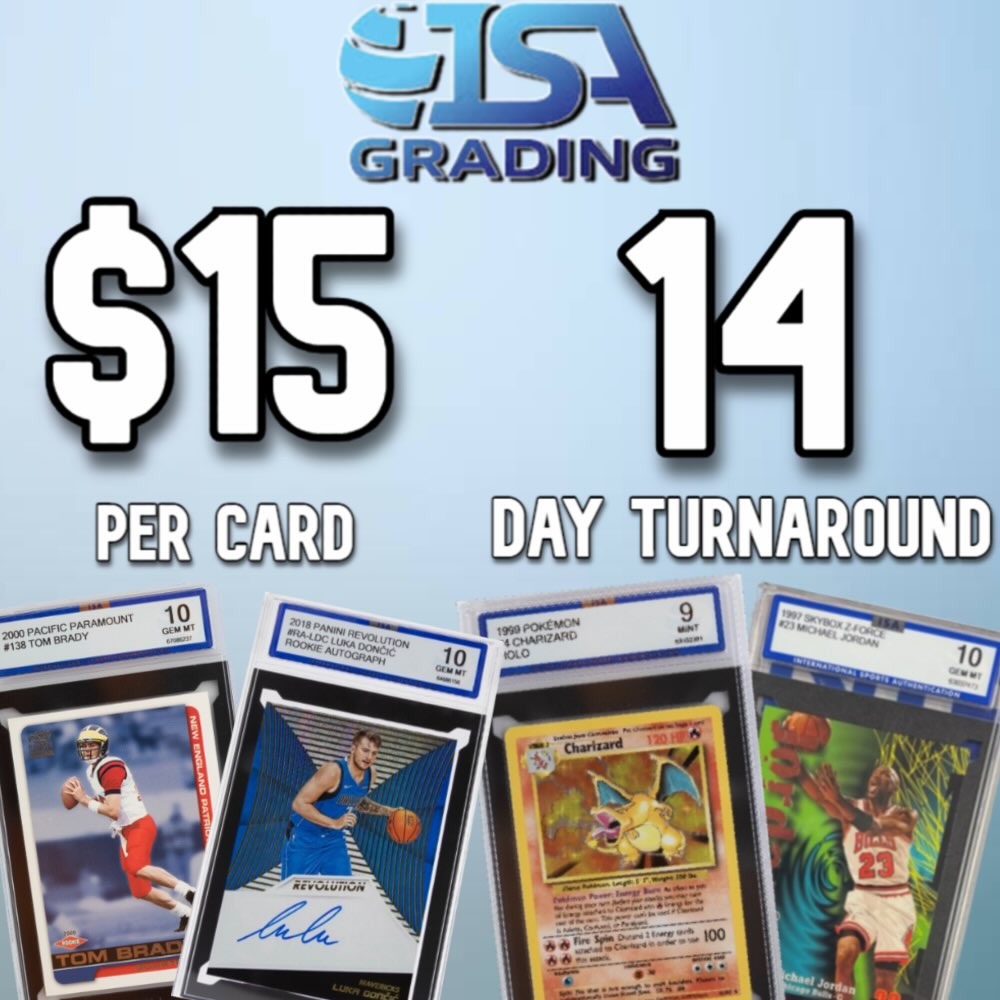
ISA Grading, also known as International Sports Authentication, provides sports card grading and authentication. Its current service is $15 per card, with a 10 card minimum, a 14 day turnaround, and no upcharges. This guide explains how to prepare your submission without assuming every card will earn a top grade or sell for more after grading.
Start With the Cost and the Calendar
At ISA's current rate, ten cards cost $150 in grading fees. Treat that as your grading subtotal, not automatically your complete mailing budget. Check current submission instructions for shipping arrangements and any other applicable costs before sending your order.
The flat $15 card grading price makes the grading portion straightforward to calculate. No upcharges means you do not need to budget for an added grading upcharge. For more perspective on planning a batch, read about the budget advantage of a flat $15 grading fee.
ISA's current 14 day card grading turnaround is useful for planning, but do not assume it includes delivery in both directions. Confirm how the turnaround is measured and whether any current service conditions apply. Fast card grading can support an inventory schedule, but a fixed sale date still needs room for shipping and unexpected delays.
Choose Ten Cards With a Clear Purpose
Before inspecting surfaces, decide why each card belongs in the order. A personal collection submission may prioritize meaningful players or cards you want protected and documented. A dealer submission may focus on recognizable issues, condition, and realistic selling opportunities.
If your starting question is, 'Should I grade my cards?', give each candidate a specific reason to proceed. Grading is a service cost, not an automatic investment return. A modestly valued card can still make sense for your collection, while a popular card may not make financial sense if its likely condition limits demand.
- For collectors: consider significance, presentation, and your preference for a graded holder.
- For sellers: compare recent completed sales for the same card in realistic grades.
- For dealers: account for acquisition cost, grading, shipping, marketplace fees, and time.
Avoid choosing nine strong candidates and adding a random tenth solely to meet the minimum. Build a short reserve list first. That gives you a replacement if closer inspection reveals a crease, surface damage, or an identification question.
Inspect Each Card Under Consistent Lighting
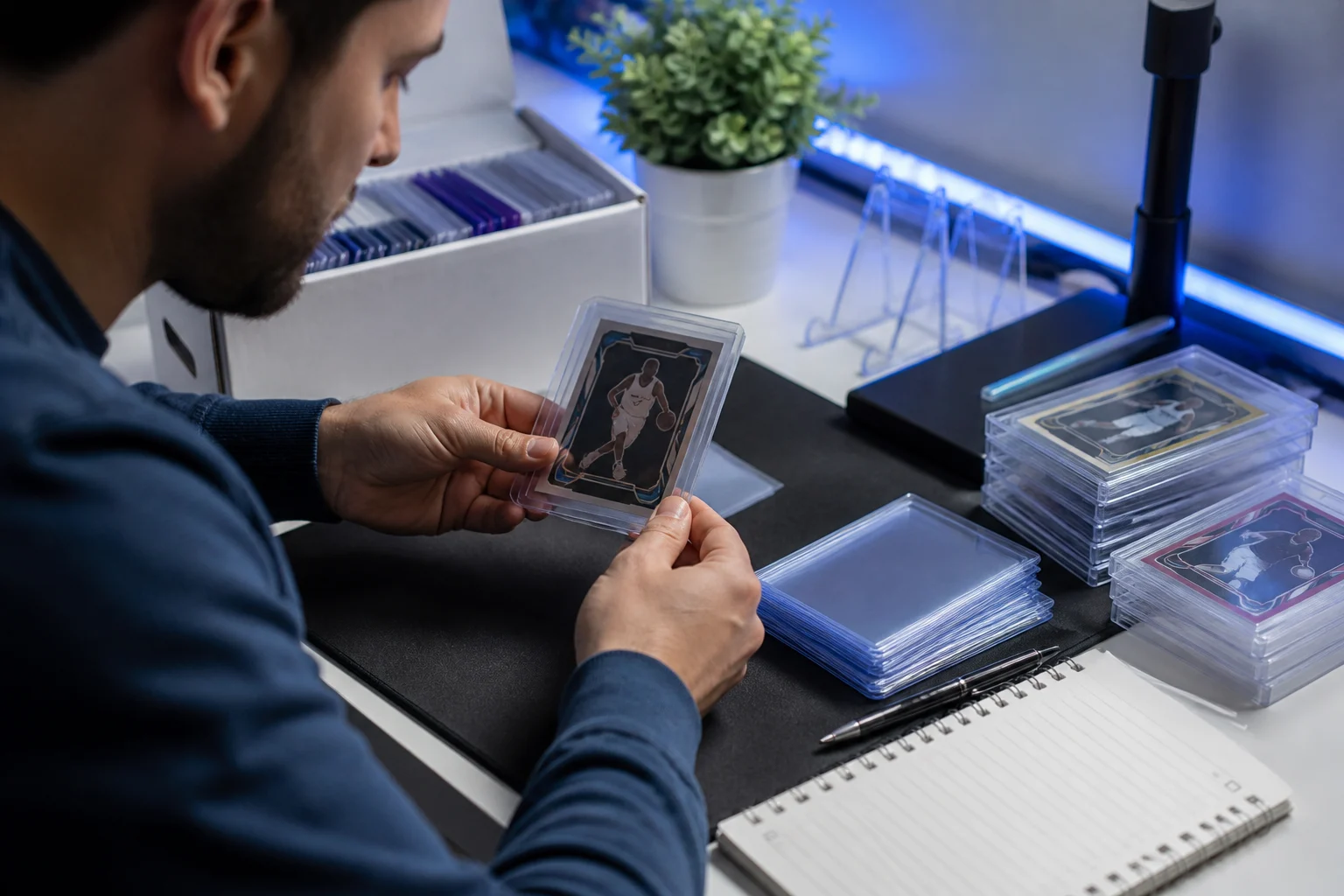
Work on a clean, dry surface with good lighting. Handle cards gently by their edges, and keep food, drinks, and loose packing materials away from the inspection area. A magnifier can help you spot details, but avoid letting any tool touch the card.
Your inspection is a screening step, not a guaranteed grade prediction. Professional card condition grading considers multiple characteristics, and a flaw that seems minor in a quick glance may matter under closer examination. Review ISA's grading scale before setting expectations.
Check centering, corners, and edges
Start with card centering on both sides. Compare border widths where the design allows, and look for an image that appears shifted or tilted. Borderless designs can be harder to judge, so use consistent printed reference points rather than guessing from the player image alone.
Next, inspect all four card corners for whitening, bends, fraying, or compression. Follow each edge slowly, especially on dark borders where wear can be noticeable. Do not assume the back is cleaner than the front. Small chips or rough areas may be easier to see from the reverse.
Check the surface without trying to improve it
Tilt the card under the light to look for scratches, dents, creases, print lines, and residue. Reflective cards often reveal marks at one angle that disappear at another. Examine both sides, including areas around foil, signatures, and memorabilia windows when present.
Do not use solvents, polish, moisture, trimming, or other alteration methods to pursue a better result. If a card has debris or an unusual surface issue, ask for guidance rather than attempting a repair. Careful preparation means avoiding new damage, not changing the card's original characteristics.
Confirm Identification and Submission Eligibility
Record the year, manufacturer, set, player, card number, and any identifiable parallel or variation. For serial-numbered cards, note the printed numbering. Similar-looking releases can have different values, so check details against reliable references rather than copying the first marketplace listing you find.
The same inventory discipline helps with baseball card grading, basketball card grading, and football card grading. Vintage cards, thick memorabilia cards, unusual sizes, and signed cards may raise additional questions about eligibility, holders, or authentication scope. Confirm those details before packing.
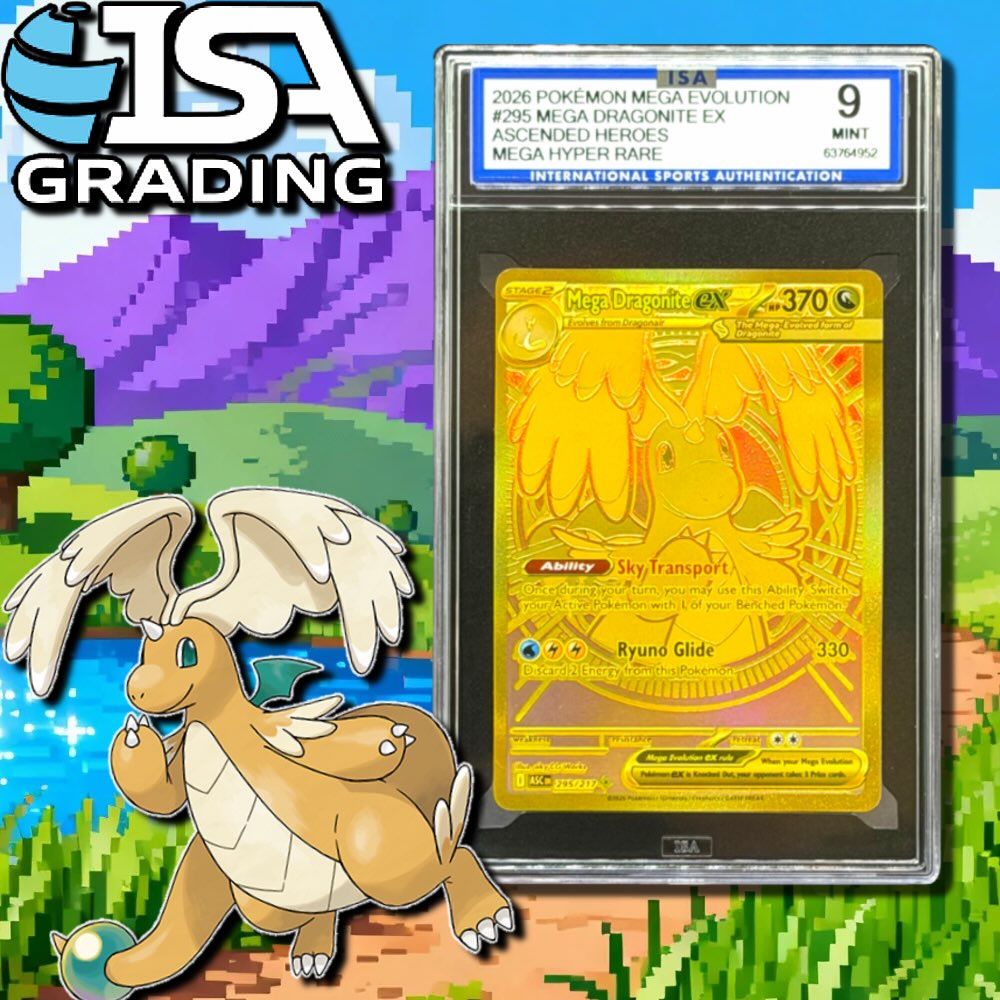
Collectors researching Pokemon card grading should also check current acceptance requirements directly with ISA rather than assuming every trading card category is covered by a sports card service. If you are unsure about a card type or the scope of sports card authentication, contact ISA before submitting.
Keep the Cards and Paperwork in the Same Order
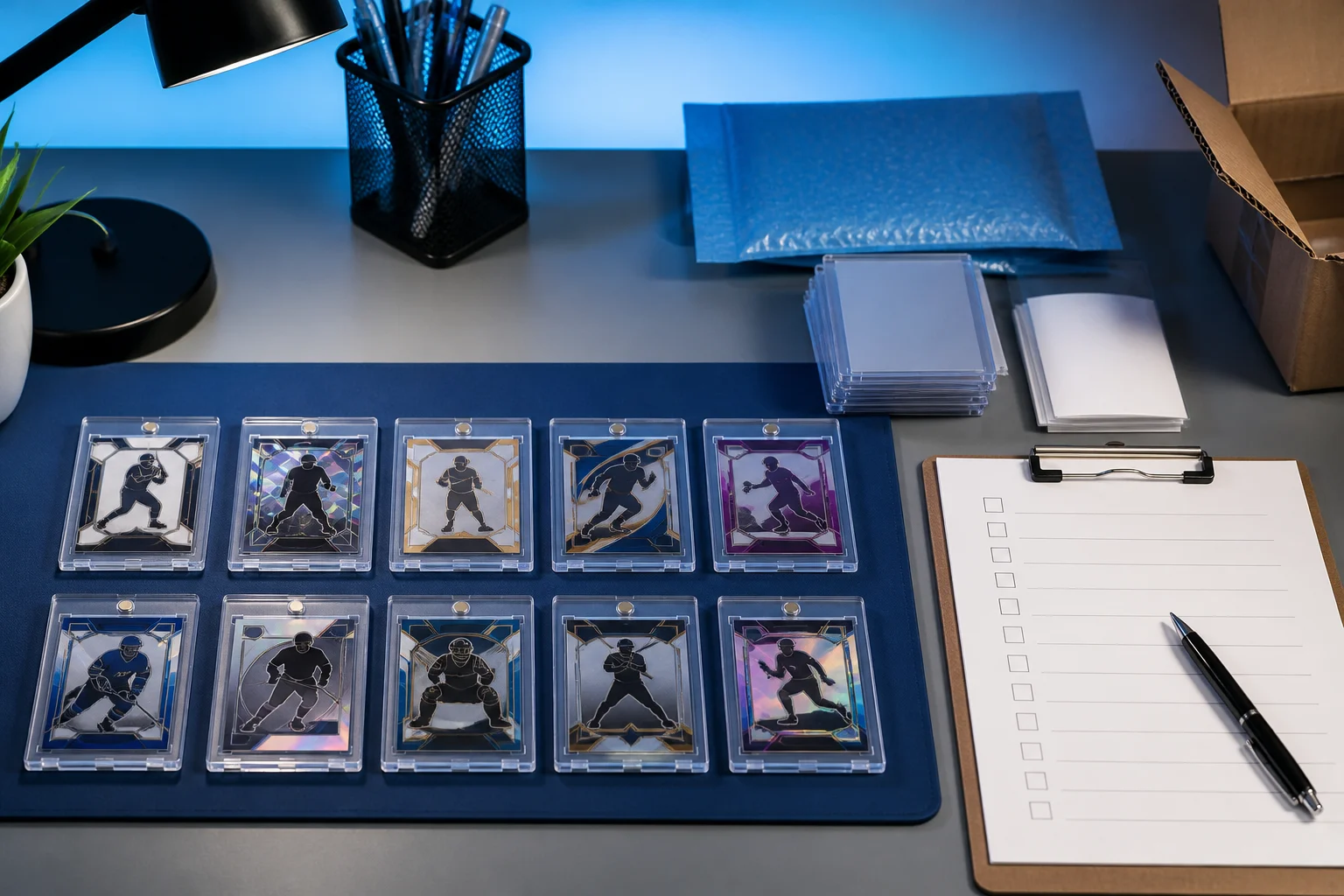
Make a simple numbered list from one through ten. Match that sequence to your submission information and the physical order of the cards. This creates a useful reference for you and reduces avoidable identification confusion.
Keep a copy of the completed submission details and take clear photographs of each card's front and back. Include identifying features such as serial numbers when available. These records are useful for your collection files and for resolving questions, but they do not replace following the submission requirements.
For a mixed order, consistency matters more than grouping by sport. If card one is a baseball rookie and card two is a basketball insert, keep that order throughout the paperwork and packaging. Avoid reshuffling the stack after your final check.
Protect Each Card Before Building the Package
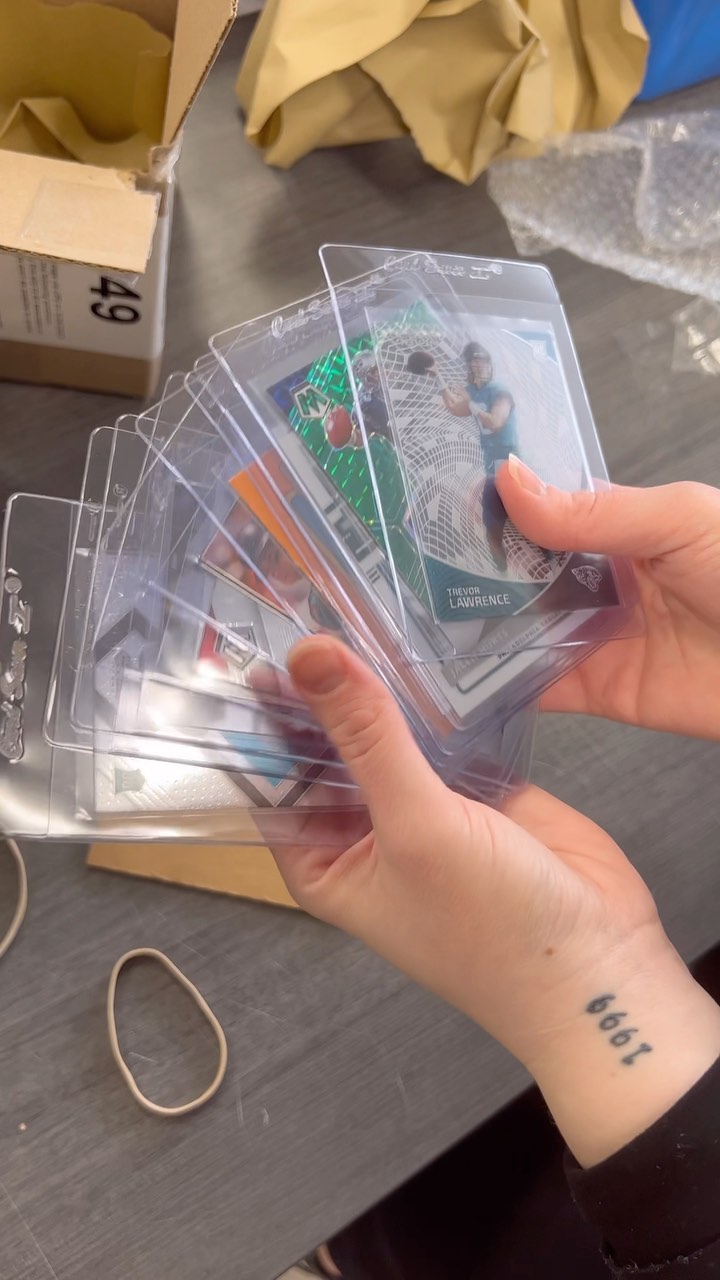
Read ISA's current instructions for accepted submission holders and packing methods. A sleeve and a suitable protective holder are common preparation tools, but you should not assume that every holder type or card thickness is acceptable for this submission.
Use clean protection that fits without forcing the card. Never press a thick card into a holder designed for standard stock. Avoid placing adhesive directly on a card, and keep exposed sticky surfaces away from openings where the card could make contact.
If a card is already in a sealed graded holder, do not assume it can be submitted in the same way as a raw card. Ask about the appropriate process before removing or sending it. Opening an existing holder can damage the card and should not be treated as routine preparation.
Pack for Movement, Not Just Appearance
A package can look tidy and still allow cards to slide or bend. After protecting the individual cards according to ISA's instructions, build a compact group that stays together without excessive pressure. Use cushioning and a sturdy outer box appropriate for the contents.
- Keep the submission paperwork separate enough that it can be located without disturbing the cards unnecessarily.
- Fill empty space so the protected group cannot shift freely.
- Do not place rubber bands directly around unprotected cards.
- Keep adhesives from contacting cards or exposed holder openings.
- Check that the box closes without crushing the contents.
Before sealing, compare all ten cards against your list one final time. Then verify the current destination address, return information, and shipping instructions. Choose tracking and consider appropriate shipment protection based on the cards' value and the carrier's coverage terms.
Complete a Final Submission Check
Use ISA's card submission page for the current process rather than relying on an old saved form or another collector's previous order. Pricing and service details should be checked when you submit, even if you have used the service before.
- Count ten cards and confirm each is eligible.
- Match every card to the correct submission entry.
- Confirm the $150 grading subtotal for ten cards at the current rate.
- Review current turnaround information and shipping arrangements.
- Check contact details, return information, and required paperwork.
- Save your records and shipment tracking number.
This final review is especially useful when someone else helps pack the order. A second set of eyes can catch a missing card number, an incorrect parallel name, or paperwork left on the desk before the box leaves your hands.
Understand What Comes Back in the Slab
Card authentication and condition assessment serve different purposes. Authentication addresses whether a card is genuine within the service's scope, while condition grading evaluates its physical state. A card's authenticity does not imply a high condition grade.
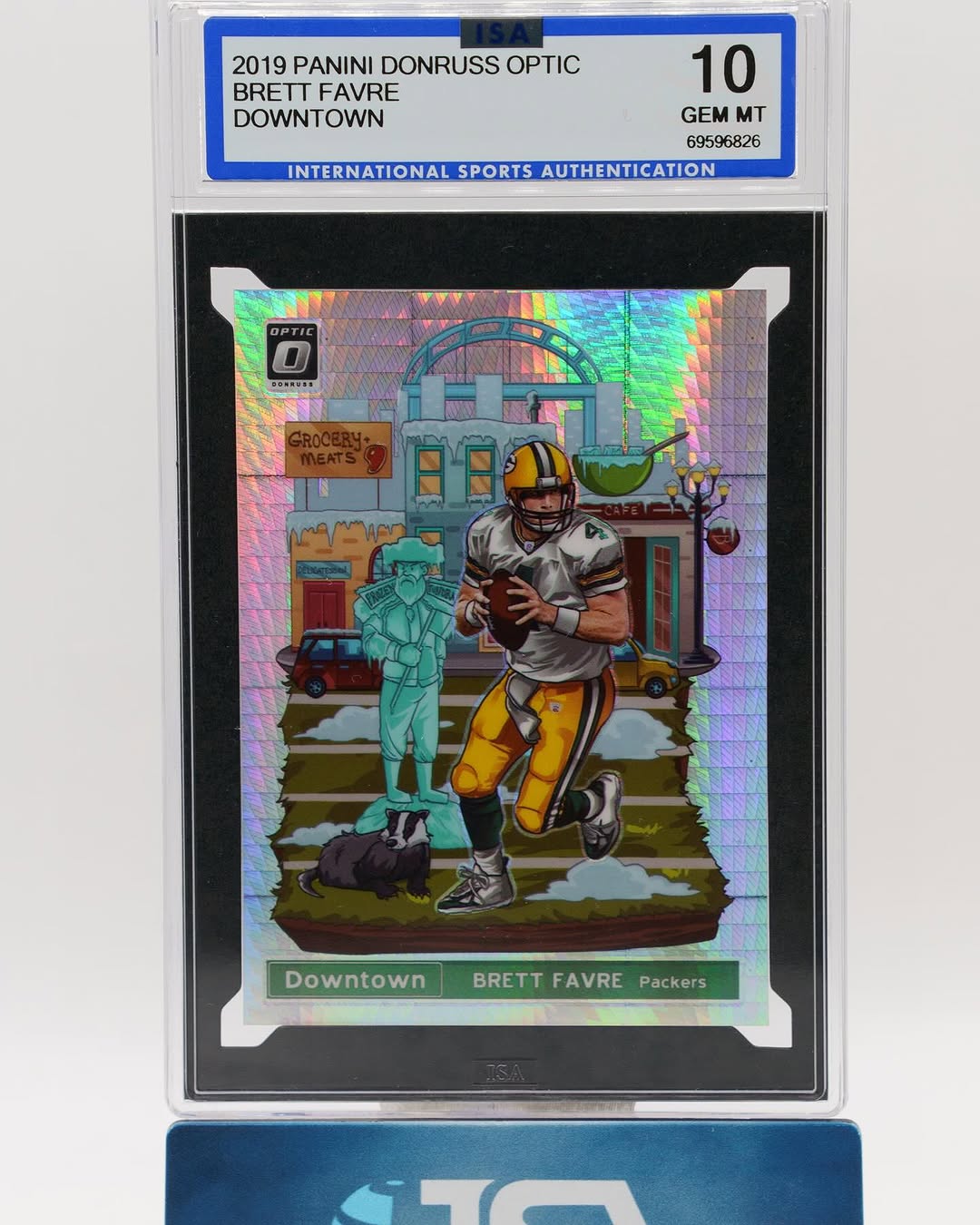
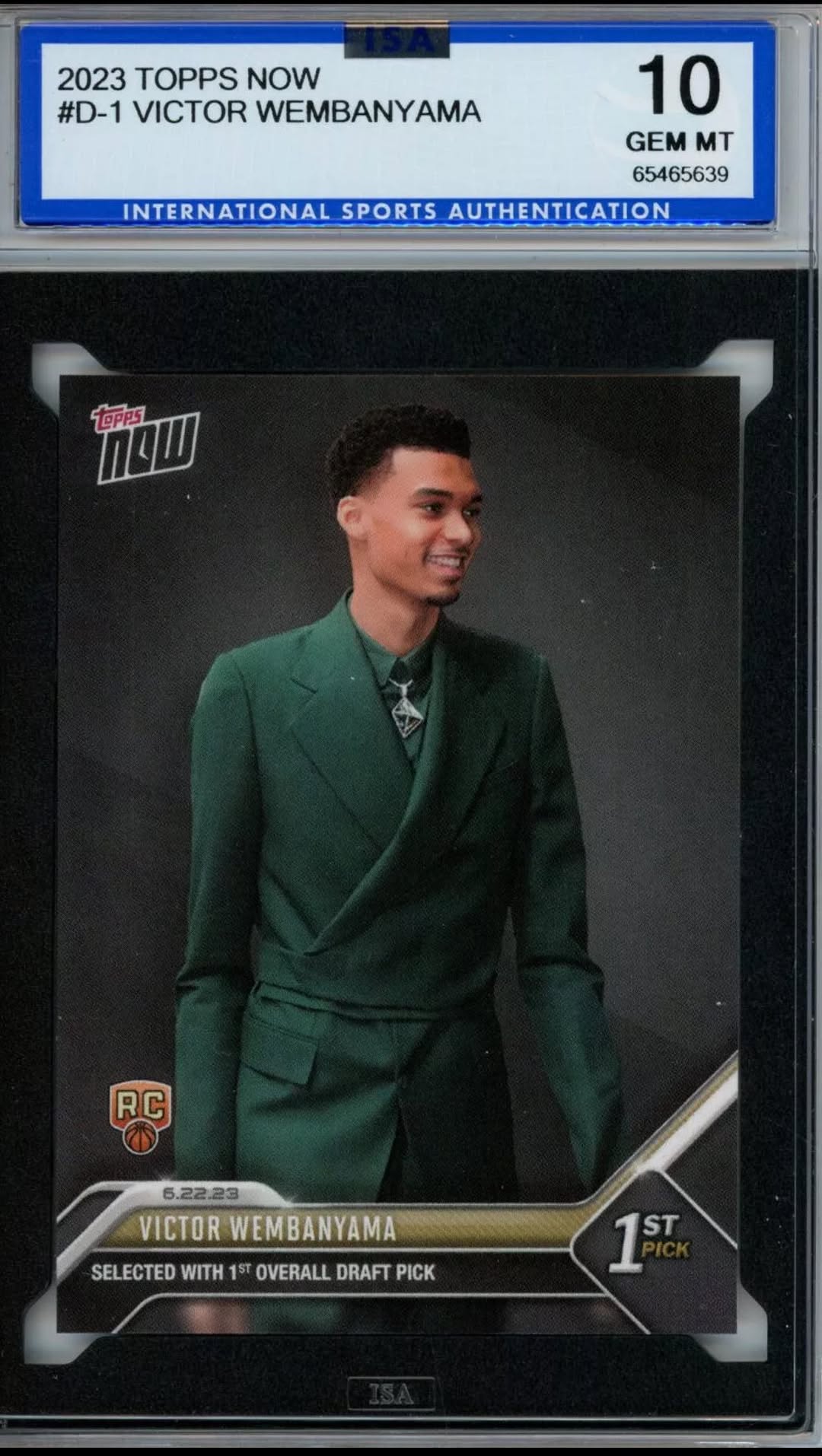
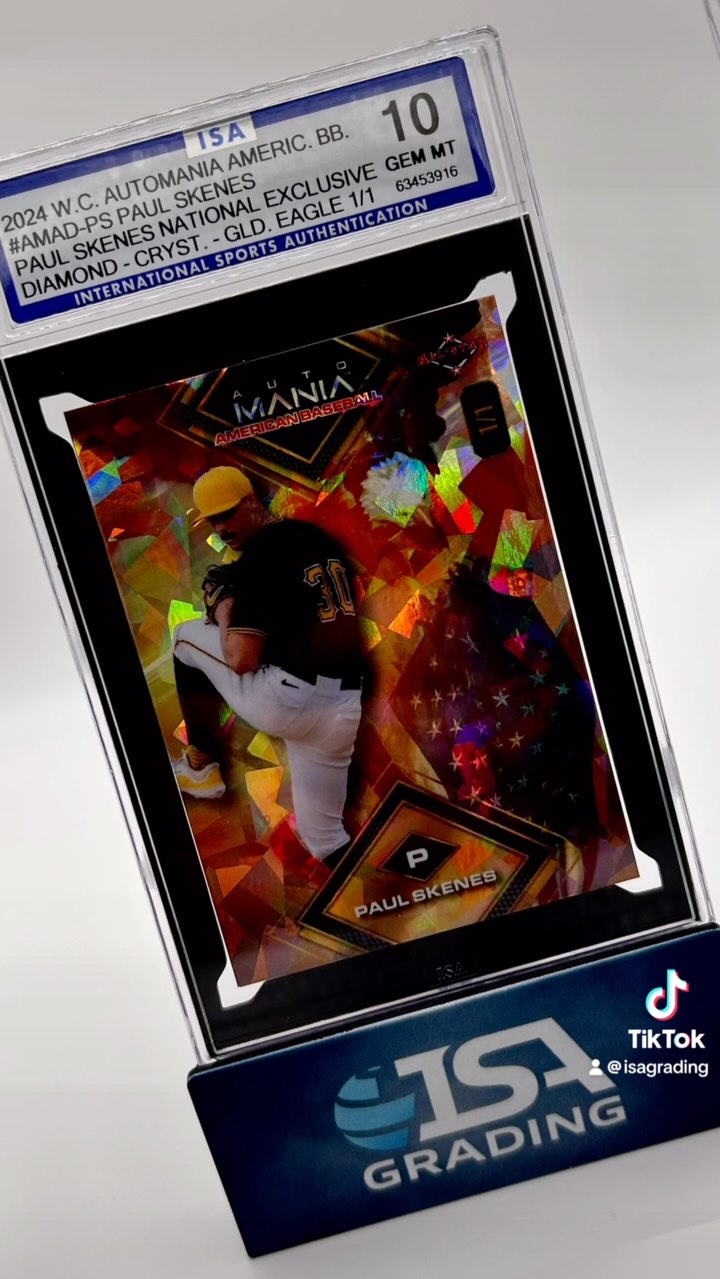
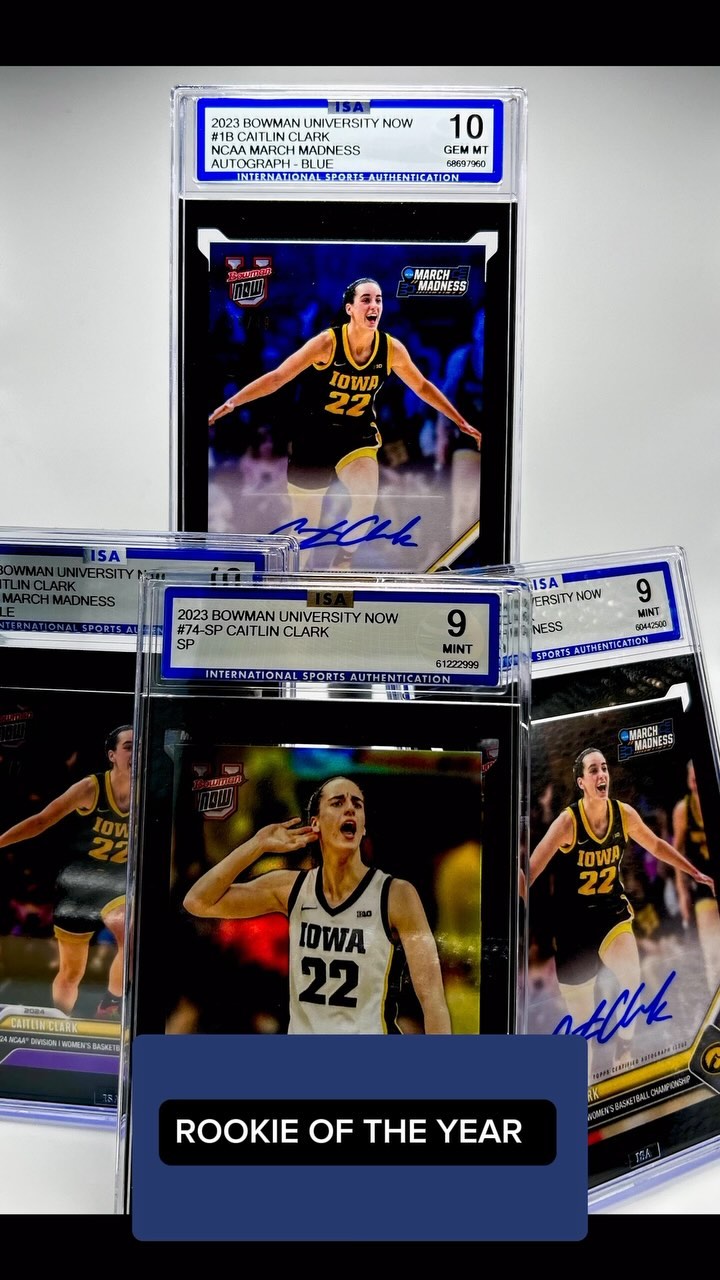
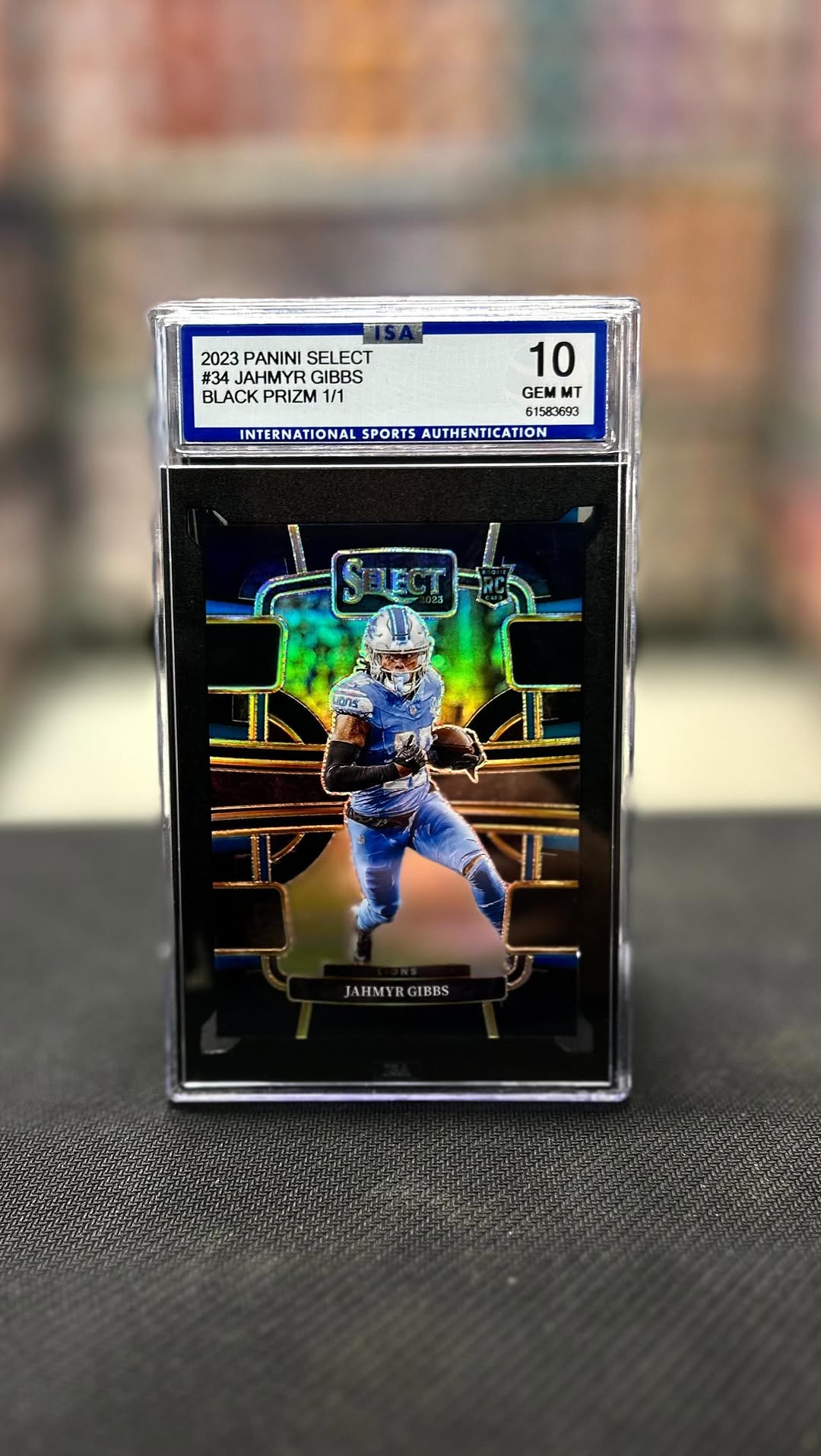
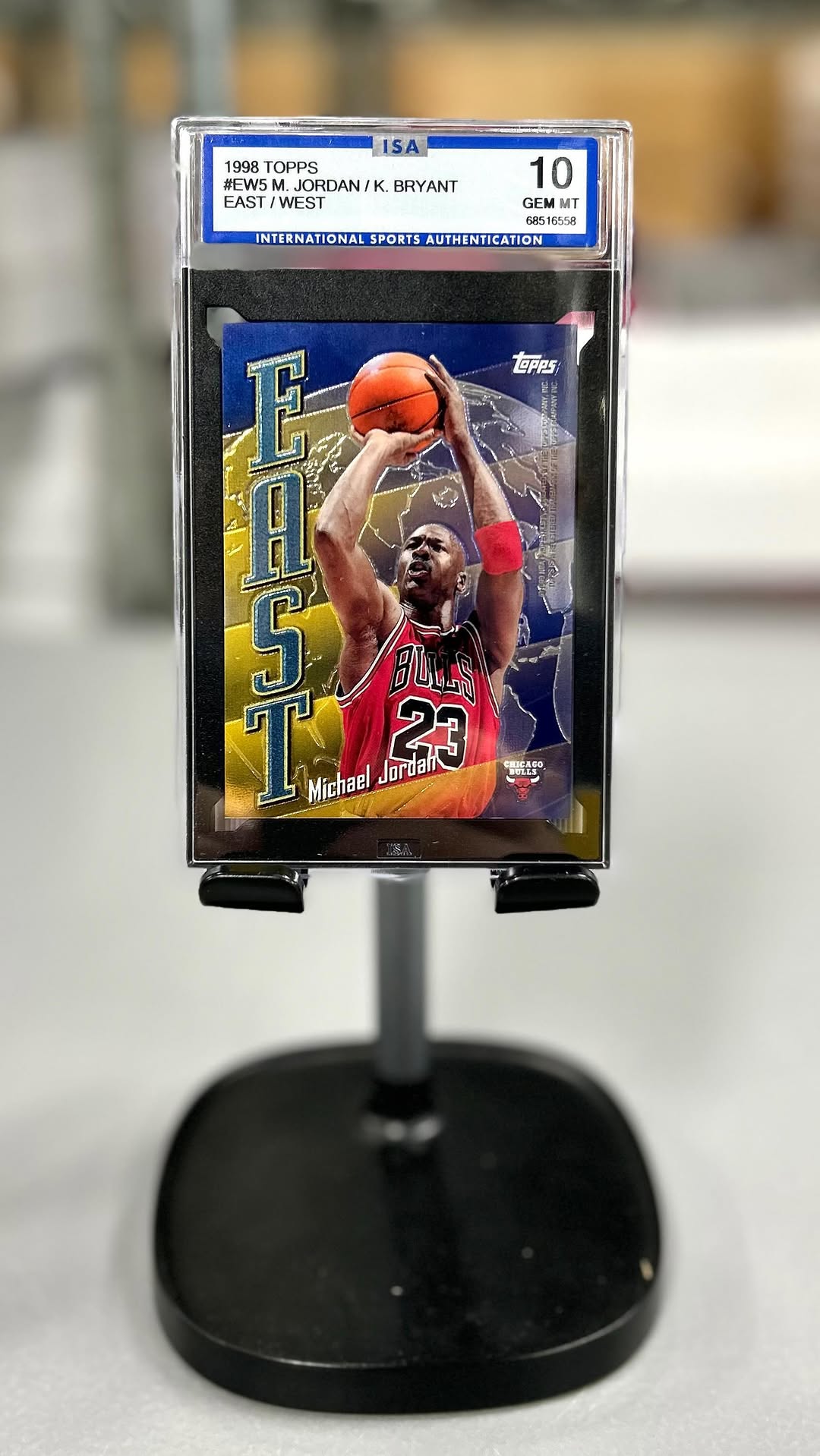
Card encapsulation places the evaluated card in a protective holder. Trading card slabs provide a consistent way to handle, store, and display graded cards, but they do not make cards indestructible. Continue to avoid excessive heat, moisture, prolonged direct sunlight, and rough handling.
When the order returns, compare each card and label with your saved inventory. Review the assigned grades without assuming that a disappointing result indicates an error. Your initial inspection and the professional evaluation may identify different levels of wear.
Use Verification and Clear Listings to Support Buyer Confidence
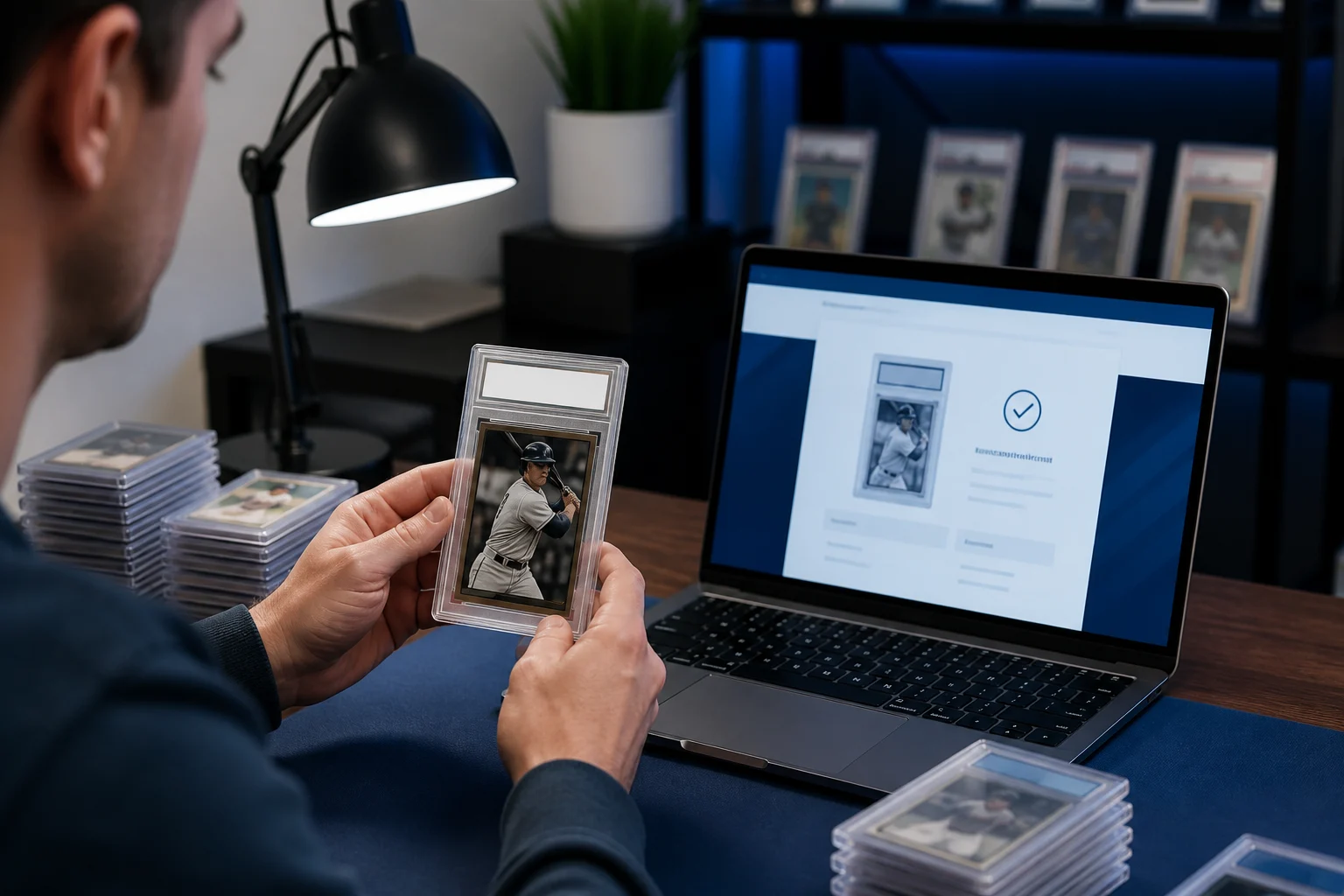
ISA offers certificate verification on its website. Check the certificate information for your returned cards and retain the relevant details with your inventory records. Verification is a useful reference point, but it does not replace examining the physical card, holder, and label.
When selling graded cards, photograph the front and back of the slab clearly. Show the label, disclose visible holder damage, and describe the card accurately. Do not imply that a numerical grade guarantees a particular price or eliminates the need for a buyer's own review.
Plan listings around the cards you actually receive, not the grades you hoped for. Recent comparable sales, player demand, card scarcity, selling fees, and presentation all affect the outcome. A well-prepared ten-card submission gives you a documented, organized starting point for either keeping the cards or bringing them to market.
Submit Cards to ISA Grading
Collectors ready to use ISA Grading can start on the submission page. The current active service is $15 per card with a 14 day turnaround, no upcharges, and a 10 card minimum.
Frequently Asked Questions
How much does a 10 card submission cost at ISA Grading?
At ISA's current $15 per card rate, ten cards have a $150 grading subtotal. ISA has no upcharges. Check the current submission instructions for shipping arrangements and any other applicable costs before calculating your complete budget.
What is ISA Grading's current turnaround time?
ISA currently offers a 14 day turnaround. Confirm how that timeframe is measured and plan separately for outbound and return shipping rather than assuming the full door-to-door process takes 14 days.
How should I protect cards for a grading submission?
Follow ISA's current requirements for submission holders and packing. Use protection suited to each card's thickness, keep adhesive away from cards, prevent movement inside the package, and include the required submission information.
Should I clean or alter my cards before submitting them?
Do not use solvents, polish, moisture, trimming, or other alteration methods to pursue a higher grade. Inspect the cards carefully and contact ISA for guidance if you encounter residue, debris, or an unusual surface issue.
How can buyers verify an ISA graded card?
Certificate verification is available on ISA's website. Buyers can use it to review certificate information and should also examine the physical card, holder, and label. Sellers can support that review with clear photographs and accurate descriptions.