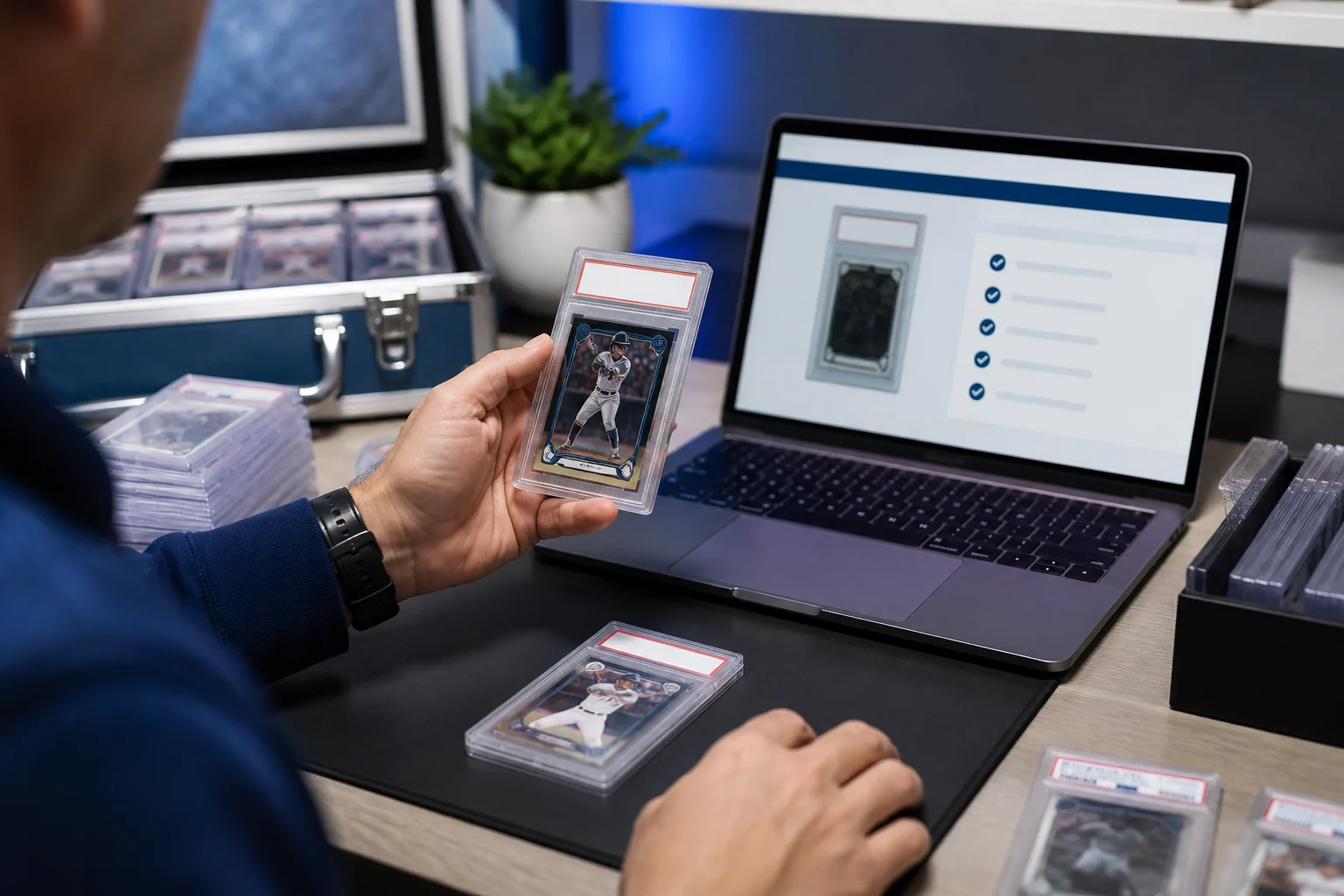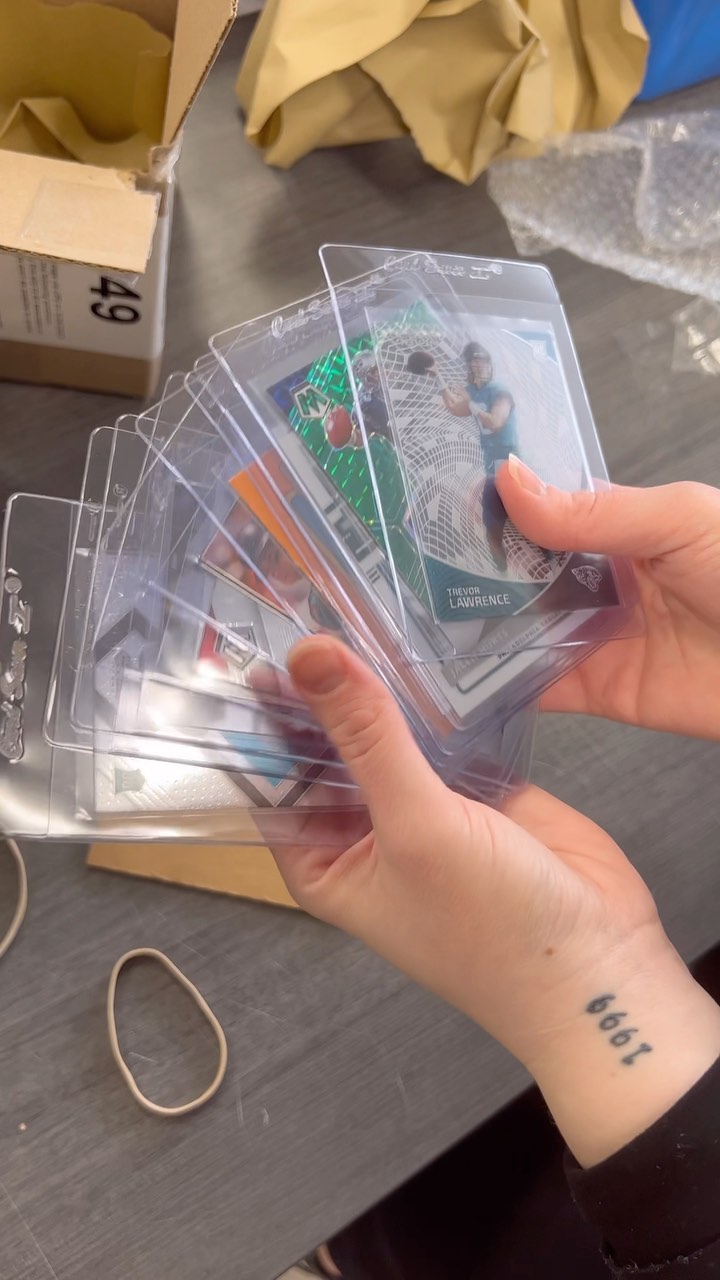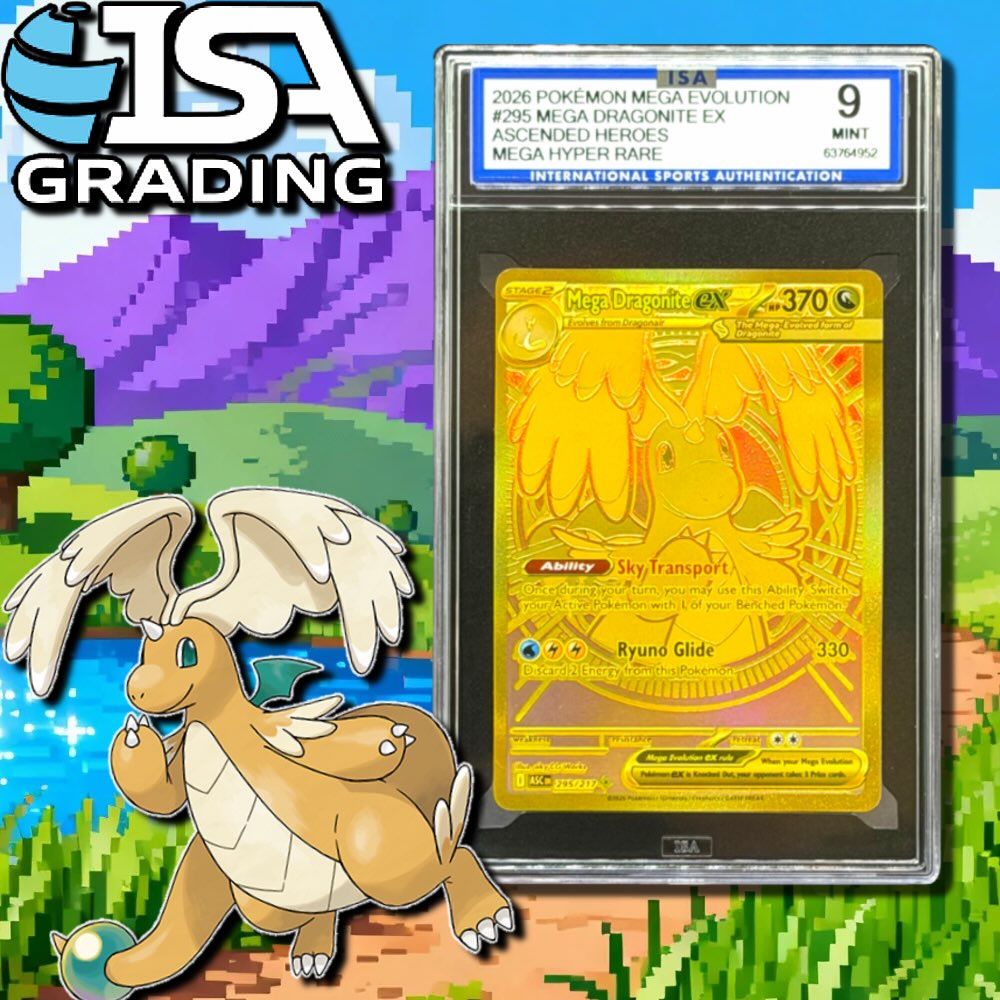

A grading backlog becomes more than an inconvenience when it changes what you can do with your cards. A dealer may need inventory for an upcoming show. A collector may want a favorite rookie authenticated and protected. A hobby seller may be deciding whether to list a card raw or wait for a graded slab.
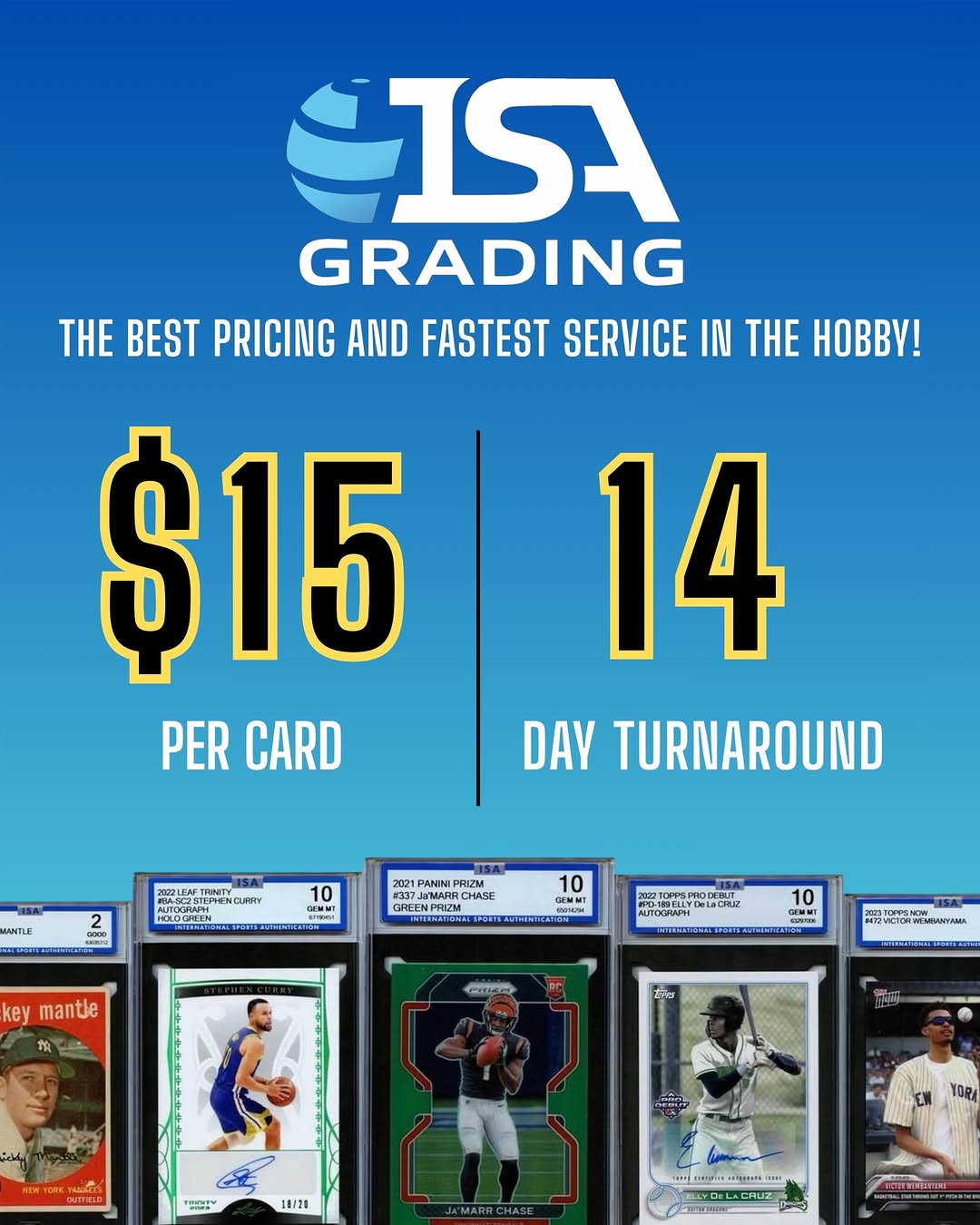
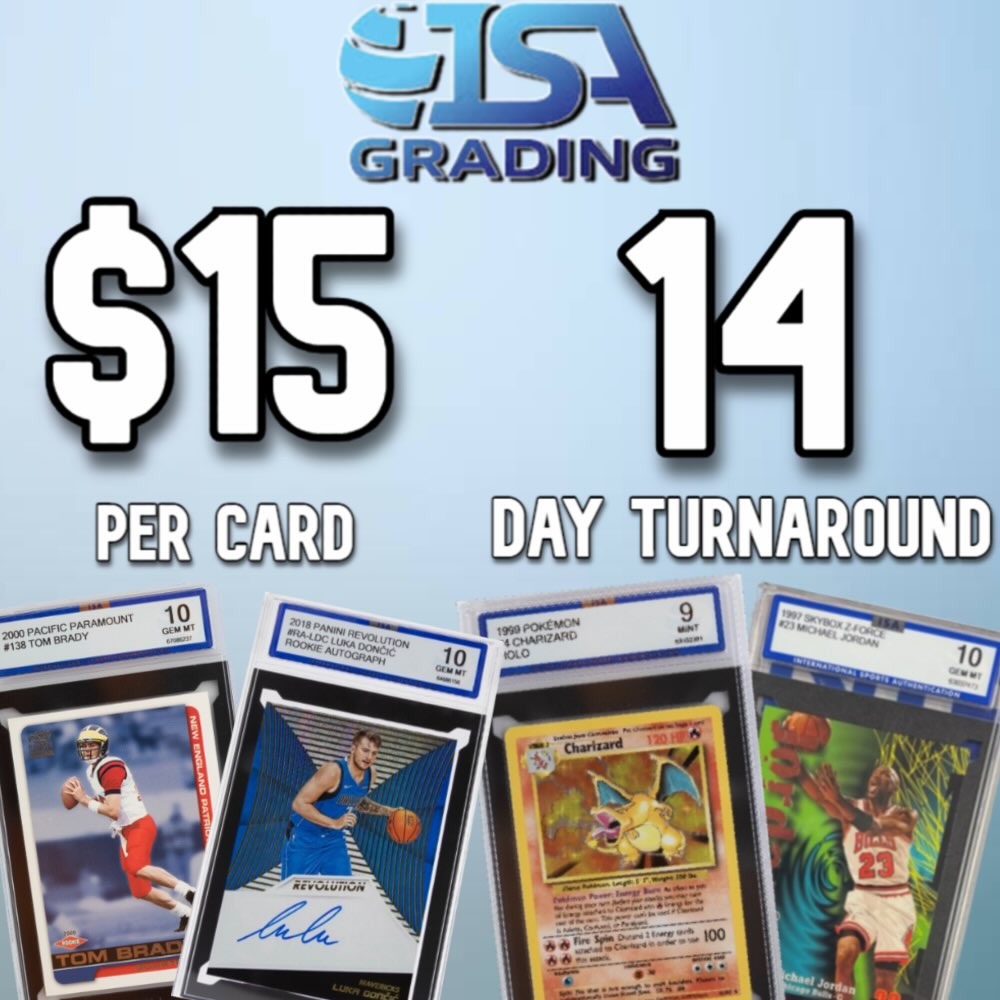
Looking for grading backlog alternatives does not have to mean choosing on speed alone. The useful question is whether another service fits your cards, budget, schedule, and eventual buyer. ISA Grading, also known as International Sports Authentication, currently offers sports card grading and authentication at $15 per card, with a 14 day turnaround, a 10 card minimum, and no upcharges.
Those terms provide a starting point. A thoughtful submission still requires condition screening, realistic resale expectations, and a clear understanding of the process.
Start With the Problem the Backlog Creates
Not every delayed submission needs the same solution. If the cards are staying in your personal collection, waiting may be acceptable. If they are intended for sale, time away from your inventory can affect listing plans, cash flow, and your ability to bring fresh material to a show.
Separate your cards into three groups: cards you want preserved for yourself, cards you expect to sell soon, and cards whose grading costs may outweigh the practical benefit. This helps you avoid treating an entire box as one urgent submission.
For a dealer, the priority might be getting a manageable batch ready for sale. For a collector, it might be moving a long-postponed project forward. Neither goal requires assuming that a faster service will produce a higher grade or a better selling price.
Build Your Schedule Backward
Choose your desired listing or show date, then allow time for preparation, shipping, grading, return delivery, photography, and listing. A grading turnaround is not automatically the same as the total time your cards will be away.
ISA's current 14 day card grading turnaround is relevant to that plan, but confirm how the turnaround is measured and what shipping time falls outside it before committing to a deadline. Fast card grading is most useful when the whole submission schedule works, not just the grading portion.
For more on coordinating grading with a sale, read The Timing Edge: How Faster Grading Can Support a Smarter Card Sale.
Compare the Complete Cost, Not Just the Headline Fee
Pricing clarity matters when evaluating trading card grading services. A low advertised fee is only useful if you understand the submission requirements and any other costs involved. Shipping, insurance, packing materials, and selling fees can all affect your final calculation.
ISA's current $15 card grading service has a 10 card minimum and no upcharges. At that rate, a minimum submission has $150 in grading fees. That figure is the grading cost, not a claim that shipping or other incidental expenses are included.
For budgeting purposes, no upcharge card grading removes an escalation from the grading fee calculation. It does not remove the need to check the full submission terms or estimate your own shipping and insurance costs.
Use a Simple Per-Card Worksheet
- Acquisition cost: What you paid for the card, if you are evaluating a resale.
- Grading fee: ISA's current active rate is $15 per card.
- Shared submission costs: Allocate shipping, insurance, and supplies across the batch.
- Selling costs: Include marketplace fees and delivery expenses if you plan to sell.
- Expected outcome: Use realistic condition and comparable sales, not only the best possible grade.
A card can be worth grading for personal reasons even when resale math is unremarkable. The important distinction is knowing whether you are paying for collection presentation and protection or pursuing a financial return.
Match the Service to the Cards You Actually Have
Baseball card grading and basketball card grading often involve different collector audiences, release types, and selling cycles. Your submission plan should reflect the actual cards in front of you rather than a general assumption that all graded cards behave alike in the market.
Check the set, year, manufacturer, card number, and any variation before submitting. Specialty formats, unusual dimensions, thick cards, and other nonstandard items may require clarification. ISA's stated service here is sports card grading and authentication, so verify eligibility rather than assuming every collectible is accepted.
This distinction is especially important for mixed collections. If you are researching TCG card grading or Pokemon card grading alongside sports cards, confirm current acceptance before including those cards. Search results for grading alternatives should not be treated as proof that a company grades every category.
Take a Separate Approach to Vintage
Vintage card grading calls for realistic expectations about age-related wear. Rounded corners, surface wear, print characteristics, and centering can affect how a card presents. Age alone does not establish authenticity or guarantee a particular grade.
With older cards, investigate the issue and any known variations before deciding what to submit. When a card's history is uncertain, card authentication may be an important reason to seek professional evaluation, separate from hoping for a high numerical grade.
Inspect Condition Before You Ask, "Should I Grade My Cards?"
A strong submission starts with a careful inspection. Good card condition grading decisions depend on seeing flaws before the cards leave your hands, even though your own assessment cannot guarantee the professional result.
Use clean lighting and handle cards gently. Inspect the front and back rather than relying on the most attractive side. A card that looks excellent in a sleeve may reveal edge wear, surface scratches, or a small crease when viewed more closely.
- Card corners: Look for rounding, bends, fraying, or small areas of whitening.
- Card edges: Check for chips, rough spots, peeling, and wear along the borders.
- Surface: Examine scratches, indentations, stains, print lines, and creases.
- Centering: Compare borders and design alignment on both sides where applicable.
- Identification: Confirm that your submission details match the card and its variation.
Read ISA's grading scale before building expectations around a number. Clear standards help you understand the evaluation framework, but a visual review at home remains an estimate, not a promised grade.
Do not attempt to improve a card through trimming, recoloring, or other alterations. Avoid aggressive cleaning and unnecessary handling. A submission should present the card as it is, not introduce damage while trying to remove a minor flaw.
Prepare a Batch That Earns Its Place in the Queue
A 10 card minimum encourages planning, but it should not become a reason to submit weak candidates simply to fill the order. Start with cards that have a clear purpose: personal favorites, items needing professional evaluation, or inventory with a defensible resale plan.
If you have fewer than ten suitable cards, consider waiting until your batch is ready rather than rushing the decision. Dealers can evaluate cards across inventory, while collectors can review multiple sets or players without lowering their selection standards.
- List each candidate with its identifying details and intended purpose.
- Inspect condition and remove cards that no longer fit your plan.
- Estimate the complete submission cost.
- Review current packaging and submission instructions.
- Keep a record of the cards and shipment before sending them.
Use ISA's submission page for the current process. Follow its instructions for holders, paperwork, and packing rather than assuming a method used for another grading company will be appropriate.
Photographs and an inventory list can help document what you sent. Secure packing and suitable shipping arrangements matter because even a carefully selected card can be damaged before it reaches the grading desk.
Understand What Slabs and Verification Do for Buyers
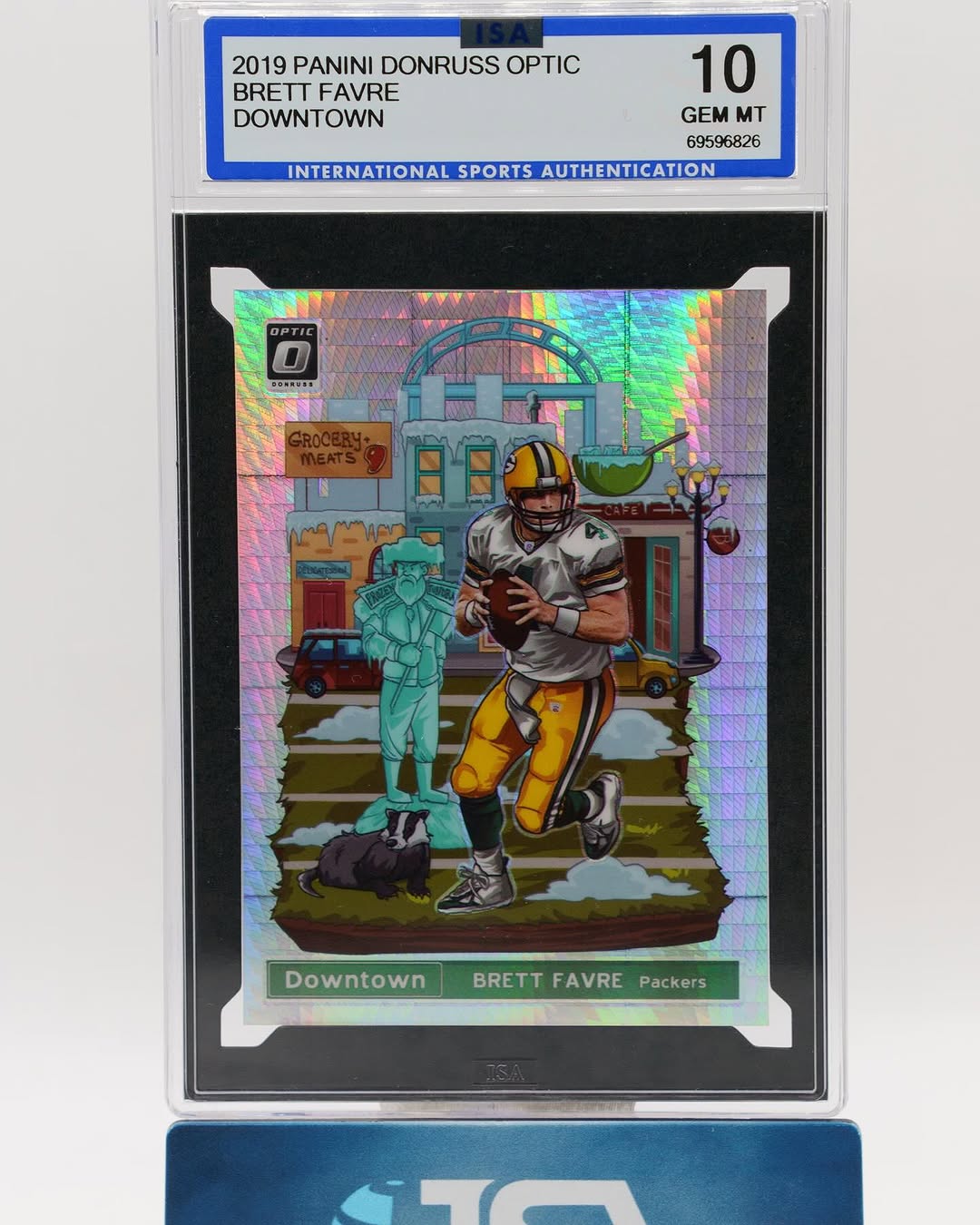
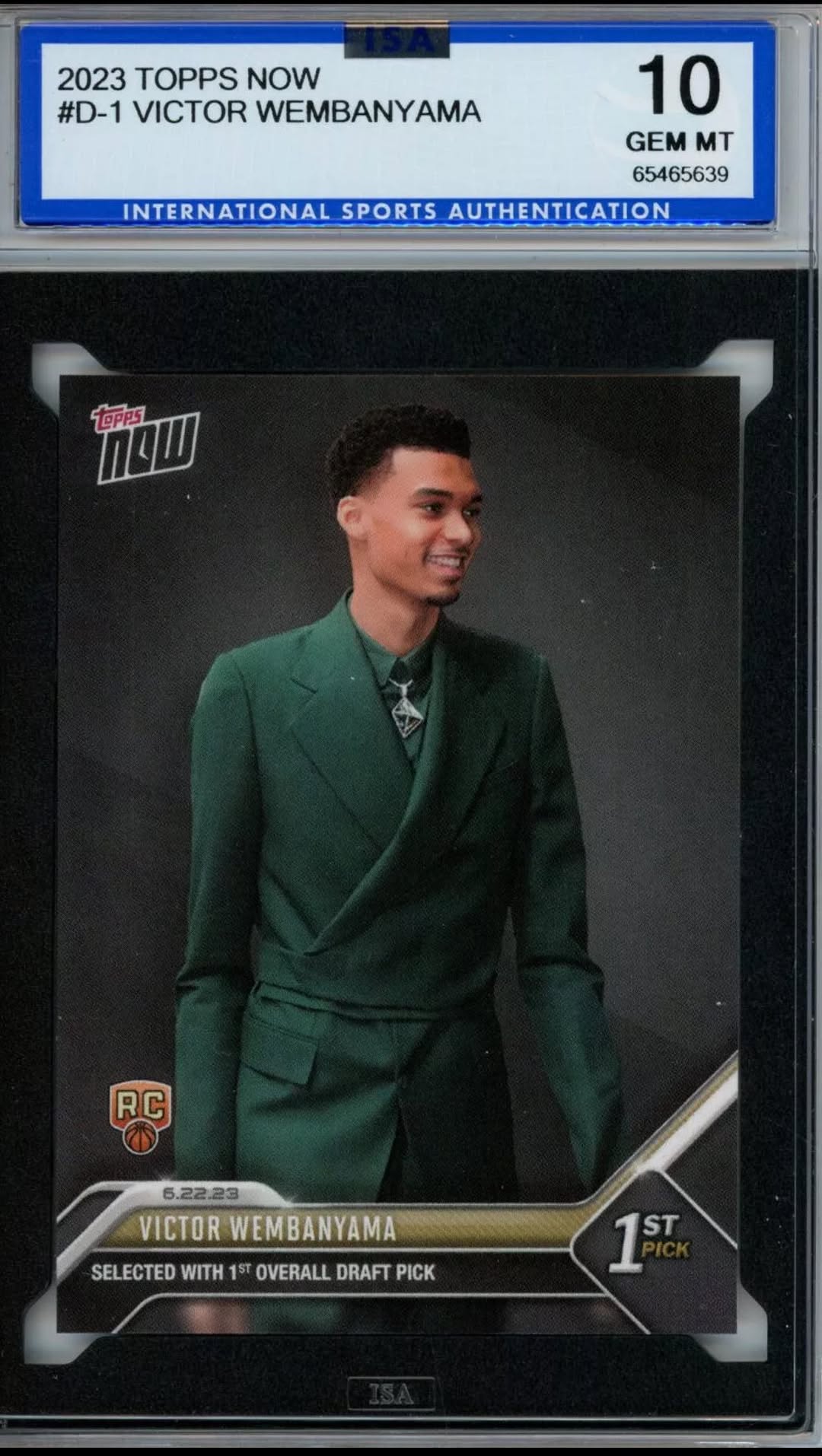
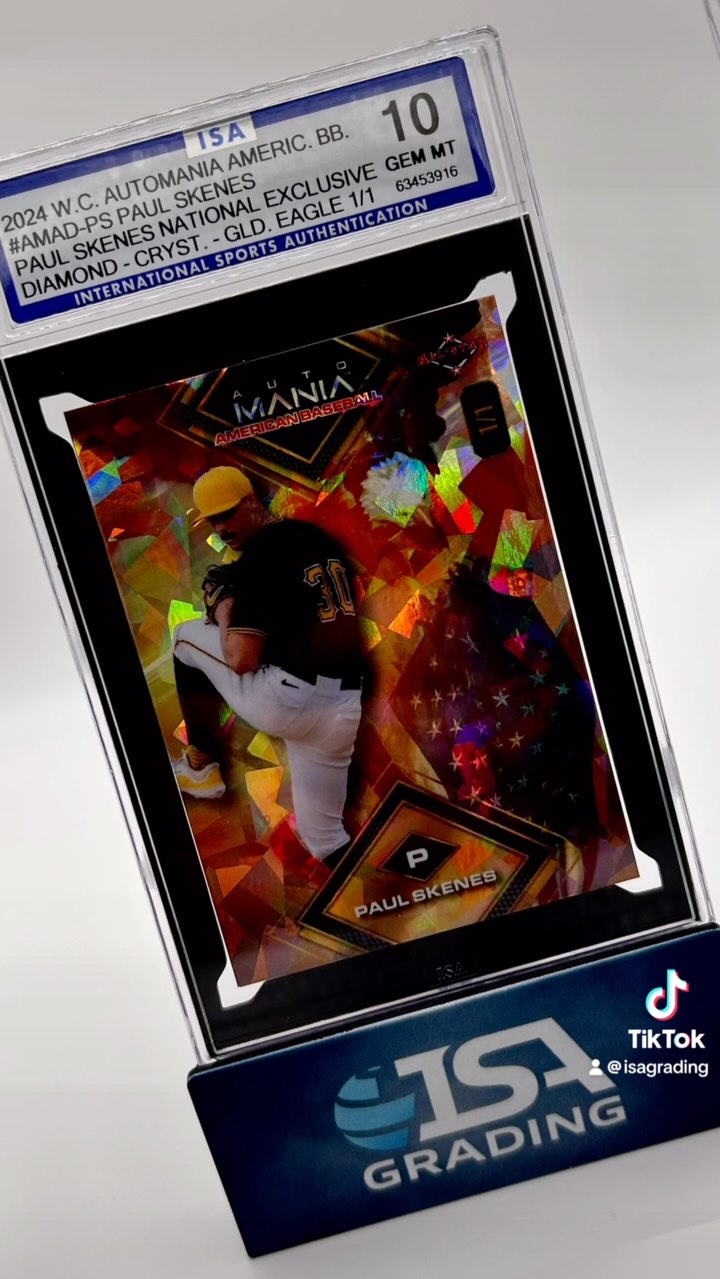
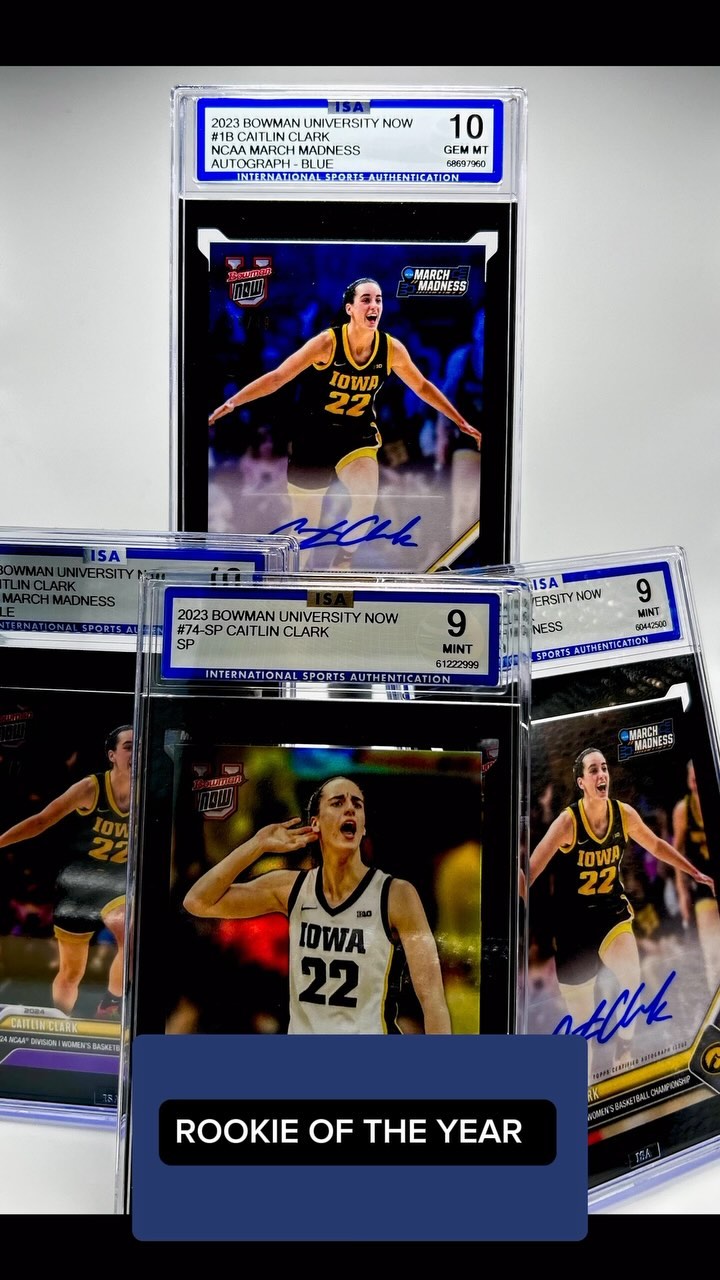
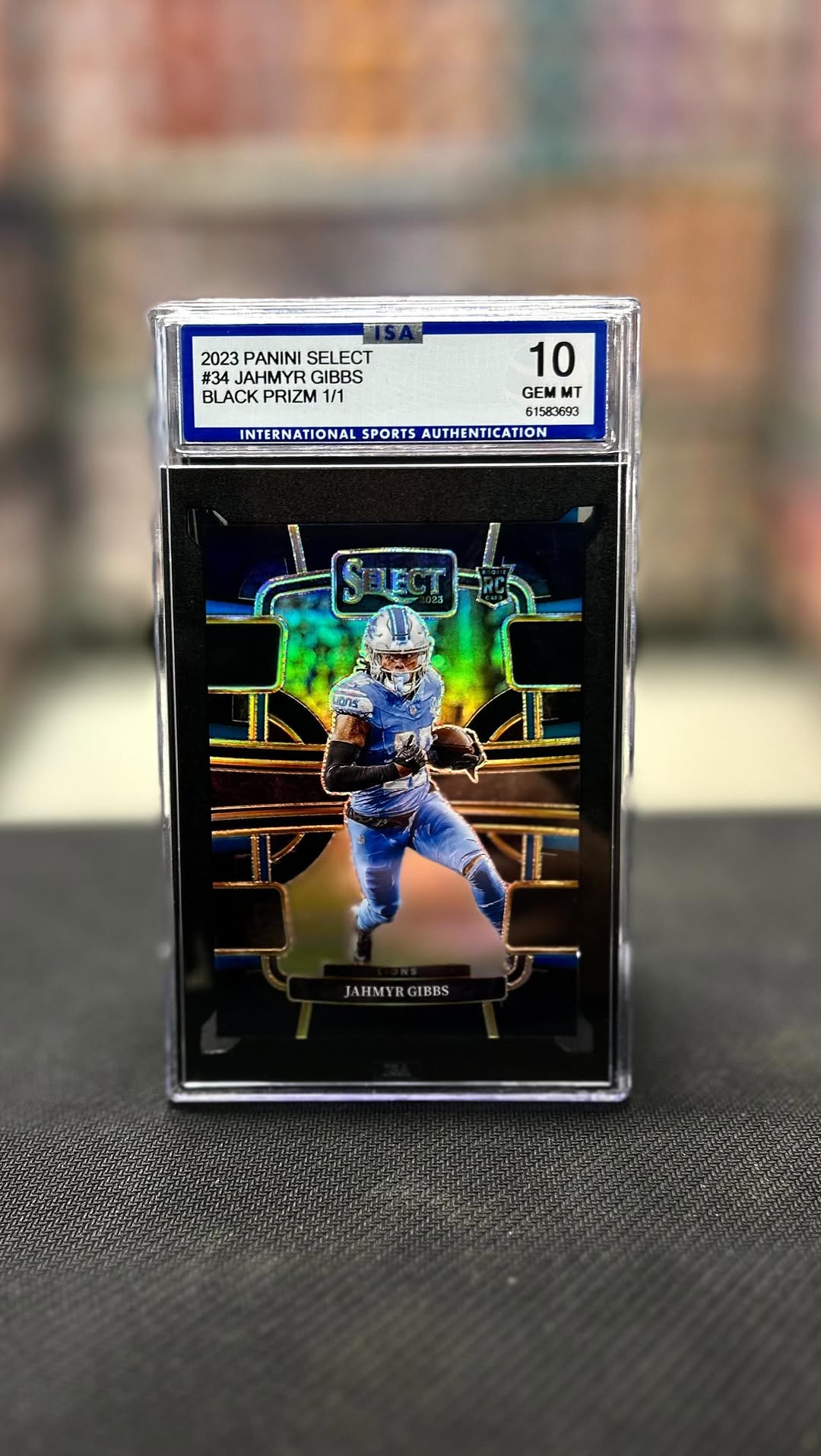
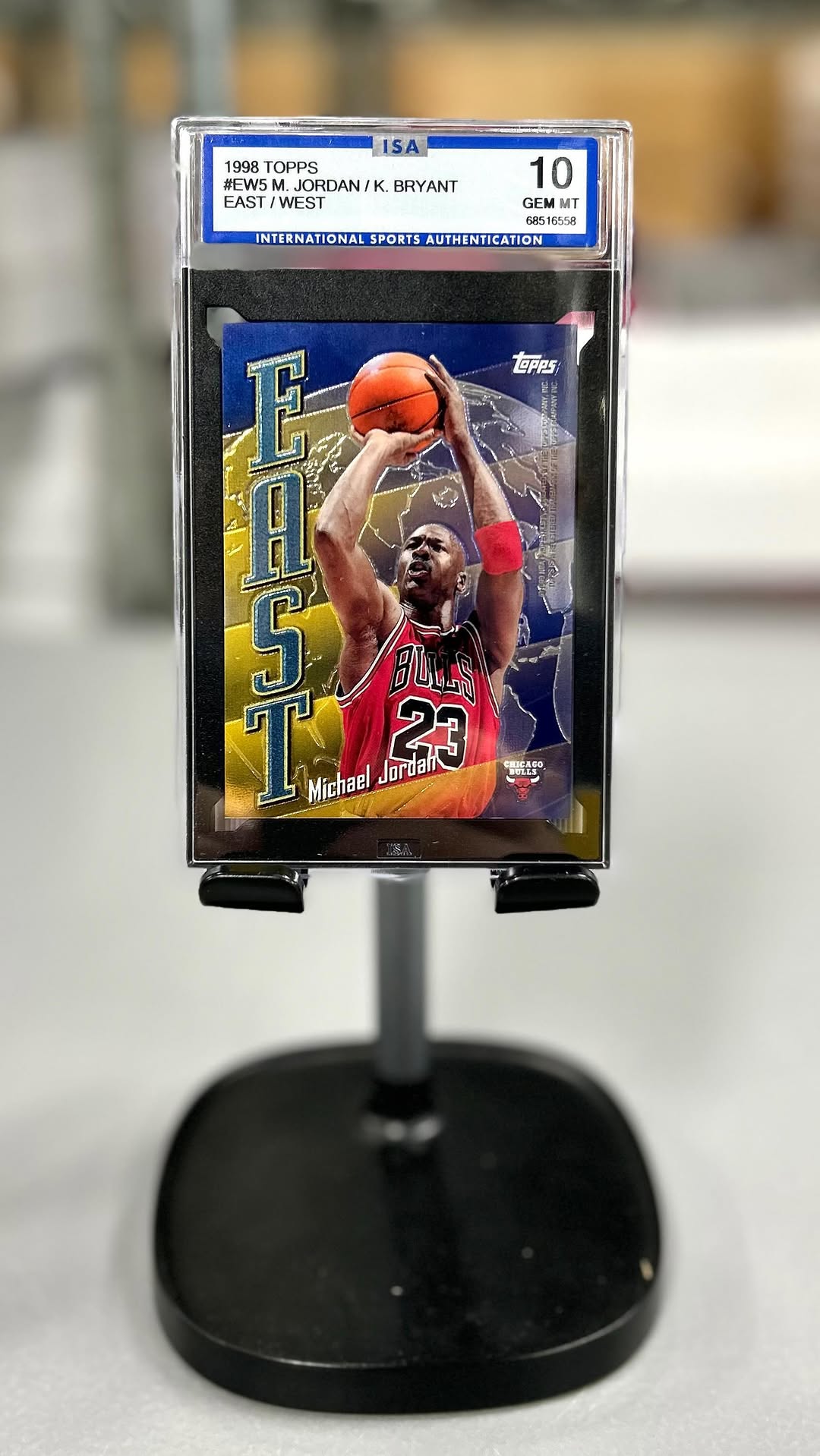
Card encapsulation gives a graded card a holder and keeps its grading information associated with it. Trading card slabs can also reduce direct handling during storage, display, and sales. They are not a substitute for sensible care: avoid heat, moisture, prolonged sunlight, and rough handling.
For sellers, a slab creates a more structured presentation than an ungraded card alone. Buyers can examine the assigned grade, card identification, and holder condition while deciding whether the item fits their collection. That does not guarantee demand or eliminate questions about price.
ISA offers online certificate verification. A prospective buyer can use the certificate information to check the available record. Compare that record with the card and label being offered, rather than treating a certificate number by itself as a complete evaluation of the listing.
Present the Card, Not Just the Grade
When selling graded cards, photograph the front and back clearly. Show the label, disclose visible holder damage, and provide accurate identifying details. Avoid photographs that hide defects through glare or angles.
A useful listing explains what the buyer receives without suggesting that grading guarantees appreciation. Strong presentation, transparent information, and reasonable pricing are more helpful than exaggerated claims about future value.
Set Resale Expectations Before Choosing an Alternative
Different grading companies can receive different responses from buyers. Resale results depend on the card, grade, company, marketplace, and demand at the time of sale. A lower submission cost does not automatically create a stronger net return.
When possible, examine completed sales for the same card in the same grade and the same grading company's holder. If those comparisons are limited, acknowledge the uncertainty. Do not substitute another company's strongest sale and assume your card will achieve that price.
Collectors purchasing for themselves may weigh turnaround and affordability differently from dealers serving customers with established holder preferences. Both approaches can be reasonable when the decision is tied to a specific purpose.
For practical listing and inventory considerations, see From Show Table to Online Sale: A Smarter Card Grading Plan.
Choose a Grading Alternative With a Clear Checklist
Before submitting, make sure you can explain why the service fits your batch. ISA's current combination of $15 per card, a 14 day turnaround, a 10 card minimum, and no upcharges gives you concrete terms to evaluate. Your cards, schedule, and selling plans determine whether those terms are the right fit.
- Confirm that your card types are eligible.
- Understand turnaround timing and allow for shipping.
- Budget beyond the grading fee.
- Review grading standards and prepare cards carefully.
- Plan how you will store, verify, photograph, or sell the returned slabs.
Check the ISA FAQ for current submission guidance before sending a batch. A backlog is a reason to reassess your options, not a reason to skip due diligence. The most useful alternative is one that makes your next submission easier to plan without asking you to ignore costs, condition, or buyer expectations.
Submit Cards to ISA Grading
Collectors ready to use ISA Grading can start on the submission page. The current active service is $15 per card with a 14 day turnaround, no upcharges, and a 10 card minimum.
Frequently Asked Questions
What should I compare when looking for grading backlog alternatives?
Compare card eligibility, turnaround timing, grading fees, submission minimums, additional expenses, grading standards, and certificate verification. If you plan to sell, also consider buyer preferences and completed sales for cards in that company's holders.
What are ISA Grading's current price and submission minimum?
ISA's current active service is $15 per card with a 10 card minimum and no upcharges. A minimum submission therefore has $150 in grading fees. Account separately for applicable shipping, insurance, and other expenses.
Does ISA's 14 day turnaround include shipping?
ISA currently lists a 14 day turnaround. Confirm how that period is measured and whether shipping time is excluded before planning a sale or show deadline. Do not assume the listed turnaround equals the total door-to-door time.
How can a buyer verify an ISA graded card?
Certificate verification is available on ISA's website at /certificate-verification. Check the available record using the certificate information, then compare it with the card and label shown in the listing.
Can I submit Pokemon or other TCG cards with my sports cards?
The service described here is sports card grading and authentication. Confirm ISA's current acceptance of Pokemon, other TCG cards, and specialty formats before including them in a submission.