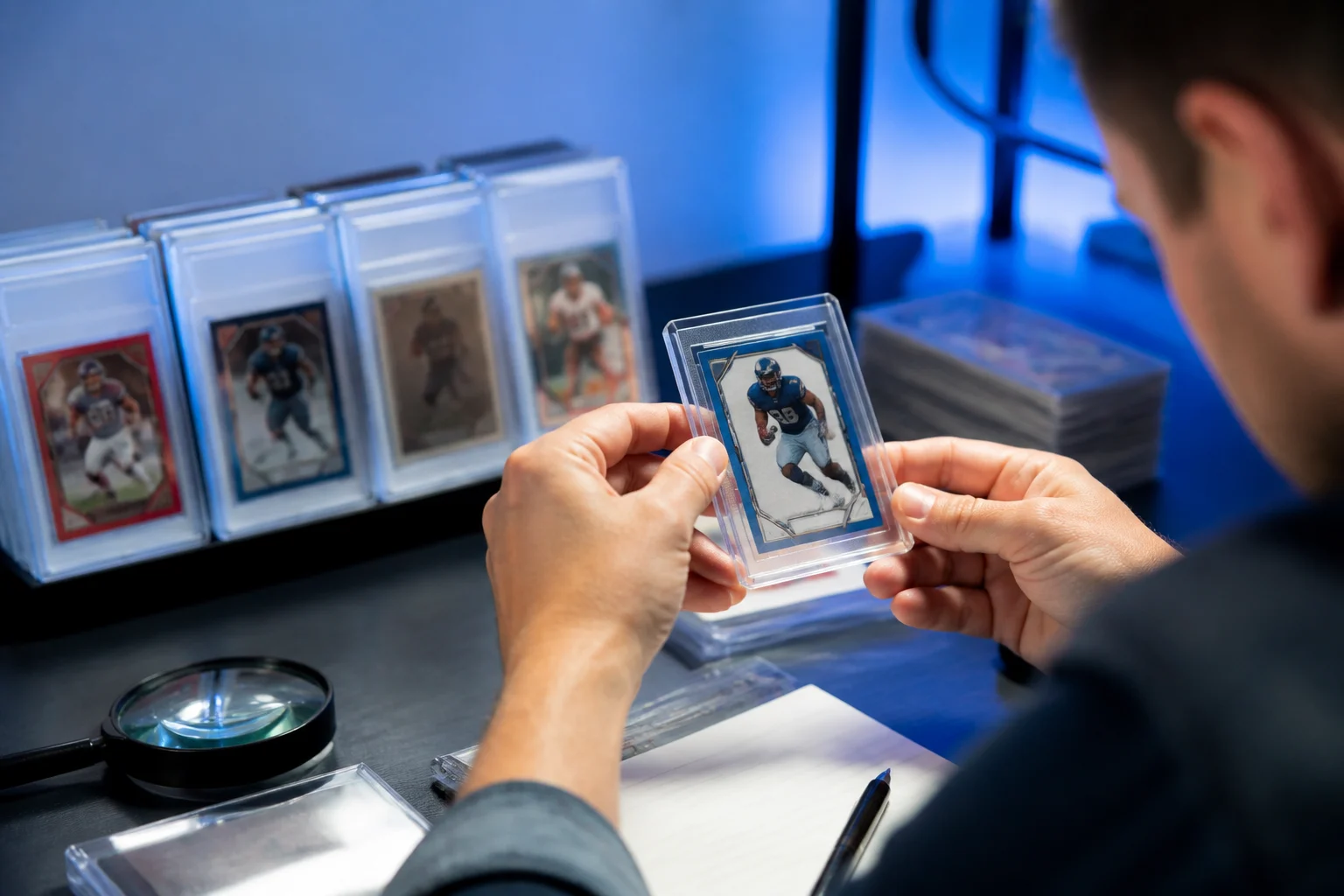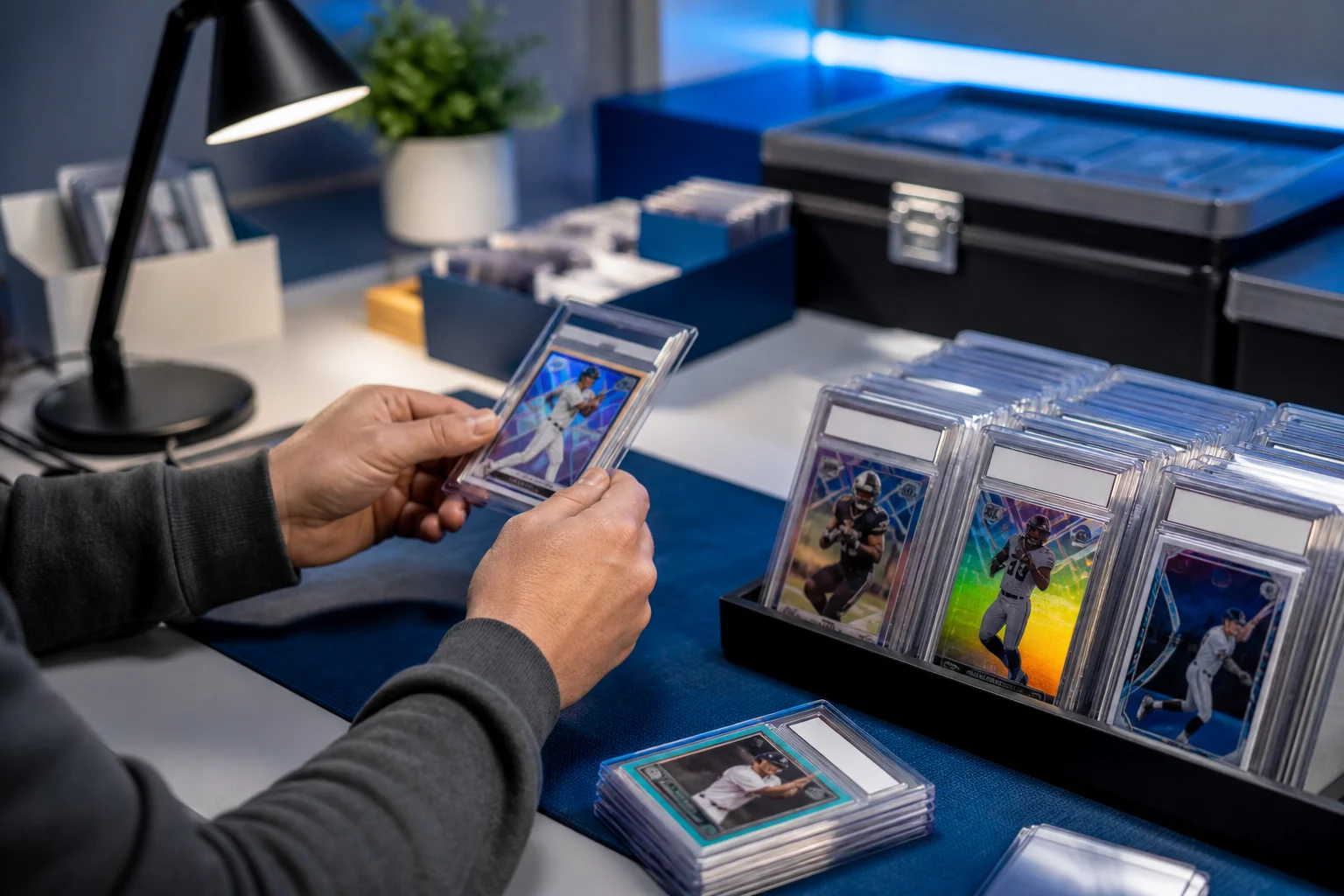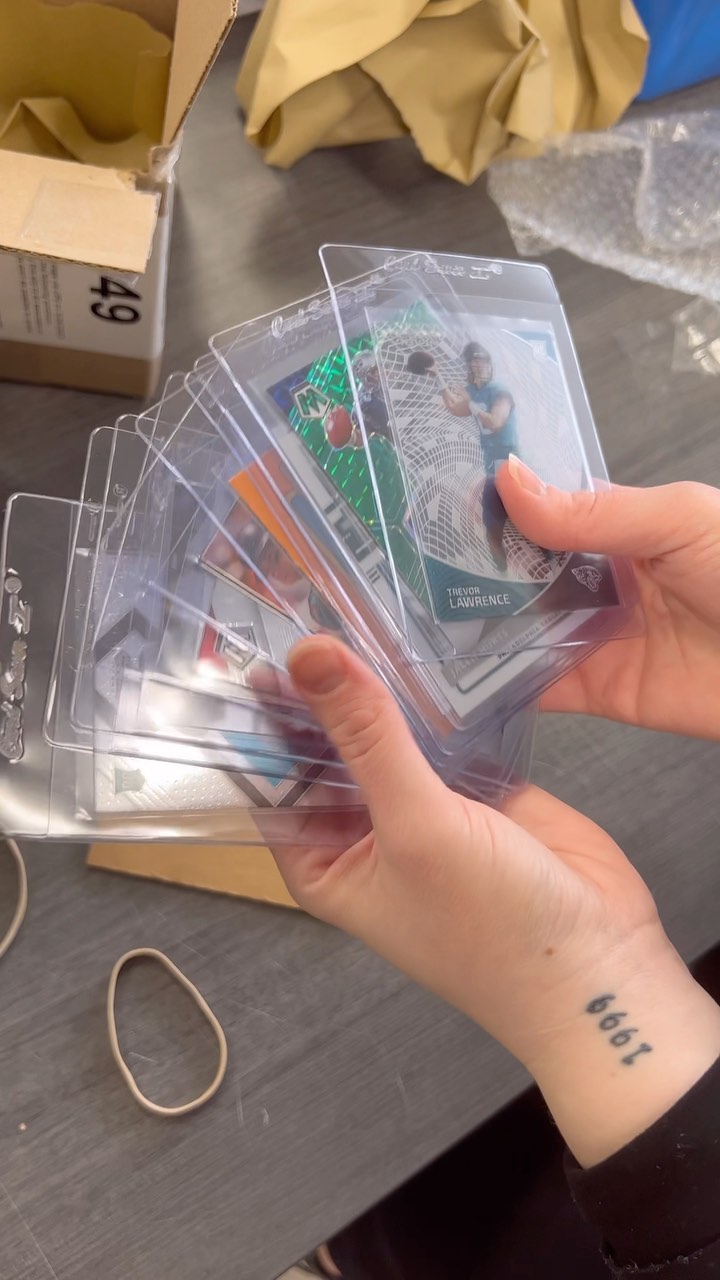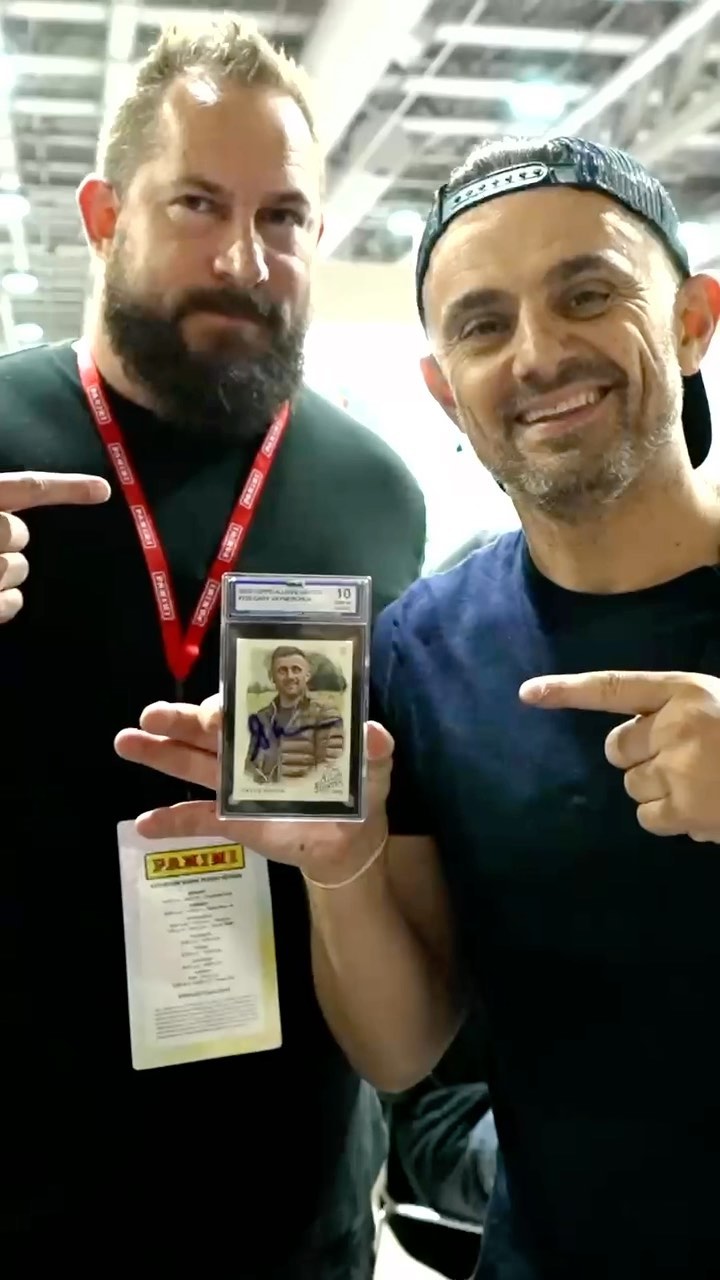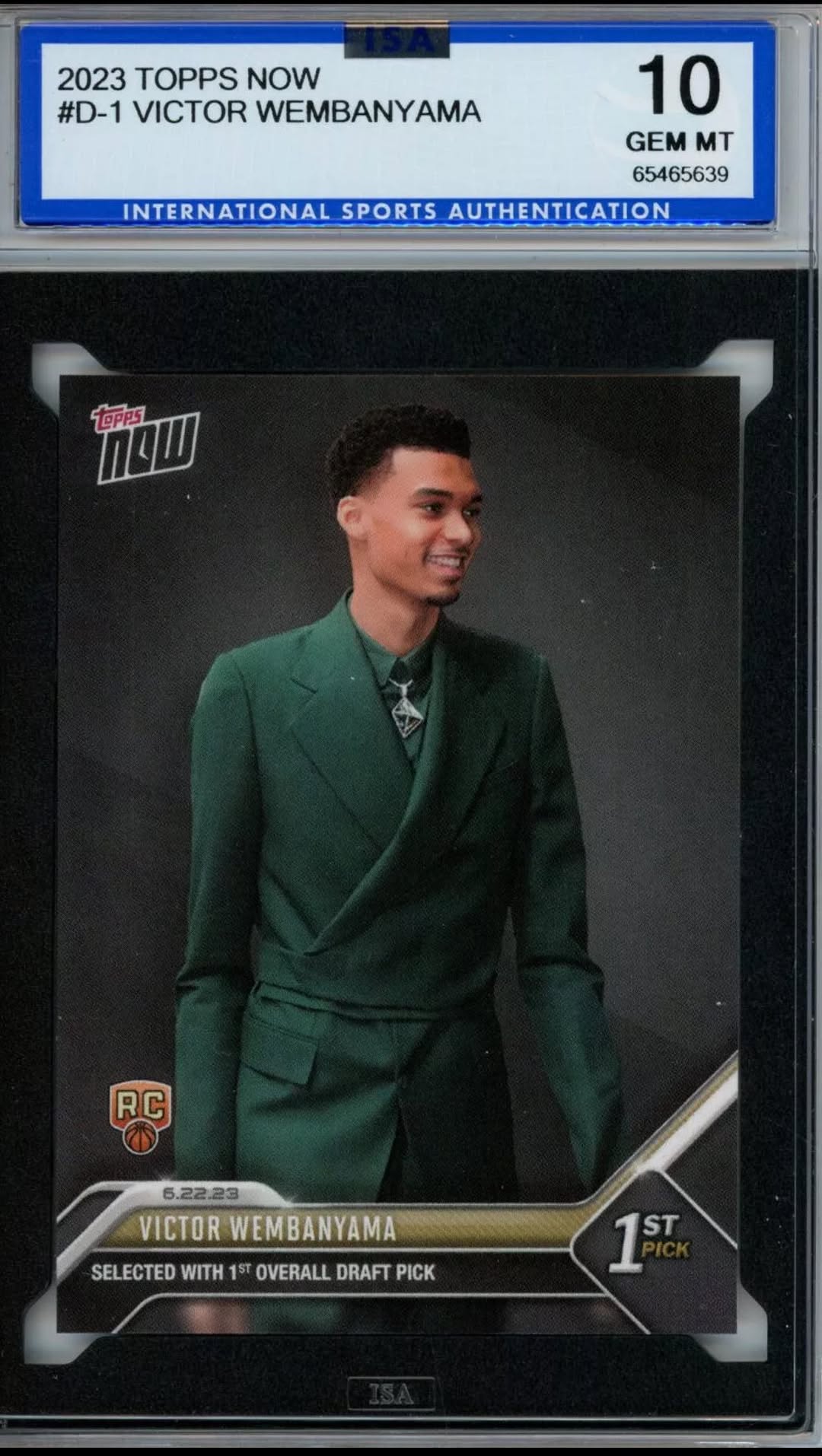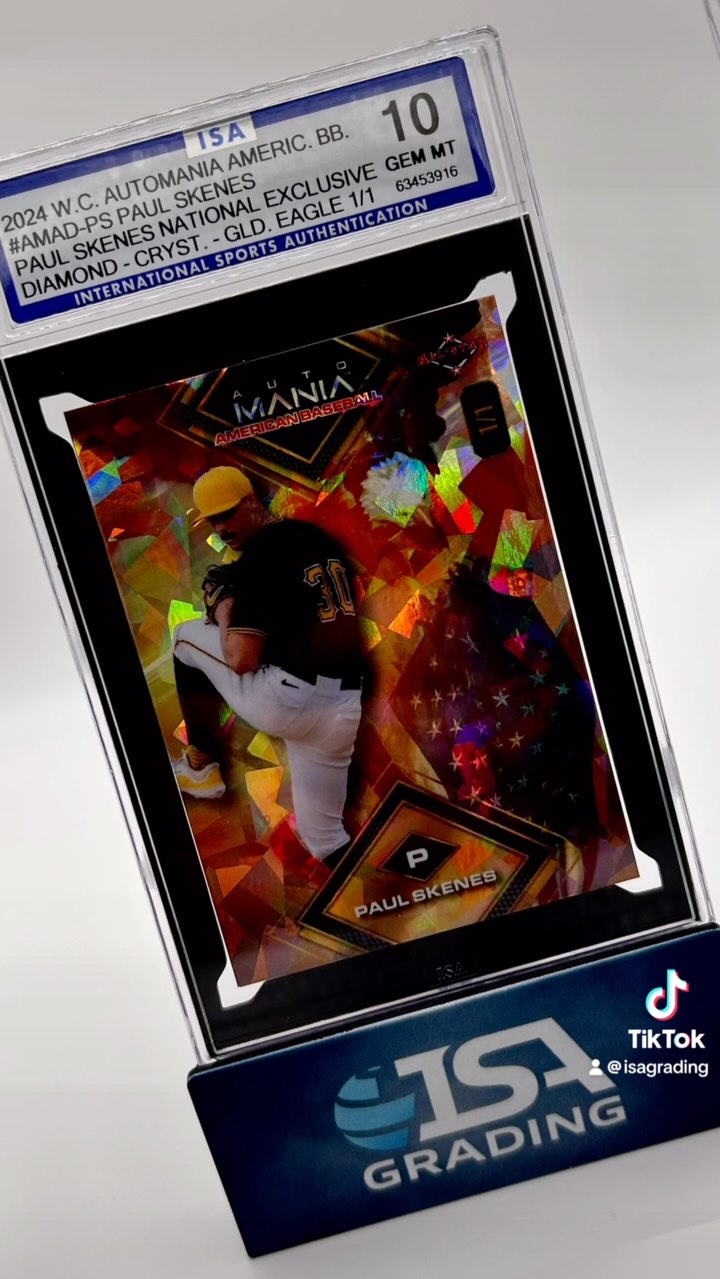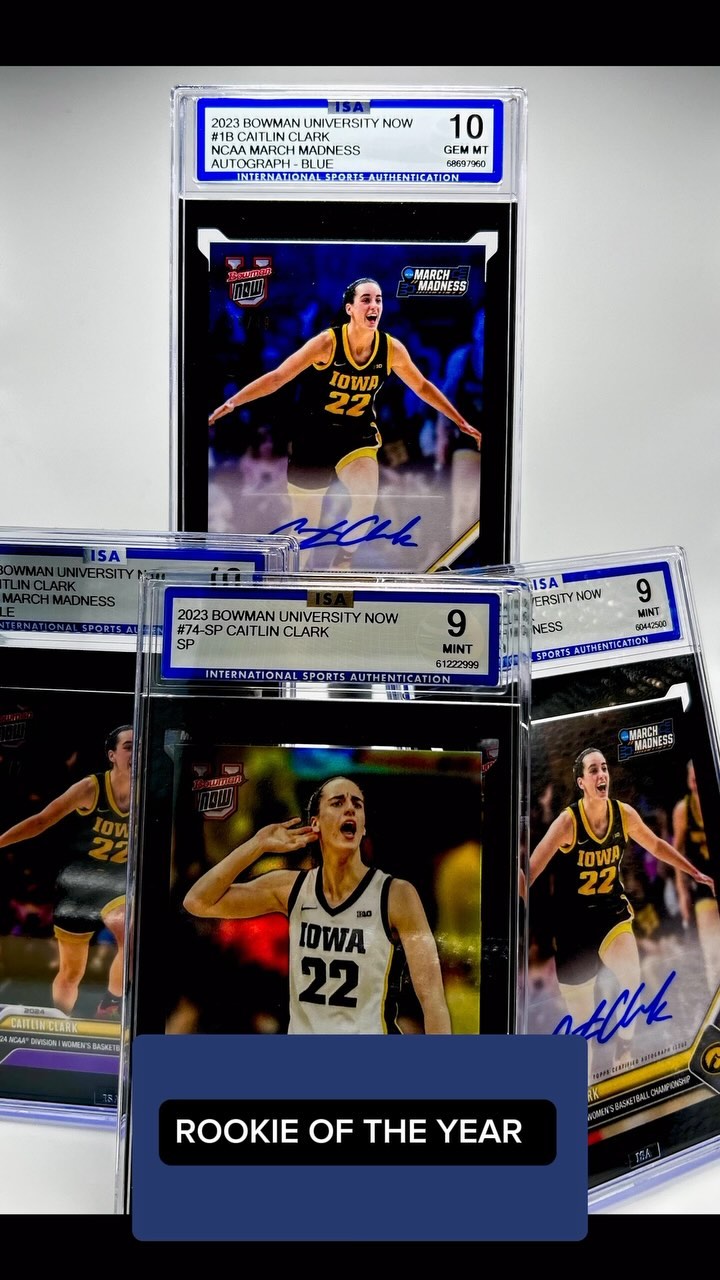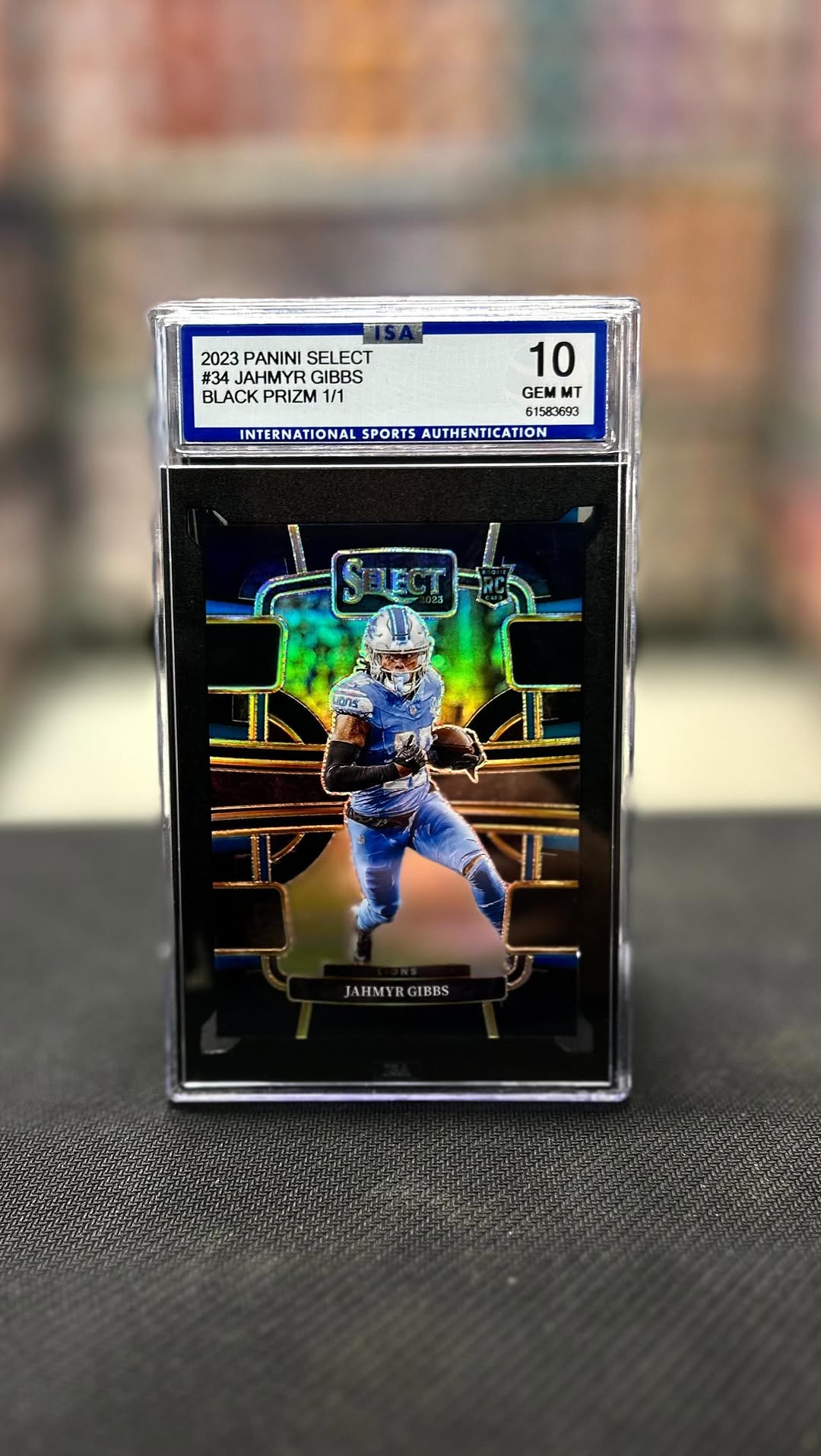
Sports card markets can move quickly. A strong playoff performance, a rookie promotion, a record breaking game, or renewed interest in a vintage set may change buyer attention within days. Collectors cannot control those events, but they can choose a grading service with a clear turnaround, understandable pricing, and a practical submission process.
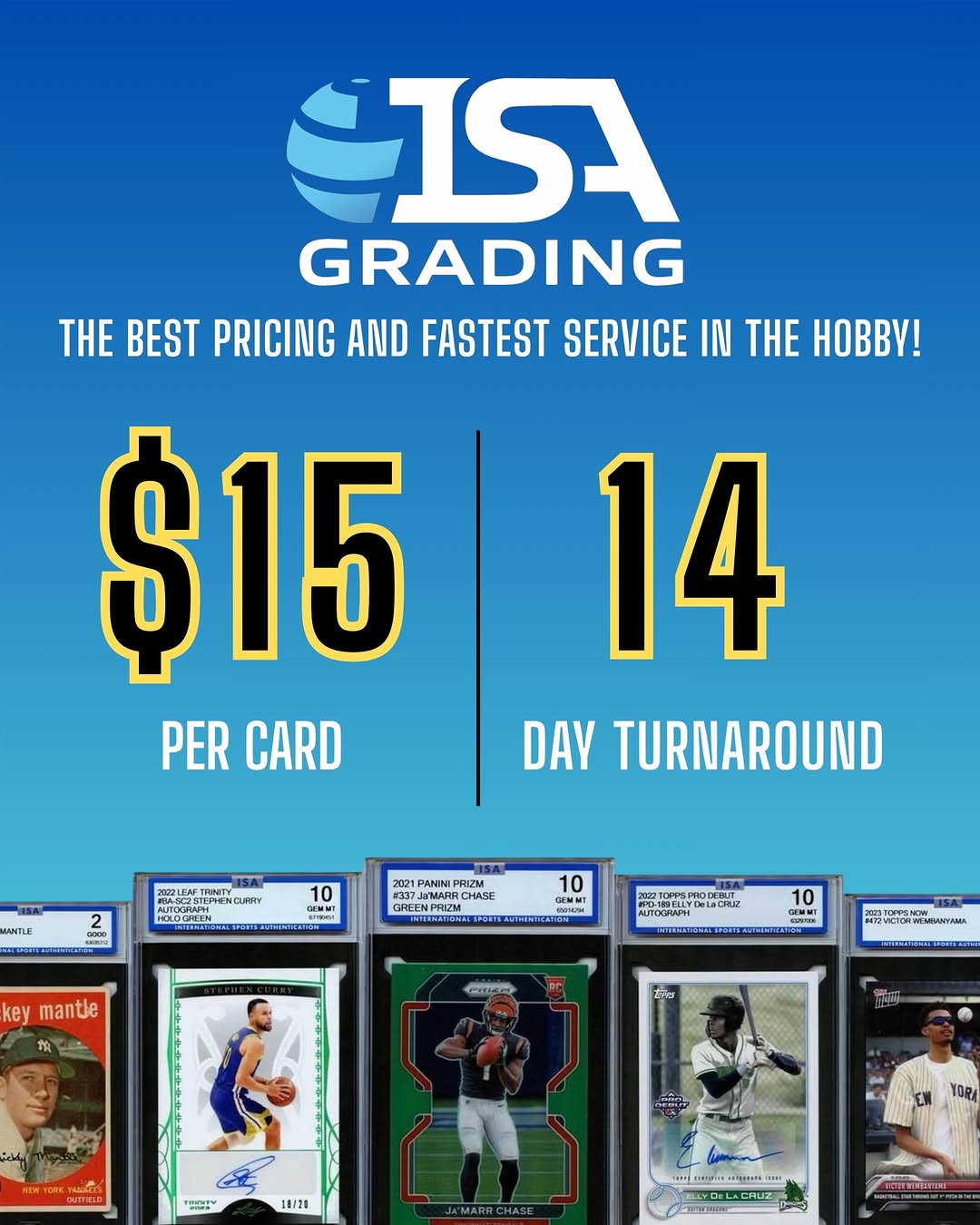
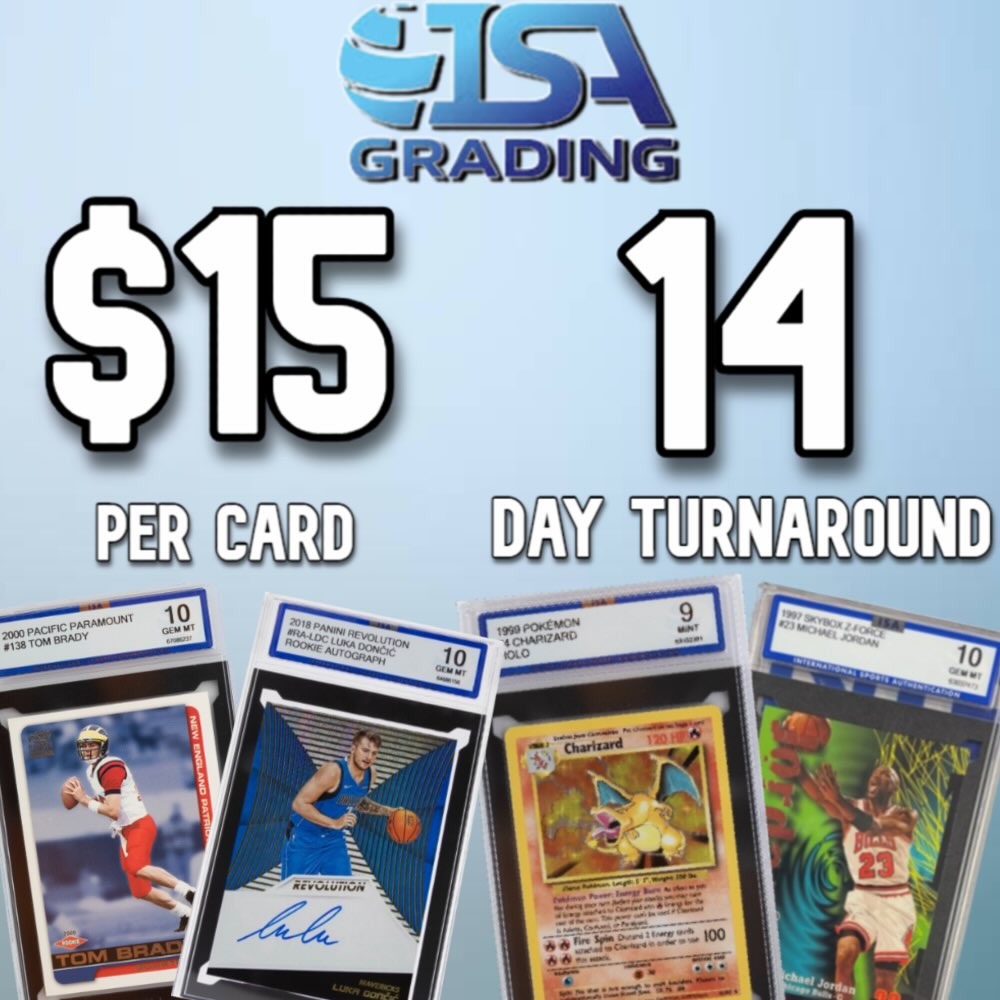
ISA Grading currently offers sports card grading and authentication for $15 per card, with a 14 day turnaround, a 10 card submission minimum, and no upcharges. Those terms can make it easier to estimate costs and plan around potential selling windows. Fast grading does not guarantee a particular grade, sale price, or market result, but it can reduce one important source of uncertainty: how long cards may be unavailable while they are being graded.
Why turnaround matters when card markets change
Market timing in the card hobby is not about predicting every price movement. It is about recognizing when demand may be stronger and preparing inventory early enough to participate. For a dealer, that could mean having graded baseball cards ready before Opening Day. A football collector may want key cards available before the season, playoffs, or a major card show. Rookie card grading may be more time sensitive when a prospect is approaching a debut or receiving greater media attention.
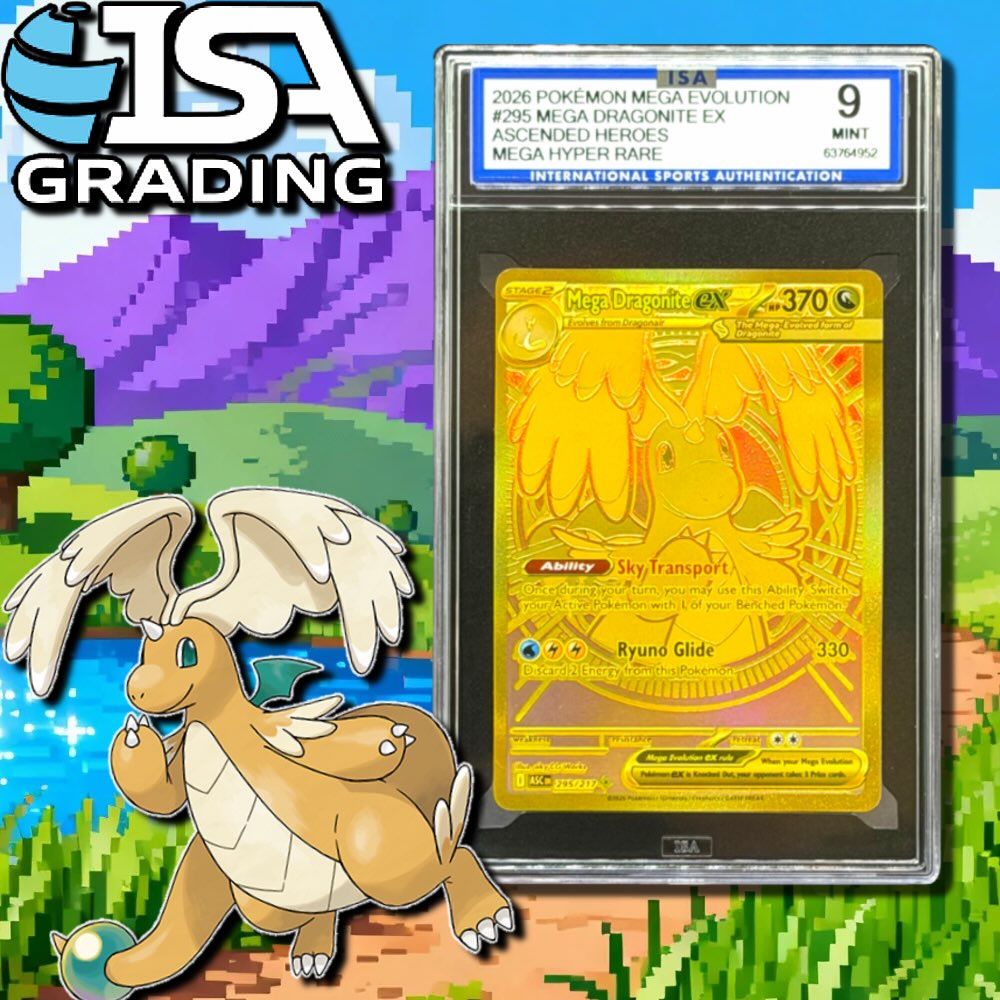
The same principle applies beyond sports. Demand for certain sets, characters, and releases can shift quickly, making turnaround relevant to Pokemon card grading and other forms of trading card grading. If cards return after attention has moved elsewhere, the seller can still list them, but the original opportunity may have changed.
A 14 day card grading turnaround gives collectors a defined timeframe to include in their planning. Before submitting, review the current service details on the ISA submission page. Allow additional time for shipping to ISA, return shipping, personal review, photography, listing creation, and delivery to a buyer. The grading turnaround is one part of the full schedule, not the entire schedule.
Faster grading supports flexibility, not speculation
Fast card grading can help a collector act on a plan, but speed should not replace careful judgment. A short turnaround cannot determine whether a player stays healthy, a team advances, or buyers continue pursuing a particular issue. It also cannot turn every raw card into a profitable graded card.
The practical benefit is flexibility. When graded cards return sooner, owners can decide whether to sell, hold, trade, display, or take them to an upcoming show. Dealers may be able to refresh inventory more regularly instead of committing cards to a long and uncertain absence. Collectors who prefer to hold can still benefit from completing card authentication and card encapsulation promptly.
For event based planning, work backward from the target date. If a card show is several weeks away, include submission preparation, transit in both directions, the published turnaround, and a reasonable cushion. The article From Show Table to Online Sale: A Smarter Card Grading Plan offers additional ideas for coordinating graded inventory with in person and online selling.
Pricing clarity makes timing decisions easier
A submission plan is only useful when the expected grading cost is understandable. ISA currently provides $15 card grading with a minimum submission of 10 cards. There are no upcharges, which means the grading fee does not increase because a card receives a particular grade or has a higher declared market value under the active service terms.
This no upcharge card grading structure can help collectors calculate the base grading expense before sending a group. At $15 per card, the grading fee for the 10 card minimum is $150, before applicable shipping or other submission related costs. A seller can compare that expense with the condition, demand, and realistic sales range of each card.
Clear pricing is especially useful for dealers submitting mixed inventory. A group might include modern baseball card grading candidates, football card grading selections, vintage cards, and non sports trading cards. When the per card grading fee is known, it becomes easier to decide which cards fit the budget and which should remain raw. For a closer look at the service structure, read A Clearer Path to the Slab: How ISA Keeps Grading at $15 Per Card.
Choose cards according to condition and demand
A common question is, “Should I grade my cards before selling?” There is no universal answer. Grading may provide useful third party information about authenticity and condition, but the decision should account for the individual card, expected grade range, collector demand, grading fees, shipping, and selling costs.
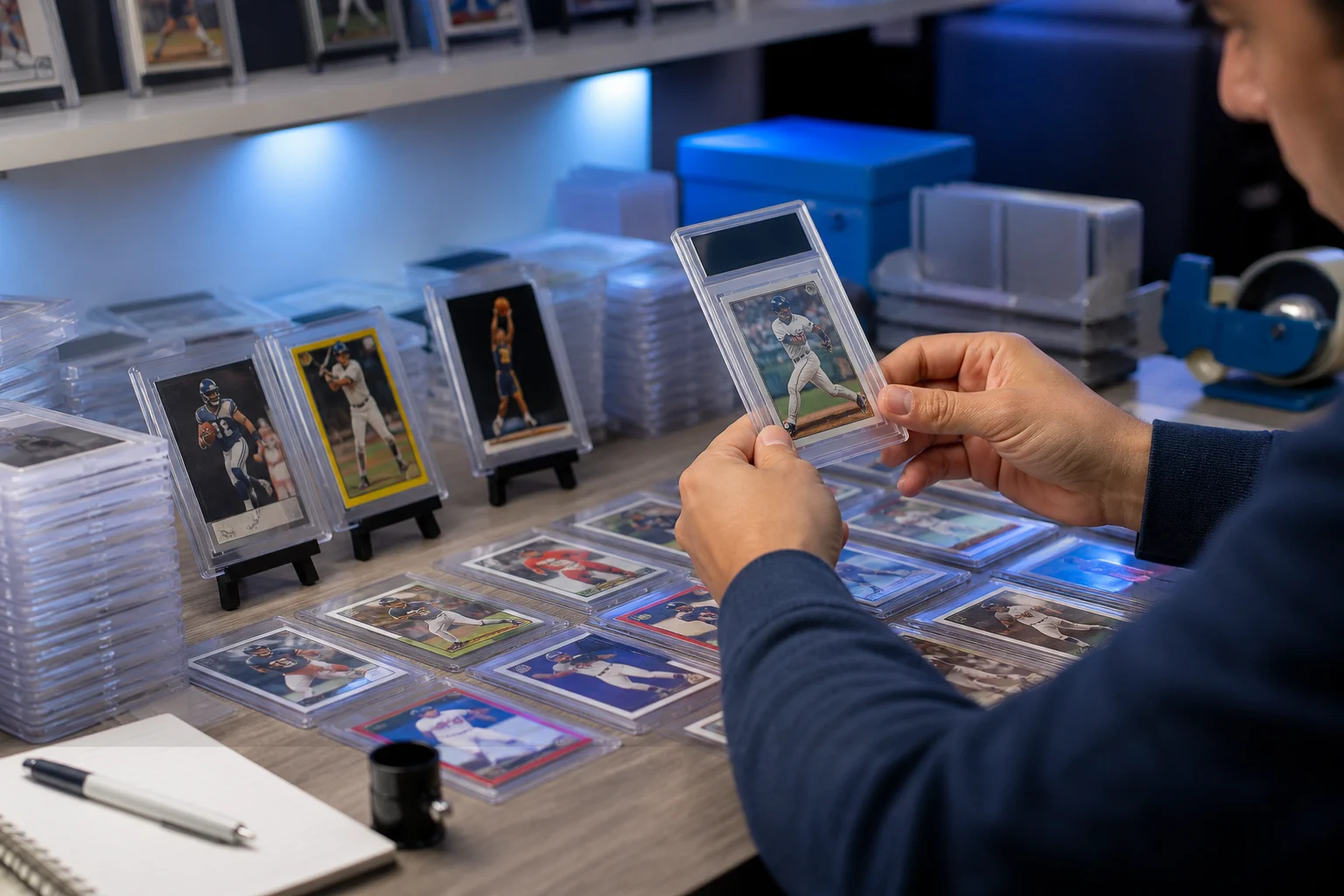
Start by identifying cards with an active collector audience. Star players, significant rookies, scarce parallels, popular vintage issues, and desirable Pokemon cards may be logical candidates. Then inspect each card under good lighting. Card condition grading generally considers factors such as centering, corners, edges, surface quality, print characteristics, and overall eye appeal.
- Card corners: Look for whitening, rounding, bends, compression, or fraying.
- Card edges: Check for chipping, rough cuts, peeling, dents, and visible wear.
- Surface: Watch for scratches, creases, indentations, stains, print lines, and lost gloss.
- Centering: Compare the visible borders and design placement on the front and back.
- Authenticity concerns: Consider whether the card, autograph, or issue requires professional review.
Do not assume that a card will receive a top grade because it looks clean at a glance. Modern cards can have subtle manufacturing defects, while vintage card grading must account for decades of handling, storage, and production variation. ISA explains its standards on the grading scale page. Collectors preparing older material may also find Vintage Cards, Clear Standards: What to Expect Before Grading useful.
Prepare cards without creating new damage
Good timing loses its value if rushed preparation causes damage. Handle cards by their edges with clean, dry hands. Work on a clean surface away from drinks, food, direct sunlight, and clutter. Avoid wiping a card aggressively or attempting restoration. Cleaning methods can create scratches, alter surfaces, or make an existing flaw more noticeable.
Inspect every card before packing it. Confirm that the card matches your submission information, then place it in appropriate protection that follows ISA's current submission instructions. Do not force a card into a holder that is too tight. Pressure on card corners and edges can cause damage before the grading process begins.
Package the group so cards cannot shift freely during transit. Use sturdy outer packaging and suitable internal support. Keep a personal inventory with card names, years, set information, card numbers, and any relevant parallels or variations. Photographs taken before shipment can also help with record keeping.
Fast card grading should never mean careless card preparation. Building one or two extra days into the schedule for inspection, documentation, and secure packing is usually more sensible than rushing to meet a speculative market moment.
How slabs and verification support buyer confidence
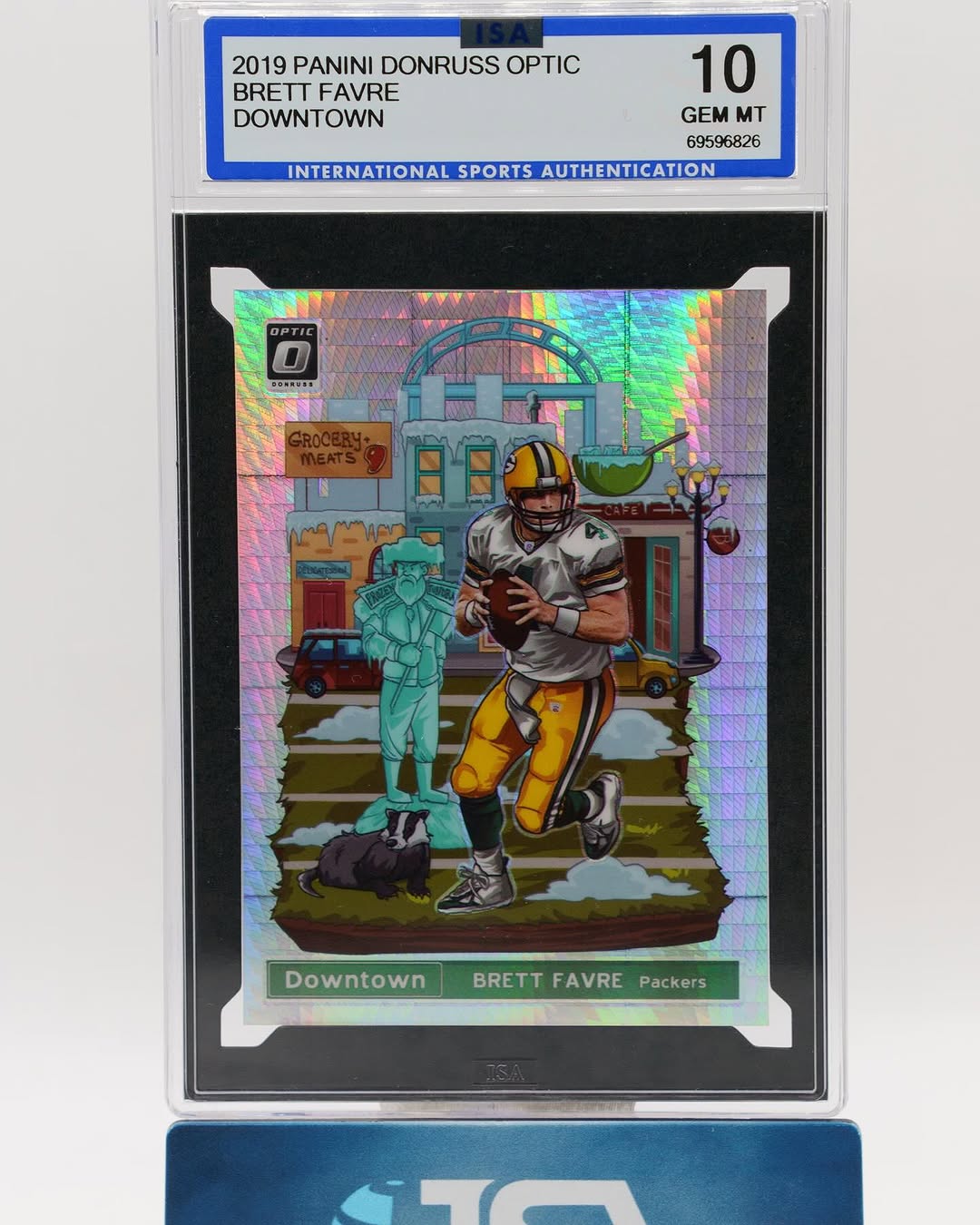
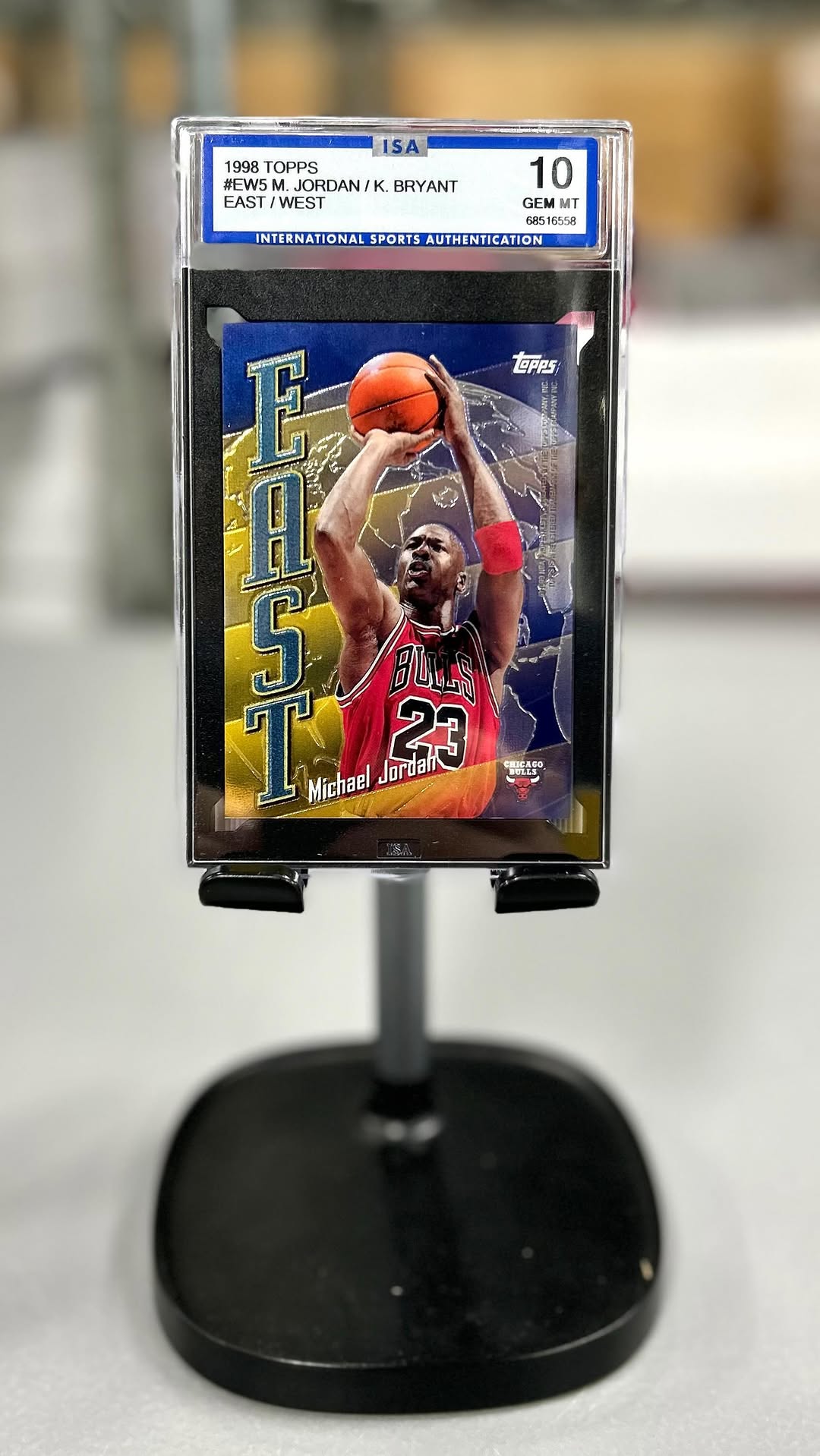
Professional trading card slabs serve several practical purposes. Card encapsulation protects a graded card from routine handling, identifies the assigned grade, and gives buyers a consistent way to review the grading label. A slab is not indestructible, so graded cards should still be protected from impact, moisture, excessive heat, and prolonged sunlight.
Buyer confidence also depends on accessible information. ISA offers online certificate verification, allowing collectors to check the certification information associated with an ISA graded card. Sellers can include a clear image of the front and back of the slab and direct interested buyers to the verification tool.
Verification does not replace accurate listing practices. Sellers should photograph the actual card, describe visible slab wear, identify the certification number correctly, and avoid claims that cannot be supported. Providing specific information can be more persuasive than broad statements about value or investment potential.
Collectors evaluating a grading service may also want to read customer experiences on the ISA reviews page. Reviews can provide context, but each submission should still be assessed according to the current price, turnaround, grading standards, and submission requirements.
Build a selling plan before the cards return
The grading period can be used to prepare the sales process. Research recent comparable sales, but make sure the comparisons involve the same year, set, card number, parallel, grade, and grading company where possible. Active asking prices are not the same as completed sales, and one unusual transaction may not represent the broader market.
Decide where the cards are most likely to reach appropriate buyers. Options may include online marketplaces, auction platforms, social media groups, local shops, card shows, and direct customer lists. Someone searching for sports card grading near me may value local relationships, while online buyers may focus more heavily on images, seller history, shipping practices, and certificate verification.
Prepare a listing template that includes the card identity, grade, certification number, shipping method, and return terms. Take sharp photographs in neutral lighting after the cards return. Avoid filters that change color or conceal surface details. Show the complete slab, label, card front, card back, and any notable case wear.
Consider more than one selling window. A graded rookie could attract attention around a debut, an award announcement, or the start of a new season. A vintage card may have steadier demand and require less event specific timing. If the expected price does not justify selling immediately, holding remains an option. Faster turnaround gives the owner more time to make that choice with the graded card in hand.
A practical submission schedule
A simple schedule can keep market timing from becoming guesswork:
- Define the target: Choose a show, season milestone, release date, or general sales period.
- Select at least 10 cards: Meet the current submission minimum while choosing cards based on condition and demand, not just quantity.
- Review standards: Compare likely strengths and flaws with the published grading scale.
- Calculate costs: Use the current $15 per card price and include shipping and selling expenses.
- Prepare and document: Inspect, inventory, photograph, and package the cards carefully.
- Allow schedule room: Add shipping time and a cushion around the current 14 day turnaround.
- Prepare listings early: Draft descriptions and research comparable sales while grading is underway.
- Verify after return: Check labels, inspect slabs, and use the online certificate verification resource.
This process works for personal collections as well as dealer inventory. It can be adapted for baseball card grading, football card grading, rookie cards, Pokemon cards, and vintage issues. The goal is not to chase every short term change. It is to combine reasonable timing with disciplined card selection and careful preparation.
Use speed as one part of a sound grading decision
Turnaround matters because cards cannot be listed as graded inventory until the grading and return process is complete. A current 14 day turnaround can help collectors plan closer to potential demand, while $15 per card pricing, a 10 card minimum, and no upcharges make the base grading cost easier to estimate.
Speed is most useful when paired with realistic expectations. Review card condition, understand the grading scale, protect cards during submission, and leave enough time for shipping and sales preparation. No grading service can guarantee a grade, future value, or successful market timing. What a clear service can provide is a more predictable framework for deciding when to submit and how to prepare for the cards' return.
Submit Cards to ISA Grading
Collectors ready to use ISA Grading can start on the submission page. The current active service is $15 per card with a 14 day turnaround, no upcharges, and a 10 card minimum.
Frequently Asked Questions
How can a 14 day grading turnaround help with market timing?
A 14 day turnaround can make submission planning more predictable when preparing for a season, player milestone, card show, or selling period. Collectors should also allow time for shipping, card preparation, photography, and listing creation.
What does ISA Grading currently charge per card?
ISA Grading currently charges $15 per card with a 10 card submission minimum. The active service has no upcharges, though collectors should also account for applicable shipping and selling expenses.
Does faster grading guarantee that a card will sell for more?
No. Faster grading can help a card return during a potential selling window, but it does not guarantee a particular grade, buyer demand, sale price, or profit. Card condition and market interest remain important.
How should I prepare cards for grading?
Inspect card corners, edges, centering, and surfaces under good lighting. Handle cards carefully, avoid aggressive cleaning, follow ISA's current holder instructions, document the submission, and package the cards securely.
Can buyers verify an ISA graded card online?
Yes. ISA provides certificate verification on its website. Sellers can show the certification number in listing photographs and direct buyers to the verification page to review the associated card information.