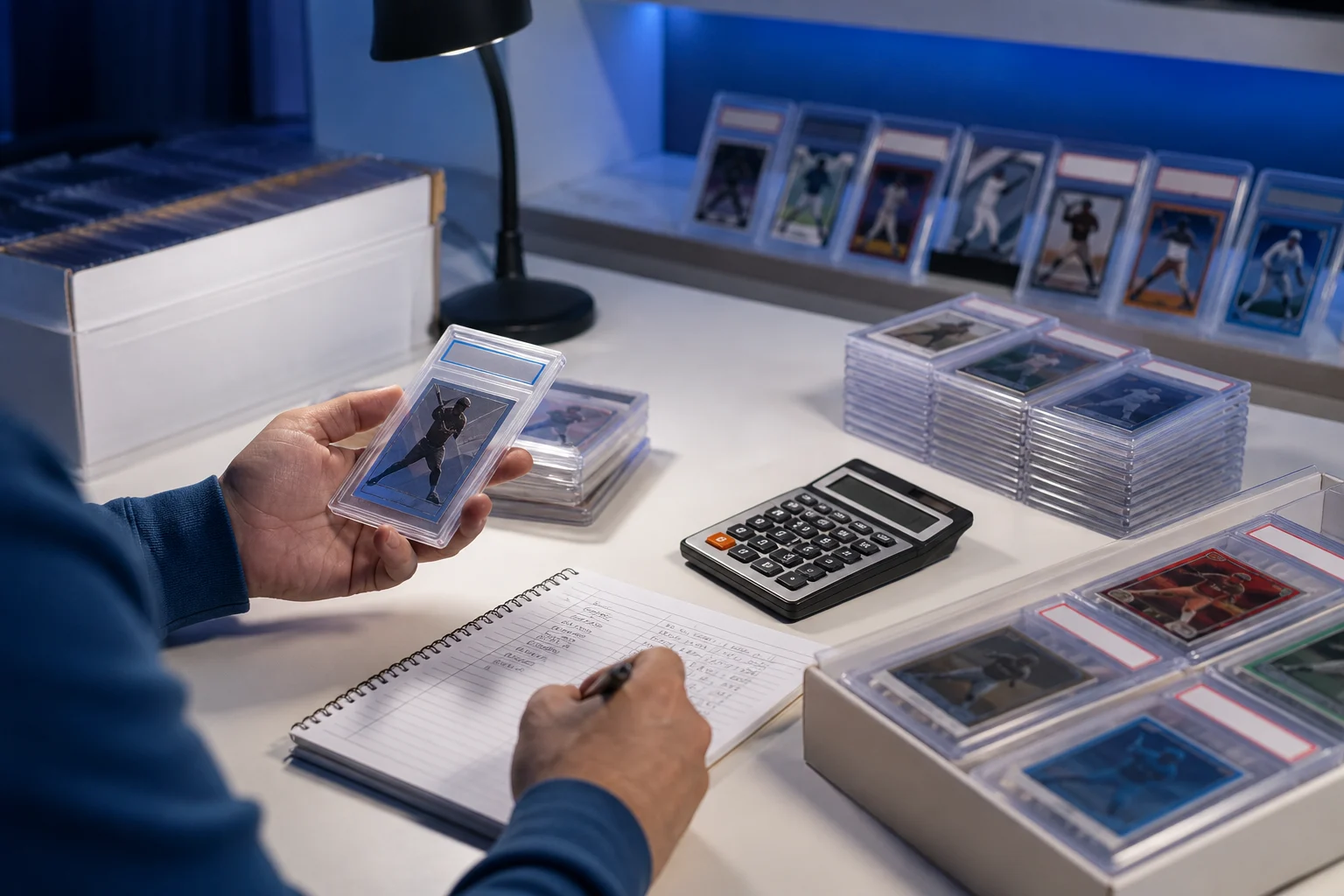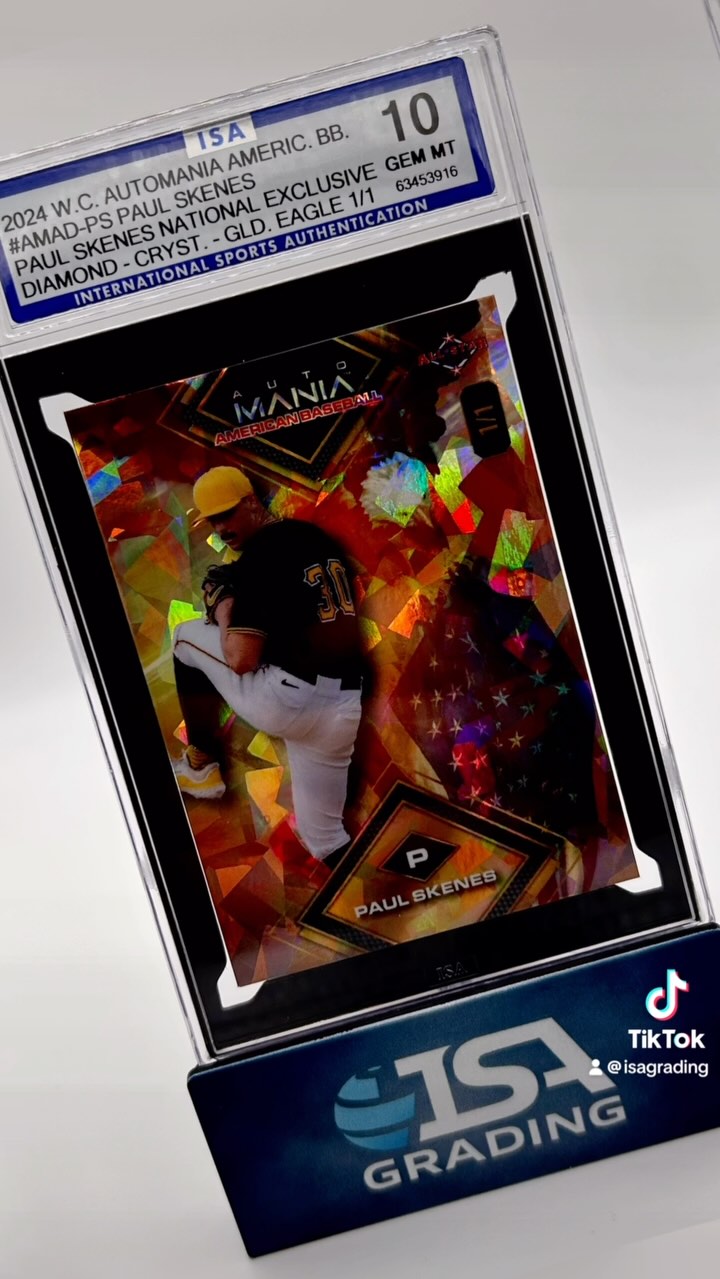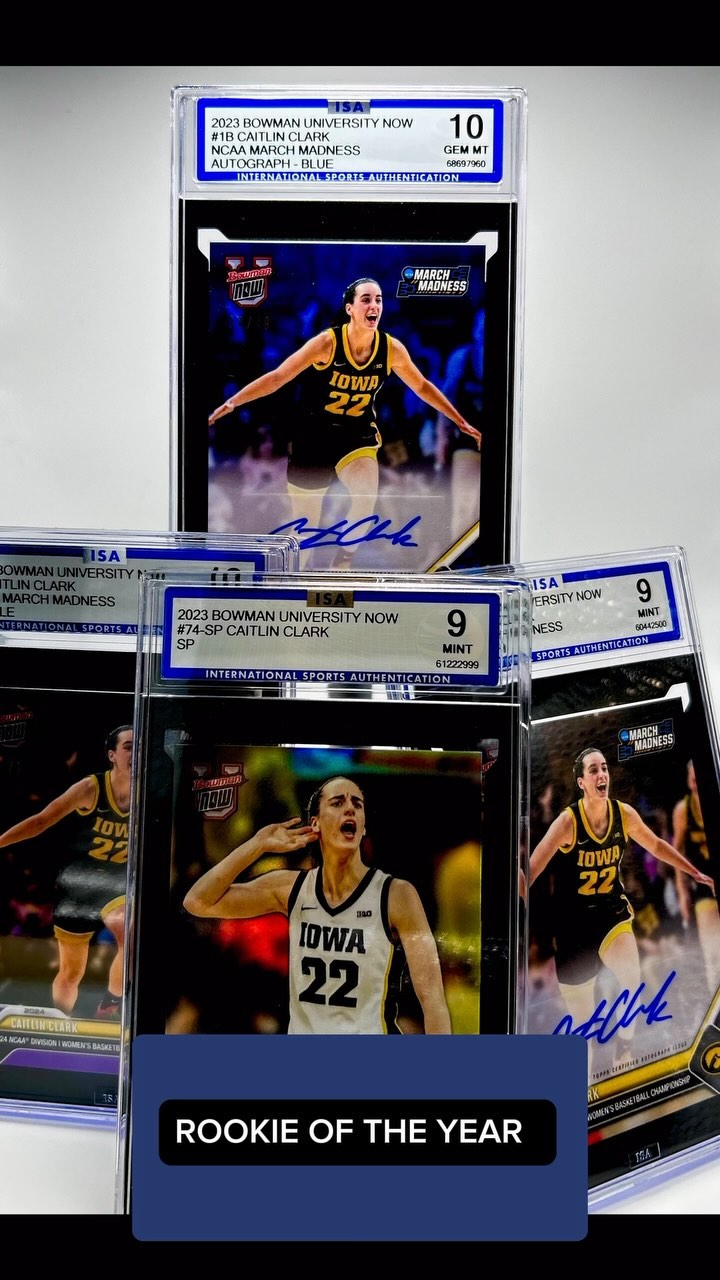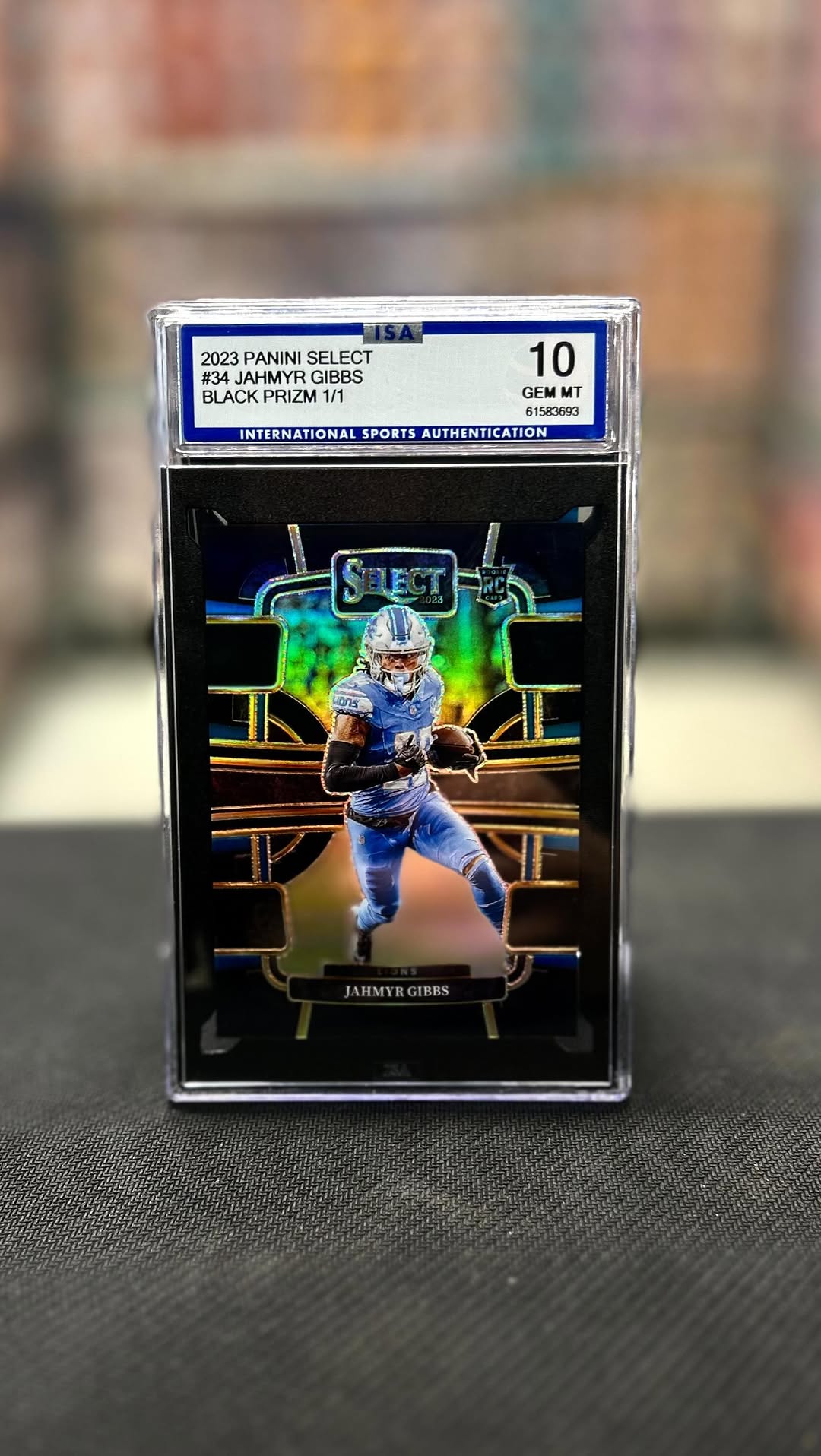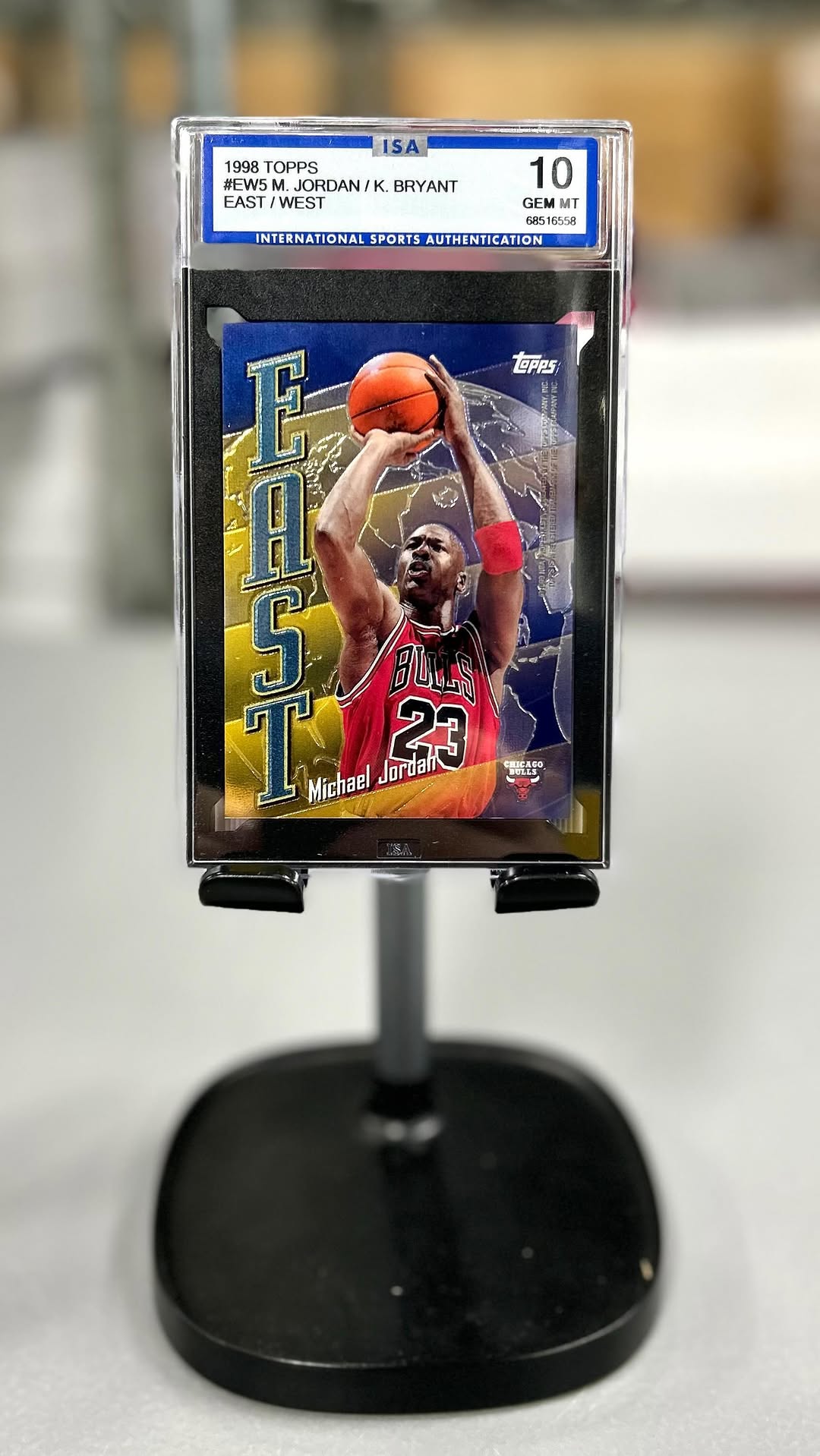
A grading backlog becomes a problem when the wait no longer matches your reason for submitting. Maybe you want to list a rookie card during the season, organize an inherited collection, or return inventory to your showcase. Whatever the goal, time away from your cards has a practical cost, even when that cost is difficult to measure.
Looking for grading backlog alternatives does not have to mean chasing the shortest advertised wait. A useful comparison includes price, submission requirements, grading standards, verification tools, and how you plan to use the finished cards. ISA Grading, also known as International Sports Authentication, currently offers sports card grading and authentication at $15 per card, with a 14 day turnaround, a 10 card minimum, and no upcharges.
Start With the Problem You Need Grading to Solve
Before choosing a service, separate your collecting goals from your selling goals. A collector preserving a favorite player's career run may value consistency and presentation. A dealer preparing inventory for a show may care more about scheduling and total submission cost. Someone evaluating an older collection may need to establish authenticity before deciding what to sell.
If your starting question is, “Where should I grade my cards?” make the next question more specific: what should grading accomplish for these particular cards? That answer helps you avoid submitting pieces simply because a service looks affordable or a queue looks shorter.
- For a personal collection: Consider protection, label presentation, and whether you want a consistent look across a set.
- For resale: Compare realistic sold prices, expected expenses, and buyer familiarity with the grading company.
- For inventory planning: Work backward from your intended listing date or event, leaving room for shipping and preparation.
Compare Turnaround Times Without Assuming Too Much
Turnaround is one of the first details collectors check, but an advertised service timeline is not necessarily the entire period your cards will be away. Packing, outbound transit, intake, processing, and return transit can affect your schedule. Ask how a provider defines its timeline rather than assuming every company measures the same interval.
ISA currently lists a 14 day turnaround. If you have a firm deadline, confirm how that timeline applies to your submission and whether shipping time is separate. Do not build a sale around an exact return date without understanding the current terms.
Fast card grading is useful when it supports a realistic plan. It cannot guarantee that a player's market stays strong while your cards are away, or that a finished card sells immediately. Give yourself enough scheduling room to photograph the returned cards, check their details, and prepare accurate listings.
Understand the Full Cost Before You Submit
The grading fee is only one part of the decision. Packing materials, shipping, insurance, and eventual selling fees can change the economics of a submission. A low entry price is less useful if you have not calculated what the full batch will cost.
ISA's current $15 card grading service has a 10 card minimum and no upcharges. At the minimum quantity, the grading fees total $150 before any applicable shipping or other separately disclosed charges. That gives you a clear starting point for deciding whether a batch makes sense.
No upcharge card grading also removes one potential variable from your grading budget. However, no upcharges should not be read as a promise that shipping, insurance, or every other expense is included. Review the submission terms and calculate those items separately where applicable.
Use a conservative resale estimate
For cards you intend to sell, work from completed sales rather than optimistic asking prices. Consider more than one possible grade. If a card only looks profitable when it receives the highest grade you can imagine, the submission may carry more risk than your budget allows.
Inspect Condition Before You Build a Batch
Good preparation starts with a careful, honest inspection. Use clean hands, a clean workspace, and lighting that makes small defects visible. Handle cards by their edges when practical, and avoid repeatedly moving them between holders just to take another look.
Card condition grading involves more than a sharp-looking front. Review the front and back, and give each major condition area its own attention:
- Card centering: Compare opposing borders and check whether the printed image appears noticeably offset.
- Card corners: Look for whitening, bends, compression, and small signs of wear.
- Card edges: Inspect for chipping, roughness, and damage that may blend into a dark border.
- Card surface: Tilt the card under light to look for scratches, indentations, print lines, stains, and creases.
Review ISA's grading scale to understand its published grade descriptions before submitting. Your own inspection is a screening tool, not a reliable promise of the final grade. Photographs and casual visual checks can miss defects that become apparent during closer examination.
For a broader preparation checklist, read Before You Grade: A Collector’s Guide to Sports and Pokemon Cards. Avoid attempting repairs, pressing out damage, or using chemicals to improve appearance. Such actions can alter a card and complicate its evaluation.
Match the Submission to the Cards You Actually Own
Different collecting categories call for different screening habits. Baseball card grading might involve comparing condition across a long-running player collection, while basketball card grading could focus on a smaller group of modern rookies or parallels. Neither category automatically makes every card worth submitting.
Modern glossy cards can have subtle surface issues even when their corners look sharp. Older cards may show handling wear, staining, or creasing that is easier to accept in a personal collection than in a resale calculation. Vintage card grading deserves a realistic condition assessment rather than expectations borrowed from newly opened packs.
If your collection also includes Pokemon card grading candidates or other non-sports cards, confirm current eligibility before including them. Do not assume a company's sports card service automatically covers every trading card category, oversized format, or specialty issue. The same caution applies to unusual dimensions and cards with existing damage.
Keep Authentication and Grading Distinct
Collectors often discuss authentication and grading together, but they answer different questions. Sports card authentication addresses whether a card is genuine. Condition grading evaluates its state of preservation under the grading company's standards. A genuine card can still have substantial wear.
Card authentication matters when the identity and legitimacy of an item affect the buying decision. Condition matters when buyers compare examples of the same issue. Neither process should be confused with an appraisal or a guarantee of future market value.
When evaluating trading card grading services, look for accessible explanations of their standards and services. Be cautious about treating the same numerical grade from different companies as a promise of identical market value. Buyers may weigh the grading company, card, condition, and available sales evidence differently.
Make Protection Part of the Plan
Card protection begins before a card reaches a grading company. Prepare each card according to the provider's current instructions, use the requested holders, and package the submission so cards cannot shift freely in transit. Avoid forcing a card into a holder that is too tight.
Photograph the cards and keep an inventory of what you send. Record useful identifiers such as year, set, player, card number, and parallel. Those records help you match your submission to the cards that return and can support a shipping inquiry if one becomes necessary.
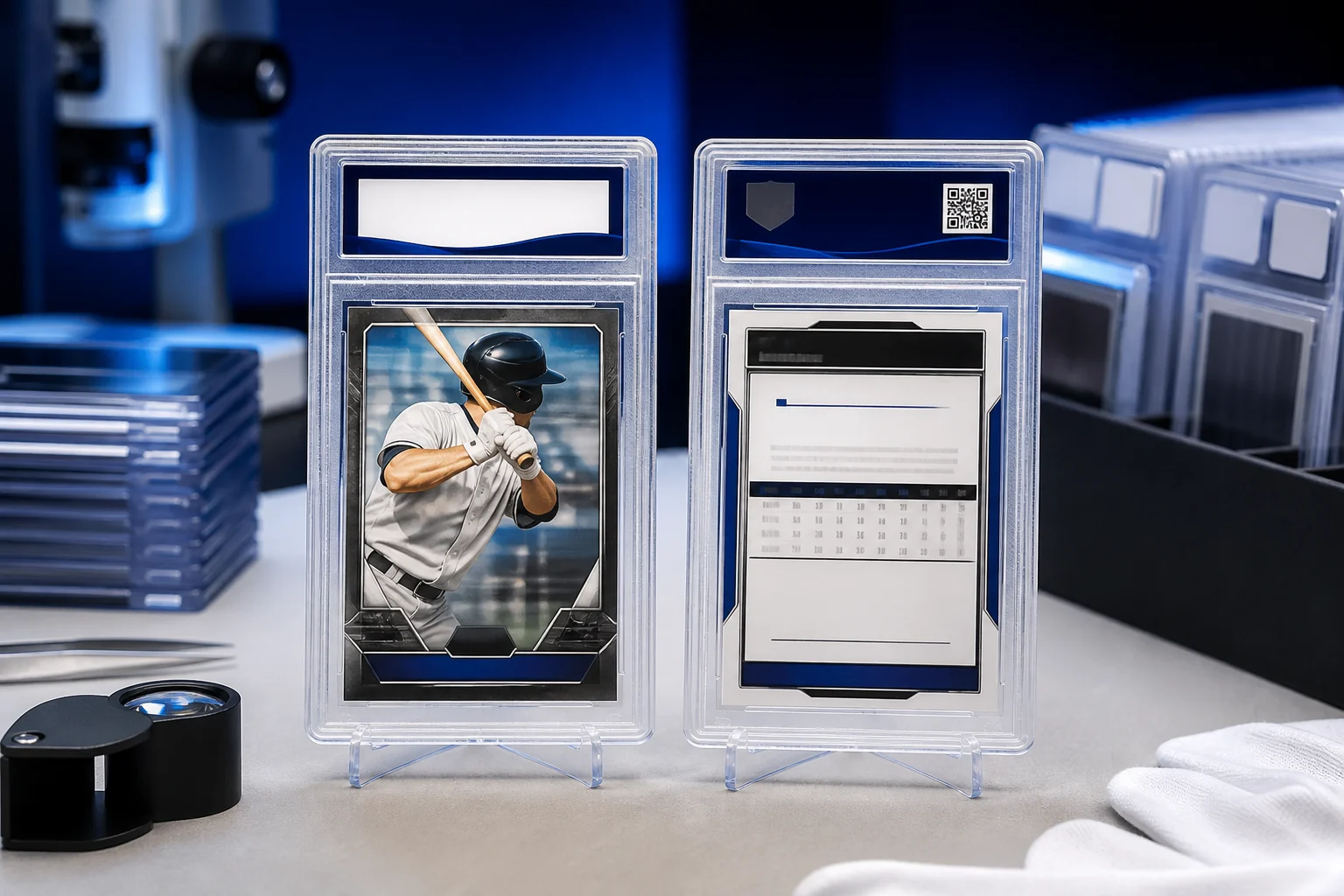
After grading, trading card slabs provide a protective enclosure and display the grading information. They do not make cards immune to heat, moisture, sunlight, or impact. Store slabbed cards securely, keep them out of prolonged direct light, and use appropriate protection when transporting them to shows.
Use Certificate Verification to Support Buyer Confidence
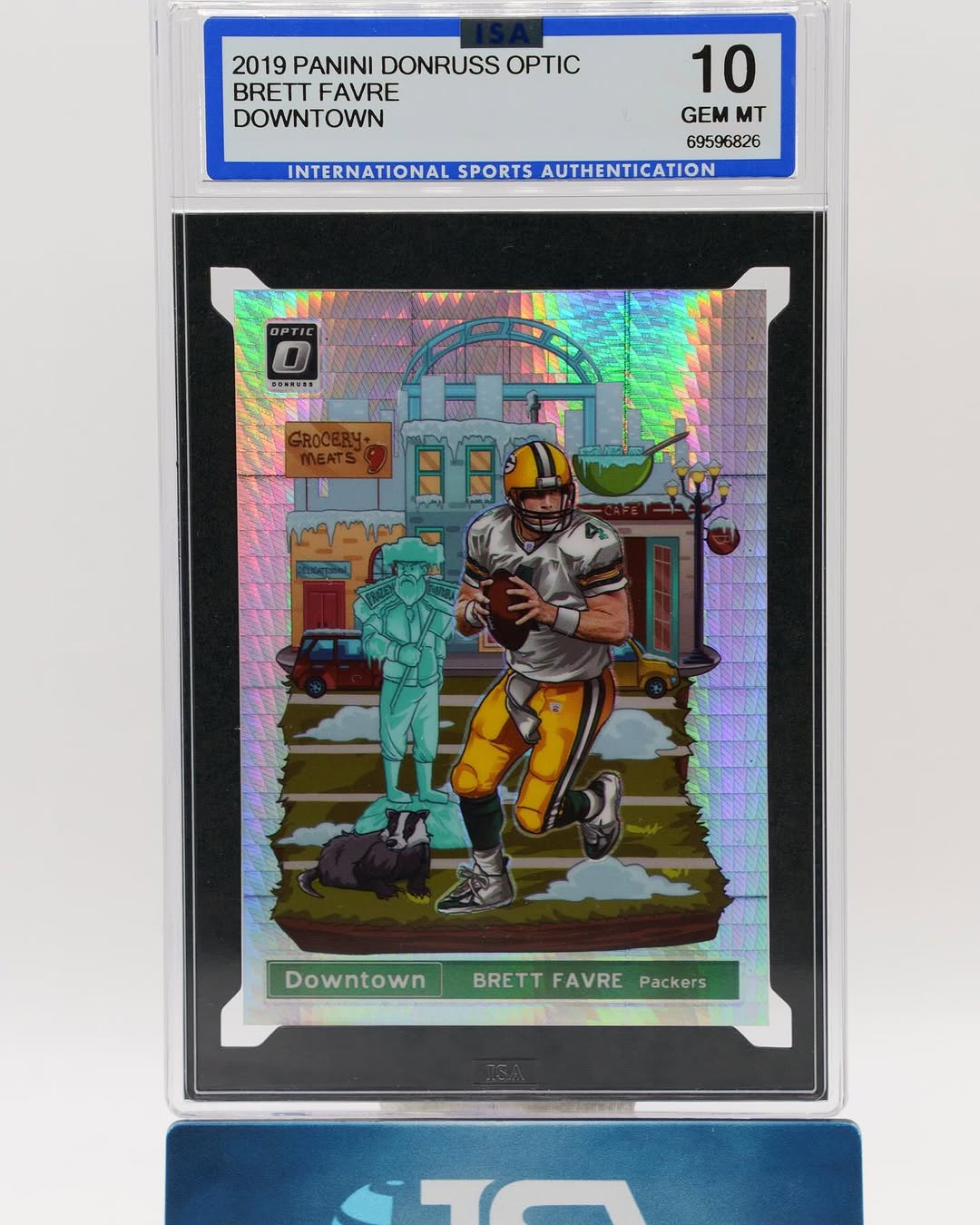
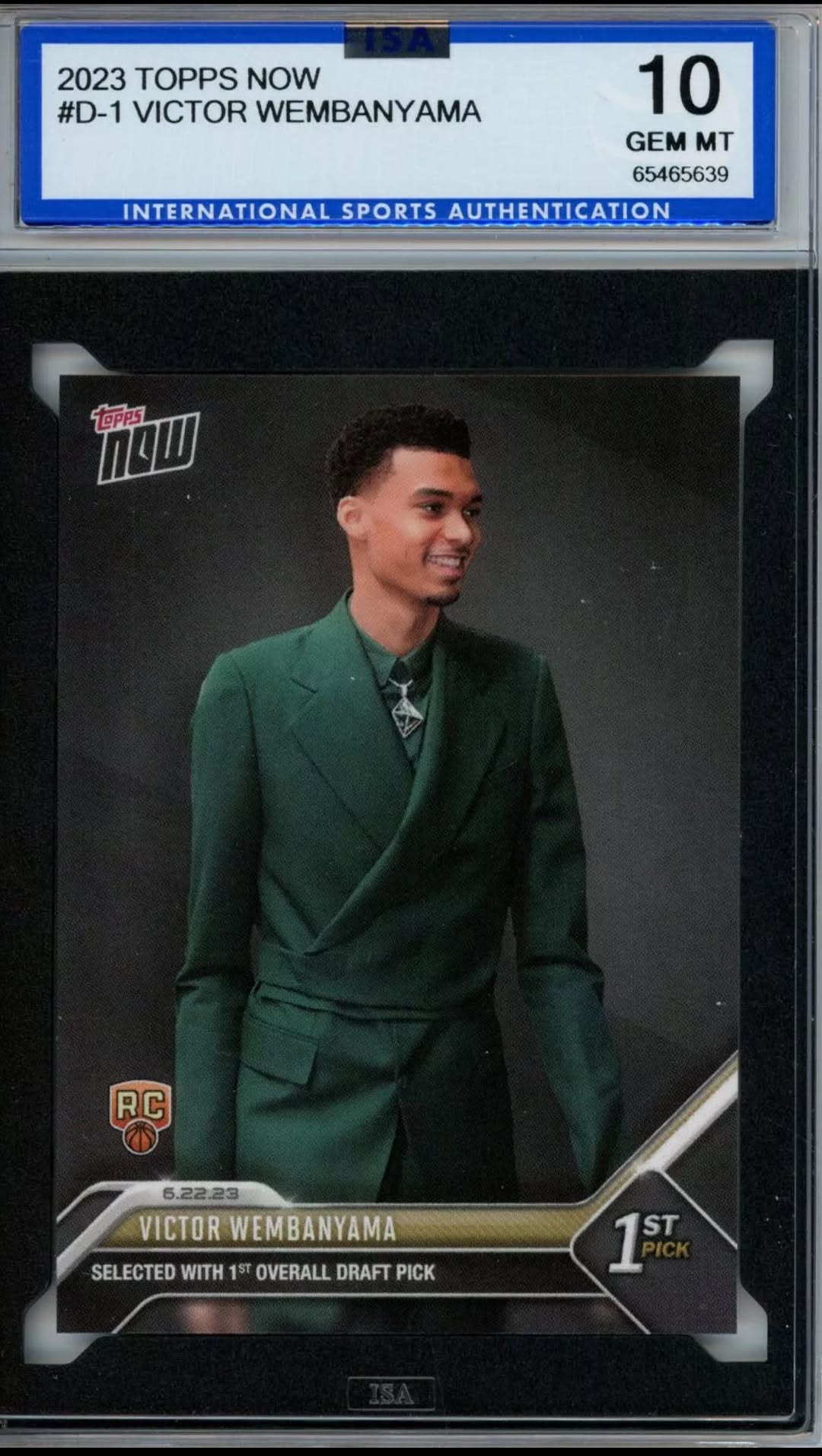
A readable label is helpful, but buyers should also have a way to check its information. ISA offers certificate verification on its website. When reviewing an ISA-graded card, compare the available certificate record with the identifying information on the slab and the card being offered.
Certificate verification is a useful research step, not a substitute for examining the actual item. Request clear front and back photographs, inspect the holder, and ask questions if details do not match. A certificate number appearing in a database should not be treated as proof that every listing using that number is legitimate.
For sellers, clear photos and an accurately transcribed certificate number make a listing easier to evaluate. Avoid suggesting that verification guarantees a particular selling price or eliminates every transaction risk.
Plan How You Will Sell the Finished Cards
Selling graded cards involves more than posting a photograph of the grade. Identify the card precisely, show the entire slab, and disclose visible holder damage. Describe the grade shown on the label without adding unsupported claims about rarity, investment potential, or what another company would assign.
Use recent comparable sales where available, ideally for the same card and grading company. If direct comparisons are limited, acknowledge that uncertainty in your pricing strategy. Do not assume a grade alone establishes a fixed premium over an ungraded copy.
Dealers can also separate submissions into practical groups: cards intended for near-term sale, cards for long-term inventory, and personal collection pieces. That distinction helps prevent a deadline for a few cards from driving decisions about an entire box.
Build an ISA Submission Around Clear Expectations
ISA's current service offers a straightforward starting point: $15 per card, a 14 day turnaround, a 10 card minimum, and no upcharges. The next step is deciding whether those terms fit your cards, your budget, and the expectations of your likely buyers.
- Choose at least 10 suitable cards. Do not pad the batch with cards that have no clear collecting or resale purpose.
- Inspect and document each card. Record identifying details and note visible condition issues.
- Calculate the full budget. Include grading fees and applicable shipping, insurance, and selling expenses.
- Review current instructions. Use ISA's submission page to prepare your order.
- Resolve questions before shipping. Check the FAQ page and confirm anything that could affect eligibility or timing.
Read ISA customer reviews for additional perspective, while remembering that individual experiences do not guarantee a particular outcome. For unusual cards or deadline-sensitive plans, contact ISA before sending the submission.
A backlog is a reason to reassess your options, not a reason to skip due diligence. Choose cards deliberately, verify the current terms, and select a grading service that fits what you want to do once the cards are back in your hands.
Submit Cards to ISA Grading
Collectors ready to use ISA Grading can start on the submission page. The current active service is $15 per card with a 14 day turnaround, no upcharges, and a 10 card minimum.
Frequently Asked Questions
What should I compare when looking for grading backlog alternatives?
Compare the current turnaround, total submission cost, minimum quantity, grading standards, card eligibility, certificate verification, and buyer expectations. Also confirm how the turnaround is measured and whether shipping time is separate.
What are ISA Grading's current price and submission minimum?
ISA Grading currently offers grading at $15 per card with a 10 card minimum and no upcharges. A minimum submission has $150 in grading fees before any applicable shipping or other separately disclosed charges.
What is ISA Grading's current turnaround time?
ISA currently lists a 14 day turnaround. Before planning around a firm deadline, confirm how that timeline applies to your order and whether outbound and return shipping are separate.
How can I verify an ISA-graded card?
Use the certificate verification page on ISA's website and compare the available record with the slab label and the card offered. Also examine clear photographs of the actual item, since a valid certificate number alone does not establish that a listing is legitimate.
Will grading guarantee that my cards sell for more?
No. Grading does not guarantee a higher selling price or a profit. Results depend on the card, assigned grade, demand, buyer preferences, and total costs. Review completed sales and consider several possible grades before submitting cards for resale.