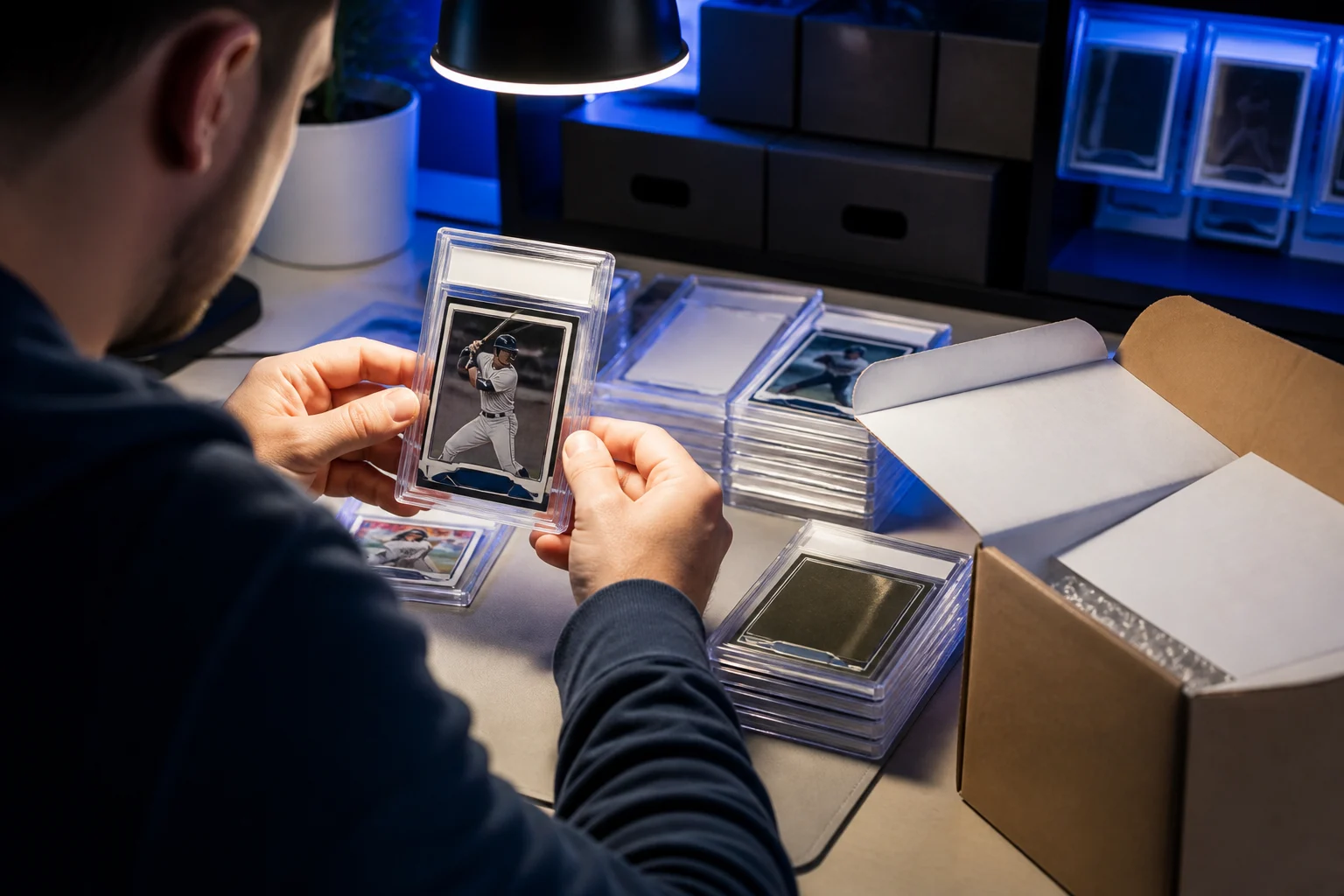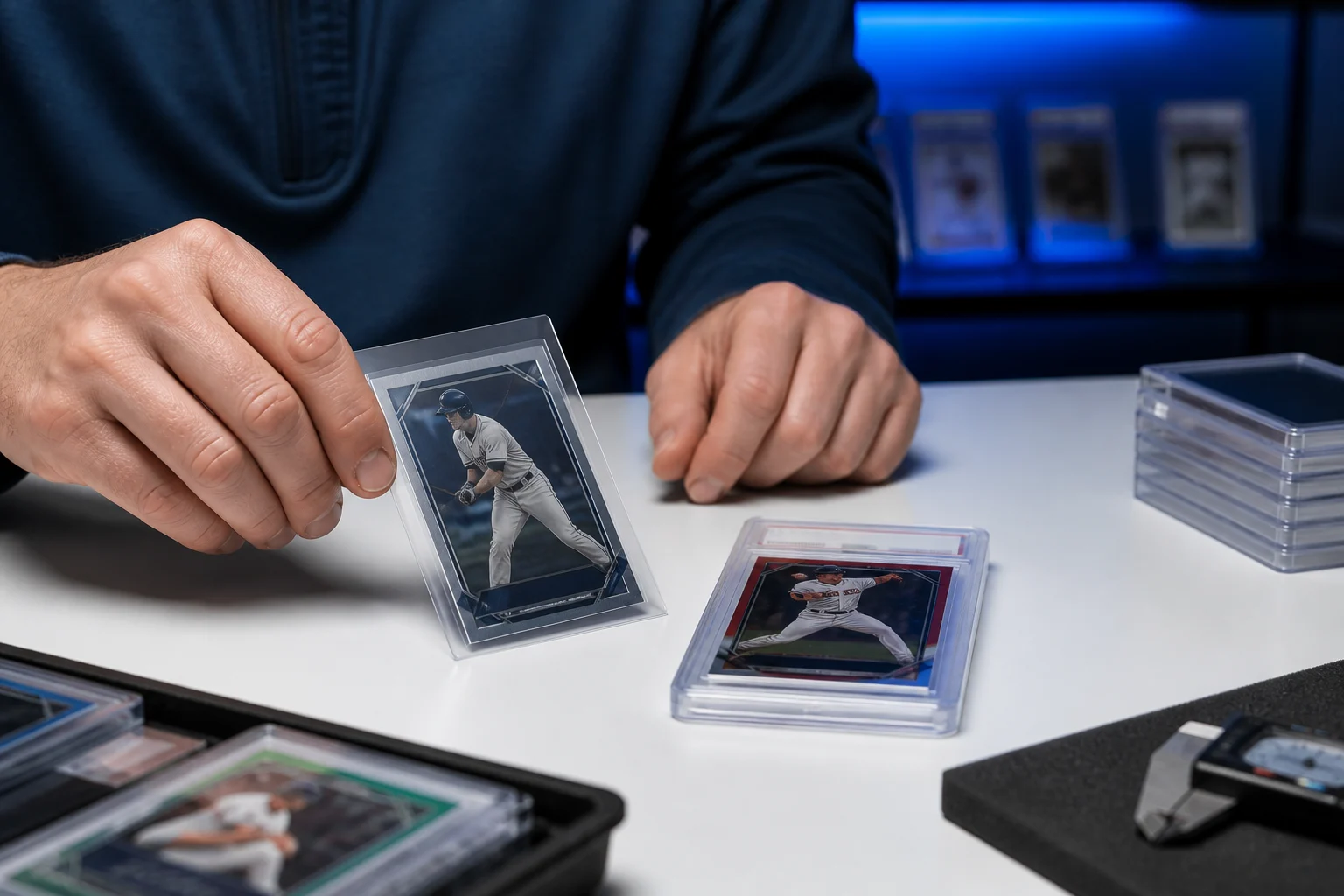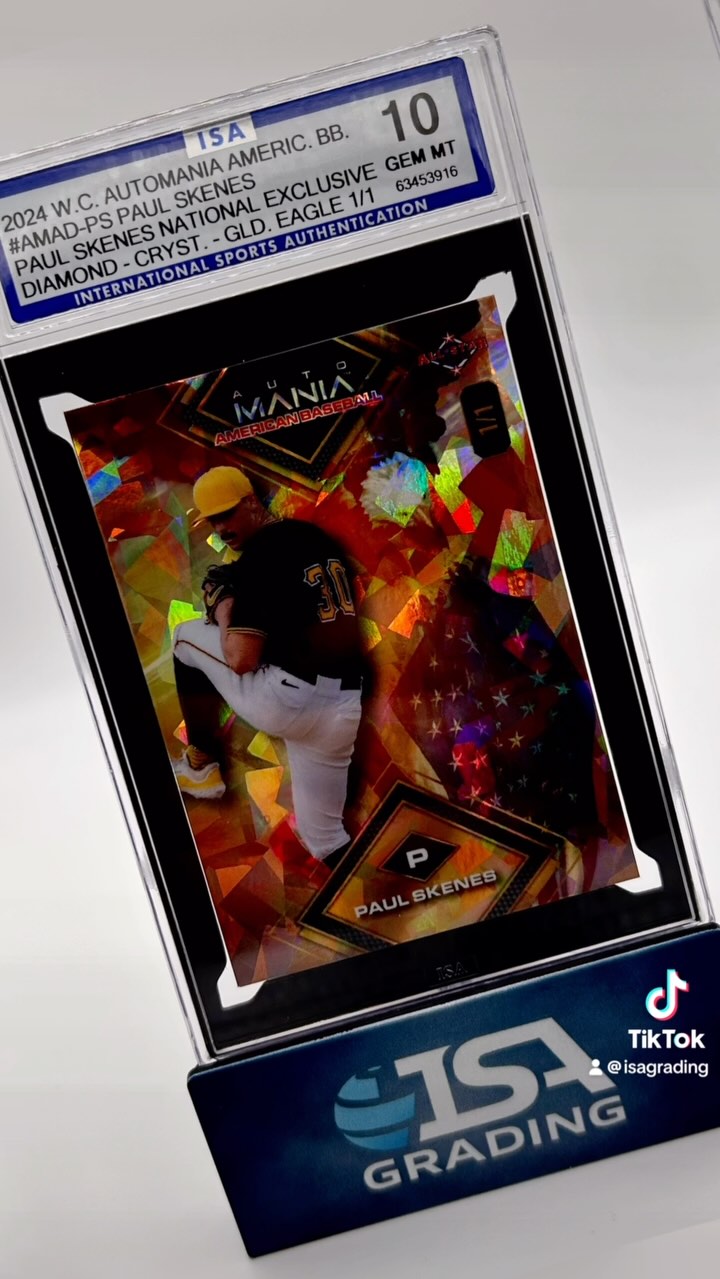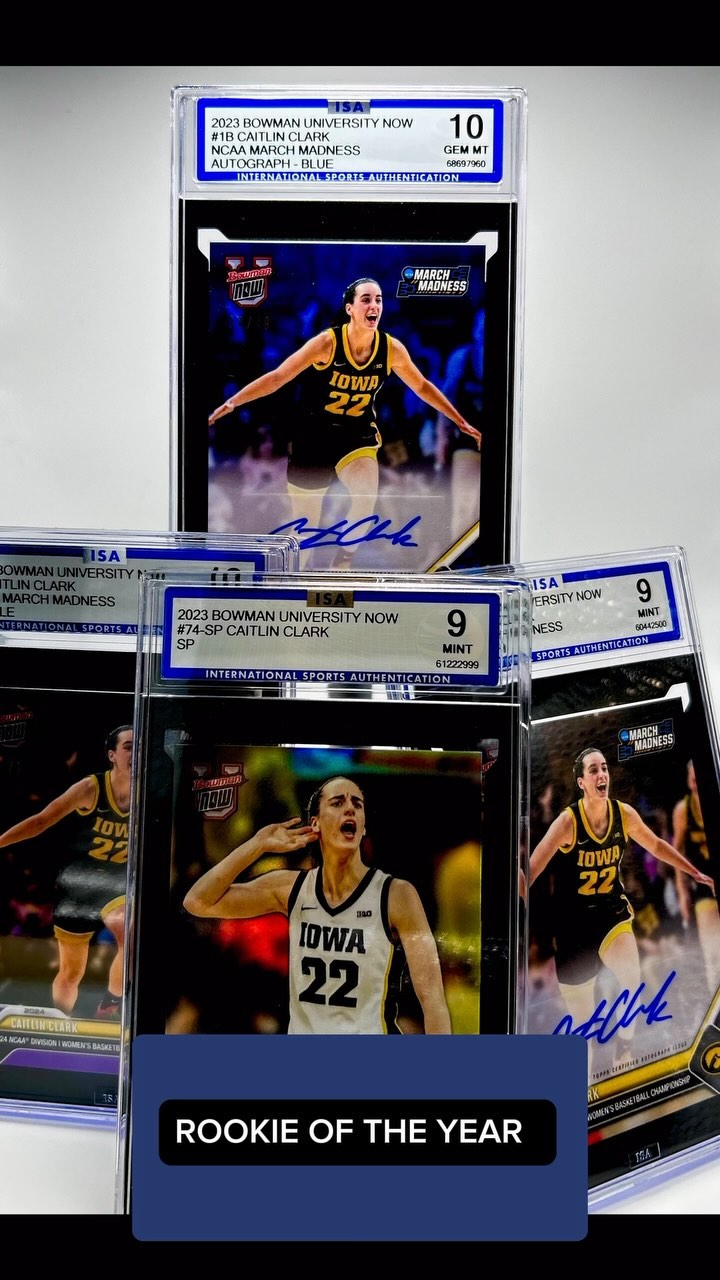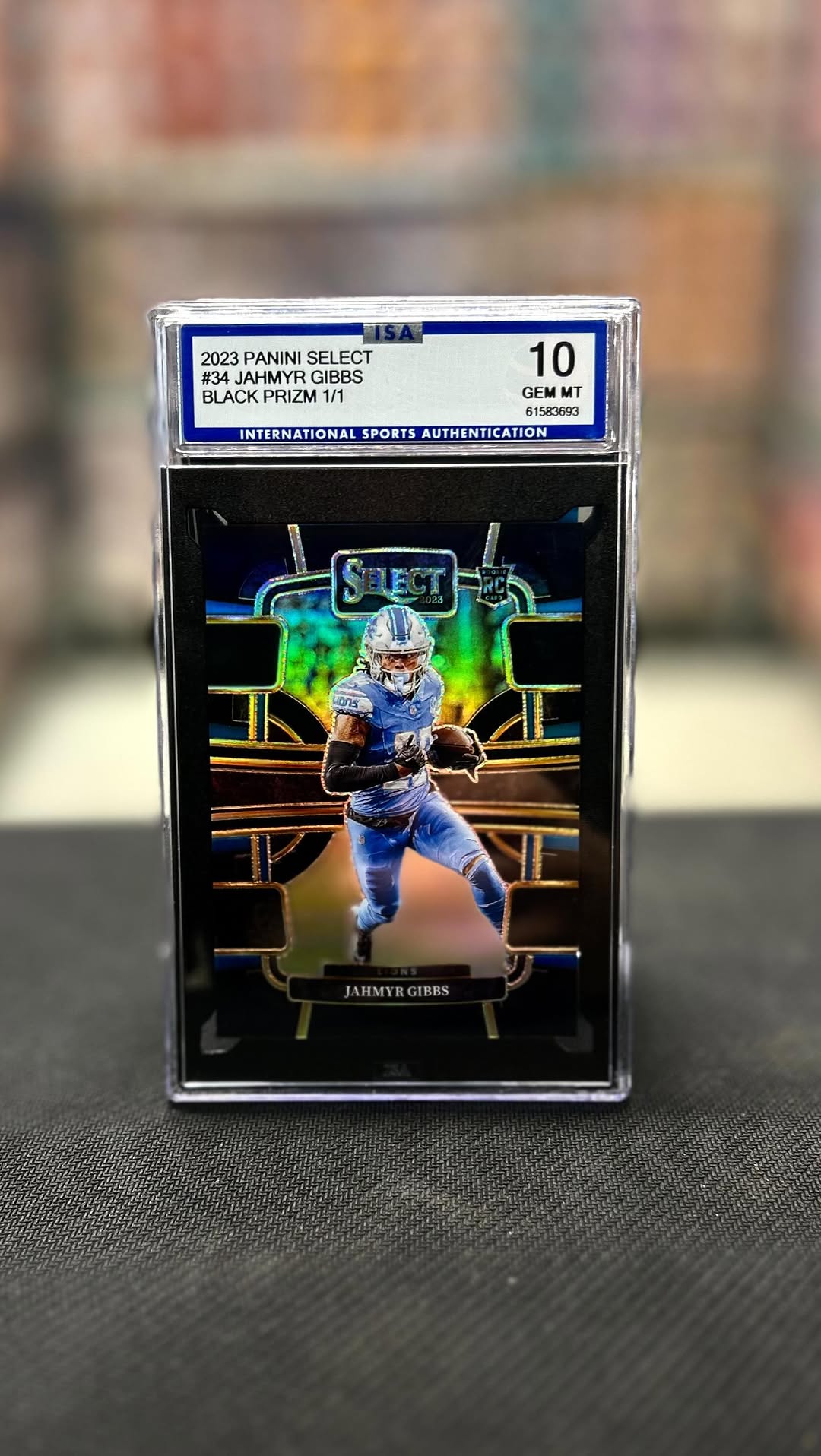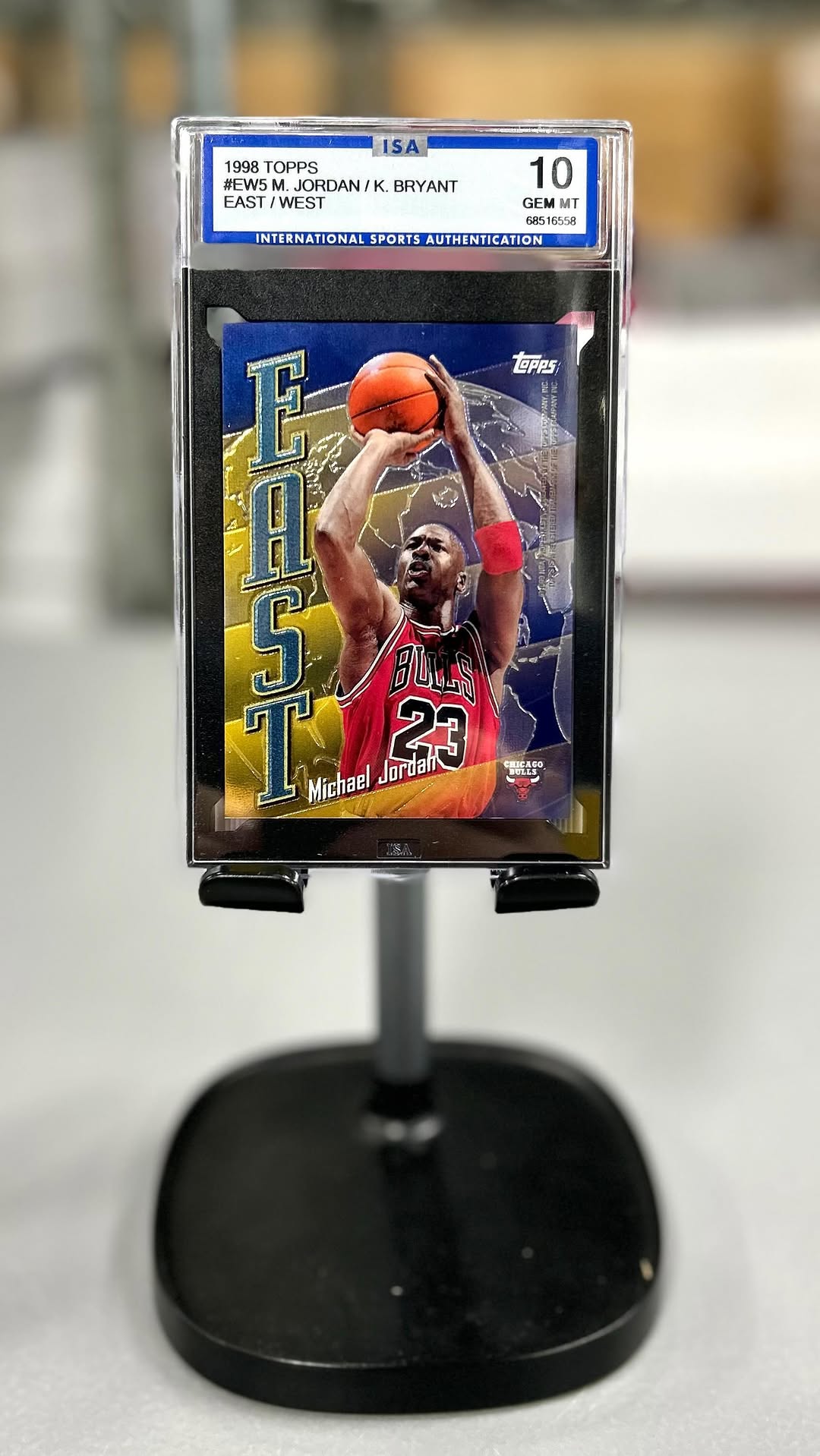
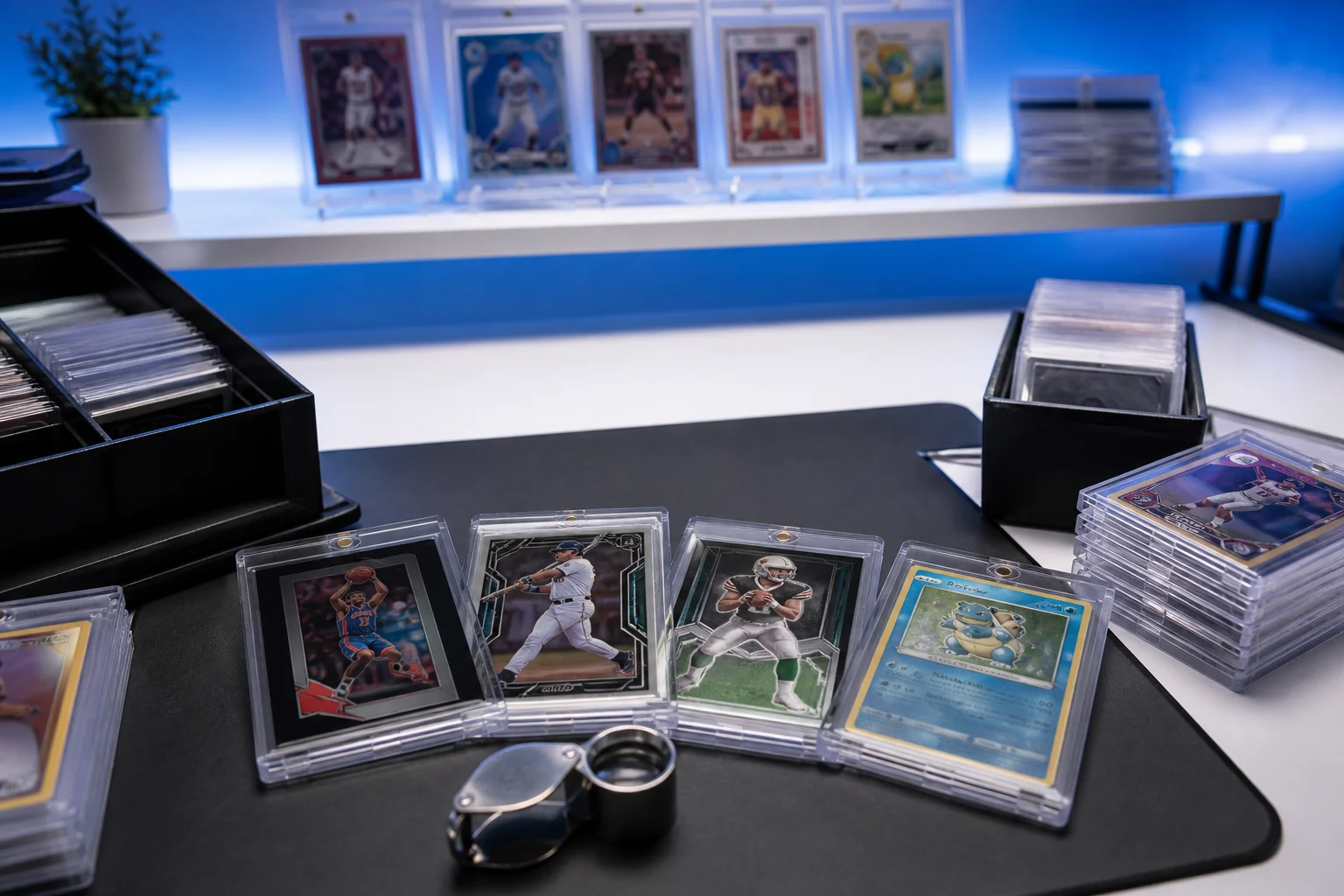
A basketball rookie, a vintage baseball card, a football parallel and a Pokemon holo can belong in the same collection, but they do not always call for the same grading decision. Condition, identification, personal significance and likely buyer demand all matter before you put together a submission.
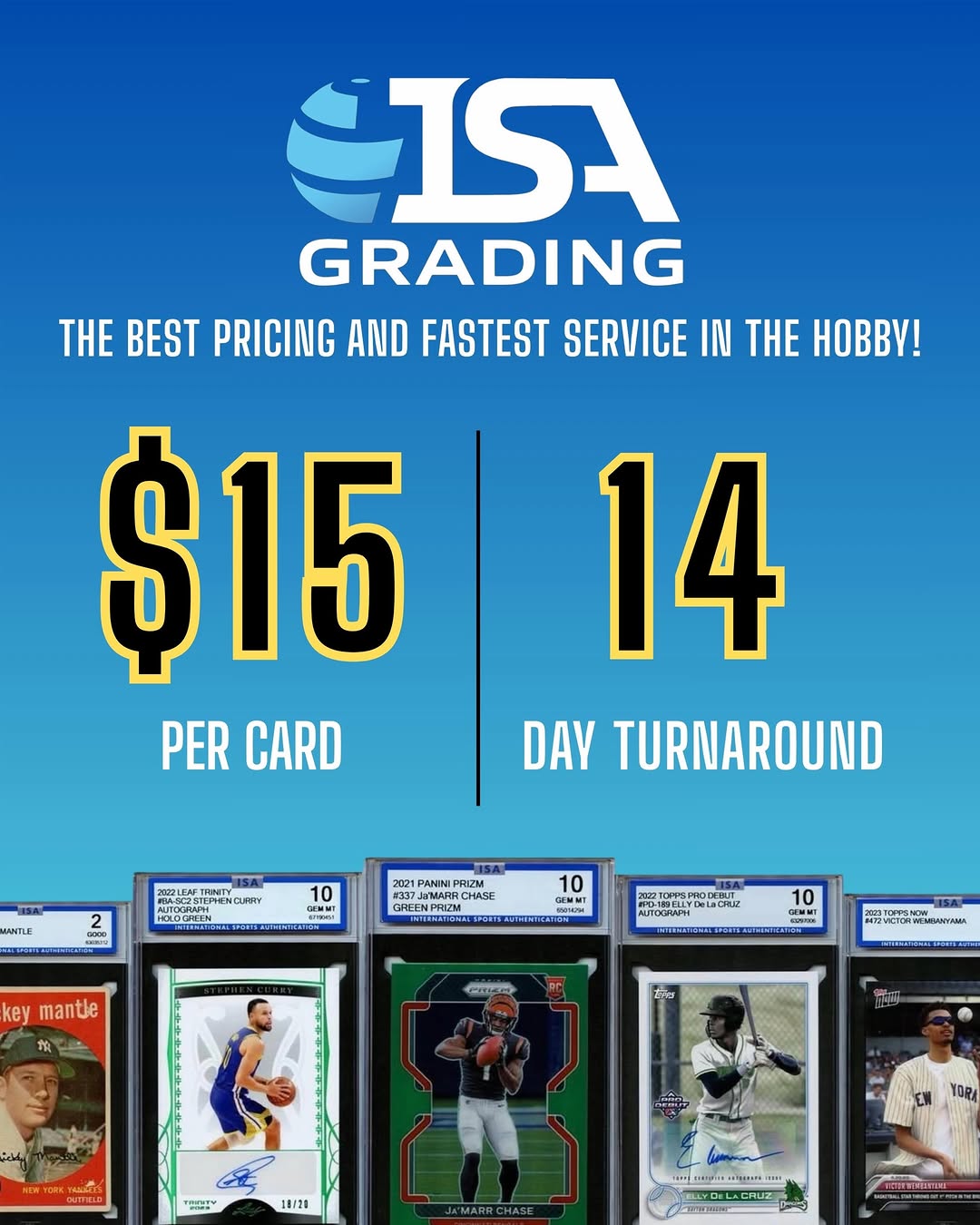
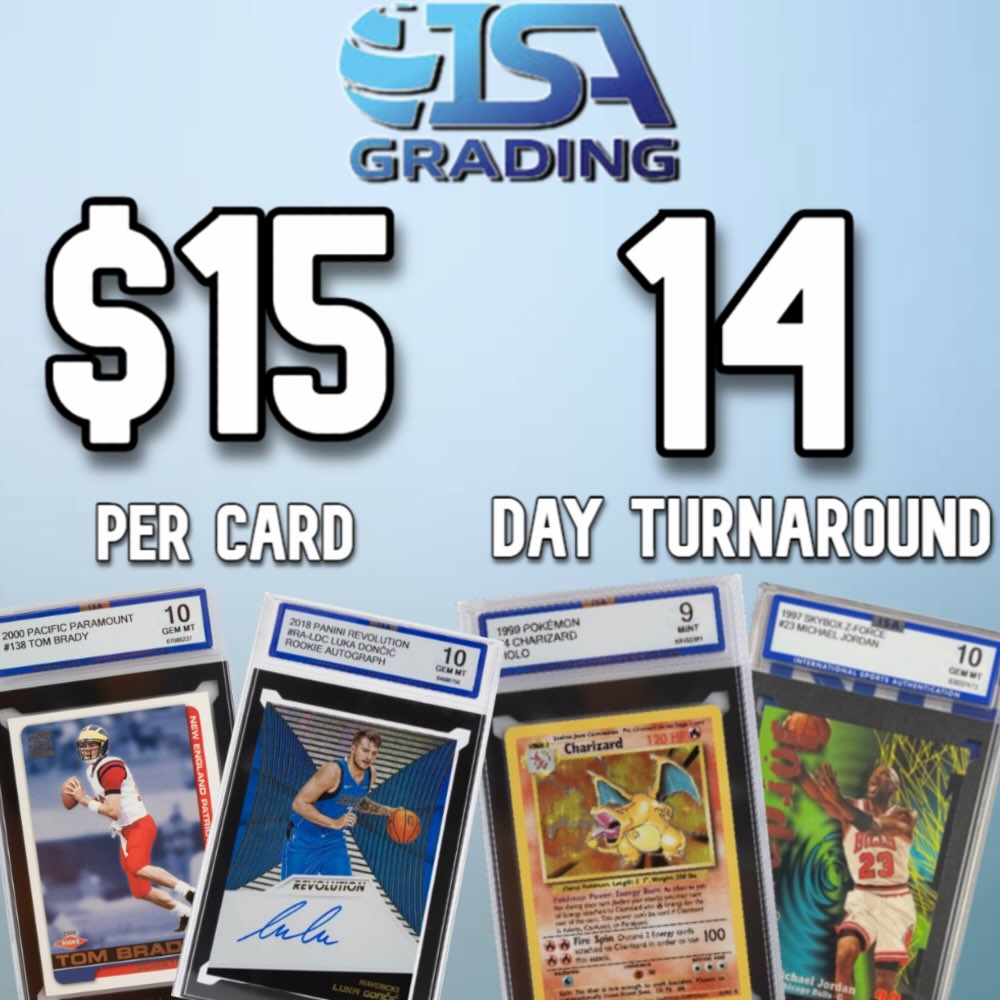
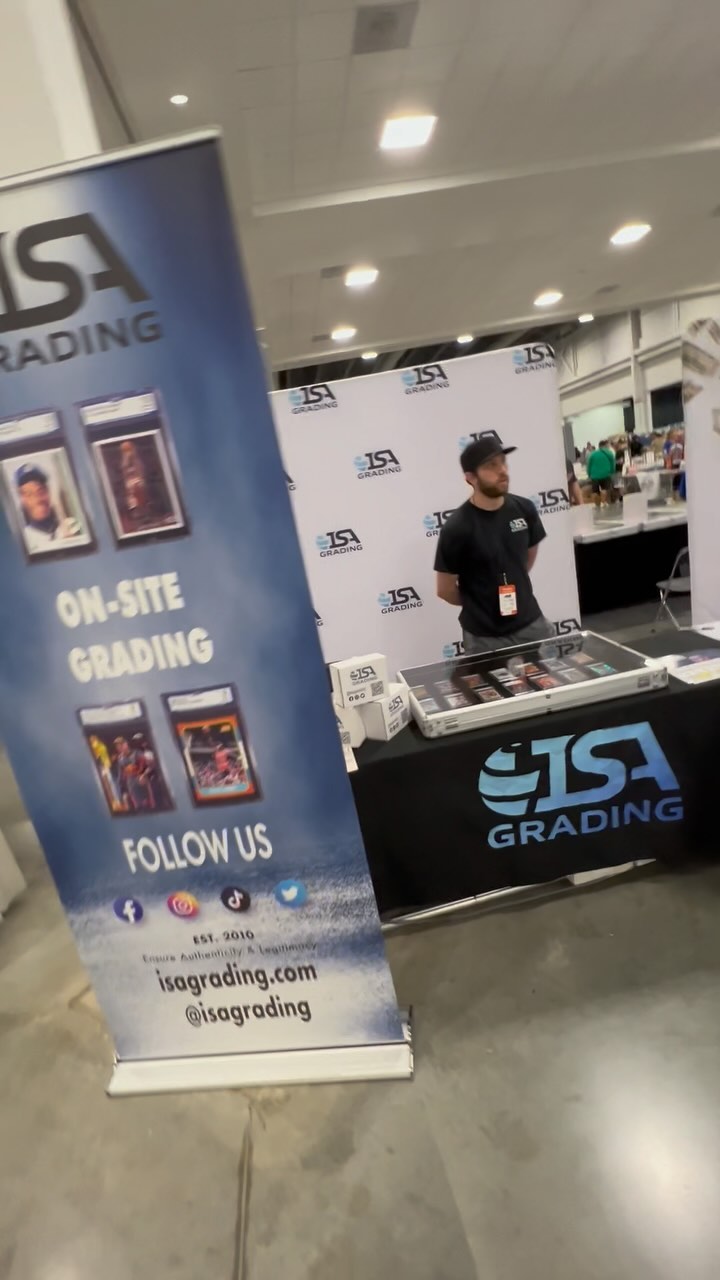
The most useful trading card grading strategy starts before a card enters a slab. Inspect what you own, understand the service terms and decide what you want grading to accomplish. ISA Grading, also known as International Sports Authentication, currently offers sports card grading and authentication at $15 per card, with a 14 day turnaround, a 10 card submission minimum and no upcharges.
Start With the Reason You Want a Card Graded
Before asking, “Where should I grade my cards?” ask what a successful result would look like. A collector protecting a childhood favorite has different priorities from a dealer preparing inventory for a show. Neither approach requires treating every card as a potential top grade.
- Personal collecting: Prioritize identification, protection and a presentation you enjoy.
- Selling: Compare likely sale proceeds with grading, shipping and marketplace costs.
- Inventory management: Consider submission size, turnaround time and how long your money will be tied up.
- Condition documentation: Decide whether an independent assessment would help explain a card to future buyers.
Grading can support buyer confidence, but it does not guarantee a particular price, a fast sale or a profit. Sometimes the right choice is to keep a lower-value card raw in an appropriate protective holder.
Inspect Four Condition Areas Before Submitting
Good card condition grading preparation means looking beyond the feature that first catches your eye. A bright autograph or attractive foil pattern can distract from a crease, edge chip or surface indentation. Review ISA’s grading scale before deciding which cards best match your goals.
Centering and overall alignment
Compare the borders where the design makes that possible. On borderless cards, use repeated design elements and known examples of the same issue as visual references. Check both sides. A well-centered front does not mean the back is equally balanced.
Card corners and card edges
Inspect card corners for rounding, bends, separation and whitening. Examine card edges for chipping, rough cuts and exposed layers. Dark borders and colored backs often make small flaws easier to notice, while unusual factory cuts can require closer attention.
Card surface
Use a clean workspace and angled light to inspect the card surface. Look for scratches, dents, print lines, stains, creases and residue. Tilt the card rather than rubbing it. A flaw that disappears under direct light may become obvious when the viewing angle changes.
A magnifying loupe can help you identify details, but do not turn your inspection into a promised numerical grade. Home screening is a way to make better submission choices, not a substitute for professional evaluation.
Basketball Card Grading: Check Foil, Acetate and Rookie Details
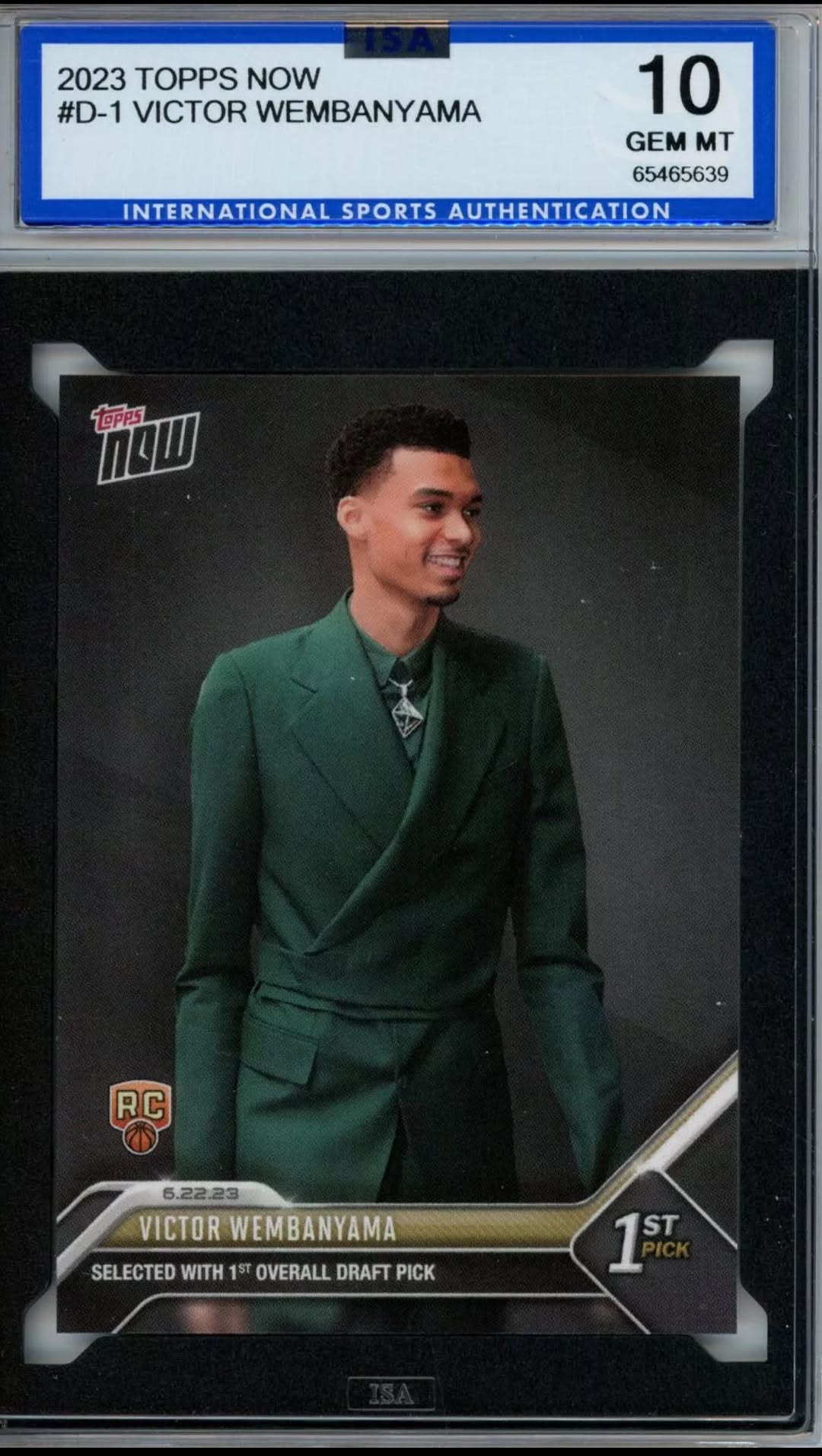
Basketball collectors often submit chromium cards, numbered parallels and rookie issues. Reflective finishes can hide fine scratches, while dark designs may reveal edge wear. Inspect both the image area and the surrounding background instead of focusing only on the player.
For rookie card grading, identify the exact year, set, card number and variation. A base rookie, an insert featuring a rookie and a parallel of that insert are different cards. Do not assume a seller’s title correctly identifies the issue.
Thicker memorabilia cards deserve special attention around corners and edges. Clear or translucent designs can also make fingerprints and scuffs conspicuous. If you are unsure whether a card’s dimensions or construction are supported, confirm eligibility before including it in a submission.
Baseball Card Grading: Separate Age From Condition
Baseball card grading covers everything from older cardboard stock to modern chrome releases. Vintage cards may show rounded corners, wax staining, print defects or creases that are difficult to see inside a sleeve. Modern cards can present a different mix of surface scratches, roller marks and edge damage.
For vintage card grading, examine the full card rather than expecting age to excuse wear. Historical appeal and condition are separate considerations. A lower-grade card can still be desirable because of its player, set or scarcity, but that does not remove its visible defects.
Do not trim edges, recolor corners or attempt to flatten creases. Such changes can affect authenticity assessments and grading eligibility. For more preparation context, read Vintage Cards, Clear Standards: What to Expect Before Grading.
Football Card Grading: Identify the Issue Before the Investment
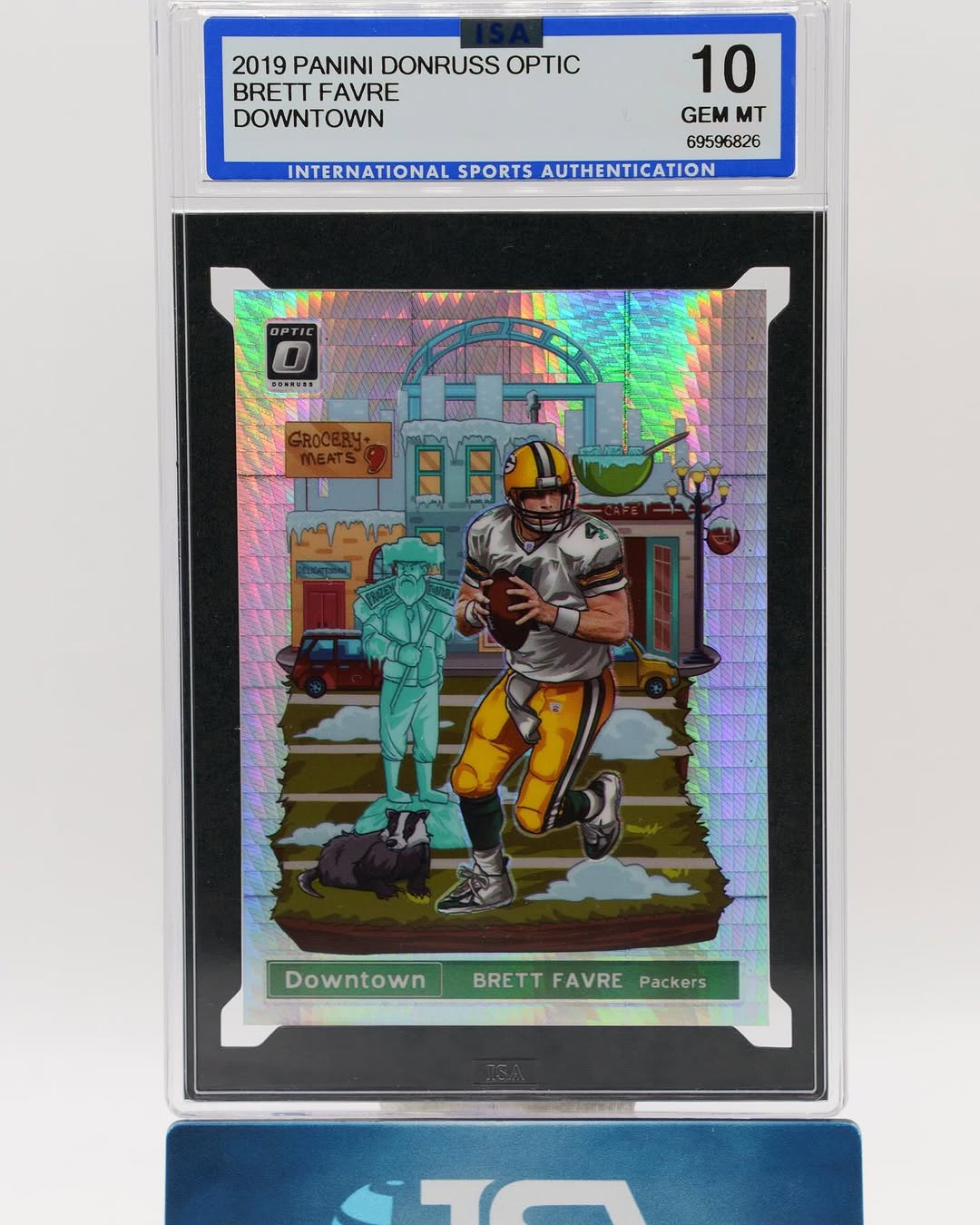
Football card grading often involves rookie quarterbacks, short prints, die cuts and memorabilia cards. Before assessing potential value, verify the exact issue. Similar-looking parallels can have very different supply levels and buyer demand.
Die-cut shapes create additional points where damage can occur. Examine every exposed tip and contour without pressing on the card. On thick stock, check for compressed corners and separation between layers. Look closely around memorabilia windows, where nearby edges may be vulnerable.
Timing matters for sellers, but a player’s schedule does not guarantee demand. Build your submission around a realistic selling window rather than assuming a strong performance will cover every grading expense. Keep a record of serial numbers and distinctive features before shipping.
Pokemon Card Grading: Give the Back and Holo Equal Attention
Pokemon card grading requires careful attention to both identification and condition. Record the set number, language, rarity designation and relevant edition details. Similar artwork can appear across different releases, so artwork alone is not enough to identify a card.
Inspect holo areas under angled light for scratches and print lines. Check textured surfaces without dragging a finger across them. On many Pokemon cards, the blue back makes whitening around card edges and corners easier to spot. Also inspect for dents that may be less noticeable than ordinary edge wear.
TCG card grading decisions should account for collector demand and the card’s actual condition, not only the popularity of the character. A card pulled directly from a pack can still have centering issues or production defects. Pack fresh describes its handling history, not a guaranteed grade.
Prepare Cards Without Creating New Damage
Once you have selected candidates, preparation should be simple and conservative. Avoid unnecessary handling, and follow the receiving company’s current packaging instructions rather than assuming every card grading service uses the same process.
- Create an inventory. Record the year, set, card number, player or character, variation and serial number where applicable.
- Photograph each card. Capture the front, back and any distinctive marks before packing.
- Handle by the edges. Work with clean, dry hands over a clean surface, keeping food and drinks away.
- Use suitable holders. Choose clean sleeves and submission holders that fit without bending or squeezing the card.
- Prevent movement. Follow current packing instructions so cards are supported without excessive pressure.
- Check the paperwork. Match the submission list to the cards and keep a copy for your records.
Do not use solvents, polish, abrasive cloths or household cleaners. Trying to remove a mark can introduce scratches or alter the surface. If you are uncertain about a card’s condition, document it rather than attempting a repair.
Understand Pricing and Turnaround Before You Ship
ISA’s current $15 card grading service has a 10 card minimum and no upcharges. At the minimum submission size, the grading fees total $150. Budget separately for any applicable shipping, insurance, taxes or other charges disclosed during submission.
For collectors comparing no upcharge card grading options, pricing clarity helps establish a budget before cards leave home. It does not eliminate the need to review the complete submission terms or decide whether grading makes financial sense for each card.
ISA currently lists a 14 day card grading turnaround. Check the current submission FAQ for details about how turnaround is counted and what to expect during processing. Allow additional time for shipping rather than treating the service turnaround as a guaranteed door-to-door delivery date.
Dealers working toward a card show or online sale should leave room for transit and unexpected delays. A clear schedule is more useful than a plan that depends on every step finishing at the earliest possible moment.
Slabs, Authentication and Certificate Verification
Sports card authentication and condition grading answer related but different questions: what the card is, and how its condition is assessed. A slab packages the result for handling and presentation, but collectors should still review the label and card together.
Use ISA’s certificate verification page to check the certificate information available on the website. Compare the displayed details with the label and the card being offered. A matching number is useful evidence, but it should not replace reviewing the seller, listing photos and physical holder.
Slabs provide protection during ordinary handling, not immunity from damage. Store them away from direct sunlight, excessive heat and moisture. Do not assume a holder is waterproof. For a closer look at these habits, see Beyond the Grade: Card Slabs, Protection, and Certificate Checks.
Selling Graded Cards With Realistic Expectations
When selling graded cards, use completed sales of the same card and comparable grade where available. Asking prices show what sellers hope to receive, not necessarily what buyers have paid. Differences in grading company, variation and sale date can limit a comparison.
Photograph the slab clearly, including the label and both sides of the card. Disclose visible holder damage and avoid presenting certificate verification as a guarantee of future value. Buyers benefit from accurate descriptions more than exaggerated claims about investment potential.
Work backward from expected net proceeds after selling fees, shipping and your acquisition cost. If the margin only works at an unusually high grade, reconsider the submission. The article From Submission Box to Sales Table offers a useful framework for planning around a sale.
Build a Submission That Fits Your Collection
Choose cards because grading serves a clear purpose, not simply to fill a box. Inspect each candidate, confirm its identity and weigh its likely outcome against the cost. If you do not have 10 suitable cards yet, waiting can be more sensible than adding cards you would otherwise leave raw.
When your cards and records are ready, review ISA’s current requirements and begin through the card submission page. A thoughtful sports card grading submission starts with realistic expectations, careful preparation and a plan for what happens when the cards return.
Submit Cards to ISA Grading
Collectors ready to use ISA Grading can start on the submission page. The current active service is $15 per card with a 14 day turnaround, no upcharges, and a 10 card minimum.
Frequently Asked Questions
How much does ISA Grading currently charge per card?
ISA Grading currently charges $15 per card, with a 10 card submission minimum and no upcharges. The minimum submission totals $150 in grading fees. Review the submission terms for any applicable shipping, insurance, taxes or other charges.
What is ISA Grading’s current turnaround time?
ISA currently lists a 14 day turnaround. Check the current FAQ and submission terms for how that period is counted, and allow additional time for shipping when planning around a sale or event.
What should I inspect before submitting sports or Pokemon cards?
Inspect centering, corners, edges and the surface on both sides. Look for scratches, whitening, dents, creases and print defects under angled light. Confirm the exact set and variation, and remember that a pack-fresh card is not guaranteed a top grade.
How can buyers verify an ISA certificate?
Use the certificate verification page on ISA’s website and compare the available certificate details with the slab label and card. Verification should accompany a review of the seller, listing photos and holder, rather than replace those checks.
Is grading always worthwhile before selling a card?
No. Compare relevant completed sales with your acquisition cost, grading fees, shipping and selling expenses. Grading may help document condition and support buyer confidence, but it does not guarantee a higher selling price or a profit.