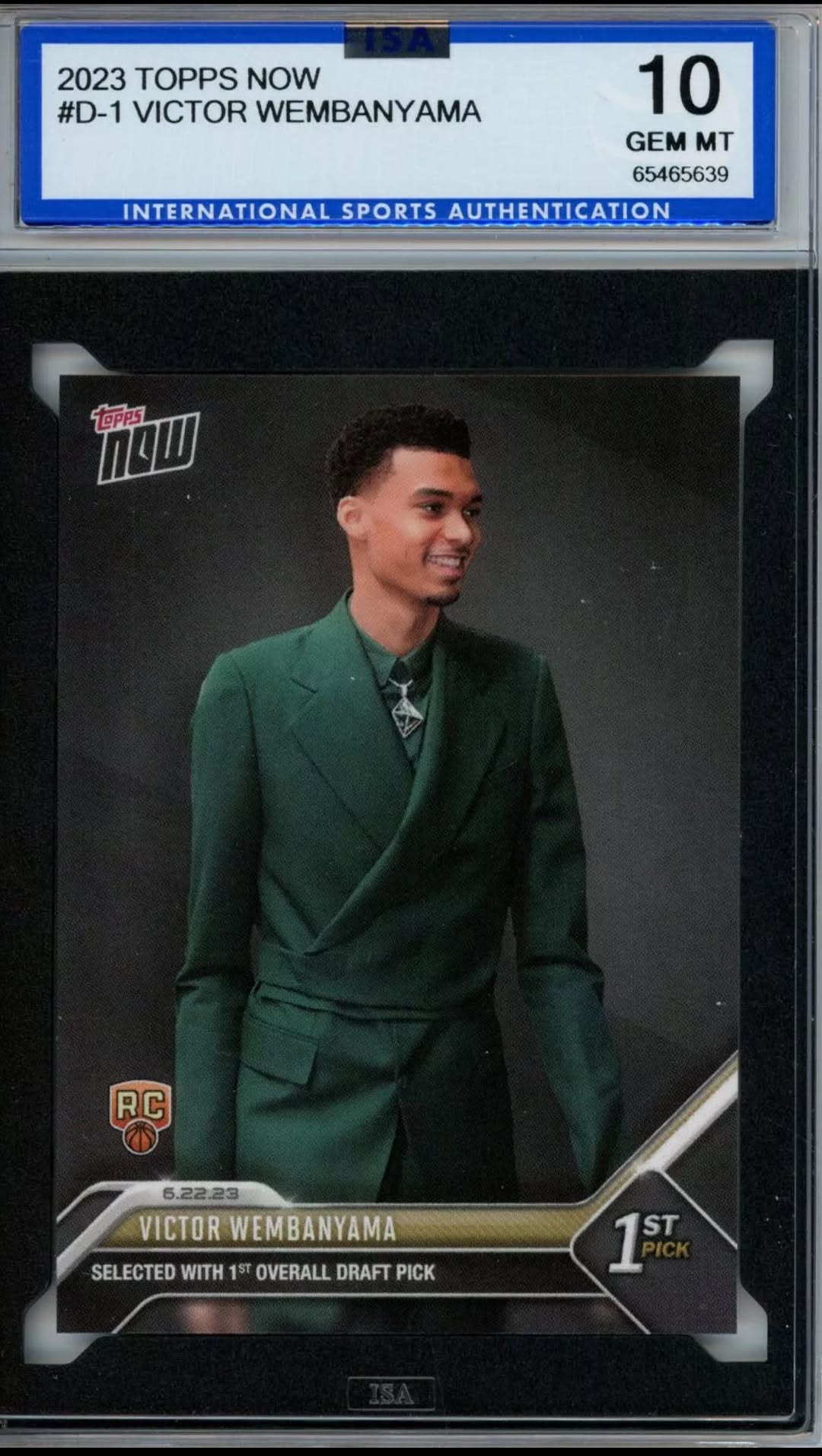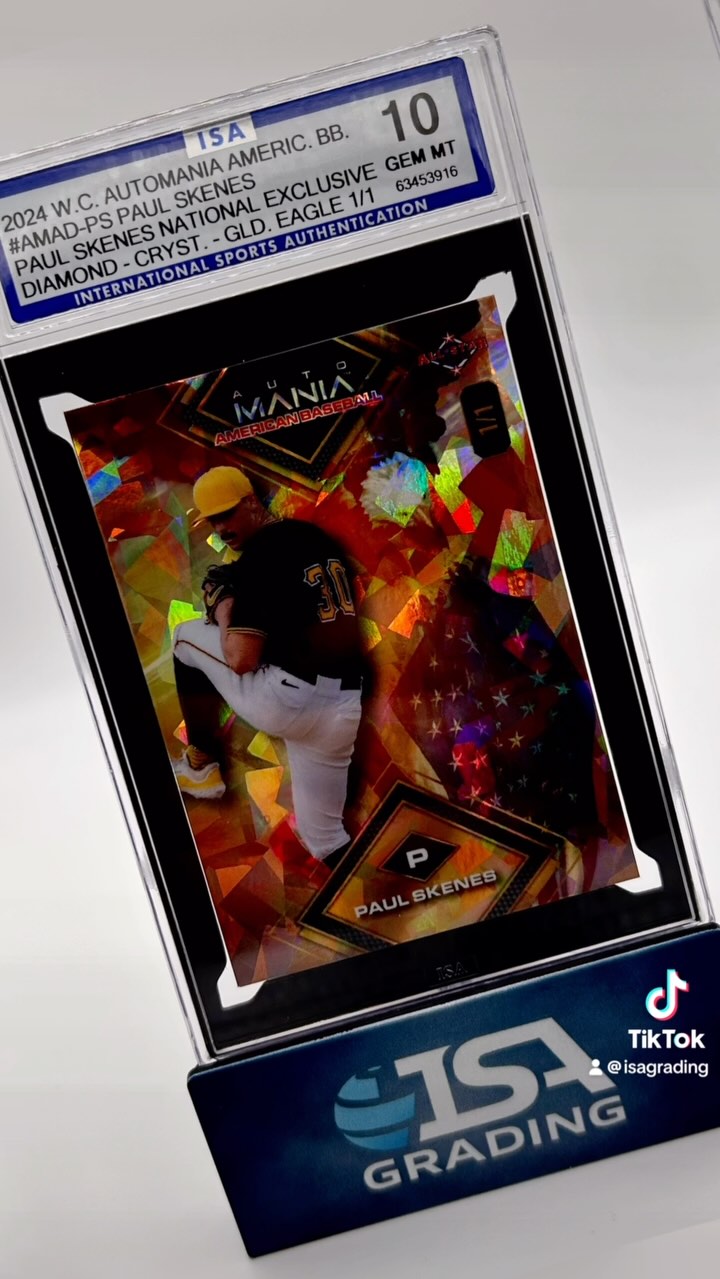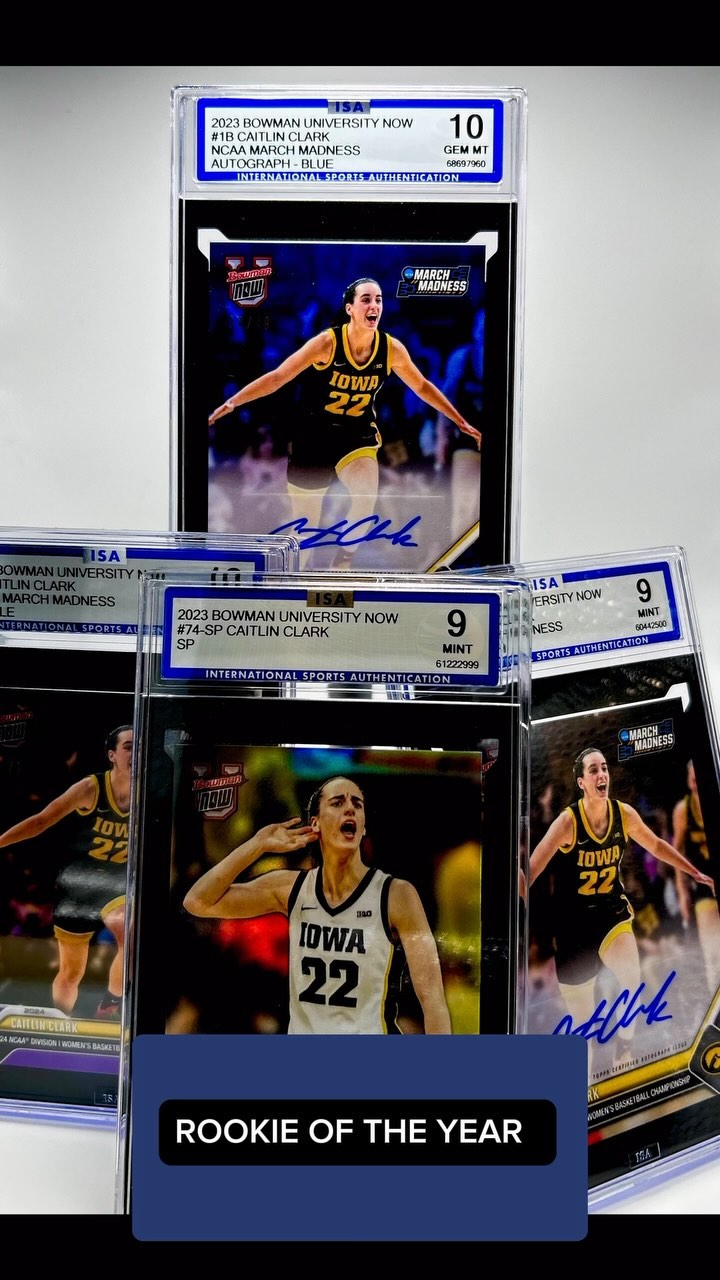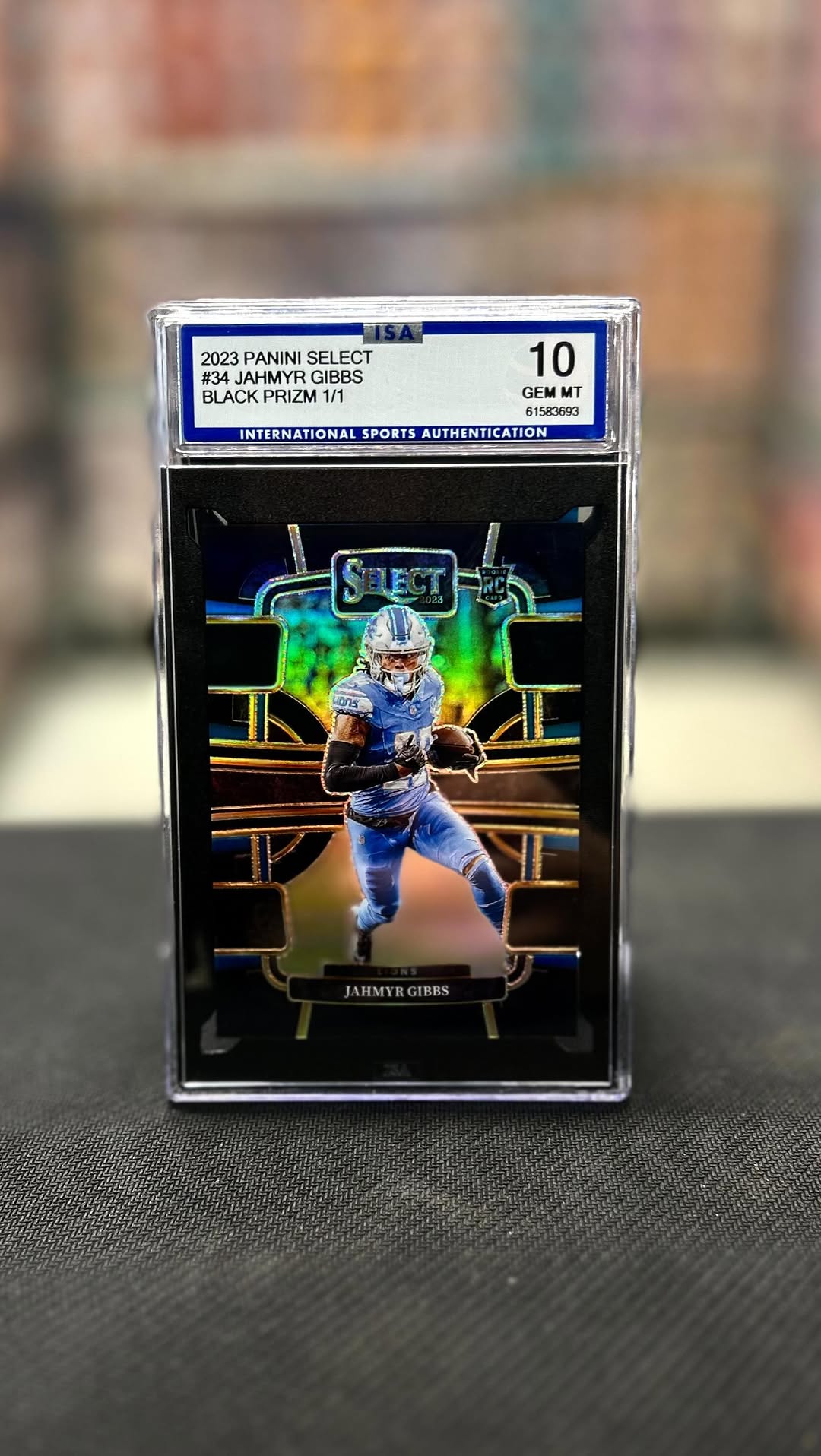
A card can survive decades in a collection and still suffer damage during one careless transfer. A caught corner, a tight holder, or movement inside a shipping box can change its condition before it reaches a grader. Protection matters just as much after grading, when scratches on a slab or poor storage can create new problems.
Effective card protection is a routine, not a single product. For collectors, dealers, and hobby sellers, the goal is to limit unnecessary handling, choose appropriate supplies, and maintain clear records. Here is how to protect cards throughout the grading process without adding risky cleaning steps or assuming a slab makes a card indestructible.
Start with a clean, controlled workspace
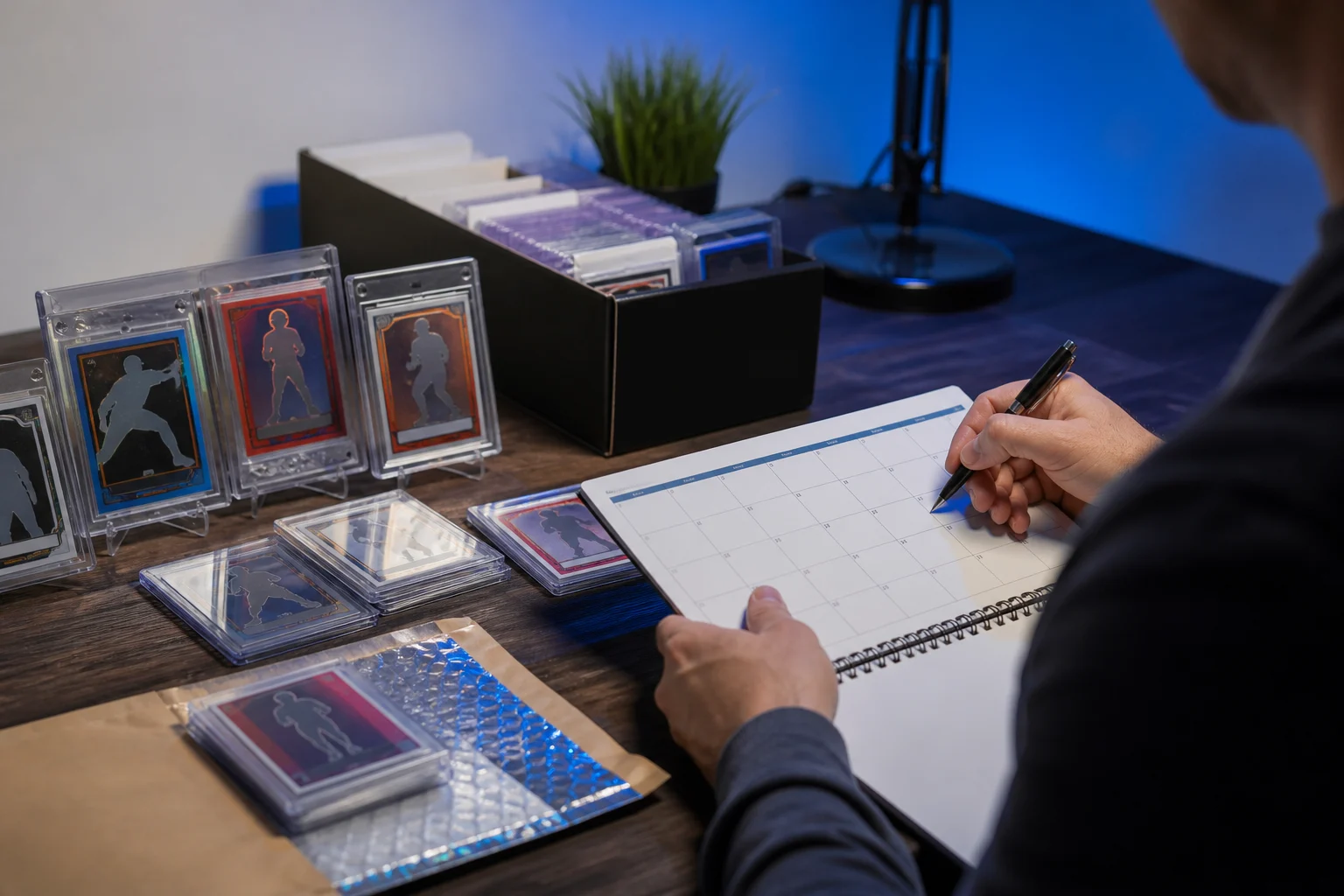
Prepare your supplies before removing a card from its current holder. Work on a clean, dry, uncluttered surface away from drinks, food, direct sunlight, and moving air. A clean, nonabrasive work mat can help, but inspect it for grit before setting anything down.
Wash and thoroughly dry your hands. Hold cards gently by their edges, avoiding pressure on the card surface. Gloves are not automatically safer: poorly fitting gloves can reduce dexterity and catch edges. Whatever handling method you choose, control and cleanliness matter.
Keep loose cards separate rather than stacking them directly together. For a larger submission, work on one card at a time. Moving ten cards through an organized sequence is safer than spreading them across a crowded desk and repeatedly rearranging them.
Choose holders that fit without forcing the card
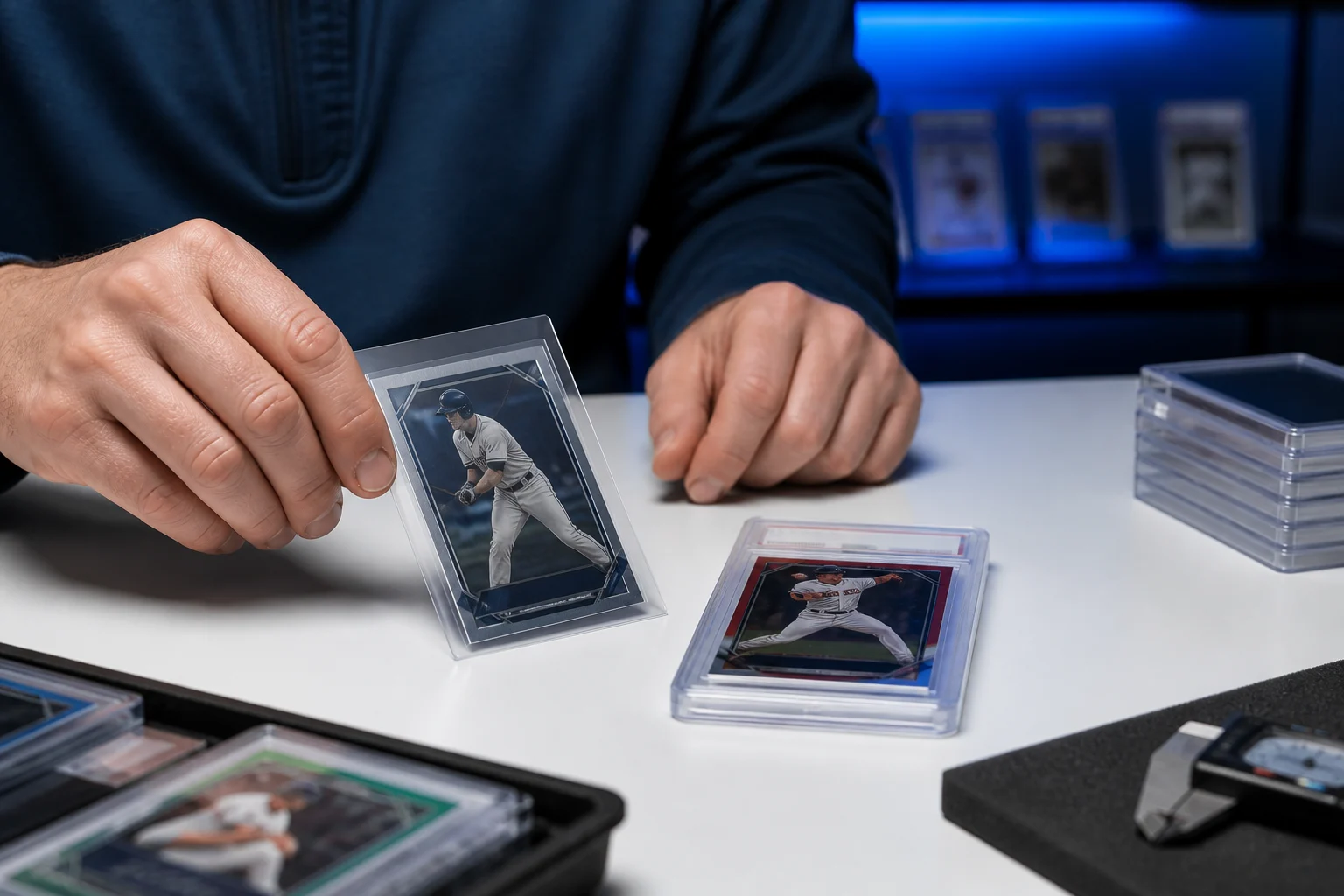
A clean soft sleeve provides a basic barrier against contact, while a suitable rigid or semi-rigid holder adds support. Choose archival-quality materials intended for trading cards, and avoid holders containing PVC. Check every holder for debris, damaged edges, and an opening that could catch a corner.
- Match the thickness: Thick memorabilia cards need sleeves and holders designed for their dimensions.
- Protect the opening: Open a sleeve gently before insertion so the card does not have to push its way through.
- Avoid excess pressure: A holder should support the card without squeezing its edges or bowed surfaces.
- Replace dirty supplies: A scratched or contaminated sleeve is not worth reusing around a valuable card.
Never force a card into a tight holder. If it resists, stop and choose a better fit. Before submitting, confirm the grading company's current packaging requirements rather than assuming your everyday storage method is acceptable for intake.
Inspect condition without trying to improve it
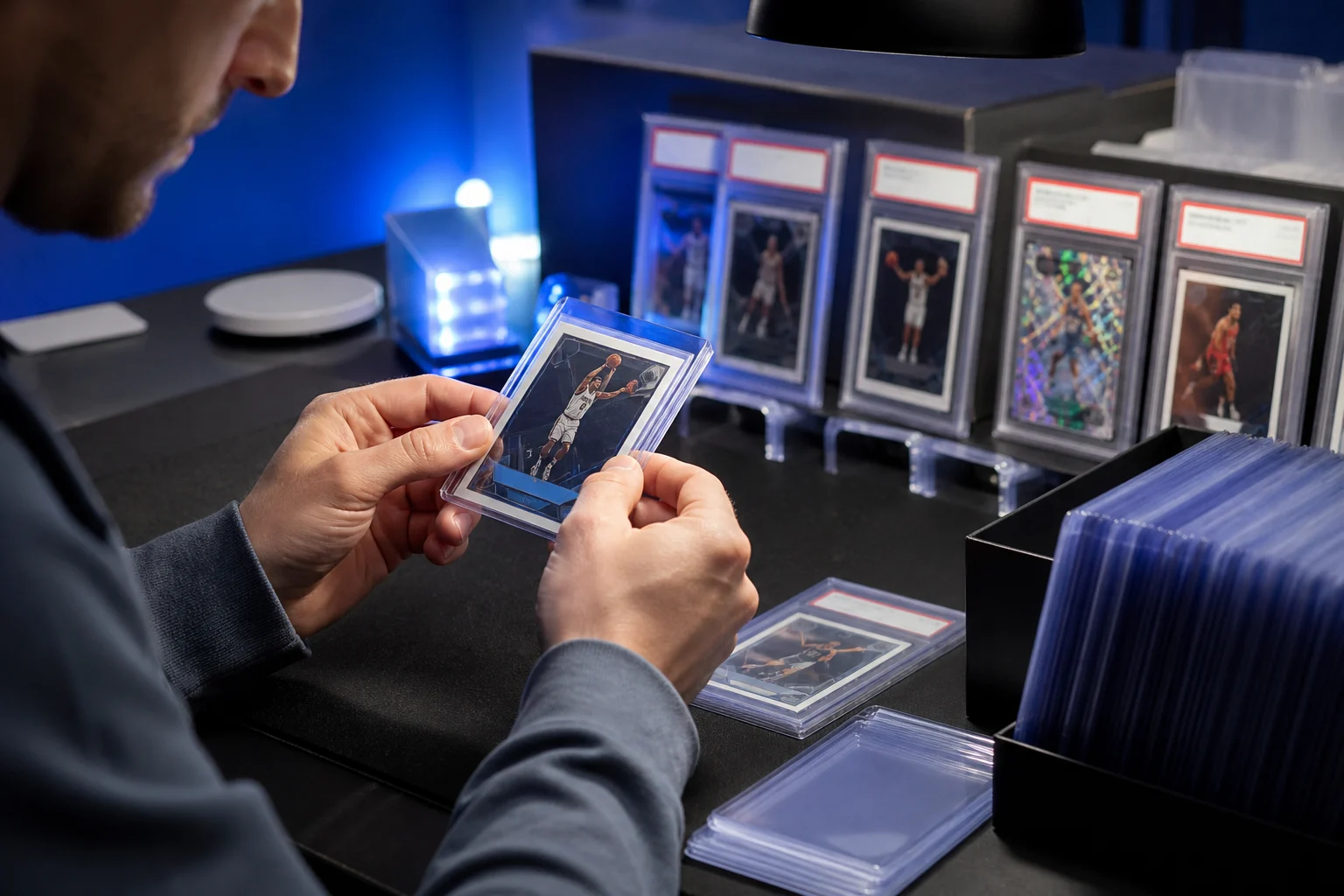
Use bright, indirect light to inspect the front and back. Tilting the card slightly can reveal surface scratches, indentations, print lines, or residue that is difficult to see head-on. Examine card corners and edges without touching them, and assess card centering by comparing the borders or design alignment.
This review helps you decide what to submit. It does not require polishing, pressing, trimming, or chemical treatment. Attempts to remove marks can damage coatings or alter a card. Even a microfiber cloth may drag particles across a glossy finish.
For vintage card grading, be especially cautious around brittle stock, existing creases, and worn edges. Do not try to flatten a card under household weights or repair a corner. Review ISA's grading scale to understand its published criteria, while remembering that your own inspection cannot guarantee a final grade.
Adjust protection to the card, not just the sport
Different card constructions present different handling challenges. Football card grading submissions may include thick patch cards, while basketball card grading submissions may contain glossy chromium cards that show fingerprints readily. Baseball card grading can involve anything from older paper stock to modern foil parallels.
The same principle applies to rookie card grading: a rookie designation does not determine the right holder. Thickness, dimensions, finish, and existing condition do. Inspect die-cut shapes carefully, since projecting edges can catch during insertion or removal.
Collectors researching Pokemon card grading or TCG card grading should use equally careful handling practices, but should not assume every grader accepts every game, language, size, or specialty issue. Before choosing a trading card grading provider, confirm eligibility for the specific cards you own. Protection advice is broadly useful; service acceptance must be checked separately.
Build a submission record before packing
Document each card while it is safely accessible. Record the year, set, player, card number, parallel, and any serial numbering. Photograph the front and back in clear light, without repeatedly removing the card to chase a perfect image.
Keep your submission list in the same order as the physical cards. This reduces unnecessary handling when you check the package and makes discrepancies easier to investigate. Save a copy of the submission information and shipping records separately from the box.
- Confirm the card matches the description on your list.
- Check that its sleeve and holder are clean and correctly sized.
- Place it in the required submission order.
- Complete the required paperwork before sealing the package.
For dealers processing multiple customer batches, keep each owner's cards clearly separated. Good records protect the workflow as well as the collection.
Pack against movement, compression, and moisture
Shipping protection works in layers. The inner holder supports the card, cushioning reduces movement, and a sturdy outer box helps resist ordinary transit impacts. Neither a sleeve nor a padded envelope alone should be treated as a complete protection plan for a valuable submission.
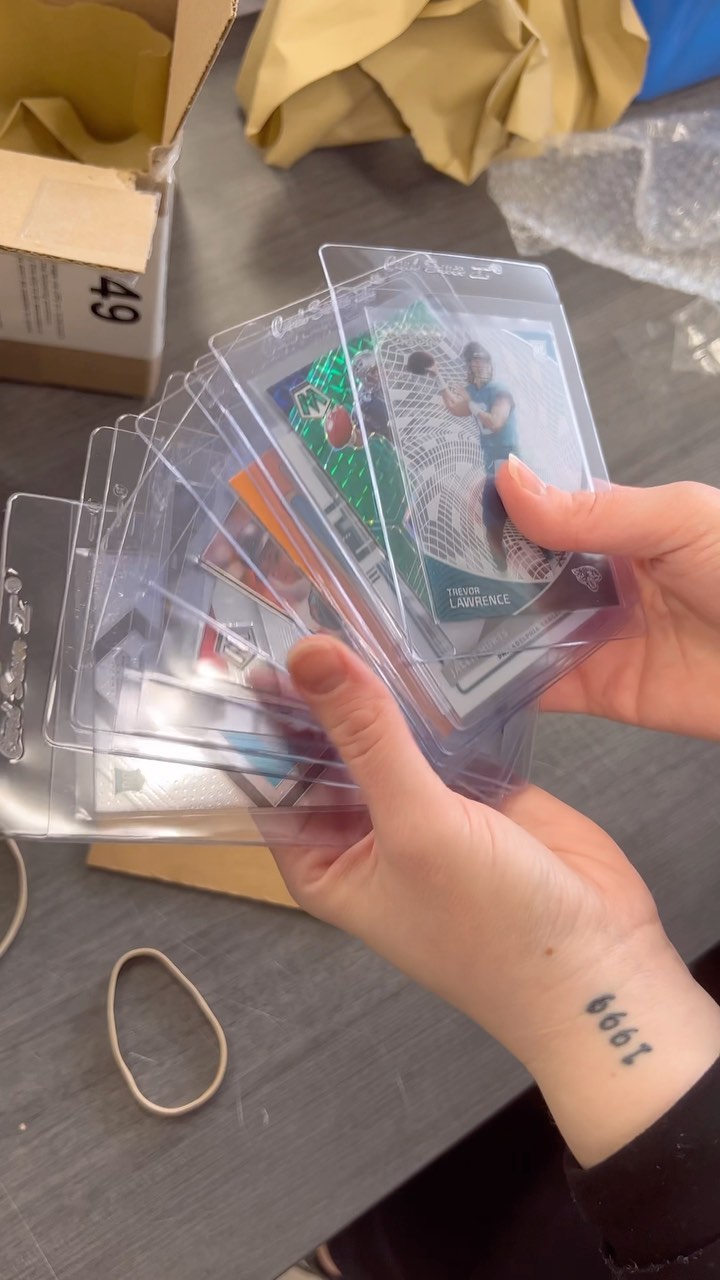
Follow the recipient's instructions for bundling holders and adding protective boards. Do not place tape directly on a card, sleeve opening, or holder opening. Avoid tight bands that can bend holders or put pressure on card edges.
Use enough clean cushioning to prevent the contents from sliding, without crushing the bundle when the box closes. A moisture-resistant inner barrier can add protection, but pack everything dry and do not assume the shipment is waterproof.
Choose tracking and evaluate shipping insurance carefully. Read coverage limits, exclusions, proof-of-value requirements, and claim procedures. Photograph the packed contents and retain the receipt until the submission is safely returned and checked.
Plan grading around clear pricing and timing
Protection includes avoiding rushed decisions. A sale deadline can tempt a seller to skip documentation, use whatever holder is nearby, or pack hurriedly. Set aside time for preparation and account for transit in both directions.
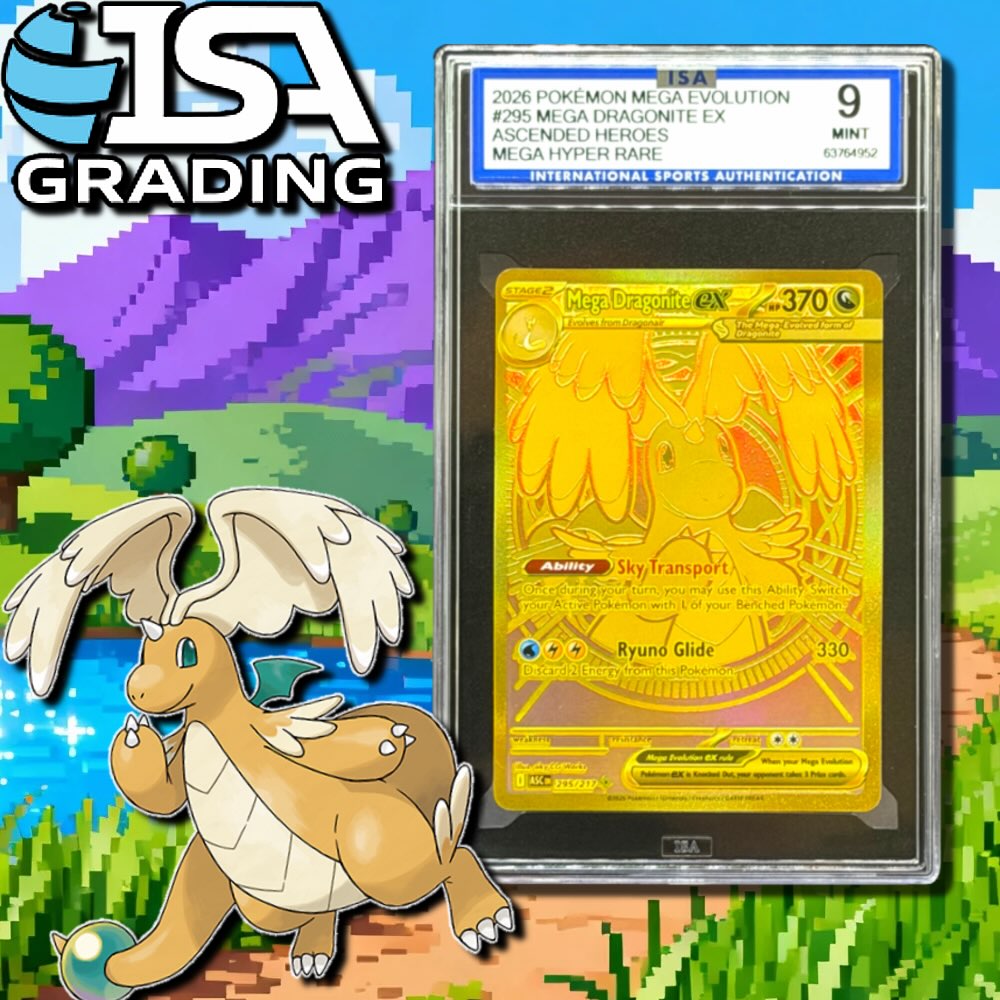
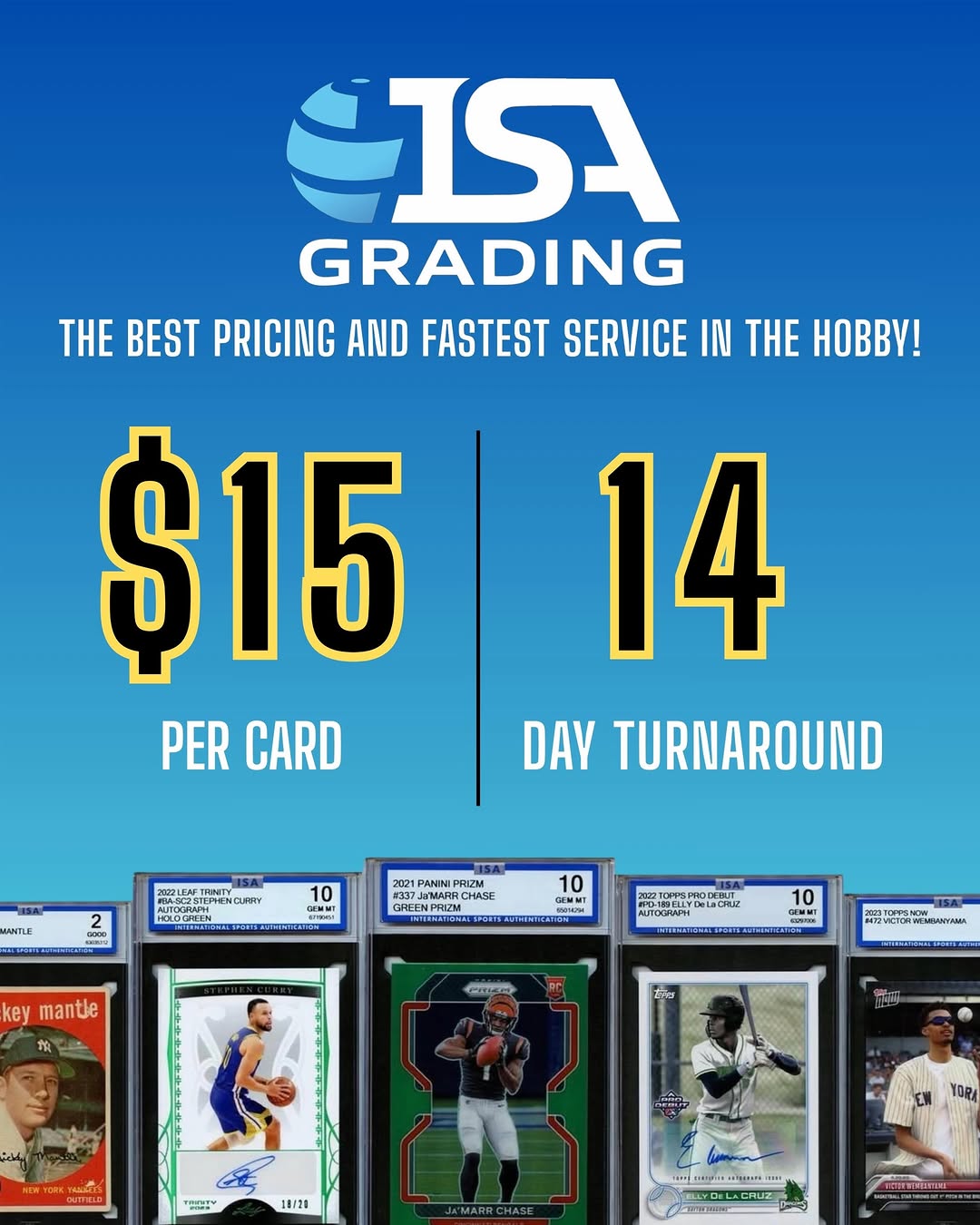
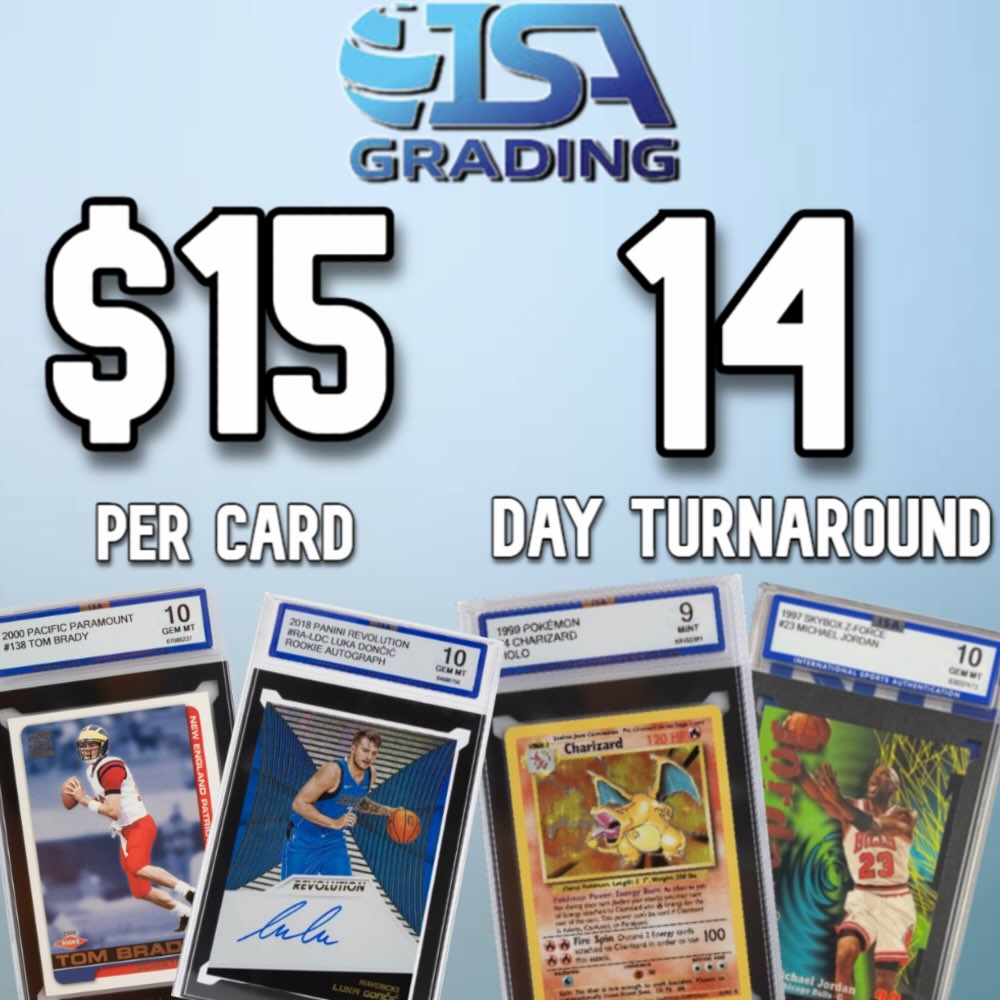
ISA Grading, also known as International Sports Authentication, provides sports card grading and authentication. Its current active service is $15 per card, with a 14 day turnaround, a 10 card minimum, and no upcharges. At that minimum, grading fees total $150 before any separate shipping or applicable charges.
If you are comparing a 14 day card grading turnaround with your selling schedule, verify how turnaround is measured and allow for shipping and intake. Do not assume the stated timeframe covers the entire door-to-door trip. ISA's FAQ page is a useful starting point for submission questions.
Searches such as card grading near me can help identify options, but proximity alone does not settle the decision. Packaging requirements, communication, pricing clarity, and suitable services also matter. For more planning context, read how grading turnaround shapes a card sale.
Inspect the return shipment before storing cards
When your graded cards arrive, open the package on a clear surface. Keep blades away from the contents and remove packing materials gradually. Match the returned cards to your submission records, then check labels and holders for anything that needs clarification.
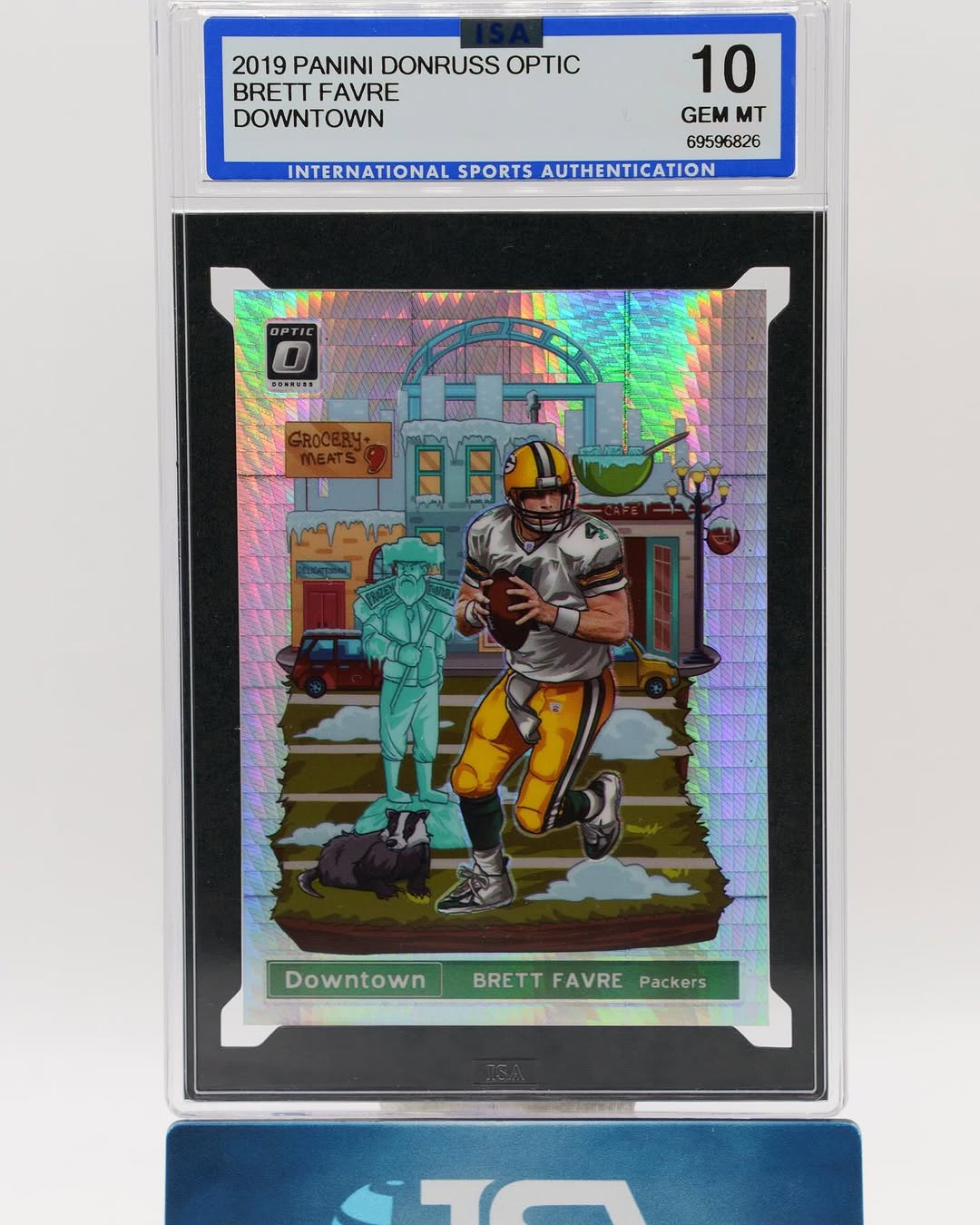
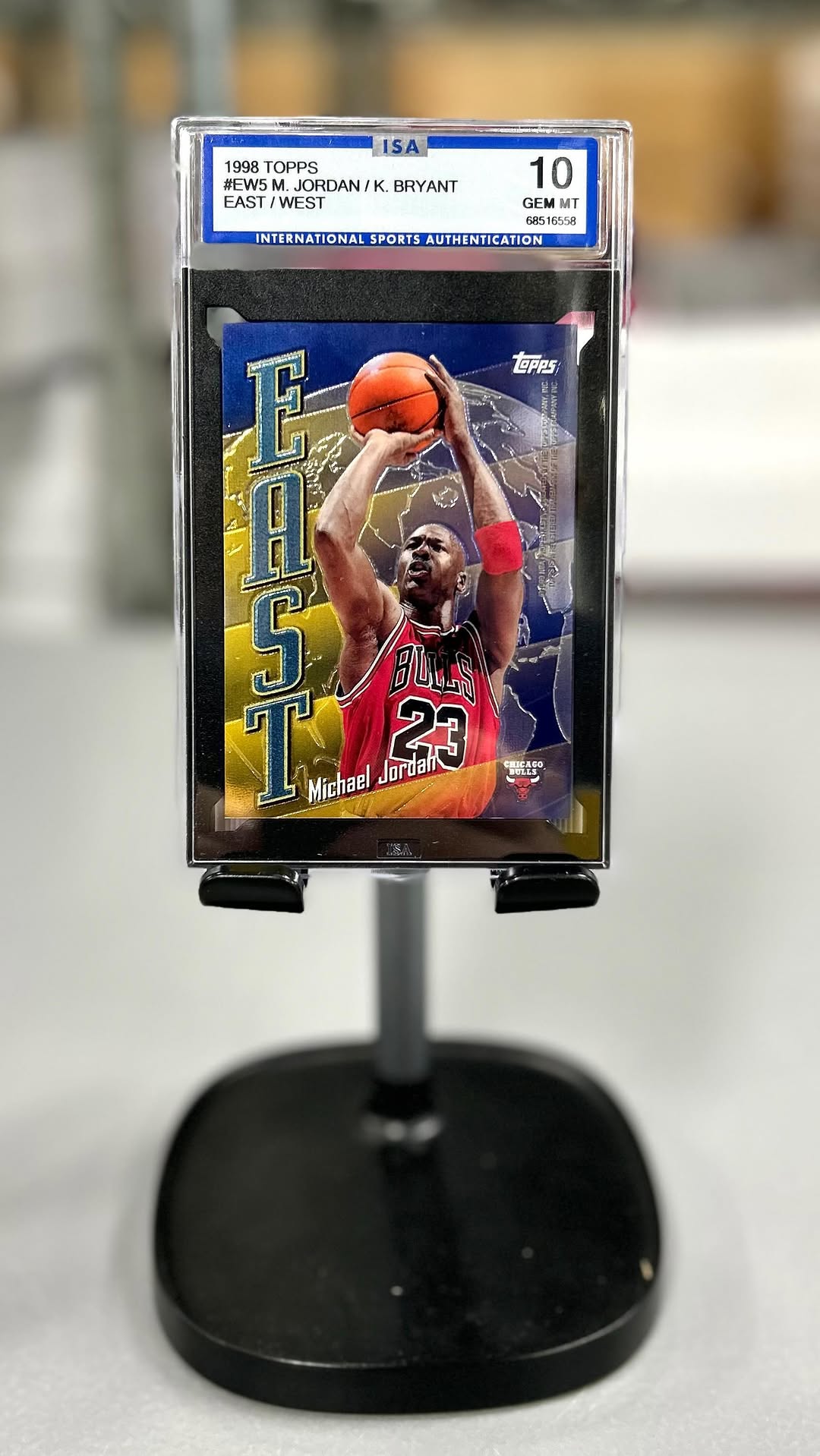
Card encapsulation creates a protective enclosure, but it does not reverse existing condition issues. Check the slab for visible cracks, chips, or other damage without attempting to open or modify it. Keep the original packaging and take photographs if you need to raise a shipping or order concern.
Trading card slabs should be handled by their edges when practical. A clean protective slab sleeve can reduce contact with the holder's exterior. Replace that sleeve when it becomes dirty or abrasive rather than allowing trapped debris to remain against the plastic.
Store slabs away from environmental stress
A slab is not a substitute for sensible storage. Keep graded cards in a stable indoor environment away from direct sunlight, heat sources, and persistently damp conditions. Avoid attics, garages, and vehicle interiors where temperature and humidity can vary sharply.
Use a storage box designed to support the holders without excessive pressure. Prevent slabs from knocking together during transport, and do not overload shelves or stack heavy items on top of card boxes. Keep storage elevated where practical to reduce exposure to minor floor-level water incidents.
Do not assume a holder is airtight, waterproof, or a complete barrier against ultraviolet light. For display, limit light exposure and consider the environment around the case. Check stored collections periodically so moisture, damaged packaging, or shifting stacks do not go unnoticed.
Use certificate verification to support buyer confidence
Protection also involves preserving a clear connection between the card, its label, and the information you share. ISA offers certificate verification on its website. When reviewing a card, compare the certificate record with the label and visible card details.
A matching certificate is a useful check, not a reason to ignore photographs, seller history, or signs of holder damage. Card authentication and online record checks serve related but different purposes. A certificate lookup alone cannot establish that a photographed holder has never been altered.
For a closer look at this buying step, see the certificate check that helps buyers trust a graded card. Keep certificate information with your inventory records so it remains easy to find when a buyer asks questions.
Sell graded cards with accurate photos and secure packing
When selling graded cards, photograph the front, back, label, and any visible holder damage. Describe the assigned grade accurately and distinguish slab scratches from marks on the card. Avoid filters or lighting choices that conceal issues.
Set prices using relevant completed sales where available, recognizing differences in card variation, grade, grading company, and market timing. Grading does not guarantee a particular selling price or a quick sale.
Once sold, protect the slab against abrasion and movement, use a sturdy shipping box, and retain tracking and transaction records. Before starting your next batch, check ISA's submission page for current instructions. The best routine is repeatable: handle less, document clearly, pack carefully, and maintain that care after the card reaches its slab.
Submit Cards to ISA Grading
Collectors ready to use ISA Grading can start on the submission page. The current active service is $15 per card with a 14 day turnaround, no upcharges, and a 10 card minimum.
Frequently Asked Questions
What is the best way to protect cards before grading?
Use a clean sleeve and a correctly sized supportive holder, handle cards by their edges, and keep them away from moisture and debris. Follow the grading company's submission instructions, since accepted holder types and packing requirements can vary.
Should I clean a card before submitting it for grading?
Avoid polishing, chemical cleaners, pressing, trimming, or attempts to repair damage. These actions can scratch coatings, alter the card, or create additional condition problems. Inspect and document the card without trying to change its condition.
Are graded card slabs waterproof?
Do not assume a graded card slab is waterproof or airtight. Store slabs in a stable indoor environment away from moisture, direct sunlight, and heat. Protective slab sleeves help reduce exterior scuffing but do not make the holder waterproof.
What are ISA Grading's current price and turnaround?
ISA Grading's current active service costs $15 per card, with a 14 day turnaround, a 10 card submission minimum, and no upcharges. Confirm current instructions, how turnaround is measured, and any separate shipping or applicable charges before submitting.
How can buyers verify an ISA graded card?
Use the certificate verification feature on ISA's website and compare the record with the card and label. Also review clear photographs, the holder's condition, and the seller's history. A certificate lookup is one verification step, not a substitute for reviewing the physical item.