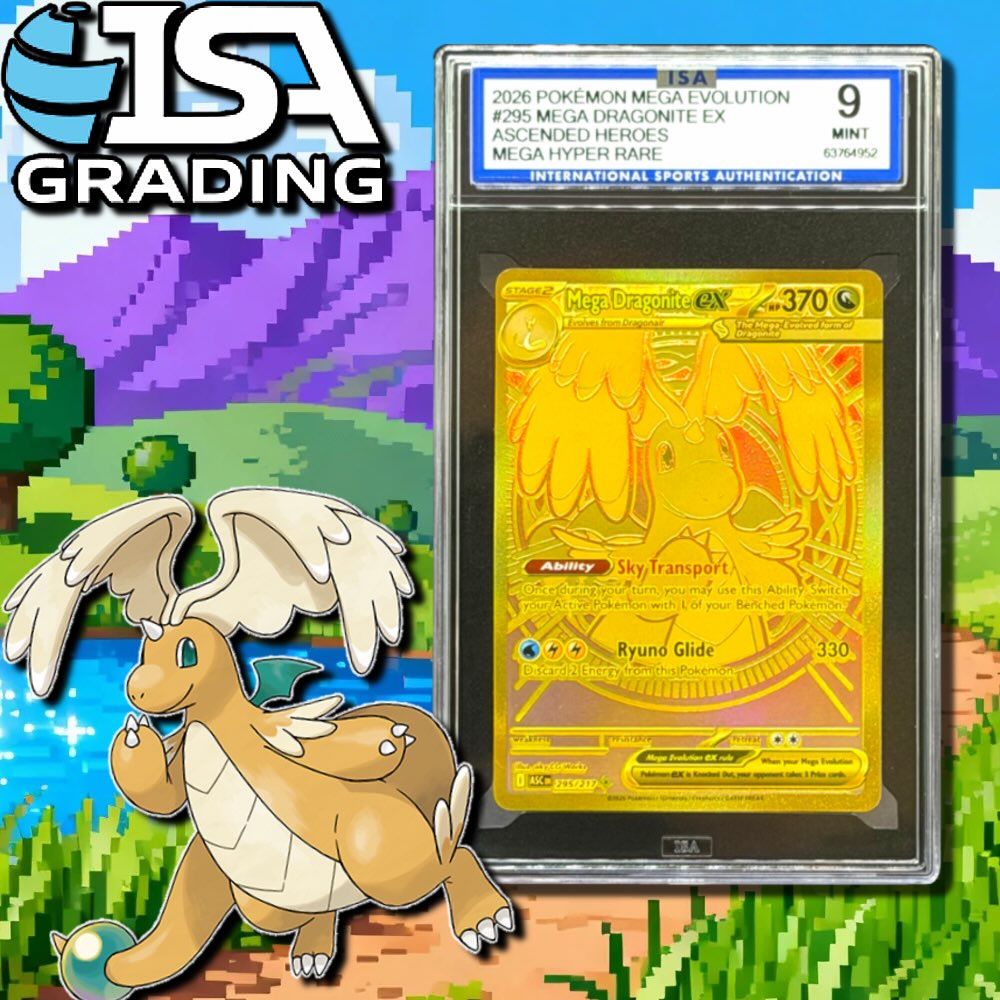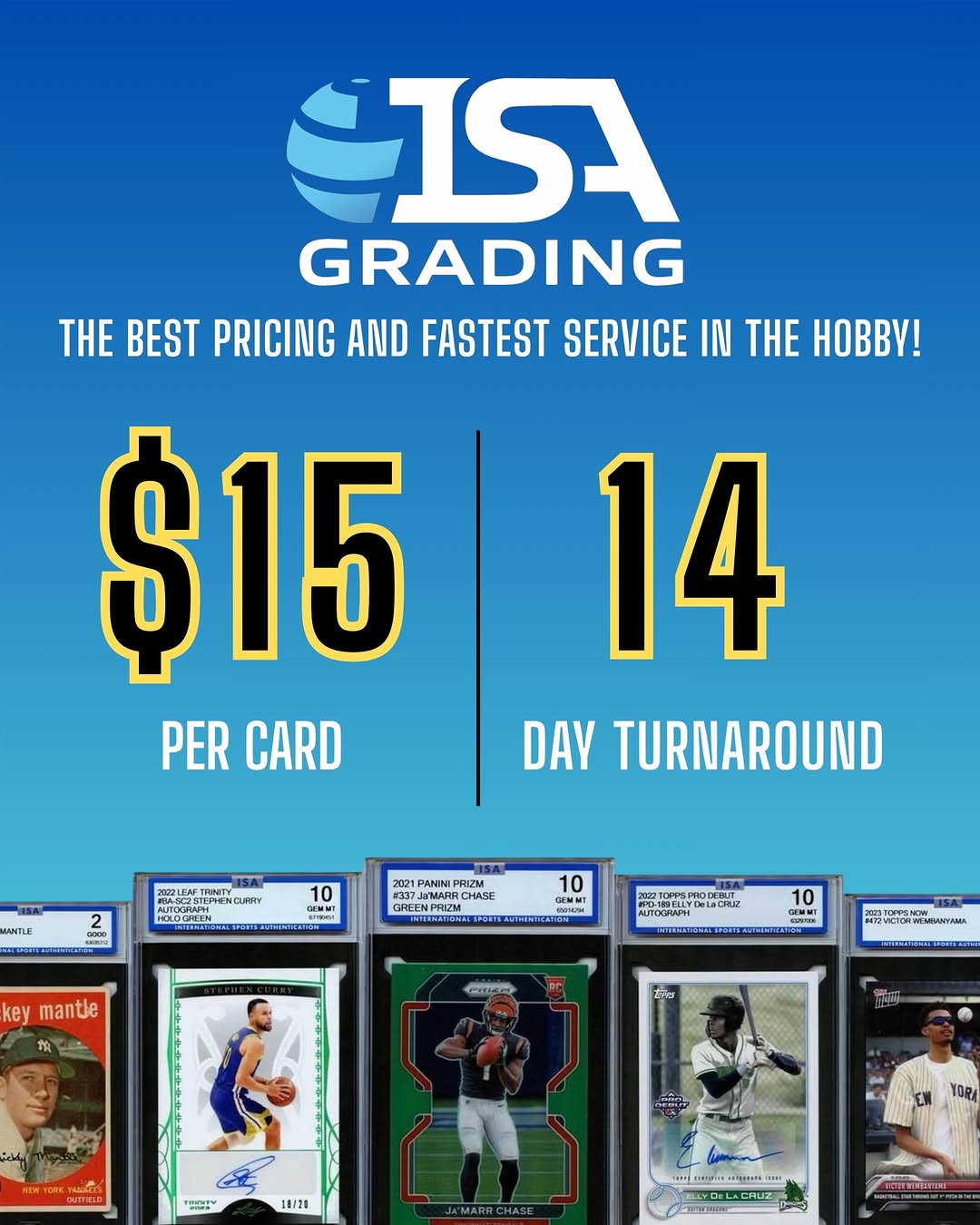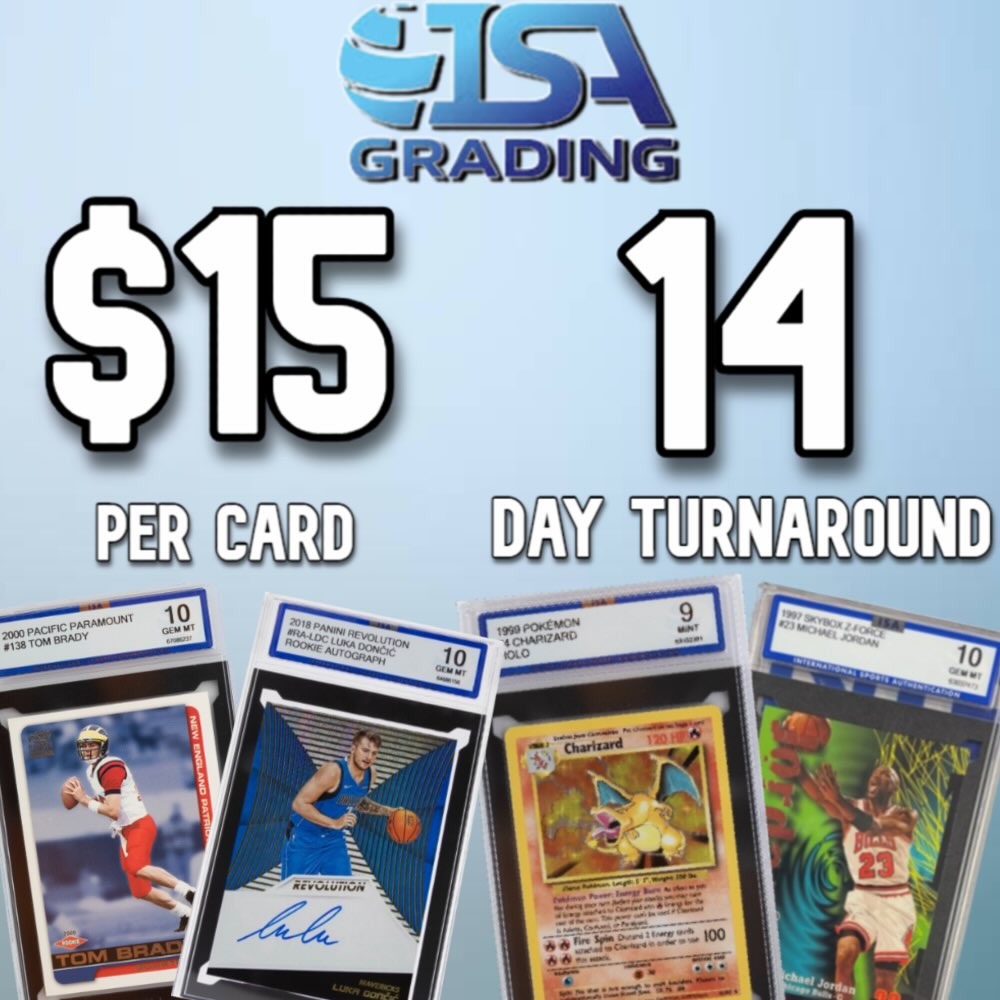
Turnaround time is more than a delivery estimate. It affects when collectors regain access to their cards, when dealers can list inventory, and whether sellers can meet a planned show, auction, or seasonal sales window. A clear schedule also makes it easier to decide which cards should be graded now and which should remain raw.
ISA Grading currently offers sports card grading and authentication for $15 per card, with a 14 day turnaround, a 10 card minimum, and no upcharges. Those defined terms give collectors and dealers a practical starting point for planning a submission.
Why grading turnaround time affects card value decisions
A raw card sent for grading is temporarily unavailable. It cannot be displayed in a personal collection, delivered to a buyer, or offered at a card show while it is being evaluated and encapsulated. That makes turnaround time part of the financial and collecting decision, especially when the card is tied to a current player, upcoming event, or active market trend.
For example, demand for a basketball rookie may increase during the playoffs, while interest in a baseball prospect can shift after a promotion or injury. Vintage cards usually move on a different schedule, but vintage card grading still requires planning when a seller is preparing for an auction or major hobby event. No grading company can control market demand, so a collector should consider both the expected grading timeline and the reasons buyers may want the card.
A predictable 14 day card grading turnaround helps reduce uncertainty. It does not guarantee a particular grade, sale price, or buyer response. It does, however, provide a defined service timeline that can be considered before cards leave the owner's possession.
Turnaround planning starts before submission
Good planning begins with the purpose of the submission. Some collectors want consistent trading card slabs for long term storage and display. Others want sports card authentication and an assigned grade before selling. Dealers may need graded inventory for a show, online store update, or customer request.
Before submitting, ask a few practical questions:
- Is the card intended for a personal collection or an upcoming sale?
- Is demand tied to a season, tournament, record chase, or player announcement?
- Would the card still be worth grading if it receives a lower grade than expected?
- Can the card remain unavailable during the current turnaround period?
- Does the full group satisfy the 10 card minimum?
The answers help determine whether to submit immediately, assemble a different group, or keep a card raw. They also reduce the temptation to treat fast card grading as the only consideration. Speed matters, but grading standards, card protection, certificate verification, and pricing clarity matter too. Collectors can review the ISA grading scale before choosing cards for a submission.
Clear pricing makes scheduling more useful
A turnaround estimate is most helpful when paired with understandable pricing. ISA Grading's current active service is $15 per card, with a 10 card minimum and no upcharges. At the minimum submission size, the grading portion is $150. Collectors should review the current submission page for instructions before sending cards.
No upcharges are especially relevant when submitting star players, valuable rookies, scarce parallels, or older cards. The grading fee does not change because a card is more valuable than initially expected. This allows a seller to calculate the grading cost without building in an uncertain value based fee.
Pricing clarity also improves inventory decisions. A dealer can compare the grading cost against a card's realistic raw value, possible graded value, and likely selling expenses. A collector considering whether to “grade my cards” can apply the same calculation without assuming that every card will receive a top grade. For more detail, read A Clearer Path to the Slab: How ISA Keeps Grading at $15 Per Card.
Use the 10 card minimum to build a focused group
A minimum does not mean ten random cards should be sent together. A well planned group can be organized by selling goal, sport, era, player, or condition. A baseball card grading submission might include rookie cards and key inserts intended for one sales cycle. A basketball card grading group could focus on a player collection or cards being prepared for a show.
Collectors can also combine different sports when permitted by the current submission instructions. The important step is to evaluate every card individually. One weak candidate should not be included simply to reach the 10 card minimum if its expected value does not support the grading cost.
If fewer than ten cards are ready, waiting to complete a stronger group may be more sensible than forcing a submission. Another option is to coordinate with trusted friends or customers while maintaining clear records of ownership. Anyone building a group can use the practical steps in How to Prepare a 10 Card Submission for ISA Grading Service.
Preparation protects the schedule and the cards
Turnaround planning should include the time needed to inspect, document, and package cards. Rushing preparation can lead to poor card selection or inadequate protection in transit. Begin under bright, neutral lighting and examine the main condition areas used in trading card grading.
Review centering, corners, edges, and surface
Check card centering on the front and back. Look at all card corners for whitening, soft tips, bends, or compression. Inspect the edges for chipping and examine the card surface from several angles for scratches, print lines, indentations, stains, or other visible issues. Foil and chrome finishes often reveal defects only when tilted under light.
Rookie card grading deserves the same objective review as any other category. A popular player or scarce issue does not change the physical condition of the card. Emotional attachment can make flaws easier to overlook, so sellers should compare the likely grade range with recent, relevant market activity before submitting.
Avoid aggressive cleaning, trimming, recoloring, or other alterations. If dust can be removed safely without pressure, use caution, but do not attempt to improve a card through methods that could damage or alter it. Card authentication and grading depend on the card being evaluated in its submitted condition.
Document and package each card carefully
Create an inventory before packing. Record the year, manufacturer, set, card number, player, variation, and any serial numbering. Taking clear front and back photographs can also help maintain submission records.
Use clean protective materials that fit the card properly, and follow the current ISA submission instructions for card order and packaging. Cards should not move freely inside the shipping container. Avoid excessive tape near card openings, since difficult removal can create unnecessary handling risk. Preparation time is part of turnaround planning, even though it occurs before the grading service receives the submission.
Encapsulation supports protection and presentation
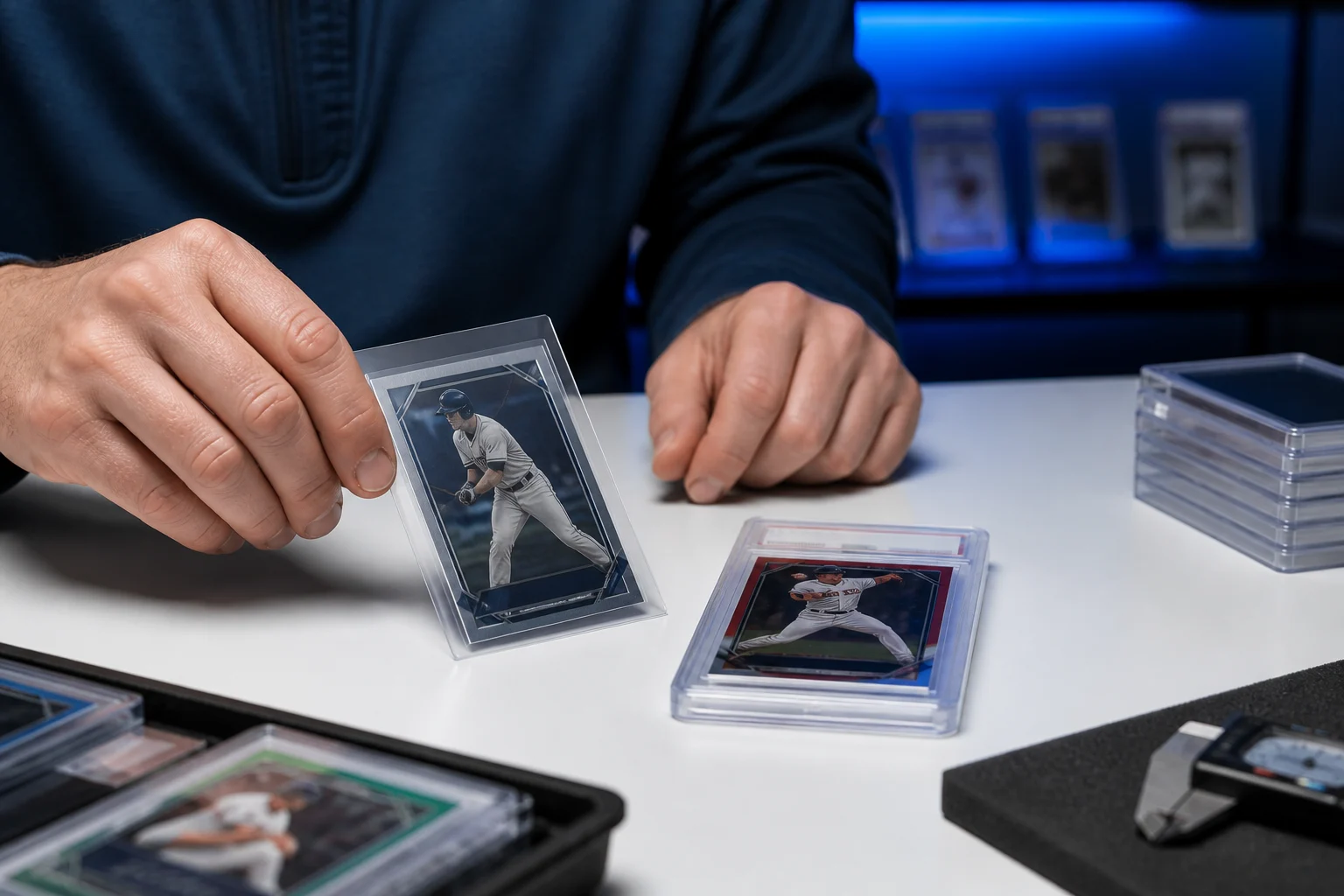
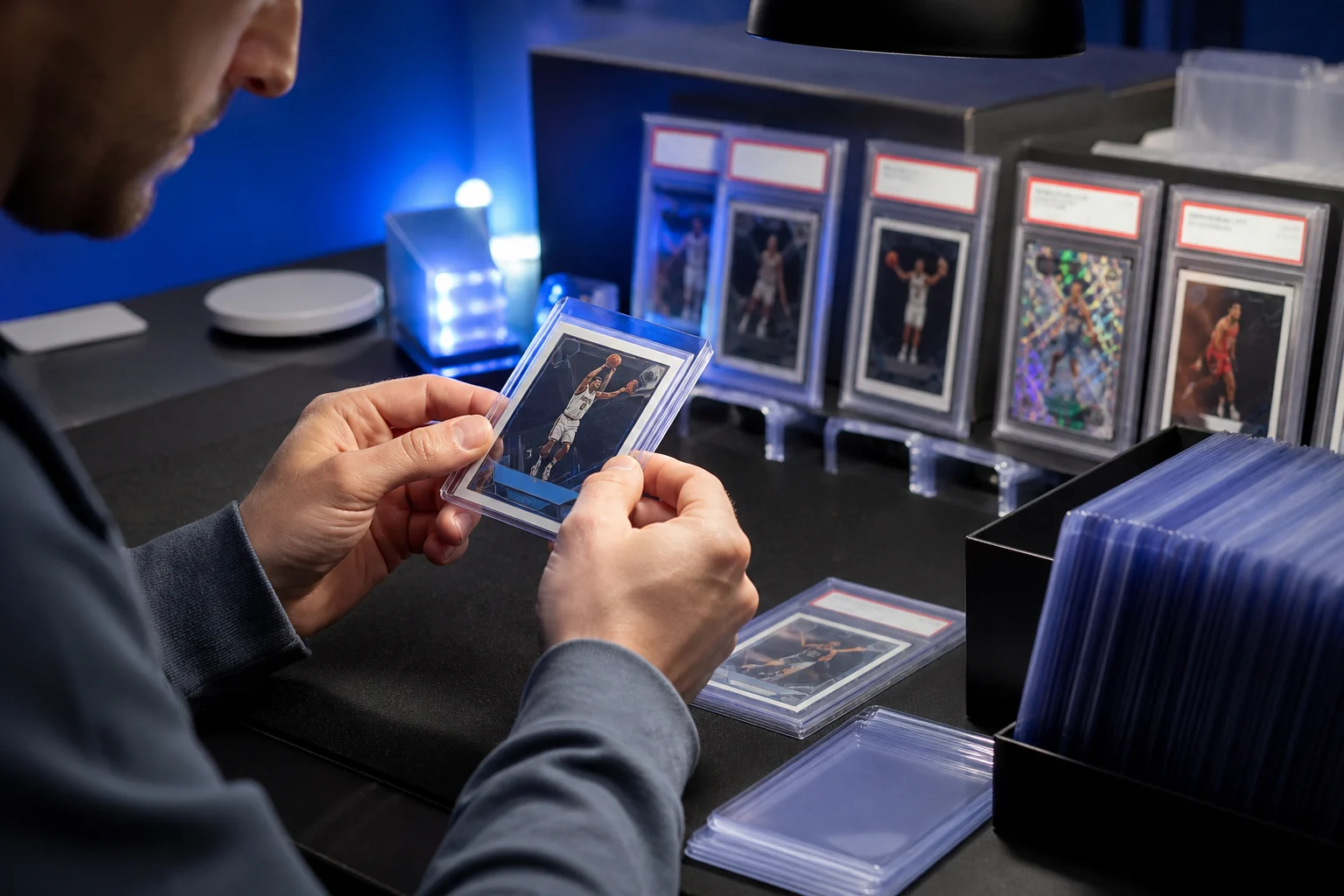
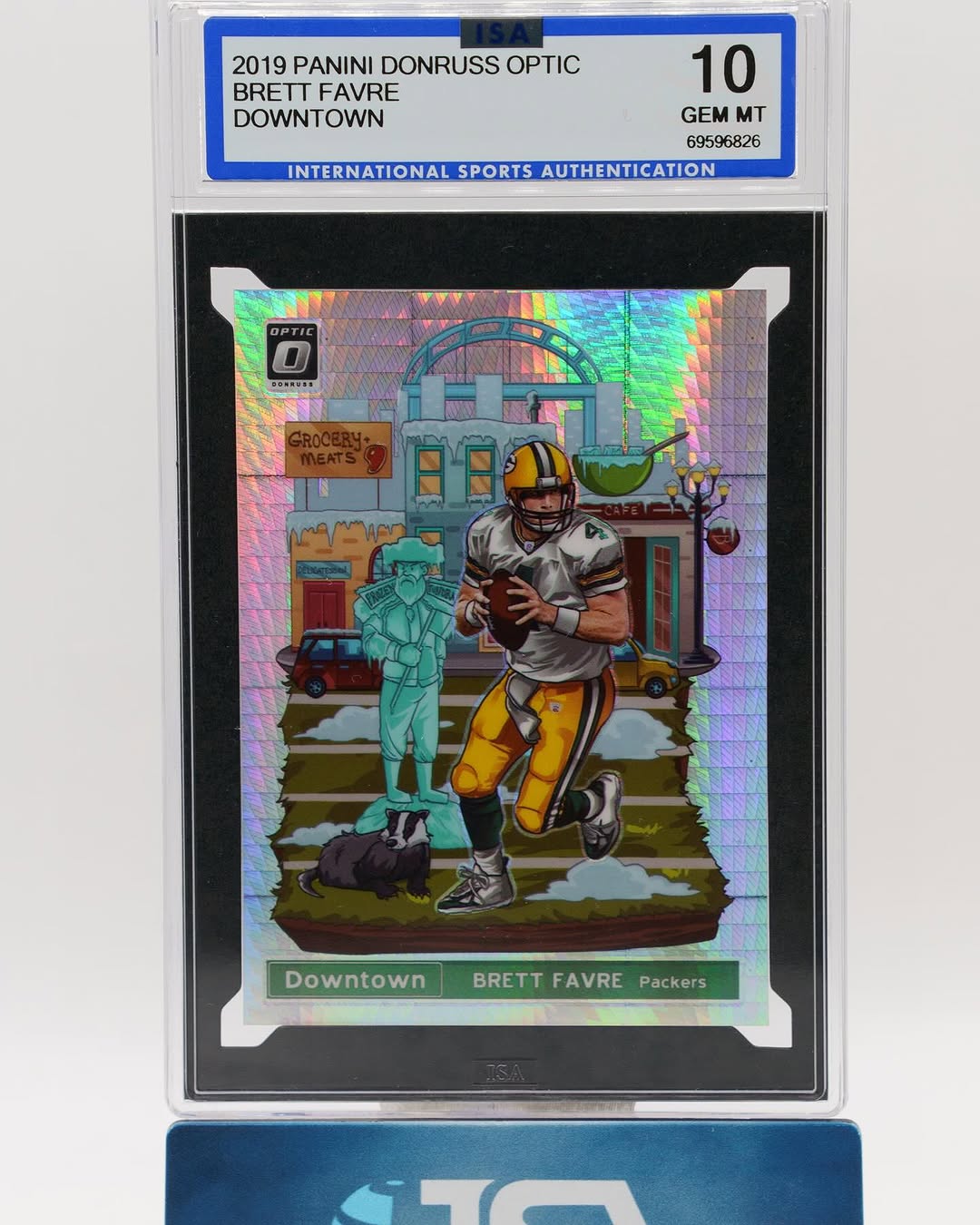
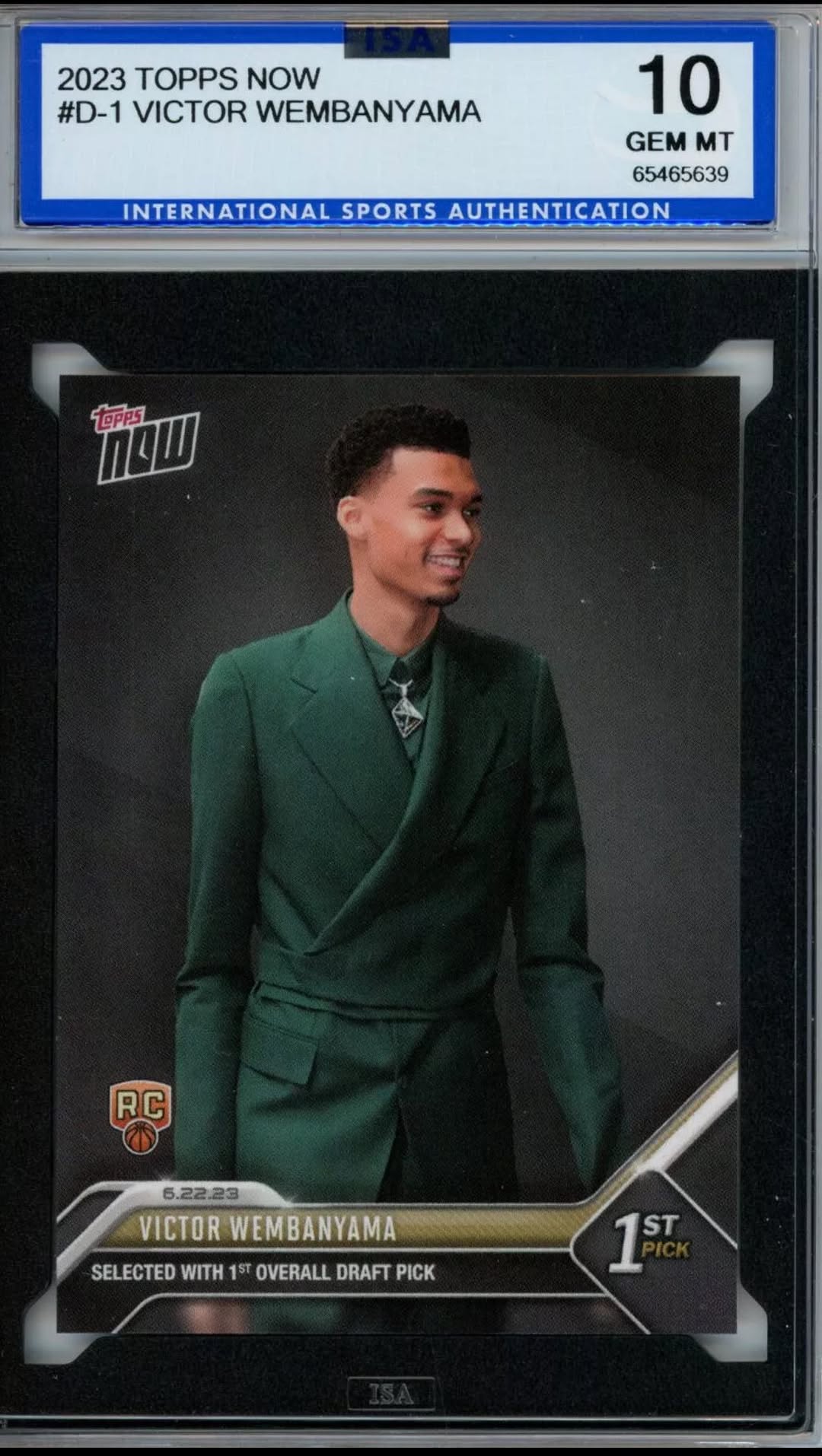
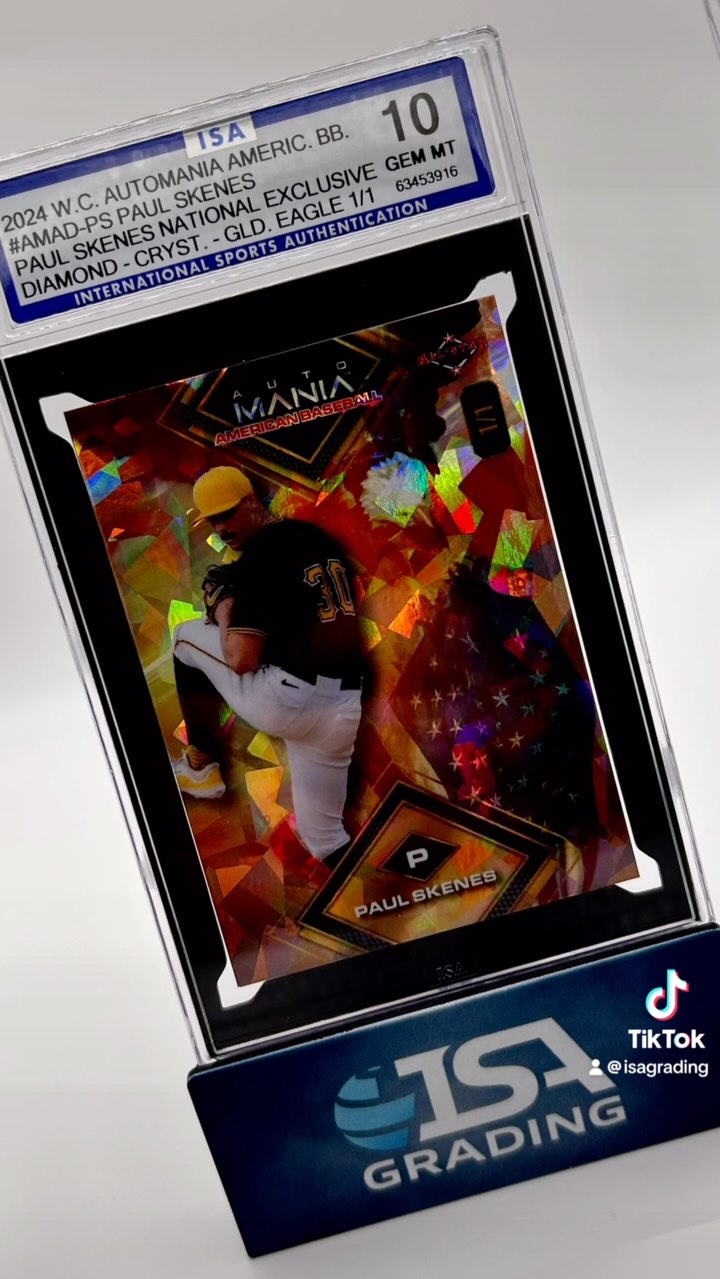
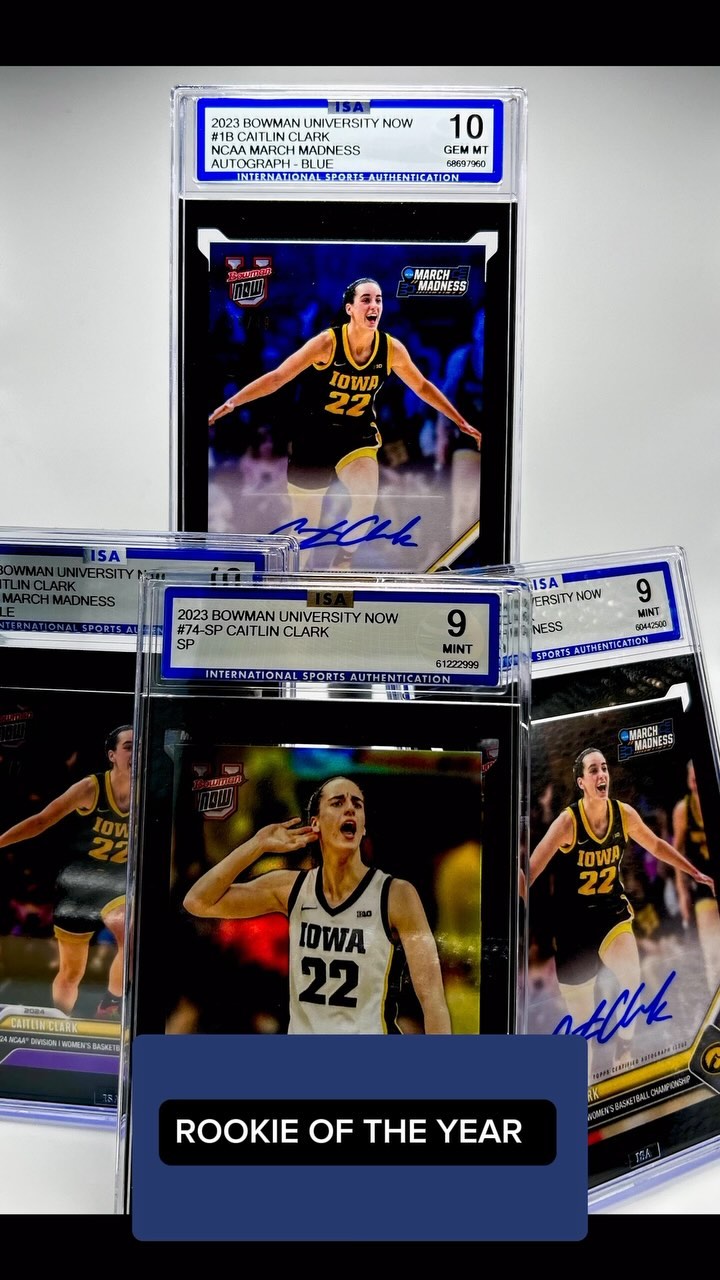
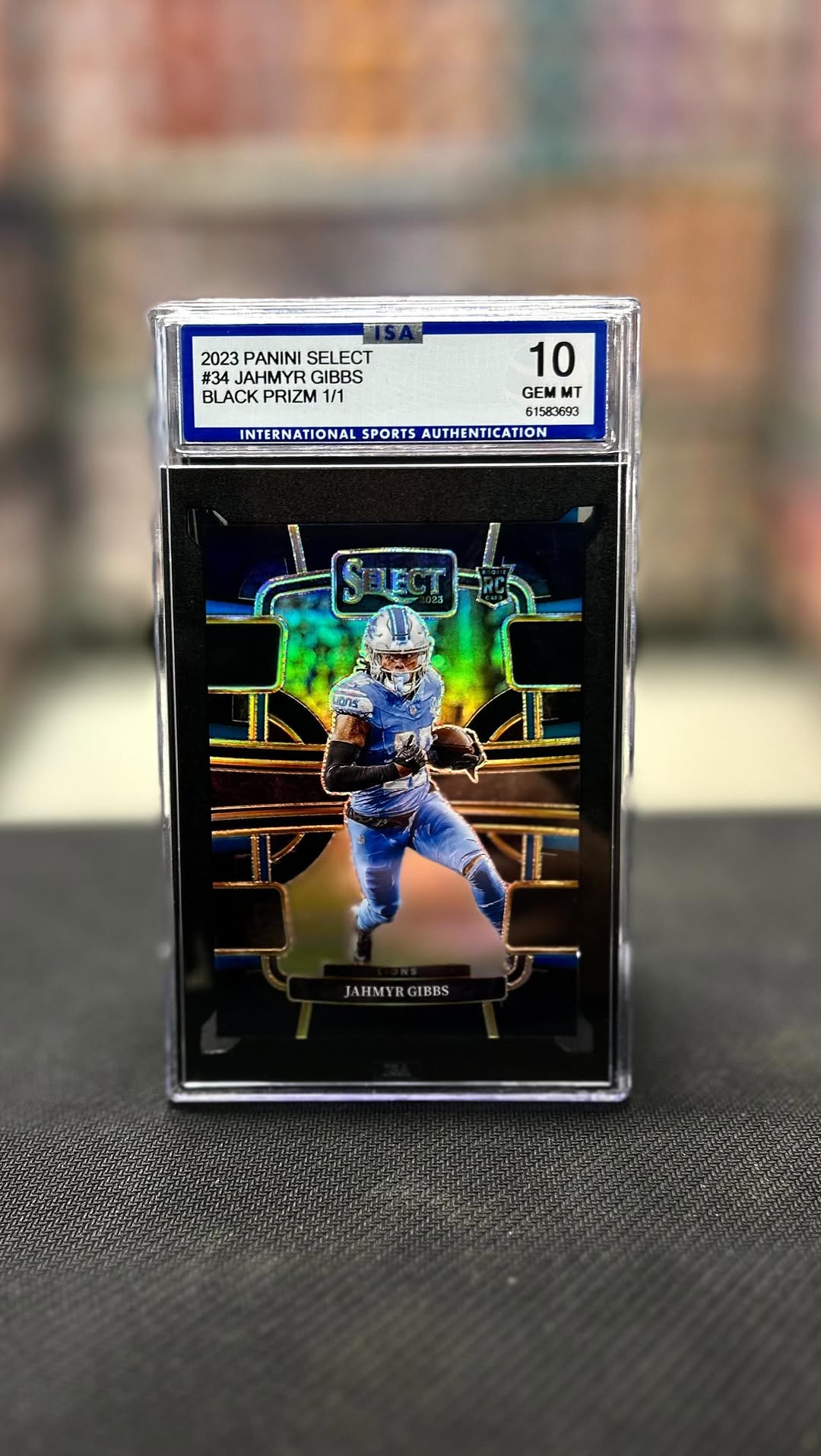
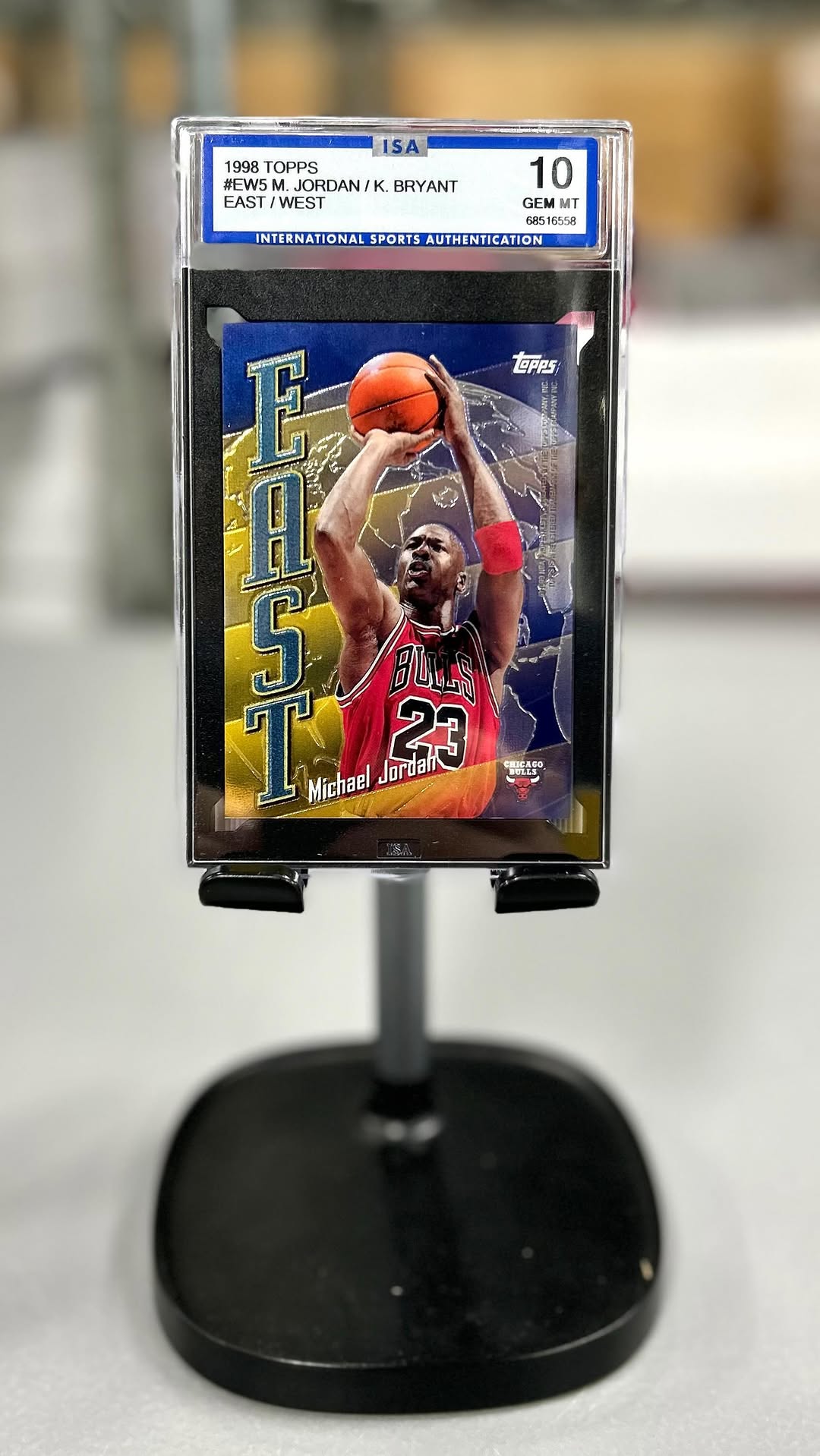
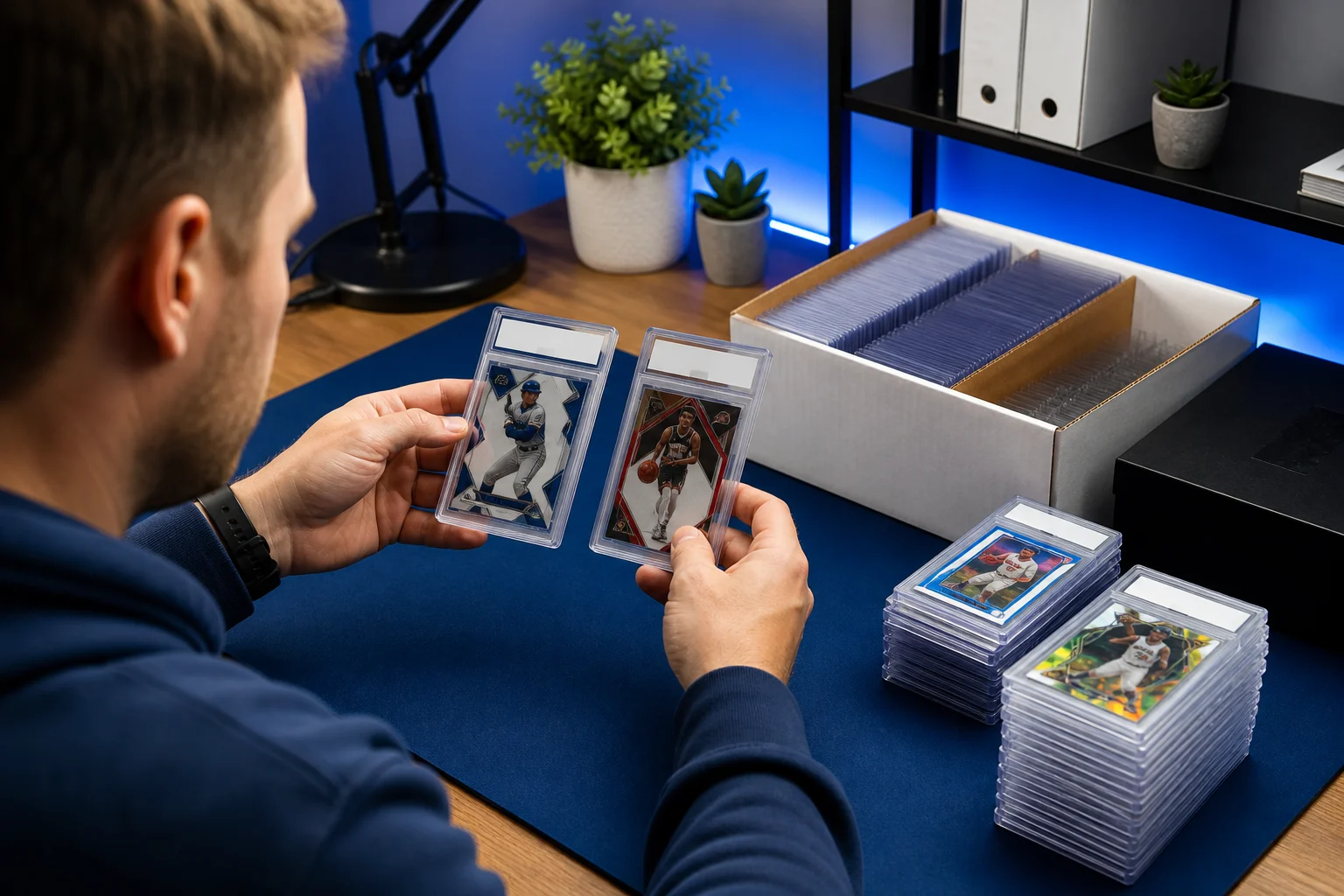
After evaluation, card encapsulation places the graded card in a protective holder, commonly called a slab. Trading card slabs help shield cards from routine handling, dust, and direct contact. They also provide a consistent format for storage, display, and resale.
A slab is protective, but it is not permission to ignore environmental risks. Graded cards should still be kept away from prolonged sunlight, excessive heat, moisture, and locations where they may fall or be crushed. Owners should handle the holder rather than placing pressure on the card area.
Encapsulation can improve presentation because the card, assigned grade, and certification information appear together. It does not guarantee that a card will rise in value or sell immediately. The market still considers the player, scarcity, set, eye appeal, grade, and current buyer demand.
Certificate verification can strengthen buyer confidence
When a graded card returns, the certification number becomes an important part of its identity. ISA provides online certificate verification, allowing collectors and prospective buyers to check the certificate information available on the website.
Verification is useful when selling graded cards online because the buyer cannot inspect the slab in person. Sellers can include a clear image of the front and back of the holder and direct interested buyers to the verification tool. Buyers should compare the visible card and label details with the certificate record rather than relying only on a listing title.
Certificate verification supports transparency, but it should not be described as a guarantee of market value, ownership history, or future performance. It is one step in evaluating a graded card. Collectors who want a broader explanation can read Understanding Card Slabs, Protection, and Certificate Verification with ISA Grading.
Plan selling dates around the full process
Sellers should not promise a graded card to a buyer before the grade is assigned and the card is back in hand. Even with a current 14 day turnaround, responsible planning includes submission preparation, transit, receiving, grading, return transit, photography, listing creation, and buyer communication.
If inventory is intended for a specific card show or auction deadline, work backward from the date and leave a reasonable buffer. The buffer helps account for shipping variables and the seller's own processing time. Review current service information when submitting rather than relying on an older social media post or saved screenshot.
Once the cards return, photograph the slabs clearly. Show the card, label, certification number, and any visible holder condition. Use an accurate listing title and avoid presenting an assigned grade as a guarantee that every buyer will value the card equally. Good images, certificate verification, and a realistic price can do more for buyer confidence than exaggerated language.
How turnaround fits different collecting categories
Different categories create different planning needs. Baseball card grading often follows the sport's calendar, prospect news, and major hobby events. Basketball card grading may be influenced by playoff performance, awards, trades, and rookie interest. Vintage card grading can be less dependent on a single week, although auction and estate timelines still matter.
The phrase TCG card grading is often used by collectors comparing grading options across the wider card market. Submission eligibility can vary by service, so collectors should confirm that their specific card type is accepted before sending it. The ISA FAQ page is a useful place to review current information and common submission questions.
No category should be submitted based on speed alone. The right card grading service should fit the collector's budget, timing needs, card type, desired protection, and resale plan. ISA's current combination of $15 per card, a 14 day turnaround, a 10 card minimum, and no upcharges gives customers specific terms to evaluate.
Build turnaround into the grading decision
Turnaround time matters because cards are both collectibles and inventory. Knowing the current schedule helps owners decide when to submit, how many cards to prepare, and when graded cards may be available for display or sale.
A useful plan connects four elements: card quality, total grading cost, timing, and the reason for grading. Inspect each card carefully, prepare a focused submission, follow current packing instructions, and avoid promising sale dates too early. When the cards return, protect the slabs, verify certificates, and describe the graded cards accurately. That process makes turnaround time a practical planning tool rather than an afterthought.
Submit Cards to ISA Grading
Collectors ready to use ISA Grading can start on the submission page. The current active service is $15 per card with a 14 day turnaround, no upcharges, and a 10 card minimum.
Frequently Asked Questions
What is ISA Grading's current turnaround time?
ISA Grading currently lists a 14 day turnaround for its active sports card grading and authentication service. Review the submission page before sending cards to confirm current instructions and service details.
How much does it cost to grade cards with ISA?
The current active service is $15 per card with a 10 card minimum and no upcharges. The grading portion of a minimum size submission is therefore $150.
Why should sellers plan around grading turnaround time?
Cards are unavailable for listing or delivery while they are being graded. Sellers should account for preparation, shipping, grading, return transit, photography, and listing time before committing to a show or sale date.
How can buyers verify an ISA graded card?
Buyers and collectors can enter the card's certification information on ISA Grading's certificate verification page. They should compare the available record with the card and label shown in the slab.
What should I inspect before submitting a sports card?
Review card centering, corners, edges, and surface under good lighting. Look for whitening, chipping, scratches, print lines, indentations, stains, and other visible condition issues before deciding whether grading makes financial or collecting sense.