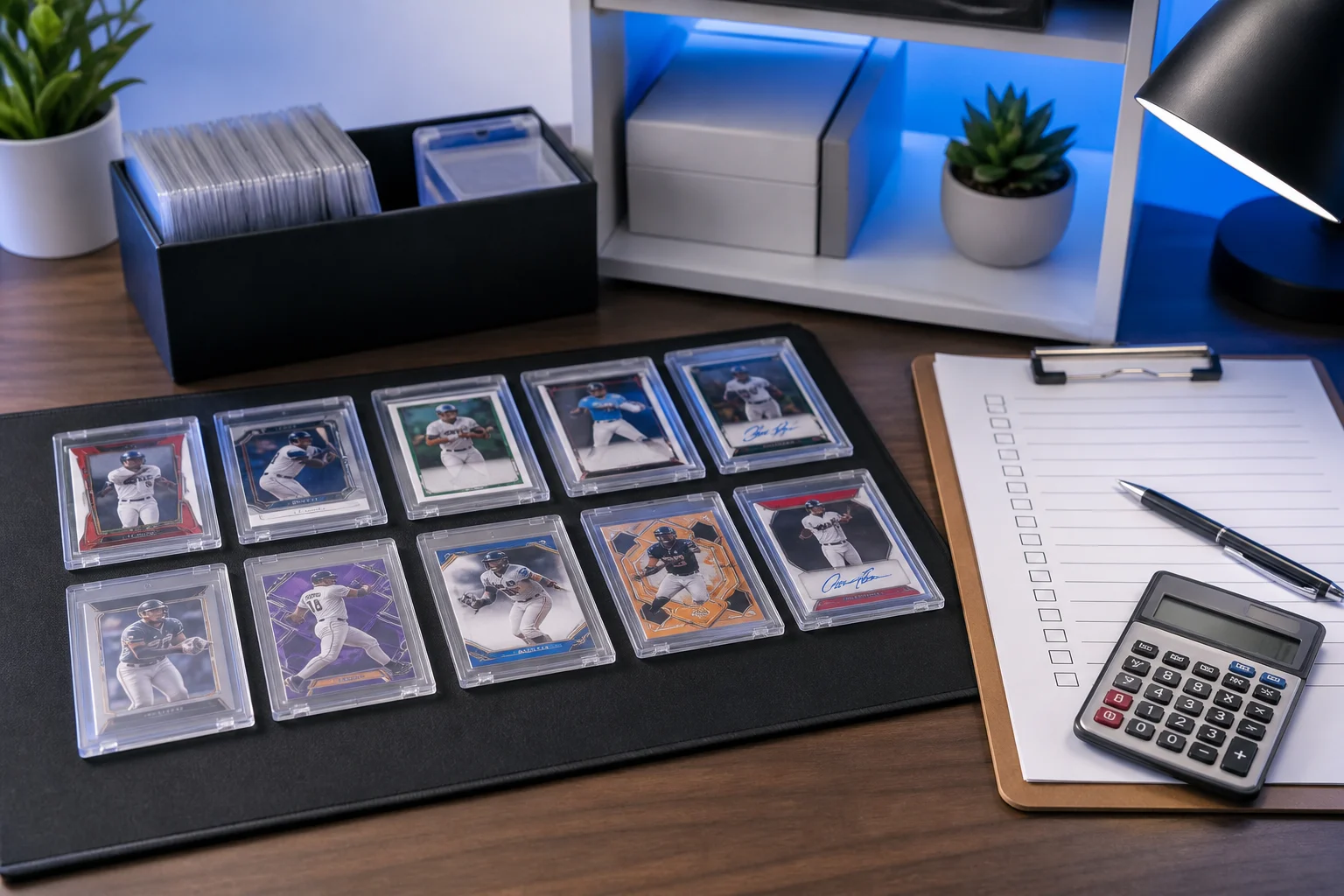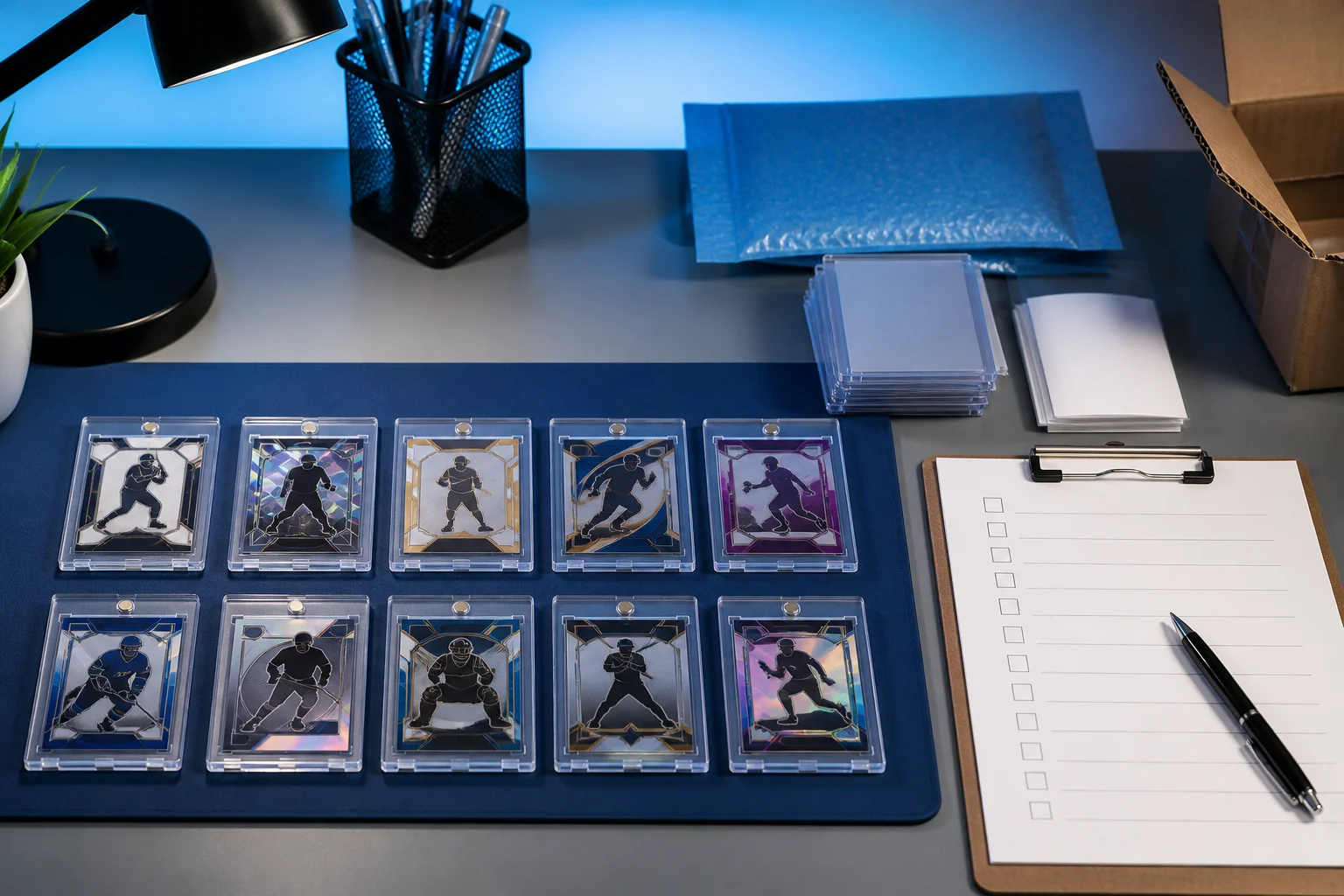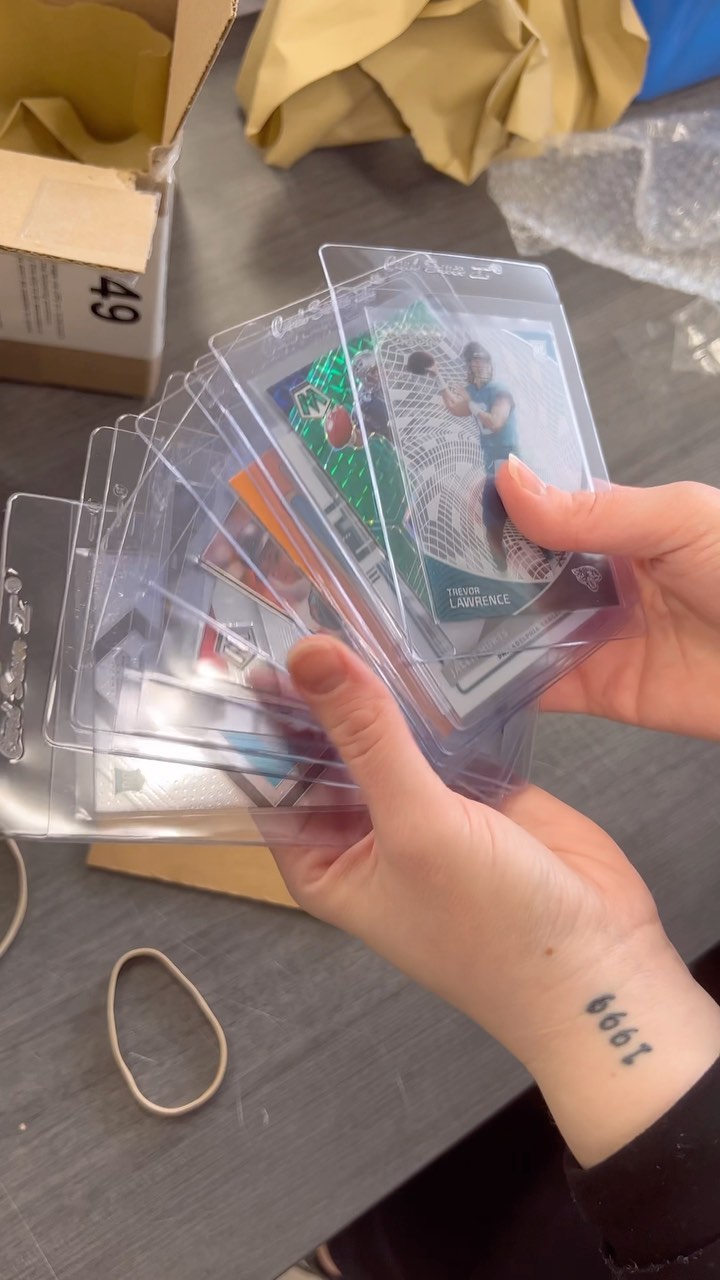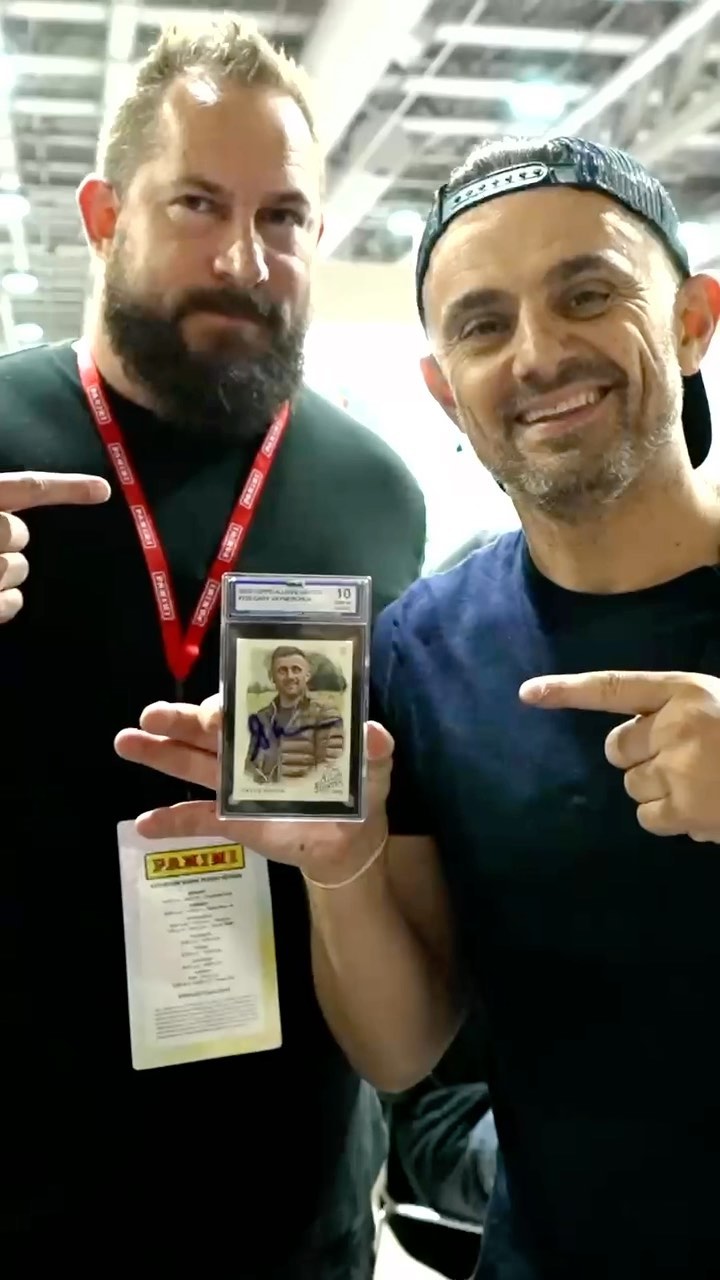
Searching for a PSA alternative usually starts with a practical question: which grading company fits the cards you own and what you want to do with them? A collector protecting favorite rookies may have different priorities from a dealer preparing inventory for a show. Price matters, but so do timing, grading standards, holder design, and how buyers evaluate the finished card.
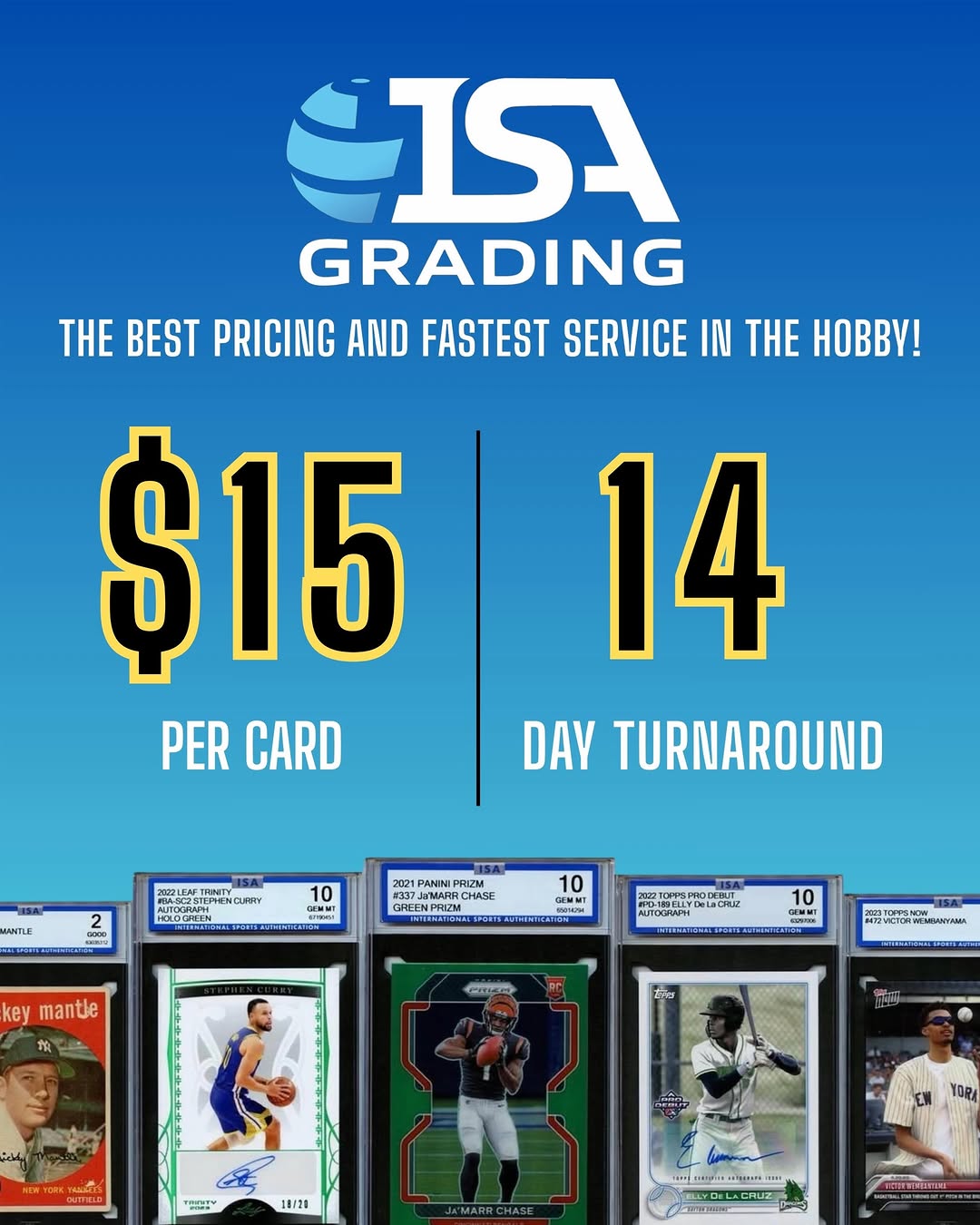
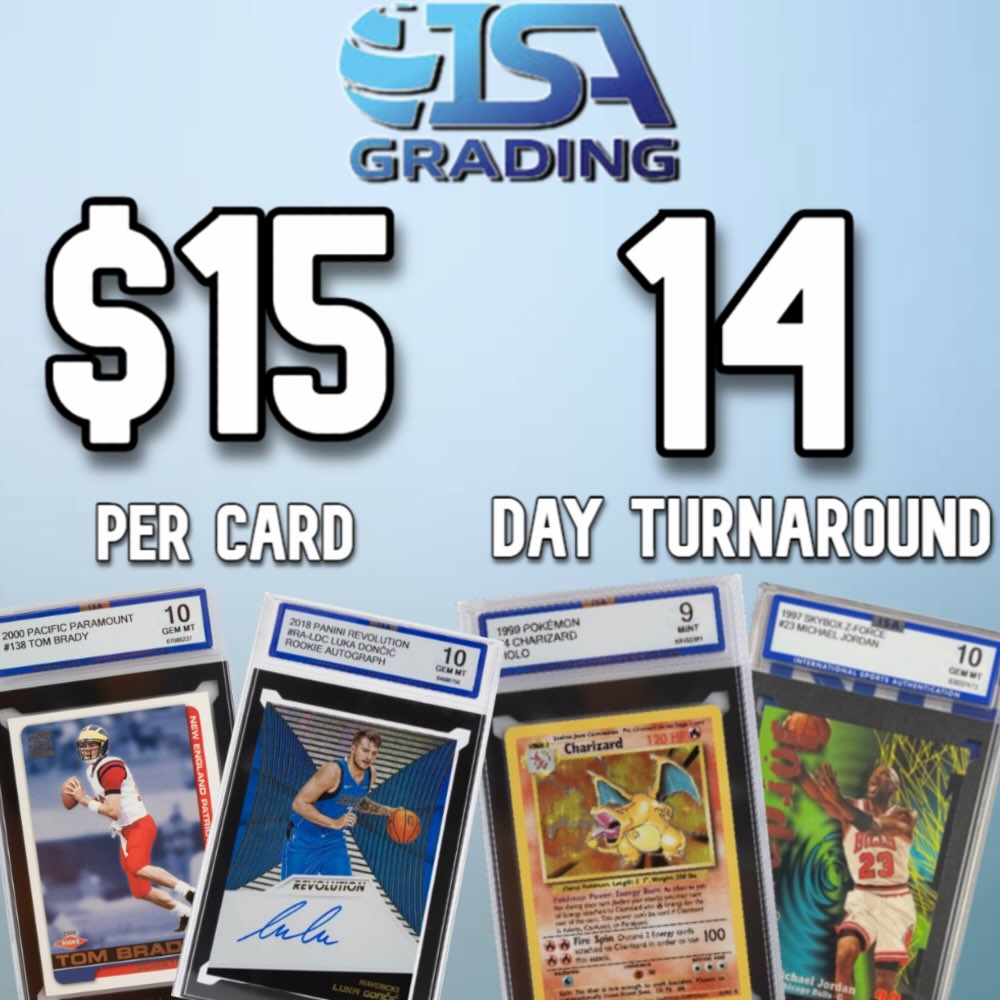
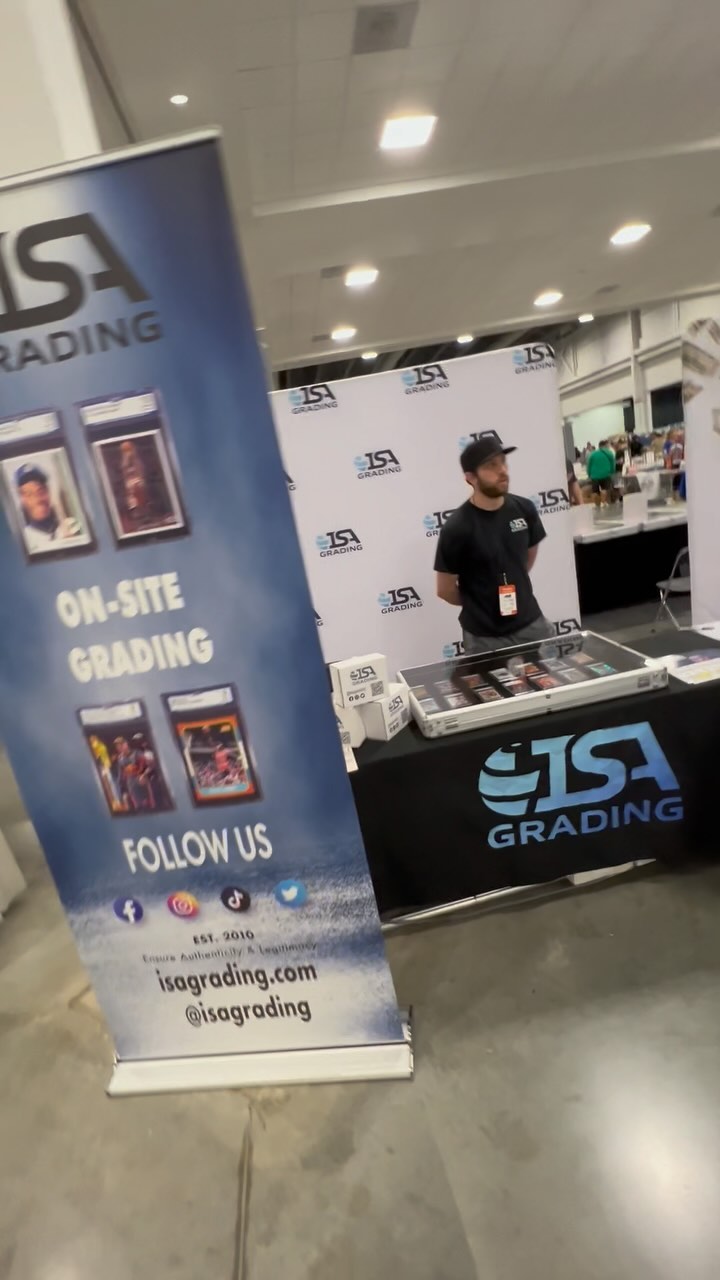
ISA Grading, also known as International Sports Authentication, provides sports card grading and authentication. Its current service is $15 per card, with a 14 day turnaround, a 10 card submission minimum, and no upcharges. Those details provide a starting point for comparison. The next step is understanding whether the service fits your collection and selling plans.
Start Your Search With the Job You Need Done
Before comparing a card grading service, identify why you are submitting. Are you documenting condition, protecting a keepsake, organizing an inherited collection, or preparing cards for sale? Each purpose changes how you weigh cost, timing, and buyer preferences. The cheapest option is not automatically the most useful, and the most recognizable label is not automatically necessary for every card.
- Personal collection: Prioritize condition assessment, holder preferences, and a cost you are comfortable paying.
- Dealer inventory: Consider total submission expense, inventory availability, and demand in your selling channels.
- Higher-value cards: Research authentication requirements, handling procedures, insurance, and comparable sales.
- Mixed collections: Confirm eligibility for each card type before planning one large submission.
Write down your priorities before browsing search results. That small step helps prevent an attractive headline or a single enthusiastic review from making the decision for you.
Separate PSA Shutdown Concerns From Verified Information
Searches involving PSA shutdown concerns or the phrase PSA shutting down can reflect rumors, uncertainty, or questions about temporary service availability. A search phrase is not evidence that a company has permanently closed. A submission pause affecting one service also does not establish that every service is unavailable.
If competitor availability matters to your plans, check that company's official notices and current submission information. Look for dates, the specific service affected, and any stated reopening or processing updates. Avoid relying on screenshots without context. You can research alternatives without assuming a shutdown has occurred or repeating an unverified claim to customers.
Compare the Full Cost, Not Just the Advertised Fee
A per-card price is useful only when you understand what the submission will cost overall. ISA's current grading fee is $15 per card with no upcharges. At the 10 card minimum, the grading fees total $150. That calculation describes grading fees, not necessarily your complete shipping or submission expense.
For any grader, check shipping, insurance, packing materials, and applicable checkout charges before sending cards. If a service uses value-based fees or other conditional charges, understand those terms before comparing totals. Collectors searching for no upcharge card grading are often trying to reduce uncertainty, so the written pricing structure deserves attention.
For a closer look at ISA's published rate, read how ISA Grading approaches transparent $15 pricing. Build your budget around the likely total expense rather than assuming the headline rate includes every part of the submission.
Make Turnaround Part of Your Inventory Plan
Turnaround matters because cards in processing are not available for your next show, listing session, or customer order. ISA currently offers a 14 day turnaround. Before planning around a deadline, confirm how the service measures that period and account separately for shipping and any intake requirements. Do not assume that turnaround means door-to-door delivery.
Fast card grading can help support an inventory schedule, but speed alone does not establish grading quality or guarantee a sale. Leave room for photographing, listing, and answering buyer questions after the cards return. A card arriving just before an event may still require preparation before it is ready for your display case.
If timing drives your submission decisions, this guide to grading turnaround and card sales explains why the waiting period deserves a place in your planning.
Read the Grading Scale Before Predicting Results
Trading card grading involves evaluating condition against a company's standards. Before submitting, read the ISA grading scale rather than assuming that every company defines each grade identically. A card that looks sharp in a sleeve may reveal wear under better lighting or closer inspection.
Review card centering, card corners, card edges, and surface condition separately. Uneven borders, whitening, scratches, print defects, and small indentations can affect your expectations. Use good lighting and inspect both sides. Your inspection helps you make submission decisions, but it does not establish the grade a professional evaluator will assign.
Be particularly cautious about treating an attractive front image as proof of top condition. The back, edges, and surface may tell a different story. A realistic estimate is more useful than a budget built entirely around the highest possible grade.
Choose Cards With a Clear Reason to Grade Them
For baseball card grading, your candidates might include recognizable rookies, meaningful vintage issues, or cards with established collector demand. Basketball card grading often raises similar questions about player interest, scarcity, and condition sensitivity. Rookie card grading deserves special care because excitement around a player does not eliminate grading expense or downside risk.
Vintage card grading may serve a different purpose from grading a modern insert. Authentication and a documented condition assessment can matter even when a high numerical grade is unrealistic. Still, age alone does not make a card valuable. Identify the issue accurately and examine evidence of wear or possible alteration before deciding what to submit.
Do not assume that sports card services automatically cover every collectible. If your search expands to TCG card grading or Pokemon card grading, confirm current category eligibility and any submission restrictions before including those cards. Different products, dimensions, and materials may require different handling or acceptance rules.
Understand Authentication Without Overstating It
Card authentication and condition grading address related but distinct questions. Authentication concerns whether a card is genuine, while condition grading evaluates its state under the grader's standards. Sports card authentication can be particularly relevant when dealing with unfamiliar issues, older material, or cards whose identity or originality raises questions.
Ask how the service handles suspected alterations, unsupported items, or cards it cannot authenticate. Also clarify whether an autograph requires a separate service, since card authentication does not automatically establish the authenticity of a signature. Review the applicable policies in the ISA FAQ and seek clarification before sending an unusual item.
Evaluate Slabs as Both Protection and Presentation
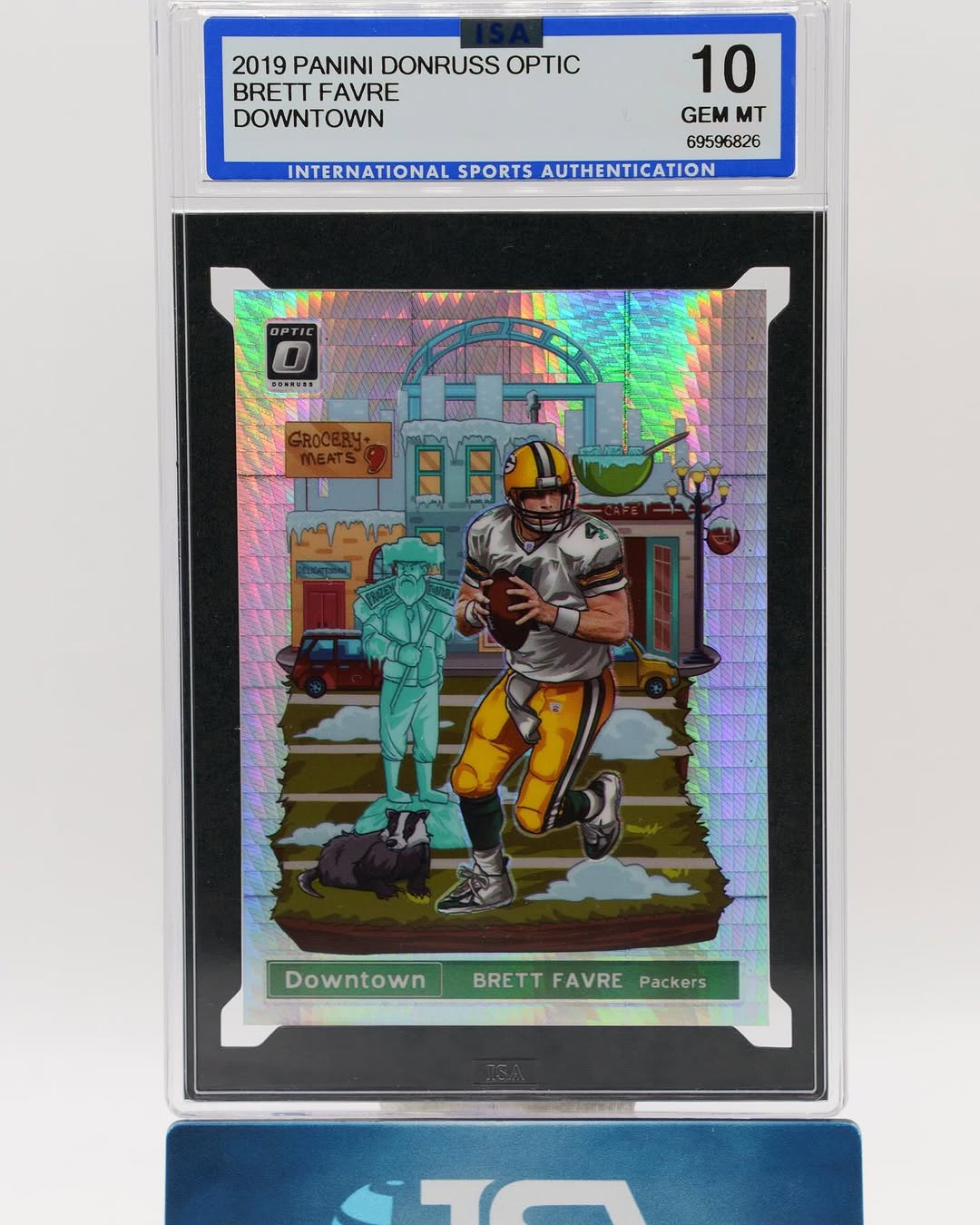
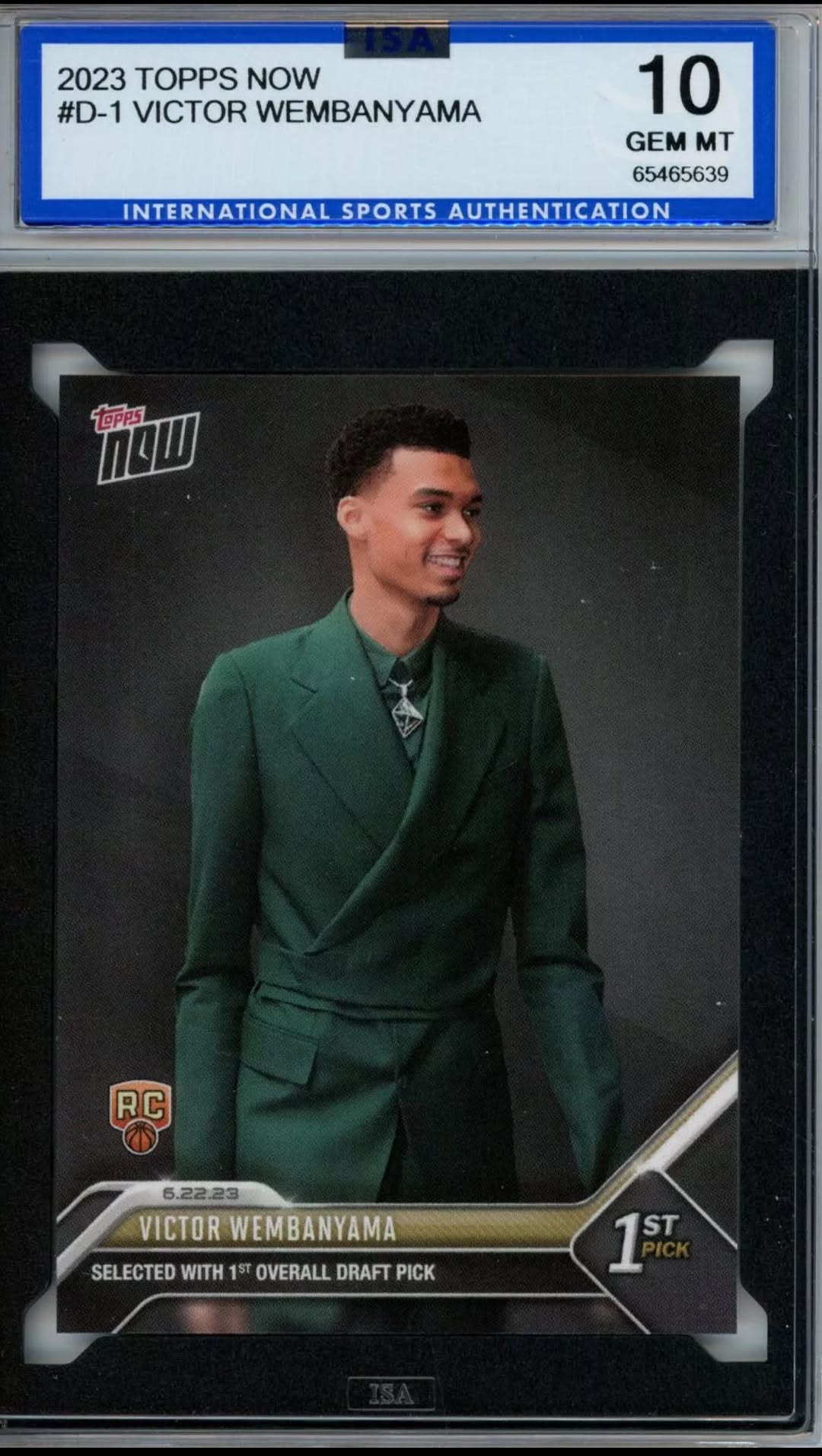
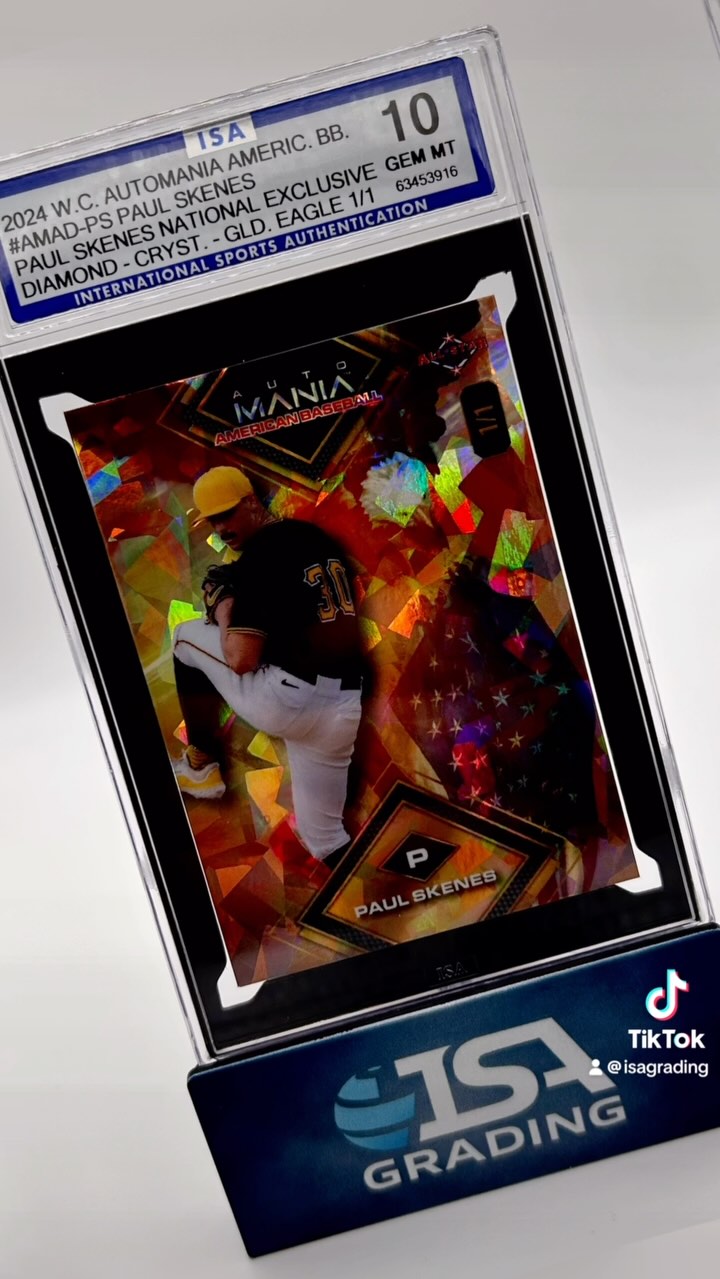
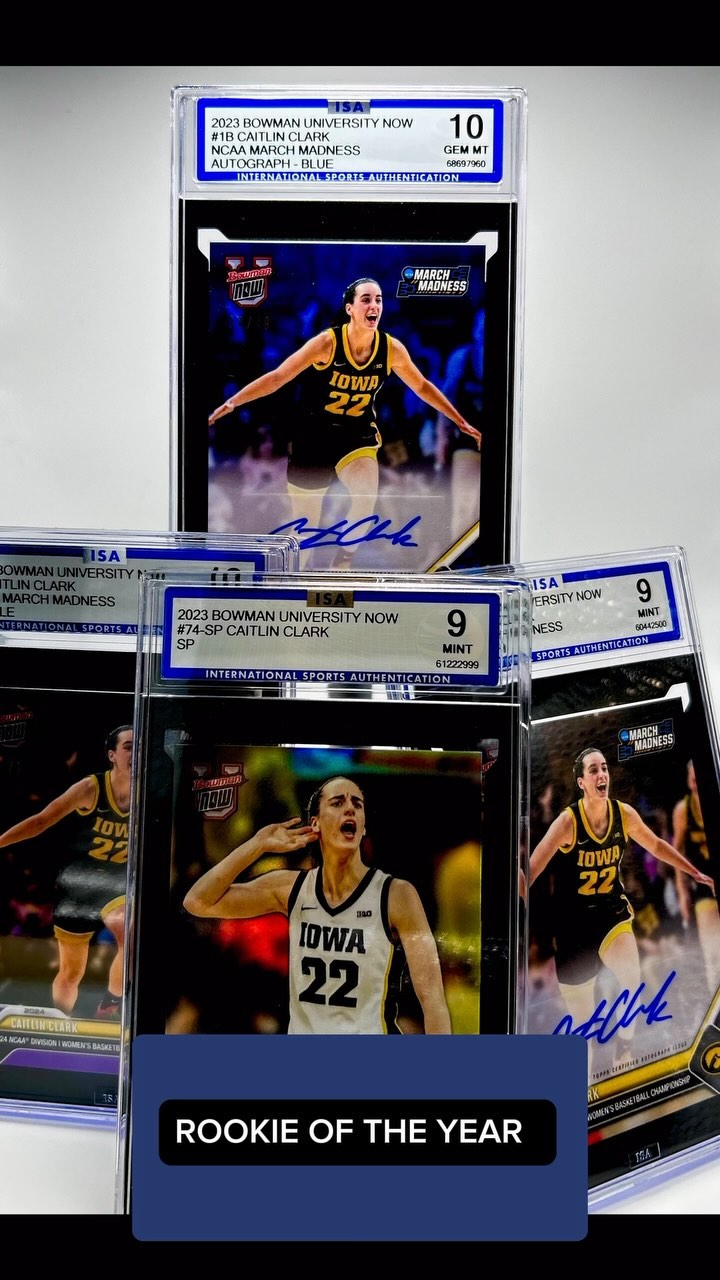
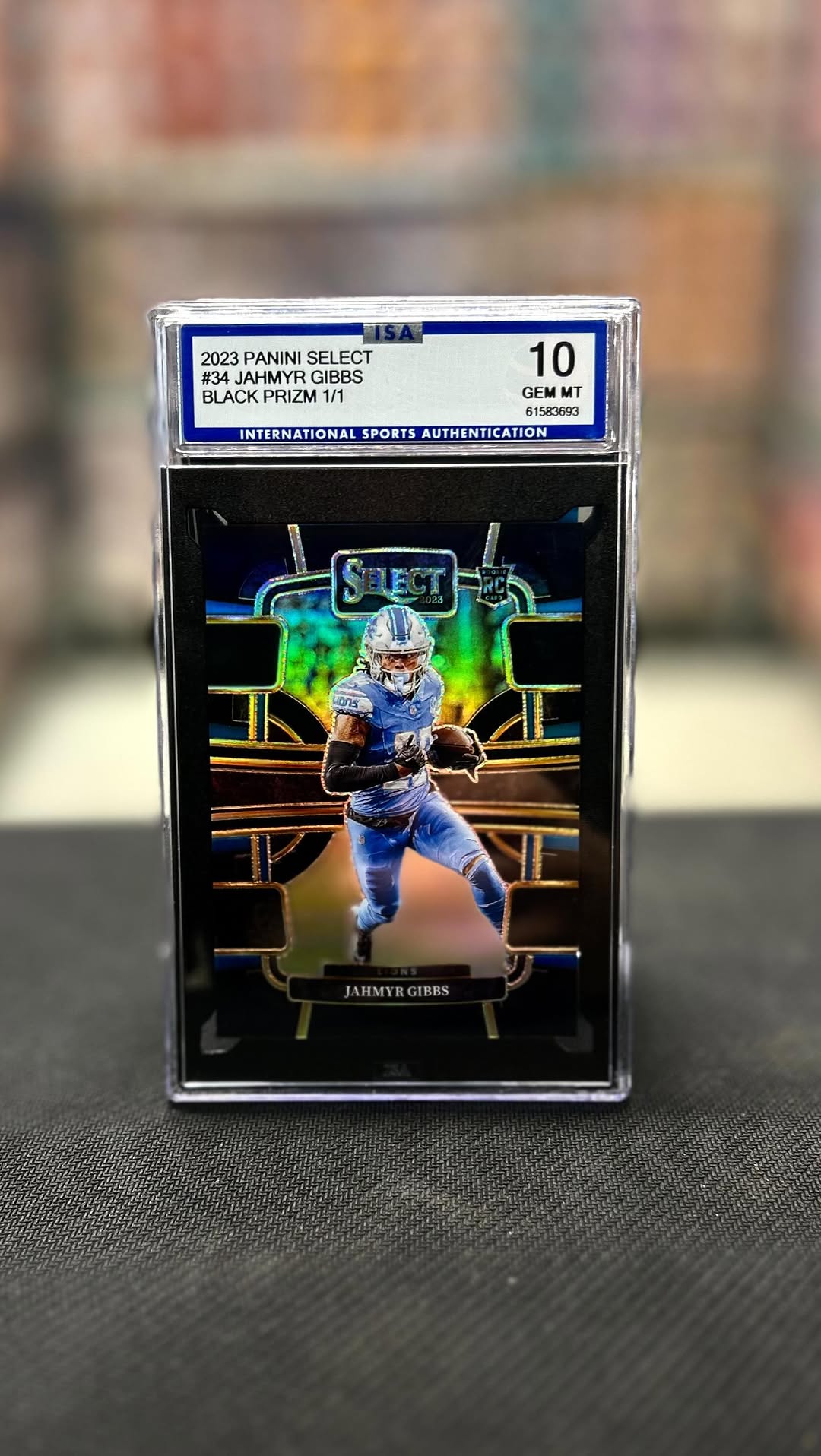
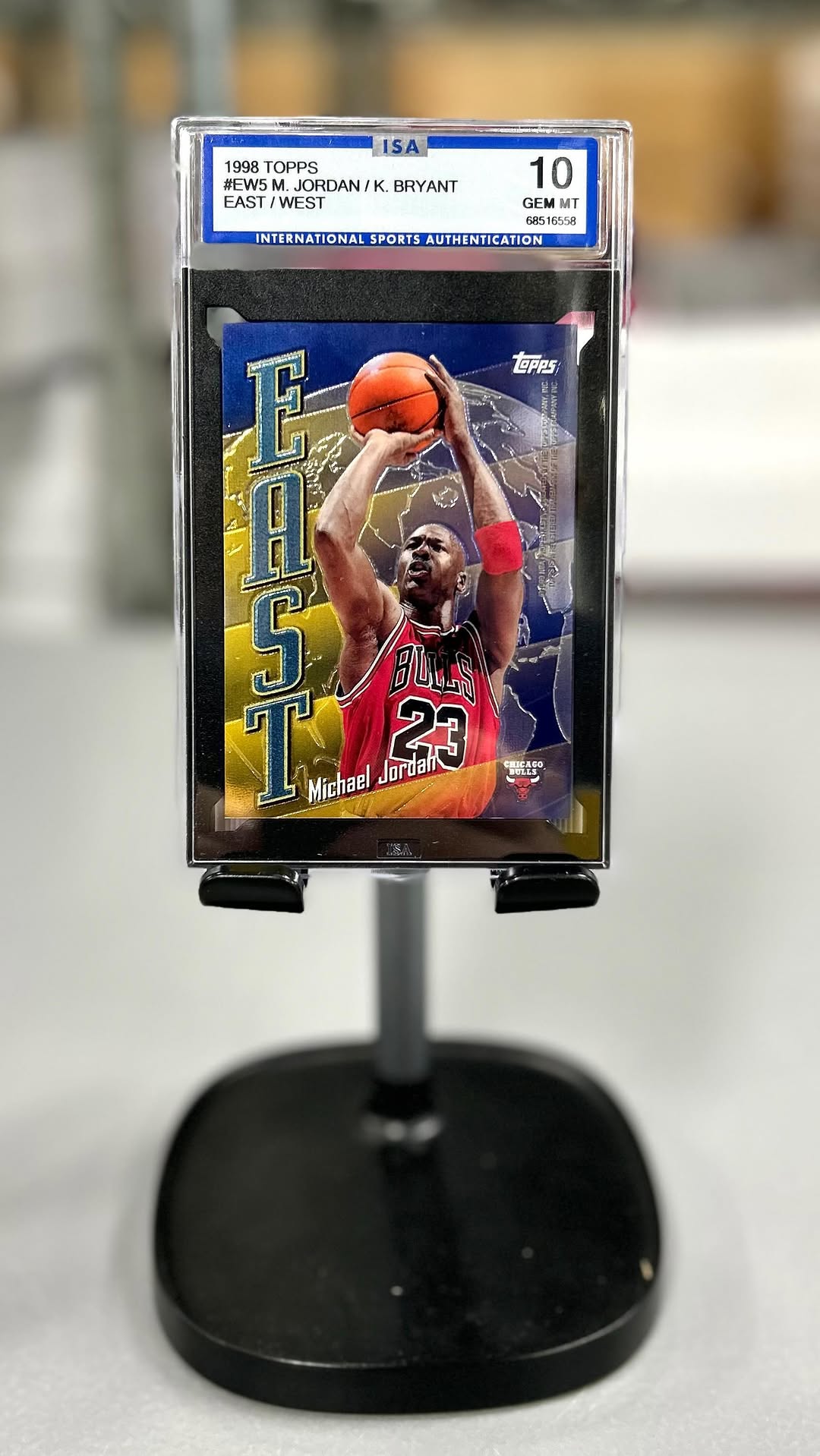
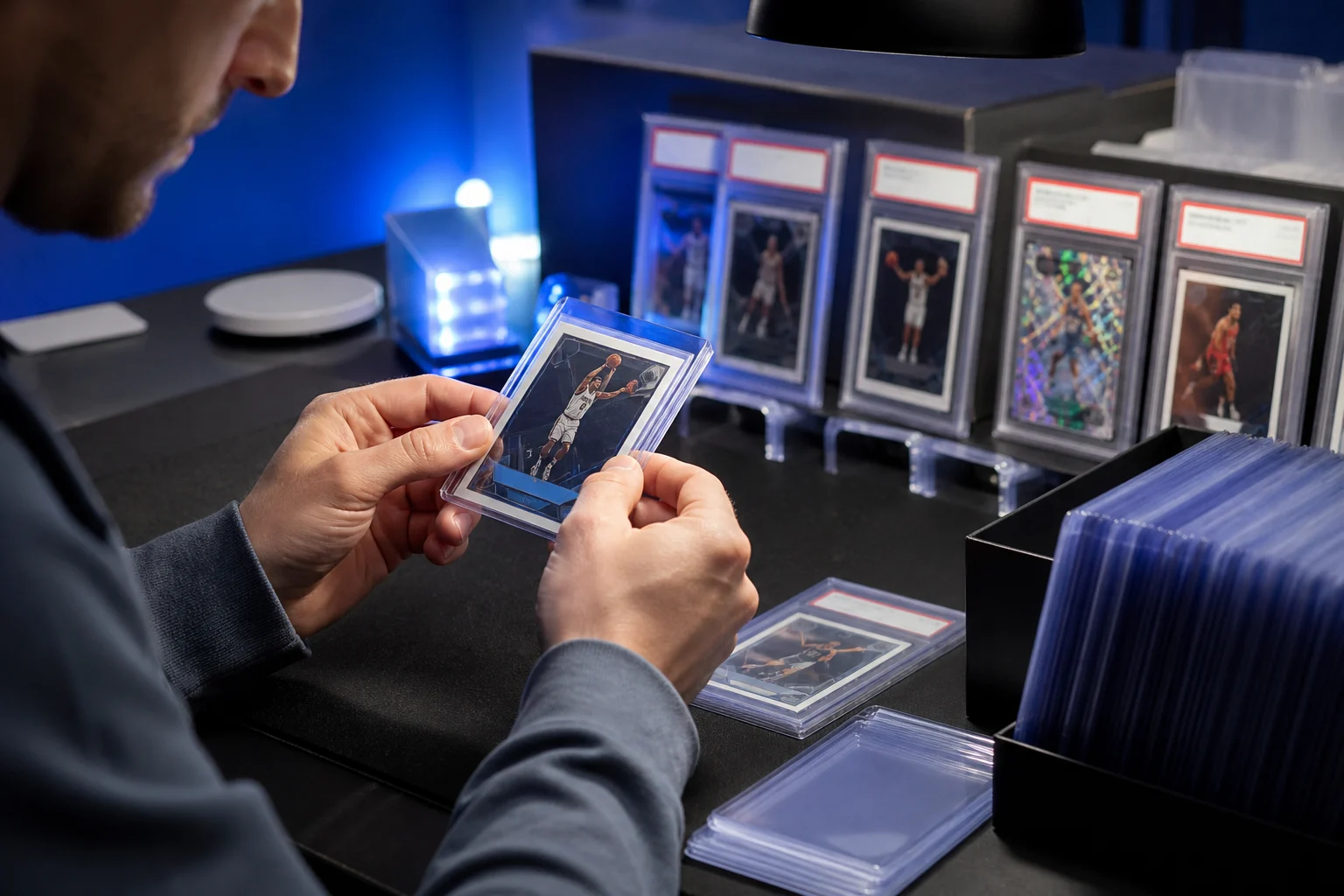
Trading card slabs are part of the finished product, not merely packaging around a grade. Examine clear photographs of the holder and label. Consider readability, card identification, dimensions, storage needs, and how the encapsulated card will look in listing photographs. If possible, inspect an example in person before submitting a large group.
A holder adds a protective barrier, but it does not make a card immune to every storage hazard. Keep graded cards away from prolonged direct sunlight, excessive heat, and moisture. Store them securely so holders are not repeatedly scratched or knocked together. For dealers, protective sleeves around slabs can also help preserve presentation through shipping and shows.
Use Certificate Verification as a Routine Check
ISA offers website certificate verification through its certificate verification page. When evaluating an ISA-graded card, compare the available record with the details shown on the label. Check the certificate number, card identification, and grade where those details are displayed. Investigate inconsistencies before buying or listing the card.
A matching record is a useful checking step, not a reason to ignore everything else. Review clear images, holder condition, seller history, and the terms of the transaction. A copied certificate number alone does not establish that a particular physical card or holder is genuine. If something looks inconsistent, pause and ask for clarification.
Prepare a Submission Without Creating New Damage
Submission preparation should protect the card as it is, not attempt to improve it through risky handling. Avoid trimming, pressing, chemicals, or aggressive cleaning. If debris or a surface issue concerns you, ask about acceptable handling rather than experimenting. Unnecessary contact can introduce scratches or other damage.
- Confirm the identity and eligibility of each card.
- Inspect both sides and record existing condition concerns.
- Create an itemized inventory and take reference photographs.
- Follow the grader's current holder and packing instructions.
- Keep submission records and shipment tracking information.
At ISA's 10 card minimum, choose a coherent group rather than adding cards simply to fill spaces. Ten carefully selected cards may suit your goals better than a larger batch assembled without considering cost or demand.
Plan for Selling Graded Cards Before You Submit
Buyer confidence comes from accurate descriptions, clear photographs, accessible verification, and a trustworthy transaction. When selling graded cards, show the front and back of the slab, make the label readable, and disclose visible holder damage. Describe the assigned grade without suggesting that another company would necessarily assign the same result.
Research completed sales for the same card, comparable condition, and relevant grading company whenever possible. Asking prices are not completed transactions, and results from a different grader may not transfer directly. No grading service can guarantee a resale premium, a particular buyer response, or a profitable sale.
For dealer submissions, estimate the likely net proceeds after grading, shipping, marketplace fees, and selling expenses. Test your assumptions against more than one grade outcome. If the economics work only at the highest grade, reconsider whether that card belongs in the submission.
Turn Your Comparison Into a Submission Decision
A useful PSA alternative search ends with a service that fits your actual cards, not a claim that one grader is best for everyone. Compare documented terms, inspect example holders, read grading standards, and check how buyers in your market respond. Keep personal collecting goals separate from resale assumptions when weighing the expense.
For collectors and dealers considering ISA, the current offer is straightforward: $15 per card, a 14 day turnaround, a 10 card minimum, and no upcharges. Review the current instructions on the ISA submission page, confirm any details relevant to your cards, and prepare a batch that makes sense for your collection or business.
Submit Cards to ISA Grading
Collectors ready to use ISA Grading can start on the submission page. The current active service is $15 per card with a 14 day turnaround, no upcharges, and a 10 card minimum.
Frequently Asked Questions
What should I compare when searching for a PSA alternative?
Compare grading fees, turnaround terms, submission minimums, grading standards, holder presentation, certificate verification, and buyer demand in your selling channels. Include shipping and other applicable expenses when estimating the total cost.
How much does ISA Grading currently charge?
ISA Grading's current service is $15 per card with a 10 card submission minimum and no upcharges. The minimum submission totals $150 in grading fees. Check current submission terms for shipping and any other applicable expenses.
What is ISA Grading's current turnaround?
ISA currently offers a 14 day turnaround. Confirm how that period is measured before planning around a deadline, and allow separately for shipping and any intake requirements.
Do PSA shutdown searches mean PSA has permanently closed?
No. Search phrases and rumors do not establish a permanent closure. Check PSA's official, dated service notices to verify availability and distinguish any specific submission pause from a company-wide shutdown.
How can I verify an ISA-graded card?
Use the certificate verification page on ISA's website and compare the available record with the slab label. Also inspect the holder, card photographs, and seller information. A matching certificate number is a useful check, but it does not replace evaluating the physical item.