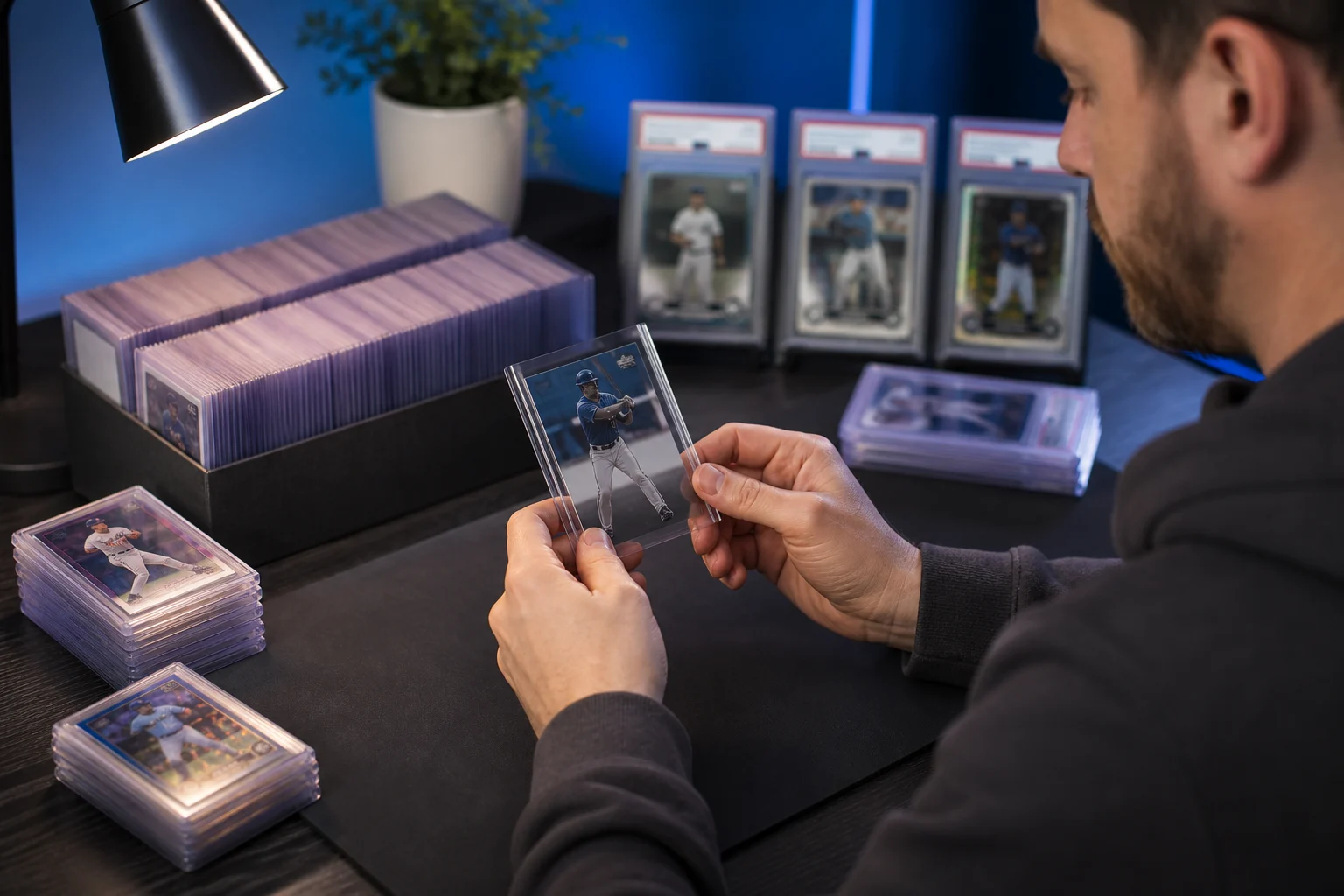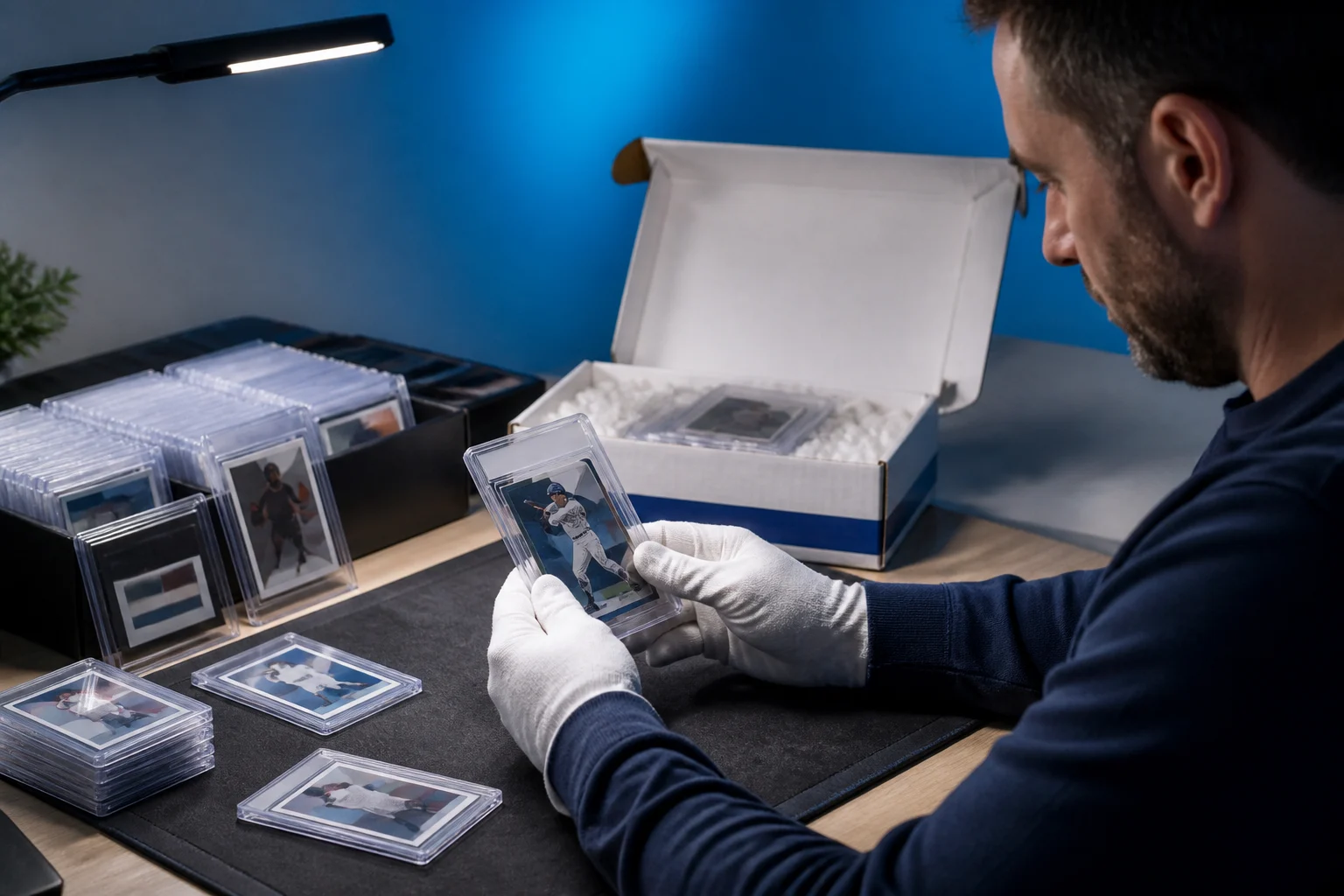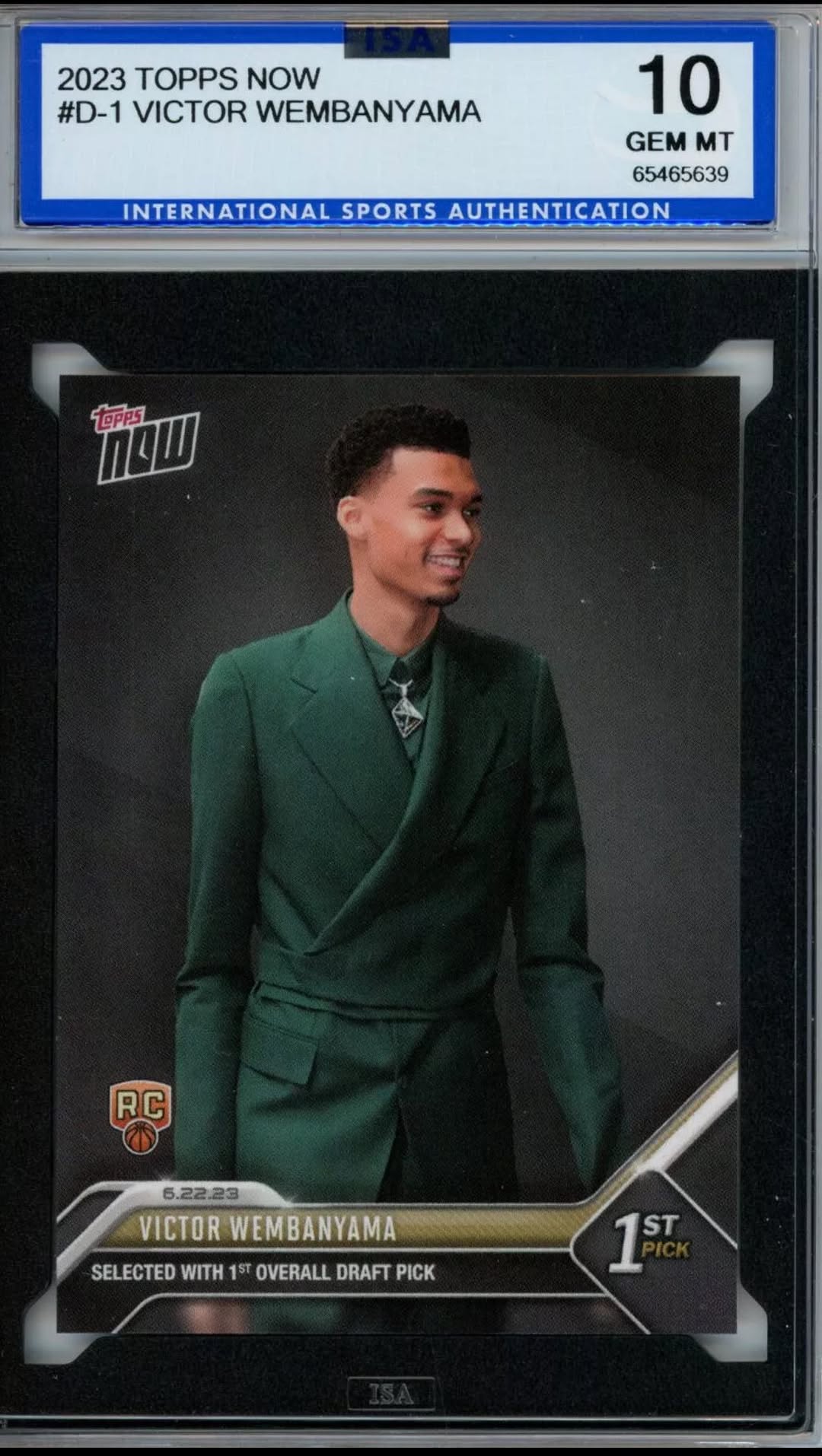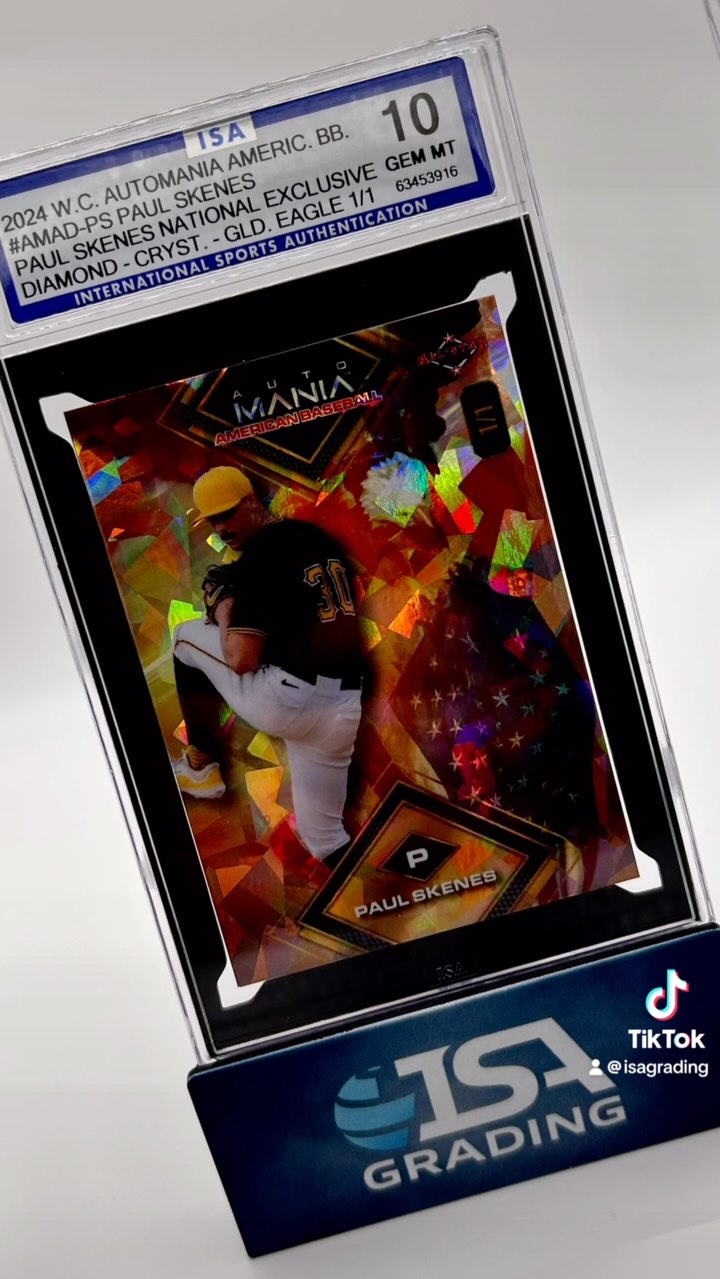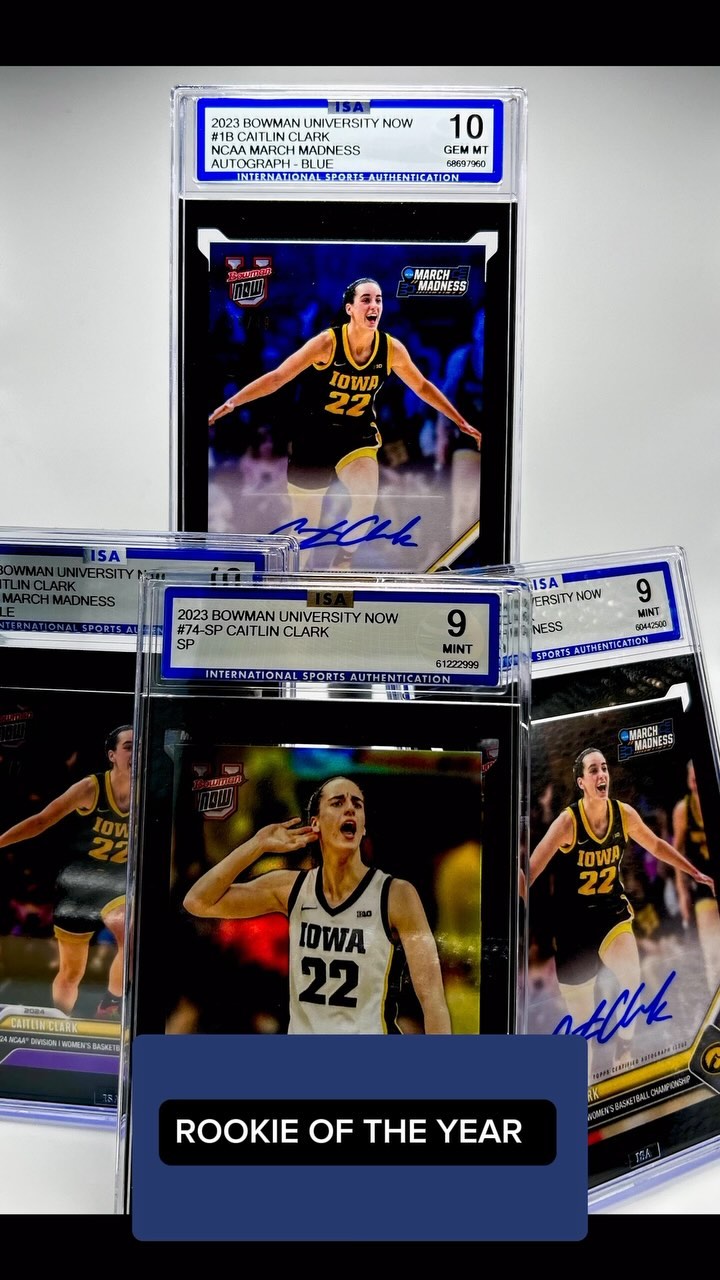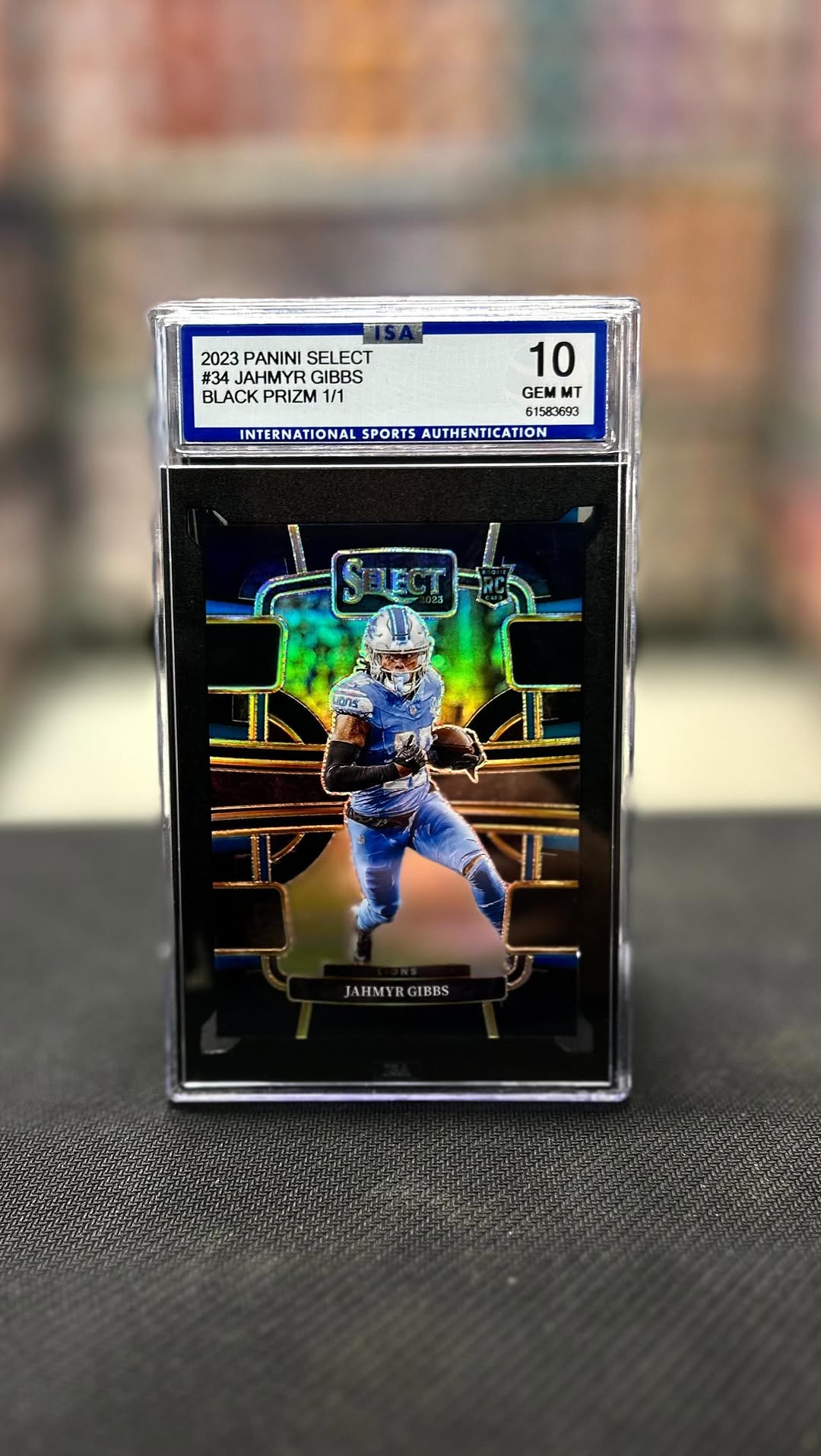
A modern rookie card can look flawless when it comes out of a pack and still show a corner flaw, uneven centering, or a faint surface scratch under closer inspection. Rookie card grading starts with understanding those details, not assuming that a newly printed card will earn a top grade.
For collectors, grading can provide a documented condition assessment and a protective holder. For dealers and hobby sellers, it can also make inventory easier to describe. The right submission depends on the card, your budget, and what you plan to do with it afterward.
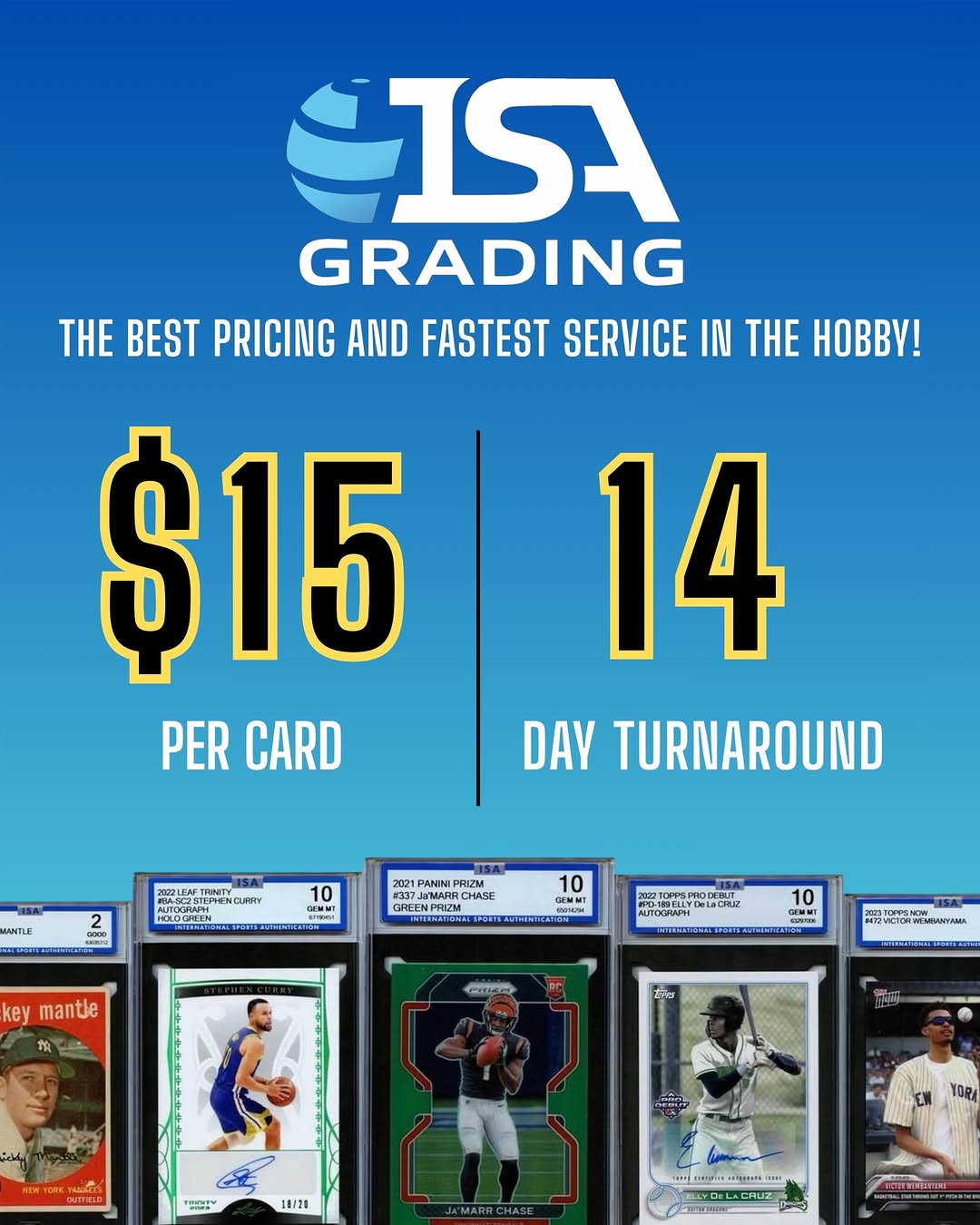
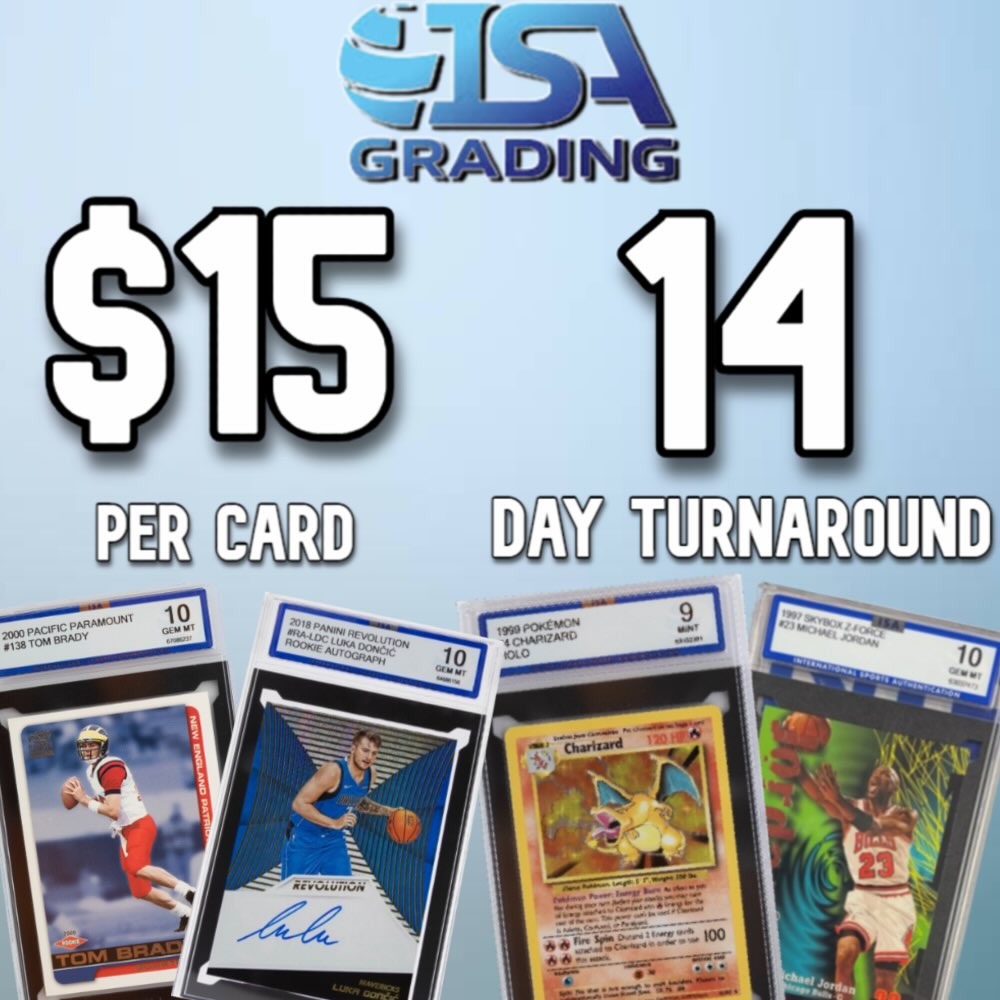
ISA Grading, also known as International Sports Authentication, offers sports card grading and authentication at $15 per card, with a current 14 day turnaround, a 10 card submission minimum, and no upcharges. Here is how to approach a modern rookie card submission with realistic expectations.
Choose the Rookie Cards That Fit Your Goal
Before examining condition, decide why each card belongs in the submission. A personal collection card does not need the same financial justification as inventory purchased for resale. A favorite player’s rookie may be worth preserving even when its resale value is modest.
For selling, identify the exact card before checking prices. The year, manufacturer, set, card number, parallel, serial numbering, and variation can materially change the comparison. A base rookie and a scarce parallel featuring the same player are not interchangeable.
Rookie designations can also be complicated. Prospect issues, college releases, inserts, and first professional cards do not always carry the same hobby status. Confirm the issue rather than relying only on a seller’s title or a rookie logo.
- Personal collection: Prioritize significance, presentation, and long-term storage.
- Resale inventory: Compare likely proceeds with your full acquisition and grading costs.
- Dealer stock: Group submissions around demand, condition, and available working capital.
Inspect Condition Before You Submit
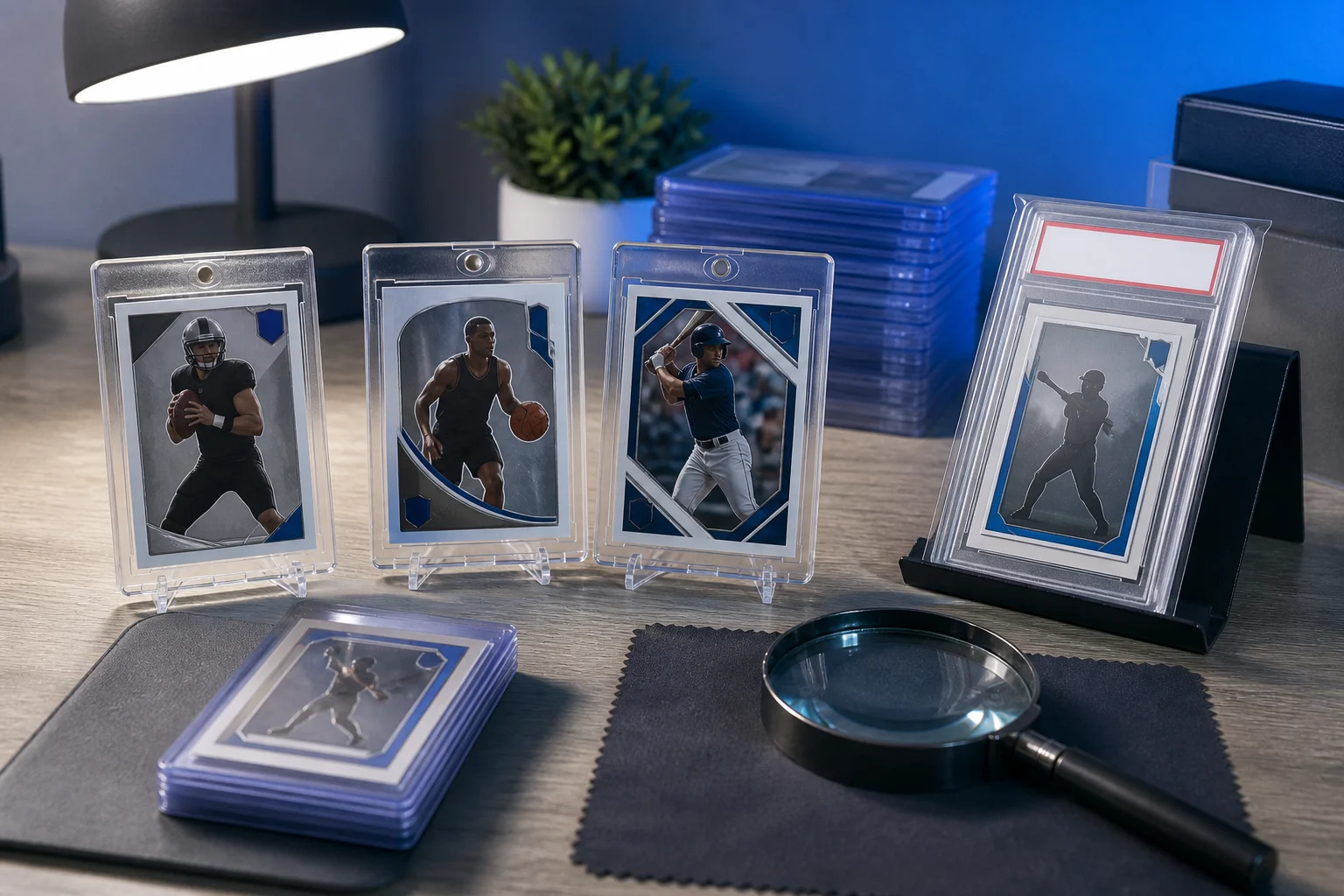
Card condition grading evaluates physical characteristics that can be easy to miss in ordinary room lighting. Use a clean workspace, a bright light, and gentle handling. Examine the front and back, tilting the card to reveal reflections without repeatedly touching its surface.
Card centering
Look at how the printed design sits within the card’s borders. Compare left to right and top to bottom, then check the reverse. Borderless designs require attention to repeated design elements rather than a visible white frame. Review ISA’s grading scale to understand its published grade descriptions instead of importing another company’s standards.
Card corners and card edges
Check each corner for whitening, bending, fraying, or compression. Inspect card edges for chipping, rough cuts, and damage that blends into the design. Dark borders and foil finishes can make small defects more noticeable. Avoid pressing a corner or rubbing an edge in an attempt to improve it.
Card surface
Inspect the card surface for scratches, print lines, indentations, stains, and handling marks. Glossy and reflective cards often reveal flaws only at an angle. Factory-related imperfections can still affect condition; a card does not become defect-free simply because you pulled it yourself.
Understand the Challenges of Modern Card Materials
Modern releases use a wide range of finishes and constructions. Chrome-style cards can show fine scratches or print lines. Foil cards may have visible edge wear. Thick memorabilia cards can have vulnerable corners and need holders suited to their thickness.
These concerns matter across baseball card grading, basketball card grading, and football card grading. The sport does not remove the need for careful inspection. A flagship paper rookie and a thick premium rookie should not be handled or packed as though they have identical construction.
Autographs and memorabilia add another layer of identification. Read the manufacturer’s wording carefully and confirm the scope of the grading service before submitting. Do not assume card authentication automatically includes separate autograph authentication or verification of every memorabilia claim.
If you also collect older issues, keep your evaluation context separate. Vintage card grading often involves different materials, production characteristics, and common wear patterns than modern rookie releases.
Separate Authentication From Condition
Sports card authentication and condition assessment answer related but different questions. Authentication concerns whether a card is genuine. Grading describes its assessed physical condition under the service’s standards. A genuine card can have substantial wear, while a visually attractive card can still raise authenticity concerns.
For valuable rookies, take time to confirm identifying details before purchase or submission. Compare the card number, design, printing, and stated variation with reliable set information. An unusually low asking price is a reason to investigate, not proof that a card is counterfeit.
Professional review can support a more informed transaction, but it should not replace your own records. Keep purchase receipts, clear photographs, and relevant seller correspondence. Those records help you track provenance and accurately describe the card later.
Budget Beyond the Per-Card Price
ISA’s current grading fee is $15 per card, with a minimum submission of 10 cards. That makes the grading fees for a minimum-size submission $150. This is the grading subtotal, not a claim that every shipping or other submission-related expense is included.
Build your budget around the entire transaction. Consider what you paid for the cards, grading fees, applicable shipping and insurance costs, and any selling expenses. A possible increase in sale price does not necessarily translate into a profit after those costs.
ISA offers no upcharge card grading. Its stated service has no upcharges, which helps collectors plan the grading portion of their expenses without budgeting for a value-based grading increase.
For a closer look at that pricing approach, read the value of no upcharge grading for collectors and sellers. Keep the decision practical: a clear fee is useful, but not every rookie card needs to be graded.
Use Turnaround Time to Plan, Not Predict the Market
ISA currently offers a 14 day turnaround. That gives collectors and dealers a useful planning reference, especially when they want cards back for inventory rotation, a show, or a potential listing window.
Do not confuse grading turnaround with the complete time between packing a submission and receiving it back. Shipping takes time, and you should confirm how the current turnaround is measured before planning around a specific deadline.
Fast card grading can reduce the time cards spend unavailable for sale, but it cannot control player performance, injuries, collector demand, or market prices. A rookie attracting attention today may face different demand when you list the card.
ISA discusses this planning issue further in how grading turnaround shapes a card sale. Leave room in your schedule rather than making a sales commitment dependent on an exact return date.
Prepare a Submission Without Altering the Cards
Good preparation is about organization and protection, not trying to change a card’s condition. Avoid polishing compounds, solvents, trimming, pressing, or other attempts to remove defects. Such actions can damage the card or create concerns about alteration.
- Identify every card. Record the year, set, player, card number, and relevant parallel or variation.
- Inspect both sides. Note visible flaws so your expectations remain grounded.
- Confirm submission instructions. Check current requirements for holders, paperwork, packing, and payment.
- Protect cards appropriately. Use clean holders suited to the card’s size and thickness, following the service’s instructions.
- Keep an inventory. Save your submission details and photographs before shipping.
Use ISA’s card submission page as the starting point. Do not assume packing advice from a forum applies to every card grading service. Follow the instructions that apply to your submission, particularly for unusually thick or delicate cards.
Build a Thoughtful 10-Card Submission
A 10 card minimum encourages planning, but it should not become a reason to submit cards you would otherwise leave ungraded. Start with your strongest candidates, then assess whether the remaining cards serve a collection or resale purpose.
For a dealer, a mixed submission might include desirable base rookies, selected numbered parallels, and cards already requested by customers. For a collector, it might bring together favorite rookies across several seasons or sports.
Be cautious about filling a batch with duplicates solely because one copy looks strong. Inspect every copy independently. Cards from the same pack, box, or purchase can have different centering and surface defects.
Before choosing a provider, reviewing ISA’s customer reviews can offer additional context. Individual experiences are useful input, not a guarantee that your cards will receive a particular grade or sell for a particular price.
Understand What Trading Card Slabs Provide
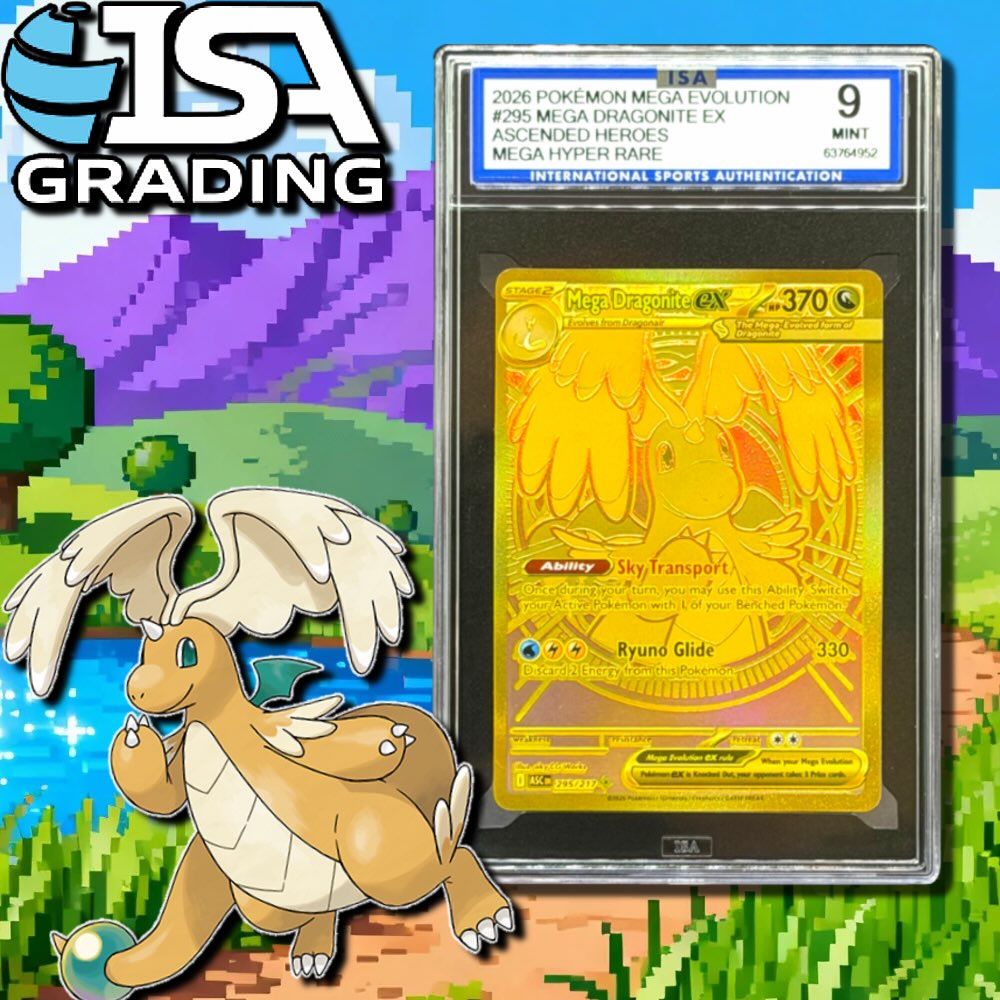
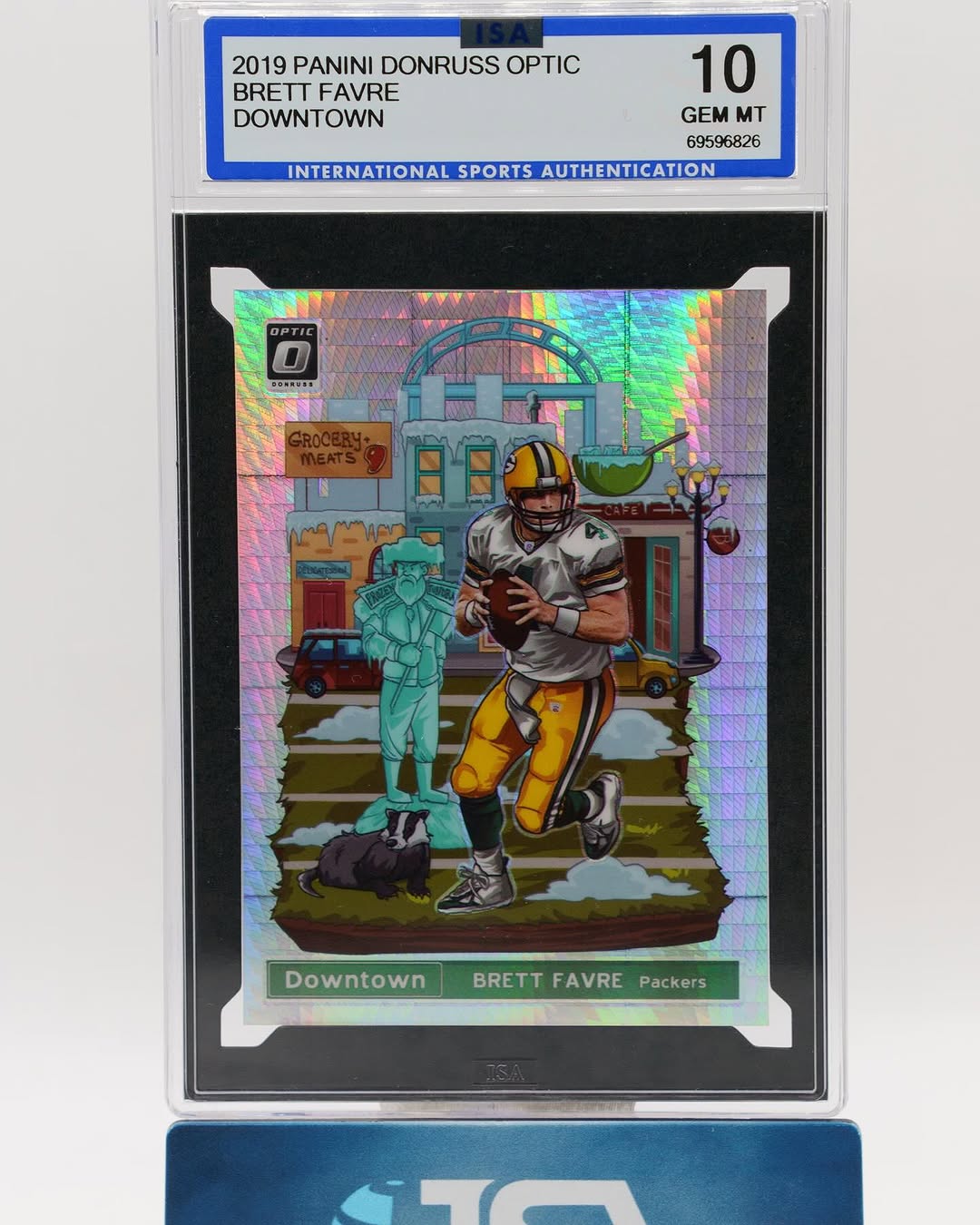
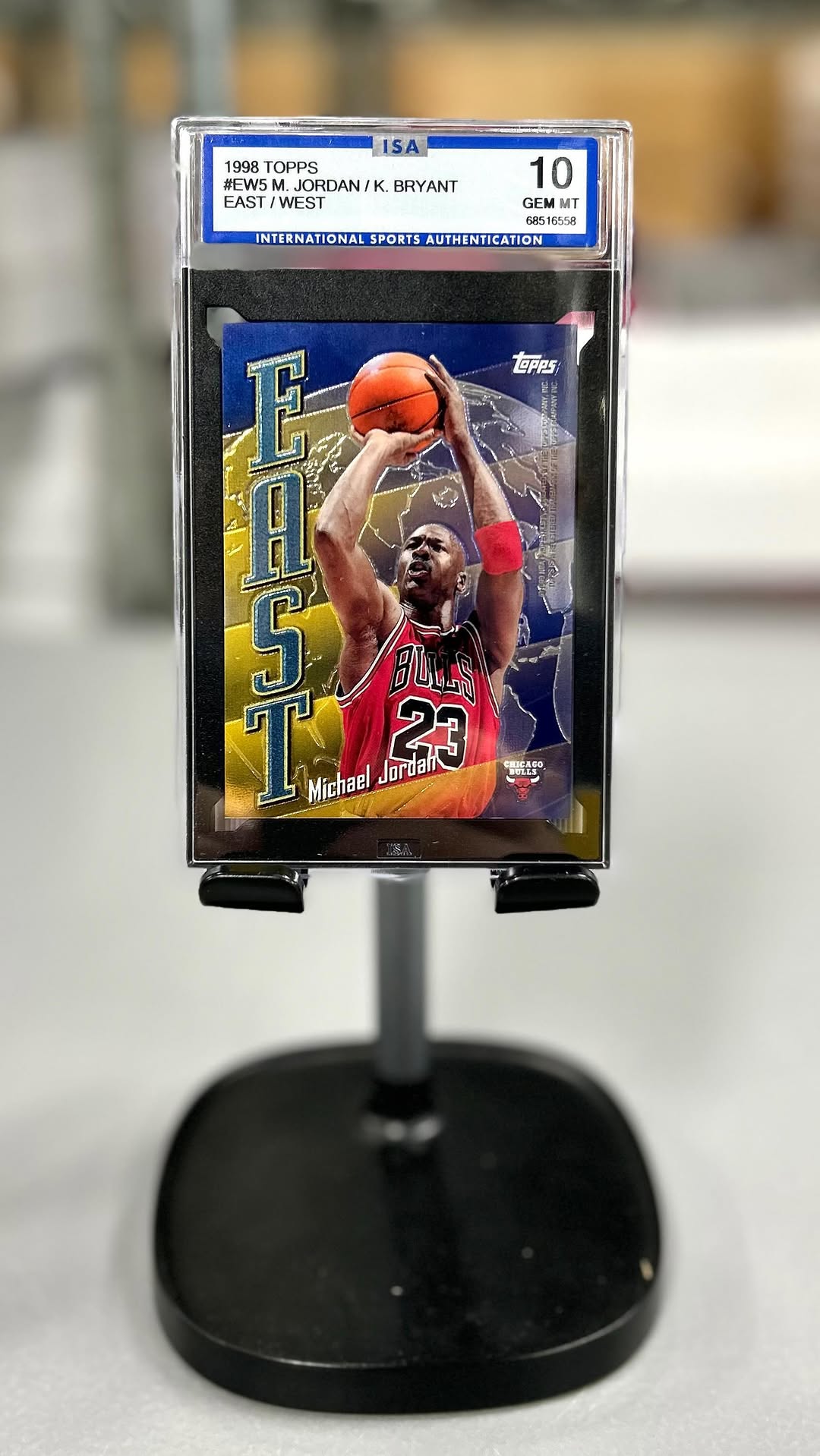
Trading card slabs offer a rigid holder and a visible label that presents grading information. They can make cards easier to organize, display, and describe without repeatedly handling the card itself.
A slab is not a reason to abandon sensible storage. Keep graded cards away from direct sunlight, excessive heat, moisture, and physical impact. Protect holder surfaces from scratches, especially when transporting inventory to shows or shipping sold cards.
Buyer confidence depends on more than the presence of a holder. Accurate identification, readable label information, clear photographs, and accessible verification all help a buyer understand what is being offered.
Trading card grading also does not make every slab equivalent in market demand. Buyers may have preferences based on the card, grading company, grade, and collecting goal. Evaluate actual transactions rather than assuming any graded rookie commands an automatic premium.
Verify the Certificate and Build a Better Listing
ISA provides website certificate verification. Use the certificate verification page to check the certificate information and compare the returned details with the slab and card you are reviewing.
If details do not match, pause the transaction and seek clarification. Verification is a useful check, but a certificate number by itself does not establish everything about a seller or replace inspecting the item shown in the listing.
When selling graded cards, show clear front and back photographs, including a readable label. Describe the exact rookie issue, its grade, relevant serial numbering, and any visible holder damage. Distinguish the manufacturer’s serial number from the grading certificate number.
Research recent completed sales for the same card and grade where possible. Account for differences in grading company, parallel, timing, and selling venue. Asking prices alone are not evidence of what buyers actually paid.
Submit With a Clear Reason for Every Card
The strongest rookie card grading decisions start before the submission form. Identify the card accurately, inspect it carefully, calculate the full cost, and decide whether your priority is preservation, presentation, or resale.
ISA’s current $15 per card service, 14 day turnaround, 10 card minimum, and no upcharges provide a straightforward framework for planning. Pair those terms with careful preparation and realistic selling expectations. You cannot choose the grade or control the market, but you can choose a submission that makes sense for your collection and budget.
Submit Cards to ISA Grading
Collectors ready to use ISA Grading can start on the submission page. The current active service is $15 per card with a 14 day turnaround, no upcharges, and a 10 card minimum.
Frequently Asked Questions
How much does rookie card grading cost at ISA?
ISA’s current active service costs $15 per card, with a 10 card submission minimum and no upcharges. A minimum-size submission has $150 in grading fees. Check current submission information for applicable shipping and other submission-related expenses.
What is ISA’s current grading turnaround?
ISA currently offers a 14 day turnaround. Confirm how that period is measured before planning around a deadline, and allow additional time for shipping to and from the grading service.
Which modern rookie cards are worth grading?
Consider the exact issue, condition, personal significance, and likely resale demand. For resale, compare recent completed sales with your acquisition cost, grading fees, shipping, and selling expenses. Grading does not guarantee a higher sale price or a profit.
How should I prepare rookie cards for grading?
Inspect centering, corners, edges, and surfaces on both sides. Record each card’s identifying details, use appropriate protective holders, and follow ISA’s current submission and packing instructions. Avoid polishing, trimming, pressing, or using solvents to change the card’s condition.
How can a buyer verify an ISA graded rookie card?
Use ISA’s website certificate verification page and compare the returned information with the slab label and the card. If details do not match, seek clarification before purchasing. Verification should complement clear photographs and careful review of the seller and item.