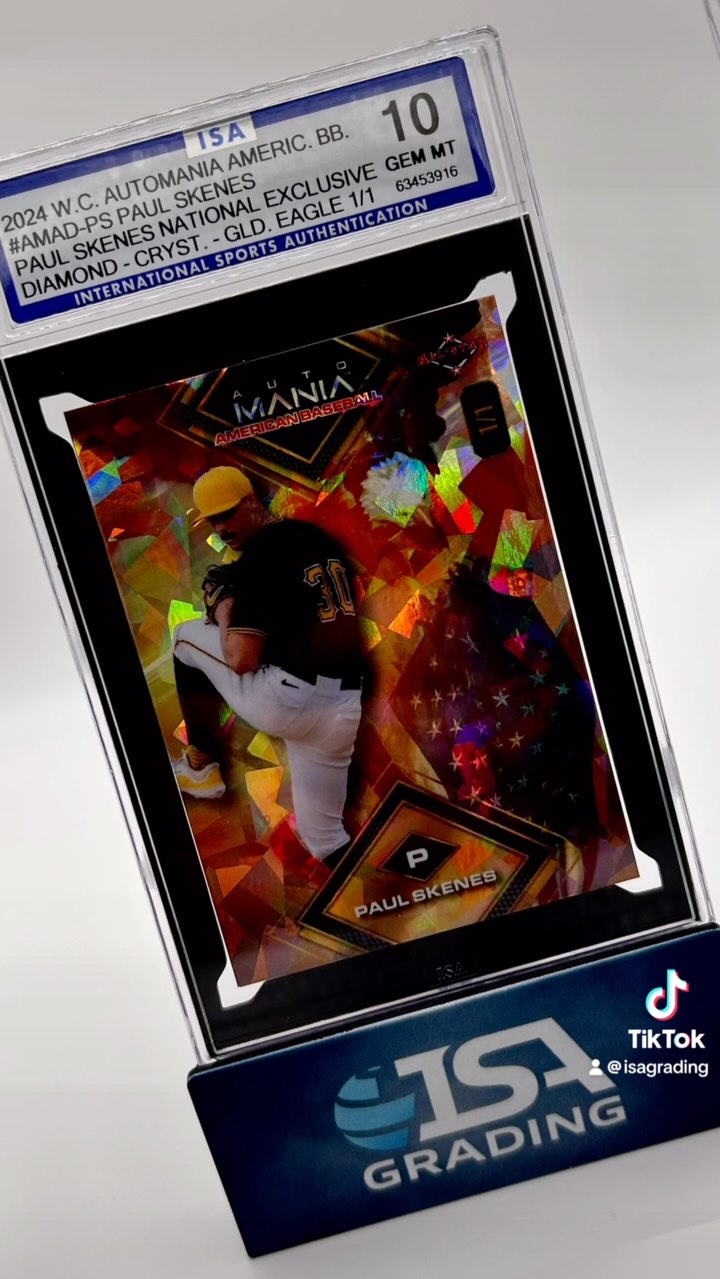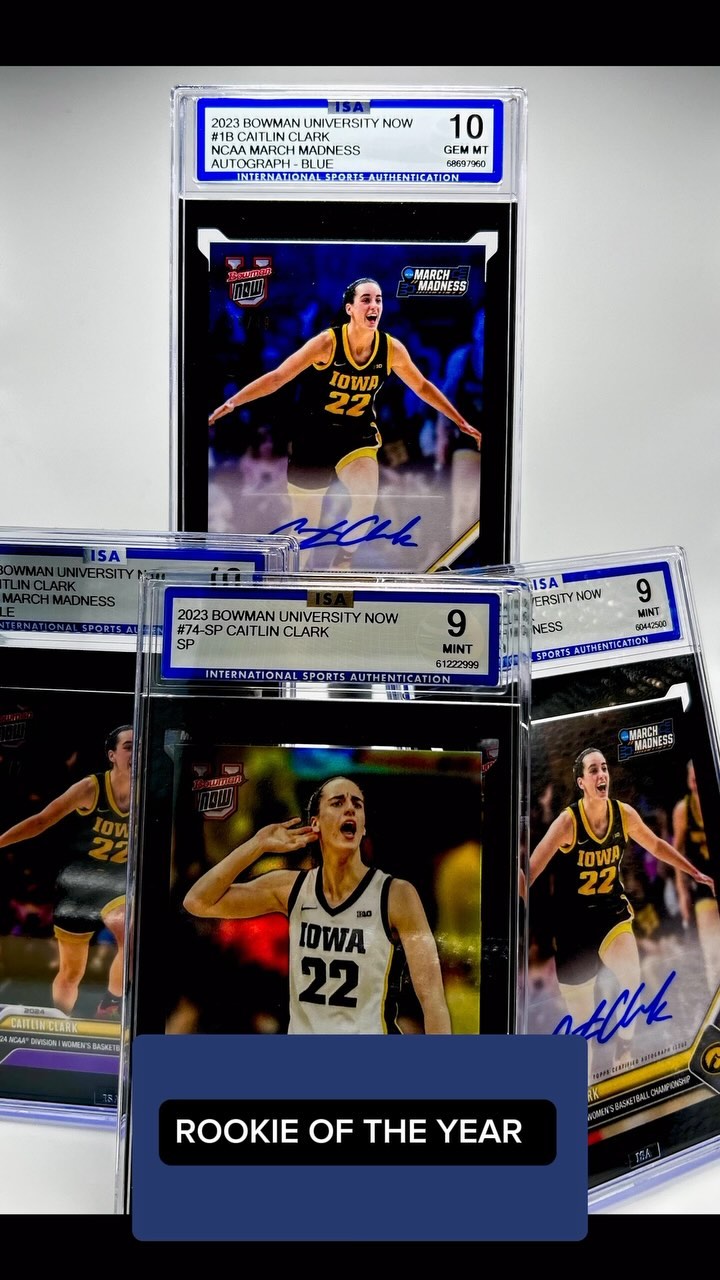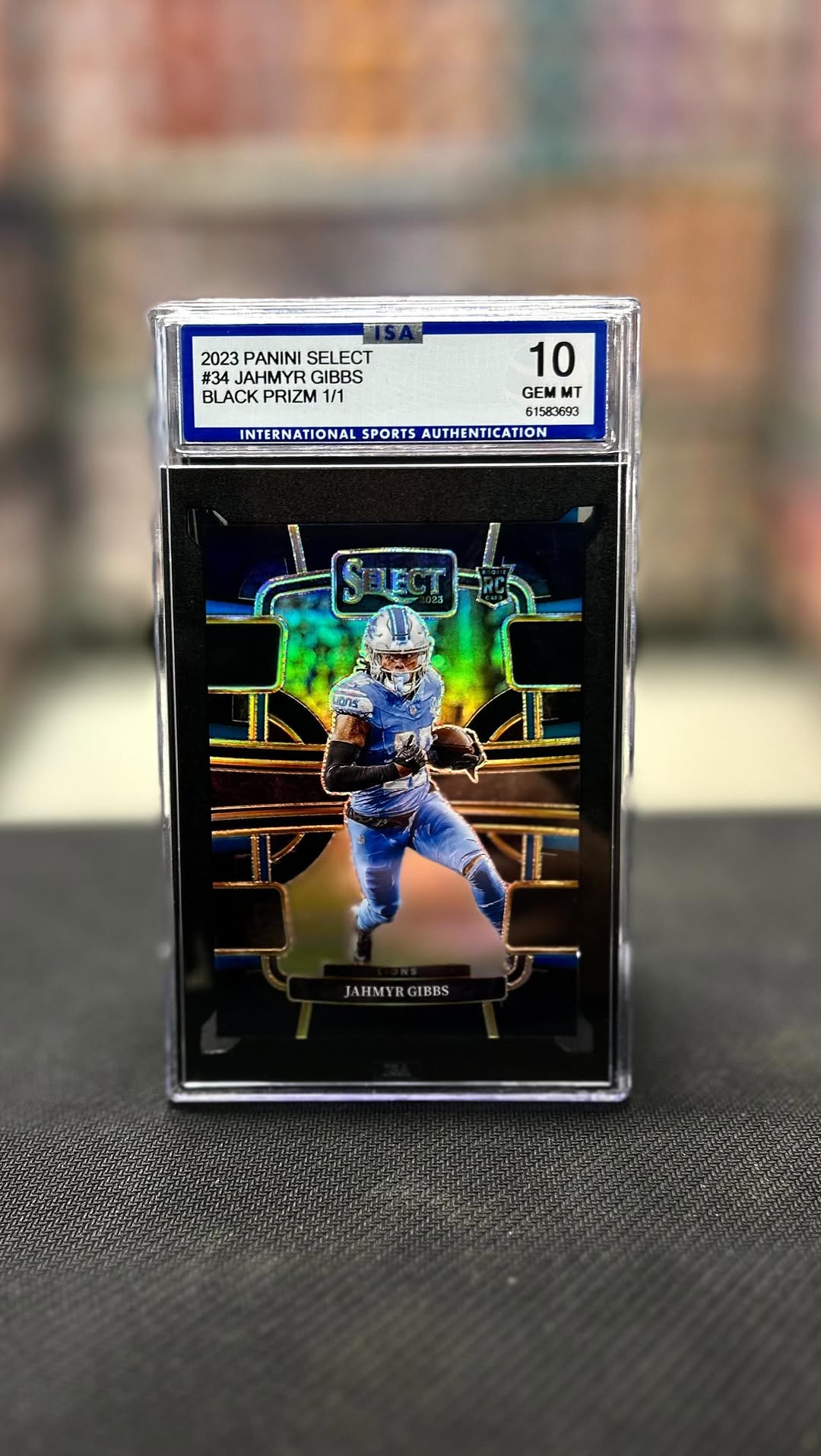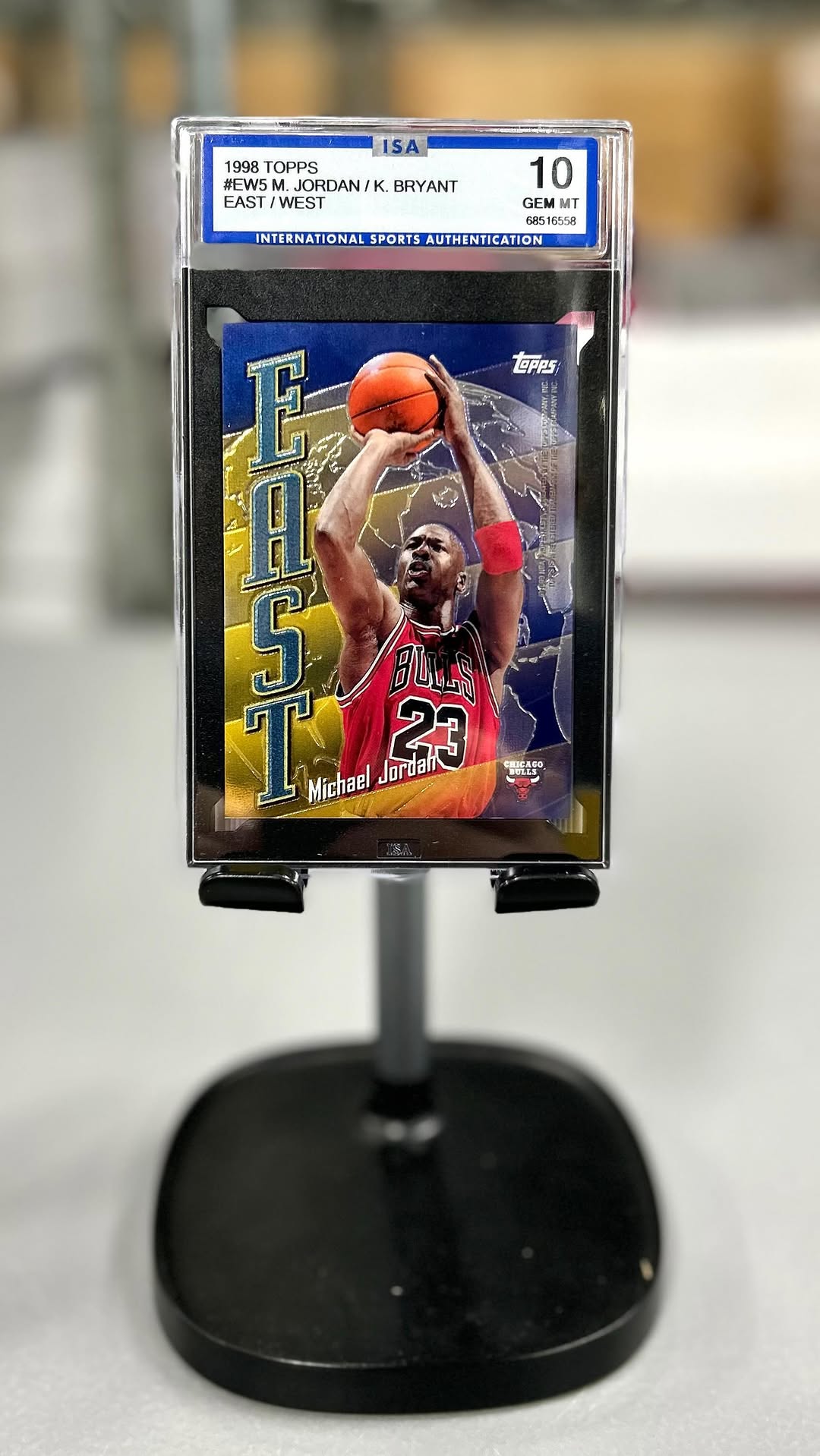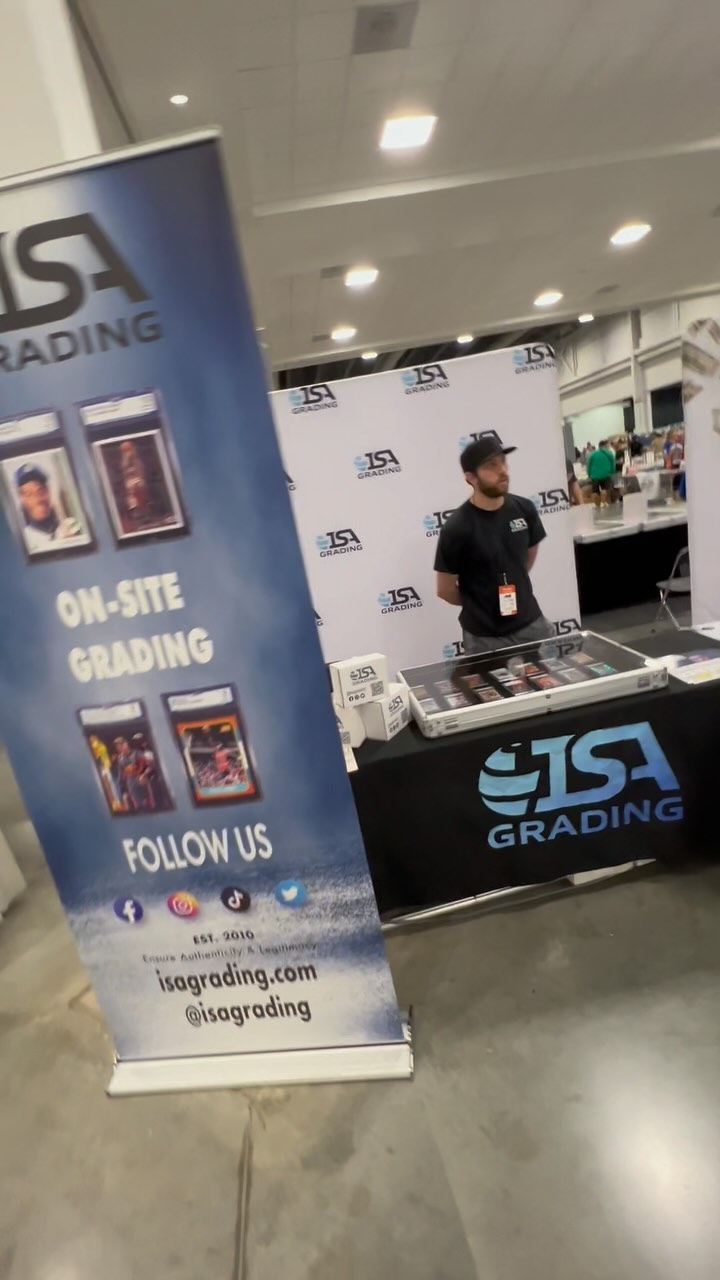
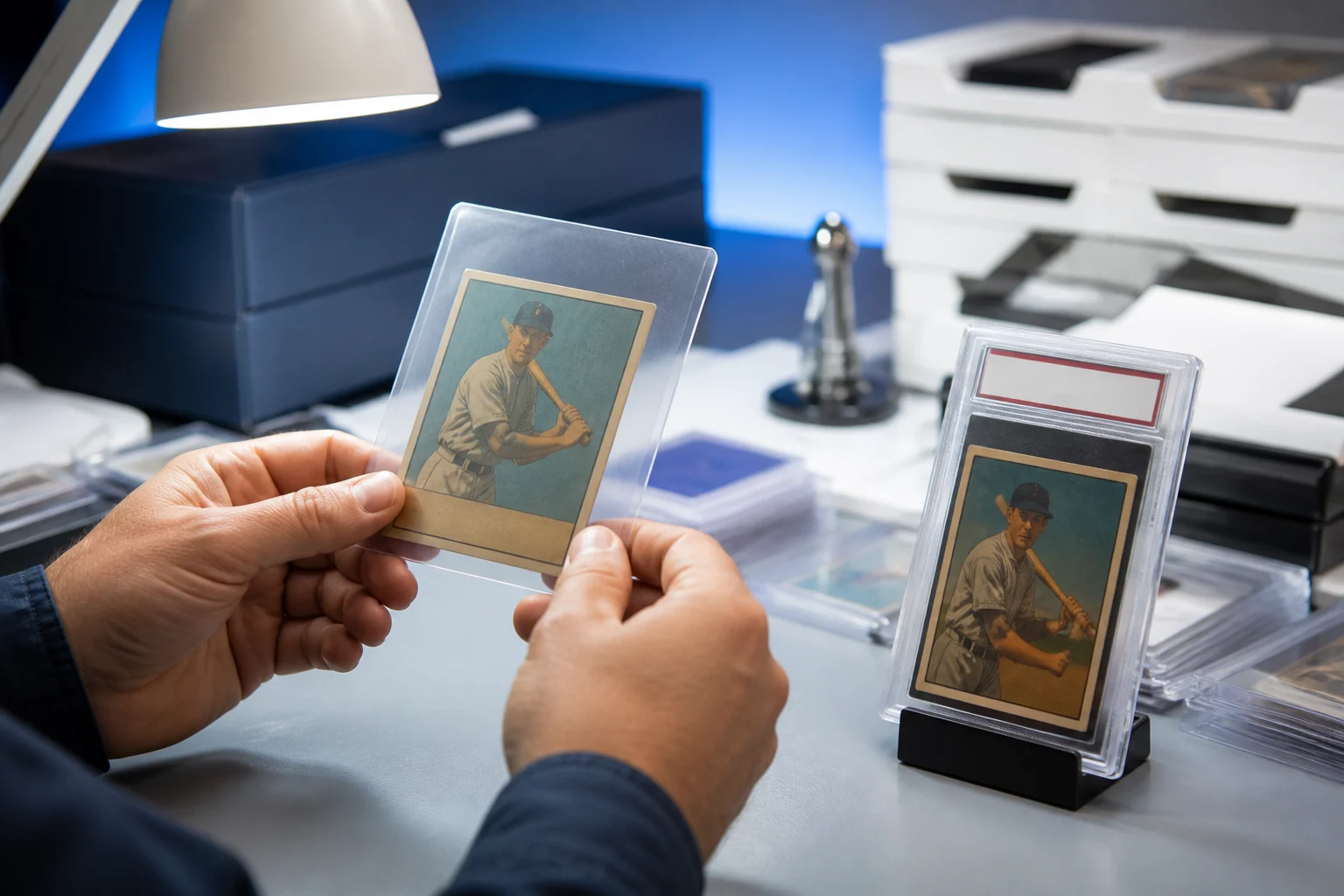
Vintage card grading can turn an uncertain raw card into a professionally evaluated collectible with a documented grade and protective slab. It can also reveal condition issues that are easy to miss when a card is viewed through a sleeve or top loader. Clear expectations matter because age, storage, printing methods, and previous handling can all affect the final result.
Collectors, dealers, and hobby sellers should understand what grading can establish, what it cannot guarantee, and how to prepare a submission responsibly. ISA Grading, also known as International Sports Authentication, currently offers sports card grading and authentication for $15 per card, with a 14 day turnaround, a 10 card minimum, and no upcharges.
What clear expectations mean in vintage card grading
A professional grade is an independent assessment of a card at the time it is evaluated. It is not a promise that the card will receive the number a collector expects, nor does it guarantee a particular resale price. The value of a graded vintage card still depends on the player, set, scarcity, demand, eye appeal, grade, and current market conditions.
Before submitting, review the company's published grading scale. Understanding how condition levels are described will help you set a reasonable range rather than focusing on a single hoped for grade. This is especially important for older cards, where modest wear may be common even among attractive examples.
Clear expectations also include practical details. Collectors need to know the submission price, minimum quantity, expected processing time, and whether unexpected charges could alter the budget. ISA's current service provides that framework with a $15 per card price, a 14 day card grading turnaround, a 10 card minimum, and no upcharges.
Why vintage cards require careful inspection
Vintage cards may show decades of storage and handling history. A card that looks clean from the front can have paper loss on the back, a faint wrinkle, surface residue, or edge wear that becomes visible under stronger light. Older production methods can also create print defects that differ from damage caused after the card left the factory.
Professional card condition grading generally considers several visible areas. Collectors preparing vintage submissions should pay particular attention to the following:
- Centering: Compare the borders on the front and back. Many vintage issues were cut with noticeably uneven borders.
- Card corners: Look for rounding, soft fibers, bends, compression, or touches of color loss.
- Card edges: Inspect for chipping, rough cuts, notches, layering, and signs that an edge may have been altered.
- Card surface: Tilt the card beneath a safe light source to check for scratches, wrinkles, stains, indentations, gloss loss, and print disruption.
- Back condition: Check for writing, residue, paper loss, discoloration, and damage from old albums or adhesive.
- Overall structure: Look for creases, warping, water exposure, or other problems affecting the card as a whole.
Natural factory characteristics can complicate the review. Rough cuts, registration problems, print dots, and inconsistent color may be associated with production, but they can still influence a card's appearance and condition assessment. Do not assume that a defect will be ignored simply because similar examples show the same trait.
Authentication and possible alterations
Card authentication asks whether a collectible is genuine. Condition grading assesses the physical state of that collectible. These are connected steps, but they answer different questions. A card can appear heavily worn and still be authentic, while a sharp looking example may require close examination for alteration or other concerns.
Vintage collectors should watch for unusual dimensions, unnaturally sharp borders, inconsistent edge texture, added color, rebuilt corners, surface work, or evidence of trimming. Home measurements can help identify obvious concerns, but they are not a substitute for professional examination. Avoid cutting, pressing, recoloring, cleaning, or attempting to improve a card before submission. Such actions can permanently change the collectible and may affect its eligibility or evaluation.
If you are uncertain about a card or submission requirement, use the published information on ISA's website before sending it. The goal should be to present the card safely in its current state, not to make it appear artificially improved.
How to prescreen vintage cards without overgrading them
A useful prescreen starts with clean hands, a clear workspace, and bright indirect lighting. Remove the card from its holder carefully, touching only the edges when possible. Examine the front, back, corners, edges, and surface from multiple angles. Magnification can help identify small defects, but collectors should avoid treating every microscopic production mark as severe damage.
Create a simple inventory that records the year, set, player, card number, and any obvious condition concerns. For a larger baseball card grading submission, sorting cards by set or year can make this process easier. The same method works for basketball card grading, football card grading, rookie card grading, and trading card grading.
Give each card a realistic condition range instead of assigning your own fixed grade. For example, note that a card has strong color and clean registration but also has soft corners and an off center image. This approach is more useful than deciding that a favorite card must reach a specific numerical result.
Collectors asking, "How should I grade my cards before submitting?" should focus on visible facts. Record what you can observe, compare those observations with the grading scale, and allow the professional evaluation to determine the result. For more preparation guidance across several collecting categories, read these card grading preparation tips.
Preparing cards for safe submission
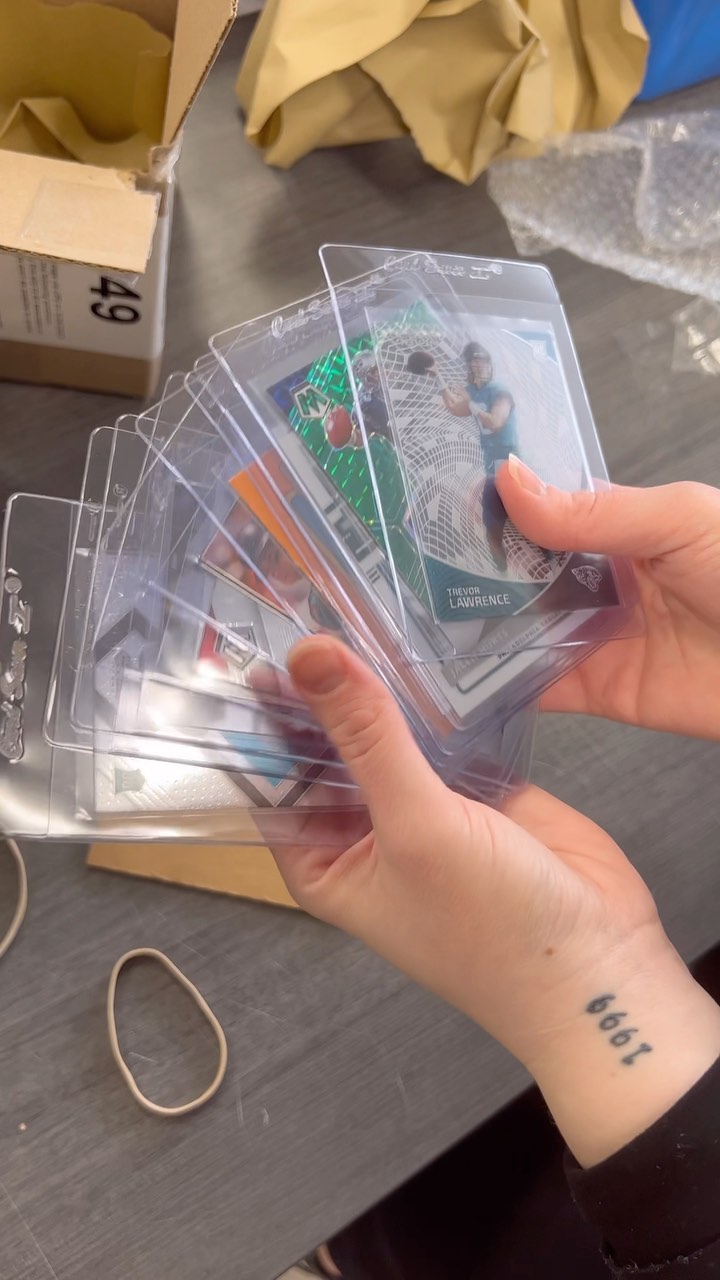
Card protection begins before a package enters the mail. Place each card in a clean soft sleeve, then use an appropriate semi rigid holder or other holder accepted under the current submission instructions. The sleeve helps reduce direct contact, while the outer holder adds structural support. Do not use excessive tape near the card or force a thick card into a holder that is too tight.
Arrange the cards in the same order as the submission paperwork. Confirm the identifying details and count the cards more than once. The current 10 card minimum can be met with a planned group of vintage cards or, when appropriate under current submission rules, a broader selection from a collection.
Use a sturdy shipping box with interior padding that limits movement. Protect the stack from pressure, moisture, and contact with the outer walls of the package. Keep your shipping documentation and consider the carrier options appropriate for the declared contents. Before mailing, follow the current steps on the ISA submission page.
Pricing clarity and turnaround planning
The cost of grading affects whether a submission makes sense for a personal collection, dealer inventory, or upcoming sale. ISA's active service is currently $15 per card with no upcharges. This no upcharge card grading structure gives submitters a clear base grading cost for the required card quantity. Shipping and any other submission related expenses should still be considered when planning a total budget.
For a 10 card submission, the listed grading service portion is $150. Collectors can compare that amount with the cards' importance, estimated condition, potential market demand, and personal value. A card does not have to be expensive to deserve a slab. Some collectors grade cards because they want consistent protection, authentication, organized storage, or a clearly presented keepsake.
ISA also lists a current 14 day turnaround. Fast card grading can matter when a dealer is preparing inventory or a seller is responding to seasonal interest, but turnaround should be only one part of the decision. Submission accuracy and safe preparation remain essential. Collectors interested in the connection between timing and sales can read how grading turnaround can shape a card sale.
For a closer explanation of predictable pricing, see the value of no upcharge grading. Always review current website information when you are ready to submit, since service details can change over time.
What a slab does for a vintage card
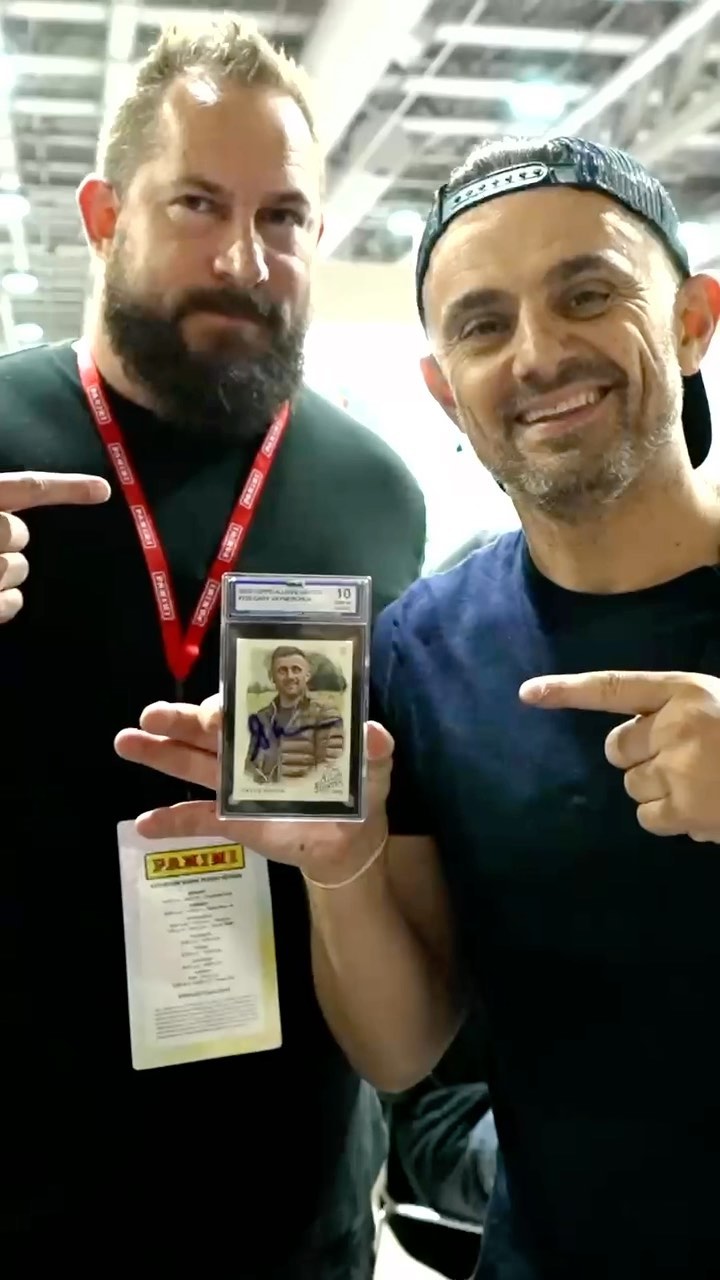
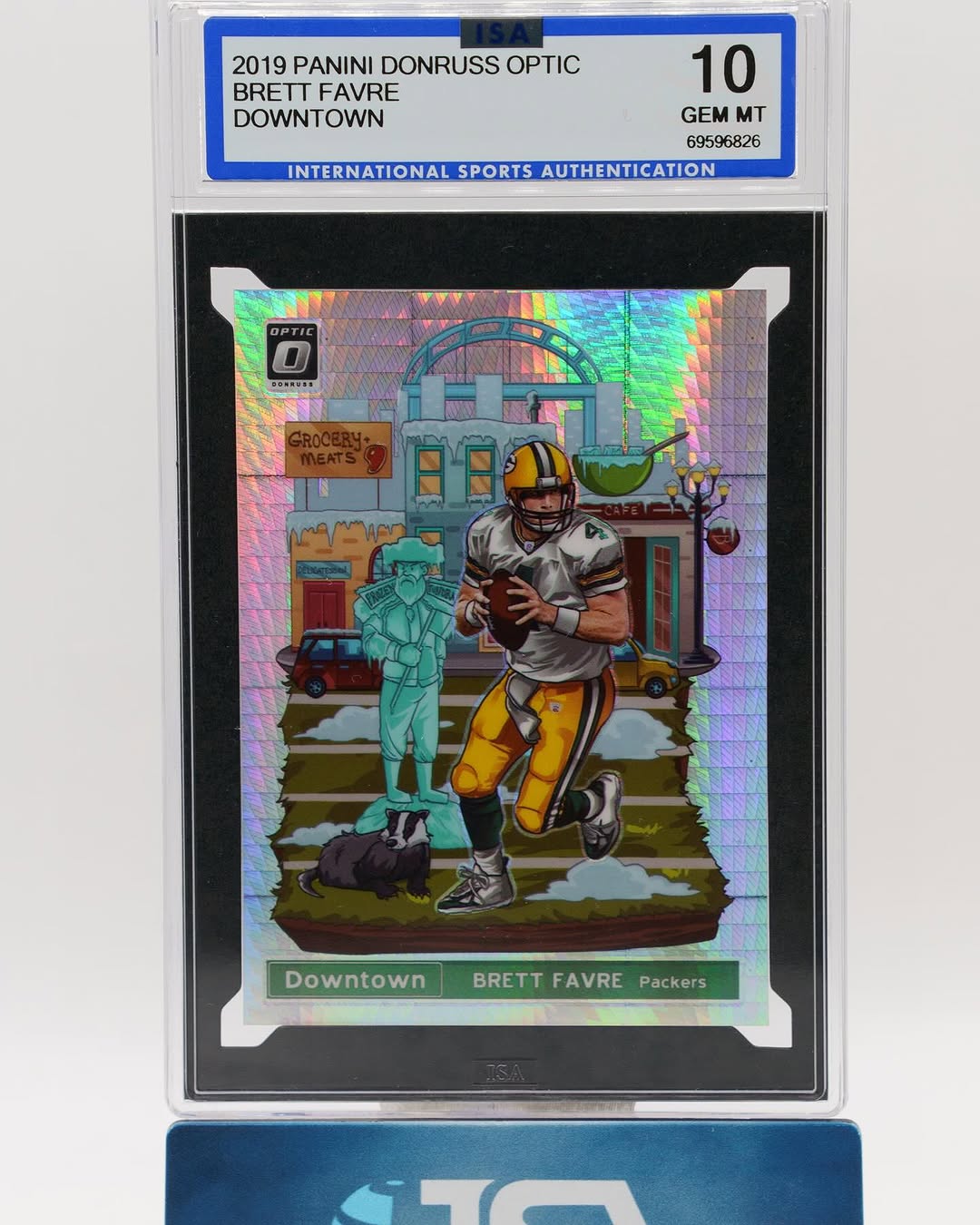
A grading slab creates a secure presentation for an authenticated and graded card. It limits routine handling, supports organized storage, and places identifying information with the collectible. Slabs can be particularly useful for vintage cards that might otherwise move repeatedly between soft sleeves, holders, display cases, and sales tables.
A slab is protective, but it is not indestructible. Store graded cards away from direct sunlight, high humidity, extreme temperatures, and areas where they could fall or experience sustained pressure. Hold a slab by its sides and keep its surface clean with materials suitable for the holder. Never use harsh chemicals around the card or label.
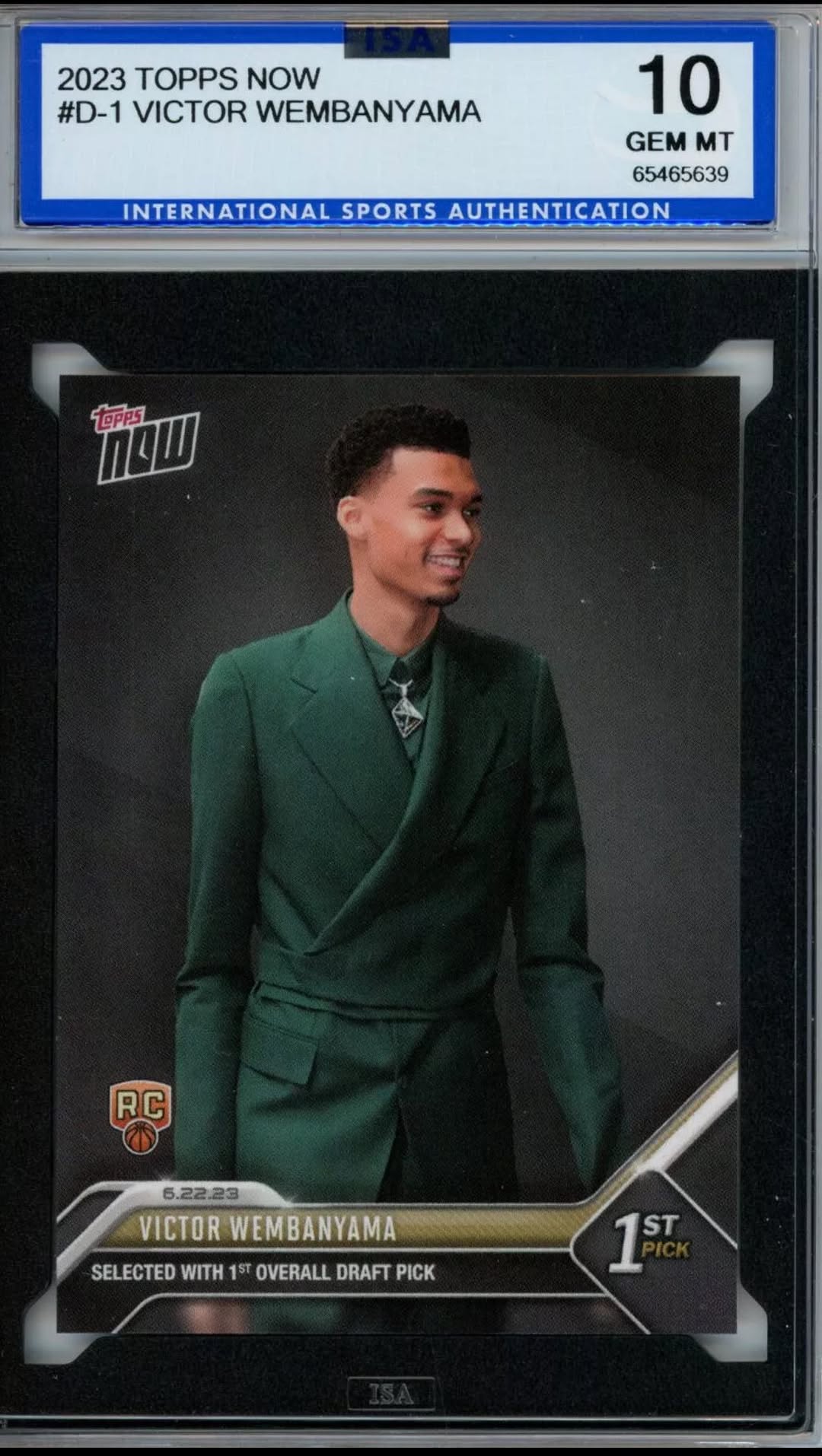
The label and certification information also help buyers understand what they are viewing. ISA certificate verification is available through the online certificate verification page. A buyer can use the certificate details to check the record presented by the seller. Verification supports transparency, although buyers should still inspect listing photographs and confirm that the card and holder match the information shown.
Selling vintage graded cards with buyer confidence
A graded card can make a listing easier to understand because the card is presented with a professional grade and certification information. That does not remove the seller's responsibility to describe the item accurately. Use clear photographs of the slab's front and back, show the label, disclose visible holder wear, and provide the certificate number where appropriate.
Avoid guaranteeing future value or describing a grade as proof that a card is flawless. Even cards with strong grades can have production characteristics or condition details visible within the assigned level. Accurate language protects buyer confidence and helps reduce misunderstandings.
When setting a price, research recent sales of the same card in the same grade and from the same grading company when comparable records are available. Asking prices alone do not establish market value. Also account for the specific card's visual appeal, demand, scarcity, and the quality of available comparable sales.
Dealers can improve consistency by using the same photography setup, inventory format, and certificate verification process across listings. Collectors who want to understand other customers' experiences can also visit the ISA reviews page.
Vintage sports cards and older trading cards
Vintage grading principles apply across multiple categories, but collectors should recognize the characteristics of each issue. Baseball card grading often involves early paper stock, gum stains, rough cuts, and centering challenges. Vintage football card grading and basketball card grading can involve condition sensitive colored borders, print registration, and smaller surviving populations for certain releases.
Pokemon card grading and TCG card grading may involve different card construction, foil surfaces, edge whitening, scratches, and set specific printing traits. The word vintage can also mean different things across hobbies. Rather than relying only on age labels, identify the exact set, variation, language, and card number before submitting.
Rookie card grading deserves similar care. Confirm that the card is recognized as the issue you believe it to be, rather than relying on an online listing title or handwritten collection note. Correct identification supports accurate submission paperwork and more useful sales research after grading.
A practical vintage submission checklist
- Identify every card by year, set, player or character, and card number.
- Review the front, back, centering, card corners, card edges, and card surface.
- Look for creases, stains, paper loss, writing, residue, and possible alteration.
- Compare your observations with ISA's published grading scale.
- Place each card in a clean sleeve and an appropriate protective holder.
- Arrange the cards to match the submission paperwork.
- Confirm that the submission meets the current 10 card minimum.
- Calculate the grading portion at the current $15 per card service price.
- Package the cards securely and retain shipping documentation.
- After grading, use certificate verification when cataloging, displaying, or selling the cards.
Build the submission around purpose, not just predicted value
The best vintage card grading submission is not necessarily a stack of only the most expensive cards. It is a group selected for a clear reason. A collector might preserve a childhood set, authenticate inherited cards, organize a player collection, or prepare duplicates for sale. A dealer may prioritize cards with active demand and enough potential value to justify grading and selling costs.
ISA's current card grading service gives submitters a defined starting point: $15 per card, a 14 day turnaround, a 10 card minimum, and no upcharges. Combine those service details with careful prescreening, safe card protection, realistic grade expectations, and transparent selling practices. When the group is ready, review the latest requirements and begin through the ISA submission page.
Submit Cards to ISA Grading
Collectors ready to use ISA Grading can start on the submission page. The current active service is $15 per card with a 14 day turnaround, no upcharges, and a 10 card minimum.
Frequently Asked Questions
How much does ISA charge for vintage card grading?
ISA's current active service is $15 per card with no upcharges. The current submission minimum is 10 cards, so the grading service portion of a minimum submission is $150. Submitters should also consider shipping and any other applicable submission expenses.
How long does ISA vintage card grading take?
ISA currently lists a 14 day turnaround for its active grading service. Collectors should review the current submission information before mailing cards because service details may change.
What condition details matter most on a vintage card?
Important details include centering, corners, edges, surface condition, print quality, creases, stains, paper loss, writing, and back condition. Possible alterations such as trimming, recoloring, or surface work are also important concerns.
Should I clean a vintage card before submitting it?
Collectors should not use chemicals, abrasives, pressing, recoloring, or other attempts to improve a vintage card. These actions can alter or damage the card. Submit it safely in its current condition using appropriate protective holders.
Can buyers verify an ISA graded card?
Yes. Certificate verification is available on the ISA website at /certificate-verification. Buyers should compare the verification record with the card, slab, label, certificate number, and listing photographs.
Related ISA Grading Articles
- A Clearer Path to the Slab: How ISA Keeps Grading at $15 Per Card
- Essential Tips for Basketball, Baseball, Football, and Pokemon Card Grading with ISA Grading
- The Hidden Cost of Waiting: Why Grading Turnaround Shapes Every Card Sale
- The Real Value of No Upcharge Card Grading for Collectors and Sellers