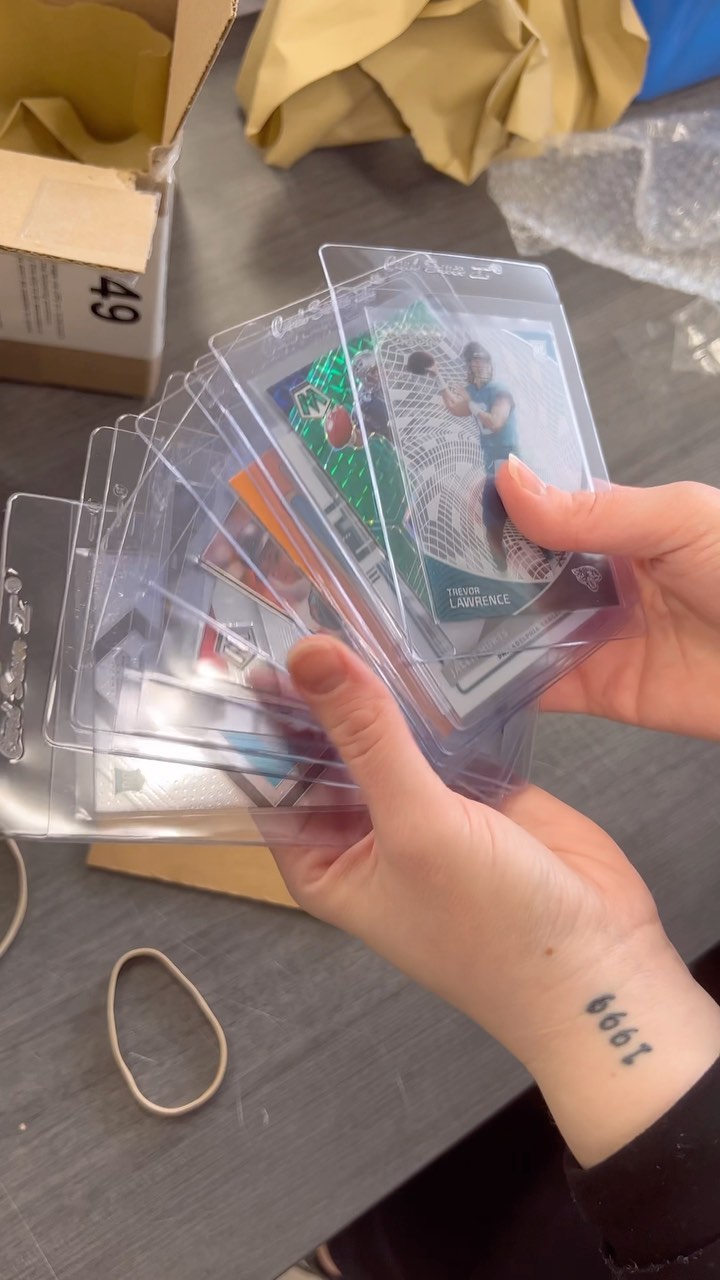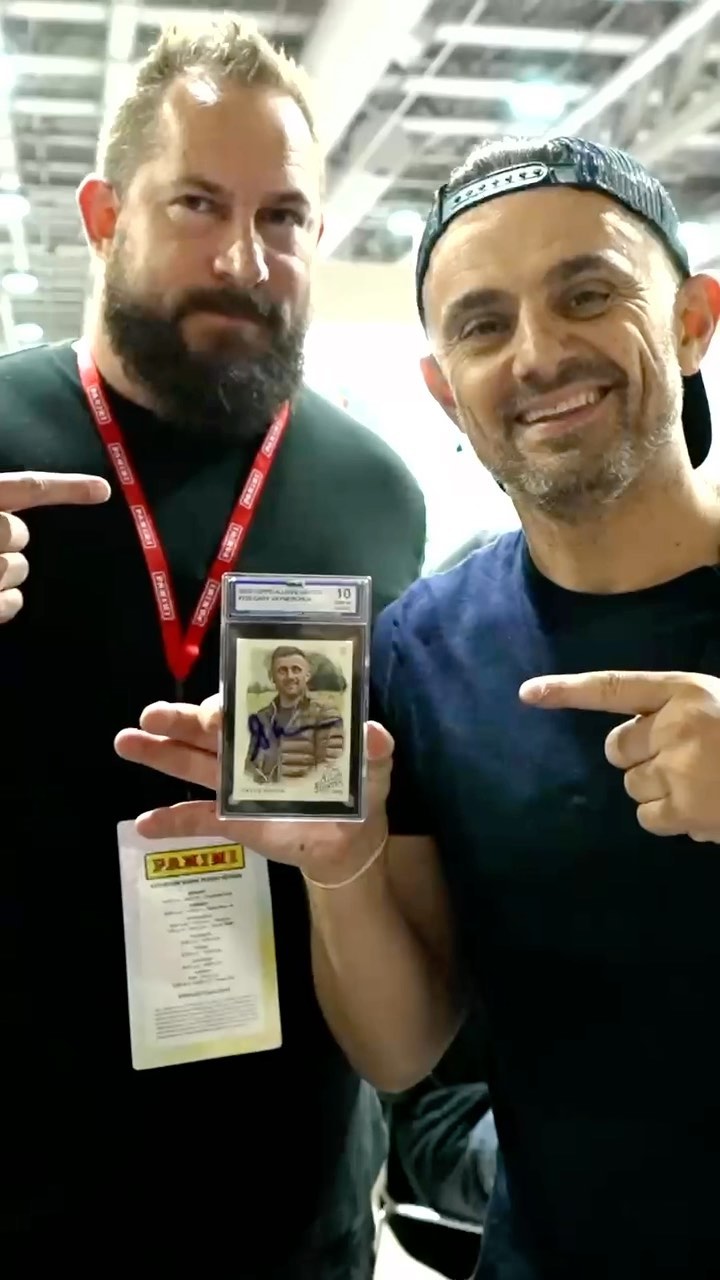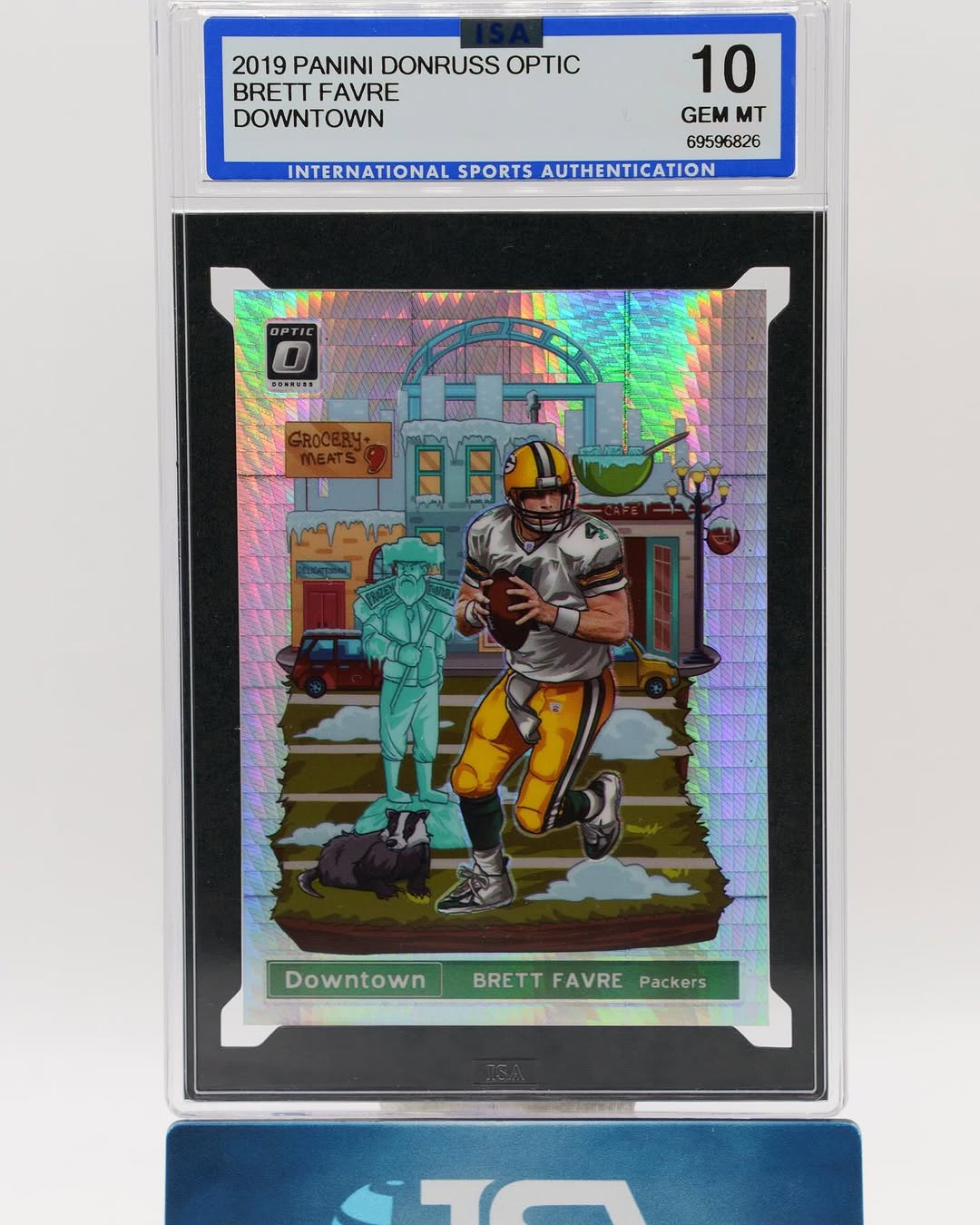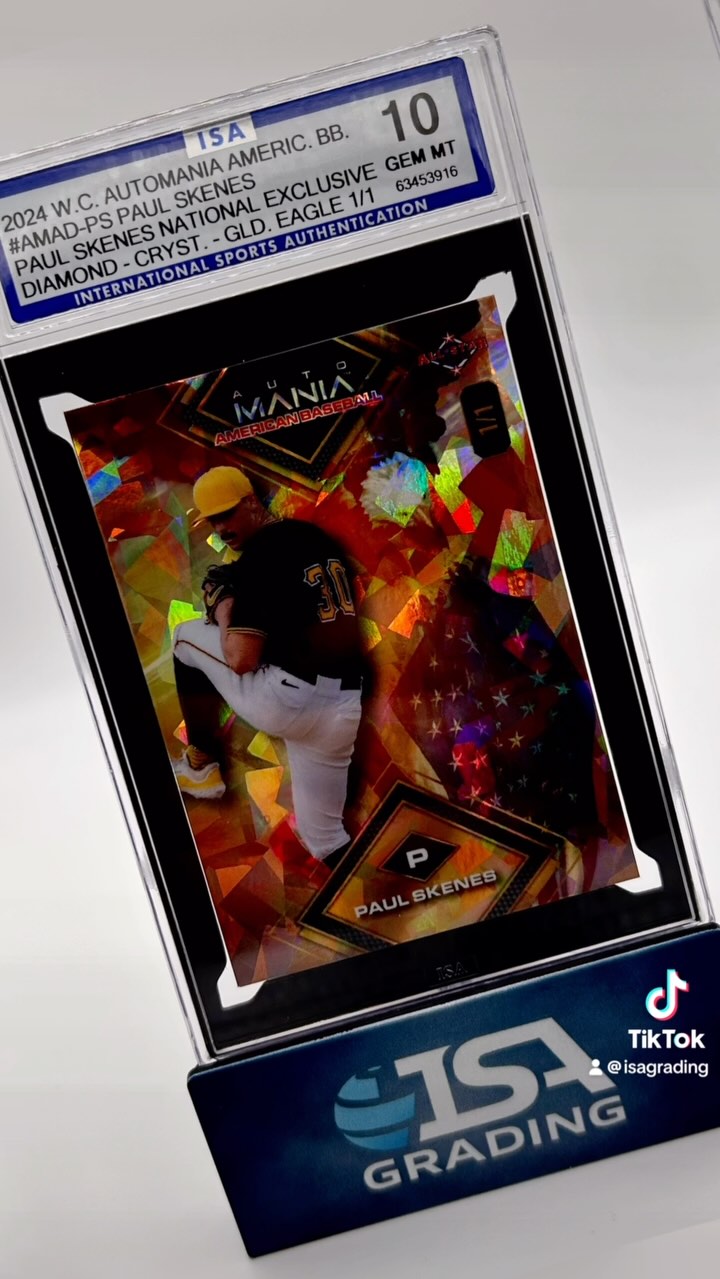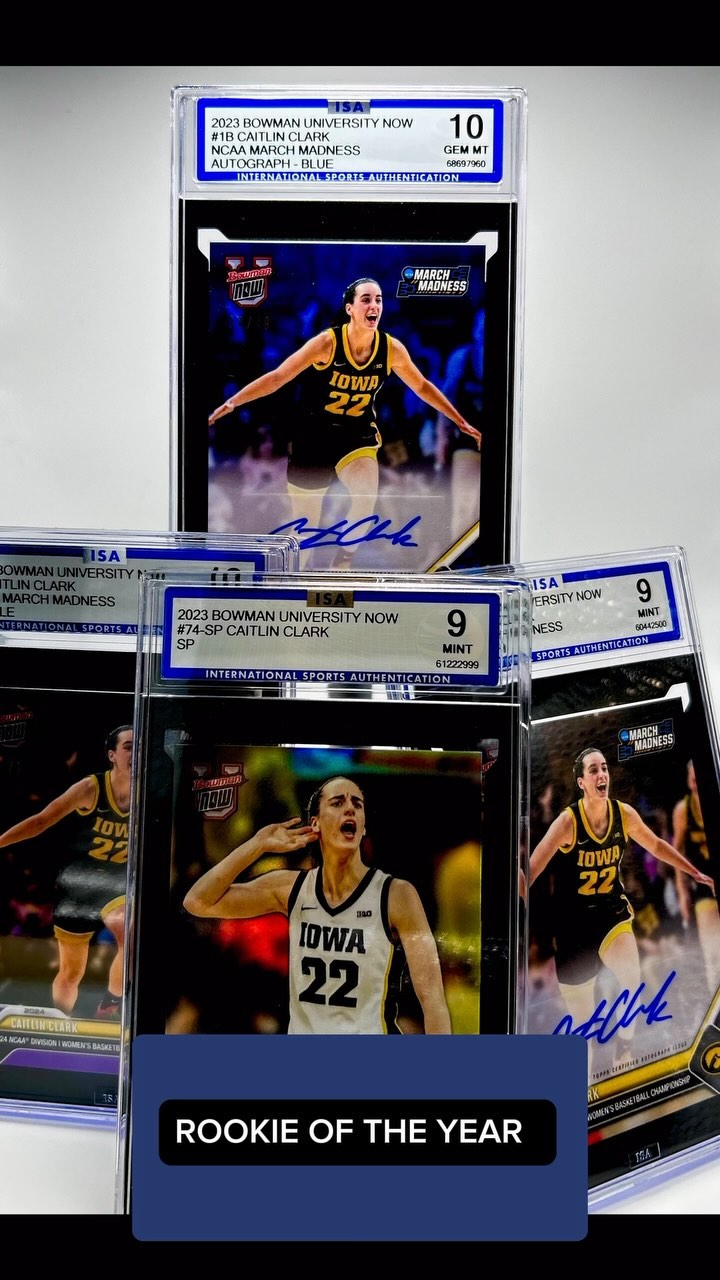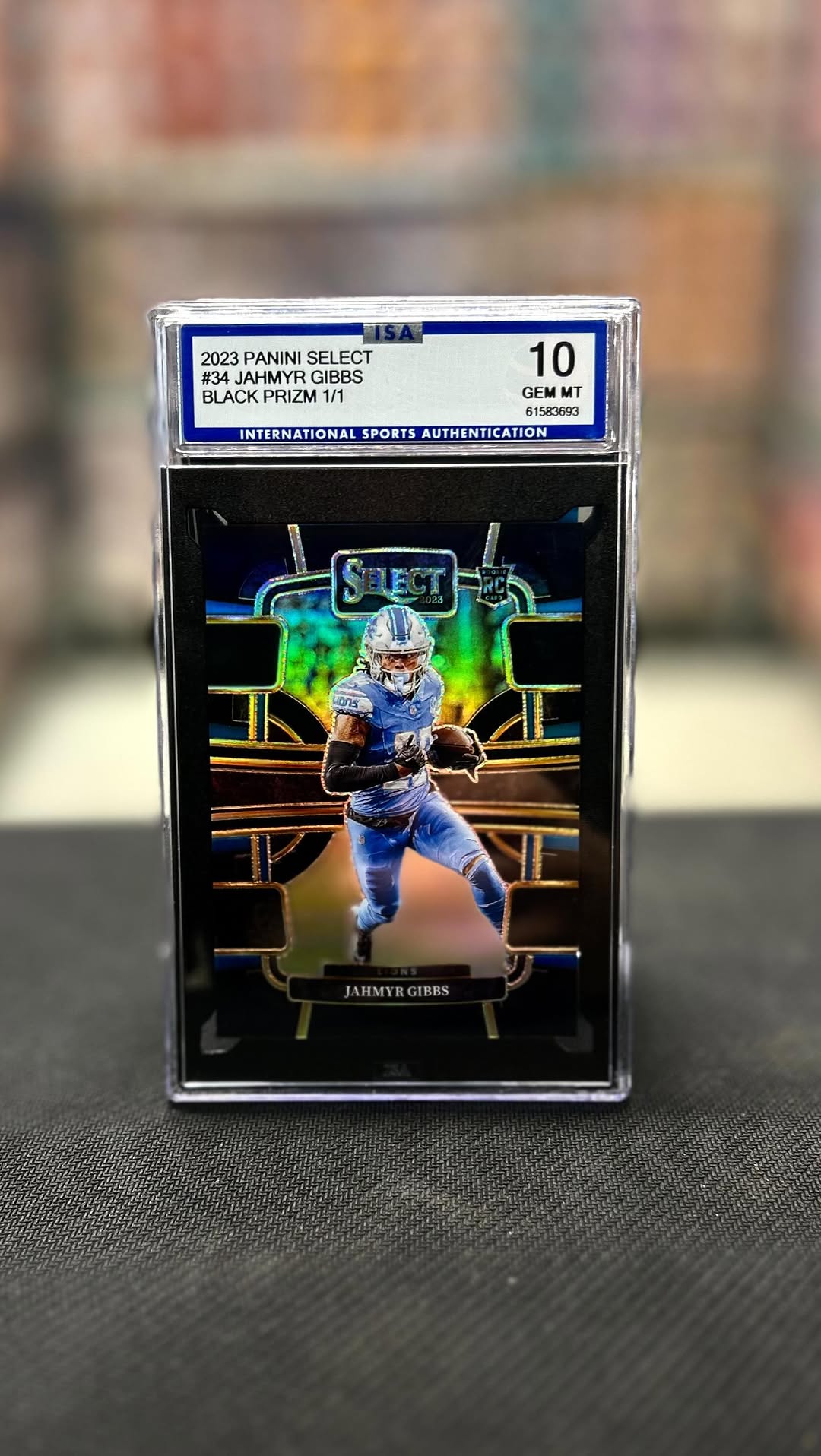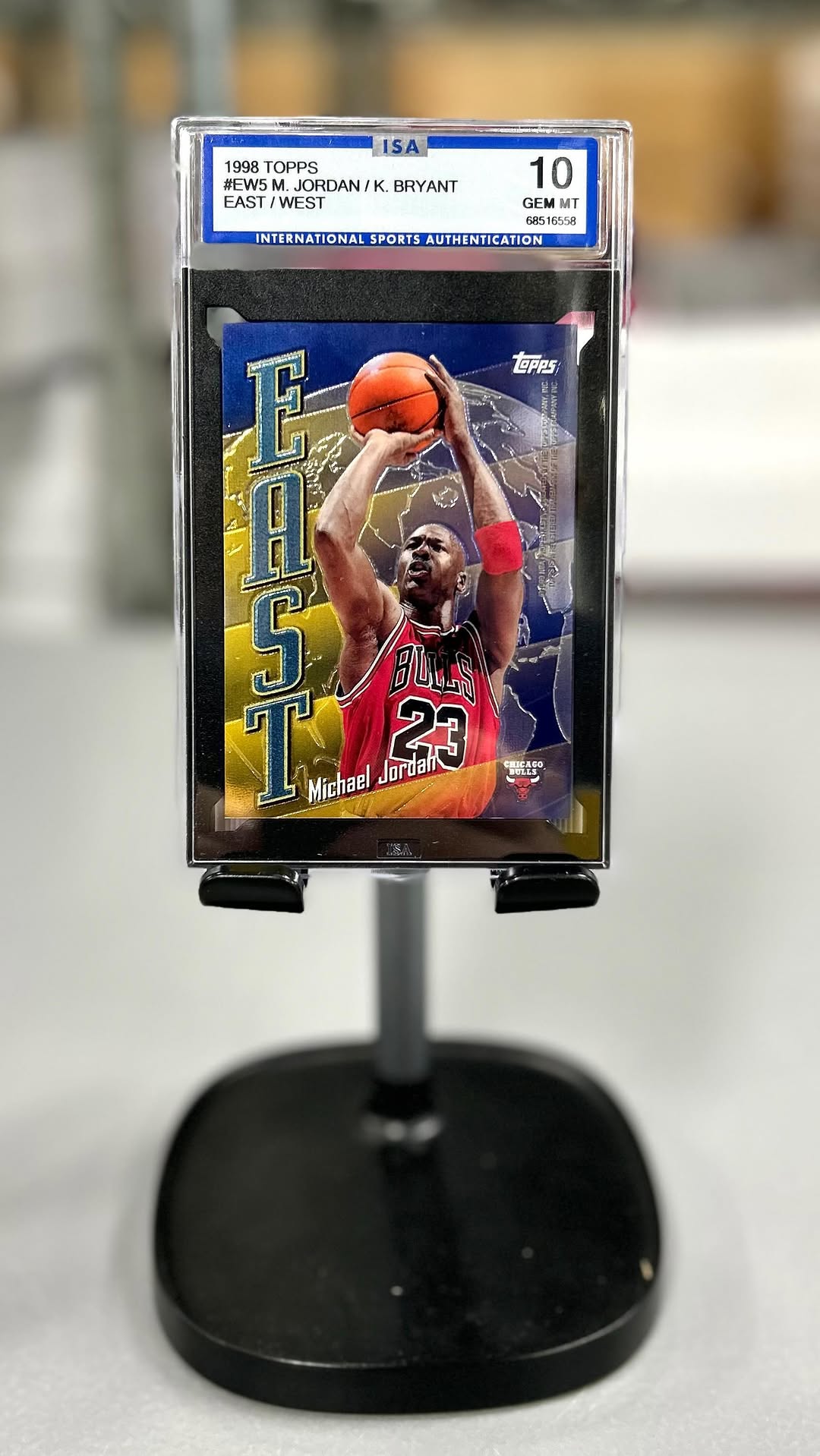

Two cards can feature the same player, come from the same set, and look nearly identical in a sales photo. Under closer inspection, one may have a faint surface scratch, a softened corner, or noticeably uneven borders. Those differences matter, but so does the way a grading company evaluates them.
Grading consistency means applying condition standards reliably across submissions. For collectors, dealers, and hobby sellers, it makes grades more useful when buying, organizing, pricing, and selling cards. It does not mean every card receives the grade its owner expects. It means the evaluation should follow a clear standard rather than change with the card's popularity or the submitter's expectations.
ISA Grading, also known as International Sports Authentication, provides sports card grading and authentication. Understanding what consistency can and cannot tell you is an important step before choosing any card grading service.
What Grading Consistency Actually Means
A grade summarizes an assessment of a card's condition. Consistency is the repeatable application of the standards behind that assessment. Similar condition issues should receive similar consideration, whether the card is a familiar baseball rookie or a less widely collected sports issue.
That does not make grading a measurement with no judgment involved. A tiny defect may be difficult to photograph, and its significance can depend on its location and severity. Two cards with the same numerical grade may also have different combinations of strengths and weaknesses.
Before submitting, review the ISA grading scale to understand how the published grades describe condition. A scale gives collectors a shared reference point. It is more useful than assuming that a clean-looking card must qualify for the highest grade.
Consistency Is Not the Same as Giving Higher Grades
A generous result may feel good once, but dependable standards are more useful over time. If grades become difficult to interpret, buyers have less information to work with. Collectors benefit when a grade communicates condition meaningfully, even when the result is lower than hoped.
Likewise, one disappointing result does not prove inconsistency. Start by examining the card against the published criteria. An overlooked indentation or edge flaw can explain a difference between an owner's estimate and the assigned grade.
The Condition Details That Need Consistent Attention
Good preparation begins with understanding what you are looking at. Baseball card grading and rookie card grading both call for attention to small details that can be easy to miss when excitement about the player takes over.
- Card centering: Compare the placement of the printed design and borders on the front and back. Some designs make uneven centering easier to see than others.
- Card corners: Look for softness, bends, whitening, or damaged tips. A corner may appear sharp from one angle but reveal wear from another.
- Card edges: Check for chipping, roughness, nicks, and exposed stock. Dark borders can make some edge defects especially noticeable.
- Card surface: Use angled light to inspect for scratches, print lines, indentations, stains, and other visible issues.
These characteristics should be considered together. Strong centering does not erase a crease, and sharp corners do not remove a surface indentation. A useful assessment reflects the card as a whole rather than the feature that photographs best.
Collectors researching trading card grading may also encounter advice about Pokemon card grading. Some inspection habits carry across categories, but card materials, finishes, eligibility, and published standards can differ. Confirm that a service accepts your specific cards rather than assuming every category is supported.
Why Consistent Grades Support Buyer Confidence
Buying raw cards online involves uncertainty. Photos may hide flaws, lighting can disguise scratches, and sellers may describe condition differently. A graded card gives the buyer another reference point, but the usefulness of that reference depends on how clearly the grade communicates condition.
Consistency helps buyers compare available cards more thoughtfully. Instead of relying only on phrases such as mint or pack fresh, they can consider the assigned grade alongside photographs, the card's identity, and recent sales of comparable examples.
This does not guarantee a particular price. Player demand, scarcity, set popularity, eye appeal, and market conditions still matter. Even cards with the same grade can sell for different amounts. A grade supports a buying decision; it does not replace research.
Certificate Verification Adds Another Check
Use ISA certificate verification when reviewing an ISA-graded card. Compare the available certificate information with the card and label in front of you. For online purchases, request clear photographs that show the card, holder, label, and certificate number.
Verification is a useful part of due diligence, not a reason to ignore other warning signs. A certificate lookup alone does not establish that a seller's photographs show the exact item being offered. If information does not match, ask questions before completing the purchase.
Authentication, Grades, and Slabs Have Different Jobs
Card authentication addresses whether a card is genuine. Condition grading evaluates its physical state under the grader's standards. These are related services, but they answer different questions. An authentic card can have significant wear, and an attractive card still requires careful evaluation.
When considering sports card authentication, identify the concern you need addressed. You may be evaluating a potentially valuable rookie, organizing an inherited collection, or preparing inventory for sale. Understanding the difference between authenticity and condition helps you interpret the result more accurately.
Card encapsulation adds a protective holder around the evaluated card. Trading card slabs help reduce direct handling and provide a practical way to display identification and grade information. They do not make a card immune to heat, moisture, sunlight, or damage to the holder.
Store slabs in a stable environment, avoid unnecessary pressure, and use suitable protection during shipping. A consistent grade is most useful when the card and its holder remain well cared for afterward.
Turnaround Time Belongs in the Decision
Consistency matters, but collectors also need a workable submission schedule. A card unavailable during a show, listing opportunity, or period of player interest cannot be offered in the same way as inventory already in hand.
ISA currently offers a 14 day turnaround. If you are comparing fast card grading options, consider timing alongside the grading standards, submission requirements, and total cost. Before planning a time-sensitive sale, confirm how turnaround is calculated and account separately for shipping and delivery.
A shorter timeline does not establish grading quality by itself. Speed and consistency answer different needs. Collectors should look for a service whose published standards and current logistics both fit their plans.
For more on scheduling inventory around a submission, read The Hidden Cost of Waiting: Why Grading Turnaround Shapes Every Card Sale. Keep sale dates realistic rather than treating an estimated return as a guaranteed selling window.
Clear Pricing Makes Grading Decisions Easier
A consistent approach to evaluating cards is easier to budget around when service pricing is clear. ISA's current active service is $15 per card, with a 10 card minimum and no upcharges. At that rate, a minimum submission has a $150 grading fee before any applicable shipping or other charges.
For collectors searching for no upcharge card grading, the distinction is useful: ISA's stated service does not add an upcharge. Review the submission terms so you understand the full amount due, including any applicable costs beyond the per-card grading fee.
Predictable grading fees help you compare submission candidates without assuming that grading will pay for itself. A lower-value card might make sense for personal collection protection but not for resale after expenses. A more valuable card can still be a poor submission candidate if its likely condition does not support your selling plan.
See A Clearer Path to the Slab: How ISA Keeps Grading at $15 Per Card for more context on ISA's pricing. Build your budget around realistic outcomes rather than the highest possible grade.
How to Prepare Cards Without Creating New Problems
If your starting question is, Should I grade my cards?, begin with a careful review rather than a stack of hopeful submissions. Preparation is about recognizing condition and protecting cards, not trying to change their appearance.
- Identify each card accurately. Record the year, set, player, card number, and relevant variation or parallel.
- Inspect under suitable light. Check both sides and use different viewing angles to spot defects.
- Estimate conservatively. Note visible flaws instead of assuming a card pulled from a pack is flawless.
- Avoid alterations. Do not trim edges, press creases, or use chemicals to improve appearance. Attempts to repair a card can damage it or affect eligibility.
- Follow packing instructions. Use the recommended holders and packaging, keep cards organized, and retain your submission records.
Consult the ISA FAQ for available submission guidance and seek clarification when instructions are unclear. Do not experiment with aggressive cleaning methods on a valuable card simply because a video recommends them.
Selling Graded Cards With Realistic Expectations
When selling graded cards, make the listing useful to someone who cannot inspect the item in person. Include clear front and back images, readable label details, and photographs of any notable holder damage. Describe the item accurately without turning the grade into a promise of future value.
Use relevant completed sales where available, paying attention to the same card, variation, grade, and grading company. Asking prices show what sellers hope to receive, not necessarily what buyers will pay. If close comparisons are scarce, acknowledge that uncertainty when setting your price.
Dealers can also track their own submissions over time. Record estimated condition, assigned grade, total costs, and eventual sale results. This creates a more useful buying and submission history than judging every result against an expectation of a top grade.
Build Your Submission Around a Clear Purpose
Consistent grading matters because collectors use grades to make decisions. It supports condition comparisons, clearer listings, and more informed purchases. Its value is strongest when combined with careful inspection, certificate checks, responsible storage, and realistic pricing.
Whether you are protecting collection favorites or preparing cards for sale, choose your candidates deliberately. Review the standards, understand the costs, and leave room for condition details you may have missed.
When you are ready, visit ISA's submission page to review the current process. ISA's active service is $15 per card, with a 14 day turnaround, a 10 card minimum, and no upcharges.
Submit Cards to ISA Grading
Collectors ready to use ISA Grading can start on the submission page. The current active service is $15 per card with a 14 day turnaround, no upcharges, and a 10 card minimum.
Frequently Asked Questions
What does grading consistency mean for sports cards?
Grading consistency means applying published condition standards reliably across cards and submissions. Similar defects should receive similar consideration, although cards with the same grade may have different combinations of centering, corner, edge, and surface characteristics.
Does a consistent grade guarantee a card's resale value?
No. A grade provides a condition reference, but resale value also depends on player demand, scarcity, set popularity, eye appeal, the grading company, and market conditions. Compare relevant completed sales rather than relying only on asking prices.
What are ISA Grading's current price, turnaround, and minimum?
ISA's current active service is $15 per card, with a 14 day turnaround, a 10 card minimum, and no upcharges. Review the current submission terms for applicable shipping or other costs and confirm how turnaround is calculated before planning a time-sensitive sale.
How do I verify an ISA-graded card?
Use the certificate verification page on ISA's website and compare the available information with the card and label. For an online purchase, request clear photographs of the actual item. A certificate lookup is one part of due diligence, not a substitute for checking the listing and seller.
How should I prepare cards for grading?
Identify each card accurately, inspect both sides under suitable lighting, and note visible condition issues. Avoid trimming, pressing, chemical treatments, or other alterations. Follow the grading company's current holder and packaging instructions, and keep a record of the cards you submit.