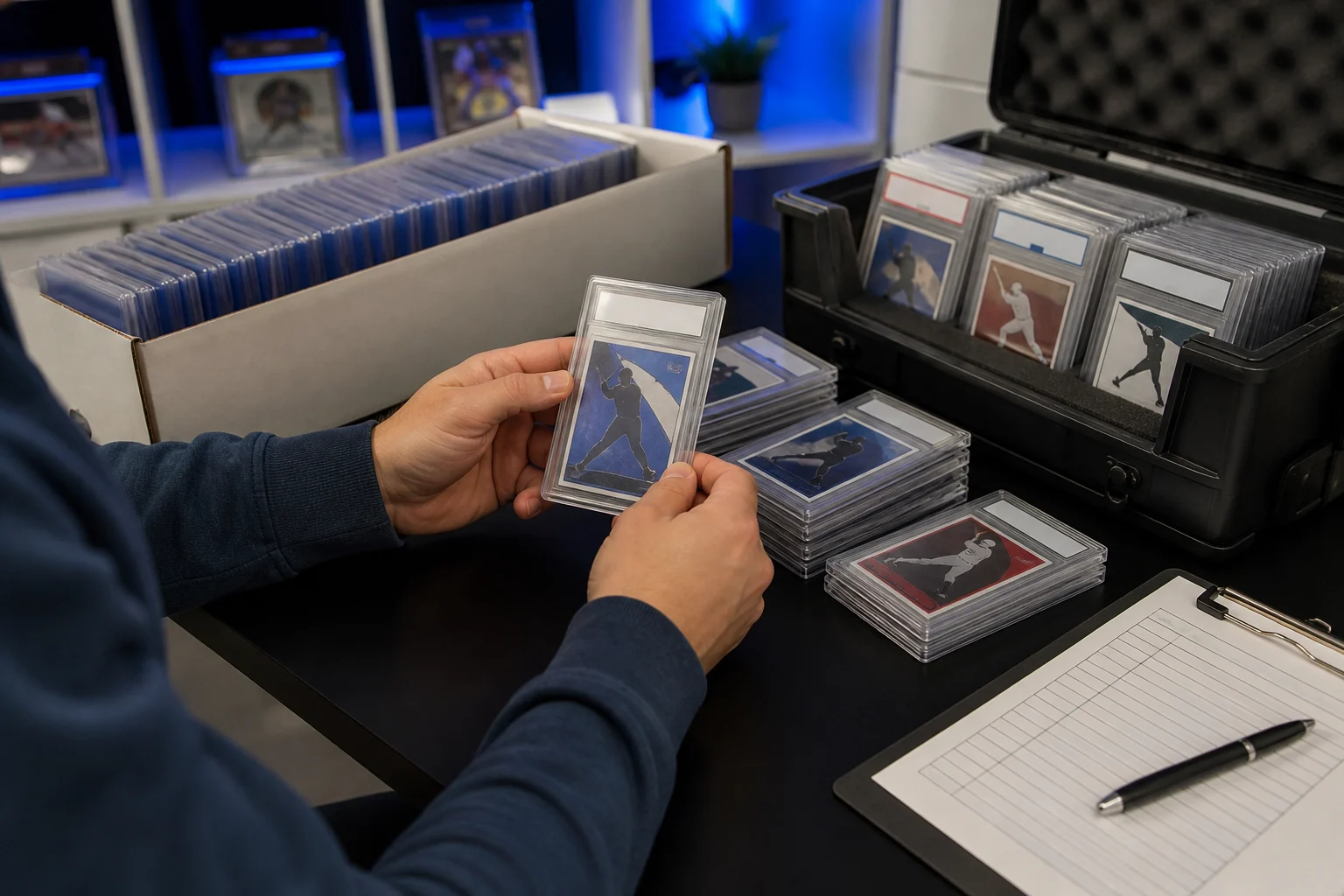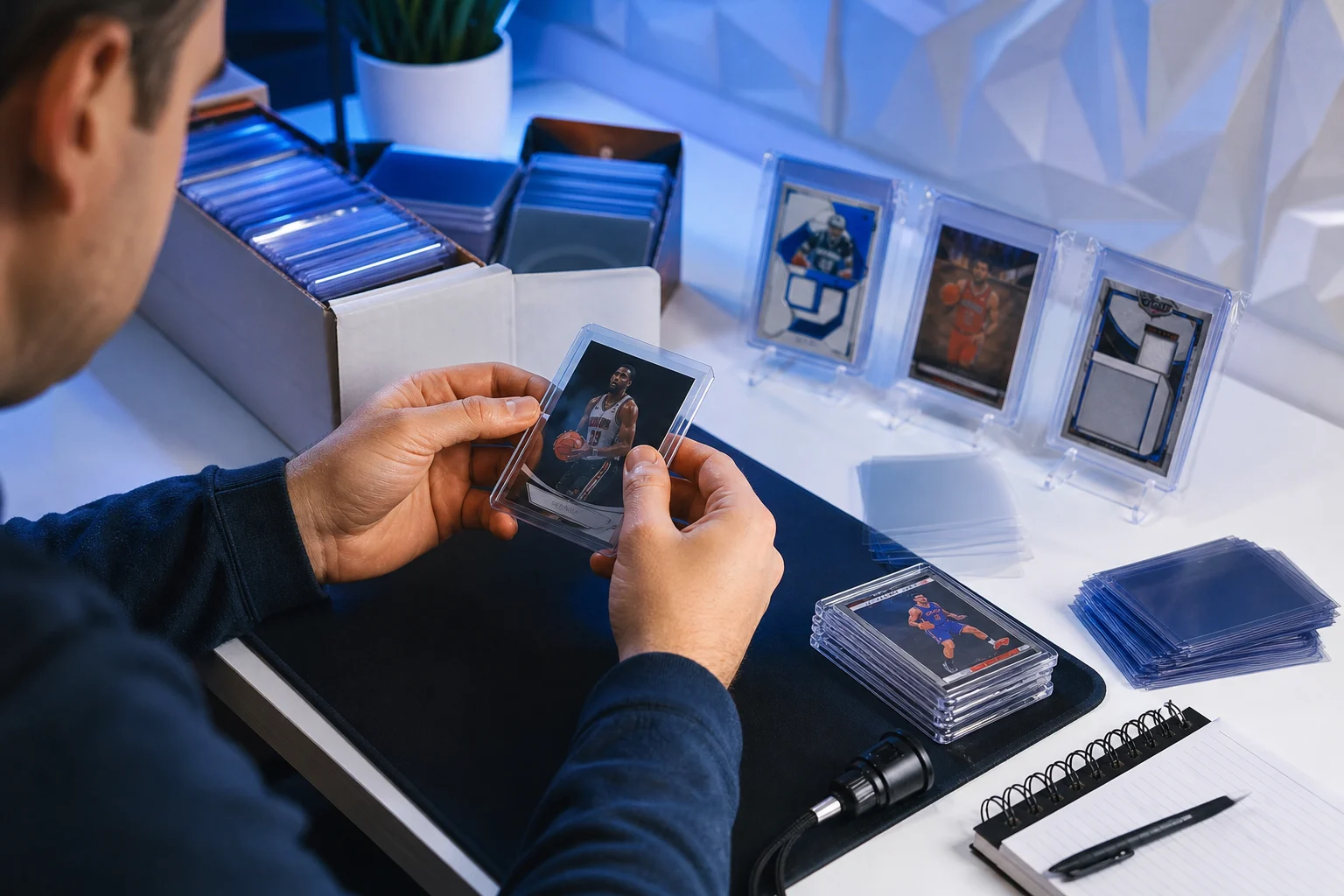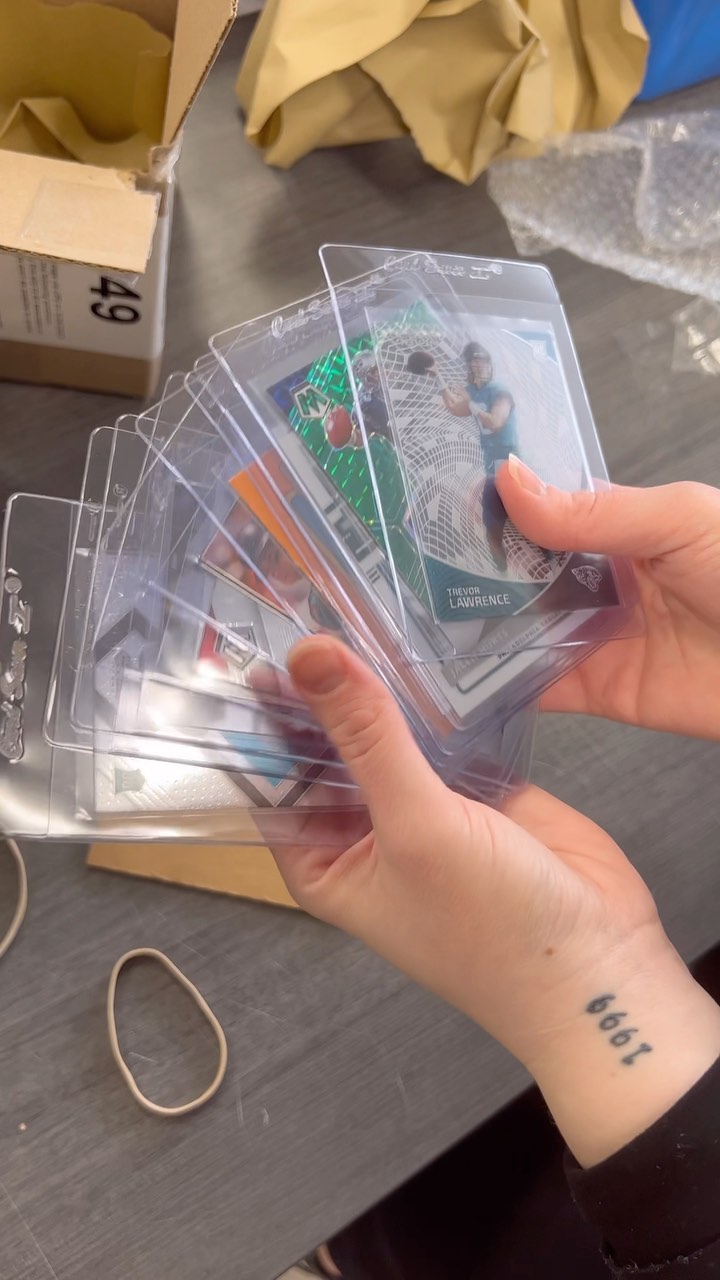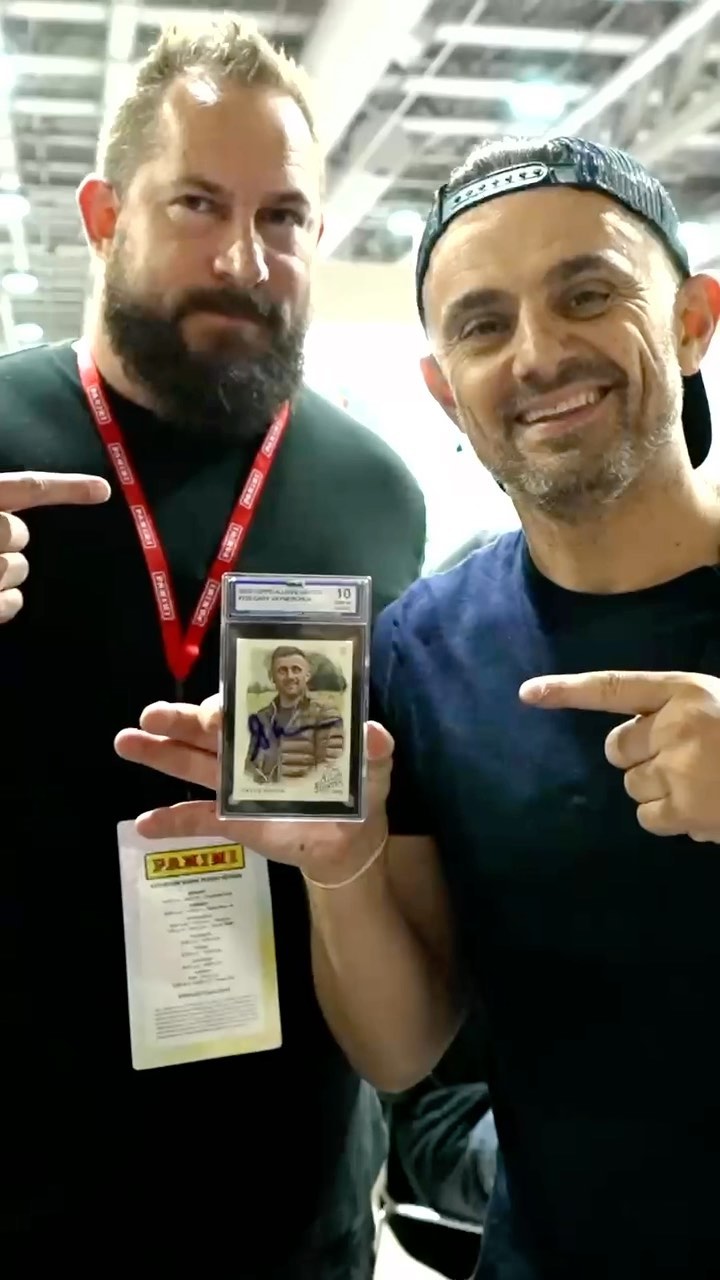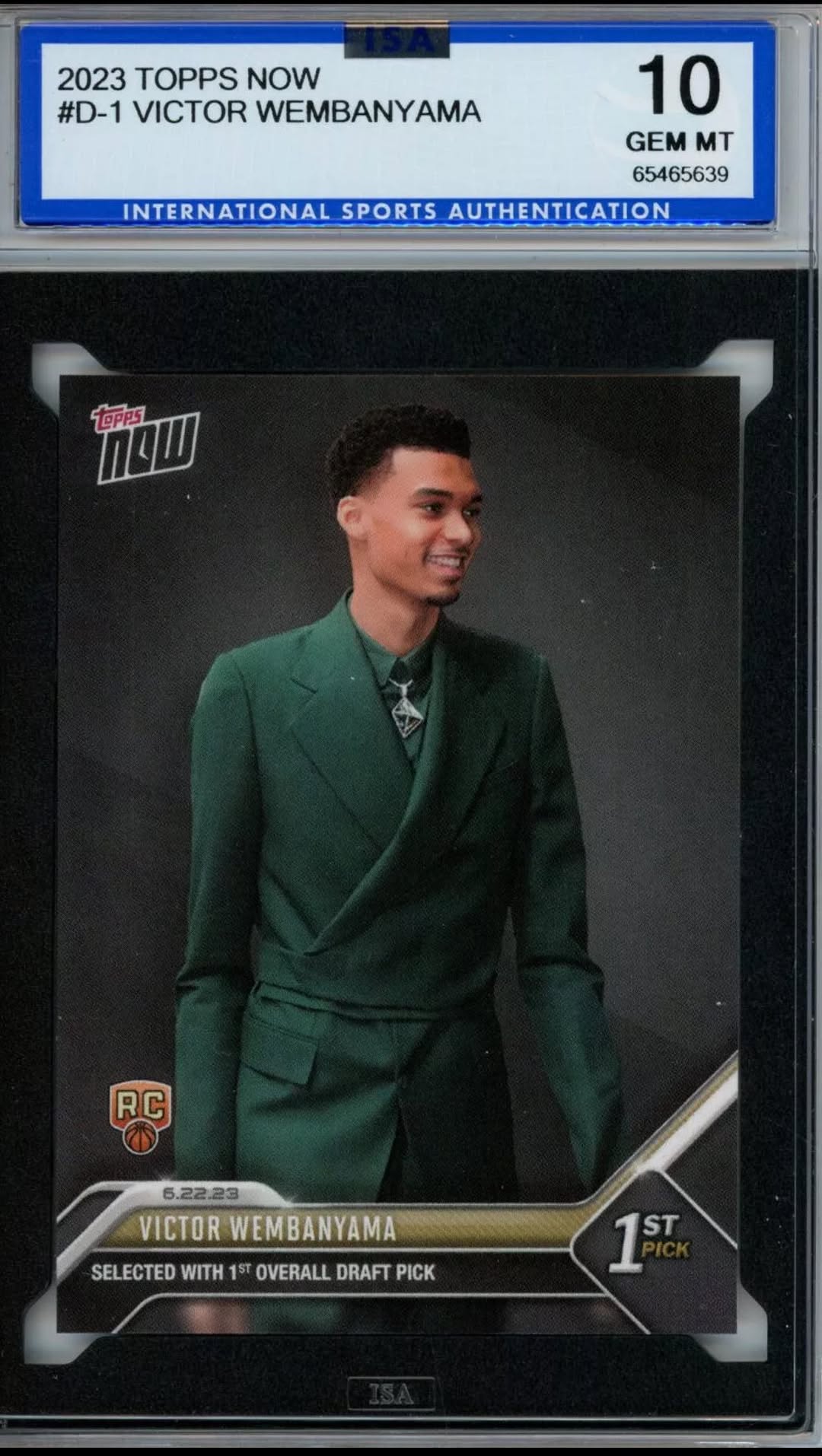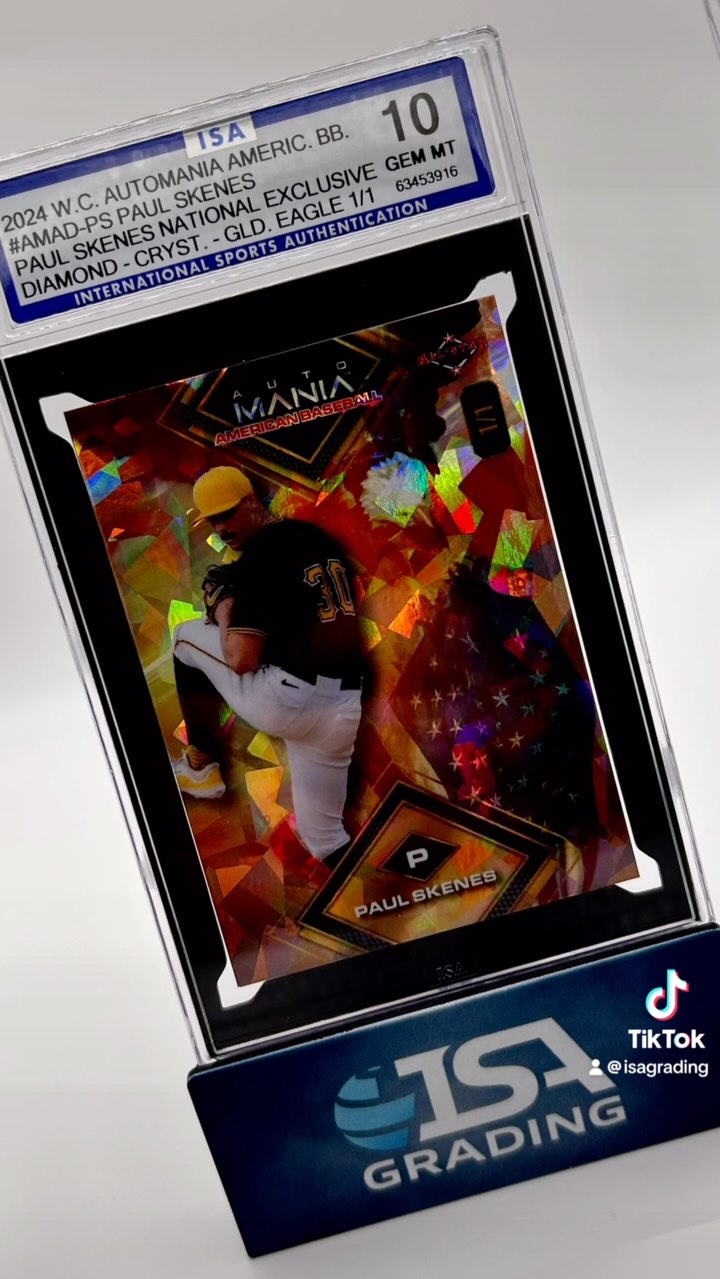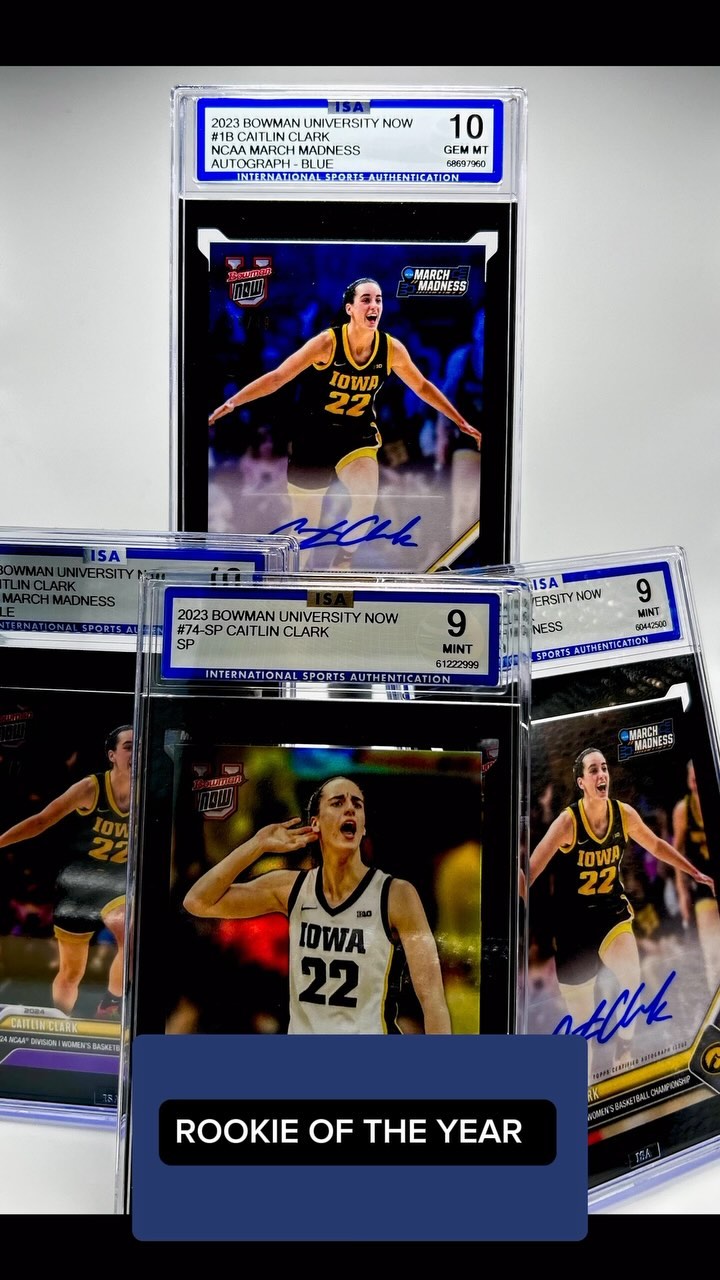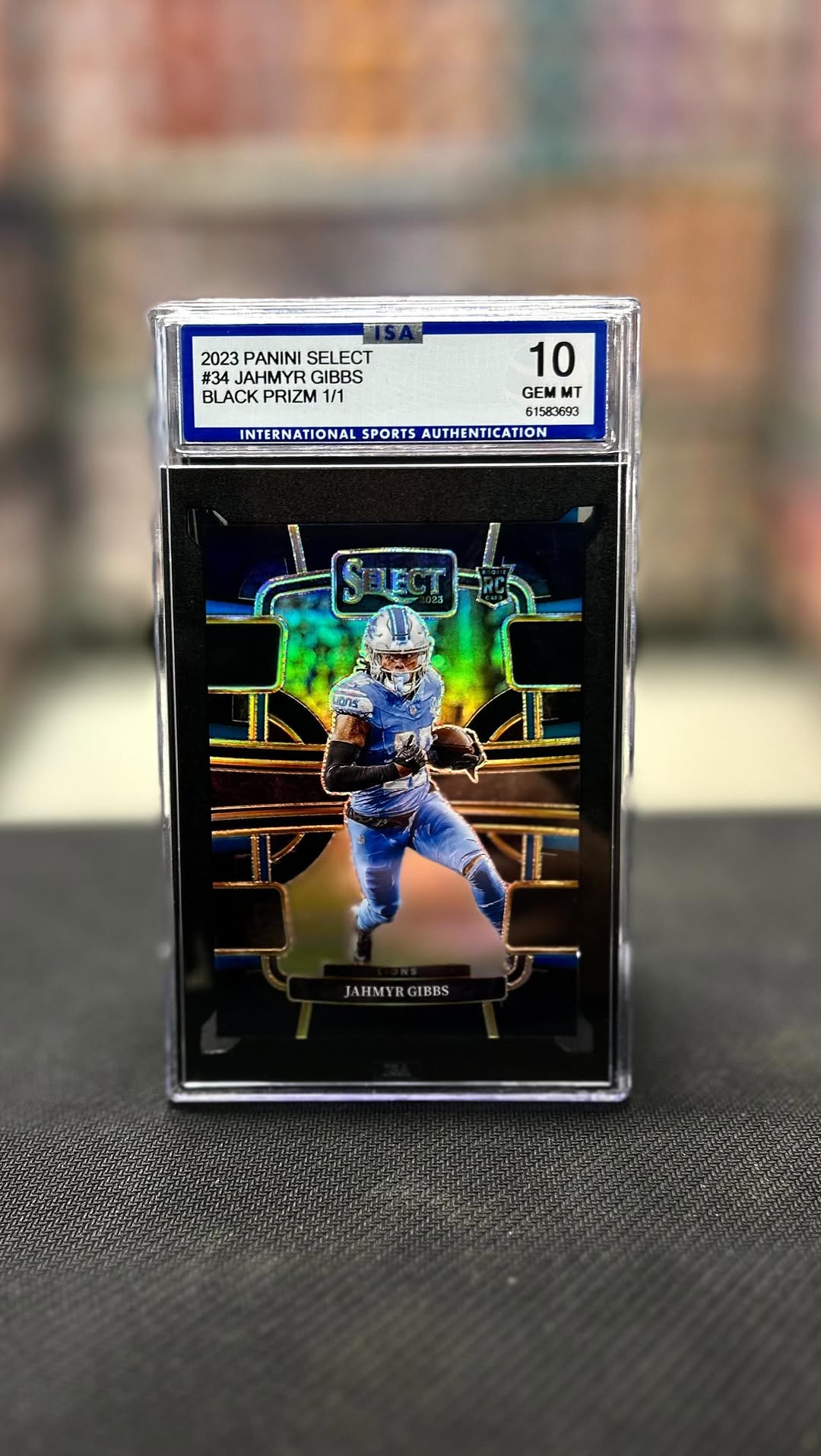
A card can look impressive in a binder and still be difficult to sell. Buyers want to understand its condition, confirm its identity, and decide whether the asking price makes sense. At a busy card show or in an online listing, grading can help organize that information into a format buyers can inspect.
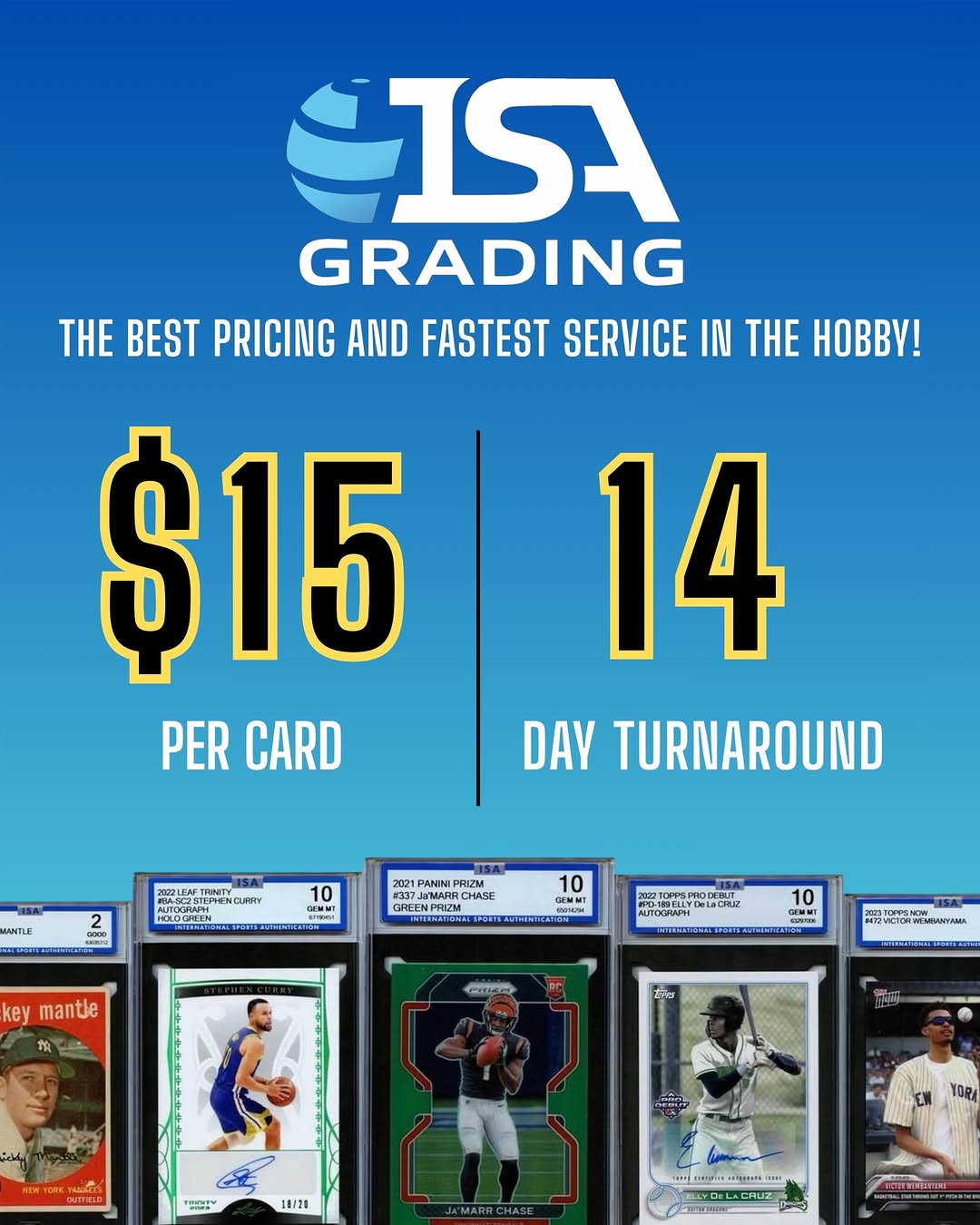
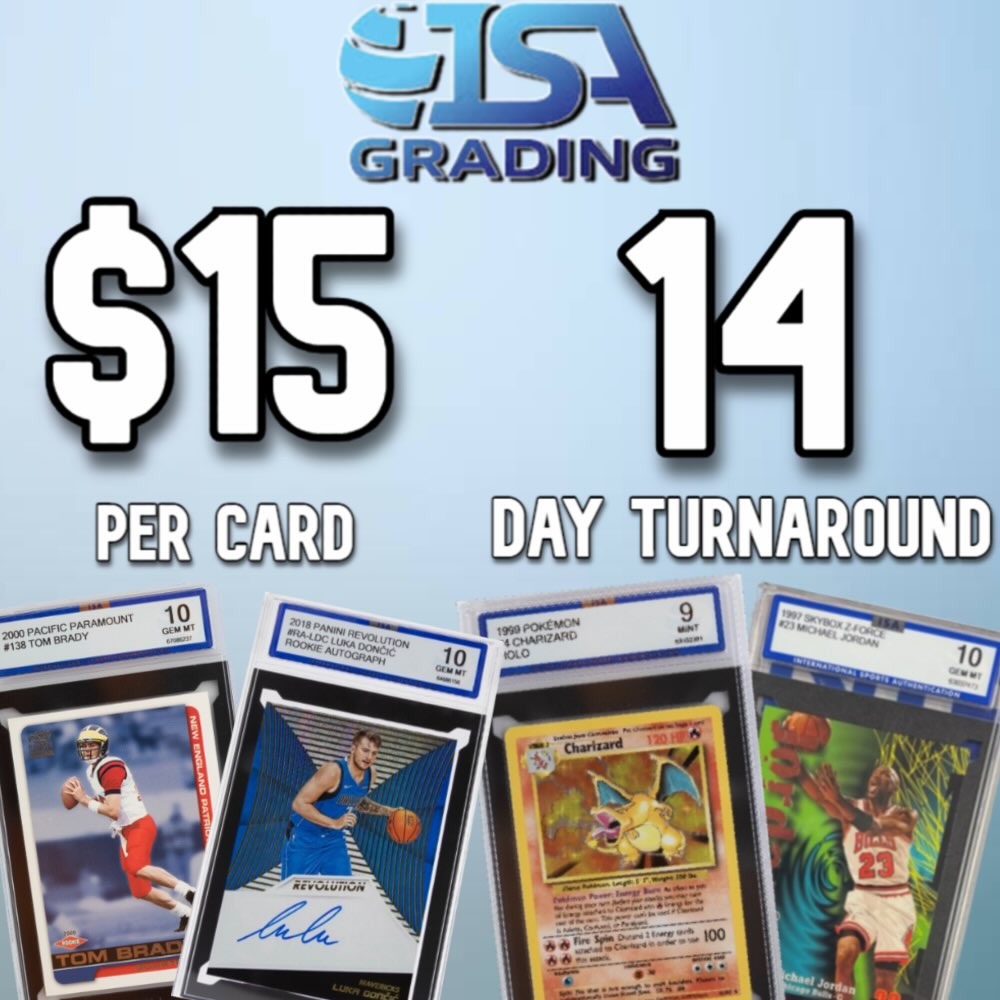
For collectors and dealers, the decision is practical: which cards justify the expense, when should they be submitted, and how will the finished slabs fit the selling plan? ISA Grading, also known as International Sports Authentication, offers sports card grading and authentication at $15 per card, with a 14 day turnaround, a 10 card minimum, and no upcharges. Those details provide a starting point for planning inventory, not a guarantee of a particular grade or sale price.
Start With the Sale, Not the Submission
Before choosing a card grading service, decide where the cards will be offered. A local show rewards inventory that buyers can inspect quickly. An online marketplace requires photographs, accurate descriptions, and clear shipping terms. A private sale may involve more discussion about condition and comparable transactions.
Grading is most useful when it addresses a specific concern. A buyer might want an independent condition assessment on a rookie, or a dealer might want consistent presentation across a showcase. Sports card authentication also addresses questions about a card's identity and authenticity, while the assigned grade communicates its evaluated condition.
Neither function guarantees demand. Research completed sales for the same card, variation, grading company, and grade whenever possible. Asking prices alone do not establish market value, and a sale involving a different grading company is not automatically a reliable comparison.
Choose Cards That Can Support the Cost
Build a realistic shortlist
Start with cards that have identifiable demand, enough value to support grading costs, and condition worth evaluating. Popular players, scarce parallels, and desirable rookie issues may be candidates, but popularity does not overcome every surface flaw or pricing problem.
For rookie card grading, confirm the exact set, year, card number, and variation before estimating value. A base rookie and a numbered parallel can look similar in a quick photograph while occupying very different price ranges. The same identification work matters for baseball card grading and football card grading.
- Identify the card: Record the player, year, manufacturer, set, card number, and any serial numbering.
- Review condition: Look for visible flaws before assuming a high grade.
- Research sold examples: Favor recent, closely matched transactions rather than optimistic listings.
- Estimate the full investment: Include acquisition cost, grading, shipping, supplies, and selling expenses.
- Plan for a lower result: Decide whether the card still makes financial sense if its grade falls below your expectation.
Do not add weak candidates simply to complete a batch. If you have fewer than ten suitable cards, waiting until you have a stronger group may be more sensible than grading inexpensive fillers.
Keep category eligibility separate from search interest
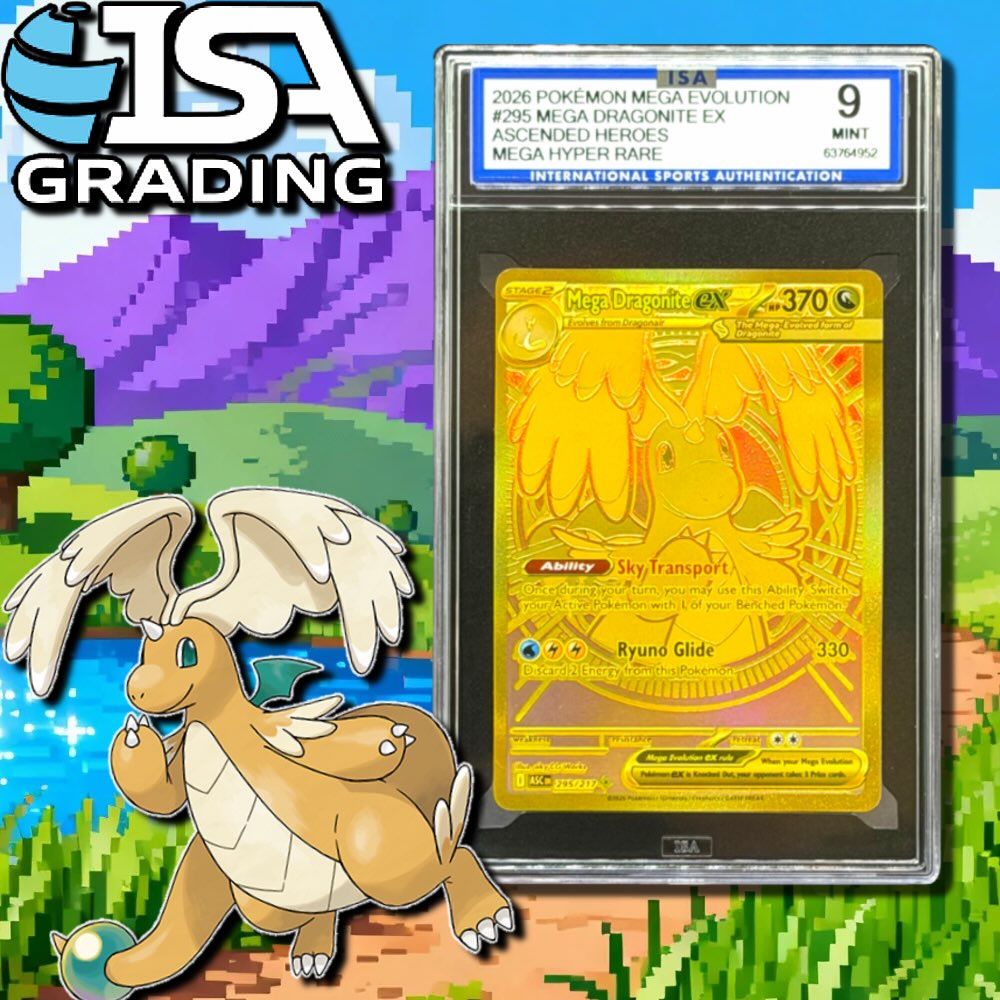
Sellers researching trading card grading may also search for Pokemon card grading or TCG card grading. Those terms describe different collecting categories, not automatic confirmation that every card is accepted. Before including non-sports cards, unusual formats, or other specialty items, confirm current eligibility with ISA through the contact page.
Make Pricing Part of Your Inventory Plan
ISA's current $15 rate makes the grading portion of a submission straightforward to calculate. A ten-card batch has a grading cost of $150. Twenty cards cost $300 for grading. The 10 card minimum sets the starting submission size, and no upcharges means ISA does not add a grading upcharge to that stated per-card service.
Keep grading charges separate from your overall selling costs. Packaging, transportation, shipping arrangements, insurance choices, and marketplace fees may affect your final margin. Check the current submission instructions for applicable shipping details rather than assuming the grading price covers every expense.
The appeal of no upcharge card grading is budget clarity. It does not remove market risk or make every card profitable. For a closer look at ISA's pricing approach, read A Clearer Path to the Slab: How ISA Keeps Grading at $15 Per Card.
Work Backward From Your Show Date
ISA currently lists a 14 day card grading turnaround. If you are preparing for a show, use that service timeframe as one part of a larger schedule. Shipping to the grading company, receiving the return shipment, reviewing inventory, photographing cards, and setting prices all require additional planning.
Do not treat a turnaround figure as a guaranteed delivery date for a particular event. Confirm how the timeframe is measured and when it begins before committing inventory to a sale. Current procedural questions can be checked through ISA's grading FAQ.
- Choose the event: Identify the last date you need the finished inventory in hand.
- Allow shipping time: Build room for both outbound and return transit.
- Add a buffer: Leave space for disruptions and post-return inventory work.
- Prepare the submission: Match the card list to the physical cards before packing.
- Keep backup inventory: Avoid making a show depend entirely on one returning batch.
If your initial search was for card grading near me, consider the full process rather than distance alone. Submission requirements, total cost, return logistics, and your selling schedule matter alongside physical proximity.
Inspect and Prepare Cards Before Sending Them
Check the areas buyers will examine
Use clean hands, a clean workspace, and consistent lighting. Handle cards by their edges when practical. Review the front and back without repeatedly sliding the card in and out of holders.
Inspect card corners for whitening, bends, and wear. Examine edges for chips or roughness. Look across the card surface under angled light to find scratches, indentations, print lines, or other visible issues. Assess card centering using the design's borders and reference points rather than assuming every set has symmetrical artwork.
Read ISA's grading scale before assigning your own expectations. A pre-submission inspection helps you make decisions, but it does not establish the final grade. Some flaws are difficult to see without careful examination.
Protect condition instead of trying to improve it
Do not use chemicals, pressure, heat, trimming, or other attempts to alter a card. Aggressive wiping can also introduce scratches. Your goal is safe handling and accurate identification, not changing the card's characteristics.
Follow ISA's current packing instructions and use the requested protective materials. Keep cards from shifting, avoid overfilled holders, and make sure submission paperwork matches the contents. Photographing the cards and recording identifying details before shipment can help maintain your own inventory records.
Use Slabs to Support Clearer Show Conversations
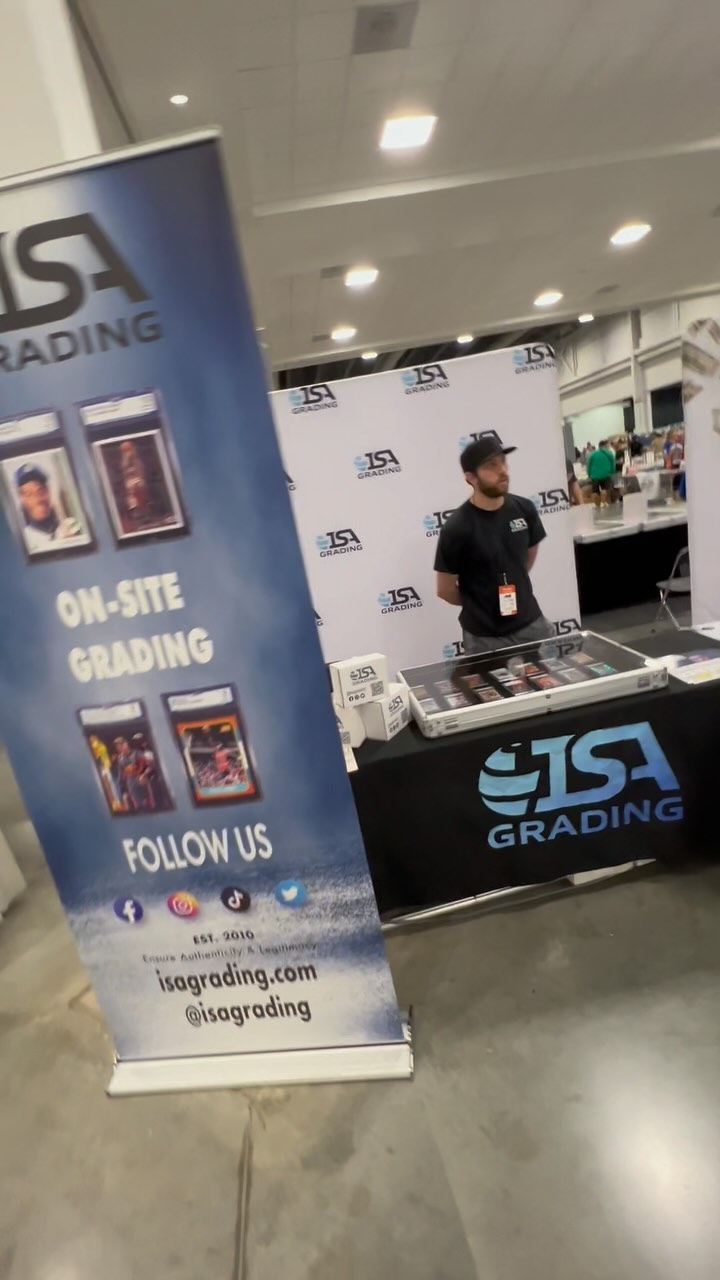
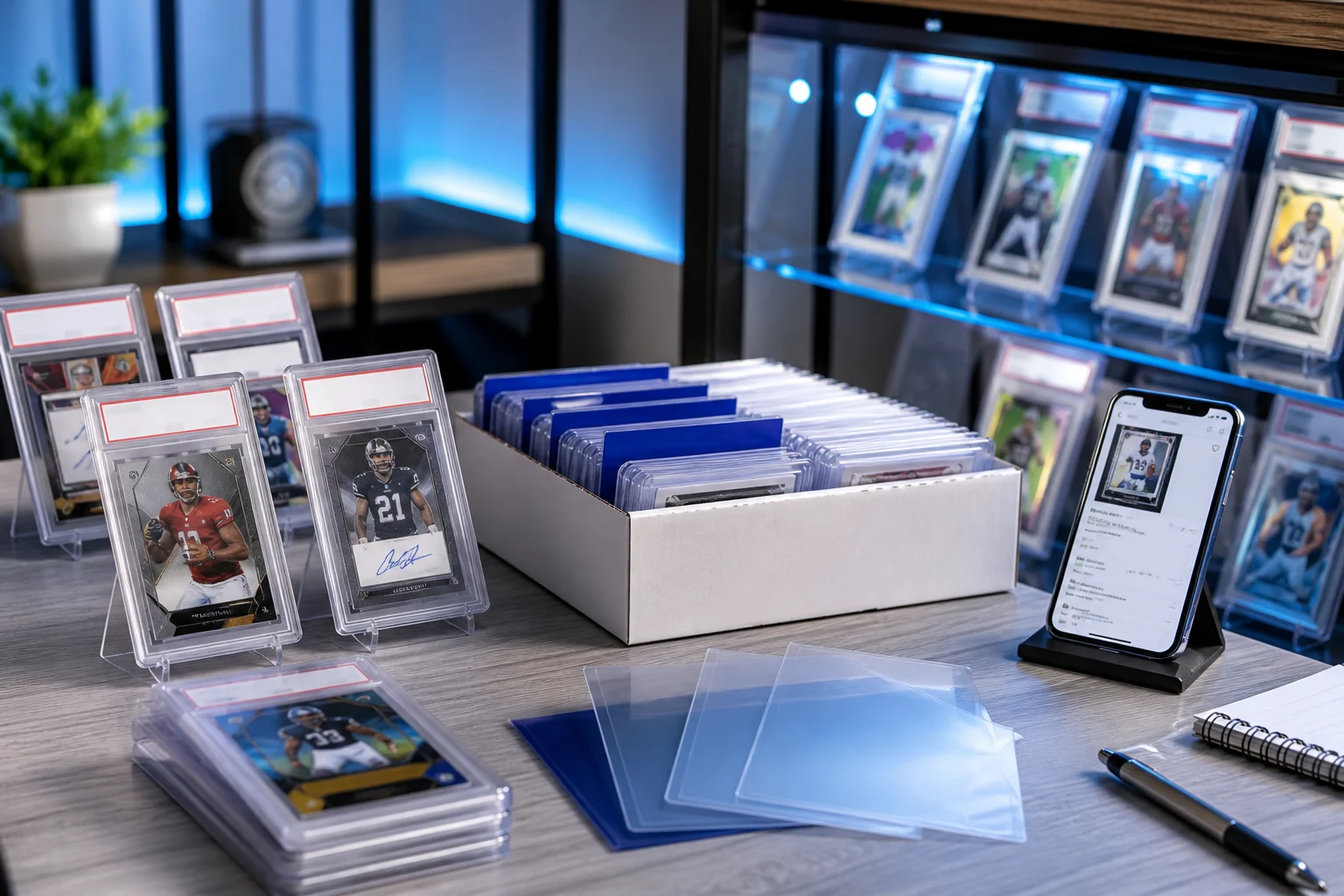
At a show, buyers often make an initial decision within seconds. Arrange slabs so the card, label, grade, and price are easy to see. Keep glare in mind, and let interested buyers inspect both sides when handling conditions allow.
A slab provides a protective enclosure, but it is not indestructible. Avoid drops, excessive heat, moisture, and abrasive contact. During transport, separate or cushion holders so they do not scrape against each other. Cosmetic damage to a holder can distract buyers even when the enclosed card is unaffected.
For pricing conversations, distinguish the card's identity, its assigned grade, and your asking price. Explain each without suggesting that the grade guarantees a particular resale value. A short, accurate explanation is usually more helpful than a broad claim that every graded card sells faster.
Maintain a simple inventory sheet with purchase cost, grading expense, certificate number, asking price, and minimum acceptable offer. That record helps you negotiate consistently, especially when handling several cards in one transaction.
Build Online Listings Around Evidence
Photograph the card and its holder
Use photographs of the actual slab being sold. Include a straight-on front image, a back image, and a readable label photo. Adjust lighting to reduce reflections without filtering away visible defects. If the holder has scratches or other noticeable wear, disclose that condition clearly.
Write a title that identifies the player, year, set, card number, relevant parallel, grading company, and grade where space permits. Avoid adding unrelated player names or unsupported phrases such as guaranteed investment. Clear identification helps buyers find the right card and reduces unnecessary questions.
Make certificate verification easy
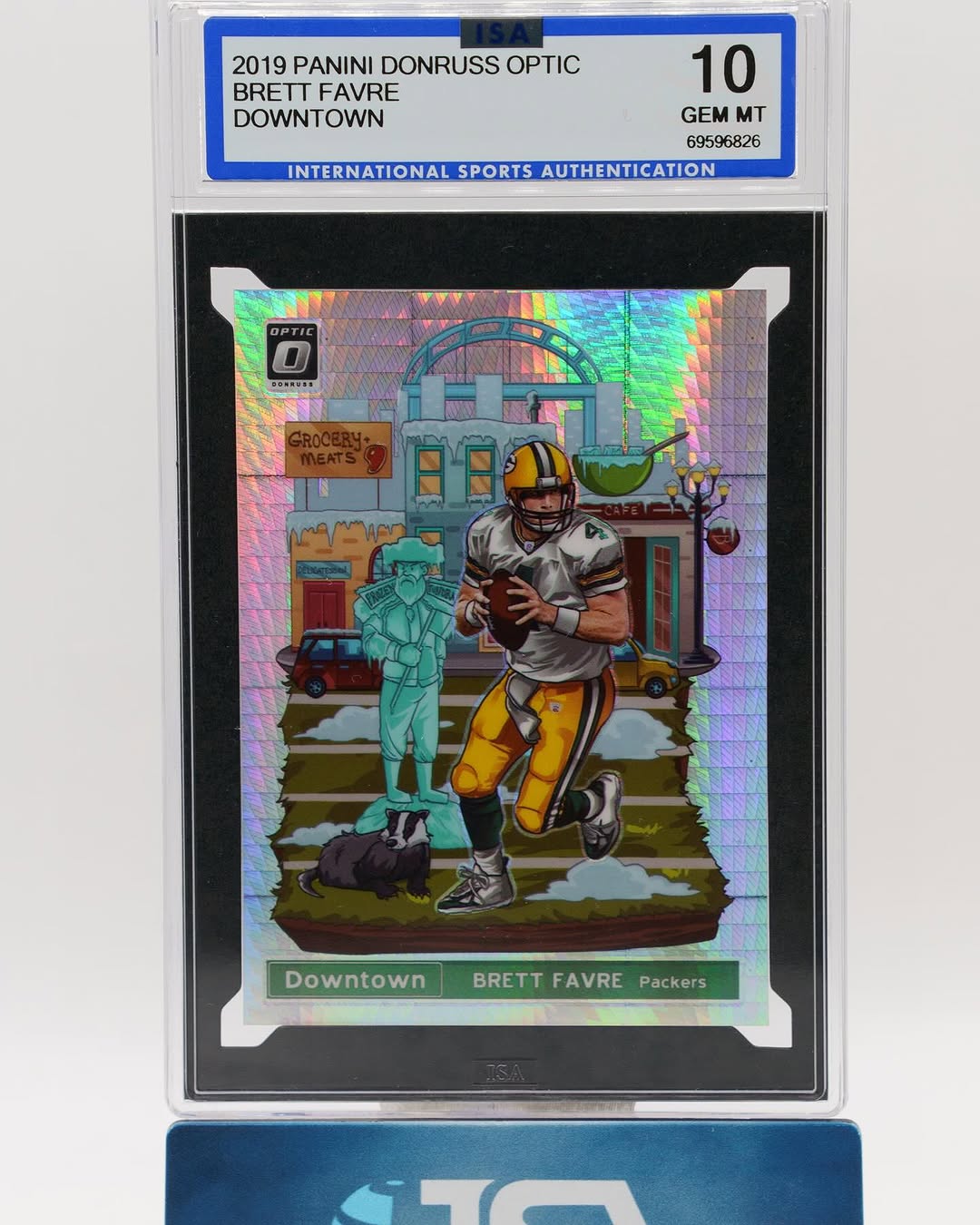
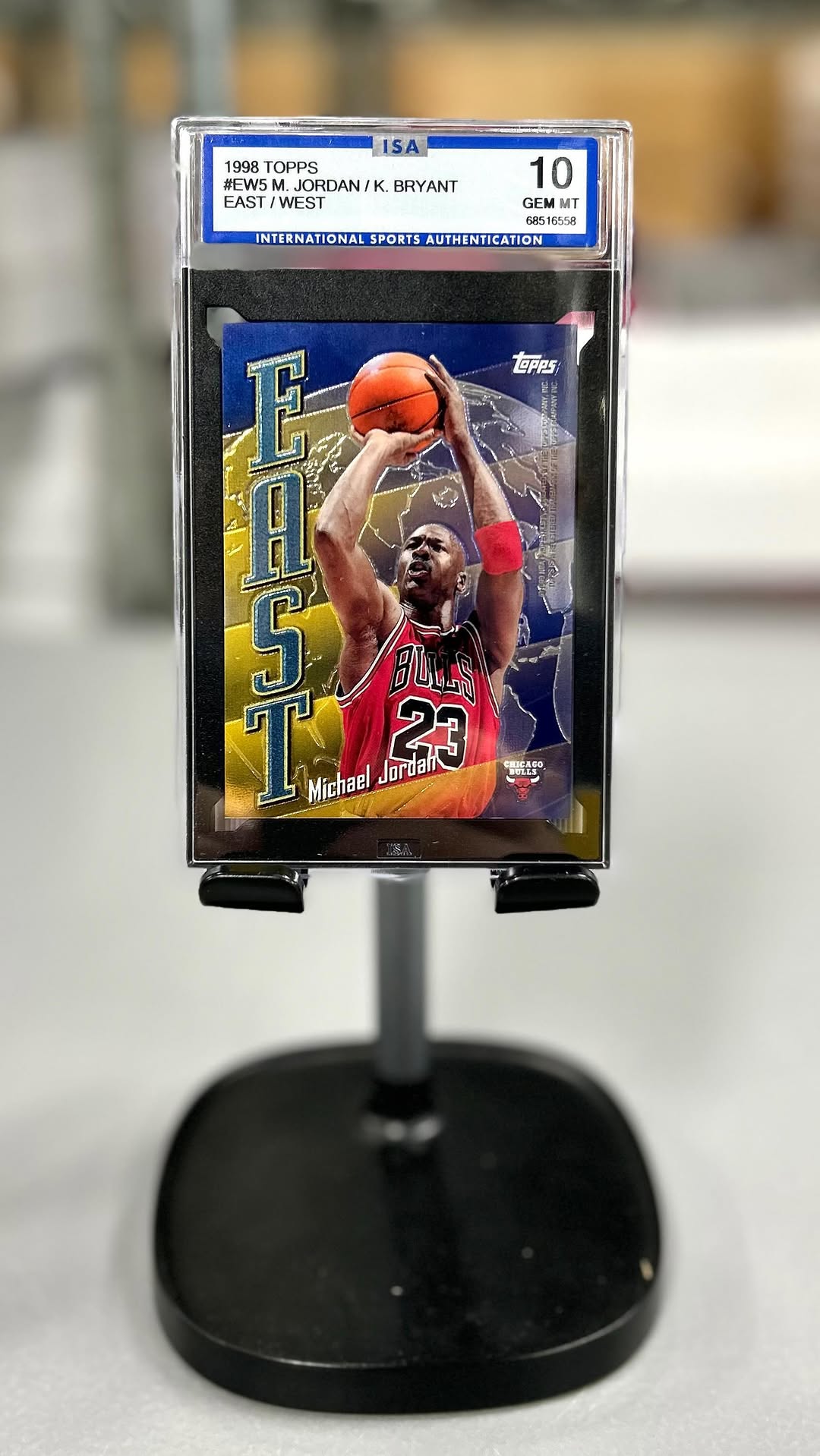
ISA offers website certificate verification. Include the certificate number accurately and direct buyers to the certificate verification page. Encourage them to compare the available certificate information with the card and label shown in your listing.
Verification is a useful research step, not a substitute for examining the entire transaction. Buyers should still review photographs, seller history, payment arrangements, and return terms. Sellers should never describe a certificate lookup as a guarantee against every form of fraud.
For more detail on protective holders and buyer checks, see Inside the Slab: Protection, Verification, and Smarter Card Sales.
Price the Returned Cards, Not the Grades You Expected
When your submission returns, review every label and update your inventory records. Then research the market again. Player performance, seasonal demand, new product releases, and available supply may have changed since you first selected the cards.
Use the actual assigned grade when choosing comparable sales. If close comparisons are scarce, acknowledge that uncertainty in your pricing decisions. Consider whether to list immediately, take the card to a show, or hold it for a more suitable audience. Grading provides information, but it does not decide the best selling venue for you.
For collectors asking, should I grade my cards before selling, the strongest answer comes from this complete workflow: identify suitable cards, inspect them honestly, calculate costs, allow enough time, and present the results accurately. Card authentication and grading are most useful when they support that plan rather than replace it.
Before sending your next batch, confirm the current terms and follow the instructions on ISA's submission page. Build around the $15 per-card service, 14 day turnaround, ten-card minimum, and no upcharges, while leaving room for shipping and sales preparation. The goal is inventory you understand and listings your buyers can evaluate with confidence.
Submit Cards to ISA Grading
Collectors ready to use ISA Grading can start on the submission page. The current active service is $15 per card with a 14 day turnaround, no upcharges, and a 10 card minimum.
Frequently Asked Questions
How much does ISA Grading cost for a show inventory submission?
ISA's current service is $15 per card with a 10 card minimum and no upcharges. A minimum submission costs $150 for grading. Review current submission instructions for shipping arrangements and consider your other selling expenses separately.
How far ahead of a card show should I submit cards?
Plan around ISA's current 14 day turnaround, then allow additional time for outbound shipping, return shipping, inventory checks, photography, and pricing. Confirm how the turnaround is measured before relying on it for a specific event, and leave a buffer.
Does grading guarantee a higher selling price?
No. Grading can provide a condition assessment, authentication, and a protective holder, but selling prices depend on the card, assigned grade, demand, grading company, and market conditions. Compare closely matched completed sales and calculate total costs before submitting.
How can buyers verify an ISA certificate?
Buyers can use the certificate verification page on ISA's website and compare the available information with the card and slab label. Certificate verification should accompany a review of listing photographs, seller history, and transaction terms.
What should I inspect before submitting sports cards for grading?
Check card corners, edges, centering, and the front and back surfaces under good lighting. Confirm the card's exact identity, review ISA's grading scale, and follow current packing instructions. Avoid cleaning methods or alterations that could damage or change the card.