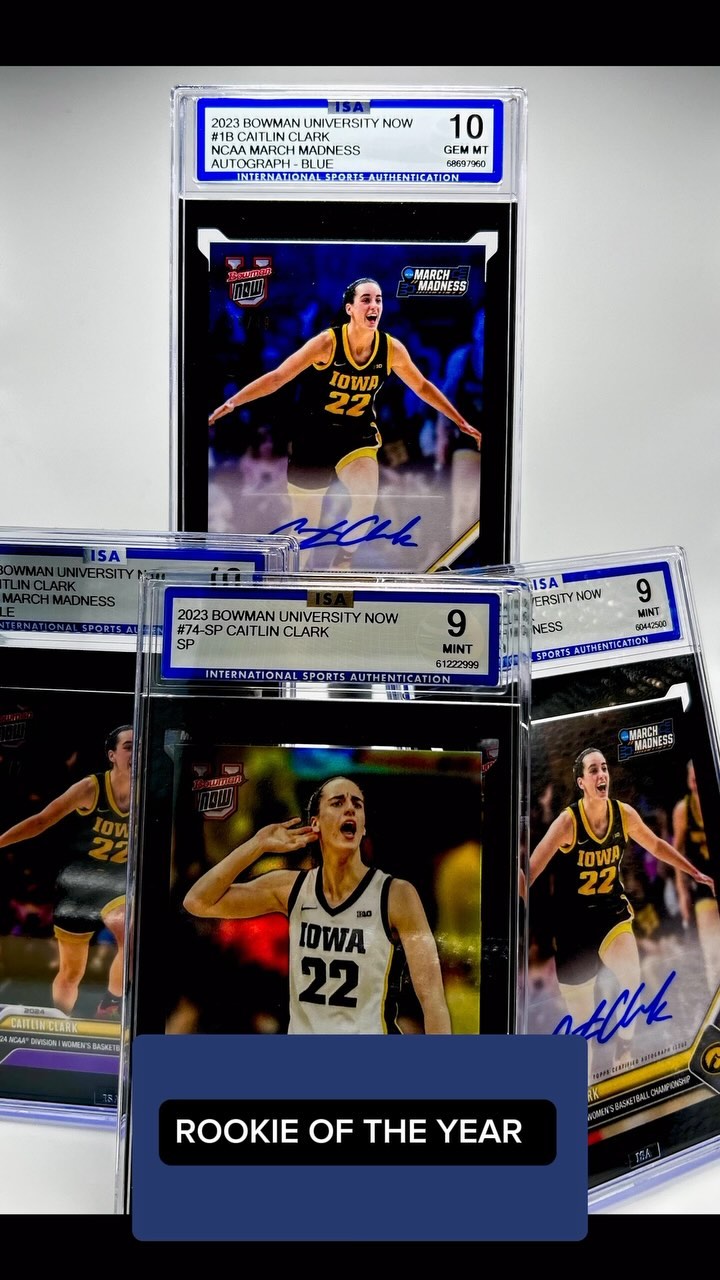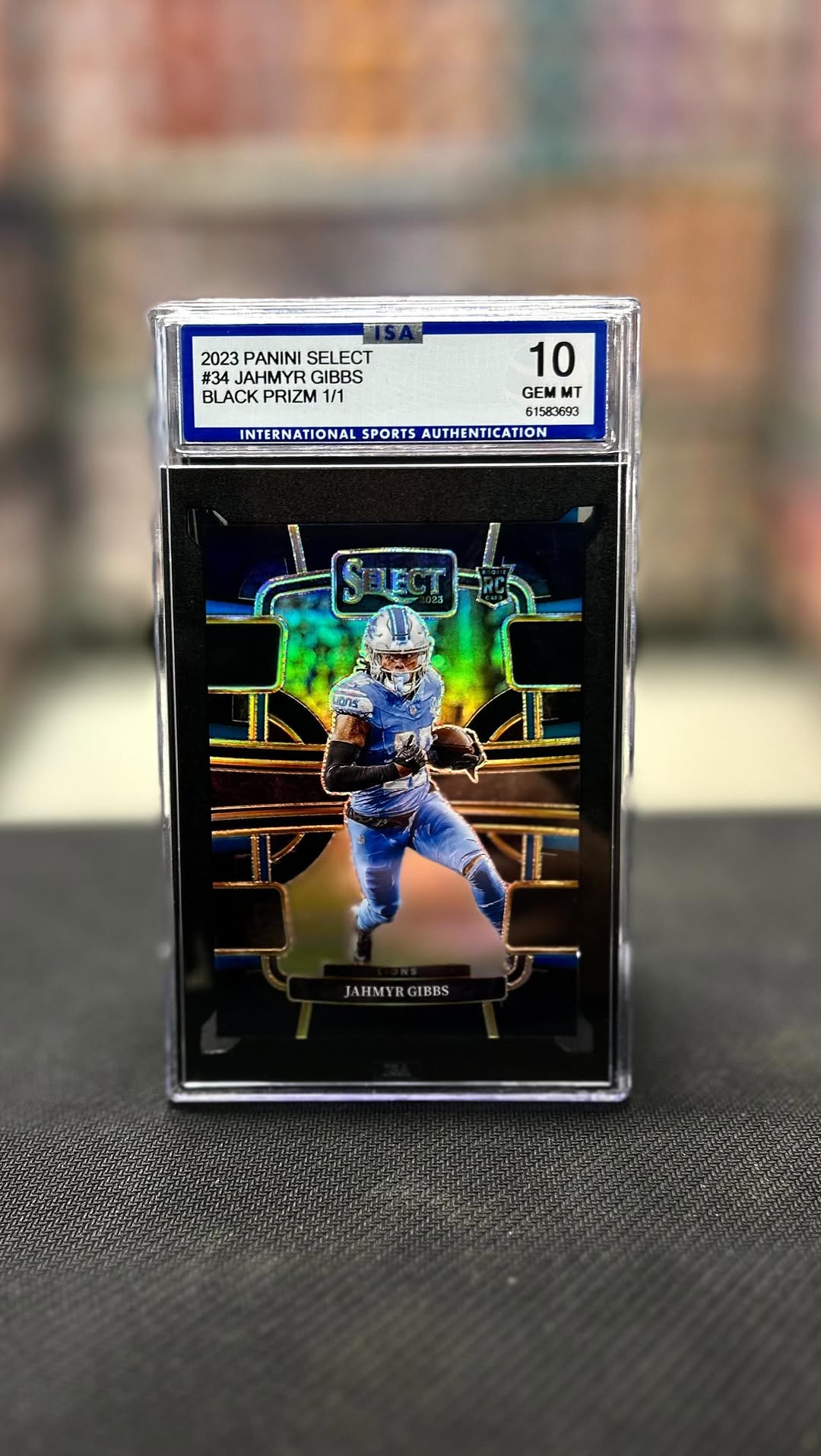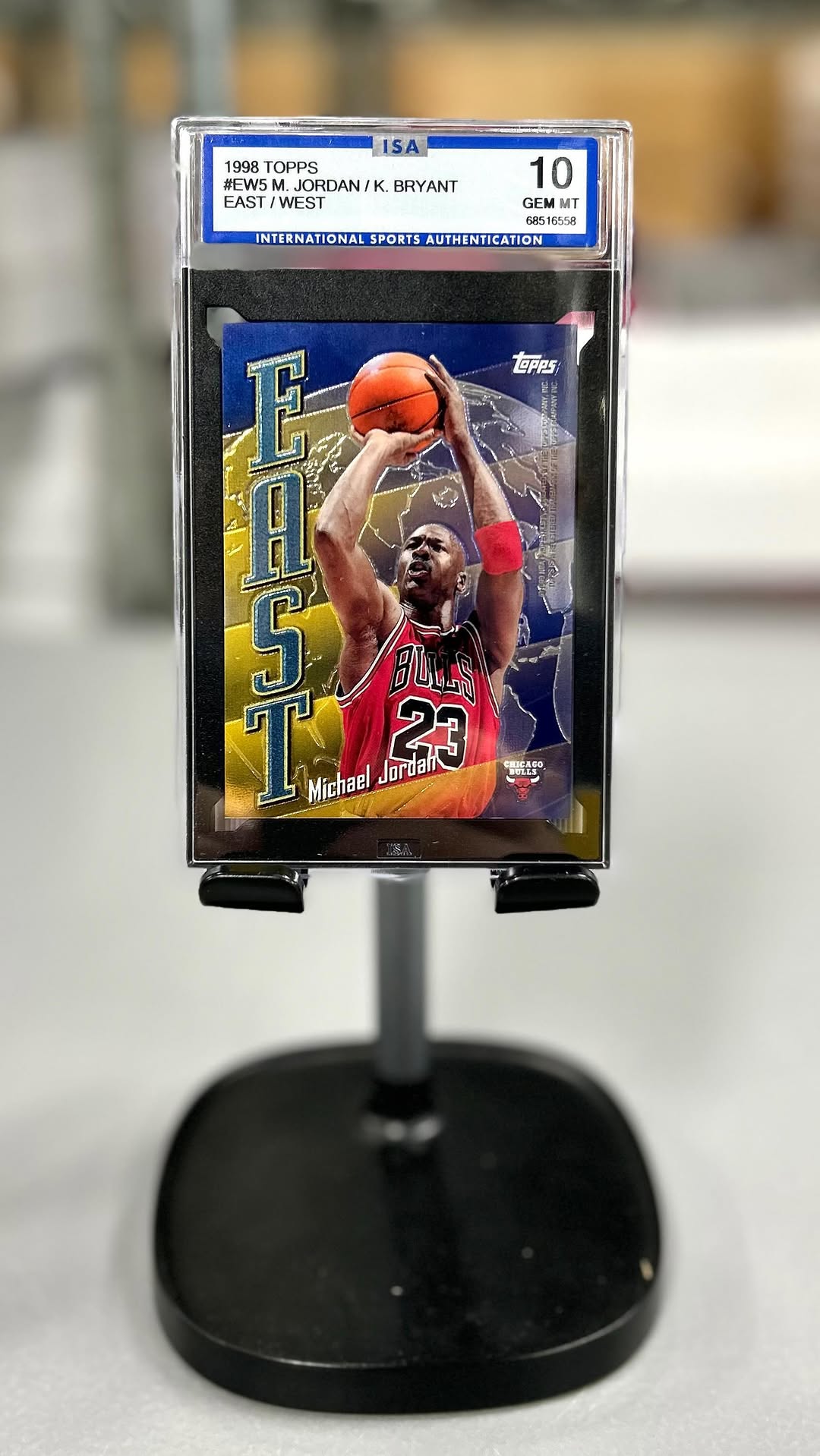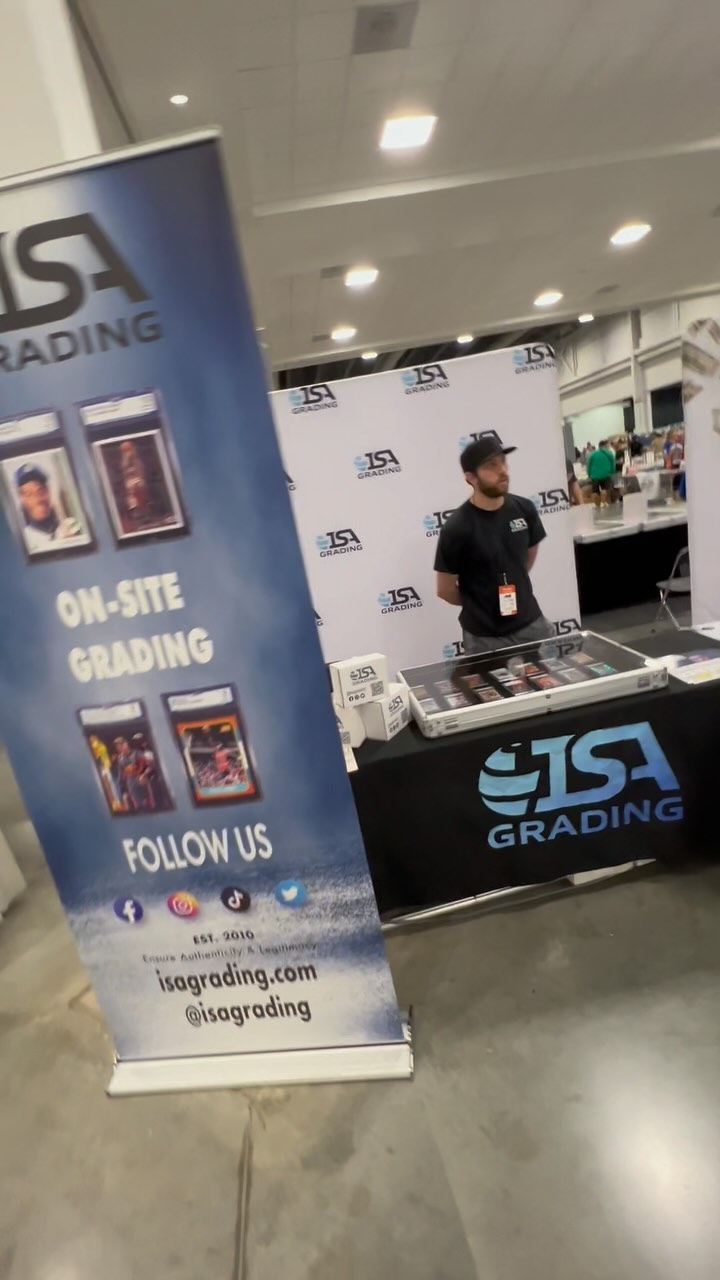
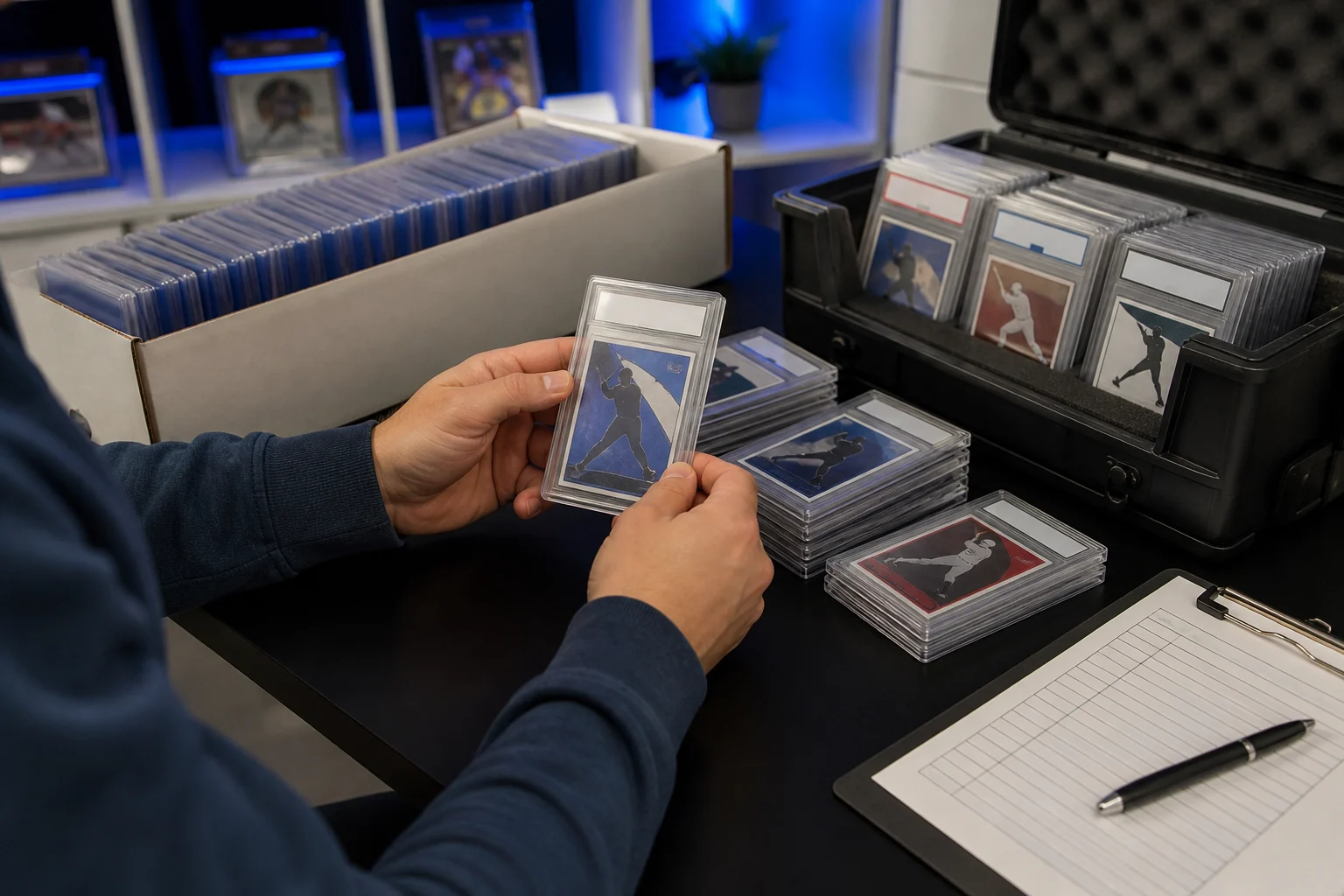
For a sports card dealer, grading is an inventory decision as much as a collecting decision. Cards sent for evaluation are temporarily unavailable for sale, submission costs affect margins, and returned slabs need to move smoothly into listings, showcases, or show inventory. Fast card grading is most useful when it fits a clear plan for what to submit and how to sell it afterward.
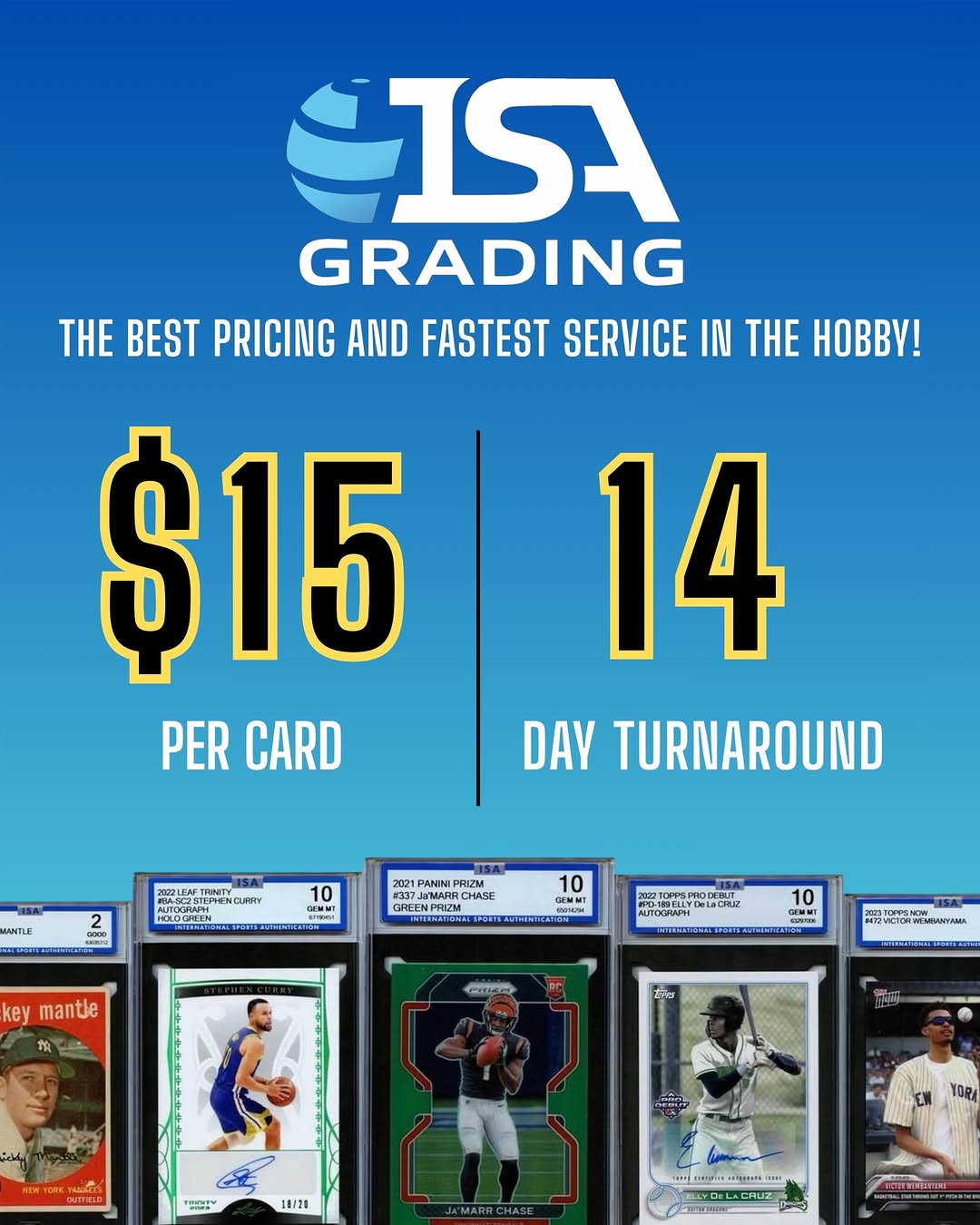
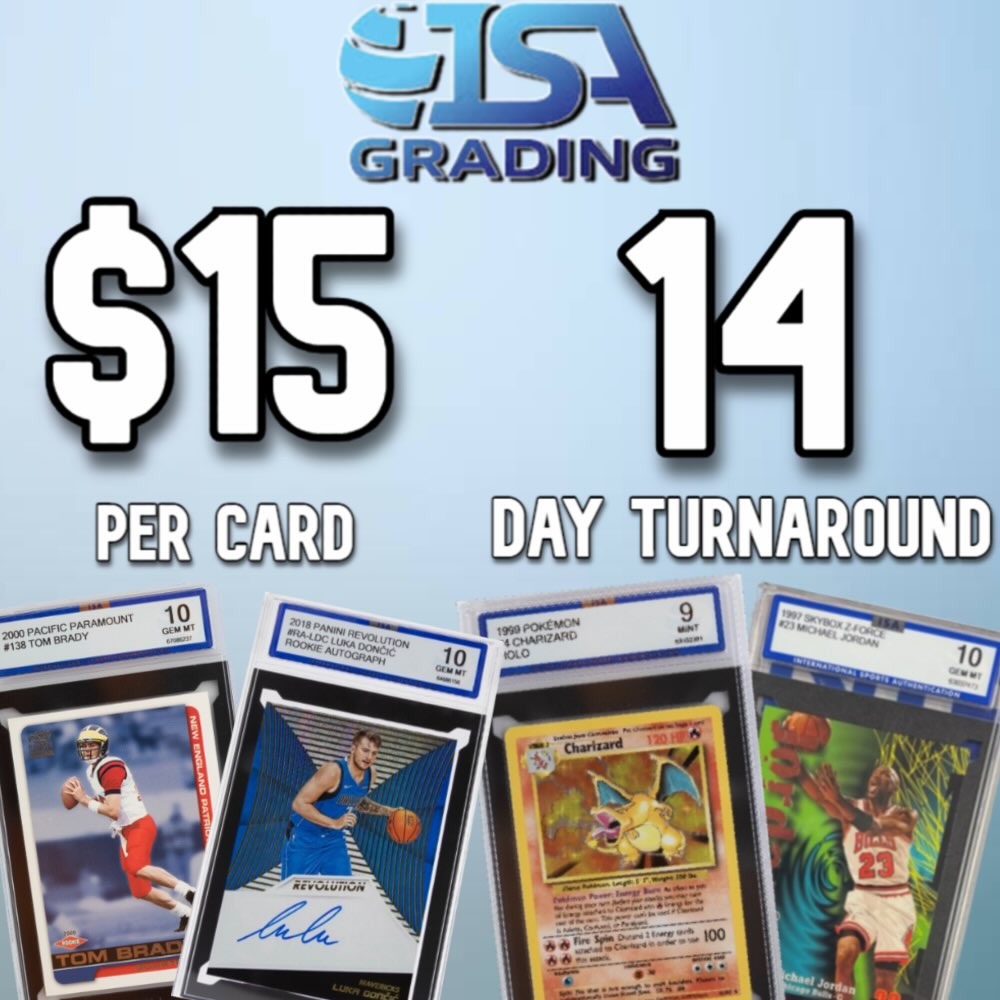
ISA Grading, also known as International Sports Authentication, offers sports card grading and authentication at $15 per card, with a 14 day turnaround, a 10 card minimum, and no upcharges. Those terms give dealers a straightforward starting point for budgeting. The next step is choosing suitable cards, preparing them carefully, and scheduling sales without assuming a particular grade or selling price.
Build Your Submission Around a Selling Plan
Start with the sales channel, not the grading stack. Inventory intended for an upcoming card show may need a different schedule than cards headed to an online store. A dealer selling modern basketball singles might prioritize recognizable players, while a vintage specialist may focus on cards whose condition is difficult to communicate through photographs alone.
Before submitting, identify the reason for grading each card. Sports card authentication and a documented condition assessment can help answer buyer questions, but grading does not automatically make every card profitable. Consider recent completed sales for comparable cards, your acquisition cost, likely selling fees, and the range of grades the card might receive.
- Show inventory: Choose cards suited to the event’s audience and allow time to price returned inventory.
- Online listings: Plan for photography, certificate details, and listing preparation after return.
- Longer-term stock: Select cards you are comfortable holding if demand changes during the submission process.
A useful submission batch has a purpose beyond filling the minimum. Each card should have an intended buyer, channel, or inventory role.
Budget the Batch Before You Commit
At ISA’s current rate, a 10-card submission has a grading service cost of $150. A 20-card batch costs $300 for grading, and a 40-card batch costs $600. These calculations cover the stated $15 per card service, not every possible expense involved in preparing, transporting, or selling your inventory.
ISA’s no upcharges policy keeps the grading fee calculation straightforward. Dealers seeking no upcharge card grading can budget that service component without adding a hypothetical grade-based fee. Separately account for applicable shipping, insurance, packaging, marketplace fees, and other costs relevant to your transaction.
Use conservative estimates rather than assuming every card will receive your preferred grade. Compare the potential result at multiple grades, especially when a small condition difference produces a large price difference. A card that only works financially at the highest grade may be a poor fit for a routine inventory batch.
For more context on the service price, read A Clearer Path to the Slab: How ISA Keeps Grading at $15 Per Card. Clear pricing helps with planning, but disciplined card selection still matters.
Use the Turnaround to Plan, Not to Promise
ISA’s current 14 day card grading turnaround is a useful planning reference for dealers. It should not be treated as the entire door-to-door timeline. Preparing a submission, shipping it, receiving the returned cards, and creating listings all require additional time.
Before tying a batch to a show date or scheduled promotion, confirm how the turnaround is counted and when the service clock begins. Do not assume whether the stated period means calendar days or business days without checking the current submission information. Leave room for transit delays and your own receiving process.
Build your schedule backward from the date you need inventory ready. Include time to inspect returned slabs, reconcile the order, take photographs, and research asking prices. If the timing is tight, keep some sale-ready stock outside the submission rather than making the event dependent on one package.
The inventory implications are explored further in The Hidden Cost of Waiting: Why Grading Turnaround Shapes Every Card Sale. A shorter grading timeline can support inventory planning, but it cannot guarantee that demand or prices will remain unchanged.
Inspect Condition Before Selecting Your Ten Cards
The 10 card minimum encourages batch planning, but it is not a reason to submit unsuitable inventory. Review each candidate individually, then compare the strongest options against your budget and selling goals. A valuable card and a clean card are not always the same thing.
For card condition grading preparation, use consistent lighting and inspect both sides. Check card centering, card corners, edges, and the card surface. Look for print lines, scratches, dents, creases, staining, and other visible issues. Photograph anything you want to document before shipping.
- Centering: Compare the placement of the printed image and borders on the front and back.
- Corners: Look for whitening, bends, compression, or other signs of wear.
- Edges: Check for chipping, rough areas, and damage visible against a contrasting background.
- Surface: View the card from several angles to identify marks that disappear in straight-on photographs.
Review ISA’s grading scale to understand its published condition framework. Your inspection is a screening tool, not a promised grade. Professional evaluation may identify issues that were difficult to see during your own review.
Match the Submission to the Card Category
Rookie card grading often attracts dealer attention because buyers closely examine player identity, set, parallels, and condition. Before submitting a rookie card, verify the exact issue and avoid treating every early-career release as interchangeable. Accurate identification matters when comparing completed sales and preparing a listing.
For basketball card grading, distinguish the base card from numbered parallels, inserts, and other variations. Record serial numbering when present and check that your inventory description matches the physical card. Similar artwork can make different versions easy to confuse during a busy sorting session.
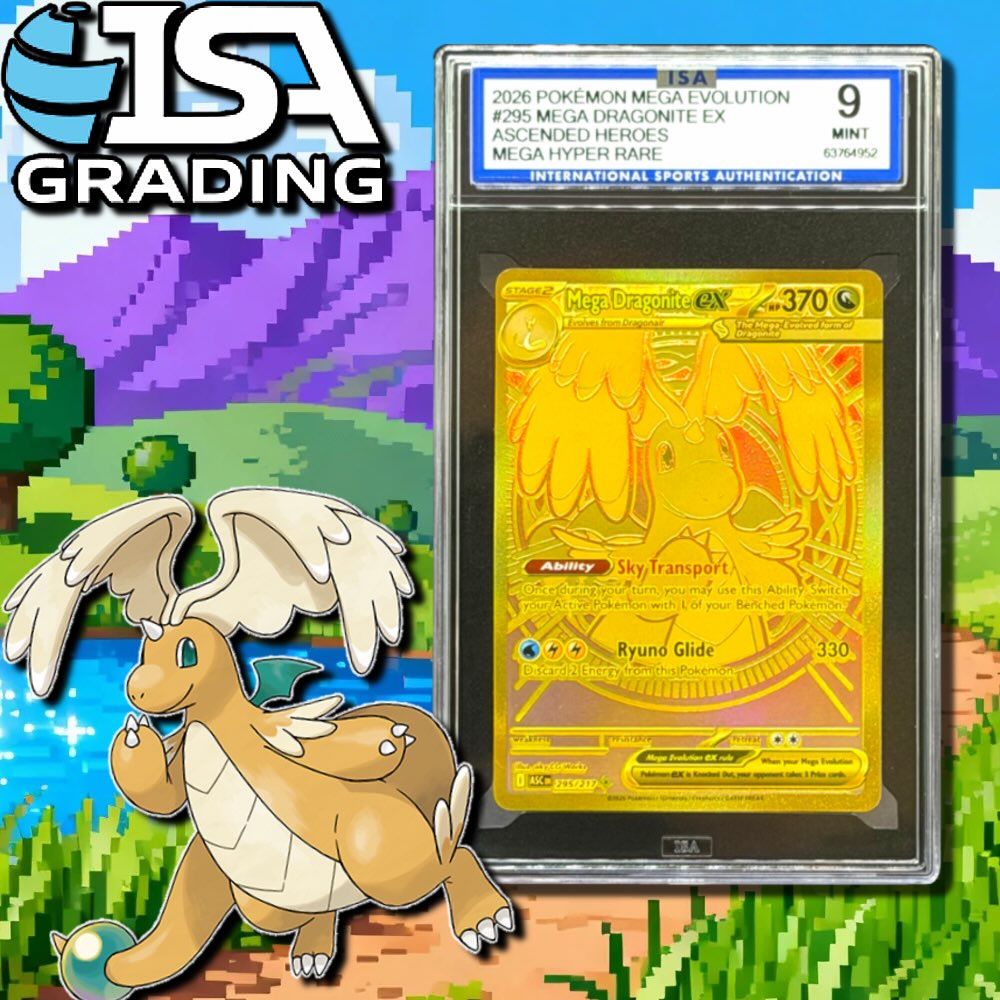
Dealers with mixed inventory may also research Pokemon card grading or TCG card grading. ISA’s service information provided here concerns sports cards, so confirm current eligibility and requirements before including trading card game cards in a submission. Do not assume that a card grading service accepts every category, size, or format.
Keep uncertain items separate until you have an answer. That approach is more efficient than packaging a mixed order and discovering that some cards require different arrangements.
Prepare and Protect Cards for the Trip
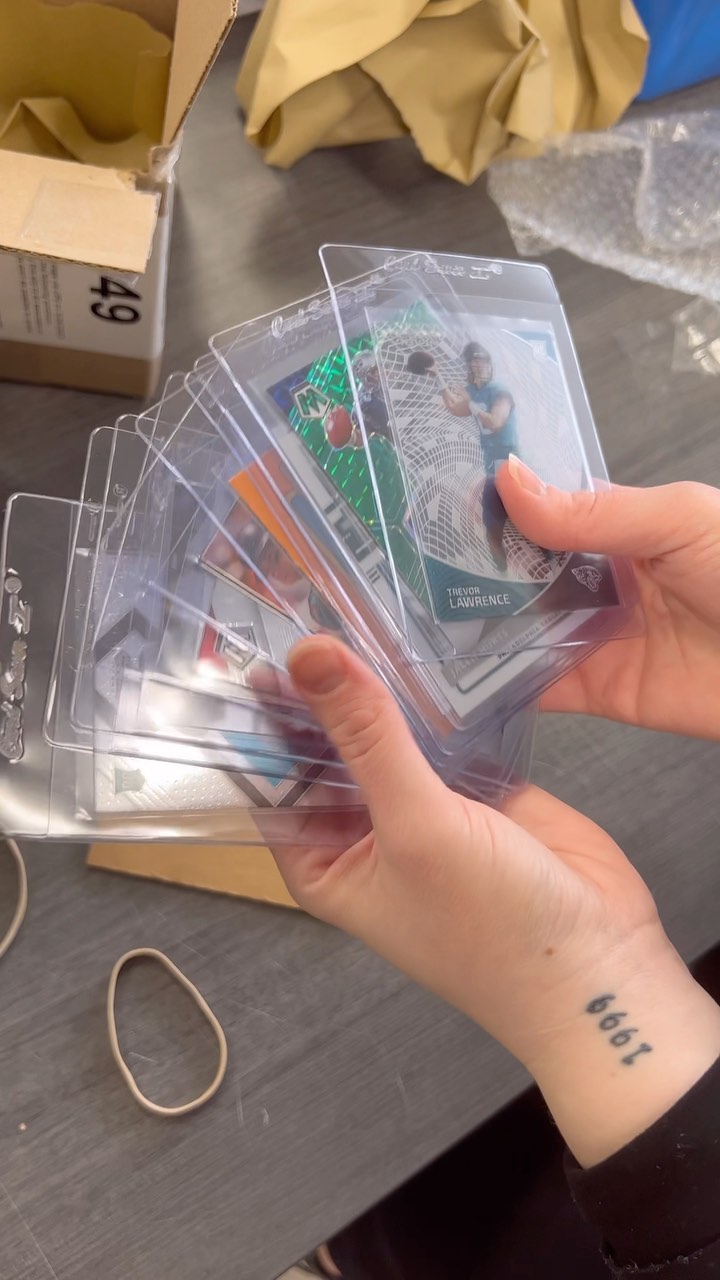
Careful handling starts before the package is sealed. Work on a clean, uncluttered surface, keep food and drinks away, and handle cards by their edges where practical. Avoid rubbing a surface to remove a suspected mark. An attempt to improve appearance can damage the card or change its condition.
Follow ISA’s current holder, packaging, and submission instructions rather than relying on instructions from another grader. Appropriate holders and packing materials should limit movement without forcing pressure onto the cards. Do not apply tape directly to a card or place it where removal could damage the card.
- Create a card-by-card inventory with the year, set, player, card number, and relevant variation.
- Photograph the front and back of each card before packing.
- Arrange the cards to match the order recorded in your submission information.
- Use the protective materials specified by the current submission instructions.
- Keep your submission record and shipment tracking information together.
These steps support organization and card protection, but no packaging method eliminates every shipping risk. Consider appropriate tracking and insurance based on the shipment’s value and the carrier’s terms.
Submit With Records You Can Reconcile
When you are ready to grade my cards becomes a real inventory task, the paperwork deserves the same attention as the cards. A clear order record helps you connect each returned item to its acquisition cost, submission expense, and eventual sale.
Begin on ISA’s submission page and follow the current instructions. Keep a copy of what you submit, along with your internal inventory identifiers. If multiple cards look alike, record identifying details before shipping rather than relying on memory.
A simple spreadsheet can track the raw purchase price, allocated grading expense, shipment details, returned grade, certificate number, listing date, and sale proceeds. Consistent records make it easier to evaluate whether future submissions should favor a particular set, price tier, or sales channel.
Turn Returned Slabs Into Buyer-Ready Inventory
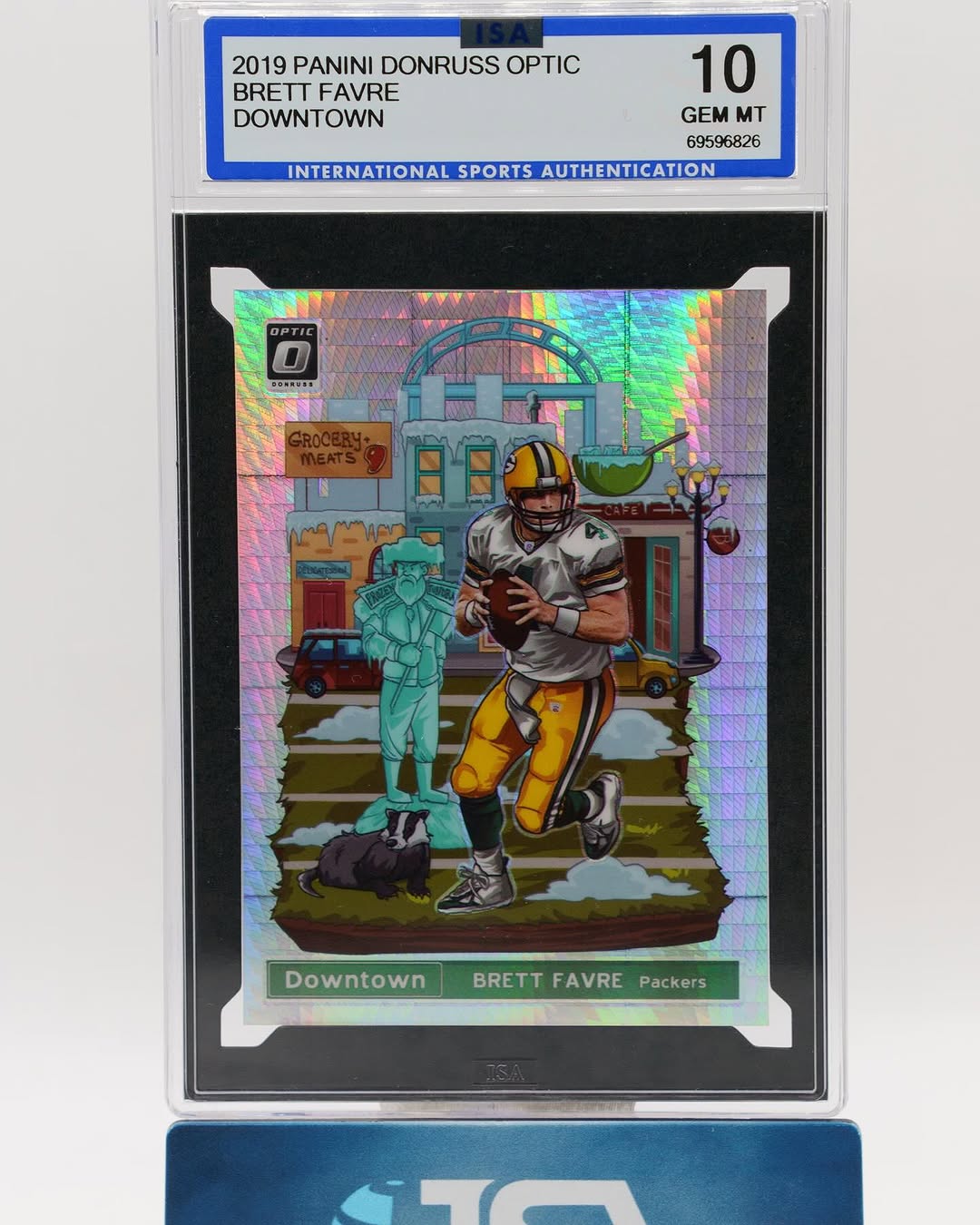
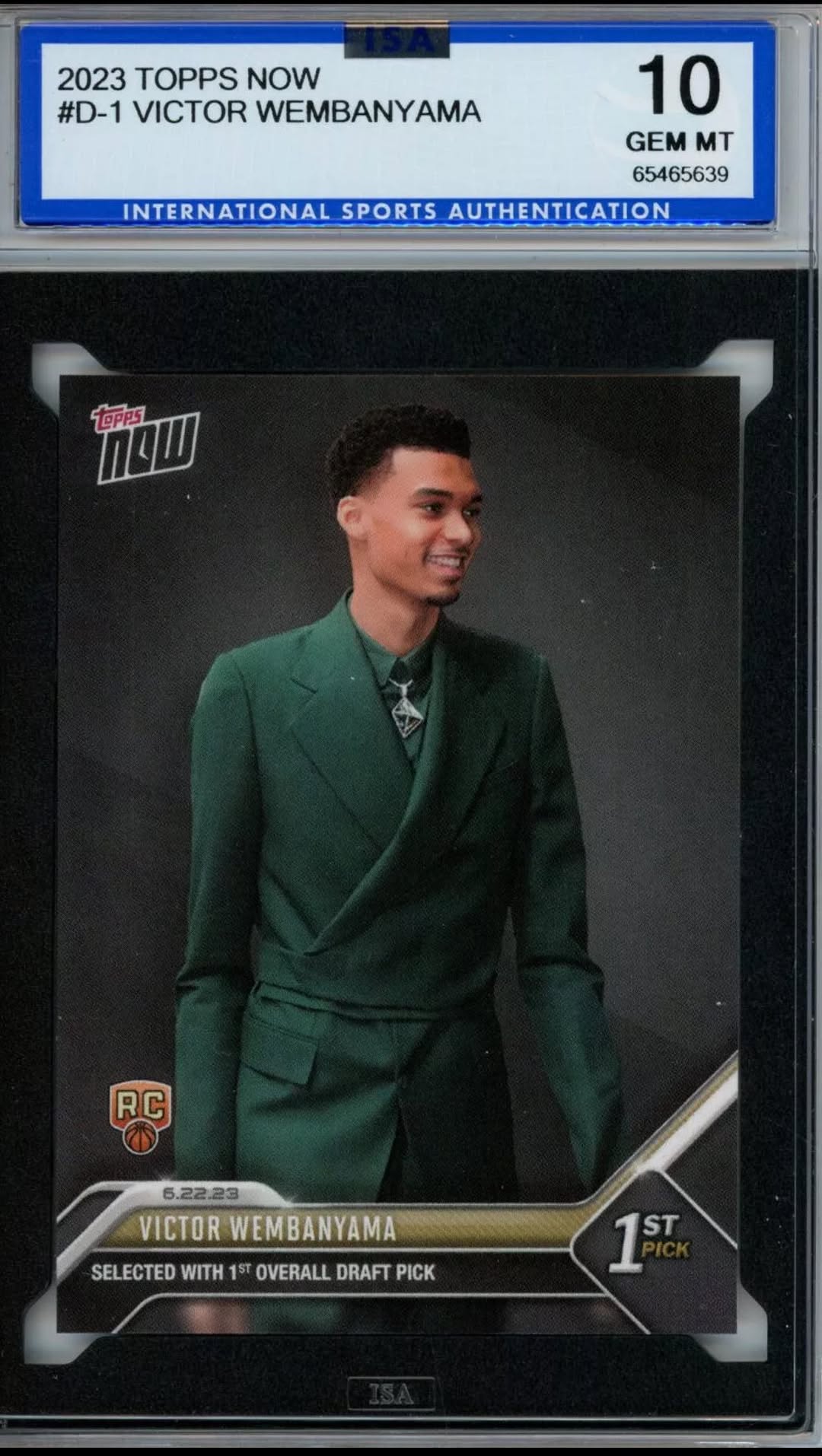
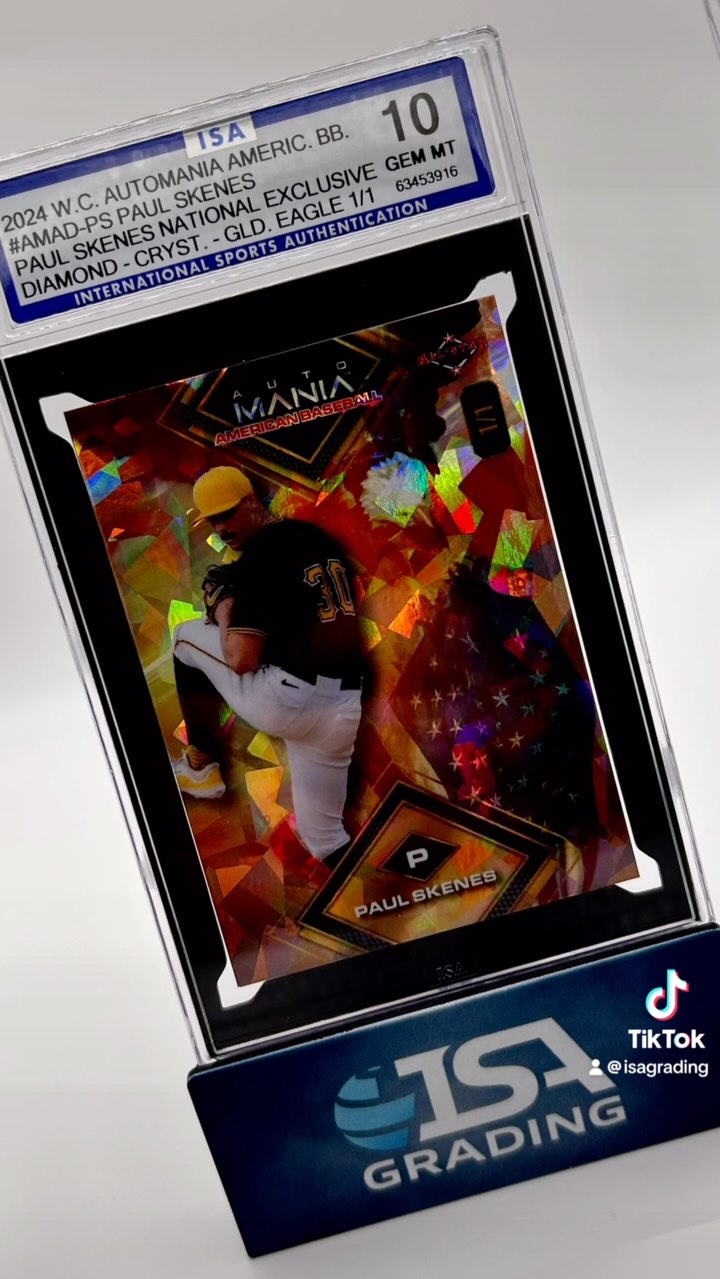
Card encapsulation places the evaluated card in a protective holder. Trading card slabs can make inventory easier to organize and present, but they still require careful storage and handling. Protect holders from scratches, avoid unnecessary pressure, and keep cards away from excessive heat and prolonged direct sunlight.
When your shipment returns, reconcile every slab against your submission record. Check that the card identity and label details correspond to your inventory. If something appears inconsistent, set the item aside and seek clarification before listing it for sale.
Photograph both sides of the slab in clear lighting. Include close-ups when details are difficult to read, and disclose noticeable holder wear or other relevant issues. The grade belongs in the listing, but useful photographs and accurate identification remain important.
Do not describe a slab as making a card immune to damage. It provides a protective housing, not a substitute for careful packing, storage, and handling throughout the selling process.
Use Certificate Checks to Support Buyer Confidence
ISA provides certificate verification on its website. Dealers can use the certificate verification page to check certificate information and direct prospective buyers to the same resource. This gives buyers a way to review the available record rather than relying solely on a seller’s written description.
Before publishing a listing, compare the certificate information with the slab and the card in your possession. A certificate lookup is one part of due diligence, not a replacement for examining the actual item. Use your own photographs rather than borrowing images from another listing.
For selling graded cards, combine the grade, card identity, certificate details, and clear photographs into a complete presentation. Avoid claims that a particular grade guarantees appreciation, a quick sale, or a specific premium. Buyer demand, card scarcity, timing, and asking price all influence the result.
Keep the Next Batch Grounded in Results
After a batch sells, review the outcome beyond gross revenue. Account for acquisition costs, grading, shipping, selling fees, and the time spent preparing inventory. Compare actual grades with your screening notes to improve future selection without assuming that the next submission will produce identical results.
If you searched for card grading near me, weigh the published service terms and submission requirements alongside location. Proximity alone does not establish whether a service fits your schedule, card category, or budget.
For questions about eligibility, packaging, timing, or submission details, contact ISA Grading before sending the cards. Then build a batch with a clear purpose: suitable inventory, documented condition, manageable costs, and a realistic sales schedule. ISA’s current $15 per card pricing, 14 day turnaround, 10 card minimum, and no upcharges provide the service framework. Your preparation turns that framework into an organized dealer workflow.
Submit Cards to ISA Grading
Collectors ready to use ISA Grading can start on the submission page. The current active service is $15 per card with a 14 day turnaround, no upcharges, and a 10 card minimum.
Frequently Asked Questions
How much does a dealer submission cost at ISA Grading?
ISA’s current active service is $15 per card with a 10 card minimum and no upcharges. A minimum-size submission therefore costs $150 for grading. Budget separately for applicable shipping, insurance, packaging, and selling expenses.
What is ISA’s current card grading turnaround?
ISA’s current turnaround is 14 days. Before planning around a show or sale date, confirm how that period is counted and when it begins. Allow additional time for preparation, shipping, return transit, and listing the returned cards.
How should dealers select cards for grading?
Review card centering, corners, edges, and surface condition, then compare realistic graded outcomes with acquisition costs and selling expenses. Choose cards with a clear inventory purpose rather than adding weak candidates just to reach the submission minimum.
How can buyers verify an ISA certificate?
Certificate verification is available on ISA’s website at /certificate-verification. Dealers and buyers should compare the available certificate record with the card and slab in hand. Verification supports due diligence but does not replace inspecting the actual item.
Can dealers include Pokemon or other TCG cards in a sports card submission?
Confirm current card eligibility with ISA before including Pokemon or other trading card game cards. The service information in this article concerns sports card grading and authentication and does not establish acceptance of every card category or format.