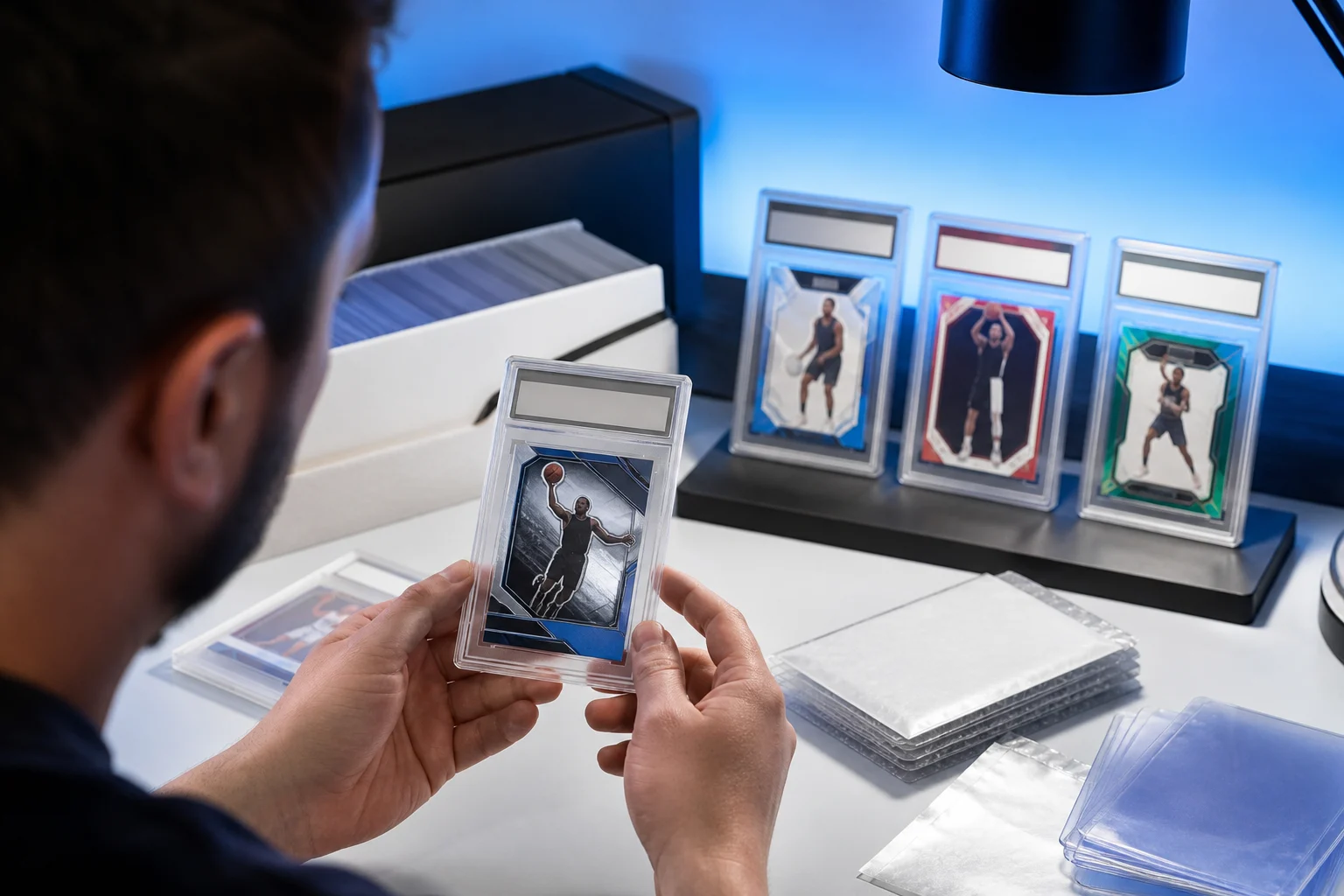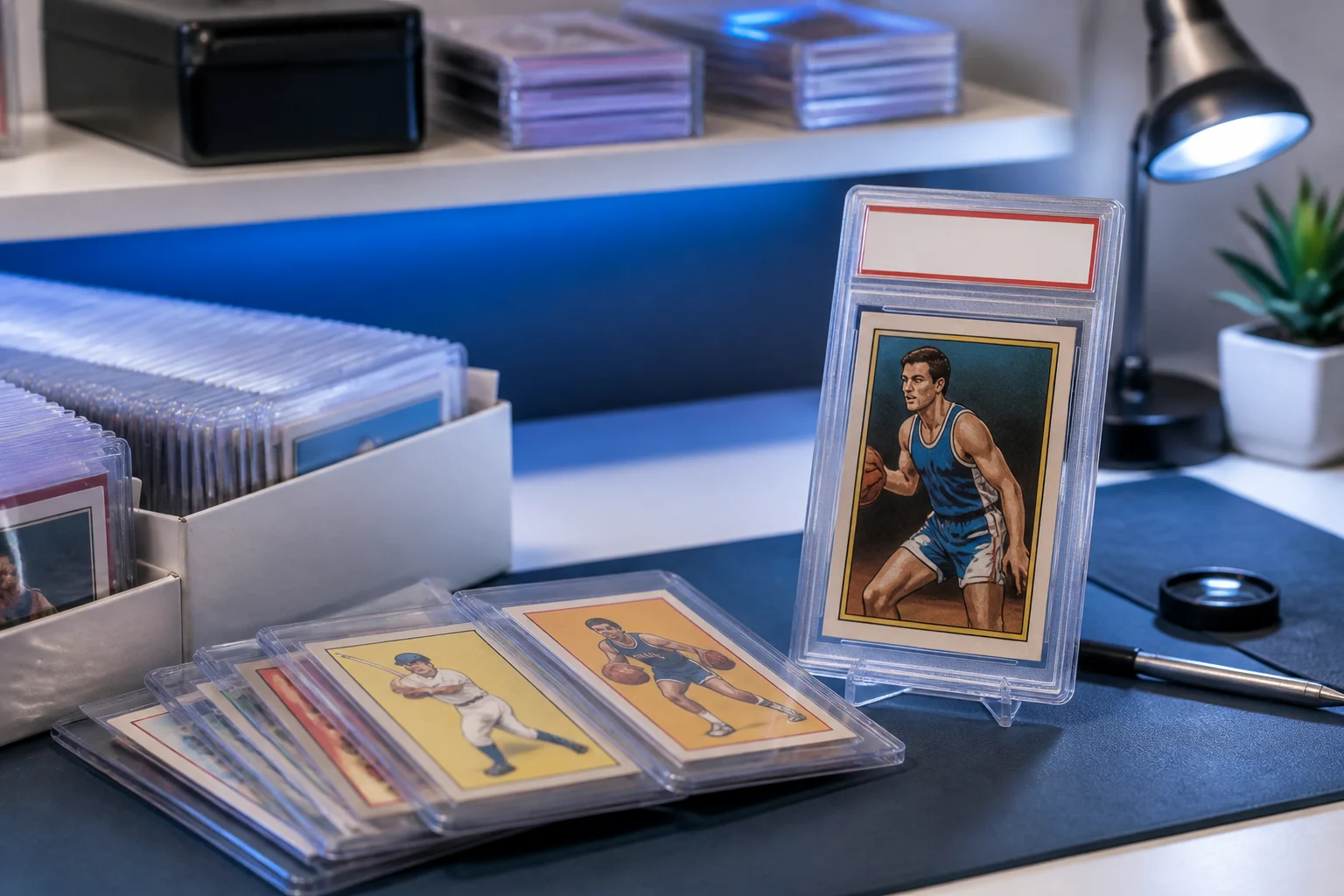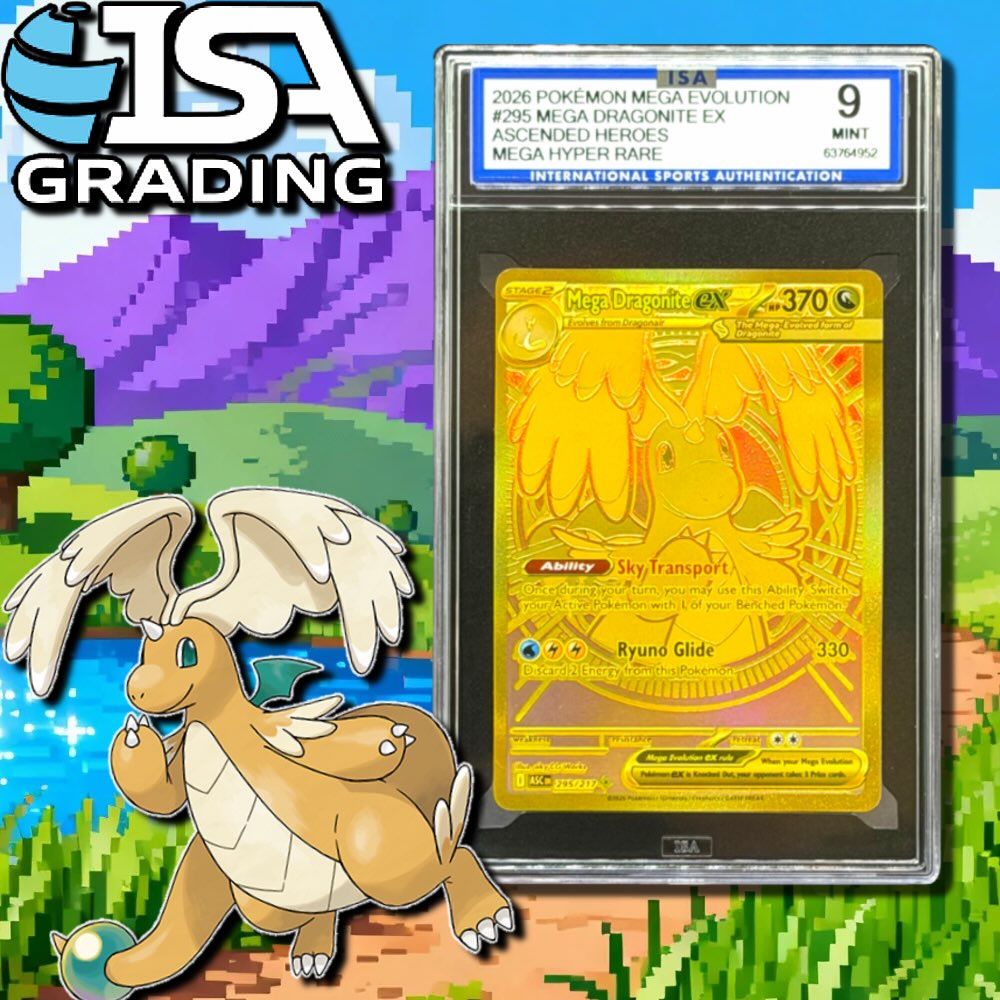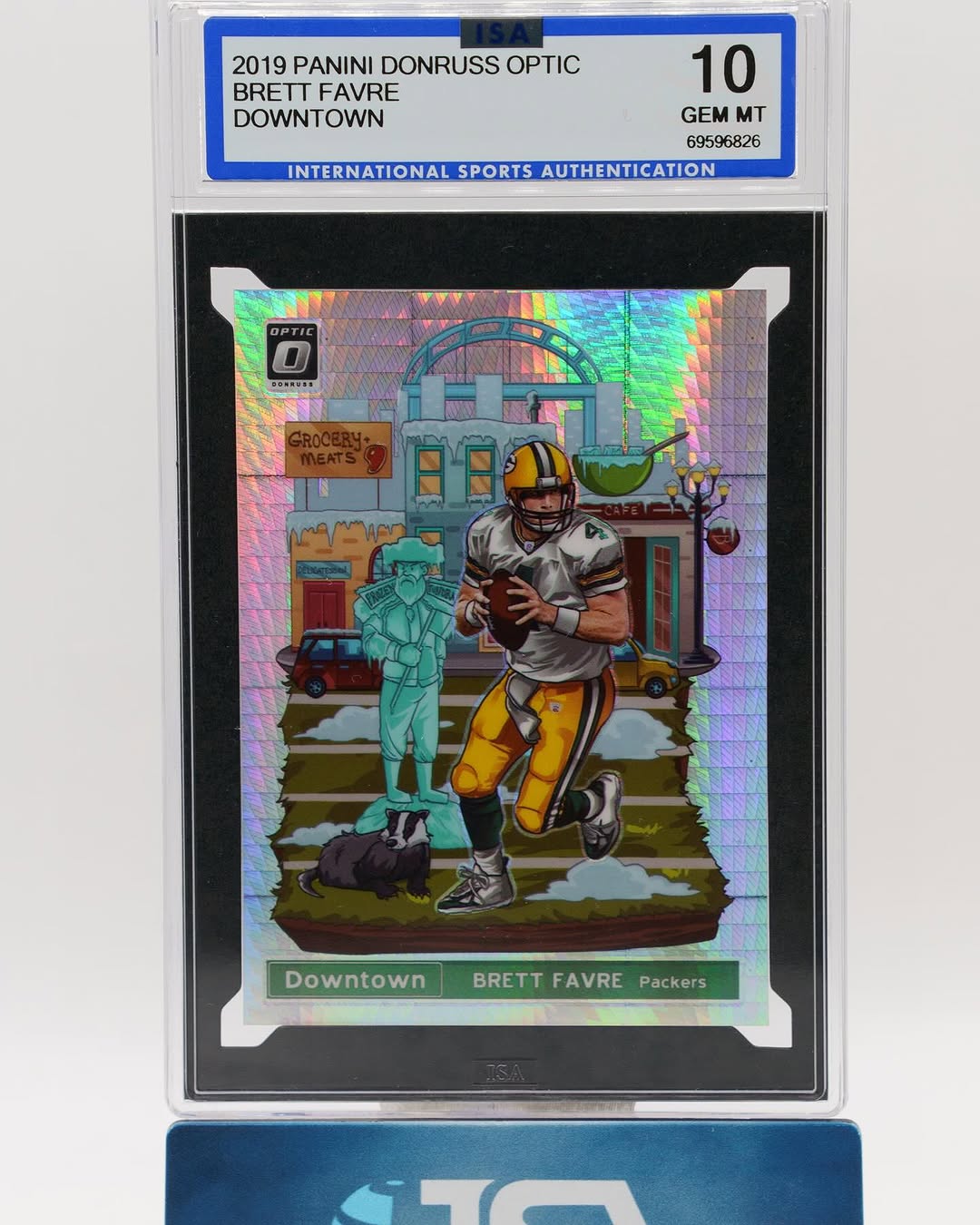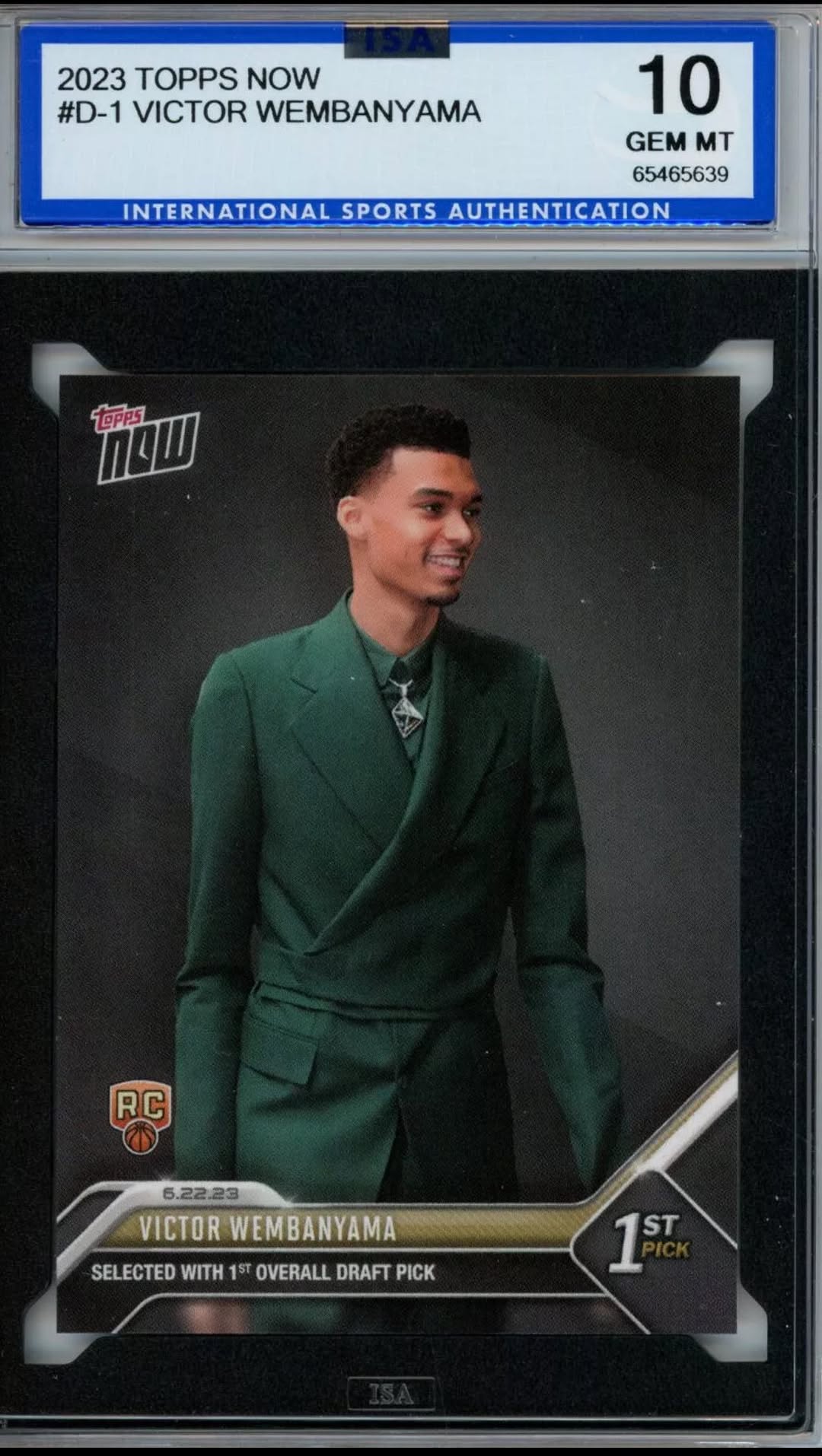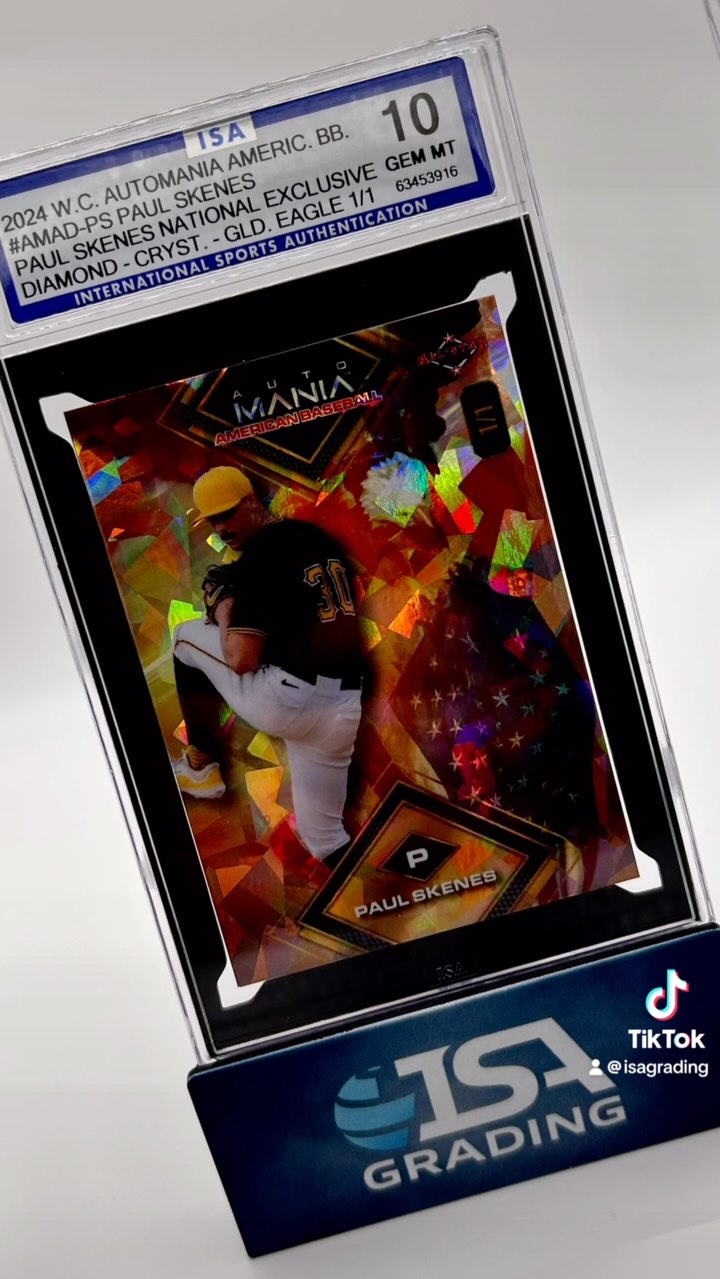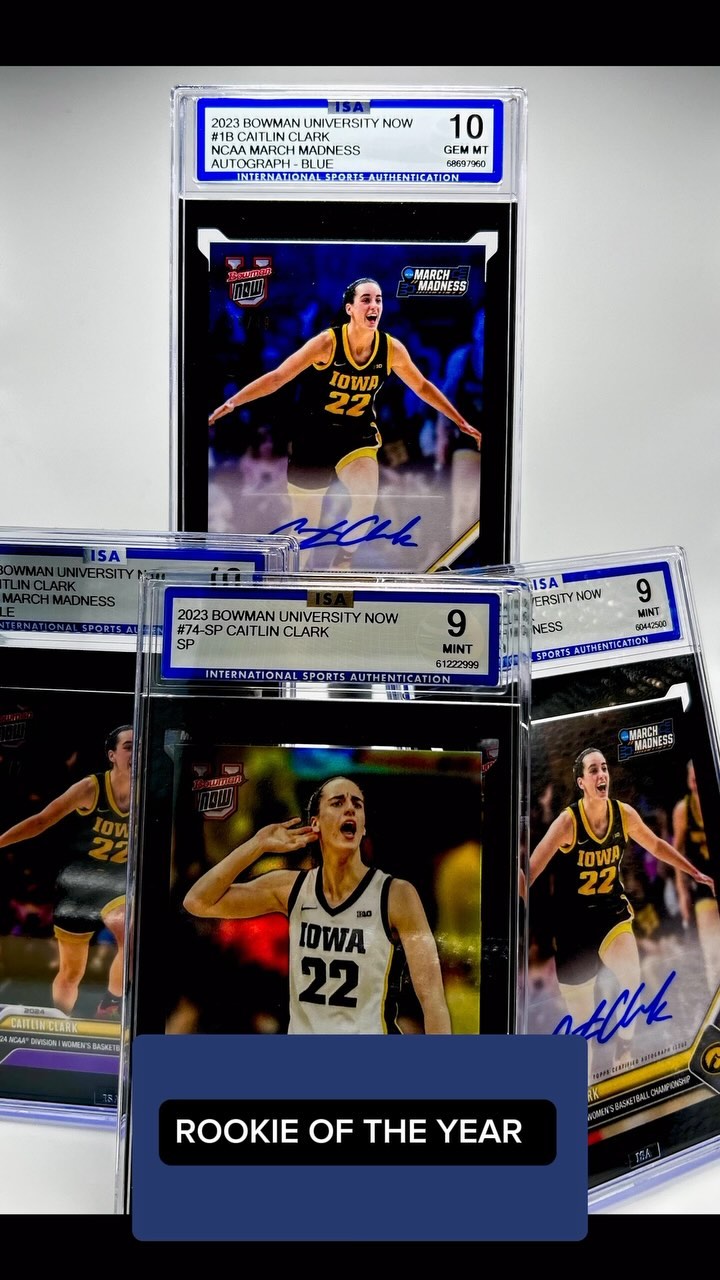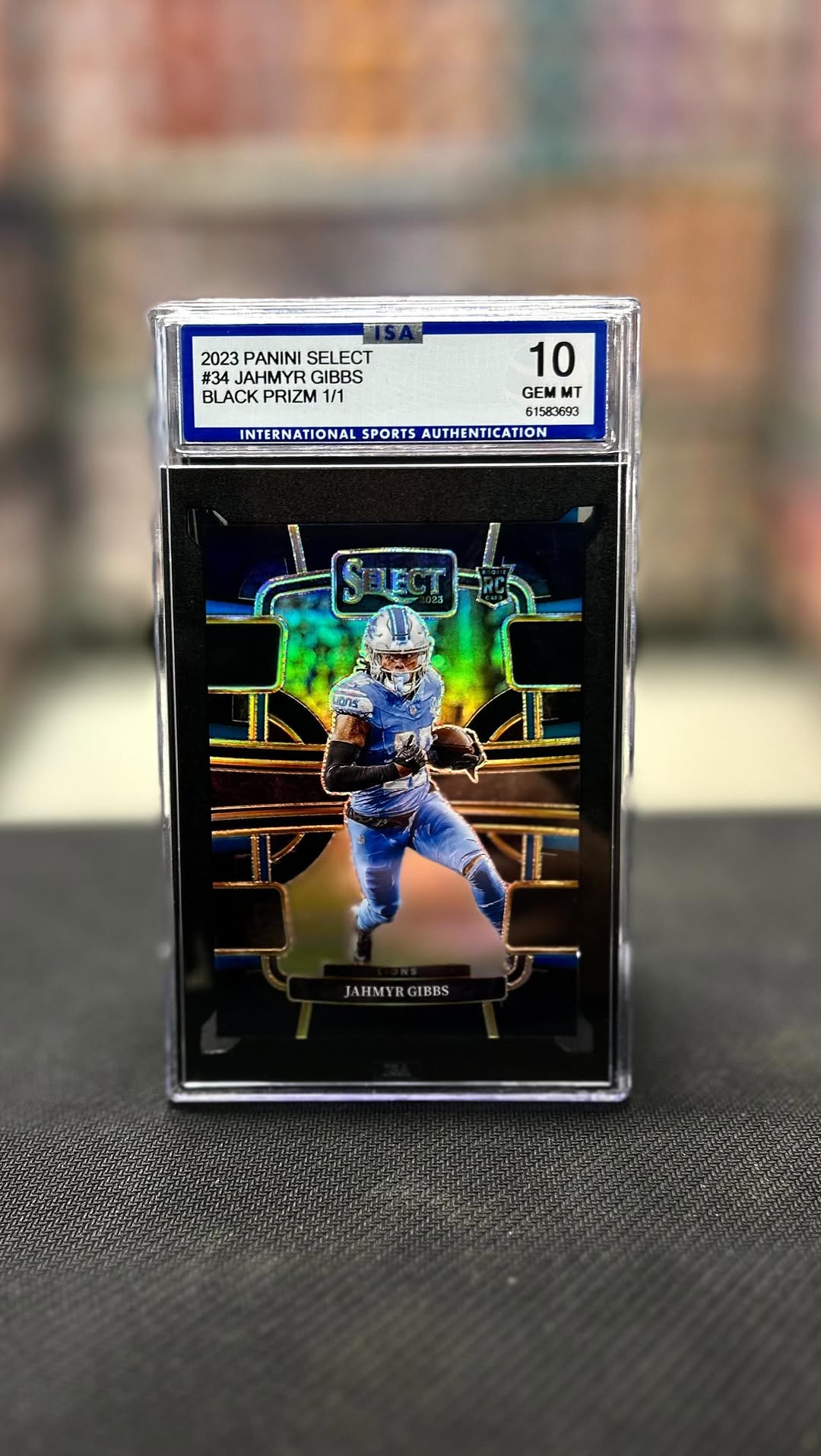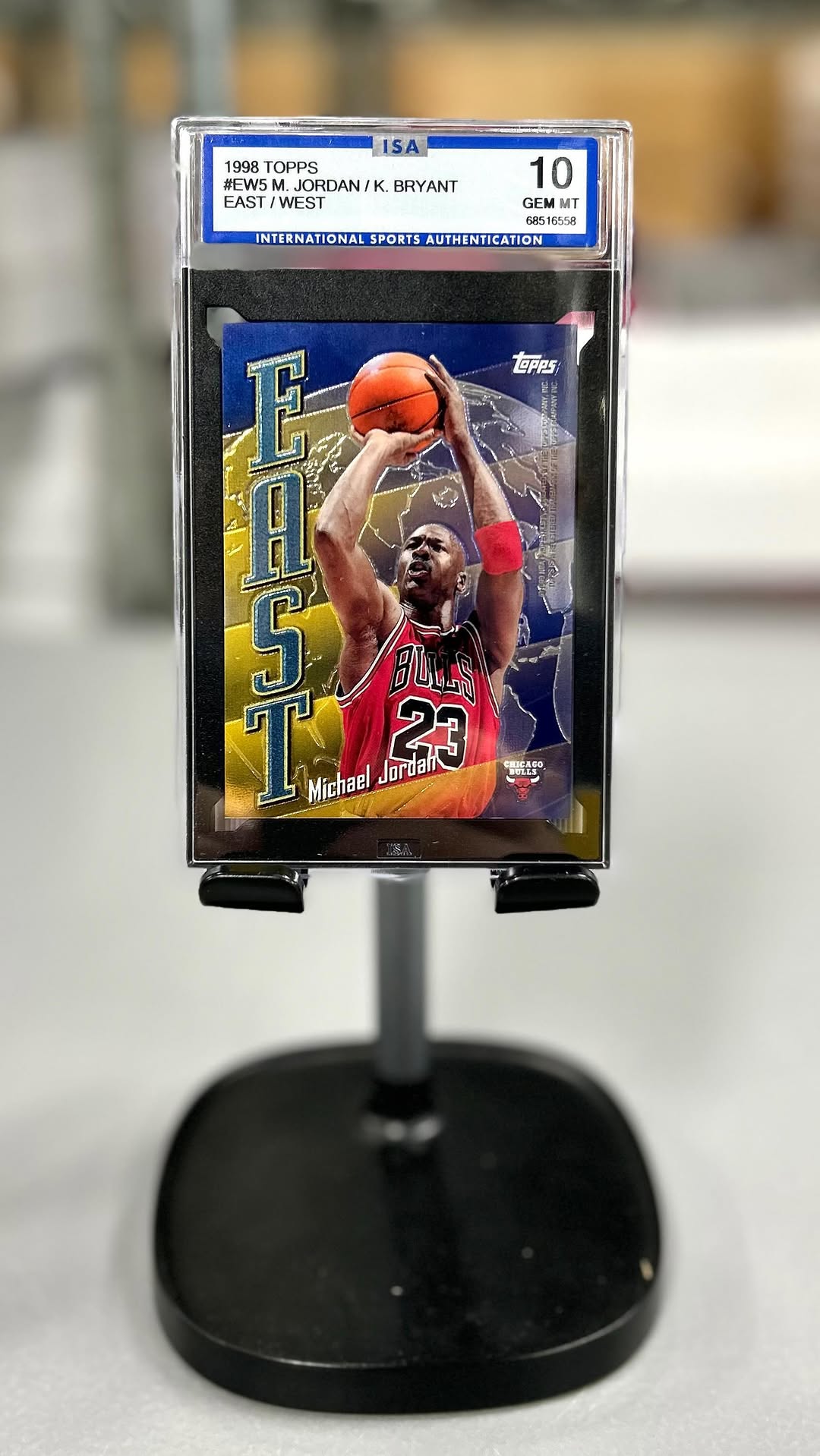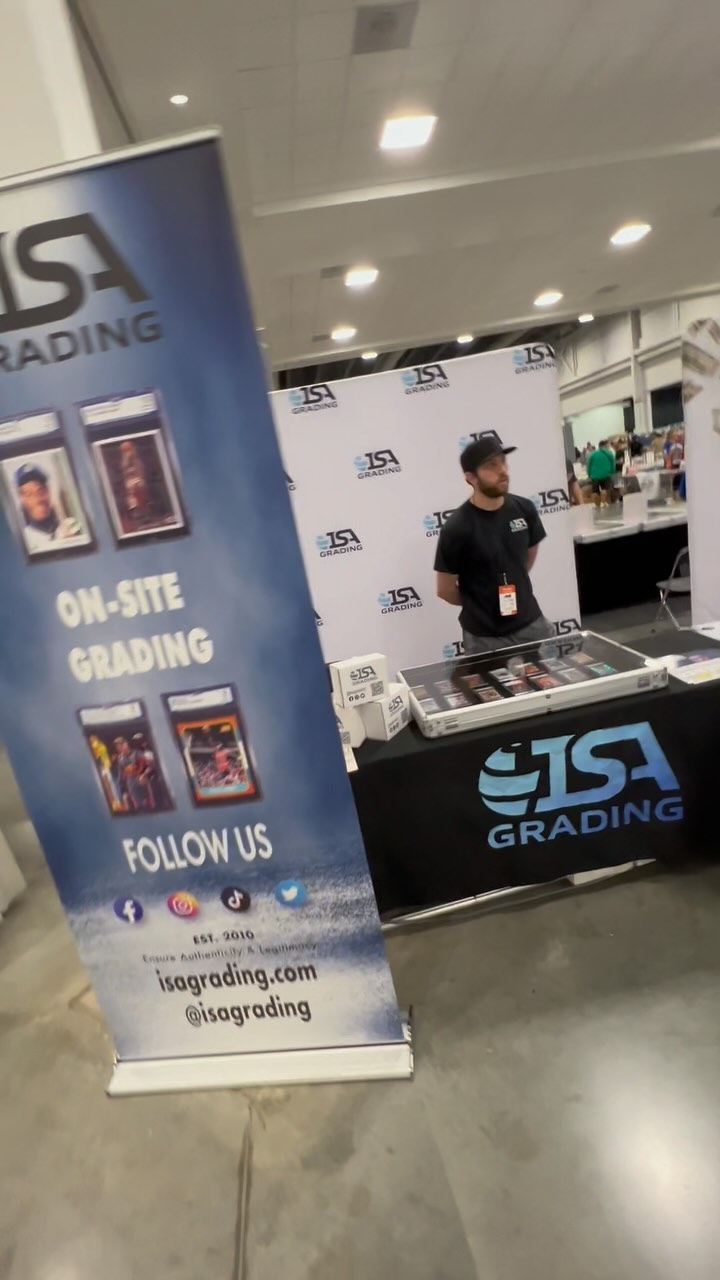
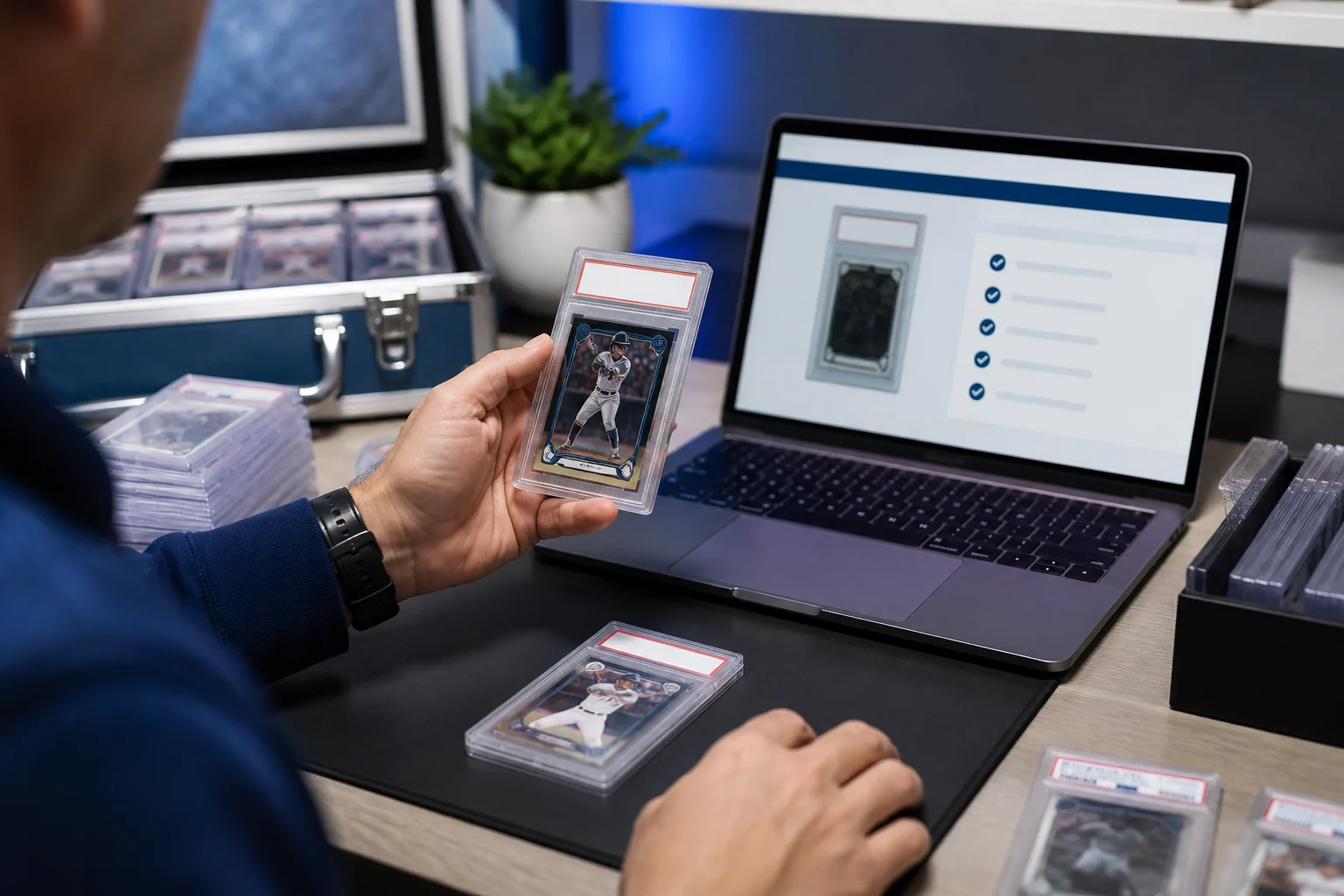
A graded card gives collectors two things to examine: the card itself and the information attached to it. The slab helps protect the card during handling, while its label communicates the identification and assigned grade. Certificate verification adds another checkpoint when you buy, sell, or organize your collection.
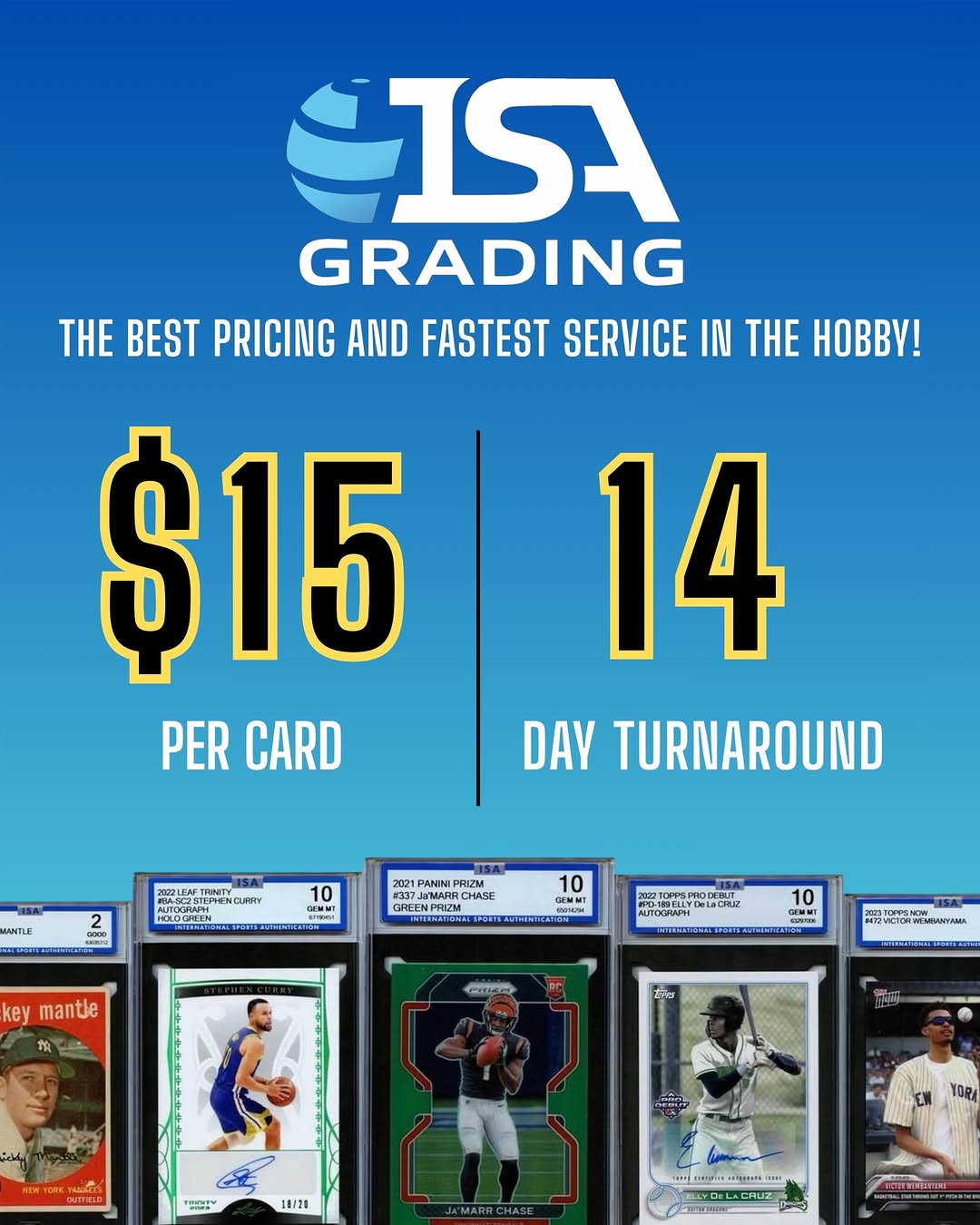
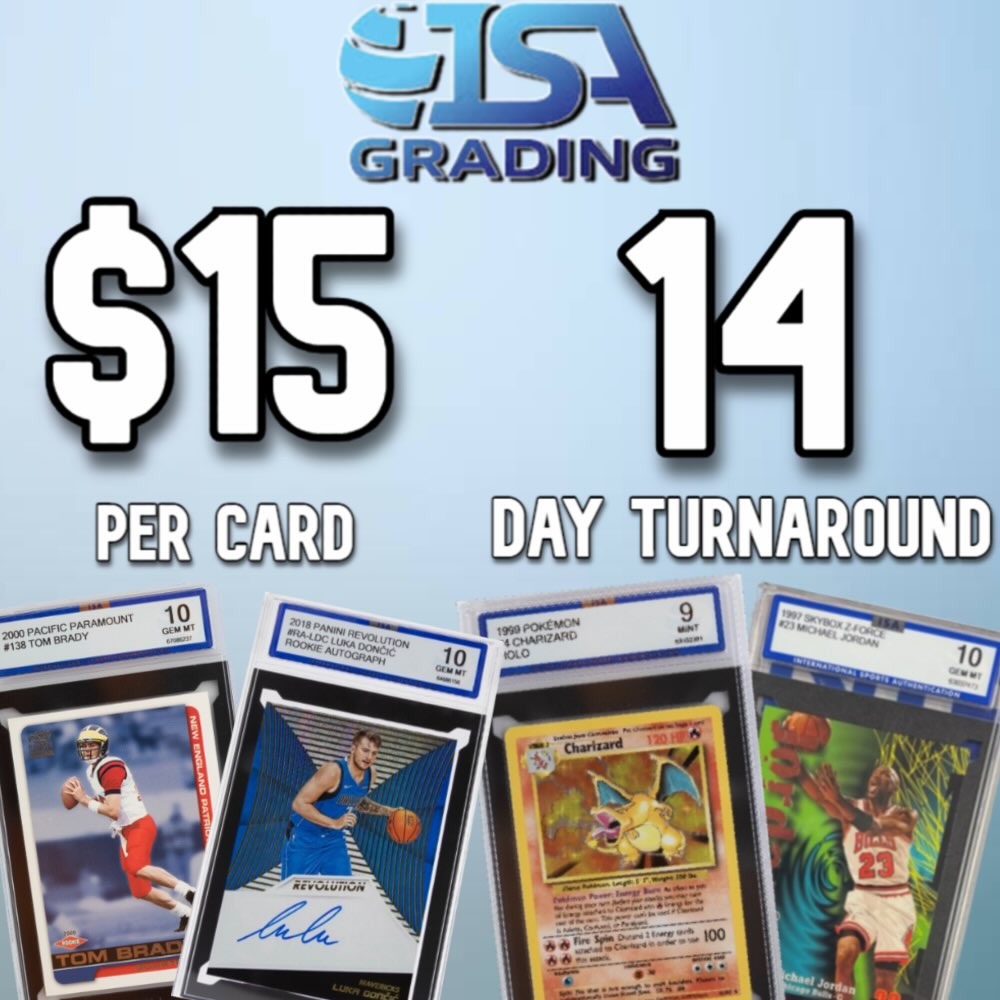
ISA Grading, also known as International Sports Authentication, provides sports card grading and authentication. Its current active service is $15 per card, with a 14 day turnaround, a 10 card submission minimum, and no upcharges. Understanding both the service terms and the limits of a slab helps you make better submission and purchasing decisions.
What a Card Slab Does for Your Collection
A card slab is a rigid holder that encloses a graded card and displays its identifying label. Compared with handling an unprotected card, keeping a card in a slab reduces direct contact with its surface, edges, and corners. It also gives collectors and dealers a consistent format for storage, display, and inventory.
Trading card slabs are useful when a card changes hands. A buyer can inspect the card and read the grade without removing it from its holder. That convenience matters at shows, during online sales, and when reviewing several cards from the same set.
A slab is not permission to ignore storage conditions. Do not assume any holder is waterproof, completely resistant to impact, or a substitute for careful handling. Store graded cards away from excessive heat, direct sunlight, and damp environments. Use padded storage that keeps holders from knocking against each other, and avoid stacking them where they can fall.
Protection and Grading Answer Different Questions
Protection concerns what happens to a card after encapsulation. Grading concerns the condition evaluated during the grading process. A holder does not repair existing wear, improve centering, remove scratches, or restore damaged card corners.
Card condition grading generally considers features such as centering, corners, edges, and the card surface. A card can look attractive at first glance while still having a small indentation, print defect, or area of wear that affects its assessment. Review the ISA grading scale before deciding which cards to submit.
Sports card authentication and condition grading are also related but distinct. Authentication addresses whether a card is genuine within the scope of the service, while grading evaluates its condition. Neither a grade nor a holder establishes a guaranteed resale price. Market demand, player interest, scarcity, and the specific card still matter.
How to Check an ISA Certificate
Certificate verification is available on the ISA website. Use the certificate verification page to check the certificate information associated with a slab. This is a practical step before buying a graded card or publishing a sales listing.
- Read the label carefully. Locate the certificate identifier and note the card description and grade shown on the holder.
- Enter the identifier accurately. Follow the verification page instructions and double-check any characters that are difficult to read.
- Compare the returned information. Match the available record details against the slab label and the card you are examining.
- Investigate discrepancies. If information does not match, pause the transaction and seek clarification rather than assuming the difference is harmless.
A successful lookup is a useful consistency check, not proof of everything about the item in front of you. A legitimate certificate identifier could be copied into an unrelated listing. Check the physical card, label, holder, seller photos, and transaction details together.
What Buyers Should Inspect Beyond the Certificate
For an online purchase, request clear photographs of the front and back of the actual slab. Stock images are not enough to evaluate a specific graded card. The certificate identifier should be readable, and the images should show the holder edges as well as the card.
Look for cracks, unusual gaps, damaged edges, or signs that the holder may have been opened or altered. Those observations do not automatically establish fraud, but they justify additional questions. Scratches on the outside of a slab can also obscure your view of the card without necessarily indicating damage to the card itself.
Confirm the card details that distinguish the item you want, such as its year, set, card number, player, and parallel or variation when applicable. Similar-looking cards can have very different market values. Buyer confidence comes from information that agrees across the listing, certificate record, label, and visible card, not from one screenshot alone.
Prepare Cards Without Creating New Problems
Before choosing a card grading service, examine each potential submission under good lighting. Tilt the card gently to look for surface scratches, indentations, and other defects that are difficult to see straight on. Handle raw cards carefully and minimize contact with their faces.
- Inspect both sides, not just the photograph or artwork on the front.
- Check all four corners and the full length of each edge.
- Look at centering and any visible print or registration issues.
- Record the card identification so your submission list is accurate.
- Follow the current submission instructions for holders, paperwork, and packaging.
Avoid trying to improve a card through polishing, pressing, trimming, recoloring, or other alterations. Even well-intended intervention can change the card or damage it. If you are unsure how to prepare an unusual card, seek guidance before shipping it.
For rookie card grading, condition deserves particular attention because collectors may focus closely on small differences. With vintage card grading, examine age-related wear without assuming that an older card must receive a particular grade. Let the actual condition guide your expectations.
Understand the Price Before You Build a Submission
ISA currently offers $15 card grading with a 10 card minimum and no upcharges. At that minimum, the per-card grading charges total $150. Check the current submission information for shipping arrangements and any other applicable costs before calculating your complete budget.
No upcharge card grading provides clarity about the stated grading price: ISA does not add grading upcharges. That helps collectors compare the grading expense across a group of cards without assuming the final grade will increase the per-card service price.
Still, a clear fee does not make every card a sensible submission. Compare the grading cost with your goals, the card's likely market range, and whether encapsulation is valuable to you personally. A family keepsake may justify grading for reasons unrelated to resale.
For more context on ISA's pricing, read A Clearer Path to the Slab: How ISA Keeps Grading at $15 Per Card. Use current service information rather than an old social post when planning your order.
Plan Around Turnaround, Not Just the Shipping Date
The current ISA service has a 14 day card grading turnaround. That stated turnaround is useful for planning, but do not treat it as the entire period between packing your cards and receiving them back. Shipping to and from the grading company also takes time.
Before tying a submission to a show, auction, or inventory launch, confirm how turnaround is measured and what applies to your order. The ISA FAQ is a useful starting point for submission questions.
Fast card grading can help reduce the time inventory is unavailable, but it cannot control future prices or buyer demand. Leave room in your schedule for delivery, checking returned cards, photography, and listing preparation. A more realistic calendar is better than promising a buyer a card before you have it in hand.
Choose a Submission That Fits Your Collection
If your starting question is “Should I grade my cards?” begin with the reason for submitting. You might want protected long-term storage, a documented condition assessment, or inventory that is easier to present to buyers. Those goals can lead to different card selections.
For a 10 card submission, avoid filling the final spots with cards you have not examined simply to reach the minimum. Compare the full group, identify condition concerns, and decide whether every card supports your collecting or selling plan.
Collectors searching for trading card grading may also own games and nonsports cards. If you are researching TCG card grading or Pokemon card grading, confirm current eligibility with ISA rather than assuming every category, size, or format is accepted. The service described here is sports card grading and authentication.
Similarly, a search for card grading near me may lead you to prioritize convenience. Check submission instructions and shipping requirements rather than assuming local drop-off is available. When you are ready, use the ISA submission page for the current process.
Selling Graded Cards With Clear, Useful Listings
A strong listing makes verification easy and presents the actual item honestly. Include the grading company, assigned grade, card identification, and certificate identifier where appropriate. Photograph both sides of the slab in lighting that makes the label and card visible.
Disclose noticeable holder damage or scratches that affect presentation. Do not describe a slab as flawless if your photos show wear, and do not suggest that grading guarantees a future return. Buyers need enough detail to decide whether the card and its price fit their collection.
Use recent sales of genuinely comparable cards when considering an asking price. Match the set, variation, grade, and grading company where possible. An asking price on an unsold listing is not the same as a completed sale, and a rare outlier may not represent the broader market.
Before publishing, run your own certificate check. Catching a mistyped identifier or incorrect card number helps prevent avoidable confusion after a buyer contacts you.
Keep Slabs and Records Organized After Grading
When your cards return, compare them with your submission inventory. Check each label, photograph the holders, and record the certificate identifiers alongside your card descriptions. Keep purchase and grading documentation where you can find it later.
For dealers, organized records can make repeated tasks easier: locating inventory, preparing listings, answering buyer questions, and reconciling sales. For collectors, the same habits help when evaluating trades or documenting a collection.
Continue handling slabs carefully during transport. Use suitable protective packaging and avoid leaving valuable cards in a hot vehicle or exposed display area. If you notice a certificate mismatch or have questions about a holder, contact ISA through the contact page before attempting to open or modify it.
The most useful graded card is one you can identify, inspect, protect, and explain accurately. Combine careful preparation with certificate verification and honest recordkeeping, and the slab becomes more than a display piece: it becomes a practical part of managing your collection.
Submit Cards to ISA Grading
Collectors ready to use ISA Grading can start on the submission page. The current active service is $15 per card with a 14 day turnaround, no upcharges, and a 10 card minimum.
Frequently Asked Questions
How do I verify an ISA graded card certificate?
Visit ISA's certificate verification page and follow the instructions to look up the certificate identifier on the slab label. Compare the available record details with the label and actual card. If information does not match, seek clarification before buying or selling.
Does a card slab protect against every type of damage?
No. A slab helps reduce direct handling and provides a rigid enclosure, but you should not assume it is waterproof or immune to impact. Keep graded cards away from excessive heat, direct sunlight, and moisture, and use protective storage and shipping materials.
What are ISA's current grading price, turnaround, and minimum?
ISA's current active service is $15 per card with a 14 day turnaround, a 10 card submission minimum, and no upcharges. A minimum submission totals $150 in per-card grading charges. Check current submission information for shipping arrangements, other applicable costs, and how turnaround is measured.
Does a matching certificate record guarantee a slab is genuine?
A matching record is a useful check, but it does not independently prove the authenticity of the physical slab or listing. Examine the card, label, holder, and seller photographs together, since a valid certificate identifier can be copied into an unrelated listing.
What should I include when selling an ISA graded sports card?
Include accurate card identification, the ISA grade, a readable certificate identifier, and clear front and back photographs of the actual slab. Disclose noticeable holder damage, verify the certificate information before listing, and avoid promising a resale value or investment return.