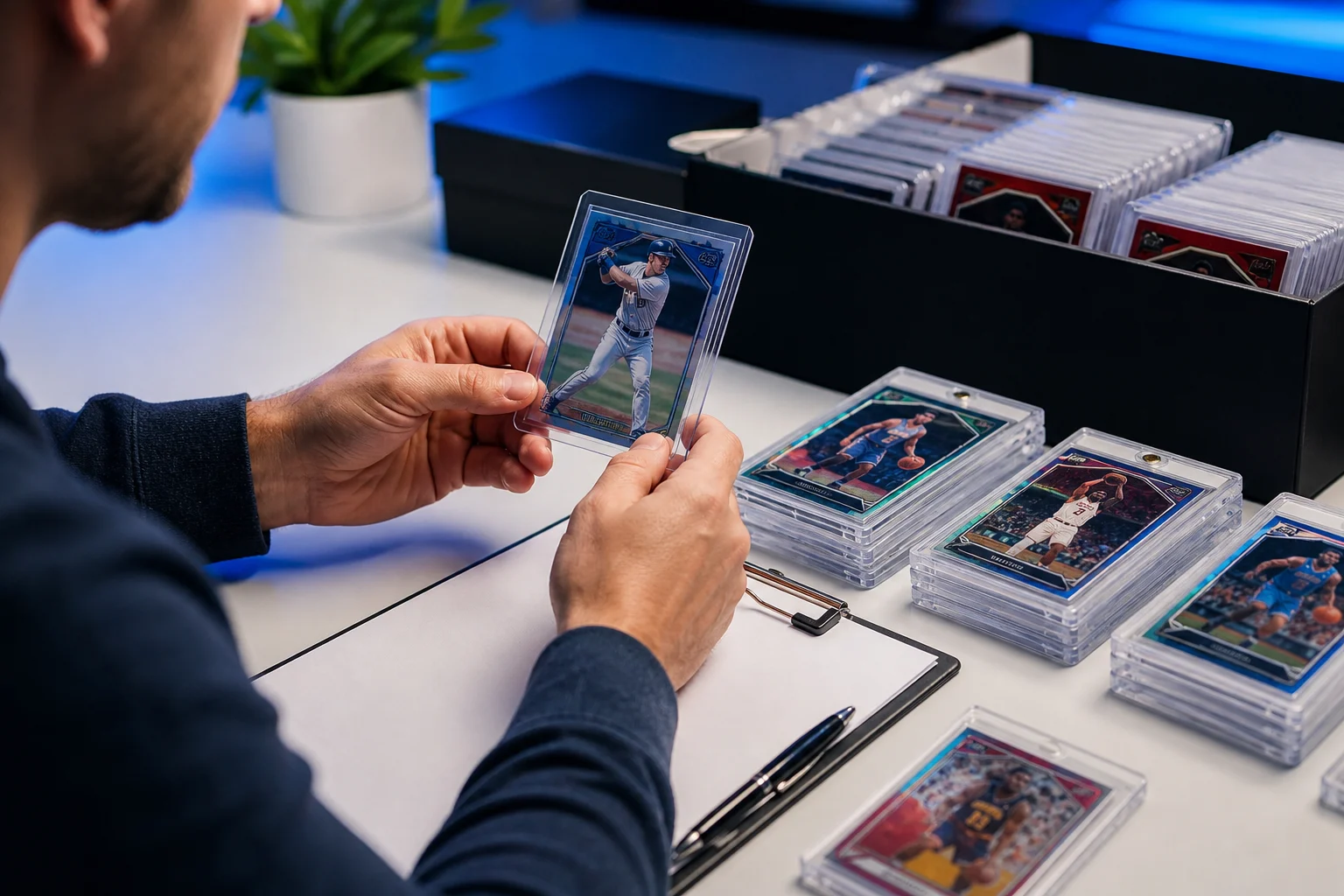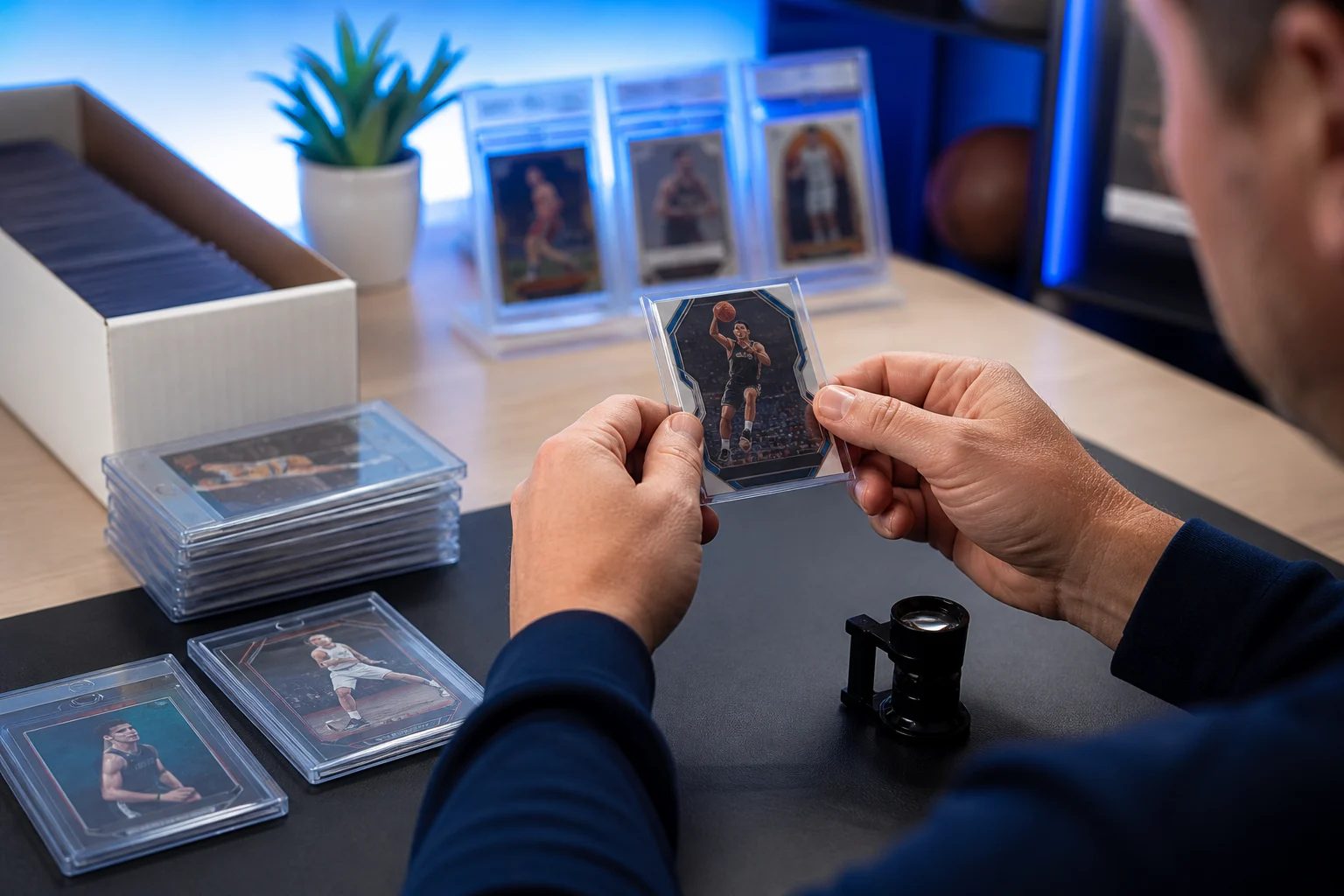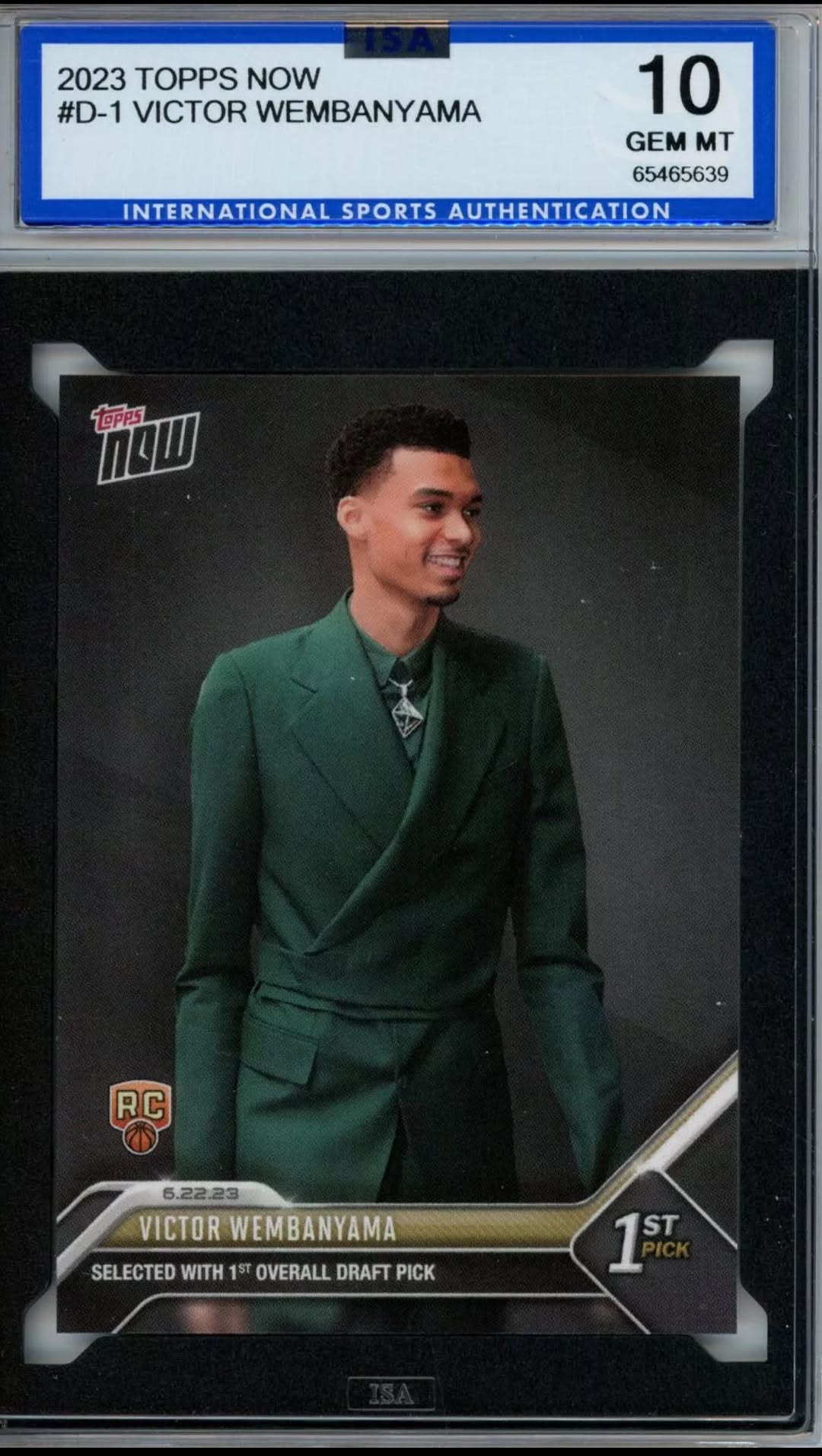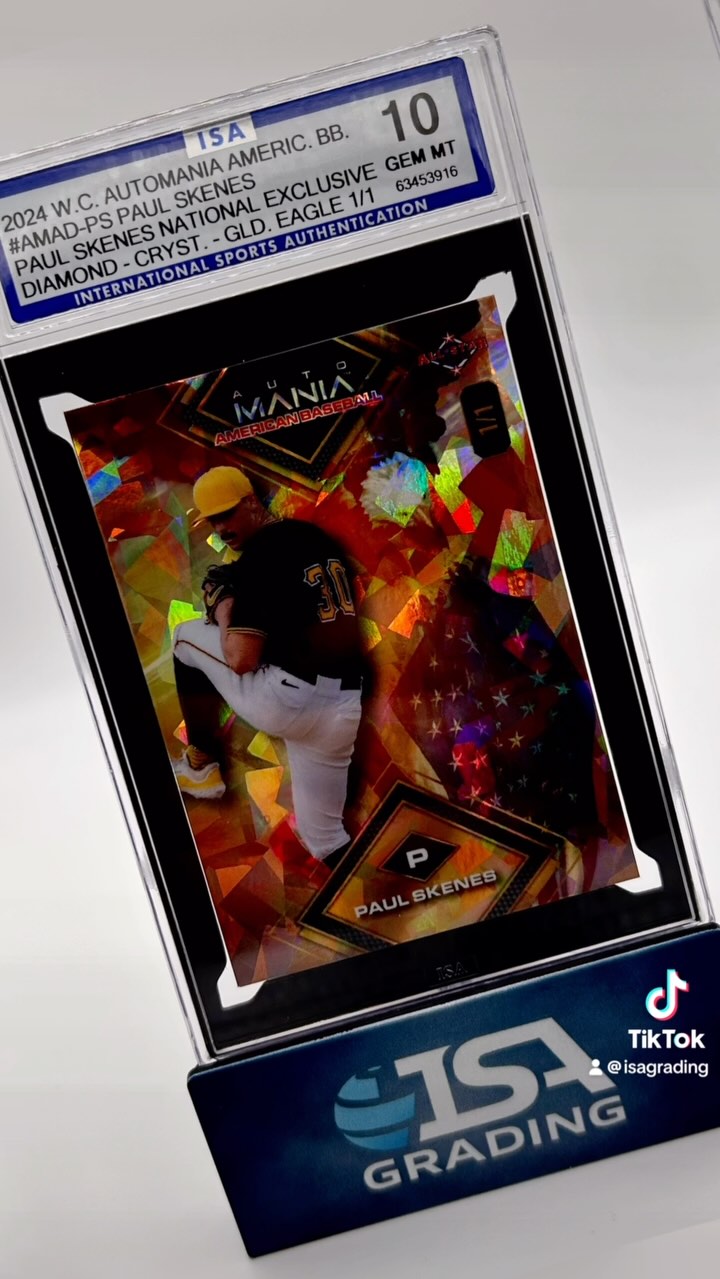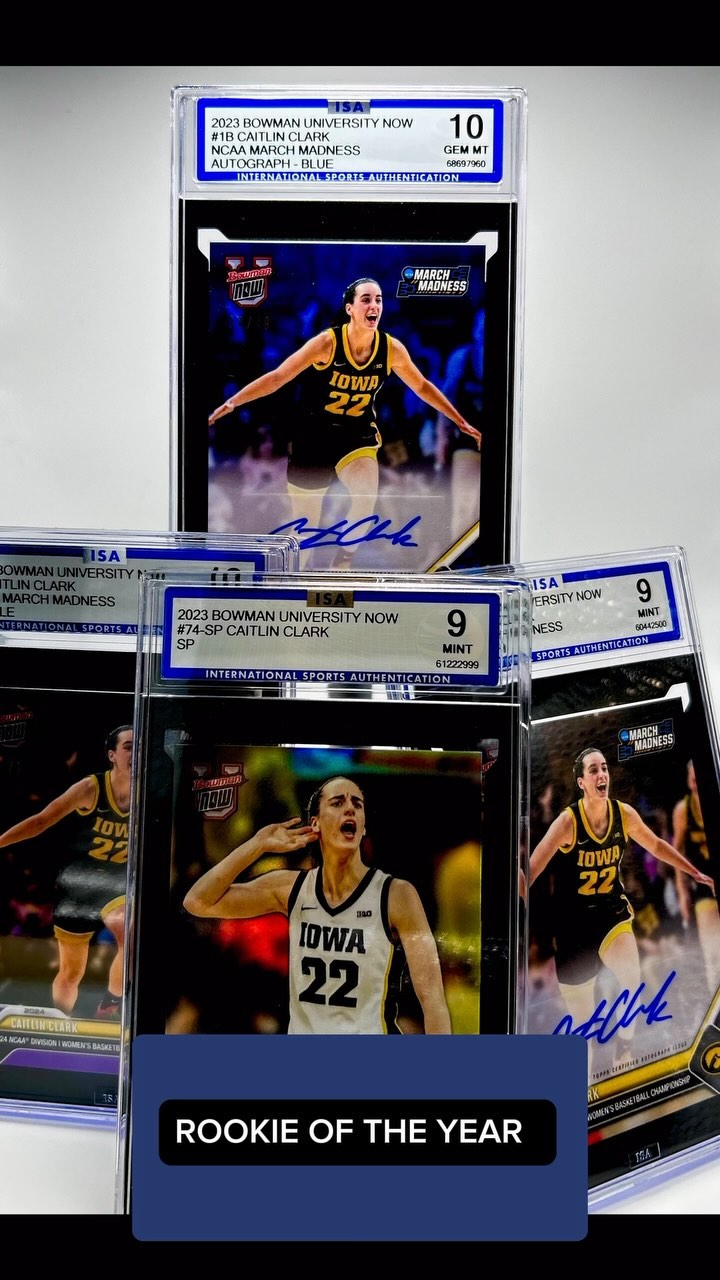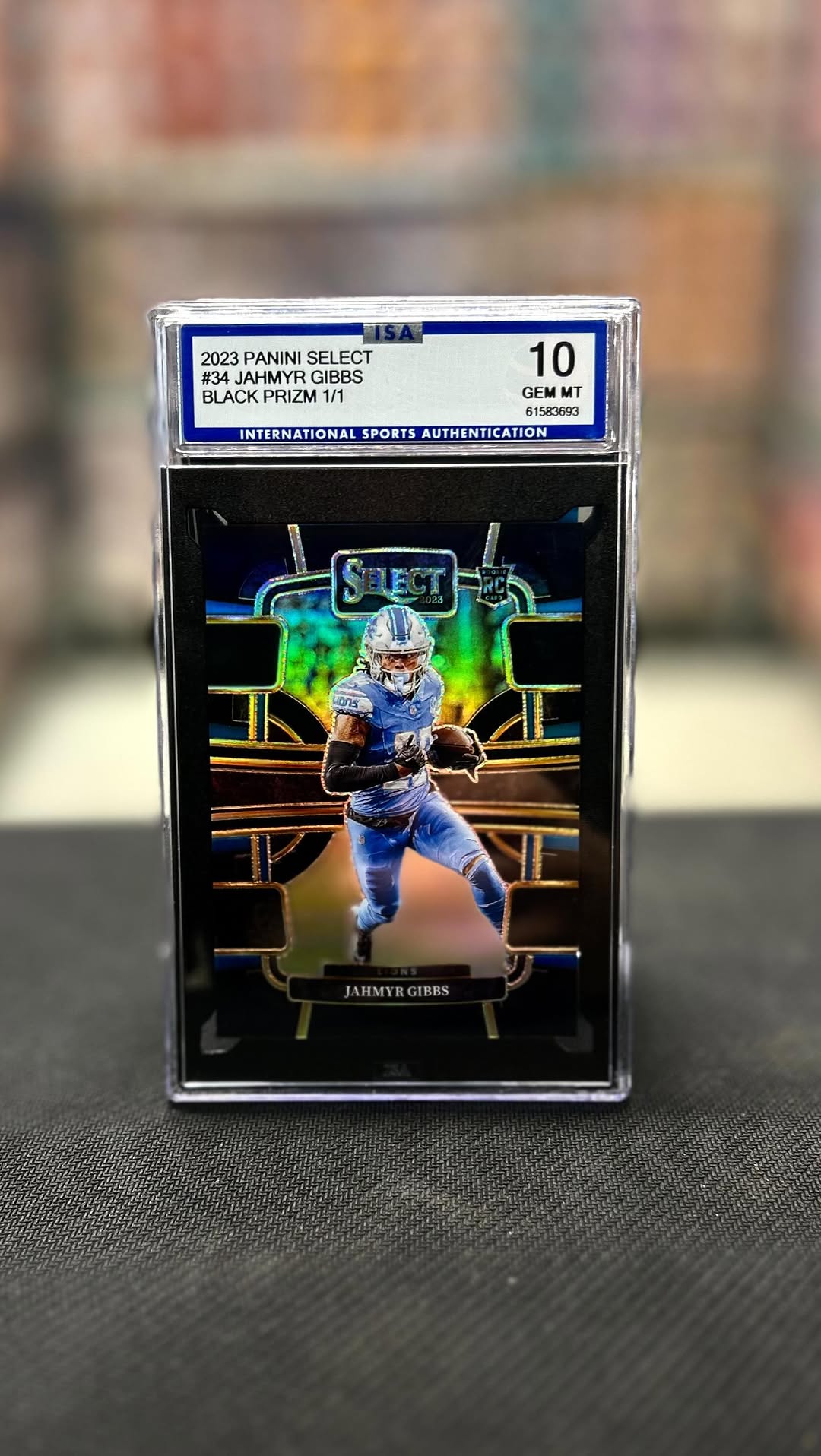
When you're sorting a stack of sports cards for grading, the expensive card isn't always the hardest decision. It's often the card in the middle: a rookie you could sell raw today or hold long enough to see what a grade adds. That decision gets harder if the grading fee could change after you send it in. No upcharge card grading takes that variable out of the calculation.
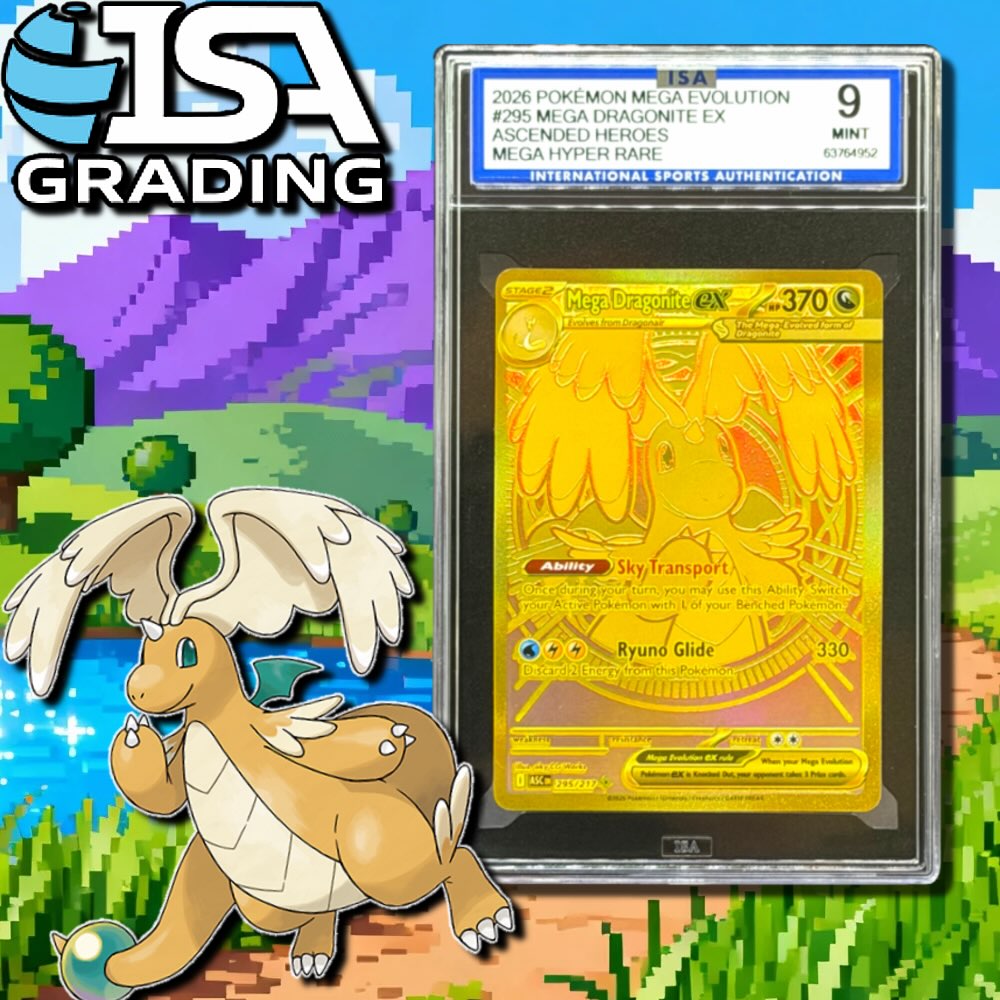
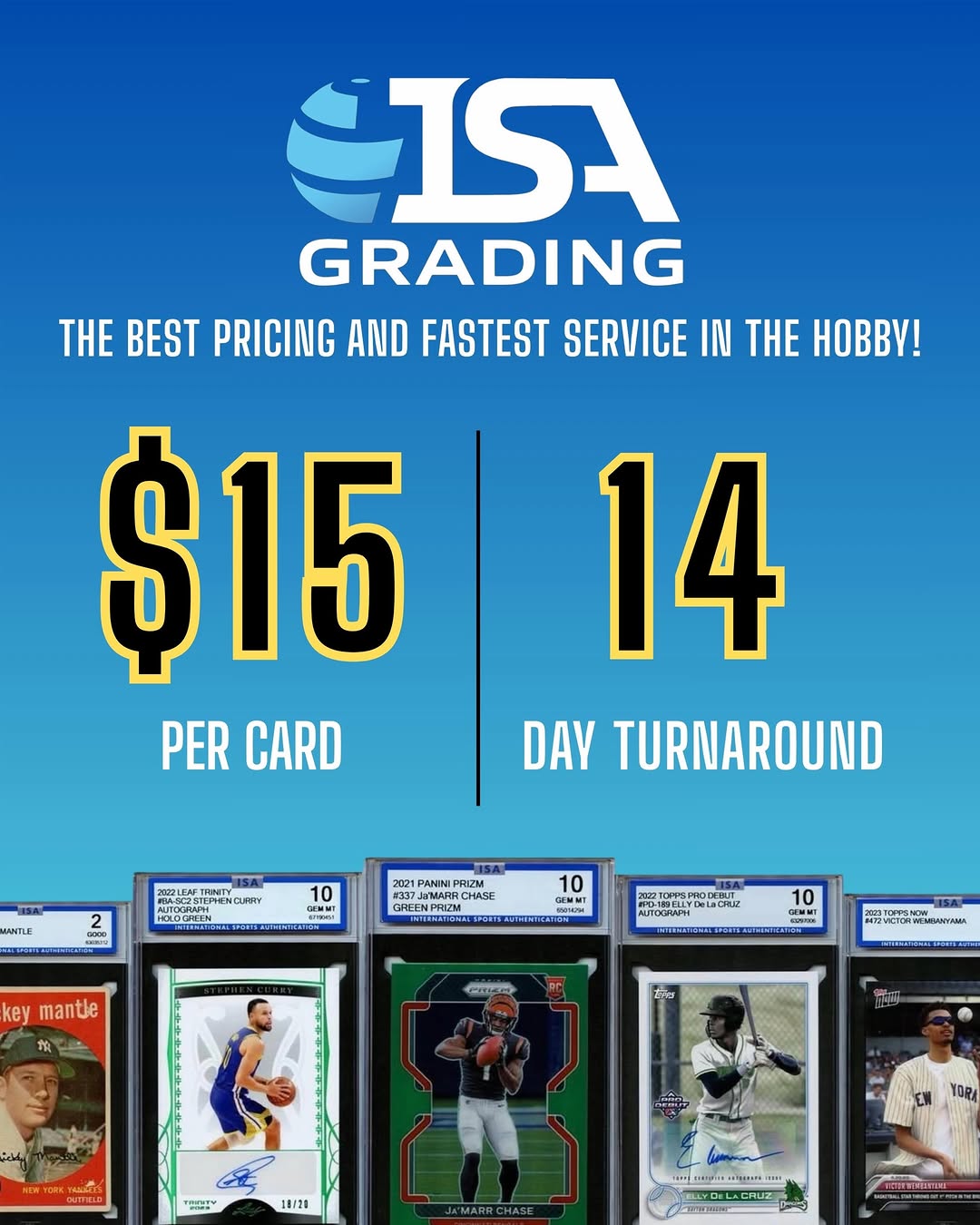
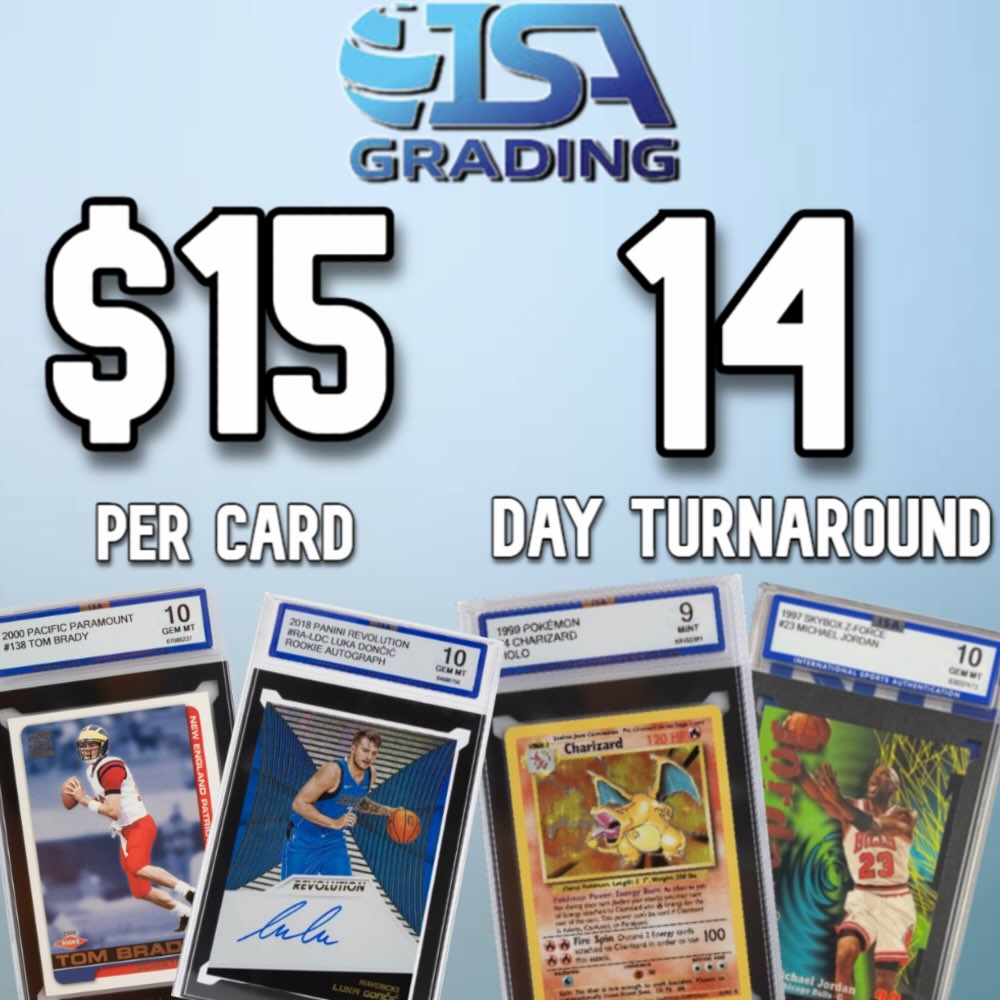
ISA Grading, also known as International Sports Authentication, offers sports card grading and authentication at $15 per card, with a 14 day turnaround, a 10 card minimum, and no upcharges. Here's how those terms can help you choose what belongs in an order, prepare your cards, and plan for their return.
What no upcharges means for your grading budget
An upcharge is an additional fee applied to the original grading charge. For example, a value based fee structure may move a card into a higher pricing tier if its assessed value meets a specified threshold. With ISA's current service, a card that comes back with a better grade than you expected does not trigger a grading upcharge. The grading fee remains $15 per card.
At the 10 card minimum, the grading subtotal is $150. For 15 cards, it's $225. Those figures cover grading fees, not necessarily everything you'll spend getting the cards graded or sold. When you compare the cost of keeping a card raw with the cost of grading it, allow for applicable shipping and insurance, packaging supplies, and any selling fees. Check the ISA card submission page for current order instructions before you pack your cards.
The distinction matters most when a submission mixes different kinds of cards. A dealer might send a vintage star and several modern rookies in the same order. A collector might send a card with significant resale value alongside one that has more personal than market value. A consistent fee makes the order easier to budget, but it doesn't make every card equally worth submitting.
Choosing 10 cards without paying to grade filler
If you've been thinking, Should I grade my cards or sell them raw?, answer that question one card at a time before counting toward the minimum. Start with the reason for grading each card. It might be to document condition, get an opinion on authenticity, protect a favorite card in a holder, or make a listing easier for buyers to evaluate. If you can't name a reason for the tenth card, waiting to build a stronger batch may be the better choice.
For inventory you intend to sell, compare recent completed sales of the exact issue in raw condition and at several plausible grades. Match the year, set, player, card number, and parallel where possible. An asking price shows what a seller wants, not what a buyer has paid. If you're using sales from another grading company as a reference, don't assume the same numerical grade will sell for the same amount in an ISA slab.
A quick break even check for resale
Suppose you could net $40 selling a card raw after selling costs. You estimate that you could net $55 selling it graded, after selling costs but before grading and submission expenses. The $15 difference covers ISA's grading fee, but it leaves nothing for shipping or supplies. On those assumptions, grading doesn't improve your cash return. Run the numbers again at a lower plausible grade. If the submission only makes sense at the highest outcome, you know what you're betting on.
The numbers can work differently for a personal collection. You may be happy to pay for vintage card grading on a worn family keepsake with little resale upside. The value to you may be having the card authenticated, its condition documented, and its display easier to manage. Just separate those benefits from a profit estimate, especially when you mix personal cards with inventory.
How to plan around a 14 day turnaround
Fast card grading can be valuable when your cards have a destination: a show table, a scheduled auction, a customer pickup, or a group of listings you want to release together. ISA's current turnaround is 14 days. When working back from a deadline, confirm when the turnaround begins and allow time for inbound and return transit rather than treating the stated turnaround as a delivery date.
Timing comes up often in football card grading. If you want to list a rookie around a specific game, consider whether the card would still be a sensible submission if it comes back after that game or if buyer interest changes. For baseball card grading, the same question applies when planning a batch around spring training or a local card show. Have a backup plan, such as listing other inventory first or saving the graded card for a later sale.
If your first search is for card grading near me, proximity can be useful, but it's only one part of the timeline. Compare how you'll get the cards to the grader, how long the service takes, and when you'll be able to photograph and list the finished slabs. For more ways to plan around a selling window, read how grading turnaround can support a smarter card sale.
Prepare your cards before you submit them
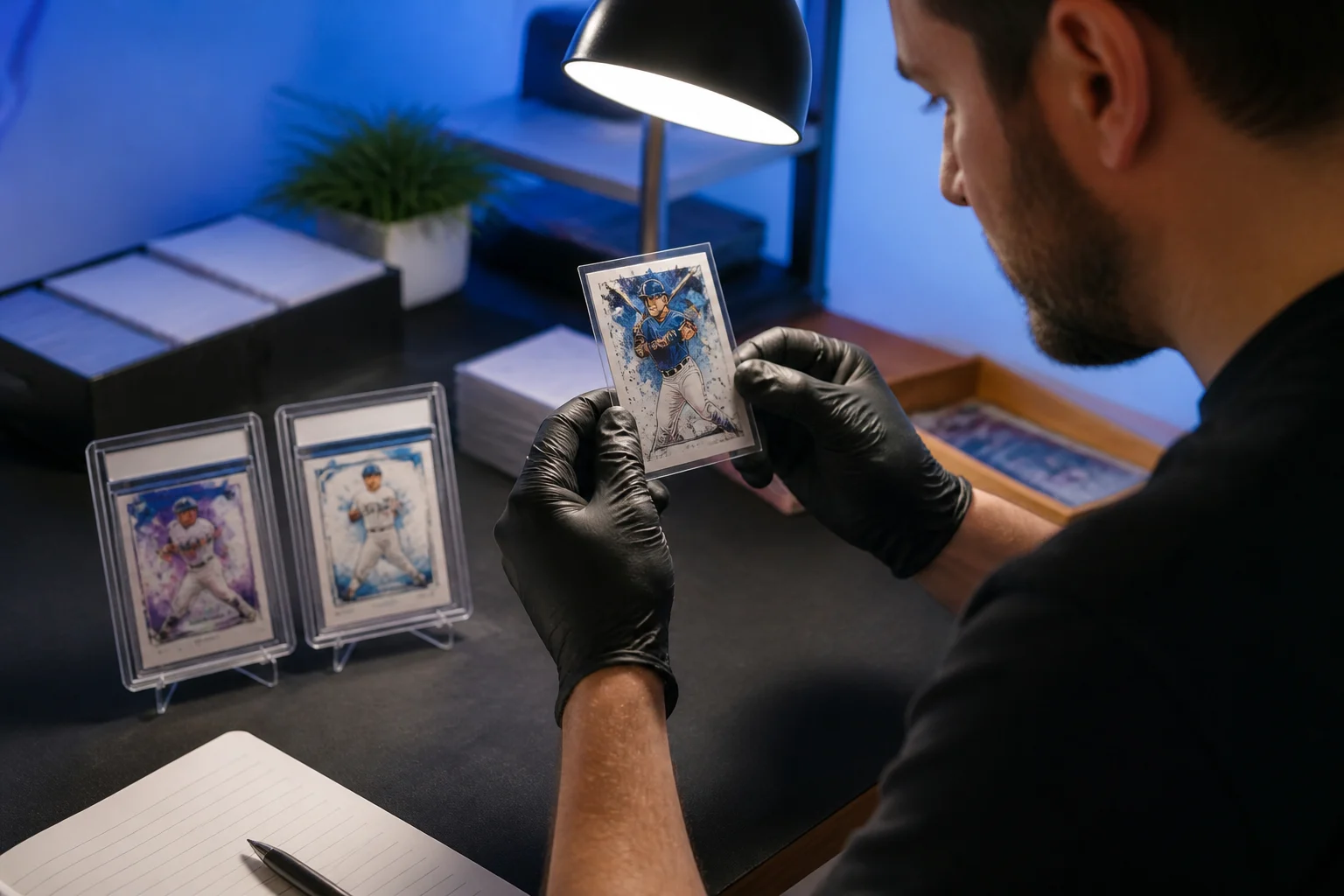
Good preparation starts with a condition review, not an attempt to improve the card. Use an uncluttered surface and bright, indirect light. If you need to handle a raw card, use clean, dry hands and hold it by the edges. Inspect the front and back. A crease, stain, or surface indentation that is easy to miss straight on can become visible when you tilt the card.
- Card corners: Look for rounding, fraying, or compression. Check the back as well as the front, especially where a white border can hide wear.
- Card edges: Look for chips, nicks, or paper loss along all four sides. Dark borders can make even small spots of wear easier to see.
- Surface: Angle the card under the light to look for scratches, dents, print lines, stains, or peeling. Reflective finishes can hide or reveal marks depending on the angle.
- Centering: Compare the visible borders and the position of the design. Check the back separately rather than assuming it matches the front.
Use the ISA grading scale to understand how the company describes grades. Your own inspection helps you decide what to send, but it isn't a prediction of the result. Rookie card grading can be particularly easy to misjudge when a card came straight from a pack. A card may have a print line or a nick even if it has never been played with or displayed.
Don't try to trim a rough edge, flatten a crease, or polish a surface before submission. Follow the submission instructions for holders and packing, and keep a record of the cards you send. A simple list with the year, set, player, card number, and identifying variation helps you reconcile the order when it comes back. Photos are useful when you're submitting several copies of the same card and want a record of what you shipped.
What authentication, grading, and slabs each do
Sports card authentication and card condition grading answer different questions. Card authentication addresses whether the card is genuine. Condition grading evaluates its physical state. An authentic card can have substantial wear, and a clean looking card isn't necessarily authentic. For older issues or cards that are commonly reproduced, those two questions may matter more to a buyer than how sharp the card looks in a listing photo.
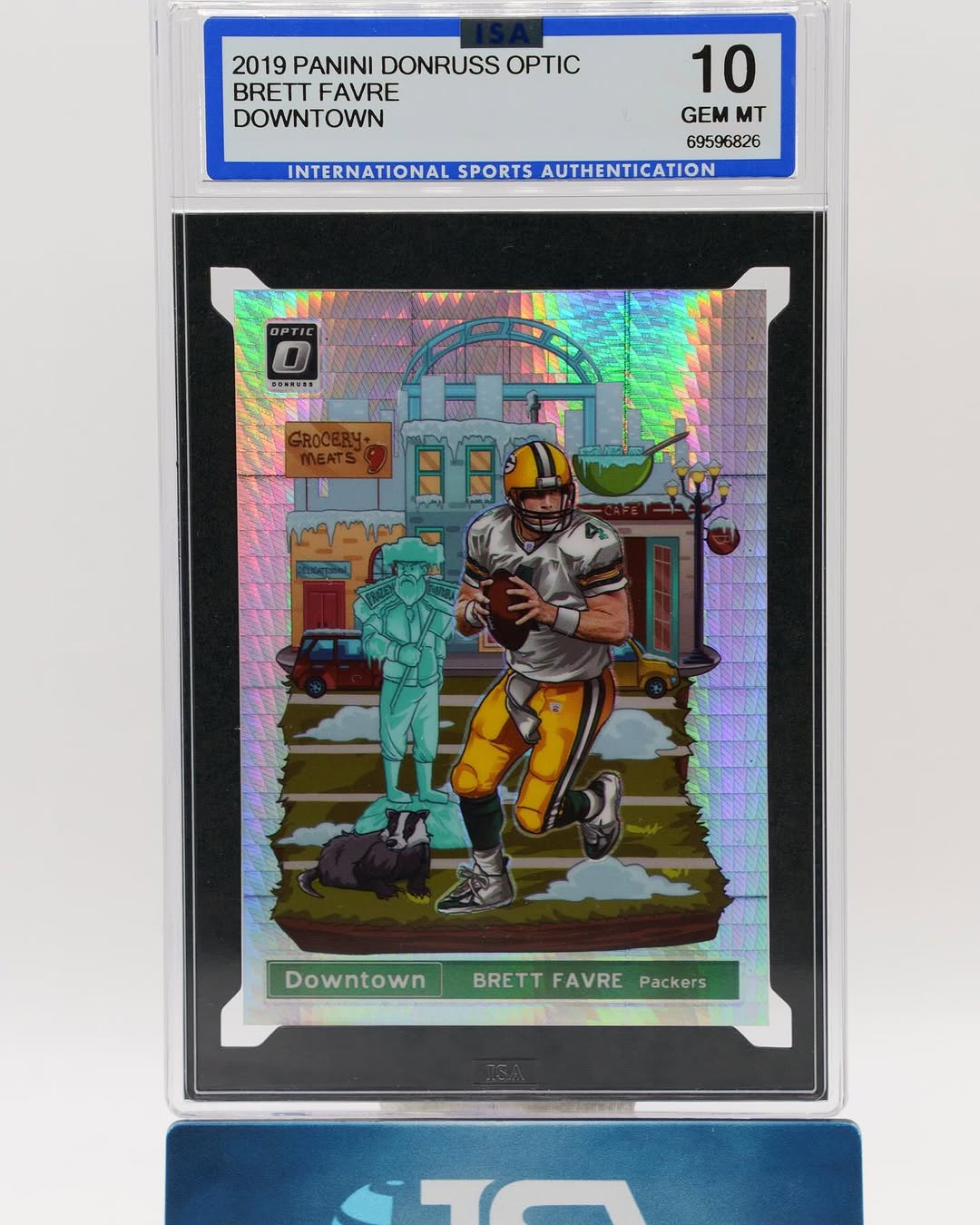
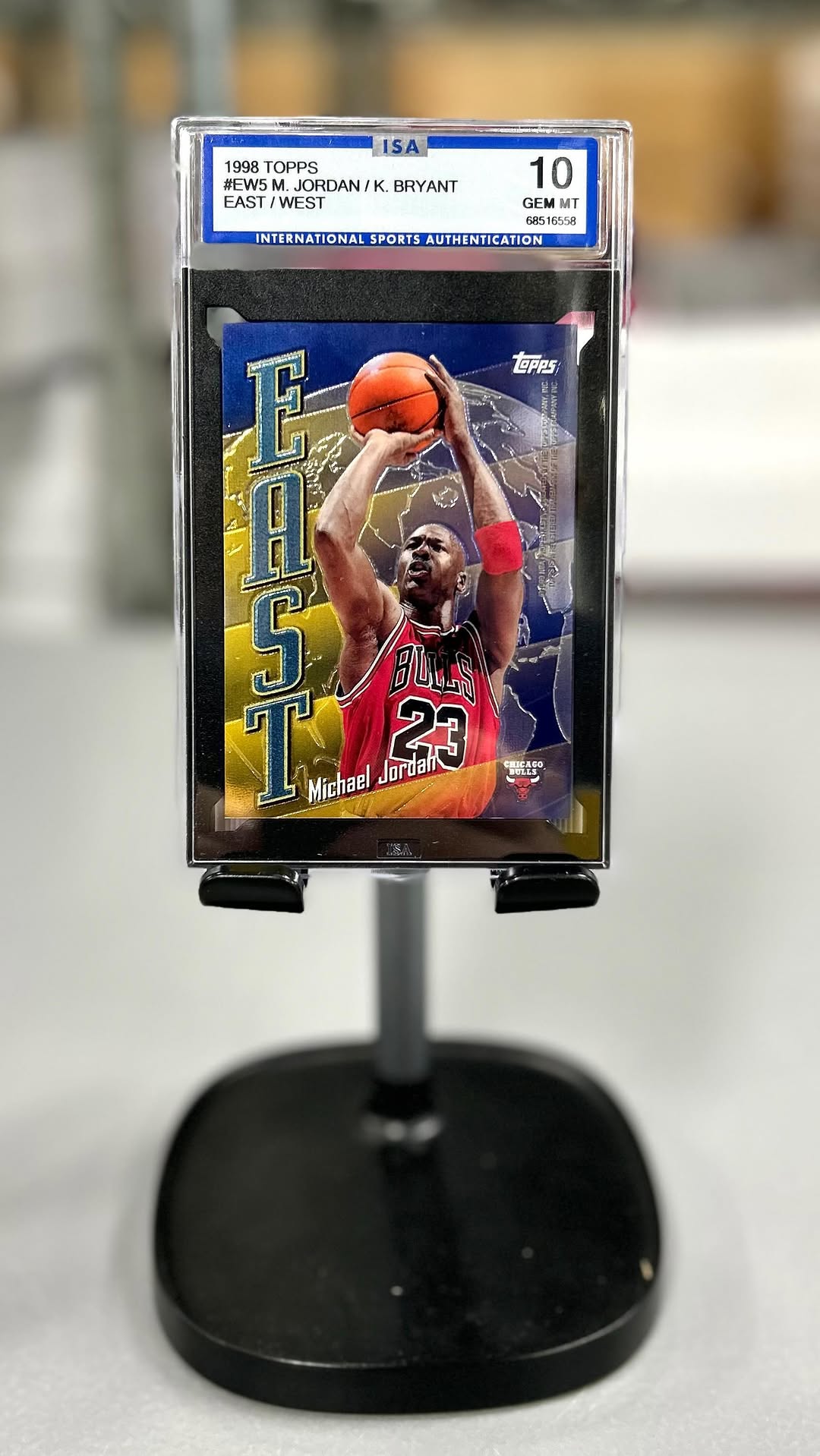
Card encapsulation puts the evaluated card in a protective holder, often called a slab. Trading card slabs reduce the need to handle the card itself and make the label and card easier to view together. A slab isn't a substitute for careful storage. Keep slabs away from prolonged direct sunlight and extreme temperatures, and pack them so they can't shift or strike each other during transit. For practical handling tips, see how to protect cards from raw copies to graded slabs.
Give the holder a look before photographing a card for sale. Scratches or scuffs on the slab can be mistaken for damage on the card, particularly with reflective finishes. If a mark is on the holder, describe it as such if you're sure. If you can't tell where it is, photograph it clearly rather than guessing.
Use certificate verification when buying or selling
ISA offers online certificate verification. When evaluating a listing, enter the certificate number and compare the available record with the slab label and the item shown. If the listing photos are unclear or the details don't match, ask the seller for clearer pictures and an explanation before buying. A matching lookup adds a useful check, but it isn't a substitute for inspecting the card and holder or assessing the seller.
When selling graded cards, give buyers enough information to do that check themselves. Photograph the front and back of the slab, keep the label legible, and describe the exact card and grade. If the card is a parallel or a variation, show the feature that distinguishes it from the base version. Clear photos and matching details can support buyer confidence without claiming that a grade guarantees a sale or a premium.
Compare the full order, not just the advertised fee
When comparing a card grading service, look at how the pricing, minimum order, and turnaround work together. A per card fee is easier to evaluate when you know whether the card's value could affect it, how many cards you need to send, and how much time to allow. Think about your next actual order. If you have only three cards ready and a tight deadline, a 10 card minimum may matter more than the rate. If you have a full batch ready, the predictable grading subtotal may make it easier to move forward.
For dealers and hobby sellers, track grading, shipping, and selling costs alongside your sale proceeds. Over a few orders, you may find that some cards do better when sold raw, while others benefit from condition documentation or an authentication opinion. No upcharges give you a stable grading cost to use in that review, not a reason to grade everything.
Before sending a batch to ISA, set aside any card that only makes financial sense at a grade you're unsure it will receive. Check that the remaining cards meet the minimum, and confirm that your schedule has room for shipping both ways. If you have a question about a particular card or order, contact ISA Grading before packing it. You'll know why each card is going in and what the grading itself will cost.
Submit Cards to ISA Grading
Collectors ready to use ISA Grading can start on the submission page. The current active service is $15 per card with a 14 day turnaround, no upcharges, and a 10 card minimum.
Frequently Asked Questions
What does no upcharge card grading mean at ISA?
ISA does not add a grading upcharge based on the card's value or the grade it receives. The current sports card grading fee is $15 per card, with a 10 card submission minimum.
How much does a 10 card submission cost at ISA?
Ten cards at $15 per card come to $150 in grading fees. That is the grading subtotal. Account separately for any applicable shipping, insurance, or packing costs.
What is ISA's current card grading turnaround?
ISA lists a 14 day turnaround for its current service. If you're planning around a specific date, confirm when the turnaround begins and allow extra time for shipping.
How do I verify an ISA graded card?
Enter the certificate number from the slab label on ISA's certificate verification page. Compare the available record with the label, card, and listing photos. Ask for clarification if any details differ.
Should I add low value cards just to meet the 10 card minimum?
Only if you have a reason to grade those cards. For resale, compare what you could net raw with what you might net at a realistic grade after all costs. For a personal collection, authentication, condition documentation, or protection in a slab may justify the fee even without resale upside.