A card can survive decades in a collection and still pick up damage during a few careless seconds on a desk. A tight sleeve, a dropped stack, or a card sliding inside a shipping box can change its condition before it ever reaches a grader.
Card protection is a routine, not a single purchase. It starts with handling raw cards, continues through grading preparation and shipping, and remains important after the card returns in a slab. For collectors, dealers, and hobby sellers, that routine helps preserve condition and makes buying and selling more straightforward.
ISA Grading, also known as International Sports Authentication, provides sports card grading and authentication. Here is how to protect your cards throughout that process without unnecessary handling or risky preparation.
Start With a Clean, Controlled Handling Area
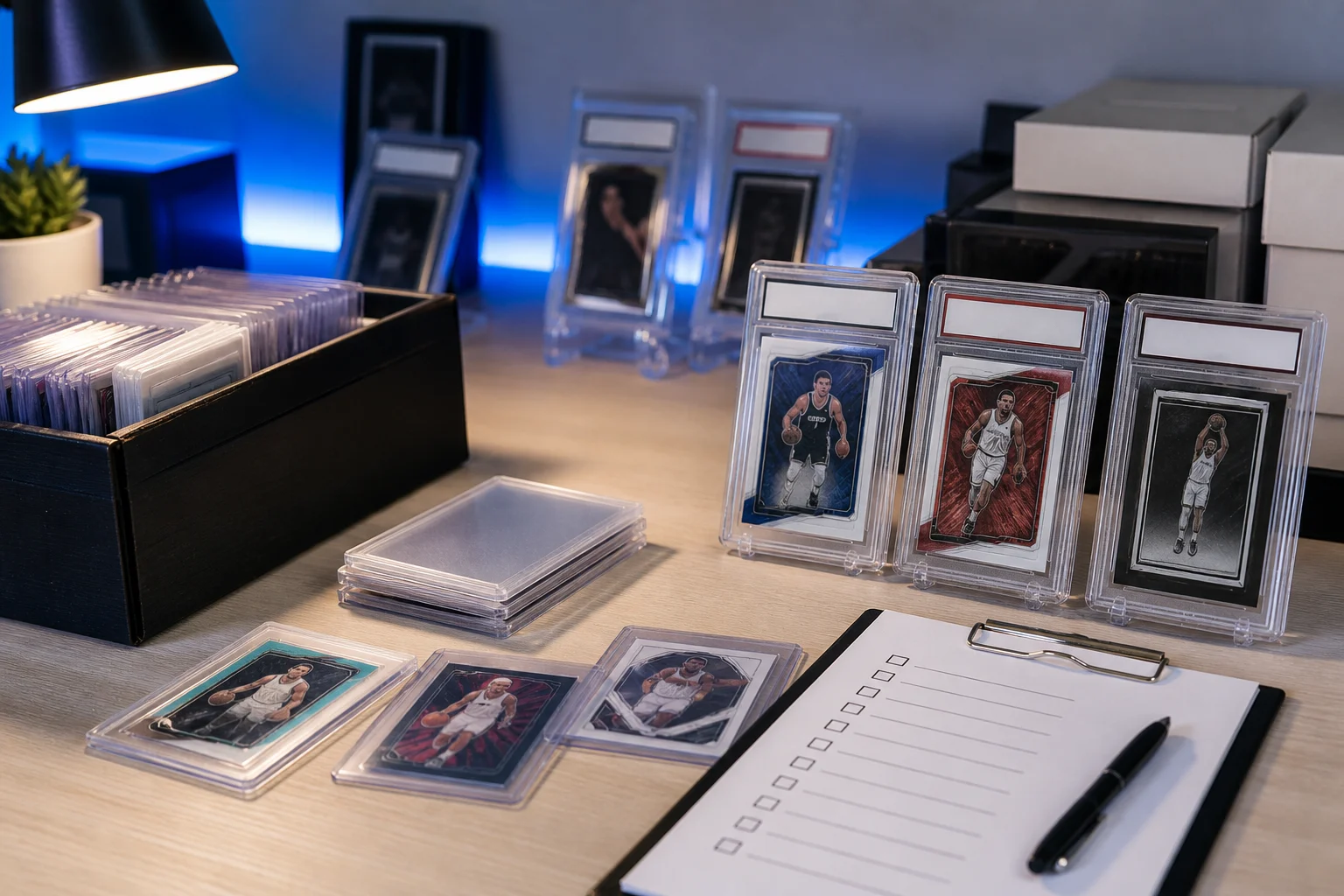
Before opening a pack, sorting inventory, or preparing a submission, clear a stable work surface. Keep drinks, food, adhesive residue, and loose packing materials away. A clean, smooth work mat can help, but inspect it for grit before placing anything on it.
Wash and thoroughly dry your hands. Handle cards gently by their edges rather than pressing fingers against the front or back. Work with one card at a time, especially when reviewing valuable rookies or delicate vintage issues. Gloves are not automatically safer if they reduce dexterity or catch a corner.
Inspect without creating new damage
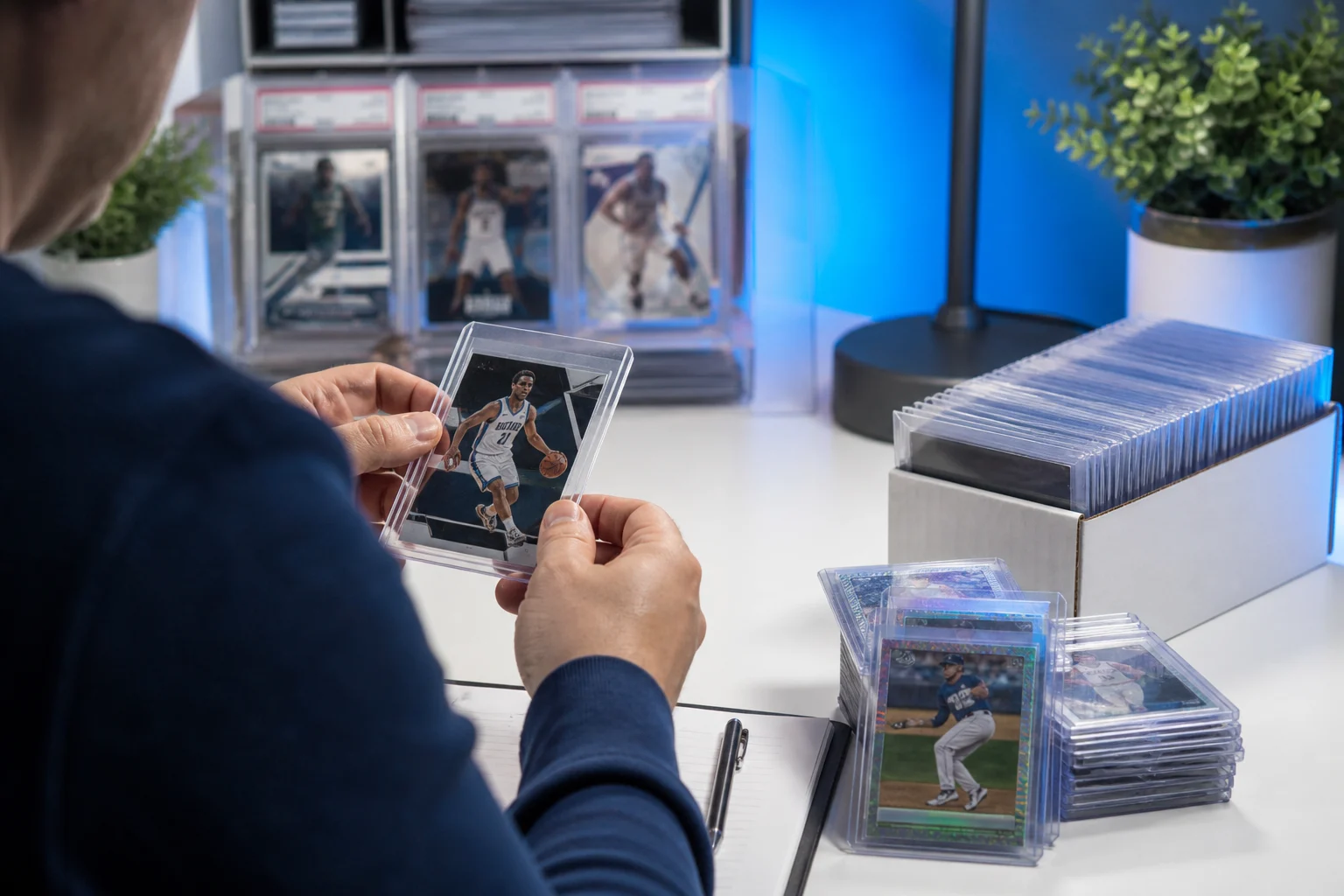
Use bright, indirect light and change the viewing angle to look for surface scratches, indentations, and print issues. Avoid repeatedly removing cards from holders just to check them again. Take notes or reference photos during one careful inspection.
- Card corners: Check for whitening, bends, fraying, or compression without touching the tips.
- Card edges: Look for chipping, rough cuts, and wear, especially on dark borders.
- Card centering: Compare borders where present, accounting for the card's original design.
- Surfaces: Examine gloss, scratches, creases, stains, and indentations on both sides.
These observations support realistic expectations for card condition grading. Review the ISA grading scale before choosing a submission group. A visual inspection can help you make decisions, but it cannot guarantee a particular grade.
Choose Protection That Fits the Card
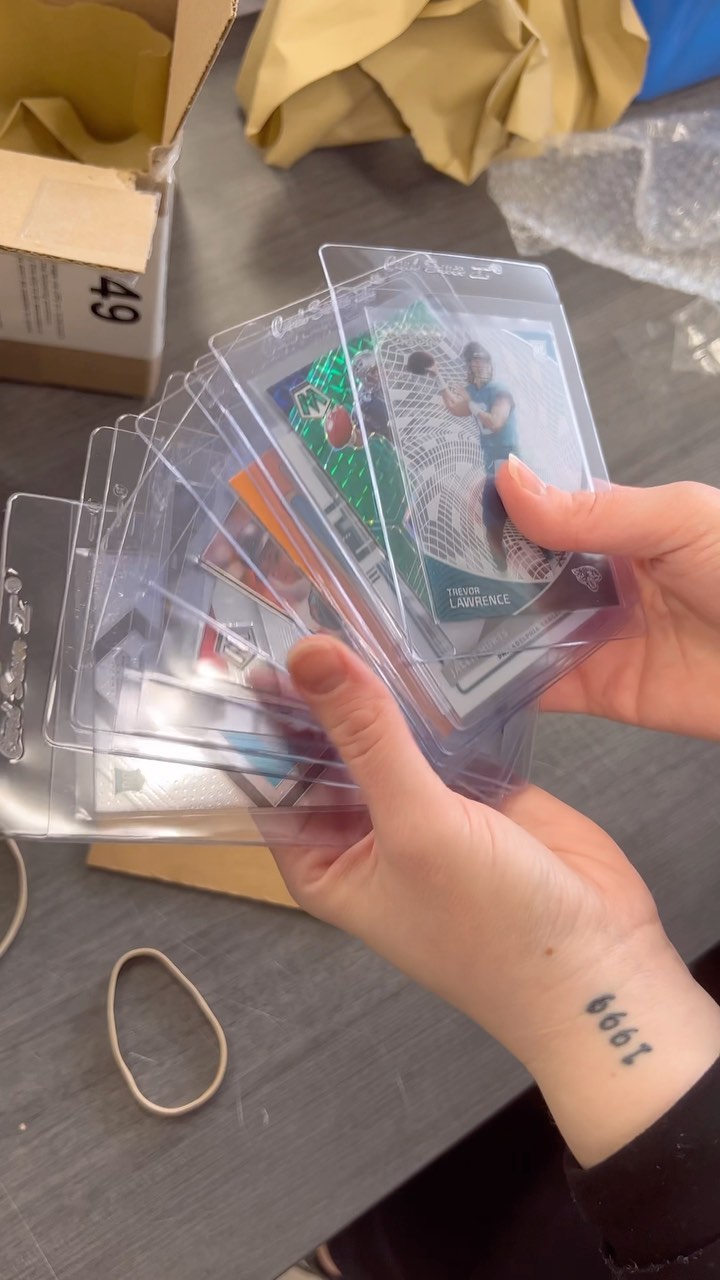
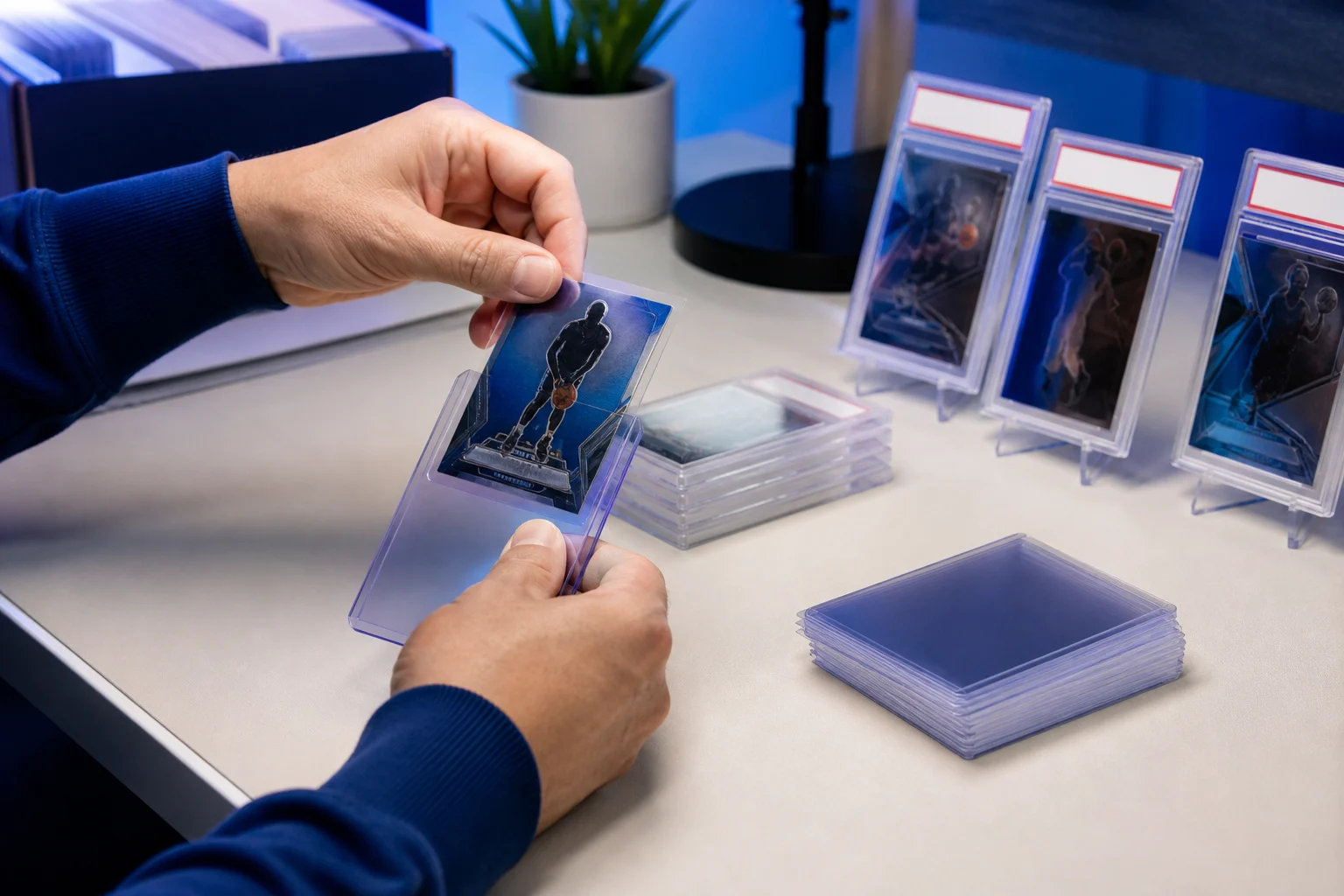
A soft sleeve provides a basic barrier against routine surface contact. A compatible rigid or semi-rigid holder adds support against bending. Neither works well if the fit forces you to push hard, catches a corner, or leaves the card moving excessively.
Use sleeves and holders intended for collectible cards, and check the manufacturer's material specifications. Avoid unknown plastics and products containing PVC. Replace holders that are cracked, warped, dirty, or difficult to open safely.
Match the holder to thickness and format
A standard base card and a thick memorabilia card need different storage solutions. Forcing a thick card into a narrow holder can compress edges or place pressure on its surface. An oversized holder may allow too much movement.
For basketball card grading, that might mean separating standard rookie cards from thicker patch cards before preparing the order. The same principle applies to football card grading, including cards with unusual dimensions, die-cut edges, or embedded memorabilia. Check current submission instructions rather than assuming every holder type is accepted.
Give older cards patient handling
Vintage card grading often involves cards with existing corner wear, creases, or fragile edges. Do not flatten bends with weights, erase marks, or trim rough edges. Attempts to improve appearance can alter a card and affect its grading or authentication outcome.
If older cards make up much of your collection, setting clear expectations for vintage card grading can help you separate preservation decisions from hopes for a particular number.
Prepare a Grading Submission Without Overworking the Cards
The thought, “Should I grade my cards?” should lead to a practical review of condition, collecting goals, and costs. Not every card needs a slab. Some belong in a personal collection as raw cards, while others may benefit from a documented assessment and protective holder.
For rookie card grading, consider the exact year, set, variation, and player, not just the name on the front. Review comparable sales for the correct card and plausible condition range. Asking prices alone do not establish market value.
Avoid polishing, chemicals, moisture, heat, pressing, or other attempts to improve condition. If loose debris or a stuck sleeve creates a handling problem, stop rather than improvising a cleaning method. When uncertain, ask for guidance before shipping.
- Identify each card. Record the player, year, brand, set, card number, and relevant variation.
- Inspect once. Note visible issues and photograph the front and back for your records.
- Use suitable holders. Follow the grading company's current preparation instructions.
- Match the paperwork. Keep the physical card order consistent with the submission list.
- Save a copy. Retain order details, photographs, and shipping records.
These steps reduce avoidable confusion in trading card grading. They also help dealers reconcile inventory when multiple submissions are moving through the business at once.
Plan Around Pricing and Turnaround Time
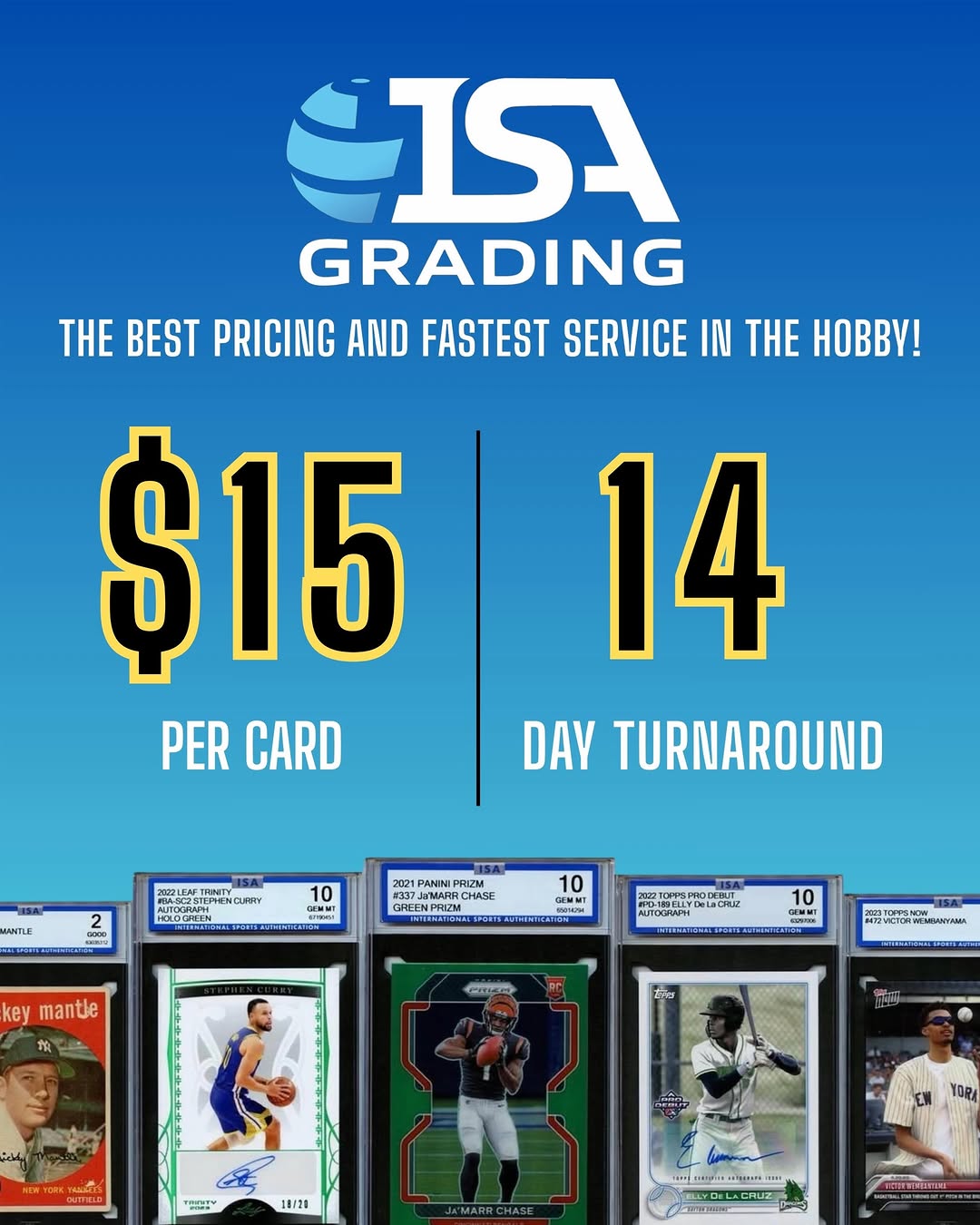
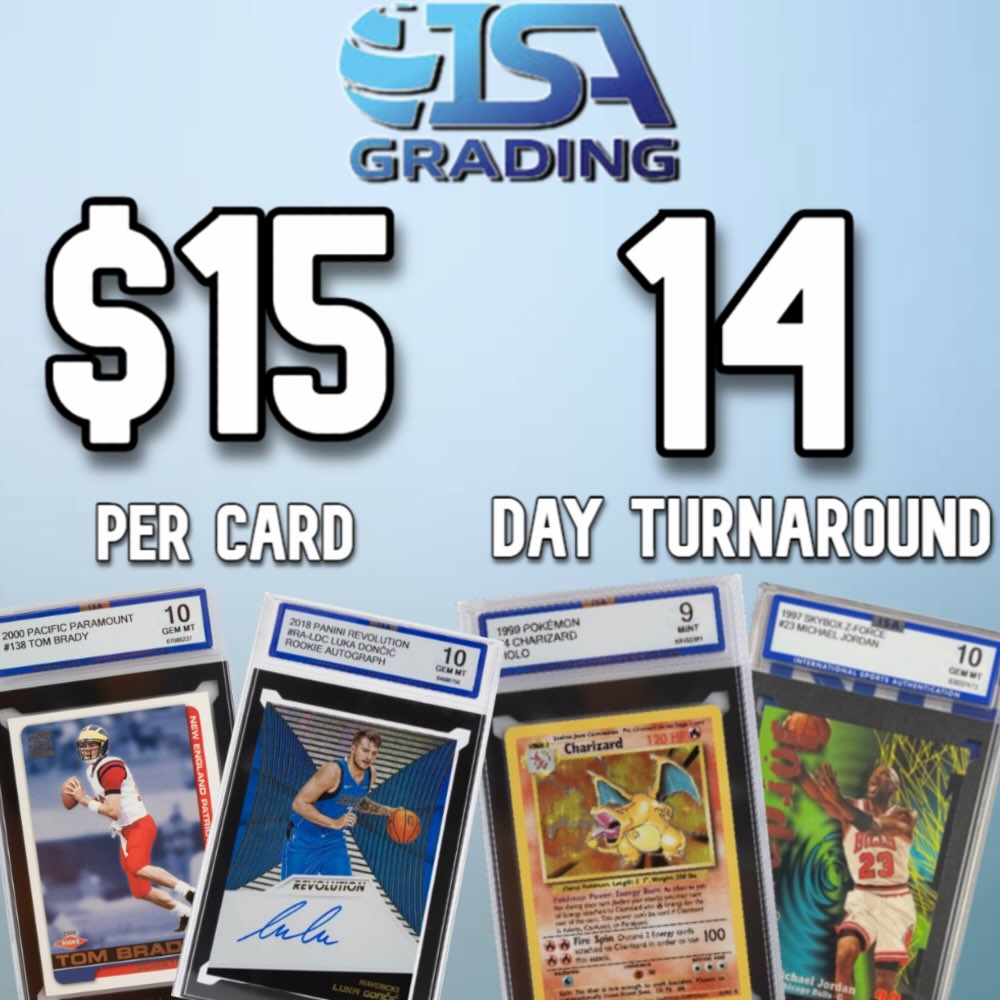
ISA's current active card grading service is $15 per card, with a 14 day turnaround, a 10 card minimum, and no upcharges. A minimum submission of 10 cards therefore has a grading service cost of $150. Confirm shipping, insurance, and any other applicable charges separately before setting your total budget.
Pricing clarity matters when deciding whether to submit a mixed group of cards. Estimate the grading expense for the entire order, then consider storage, selling fees, shipping, and the possibility that a card receives a lower grade than you hoped.
If fast card grading is important because you have an upcoming show or sale, build in time for preparation and shipping in both directions. Check how the stated turnaround is counted and whether current processing conditions affect your schedule. Do not promise a buyer a delivery date based only on the grading turnaround.
Start with the current instructions on the ISA submission page. If a search for “card grading near me” brought you here, compare the full submission process and shipping requirements rather than distance alone.
Pack Cards to Prevent Movement and Pressure
Good shipping preparation protects against bending, impact, and movement. A holder is only one layer of protection. The surrounding package should keep the cards secure without placing concentrated pressure on them.
- Secure the card holders. Keep the cards in submission order and prevent them from sliding loose. Do not put adhesive directly on cards or across an opening where it could contact them.
- Add rigid support. Use clean, appropriately sized packing materials that protect the group without bending it.
- Choose a sturdy box. Allow enough space for cushioning on every side rather than forcing the bundle against the walls.
- Fill empty space. Cushion the contents so they cannot shift when the closed box is gently moved.
- Keep records accessible. Include required submission information as instructed and retain your own copy.
Use tracking and evaluate shipping insurance based on the cards' value and the carrier's coverage terms. Review exclusions and documentation requirements rather than assuming every collectible shipment is fully covered. For unusual sizes, fragile cards, or packaging questions, contact ISA before shipping.
Protect the Slab After Grading
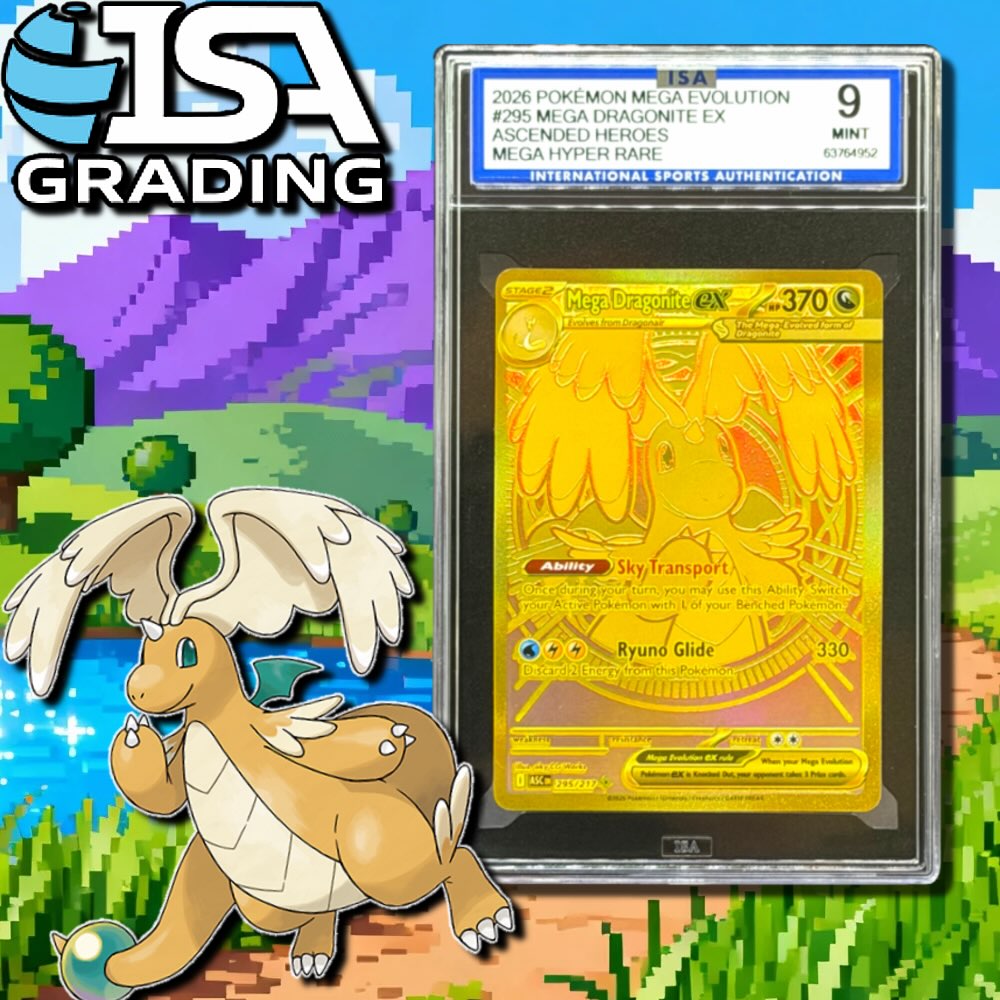
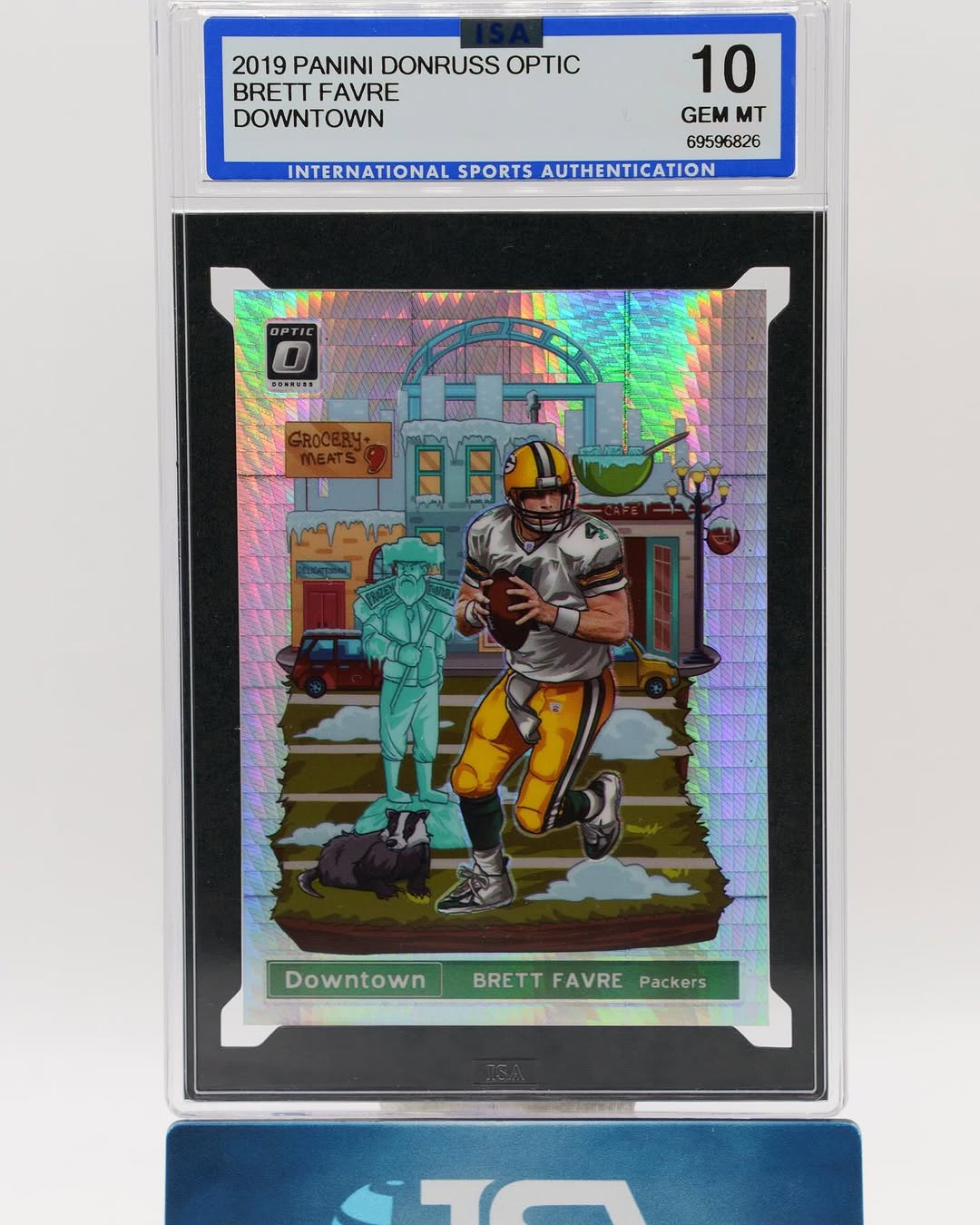
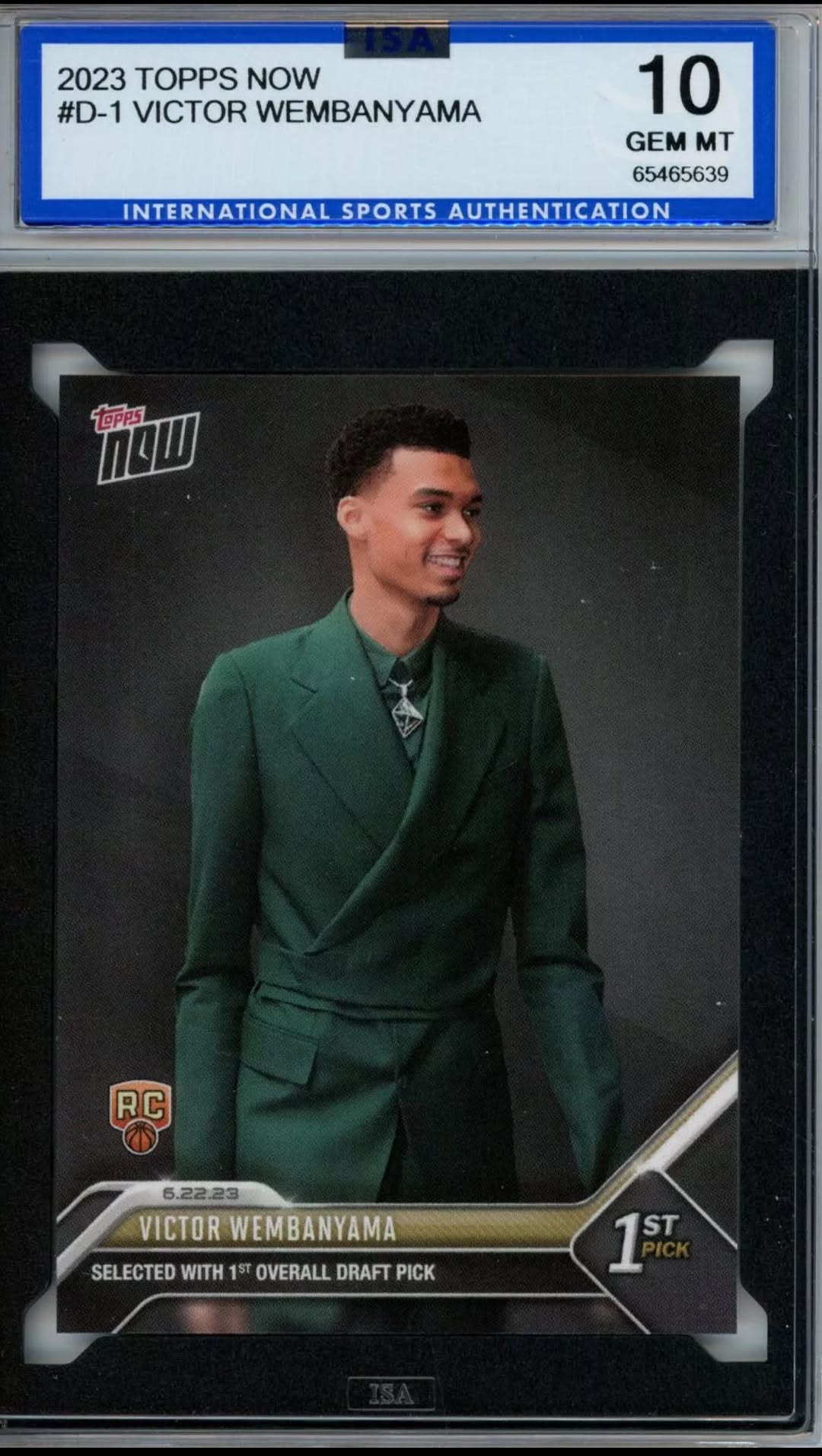
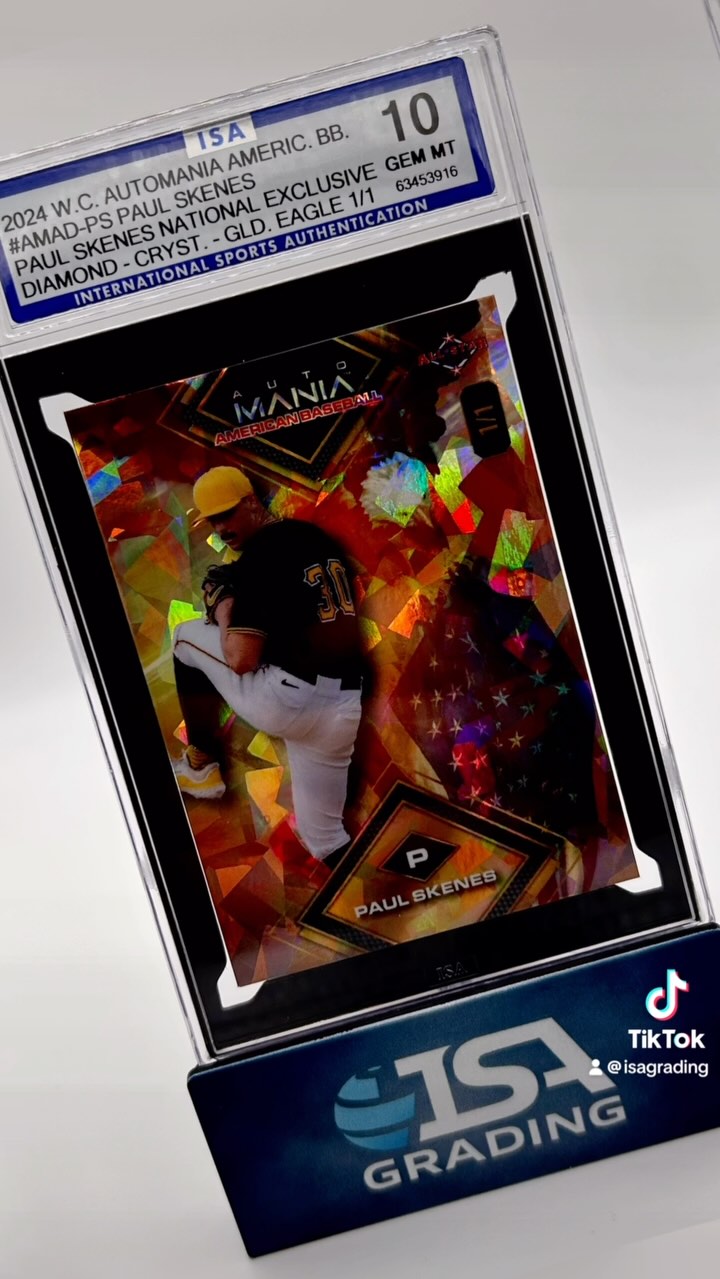
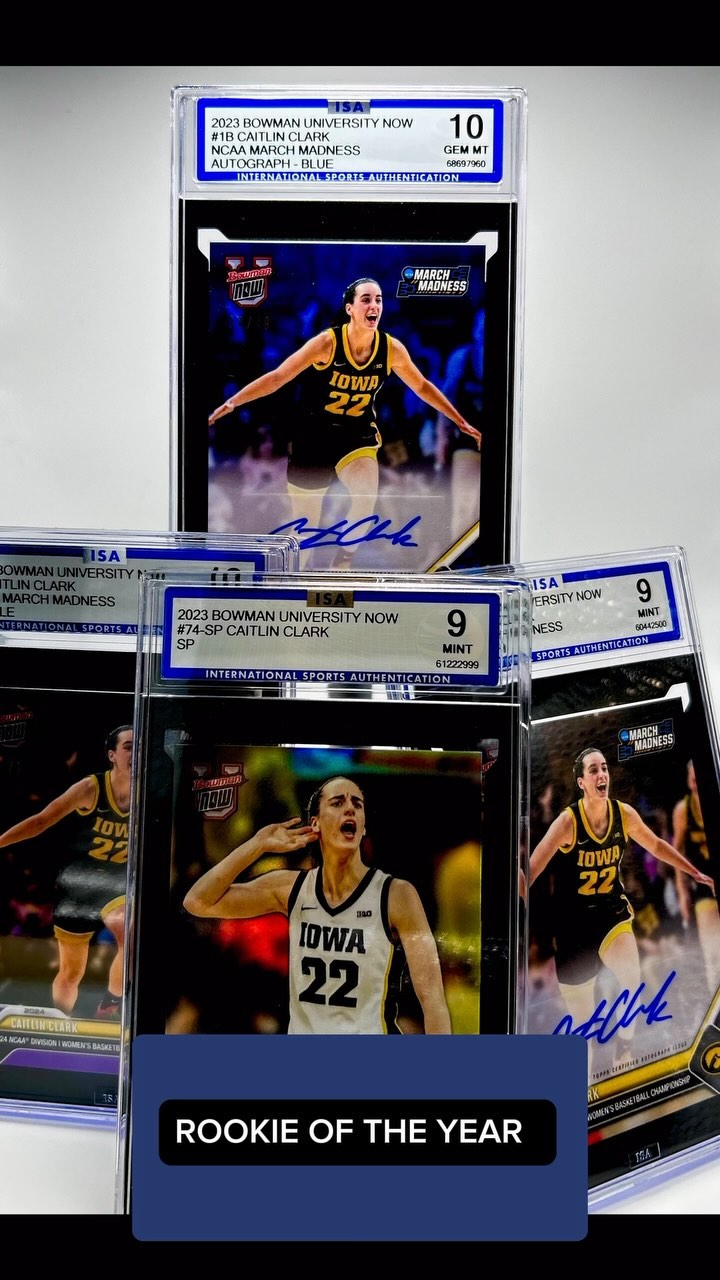
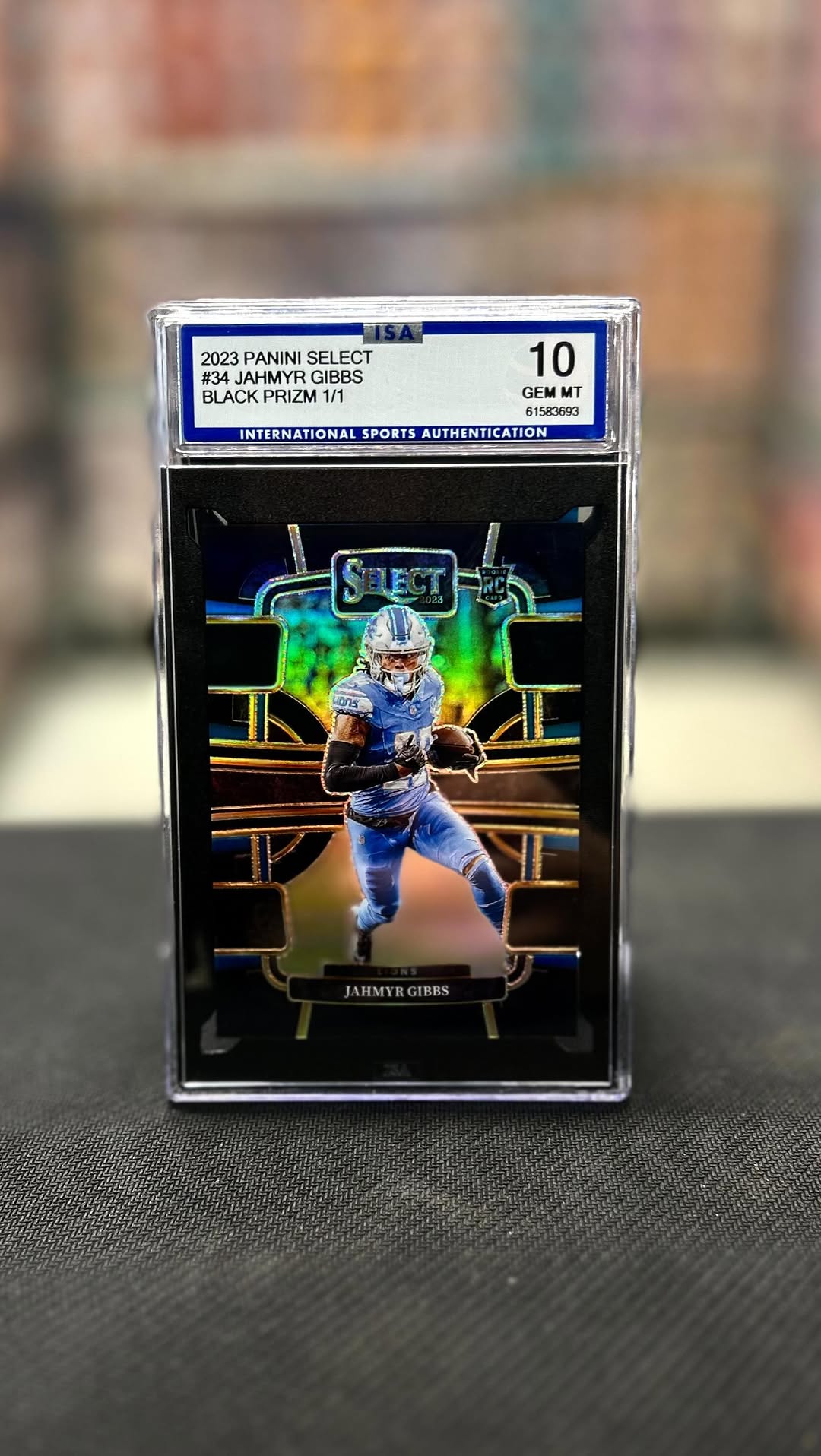
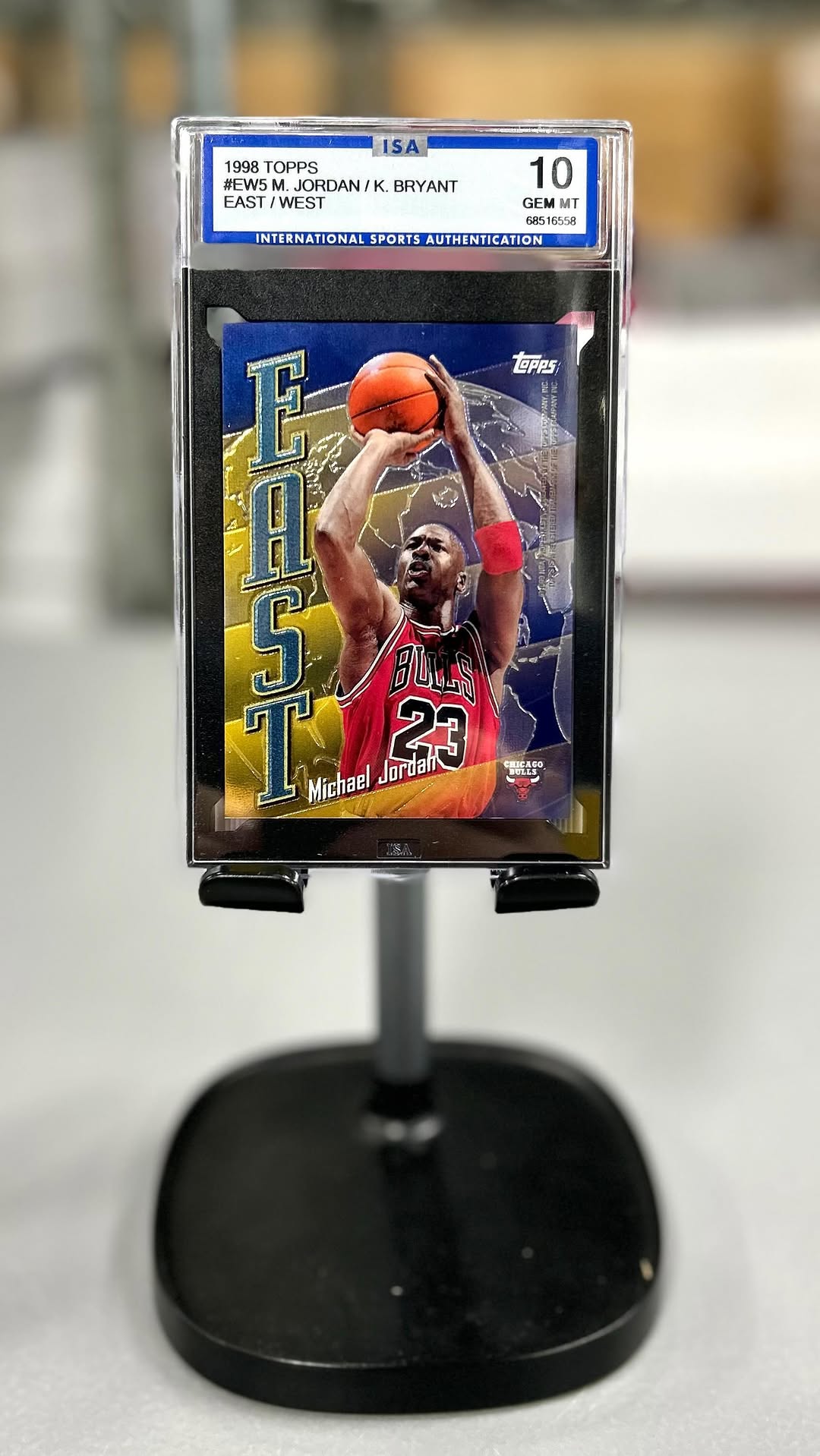
Card encapsulation places a card inside a protective holder, reducing direct handling of the card itself. It does not make the collectible indestructible. Slabs can scratch, crack, or suffer damage from impact, and they should not be assumed to be waterproof or fully resistant to ultraviolet light.
When a submission returns, open the outer package carefully and inspect each holder. Match the cards to your records, check label details, and photograph the slabs. If anything appears incorrect or damaged, preserve the packaging and contact the appropriate party promptly.
Store graded cards in a stable environment
- Keep slabs away from direct sunlight, radiators, and other heat sources.
- Choose a dry indoor location with reasonably stable temperature and humidity.
- Use slab sleeves to reduce routine scuffing during handling and transport.
- Store slabs in a fitted box or case that limits movement and does not squeeze the holders.
- Avoid unstable stacks that can fall when another card is removed.
For displays, consider light exposure over time, not just how the cards look on the shelf. A display case does not automatically provide meaningful UV protection. Check its specifications and keep valuable cards out of direct sun.
Use Certificate Verification Alongside Physical Inspection
Sports card authentication and grading provide useful information, but buyers should still evaluate the item and seller. When purchasing an ISA-graded card, use ISA certificate verification and compare the available record with the label and card shown in the listing.
Look for consistency in the player, set, card number, grade, and other available identifying details. Request clear front and back photographs, including close views of the label and holder. Be cautious about unexplained mismatches, obscured certificate numbers, or signs of holder damage.
A matching certificate record is one part of due diligence, not a guarantee that every online listing is legitimate. Copied photographs and certificate numbers can appear in misleading listings. Seller history, payment protections, and the physical item still matter.
Selling Graded Cards Without Sacrificing Protection
Clear presentation builds buyer confidence when selling graded cards. Photograph the actual slab under lighting that shows both the card and holder condition. Describe visible slab scratches or cracks, and avoid implying that a numerical grade guarantees a particular sale price.
At a show, keep inventory organized in fitted cases and limit unnecessary handling. For shipped sales, protect each slab from abrasion, cushion it, and use a sturdy outer package. Do not treat the slab as a substitute for shipping protection.
Dealers planning event inventory can use this guide to grading cards for your next show to connect submission planning with sale preparation. The habits are consistent throughout sports card grading: handle less, use correctly fitted protection, document what you send, and keep protecting the card after its grade is assigned.
Submit Cards to ISA Grading
Collectors ready to use ISA Grading can start on the submission page. The current active service is $15 per card with a 14 day turnaround, no upcharges, and a 10 card minimum.
Frequently Asked Questions
What is the best way to protect cards before grading?
Handle cards with clean, dry hands, use sleeves and holders suited to their dimensions and thickness, and follow the grading company's submission instructions. Avoid forcing cards into tight holders, repeatedly removing them for inspection, or attempting to polish, press, or chemically clean them.
How much does ISA Grading currently charge?
ISA's current active service is $15 per card with a 10 card minimum, a 14 day turnaround, and no upcharges. The grading service cost for 10 cards is $150. Confirm shipping, insurance, any other applicable charges, and how turnaround is counted before submitting.
Do graded slabs protect cards from all damage?
No. Slabs reduce direct handling and provide protective support, but they can scratch or crack and should not be assumed to be waterproof or fully UV resistant. Store them in fitted cases away from direct sunlight, excess moisture, heat, and impact.
How do I verify an ISA-graded card before buying?
Use the certificate verification page on ISA's website and compare the available record with the card and label. Also review clear photographs, holder condition, seller history, and payment protections. A matching certificate number alone does not establish that an online listing is legitimate.
How should I ship a graded card after selling it?
Protect the slab against scuffing, add cushioning, and place it in a sturdy box with enough packing material to prevent movement. Use tracking and review insurance terms based on the card's value. A graded holder does not replace protective shipping materials.