A vintage card can carry several kinds of value at once: a connection to a favorite player, a place in a carefully assembled set, and a potential selling price. Grading helps describe its condition, but the process works best when you know what you want from it. A childhood keepsake and a dealer's inventory card may deserve different submission decisions.
Vintage card grading also requires realistic expectations. Older cards often show handling, uneven printing, storage damage, or evidence of past alterations. Understanding those possibilities before submission makes the resulting grade more useful, even when it is lower than you hoped.
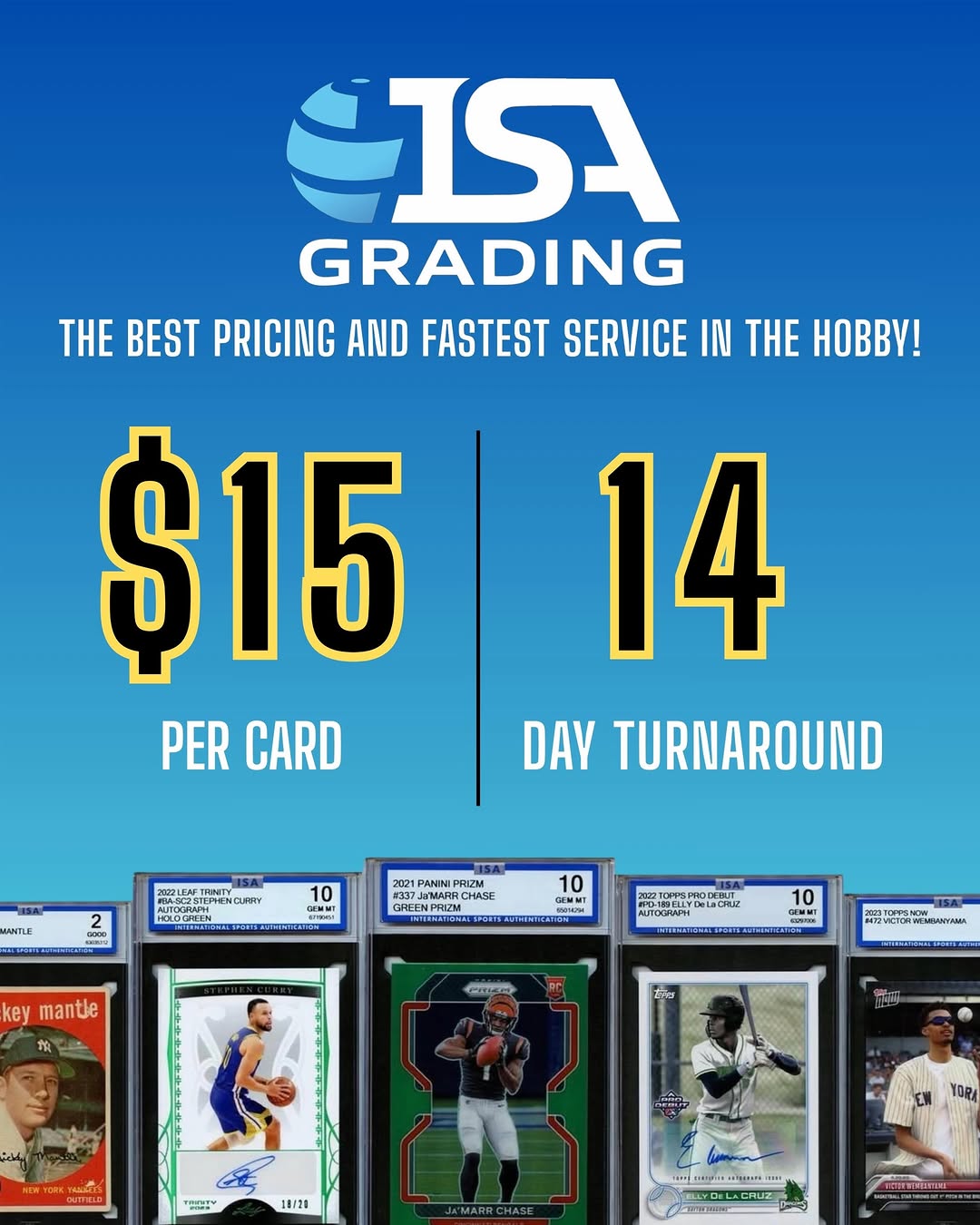
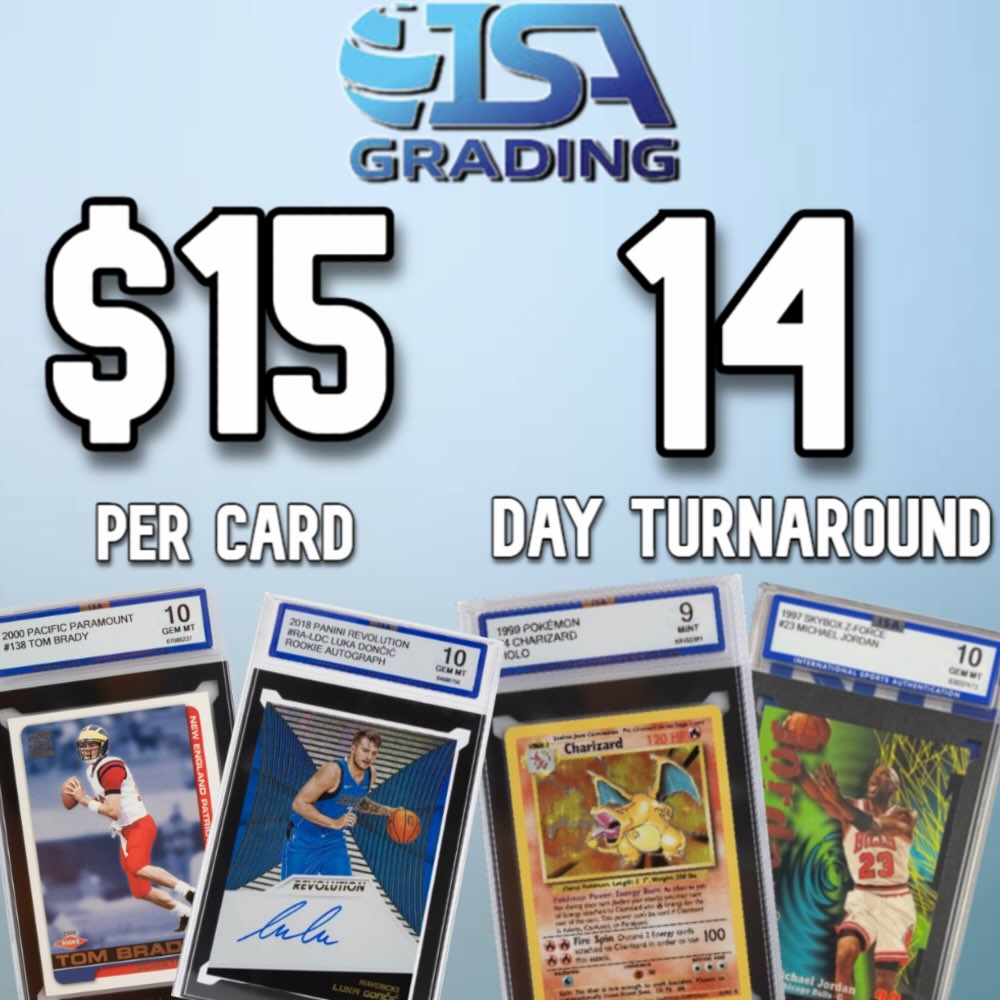
ISA Grading, also known as International Sports Authentication, provides sports card grading and authentication. Its current active service is $15 per card, with a 14 day turnaround, a 10 card minimum, and no upcharges. Those terms provide a straightforward starting point for planning a vintage submission.
Start With the Purpose of Grading
Before choosing cards, decide what grading needs to accomplish. You may want an authenticated collectible for a long-term collection, a condition assessment for an inherited group, or a consistent presentation for cards headed to a sales table. Each goal changes how you evaluate the expense.
A sentimental card does not need to become more valuable to justify professional attention. A resale submission, however, deserves a closer look at likely proceeds and total costs. Grading can make condition easier to communicate, but it does not guarantee a higher selling price or a quick sale.
When the question is simply, Should I grade my cards?, start with these checks:
- What do I know about the card's identity, originality, and condition?
- Would a documented grade help me collect, organize, or sell it?
- Does the likely benefit justify grading and related expenses?
- Am I comfortable with a grade that reflects visible wear?
Read Vintage Condition Beyond the First Impression
A bright image can distract from damage, while an obviously worn card can still be an important collectible. Effective card condition grading considers multiple characteristics rather than one attractive feature. Examine the front and back under good lighting, and avoid assuming that age automatically excuses a flaw.
Centering and print alignment
Card centering describes how the printed image sits within the card's borders. Compare opposite borders and inspect the reverse as well. Vintage manufacturing can produce uneven borders, tilted images, and print irregularities. These may be original production characteristics, but they can still matter to the condition assessment.
Corners and edges
Look at all four card corners for rounding, bends, layering, and missing material. Then inspect the card edges for chipping, notches, and uneven wear. A card that looks sharp inside a sleeve may reveal more wear when viewed carefully. Do not attempt to sharpen corners or improve edges yourself.
Surface and structural damage
The card surface may show scratches, stains, print defects, paper loss, or creases. Tilt the card gently under a light without flexing it. Some wrinkles become visible only at an angle. Check the back for writing, adhesive residue, and damage that an appealing front can hide.
Review ISA's grading scale before estimating a result. Use that information to understand grade descriptions, not to promise yourself a particular number.
Set Realistic Expectations for Authentication
Authentication and condition assessment answer related but different questions. Authentication concerns whether a card is genuine; condition assessment evaluates its physical state. A genuine vintage card can be heavily worn. An attractive-looking card can still raise questions about originality or alteration.
Possible concerns include trimming, recoloring, added material, and other changes intended to improve appearance. Collectors should also be cautious with unfamiliar reprints and reproductions. A seller's description, a family story, or an old purchase receipt may provide context, but none replaces examination of the card itself.
If you suspect alteration or have an unusual issue, seek clarification before submitting. Do not assume every card will qualify for an ordinary numerical grade or standard encapsulation. Confirm eligibility and handling questions with ISA rather than relying on expectations formed from another company's policies.
Know the Price Before Building Your Submission
ISA's current service costs $15 per card, with a 10 card minimum and no upcharges. At that rate, a submission of 10 cards has a grading service cost of $150. That calculation is not a quote for shipping, insurance, or any other applicable charges.
For collectors seeking no upcharge card grading, the practical benefit is a clear per-card grading cost. You can budget the grading portion without building in an assumed value-based upcharge. Still, review current submission terms before payment so you understand the full amount and any shipping arrangements.
A minimum submission should not become a reason to add unsuitable cards. If you have only three vintage cards worth considering, assess whether the other seven genuinely serve a collecting or selling goal. Waiting to assemble a thoughtful group may be more sensible than grading filler just to reach the minimum.
Dealers can also separate cards by purpose: personal collection, individual resale, and inventory that is better left raw. The same grading price can produce very different economics across those categories.
Plan Around the Turnaround, Not a Guess
ISA currently offers a 14 day turnaround. A stated timeline helps collectors and dealers plan, but it should not be treated as the complete door-to-door journey. Outbound shipping and return transit are separate considerations when scheduling a show, listing campaign, or collection project.
If you are comparing services using the phrase 14 day card grading turnaround, confirm how the current timing is counted and when it begins. Do not assume calendar days, business days, or a particular intake procedure unless the submission terms specify it. For a date-sensitive project, ask questions before mailing.
Leave a practical buffer before a selling event. You will still need time to inspect returned holders, verify certificate details, take photographs, and prepare listings. ISA's guide to planning around its 14 day grading service offers a related resource for organizing the process.
Prepare Vintage Cards Without Trying to Improve Them
Preparation should reduce handling risks, not change the card. Avoid cleaning solutions, erasers, pressing, recoloring, trimming, or attempts to remove a stain. Even a well-intended intervention can damage a collectible or create questions about alteration.
Use a clean, uncluttered workspace and handle cards carefully by their edges. Keep drinks, food, adhesives, and loose packing debris away. If a card is stuck to an album page or another card, do not force it apart just to complete a submission.
- Create an inventory. Record the player, year, set, card number, and any identifying variation you can confidently establish.
- Photograph both sides. Keep clear reference images of each card before packing.
- Review holder requirements. Follow ISA's current submission instructions rather than assuming every protective holder is accepted.
- Keep the order consistent. Match the physical cards to your submission list to reduce confusion.
- Pack against movement. Protect the cards without placing tape or adhesive directly on them.
For uncertain packaging or eligibility questions, consult ISA's submission FAQ before sending the package.
Understand What a Slab Can and Cannot Do
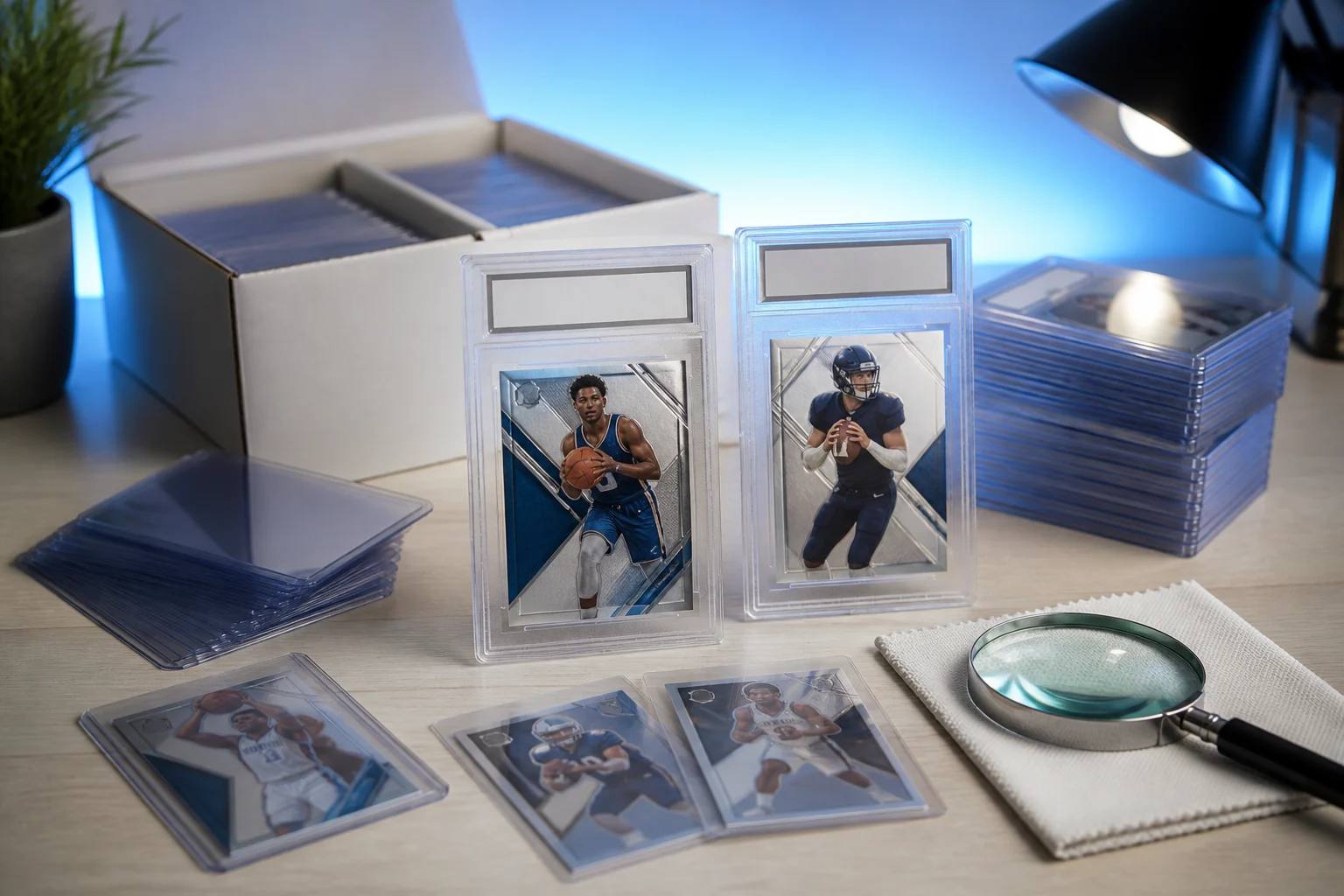
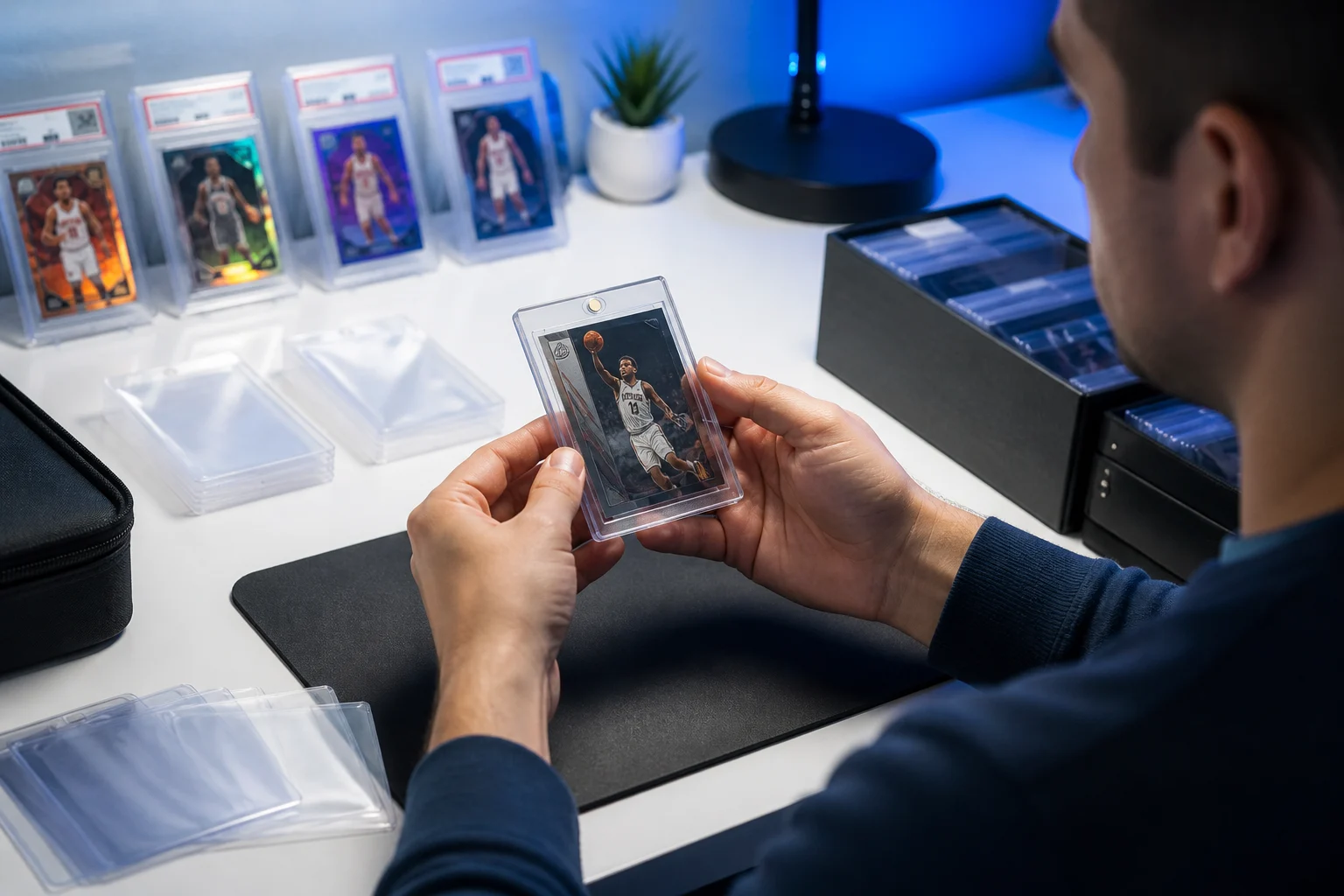
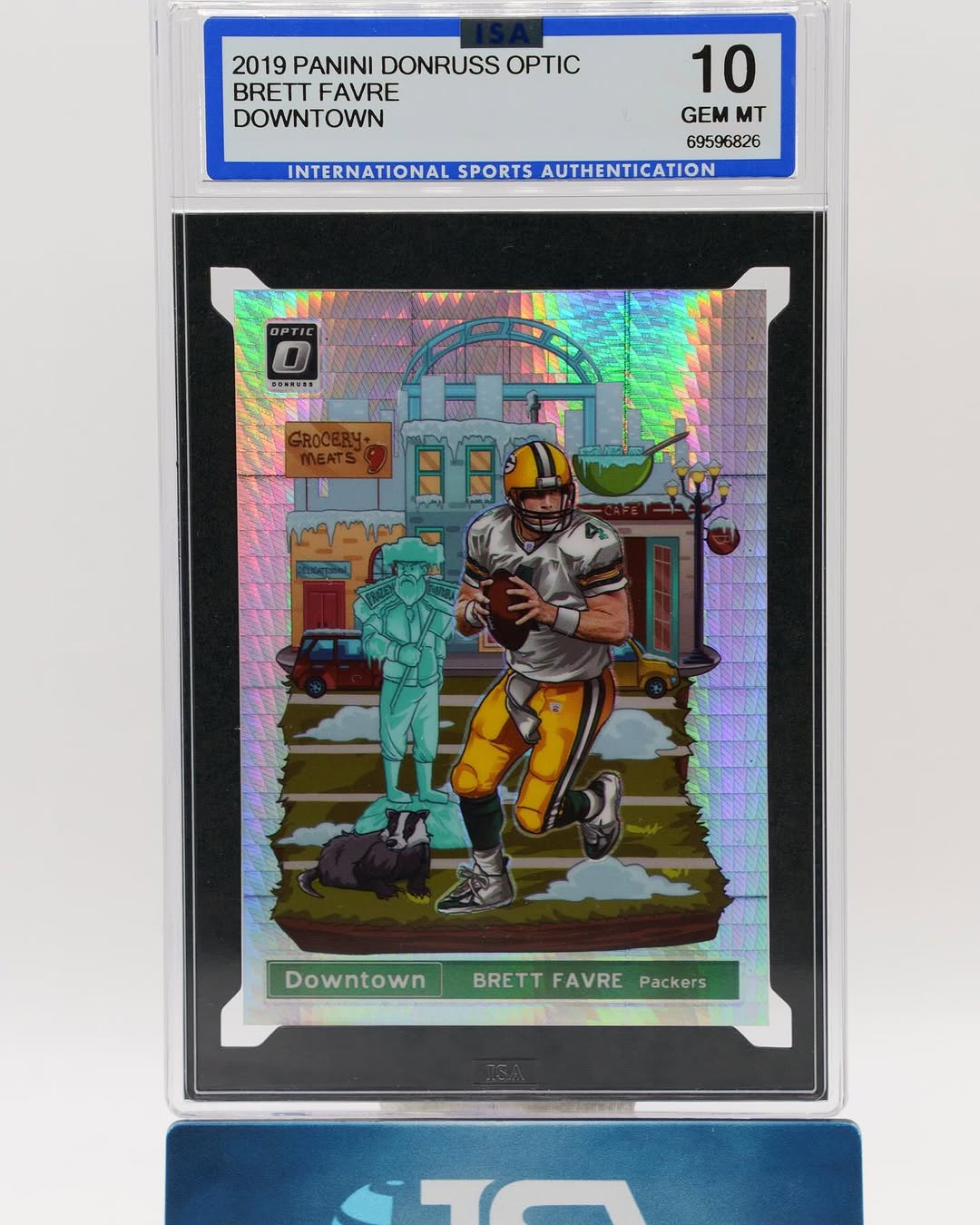
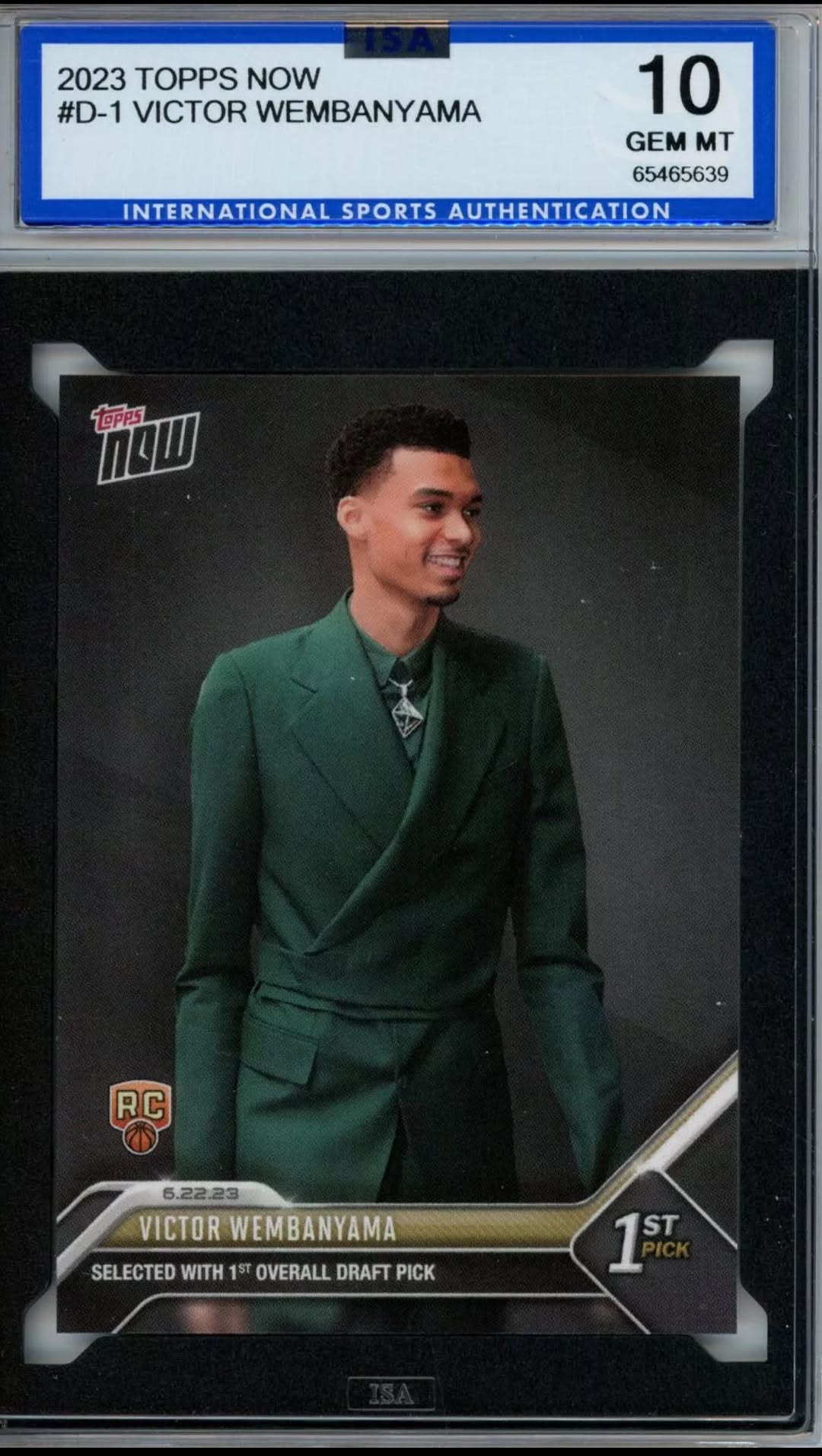
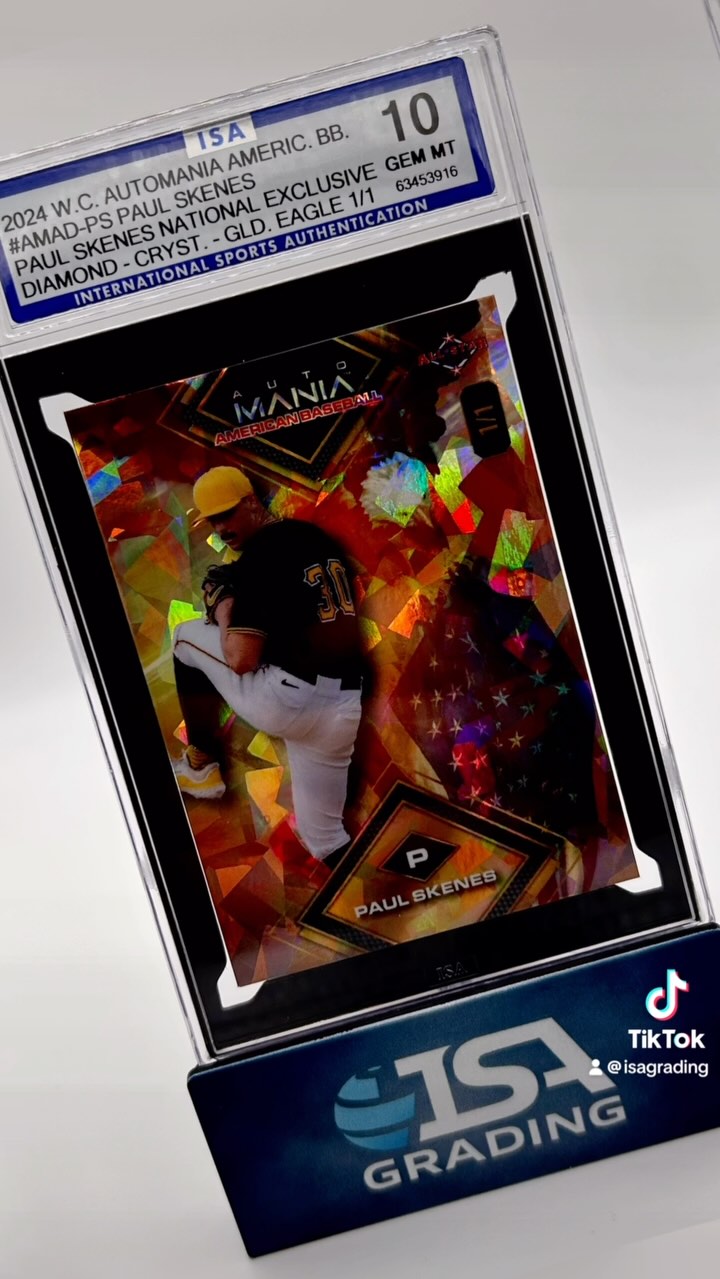
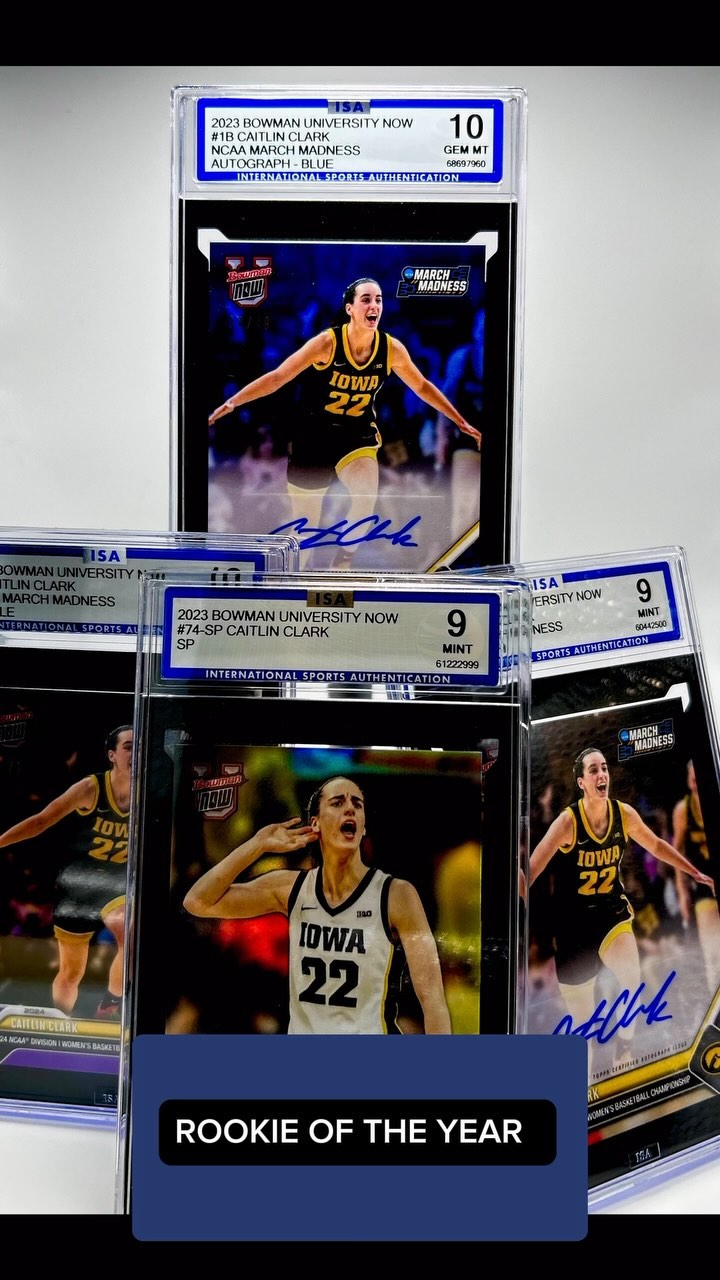
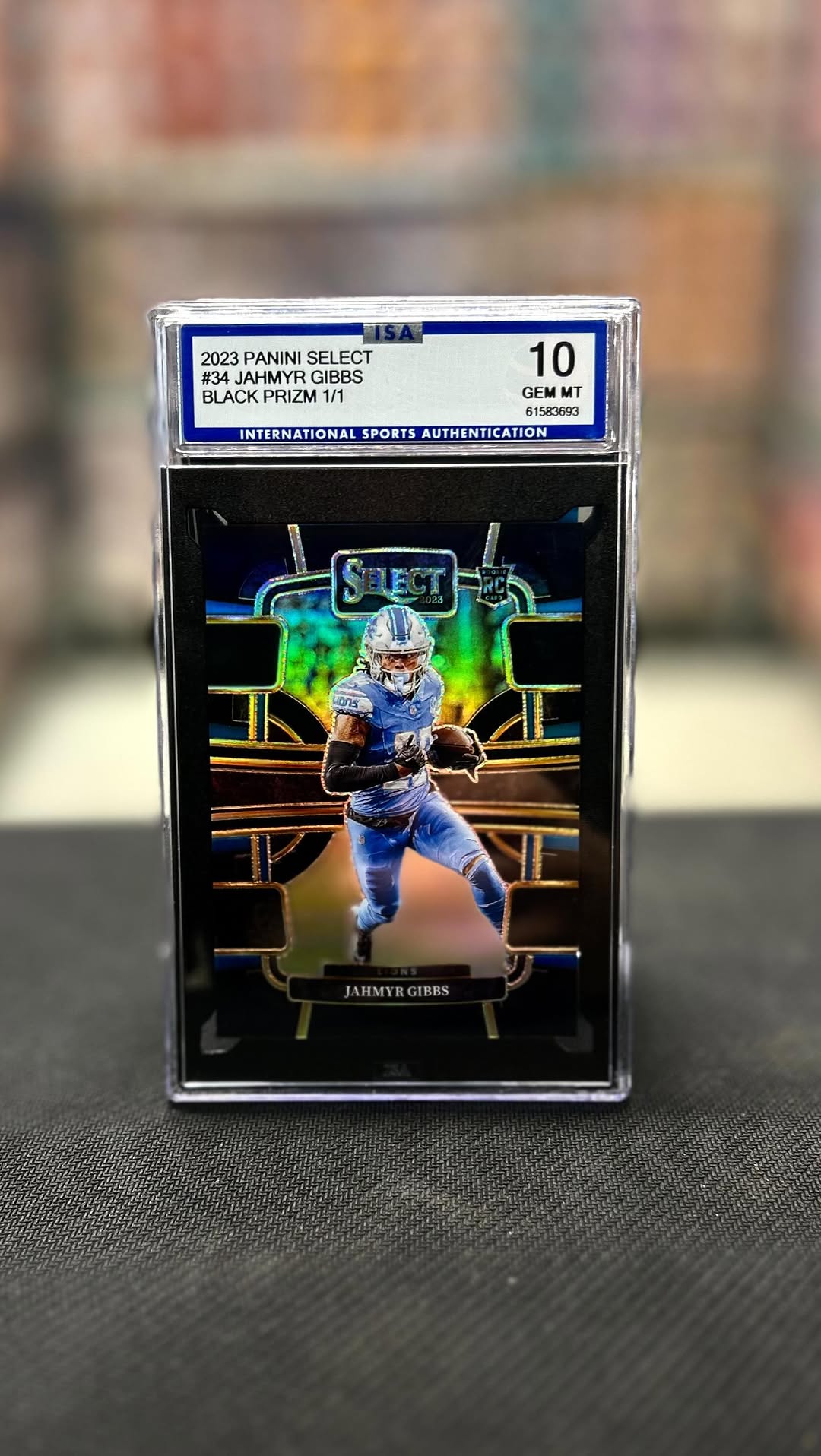
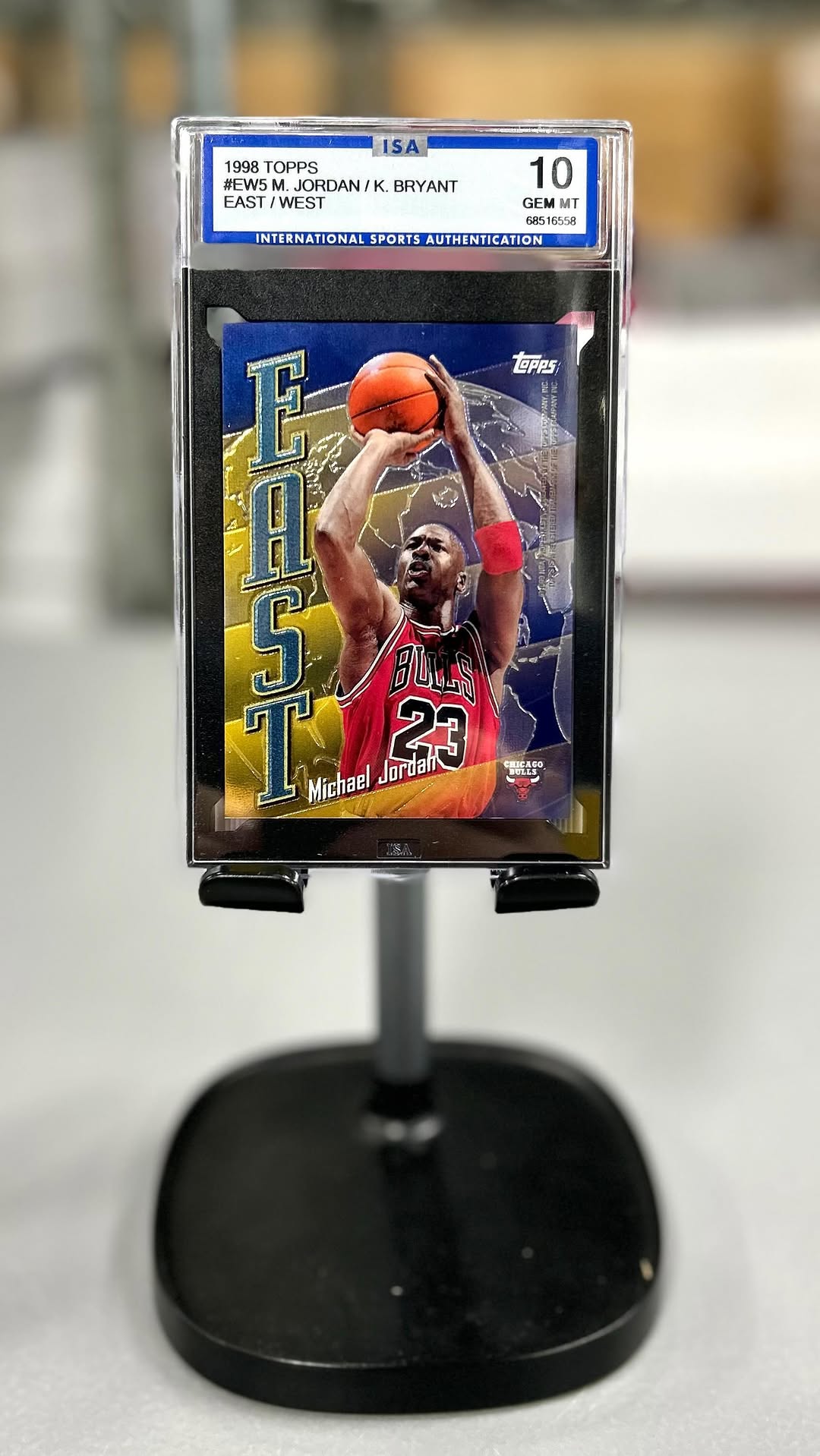
Card encapsulation places an evaluated card in a protective holder that also displays identifying and grading information. For vintage material, reducing direct handling is a useful benefit. Buyers can examine the card through the holder instead of repeatedly removing it from sleeves during discussions.
However, trading card slabs are not a substitute for responsible storage. Do not assume a holder makes a card immune to heat, moisture, sunlight, impact, or theft. Store graded cards in a stable environment and avoid conditions that could damage either the collectible or its holder.
Encapsulation also does not reverse existing wear. A crease, rounded corner, or stain remains part of the card after grading. The holder presents and protects the evaluated card; it does not restore it. For more on that distinction, read From Raw Card to Slab: Protection That Preserves Condition.
Use Certificate Verification to Support Buyer Confidence
ISA provides certificate verification on its website. After receiving your cards, use the certificate verification page to check the available record and compare it with the holder and card in front of you.
For sellers, a readable certificate number helps buyers perform their own checks. Photograph the front and back of the slab clearly, including the label. If an available record and a listing appear inconsistent, resolve the discrepancy before completing a transaction.
Verification is a useful checkpoint, not a guarantee about a seller's identity or every aspect of a transaction. Buyers should still examine photographs, assess the seller's reputation, and use appropriate payment protections. Confidence comes from several consistent pieces of information, not a certificate number alone.
Price Graded Vintage Cards With Evidence
A grade gives buyers a shared reference, but market value still depends on the player, set, scarcity, eye appeal, demand, and selling venue. Two cards with the same numerical grade may attract different offers because collectors value centering, image quality, or particular flaws differently.
When researching prices, prioritize completed sales over unsold asking prices. Look for the same card, comparable condition, and relevant grading company where possible. Note sale dates and whether the reported amount includes buyer fees or shipping before using it as a benchmark.
Calculate expected net proceeds rather than focusing only on the headline sale price. Grading, shipping, insurance, marketplace fees, and acquisition cost can change the result. Avoid describing a graded card as a guaranteed investment or promising appreciation.
Service research matters too. ISA's customer reviews can provide additional context alongside its published pricing and submission information. Treat individual experiences as information to evaluate, not a promise that every submission will have an identical outcome.
Choose a Submission That Fits Your Collection
Whether your project involves rookie card grading, football card grading, or basketball card grading, begin with the individual card rather than the category. A key rookie and an ordinary common may require equally careful handling but very different resale calculations.
Broader trading card grading searches can also produce information about TCG card grading. Do not assume that guidance for modern gaming cards applies to vintage sports issues, or that every service accepts the same formats. Confirm eligibility for unusual sizes and unfamiliar issues before submitting.
If you searched for card grading near me, proximity is only one consideration. Clear terms, careful preparation, verification access, and realistic selling expectations also deserve attention. With your inventory and budget ready, review ISA's current instructions and start your card submission. Choose cards you can justify grading, and let their actual condition guide your expectations.
Submit Cards to ISA Grading
Collectors ready to use ISA Grading can start on the submission page. The current active service is $15 per card with a 14 day turnaround, no upcharges, and a 10 card minimum.
Frequently Asked Questions
How much does vintage card grading cost at ISA?
ISA's current active service is $15 per card with a 10 card minimum and no upcharges. Ten cards therefore cost $150 in grading service fees. Review current submission terms for shipping, insurance, and any other applicable charges.
What is ISA's current turnaround for card grading?
ISA currently offers a 14 day turnaround. Confirm how that period is counted and when it begins before planning around a specific date. Allow separately for outbound shipping, return transit, and preparation for selling.
Is a worn vintage card worth grading?
It can be, depending on the card's significance, authenticity concerns, sentimental value, and likely resale economics. A lower grade does not automatically make a vintage card undesirable, but grading does not guarantee an increase in value.
Should I clean a vintage card before submitting it?
Do not try to improve the card with cleaning solutions, erasers, pressing, trimming, or recoloring. These actions can damage the card or raise alteration concerns. Follow ISA's current preparation and packaging instructions instead.
How can buyers verify an ISA graded card?
Use the certificate verification page on ISA's website and compare the available record with the card and holder. Verification should accompany clear photographs, seller research, and appropriate transaction protections rather than replace them.