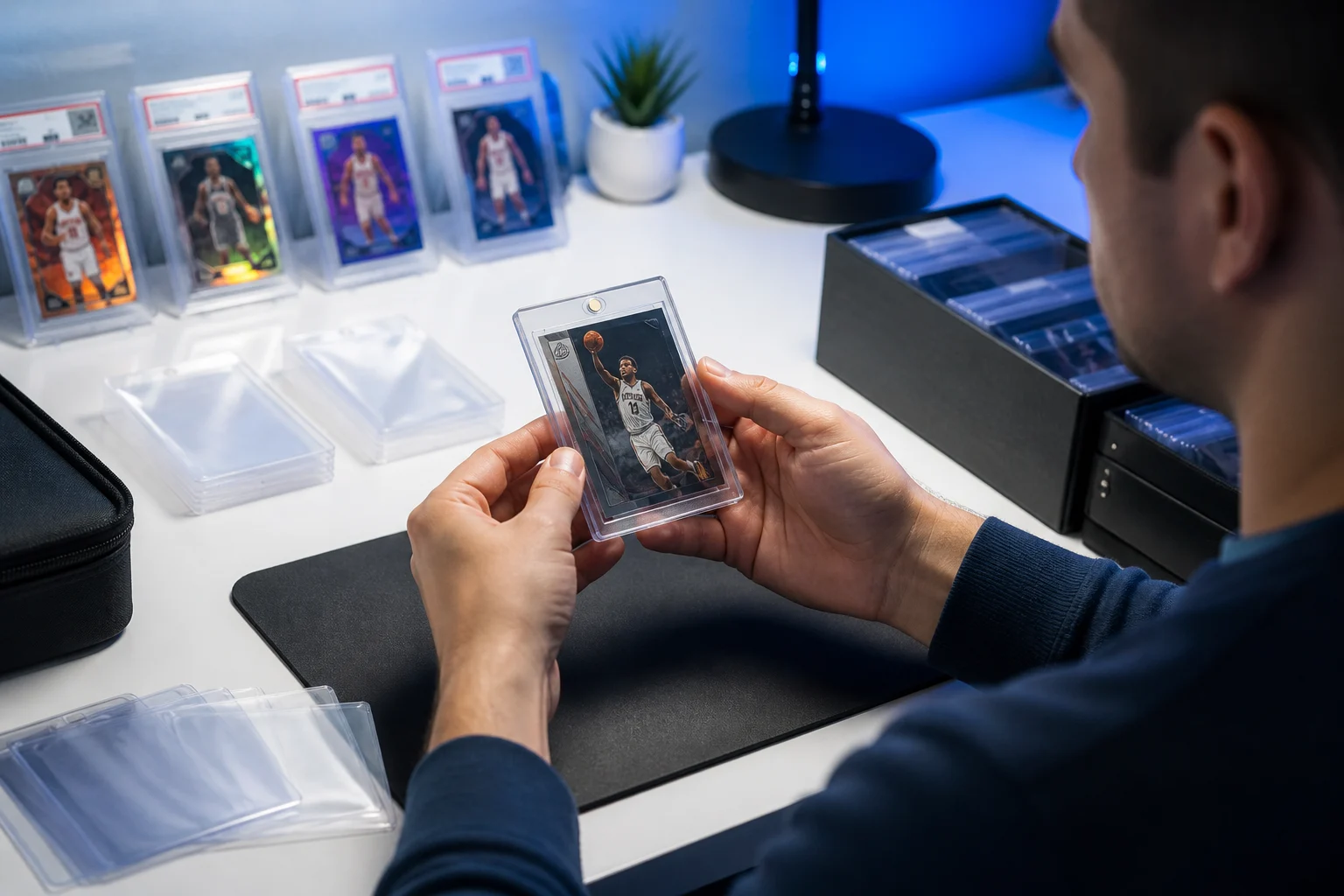
A rookie card can be a personal keepsake, a long-term collection piece, or inventory you plan to sell next month. Those different goals should shape your rookie card grading decisions. The right submission starts with understanding the card, inspecting its condition, and knowing what the service will cost before you ship.
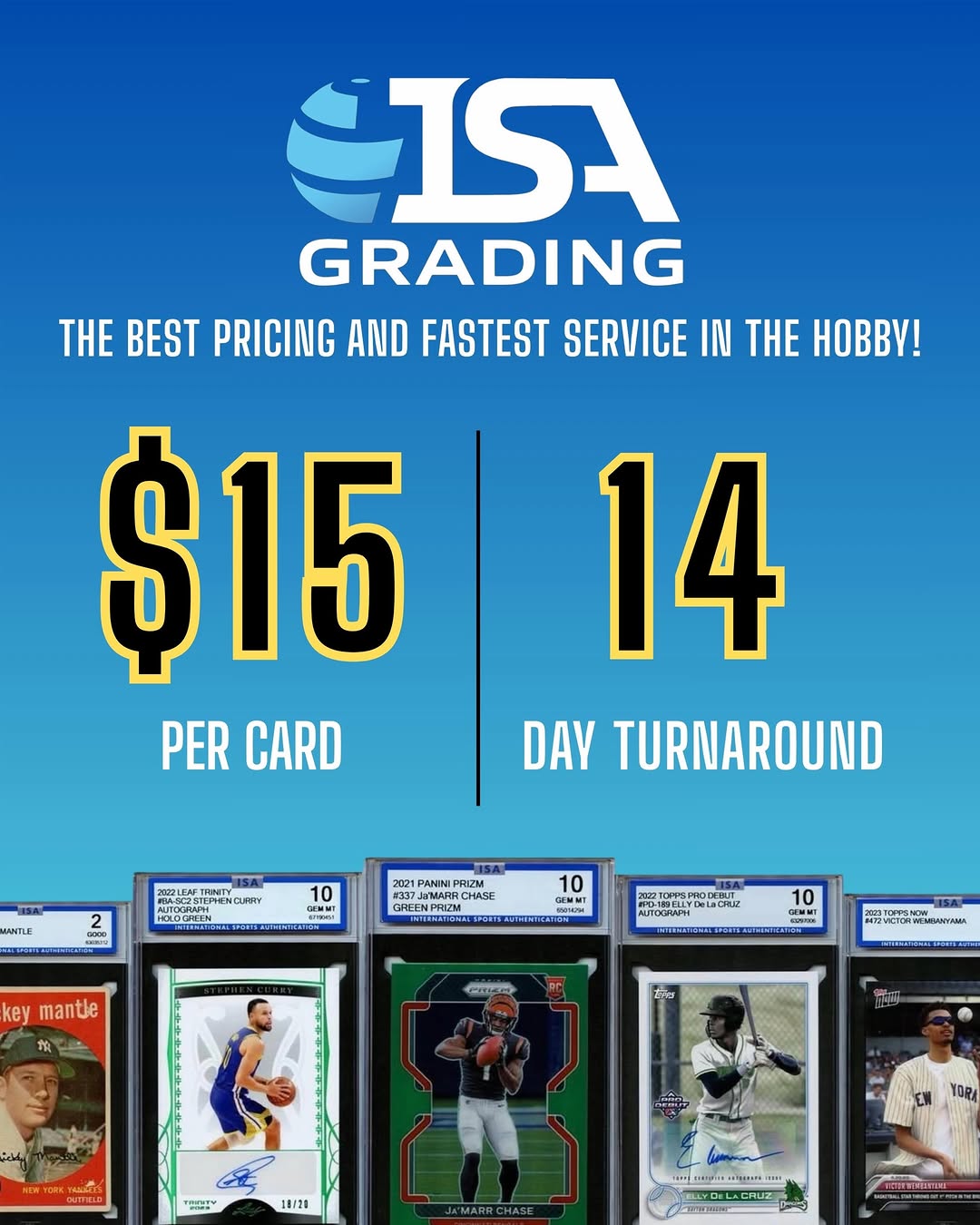
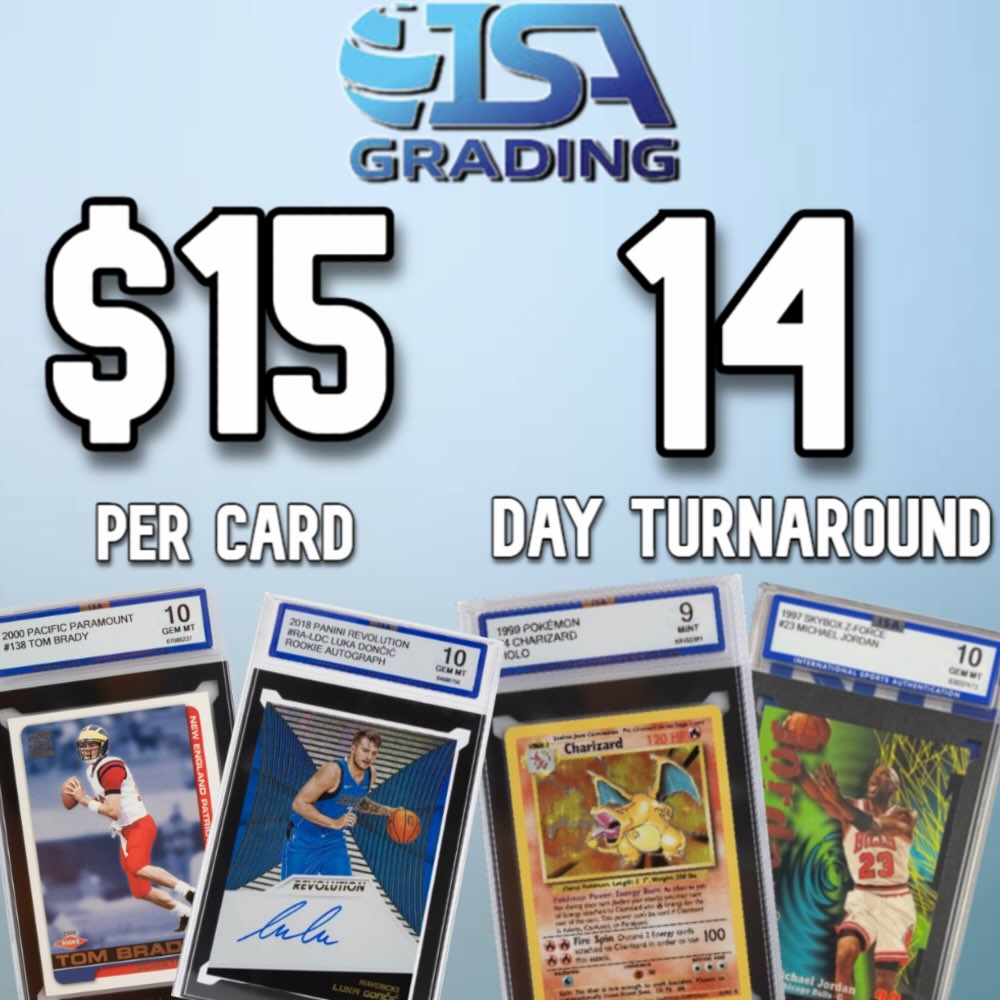
ISA Grading, also known as International Sports Authentication, provides sports card grading and authentication. Its current active service is $15 per card, with a 14 day turnaround, a 10 card minimum, and no upcharges. Here is how to evaluate modern rookies and build a submission that fits your collection or business.
Start With the Exact Rookie Card, Not Just the Player
Modern releases can give one athlete dozens of rookie-year cards across base sets, inserts, parallels, retail exclusives, and autographed issues. They do not all have the same demand. Before considering a grade, identify the year, manufacturer, set, card number, and exact variation. Record any serial numbering, autograph designation, or memorabilia feature.
A rookie logo is useful information, but it does not explain scarcity or establish value. A numbered parallel and a widely available base rookie may feature the same player while attracting very different buyers. Likewise, an insert from a player's rookie season may be collected differently from a base-set rookie.
Check completed sales for the exact version whenever possible. Asking prices show what sellers hope to receive, not necessarily what buyers will pay. If comparable sales are scarce, acknowledge that uncertainty rather than borrowing a price from a different parallel.
Decide What You Want Grading to Accomplish
Sports card grading makes the most sense when it serves a clear purpose. For a collector, that purpose might be protecting a favorite rookie and documenting its assessed condition. For a dealer, it might be creating consistently presented inventory with information buyers can review.
- Personal collection: Sentimental importance can justify grading even when resale economics are modest.
- Resale: Compare likely proceeds at realistic grades against your total costs.
- Inventory management: Consider whether the grading timeline fits upcoming shows, releases, or selling plans.
- Condition documentation: A professional assessment provides a reference point, though grading still involves judgment.
When you ask, "Should I grade my cards?" separate those goals first. A decision that is sensible for a lifelong collection may not work for a seller seeking a short-term margin. Neither approach requires assuming that every rookie will become valuable.
Inspect Modern Rookie Cards Before Submitting
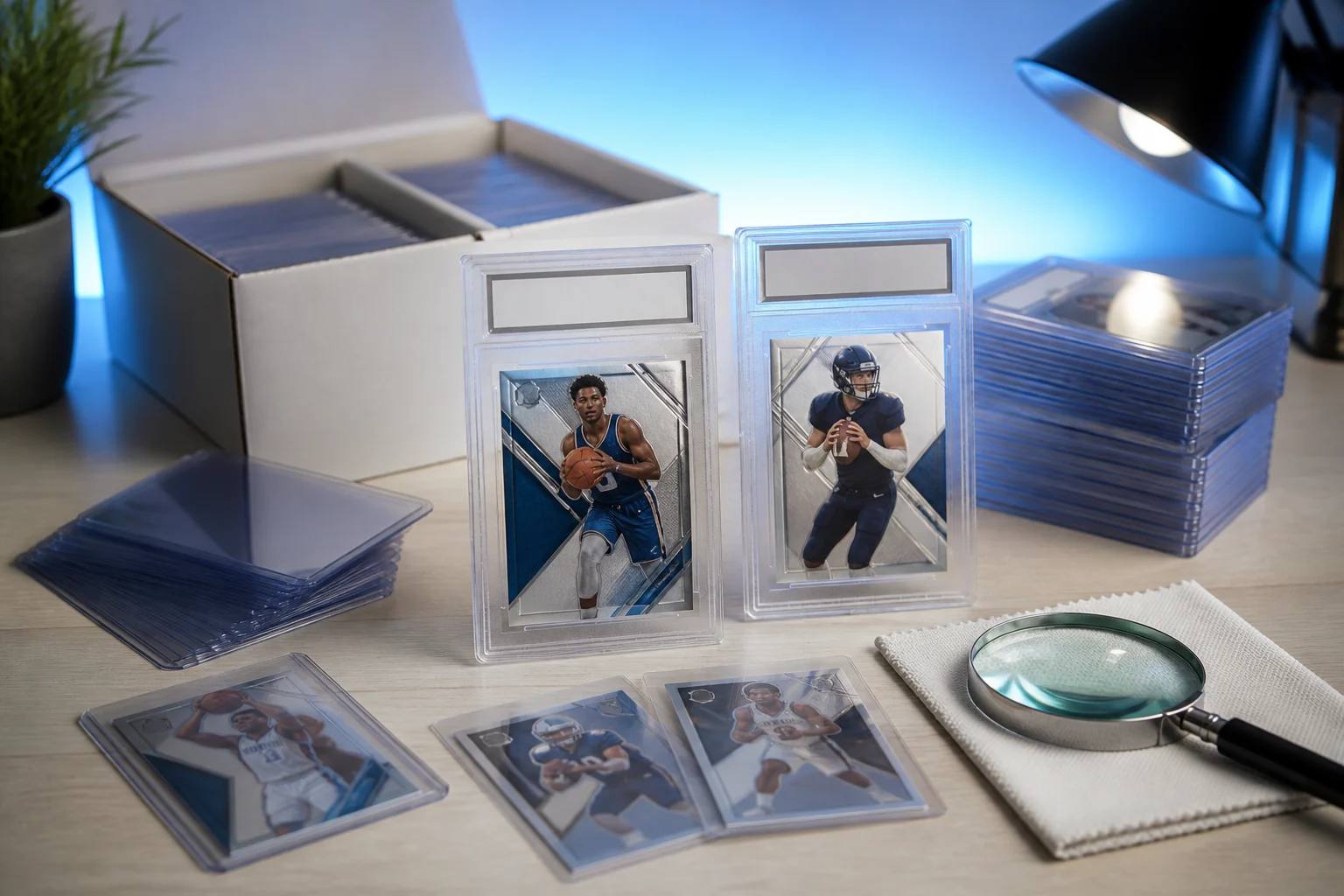
Pack-fresh does not mean flawless. Manufacturing, packaging, shipping, and ordinary handling can leave defects before a card enters your collection. Review candidates under good lighting, handle them carefully, and remember that a home inspection is a screening step rather than a guaranteed grade prediction.
Centering and overall presentation
Compare the visible borders and design placement from side to side and top to bottom. Look at both the front and back. Borderless designs can make centering harder to judge, so use consistent design elements rather than guessing from the photograph alone. Consult ISA's grading scale to understand its published grade descriptions.
Card corners and card edges
Examine all four card corners for whitening, soft tips, bends, or separation. Dark borders and reflective finishes can make small flaws particularly noticeable. Check card edges for chipping, rough cuts, dents, and exposed fibers. Turn the card carefully so that one favorable viewing angle does not hide damage.
Card surface and finish
Inspect the card surface under angled light. Look for scratches, print lines, dimples, indentations, stains, and residue. Reflective cards may show marks that disappear when viewed straight on. Review the back with equal care, and do not assume that a clean front outweighs a significant reverse-side defect.
Avoid pressing, trimming, recoloring, polishing, or applying chemicals to improve appearance. Such actions can alter or damage a card. If you suspect an alteration or are unsure how to handle contamination, seek guidance before attempting a fix.
Run the Numbers Before Choosing a Submission
Grading is an expense, not a promise of a higher selling price. Build a simple estimate using your purchase cost, grading charges, shipping, insurance where appropriate, and any selling or payment-processing fees. Then compare that total with recent sales at more than one plausible grade.
ISA's $15 card grading service makes the grading-fee portion straightforward. At the current 10 card minimum, grading fees for ten cards total $150. That figure is not an all-in shipping quote. Confirm any applicable shipping charges and other submission details before paying or mailing your cards.
No upcharges means you do not need to budget for a higher grading-service fee based on a card's resulting value. It does not remove marketplace fees, taxes where applicable, or your own acquisition costs. For a closer look at the service, read what $15 card grading looks like at ISA.
Test a conservative outcome as well as an optimistic one. If your resale plan works only when every card receives the highest grade, the batch may carry more risk than you intend. Do not add weak candidates merely to reach the minimum.
Plan Around the Turnaround, Not a Player's Next Highlight
Rookie markets can change quickly after an injury, strong performance, roster move, or shift in collector attention. A predictable service timeline helps with planning, but it cannot freeze demand or protect a card's market price.
ISA currently lists a 14 day card grading turnaround. Before scheduling a sale or show around that timeline, confirm how turnaround is measured, when the service period begins, and how outbound and return shipping affect your calendar. Transit time and grading time are separate planning considerations.
Review the submission FAQ for current guidance before sending a batch. Sellers should leave a practical buffer rather than promise buyers a delivery date based solely on the grading timeline. Collectors should also keep submission records so they can track what was sent and when.
Prepare Rookie Cards for Safe Handling and Shipping
Good preparation reduces avoidable handling risks and helps keep a submission organized. Follow ISA's current packaging instructions rather than assuming every grading company uses the same process. Check required forms, accepted holders, labeling instructions, and mailing details before sealing the package.
- Create an inventory. Record each card's year, set, player, number, variation, and serial number where present.
- Photograph the cards. Capture clear front and back images for your records without treating photographs as a substitute for insurance.
- Use appropriate protection. Follow the specified holder requirements and avoid forcing cards into tight sleeves or holders.
- Keep adhesives away. Do not let tape or sticky labels contact card surfaces or exposed edges.
- Prevent movement. Pack the protected cards securely inside a sturdy outer box with suitable cushioning.
- Keep documentation. Retain submission details, tracking information, and any applicable shipping coverage records.
For more preparation guidance, review costly card submission mistakes to avoid. Slow, deliberate handling is better than rushing through a stack of valuable rookies just to get a package out that afternoon.
Understand Authentication, Slabs, and Certificate Verification
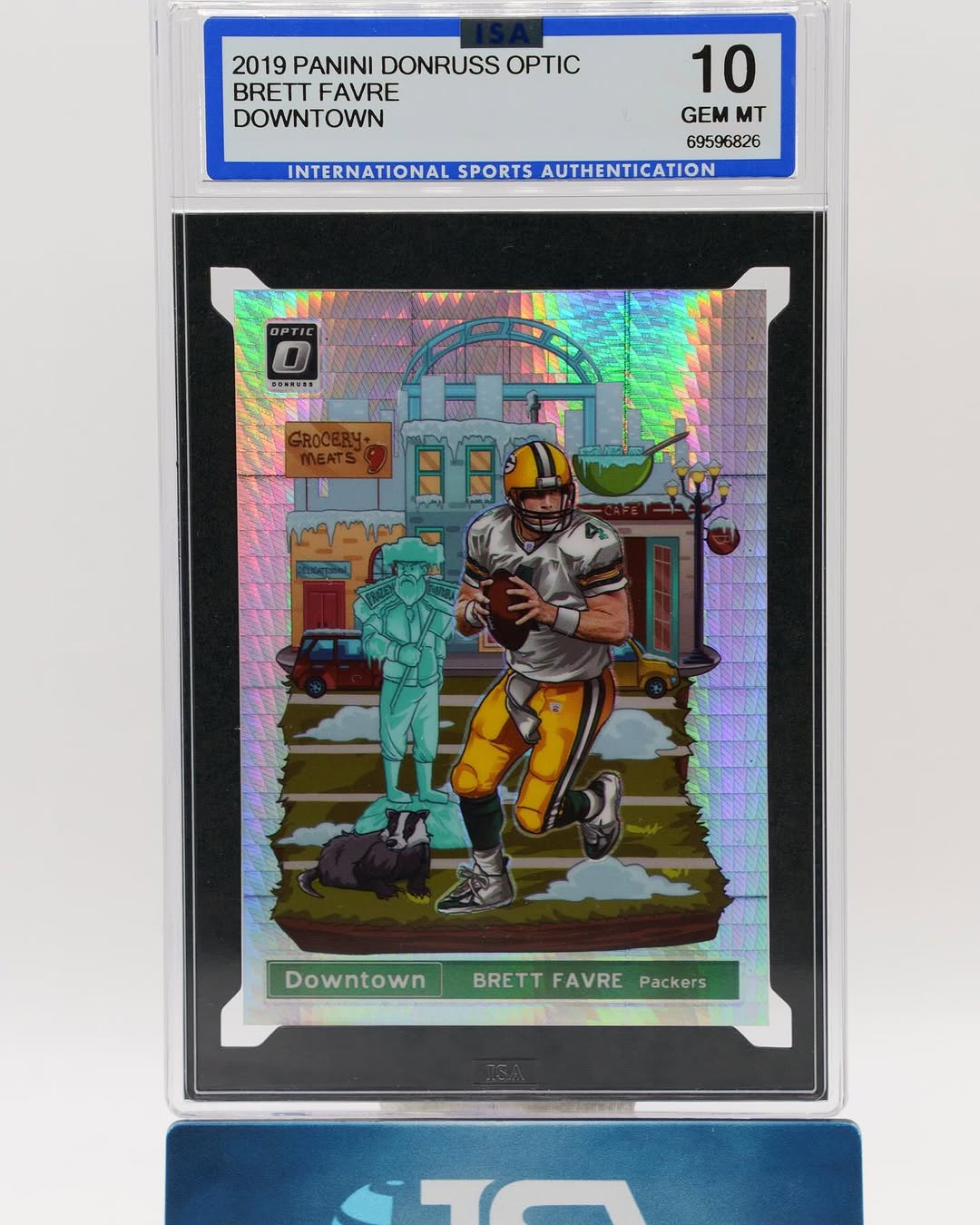
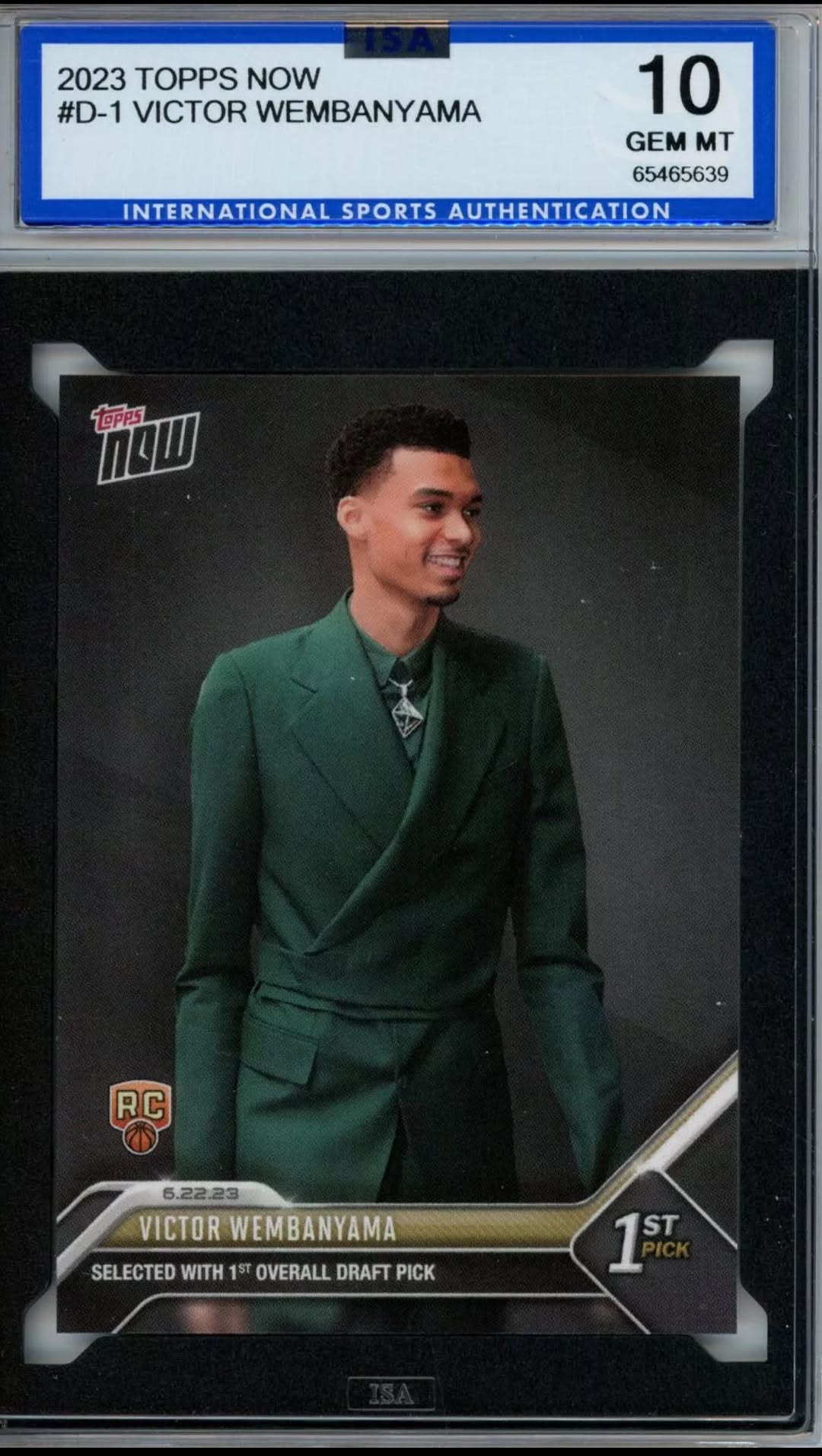
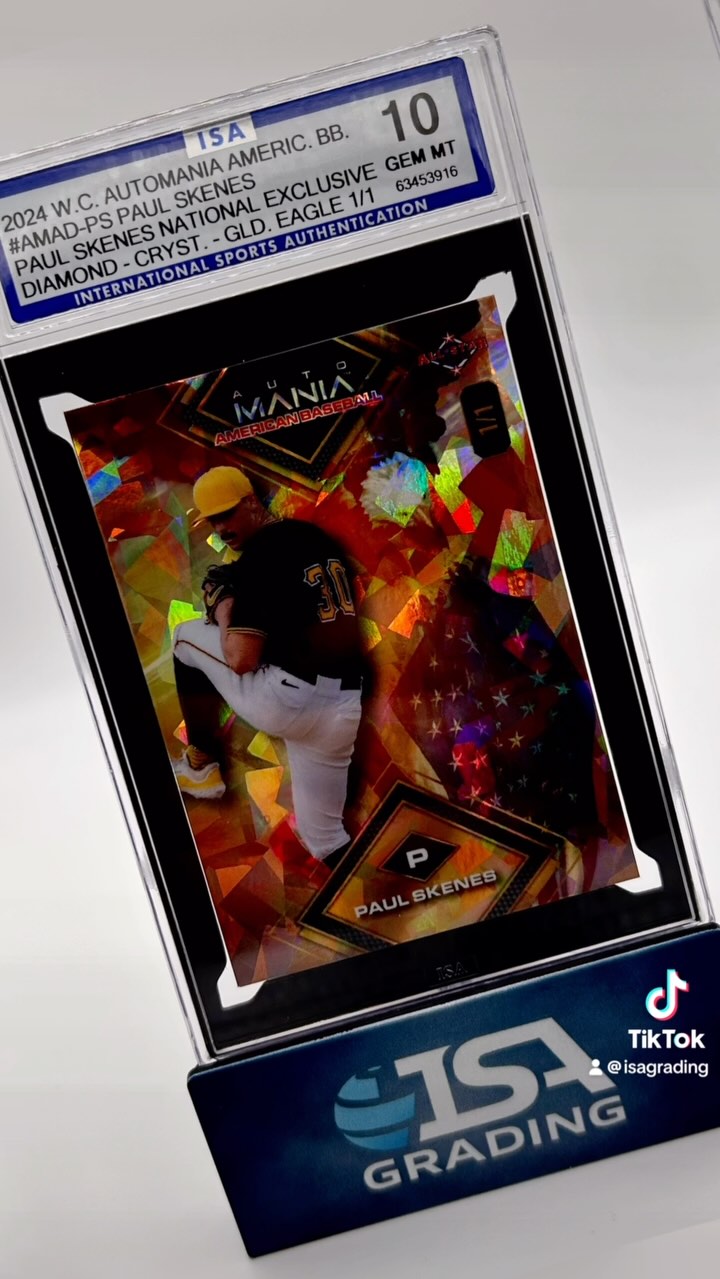
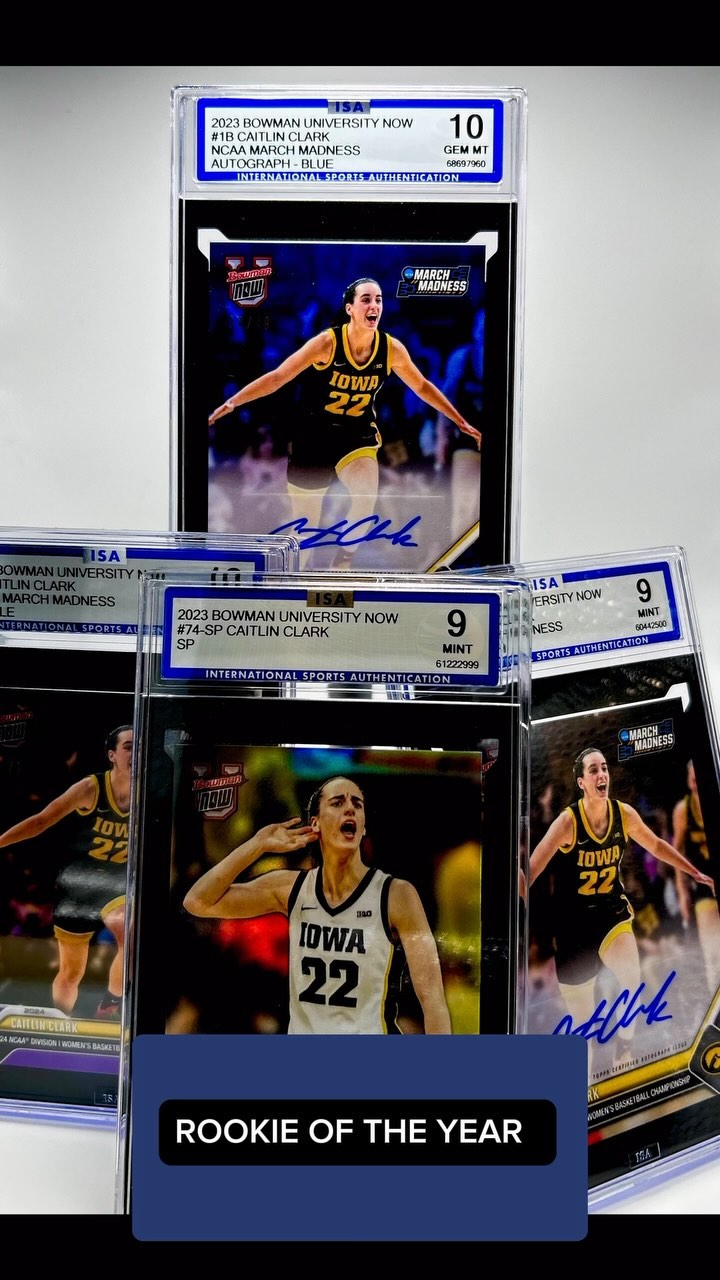
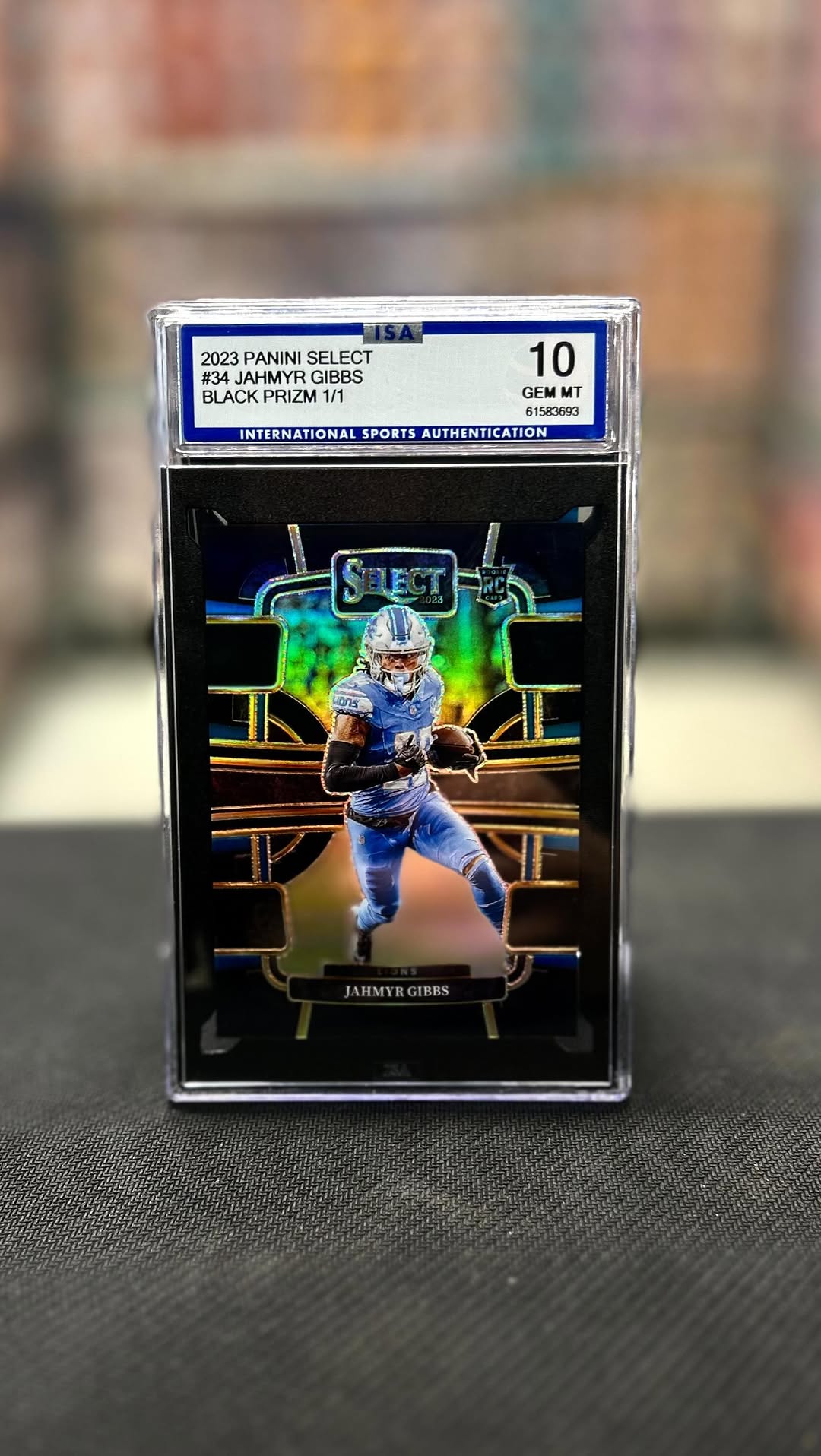
Card authentication and condition grading answer related but different questions. Authentication concerns whether a card is genuine within the scope of the service. Grading assesses its condition. Sports card authentication should not be confused with a guarantee of investment performance or an assumption that every separate autograph has been independently authenticated.
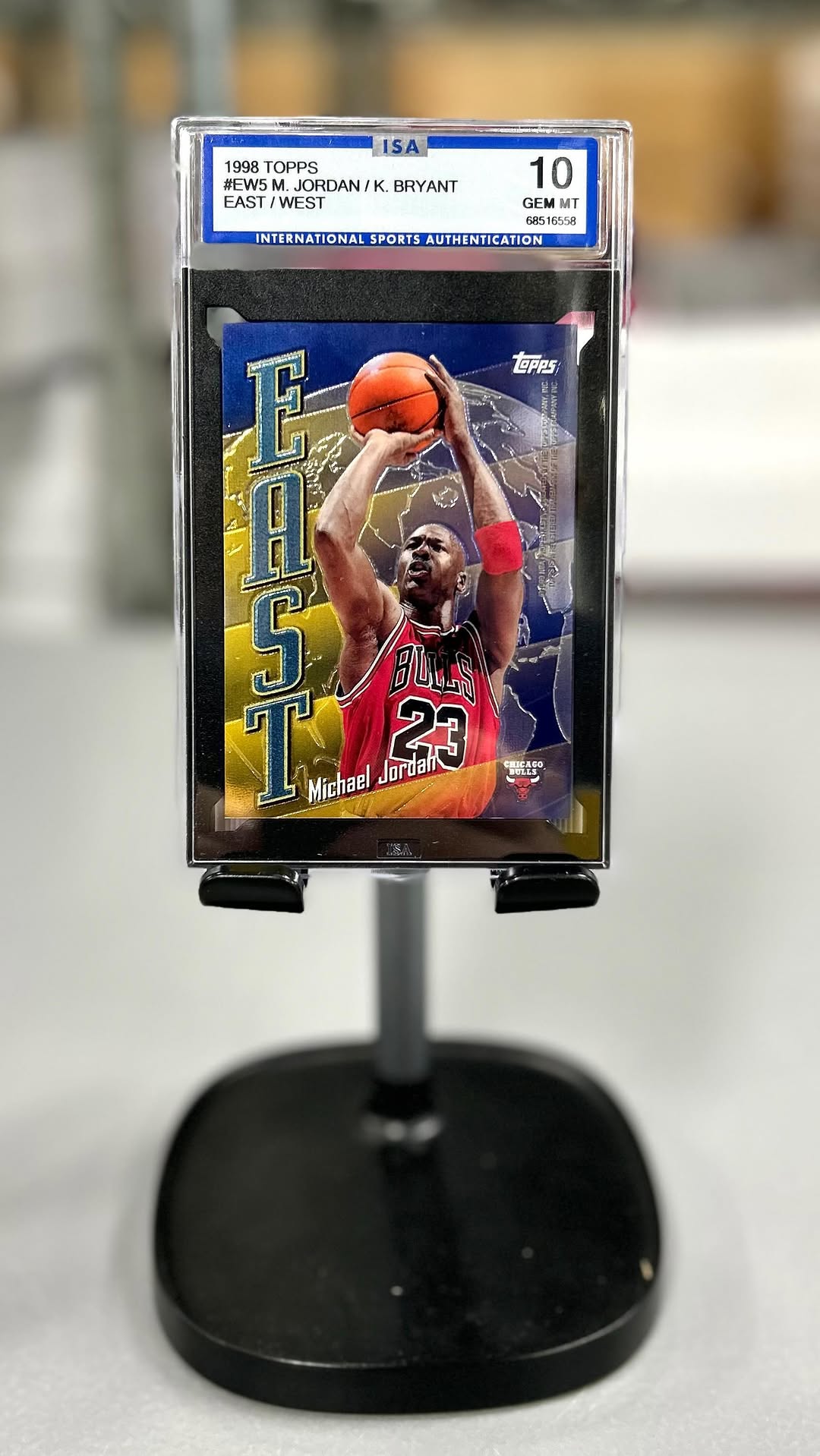
Trading card slabs provide a protective enclosure and present grading information in a consistent format. They reduce direct handling of the card, but they are not a reason to ignore storage conditions. Keep slabbed cards away from excessive heat, moisture, prolonged direct sunlight, and situations where the holder could be dropped or crushed.
ISA offers online certificate verification. Buyers and sellers can use it to check a certificate number and compare the available record with the card and label. Review the player, set, card details, and grade shown, where available.
A matching certificate record is a useful check, not a substitute for examining the item and evaluating the seller. If the listing, label, and verification details do not align, pause the transaction and resolve the discrepancy before proceeding.
Selling Graded Rookie Cards With Clear Information
A slab can help buyers understand what is being offered, but the listing still needs to do its job. Photograph the front and back of the holder clearly, including the label. Describe the exact rookie, parallel, serial numbering, and assigned grade. Disclose visible holder damage rather than relying on distant photographs.
Use completed sales of the same card and grade when available, while considering the grading company, sale date, and listing format. Do not assume that results from a different company or a different parallel transfer directly to your card. If you mention rarity, support it with verifiable information.
Buyer confidence comes from accurate identification, readable images, accessible verification, and clear selling terms. Avoid promising future appreciation or presenting a grade as proof that a player will succeed. For dealers, consistent listing practices can matter as much as the number of rookies submitted.
Build a Focused Batch Across Sports and Collections
The basic evaluation process applies to football card grading and basketball card grading: identify the issue, inspect condition, research demand, and calculate costs. Stock thickness, finishes, and product designs vary, so adjust your inspection rather than treating every modern rookie as physically identical.
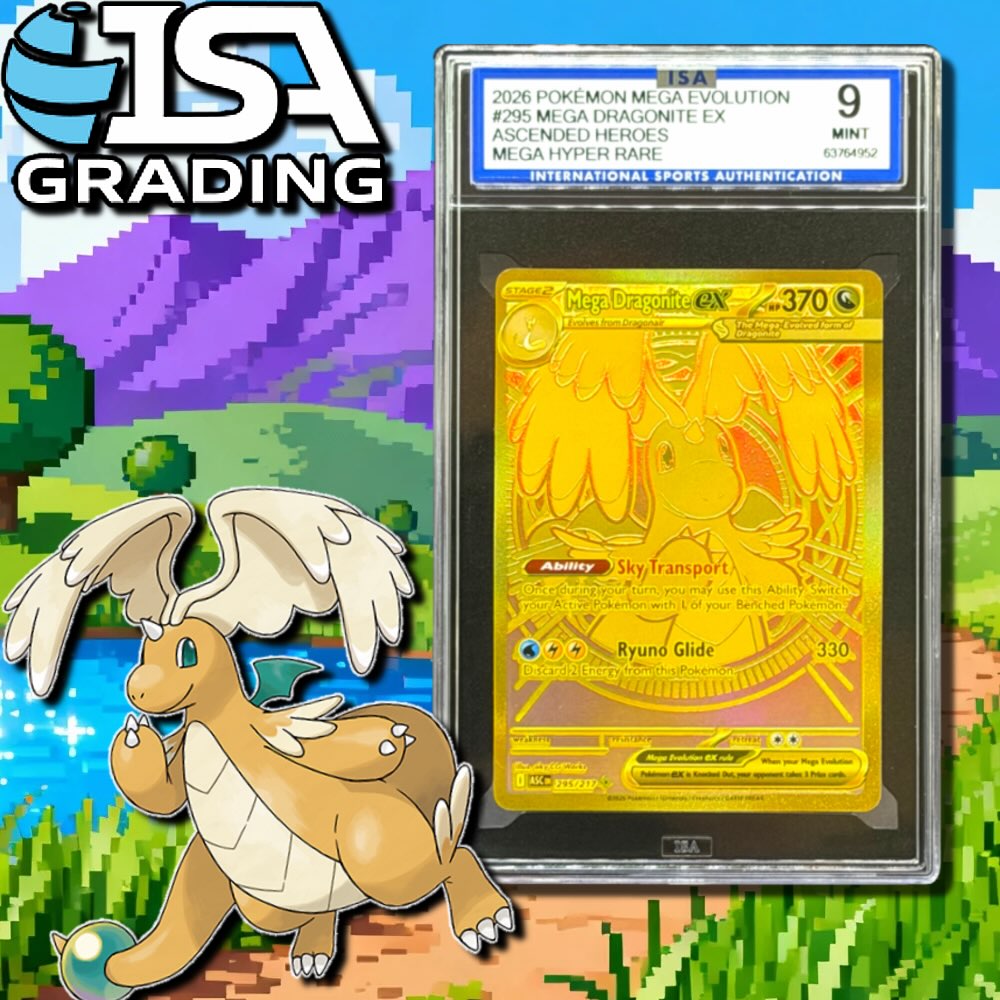
Collectors who also research Pokemon card grading or TCG card grading can use similar budgeting and preparation principles. However, sports rookies and gaming cards have different identification conventions and demand drivers. Confirm current eligibility for any non-sports cards before including them in a trading card grading submission.
For your next rookie batch, choose cards with a specific purpose and a defensible budget. Recheck condition, document the contents, and confirm current submission instructions. When you are ready, use ISA's card submission page to begin with the current $15 per card service, 14 day turnaround, 10 card minimum, and no upcharges.
Submit Cards to ISA Grading
Collectors ready to use ISA Grading can start on the submission page. The current active service is $15 per card with a 14 day turnaround, no upcharges, and a 10 card minimum.
Frequently Asked Questions
Is rookie card grading worth it for modern base cards?
It depends on your goal, the card's condition, demand, and total costs. Compare recent completed sales at realistic grades with your purchase price, grading fees, shipping, and selling fees. A favorite base rookie may still be worth grading for a personal collection even when resale margins are limited.
How much does rookie card grading cost at ISA?
ISA's current active service costs $15 per card with a 10 card minimum and no upcharges. A ten-card submission has $150 in grading fees. Confirm applicable shipping charges and other submission details separately.
What is ISA's current grading turnaround?
ISA currently offers a 14 day turnaround. Confirm how the turnaround period is measured and when it begins before planning a sale. Allow separately for shipping to ISA and return transit.
What should I inspect before submitting a rookie card?
Review front and back centering, card corners, card edges, and the card surface under good lighting. Look for whitening, dents, scratches, print lines, stains, and other defects. A careful inspection helps screen candidates but does not guarantee a particular grade.
How can a buyer verify an ISA-graded rookie card?
Use the certificate verification page on ISA's website to check the certificate number and compare the available record with the card and label. Investigate any discrepancies before buying. Verification is a useful check alongside clear photographs, physical inspection where possible, and evaluation of the seller.