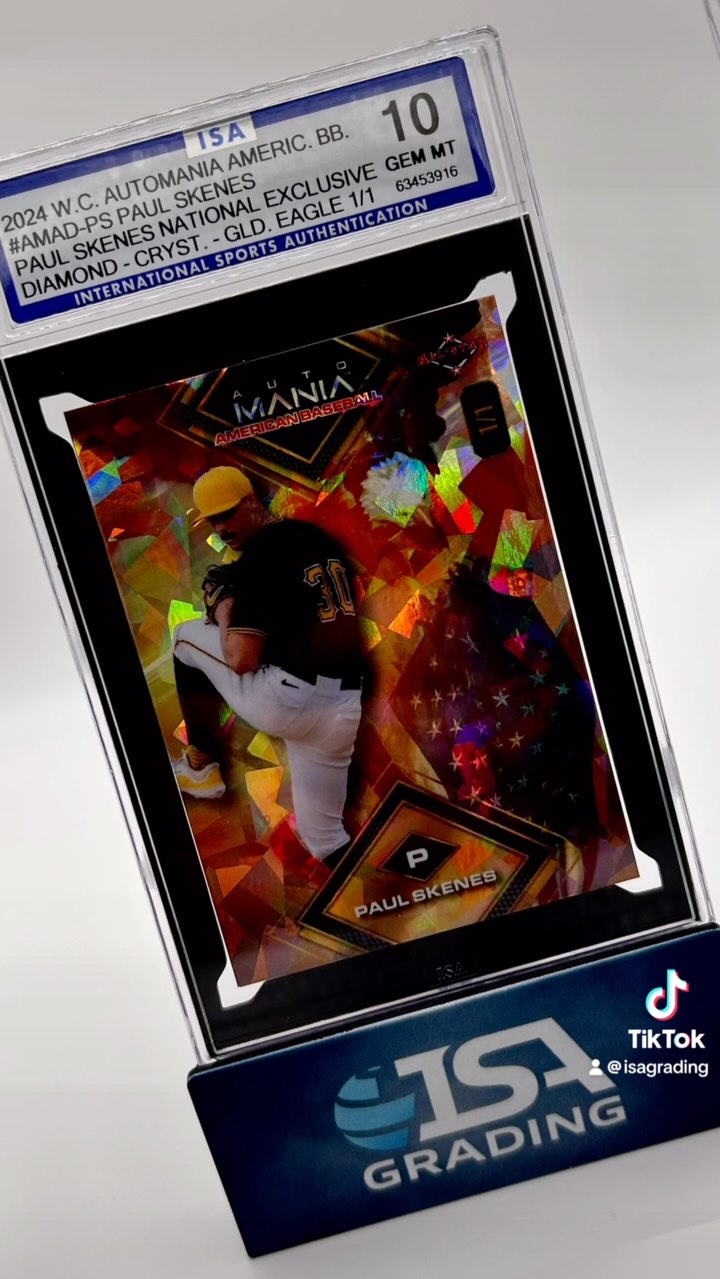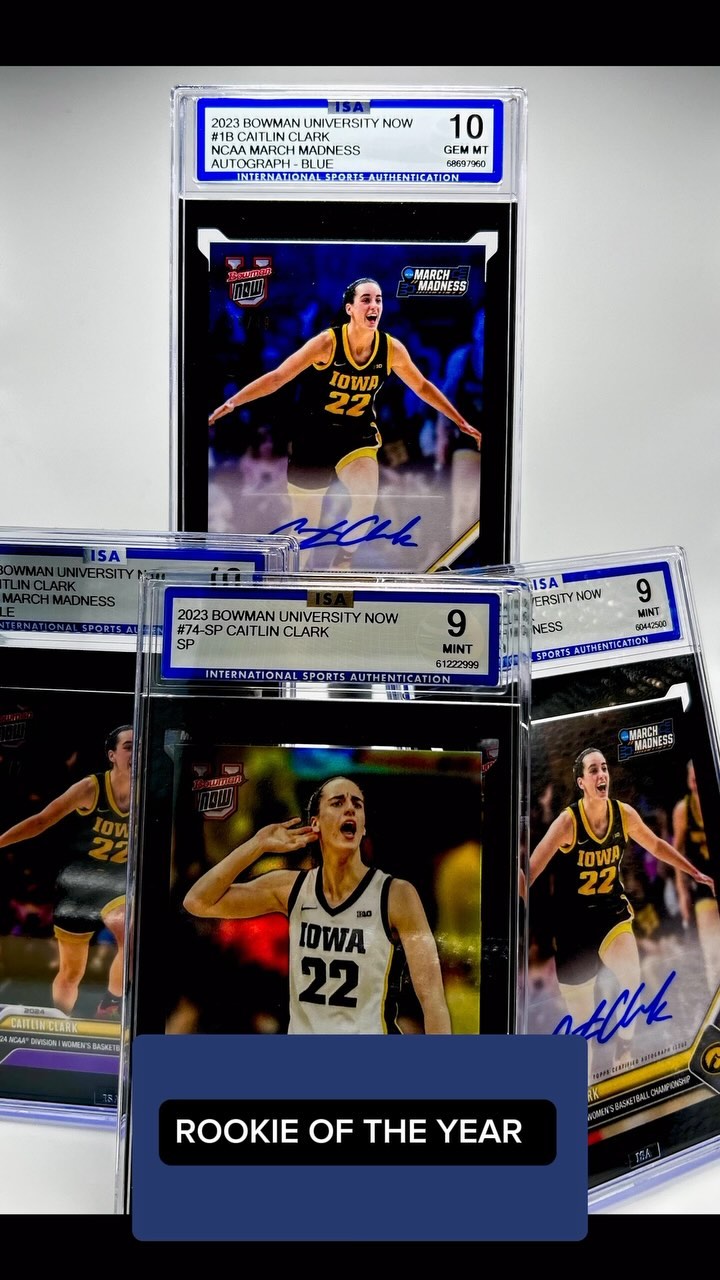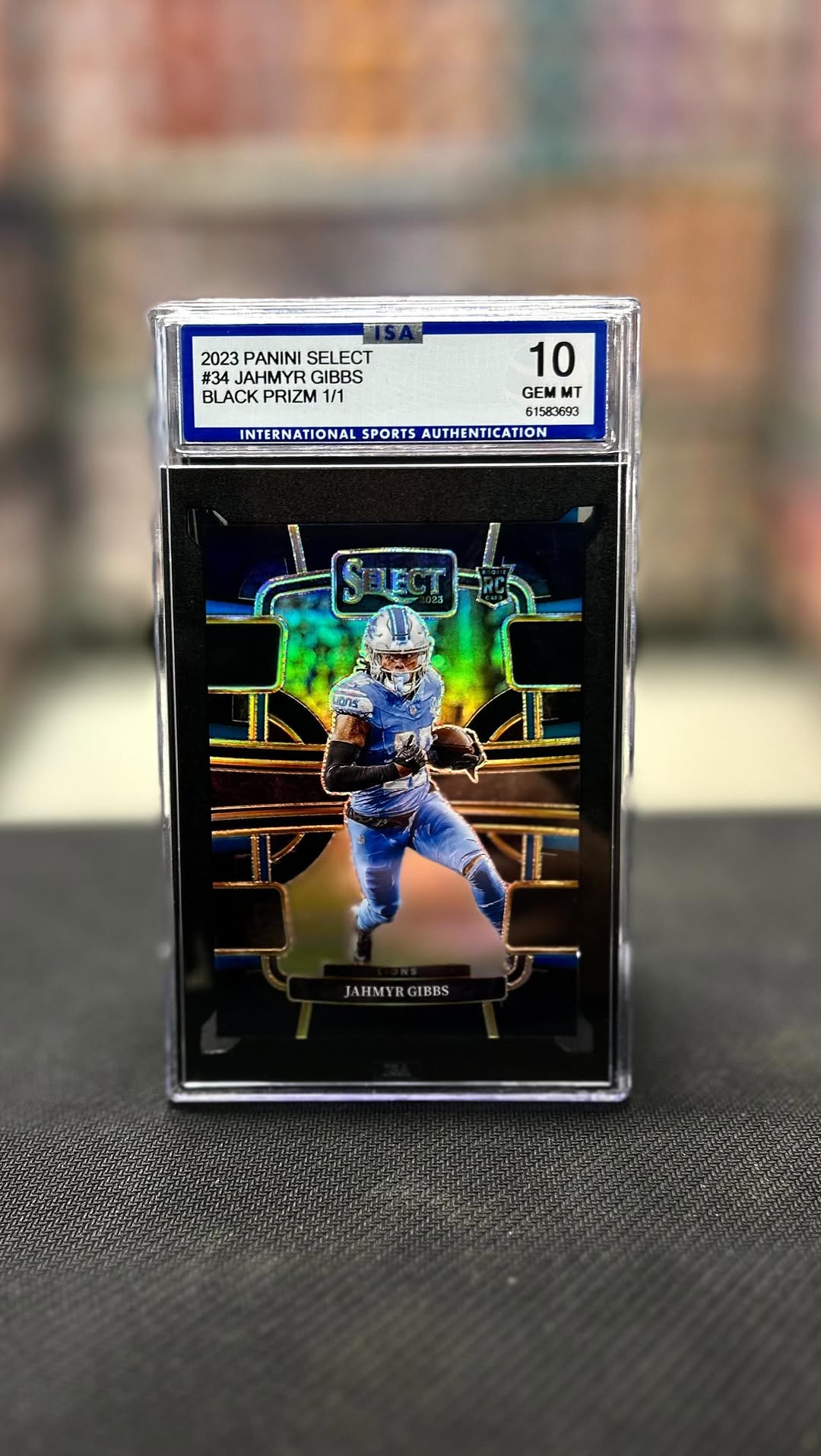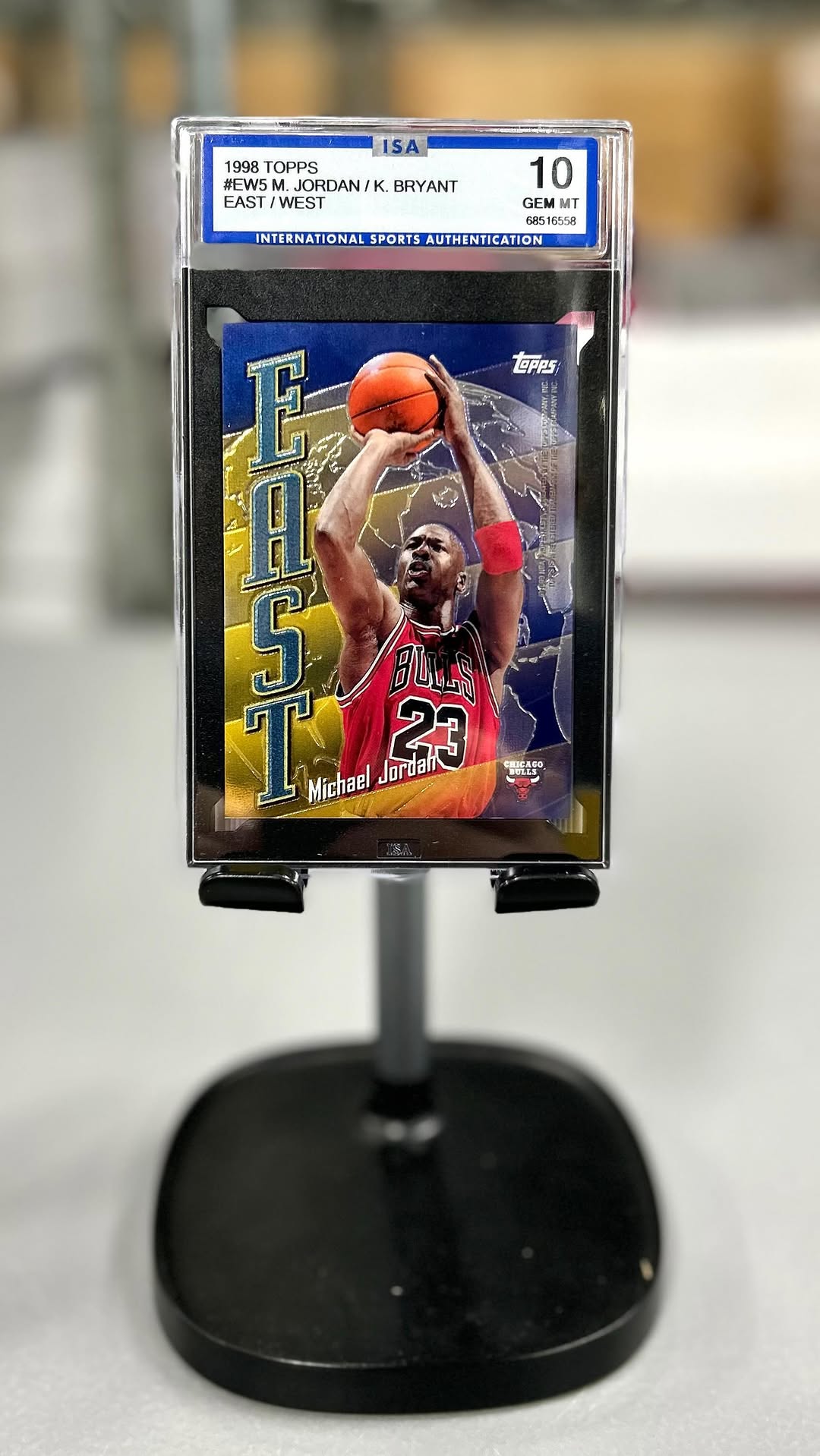
Submitting cards for professional grading can make them easier to protect, organize, verify, and sell. It can also create unnecessary expense when a collector sends the wrong cards, overlooks visible flaws, uses poor packaging, or misunderstands the grading process. Careful preparation helps you make informed decisions before your cards leave your hands.
Whether you collect modern rookies, vintage sports cards, or popular TCG releases, the same principle applies: inspect first and submit with a plan. The following mistakes are among the most important to avoid before using a card grading service.
Submitting Without a Clear Goal
One of the first mistakes is submitting cards without deciding what grading is meant to accomplish. A personal collection has different needs from dealer inventory. A collector may want card encapsulation for long term protection and display, while a seller may be focused on buyer confidence, timing, and the likely value of a graded card.
Ask a few practical questions before building a submission:
- Is the card intended for a personal collection, trade, or sale?
- Would authentication and encapsulation add useful confidence?
- Does the card have enough demand to justify grading?
- Would a lower grade still fit the purpose of the submission?
- When does the card need to be returned?
Not every card needs to be graded. A sentimental card can be worth encapsulating even when its market value is modest. A card intended for resale requires a more careful review of grading fees, shipping costs, condition, demand, and likely selling price.
Skipping a Detailed Condition Inspection
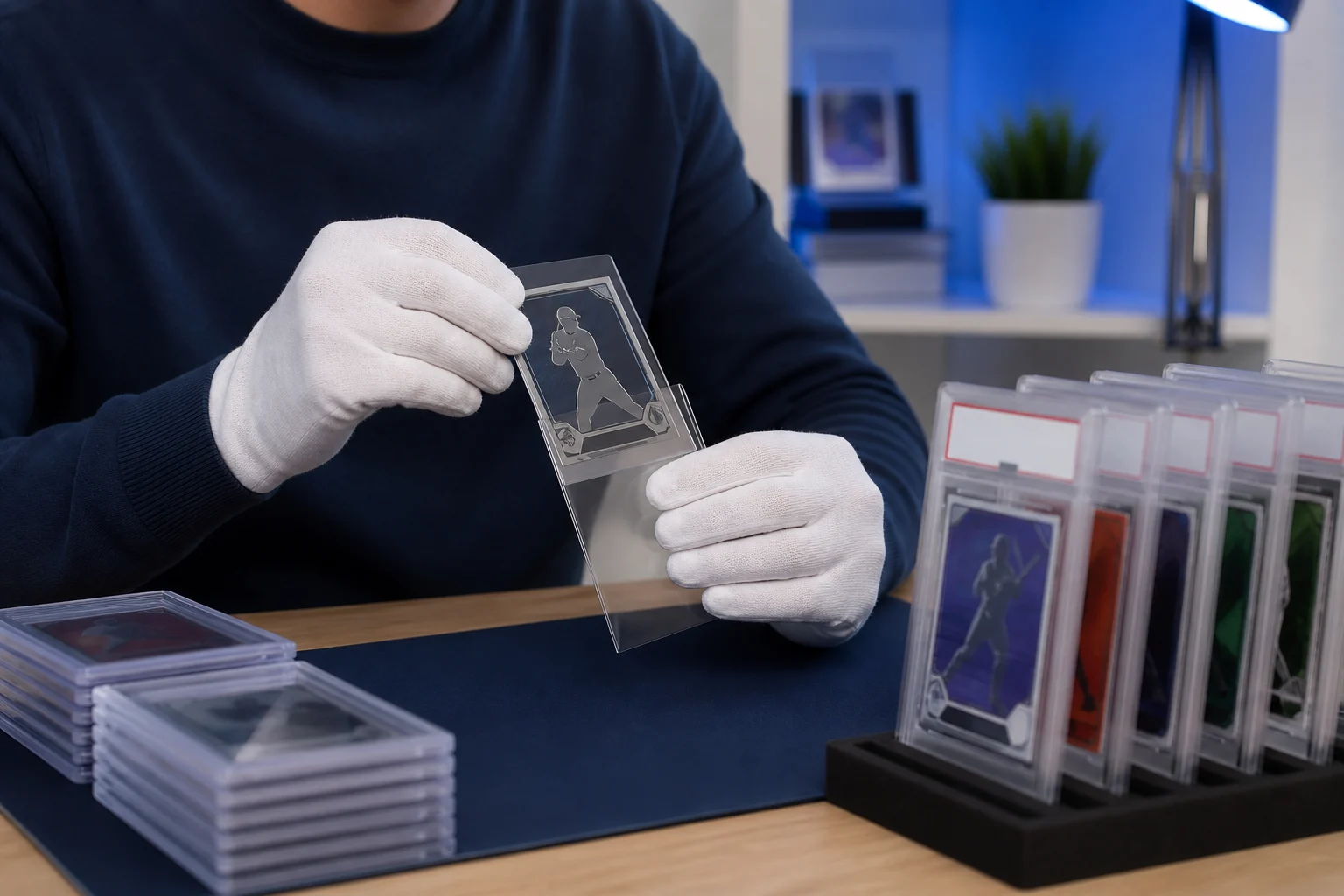
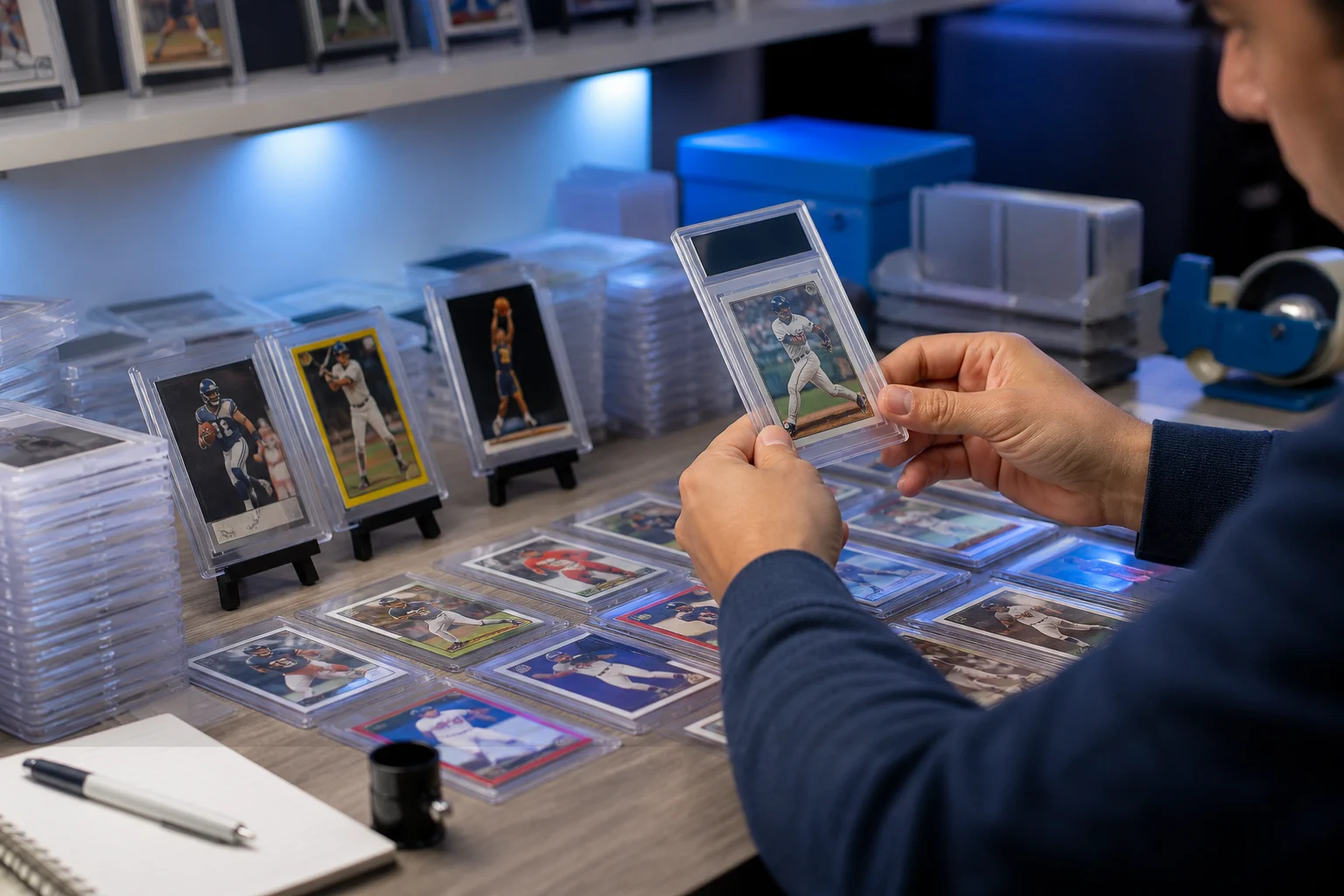
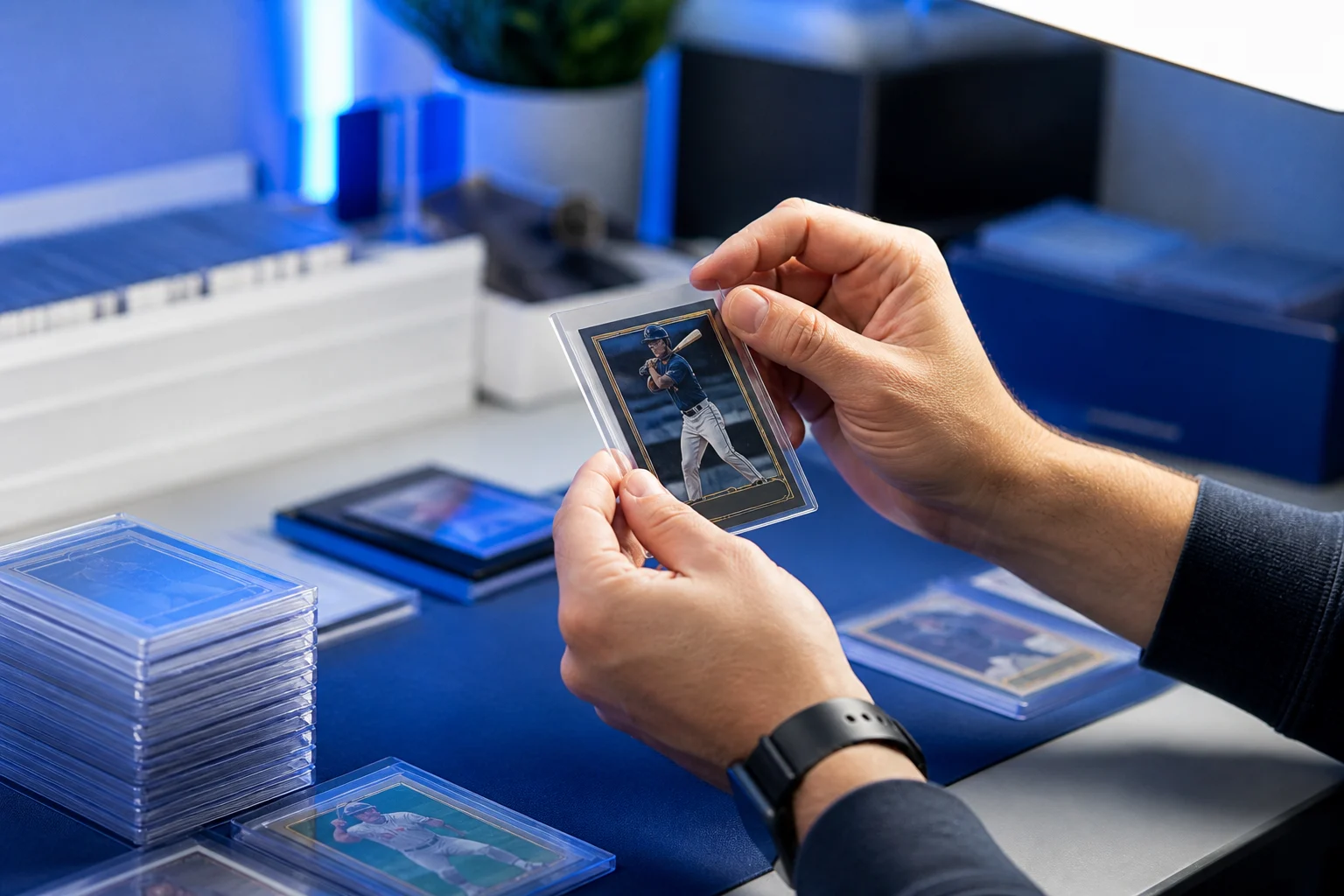
A quick glance through a sleeve is not enough. Bright, indirect lighting and careful viewing from several angles can reveal issues that are easy to miss. Inspect the front and back because grading is not limited to the image side.
Card centering
Compare the borders on the left and right, then the top and bottom. Also examine the back. Card centering can appear acceptable at first glance while still showing a noticeable imbalance. Borderless designs require attention to design elements, text placement, and other visual reference points.
Card corners and edges
Inspect all four card corners for softness, whitening, bends, and separation. Then review the edges for chipping, rough cuts, dents, or exposed stock. Dark borders often make edge wear especially visible. Avoid assuming that a pack fresh card has perfect corners or edges.
Card surface
Tilt the card under a light to examine the card surface for scratches, print lines, dents, stains, fingerprints, scuffs, and indentations. Foil cards and chrome finishes can hide defects when viewed straight on. The back may also contain scratches, wax residue, ink transfer, or production marks.
Collectors can review the ISA grading scale before submitting. A grading scale helps set realistic expectations, although a home inspection cannot guarantee a professional grade.
Assuming Every New Card Will Receive a High Grade
New does not mean flawless. Cards can leave a pack with imperfect centering, print defects, corner wear, edge chipping, roller lines, or small surface indentations. This matters across rookie card grading, football card grading, basketball card grading, Pokemon card grading, and other forms of TCG card grading.
Modern cards are often examined against strong condition expectations because many comparable copies may be available. Before submitting, compare the potential benefit of a high grade with the possibility of a lower result. If only the highest grade makes financial sense, minor defects may change the decision.
Vintage cards require a different perspective. Age alone does not determine a grade, but older cards frequently show wear from handling, storage, printing, or cutting. A lower grade may still be desirable when the card is scarce, historically significant, or difficult to find with strong eye appeal.
Cleaning or Altering a Card Aggressively
Collectors sometimes damage cards while trying to improve them. Abrasive cloths, chemical cleaners, moisture, heat, pressing, recoloring, and edge work can create damage or raise authenticity and alteration concerns. Even wiping a glossy card with too much pressure can add fine scratches.
If loose dust is present, use caution and avoid any action that could change the card. Do not attempt to flatten creases, rebuild corners, trim edges, or conceal defects. Professional sports card authentication and card authentication are intended to assess the item that is submitted, not a cosmetically modified version.
When uncertain, leave the card as it is. A visible fingerprint is frustrating, but permanent damage from an improvised cleaning method is worse.
Using Poor Holders Before Shipping
Trading card slabs protect cards after grading, but the card must first survive shipment and handling. A loose card can slide, scratch, or strike the sides of a holder. A holder that is too tight can put pressure on corners and edges during insertion or removal.
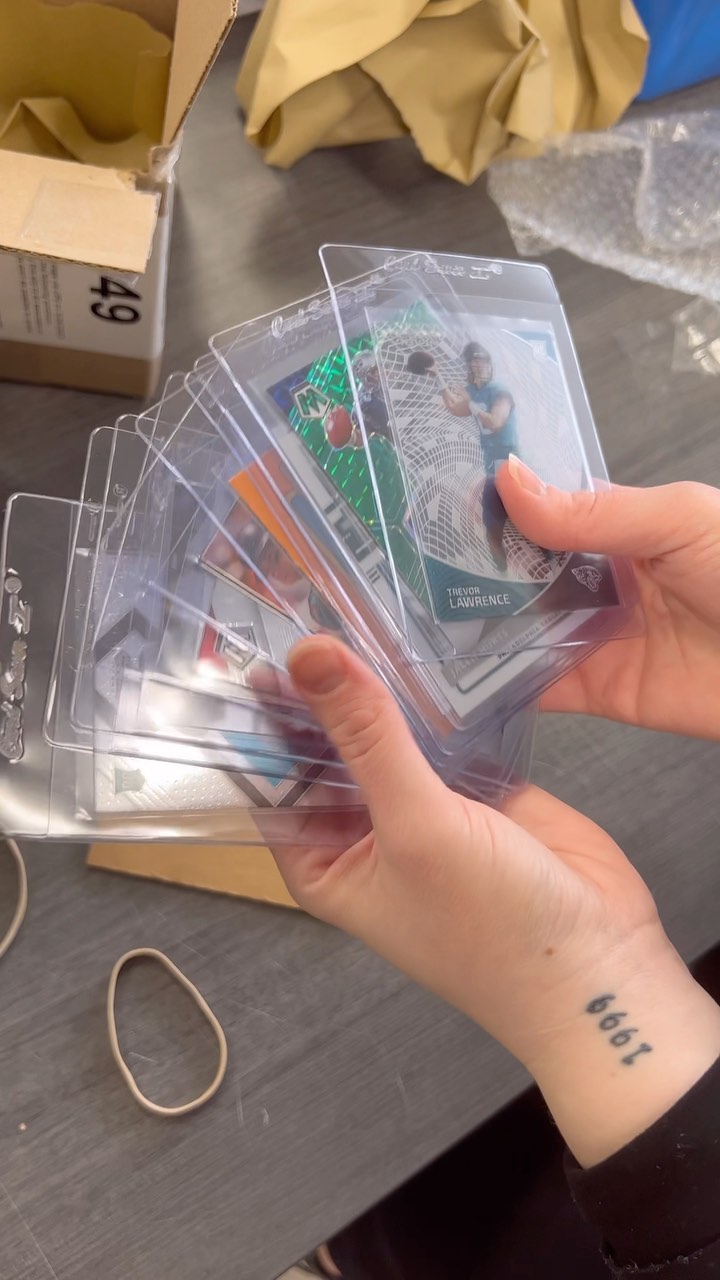
Use clean, appropriately sized protection. A soft sleeve can help guard the surface, while a suitable semi rigid holder can provide support. Oversized, thick, die cut, or unusually shaped cards may require different protection. Never force a card into a holder.
Avoid using tape directly on a card or sleeve. If tape is needed to secure exterior packaging, make sure it cannot touch the card. Folded tape tabs can make outer materials easier to remove without sharp tools near the submission.
Before packing, confirm the current instructions on the ISA submission page. Following the grading company's stated process reduces avoidable handling issues.
Ignoring Pricing, Minimums, and the Full Submission Cost
Collectors searching for where to grade my cards sometimes compare only the advertised fee. A useful budget should also account for the submission minimum, shipping to the grader, return shipping, insurance choices, supplies, and the number of cards being sent.
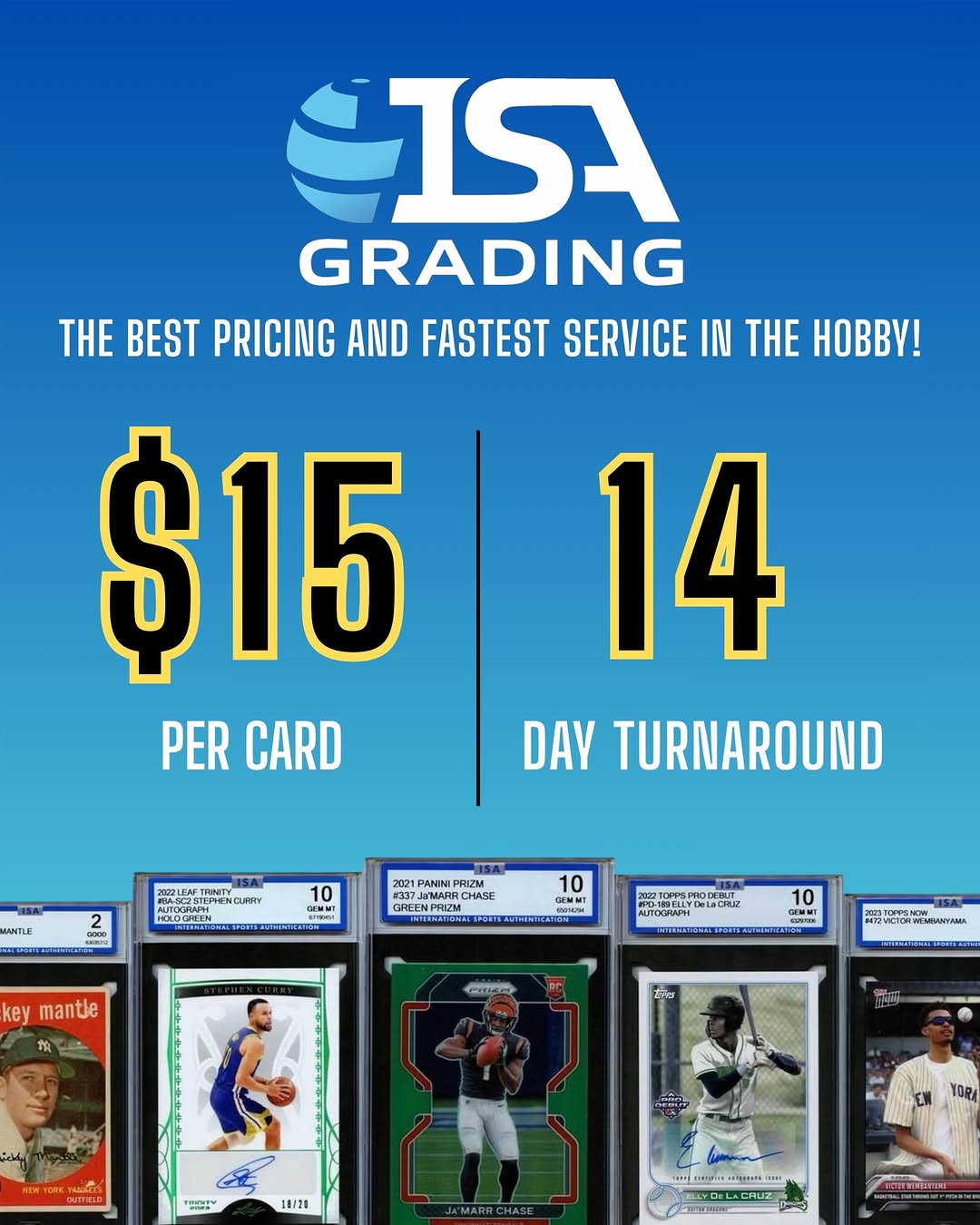
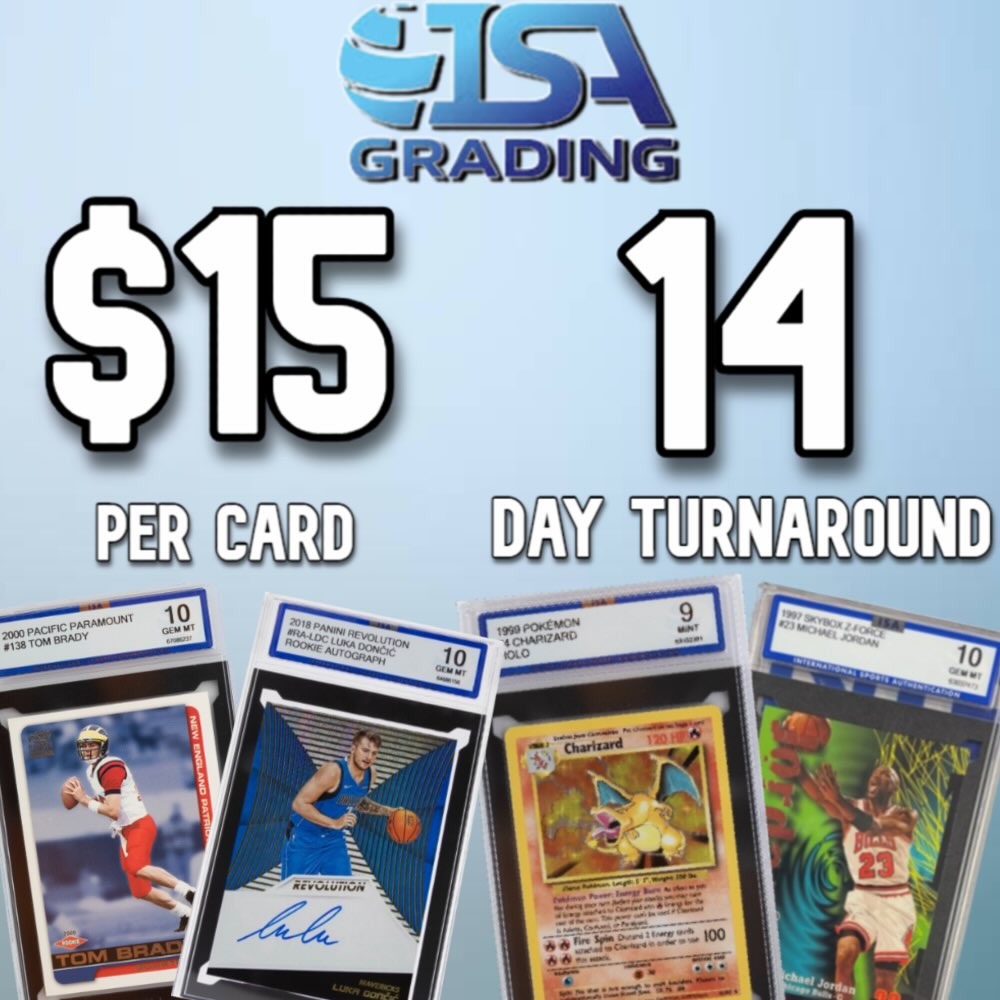
ISA Grading currently offers sports card grading and authentication at $15 per card, with a 10 card minimum, a 14 day turnaround, and no upcharges. This pricing clarity can help collectors and dealers calculate costs before submitting. For more detail, read A Clearer Path to the Slab: How ISA Keeps Grading at $15 Per Card.
The 10 card minimum should influence card selection. Do not add weak candidates simply to reach the minimum. Instead, build a thoughtful batch over time, combine eligible cards from several collecting categories, or plan inventory around upcoming sales. The article The Budget Advantage of a Flat $15 Card Grading Fee explains how predictable pricing can support submission planning.
Pricing should be reviewed when each submission is prepared because service details can change. Current information matters more than an old social media post, saved screenshot, or previous order.
Failing to Organize the Submission
A disorganized order creates unnecessary uncertainty. Arrange cards in the same sequence as the submission information whenever the process calls for an itemized order. Double check player names, years, manufacturers, set names, card numbers, and variations.
Parallel cards can look nearly identical. Refractors, short print versions, color parallels, inserts, and retail exclusives may require close examination. Check the card itself and compare reliable set information before identifying a variation. Avoid guessing based only on an online marketplace title.
Create a personal record before sealing the package. Useful records include:
- Clear front and back photographs of every card
- A list of card descriptions and identifying numbers
- The order confirmation and submission details
- Package tracking information
- Declared or estimated values used for your own shipping decisions
Records help collectors monitor inventory and confirm what was included. Dealers handling multiple submissions may also use a spreadsheet to track purchase cost, grading cost, return date, assigned grade, and eventual sale.
Packing Cards Without Enough Protection
Card holders should be secured so they do not move freely inside the shipping box. Group protected cards between firm supporting materials, but do not compress them so tightly that pressure transfers to the cards. Use cushioning to limit movement and select a sturdy outer box appropriate for the shipment.
Avoid placing cards in a thin envelope or an oversized box with large empty spaces. Water resistance also deserves attention. An interior bag or other appropriate barrier can provide added protection from moisture during transit, but it should not place pressure on the cards.
Seal the package securely and attach the label clearly. Use a shipping method that provides tracking. Insurance and signature options are personal shipping decisions that may depend on value, destination, and risk tolerance. Keep the receipt and tracking number until the completed order is safely returned.
Overlooking Turnaround Time and Selling Plans
Turnaround can shape a sale. A card connected to a new release, player milestone, playoff run, or seasonal event may have a limited window of heightened buyer attention. If inventory returns after that window, demand may be different.
ISA's current service has a 14 day turnaround. Sellers should still leave room for shipping before and after grading, listing preparation, photography, and unexpected carrier delays. Turnaround generally refers to the grading service period, not the total time from your mailbox to the completed card's return.
For a closer look at timing, read The Hidden Cost of Waiting: Why Grading Turnaround Shapes Every Card Sale. Planning is especially important for dealers who depend on regular inventory flow rather than occasional personal submissions.
Forgetting Verification and Slab Details When Selling
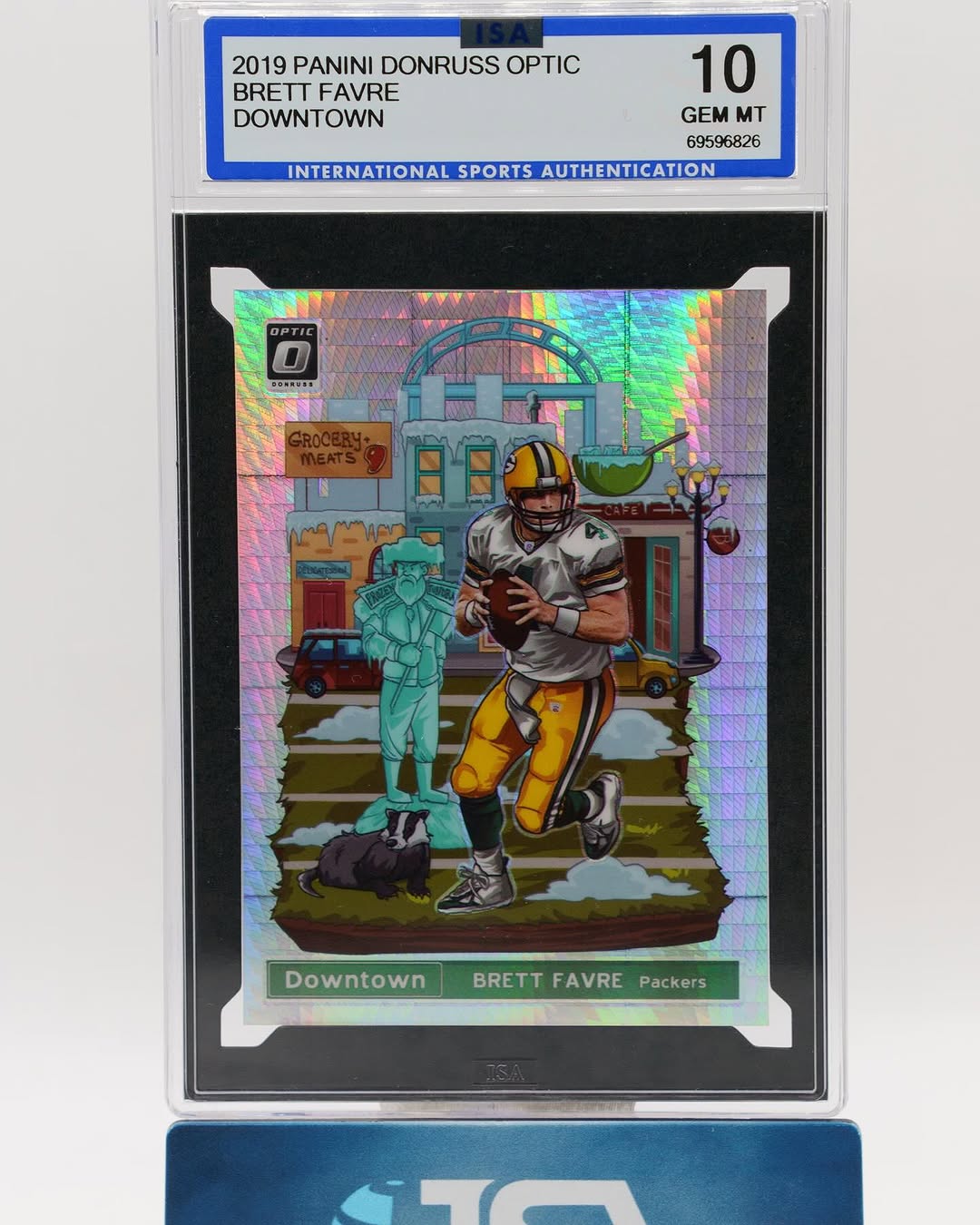
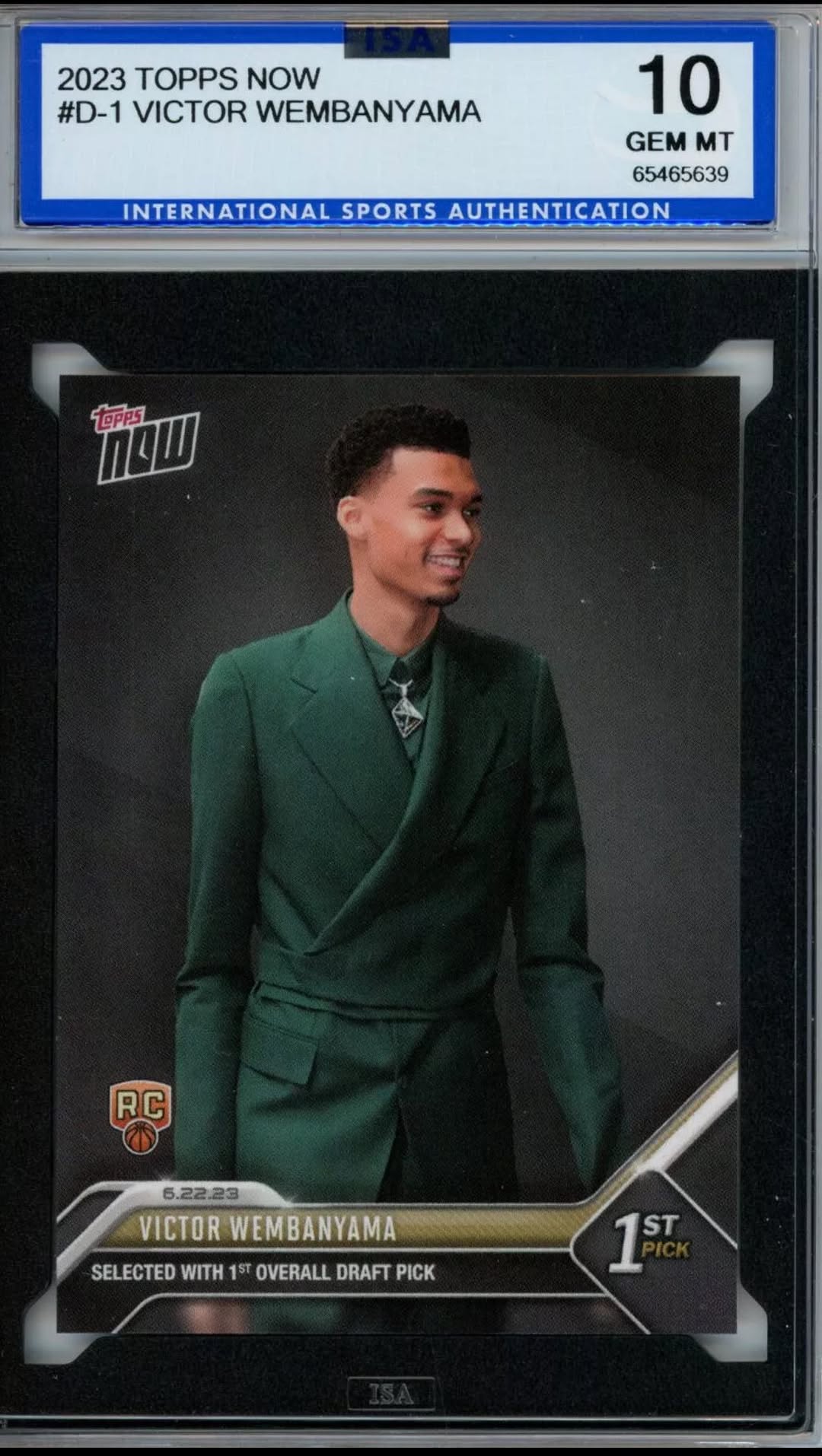
A graded card listing should clearly show the card, assigned grade, slab, and certification information. Blurry photographs or cropped labels make it harder for buyers to evaluate an item. Use well lit images of the front and back, and disclose visible case wear if the slab has been handled or stored.
ISA offers online certificate verification. Buyers can use the certification number to check the graded card's record. Sellers can also verify the certificate before creating a listing to make sure the number is entered correctly.
Certificate verification supports buyer confidence, but it does not replace accurate listing practices. Describe the exact card being sold, use current photographs, state the grade correctly, and avoid promises about future value. Sports card grading provides an independent condition opinion and protective encapsulation, not a guarantee that a card will appreciate.
When pricing graded cards, review recent sales of the same card in the same grade when available. Active asking prices can provide context, but they do not prove that buyers have paid those amounts. Account for platform fees, shipping, insurance, and the total grading cost when calculating a potential margin.
A Practical Pre Submission Checklist
Before sending a trading card grading order, complete one final review:
- Decide whether each card is for collecting, protection, authentication, trading, or resale.
- Inspect centering, corners, edges, and surface on both sides under good lighting.
- Remove weak candidates that do not fit the purpose or budget.
- Avoid aggressive cleaning, pressing, trimming, recoloring, or other alterations.
- Place each card in clean, correctly sized protection without forcing it.
- Confirm the current $15 card grading service, 10 card minimum, 14 day turnaround, and no upcharges.
- Record each card with photographs and accurate identification details.
- Arrange the cards according to the submission and packing instructions.
- Use a sturdy box, interior cushioning, secure sealing, and tracked shipping.
- Plan how returned cards will be stored, displayed, inventoried, or sold.
A careful submission cannot determine the grade in advance, but it can prevent many avoidable problems. Good grading preparation protects the cards, keeps costs understandable, supports realistic expectations, and makes selling graded cards more efficient. Collectors with process questions can also review the ISA FAQ before completing an order.
Submit Cards to ISA Grading
Collectors ready to use ISA Grading can start on the submission page. The current active service is $15 per card with a 14 day turnaround, no upcharges, and a 10 card minimum.
Frequently Asked Questions
How should I inspect cards before submitting them for grading?
Examine both sides under bright, indirect light. Check centering, corners, edges, and surface condition from several angles. Look for scratches, dents, print lines, stains, whitening, and other defects that may be difficult to see through a sleeve.
How much does ISA Grading currently charge?
ISA Grading currently offers grading and authentication for $15 per card with a 10 card minimum, a 14 day turnaround, and no upcharges. Review the submission page before ordering to confirm current service information.
Should I clean my cards before grading?
Avoid aggressive cleaning, chemicals, moisture, heat, pressing, trimming, recoloring, or edge work. These actions can damage a card or create alteration concerns. If you are uncertain about safely removing loose dust or a fingerprint, leave the card as it is.
What protection should I use when shipping cards for grading?
Use clean, appropriately sized sleeves and holders that protect the card without applying pressure. Secure the protected cards inside a sturdy box with cushioning to prevent movement, and follow the current submission instructions.
Can buyers verify an ISA graded card online?
Yes. ISA provides certificate verification on its website. Buyers and sellers can enter the certification number to check the graded card record and confirm that listing details match the certificate.