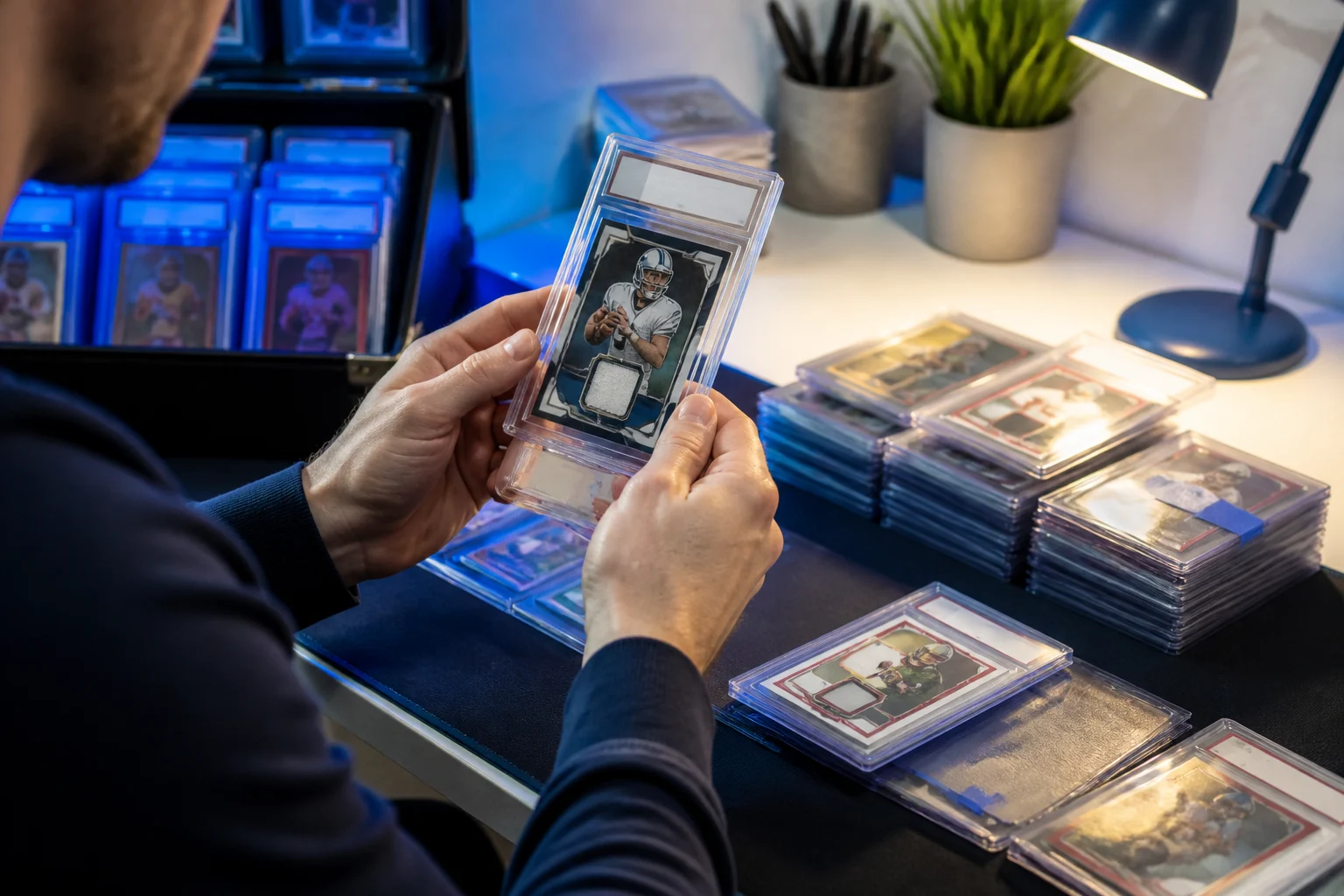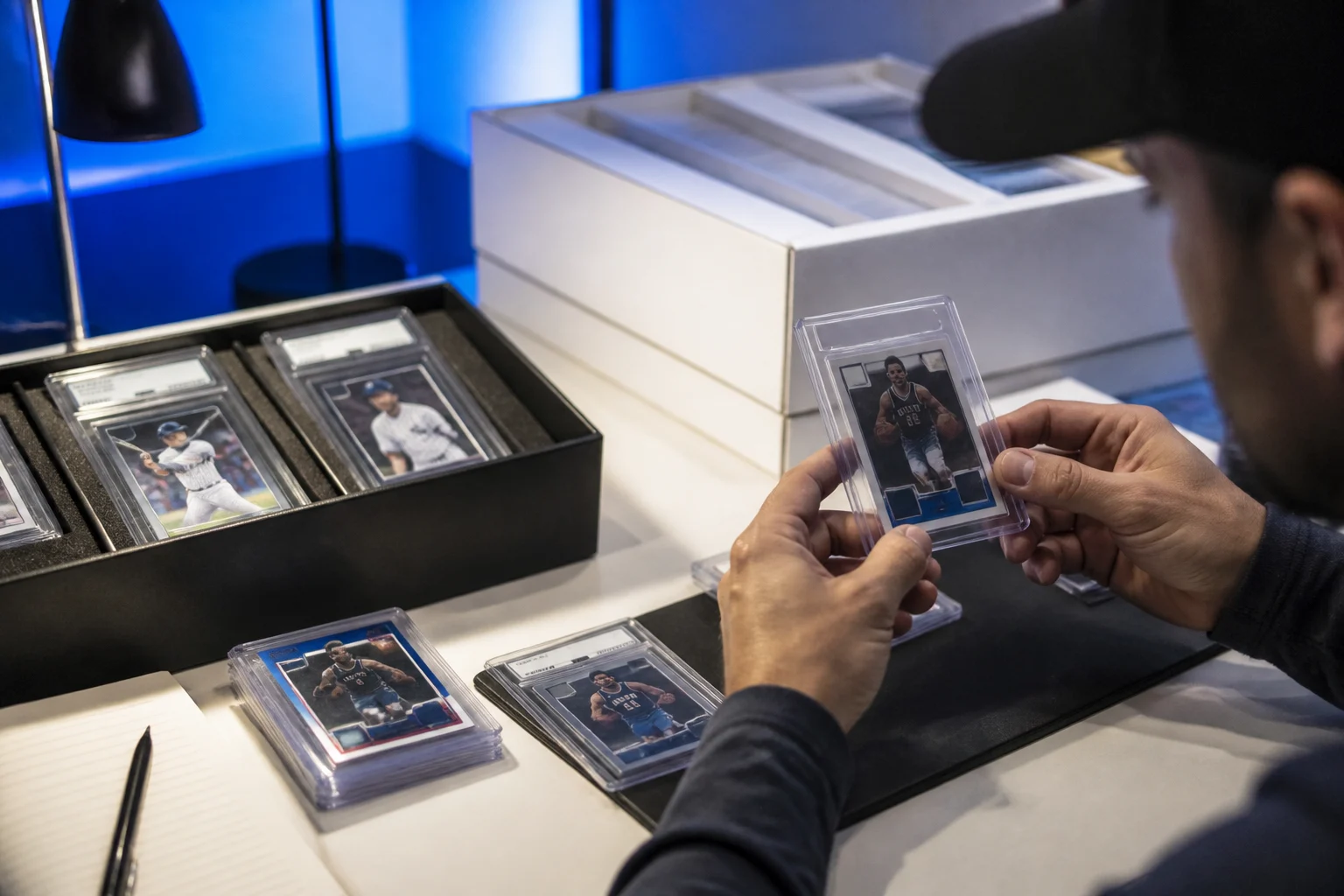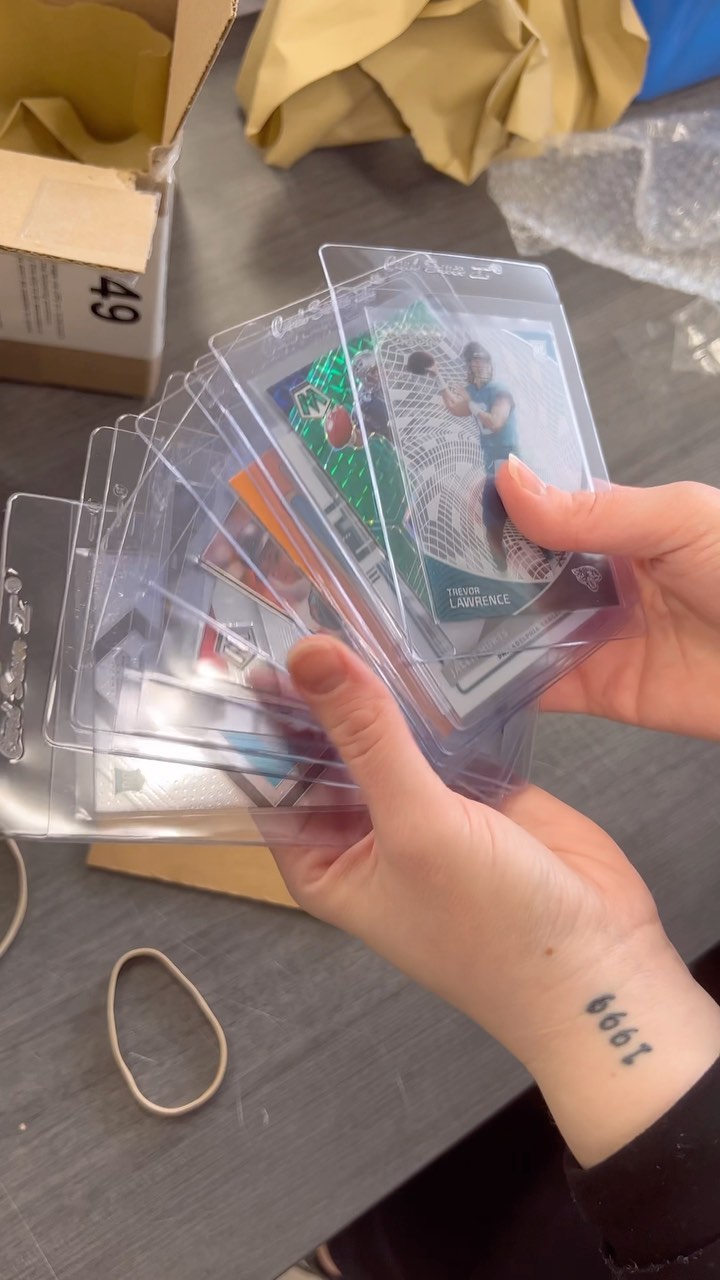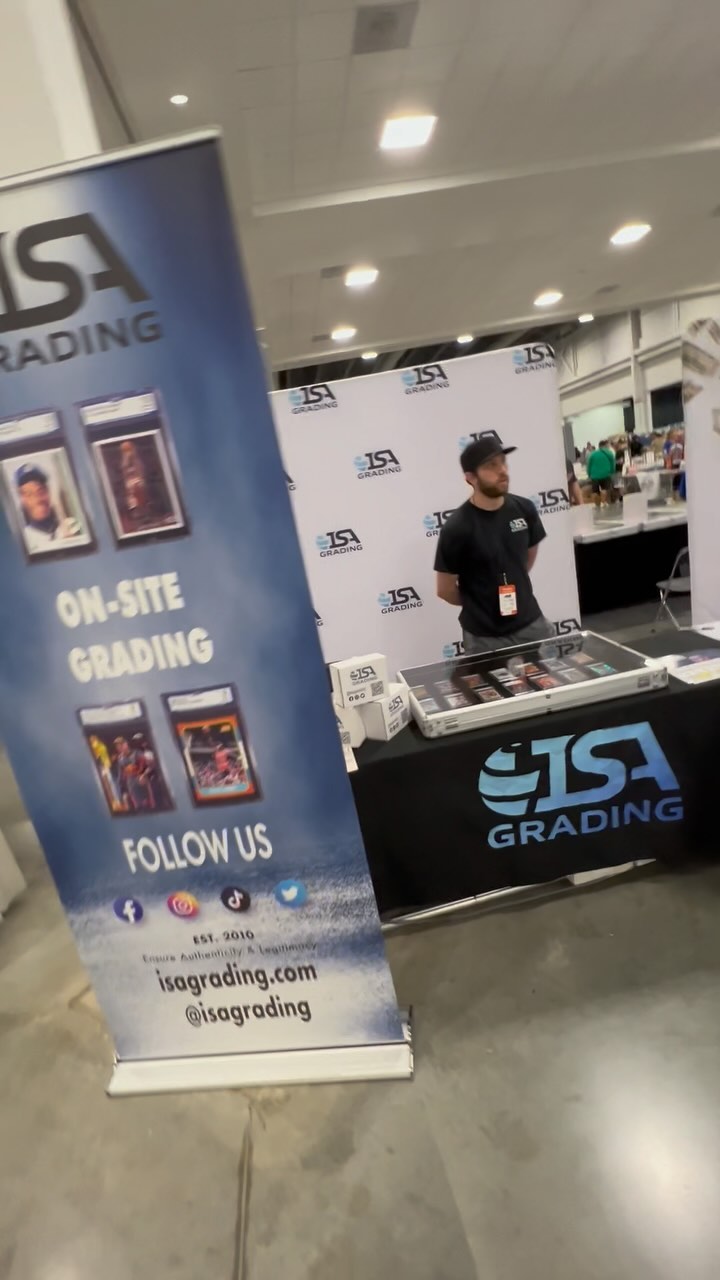

For dealers, grading is an inventory decision as much as a condition assessment. Cards submitted today may be intended for an upcoming show, an online listing schedule, or a restock of a display case. The right submission needs to make sense on cost, timing, and expected buyer demand.
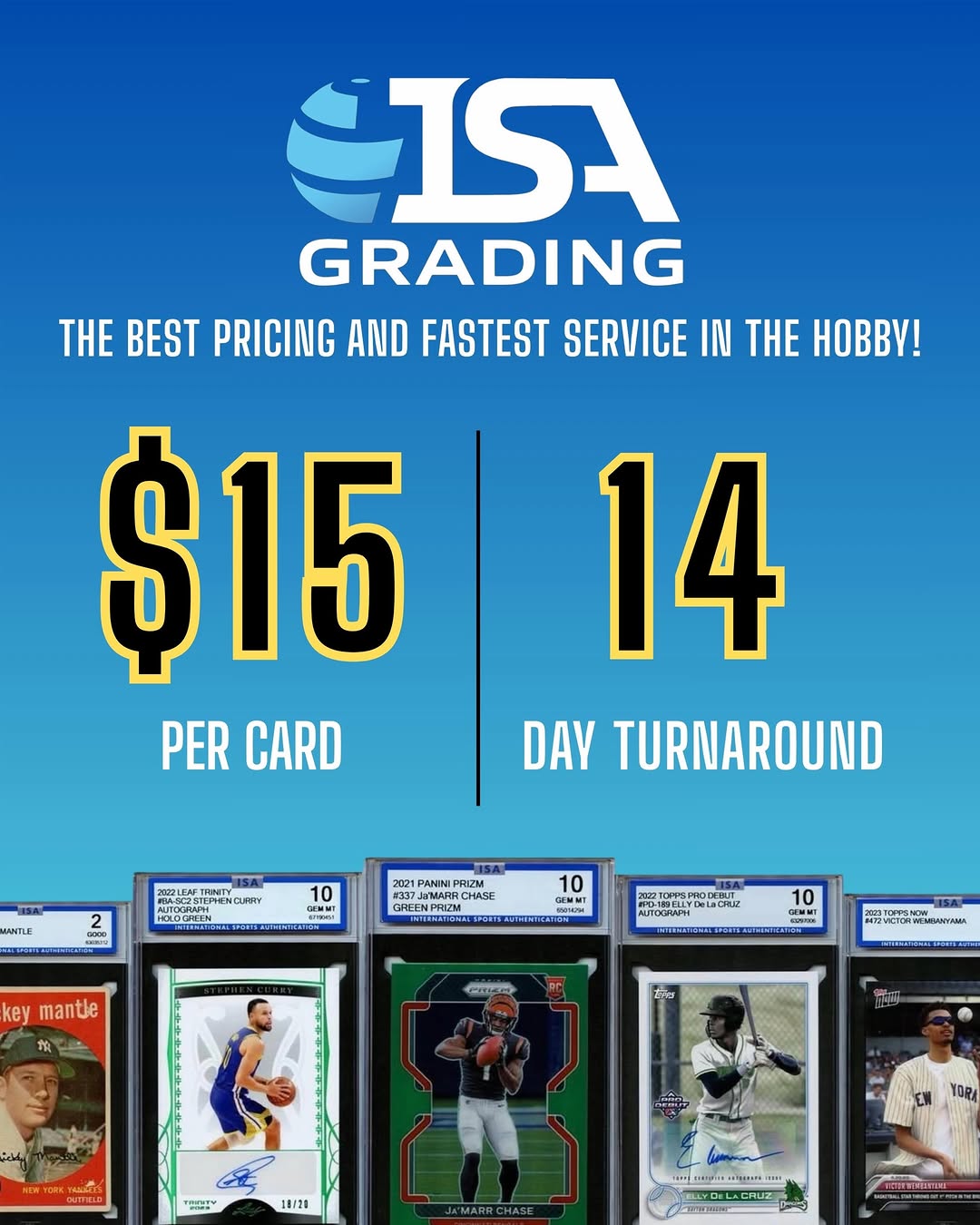
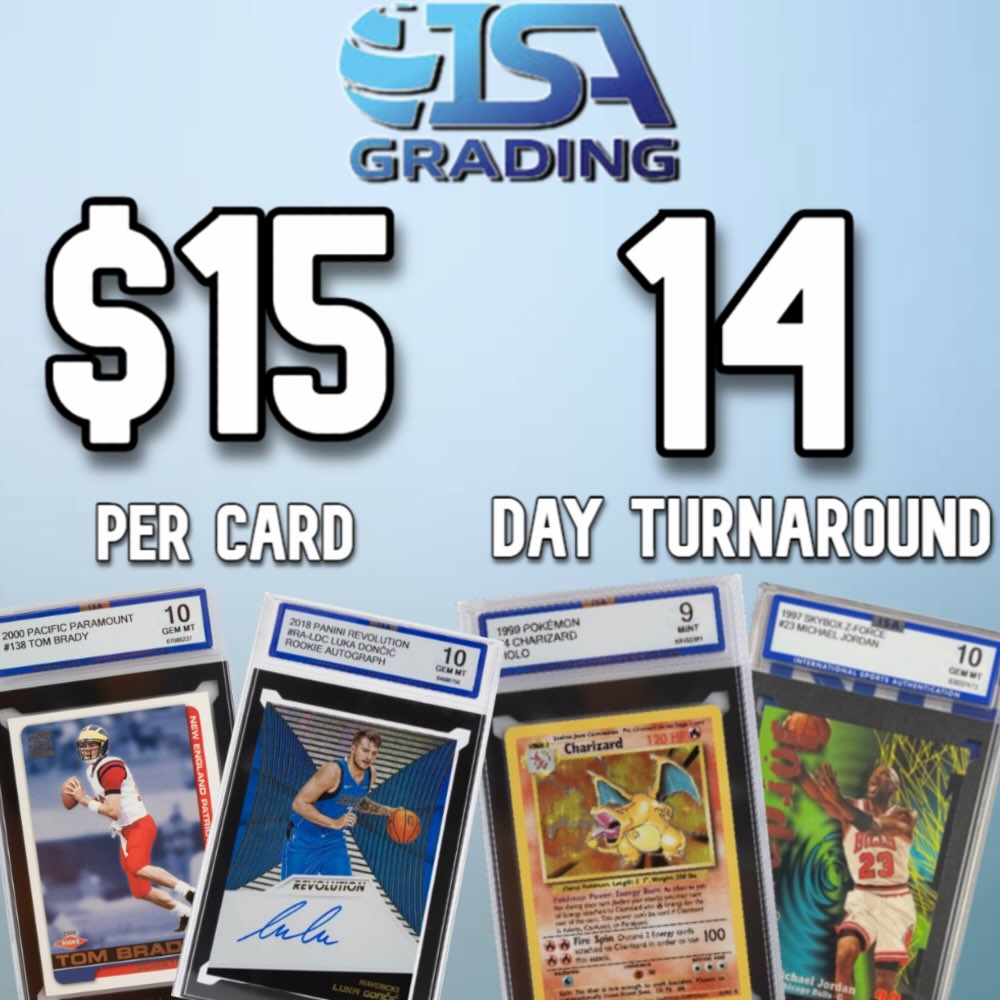
ISA Grading, also known as International Sports Authentication, offers sports card grading and authentication at $15 per card, with a 14 day turnaround, a 10 card minimum, and no upcharges. Those terms give dealers a clear starting point for planning a batch. The next step is choosing cards carefully and building a workflow that keeps inventory organized before, during, and after grading.
What Fast Card Grading Should Mean for a Dealer
Fast card grading is useful when it supports a realistic selling plan. A shorter grading window can help you schedule listings and prepare inventory, but it should not replace careful card selection or leave shipping out of the calendar.
ISA’s current 14 day card grading turnaround is an important planning input. Before committing cards to a dated event, confirm how turnaround is counted and when the grading timeline begins. Allow separately for outbound shipping, return shipping, and your own receiving and listing work.
If a show date is firm, ask questions before submitting rather than assuming your package will complete the entire shipping and grading cycle within 14 days. Use the ISA contact page to clarify timing details relevant to your batch. A workable schedule includes a buffer for delays beyond the grading process.
Build Your Submission Around Clear Costs
ISA’s $15 card grading service makes the grading portion of a submission straightforward to calculate. A batch meeting the 10 card minimum has a grading cost of $150. Twenty cards have a grading cost of $300, and 40 cards have a grading cost of $600.
These are grading fees, not a statement of the total amount required to ship and complete a submission. Review the current instructions for any other applicable costs. Include packaging, shipping, insurance where appropriate, marketplace fees, and your acquisition cost when estimating whether a card belongs in the batch.
What No Upcharges Means for Planning
With no upcharge card grading, you can plan around ISA’s stated $15 per card grading fee without adding a speculative grading upcharge to your worksheet. That pricing clarity is useful when a submission contains cards with different purchase prices and potential resale values.
It does not mean every card becomes profitable after grading. A card can receive a lower grade than expected, attract limited demand, or sell into a softer market. Predictable grading fees help you evaluate those risks; they do not remove them.
Use a Conservative Margin Test
Consider a hypothetical card purchased for $20. Adding ISA’s $15 grading fee brings the acquisition and grading subtotal to $35, before shipping allocations and selling expenses. If recent comparable sales suggest only a narrow margin above that figure, the card may be better sold raw.
Run the same calculation at more than one plausible grade. If the submission works only at the highest possible outcome, it is a speculative decision rather than a dependable inventory plan.
Choose Cards That Have a Reason to Be Graded
A strong dealer submission begins with demand, not just condition. Look for cards that buyers actively seek and for which a documented condition assessment could help a transaction. Popular players, recognized issues, meaningful parallels, and collectible rookie cards can be candidates, but none is automatically worth grading.
- Check relevant sales: Compare the same year, set, player, card number, and parallel whenever possible.
- Match the grading company: Sales in another company’s holder may not reflect the price buyers will pay for an ISA-graded example.
- Separate asking prices from sales: An ambitious listing is not evidence that a buyer paid that amount.
- Assess selling speed: A potentially profitable card may still tie up capital if its buyer pool is small.
- Consider the downside: Estimate results at a lower grade instead of budgeting only for your preferred outcome.
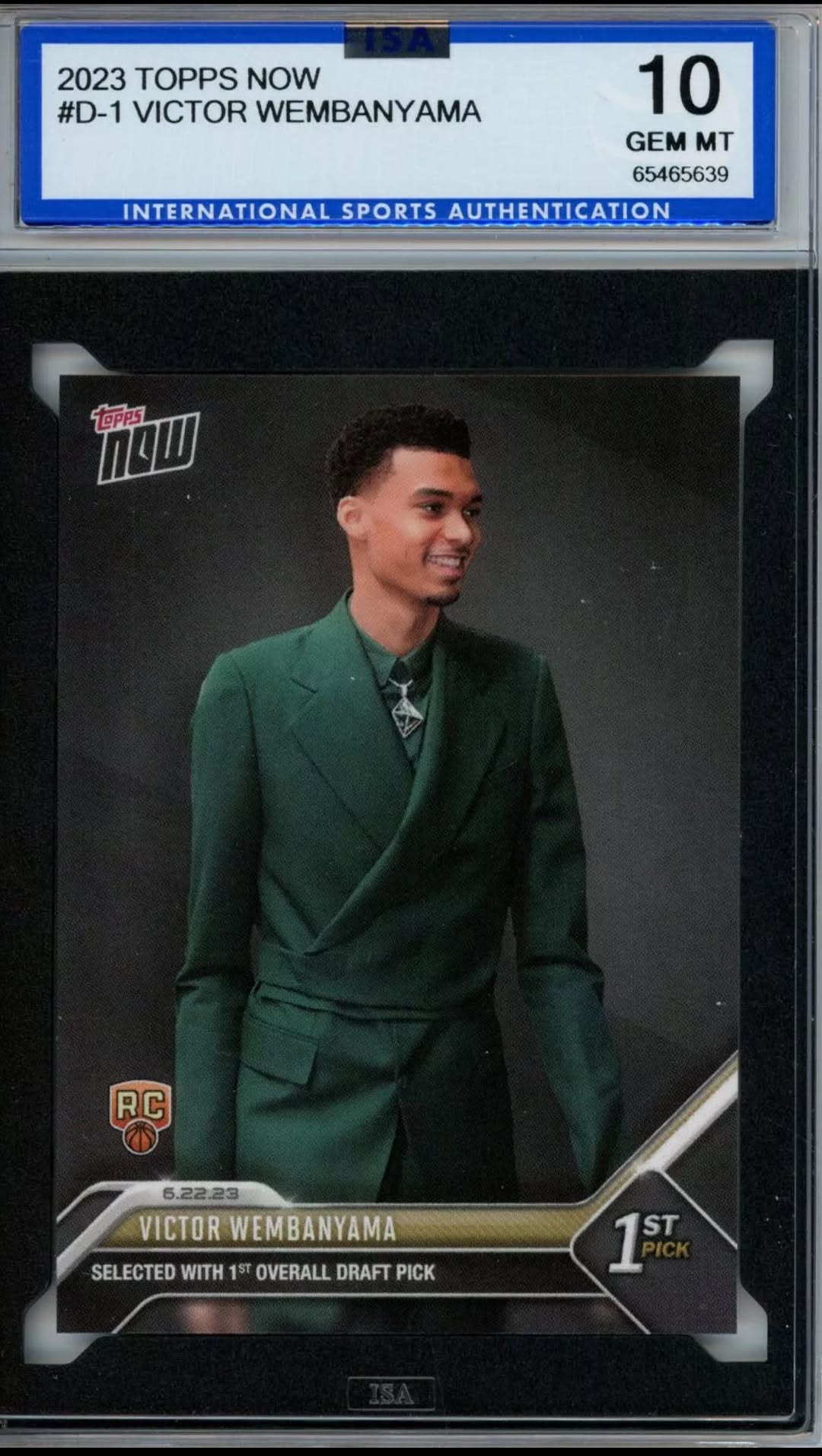
Rookie card grading deserves particular discipline because excitement around a player can encourage optimistic assumptions. Basketball card grading follows the same principle: identify the exact issue, check realistic demand, and inspect condition before deciding to submit.
Inspect Condition Before Paying for an Opinion
Pre-screening is not a substitute for professional card condition grading. It is a way to avoid submitting cards whose visible problems already conflict with your selling plan. Work in good light, use a clean surface, and handle cards as little as practical.
Check Corners, Centering, and Card Edges
Inspect each corner from both sides. Look for wear, softness, bends, or other visible damage. Examine card edges for chipping, whitening, and irregularities, particularly on dark borders where small defects can stand out.
Review centering on the front and back without assuming that a strong front presentation tells the whole story. Use ISA’s published grading scale to understand its condition framework rather than importing another company’s terminology or tolerances.
Examine the Card Surface Carefully
Change the viewing angle under steady light to inspect the card surface. Scratches, print lines, indentations, creases, and residue can be difficult to see straight on. Reflective finishes can conceal defects until light catches them.
Do not attempt repairs or use chemicals to improve a submission candidate. Avoid rubbing the surface or experimenting with treatments. If you notice possible alteration or have questions about a card’s eligibility, ask ISA before including it.
Keep short inspection notes in your inventory sheet. A note such as visible back-edge wear is more useful later than an unsupported prediction of a specific grade.
Prepare a Batch That Is Easy to Track
The 10 card minimum encourages batch planning, but it should not encourage filler. If only seven cards currently meet your criteria, consider waiting until you have three more suitable candidates instead of paying to grade weak inventory.
Before packing, review the current instructions on the ISA submission page. Follow the specified requirements for holders, paperwork, and shipping preparation. Do not assume a packaging method accepted elsewhere is the correct method for this submission.
- Create a batch record. Record each card’s year, set, player, number, parallel, acquisition cost, and internal inventory identifier.
- Reconcile the count. Match the physical cards to the submission record before sealing the package.
- Keep the sequence consistent. Where the instructions call for an order, align the cards and paperwork accordingly.
- Document the shipment. Save submission details, tracking information, and relevant photographs for your own records.
- Set a receiving task. Reserve time to check returned cards and move them into your listing workflow.
Keep customer-owned cards separate from dealer-owned inventory in your records. If you coordinate submissions for others, explain fees and timing clearly without promising grades, sale prices, or a delivery date you cannot control.
Plan for Card Protection Before and After Grading
Card protection starts before a grading company receives the package. Use appropriate protective materials consistent with ISA’s instructions, and secure the shipment against movement and routine transit handling. Protection should not create pressure on the card or make removal unnecessarily difficult.
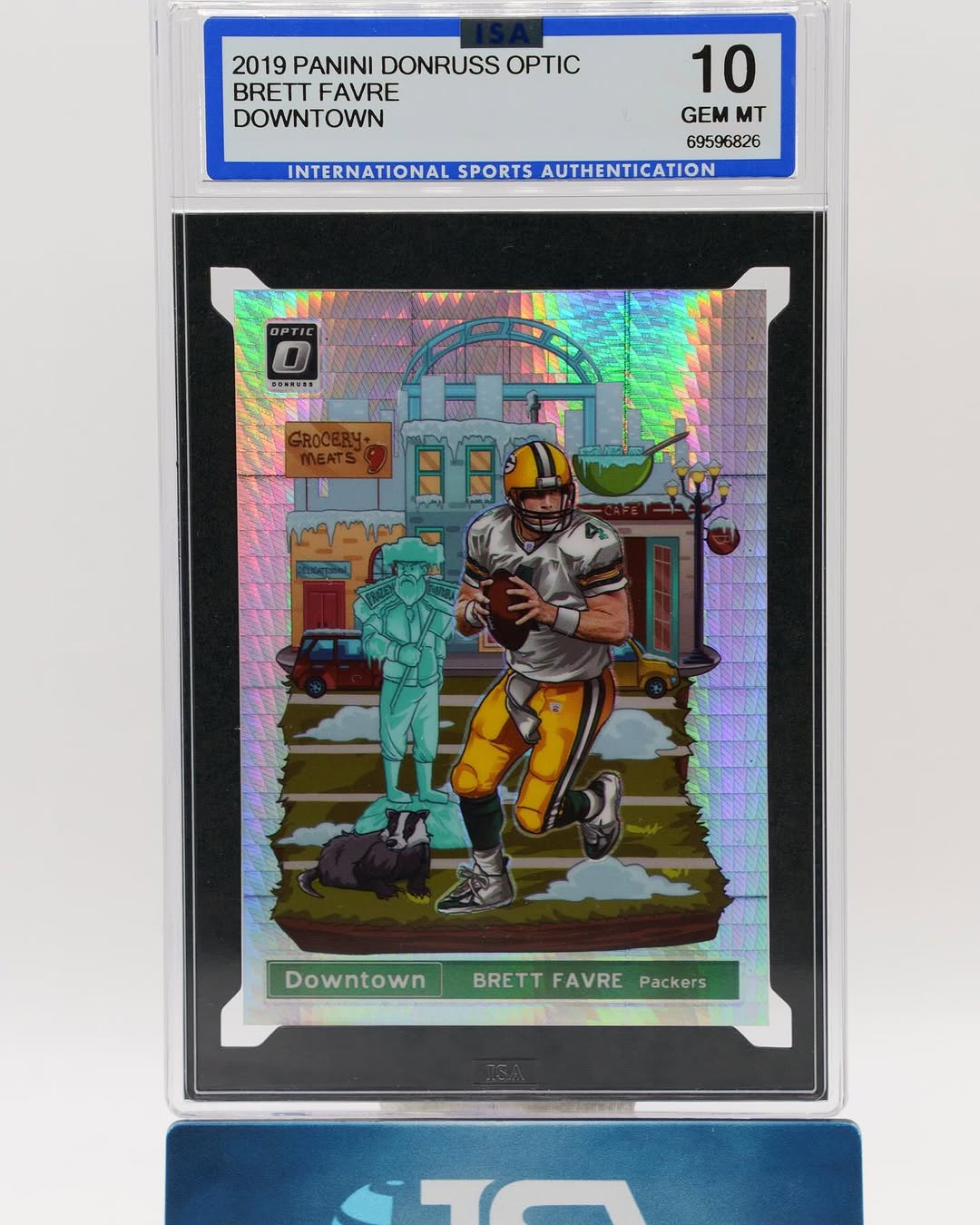
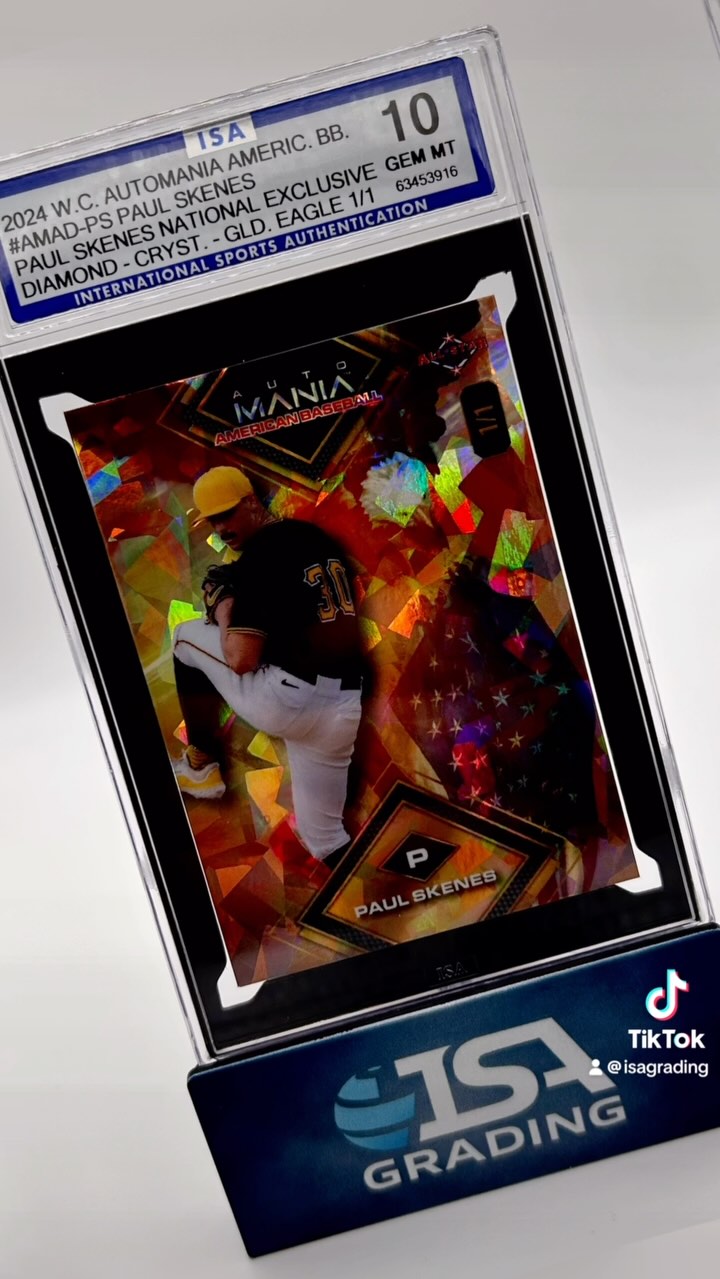
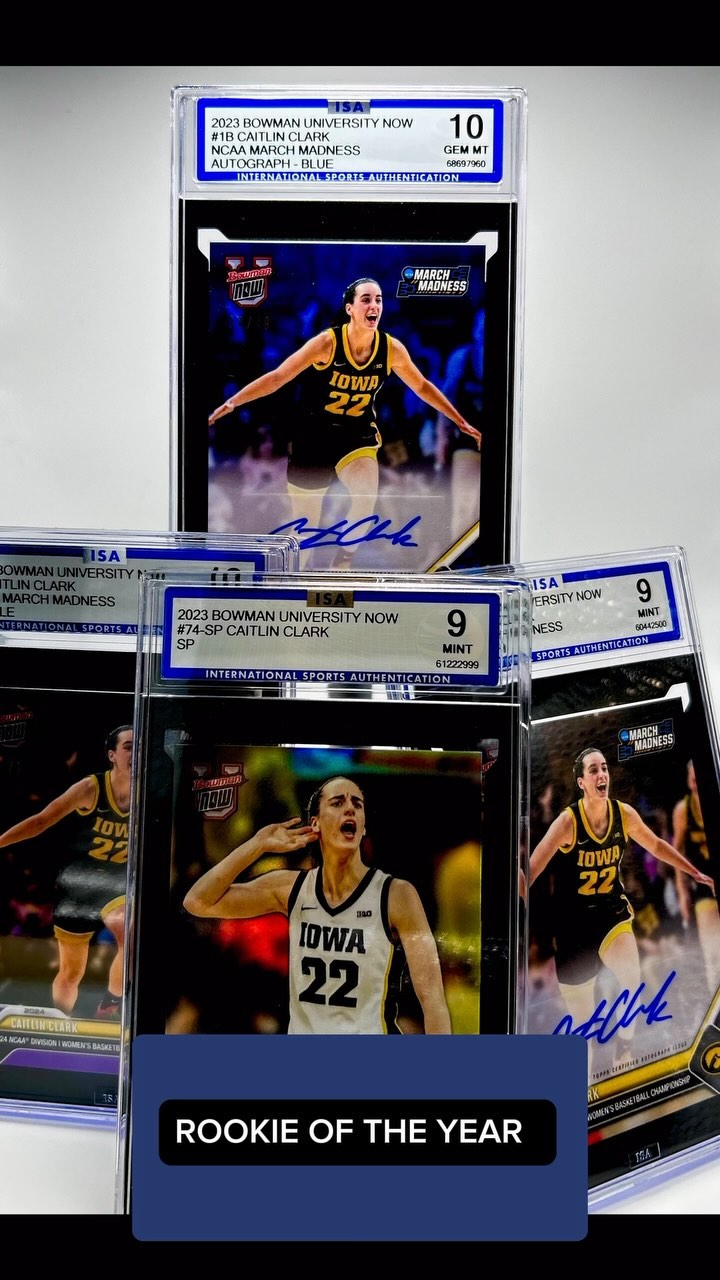
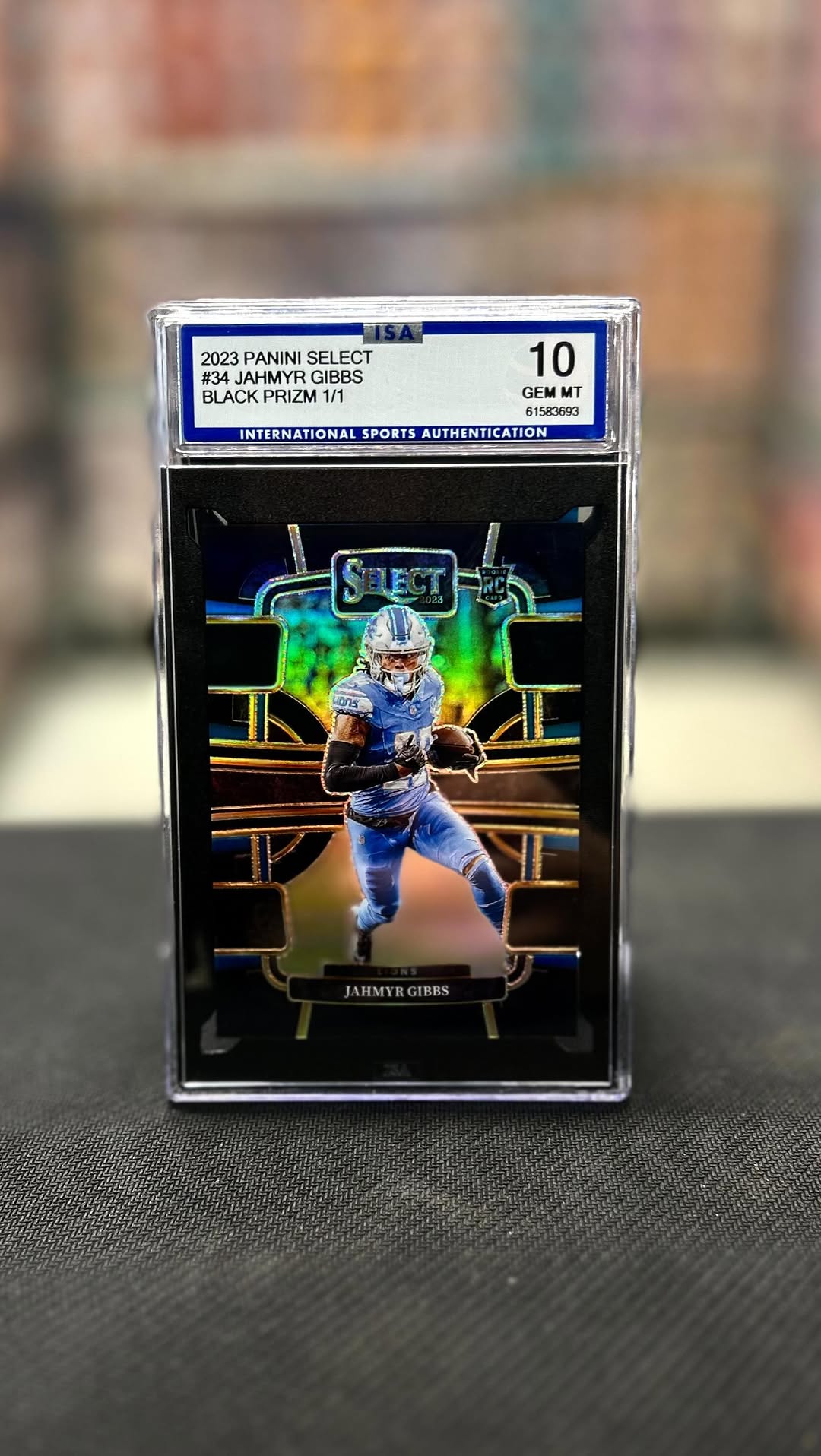
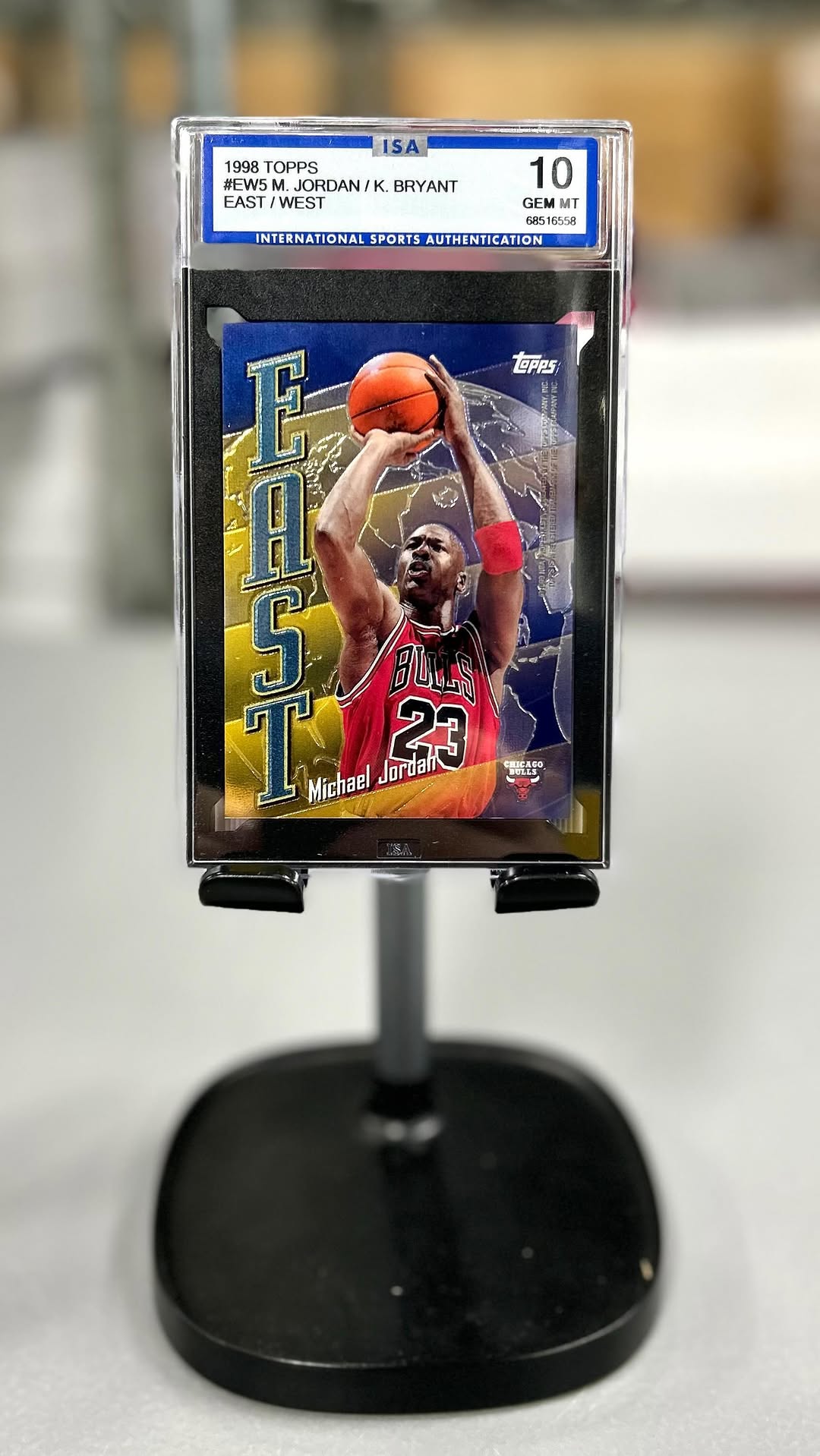
Card encapsulation places a graded card in a holder, commonly called a slab. Trading card slabs help reduce direct handling of the card, but they are not a reason to ignore storage conditions. Keep graded inventory away from moisture, excessive heat, and prolonged direct sunlight.
When returned cards arrive, reconcile them with your records and inspect the holders for visible shipping damage. Photograph any concerns and contact ISA promptly if something needs attention. Store slabs so they do not rub against one another or move loosely during transport to shows.
Make Verification Part of Selling Graded Cards
Sports card authentication and grading give buyers information to evaluate, but your listing still needs to be accurate and complete. Identify the grading company, state the assigned grade, and photograph the actual slab rather than relying only on a stock image.
ISA offers certificate verification on its website. Give prospective buyers the information needed to check the certificate and compare the available record with the card being offered. Verification is a useful buying step, not a blanket guarantee against every possible transaction risk.
- Show clear front and back images of the slab and label.
- Describe the card’s year, set, player, number, and parallel accurately.
- Disclose visible holder scratches or damage that photographs may not show clearly.
- Avoid translating an ISA grade into another company’s grade.
- Explain shipping and return terms without implying that grading guarantees investment performance.
Buyer confidence grows from consistent information. A clear listing, readable photographs, accessible certificate details, and responsive communication make a graded card easier to evaluate.
Choose the Service Around Your Inventory
A search for card grading near me may help you find options, but distance alone should not determine your submission plan. Compare the published grading fee, turnaround, minimum quantity, grading standards, and verification tools against what your inventory actually needs.
ISA’s current offering gives dealers four concrete planning points: $15 per card, a 14 day turnaround, a 10 card minimum, and no upcharges. You can also read customer reviews for individual perspectives, while remembering that any one customer’s experience does not guarantee your own timing or results.
If your trading card grading inventory includes categories beyond sports, confirm eligibility before submitting. Do not assume that TCG card grading uses the same acceptance rules or service terms simply because the cards have similar dimensions. The same caution applies to unusual sizes and specialty issues.
For a broader framework, read what matters when choosing a sports card grading company in 2026. Keep the decision tied to the cards, buyers, and sales channels you actually serve.
Keep the Workflow Moving After the Cards Return
A quick grading cycle delivers little operational benefit if completed slabs sit unlisted. Prepare listing templates while the cards are away, but wait for the assigned grades before finalizing descriptions and prices. Update comparable sales when the inventory returns because demand may have changed.
Track actual acquisition cost, grading expense, shipping allocation, selling fees, sale price, and days to sell. Over several batches, those records can show which submission choices work for your business. Review ISA’s frequently asked questions before your next batch to resolve practical questions and check current guidance.
Start with cards that can justify the expense, protect them throughout the process, and leave time to present them properly to buyers. Clear pricing and a defined turnaround are most useful when they support an equally clear dealer workflow.
Submit Cards to ISA Grading
Collectors ready to use ISA Grading can start on the submission page. The current active service is $15 per card with a 14 day turnaround, no upcharges, and a 10 card minimum.
Frequently Asked Questions
How much does ISA Grading charge for dealer submissions?
ISA’s current active service costs $15 per card, with a 10 card minimum and no upcharges. A minimum batch therefore has $150 in grading fees. Review current submission instructions for shipping and any other applicable costs.
What is ISA’s current card grading turnaround?
ISA currently offers a 14 day turnaround. Before planning around a show or sale date, confirm how that period is counted and when it begins. Allow additional time for shipping in both directions and for preparing returned cards for sale.
How should dealers choose cards for grading?
Inspect condition, research relevant completed sales, and calculate the full cost of acquiring, grading, shipping, and selling each card. Compare plausible grade outcomes rather than assuming the highest grade. Avoid adding weak candidates solely to meet the submission minimum.
Can buyers verify an ISA-graded card online?
Yes. Certificate verification is available on ISA’s website at /certificate-verification. Buyers can check the certificate information and compare the available record with the slab being offered, alongside reviewing clear photographs and the seller’s terms.
Does grading guarantee that dealer inventory will sell for more?
No. Grading provides a condition assessment and encapsulation, but it does not guarantee a higher sale price, a profit, or a faster sale. Results depend on the assigned grade, buyer demand, the specific card, and transaction costs.