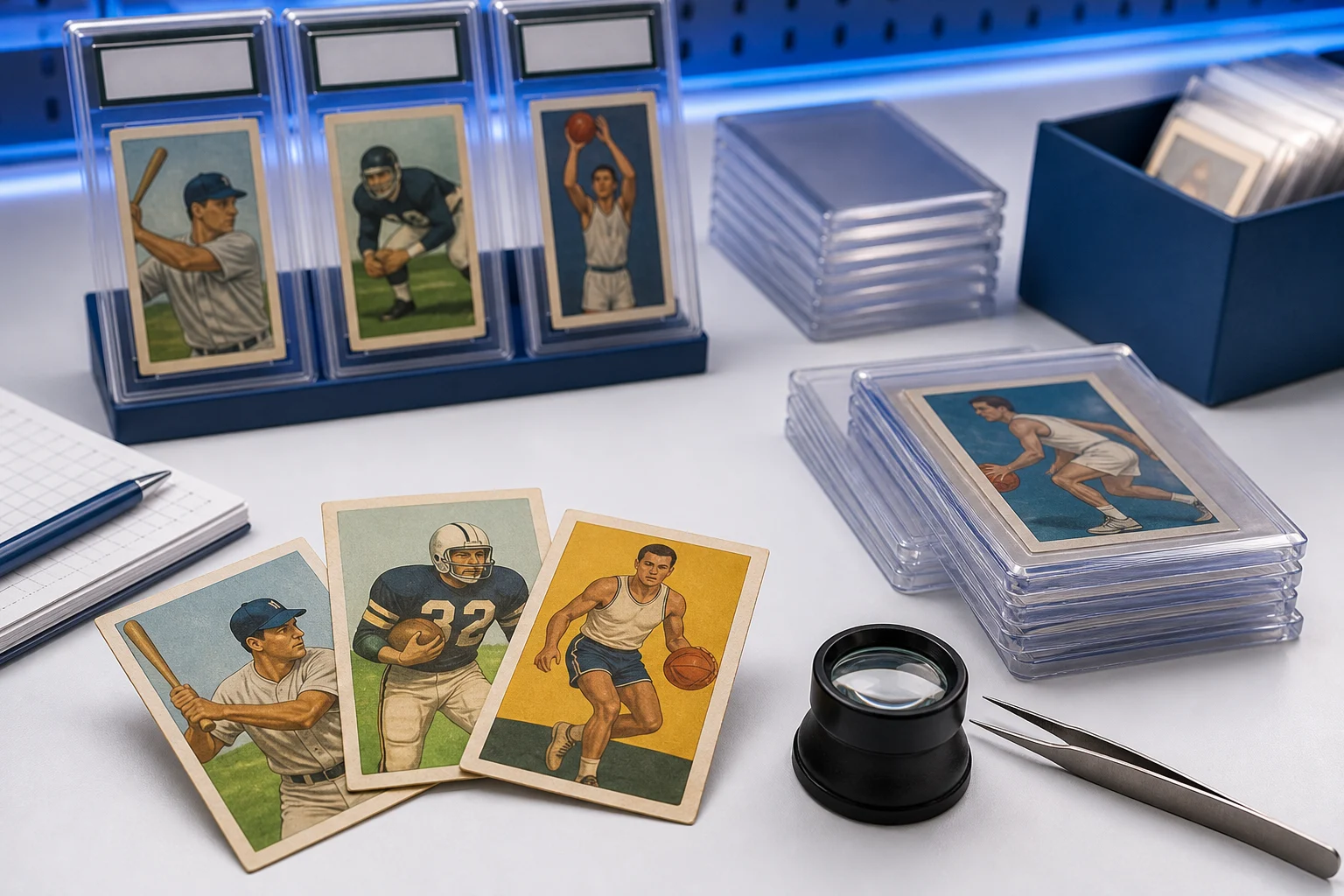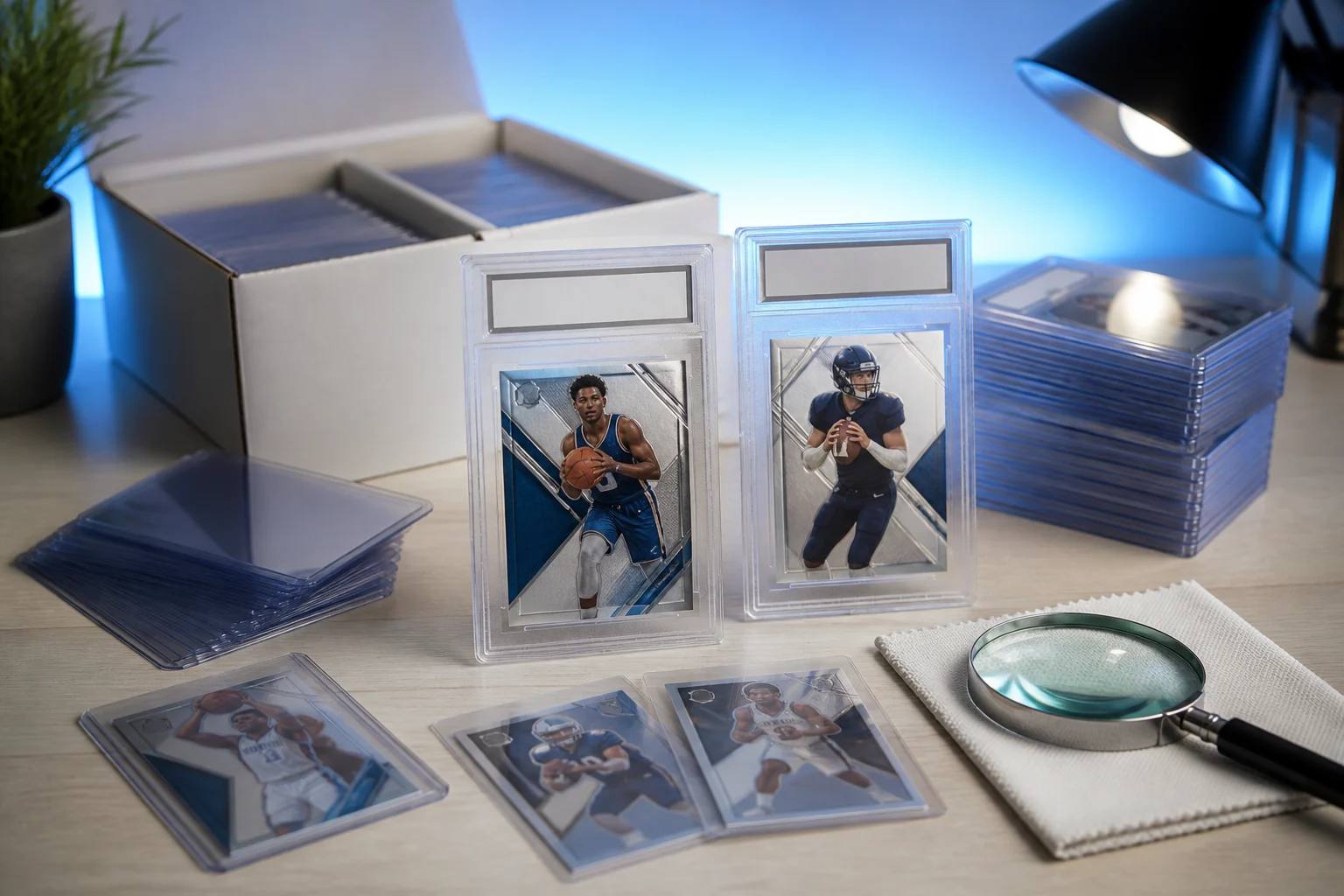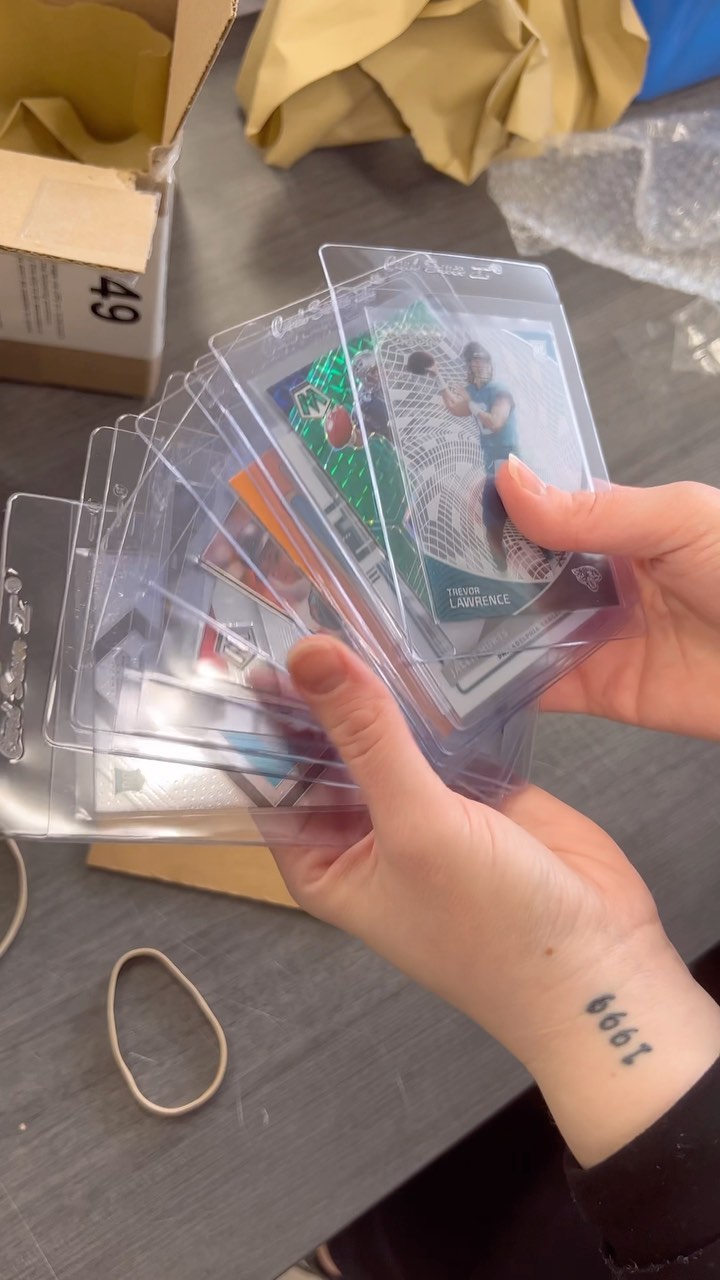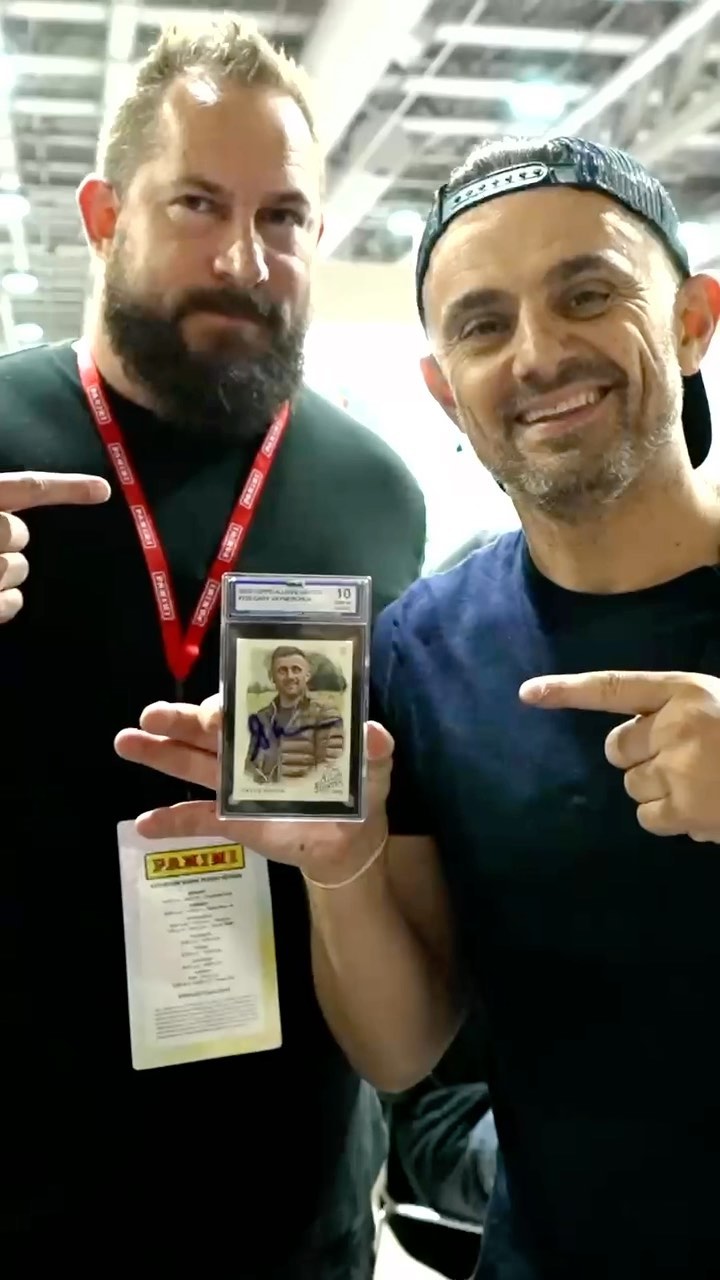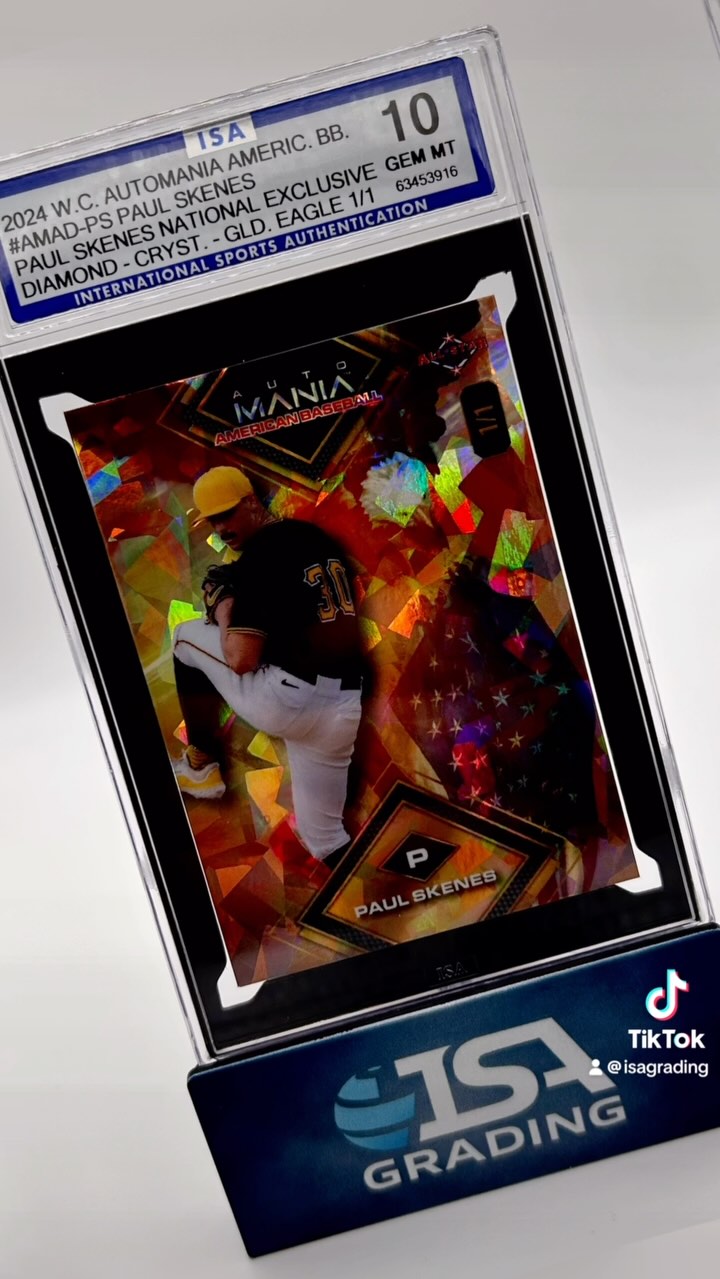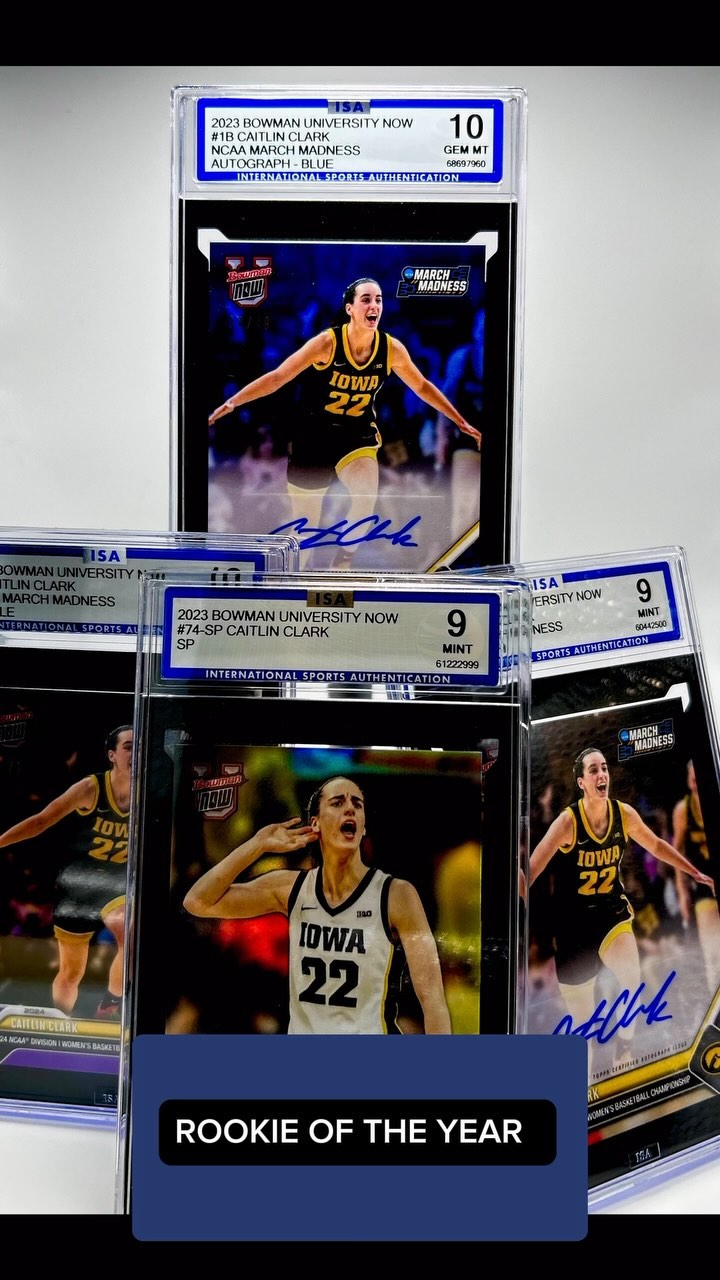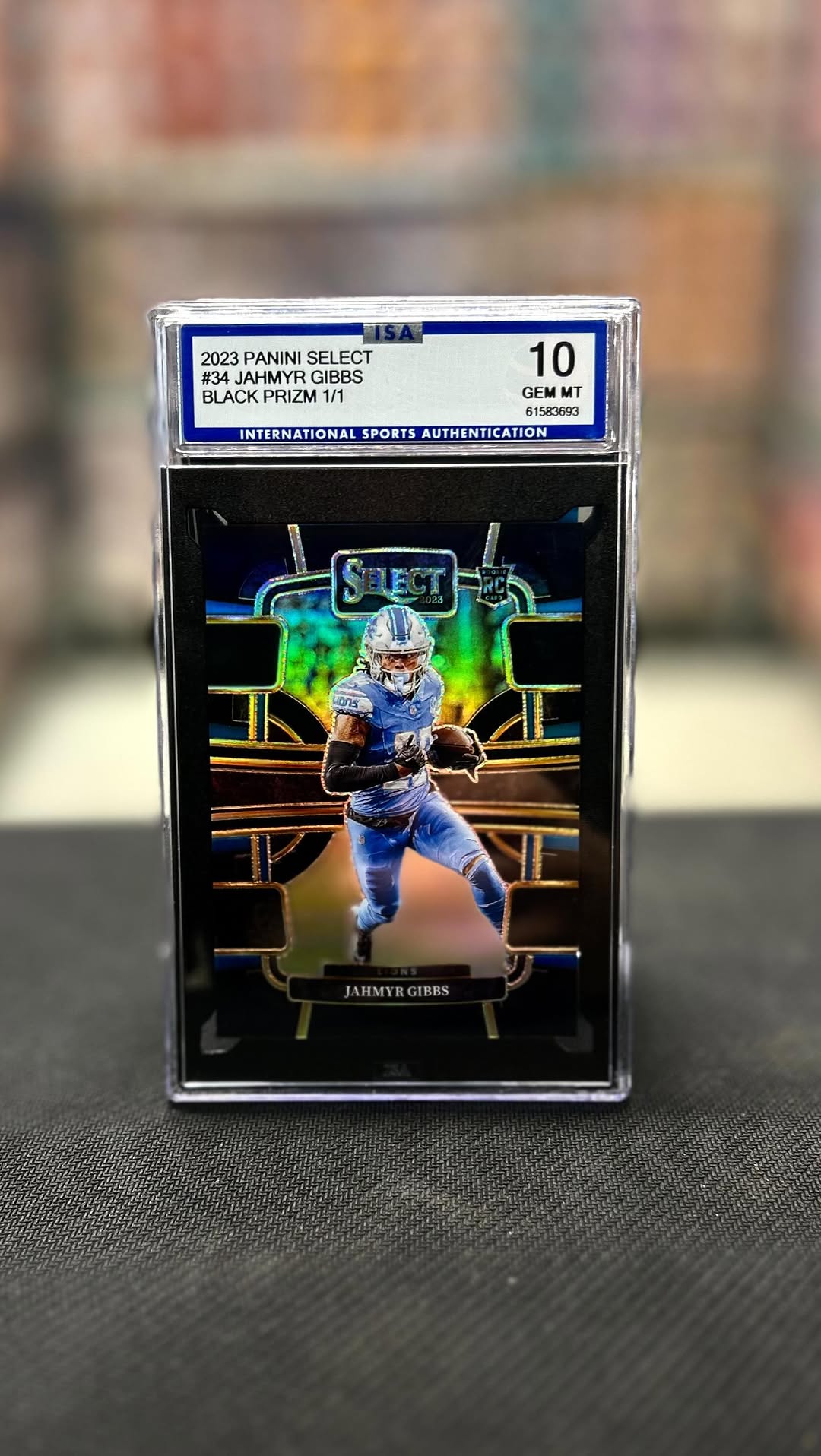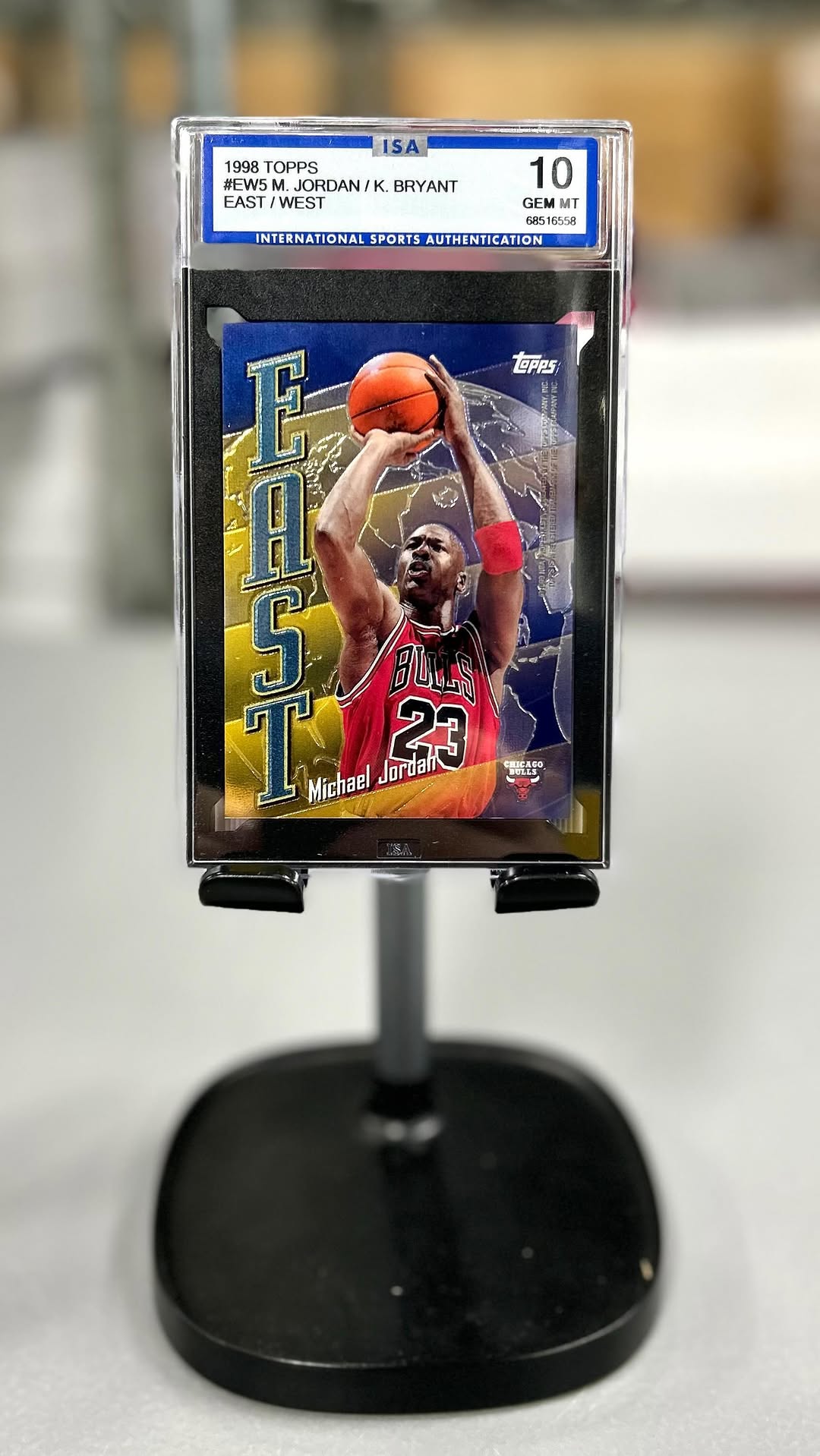

TCG card grading starts with a collecting decision, but it quickly becomes a budgeting decision. Which cards deserve a closer look? What will the submission cost? How long will those cards be unavailable for a trade, a show, or an online listing? Clear answers matter whether you collect for enjoyment or sell regularly.
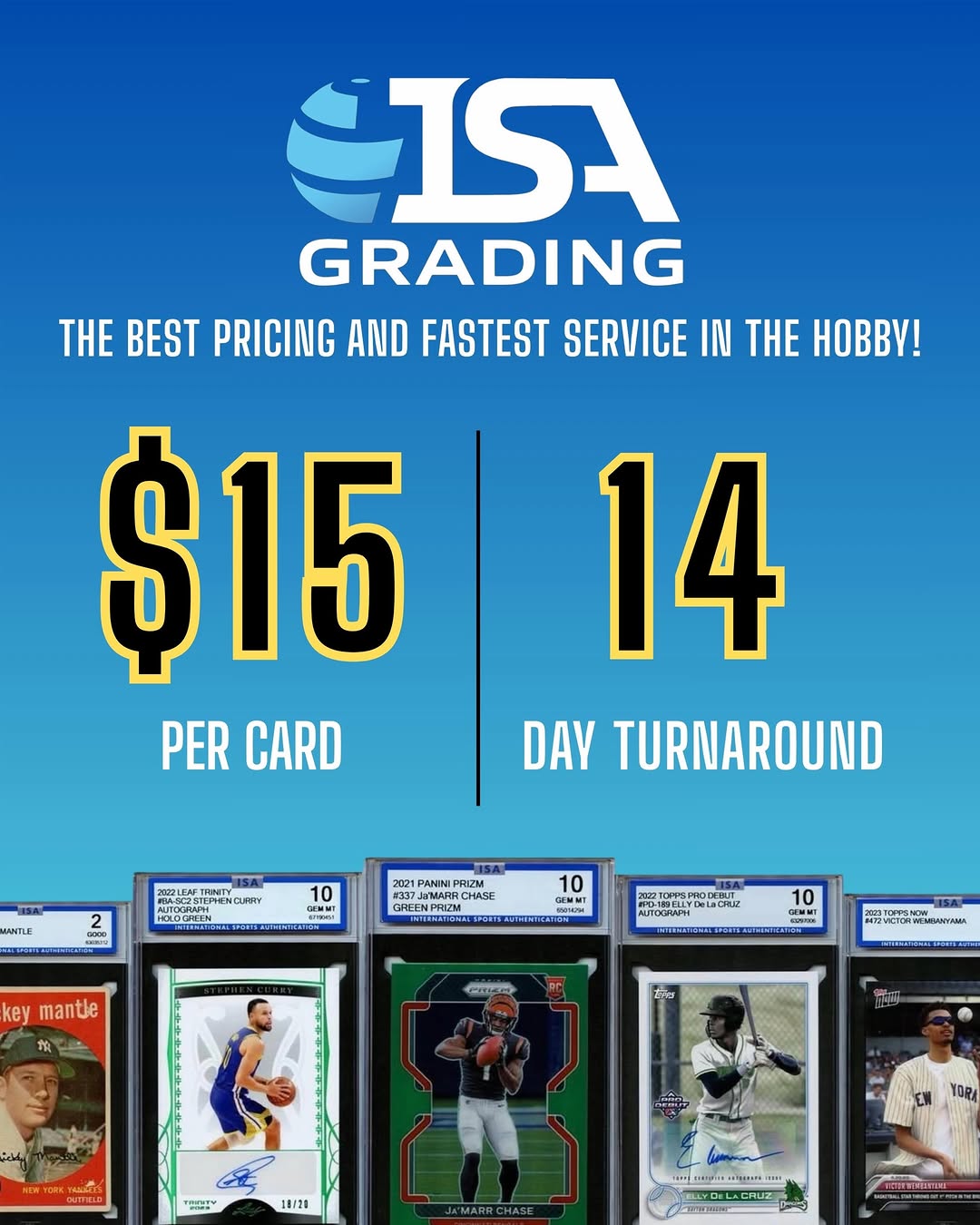
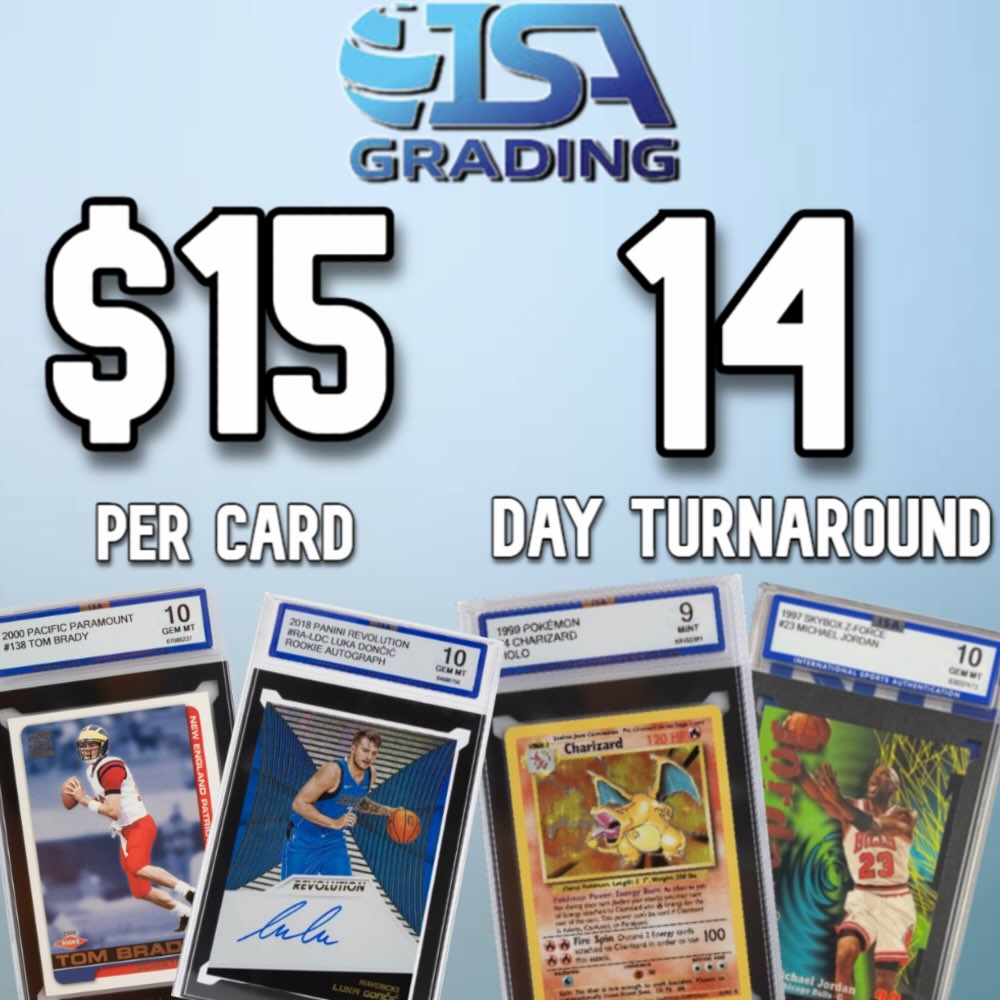
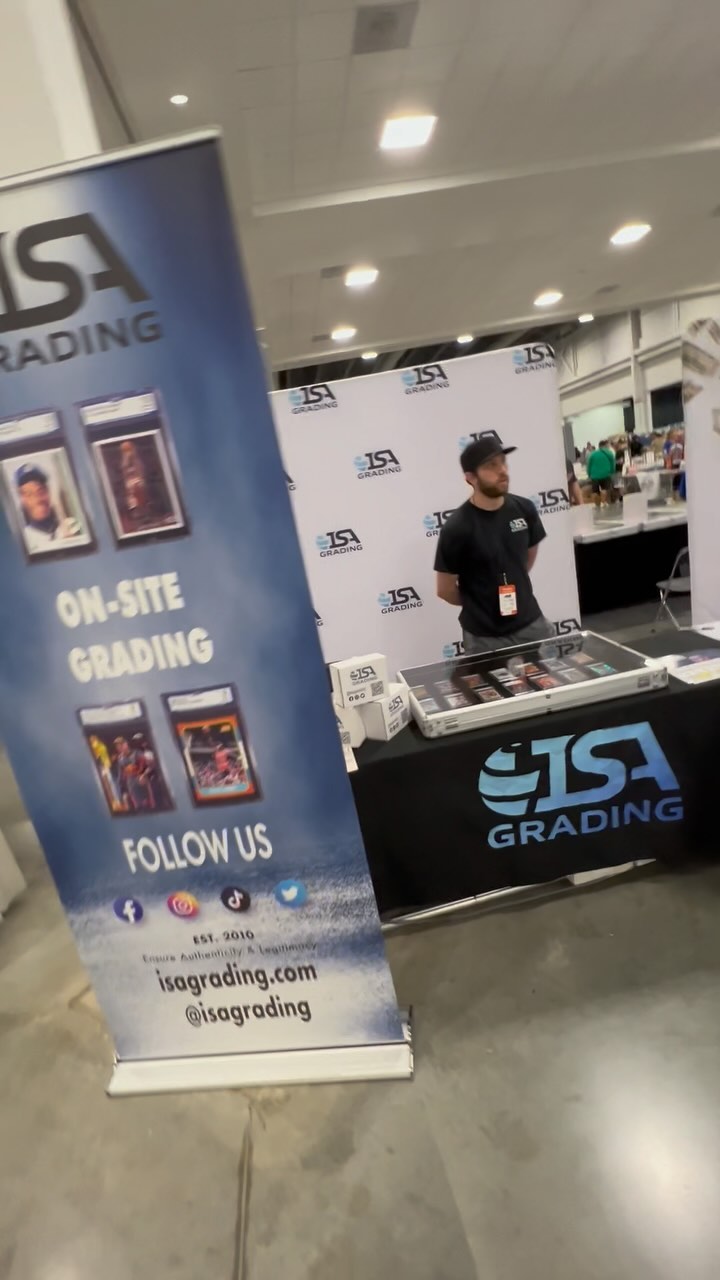
ISA Grading, also known as International Sports Authentication, provides sports card grading and authentication. Its current active service is $15 per card, with a 14 day turnaround, a 10 card minimum, and no upcharges. Collectors considering Pokemon or other trading card games should confirm that their specific cards are accepted before submitting. Here is how to evaluate a grading plan without letting uncertain costs drive the decision.
Start With the Grading Budget, Not the Best Possible Grade
A predictable submission begins with a number you can afford even if the grades are lower than expected. With ISA's current $15 card grading service, a minimum submission of 10 cards has a grading subtotal of $150. A 20 card submission has a grading subtotal of $300. Those calculations cover grading, not necessarily every expense involved in sending and receiving your cards.
Before shipping, check the submission instructions for shipping arrangements, insurance, applicable taxes, and any other costs relevant to your order. Keep those expenses separate from the per-card grading charge so you can estimate your total commitment accurately.
No upcharge card grading means ISA does not add a grading upcharge. That makes the grading portion easier to calculate without budgeting for a later upcharge. It does not mean a card will receive a particular grade or sell for a particular amount.
For dealers, this distinction helps with inventory accounting. For collectors, it makes it easier to decide whether a favorite card belongs in the next submission or can wait.
Confirm TCG Eligibility Before Building a Submission
Trading card grading is a broad category. Acceptance can depend on the game, issue, dimensions, language, or card format. Do not assume that a service offered for sports cards automatically covers every TCG release, oversized card, promotional issue, or unusual material.
If you are researching Pokemon card grading, identify the exact cards you want evaluated before asking about eligibility. Include the set, year if known, language, and any unusual characteristics. A clear front and back image can also help explain what you have.
Use ISA's contact page to confirm acceptance and any special requirements before sending TCG cards. This is especially useful when your collection mixes standard cards with oversized promos or other nonstandard formats. Once eligibility is confirmed, you can build a submission around actual requirements rather than assumptions.
Put the 14 Day Turnaround Into Your Real Schedule
ISA currently lists a 14 day card grading turnaround. That provides a useful planning reference, but the grading turnaround should not be treated as the entire door-to-door journey. Outbound shipping, delivery, intake timing, return shipping, and unexpected carrier delays can affect when cards are back in your hands.
Before scheduling a sale around a submission, confirm how the turnaround is measured and when the clock begins. Avoid assuming that the stated period means business days or calendar days unless the current instructions specify it.
Fast card grading is most useful when it fits your actual collecting schedule. If you need inventory for a show or a seasonal sales period, leave room for transit and processing rather than planning around the narrowest possible window. For more on matching submissions to your schedule, read When the Grading Queue Stops Fitting Your Collection.
Choose Cards With a Reason Beyond Chasing a Top Grade
Not every card needs professional grading. Some deserve a place in a binder, while others may benefit from an independent condition assessment and encapsulation. Start by deciding what you want each submission to accomplish.
- Personal collecting: Prioritize cards with lasting significance, not only cards with recent price movement.
- Resale: Compare recent completed sales of the same card in raw and graded condition.
- Inventory organization: Consider whether consistent identification and condition information will make stock easier to manage.
- Long-term storage: Evaluate whether encapsulation fits how you handle and display the card.
Build a conservative estimate using several plausible grades. Include your purchase cost, grading expense, shipping allocation, and selling fees. If a card only makes financial sense at the highest possible grade, the submission carries more risk than the headline sale price suggests.
A collector can still choose to grade a sentimental card with little resale upside. The important point is to recognize that choice as a collecting expense rather than an expected profit.
Inspect Corners, Edges, Surface, and Centering
Card condition grading depends on observable characteristics, not simply whether a card looks clean inside a sleeve. Review each candidate under good lighting and examine both sides. Keep expectations realistic, especially with shiny finishes that can hide scratches until the light changes.
Card corners and card edges
Check card corners for whitening, rounding, bends, or small impacts. Inspect card edges for chips, fraying, and areas where the printed layer has worn away. Dark borders can make small defects easier to notice, while pale borders may require a closer look.
Card surface and centering
Examine the card surface for scratches, dents, residue, print lines, creases, and other visible flaws. Look at centering on the front and back, while recognizing that layouts differ across sets. A visually appealing card can still have a surface issue that affects its grade.
Use ISA's grading scale to understand its published condition standards. A home inspection helps you screen candidates, but it cannot guarantee the result of a professional evaluation. Avoid assigning every clean-looking card your most optimistic grade before calculating potential returns.
Prepare the Cards Without Trying to Improve Them
Good grading preparation is mostly about careful handling, accurate paperwork, and secure packaging. It is not an invitation to repair defects. Attempts to flatten corners, remove marks, recolor edges, or apply chemicals can damage a card or create concerns about alteration.
- Confirm eligibility. Verify that the exact cards and formats are accepted.
- Create an inventory. Record each card's name, set, number, and distinguishing details.
- Photograph the cards. Keep clear front and back images for your own submission records.
- Follow holder instructions. Use the submission materials and packaging method currently requested.
- Match the order. Arrange cards consistently with your submission list to reduce confusion.
- Secure the shipment. Limit movement inside the package and choose shipping protection appropriate to the contents.
Handle cards by their edges with clean, dry hands, and minimize unnecessary transfers between holders. Review the current instructions on ISA's submission page before packaging. An older video or another company's packing guide may describe requirements that do not apply to your submission.
Understand What Trading Card Slabs Can and Cannot Do
Trading card slabs give collectors a way to keep an evaluated card with its identifying label. Card encapsulation also reduces the need to touch the card directly during routine viewing, trading, or selling.
A slab is not a substitute for careful storage. Keep encapsulated cards away from excessive heat, moisture, direct sunlight, and physical impacts. Do not assume a holder is waterproof, UV-proof, or impossible to damage unless those properties are expressly documented.
Card authentication and condition assessment also answer different questions. Authentication concerns whether a card is genuine, while grading describes its evaluated condition. Read the service details and label information carefully rather than treating every statement on a holder as interchangeable. Protection, identification, and condition information are useful, but none guarantees future market value.
Use Certificate Verification to Support Buyer Confidence
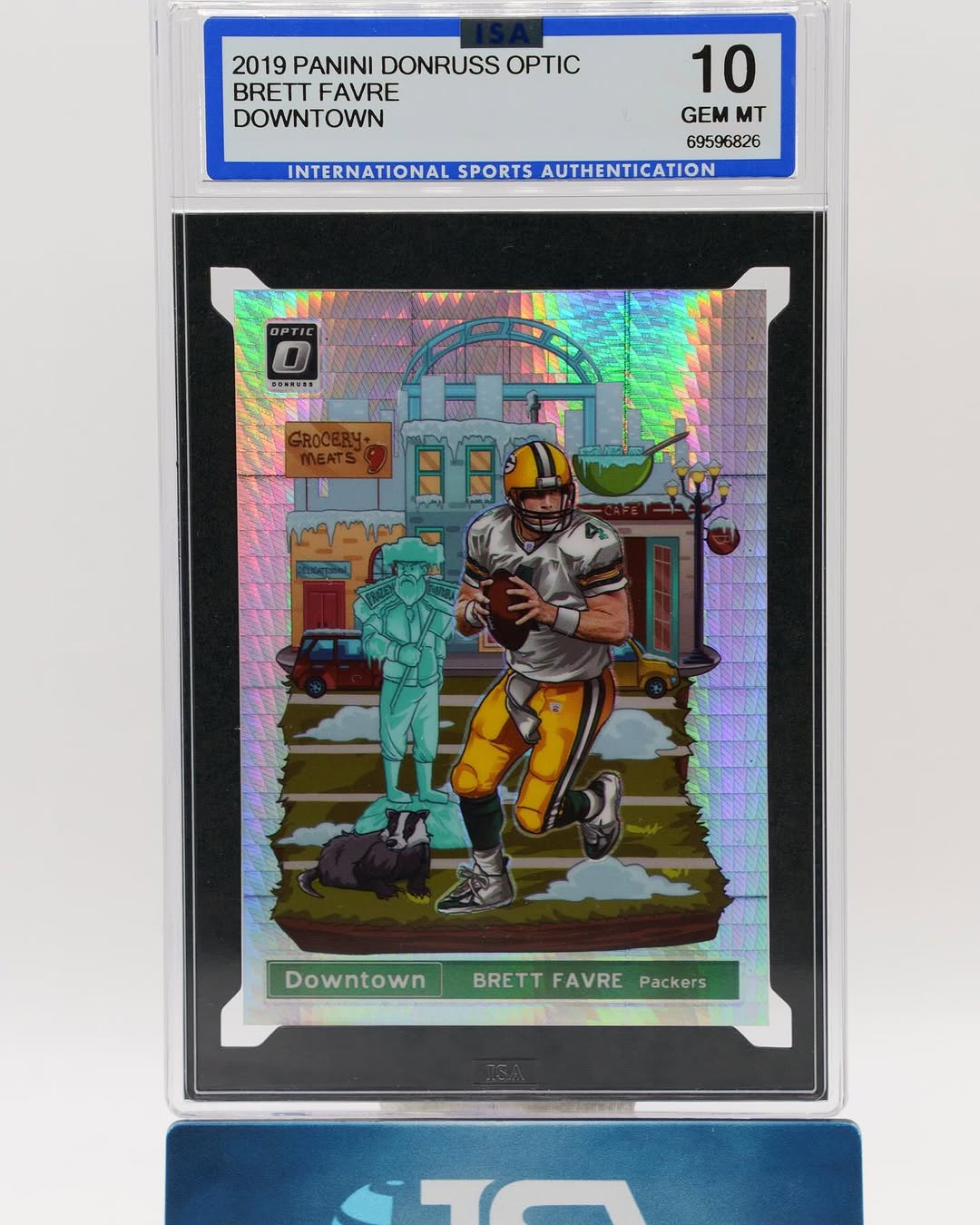
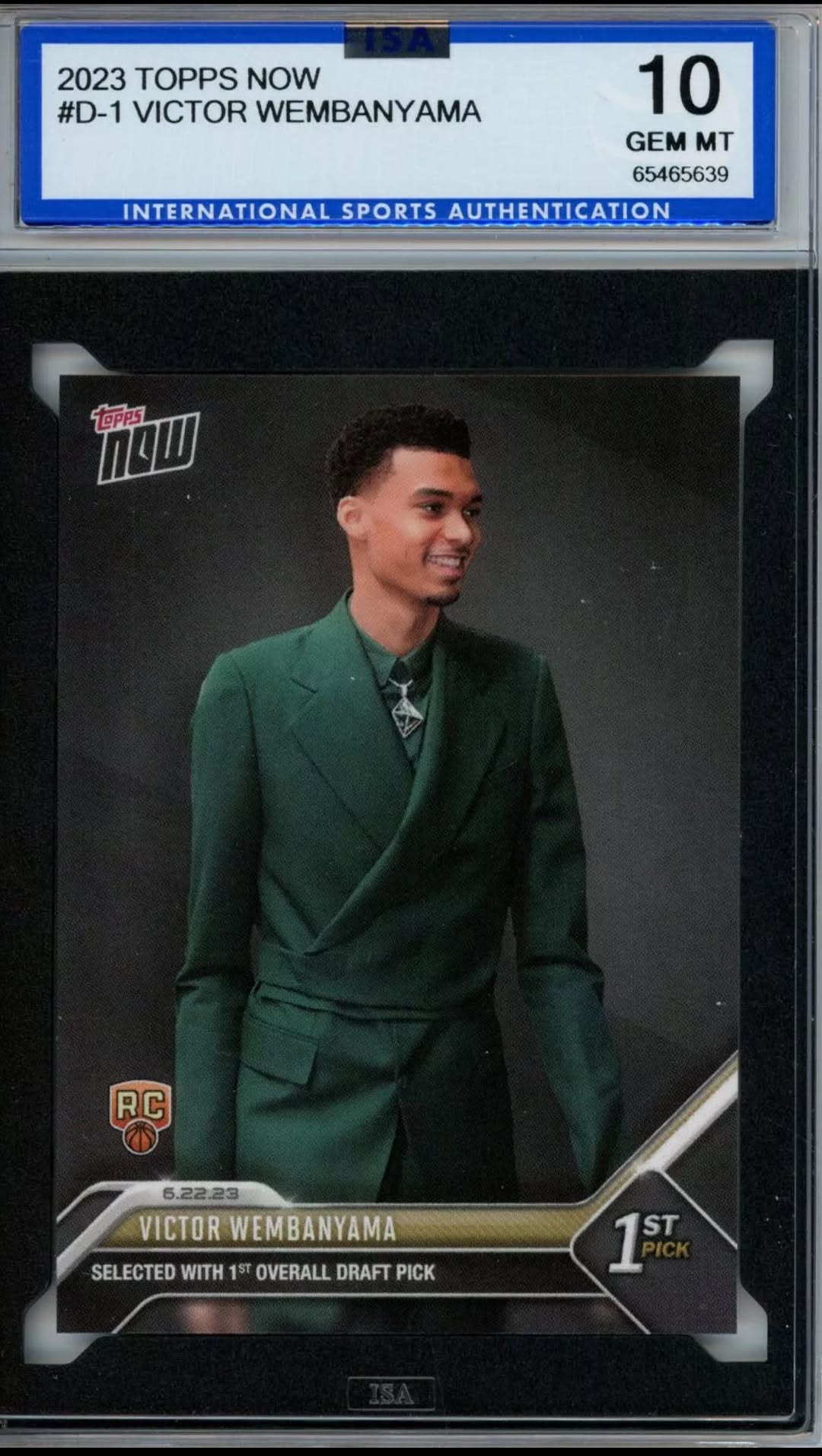
When a buyer considers a graded card, the label should be a starting point for checking details, not the only evidence they review. ISA provides online certificate verification through its certificate verification page.
Compare the available certificate record with the card and label in front of you. Look for consistency in the card identification, certificate number, and grade. If information appears inconsistent or a result is unclear, ask for clarification before completing a purchase.
Verification is a useful research step, but it should not replace examining the actual item and assessing the seller. Buyers should also review clear photographs, seller history, transaction protections, and return terms where available. A certificate lookup supports due diligence rather than eliminating the need for it.
Selling Graded Cards Requires Clear Listings
A graded card still needs an accurate listing. Include the card name, set, number, relevant variation, grading company, and assigned grade. Photograph the front and back of the slab, with enough detail to show the label and card clearly.
Disclose visible holder damage and avoid language that implies a guaranteed future price. Buyers may value the same card differently based on demand, eye appeal, available inventory, and their preference for a particular grading company.
For pricing research, prioritize completed sales of the same card with the same grade and grading company when those comparisons are available. If the sample is limited, acknowledge that uncertainty rather than treating an unrelated sale as a precise valuation.
Dealers should also calculate net proceeds, not just the listing price. Marketplace fees, postage, packing materials, and the original grading cost all affect the outcome. Predictable grading pricing makes that calculation easier, but it cannot create demand for a card.
Apply the Same Discipline Across a Mixed Collection
Collectors often research TCG grading alongside sports card grading. The budgeting questions overlap, even when the cards have different condition sensitivities or market audiences. A foil TCG card may reveal surface marks differently from a vintage paper sports card.
For baseball card grading or basketball card grading, inspect the specific issue rather than relying on the player's popularity. With vintage card grading, pay particular attention to wear, creases, and possible alterations. Older cards do not need to be pristine to be meaningful collecting pieces, but their condition still matters.
For a broader preparation checklist, see Before You Grade: A Collector's Guide to Sports and Pokemon Cards. Keep your submission focused on accepted cards, realistic condition expectations, and a budget you understand before the package leaves home.
ISA's current service offers a straightforward grading calculation: $15 per card, a 10 card minimum, a 14 day turnaround, and no upcharges. Confirm eligibility and current instructions, then choose cards that serve your collection or inventory plan without depending on a perfect grade.
Submit Cards to ISA Grading
Collectors ready to use ISA Grading can start on the submission page. The current active service is $15 per card with a 14 day turnaround, no upcharges, and a 10 card minimum.
Frequently Asked Questions
How much does ISA Grading currently charge per card?
ISA's current active service is $15 per card with a 10 card minimum and no upcharges. Ten cards have a grading subtotal of $150. Check current submission instructions for shipping arrangements, applicable taxes, and any other costs relevant to your order.
Does ISA accept Pokemon and other TCG cards?
ISA provides sports card grading and authentication. Before submitting Pokemon or other TCG cards, contact ISA to confirm acceptance of your specific game, set, language, and card format. Do not assume every trading card type is eligible.
Does the 14 day turnaround include shipping?
ISA currently lists a 14 day turnaround. Confirm how that period is measured and when it begins. Allow separately for outbound shipping, intake timing, and return shipping when planning around a sale or event.
Will grading increase my card's resale value?
Not necessarily. The financial result depends on the card, assigned grade, buyer demand, grading company, and total expenses. Compare relevant completed sales and calculate likely net proceeds using realistic grades rather than assuming the highest result.
How can I verify an ISA graded card?
Use the certificate verification page on ISA's website and compare the available record with the card and label. Also examine photographs, assess the seller, and review transaction protections. Ask ISA for clarification if certificate details appear inconsistent.