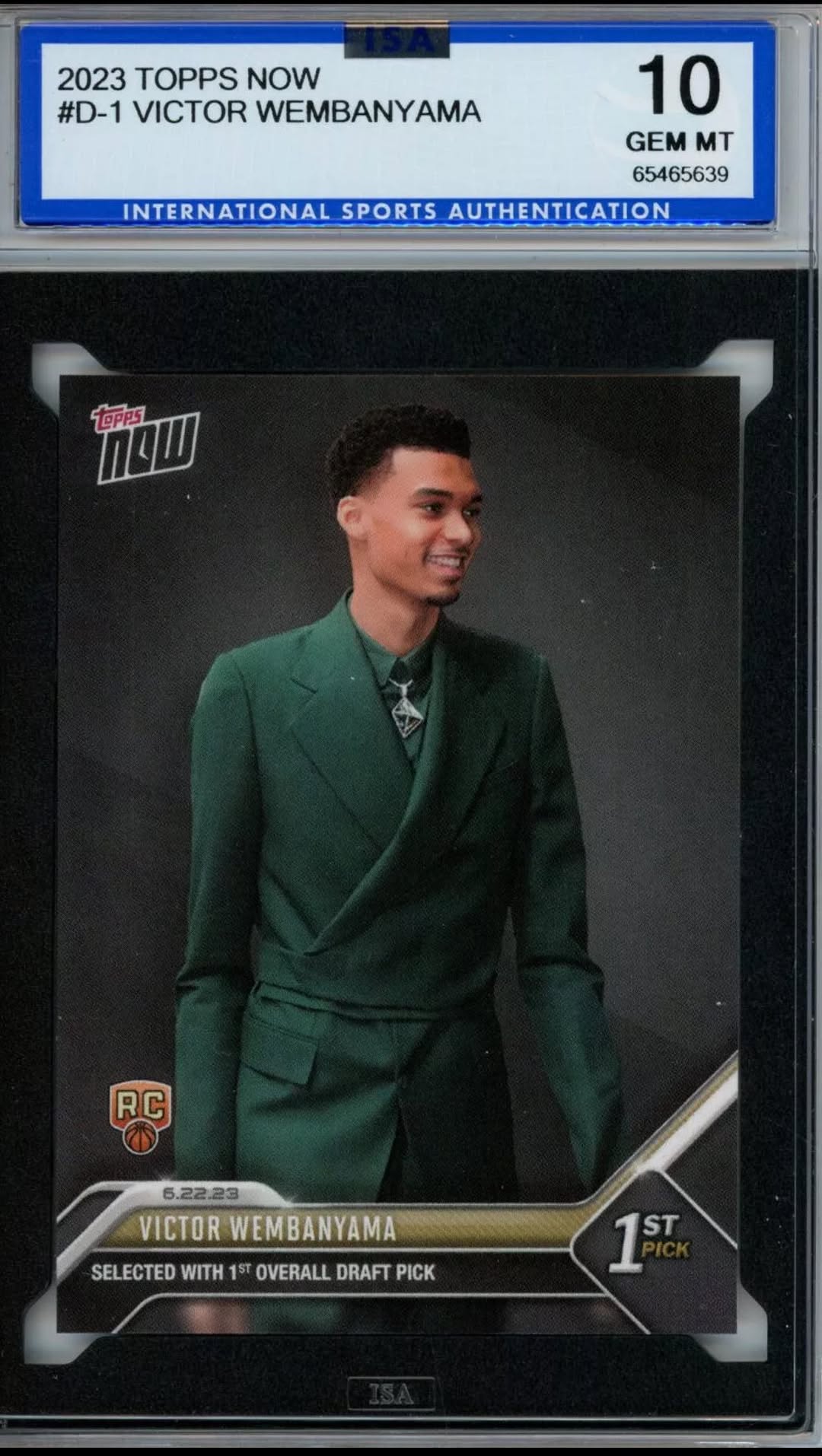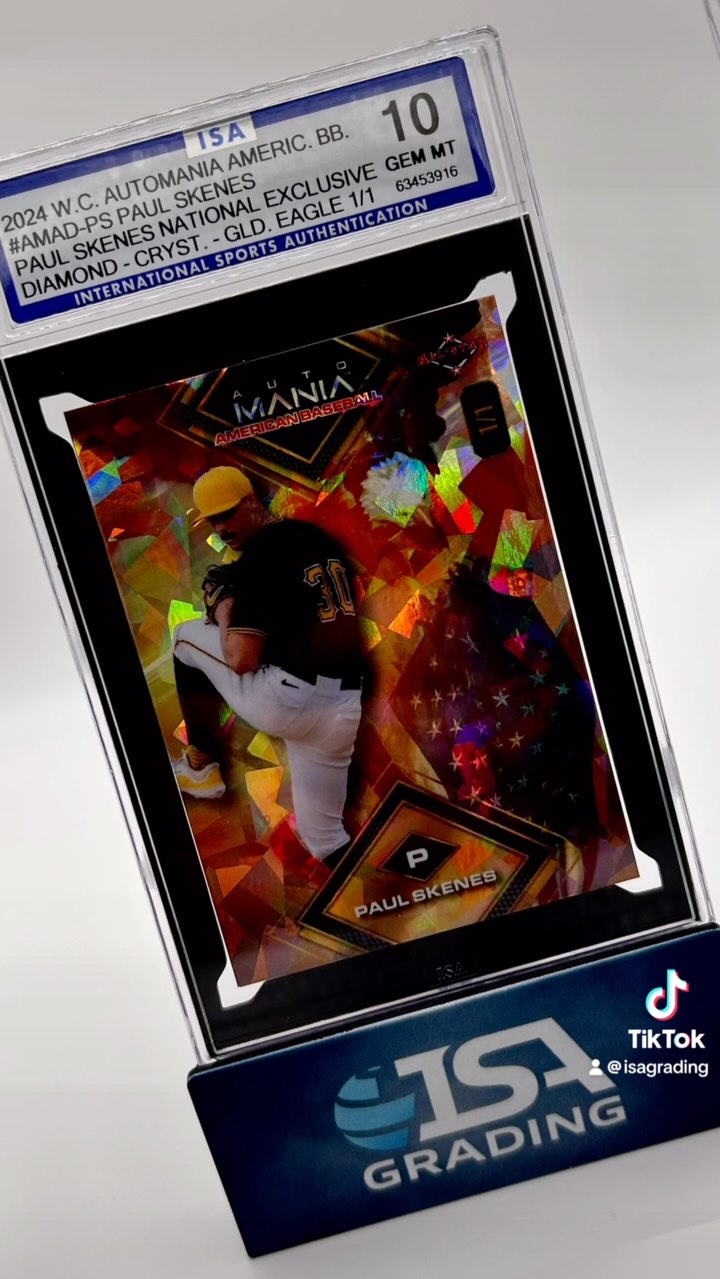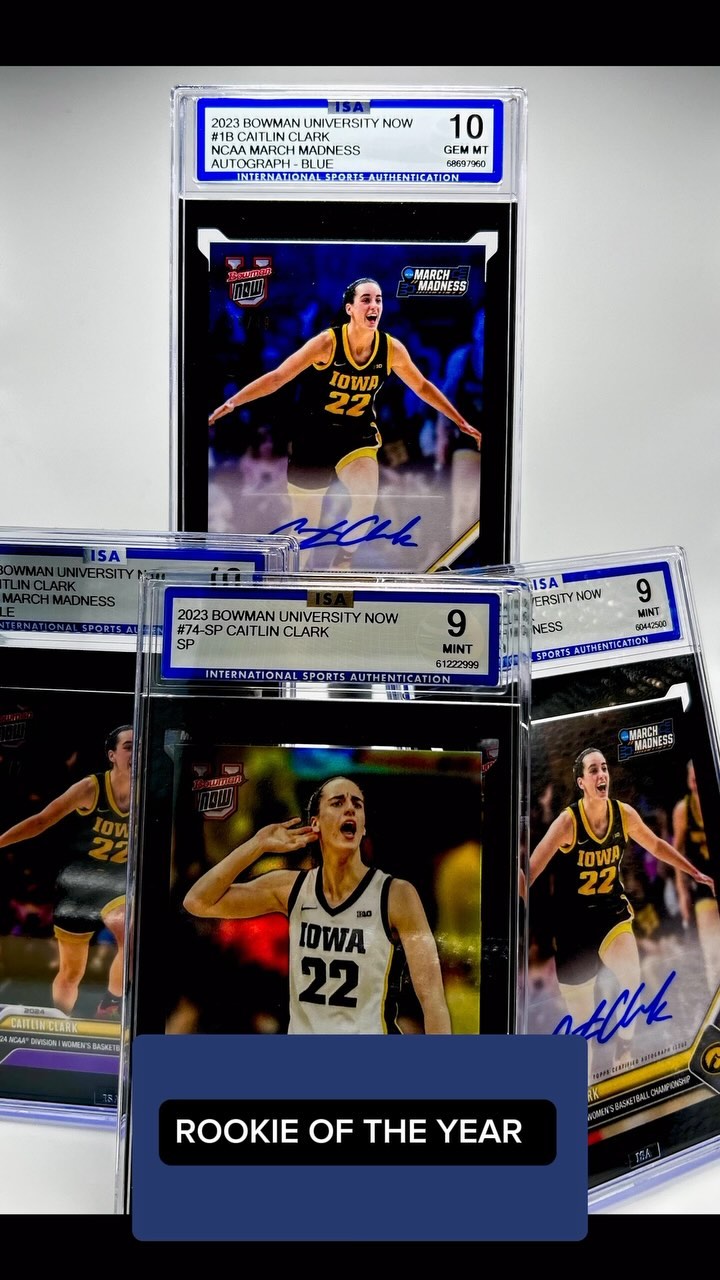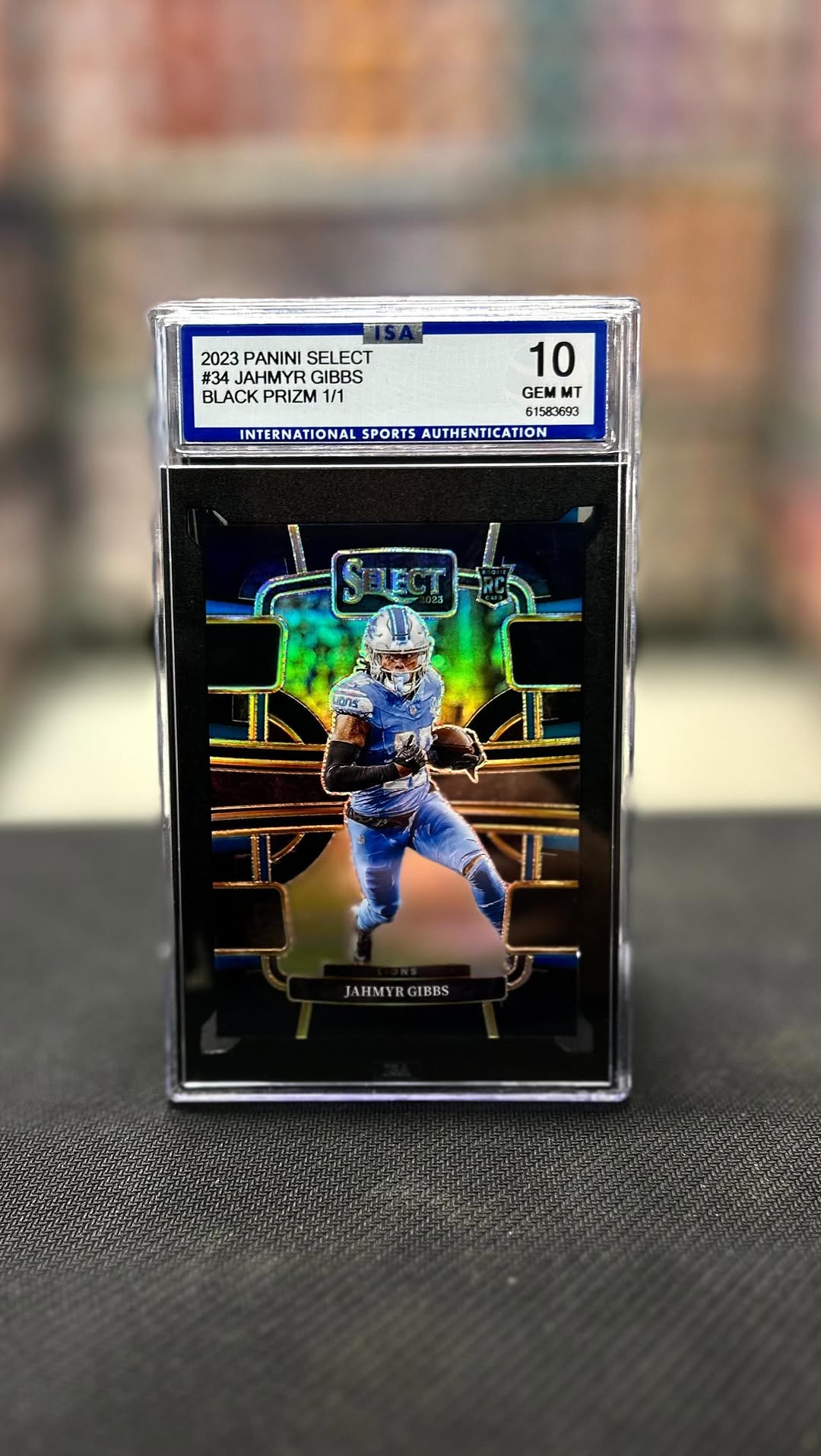
Sending a card for authentication can feel like a big step, whether it is a favorite rookie, a valuable insert, or inventory you plan to sell. You are trusting a service with both the card and the work that follows: evaluation, identification, and protection. Good preparation helps you make that decision with fewer unanswered questions.
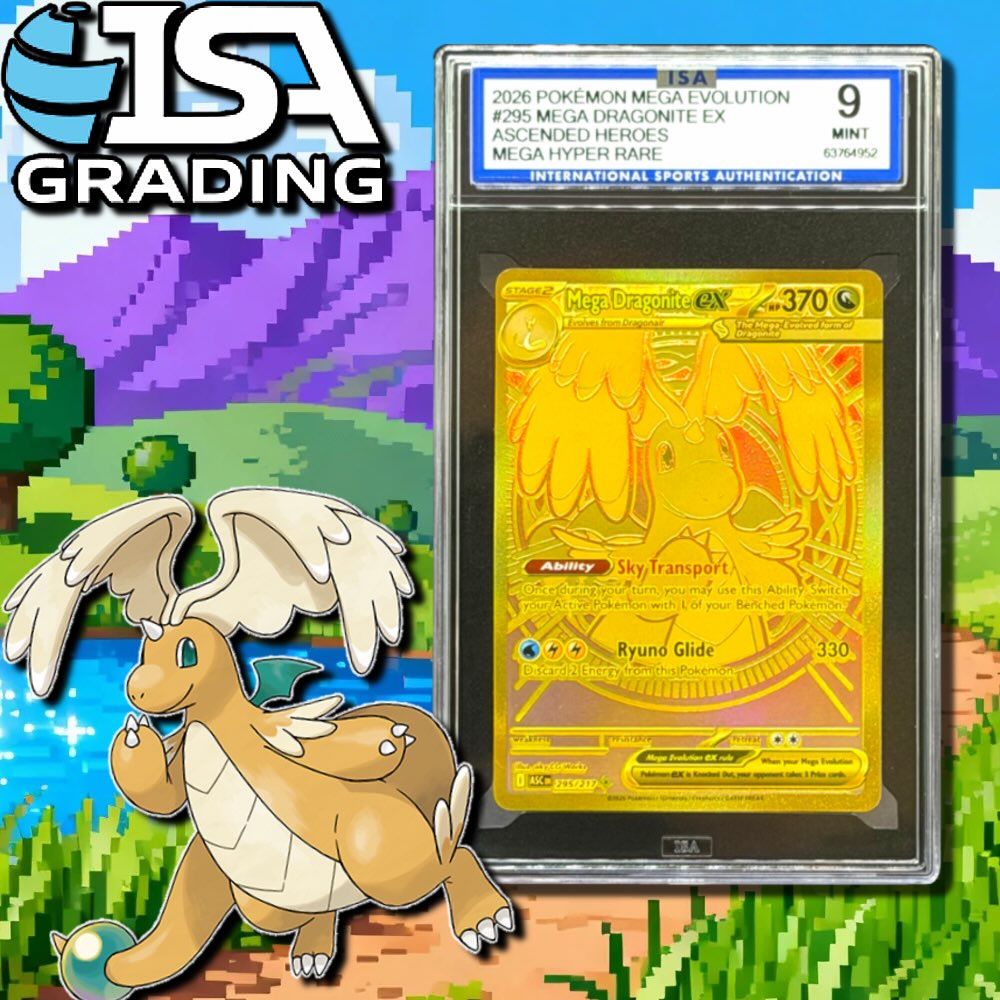
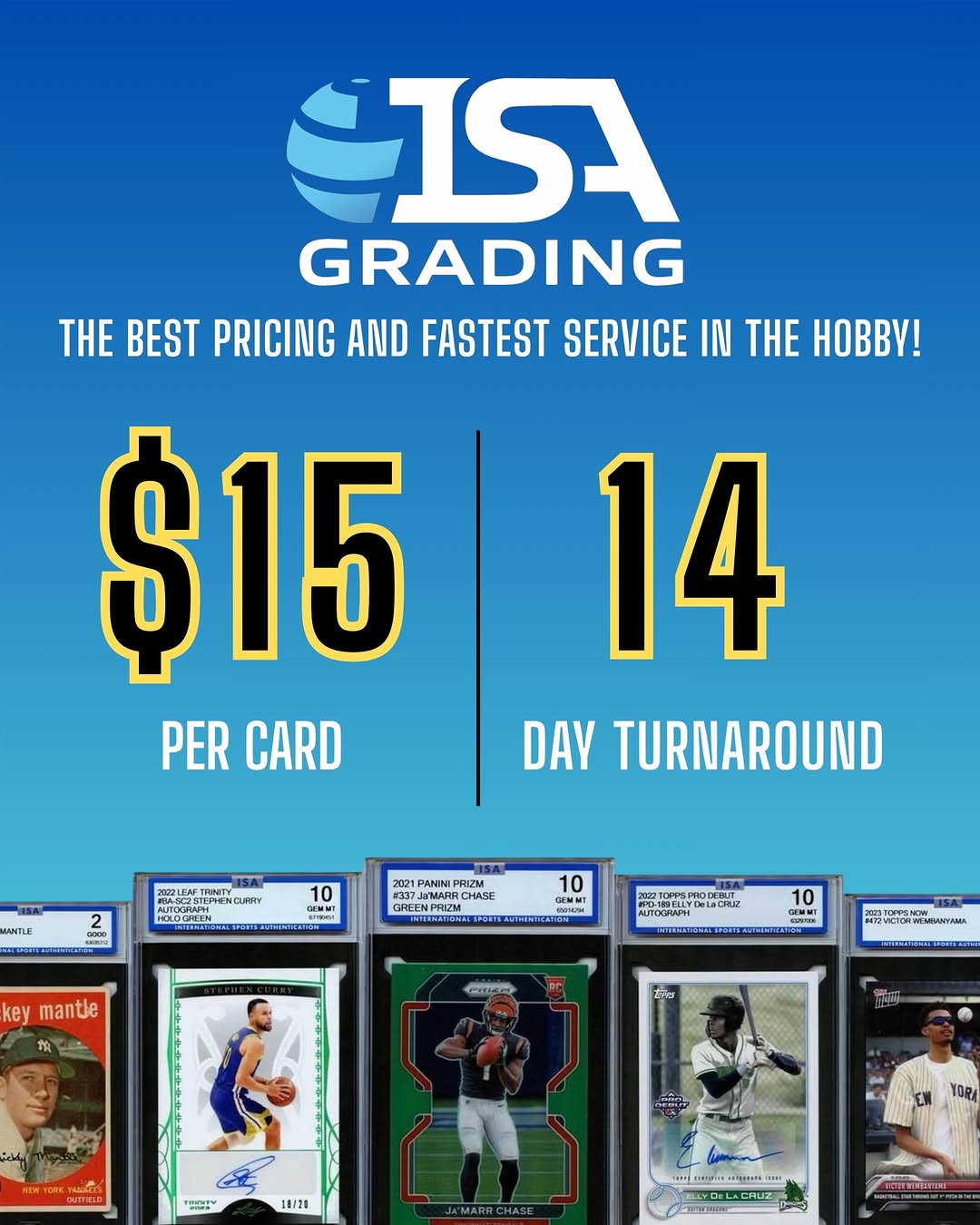
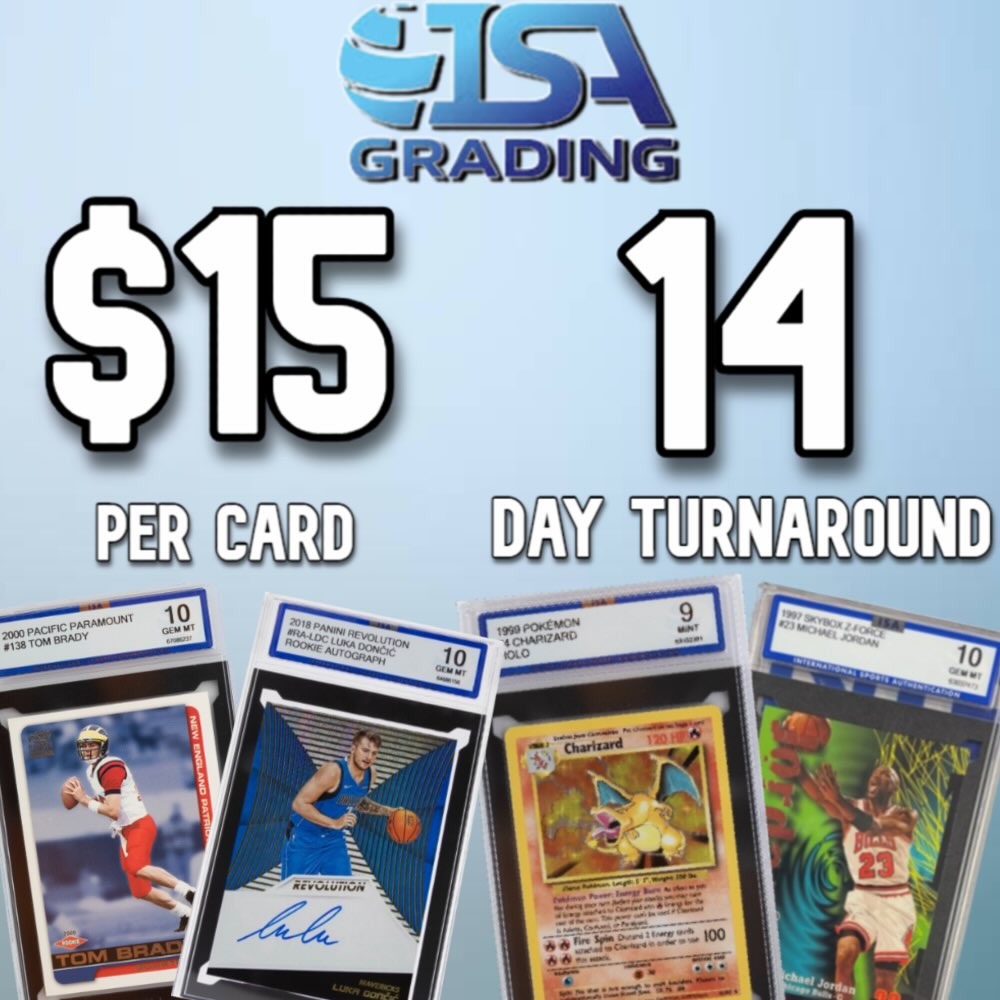
ISA Grading, also known as International Sports Authentication, provides sports card grading and authentication. Its current active service is $15 per card, with a 14 day turnaround, a 10 card submission minimum, and no upcharges. Before submitting, understand what authentication addresses, how condition affects grading, and what you need to document and pack.
Understand What Card Authentication Does
Card authentication and condition grading answer related but different questions. Authentication addresses whether a card is genuine. Grading evaluates its condition under the service’s standards. A genuine card can still have rounded corners, scratches, poor centering, or other problems that affect its grade.
Sports card authentication is especially relevant when buying unfamiliar cards, assessing older material, or selling to someone who cannot inspect the card in person. An independent evaluation can give a transaction more structure, but it does not guarantee a particular grade, selling price, or buyer response.
Also distinguish card authentication from autograph authentication. A genuine trading card and a genuine signature are separate questions. If your card includes an autograph, an unusual alteration, or a feature requiring specialized review, confirm the applicable service before sending it. Do not assume every authentication service covers every type of collectible.
Choose Cards That Fit Your Purpose
Start with your reason for submitting. A collector preserving a sentimental card may have different priorities from a dealer preparing inventory for sale. For trading card grading, a useful selection process considers identity, condition, demand, and the total expense of submission.
- For personal collections: Consider cards you want evaluated and protected, even if immediate resale is not the goal.
- For selling: Look at completed sales for comparable cards and grades, not just optimistic asking prices.
- For uncertain purchases: Gather information about the card’s set, variation, and purchase history before deciding what needs review.
- For dealer inventory: Prioritize cards that fit your selling schedule and have a clear place in your inventory plan.
Build the minimum submission thoughtfully rather than adding nine weak candidates to support one strong card. For a practical batching approach, read how to prepare a 10 card submission for ISA Grading service. Each card should have a reason to be included.
Inspect Condition Without Trying to Change It
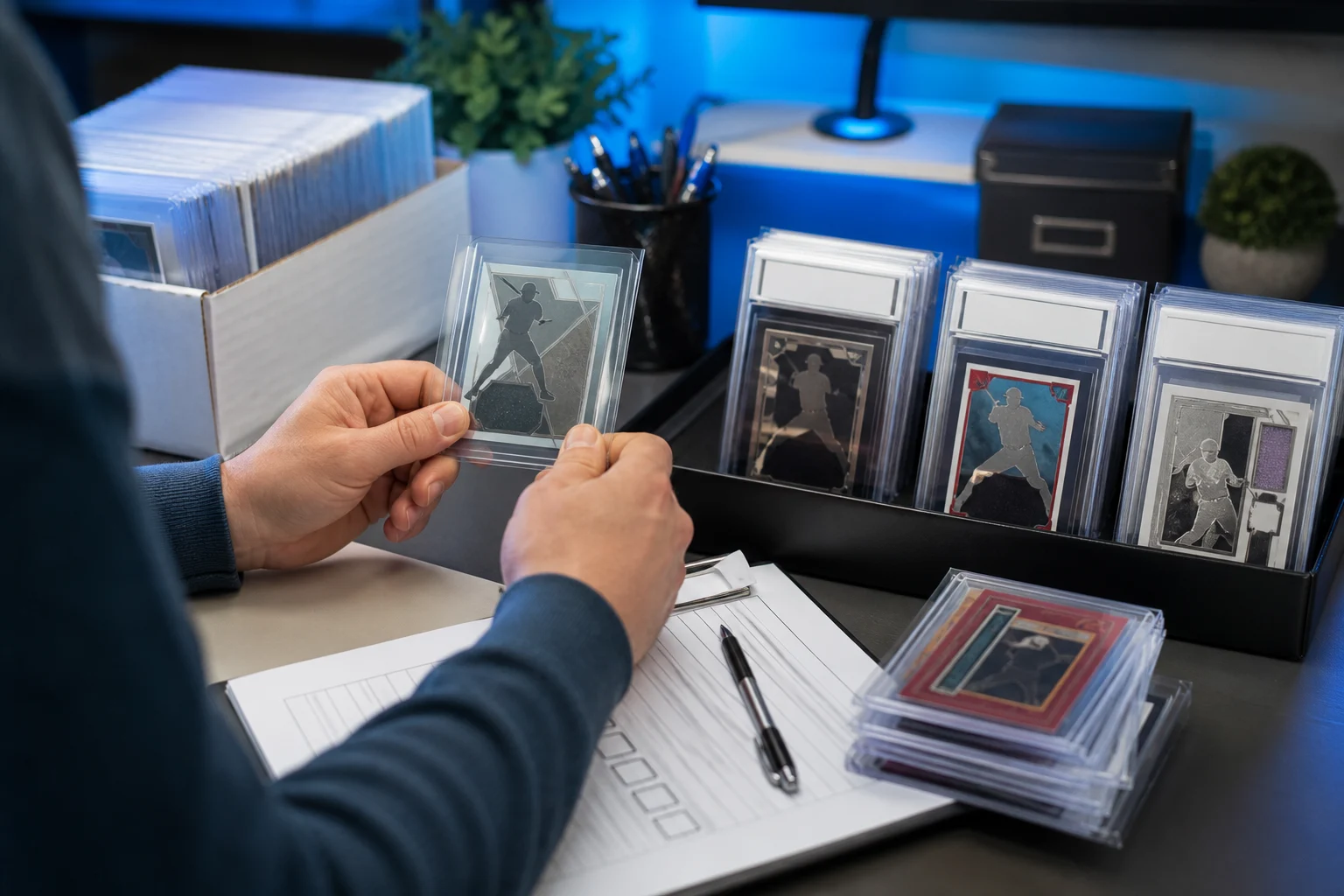
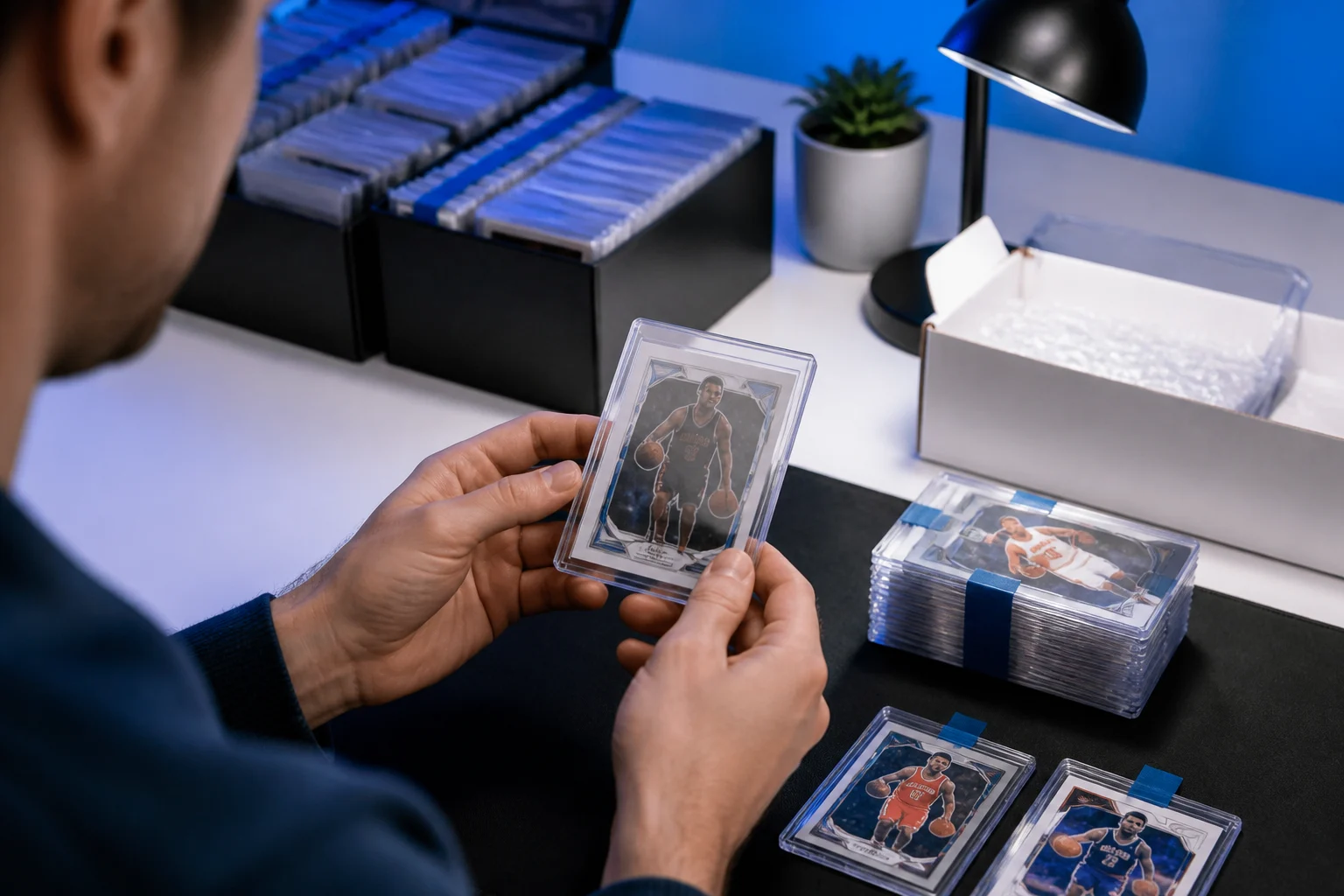
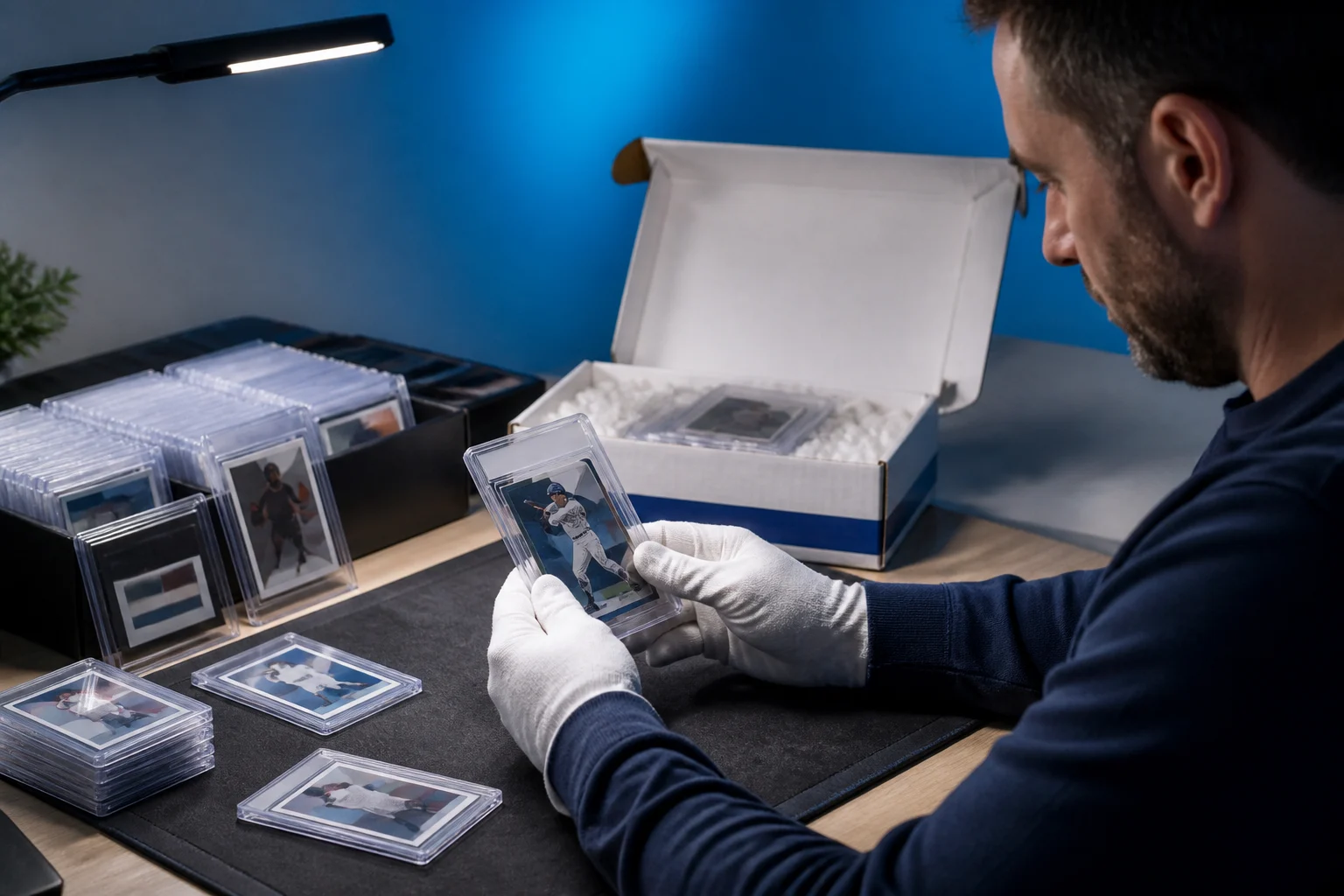
A careful inspection sets realistic expectations. Work on a clean, dry surface with good lighting, and handle each card gently by its edges. View the front and back straight on, then tilt the card slightly to make surface defects easier to see. Avoid unnecessary handling once your inspection is complete.
Card corners and card edges
Check all four card corners for softness, bending, fraying, or missing material. Examine card edges for chipping, roughness, dents, and whitening. Dark borders can make small edge defects easier to notice, while lighter designs may require closer inspection. A sharp-looking front does not eliminate the need to inspect the back.
Card surface and centering
Inspect the card surface for scratches, indentations, creases, stains, and print imperfections. Glossy and foil cards can show marks differently depending on the angle of the light. Check centering on both sides where the design allows a meaningful comparison. Do not mistake a protective sleeve’s scratch for damage on the card itself.
Avoid polishing, trimming, pressing, or using chemicals to improve appearance. Attempts to change a card can cause damage or create questions about alteration. If you are unsure whether a visible issue is part of the original printing, document it and ask for guidance rather than experimenting.
Review ISA’s grading scale before assigning your own expectations. Online photographs and personal estimates are useful screening tools, but neither replaces an in-person evaluation. Plan for the possibility that the assigned grade will differ from your estimate.
Identify Each Card Before You Pack It
Record the year, manufacturer, set, player, card number, and any relevant parallel or variation. Include a serial number when one is printed on the card. Similar designs can conceal meaningful differences, so check the back and compare reliable set information rather than identifying a card from its front alone.
This matters across baseball card grading, basketball card grading, and football card grading. A base rookie, a numbered parallel, and a short-print variation may feature the same athlete while representing different collectibles. Accurate identification also helps when you organize returned cards or create sales listings.
If you are researching Pokemon card grading or TCG card grading alongside a sports submission, confirm current category eligibility and instructions before combining cards. Do not assume a sports-focused submission automatically accepts every trading card game, language, size, or specialty format.
Make the Pricing Work Before You Submit
ISA’s current $15 card grading service has a 10 card minimum and no upcharges. At that rate, the grading service charge for 10 cards is $150. Budget separately for any applicable shipping, insurance, taxes, or other checkout charges, and check the current submission details rather than assuming the per-card price covers every expense.
No upcharges makes the grading portion of your budget easier to calculate. It does not mean a card will increase in value enough to recover the expense. For resale decisions, consider the card’s purchase cost, grading fee, transportation costs, marketplace fees, and likely selling price.
Run more than one grade scenario. If a card only makes financial sense at the highest grade you can imagine, it may be a speculative submission. A more cautious plan considers what happens if it receives a lower grade or takes longer to sell. ISA’s article on the value of no upcharge card grading offers additional budgeting context.
Plan Around Turnaround, Not Just the Advertised Number
ISA currently offers a 14 day turnaround. If you are comparing a 14 day card grading turnaround with your selling schedule, distinguish the grading timeline from the full period your cards are away. Outbound transit, intake procedures, return shipping, and your own preparation can affect when cards are ready to list.
Confirm how the current turnaround is measured, when the clock begins, and whether any submission issues can affect processing. Do not assume the published figure means delivery back to your door exactly 14 days after you mail the package.
Fast card grading can be useful for inventory planning, but build some flexibility into deadlines. Avoid promising a buyer that a specific card will be available on a specific date before it has returned. If you are preparing for a show or seasonal selling window, work backward from that date and allow time for shipping and listing.
Protect Cards During Preparation and Shipping
Use the service’s current packing instructions as your starting point. Check the ISA card submission page for the required process, paperwork, and holder guidance. A protective holder that works well in your collection may not be the preferred format for a grading submission.
- Prepare a clean workspace. Keep food, drinks, dust, and loose packing material away from exposed cards.
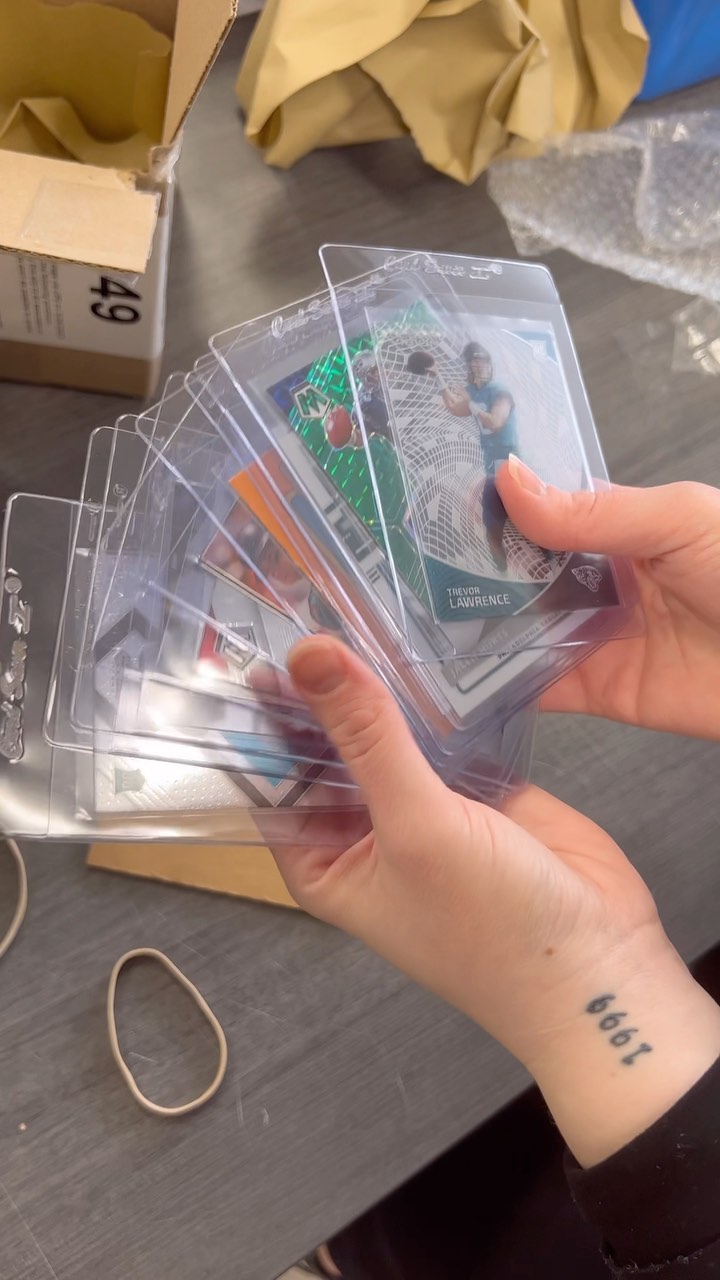
- Use appropriate protection. Follow current instructions for sleeves and holders, and avoid forcing a card into a tight opening.
- Keep the order consistent. Arrange cards to match your submission record so the contents are easy to reconcile.
- Prevent movement. Cushion the protected cards inside a sturdy box without applying damaging pressure.
- Keep adhesive away from cards. Do not allow tape or sticky packing materials to contact card surfaces.
- Check the paperwork and address. Verify the submission information and destination before sealing the package.
Packaging should limit shifting, crushing, and exposure to moisture during ordinary transit. Choose a tracked shipping method and consider insurance appropriate to the shipment’s value and the carrier’s terms. Read coverage requirements carefully rather than assuming all collectibles are covered in the same way.
Document What You Send
Create an inventory list and take clear front-and-back photographs before packing. Record visible defects, serial numbers, and other distinguishing details. These records help you confirm what you submitted and give you a reference when the cards return.
Keep copies of your submission confirmation, payment record, shipping receipt, and tracking number. For dealers, connect these records to inventory entries so grading costs remain associated with the correct cards. For collectors, even a simple folder can make the process easier to manage.
Photographs are documentation, not a substitute for protective packaging or shipping coverage. They also cannot establish every aspect of condition or authenticity. Their practical value is keeping your submission organized and reducing avoidable confusion.
Know What Slabs and Certificate Verification Add
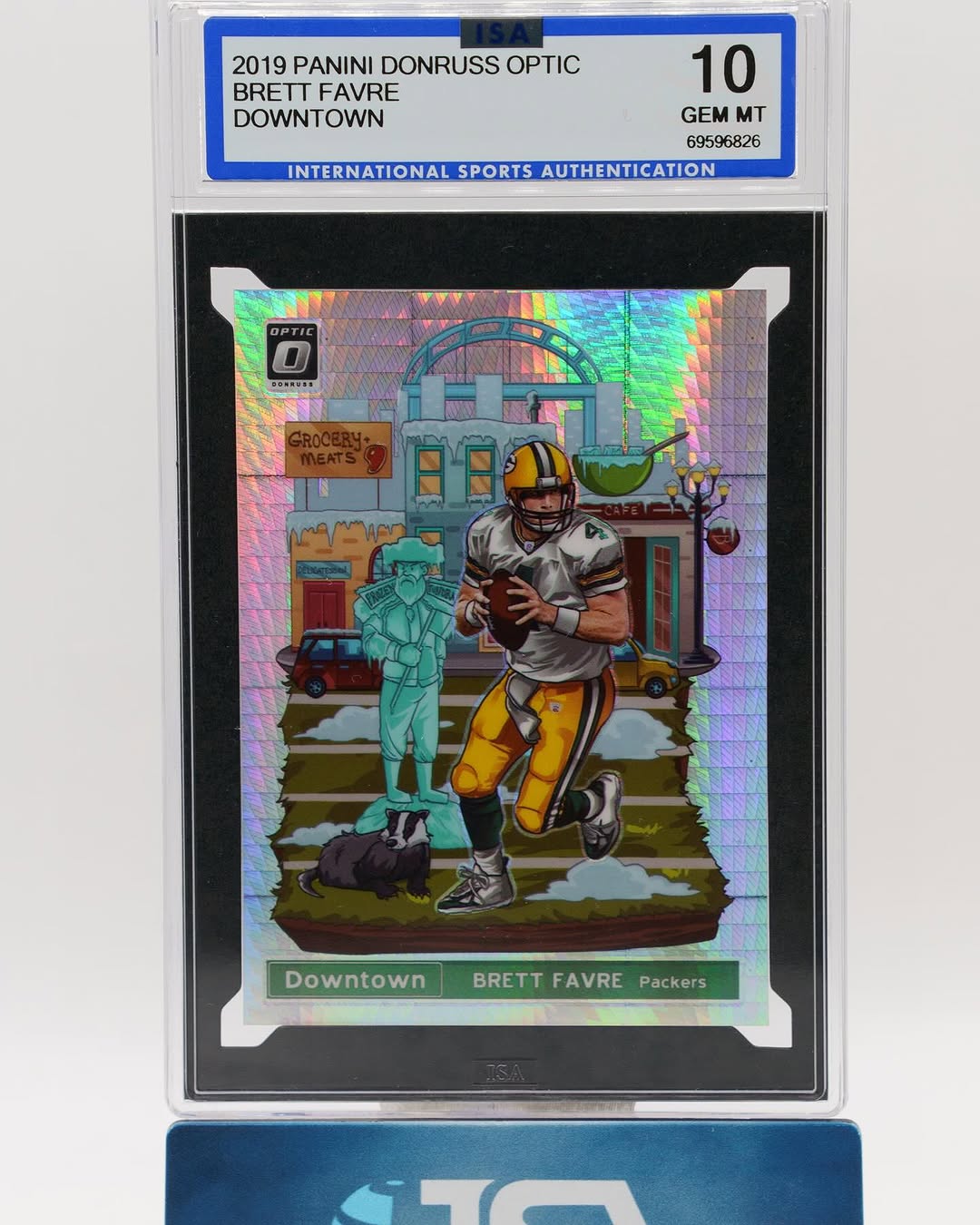
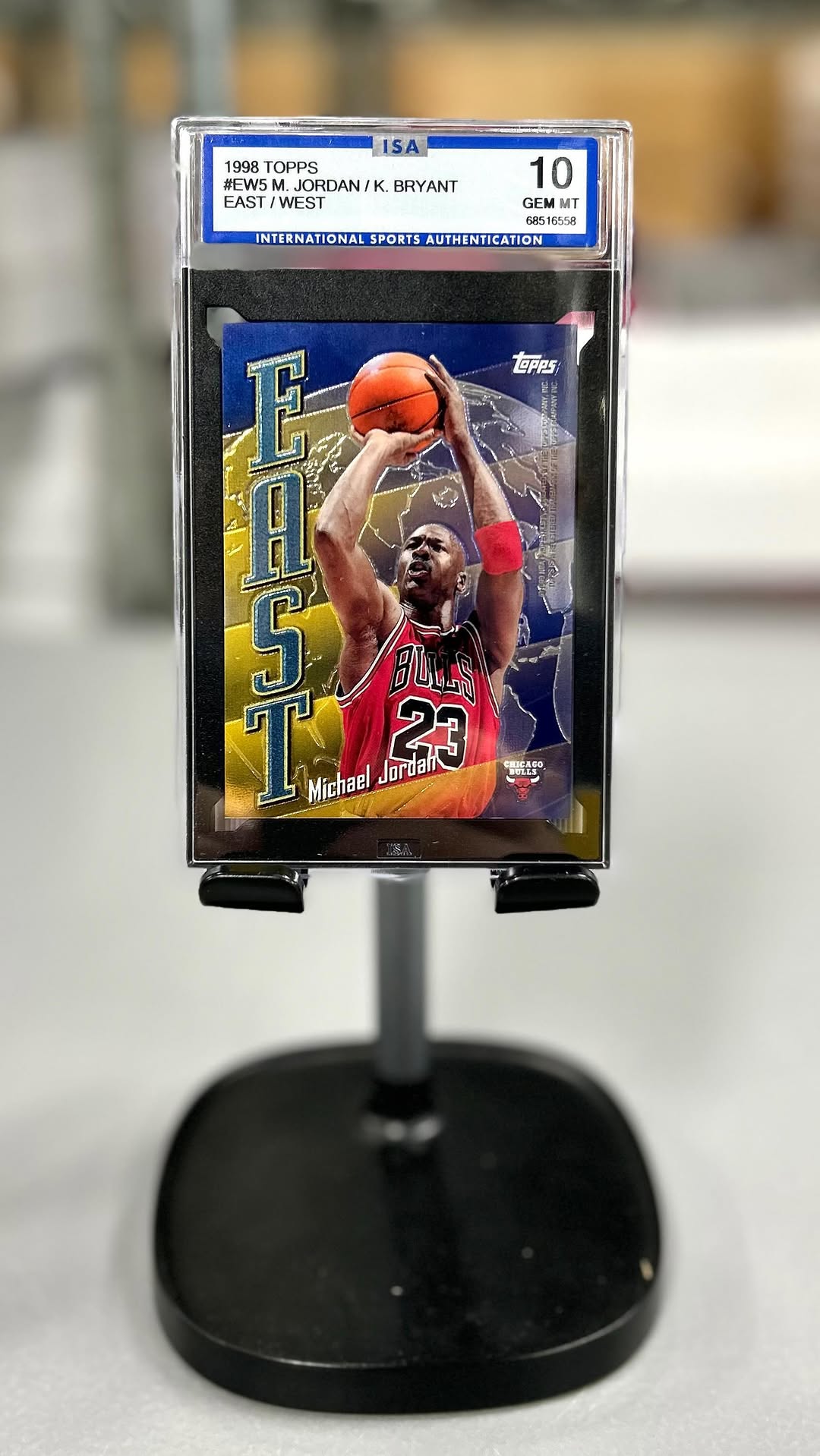
Trading card slabs provide a protective enclosure and present the grading information with the card. They can reduce routine handling of the card itself, but they should still be treated carefully. Protect holders from impact, excessive heat, direct sunlight, and conditions that could damage the enclosure or its contents.
ISA offers certificate verification on its website. After your submission returns, use the certificate information to check the available record and compare the details shown with your card and label. If something does not match, resolve the discrepancy before offering the card for sale.
Verification gives buyers another way to check information, but a certificate number alone should not replace reviewing the actual item. Clear photographs of the card, label, and holder remain important. Never present a verification result as a guarantee of future value or as proof of claims the record does not establish.
Prepare for Selling Graded Cards
When listing a returned card, describe its identity and assigned grade accurately. Photograph both sides of the slab, make the label readable, and disclose noticeable holder damage. Avoid suggesting that a graded card is flawless unless the service’s stated grade and standards support that description.
Buyer confidence comes from consistent information: the correct card, clear images, an accurate grade, and accessible verification. Use comparable completed sales to set expectations. Different grading services and grades may attract different prices, so do not treat unrelated sales as interchangeable.
If you started by searching for card grading near me, remember that location is only one selection factor. Pricing clarity, submission requirements, communication, protection, and verification also matter. Choose a card grading service based on the process you can understand and plan for, not proximity alone.
A Final Check Before Sealing the Box
Confirm that your submission contains at least 10 cards, matches your inventory list, and follows the current packing instructions. Recheck the $15 per card service details and turnaround information before paying. Make sure you have saved photographs, paperwork, and shipping records.
Questions about an unusual card, autograph, holder, or deadline are easier to address before shipment. Use ISA’s contact page to clarify anything that could affect your submission. Thoughtful preparation gives each card a clear identity, a safer trip, and a more useful place in your collection or selling plan.
Submit Cards to ISA Grading
Collectors ready to use ISA Grading can start on the submission page. The current active service is $15 per card with a 14 day turnaround, no upcharges, and a 10 card minimum.
Frequently Asked Questions
What should I do before sending cards for authentication?
Identify each card, inspect its condition without altering it, photograph both sides, and create an inventory list. Then review the service’s current submission and packing instructions, confirm pricing and turnaround details, and retain your shipping records.
How much does ISA Grading currently charge?
ISA’s current active service costs $15 per card, requires a minimum of 10 cards, and has no upcharges. The grading service charge for 10 cards is $150. Check current submission details for any applicable shipping, insurance, taxes, or other charges.
Does ISA’s 14 day turnaround include shipping?
ISA currently lists a 14 day turnaround. Do not assume that this includes the entire door-to-door shipping period. Confirm how the turnaround is measured and when processing begins, then allow for outbound and return transit when planning your submission.
Should I clean or repair a card before grading?
Avoid polishing, trimming, pressing, or applying chemicals to a card. These actions can damage it or raise alteration concerns. Inspect the card gently, document visible issues, and ask for guidance if you are uncertain about preparation.
How can buyers verify an ISA graded card?
ISA provides certificate verification on its website at /certificate-verification. Buyers can use the certificate information to check the available record and compare it with the card and label. They should also review clear photographs of the actual card and holder.