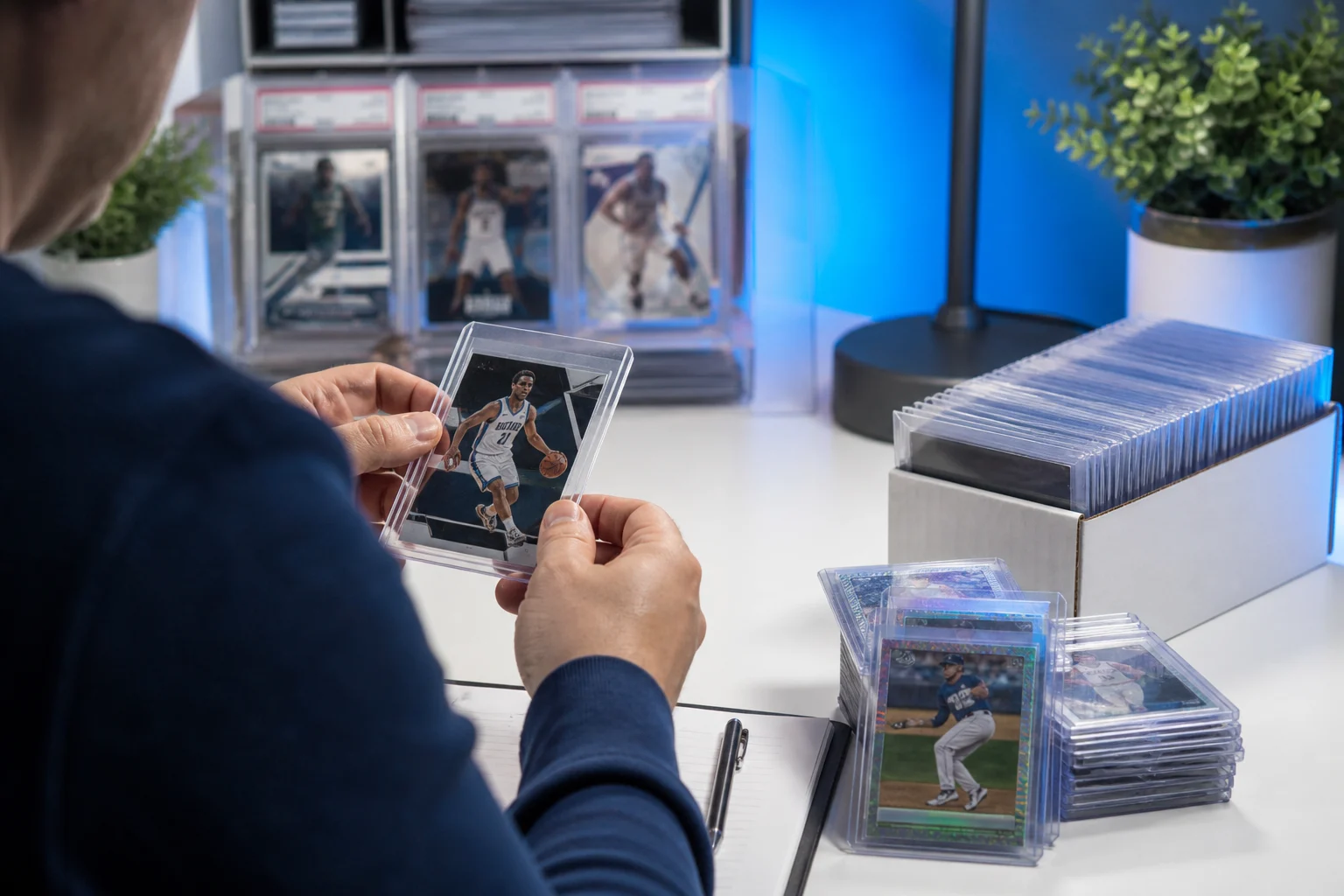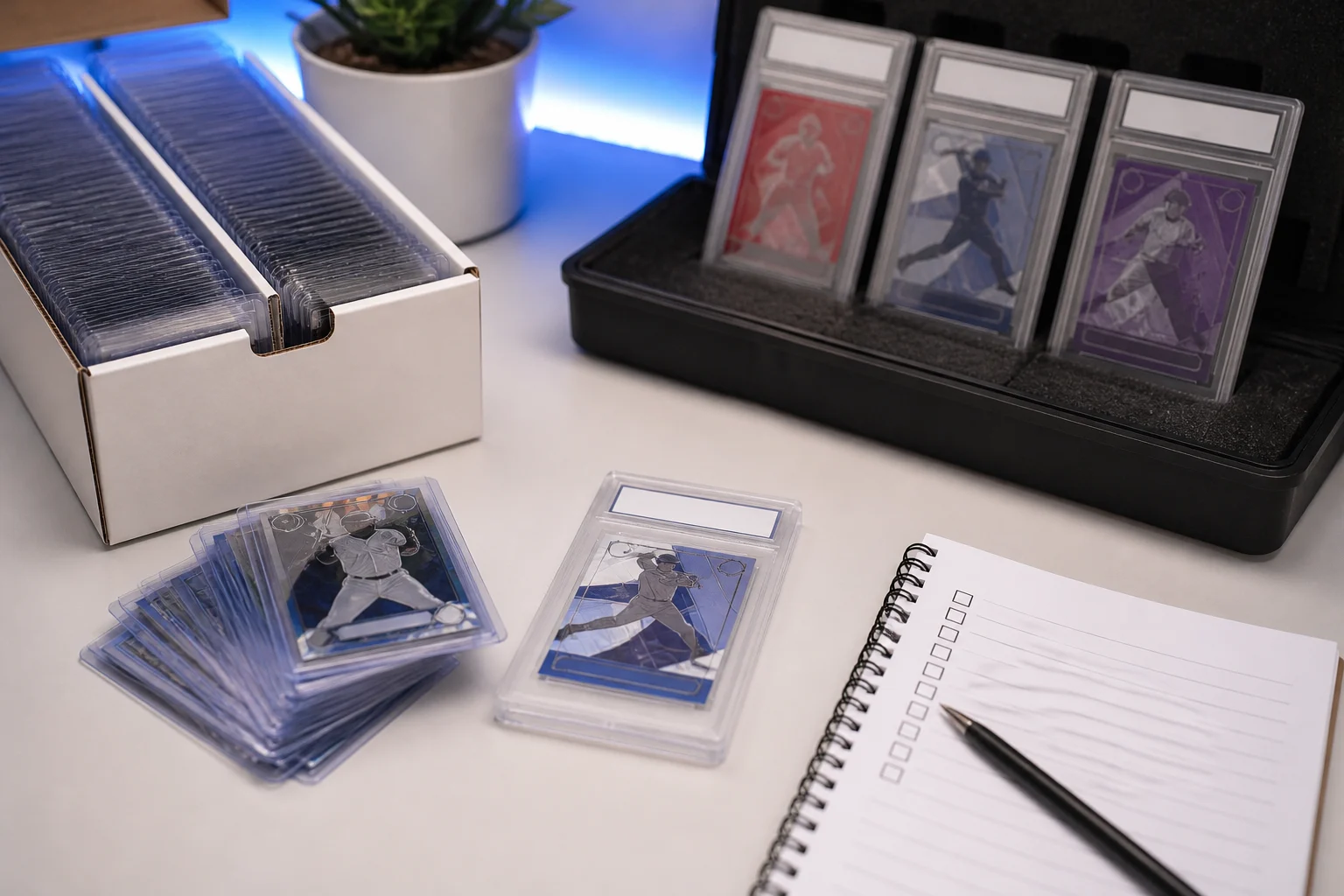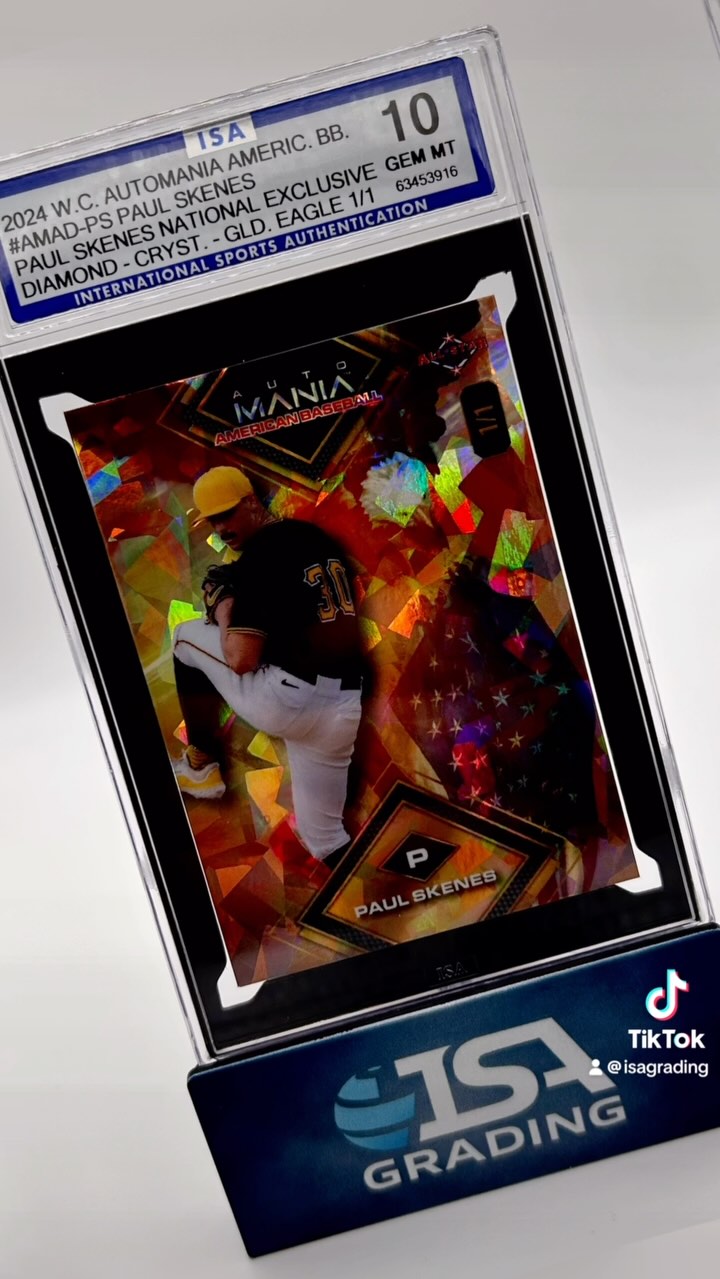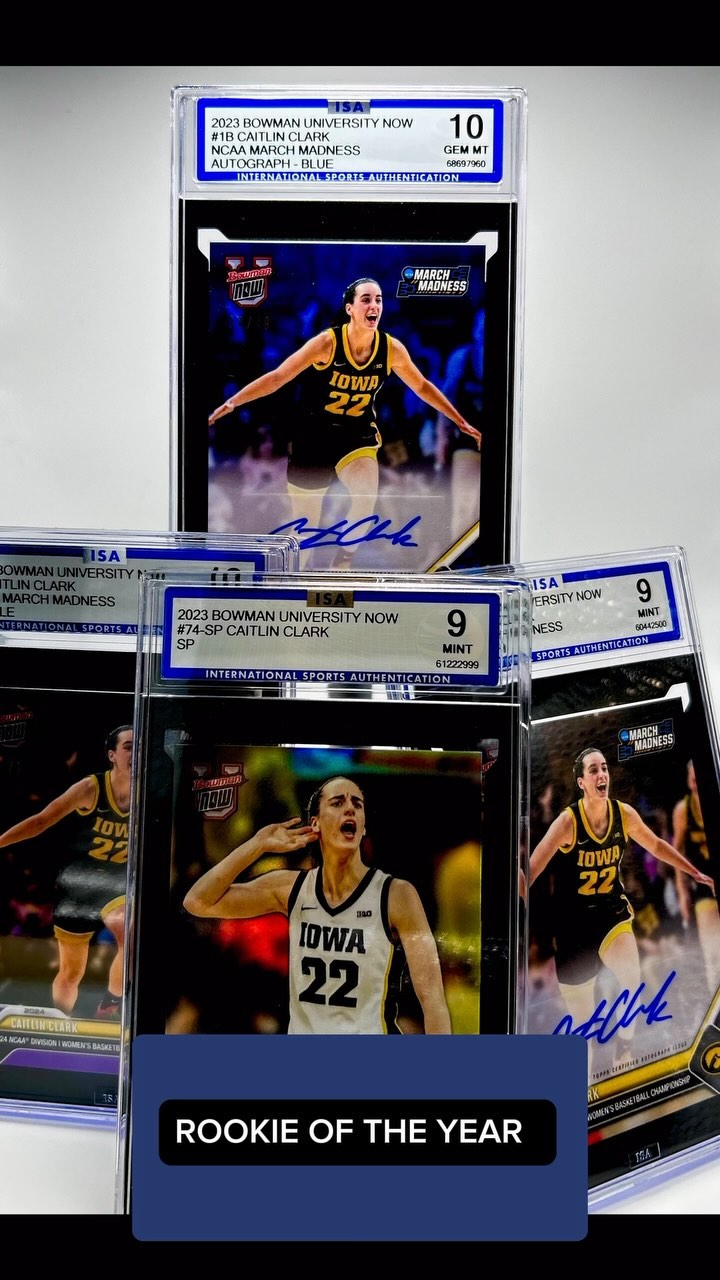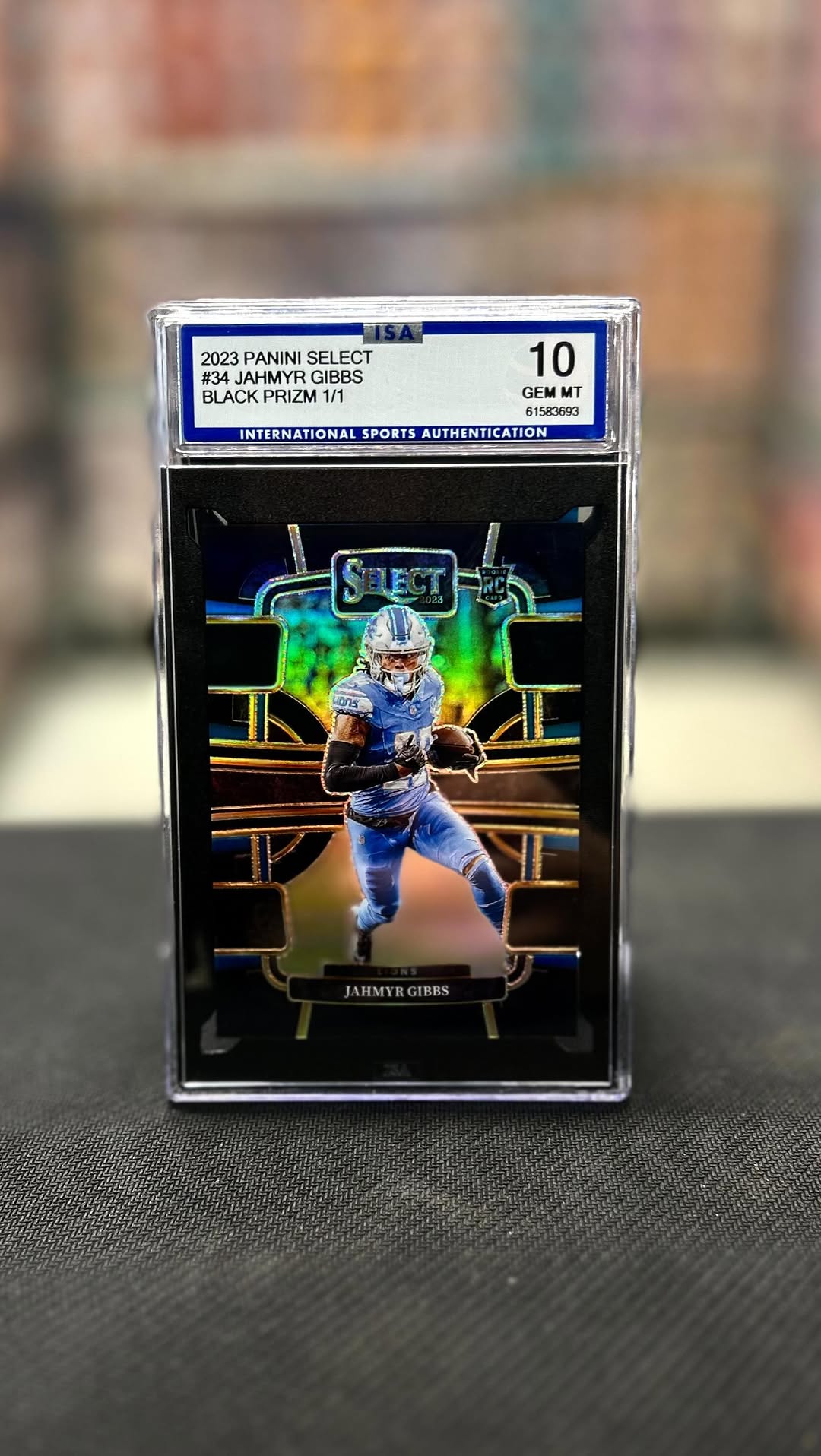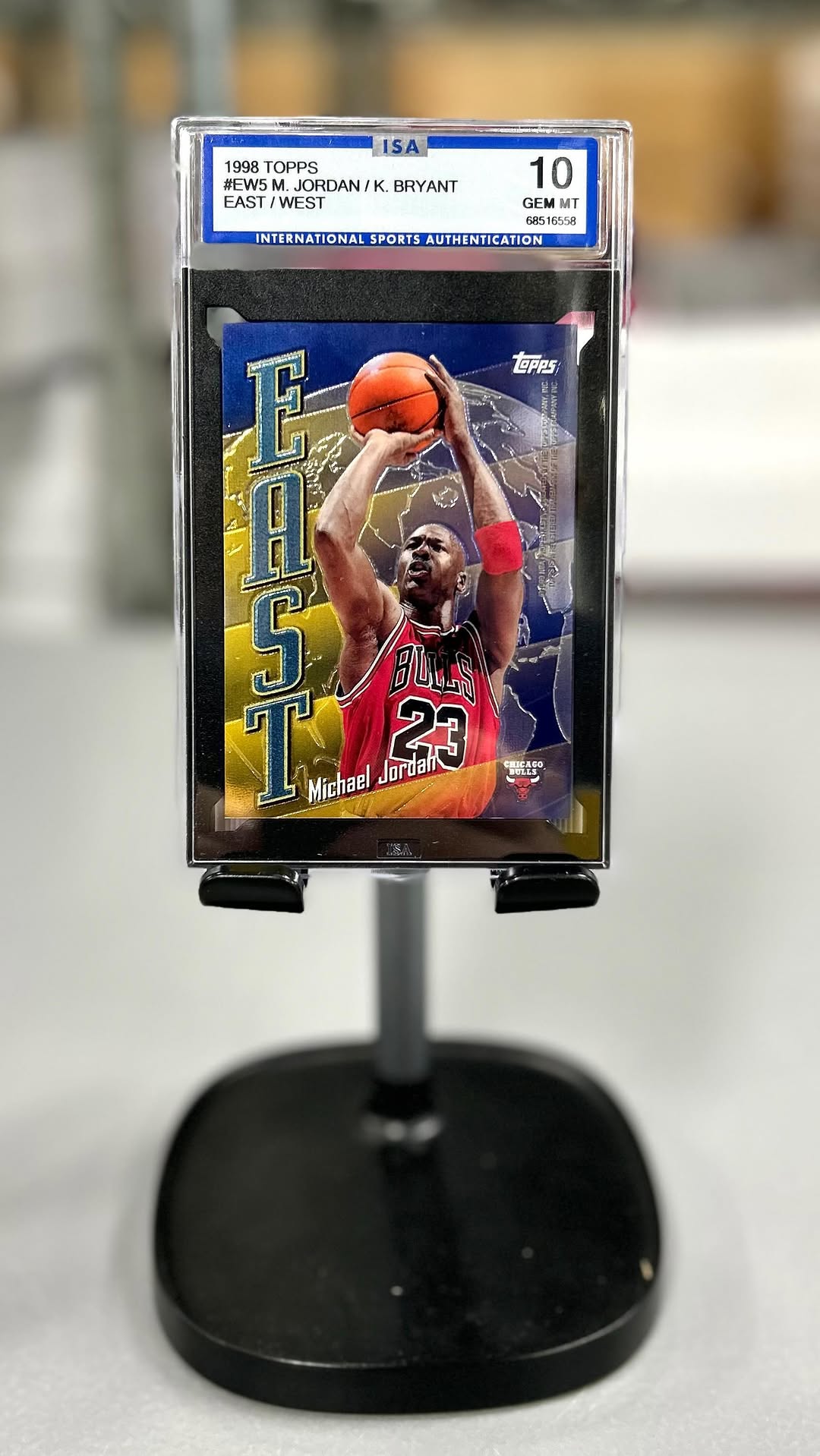

A player heats up, a team reaches the postseason, or a rookie earns a starting role. Suddenly, cards that sat quietly in a collection attract fresh attention. For collectors and dealers considering sports card grading, the question becomes practical: can the cards return while that interest still matters?
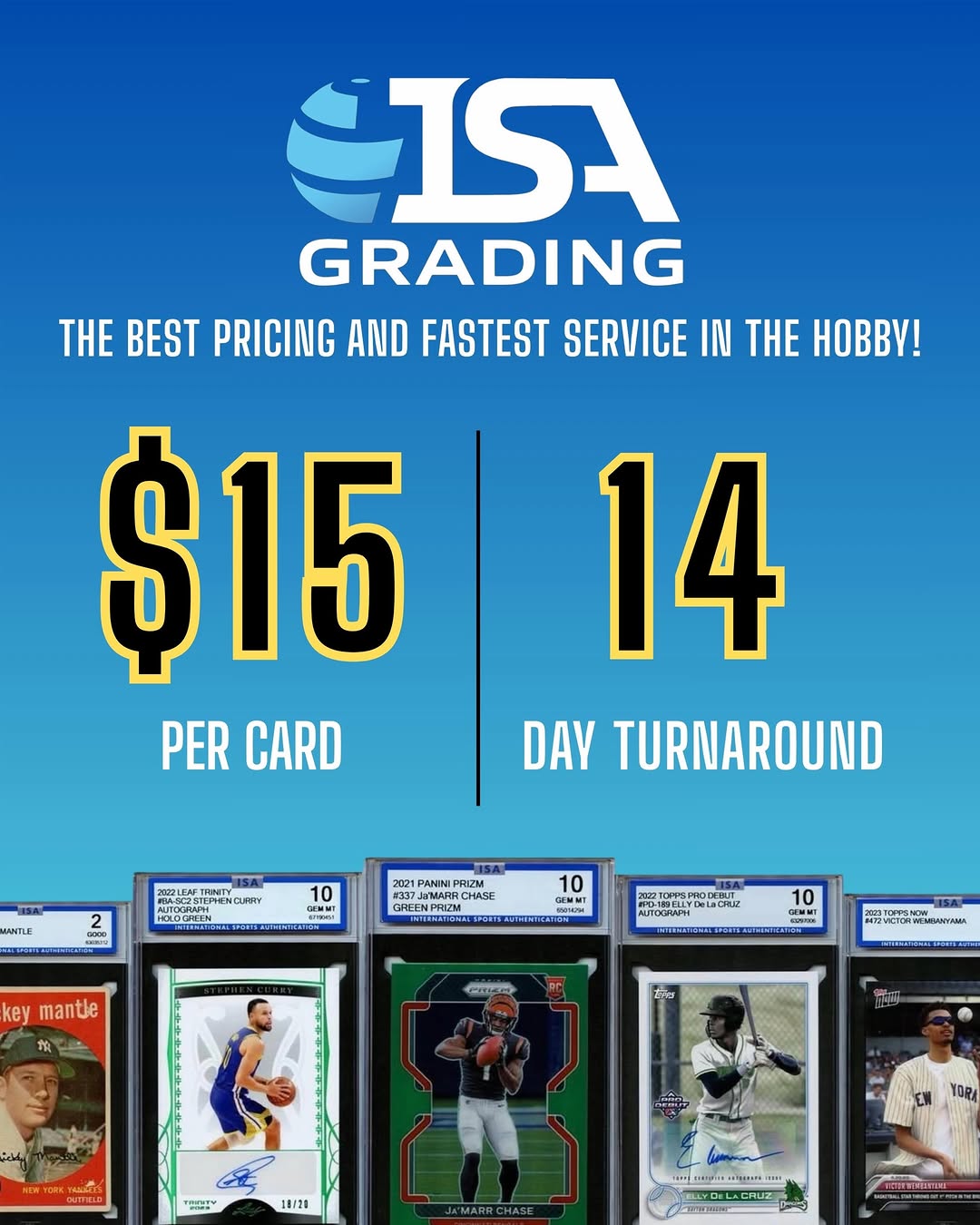
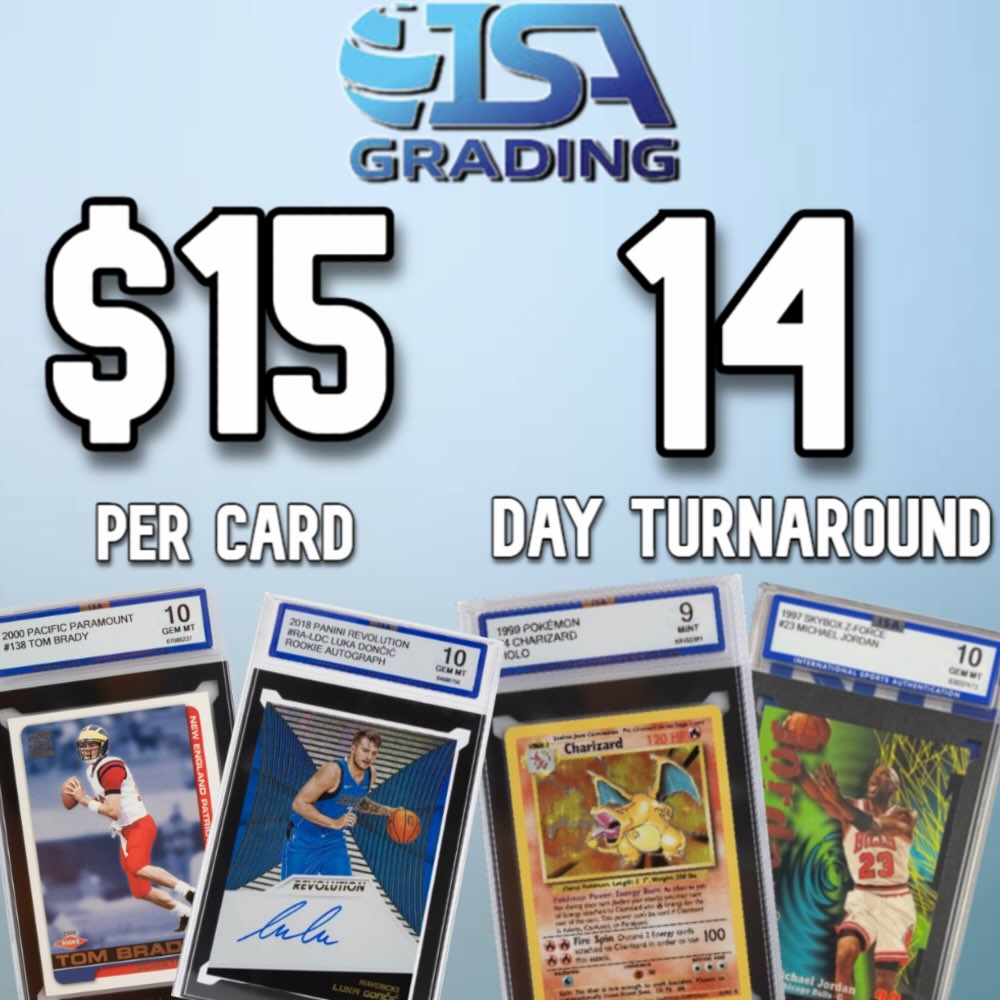
Fast turnaround cannot predict prices or guarantee a profitable sale. It can, however, reduce the time your cards are unavailable and give you more flexibility. ISA Grading, also known as International Sports Authentication, currently offers grading and authentication at $15 per card, with a 14 day turnaround, a 10 card minimum, and no upcharges. Those terms provide a starting point for planning around the market rather than simply reacting to it.
Turnaround Time Is Part of Your Selling Strategy
Submitting a card creates a period when you cannot photograph the finished slab, deliver it to a buyer, or bring it to a show. The longer that period lasts, the more opportunities there are for demand, competition, and your own plans to change.
A shorter grading timeline can narrow that gap. It may help you prepare inventory for a scheduled show, replenish an online store, or reassess a player's market sooner. That flexibility matters even when you ultimately decide not to sell.
Still, a service turnaround is not automatically the full door-to-door timeline. Before relying on a specific date, check when the turnaround clock starts, whether days are business or calendar days, and how shipping affects your schedule. ISA's grading FAQ is a useful place to start when reviewing submission details.
Separate Planned Events From Unpredictable Price Spikes
Some selling opportunities are visible on the calendar. Opening day, major tournaments, card shows, and holiday shopping periods can all influence when sellers want inventory ready. Other catalysts, such as a breakout performance or unexpected trade, arrive without warning.
For planned events, work backward from the date you need cards in hand. Allow time for preparation, outbound shipping, grading, return shipping, photography, and listing. Add a buffer instead of treating every step as certain to finish at the earliest possible moment.
For sudden spikes, recognize the tradeoff. A raw sale today and a graded sale later are different opportunities. Even a 14 day card grading turnaround may not match a brief burst of attention. Ask whether the card has lasting collector appeal or whether your entire plan depends on enthusiasm continuing unchanged.
Use Clear Pricing to Set a Realistic Break-Even Point
Timing only helps if the economics make sense. ISA's current $15 card grading service makes the grading portion straightforward to calculate. With a 10 card minimum, the minimum grading service total is $150, before any applicable shipping or taxes.
No upcharges means the grading fee does not increase because a card receives a higher grade or has a higher value. For sellers researching no upcharge card grading, that pricing clarity can make budgeting easier. It does not remove other selling expenses.
Before submitting, estimate the following:
- Your purchase price or current raw selling opportunity.
- The grading charge allocated to each card.
- Outbound and return shipping costs, including any insurance you select.
- Marketplace fees, payment fees, and shipping to the eventual buyer.
- A realistic sale price across several possible grades.
The most useful comparison is estimated net proceeds, not the largest asking price you can find.
Choose Cards That Justify Both the Fee and the Wait
Not every card benefits financially from grading. A popular player, limited parallel, or desirable rookie may warrant closer analysis, but none guarantees a premium after fees. Review recent completed sales for the same card, variation, grade, and grading company whenever comparable results are available.
Rookie card grading requires particular discipline during a hot streak. Attention can lift asking prices before completed sales support them. For baseball card grading, distinguish sustained collector demand from a short performance surge. For basketball card grading, consider whether interest is concentrated around a debut, playoff appearance, or temporary role change.
Vintage card grading may involve different priorities. Authentication, identifying the exact issue, and documenting condition can matter more than chasing a top numerical result. Set expectations based on the individual card rather than using one resale formula for every era.
Inspect Condition Before You Build a Timing Plan
A fast return does not improve a card's condition. Before submitting, inspect centering, card corners, card edges, and the card surface under good lighting. Look for whitening, soft corners, scratches, indentations, print defects, and creases. Handle cards carefully during inspection so preparation does not introduce new damage.
Card condition grading evaluates the card as it exists, not how important the player is or how attractive the market looks. A card that appears clean inside a sleeve may reveal surface issues once viewed carefully from different angles.
Review the ISA grading scale before estimating outcomes. Build your financial plan around more than one plausible grade. If a submission only works financially when every card earns your preferred result, the plan may be too fragile for a changing market.
Make the Minimum Work Without Adding Weak Candidates
A 10 card minimum encourages planning, but it should not become a reason to grade cards you would otherwise skip. If you have six strong candidates, adding four questionable cards can dilute the economics of the entire order.
Instead, organize potential submissions by purpose. Separate resale inventory from personal collection cards and authentication priorities. Each category can justify grading differently, but the reasoning should remain clear.
If you find yourself asking, “Should I grade my cards now or wait?” compare the cost of waiting with the cost of submitting marginal candidates. Waiting to assemble a stronger batch may be sensible when there is no firm selling deadline. For a more structured screening process, read Before You Grade: A Collector's Guide to Sports and Pokemon Cards.
Protect the Cards Before and After Grading
Market timing becomes irrelevant if a card is damaged during preparation or transit. Follow the submission instructions for holders, labeling, packaging, and paperwork. Use appropriate protection, prevent movement inside the package, and avoid packing methods that require unnecessary handling of the card itself.
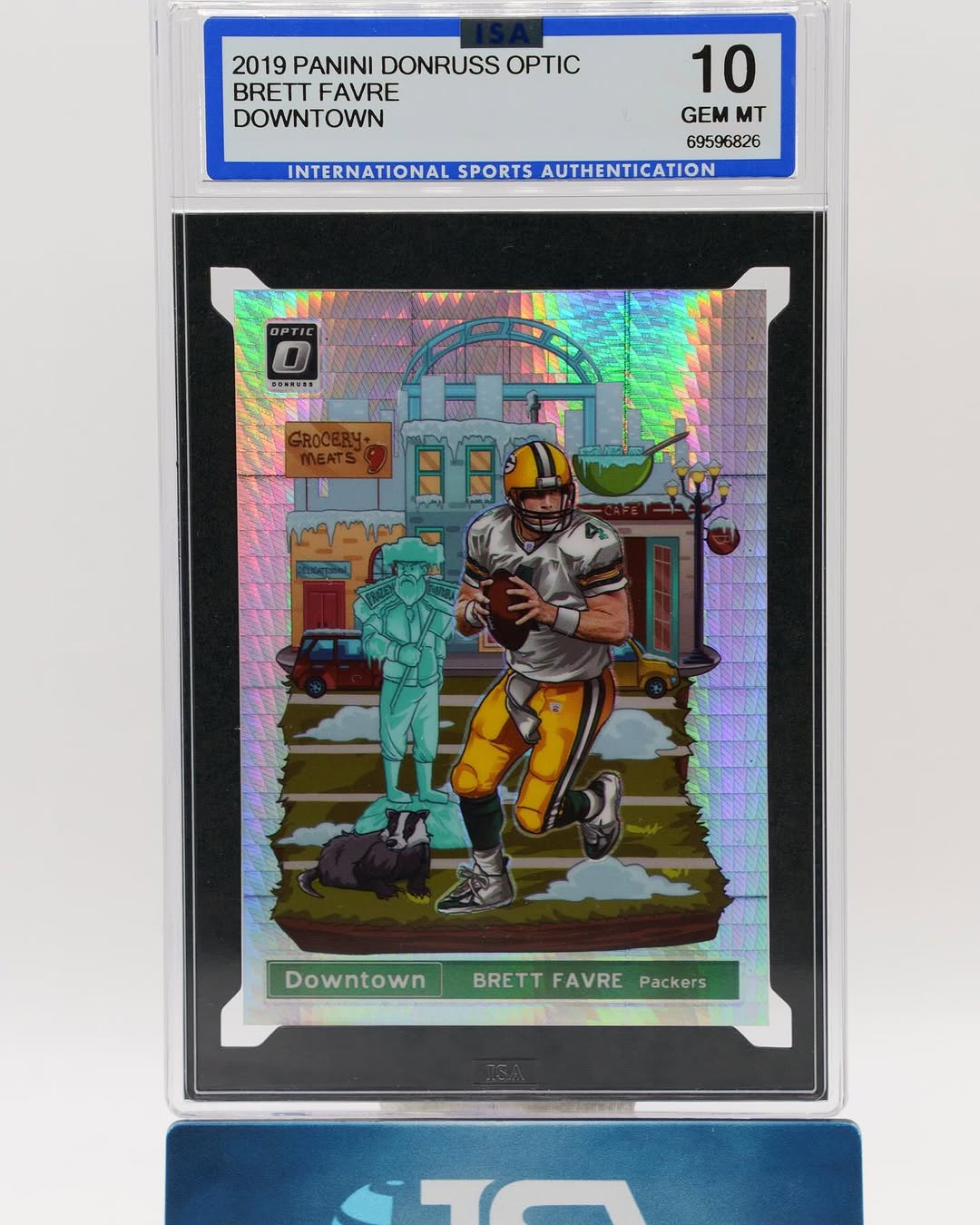
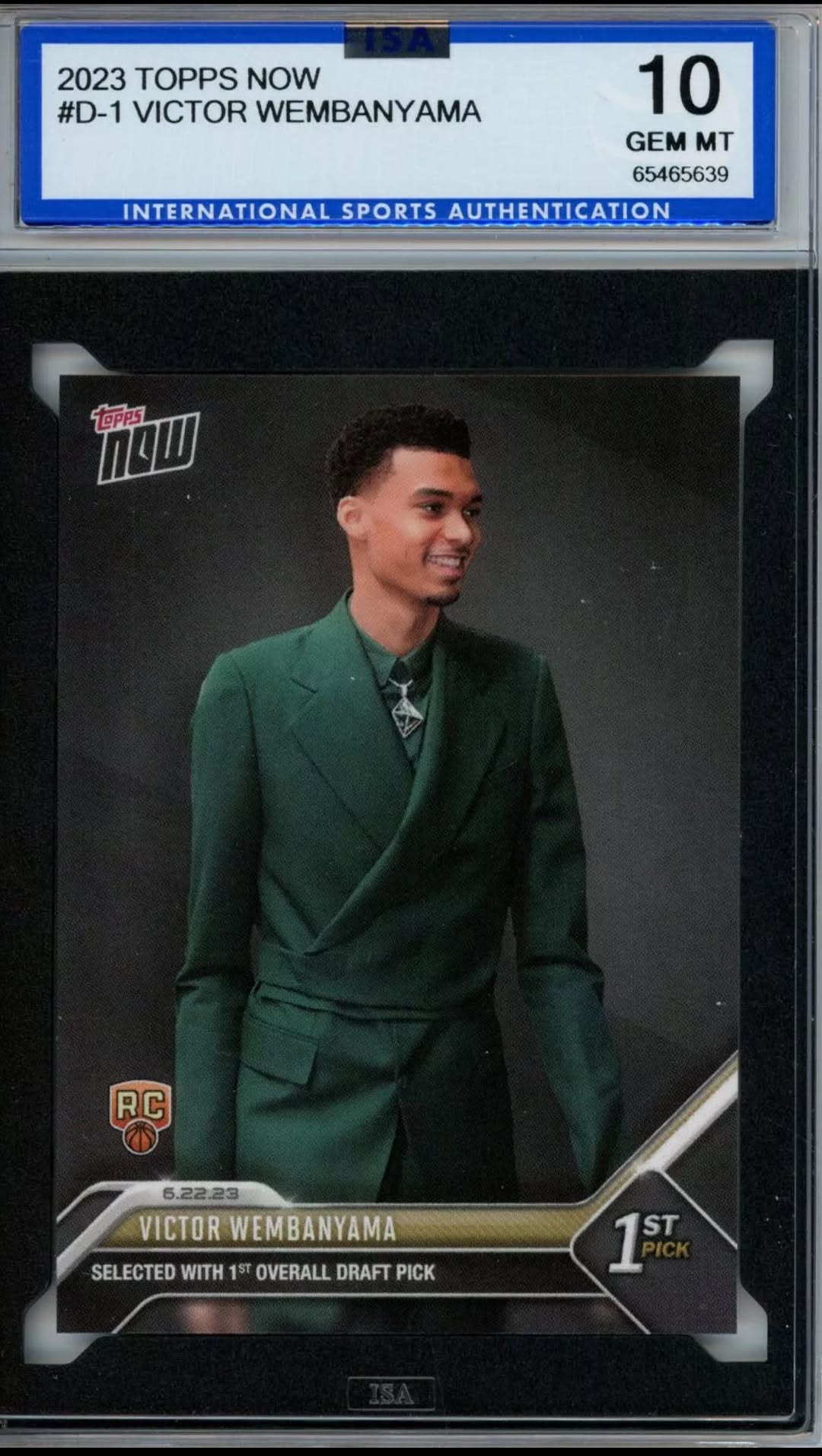
Card encapsulation places a graded card in a protective holder, commonly called a slab. Slabs make handling and storage more convenient, but they are not a substitute for careful ownership. Protect them from impacts, excessive heat, prolonged direct sunlight, and unsuitable storage conditions.
For dealers preparing for shows, keep finished slabs protected during transport and display. For online sellers, preserve their presentation until photography and shipment. The practical guidance in From Penny Sleeve to Slab can help you think through protection across the card's journey.
Buyer Confidence Takes More Than a Numerical Grade
A buyer evaluating a graded card wants to understand what is being offered. The label, holder, photographs, description, and verification record should support a clear and consistent listing. Sports card authentication and condition assessment address important questions, but buyers may still want close views of the actual card.
ISA provides website-based certificate verification. Before listing a returned card, check its certificate information and make sure your description matches the slab. Include readable label photographs and accurate card identification.
Verification helps buyers check certificate details. It does not guarantee a sale price, eliminate every transaction risk, or replace examining the card and seller. Clear documentation supports buyer confidence most effectively when paired with honest descriptions and responsive communication.
Have the Selling Work Ready Before the Cards Return
A fast grading return loses some practical value if the cards then sit unlisted for weeks. Prepare a simple inventory sheet while the submission is away. Record each card's year, set, player, card number, variation, purchase cost, and intended selling channel.
You can draft descriptions and research comparable sales before the final grades arrive. Leave grade-specific language, certificate details, and final pricing open until you have the slabs in hand.
When selling graded cards, use this sequence:
- Check the returned cards against your submission records.
- Review labels and verify certificate information.
- Photograph the actual slabs clearly, including fronts and backs.
- Refresh your completed-sales research for the grades received.
- Set prices using net proceeds and current demand.
This preparation turns a shorter turnaround into a usable advantage rather than just an earlier delivery.
Reassess the Market Instead of Forcing the Original Plan
Suppose you submit ten cards at ISA's current rate. Your grading charges total $150. During the turnaround period, one player's market strengthens, another weakens, and the rest remain relatively steady. The sensible response is not necessarily to list every card immediately.
Review each card separately. You might list a card with strong demand, price another competitively to free inventory funds, and keep a third for your collection. The grading cost is already incurred, but your selling decision should still reflect current conditions.
Avoid anchoring to the highest sale recorded before submission. Look at recent transactions, the number of competing listings, and whether buyers are actually purchasing. Faster access gives you choices; it does not require you to exercise every choice at once.
Build a Submission Plan Around Your Actual Deadline
Choose a card grading service by matching its terms to your cards, budget, and intended use. For market-sensitive inventory, turnaround matters alongside condition standards, pricing clarity, protection, and how you will present the finished cards to buyers.
ISA's current combination of $15 per card, a 14 day turnaround, a 10 card minimum, and no upcharges gives collectors a clear framework for estimating grading costs and planning next steps. Confirm current submission instructions and timing details before shipping, especially when a show or listing date is important.
Once your candidates and budget are ready, use the ISA submission page to prepare your order. The practical goal is not to predict the next price spike. It is to have carefully selected, well-documented cards ready when a selling opportunity fits your plan.
Submit Cards to ISA Grading
Collectors ready to use ISA Grading can start on the submission page. The current active service is $15 per card with a 14 day turnaround, no upcharges, and a 10 card minimum.
Frequently Asked Questions
How can a faster grading turnaround help with market timing?
A faster turnaround reduces the period when your cards are unavailable for sale, photography, or show preparation. It can give you more flexibility around planned events and changing demand, but it cannot guarantee higher prices or a profitable sale.
What are ISA Grading's current price, turnaround, and minimum?
ISA currently offers sports card grading and authentication at $15 per card, with a 14 day turnaround, a 10 card minimum, and no upcharges. Ten cards total $150 in grading charges before any applicable shipping or taxes.
Does the 14 day turnaround mean I will have my cards back within 14 days of shipping?
Do not assume the stated turnaround is the complete door-to-door timeline. Confirm when the turnaround begins, how days are counted, and how outbound and return shipping affect your schedule before committing to a selling deadline.
Should I grade a card immediately after its price increases?
Not automatically. Compare a potential raw sale with realistic graded sale outcomes after grading, shipping, and selling expenses. Consider the card's condition and whether demand is likely to last through the submission and listing process.
How can buyers verify an ISA-graded card?
ISA offers certificate verification on its website at /certificate-verification. Sellers should check the certificate information before listing and provide clear photographs of the actual card and slab. Verification supports checking certificate details, but it does not guarantee market value.