Grading costs affect more than the amount you pay at checkout. They influence which cards you submit, how many you send, and whether selling a graded card makes financial sense. When the service fee is straightforward, those decisions become easier to work through before your cards leave home.
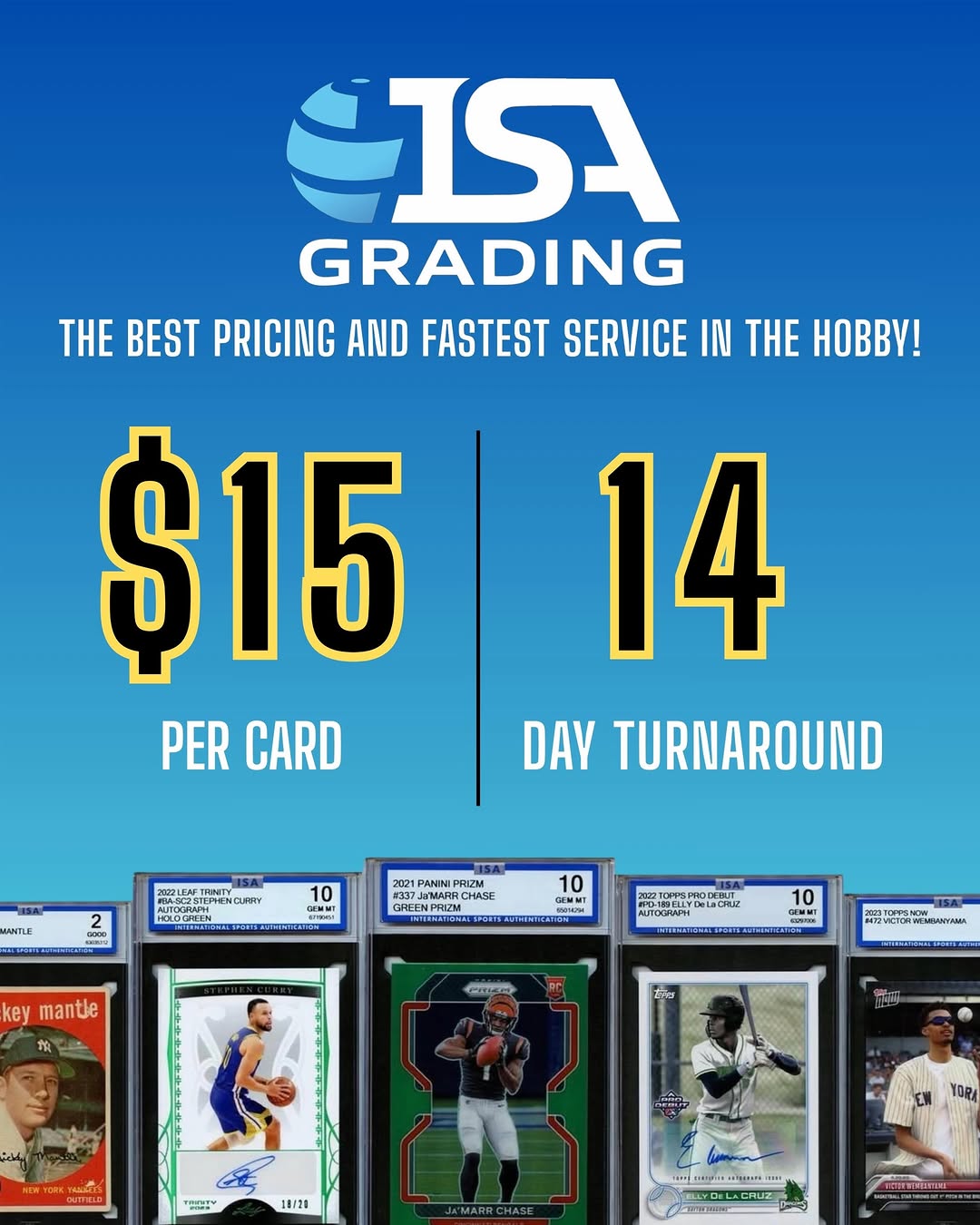
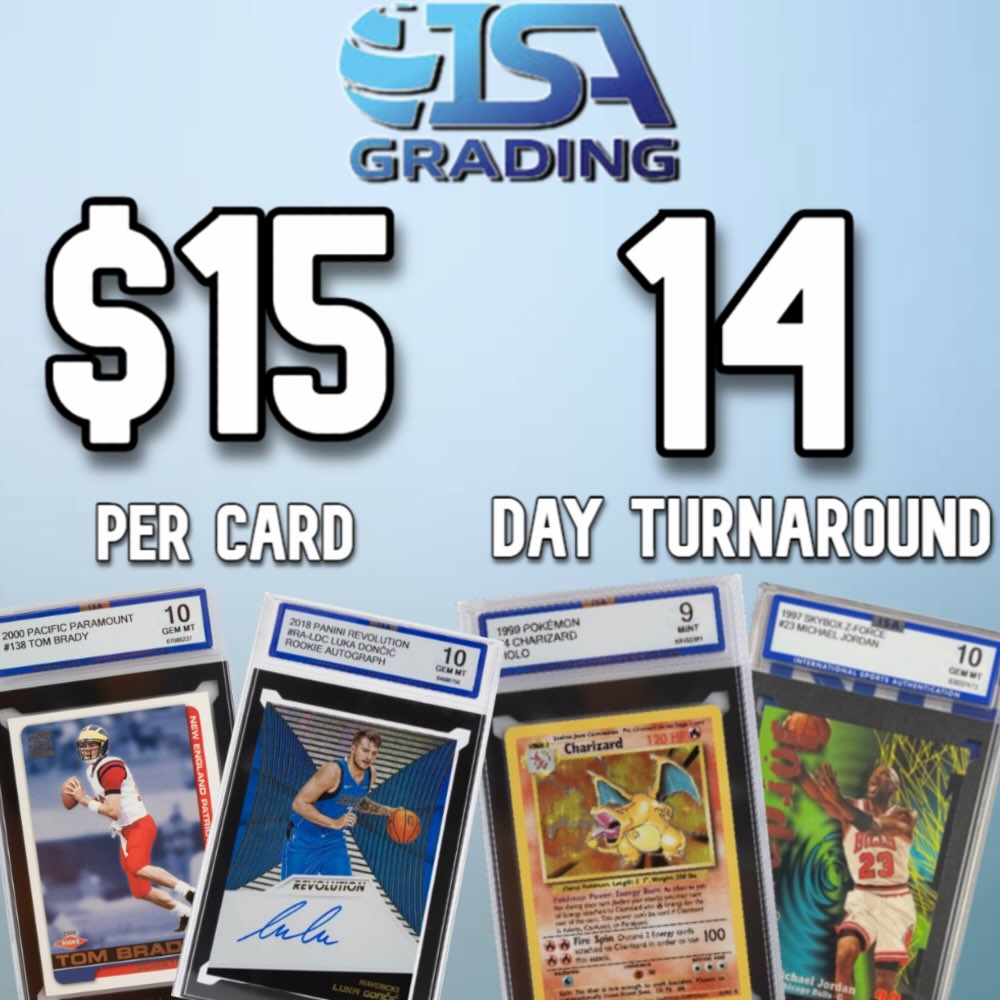
ISA Grading, also known as International Sports Authentication, currently offers sports card grading and authentication for $15 per card, with a 10 card minimum, a 14 day turnaround, and no upcharges. That gives collectors and dealers a clear starting point for a submission budget. It does not remove every expense associated with grading, but it makes the grading fee itself simple to calculate.
What a Flat $15 Grading Fee Means for Your Budget
Flat pricing means the grading fee follows a straightforward formula: the number of cards multiplied by $15. Once you meet the submission minimum, you can calculate that portion of your cost without estimating a different grading fee for every card.
- 10 cards: $150 in grading fees.
- 15 cards: $225 in grading fees.
- 20 cards: $300 in grading fees.
- 30 cards: $450 in grading fees.
These figures represent grading fees, not a quoted total including shipping, insurance, or any applicable taxes. Check the current submission terms for costs that may apply beyond grading. Keeping those categories separate prevents a useful pricing comparison from becoming an inaccurate all-in estimate.
For someone researching $15 card grading, the practical benefit is visibility. You can decide whether a batch fits your available cash before spending time preparing it. If your grading-fee budget is $300, for example, you can plan around 20 cards and separately account for other submission expenses.
Why No Upcharges Makes Planning Simpler
A submission budget becomes harder to manage when the initial fee may not be the final grading fee. ISA's current service has no upcharges. That makes it easier to plan the grading portion of a submission without setting aside an additional allowance for a later grading-fee increase.
The value of no upcharge card grading is especially clear when a batch contains cards with different estimated values. A collector might submit an inexpensive favorite alongside a more desirable rookie. At ISA's current rate, each card carries the same $15 grading fee.
That pricing consistency does not determine what either card will be worth afterward. The card, its condition, demand, and the selling venue still matter. Flat pricing removes a cost variable; it does not remove market risk or guarantee that grading will be profitable.
Build a Submission Around the 10 Card Minimum
The 10 card minimum matters just as much as the per-card rate. ISA's minimum grading-fee commitment is currently $150. If you have only two or three cards ready, it may be more sensible to wait than to add cards that do not justify the expense.
Start with a shortlist and give every card a reason to be there. Some may be intended for sale. Others may be personal collection pieces you want authenticated, graded, and housed in slabs. Those are different goals, and neither requires pretending that every submission is an investment.
A useful selection process is to separate cards into three groups: ready to submit, worth inspecting again, and better left ungraded for now. Fill the batch from the first group rather than treating the minimum as a reason to grade everything nearby.
If you are asking, “Should I grade my cards now or wait?” compare the minimum commitment with your actual goals. Waiting for a stronger batch can be a better budgeting decision than paying to grade cards you would otherwise leave raw.
Check Condition Before Committing the Fee
A predictable card grading service still requires careful preparation. Before submitting, inspect each card under good lighting and from several angles. Look at centering, corners, card edges, and the card surface. A card that looks sharp inside a sleeve may show scratches, whitening, or an indentation when examined more closely.
For basketball card grading or rookie card grading, excitement about the player should not replace a condition review. A popular rookie can still have visible flaws. Likewise, an older card with wear may be worth grading for authentication or personal collection reasons even when a high numerical grade is unlikely.
- Handle cards carefully and avoid touching the face whenever possible.
- Inspect front and back for staining, scratches, creases, and printing issues.
- Use appropriate protective holders according to the current submission instructions.
- Keep your card list consistent with the order of the cards you pack.
- Avoid cleaning, pressing, or attempting repairs to improve an expected grade.
Review ISA's grading scale to understand how condition is described. For a broader preparation checklist, read Before You Grade: A Collector's Guide to Sports and Pokemon Cards. Inspection helps you make a better submission decision, but it cannot establish the grade in advance.
Put the 14 Day Turnaround Into Your Schedule
Price is only one part of a grading plan. Time matters when you want cards available for a show, an online listing schedule, or a collection project. ISA currently lists a 14 day turnaround, giving submitters a timeframe to consider alongside the fee.
When planning around a 14 day card grading turnaround, distinguish service turnaround from the entire door-to-door process. Outbound transit, intake timing, return transit, and other submission details can affect when cards are back in your hands. Confirm how the turnaround is measured before committing to a sale date.
Collectors should leave room between a planned return and any event that depends on the cards arriving. Dealers can use the same approach when organizing inventory. A stated turnaround is useful for scheduling, but it should not be treated as a guaranteed delivery date.
Check ISA's frequently asked questions for current submission guidance. Sellers managing multiple batches can also use the planning ideas in Inventory Ready for Market: A Dealer's Guide to Fast Card Grading.
Budget for Protection, Not Just the Grade
Card protection starts before a package reaches a grader. Appropriate holders, secure packing, and a sensible shipping plan help limit movement and handling risks during transit. Include packing supplies and any shipping protection you choose in your submission budget.
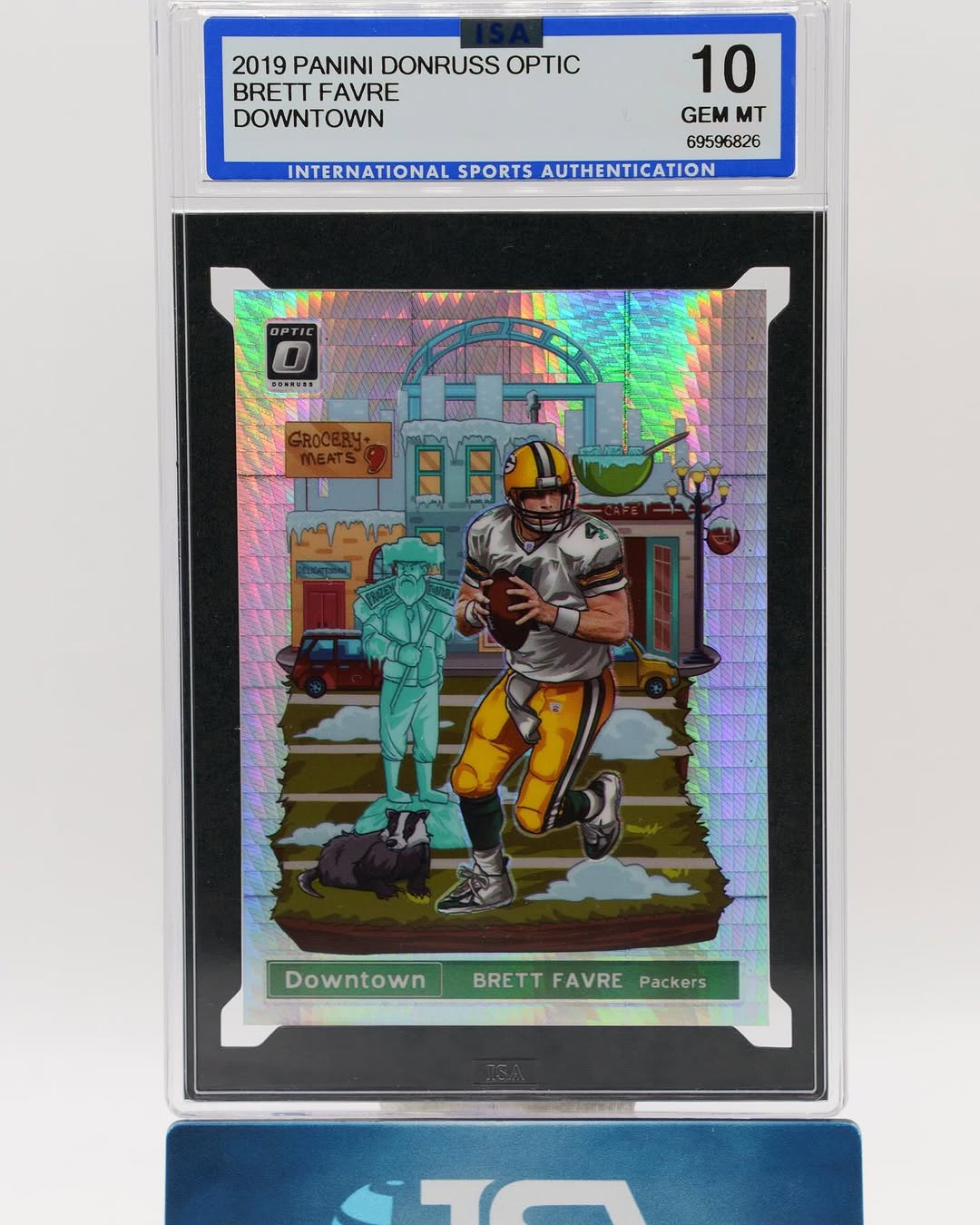
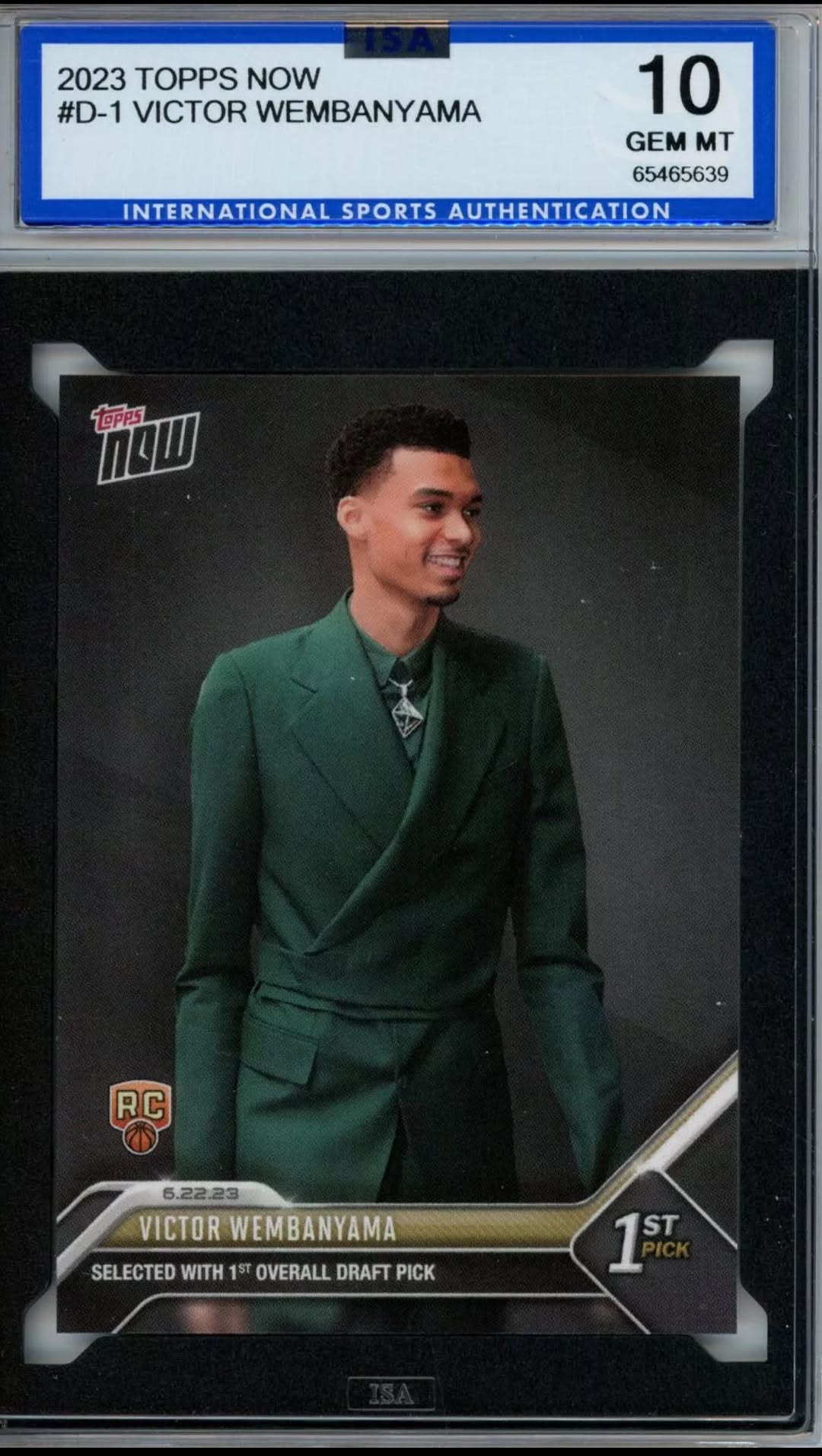
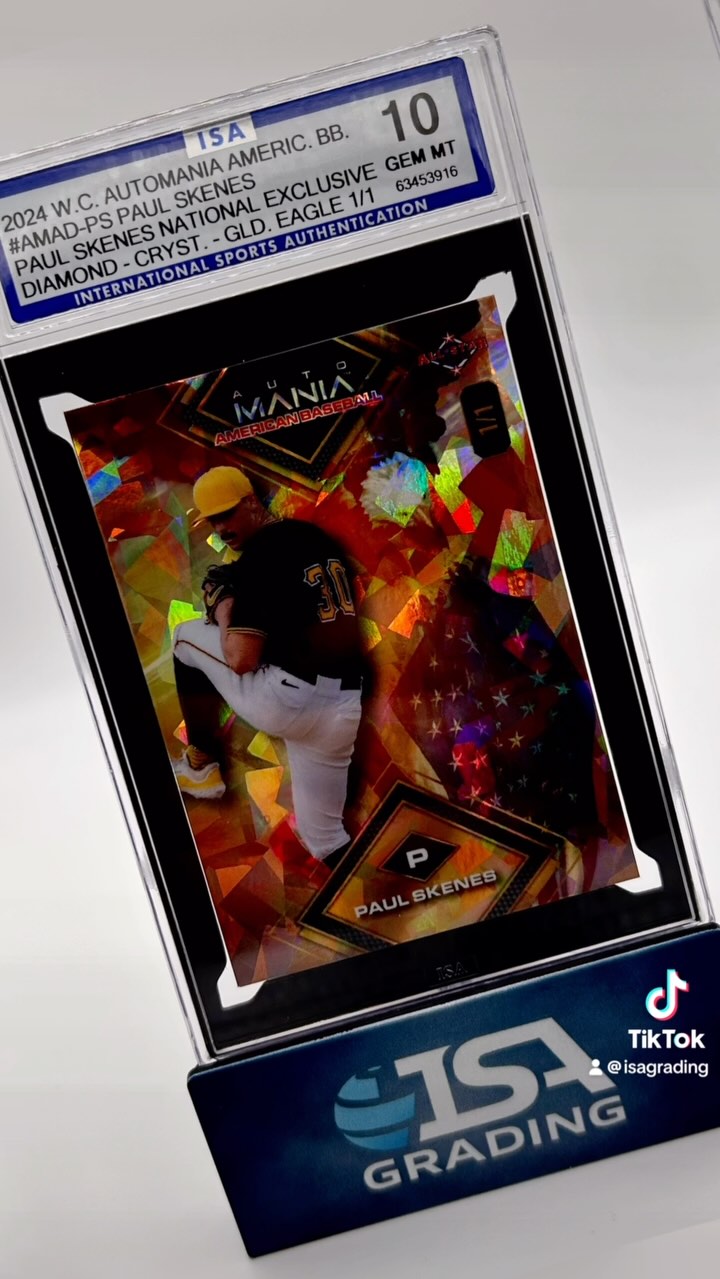
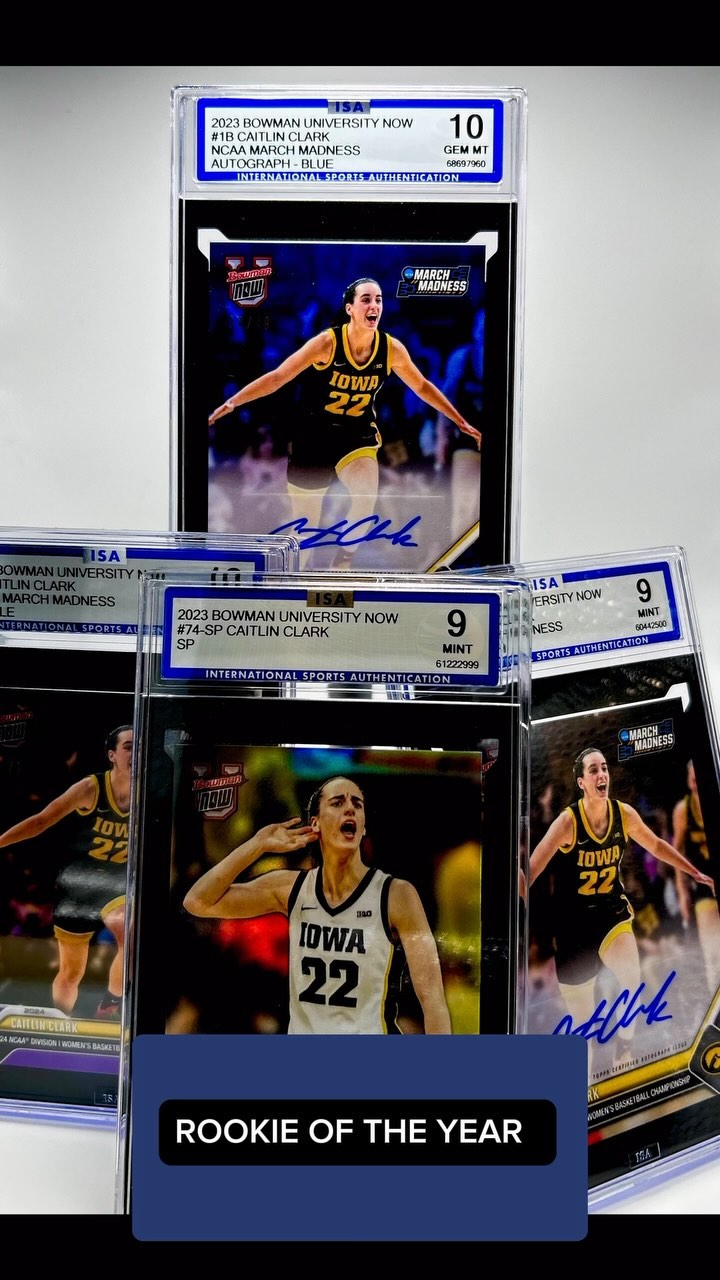
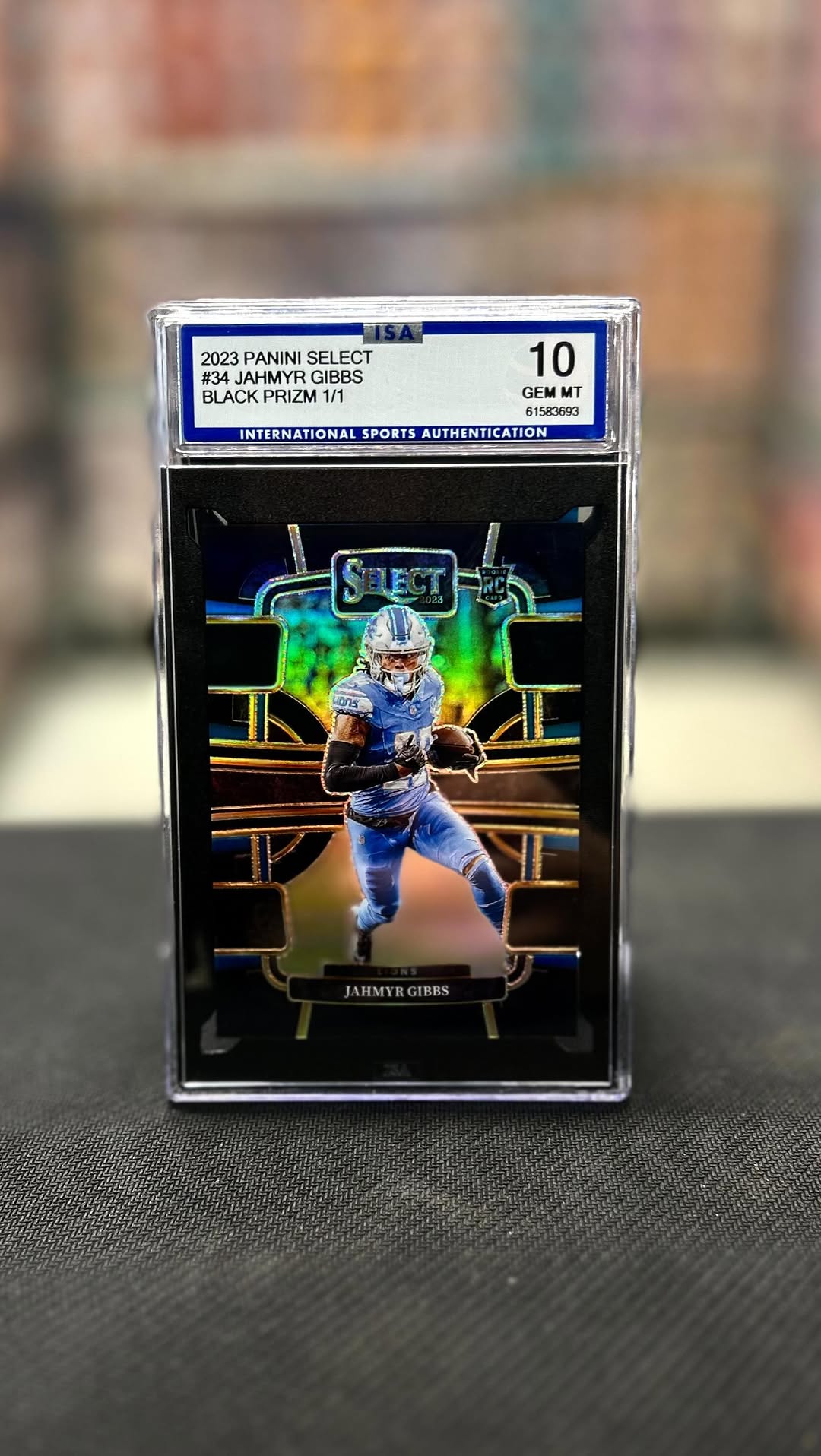
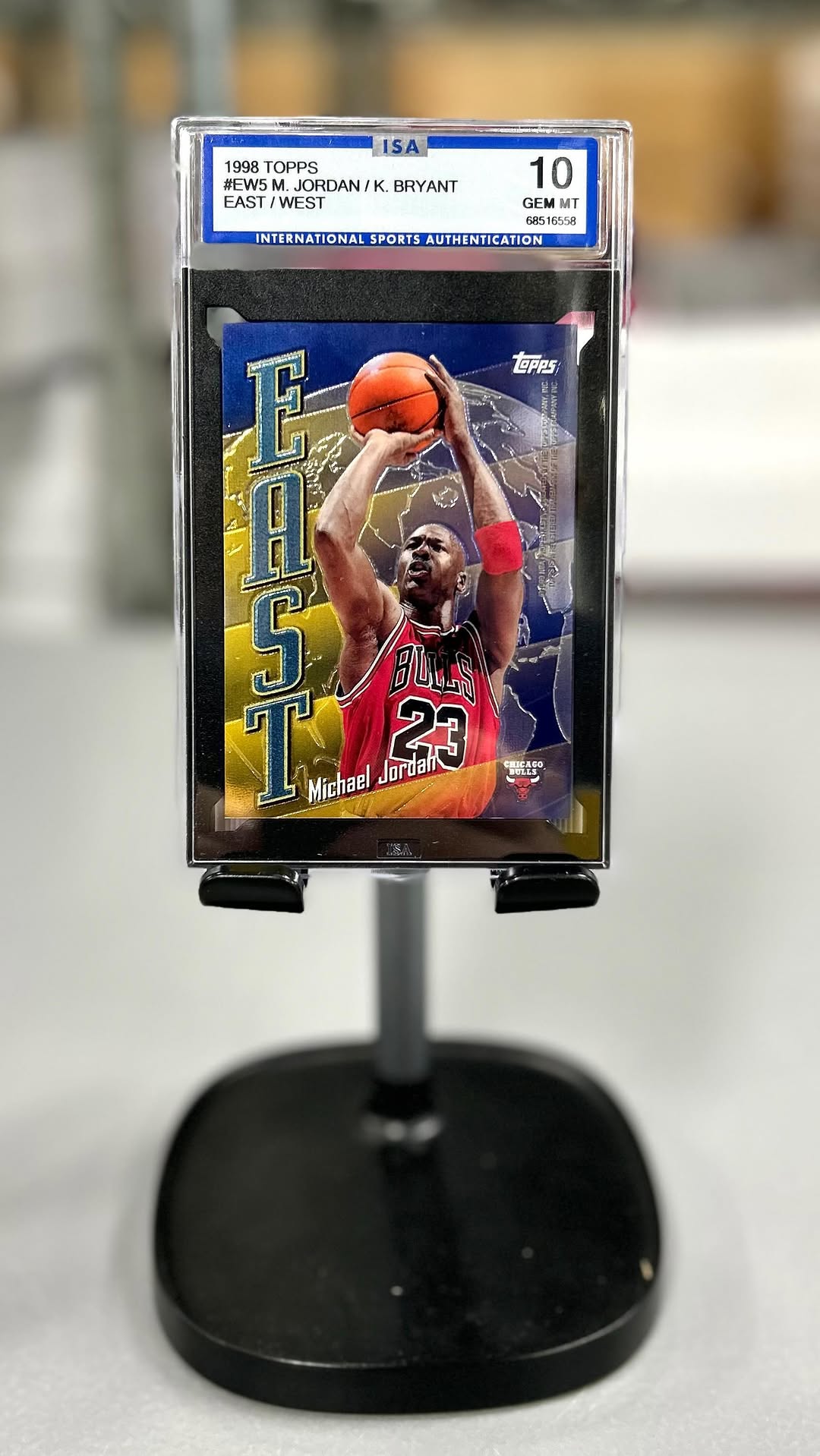
Card encapsulation provides a protective holder after grading and keeps the card with its grading label. Slabs can make collection organization, storage, and presentation more convenient. They are not a substitute for careful handling, however, and they do not make a card immune to heat, moisture, sunlight, or physical damage.
Store encapsulated cards in a stable environment and avoid stacking or packing them in ways that can scratch holders or create pressure. For collectors grading cards primarily for long-term ownership, protection and organization may be more important than a possible resale premium.
Authentication and Verification Support Buyer Confidence
Card authentication and condition grading address related but different questions. Authentication concerns whether a card is genuine, while condition grading evaluates its physical state. Sports card authentication is therefore relevant even when a submitter is not expecting a top grade.
When selling graded cards, clear information helps buyers evaluate what is being offered. Show readable photographs of the card, the holder, and the label. Describe the card accurately, disclose visible holder damage, and avoid claims that go beyond the assigned grade or documented details.
ISA offers certificate verification on its website. Buyers and sellers can use that resource to check the certificate information associated with a slab. Verification is a useful part of due diligence, but it should accompany inspection of the actual card and holder rather than replace it.
Buyer confidence is not the same as a guaranteed sale price. Demand for the player, set, card, and grading company can vary. Research the market where you intend to sell instead of assuming that all graded examples command the same premium.
Calculate the Selling Decision Before You Submit
For hobby sellers and dealers, the useful question is not simply whether a card might sell for more after grading. It is whether the likely proceeds justify the additional costs and time. Start with comparable completed sales rather than relying only on asking prices.
Consider a hypothetical card that cost $20 to acquire. Adding ISA's $15 grading fee brings the combined acquisition and grading cost to $35 before shipping, packing materials, selling fees, or other expenses. A $40 sale would not automatically mean a $5 profit once those additional costs are included.
Use a basic worksheet for each candidate:
- Record the acquisition cost or cost basis.
- Add the $15 grading fee.
- Allocate a reasonable share of submission shipping and supplies.
- Estimate selling fees and any seller-paid delivery costs.
- Compare likely net proceeds across realistic grade outcomes.
This process is especially helpful for lower-priced cards, where a modest expense can absorb much of the potential margin. It also keeps an optimistic grade estimate from becoming the only reason a submission appears worthwhile.
Compare Services Around Your Actual Collection
If you search for card grading near me, consider more than distance. Submission requirements, service scope, turnaround, verification tools, and total costs all affect whether a service suits your collection. Location alone does not answer those questions.
Make sure the cards you want to submit are eligible. Trading card grading searches often mix sports cards with other categories. If you are researching Pokemon card grading or TCG card grading, confirm current category acceptance and requirements before assuming the sports card service applies to those cards.
You can also read ISA customer reviews as one part of your research. Weigh individual experiences alongside published service details and your own priorities, rather than treating any single review as a prediction of your result.
Start With a Budget You Can Explain
A useful grading budget should tell you how many cards you are sending, why each belongs in the batch, and what costs remain outside the grading fee. ISA's current $15 per card pricing, 10 card minimum, 14 day turnaround, and no upcharges make that starting calculation straightforward.
Choose the cards first, inspect their condition, and leave room for shipping and selling expenses where relevant. When your batch and budget are ready, visit ISA's submission page to review the current instructions and begin.
Submit Cards to ISA Grading
Collectors ready to use ISA Grading can start on the submission page. The current active service is $15 per card with a 14 day turnaround, no upcharges, and a 10 card minimum.
Frequently Asked Questions
How much does a minimum ISA Grading submission cost?
ISA's current fee is $15 per card with a 10 card minimum, so the minimum grading fee is $150. That figure does not represent an all-in quote for shipping, insurance, or any applicable taxes. Review current submission terms for additional costs.
Does ISA Grading charge upcharges?
ISA's current $15 per card service has no upcharges. Keep the grading fee separate from other submission expenses, such as shipping and packing supplies, when calculating your overall budget.
Does the 14 day turnaround include shipping?
Do not assume the stated 14 day turnaround represents the full door-to-door timeline. Confirm how ISA measures turnaround and allow additional time for outbound and return transit before scheduling a sale or event.
Will grading a card increase its resale value?
Not necessarily. Resale results depend on the card, assigned grade, buyer demand, selling venue, and other factors. Compare completed sales and account for grading, shipping, and selling expenses before deciding whether a submission makes financial sense.
How can buyers verify an ISA certificate?
Certificate verification is available on ISA's website at /certificate-verification. Check the certificate information and compare it with the actual card and holder. Verification should be part of a broader review, including clear photographs and an accurate seller description.