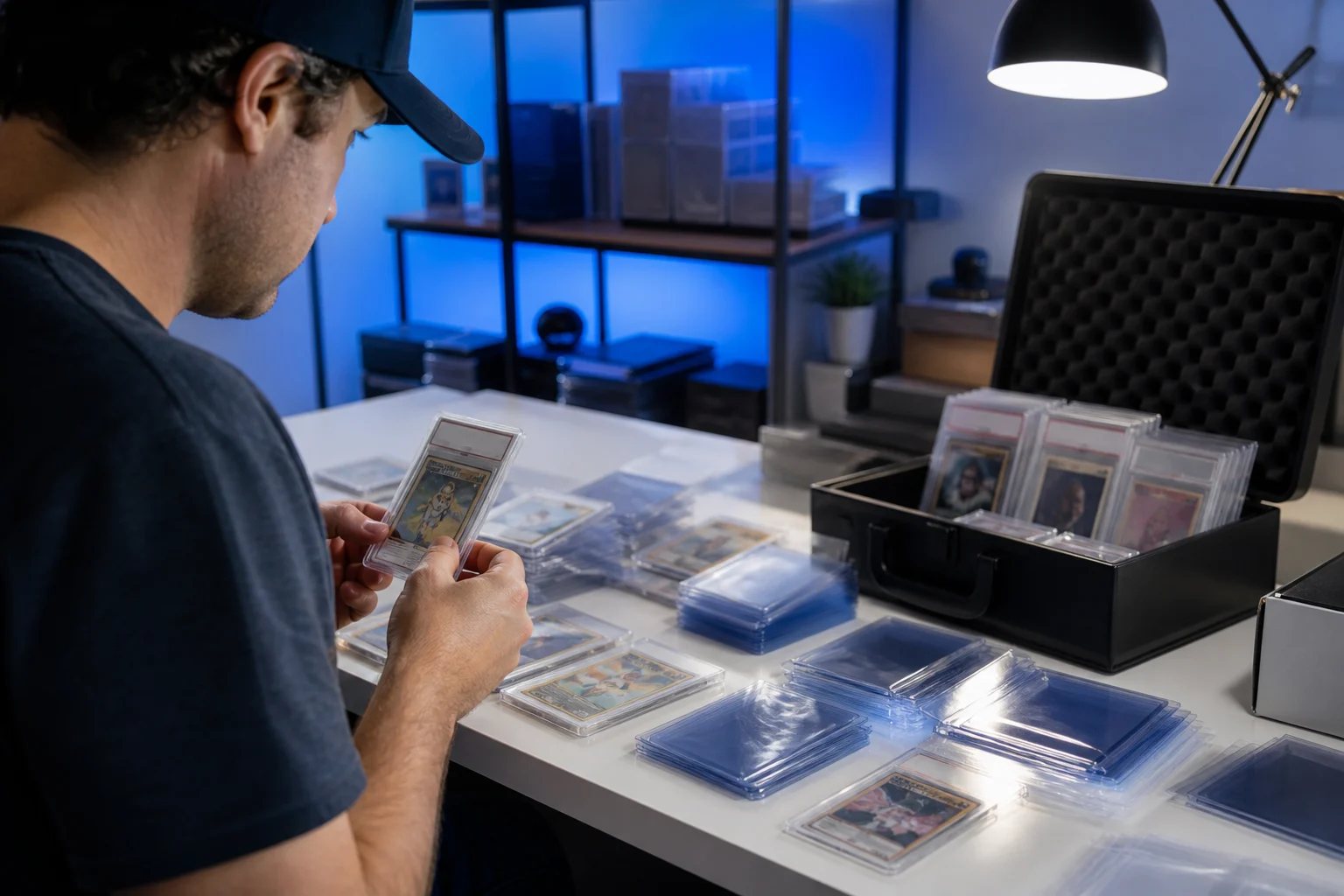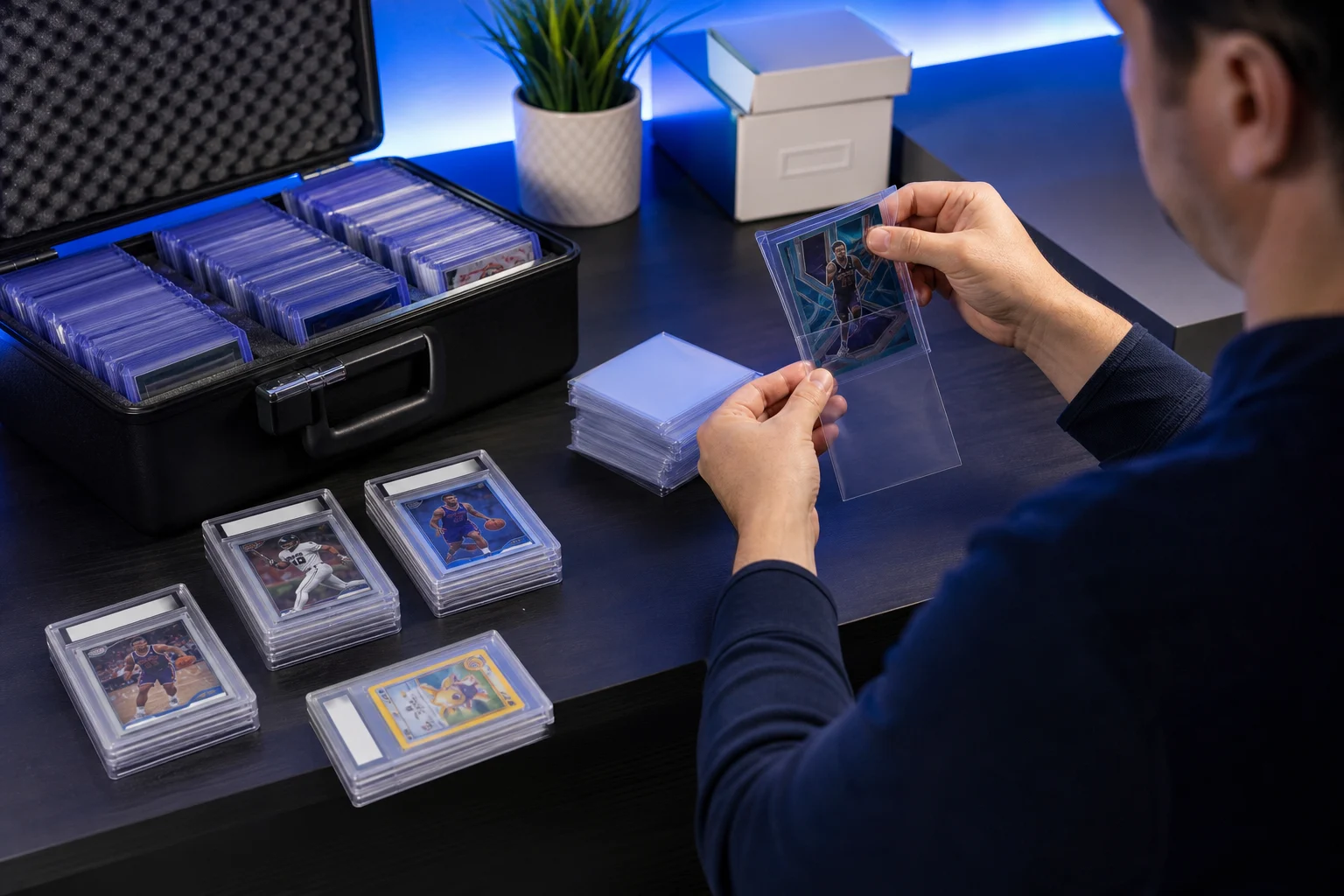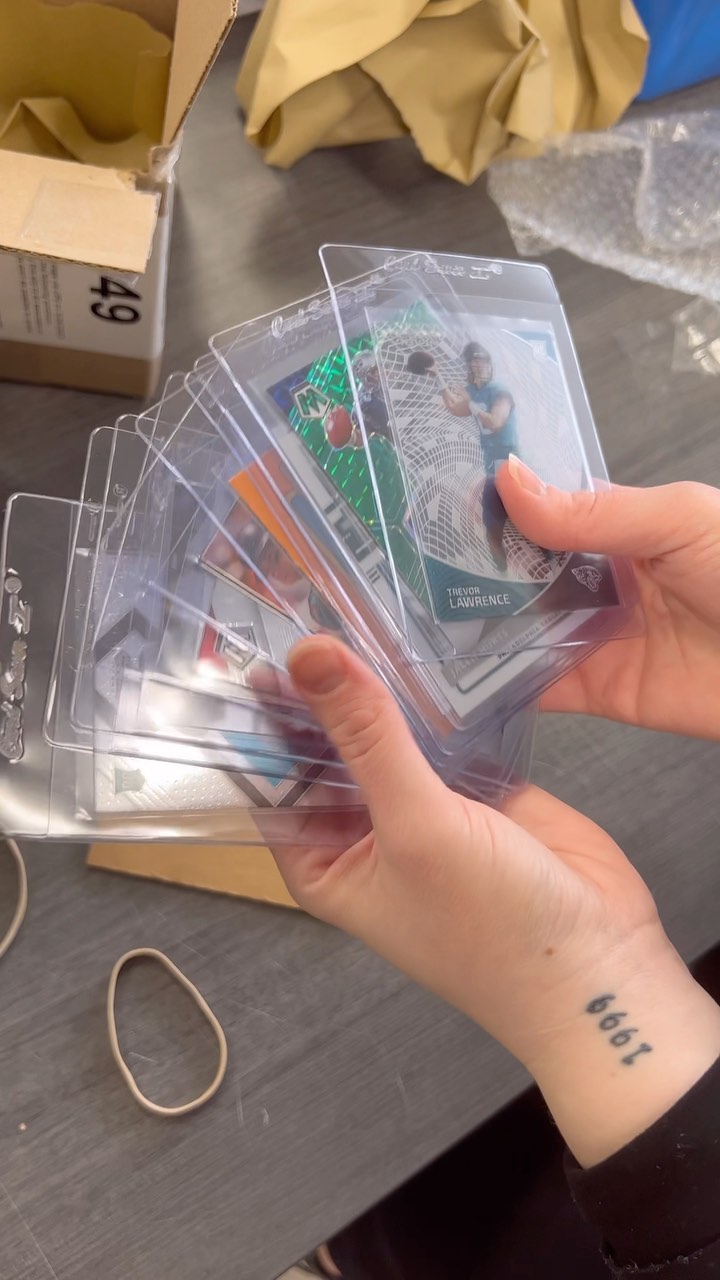
Choosing a sports card grading company in 2026 requires more than asking which label looks best. Collectors, dealers, and hobby sellers need to consider total cost, turnaround time, grading standards, card protection, certificate verification, and the likely audience for each card. The right choice depends on what you are submitting and what you plan to do after the cards return.
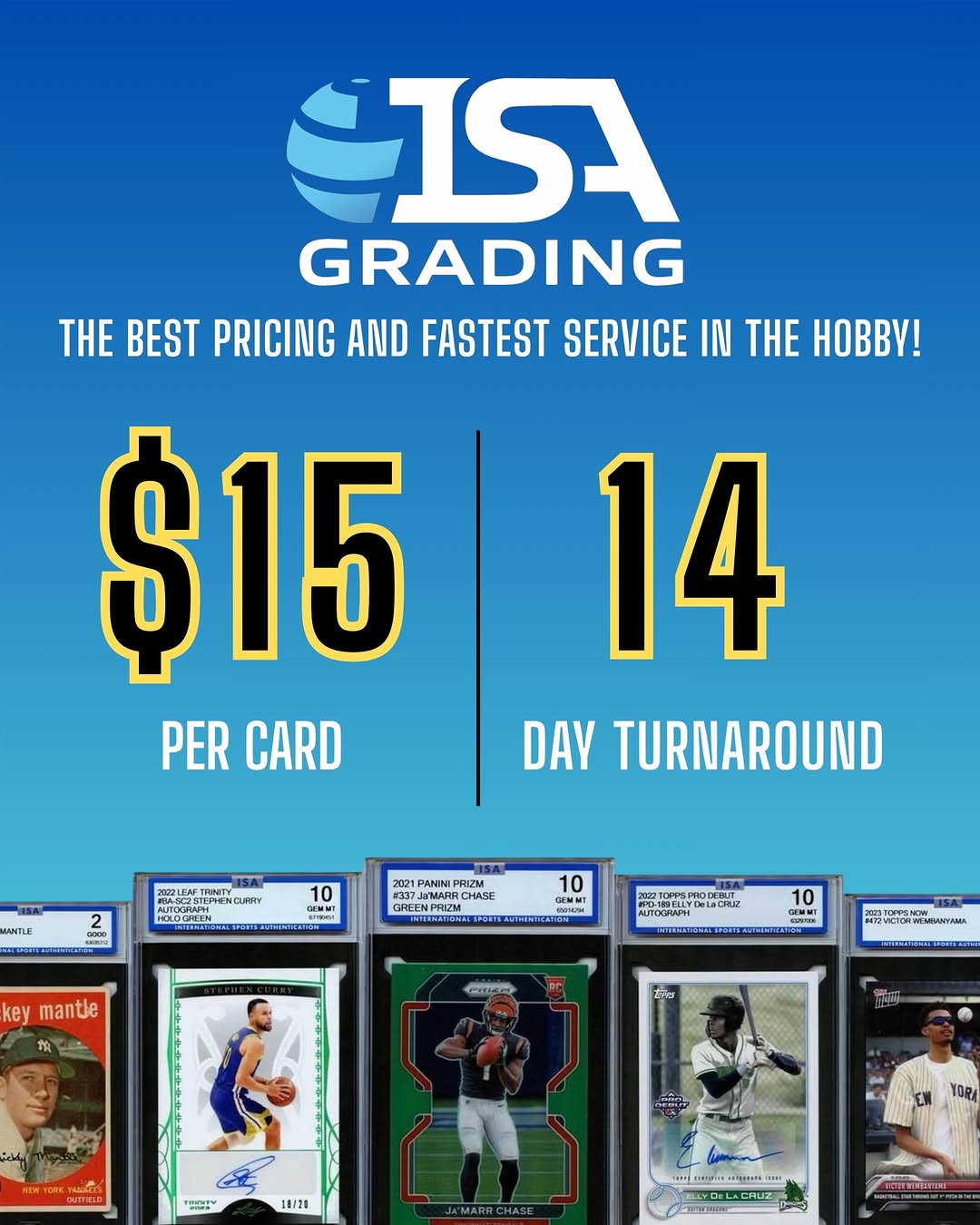
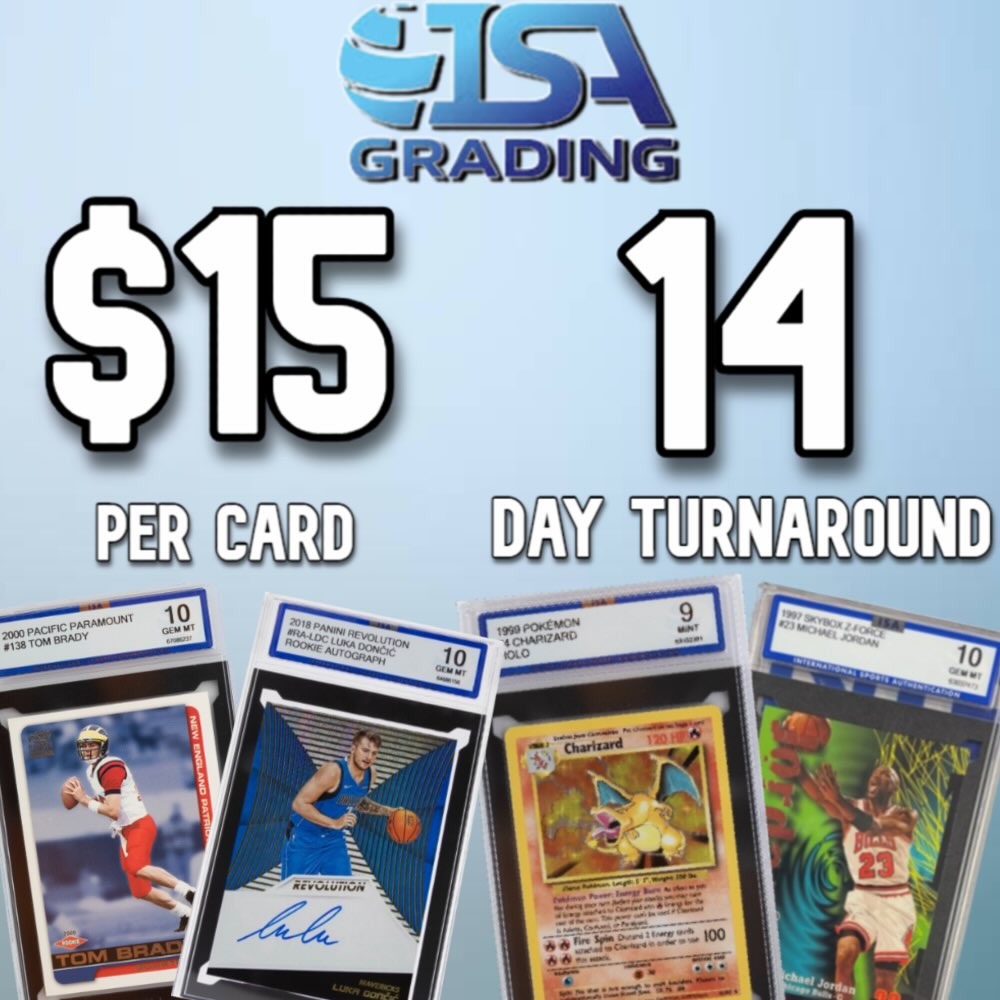
ISA Grading, also known as International Sports Authentication, currently offers sports card grading and authentication for $15 per card, with a 14 day turnaround, a 10 card minimum, and no upcharges. Those terms provide a clear starting point, but a thoughtful submission still begins with understanding your cards and comparing the factors that matter.
Start with the purpose of your submission
Before selecting a card grading service, decide why you want the cards graded. A collector protecting favorite cards may have different priorities from a dealer preparing inventory for a show. A seller grading modern rookies may focus on speed and cost, while an owner considering vintage card grading may place extra weight on authentication and an accurate condition assessment.
Common submission goals include:
- Protecting important cards through card encapsulation
- Obtaining independent card condition grading
- Improving buyer confidence when selling online or in person
- Authenticating older or frequently counterfeited sports cards
- Creating consistent inventory for a store, show table, or online marketplace
- Preserving rookie cards, player collections, or personal keepsakes
Clarifying the goal helps answer the familiar collector question, “Where should I grade my cards?” The best answer should account for the specific cards, submission budget, expected timeline, and intended buyers.
Compare the full grading price, not just the advertised fee
Pricing clarity is one of the most important parts of comparing trading card grading options. An advertised entry price does not always tell you the final grading cost. Before submitting, determine whether declared value, the card's final grade, or another service condition could change the amount owed.
ISA currently provides $15 card grading with no upcharges and a 10 card minimum. For a qualifying 10 card submission, the grading fee is therefore $150 before shipping and any other costs associated with preparing or transporting the order. No upcharge card grading can make budgeting more predictable because the grading fee does not increase based on the result or value of the card.
Collectors should still calculate the complete submission expense. This may include shipping to the grader, return shipping, insurance, sleeves, semi rigid holders, and packing materials. For more detail about ISA's pricing approach, read A Clearer Path to the Slab: How ISA Keeps Grading at $15 Per Card.
Turnaround time can affect the card's selling window
Turnaround matters when cards are being prepared for a season, card show, player milestone, or online sale. A long wait can tie up inventory and delay cash flow for dealers. It can also cause a seller to miss a period of elevated interest in a rookie, prospect, or championship run.
ISA's current service includes a 14 day card grading turnaround. Collectors should review current submission information before sending an order and plan additional time for shipping in both directions. A grading turnaround generally should not be confused with the total number of days between mailing a package and receiving it back.
Speed should not be considered in isolation. Look for a balance among timeline, price, protection, and the grading information supplied with the card. The article The Hidden Cost of Waiting: Why Grading Turnaround Shapes Every Card Sale explains why timing can influence inventory decisions and selling opportunities.
Understand the grading scale before submitting
A grade summarizes a card's condition, but collectors should know what the grader evaluates. Typical condition factors include card centering, card corners, card edges, and surface quality. Print defects, scratches, stains, creases, handling wear, and other flaws may also affect the result.
Review ISA's grading scale before estimating grades at home. It can help you decide which cards make sense for submission and reduce surprises caused by unrealistic expectations. Self evaluation remains an estimate, not a guaranteed prediction of the assigned grade.
Card centering
Check the visible borders on the front and back. A card can look clean at first glance but still have noticeably uneven card centering. Borderless designs can be harder to judge, so compare design elements, logos, and repeated patterns where possible.
Card corners and edges
Examine all four card corners under good lighting. Look for whitening, rounding, bends, or compression. Then inspect the card edges for chipping, rough cuts, dents, and areas where the surface layer has lifted. Dark borders often make edge and corner wear easier to see.
Surface condition
Tilt the card under indirect light to check for scratches, print lines, dimples, residue, indentations, and gloss problems. Chrome and foil cards can show fine scratches that are difficult to see when viewed straight on. Avoid aggressive cleaning or alteration. If dust can be removed safely without rubbing the surface, use care and handle the card by its edges.
Match the grading service to the type of card
Different parts of a collection can call for different submission decisions. Rookie card grading often involves comparing the expected graded value with the grading and shipping expense. Modern base cards printed in large quantities may need to be in especially strong condition for grading to make financial sense. Numbered parallels, autographs, short prints, and key rookies can require a separate calculation.
Collectors considering basketball card grading may be handling glossy, chrome, or foil surfaces that reveal fingerprints and scratches. Vintage card grading places more emphasis on age related wear, authenticity, trimming concerns, creases, paper loss, and other characteristics of older production methods. Review Vintage Cards, Clear Standards: What to Expect Before Grading for preparation guidance focused on older cards.
For current players and prospects, Modern Rookie Card Grading with ISA Grading: Affordable, Fast, and Trusted discusses practical factors for selecting modern rookie cards. If your search began with TCG card grading, confirm that the specific card type is eligible before sending it because sports card services and submission categories can differ.
Prepare cards without creating new damage
Good grading preparation is mostly about safe handling, accurate records, and secure packaging. It is not about attempting to repair a card. Trimming, recoloring, pressing, rebuilding corners, or using chemicals can alter the card and may affect authentication or grading.
- Create an inventory. Record the year, set, player, card number, variation, and any serial numbering for each card.
- Inspect under clear light. Review the front, back, corners, edges, centering, and surface.
- Photograph valuable cards. Images can help document the contents and condition of the submission before shipping.
- Use appropriate holders. Place cards in clean sleeves and submission friendly holders that reduce movement while allowing safe removal.
- Avoid tape near exposed cards. Adhesive can catch a card or leave residue. If a holder must be secured, use a method that does not put adhesive in contact with the card.
- Pack in submission order. Keep the physical cards aligned with the order shown on the submission form.
- Protect the stack. Use firm support around the holders and place them in a sturdy shipping box with adequate cushioning.
Do not send cards loose in a box, in damaged holders, or packed so tightly that removal creates unnecessary risk. Careful preparation supports card protection before the grading process even begins.
Evaluate slabs and certificate verification
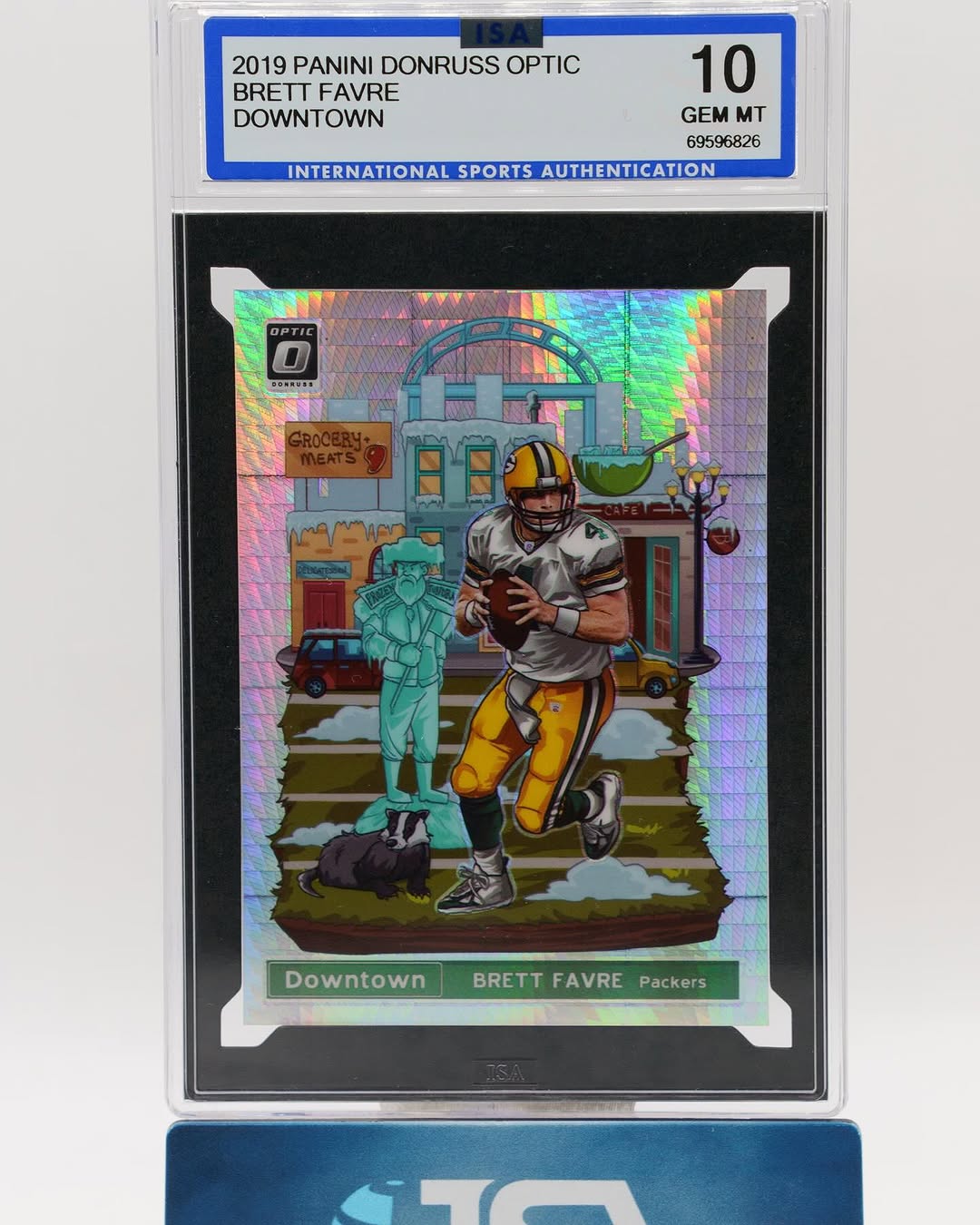
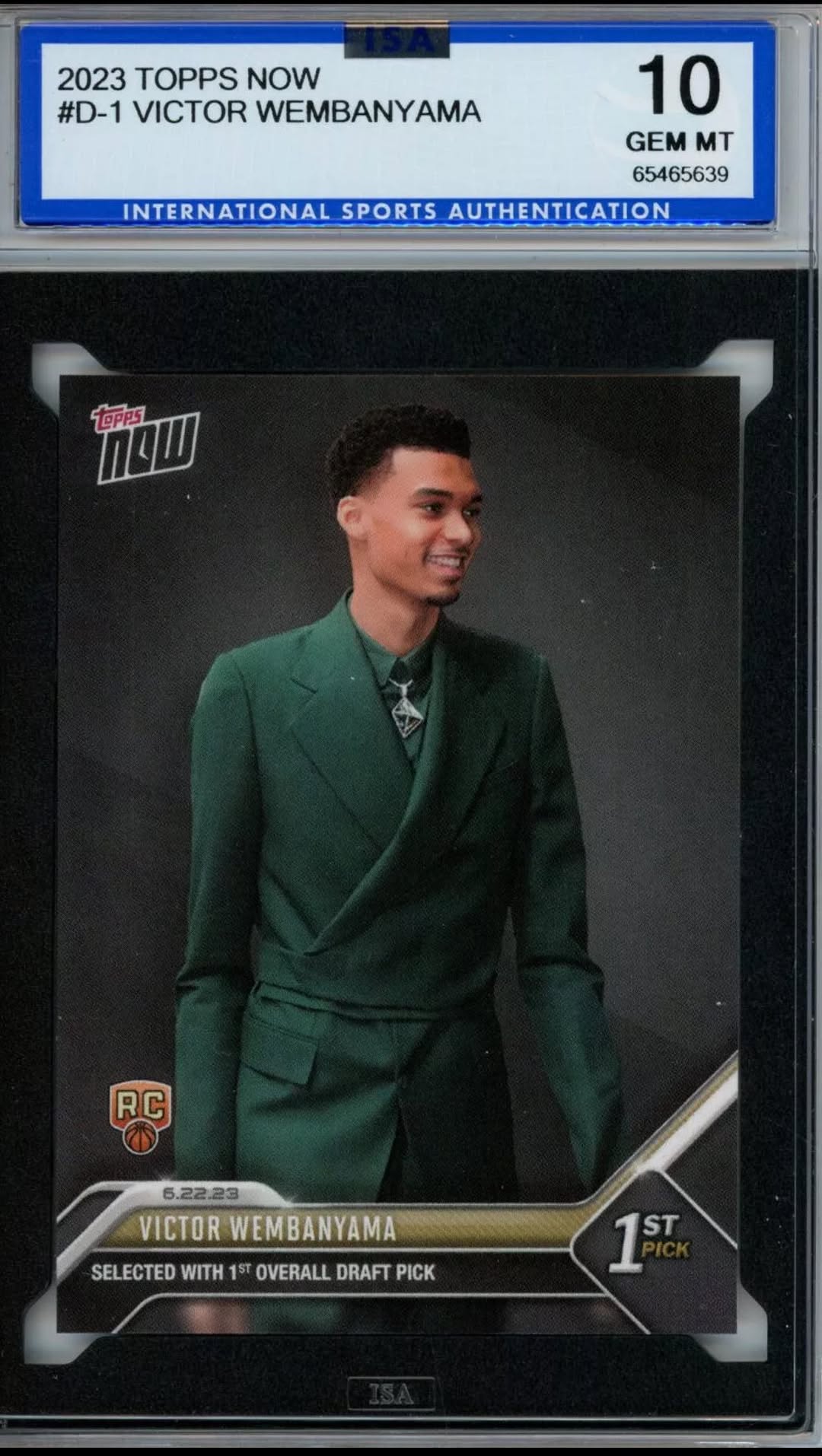
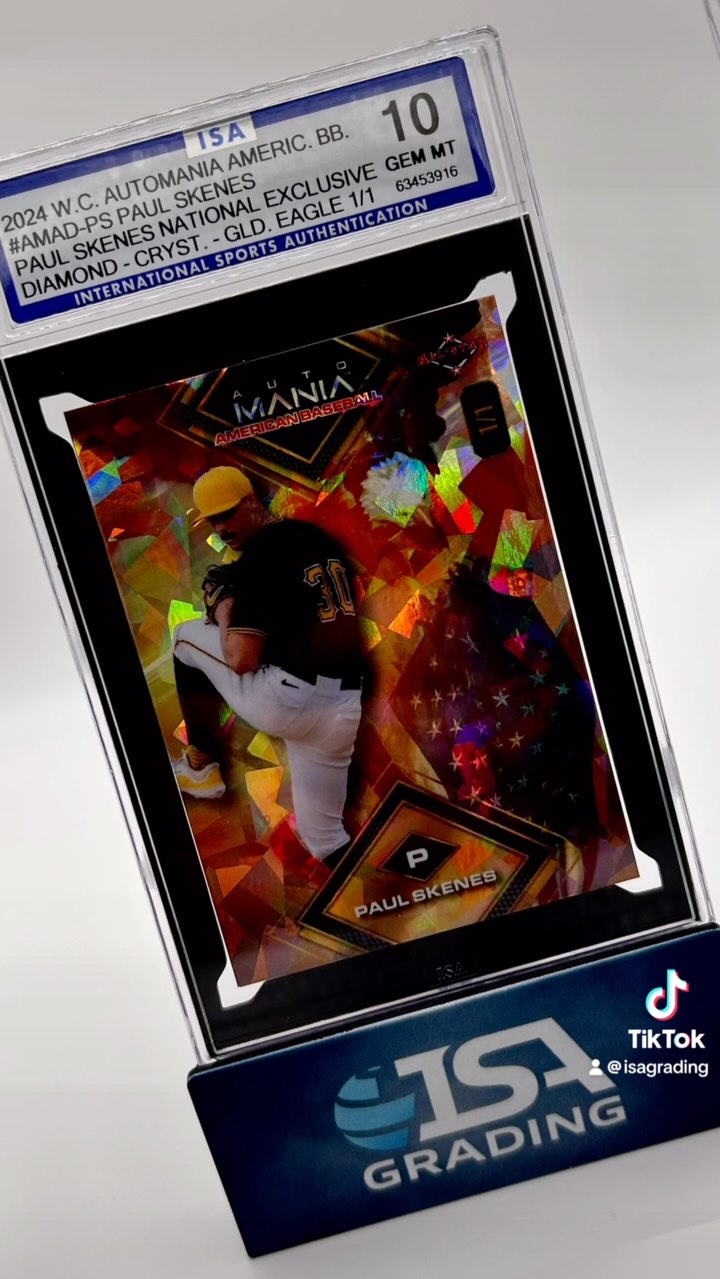
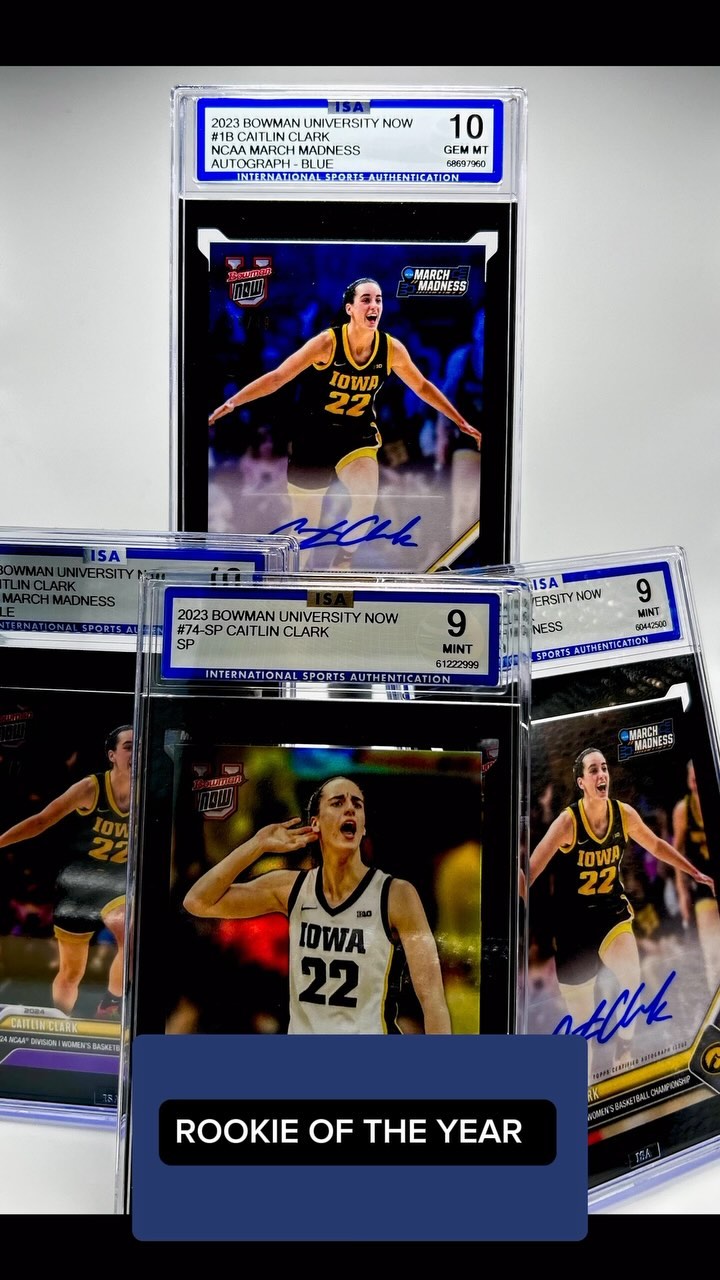
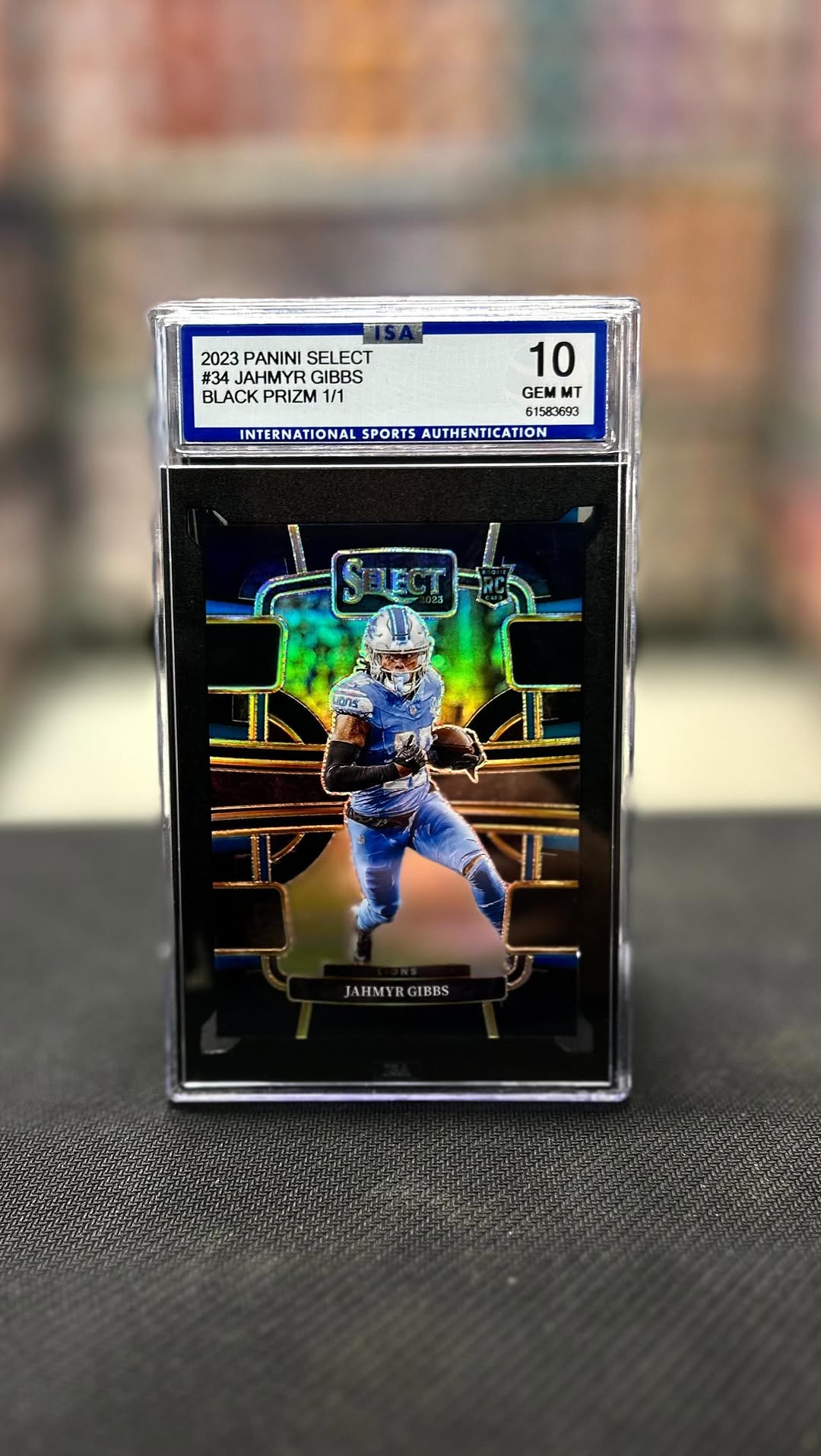
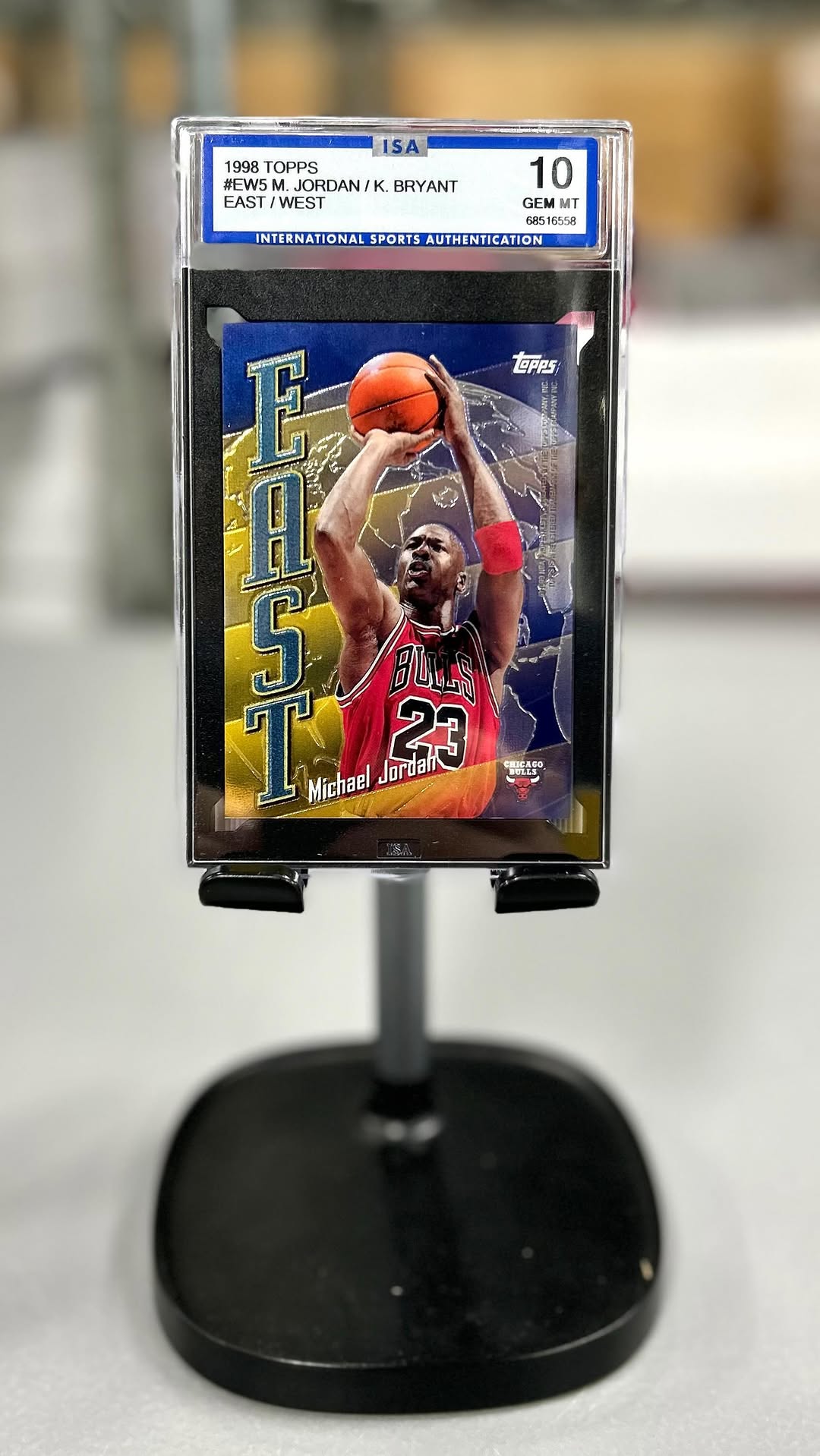
A slab should provide a clear label, visible card presentation, and physical protection suitable for normal collecting, storage, and display. Card encapsulation can reduce direct handling and exposure to fingerprints, but no slab makes a card immune to heat, sunlight, moisture, crushing, or theft. Graded cards should still be stored in a stable environment.
Certificate verification is also important for buyers and sellers. ISA provides an online certificate verification tool that allows users to look up a card's certification information. A prospective buyer can compare the certificate details with the card and label being offered.
Verification supports transparency, but buyers should still inspect listing images and seller information. The certification number should match the slab, and the card shown should correspond with the verification record. Blurry photographs, hidden labels, or inconsistent details justify asking the seller for clearer images.
Think about how and where you will sell graded cards
Grading does not guarantee a particular sale price, grade, or profit. Market value depends on the player, set, scarcity, condition, grade, buyer demand, timing, and sales venue. Before submitting, review recent completed sales for the same card in comparable grades rather than relying only on active asking prices.
When selling graded cards, create a listing that identifies the year, brand, set, player, card number, variation, assigned grade, and certification number. Include clear photographs of the slab front and back. Note visible slab wear honestly, even when it does not affect the enclosed card.
Dealers should also consider inventory velocity. Predictable grading costs and turnaround can make it easier to set target margins, but every card still needs its own calculation. Submitting inexpensive cards solely because they look clean can consume funds that might be better directed toward scarcer or more liquid inventory.
A practical checklist for comparing grading companies
Use the same questions for every company you evaluate:
- What is the current price per card?
- Is there a minimum number of cards per submission?
- Can the fee increase because of value, grade, or service rules?
- What does the stated turnaround cover?
- Is the grading scale publicly available?
- Does the company provide sports card authentication?
- Can buyers verify a certificate online?
- How are cards encapsulated and labeled?
- Which card types and sizes are eligible?
- What shipping, insurance, and packing costs apply?
- Does the service fit the intended selling venue and buyer base?
This comparison is more useful than choosing solely through name recognition or the first result for sports card grading near me. Current service terms and the needs of the individual submission should guide the decision.
When ISA Grading fits the submission
ISA may be a practical option for collectors and sellers who want a clearly stated grading fee, a defined minimum, online certificate verification, and a relatively short current turnaround. Its active service is $15 per card with a 10 card minimum, a 14 day turnaround, and no upcharges.
Before mailing cards, group candidates by condition, value, and selling goal. Remove cards whose likely outcome would not justify the total expense, then confirm the order and packaging details. When ready, collectors can begin through the ISA submission page.
A good grading decision is built before the package is shipped. Careful card selection, realistic condition estimates, safe preparation, and a clear plan for the returned slabs can make sports card grading more useful for a personal collection or selling business.
Submit Cards to ISA Grading
Collectors ready to use ISA Grading can start on the submission page. The current active service is $15 per card with a 14 day turnaround, no upcharges, and a 10 card minimum.
Frequently Asked Questions
How much does ISA Grading currently charge per card?
ISA Grading currently charges $15 per card with no upcharges. The current submission minimum is 10 cards, so the grading fee for a qualifying 10 card order is $150 before shipping and related submission expenses.
What is ISA Grading's current turnaround time?
ISA currently lists a 14 day turnaround. Collectors should also account for shipping time to and from ISA when estimating the complete time their cards will be away.
What should I inspect before submitting a sports card?
Review card centering, corners, edges, front and back surfaces, print quality, stains, scratches, creases, dents, and other visible wear. Use good lighting and remember that a home inspection is only an estimate, not a guaranteed grade.
Can buyers verify an ISA graded card online?
Yes. Certificate verification is available on the ISA website. Buyers can use the certification number to review available card information and compare it with the slab and label being offered.
Does grading guarantee that a card will sell for more?
No. Grading provides an independent condition assessment, authentication services, and encapsulation, but it does not guarantee a grade, sale price, or profit. Value still depends on the card, player, scarcity, grade, demand, timing, and selling venue.