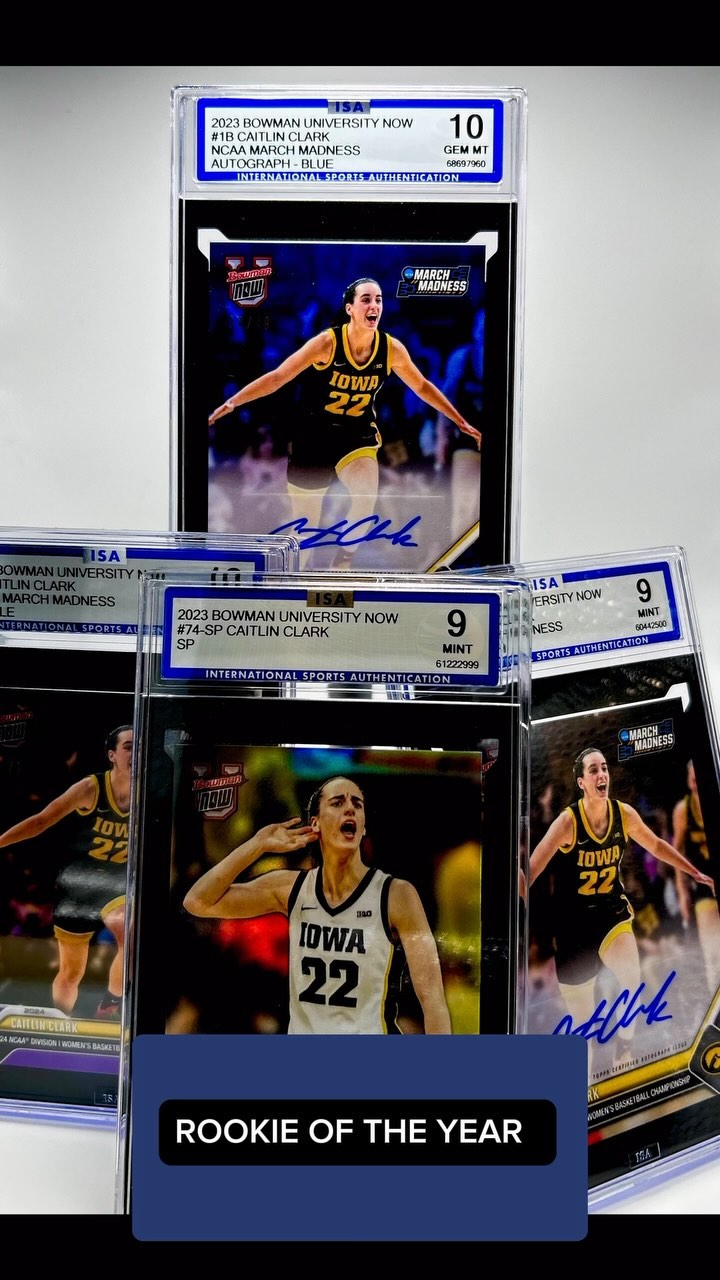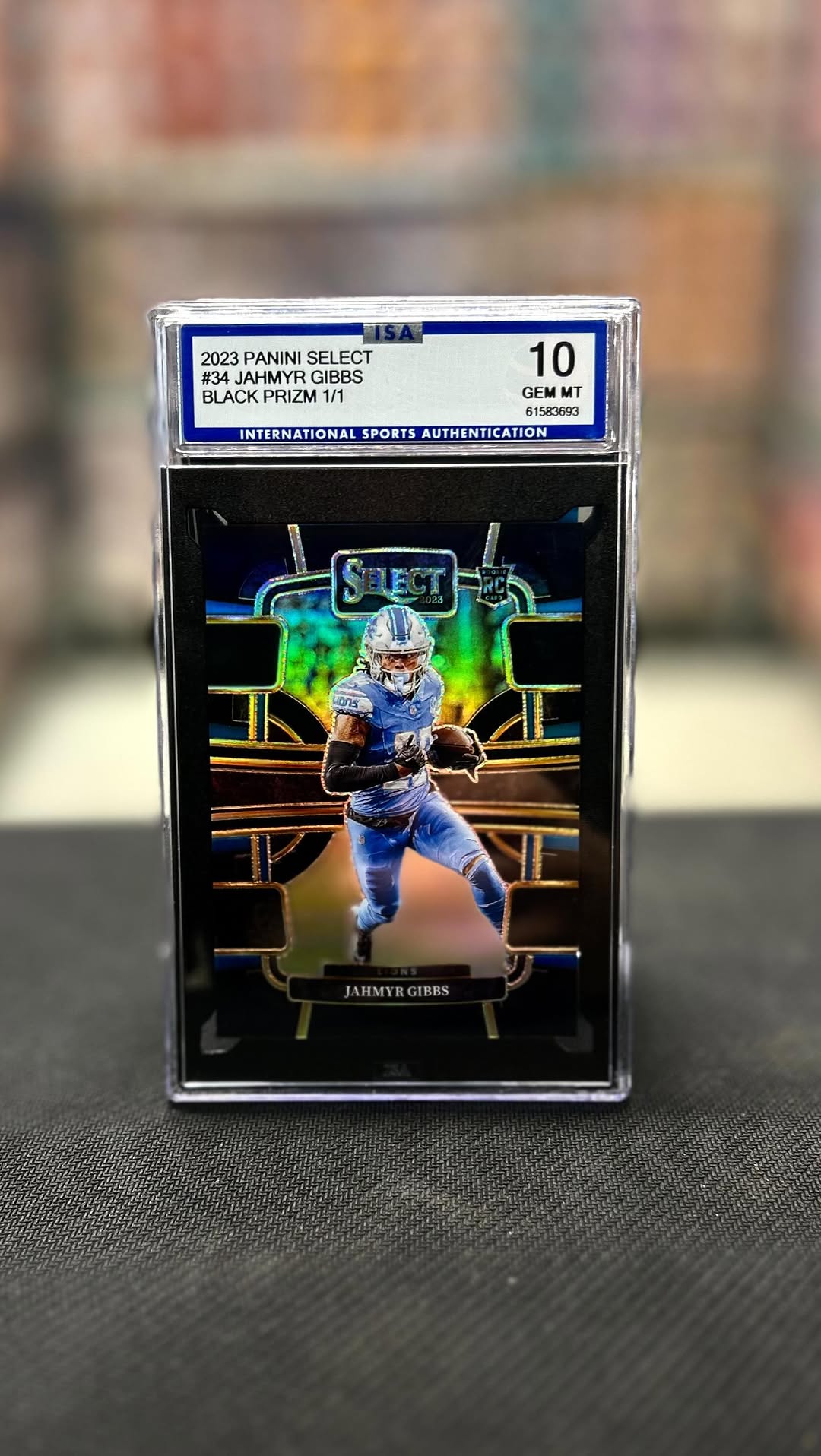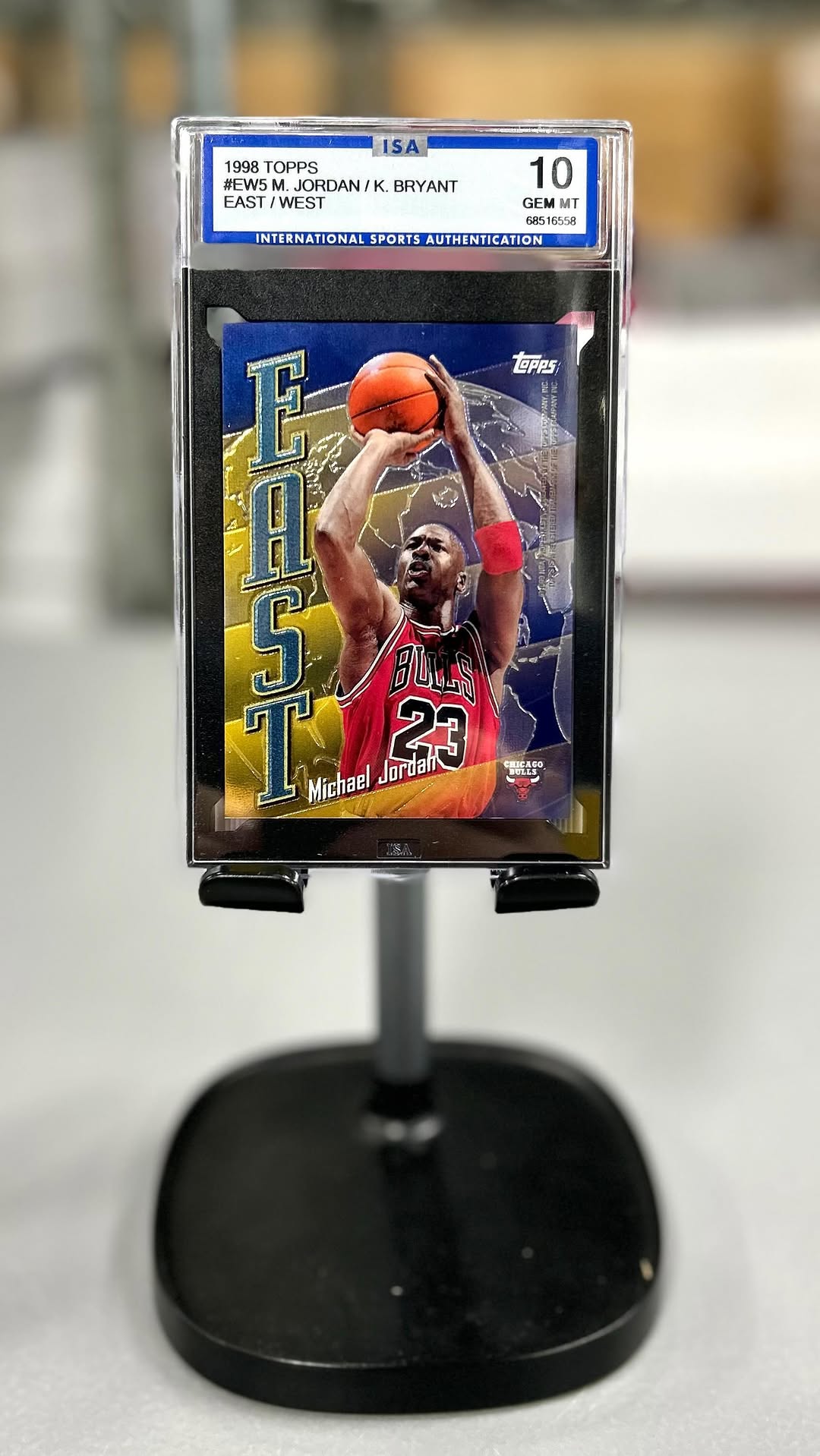
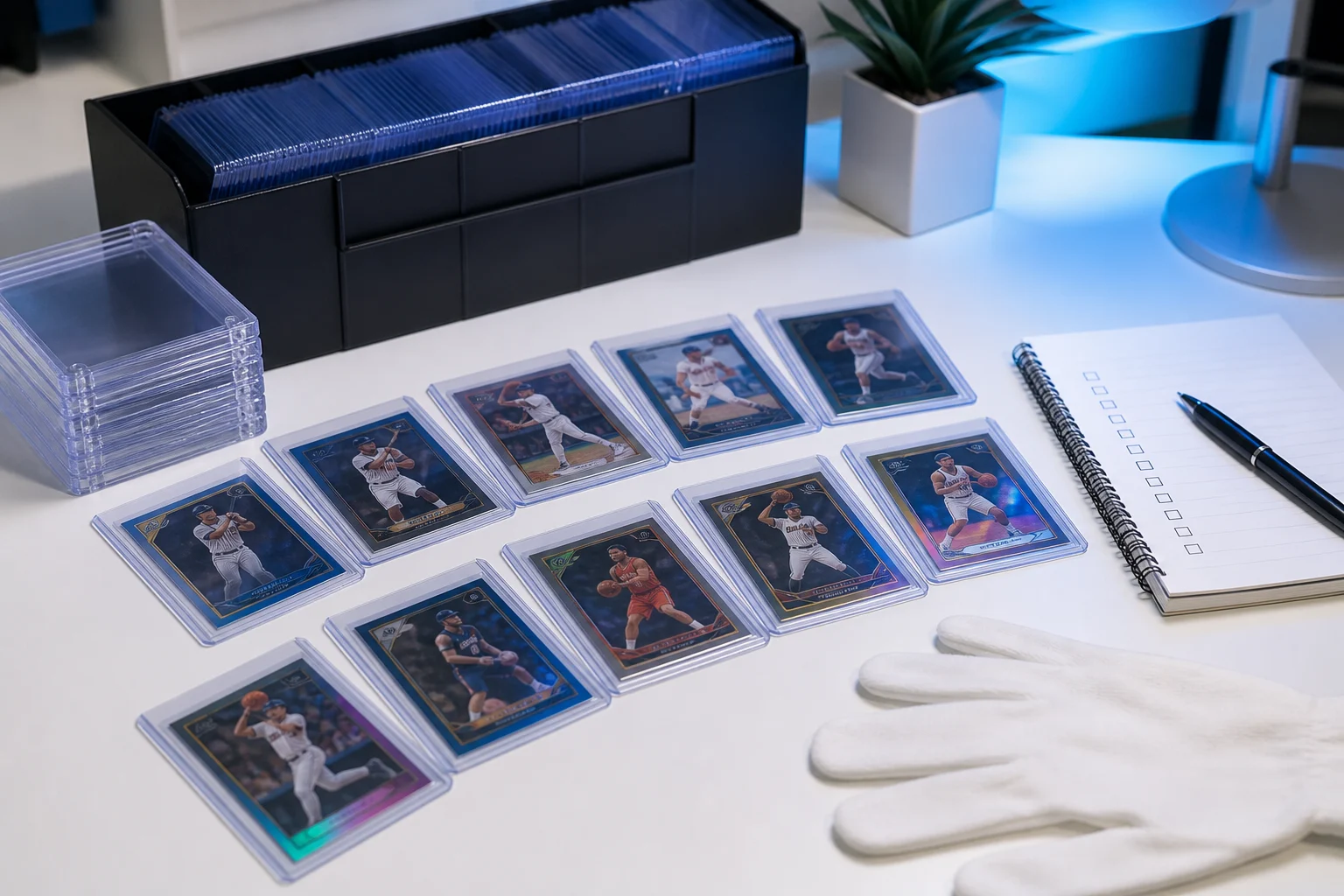
A 10 card minimum submission gives collectors and dealers a clear starting point: choose a focused group of cards, establish a grading budget, and prepare the batch carefully. The challenge is not simply finding ten cards. It is deciding which ten deserve the expense and attention.
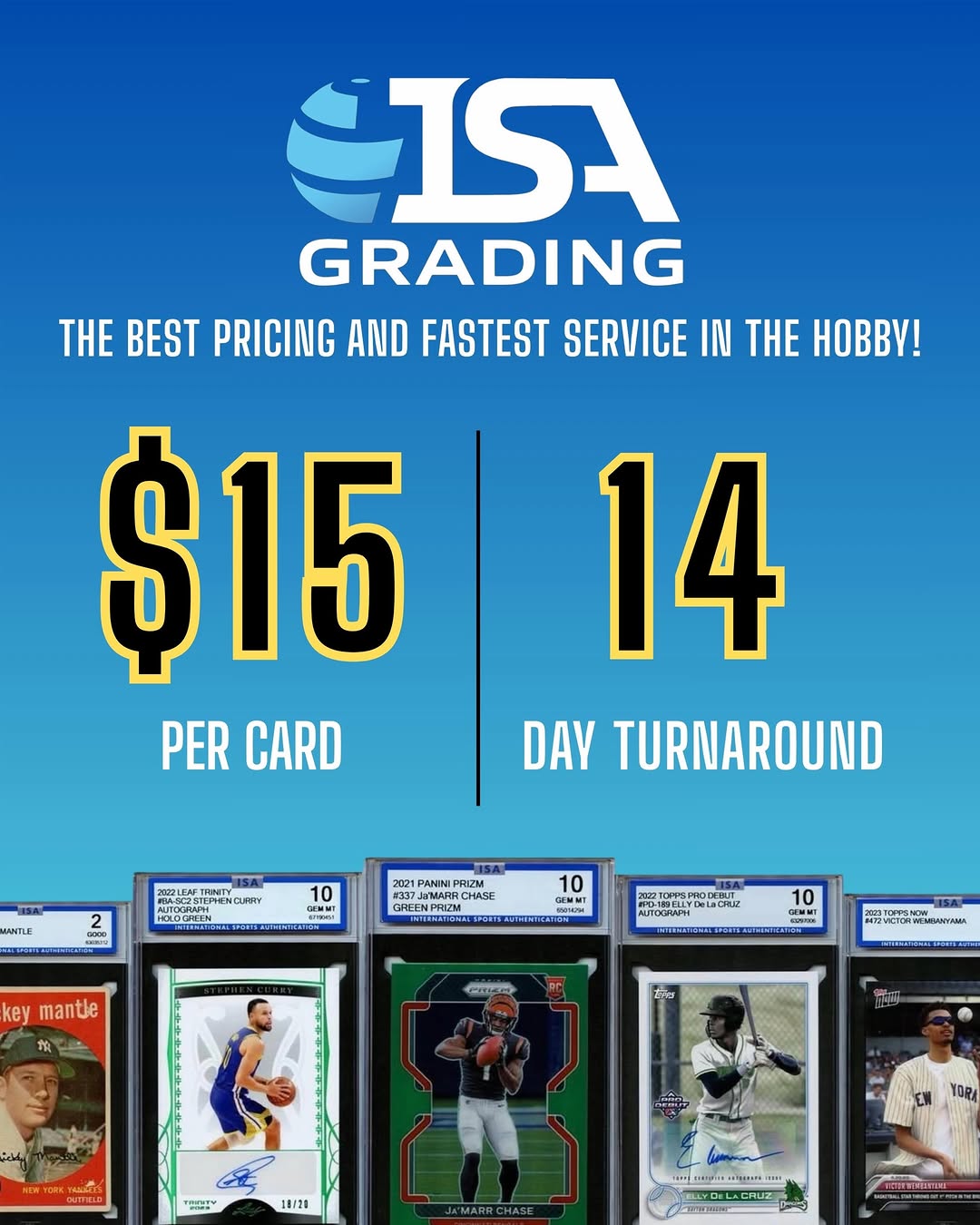
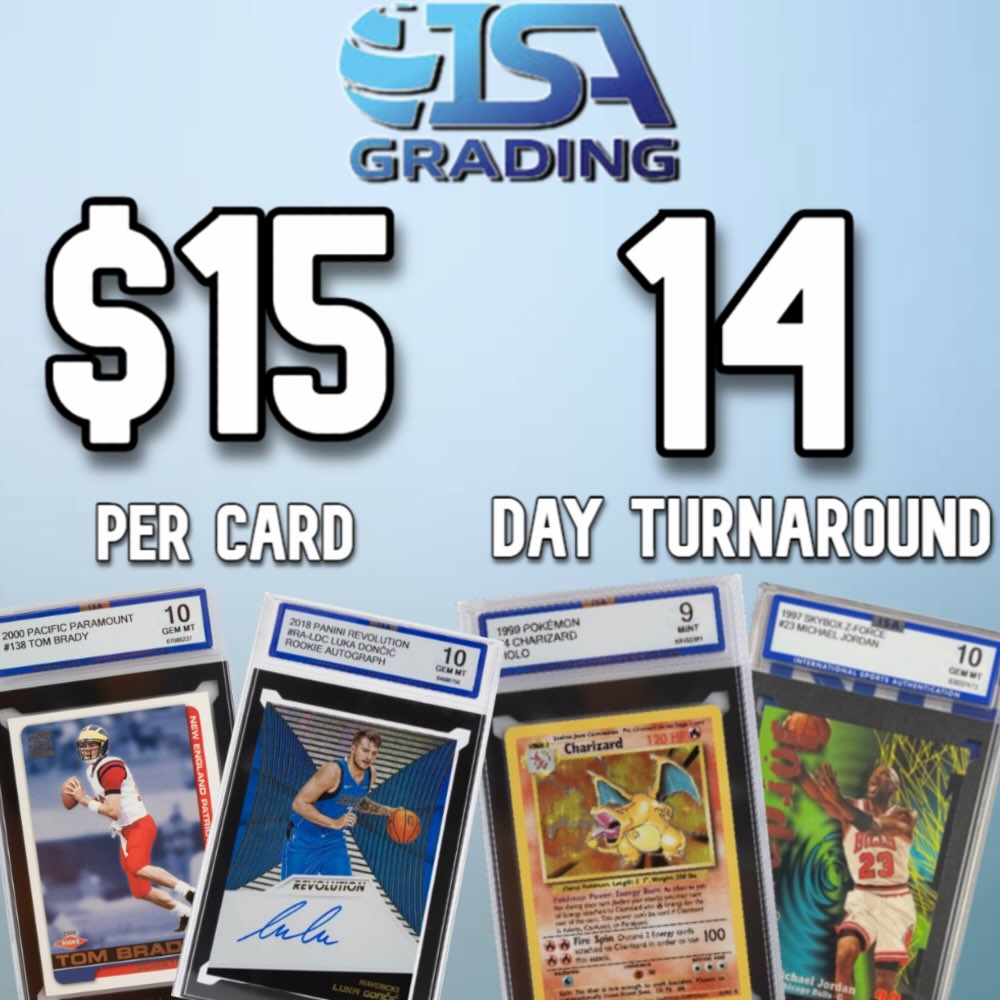
ISA Grading, also known as International Sports Authentication, offers sports card grading and authentication at a current price of $15 per card, with a 14 day turnaround, a 10 card minimum, and no upcharges. For a minimum submission, that means $150 in grading fees. Here is how to build a batch that fits your collection, selling plans, and budget.
What a 10 Card Minimum Submission Means
A minimum of 10 cards means your submission needs at least ten cards to meet the current service requirement. It is a card count, not a requirement to submit ten copies of the same player or ten cards from one set. Before combining unusual formats or different card categories, confirm that each item is eligible.
For collectors, this structure encourages a deliberate review of a collection rather than an isolated decision about one card. For dealers and hobby sellers, it creates a manageable batch for inventory planning. You can review ISA’s current submission instructions and begin through the card submission page.
Start With the Known Grading Cost
At the current rate, 10 cards cost $150 to grade, 15 cards cost $225, and 20 cards cost $300. ISA’s no upcharges policy gives you a stated per card grading cost without adding an upcharge to that rate.
Keep the grading fee separate from your complete submission budget. Shipping, insurance, packing supplies, and any other applicable charges should be confirmed before you send cards. Clear pricing starts with distinguishing the advertised service price from the total cost of moving and protecting your collection.
Choose Cards With a Purpose, Not Just to Reach Ten
Do not turn a sensible minimum into a reason to grade cards you do not actually want authenticated, evaluated, or encapsulated. Start with a larger shortlist, then narrow it using condition, personal importance, market evidence, and your intended use.
- Collection cards: Meaningful rookies, favorite players, or cards you want to preserve and organize.
- Potential sale cards: Cards with relevant completed sales and a realistic path to recovering grading expenses.
- Authentication candidates: Cards for which an independent authenticity assessment matters to you or a prospective buyer.
- Inventory candidates: Cards that fit an upcoming sales strategy without depending on a particular grade.
Make a simple inventory with the year, manufacturer, set, player, card number, and parallel or variation. Record your purchase cost and why each card belongs in the batch. This helps prevent confusing similar cards and gives you a useful reference when the submission returns.
Inspect Condition Before Paying for Grading
Card condition grading should begin with your own careful inspection. You are not trying to assign an official grade at home. You are identifying visible issues and deciding whether professional evaluation still makes sense for that card.
Use good lighting, a clean workspace, and minimal handling. Look at both sides, not just the front image. A card that appears sharp through a scratched sleeve may look different once you inspect it safely outside that sleeve.
Review the Four Main Condition Areas
- Card centering: Compare borders and image placement on the front and back. Borderless designs can require closer attention to design alignment.
- Card corners: Check for whitening, softness, bends, or small touches that may be difficult to see from straight above.
- Card edges: Look for chipping, rough areas, wear, or separation, especially against dark borders.
- Card surface: Examine for scratches, print lines, indentations, creases, residue, and other visible defects.
Review the ISA grading scale to understand how condition is described. Avoid assuming a freshly pulled card will receive the highest grade. Manufacturing and handling issues can exist before a card ever reaches your collection.
Do not trim, recolor, press, or otherwise alter a card to improve its appearance. If you are unsure how to handle a particular issue, seek guidance rather than trying a treatment that could damage the card or affect its eligibility.
Account for Differences Between Card Types
The same broad inspection habits apply across sports, but designs and materials create different concerns. Baseball card grading candidates may include vintage cardboard, modern chrome cards, or thick memorabilia cards. Each requires appropriate handling and an honest assessment of visible wear.
For basketball card grading, reflective finishes can make surface defects harder to spot under a single light source. Inspect from several angles without repeatedly touching or flexing the card. Thick cards and unusual formats also deserve an eligibility check before you build your batch around them.
Vintage card grading calls for realistic expectations about age, wear, and possible alterations. An older card can remain collectible with rounded corners or creases, but age does not establish authenticity. Sports card authentication and condition evaluation address different questions, and neither should be replaced by assumptions about appearance.
If your collection also includes Pokemon card grading or other TCG card grading candidates, confirm current acceptance requirements before including them with sports cards. Do not assume every format, language, size, or specialty card is covered by the same submission rules. The collector’s guide to preparing sports and Pokemon cards offers additional planning considerations.
Build a Realistic Timeline Around the 14 Day Turnaround
ISA currently lists a 14 day turnaround. That helps when you are deciding when to submit, but your full calendar also includes preparation, outbound delivery, and return delivery. Do not treat the grading window as the complete time your cards will be away.
If a 14 day card grading turnaround is important for an upcoming show or listing schedule, confirm when the turnaround clock starts and how days are counted. Ask about current submission procedures before committing to a buyer delivery date.
Fast card grading is most useful when it supports a realistic plan. Leave room for shipping delays and for photographing, cataloging, and pricing your returned cards. Dealers can use the submission to sales table planning guide to organize those tasks around a selling schedule.
Prepare and Pack Your Submission Carefully
Good preparation protects the cards and makes the batch easier to identify. Read the current instructions before choosing holders or finalizing paperwork. Do not assume packaging practices accepted by another card grading service are automatically appropriate for ISA.
- Confirm eligibility: Check any unusual sizes, thick cards, specialty issues, or uncertain card types.
- Match cards to your records: Verify card numbers, variations, and quantities against your submission information.
- Use the specified protection: Follow current sleeve and holder requirements, avoiding holders that force or bend a card.
- Prevent movement: Cushion the protected cards inside a sturdy shipping box without putting adhesive directly on cards.
- Keep documentation: Retain your inventory, submission details, tracking information, and any available photographs.
Handle cards by their edges when necessary, keep food and drinks away, and avoid repeatedly removing them from holders. Review carrier coverage terms rather than assuming every shipping service automatically covers collectible value. ISA’s frequently asked questions can help you check submission details before shipping.
Understand What Slabs and Certificate Verification Provide
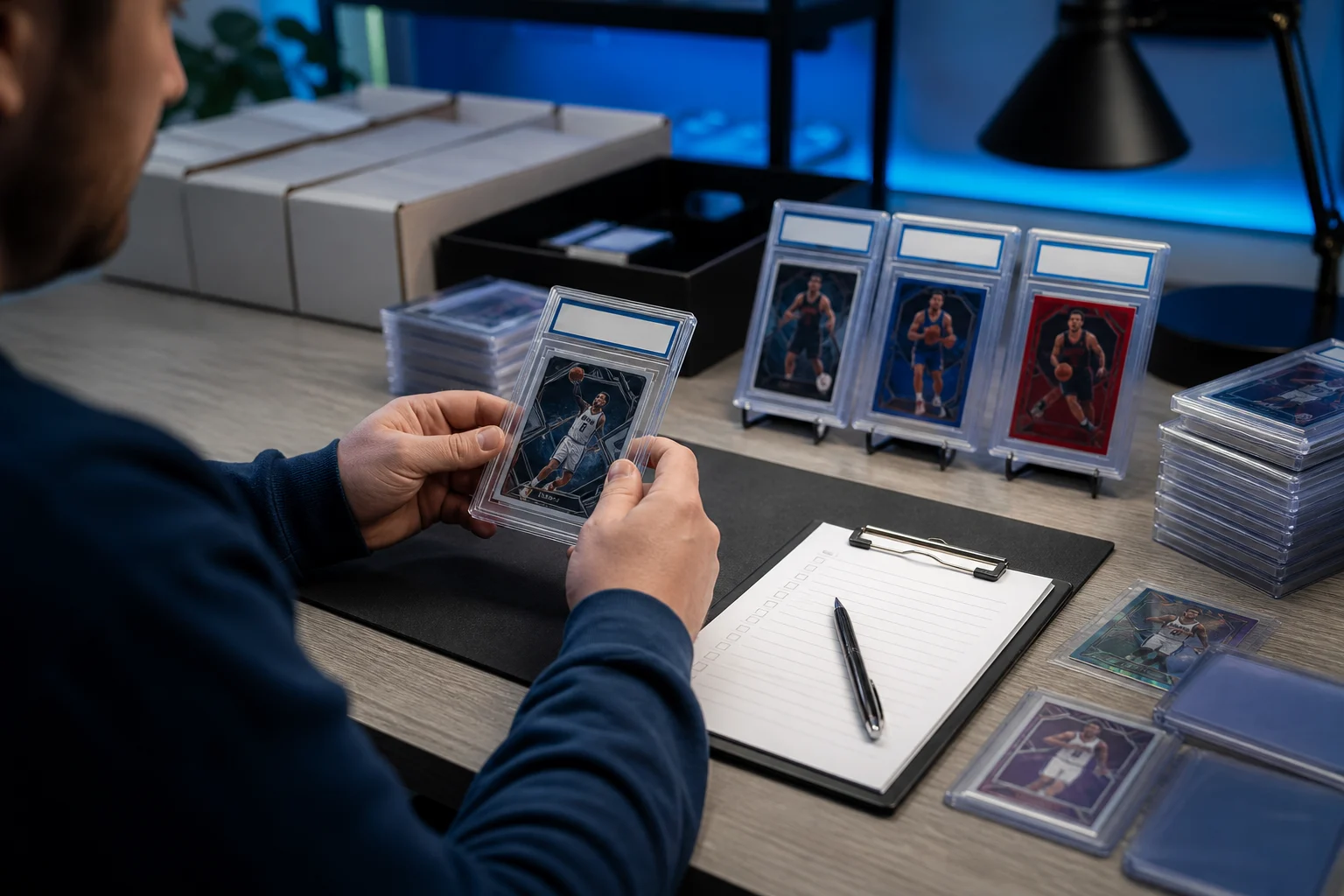
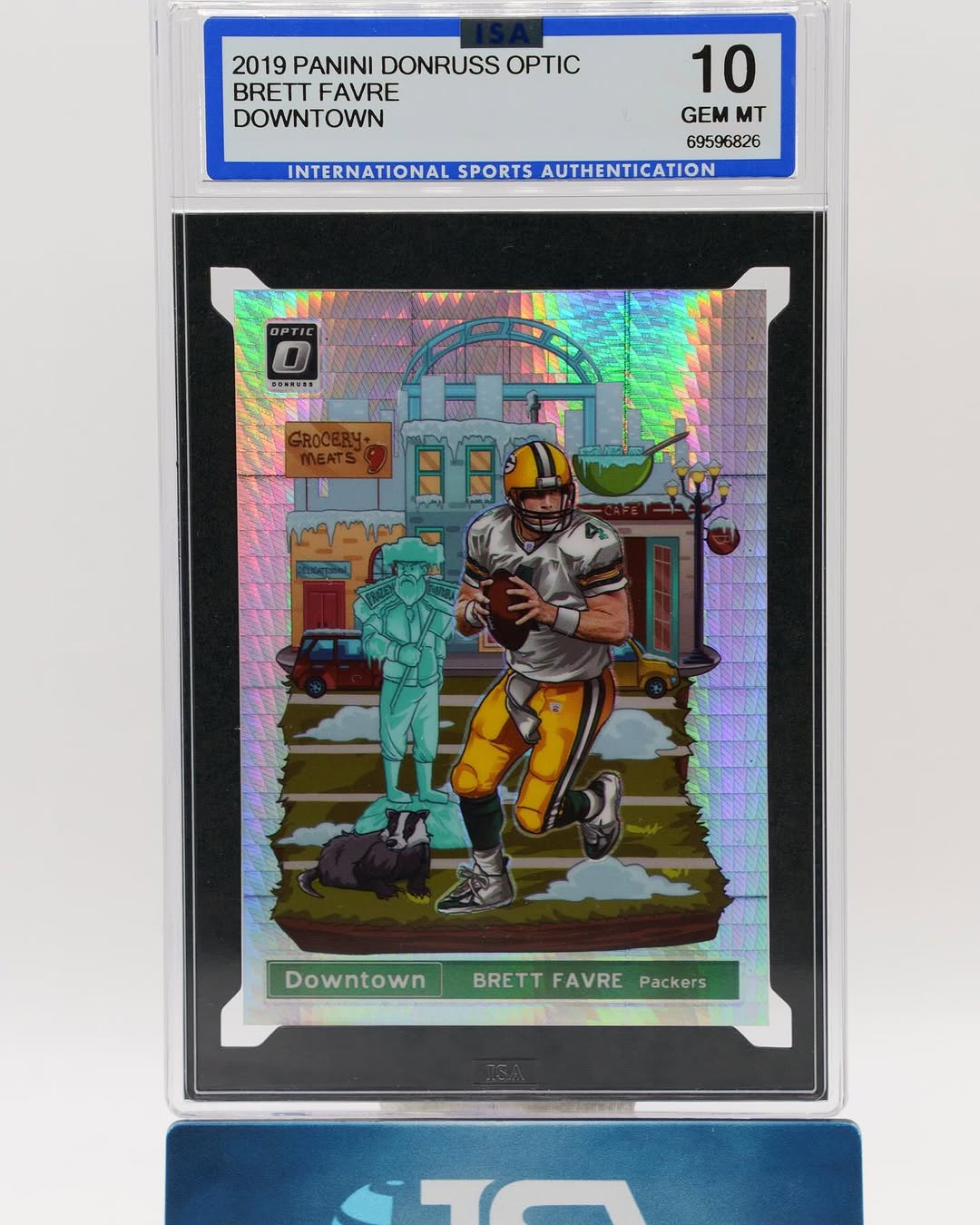
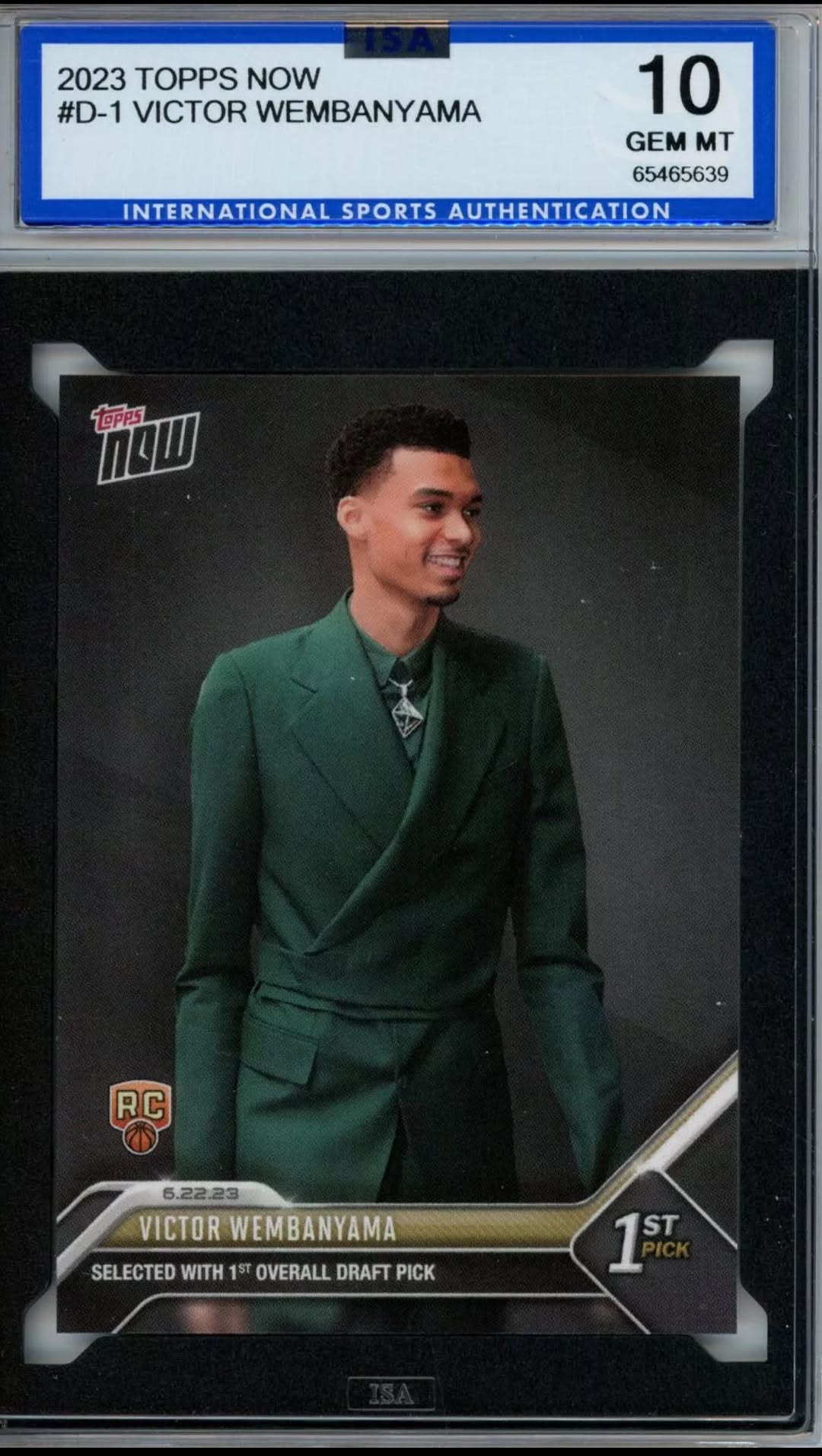
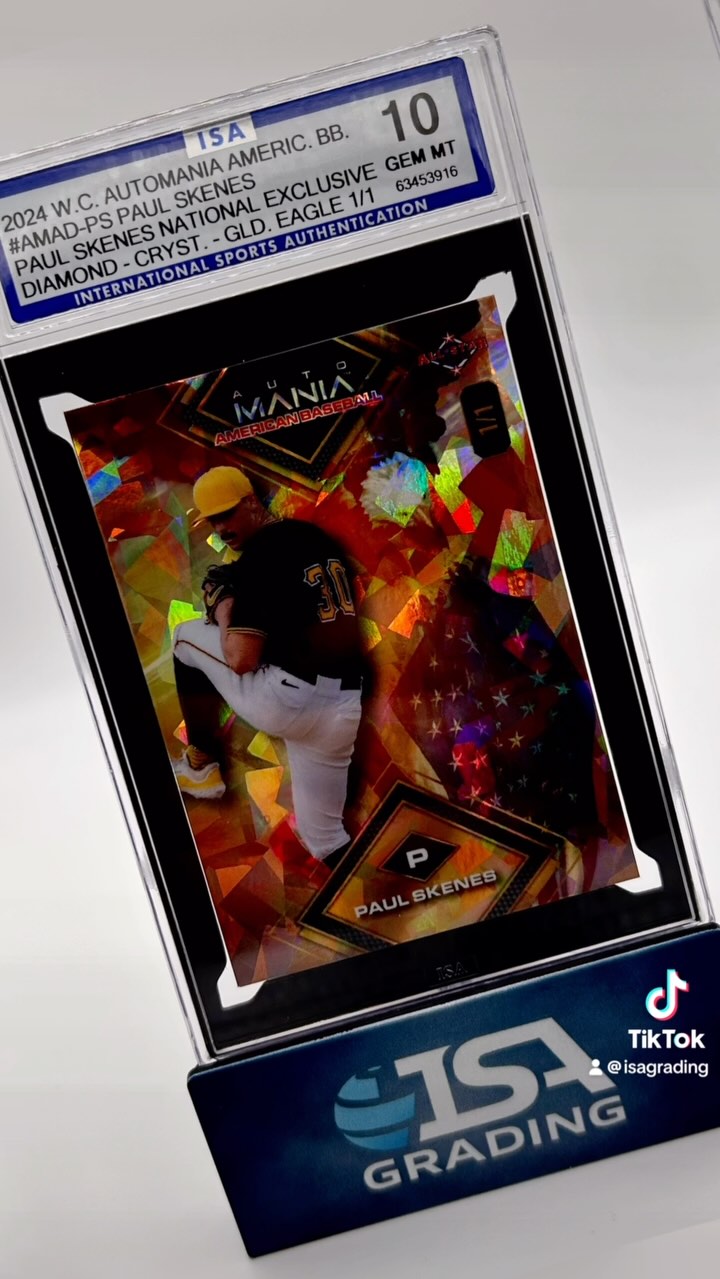
Trading card slabs provide a rigid holder and a consistent way to present a graded card. They can reduce routine direct handling, but encapsulation is not permission to ignore storage conditions. Keep graded cards away from excessive heat, moisture, and prolonged direct sunlight, and protect holders from scratches and impacts.
Slabs also bring identifying information and the assigned grade together in one presentation. That can make a collection easier to catalog and give buyers a clearer reference than a seller’s informal condition description.
ISA offers online certificate verification. When evaluating a graded card, compare the available certificate record with the card and label in front of you. If details do not match or something seems inconsistent, investigate before purchasing. A certificate lookup is a useful checking step, not a substitute for examining the actual item and the seller’s listing.
Plan for Selling Graded Cards Without Assuming a Profit
Grading can support buyer confidence by providing an independent condition assessment and an identifiable certificate record. It does not guarantee a higher selling price, a quick sale, or a profit. Buyer demand, the assigned grade, the card itself, and marketplace preferences all matter.
Before submitting a card for resale, compare relevant completed sales rather than active asking prices. Look for the same issue, parallel, and grade where possible. Avoid treating a sale from a different grading company as a direct prediction of your result.
Calculate your break even point using the card’s purchase price, grading fee, allocated shipping and insurance, marketplace fees, and expected selling expenses. Consider several possible grades, not only your most optimistic outcome. If the economics work only at the highest grade, that card may be a poor fit for a resale focused batch.
When listing returned cards, use clear photographs of the front, back, label, and holder. Describe the assigned grade accurately and disclose visible holder damage or other relevant issues. Good presentation helps buyers evaluate what you are actually offering.
Send a Batch You Can Explain Card by Card
The strongest 10 card submission has a reason behind every selection. Some cards may be long term collection pieces; others may be inventory with a defined selling plan. Both approaches are valid when the cost and expectations are clear.
Before sending, confirm your count, review the current $15 per card service, account for the 14 day turnaround, and check your packing against ISA’s instructions. If eligibility, timing, or submission details remain unclear, contact ISA Grading before shipping. A short clarification now is better than building your batch around an assumption.
Submit Cards to ISA Grading
Collectors ready to use ISA Grading can start on the submission page. The current active service is $15 per card with a 14 day turnaround, no upcharges, and a 10 card minimum.
Frequently Asked Questions
What is ISA Grading’s current minimum submission?
ISA Grading currently requires a minimum submission of 10 cards. Confirm the eligibility of unusual sizes, formats, or card categories before including them in your batch.
How much does a 10 card submission cost at ISA?
At the current rate of $15 per card, grading fees for 10 cards total $150, with no upcharges. Confirm shipping, insurance, and any other applicable charges separately when calculating your complete submission budget.
What is the current turnaround for ISA card grading?
ISA currently lists a 14 day turnaround. Confirm when that period begins and how days are counted. Allow additional time for outbound shipping, return shipping, and your own preparation.
How can I verify an ISA graded card?
Use the certificate verification page on ISA’s website and compare the available record with the card and label. Investigate any mismatch before buying, and examine the actual card, holder, and seller’s listing.
Will grading all 10 cards make my submission profitable?
Profit is not guaranteed. Evaluate each card using relevant completed sales, likely condition outcomes, acquisition cost, grading fees, shipping, and selling expenses. Cards chosen for personal collecting may have value to you beyond their resale economics.