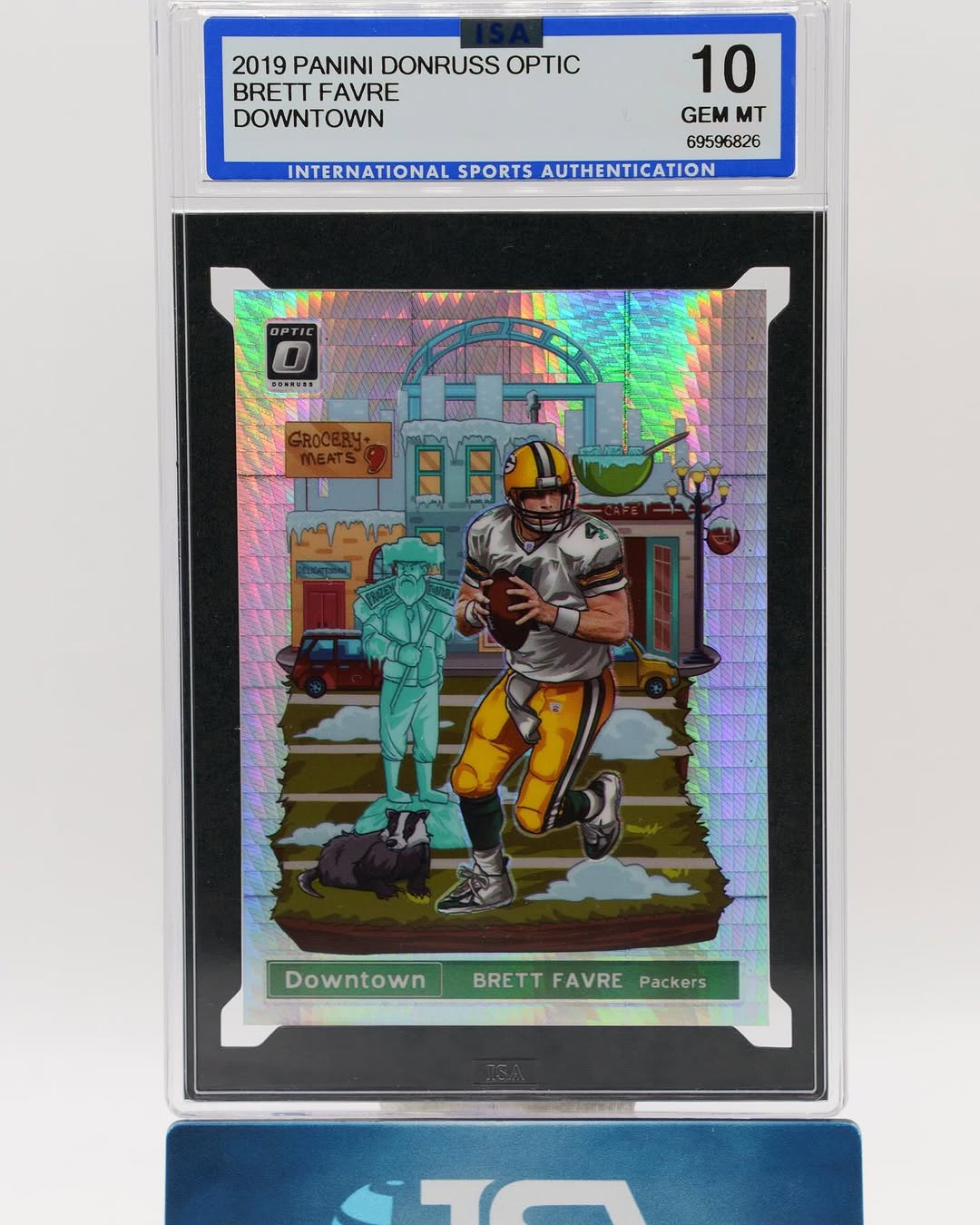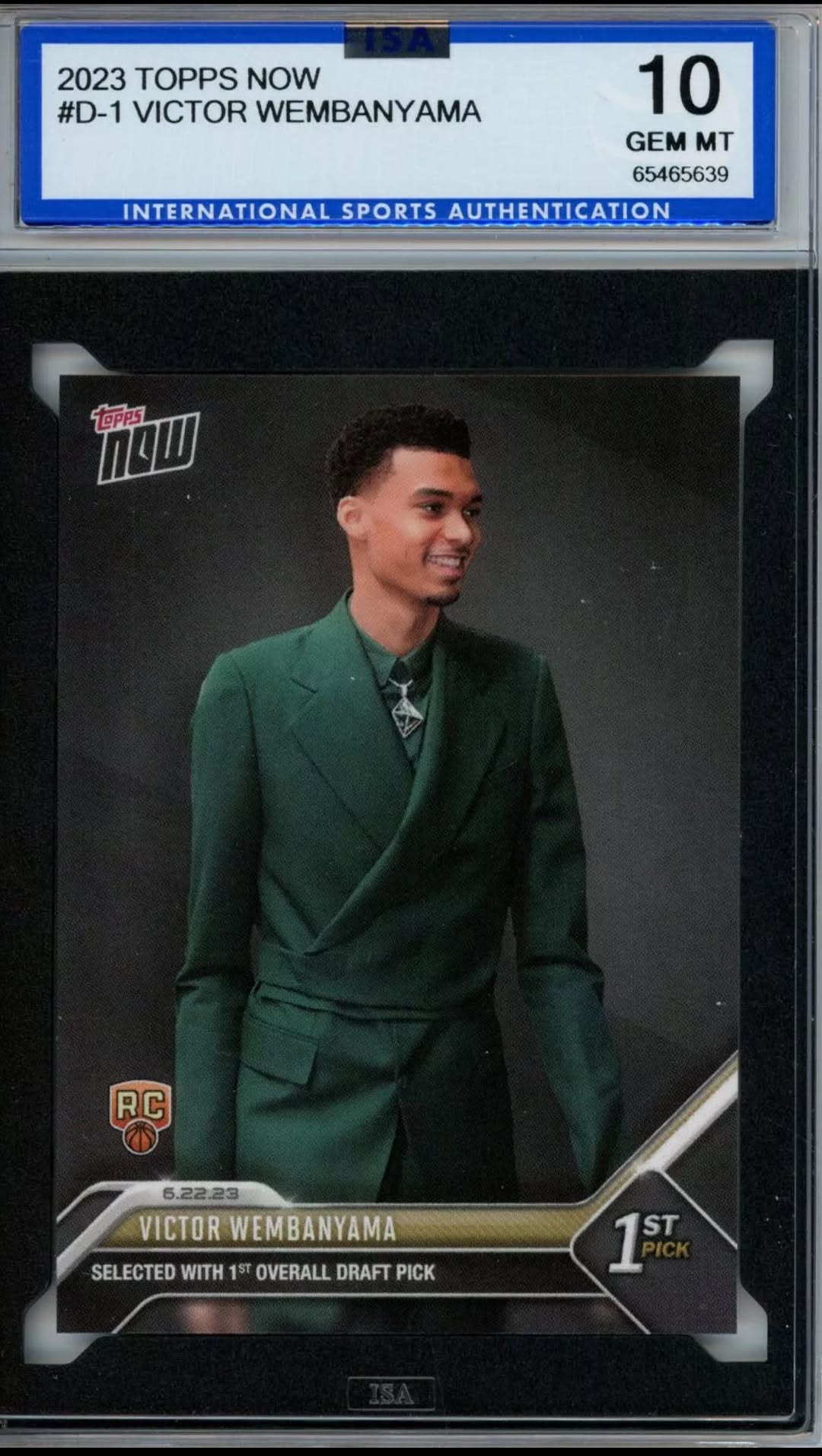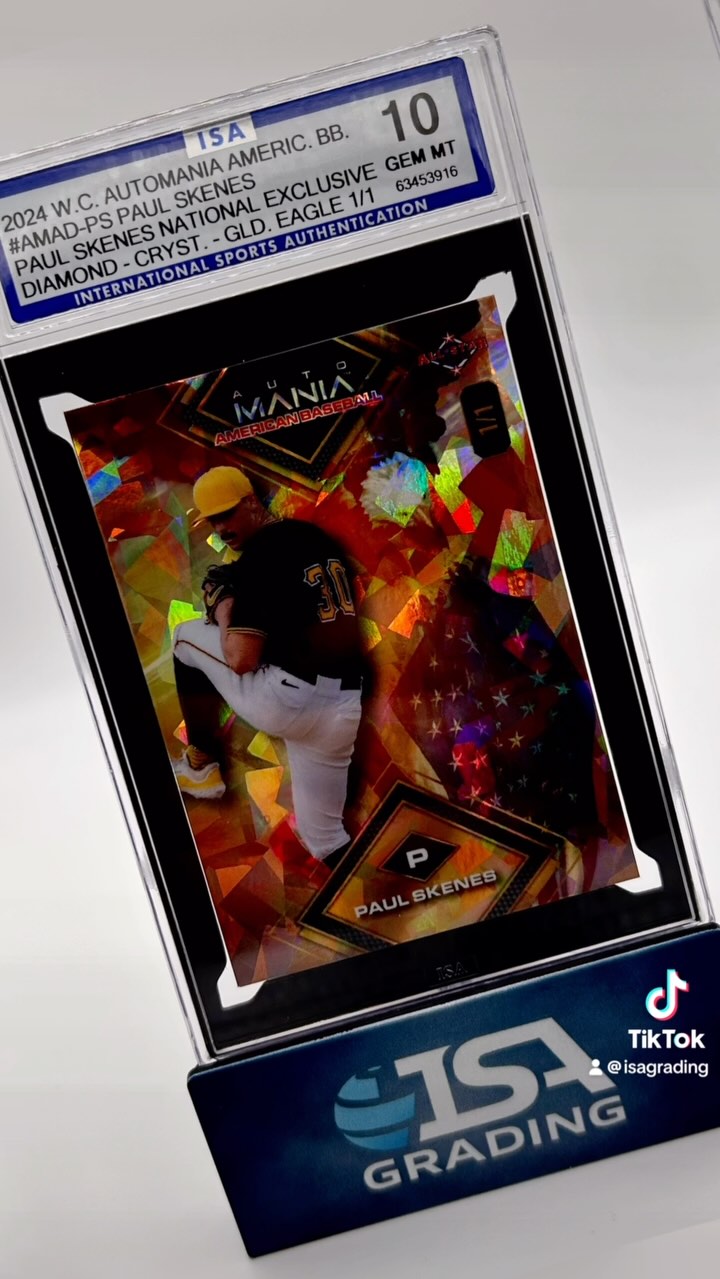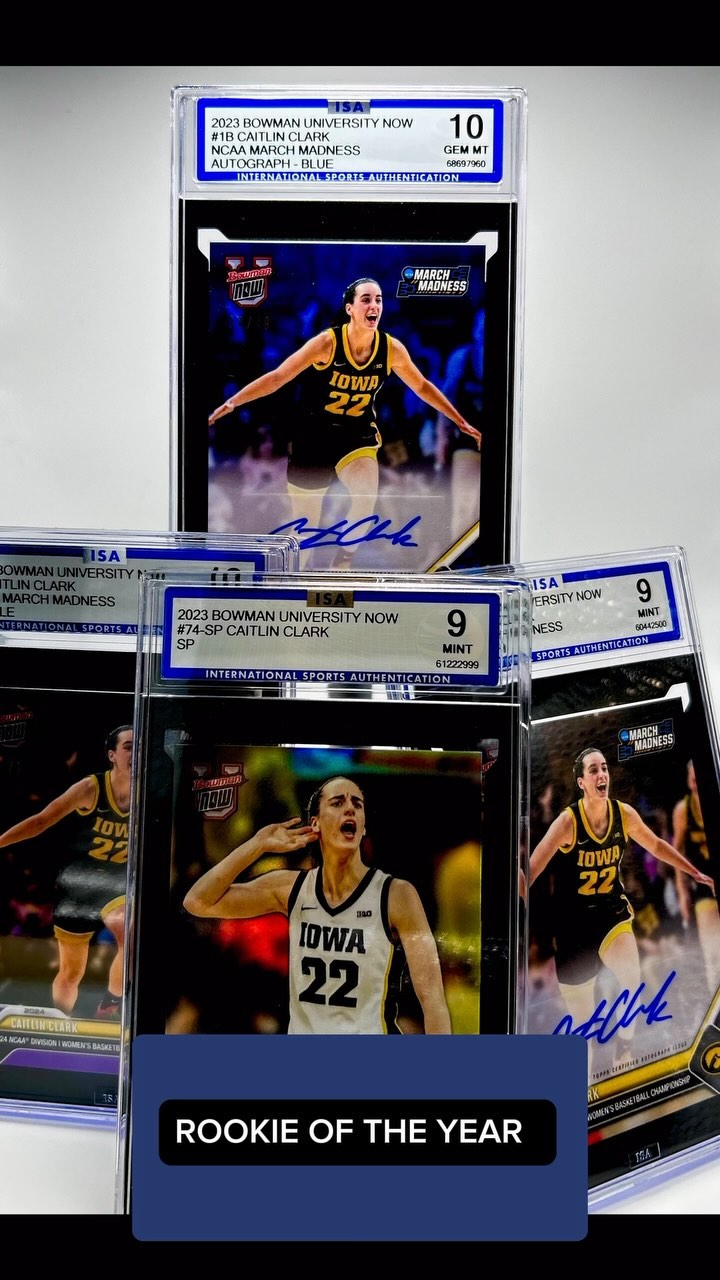
A card looks sharp under the light. The corners appear clean, the centering looks balanced, and recent sales suggest it might be worth grading. Then comes the practical question: what will the grading actually cost?
For collectors and dealers, that question matters as much as the potential grade. A fee that changes because a card receives a higher grade or is assigned a higher value can complicate a carefully planned submission. No upcharge card grading removes that particular uncertainty from the decision.
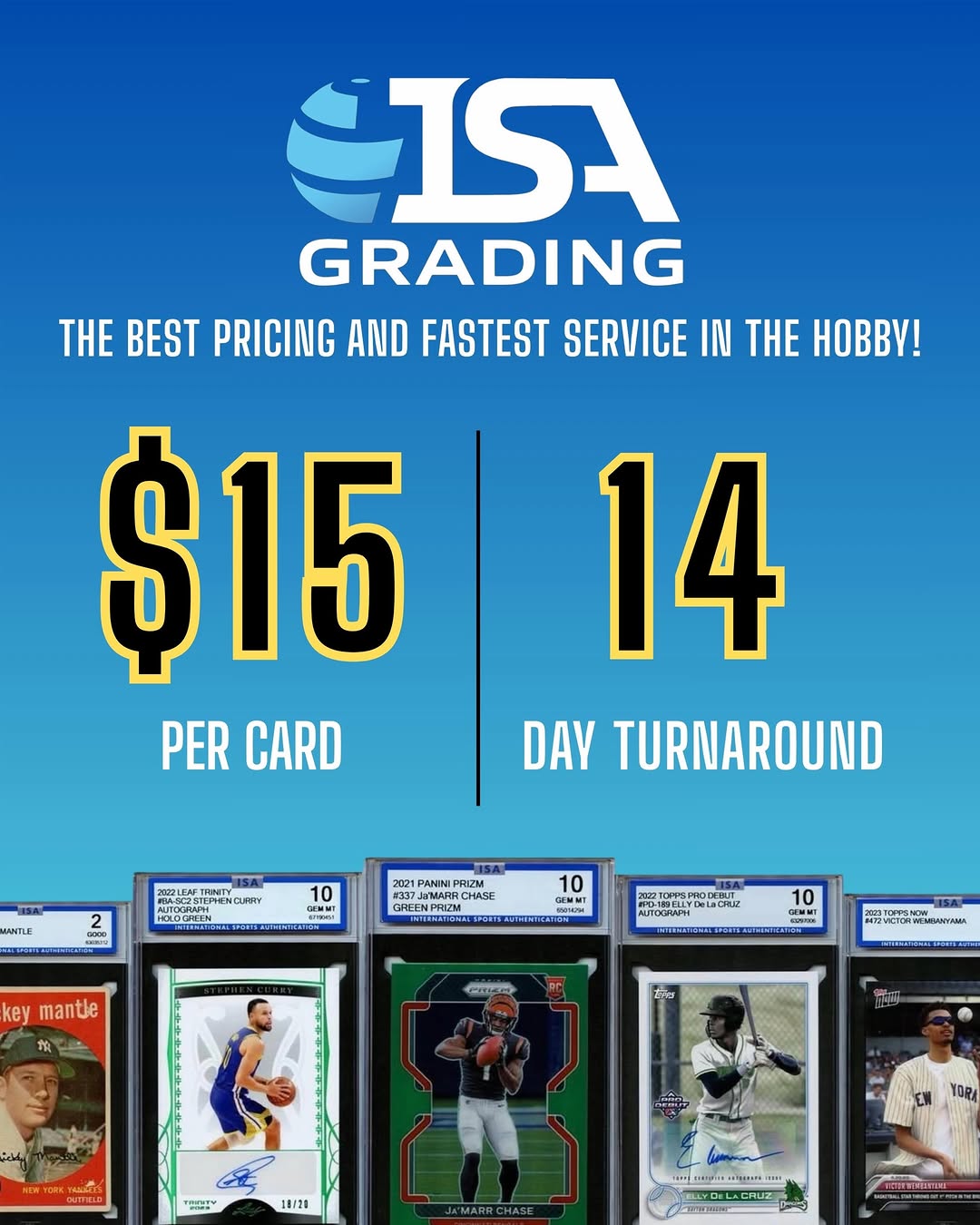
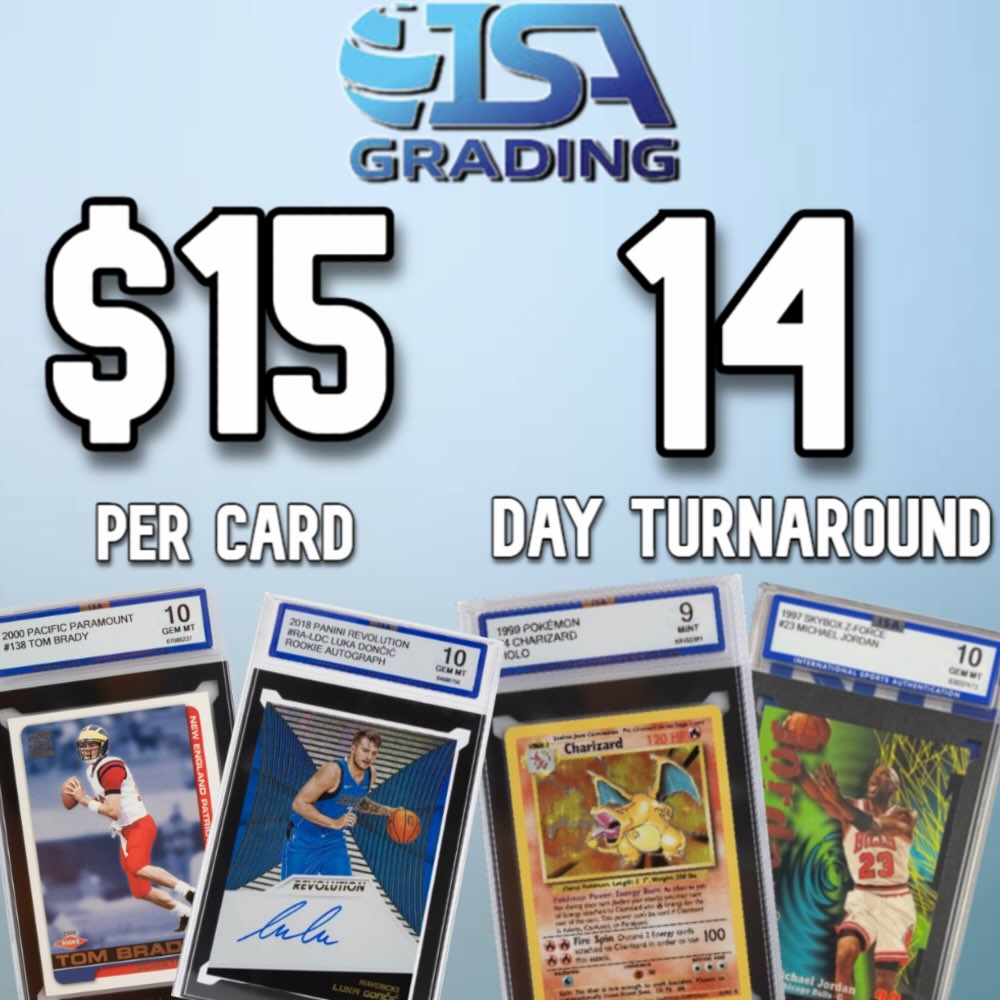
ISA Grading, also known as International Sports Authentication, currently offers sports card grading and authentication at $15 per card, with a 14 day turnaround, a 10 card minimum, and no upcharges. Here is how those terms affect budgeting, preparation, protection, and selling.
What Does No Upcharge Card Grading Mean?
An upcharge is an additional grading charge that may apply under a provider’s pricing rules, such as when a card’s assessed value exceeds a service threshold. Policies differ, so collectors should read the terms of any card grading service rather than assume every company calculates fees the same way.
ISA’s no-upcharges policy means its current $15 grading fee does not increase because your card earns a higher grade or is assessed at a higher value. That gives you a consistent grading cost when deciding which cards belong in a submission.
It is still important to distinguish the grading fee from the complete cost of sending cards. Review submission instructions for shipping, insurance, taxes, or other applicable charges before paying. No upcharges should not be interpreted as a promise that every expense associated with mailing and returning cards is included.
What ISA’s Current Pricing Means for Your Budget
The arithmetic behind $15 card grading is straightforward. With a 10 card minimum, the minimum grading-fee subtotal is $150. A larger submission follows the same per-card calculation under the current service.
- 10 cards: $150 in grading fees.
- 15 cards: $225 in grading fees.
- 20 cards: $300 in grading fees.
These examples cover grading fees only, not any separately applicable costs. They are useful because they let you establish a submission budget before making decisions about individual cards.
Consider a collector with seven promising rookie cards and three favorite veteran cards. A consistent fee makes it easier to decide whether that group deserves a $150 grading investment. There is no need to reserve an unknown grading upcharge for the card that performs best.
Dealers benefit from the same clarity. When preparing inventory, a known grading fee supports cost tracking across different purchases, products, and player categories. It does not guarantee a profitable sale, but it makes one important expense easier to allocate.
Predictable Fees Help You Choose Cards More Carefully
A flat grading price is not a reason to submit everything. The better question is whether grading serves a specific purpose for each card: documenting condition, supporting a sale, protecting a keepsake, or organizing a collection.
For resale candidates, compare recent completed sales of the same card in relevant grades. Match the year, set, player, card number, parallel, and other identifying details. Asking prices alone can create unrealistic expectations because an unsold listing does not establish what buyers will pay.
Then build a conservative estimate that includes your purchase cost, grading fees, shipping, insurance where appropriate, selling fees, and any other applicable expenses. Test more than one possible grade. A card that only makes financial sense at the highest grade may deserve closer scrutiny.
Personal collection cards follow a different calculation. You may value consistent presentation and documented condition even when grading does not increase resale proceeds. Separating those goals helps prevent disappointment and keeps the submission focused.
How Turnaround Fits Into the Decision
ISA’s current service has a 14 day turnaround. For collectors comparing options around a show, inventory refresh, or planned sale, a stated timeline is another useful planning input.
However, a 14 day card grading turnaround should not automatically be treated as a complete door-to-door delivery estimate. Outbound shipping, intake procedures, return shipping, and the provider’s definition of when the turnaround begins can affect your overall schedule. Confirm the current timing details before arranging a sale around a return date.
Dealers should leave room between an expected grading return and a firm customer commitment. Collectors should also avoid treating a player’s next game or a short-lived market surge as a guaranteed selling window. Clear pricing and a stated turnaround support planning, but neither controls postal delays or buyer demand.
Prepare Your Cards Before You Submit
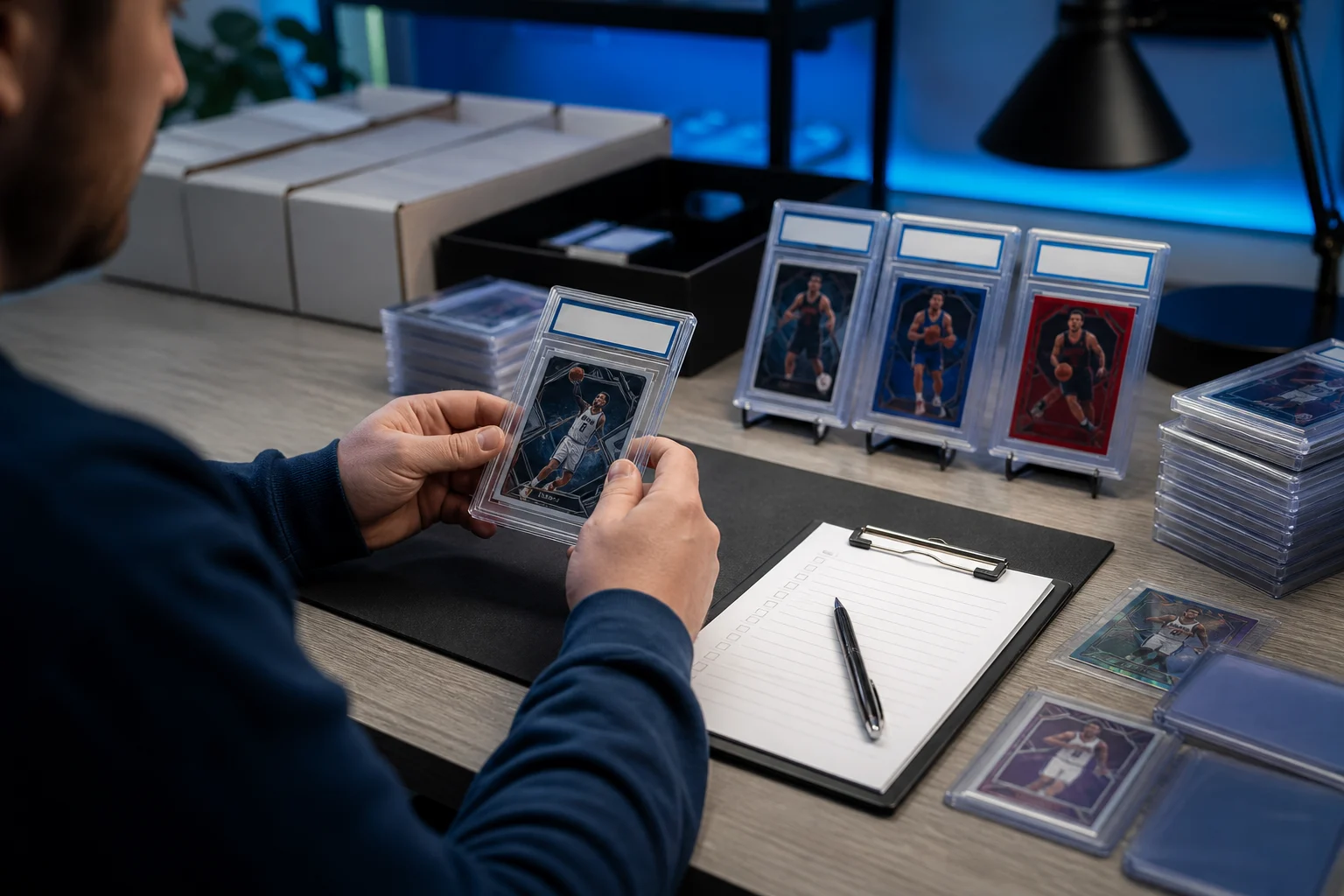
Good preparation starts with inspection, not assumptions about the grade. Work on a clean surface, handle cards gently, and use lighting that reveals flaws without forcing you to repeatedly touch the card.
Check the Main Condition Areas
- Card corners: Look for whitening, rounding, bends, or small impacts that may be difficult to see through a sleeve.
- Card edges: Inspect for chipping, roughness, dents, and wear along both the front and back.
- Card surface: Use angled light to look for scratches, indentations, print lines, stains, and other visible defects.
- Centering: Compare borders and design placement, recognizing that some issues use layouts that make visual assessment less straightforward.
These observations help you screen cards, but they do not determine the final grade. Professional card condition grading may identify issues you missed. Review ISA’s grading scale to understand the condition framework before setting expectations.
Keep Handling and Packing Simple
Do not attempt to hide defects or alter a card to improve its apparent condition. Trimming, recoloring, and other alterations can affect authenticity assessments, grading eligibility, and market acceptance. If a card has a known issue, ask about it rather than assume it will go unnoticed.
Follow current submission instructions for holders, identification, ordering, and packaging. Keep an accurate inventory and consider taking clear photographs before shipping. For a broader preparation checklist, read Before You Grade: A Collector’s Guide to Sports and Pokemon Cards.
Different Cards Create Different Grading Questions
The benefit of a predictable fee applies across collecting goals, but the reasons to submit vary. A modern prospect card, an older star card, and a sentimental childhood favorite should not automatically be evaluated using the same resale assumptions.
Rookie card grading often involves close attention to the exact release and variation. In football card grading and basketball card grading, collectors should distinguish base cards from parallels, inserts, short prints, and other versions before researching comparable sales. Similar-looking cards can have very different markets.
Vintage card grading presents another set of concerns. Age does not eliminate the importance of condition, and older cards may show creasing, paper loss, staining, or evidence of alteration. Confirm any questions about eligibility or unusual formats before submitting.
Collectors researching Pokemon card grading should likewise confirm the provider’s current acceptance policies and preparation requirements for their specific cards. A service price should never substitute for checking whether a particular card type, size, or issue is eligible.
Authentication, Slabs, and Protection Serve Different Purposes
Sports card authentication addresses whether a card is genuine within the scope of the service. Condition grading evaluates its physical state. Those functions are related, but neither should be confused with a guarantee of future value or an automatic authentication of every signature appearing on a card.
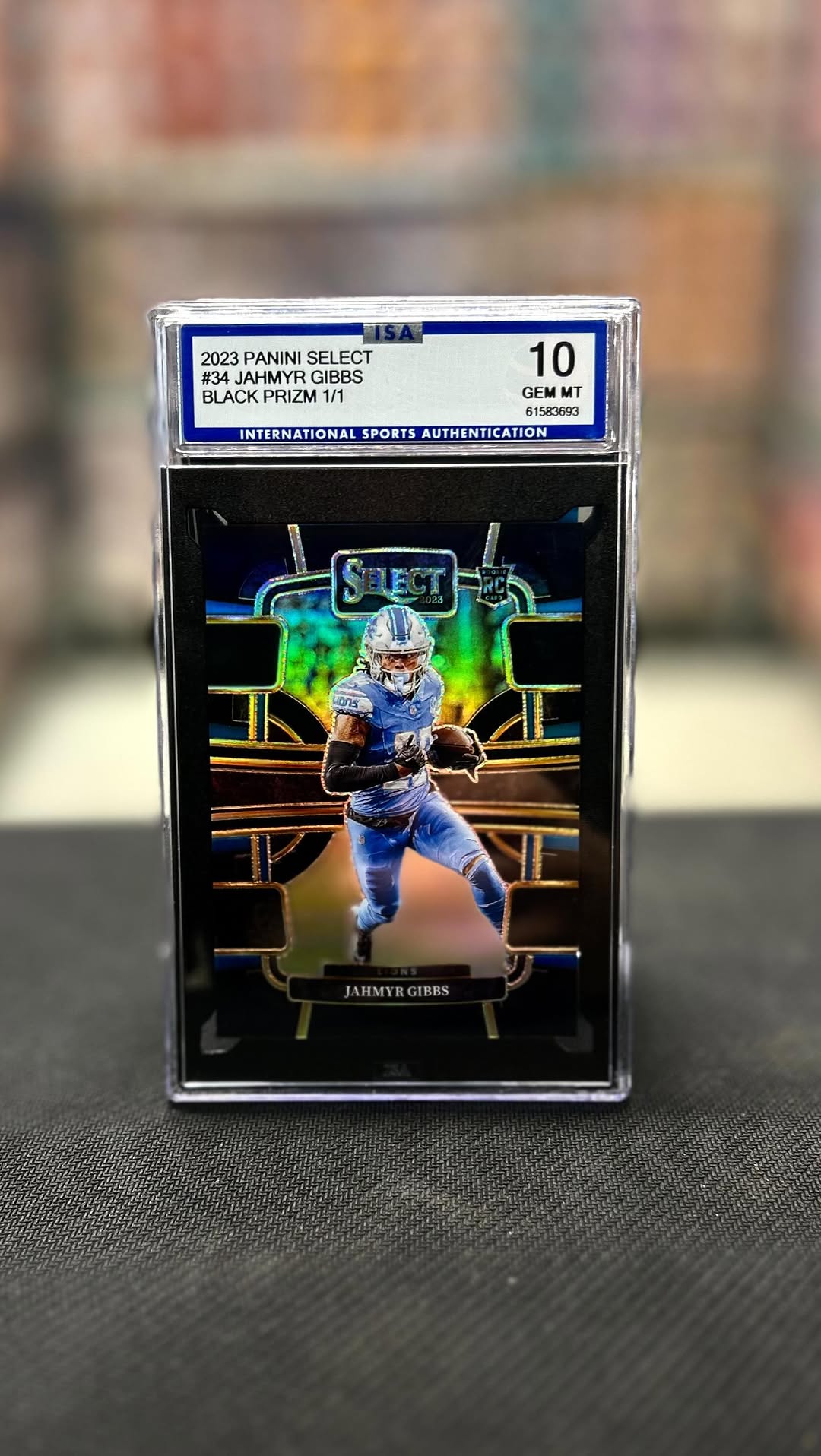
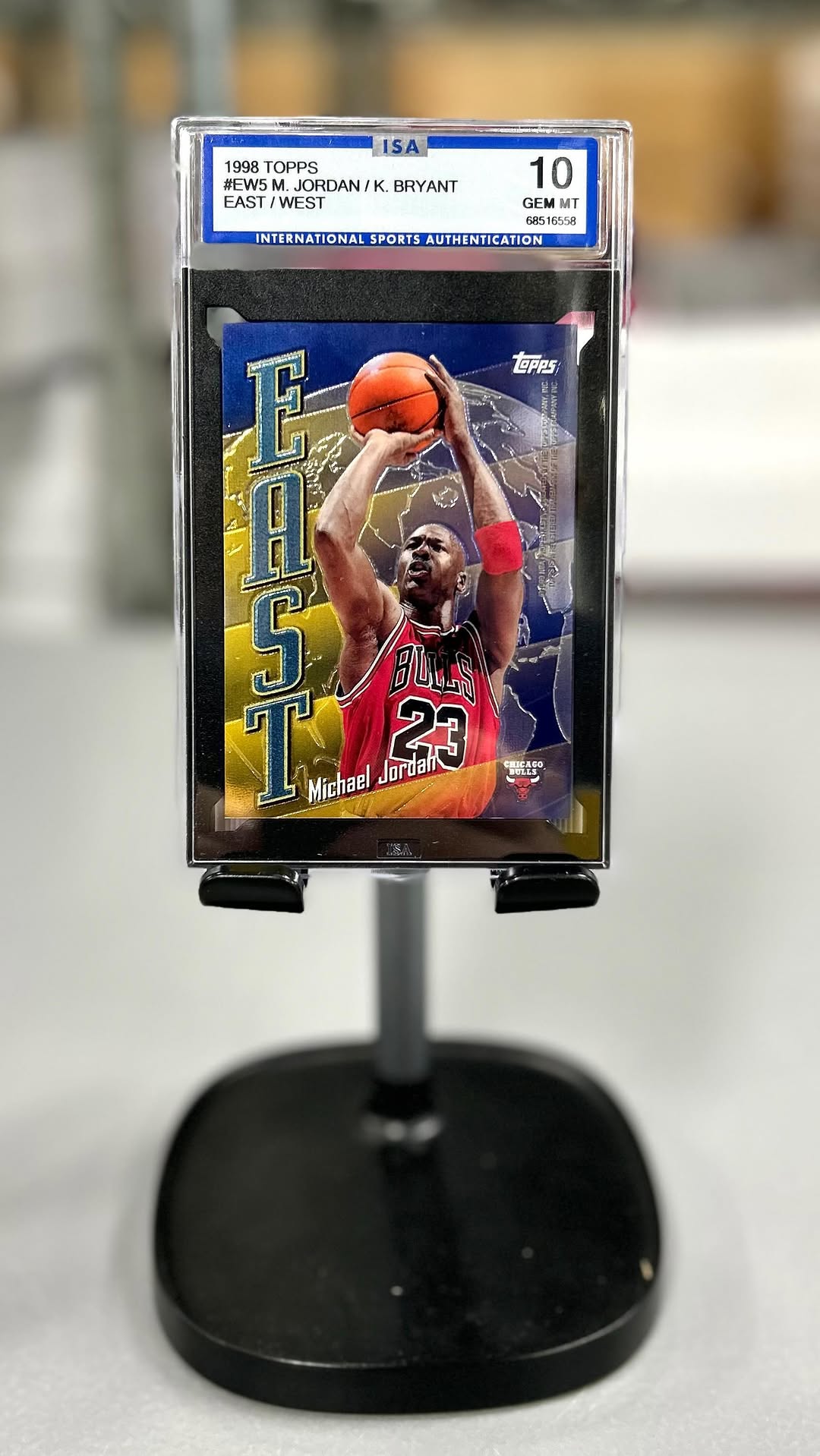
Trading card slabs add a protective enclosure and a consistent way to display the card and its label. They can reduce routine handling of the card itself, which is useful when showing inventory or organizing a collection.
A slab is not a reason to ignore storage conditions. Avoid excessive heat, prolonged direct sunlight, moisture, and unnecessary impacts. When shipping a graded card, protect the holder from movement and pressure rather than assuming the slab alone is adequate packaging.
Photograph the front and back of the holder for your records. Keeping card details and certificate information with those images makes later inventory checks and sales preparation easier.
Certificate Verification Helps Buyers Check the Details
ISA provides certificate verification on its website. Collectors and prospective buyers can use the available lookup to check a certificate against the associated record.
When evaluating a graded card, compare the information returned by the lookup with the label and the card in front of you. Pay attention to identifying details, the grade, and the certificate number. If something does not match, pause and ask questions before completing a purchase.
Verification is a useful due-diligence step, not a substitute for every other check. A matching number alone does not prove that an online seller possesses the pictured item or that a holder has not been tampered with. Review clear photographs, examine the holder, and consider the seller’s history and transaction protections.
Selling Graded Cards With Clearer Cost Records
When a card returns, record its final grade and actual submission costs before setting a listing price. The predictable grading fee helps with bookkeeping, but the market still determines what buyers are willing to pay.
A useful listing identifies the card accurately, states the grading company and grade, and includes clear photographs of both sides of the slab. Provide certificate information where appropriate so buyers can perform their own checks. Avoid implying that a grade from one company guarantees the same result from another.
Compare completed sales carefully and consider differences in condition, presentation, timing, and buyer demand. Grading can make condition easier to communicate, but it does not guarantee a premium, a quick sale, or recovery of your total investment.
Build a Submission Around Clear Priorities
Choosing a sports card grading provider involves more than the lowest advertised price. Consider the grading framework, communication, turnaround, verification tools, and how the service fits your collecting or selling goals. Reading ISA’s customer reviews can add context, while remembering that individual experiences are not guarantees of future results.
Before shipping, confirm your card list, calculate the grading subtotal, review packing instructions, and check any remaining eligibility or timing questions. ISA’s contact page is available when you need clarification about your submission.
For collectors who want a defined grading expense, ISA’s current offer is straightforward: $15 per card, a 10 card minimum, a 14 day turnaround, and no upcharges. When your cards and budget are ready, visit Submit a Card to review the current instructions and begin.
Submit Cards to ISA Grading
Collectors ready to use ISA Grading can start on the submission page. The current active service is $15 per card with a 14 day turnaround, no upcharges, and a 10 card minimum.
Frequently Asked Questions
What does no upcharge card grading mean at ISA?
ISA’s current grading fee is $15 per card, with no additional grading upcharge based on the grade received or the card’s assessed value. Review the submission terms for any separately applicable shipping, insurance, taxes, or other costs.
How much does ISA’s minimum submission cost?
ISA currently has a 10 card minimum at $15 per card, making the minimum grading-fee subtotal $150. That subtotal does not include any separately applicable costs.
What is ISA’s current card grading turnaround?
ISA currently offers a 14 day turnaround. Confirm when that period begins and how it is calculated before submitting. Shipping time and other steps can affect the complete door-to-door timeline.
How can I verify an ISA graded card?
Use the certificate verification page on ISA’s website and compare the available record with the slab label and card. Check identifying details and the certificate number, and investigate any mismatch before buying.
Does grading guarantee that my card will sell for more?
No. Grading documents condition and can help buyers evaluate a card, but it does not guarantee a higher price or a sale. Review relevant completed sales and account for grading, shipping, selling fees, and other expenses before submitting for resale.