A stack of cards waiting for grading can become another unfinished project. Between work, family, online listings, and weekend shows, collectors need a process they can plan around. Dealers face a similar challenge: inventory sitting outside the sales cycle is inventory they cannot display, photograph, or offer to buyers.
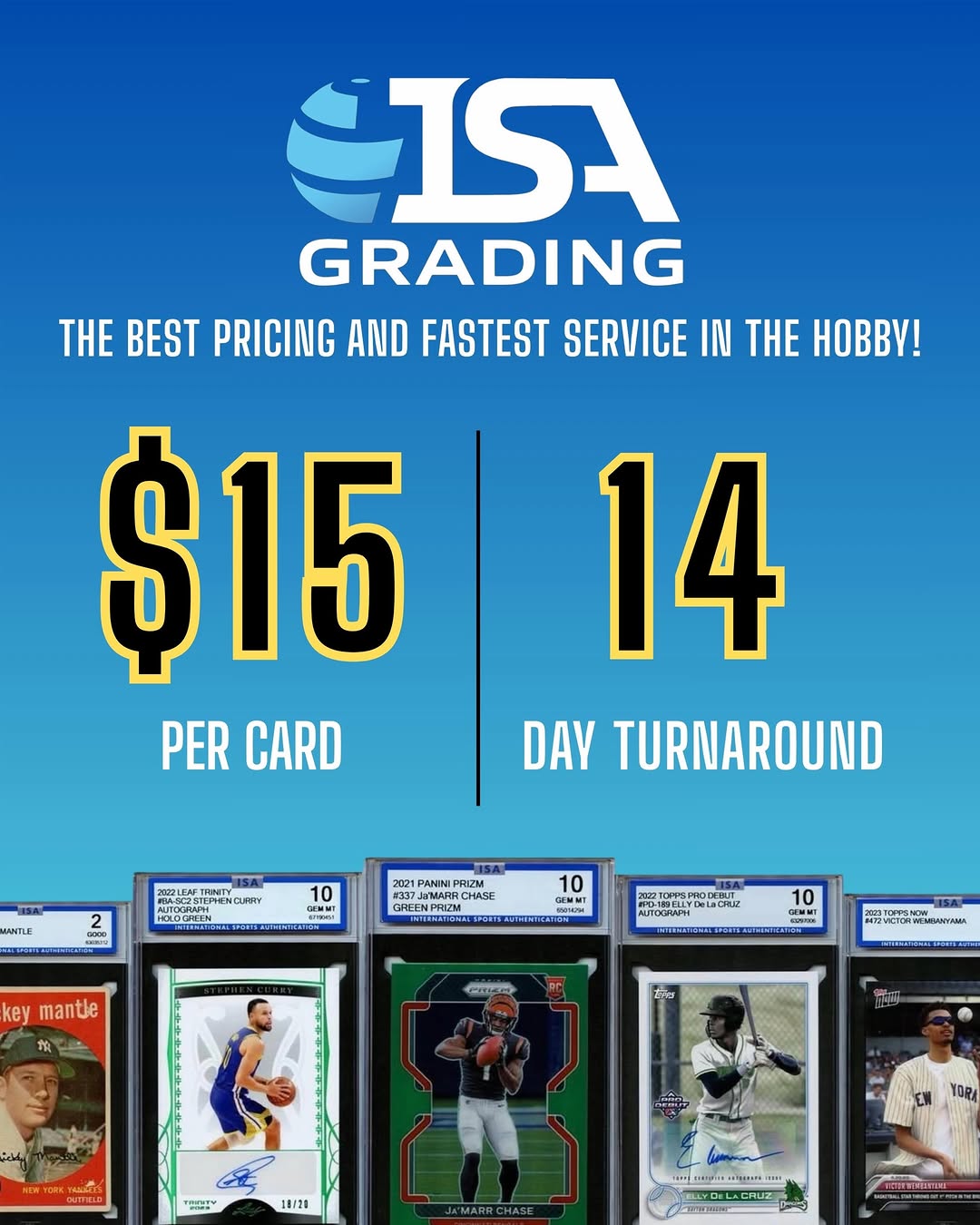
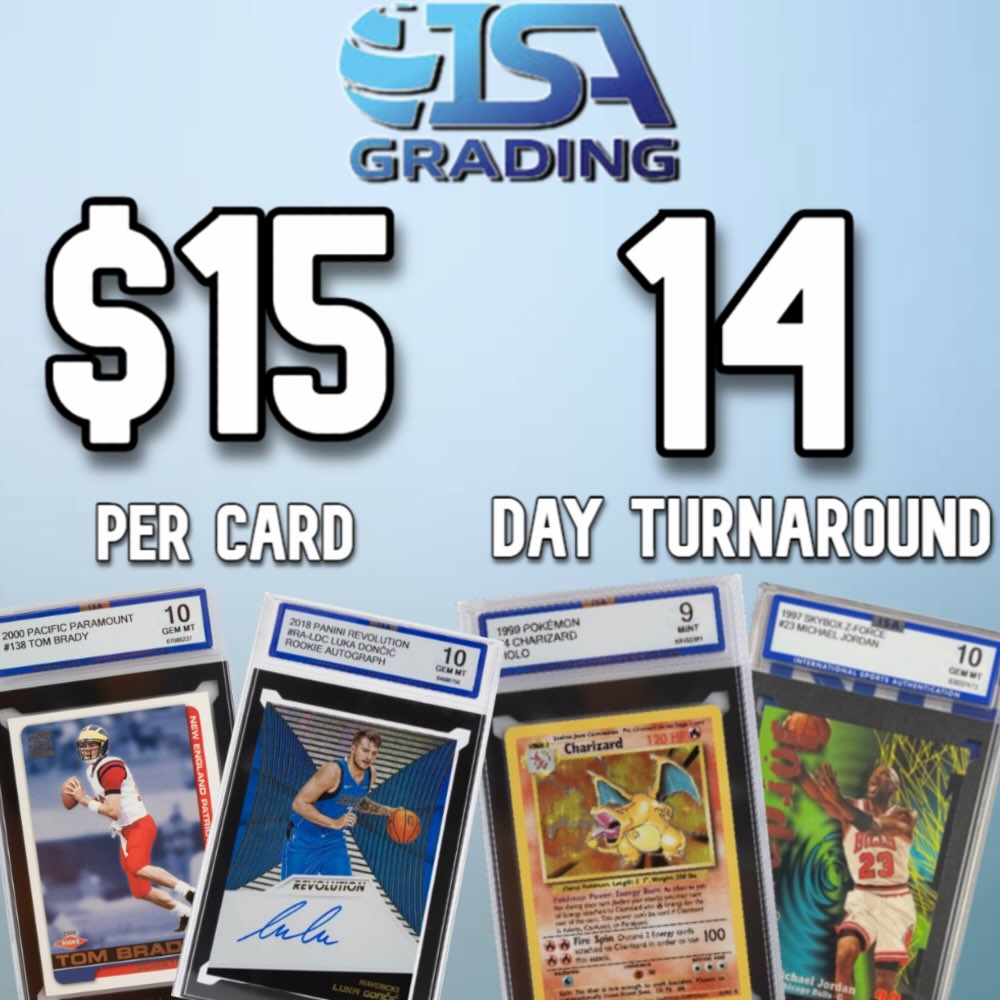
ISA Grading, also known as International Sports Authentication, offers sports card grading and authentication at $15 per card, with a current 14 day turnaround, a 10 card submission minimum, and no upcharges. Those details give collectors a clear starting point. Making the most of that service still takes thoughtful card selection, careful preparation, and realistic scheduling.
What a 14 Day Card Grading Turnaround Means for Your Plans
A 14 day card grading turnaround provides a useful planning reference, whether you are organizing a personal collection or preparing inventory for sale. Instead of treating grading as an open-ended task, you can build a submission into your collecting routine and plan the work that comes before and after it.
However, turnaround time and total time away from home are not necessarily the same thing. Outbound shipping, delivery, intake, and return shipping can affect your overall schedule. Before relying on a specific return date, confirm when ISA’s turnaround clock begins, how days are counted, and which stages the quoted timeframe covers.
If you need cards for a particular show, auction, or gift, leave a buffer rather than submitting against the last possible date. Fast card grading is most useful when it supports a practical schedule, not when every subsequent step depends on perfect timing.
Work backward from your actual deadline
- Choose the date you need the cards physically available.
- Allow time for return delivery and checking the completed order.
- Leave room to photograph cards, write listings, and prepare show inventory.
- Confirm current service details before sending a deadline-sensitive submission.
Start With Clear Pricing: $15 Per Card
The grading calculation is straightforward: ISA’s current service costs $15 per card with a 10 card minimum. A minimum submission therefore has a grading charge of $150. A 15 card submission has a grading charge of $225, while 20 cards come to $300.
ISA’s no upcharge card grading policy also matters when planning a batch. The stated grading price does not depend on building a budget around a later grading upcharge. Still, distinguish the grading charge from your complete submission expense. Review the submission terms for shipping, insurance, taxes, or other applicable costs before paying.
For collectors comparing $15 card grading options, the useful question is not simply which advertised number is lowest. Ask whether the service, timing, minimum quantity, and total expense fit the cards you intend to submit. ISA’s approach to pricing is explored further in A Clearer Path to the Slab: How ISA Keeps Grading at $15 Per Card.
Build a 10 Card Batch With a Purpose
Before asking, “Where should I grade my cards?” decide what you want the finished submission to accomplish. Personal collection cards, resale inventory, and sentimental favorites do not need to pass the same financial test. They should, however, earn their place in the batch for a reason.
For a personal collection, you might prioritize favorite players, meaningful sets, or cards you want organized in slabs. For resale, compare recent sold listings for the same card in similar condition. Separate actual sales from asking prices, and account for selling fees, shipping, and grading expenses.
Rookie card grading deserves particular care because copies of the same rookie can have very different condition issues and market values. Basketball card grading follows the same principle: player popularity does not erase a damaged corner, a print defect, or limited buyer demand.
Do not add unsuitable cards merely to reach the minimum. If only six cards fit your goals, waiting until you have four more strong candidates may be more sensible than paying to grade cards you do not want slabbed.
Inspect Condition Before You Submit
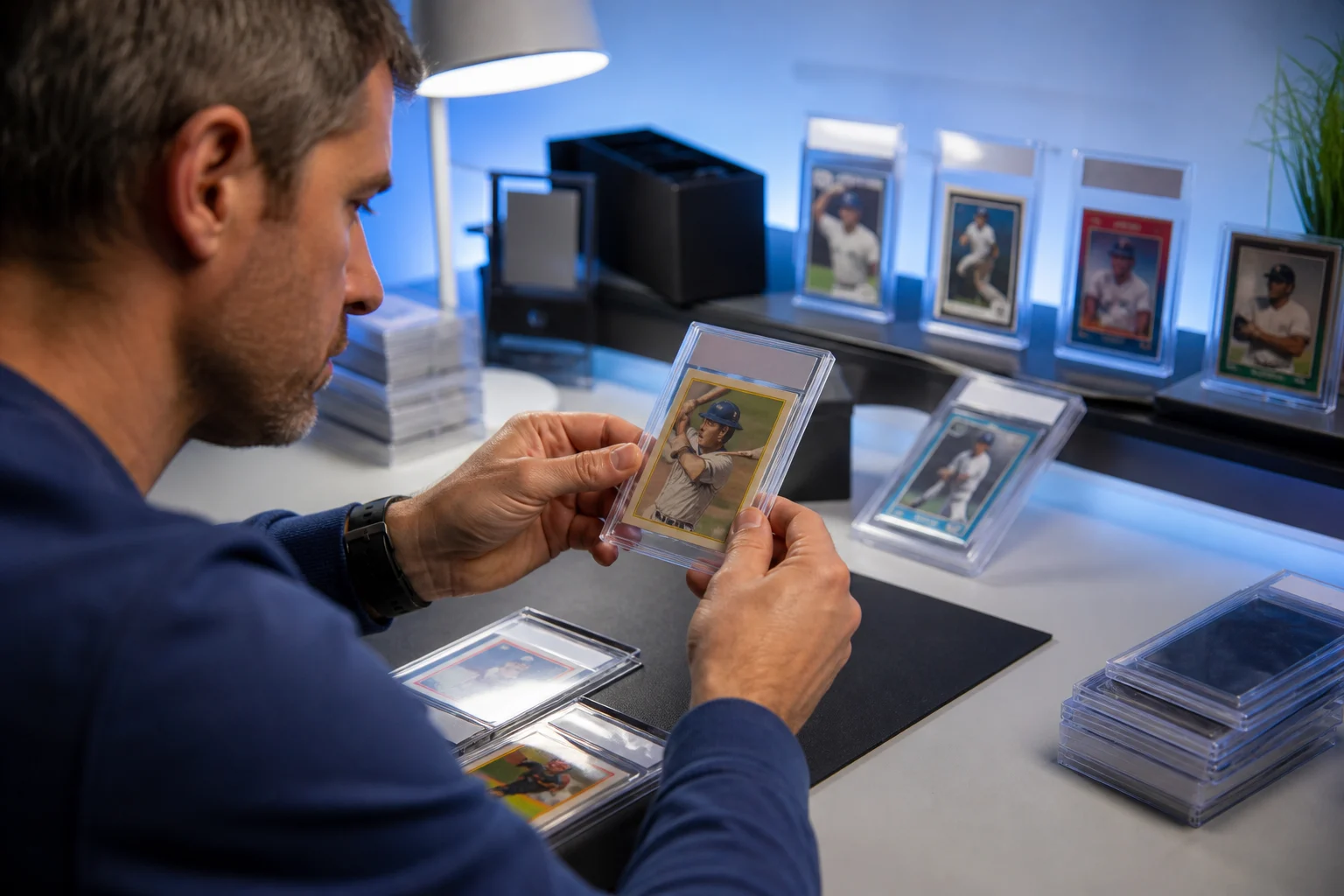
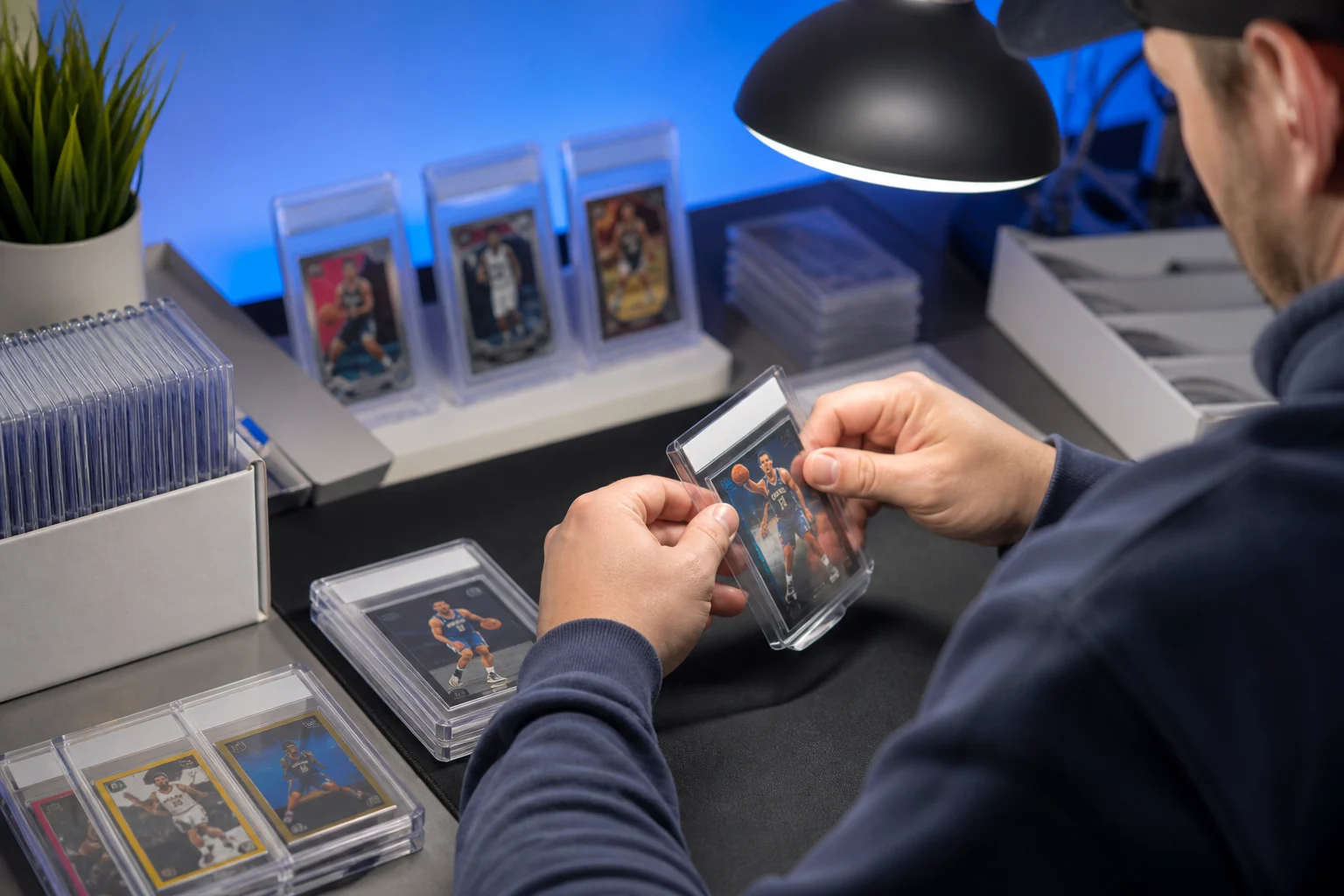
Good preparation starts with observation, not a prediction of the final grade. Card condition grading considers physical characteristics that can be difficult to judge through a sleeve or from one photograph. Use a clean workspace, consistent lighting, and careful handling while inspecting each candidate.
Review ISA’s grading scale before choosing your batch. Understanding the published scale helps you set expectations, but your own inspection cannot guarantee the grade a card will receive.
Check centering, corners, edges, and surface
- Card centering: Compare the placement of the image and borders on both sides. Some designs make uneven alignment easier to notice than others.
- Card corners: Look for whitening, rounding, bends, and small signs of handling wear.
- Edges: Inspect for chipping, rough areas, dents, or separation, especially on dark-bordered cards.
- Card surface: Tilt the card under light to look for scratches, indentations, print lines, residue, or creases.
Check the back as carefully as the front. A card that looks impressive in a listing photo can still have reverse-side damage. Thick cards, foil finishes, and textured designs may also reveal issues only when viewed from several angles.
Avoid trying to improve condition with chemicals, abrasive materials, pressing, or other alterations. Preparation should focus on safe handling and accurate identification, not changing the card. If you suspect an alteration or have concerns about a card’s authenticity, ask about eligibility before submission.
Confirm That Your Cards Fit the Service
Trading card grading searches often mix sports cards with several different collecting categories. Someone researching Pokemon card grading or TCG card grading may encounter the same questions about condition, holders, pricing, and turnaround. That does not mean every grading service accepts every category.
ISA’s service information here concerns sports card grading and authentication. Before including non-sports cards, unusual sizes, autographed cards, or specialty items, confirm their eligibility and any applicable requirements. Do not assume that one published price or timeframe covers every type of collectible.
If you arrived through a search for “card grading near me,” look beyond location alone. Card eligibility, submission instructions, shipping arrangements, and accessible service information can matter more than proximity. Use ISA’s frequently asked questions to review the process before assembling your order.
Pack for Protection and Accurate Identification
Card protection begins before the grading appointment or shipment. A card that shifts inside unsuitable packaging can develop damage during handling or transit. Follow ISA’s current submission instructions for accepted sleeves, holders, labeling, and packing materials rather than relying on another company’s process.
Keep an inventory that matches your submission details. Record the year, manufacturer, set, player, card number, and any parallel or variation you can reliably identify. Clear records help you track the batch and prepare your own sales or collection files later.
- Photograph each card: Capture the front and back for your records before packing.
- Match cards to the submission: Check names, quantities, and identifying details.
- Use the required protection: Follow current holder and packaging instructions.
- Prevent movement: Pack the protected cards securely without putting pressure on them.
- Retain shipment records: Keep tracking information and any relevant insurance documentation.
When your batch is ready, review the current requirements on the ISA card submission page. Checking instructions immediately before packing is safer than using an old checklist saved from a previous order.
Understand What Authentication and Slabs Provide
Card authentication and condition assessment answer related but different questions. Authentication concerns whether a card is genuine; a condition grade communicates an assessment of its physical state under the grader’s standards. Neither should be confused with a promise about investment performance or future resale value.
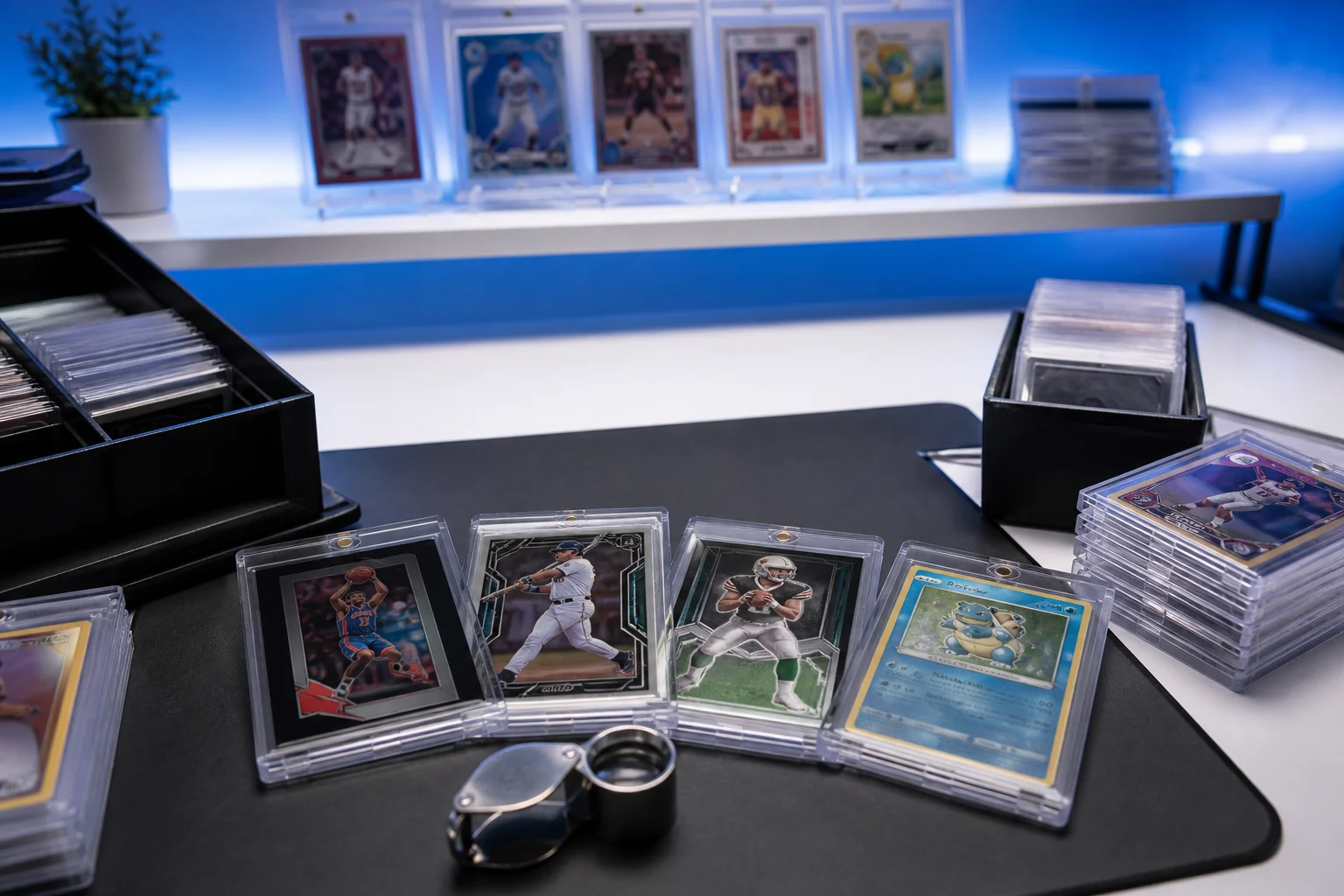
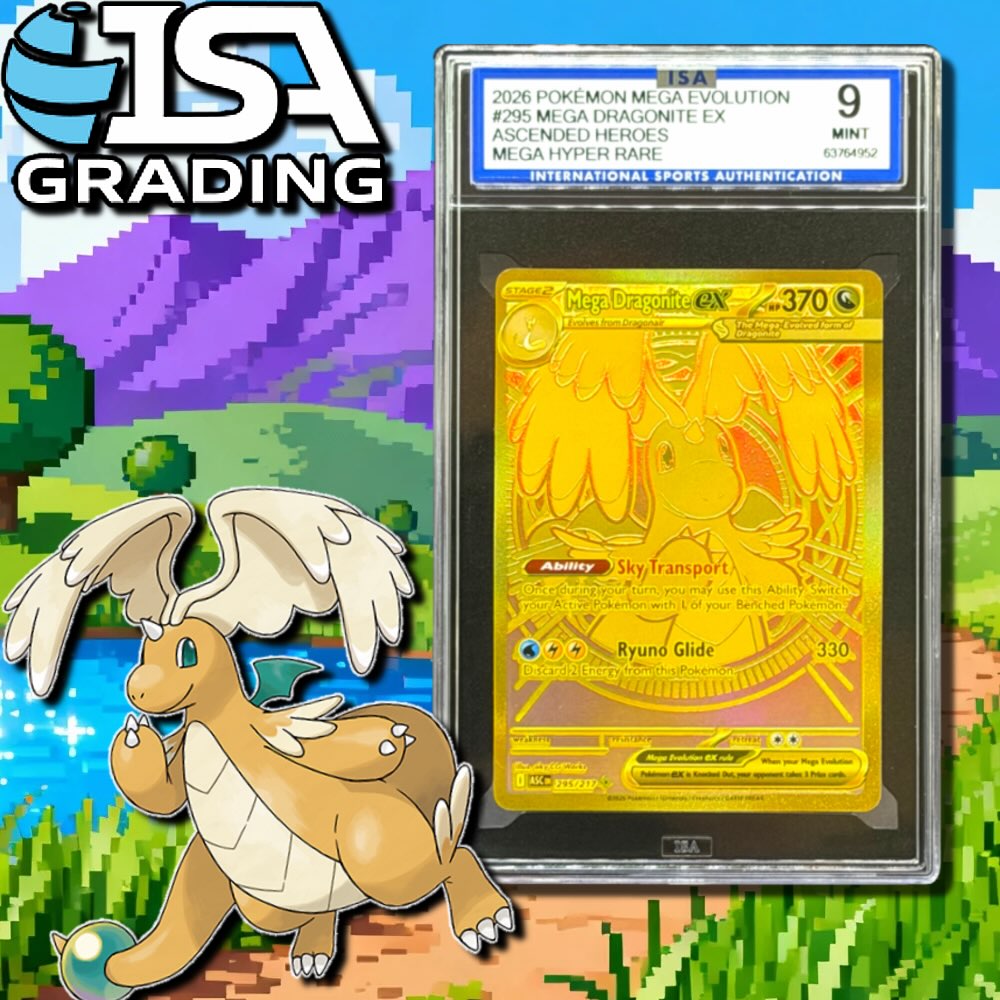
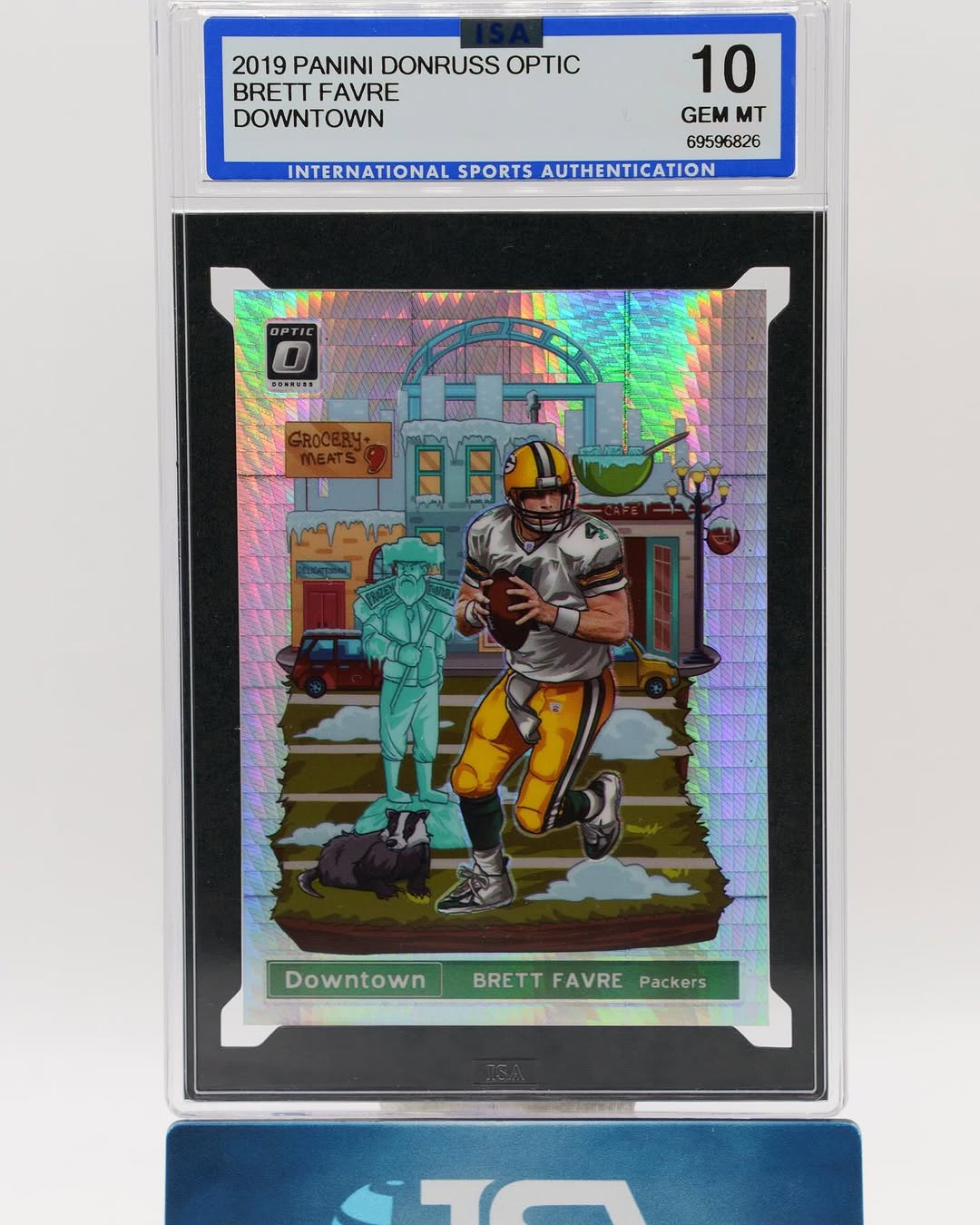
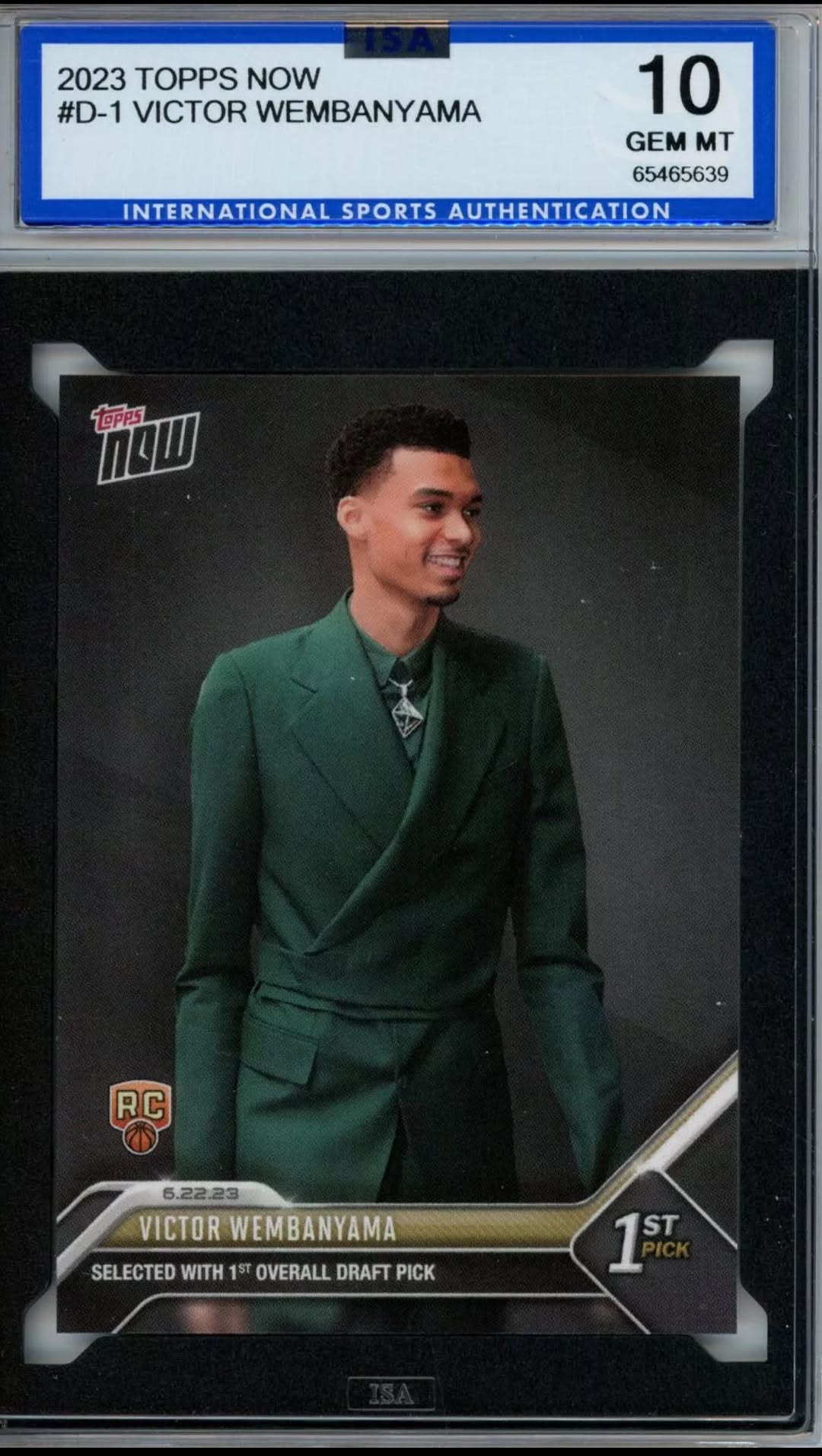
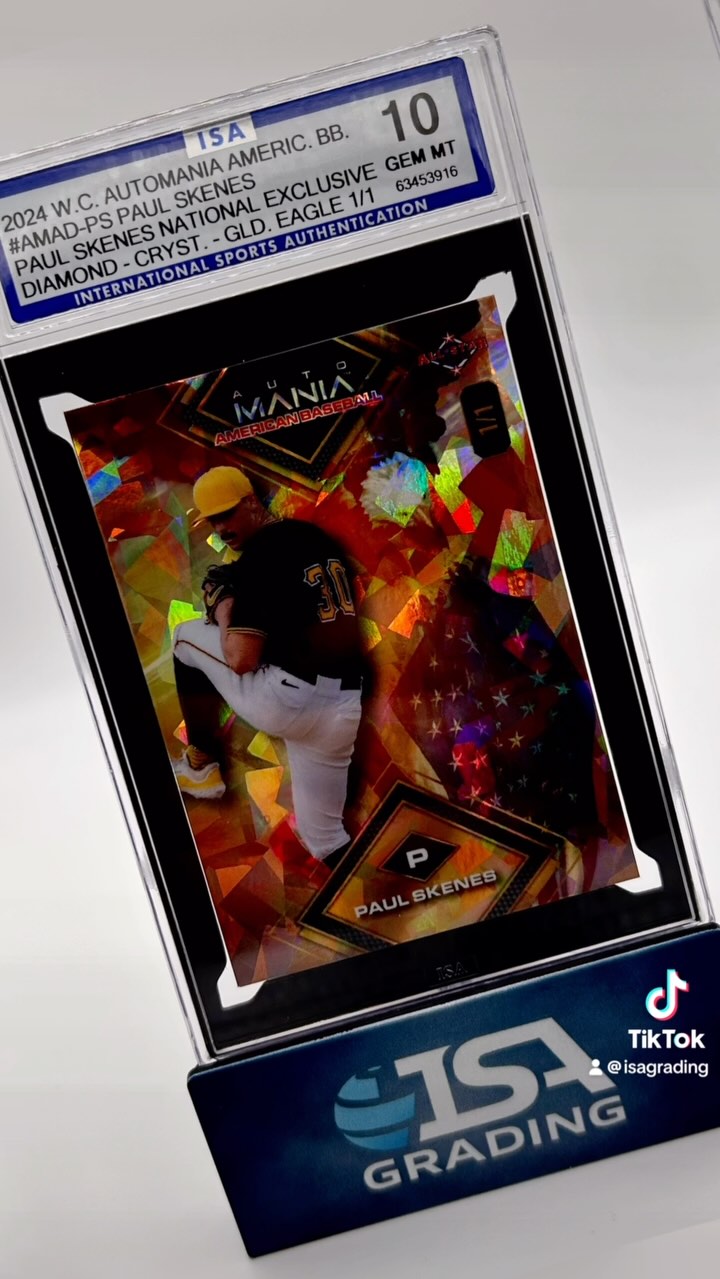
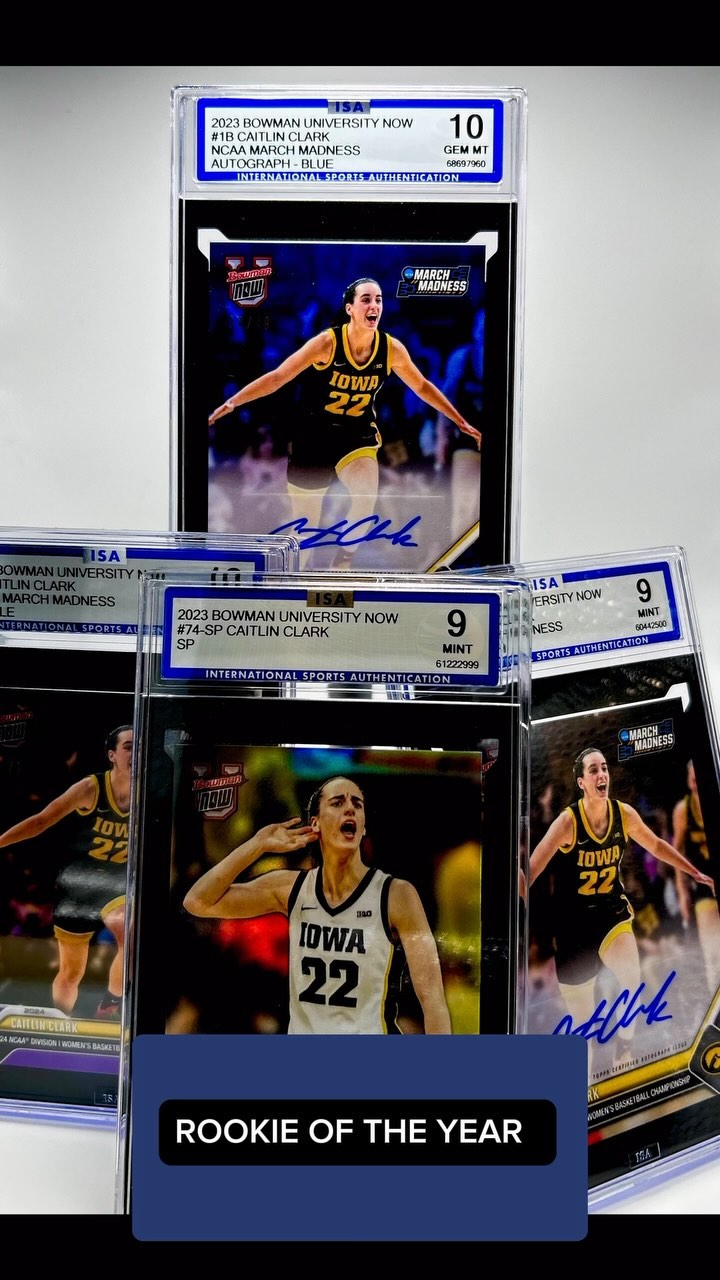
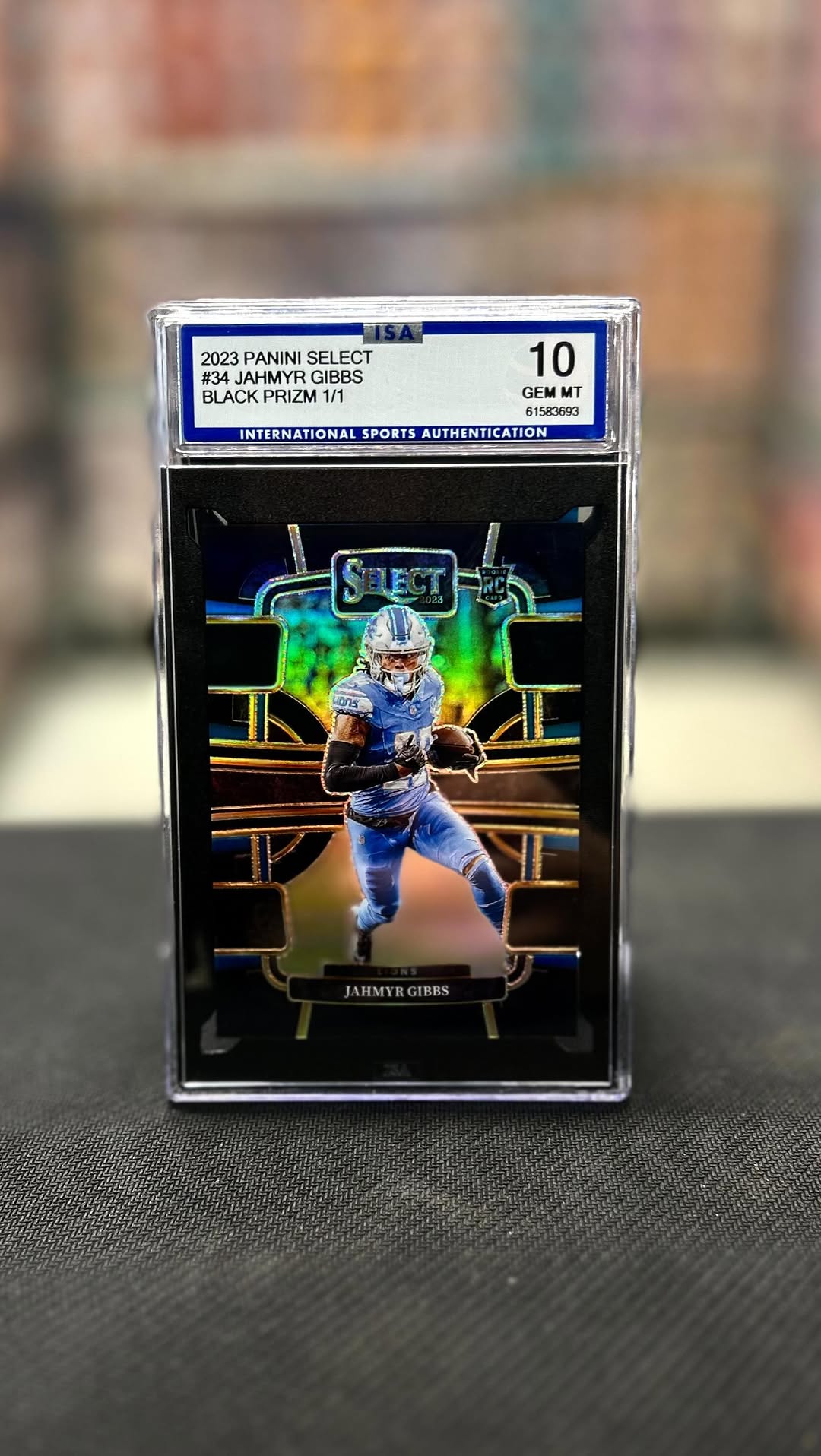
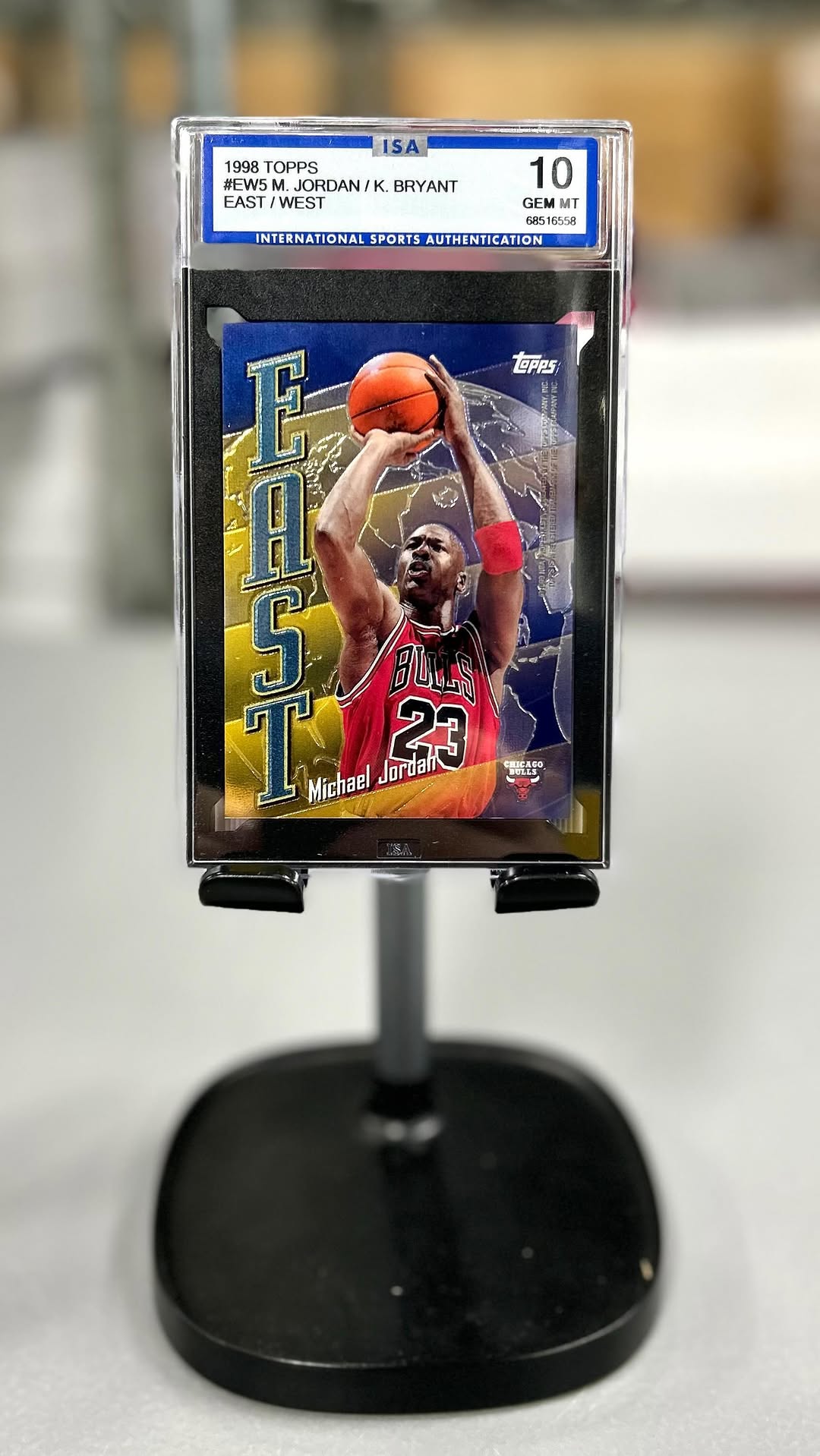
Card encapsulation places a card in a protective holder commonly called a slab. Slabs can make cards easier to organize, display, and handle, while keeping identifying information and the assigned grade with the card. They also provide a consistent format for showing inventory to potential buyers.
A slab is not a reason to ignore storage conditions. Avoid excessive heat, direct sunlight, moisture, and rough handling. Protect holders from scratches, especially if you intend to photograph the cards for sale. Clear, well-maintained holders make the card and label easier to inspect.
Use Certificate Verification to Support Buyer Confidence
ISA offers certificate verification on its website. Checking the certificate provides another step when reviewing a slab, organizing a returned submission, or considering a purchase. Compare the available record with the information shown on the holder.
For sellers, include readable label photographs and accurate identifying information in your listings. Buyers should be able to understand which card is offered, see the assigned grade, and locate the certificate information without requesting basic details.
Certificate verification is useful, but it should not replace examining the actual item. A copied certificate number or an inconsistent listing still warrants caution. If the card, label, or available verification details do not align, resolve the discrepancy before completing a transaction.
Prepare to Sell Before the Cards Return
The 14 day turnaround can be a productive preparation window. Draft listing titles, organize inventory records, and research recent comparable sales while the batch is away. Leave grade-specific descriptions and final pricing until you have inspected the returned cards.
When selling graded cards, describe the actual card and holder accurately. Do not imply that a grade guarantees a particular sale price or immediate buyer interest. Demand varies by player, set, scarcity, condition, grading company, and the selling venue.
Dealers preparing for a show can also decide how to group cards, display prices, and present certificate details. For a more sales-focused workflow, read From Submission to Sales Table: A Dealer’s Plan for Fast Card Grading.
Make Your Next Submission Easier to Manage
A useful grading routine is repeatable: select cards deliberately, inspect condition, confirm eligibility, document the batch, and pack according to current instructions. ISA’s $15 per card service, 10 card minimum, 14 day turnaround, and no upcharges give that routine a clear starting framework.
Before committing to a deadline, clarify anything that could change your plans. For questions about timing, accepted cards, or submission details, contact ISA Grading. A few answers before shipping can help you build a submission that fits your collection, budget, and schedule.
Submit Cards to ISA Grading
Collectors ready to use ISA Grading can start on the submission page. The current active service is $15 per card with a 14 day turnaround, no upcharges, and a 10 card minimum.
Frequently Asked Questions
What is ISA Grading’s current turnaround time?
ISA Grading currently offers a 14 day turnaround. Before planning around a specific return date, confirm when the turnaround clock begins, how days are counted, and whether shipping or intake time falls outside that timeframe.
How much does a minimum ISA grading submission cost?
ISA’s current service is $15 per card with a 10 card minimum, making the minimum grading charge $150. ISA has no upcharges. Review the submission terms for any applicable shipping, insurance, taxes, or other costs.
How should I prepare sports cards for grading?
Inspect the front and back for centering, corner wear, edge damage, and surface issues. Record each card’s identifying details, photograph it for your records, and follow ISA’s current instructions for holders and packaging. Avoid altering or attempting to repair cards.
Can I verify an ISA certificate online?
Yes. Certificate verification is available on ISA’s website at /certificate-verification. Compare the available record with the card and holder, and investigate any discrepancies before purchasing or selling.
Does grading guarantee that my cards will sell for more?
No. Grading provides a condition assessment, and authentication and encapsulation can support how a card is presented to buyers. Resale results still depend on demand, the assigned grade, comparable sales, selling costs, and other market factors.