
Choosing a sports card grading company in 2026 starts with a practical question: what do you need grading to accomplish? A collector protecting a favorite rookie, a dealer preparing inventory, and a hobby seller listing one valuable card may have different priorities.
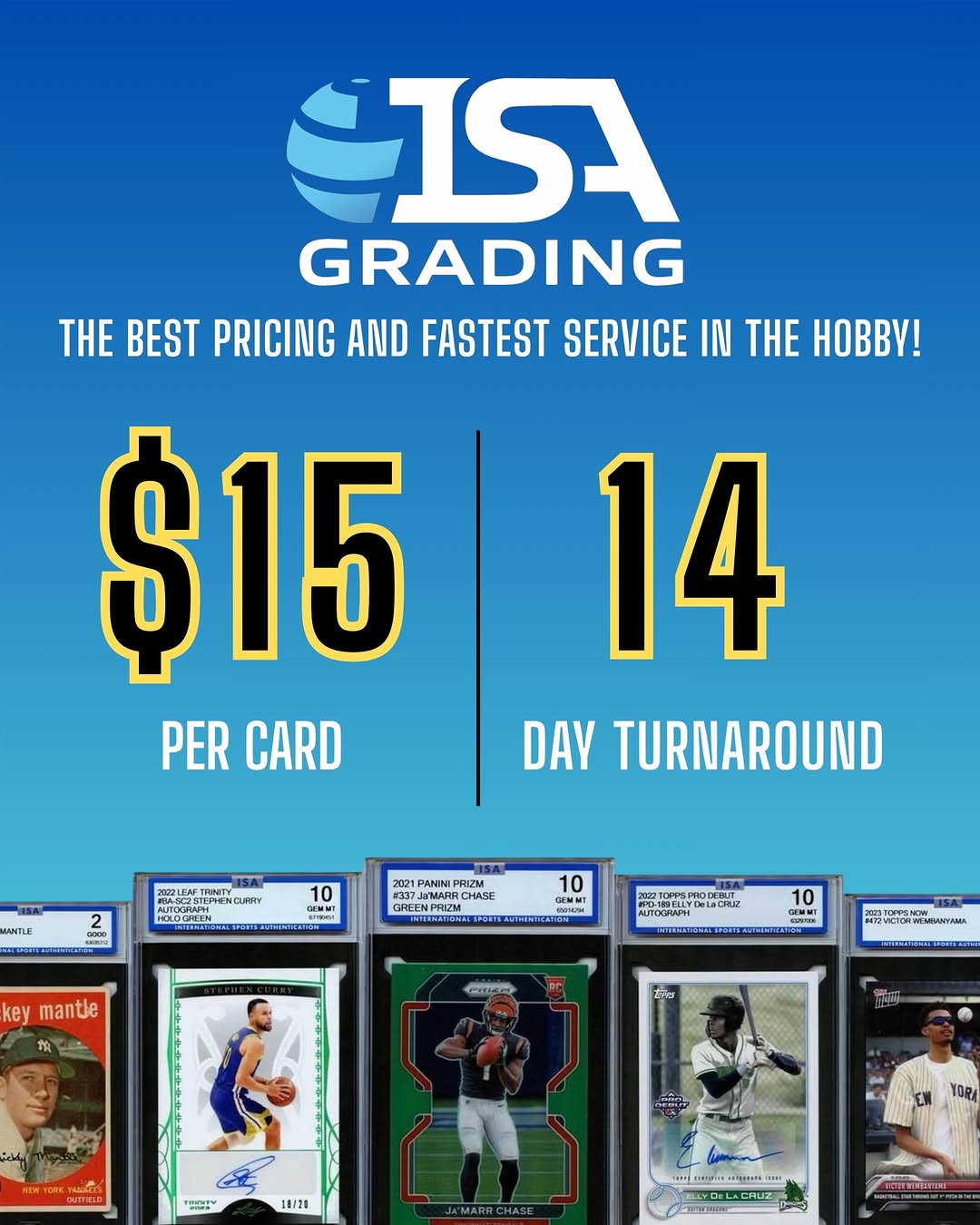
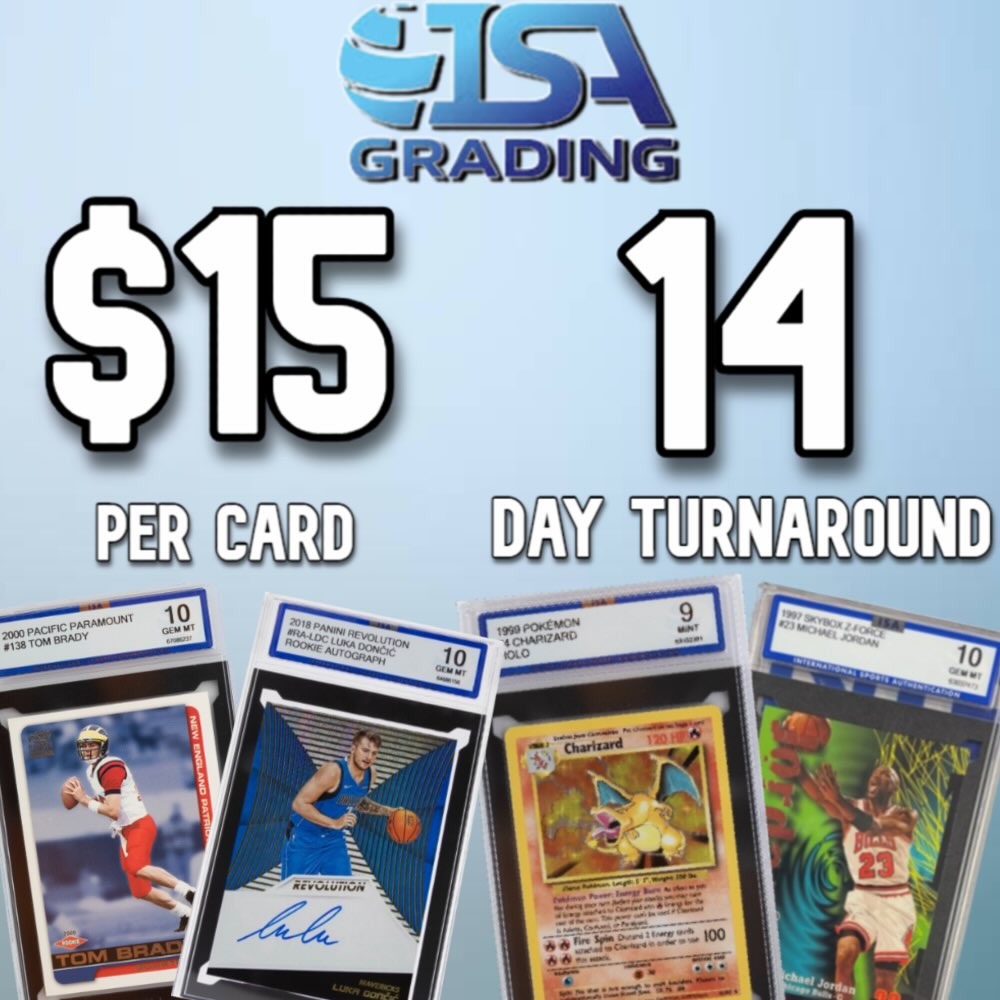
The right choice depends on more than the number printed on a slab. Pricing, turnaround, authentication, grading standards, and buyer expectations all deserve attention. ISA Grading, also known as International Sports Authentication, currently offers sports card grading and authentication at $15 per card, with a 14 day turnaround, a 10 card submission minimum, and no upcharges. Here is how to evaluate those terms alongside your collecting or selling goals.
Start With the Purpose of Your Submission
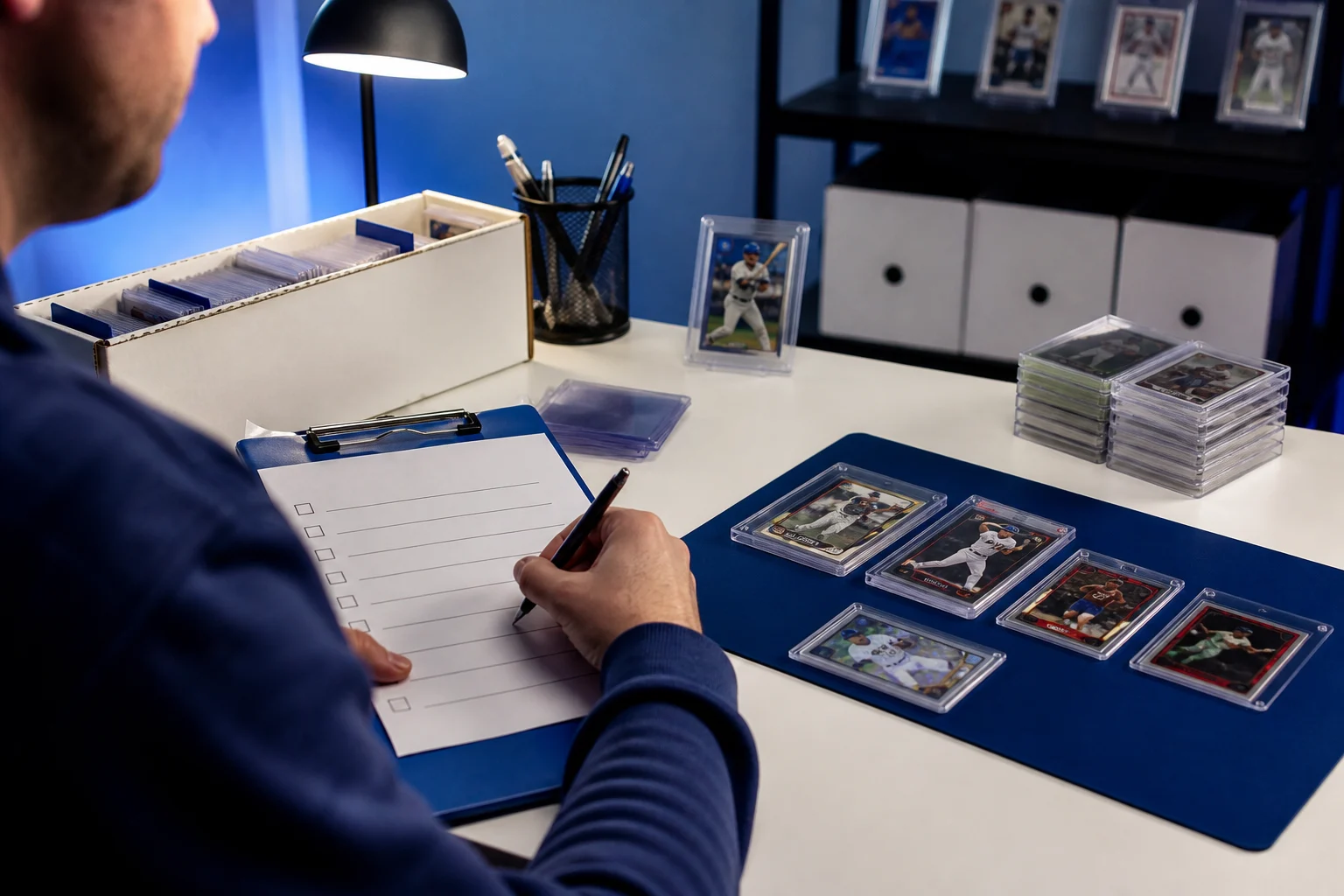
Before comparing services, separate your cards into three groups: personal collection, potential sale, and uncertain candidates. This keeps you from paying to grade every card simply because you are already preparing a submission.
For personal collection cards, condition documentation and card protection may matter more than immediate resale value. For sale inventory, your calculation should include grading expenses, comparable sales, and the time your money will remain tied up.
For uncertain candidates, inspect the card before making a commitment. A familiar player, attractive design, or rookie designation does not automatically justify grading. Print variation, scarcity, condition, and actual demand can change the decision.
- Collectors: Decide which cards deserve permanent presentation and easier identification.
- Dealers: Compare expected proceeds with your full acquisition and grading costs.
- Hobby sellers: Check whether buyers in your specific market purchase cards in the grader's holders.
Compare the Full Cost, Not Just the Advertised Rate
A useful trading card grading comparison begins with the amount you will actually pay. Look at the per-card charge, submission minimum, shipping expenses, insurance arrangements, and any additional fees described in the service terms.
ISA's current $15 card grading service has a 10 card minimum. Ten cards therefore carry a grading fee of $150 before any applicable shipping or other separately disclosed costs. If you have only one or two candidates, the minimum is an important part of your decision.
ISA also offers no upcharge card grading. That means its stated grading service does not add an upcharge. Keep that separate from shipping or other costs that may apply to a submission, and review the current instructions before paying.
Transparent pricing helps dealers estimate margins and collectors set a budget. It does not guarantee that a card will sell for more than its total cost. ISA's article on how ISA keeps grading at $15 per card provides related reading on its pricing approach.
Build a Simple Break-Even Estimate
Add the card's purchase price, grading charge, allocated shipping costs, and likely selling fees. Then compare that total with completed sales of closely matched cards. Match the card number, set, variation, grade, and grading company where possible. Asking prices alone are not evidence of what buyers will pay.
Treat Turnaround as an Inventory Decision
Turnaround matters when cards are tied to a release cycle, an upcoming show, or a player's current popularity. ISA currently lists a 14 day card grading turnaround. That is useful information for planning, but transit time is a separate consideration.
Before submitting, confirm when the turnaround clock begins and how the company defines the stated period. Ask whether intake, processing, and return shipment affect your schedule. Do not assume that a turnaround estimate is the same as door-to-door delivery time.
For a dealer, fast card grading can help reduce the time inventory stays unavailable. For a collector, a predictable schedule can make sending away meaningful cards easier. Neither benefit removes the need to package carefully or account for carrier delays.
Work backward from any firm selling date and allow a buffer. A card intended for a weekend show needs to arrive before you prepare inventory, not merely before the show opens.
Understand What the Grade Describes
Card condition grading should give you a clearer understanding of a card's physical state. Common areas of evaluation include centering, edges, card corners, and the card surface. Small defects in any of these areas can matter, even when a card looks clean at first glance.
A sharp image or an appealing autograph does not erase a corner bend. Likewise, a card pulled directly from a pack can have print lines, edge wear, or surface damage. Pack-fresh describes its history, not a guaranteed grade.
Read the grader's published standards rather than assuming every company uses identical criteria. ISA's grading scale is the starting point for understanding how its grades are described. Use those descriptions to set expectations, not to promise yourself a particular result.
Adjust Your Inspection to the Card Type
Football card grading and basketball card grading involve the same broad condition concerns, but individual designs can make defects easier or harder to see. Dark borders may reveal edge wear, while foil and reflective finishes can conceal scratches under direct light.
Rookie card grading deserves careful variant identification. Confirm the set, year, card number, parallel, and any serial numbering before estimating value. Two cards featuring the same player can belong to very different markets.
Vintage card grading requires realistic expectations about wear. Creases, staining, rounded corners, and possible alterations deserve attention. Age alone does not establish authenticity, and a low-grade vintage card may still be meaningful to a collector.
Keep Authentication Separate From Condition
Sports card authentication and condition grading answer related but different questions. Authentication addresses whether a card is genuine. Condition grading evaluates its physical characteristics. A genuine card can be heavily worn, and an attractive card can still raise authenticity concerns.
When assessing a company, look for clear explanations of how questionable cards, alterations, or identification issues are handled. Do not assume every submitted item will receive a numerical grade or qualify for the same service.
Keep purchase records and any relevant provenance information. Those records can help you track your collection, but they are not a substitute for professional examination. If a card has unusual dimensions, printing, or wear patterns, raise the question before sending it.
Collectors researching TCG card grading or Pokemon card grading should also verify service eligibility. ISA's supplied service information concerns sports cards; do not assume a trading card game card is accepted without confirmation. The same caution applies to unusual sizes and specialty formats.
Evaluate Slabs for Protection and Practical Use
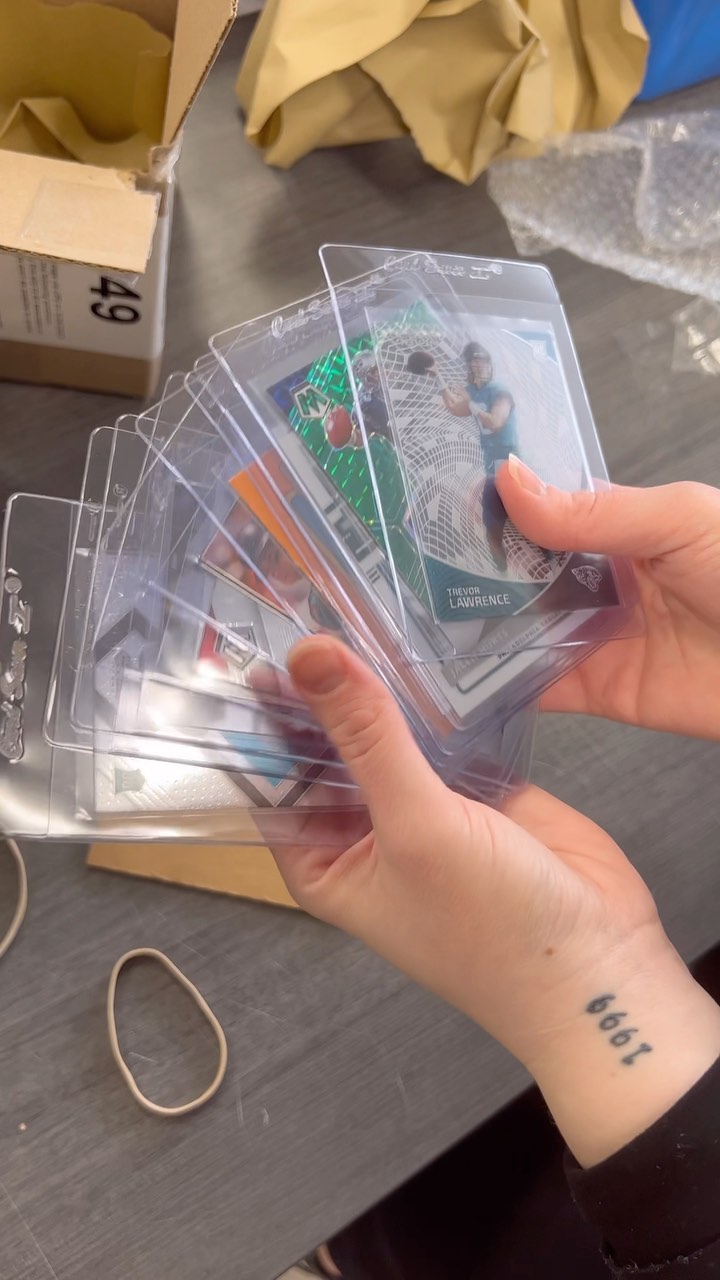
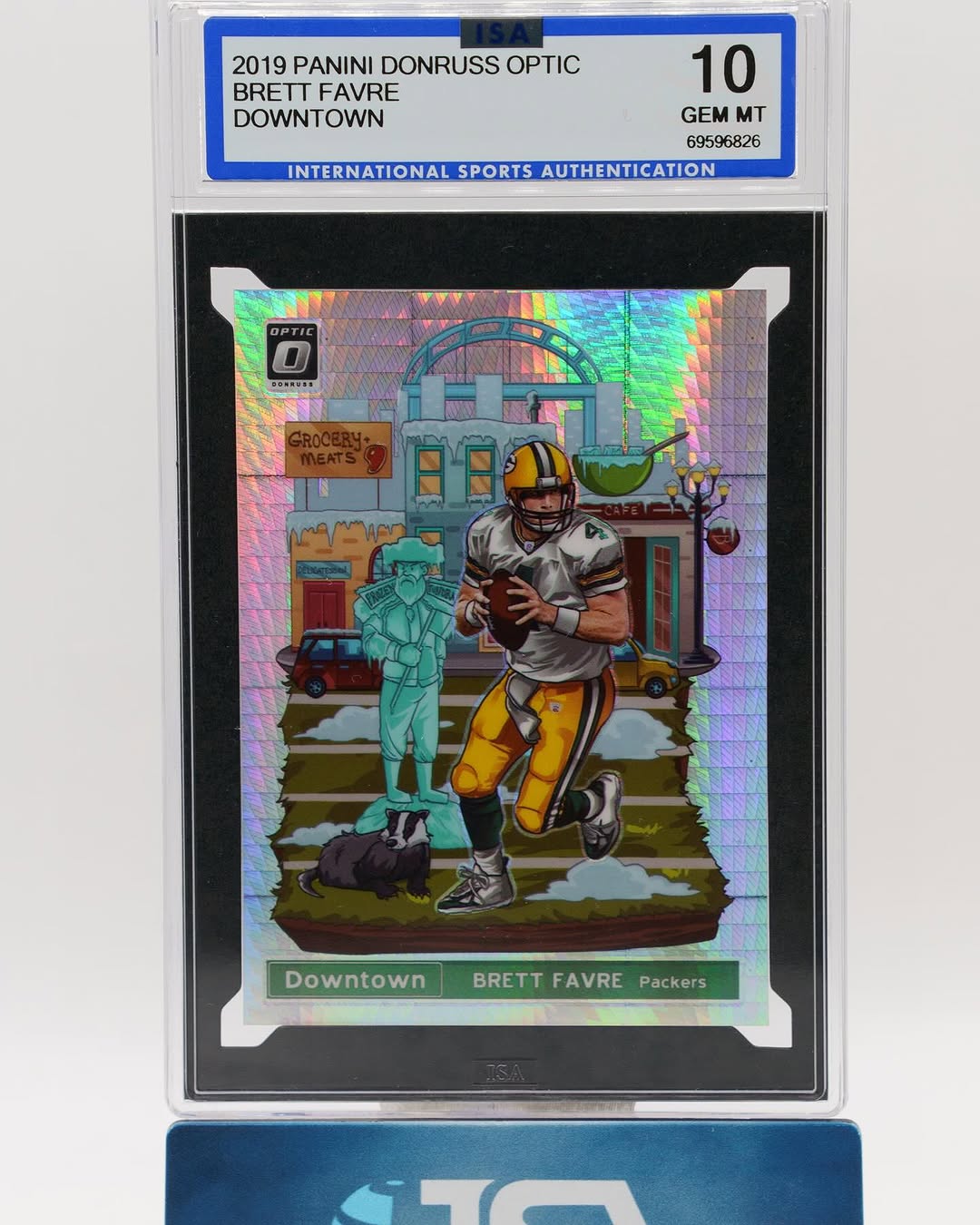
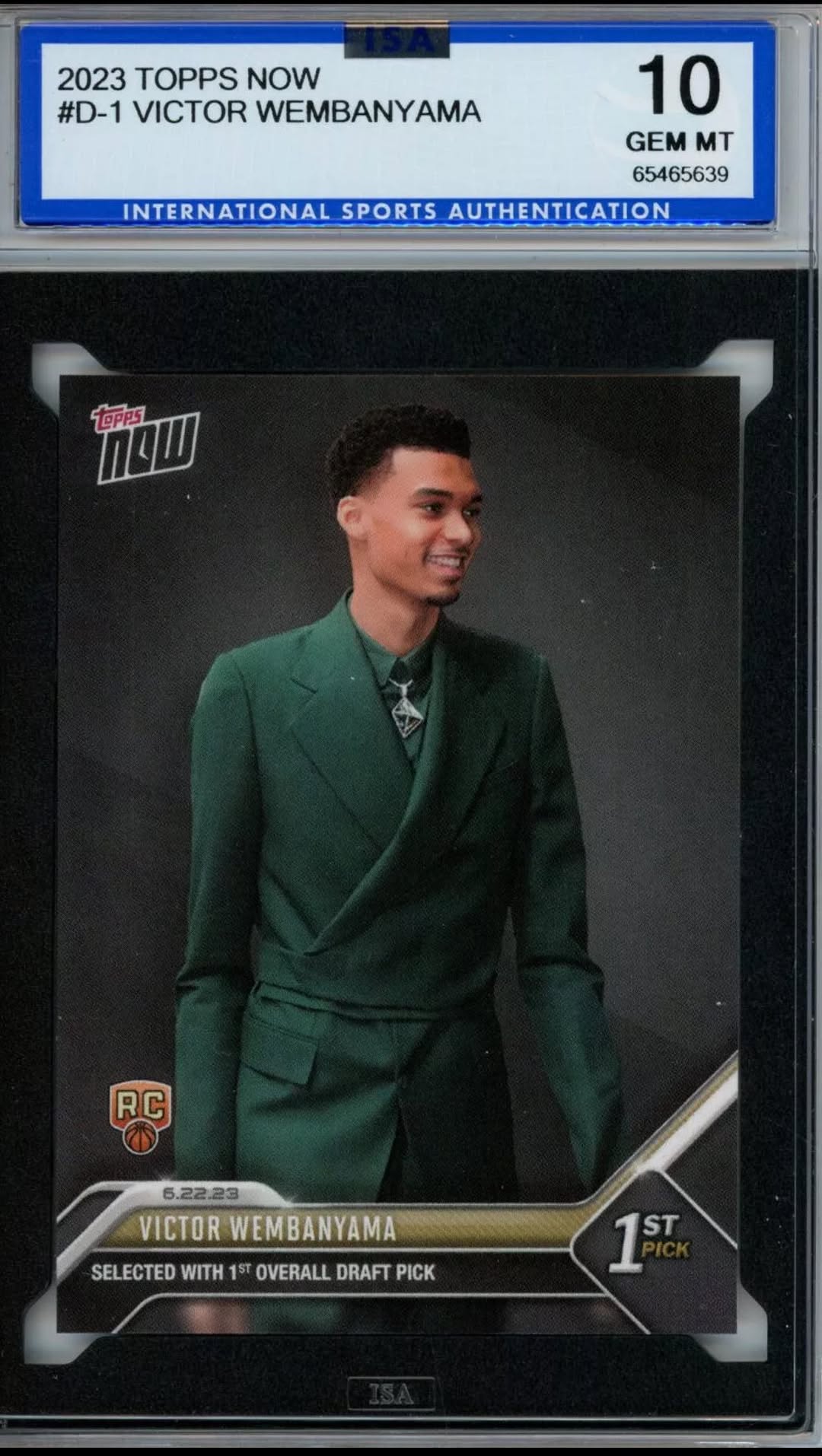
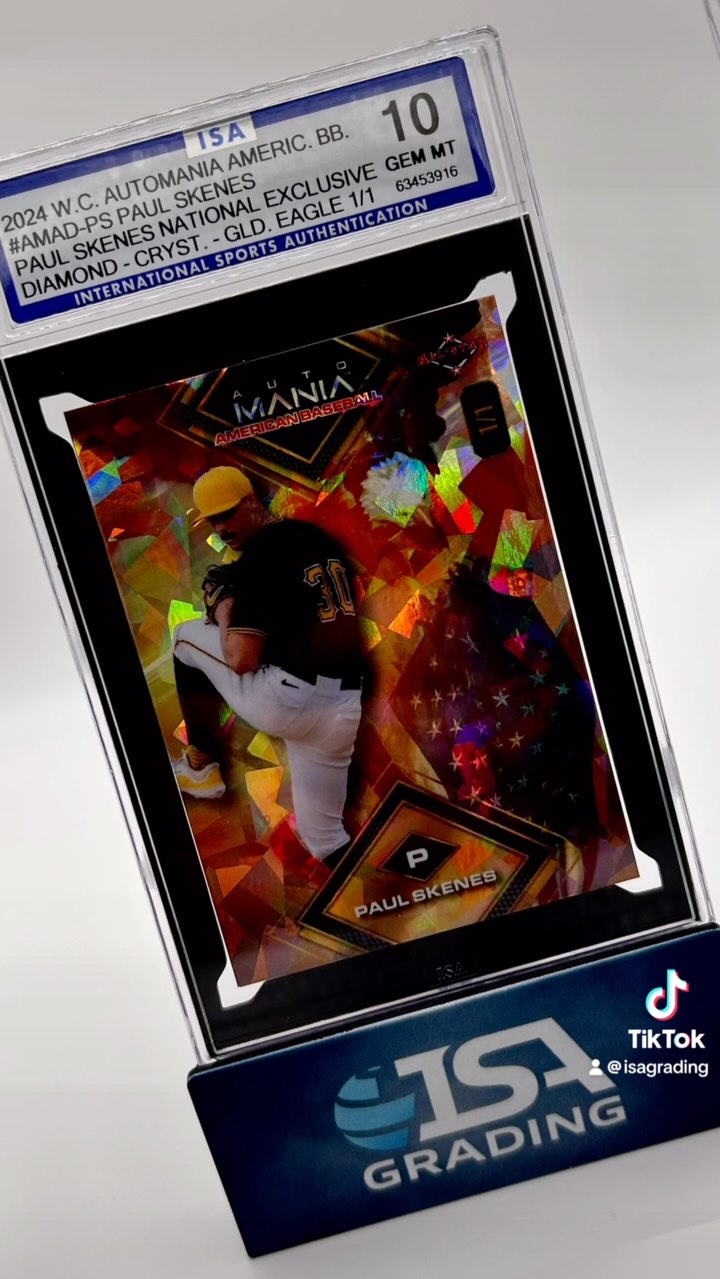
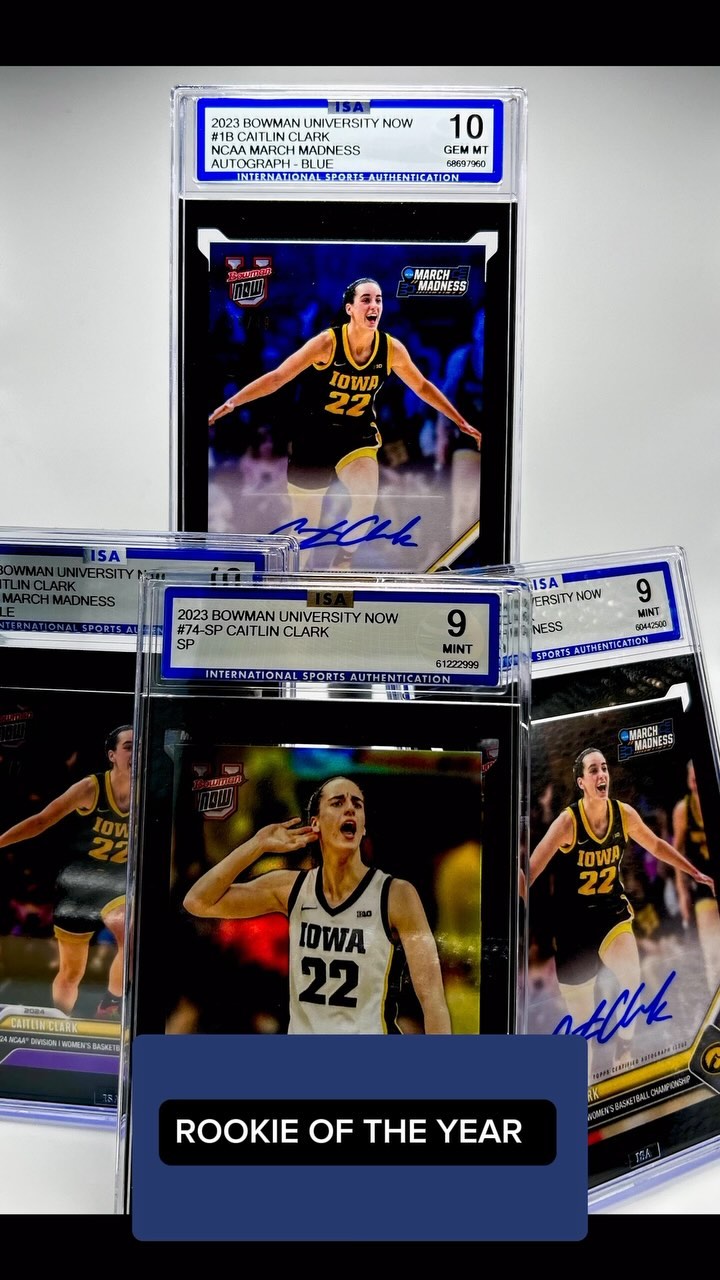
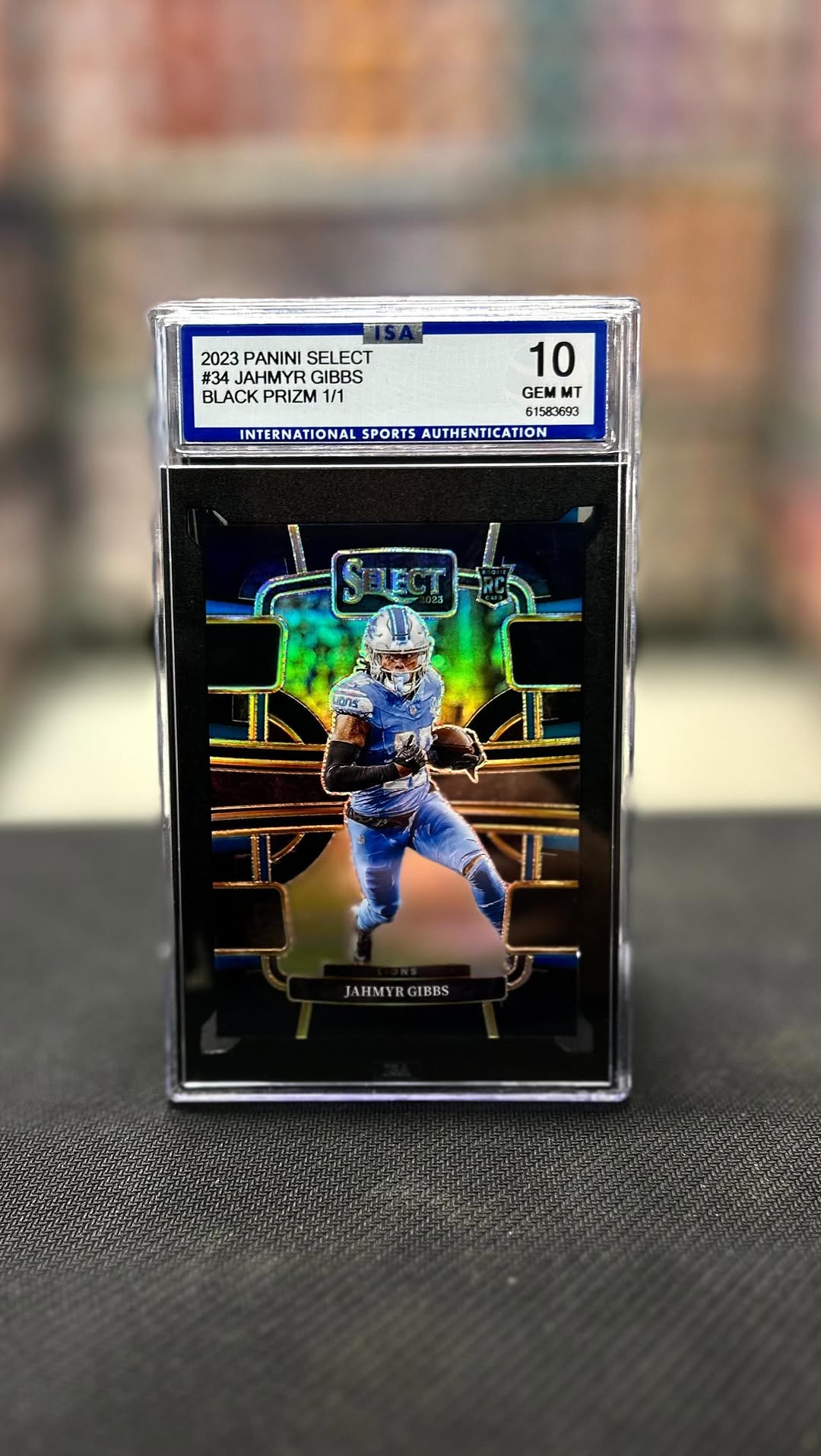
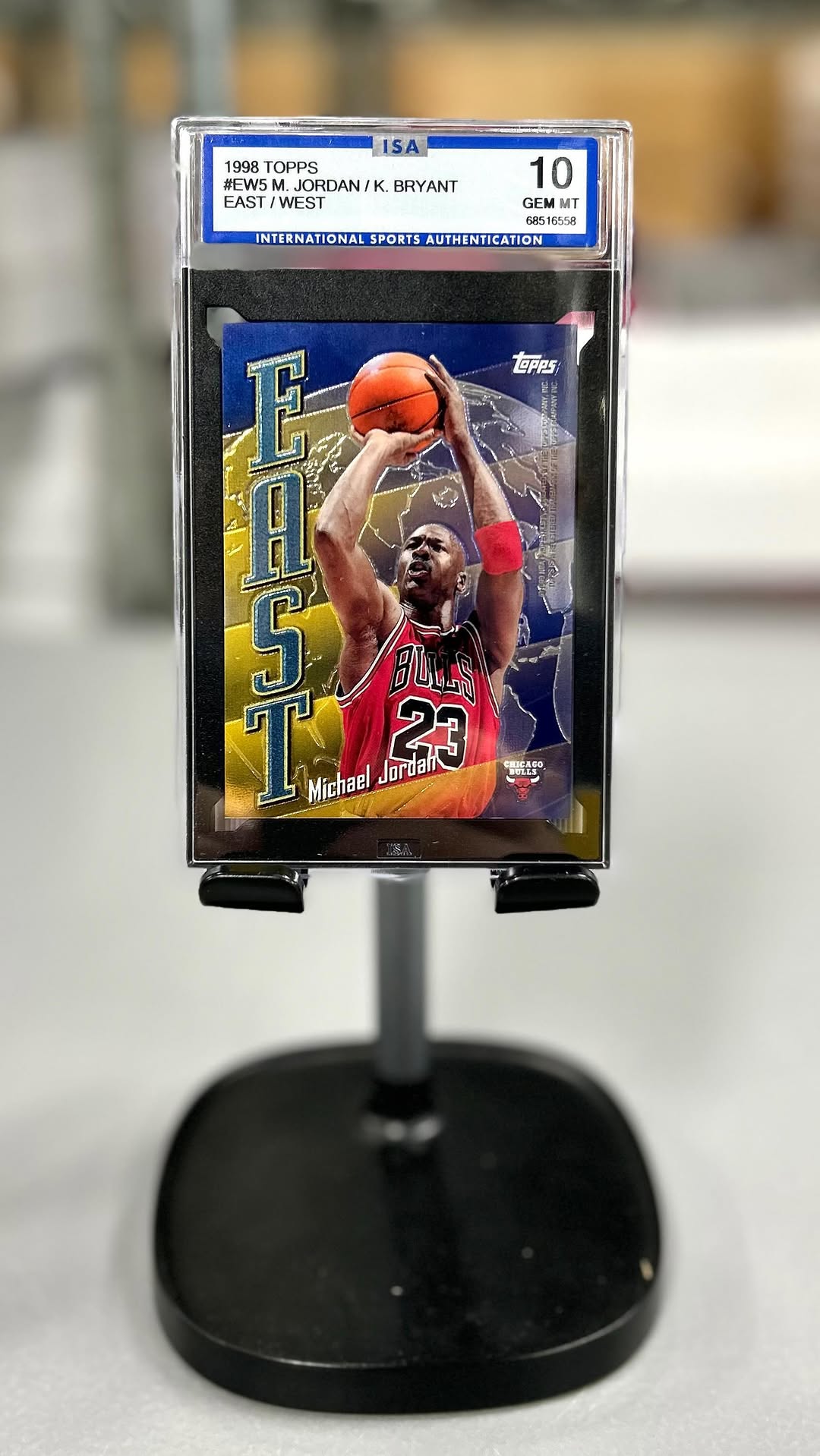
A slab is part of the product you receive, not just packaging around the grade. Card encapsulation places a card in a holder intended to support handling, storage, and presentation. Examine whether the label is readable and whether the holder suits your storage system.
Do not treat a slab as protection against every possible hazard. Heat, prolonged sunlight, moisture, and rough handling remain concerns. Store encapsulated cards in a stable environment and use appropriate outer protection when shipping or taking them to shows.
For dealers, holder dimensions and label visibility affect display cases, inventory organization, and listing photography. For collectors, consistency may matter when building a player collection or assembling a graded set.
Ask about holder options for thicker cards or unusual formats before submitting. A standard-looking card and a memorabilia card may have different housing requirements. Never assume compatibility based only on the card's height and width.
Make Certificate Verification Part of Your Workflow
ISA offers certificate verification on its website. This is a practical tool when organizing your collection, checking a card offered for sale, or helping a buyer review a listing.
Compare the available certificate information with the card and label in front of you. Check the identification details and grade shown. If anything does not match, pause the transaction and ask for clarification rather than explaining away the discrepancy.
Verification is a useful confidence check, but a matching number alone should not replace inspection of the physical card, holder, and seller's photographs. Buyers should still examine available details and consider the source of the card.
When selling, provide clear images of both sides of the slab and enough label detail for buyers to identify the item. Avoid claiming that certificate verification guarantees a sale, a price, or complete protection against fraud.
Prepare Cards Before They Leave Your Collection
Good submission preparation reduces avoidable confusion. It also helps you establish a record of what you sent and the condition you observed before shipping.
- Inspect carefully: Use good lighting and view the card from several angles without repeatedly touching its surface.
- Record the identity: Note the year, set, player, card number, parallel, and serial number when present.
- Photograph the cards: Keep clear front and back images for your records.
- Follow packaging instructions: Use the protective materials and packing method the grader requests.
- Check the paperwork: Make sure the card order and submission information agree.
- Keep shipping records: Retain tracking details and review available insurance options.
Do not trim, recolor, press, or otherwise alter cards in an attempt to improve their grades. Avoid cleaning methods that could change the surface or damage the stock. If you are unsure how to handle a card, ask before intervening.
Review ISA's submission FAQ for current guidance. Preparation should follow the company's instructions rather than advice copied from a different grader's process.
Choose With Your Buyers in Mind
When selling graded cards, the grading company is one part of the buyer's decision. Player demand, scarcity, card condition, presentation, and price also matter. Different buyers may have different preferences for holders and grading brands.
Study completed sales in the market where you plan to sell. If you cannot find close comparisons, acknowledge that uncertainty in your estimate. Do not assume that the same numerical grade produces the same price across companies.
For listings, describe the card accurately, show the label clearly, and disclose visible holder damage. Grading can make condition information easier to communicate, but it does not eliminate the need for honest photographs and descriptions.
Reading ISA customer reviews can add context about customer experiences. Treat reviews as individual accounts, not proof that every submission will have an identical outcome.
Make the Choice That Fits Your Submission
A search for card grading near me may start with convenience, but proximity is only one factor. Compare service eligibility, total cost, timing, grading standards, and the information buyers can check afterward.
ISA's current offer is straightforward to evaluate: $15 per card, a 14 day turnaround, a 10 card minimum, and no upcharges. Those terms may suit collectors assembling a batch or dealers who need clearly defined grading costs.
Your next step is to identify ten suitable candidates, inspect them carefully, and estimate the full submission expense. Then review ISA's card submission page for current instructions before sending your cards. Choose the service that fits your purpose, not an assumed grade or an unsupported resale promise.
Submit Cards to ISA Grading
Collectors ready to use ISA Grading can start on the submission page. The current active service is $15 per card with a 14 day turnaround, no upcharges, and a 10 card minimum.
Frequently Asked Questions
How do I choose a sports card grading company in 2026?
Compare service eligibility, grading standards, total pricing, turnaround, holder suitability, certificate verification, and buyer preferences. Start by deciding whether you are grading for your personal collection or for resale, since those goals can lead to different choices.
How much does ISA Grading currently charge?
ISA Grading currently charges $15 per card with a 10 card submission minimum and no upcharges. A minimum submission has $150 in grading fees before any applicable shipping or other separately disclosed costs. Review current submission terms before sending cards.
What is ISA's current grading turnaround?
ISA currently lists a 14 day turnaround. Confirm how the turnaround period is measured and allow additional time for shipping. Do not assume the stated turnaround includes the entire door-to-door delivery process.
How can I verify an ISA-graded card?
Use the certificate verification page on ISA's website and compare the available information with the card and slab label. If details do not match, seek clarification before buying or selling. Verification should accompany inspection of the card, holder, and listing photographs.
Does grading guarantee a higher selling price?
No. Selling price depends on factors such as player demand, scarcity, condition, the grading company, and current buyer preferences. Compare completed sales of closely matched cards and include grading, shipping, and selling fees when evaluating potential proceeds.