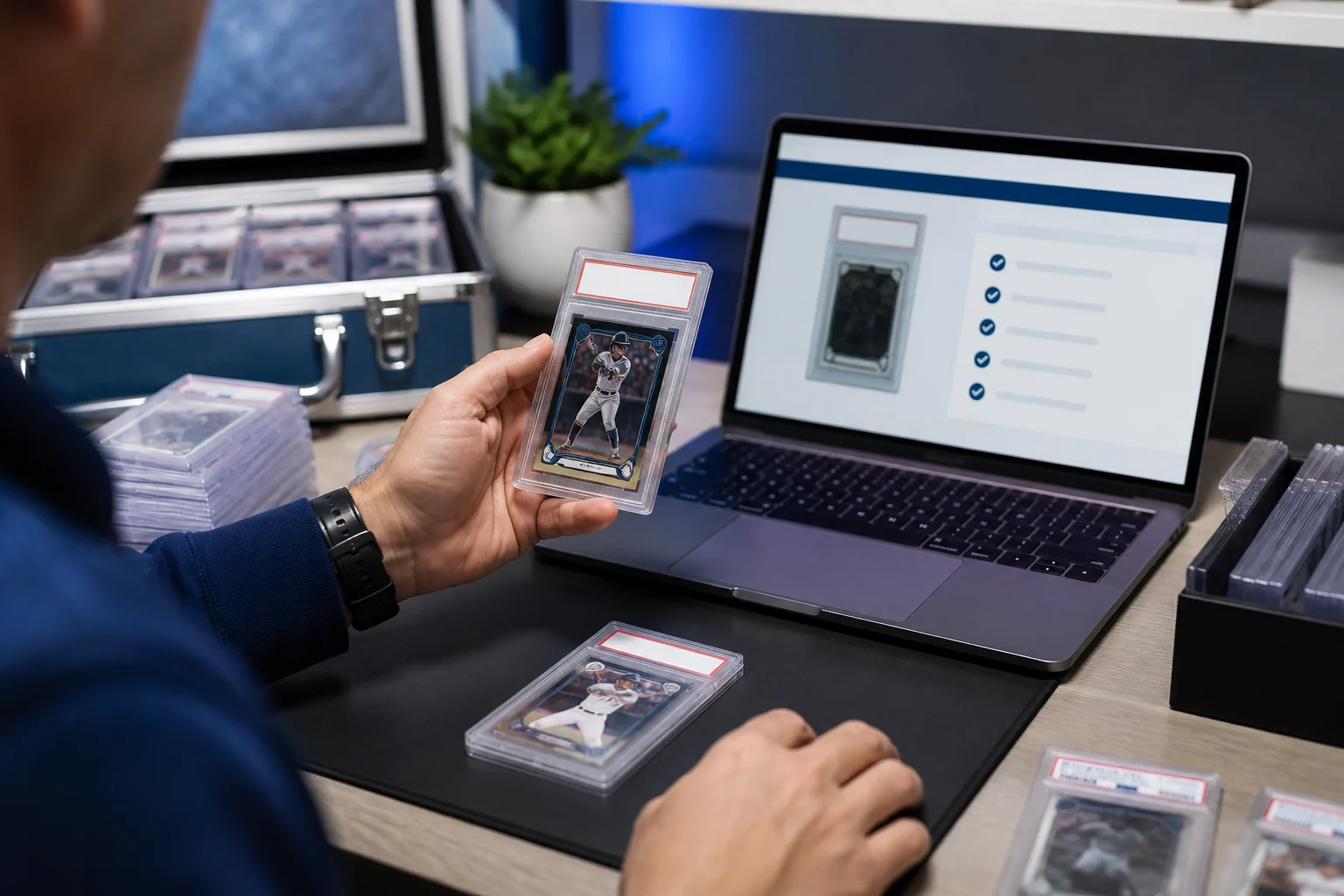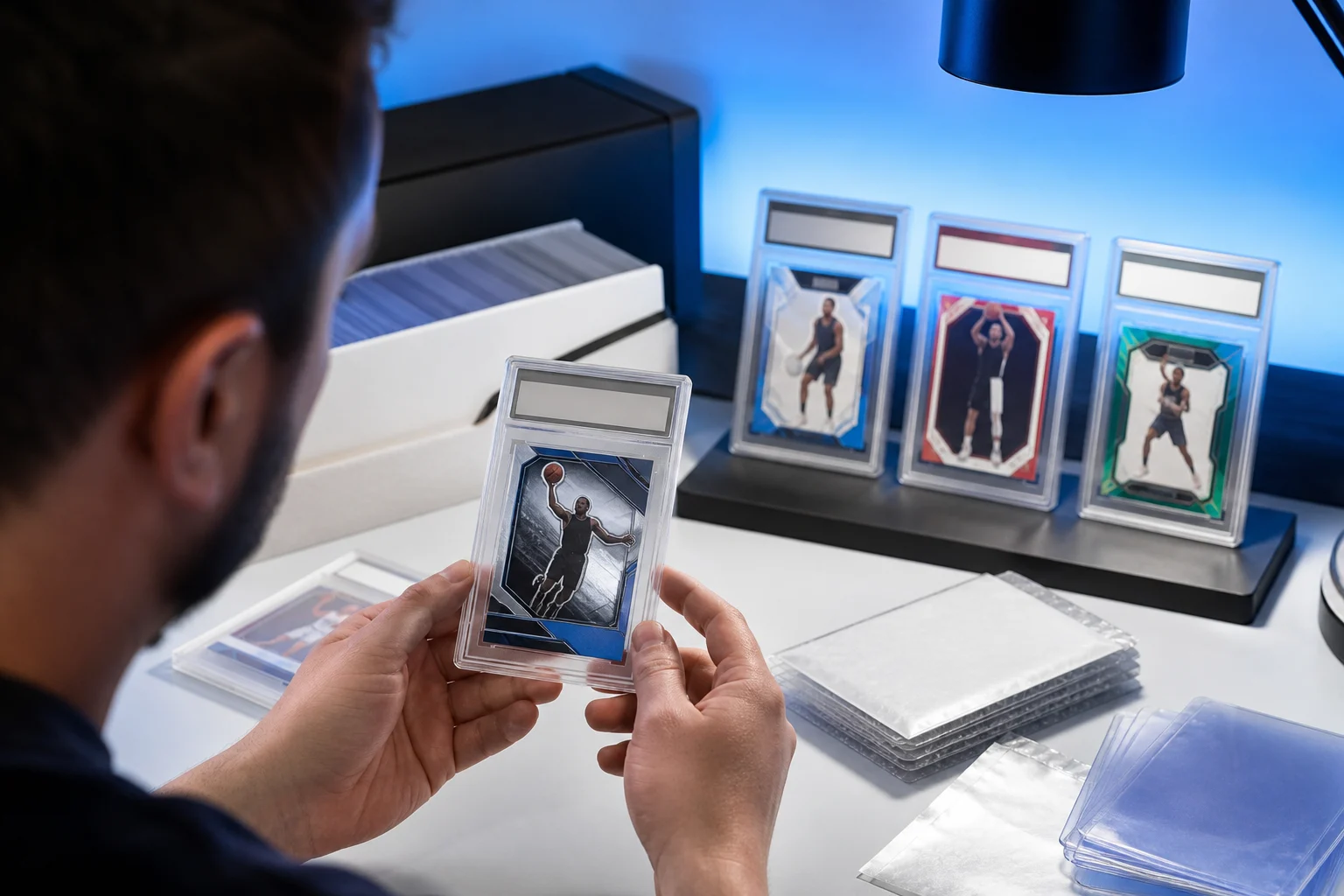
Choosing cards to grade is part collecting decision, part budgeting decision. You may have a promising rookie, a favorite vintage card, or a stack of inventory ready for sale. Before sending anything out, you need to know what the grading service costs and how that expense fits your plans.
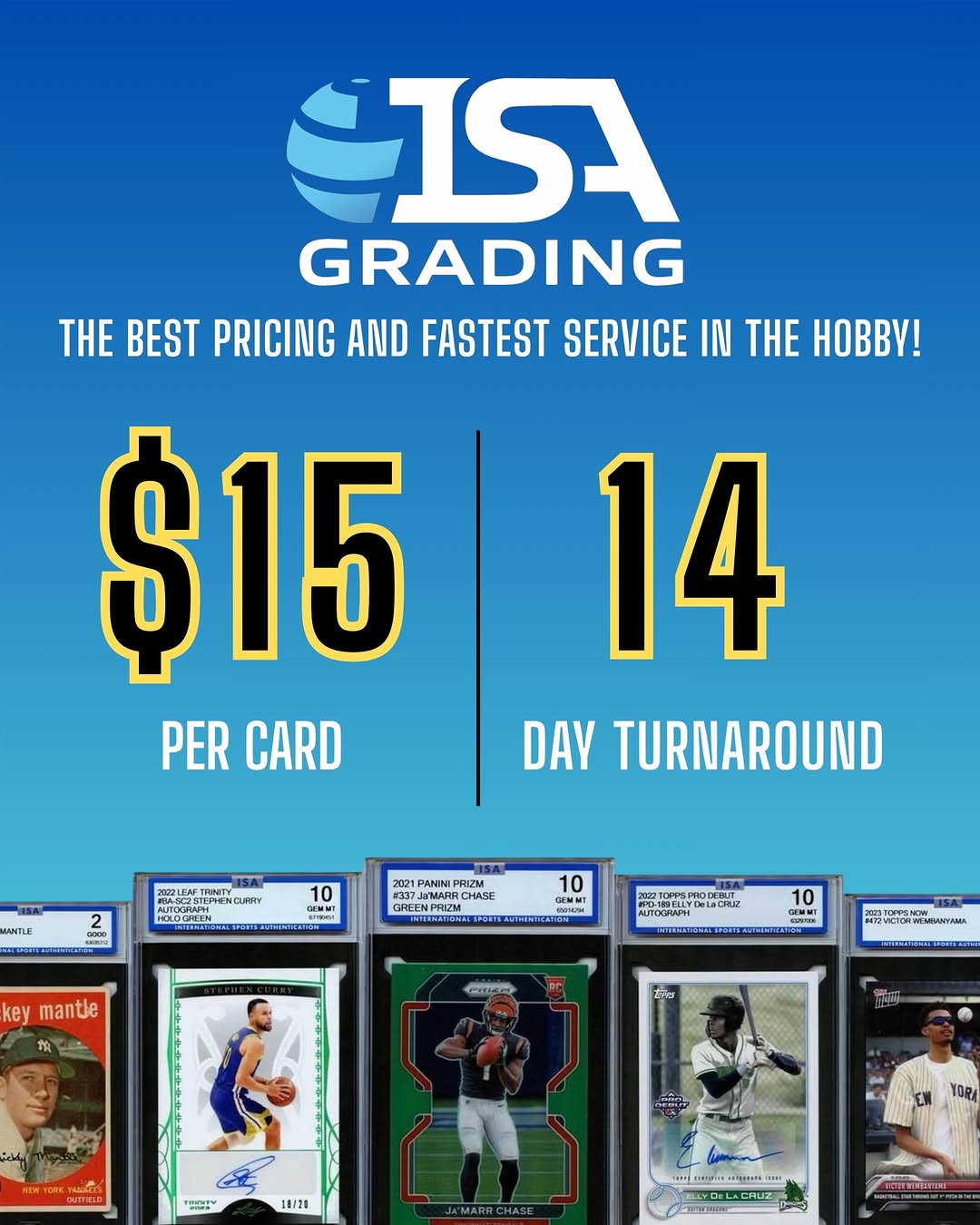
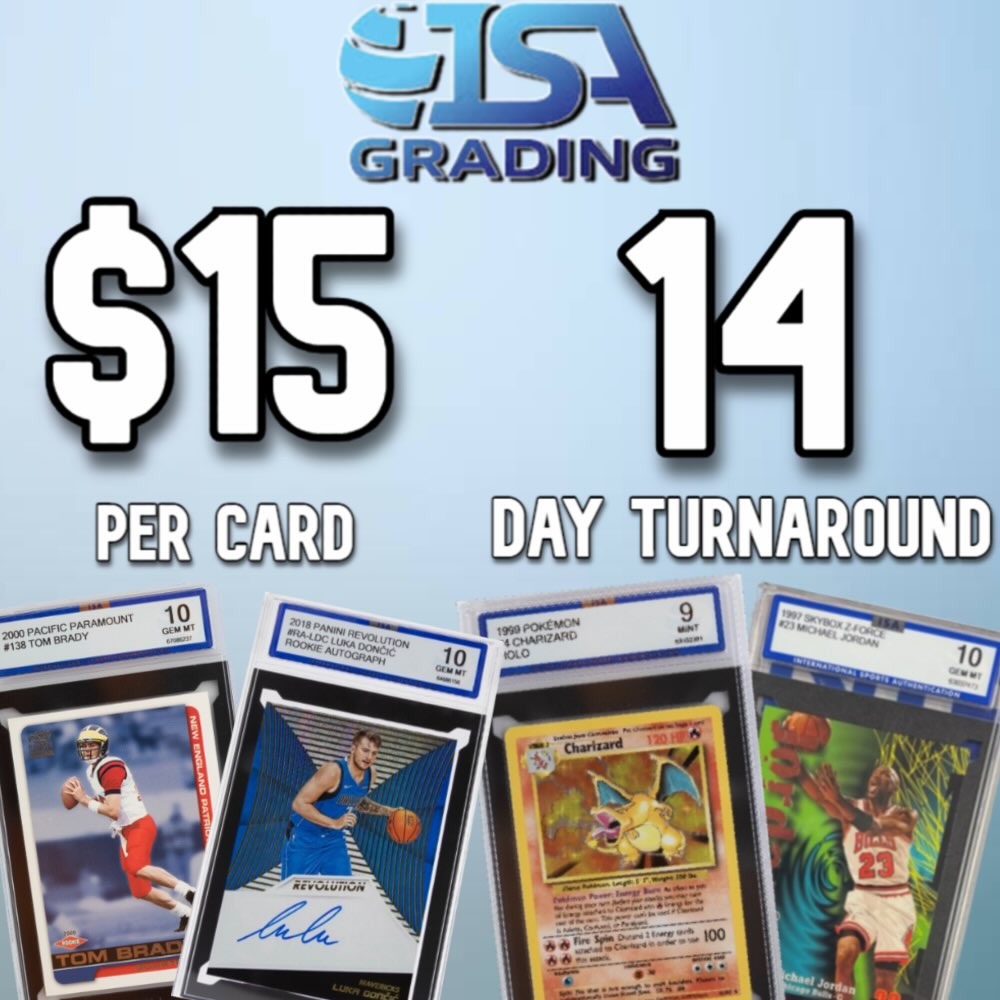
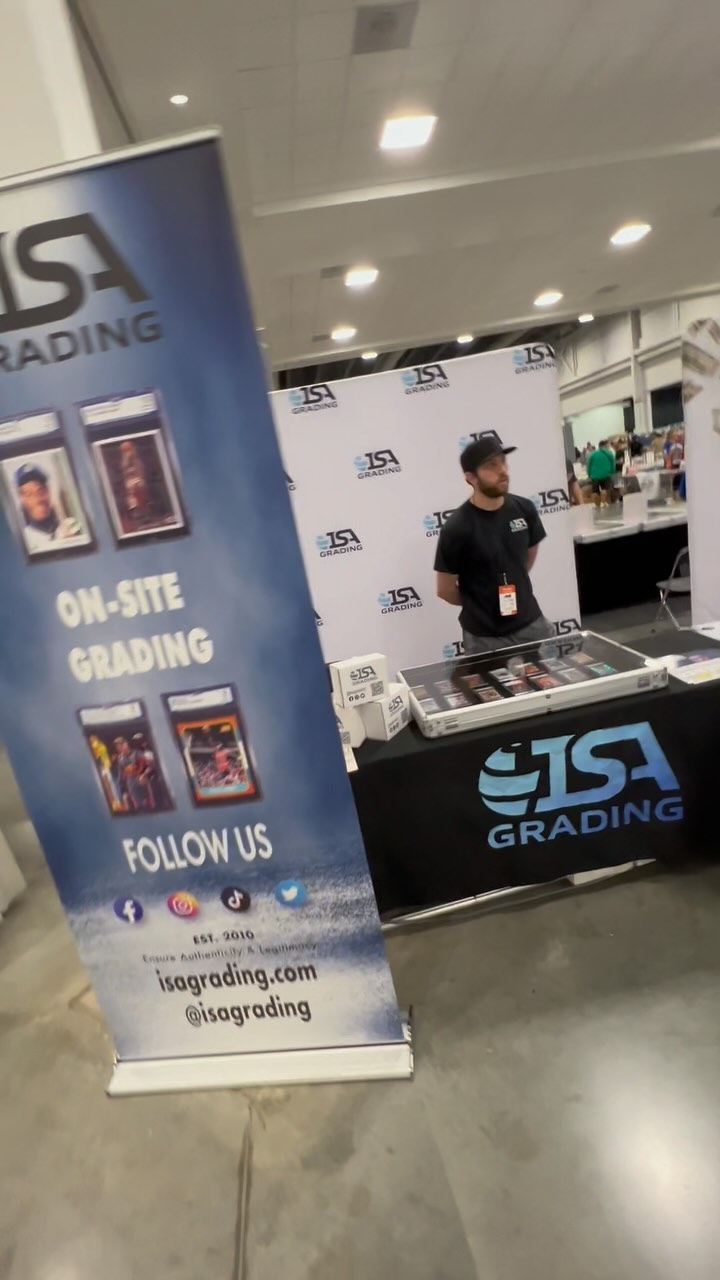
ISA Grading, also known as International Sports Authentication, currently offers sports card grading and authentication at $15 per card, with a 10 card minimum, a 14 day turnaround, and no upcharges. That pricing gives collectors and dealers a straightforward starting point. It does not remove every expense involved in a submission or guarantee a profitable sale, but it makes the grading portion of the budget easier to calculate.
What no upcharge card grading means for your budget
No upcharge card grading keeps the grading fee from increasing because a submitted card receives a strong grade or has a higher value. With ISA's current service, the grading calculation remains $15 multiplied by the number of cards you submit. You do not need to reserve an additional grading allowance for the possibility that a card comes back better than expected.
That distinction matters because condition and value are not always predictable before professional evaluation. A collector might see a clean card and still miss a surface issue. Another card might present better than expected under closer inspection. A predictable grading fee lets you evaluate those possibilities without also trying to estimate a changing grading bill.
For more context on the pricing approach, read how ISA keeps grading at $15 per card. Keep the distinction clear: a fixed grading fee is not necessarily the total cost of packing, shipping, insurance, or selling the cards later.
Build a submission budget with real numbers
The 10 card minimum makes the smallest qualifying batch $150 in grading fees. A 15-card submission totals $225 in grading fees, while 20 cards total $300. These are simple calculations using ISA's current $15 per card price, not estimates of an all-inclusive delivered cost.
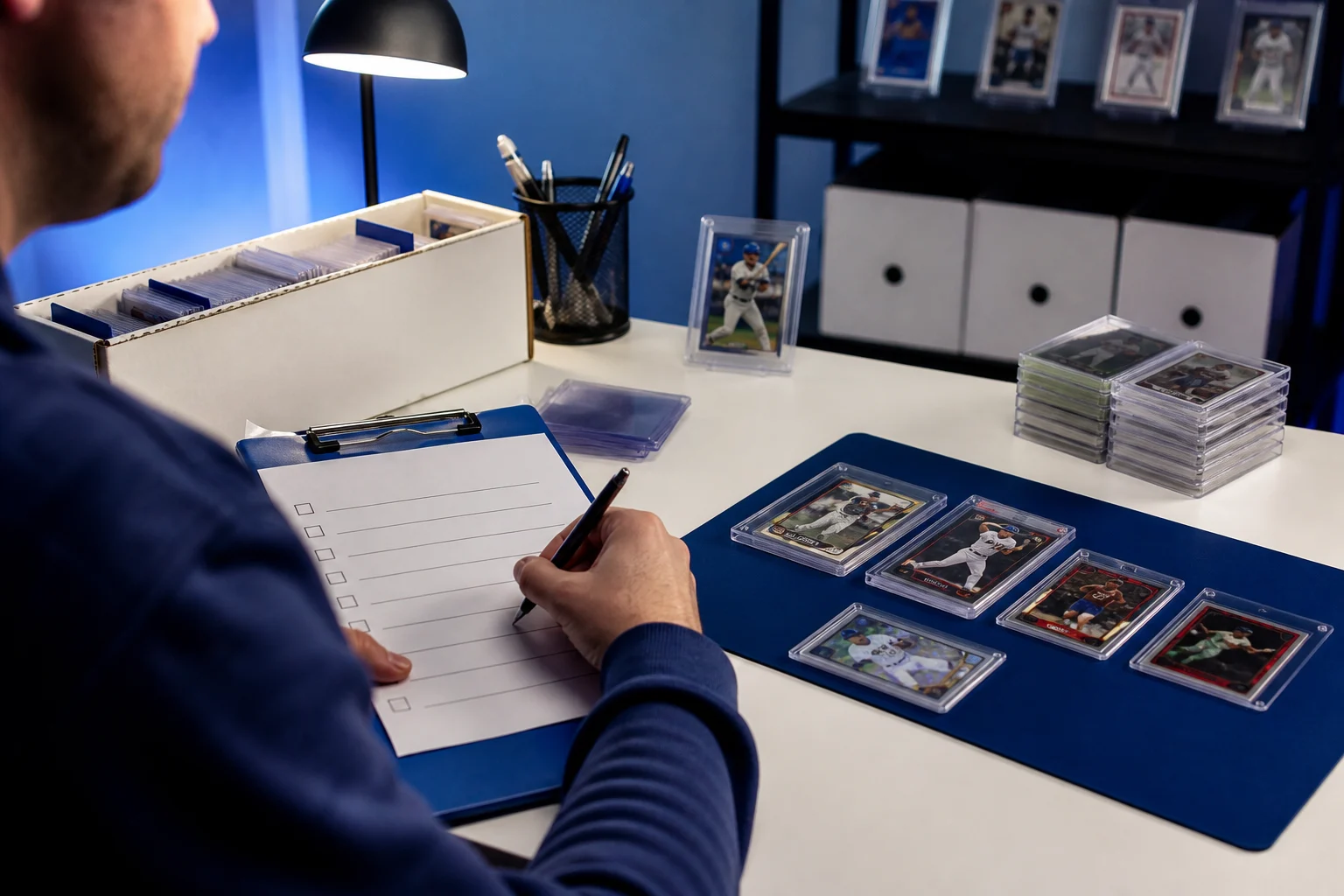
Before committing to a batch, build a worksheet that separates grading from the surrounding expenses:
- Grading: Multiply your card count by $15.
- Packing supplies: Account for suitable holders, cushioning, and a sturdy shipping box.
- Shipping: Check outbound costs and confirm how return shipping is handled.
- Insurance: Review available coverage, exclusions, and any cost that applies.
- Other applicable charges: Confirm any taxes or submission-related costs before payment.
For example, a collector submitting 12 cards can set aside $180 for grading, then add confirmed shipping and supply expenses separately. Keeping those lines distinct prevents the advertised grading rate from being mistaken for the entire project budget. Review the current instructions on ISA's card submission page before preparing your order.
Use the minimum to organize a batch, not justify weak choices
A submission minimum can encourage useful planning, but it should not pressure you to grade cards that do not fit your goals. If you have six strong candidates, adding four random cards just to reach ten still increases your grading expense by $60.
Instead, create a shortlist and identify why each card belongs in the batch. A personal collection card may deserve grading because you want authentication and a consistent presentation. A resale candidate needs a different assessment, including likely demand, condition, and your acquisition cost.
Collectors can also wait until they have enough suitable cards. Dealers may group inventory by selling window or product category. If you coordinate a batch with another collector, agree in advance on ownership records, payment, shipping expenses, and how returned cards will be distributed. A shared submission should simplify the budget, not introduce uncertainty about whose card is whose.
Choose cards according to purpose and condition
The question “Should I grade my cards?” becomes easier when you define the purpose first. Are you preserving a favorite player collection, preparing inventory for sale, or seeking an independent assessment of condition? The same card can make sense for one goal and not another.
For resale, compare actual completed sales where available rather than relying only on asking prices. Consider more than one plausible grade outcome. If the economics work only at the highest possible grade, the submission carries more risk than a budget based on realistic condition expectations.
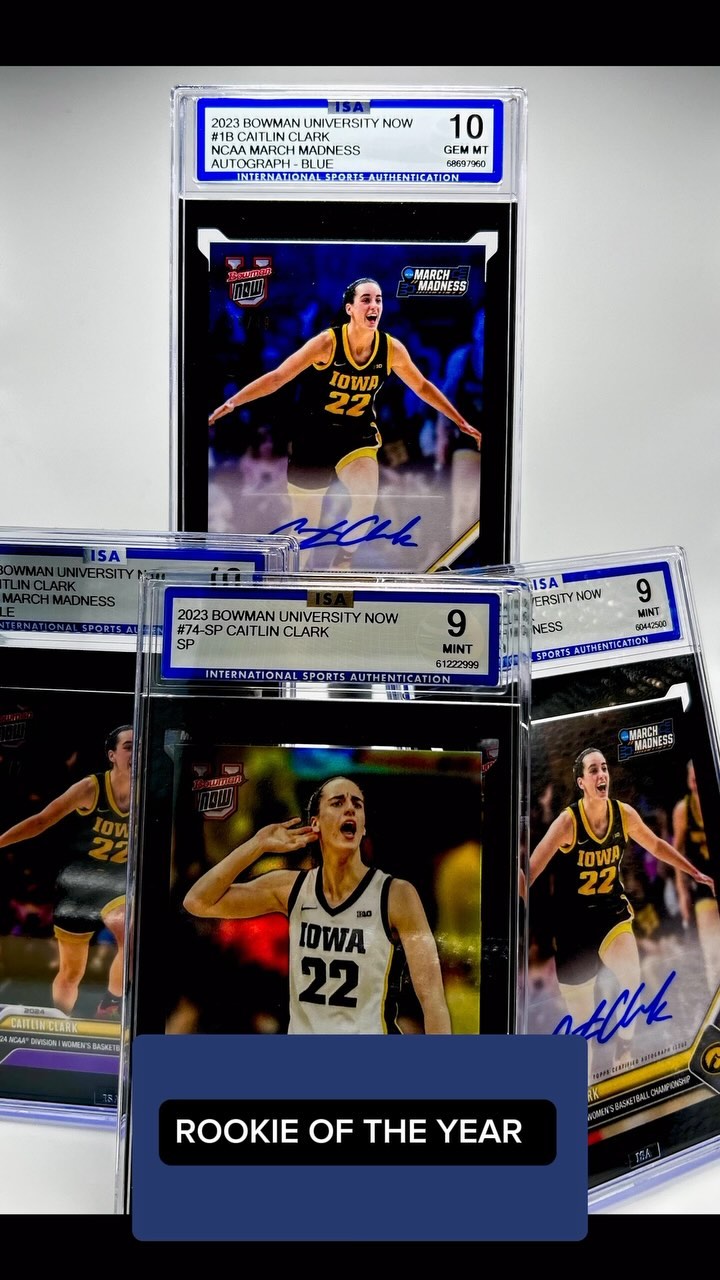
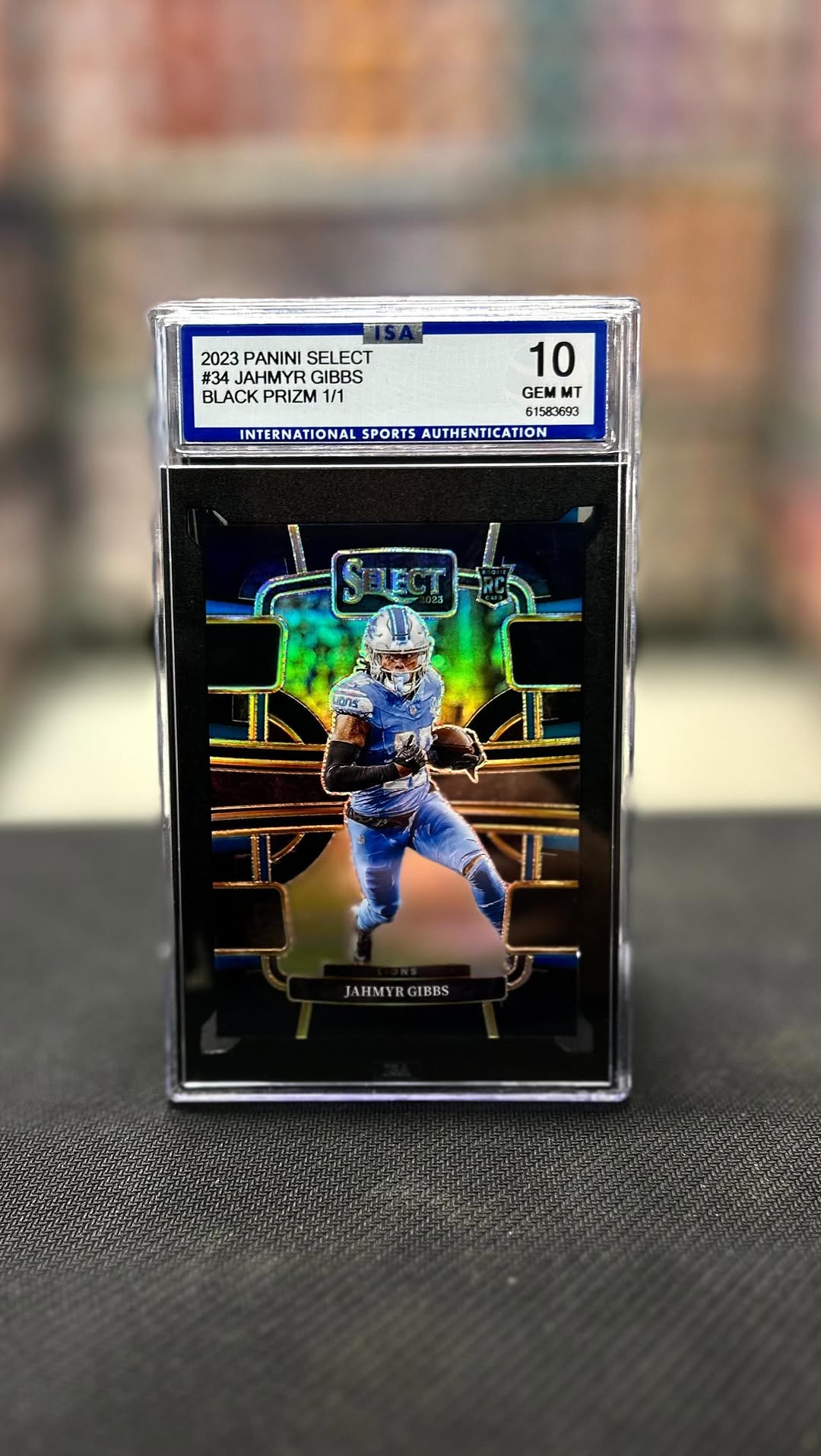
Rookie card grading deserves particular care because interest in a player can shift with performance, injuries, and collector demand. Baseball card grading, basketball card grading, and football card grading all benefit from the same discipline: examine the individual card rather than assuming a popular sport or player makes grading worthwhile. A fixed fee helps you calculate costs; it does not establish the card's future selling price.
Inspect the details before grading preparation begins
Good grading preparation starts with careful observation. Under suitable light, look at centering, corners, card edges, and the card surface. Check both sides for scratches, dents, print lines, staining, creases, or other visible issues. Handle cards by their edges when practical and keep the work area clean and dry.
Do not assume a card pulled directly from a pack is free of defects. Manufacturing and handling issues can exist before a card reaches your collection. Likewise, an older card may look attractive at a glance while showing wear under closer inspection.
Use ISA's grading scale to understand its published condition standards. Card condition grading involves evaluating the card itself, not assigning a result based on sentimental value or what the owner hopes to receive. Avoid attempting to alter, repair, or aggressively clean a card to improve its appearance. If you are unsure whether a preparation step is appropriate, ask before doing it.
Plan around the turnaround without treating it as a sale date
ISA's current 14 day card grading turnaround provides a useful planning reference. For a collector, it can help organize a submission around a collection project. For a dealer, it can help estimate when grading inventory may become available for photography, listing, or a show.
However, the grading timeline and the entire door-to-door timeline are different things. Transit, delivery, intake, and return shipping can affect when cards are back in your possession. Before booking a selling commitment, confirm how the turnaround is measured and whether calendar days or business days apply.
Fast card grading is most useful when the rest of your schedule has room for those steps. Avoid promising a buyer delivery based only on a grading turnaround. ISA's article on planning a sports card grading submission offers a related perspective on organizing the calendar around your cards.
Protect the cards before they reach a slab
Budgeting is not only about the invoice. A damaged card can undermine the reason you submitted it. Follow ISA's current packing instructions, use appropriate protective holders, and secure the cards so they do not shift unnecessarily during transit. Do not assume packaging suitable for storing cards at home is automatically suitable for shipping.
Keep an inventory identifying each submitted card by year, set, player, and card number where available. Record relevant variations or serial numbering, and consider taking clear photographs before packing. Those records help you track the submission and match returned cards to your original list.
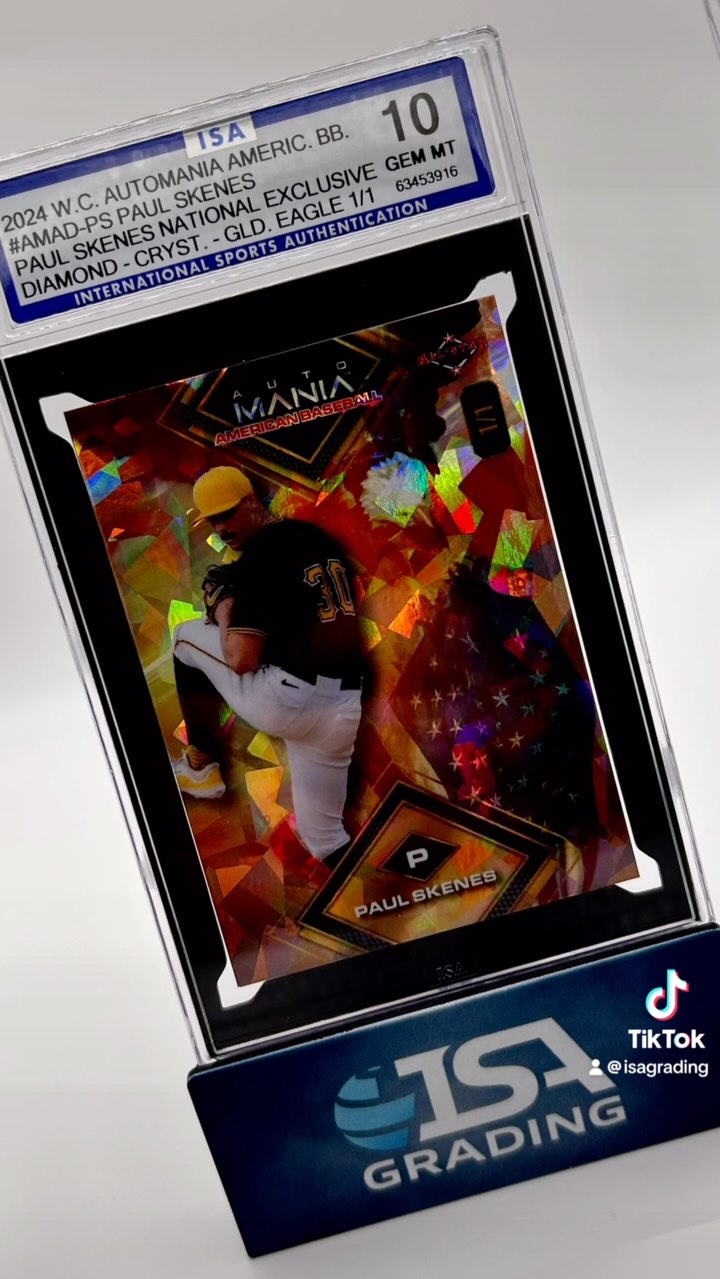
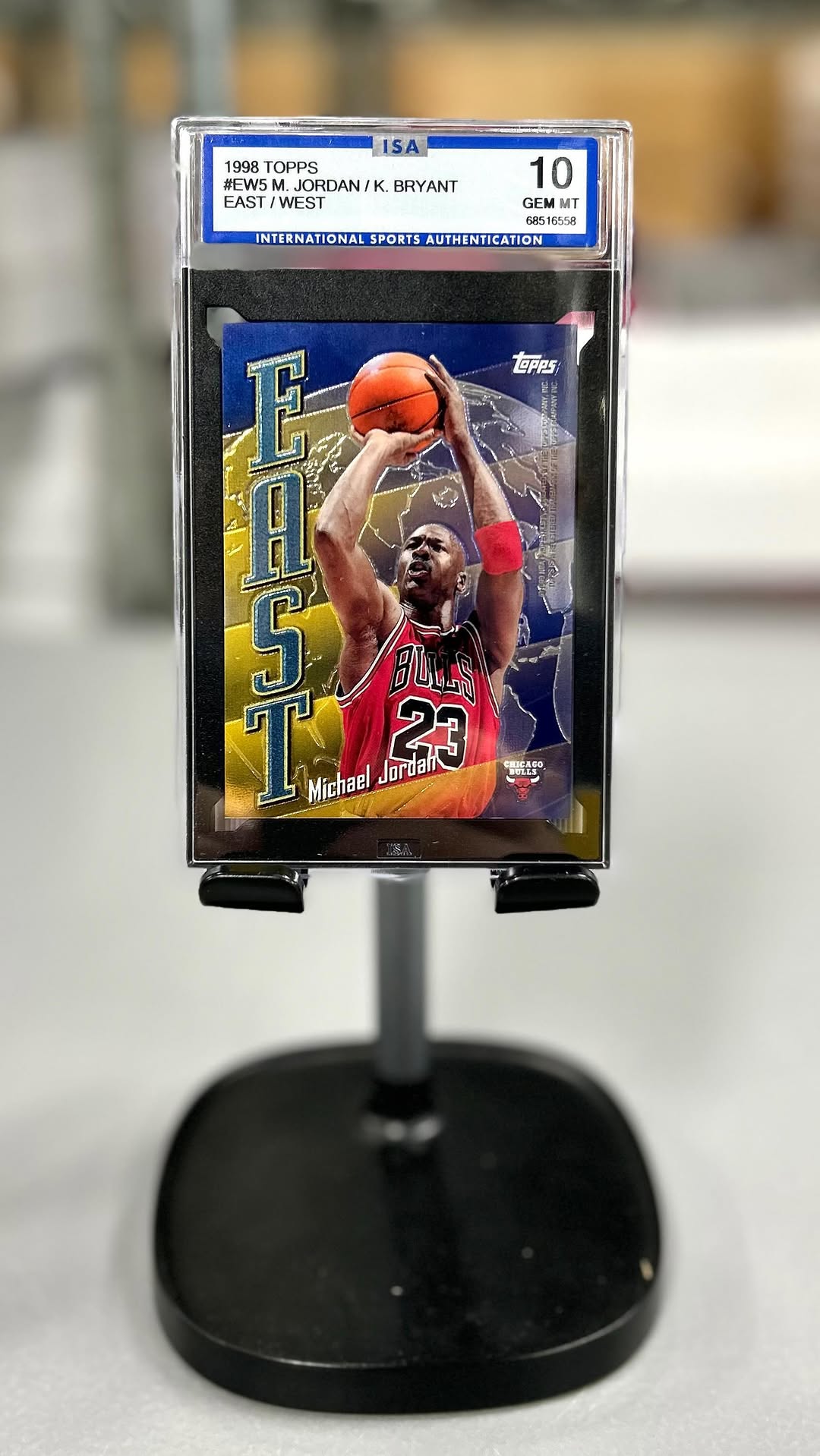
Card encapsulation gives a graded card a protective holder and a consistent presentation, but it does not make the card or holder immune to damage. Store trading card slabs thoughtfully, avoiding rough handling, excessive heat, moisture, and prolonged direct sunlight. Protection remains an ongoing responsibility after grading.
Give buyers information they can check
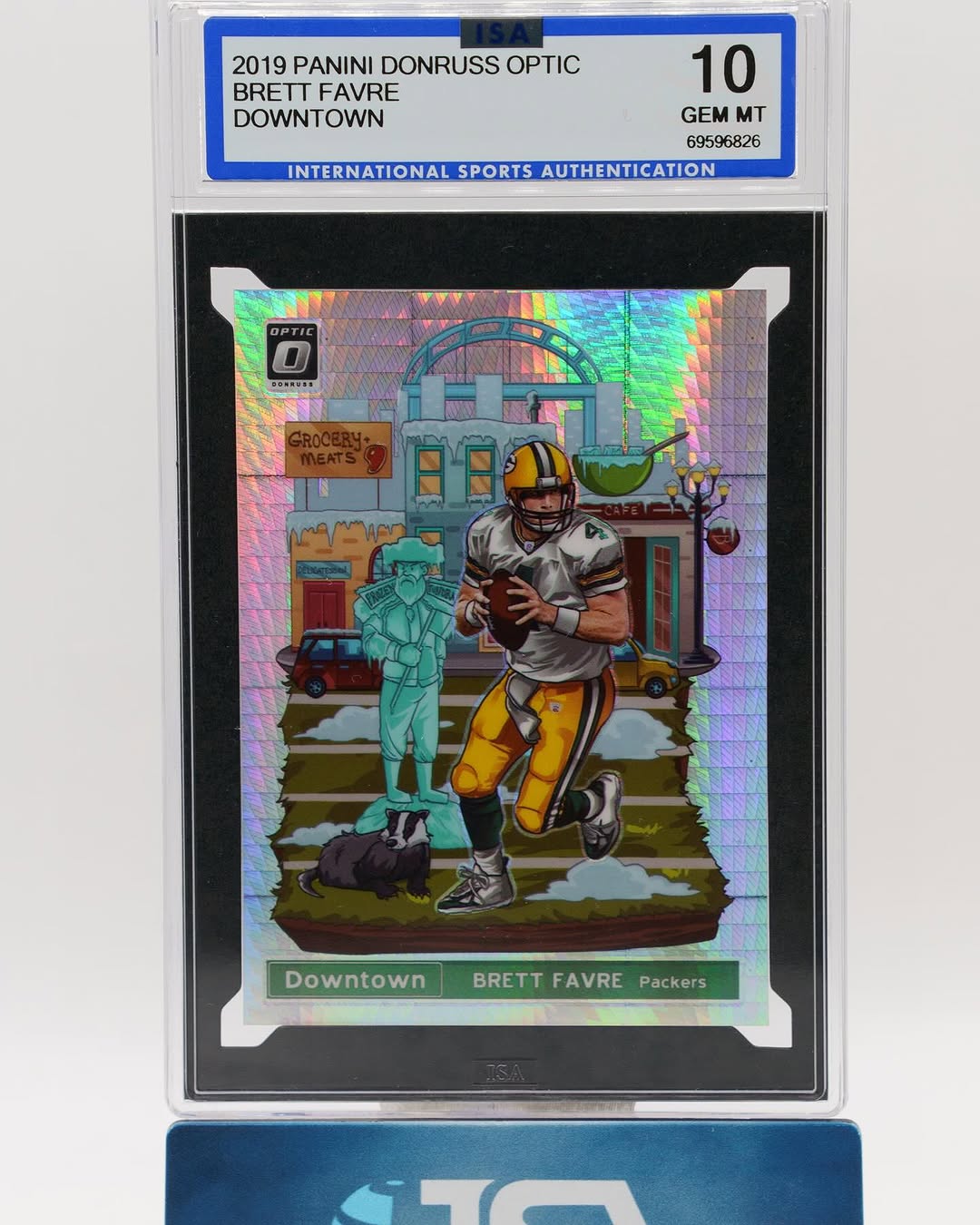
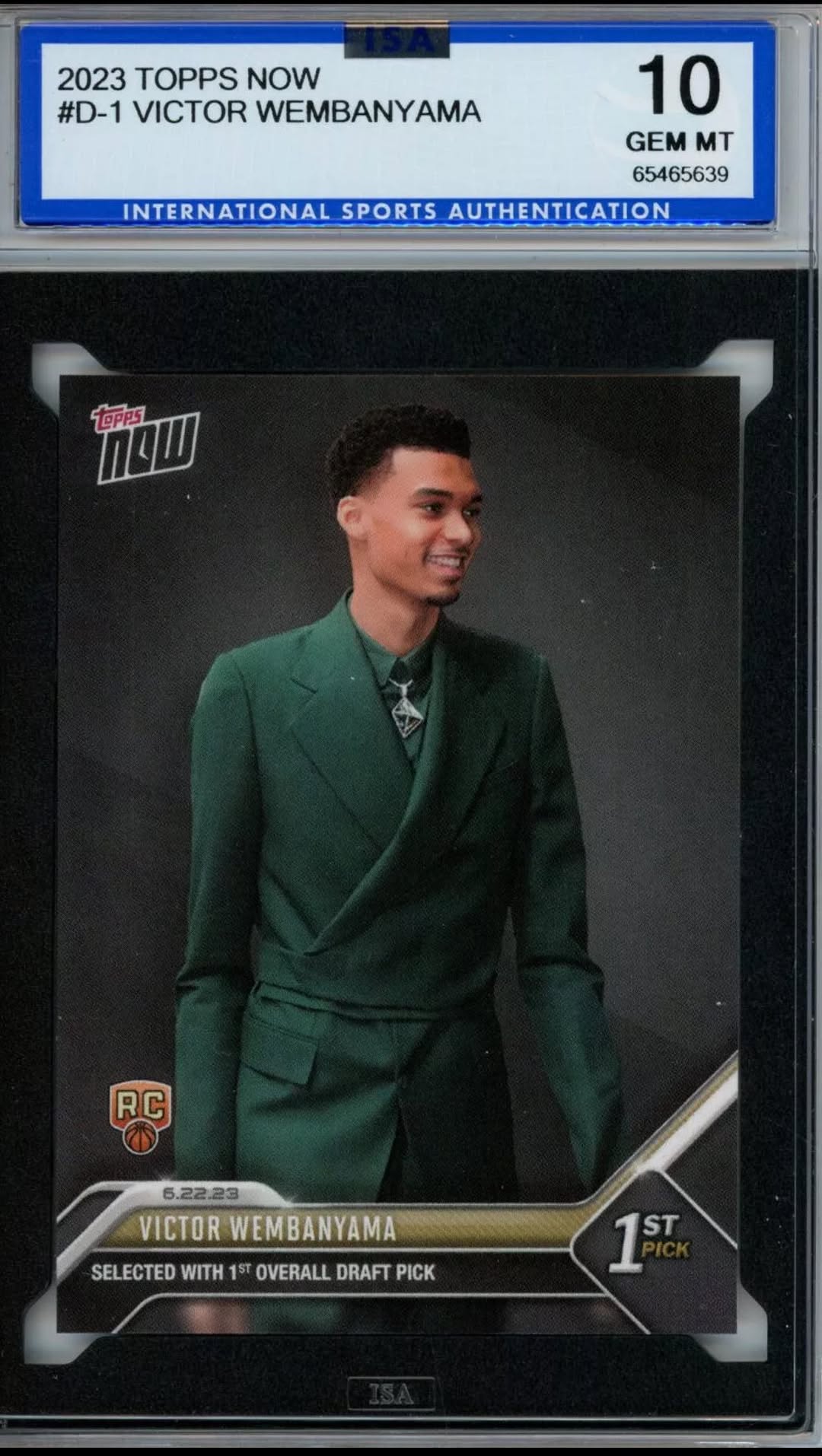
Sports card authentication and grading can help a buyer evaluate a card beyond a seller's own description. The slab and its label provide information about the encapsulated card and its assigned grade. Buyers still need clear photographs, accurate listing details, and a seller willing to answer reasonable questions.
ISA provides website-based certificate verification. When selling graded cards, include the certificate number in the listing where appropriate and direct buyers to the verification page. A buyer can compare the available certificate record with the card and label shown in your photographs.
Verification is a useful checking step, not a substitute for examining the actual item or using sensible purchasing precautions. Photograph the front and back of the slab, make label details readable, and disclose visible holder damage. Buyer confidence comes from consistent, checkable information rather than unsupported claims about guaranteed authenticity, value, or investment potential.
Separate predictable grading costs from resale uncertainty
No upcharges make one part of the process predictable: the grading fee. Selling remains subject to demand, timing, player interest, card scarcity, and the grade received. A graded card is not automatically worth more than its purchase price plus every expense associated with the submission.
For resale planning, calculate your total investment as the acquisition cost plus allocated grading, shipping, and supply costs. Then account for any marketplace fees and fulfillment expenses associated with the eventual sale. Compare that total with realistic sale scenarios rather than a single optimistic number.
A dealer submitting 20 cards knows the current grading fees are $300. Allocating shared shipping costs across those cards gives a more useful per-card basis for pricing inventory. Some cards may sell quickly; others may need more time or a lower asking price. Stable grading costs help track those outcomes honestly without disguising an unsuccessful purchase as a grading problem.
Check the service details before spending
A card grading service should fit both your budget and your expectations. Before submitting, confirm card eligibility, packing requirements, payment details, shipping arrangements, and the current turnaround terms. If a card has an unusual size, format, or condition concern, clarify its suitability rather than assuming every collectible qualifies.
ISA's frequently asked questions are a useful starting point. You can also read customer reviews for individual perspectives, while remembering that another customer's experience does not guarantee an identical timeline or outcome for your submission.
Once the details are clear, assemble a batch you can justify card by card. ISA's current $15 per card service, 10 card minimum, 14 day turnaround, and no upcharges give you a defined grading framework. Use it to set a spending limit, prepare the cards carefully, and plan what you will do when they return.
Submit Cards to ISA Grading
Collectors ready to use ISA Grading can start on the submission page. The current active service is $15 per card with a 14 day turnaround, no upcharges, and a 10 card minimum.
Frequently Asked Questions
What does no upcharge card grading mean at ISA?
ISA's current grading fee is $15 per card, with no upcharges based on a card's value or the grade it receives. Budget separately for packing, shipping, insurance, and any other applicable costs confirmed during submission.
How much does ISA's minimum submission cost?
ISA currently requires a 10 card minimum. At $15 per card, that batch costs $150 in grading fees. This calculation does not include shipping, packing supplies, insurance, or other applicable charges.
Does the 14 day turnaround include shipping?
ISA currently lists a 14 day turnaround. Do not assume that equals the complete door-to-door timeline. Confirm how the turnaround is measured and how transit, intake, and return shipping affect your schedule before making selling commitments.
Is grading worthwhile for every card in my collection?
No. Consider your purpose, the card's condition, acquisition cost, and realistic demand. Grading may suit a personal collection even when resale profit is unlikely, but a fixed grading fee does not guarantee a higher selling price.
How can buyers verify an ISA graded card?
Buyers can use the certificate verification page on ISA's website and compare the available record with the certificate number, label, and card shown in the seller's photographs. Verification should accompany clear photos and sensible purchasing precautions.