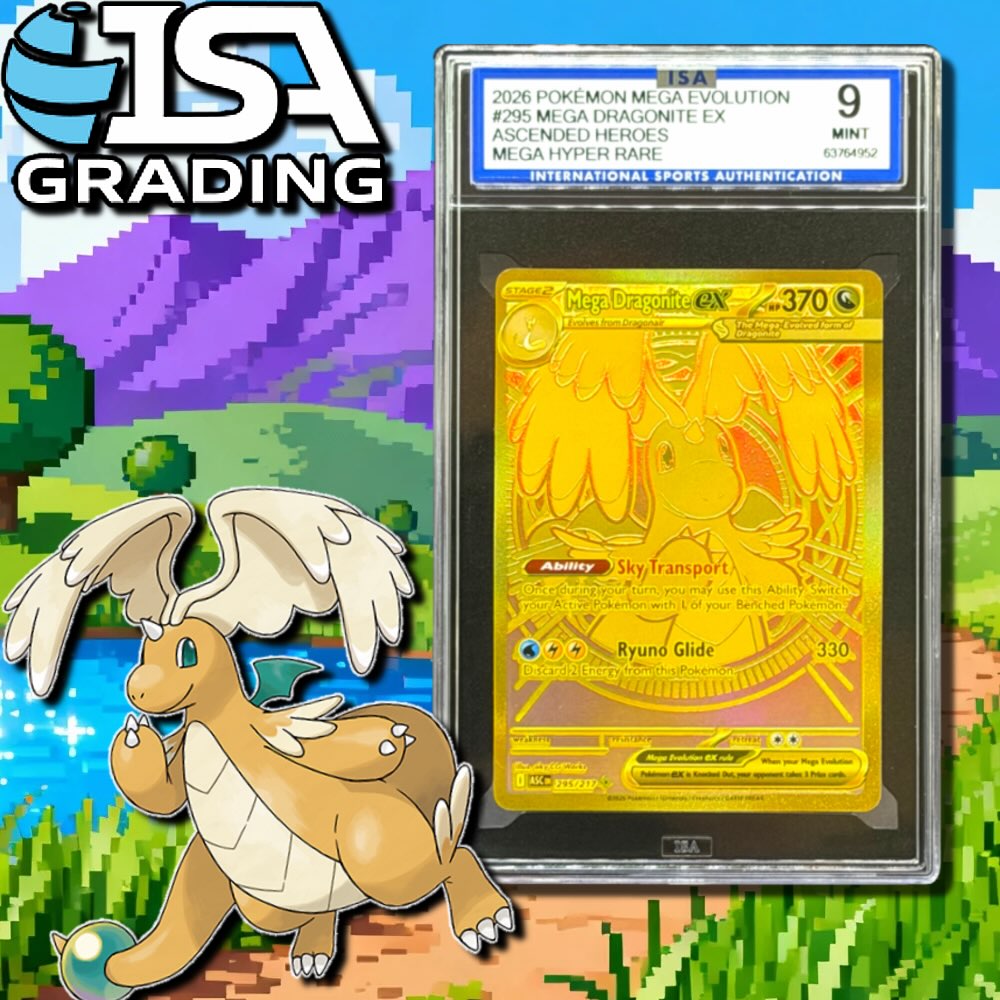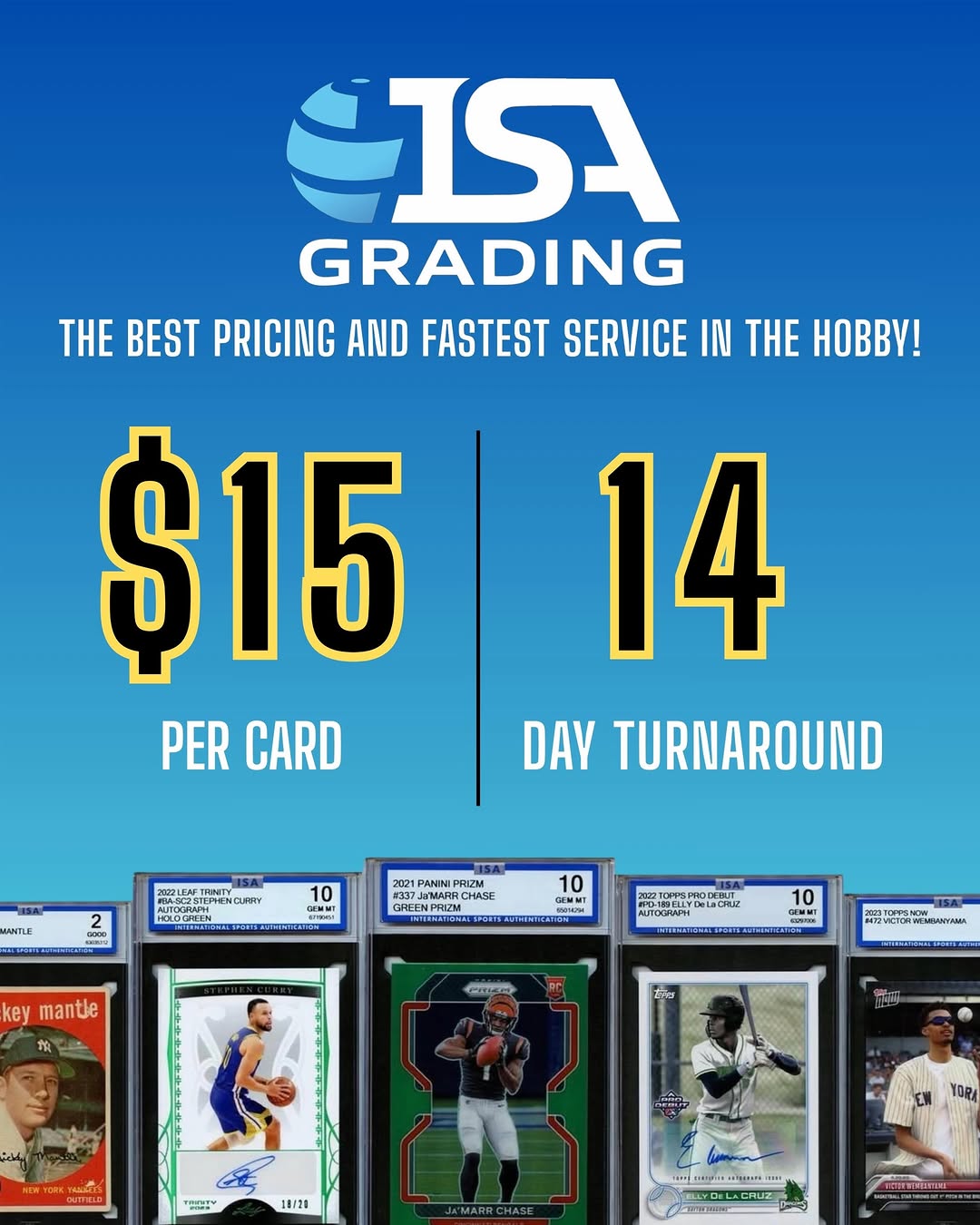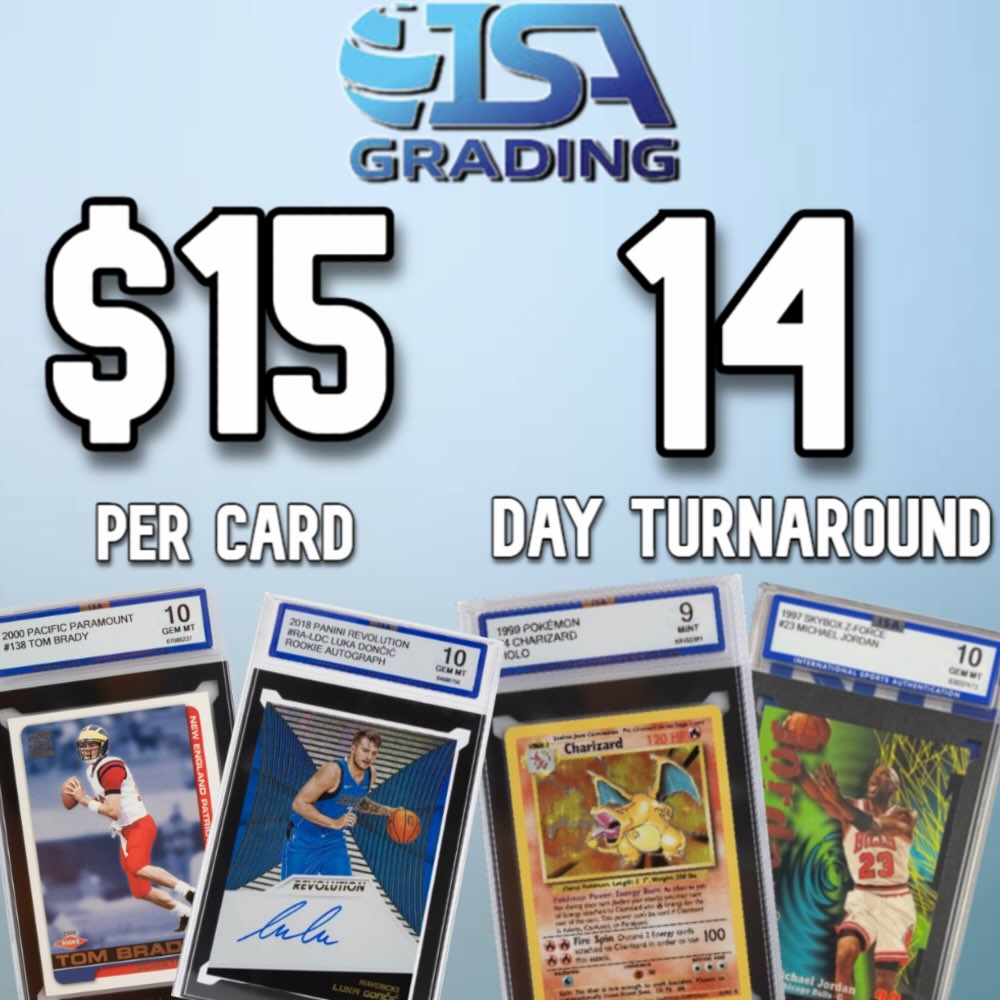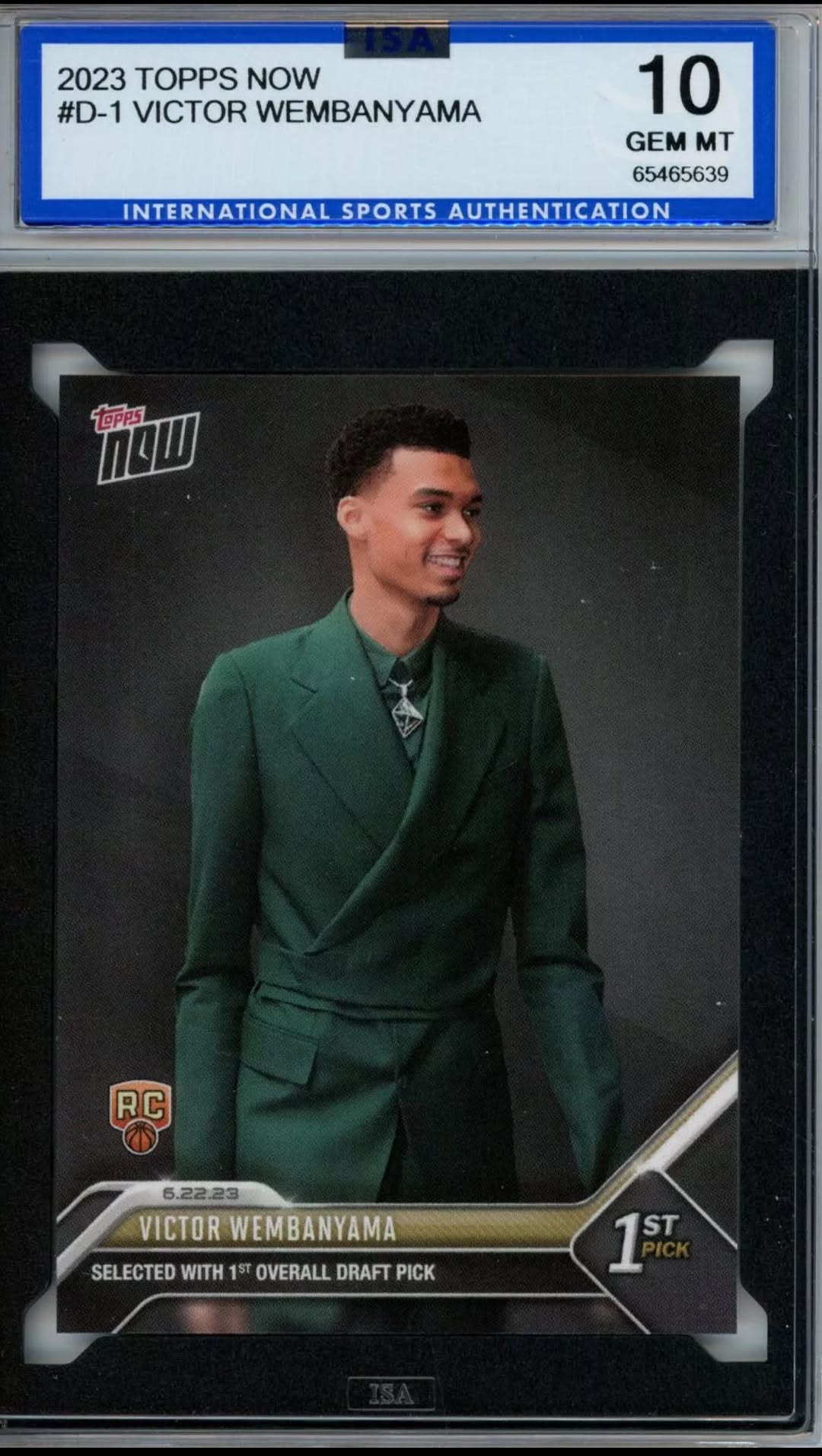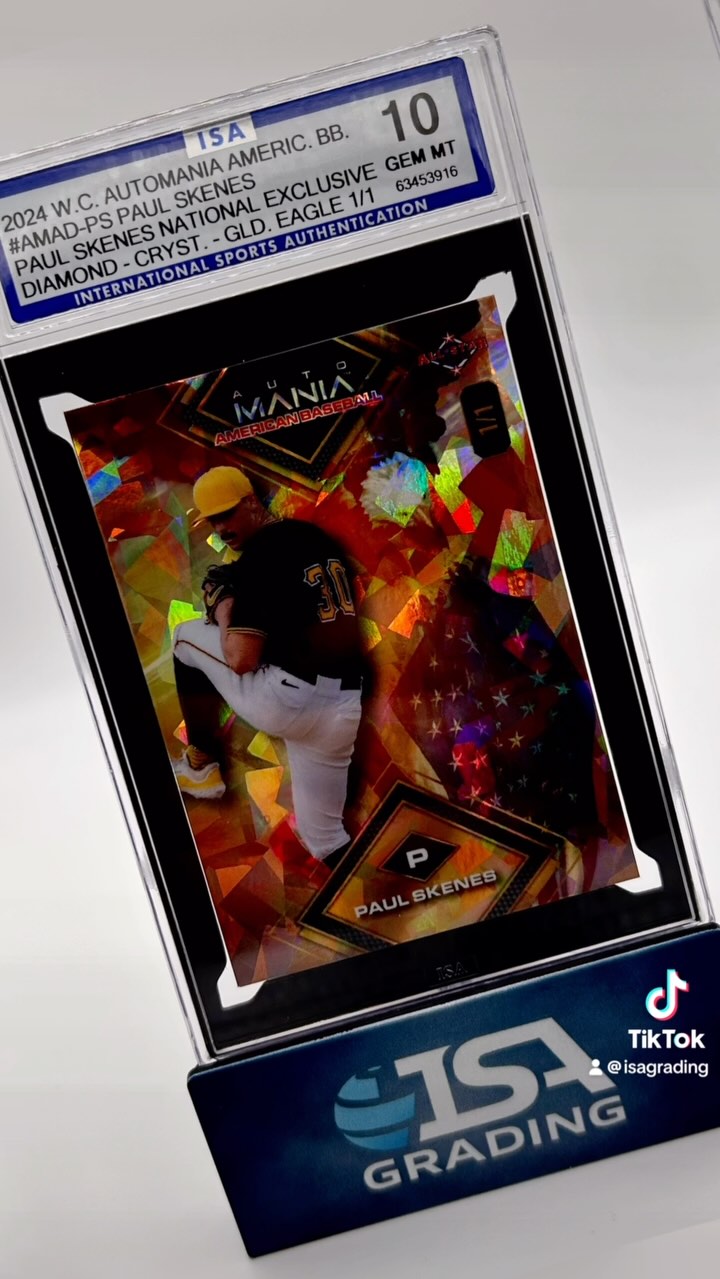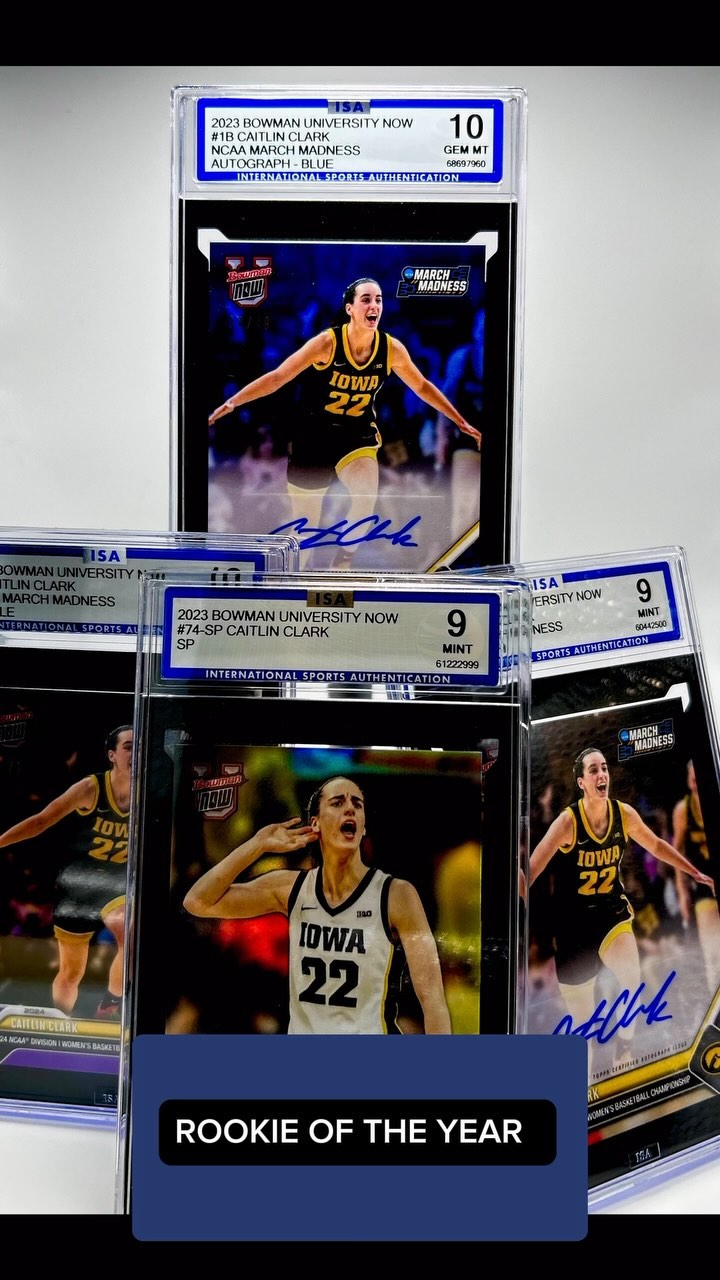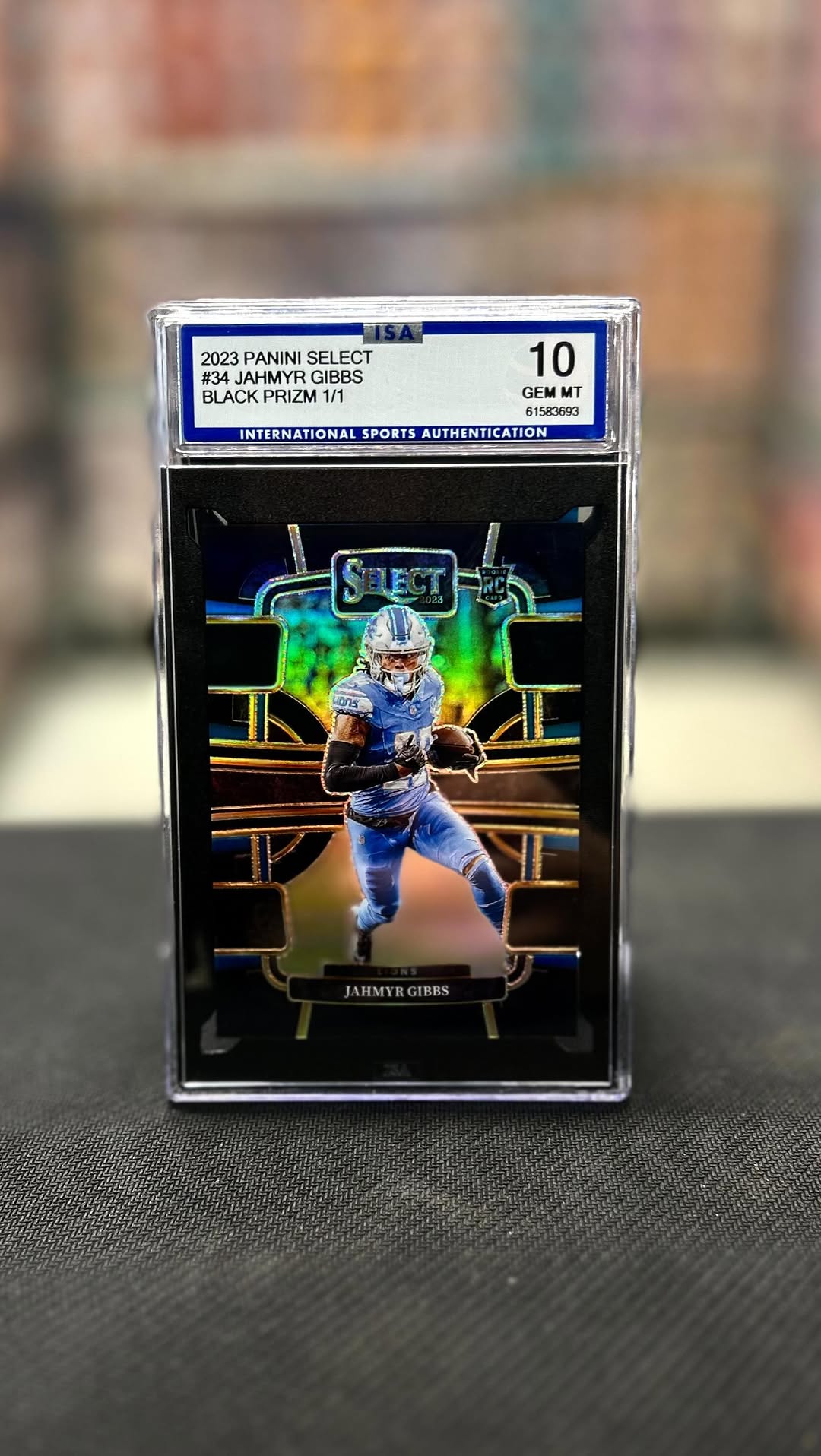
The first question about grading a stack of cards is usually what it will cost. ISA Grading, also known as International Sports Authentication, offers sports card grading and authentication at $15 per card, with a 14 day turnaround, a 10 card minimum, and no upcharges. That gives you a clear grading cost before you decide which cards belong in the order.
Knowing the price is only the first step. A rookie you plan to sell has to make sense at a realistic grade, while a card you want to keep may be worth grading for protection and easier identification. Here is how to build a submission around both goals.
What $15 card grading costs for a full submission
At $15 per card, the grading charge for the minimum 10 card submission is $150. A 15 card order is $225 for grading, and a 20 card order is $300. No upcharges means the grading rate does not increase because a card turns out to be worth more than you expected. If you are budgeting for the whole order, distinguish the grading charge from what you may spend on packing materials, postage, or insurance.
That difference matters if you are a dealer deciding between sending one batch and holding inventory for a later order. Start with the cards you would grade individually, then see whether you have enough to meet the minimum. If you only have six strong candidates, grading four more just to complete the batch still costs another $60. If those four cards have no clear purpose, waiting may make more sense.
No upcharge card grading also makes it easier to plan a mixed submission. A card for your personal collection and a higher value card you intend to sell carry the same grading charge. For more ways to use that predictable price when building a batch, see what $15 per card makes possible for sports card collectors.
Plan around the 14 day turnaround, not a delivery date
Fast card grading is useful when you are preparing inventory for a show or want to list cards while buyers are watching a particular player. ISA's current service has a 14 day turnaround. For a deadline, though, you also need to allow time to prepare the order, ship it, and receive it back. Do not treat the grading turnaround as the total time your cards will be out of your hands.
Work backward from the date you need the cards in hand. A seller might need a few extra days to photograph the slabs, check recent sales, and write listings. A dealer preparing for a show might need time to price each card and update inventory. If your schedule is tight, ask ISA how turnaround is counted before mailing cards you need for a specific event. The ISA FAQ page is a useful starting point for submission questions.
If you started with a search for card grading near me, compare the whole process rather than just the distance. For a mailed submission, the posted turnaround, transit time, and the date you actually need the cards matter more than any one detail on its own.
Choose cards based on what a grade would do for you
Before asking, Should I grade my cards?, decide what you want from the finished order. For a personal collection, the answer might be a protective holder and a label that identifies a favorite card. For resale, it might be a condition assessment buyers can reference when comparing listings. The same card can be a good choice for one reason and a poor choice for the other.
For a personal collection
A vintage baseball card does not need a high grade for its owner to want it authenticated and protected. If you care more about the card's history than its resale value, set a budget based on what you want to keep. With baseball card grading, check the year, set, and card number before packing. A reprint can look like the original at a glance, and details such as the copyright line or the back design can help you figure out what you have.
For resale inventory
For rookie card grading, look up completed sales for the exact card, including its set, variation, and parallel. Compare raw sales with sales at grades the card might realistically receive. For football card grading, that can mean separating a numbered rookie parallel from a visually similar unnumbered version. If the sale only makes financial sense at the highest grade, you are relying on an outcome you cannot know before submission.
Use the same discipline with cards outside sports. If your trading card grading plans include a collectible card game, confirm that the specific card and format are accepted before counting them toward the minimum. TCG card grading is a separate consideration from choosing a batch of standard sports cards, especially if your order includes unusual sizes or formats.
Inspect and organize your cards before shipping
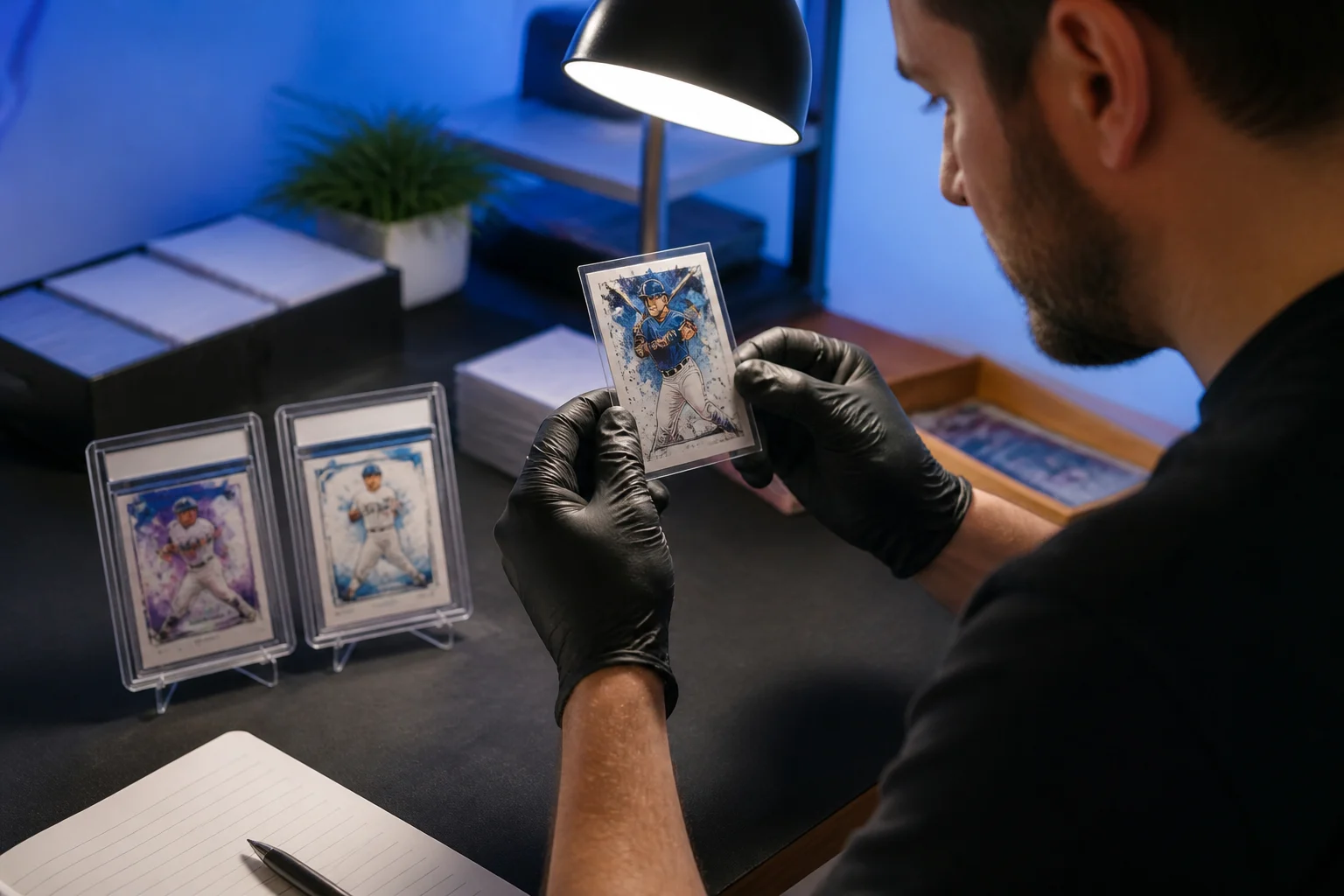
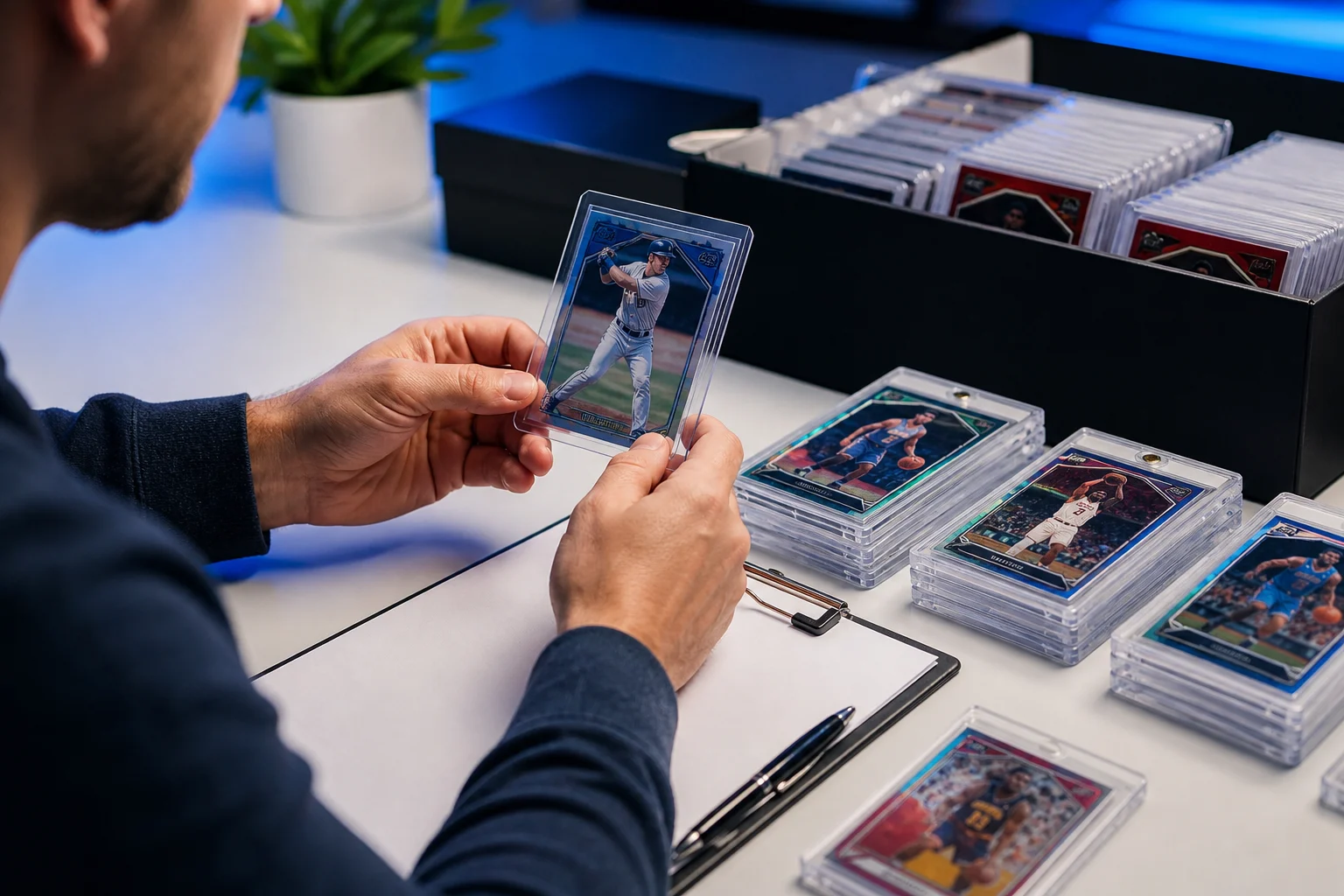
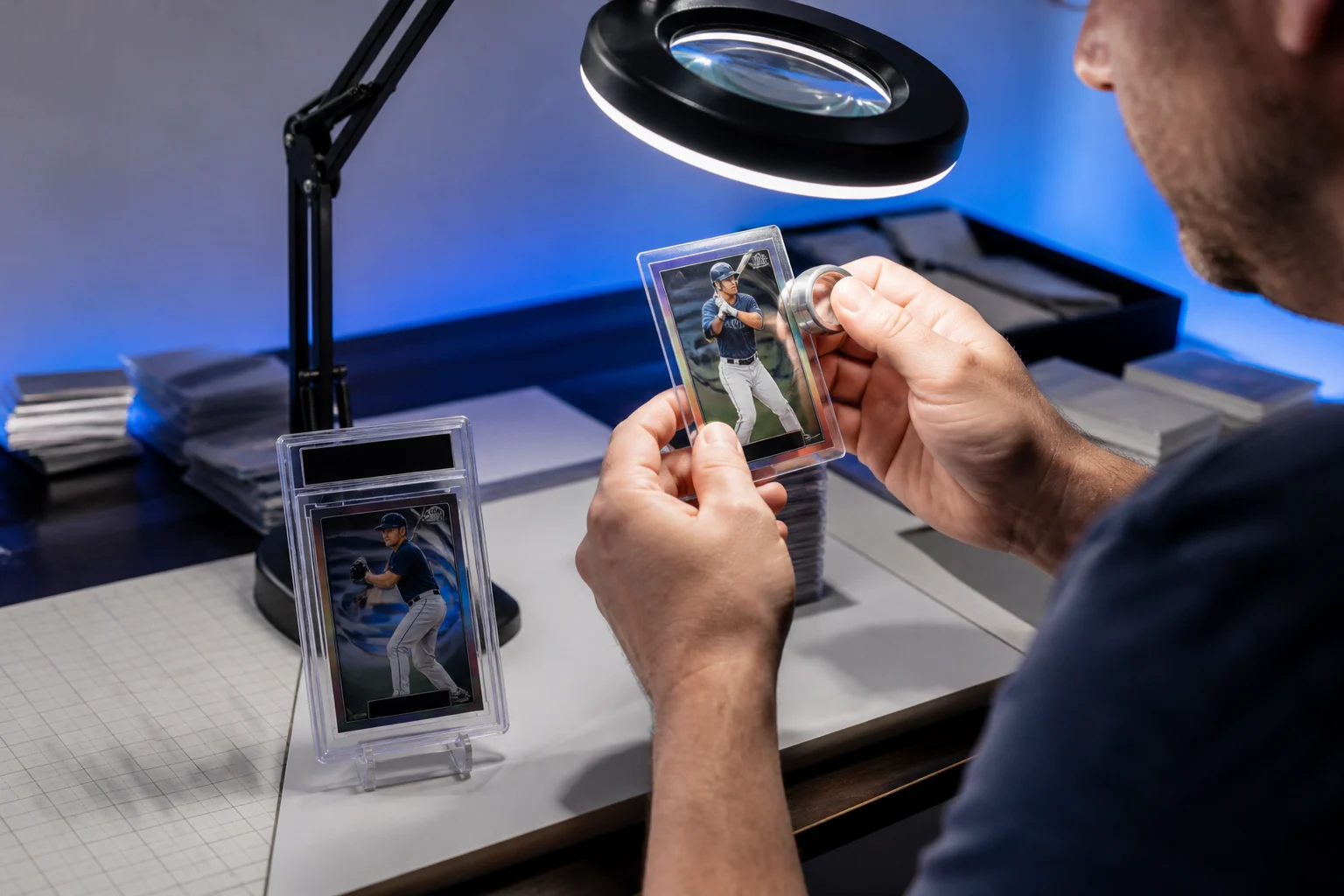
Set aside a clean, dry work area and use a bright light. Handle cards carefully by their edges and avoid touching the face. Look at both sides, even if the front is what caught your attention when sorting. Here are four places to start:
- Card centering: Compare the left and right margins, then the top and bottom. On a borderless design, check the alignment against a reliable image of the same card instead of judging it by how the artwork is cropped.
- Card edges: Look for chipping, nicks, and wear. Small spots often stand out against a dark border. Do not try to smooth or reshape an edge to make it look better.
- Corners: Check all four corners from the front and back. On the reverse, you may notice whitening or a slight bend that did not show up at first.
- Card surface: Tilt the card under the light to look for scratches, print lines, dimples, or indentations. It is easier to miss a shallow mark if you inspect only from directly above.
A home inspection helps you decide what to send. It does not tell you exactly what grade you will receive. Review the ISA grading scale to understand how grades are described and to get more comfortable with outcomes below the one you are hoping for.
Make an inventory with the year, set, player, card number, and any identifying variation. Check serial numbers where relevant. You may also want reference photos for cards that look alike, so you can match them to your records when they return. Then follow the packing and paperwork instructions on the ISA submission page rather than assuming that the holders you use for everyday storage are the right ones for shipping.
How slabs and certificate verification help after grading
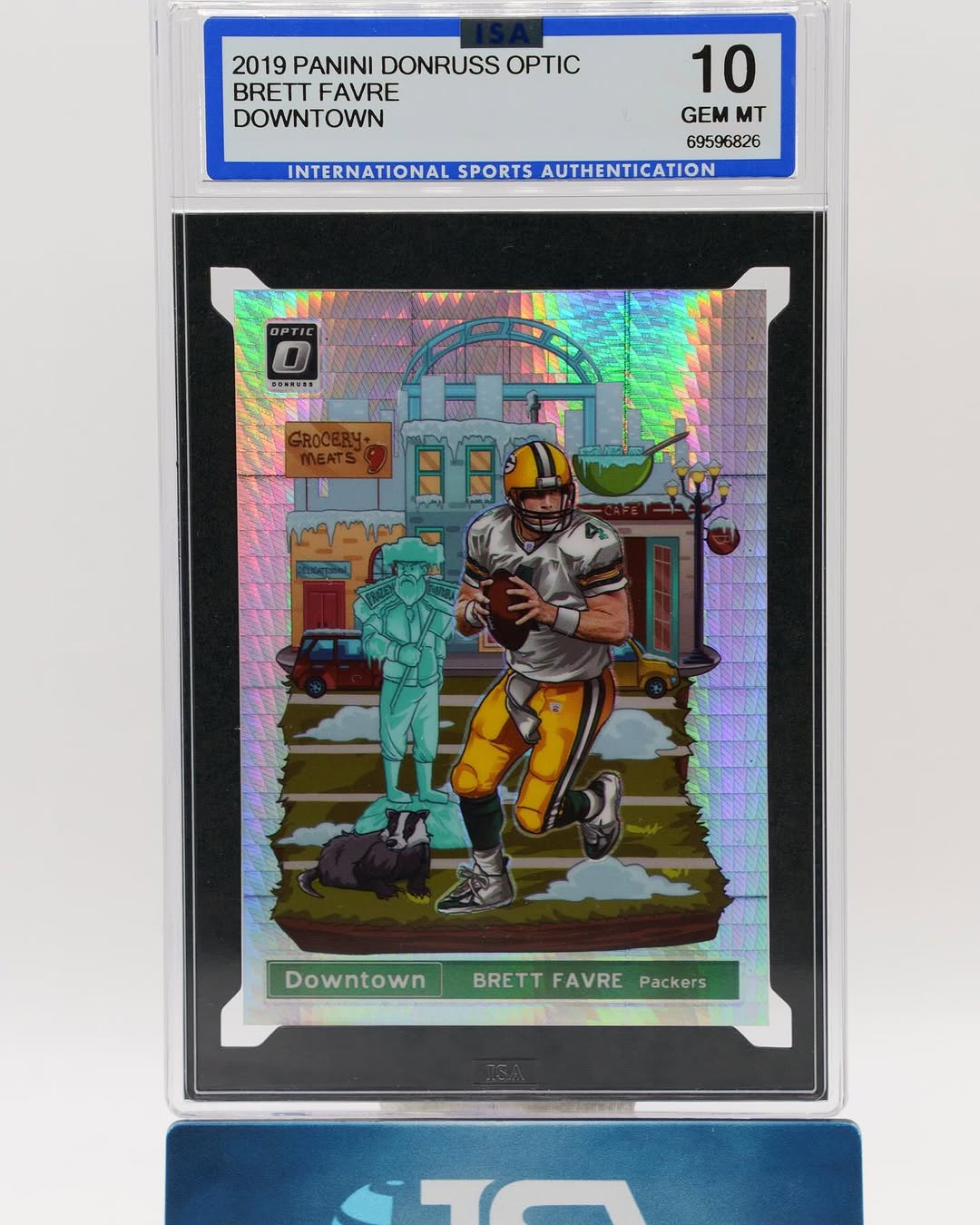
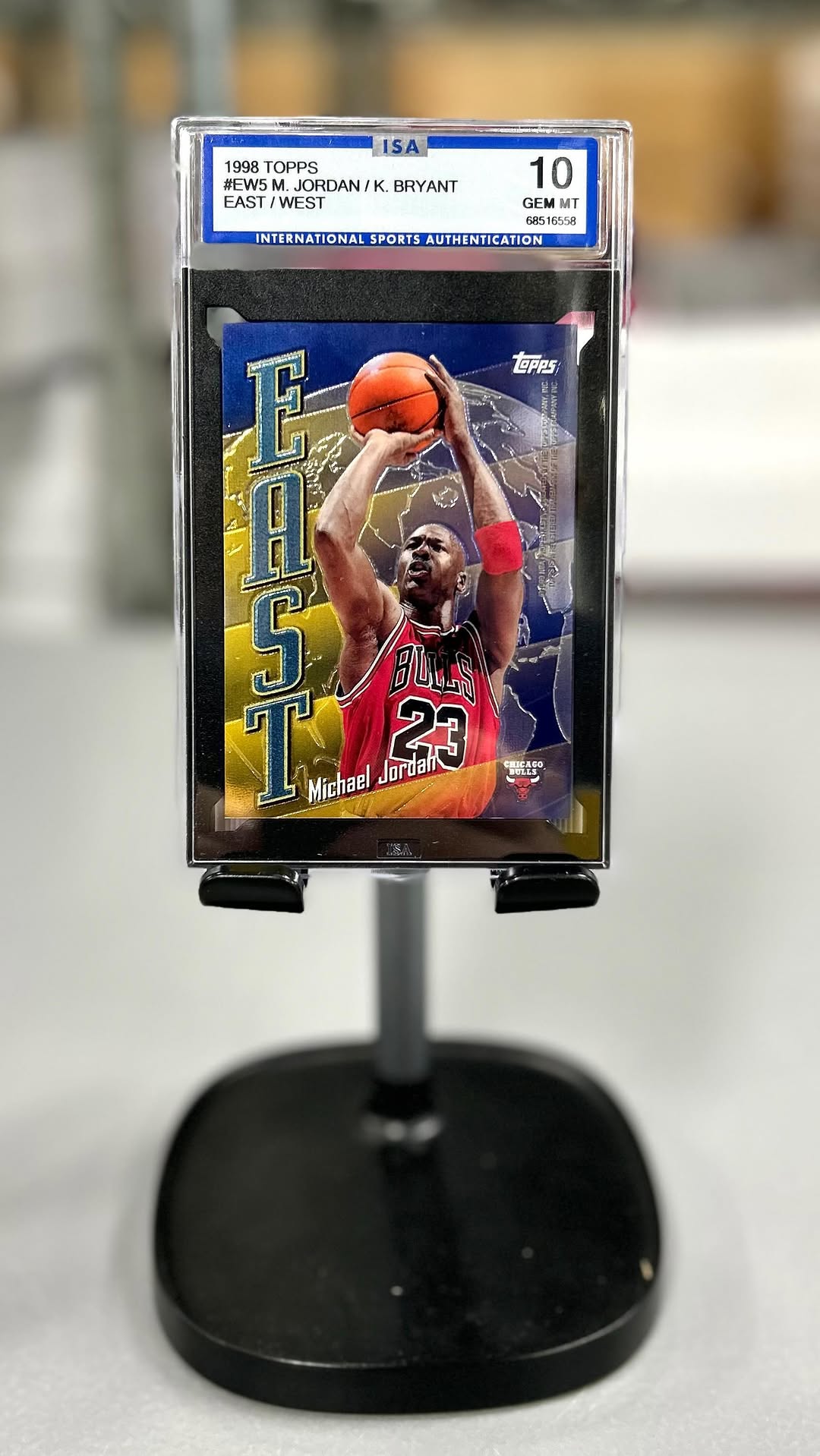
A slab is a rigid holder that keeps the card from being directly handled during ordinary storage or display. The label gives you a quick way to identify the card and see its assigned grade. Trading card slabs can still get scuffed, and a holder is not a reason to leave a card in direct sunlight or a hot car. Store slabbed cards where they will not slide around or knock into one another.
Sports card authentication addresses whether the card is genuine. Grading assesses its condition. Certificate verification serves a different purpose: it lets you look up the certificate tied to the slab. Use the ISA certificate verification page to check the number and compare the available record with the slab label and card in front of you.
That extra check is useful if you are buying from photos. Ask for clear shots of the front and back, including the full label. If the number is unreadable, request a better photo. A matching certificate record helps establish buyer confidence, but it does not replace looking at the actual card and holder. The listing photos should show what the seller intends to deliver, including any obvious slab damage.
Sell graded cards with photos and useful details
Use the same identifiers a buyer would use to find your card: player, year, set, card number, and the specific parallel or variation. State the grading company and grade plainly. Photograph both sides in even lighting with as little glare as possible, and include a readable view of the label. If the slab has a scuff, show it in a photo and describe it separately from the condition of the card.
Set your price using completed sales rather than asking prices alone. Look first for sales of the exact card in the same grade from the same grading company. If those are scarce, broaden the search, but note what changed. A different parallel, grade, or grading company may make a sale less useful as a direct comparison. Work out what you would keep after marketplace fees and shipping before deciding on a list price.
For example, if a card could sell raw for $30 and the graded copy could sell for $45, the $15 increase only covers the grading charge. It leaves nothing for other costs and does not account for a lower grade or a slower sale. A card with those numbers might still belong in a personal collection batch, but it is not an obvious resale candidate.
Build a batch you would be happy to get back
A practical way to reach ISA's 10 card minimum is to sort cards into three groups: keep, sell, and wait. Pull the cards you most want to protect from the first group. From the second, choose cards whose numbers make sense at a realistic grade. Leave cards with uncertain identities or condition in the wait group until you can take another look. If that gives you 10 cards at $150 in grading charges, you have an order with a clear reason for every slot.
If a card's format or your deadline could change what you send, contact ISA Grading before packing the order. A quick check can help you decide whether to send the batch now or hold it until you have the right cards and enough time.
Submit Cards to ISA Grading
Collectors ready to use ISA Grading can start on the submission page. The current active service is $15 per card with a 14 day turnaround, no upcharges, and a 10 card minimum.
Frequently Asked Questions
How much does ISA charge to grade sports cards?
ISA charges $15 per card with no upcharges. At the 10 card minimum, the grading charge is $150.
What is ISA Grading's current turnaround?
ISA lists a 14 day turnaround for its current grading service. When planning around a show or sale, allow additional time for shipping and handling your cards before and after grading.
Can I submit fewer than 10 cards at the $15 rate?
No. ISA's current $15 per card service has a 10 card submission minimum.
How do I verify an ISA graded card?
Enter the certificate number from the slab label on the ISA certificate verification page. Compare the available record with the information on the label and the card shown.
Does grading guarantee that my card will sell for more?
No. A graded card's sale price depends on demand, the specific card, and the grade it receives. Compare completed sales for raw and graded copies, then account for grading and selling costs before submitting a card for resale.