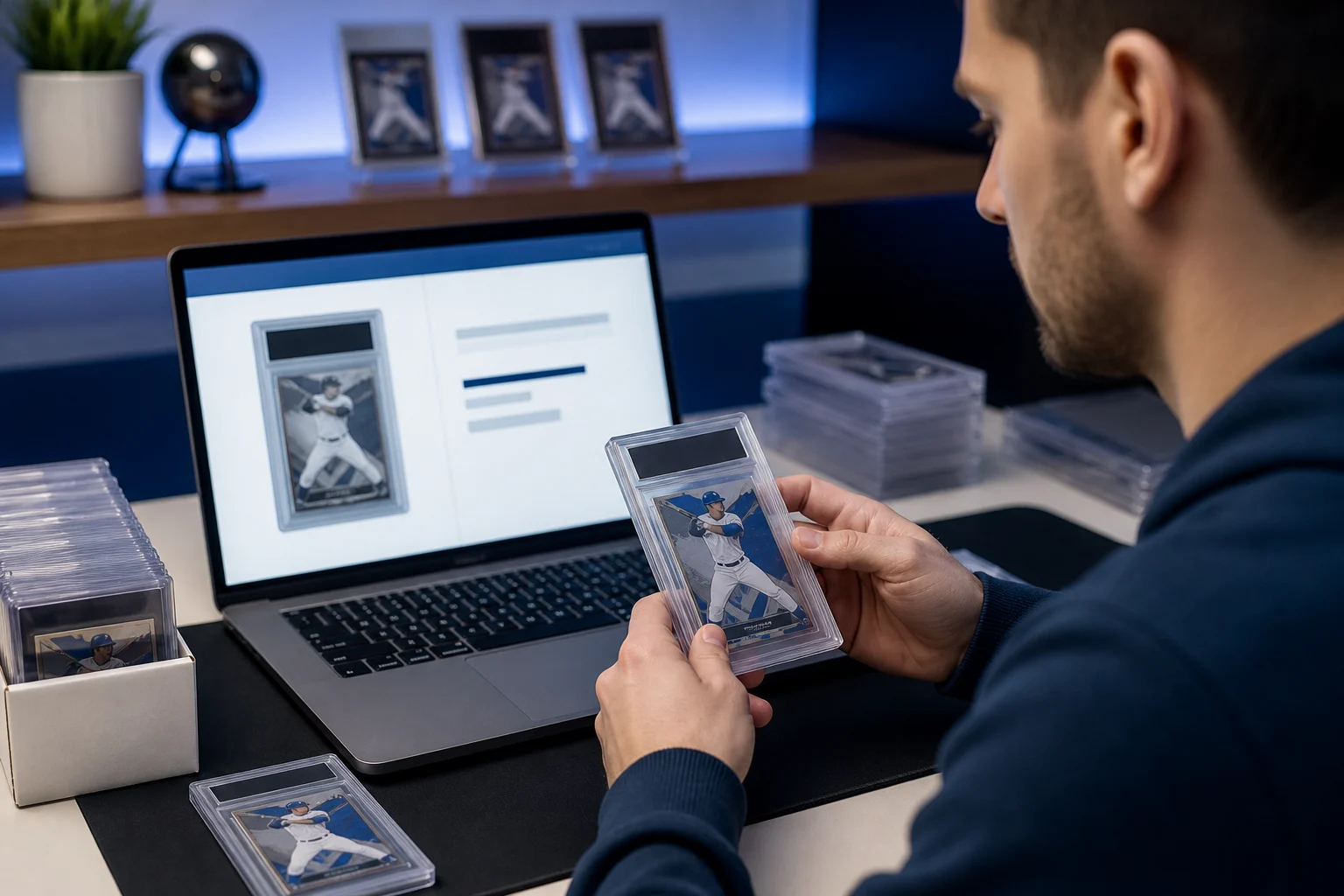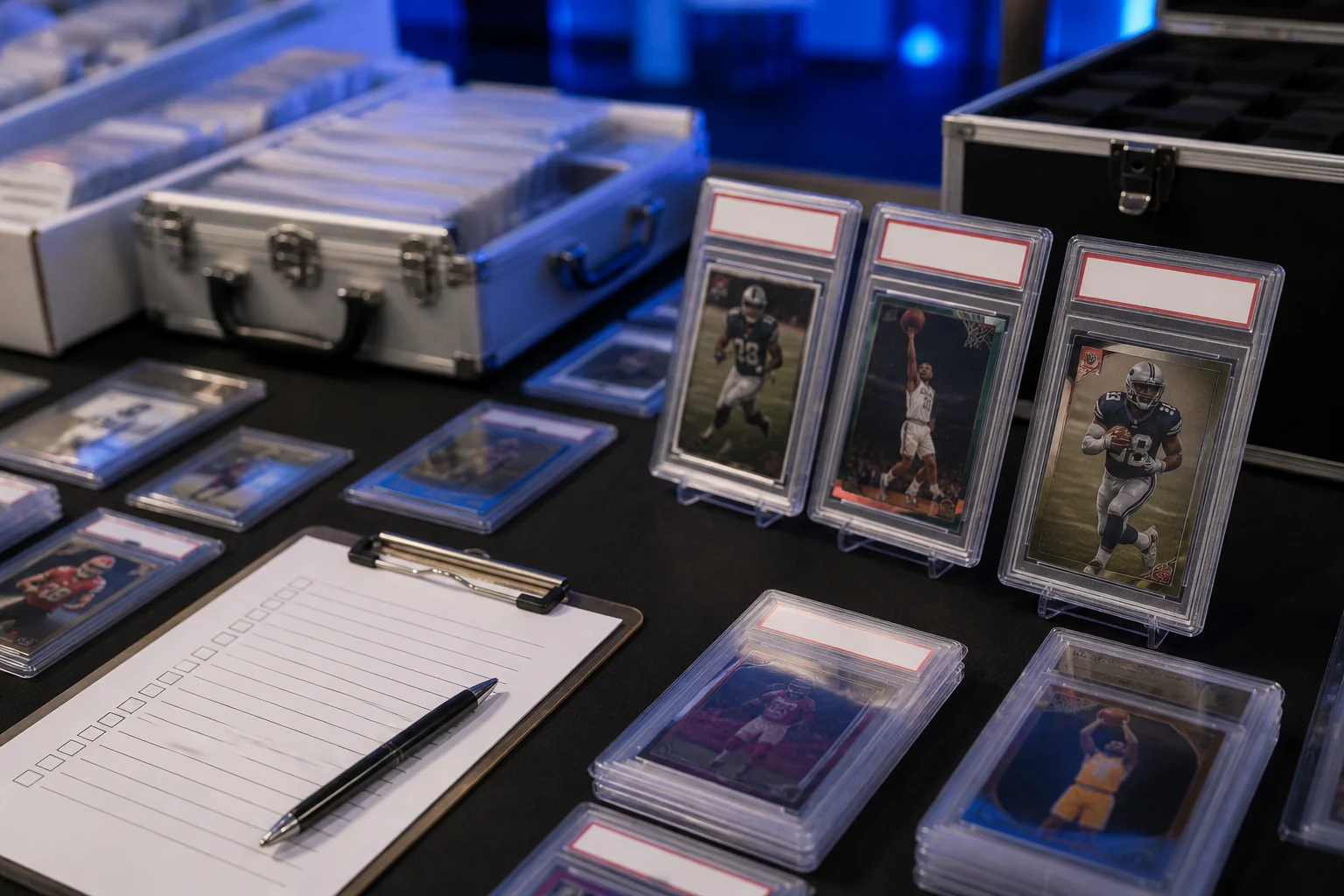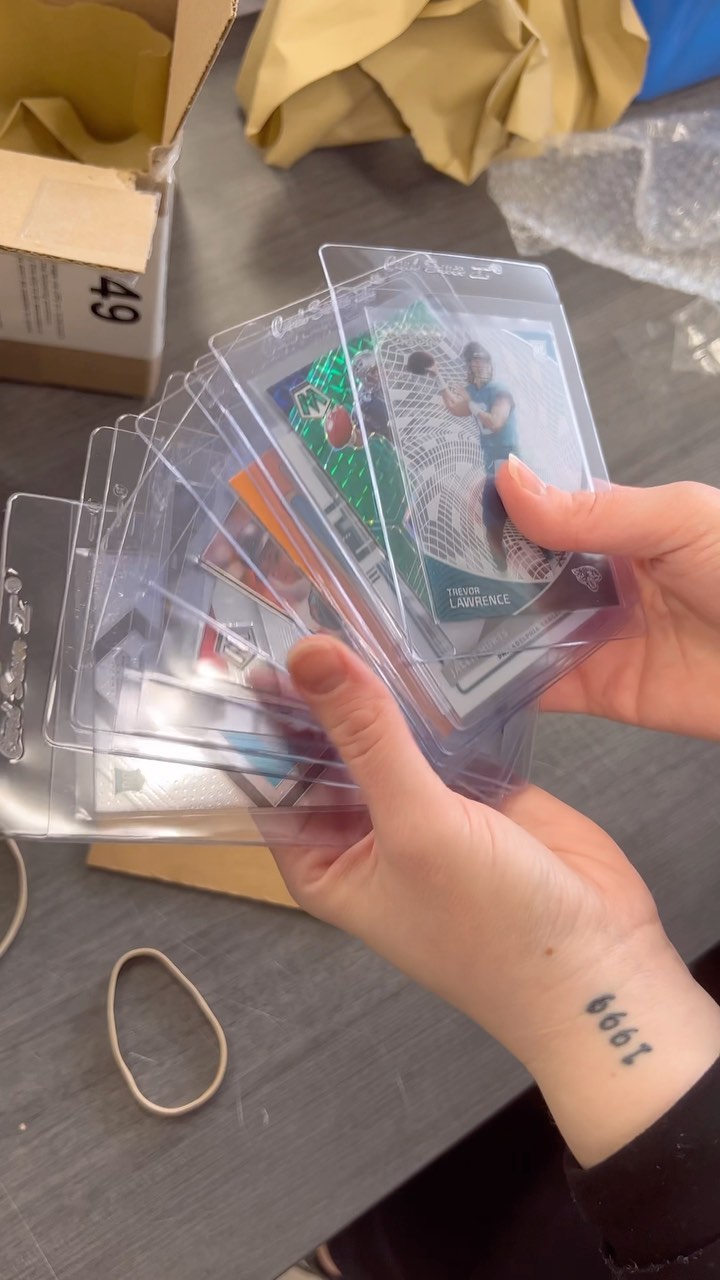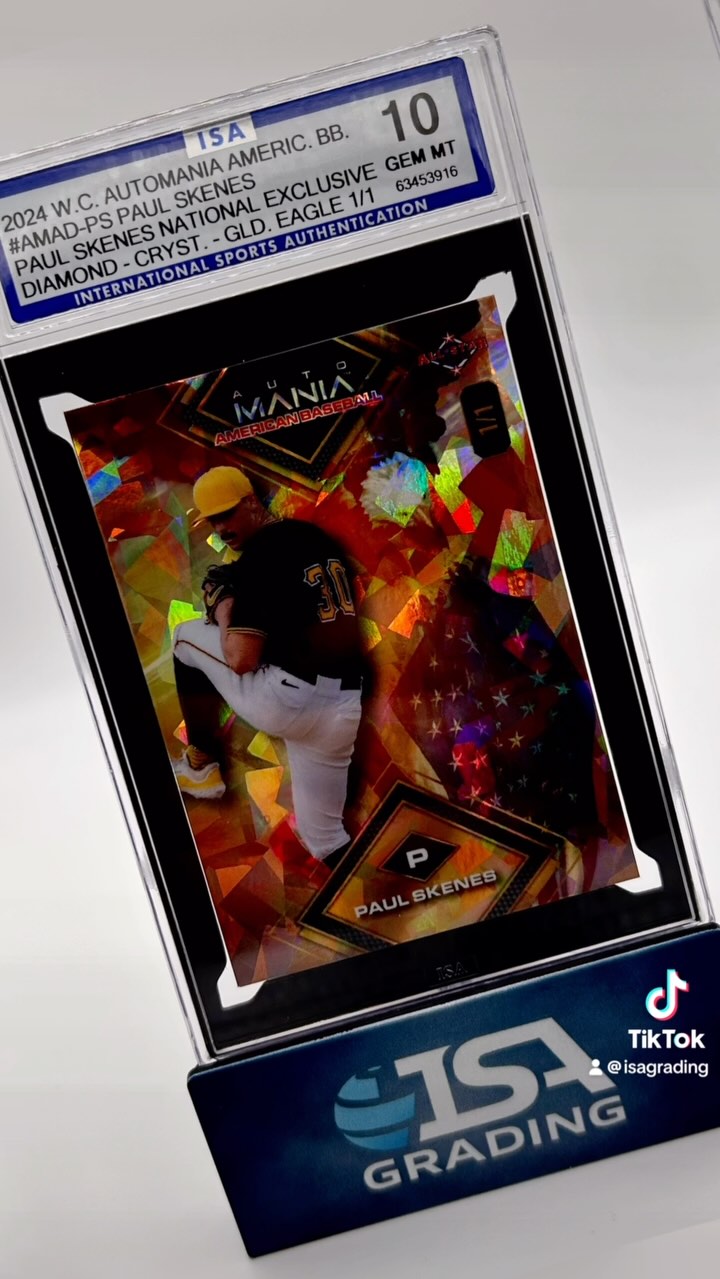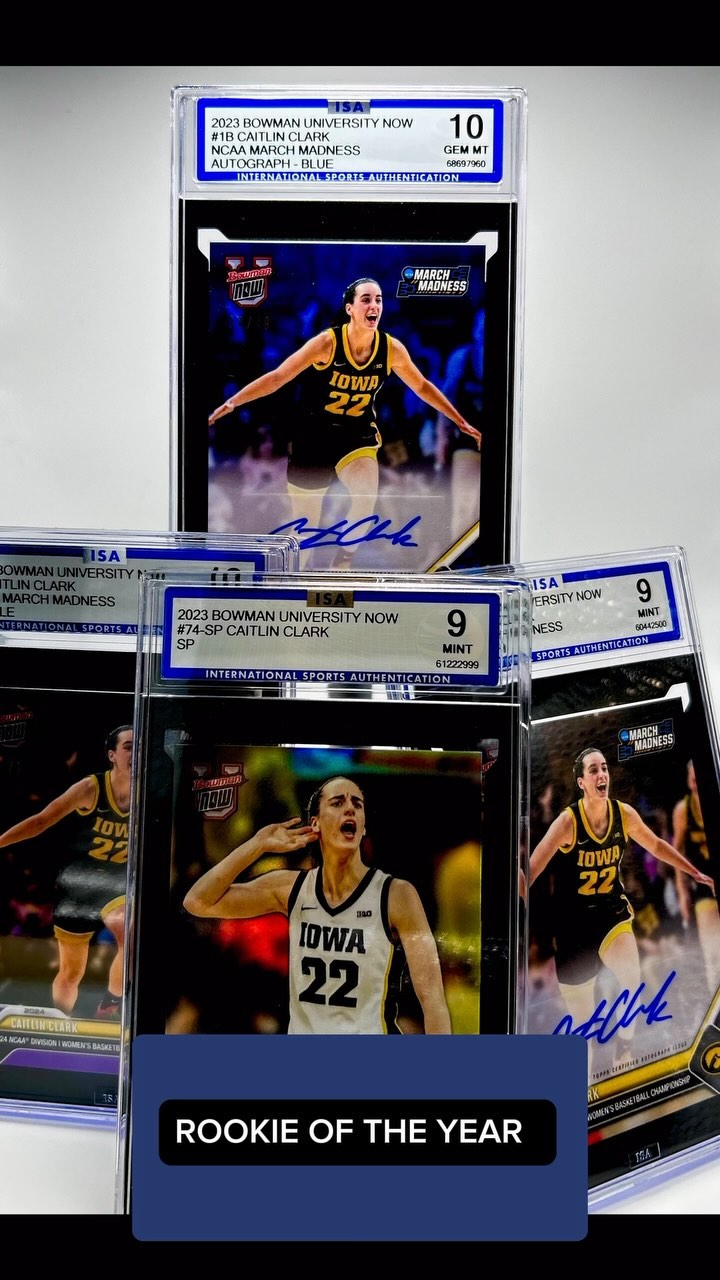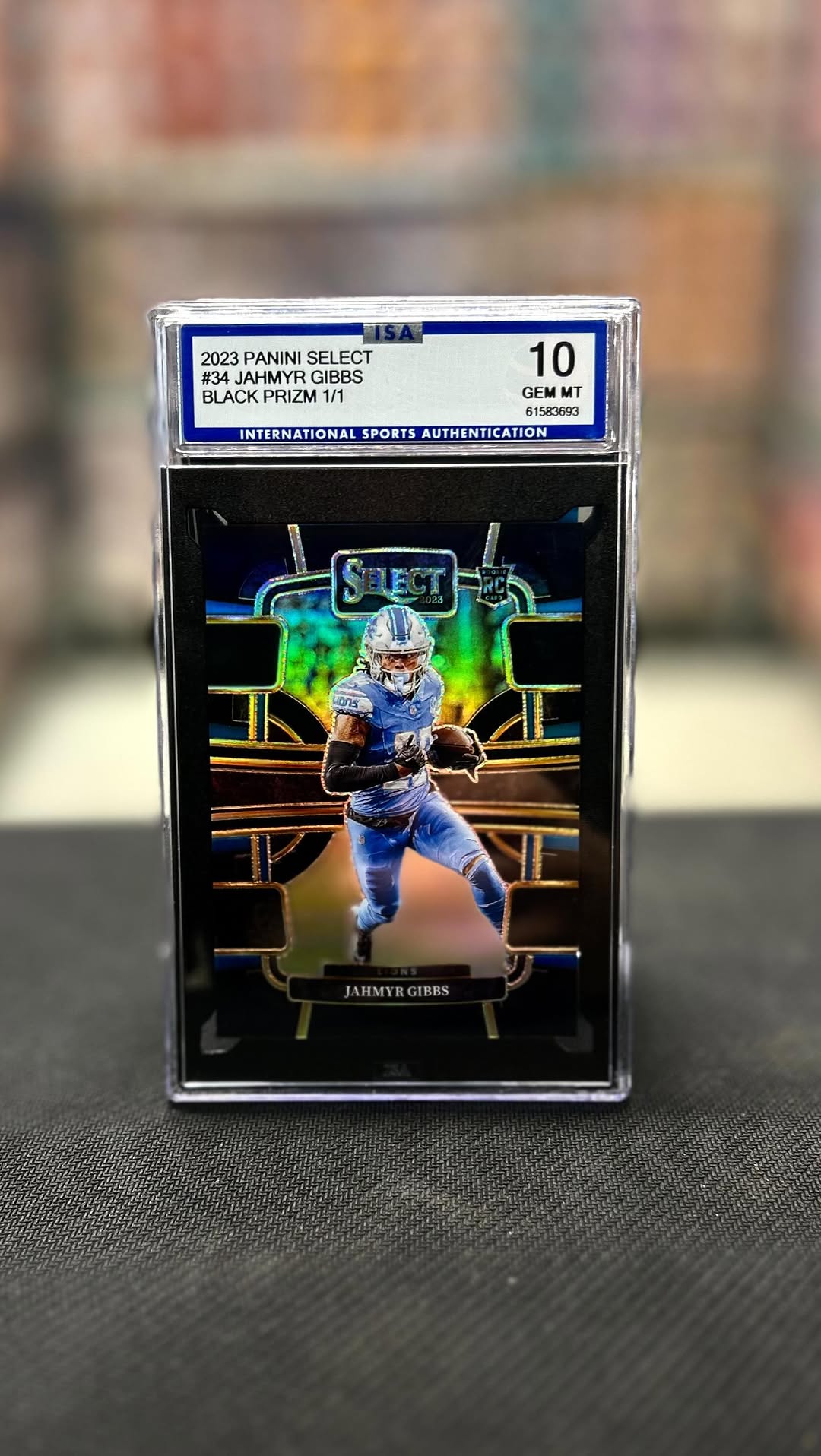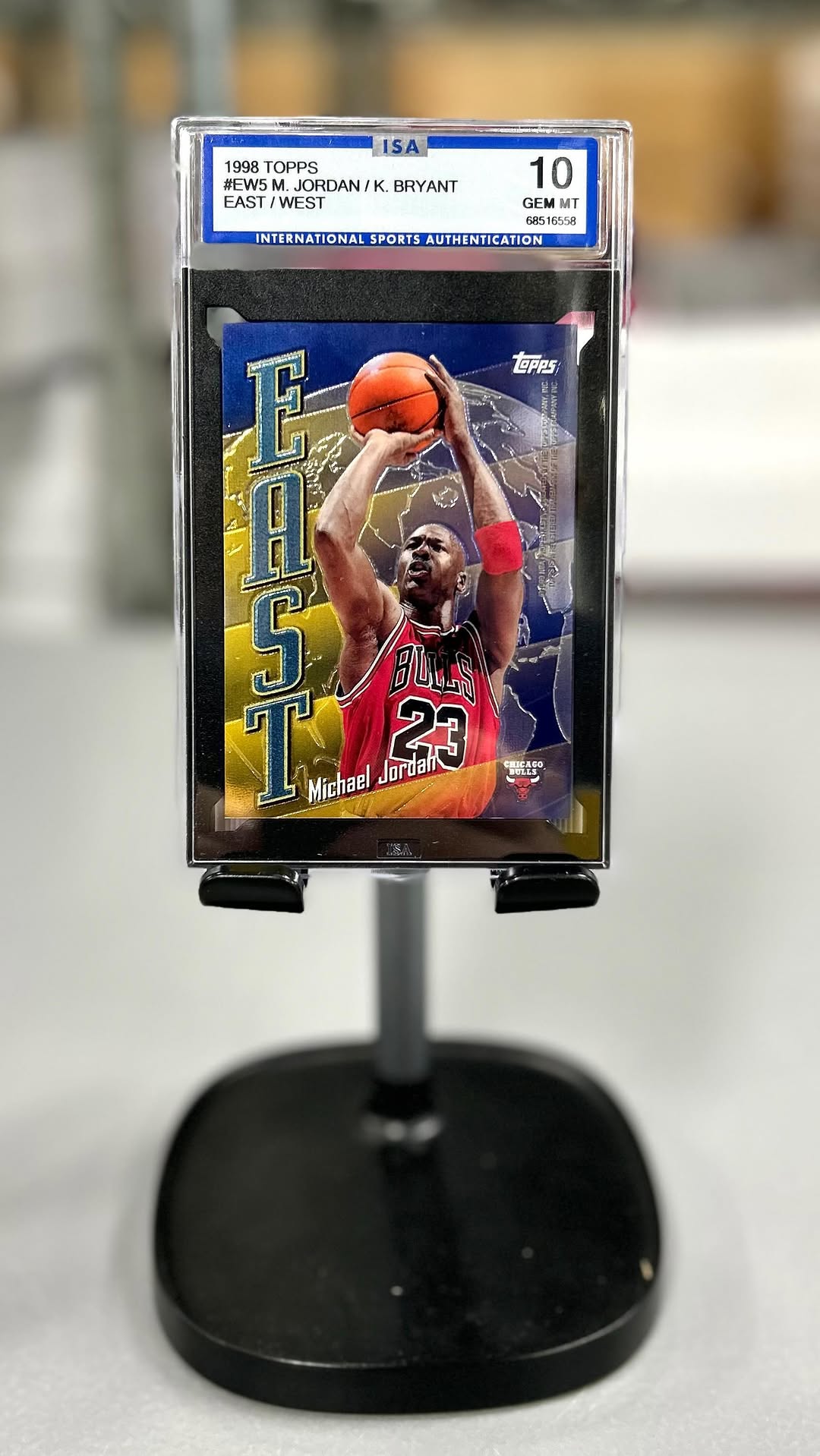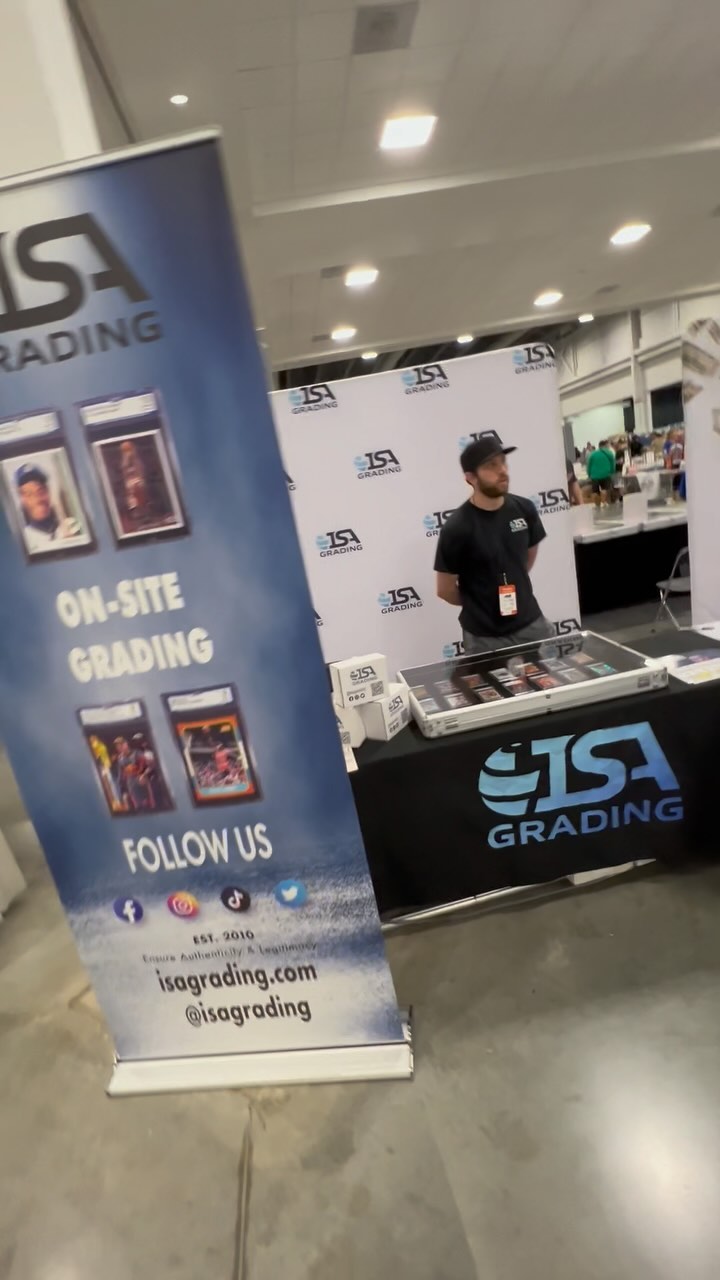

Searching for card grading near me can sound like a simple request for directions. For many collectors, though, the search is really about reducing uncertainty. Where should valuable cards go? What will grading cost? How long will the collection be out of reach? And what information will a future buyer be able to check?
Physical distance matters, but it is only one part of choosing a card grading service. Clear submission requirements, understandable pricing, and a process you can prepare for often matter just as much. Whether you collect for enjoyment or sell regularly, those details help turn a search into a practical decision.
What a Local Grading Search Is Really Asking
Some collectors want an in-person handoff because they are uncomfortable shipping cards. Others want help understanding condition, selecting cards, or preparing a first submission. Dealers may be looking for a repeatable process that fits inventory purchases and upcoming shows. These are different needs, even when they begin with the same search.
Start by identifying which problem you need to solve. If your priority is avoiding shipping, confirm whether a company actually offers public drop-off before visiting. A nearby address does not automatically mean walk-in service. If your priority is cost or timing, compare the published submission terms rather than assuming the closest option is the best fit.
Location can make a process feel more accessible, but proximity alone does not establish grading quality, card protection, or buyer demand. Those deserve their own questions.
Put the Price and Minimum in Writing
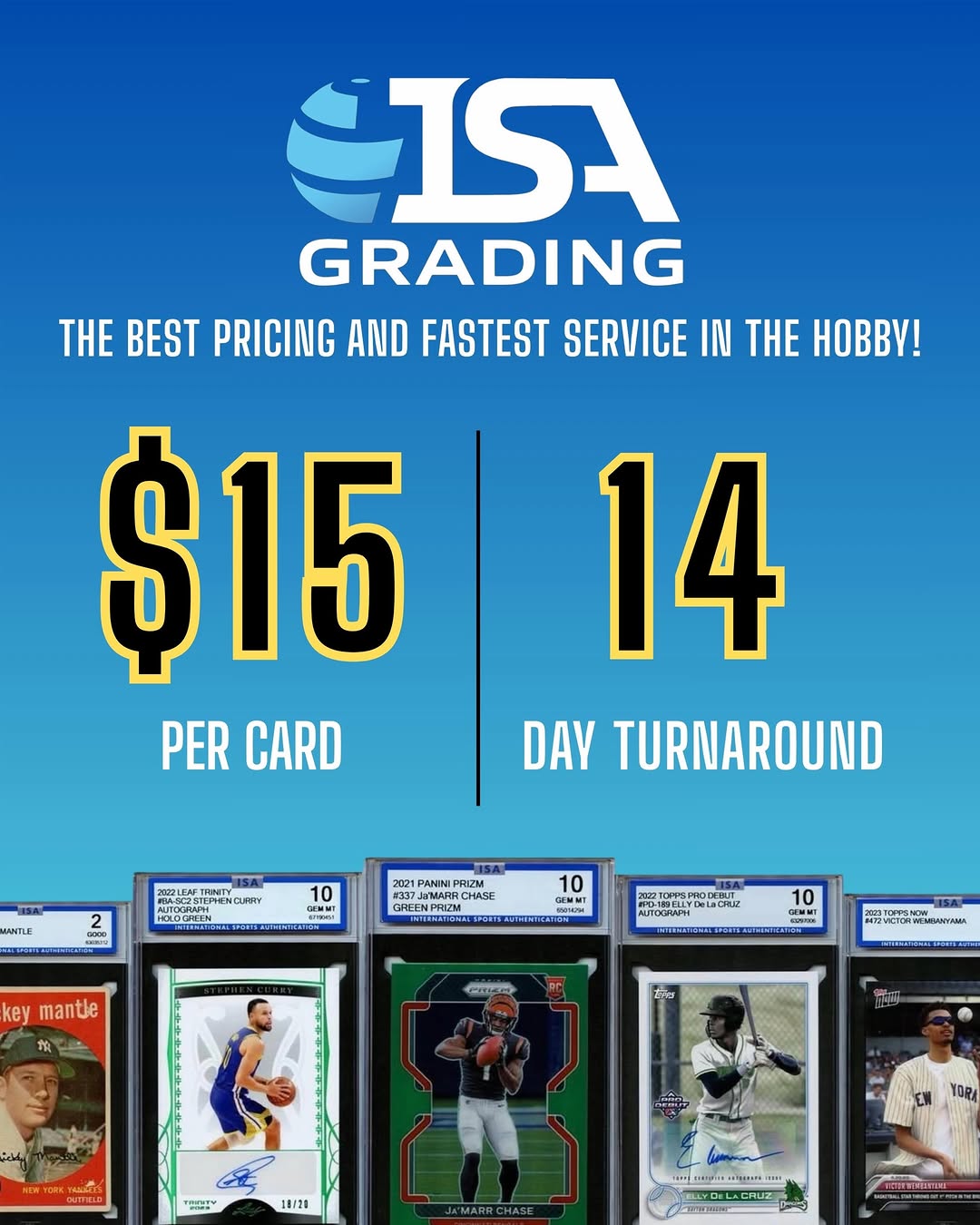
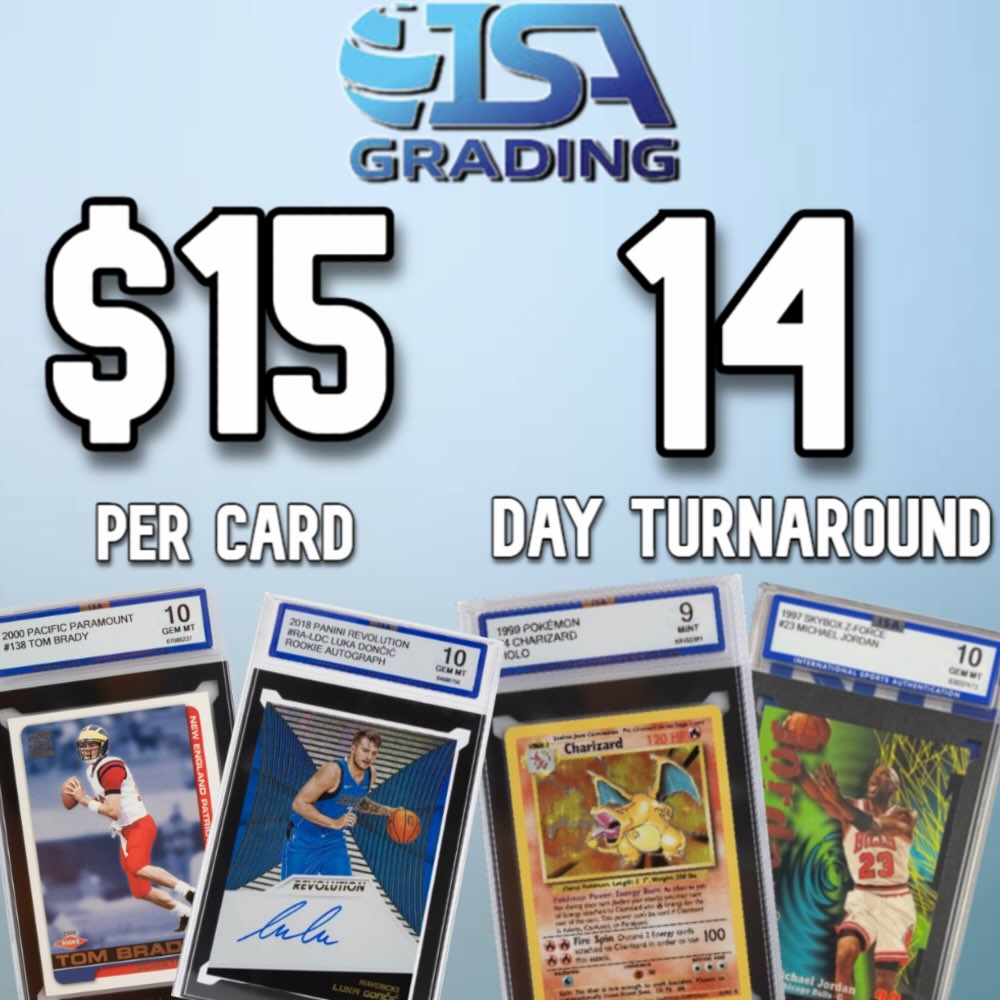
ISA Grading, also known as International Sports Authentication, provides sports card grading and authentication. Its current active service is $15 per card, with a 14 day turnaround, a 10 card submission minimum, and no upcharges. Those are useful starting points for collectors building a submission budget.
At that rate, a minimum submission of 10 cards carries $150 in grading fees. A 20-card submission carries $300 in grading fees. Treat those as grading-fee calculations, not an all-inclusive delivered total. Review the submission instructions for shipping arrangements and any other applicable charges before sending cards.
For collectors considering $15 card grading, the important question is not simply whether the price sounds affordable. It is whether each card has a reason to be included. A favorite childhood card and a dealer's resale candidate may justify the same fee for very different reasons.
ISA's explanation of its $15 per card grading service offers additional context. No upcharge card grading can make the grading-fee portion of a submission easier to calculate without depending on a hoped-for final grade.
Understand Turnaround Before Planning a Sale
Turnaround affects more than patience. A dealer may need inventory for a show, while a collector might want a card returned before a gift exchange or a planned sale. ISA currently lists a 14 day turnaround. Before organizing around a specific date, check how the service defines its turnaround period and submission requirements.
Do not assume a grading turnaround includes every day between packing a box and receiving the return shipment. Outbound transportation, delivery processing, and return transportation also belong in your planning. Consult ISA's frequently asked questions for available process details, and resolve any remaining timing questions before submitting.
Fast card grading is most useful when it fits a realistic schedule. If missing an event would create a financial problem, leave room for shipping variability instead of treating the listed turnaround as a guaranteed delivery appointment.
Choose Cards With a Clear Purpose
A 10 card minimum encourages you to think in batches, but it should not encourage careless additions. Start with cards you genuinely want authenticated, assessed, or protected in a holder. Then separate personal collection choices from cards intended for resale. The financial test for those groups does not have to be identical.
- Personal collection cards: Consider sentimental value, display preferences, and whether third-party assessment would improve your enjoyment.
- Resale candidates: Compare recent completed sales of the same card in similar grades, not just optimistic asking prices.
- Cards with uncertain authenticity: Identify what needs clarification before treating the card as sale-ready inventory.
- Lower-value cards: Consider whether grading fees, shipping, and selling costs make sense relative to likely proceeds.
Baseball card grading might involve an older rookie with visible corner wear. Football card grading could involve a modern parallel whose appeal depends heavily on condition. Basketball card grading may involve a foil card with subtle surface marks. The sport changes, but disciplined selection remains useful.
Inspect Condition Without Trying to Predict a Guaranteed Grade
Before submitting, inspect each card under good lighting and handle it as little as possible. Look at the front and back, then examine corners and edges. Tilting the card gently under light can help reveal marks that are difficult to see straight on. Work over a clean, uncluttered surface.
Pay particular attention to the card surface. Scratches, indentations, print defects, stains, and creases can affect condition assessment. A card that looks sharp inside a sleeve may reveal additional issues when viewed carefully. Avoid assuming that a newly opened card is automatically a high-grade example.
Check card centering as well. Compare the visible borders where the design allows it, and examine both sides. Borderless designs can require closer attention to how the image and printed elements sit within the card. Review ISA's grading scale to understand its published grade descriptions rather than relying on informal hobby shorthand.
Vintage card grading requires the same honesty about condition. Age can explain wear, but it does not erase it. A well-loved vintage card may still be meaningful and worth authenticating without being a candidate for a high numerical grade.
Separate Authentication From Condition Assessment
Card authentication and grading answer related but different questions. Authentication addresses whether a card is genuine within the scope of the service. Grading assesses condition under the company's standards. A genuine card can have substantial wear, and a visually attractive card can still raise authenticity concerns.
This distinction matters when evaluating older cards, unusual printing characteristics, or purchases with limited documentation. Sports card authentication is not a substitute for researching the card's identity, variation, and history. Before submission, record what you believe the card to be and note any specific uncertainty that needs clarification.
If you are new to the process, read this collector's guide to authentication. Preparation starts with knowing what you are sending, not simply deciding what grade you hope to receive.
Protect Cards Before They Reach a Slab
Card protection begins before grading. Follow the company's current holder and packaging instructions instead of copying a method from an unrelated submission. Use clean supplies, avoid forcing cards into tight holders, and keep adhesive away from card surfaces. Do not clean, press, trim, or otherwise alter cards in an attempt to improve their condition.
Create an inventory that identifies each card clearly. Year, manufacturer, set, player, card number, and relevant parallel information can help reduce confusion. Photographs of the fronts and backs provide a useful personal record. Keep a copy of your submission information and shipping documentation where you can find it.
Trading card slabs provide a rigid holder for handling and storage, but a holder does not make a card indestructible. Avoid excessive heat, direct sunlight, moisture, and rough handling. Protection remains an ongoing responsibility after the graded cards return.
Use Certificate Verification as a Buyer Check
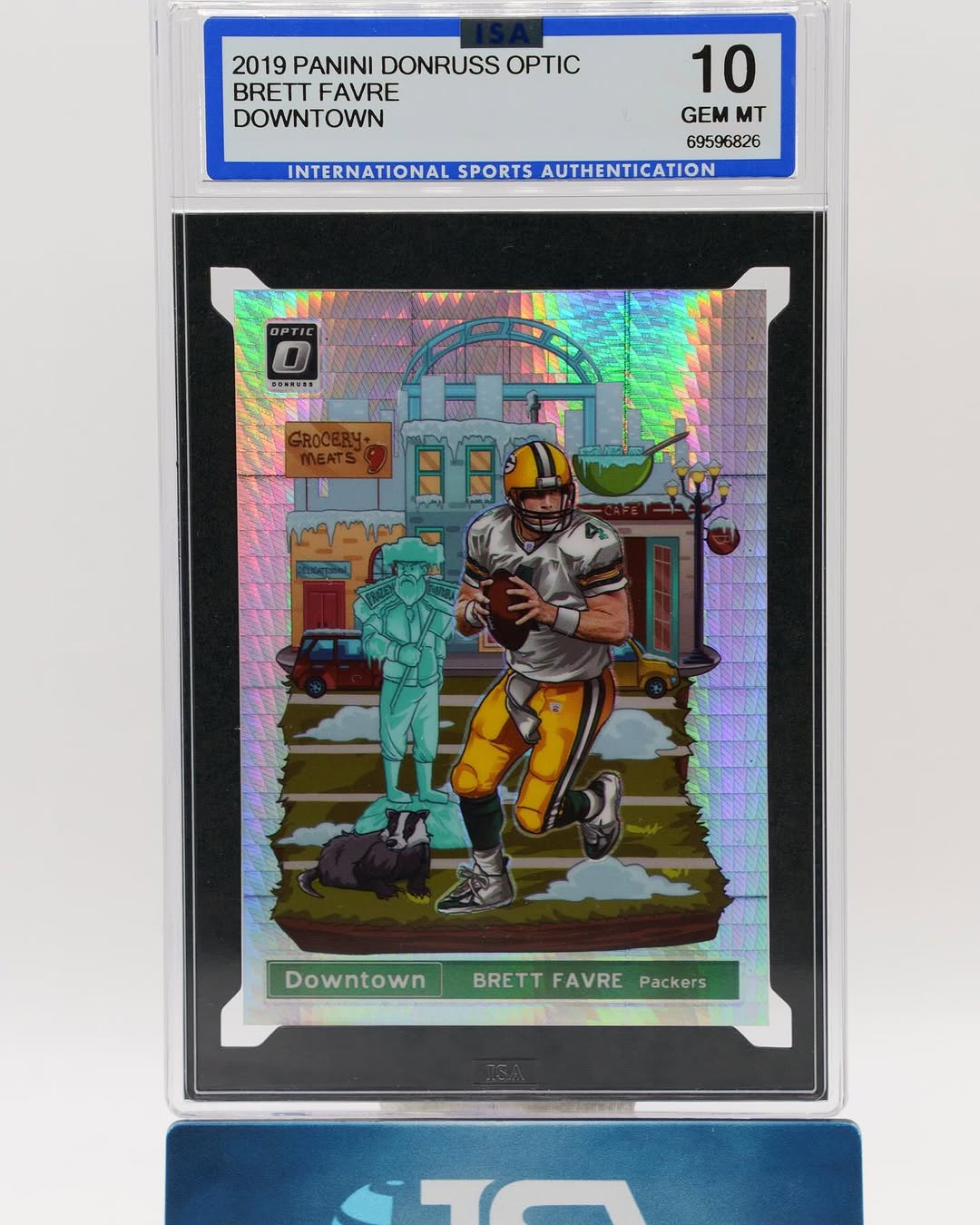
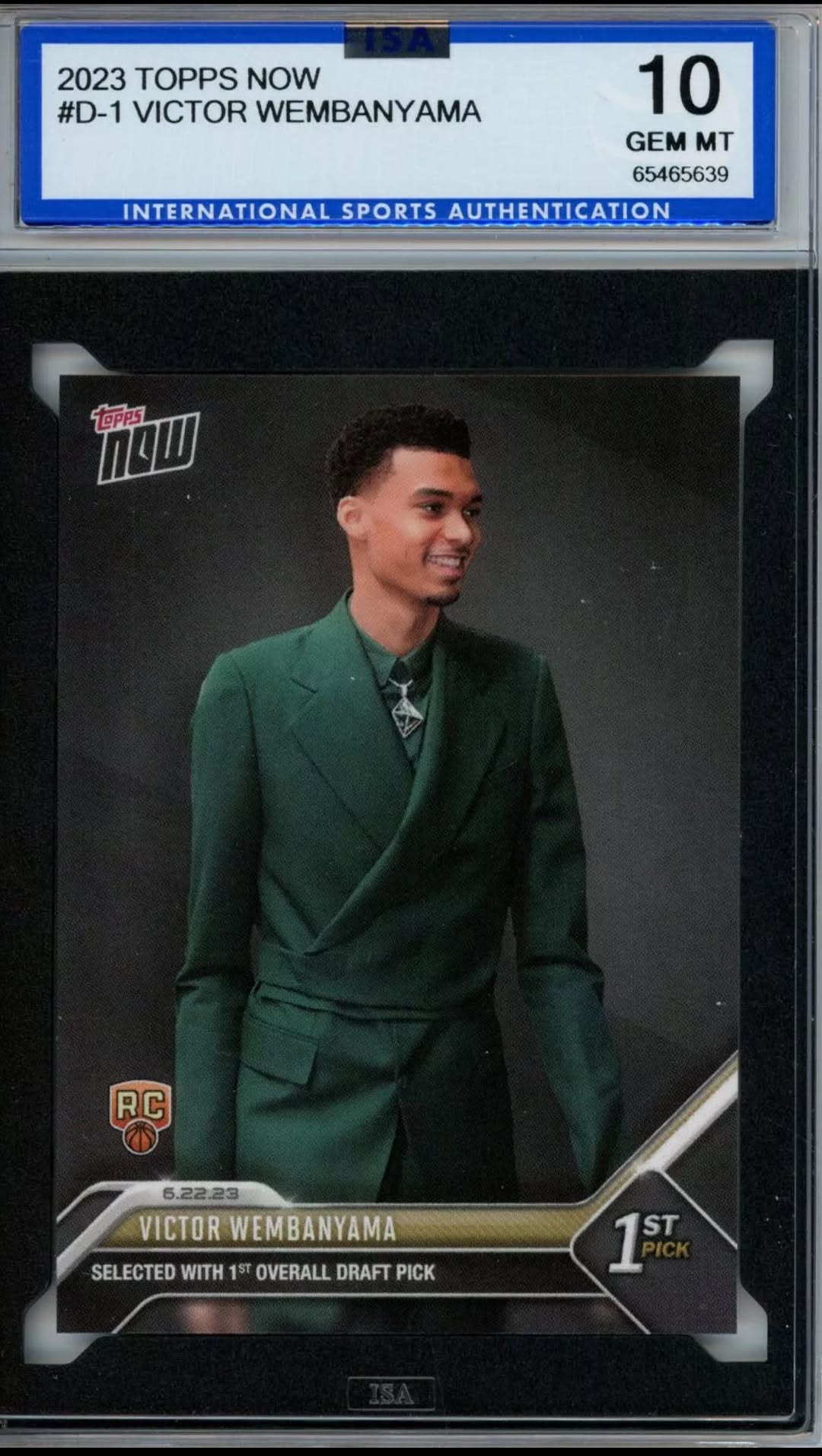
A slab label provides information, but collectors should know how to check the associated certificate record. ISA offers certificate verification on its website. When reviewing a graded card, compare the available verification details with the label and the card being offered.
Verification is especially useful when evaluating an online listing, where photographs may be incomplete or difficult to read. Ask for clear images of the card and holder, including the certificate number. If details do not align, pause and seek clarification rather than making assumptions.
A certificate lookup is one part of due diligence, not a replacement for examining the actual item or evaluating the seller. Buyer confidence comes from consistent information: a clear listing, readable photographs, an identifiable card, and a verification record that matches the presented details.
Selling Graded Cards Still Requires Market Research
Grading can give buyers a standardized condition reference, but it does not guarantee a sale or a particular price. Demand varies by player, set, scarcity, grade, grading company, and selling venue. Research completed transactions that resemble your actual card as closely as possible before deciding on a listing price.
For a resale submission, estimate likely net proceeds rather than focusing only on the potential sale price. Include acquisition cost, grading fees, shipping, marketplace fees, and other selling expenses that apply to your situation. Consider more than one possible grade so the decision does not depend entirely on the best-case outcome.
Once cards return, photograph the fronts and backs clearly, show the slab labels, and describe the cards accurately. Dealers working toward an event can use this guide to grading cards for your next show to organize the path from submission to inventory.
Confirm Eligibility Before Building a Mixed Submission
Broad trading card grading searches often include sports cards and non-sports collectibles together. Someone researching Pokemon card grading or TCG card grading may encounter sports-focused services, but that does not establish which categories those services currently accept.
ISA's service described here is sports card grading and authentication. Before including any other category, confirm current eligibility directly rather than assuming every card type qualifies. The same caution applies to unusual sizes, specialty materials, and other cards that may require different handling.
Make the Submission Decision With the Details in Hand
The most useful grading choice is one you can explain before the cards leave your collection. Know why each card is included, what the grading fees will be, how the timeline fits your plans, and what preparation is required. Keep expectations grounded in the card's actual condition and the market you plan to sell into.
For ISA, the current starting terms are straightforward: $15 per card, a 14 day turnaround, a 10 card minimum, and no upcharges. When those terms fit your goals, review the card submission page for current instructions and prepare a batch built around your collection, not just your search results.
Submit Cards to ISA Grading
Collectors ready to use ISA Grading can start on the submission page. The current active service is $15 per card with a 14 day turnaround, no upcharges, and a 10 card minimum.
Frequently Asked Questions
Do I need a grading company close to home?
Not necessarily. A nearby company may be convenient if it offers in-person submissions, but proximity alone does not establish service quality. Compare pricing, turnaround, submission requirements, and verification options. Confirm any drop-off arrangements before visiting.
How much does ISA Grading currently charge?
ISA's current active service is $15 per card with a 10 card minimum and no upcharges. A minimum submission therefore carries $150 in grading fees. Review submission instructions for shipping arrangements and any other applicable charges.
What is ISA's current grading turnaround?
ISA currently lists a 14 day turnaround. Check the current submission terms for how that period is defined, and account separately for outbound and return transportation when planning around a sale or event.
How can I verify an ISA-graded card?
Use the certificate verification page on ISA's website. Compare the available record with the certificate number, label, and card being offered. If information does not match, seek clarification before purchasing.
Will grading guarantee that my card sells for more?
No. Grading provides a condition assessment, but sale prices depend on demand, the card, its grade, the grading company, and the selling venue. Compare relevant completed sales and account for grading, shipping, and selling expenses before submitting for resale.