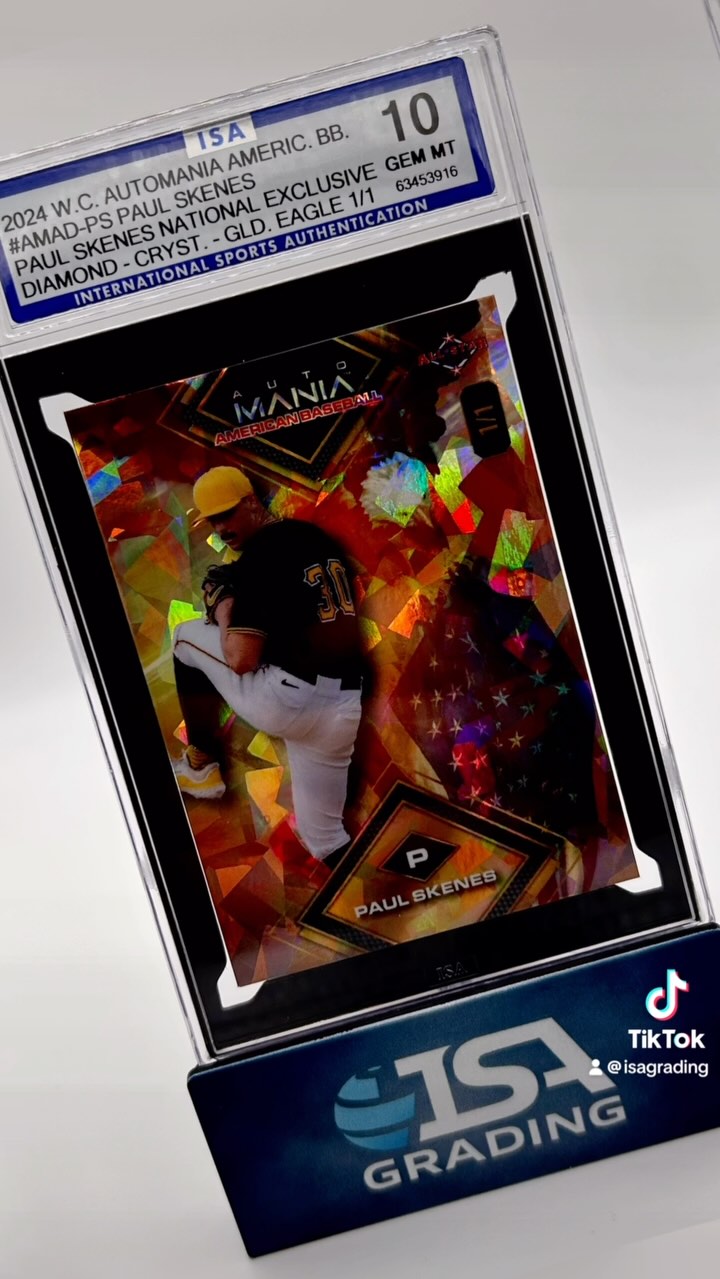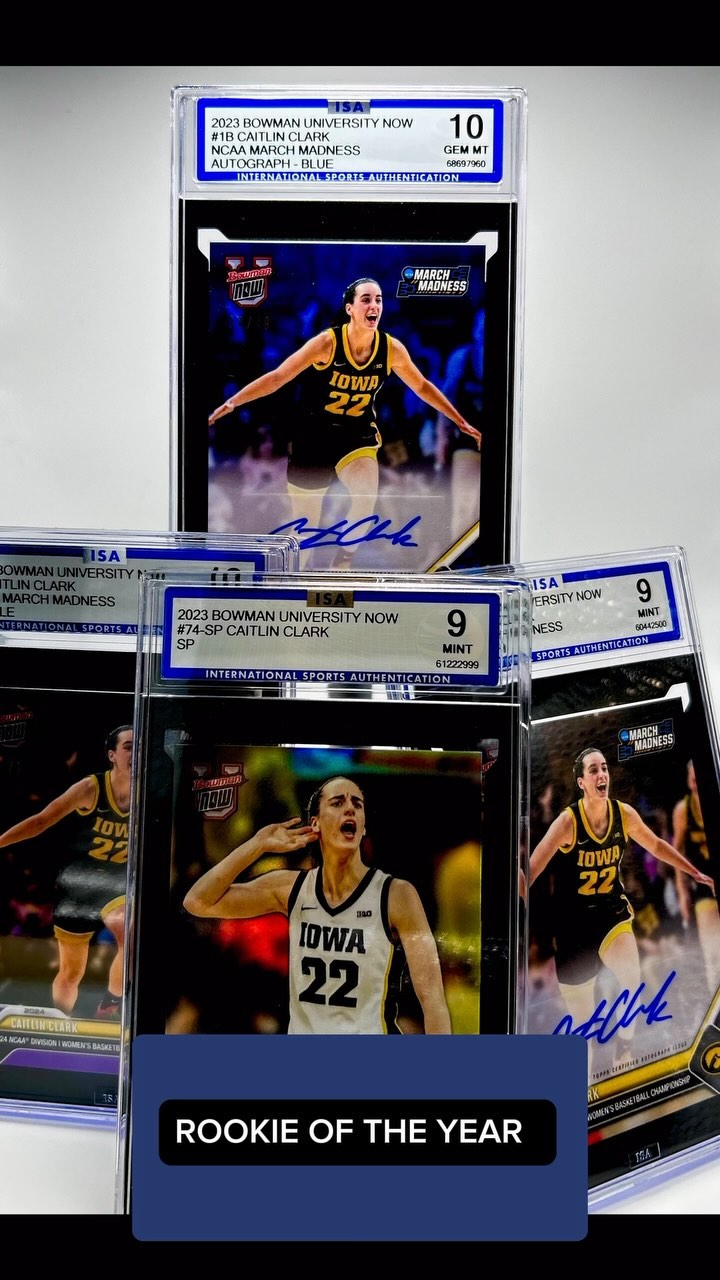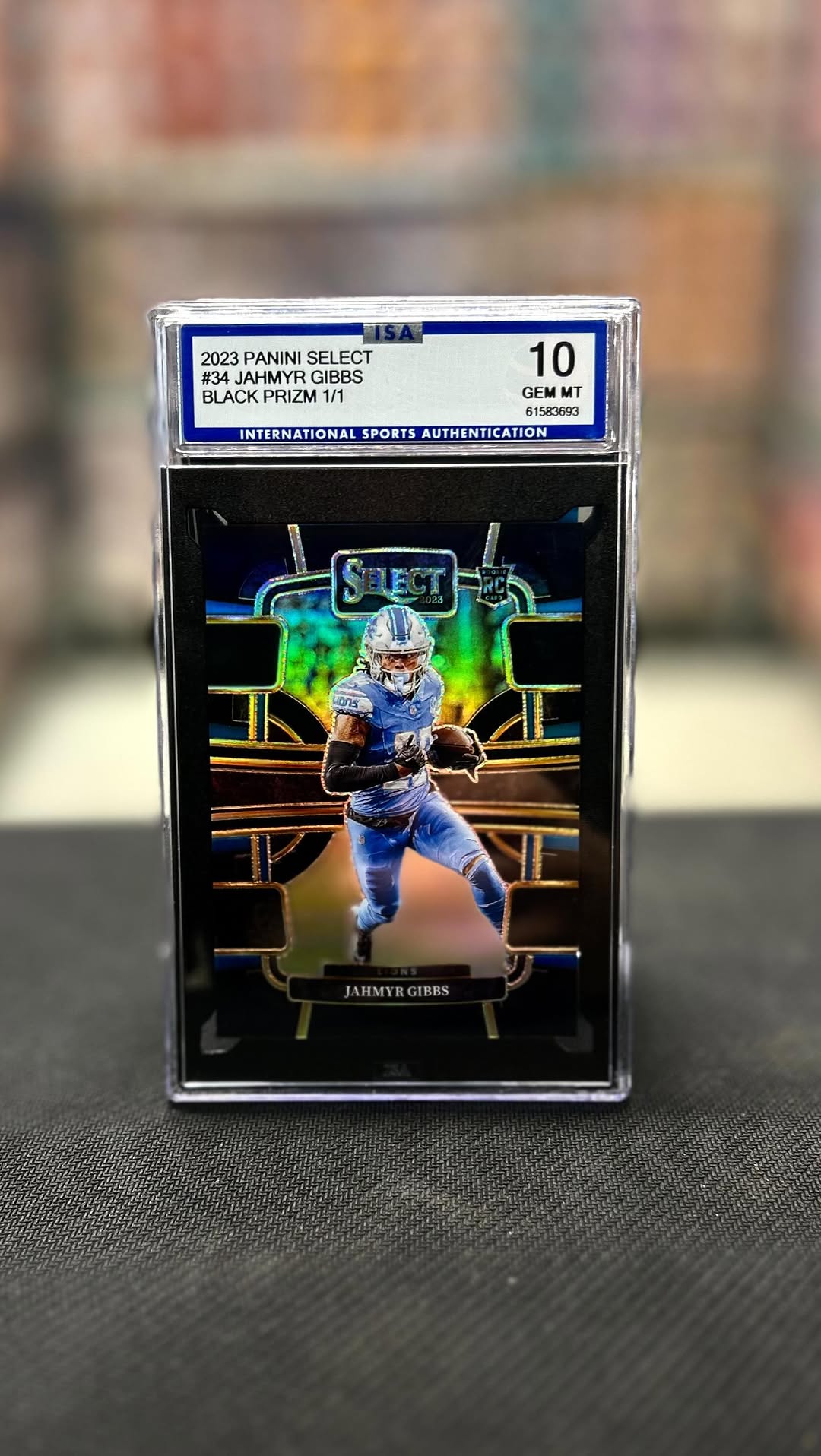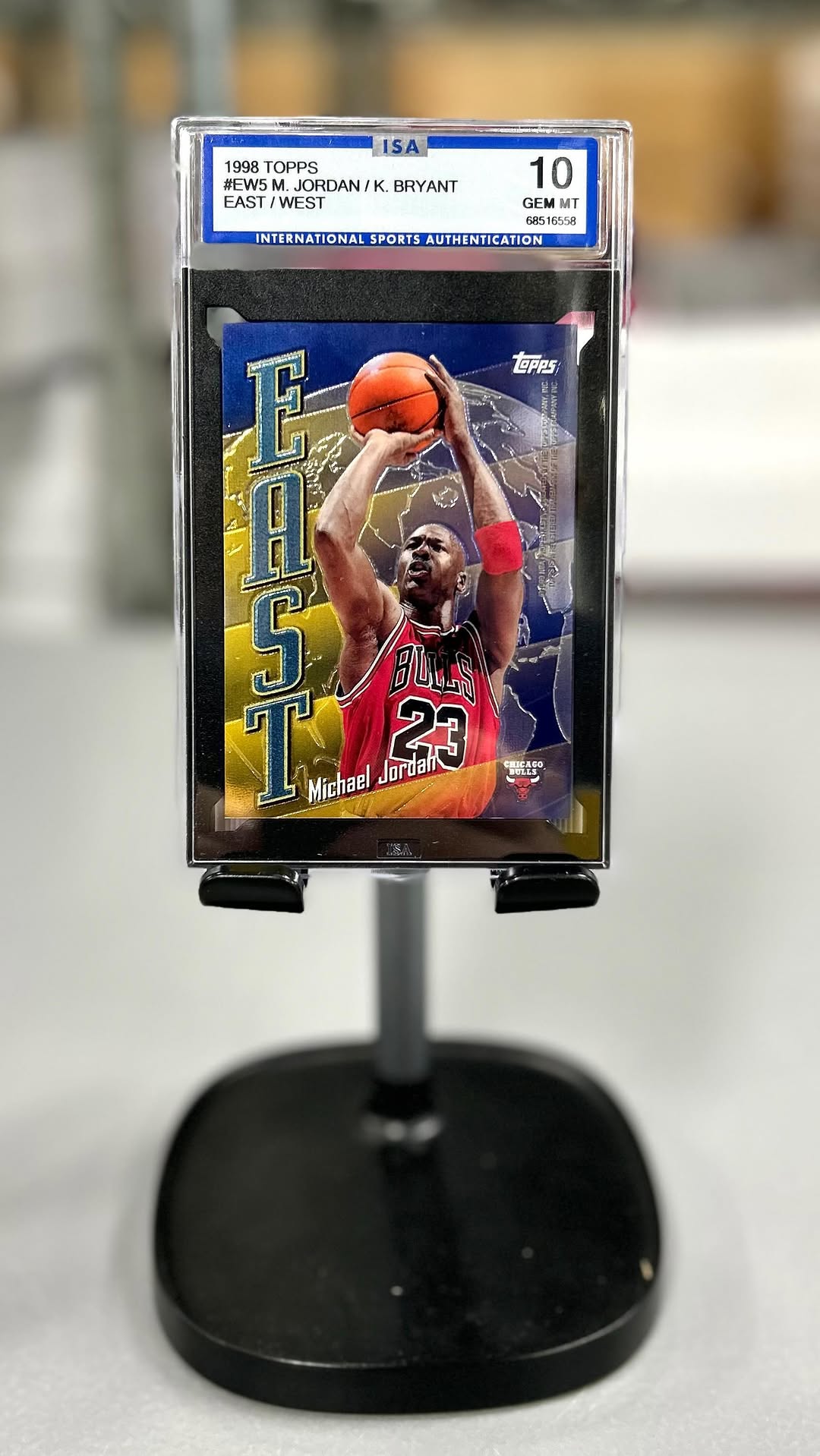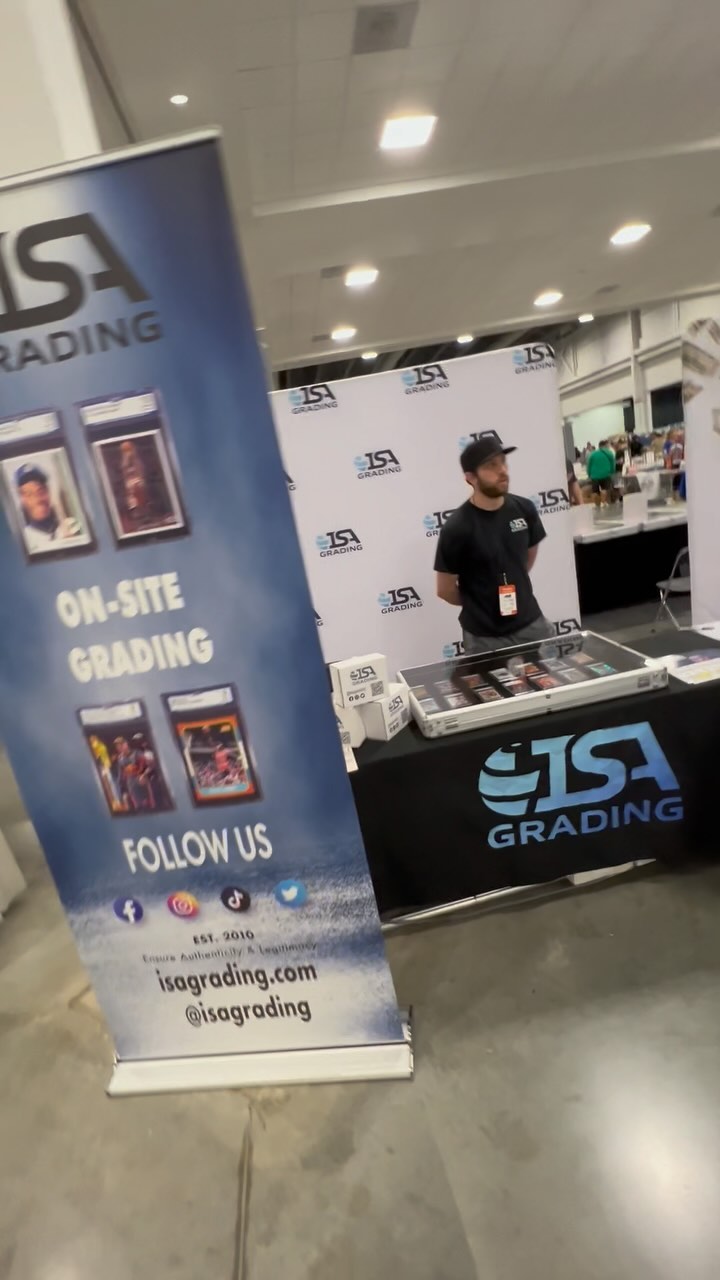
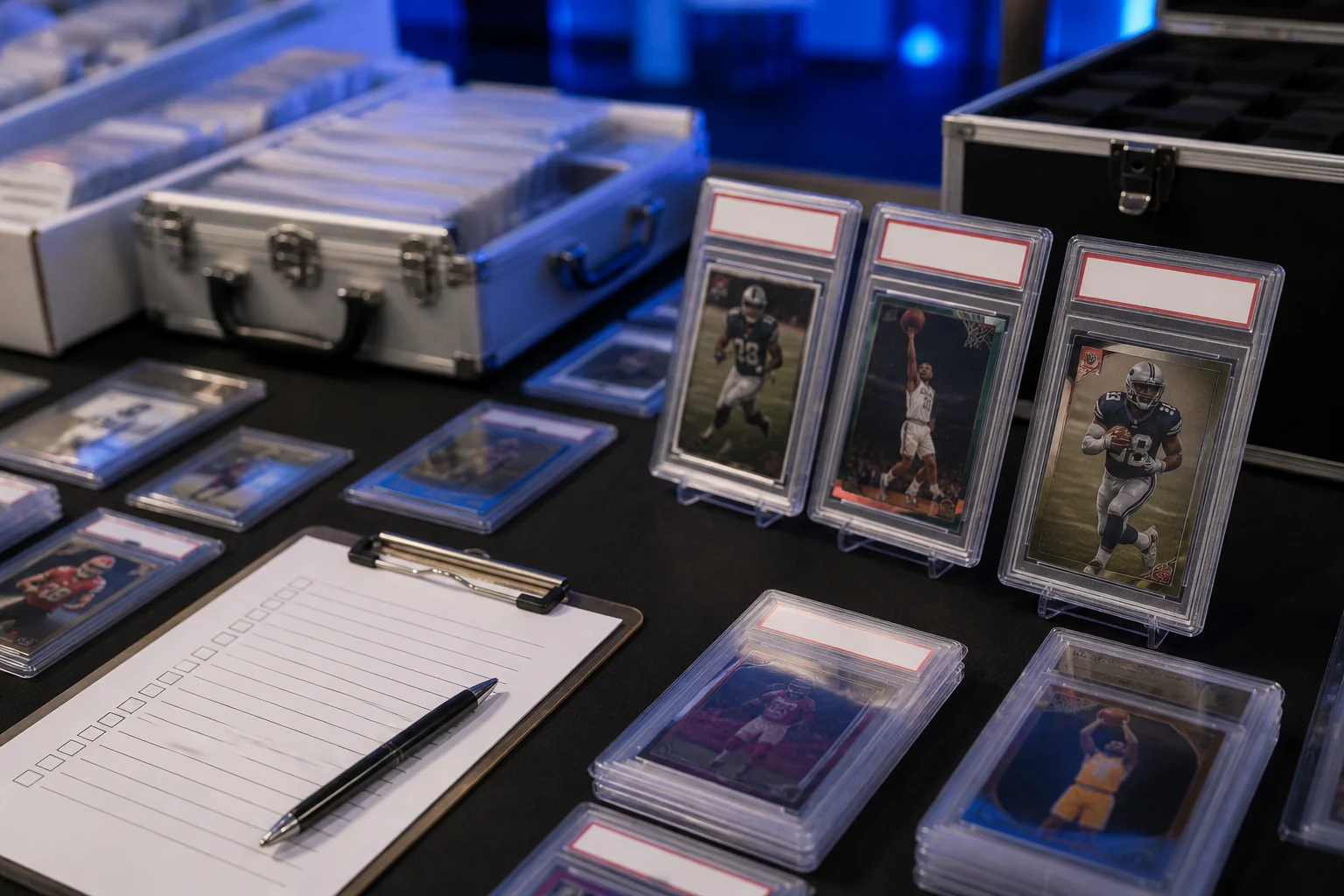
A successful card sale starts before a buyer reaches your table or opens your listing. You need inventory that is easy to identify, condition information you can explain, and pricing that makes sense after expenses. For selected cards, trading card grading can support that process by providing a documented grade and an encapsulated presentation.
ISA Grading, also known as International Sports Authentication, offers sports card grading and authentication at $15 per card, with a 14 day turnaround, a 10 card minimum, and no upcharges. Here is how collectors and dealers can build those details into a practical plan for shows, sales, and online listings without assuming every card needs a slab.
Start With the Sale, Not the Submission
Before asking, Where should I grade my cards?, decide how you expect to sell them. A regional card show, an online auction, and a fixed price listing can involve different buyer expectations and deadlines. Your submission should serve that selling plan rather than simply move cards out of a storage box.
At a show, graded cards can give buyers a consistent starting point for discussing condition. Online, a grade and certificate number can add useful information alongside clear photographs. Neither setting guarantees a higher sale price. Player demand, issue scarcity, condition, grader recognition, and recent comparable sales still influence what buyers will pay.
Sort potential submissions into three groups: cards with a clear grading case, cards that need closer inspection, and cards better suited to raw sales. This keeps grading decisions tied to inventory goals.
Choose Cards With Realistic Selling Potential
Start with comparable sales for the same card, parallel, and approximate condition. Asking prices can show seller expectations, but completed transactions provide stronger evidence of what buyers have paid. When possible, review sales carrying the same grading company's label rather than treating all graded examples as interchangeable.
For rookie card grading, confirm the issue, year, card number, and variation before estimating value. A base rookie and a scarce parallel may look similar in a quick inventory review but require different pricing decisions. Basketball card grading and football card grading also benefit from attention to player demand and the timing of your planned sale.
Vintage card grading deserves realistic expectations. Wear, creases, staining, and previous handling can affect the result, yet a desirable older card does not need a top grade to interest collectors. Choose cards for which authentication and a documented condition assessment may be useful, not only cards you hope will receive the highest grade.
Inspect Centering, Corners, Edges, and Surface
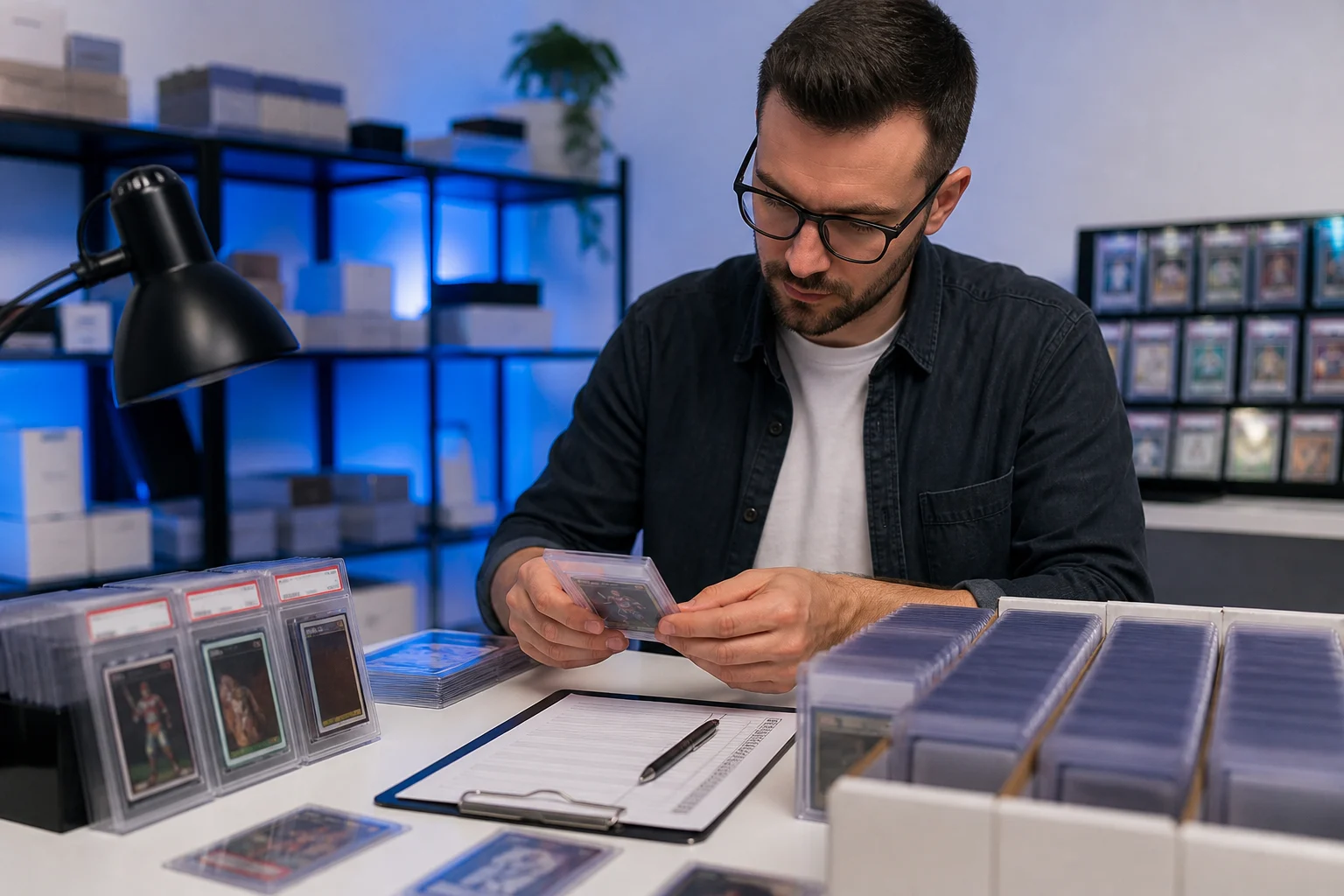
Good preparation begins with a careful inspection under clear lighting. Use clean hands and a clean work area, and handle cards by their edges where practical. Examine both sides before making a submission decision. A strong front image can distract from a reverse scratch or corner problem.
- Card centering: Compare borders or design placement from side to side and top to bottom. Account for intentional design differences.
- Corners: Look for softness, bends, whitening, or separation that may be difficult to see inside a sleeve.
- Edges: Check for chipping, roughness, and visible wear, especially on dark borders.
- Card surface: Tilt the card carefully under light to look for scratches, print lines, indentations, and residue.
Use ISA's grading scale to understand how condition is described. Your inspection is a screening step, not a guaranteed prediction. Do not press, trim, recolor, or otherwise alter a card to pursue a better result. If something looks unusual, ask questions before submitting.
Build a Grading Budget That Includes Selling Costs
ISA's current $15 card grading service makes the grading portion straightforward to calculate. At the 10 card minimum, grading fees total $150. A 20 card submission totals $300 in grading fees. ISA has no upcharges, but you should still account separately for applicable shipping, insurance, supplies, and selling expenses.
For each card, compare the likely net proceeds from a raw sale with the likely net proceeds after grading. Include marketplace fees, postage, and the possibility of a lower grade than expected. If the projected advantage disappears under a conservative estimate, selling raw may be the better choice.
For example, a modest expected price difference can be consumed by a $15 grading fee and other expenses. A card with stronger demand may offer more room, but it still requires evidence from comparable sales. ISA's article on why no upcharges matter provides additional context for planning a grading budget.
Plan Backward From Your Show or Listing Date
ISA currently lists a 14 day card grading turnaround. That is useful for planning, but your selling calendar should also allow for outbound shipping, return transit, intake requirements, and time to photograph and organize returned cards. Do not treat the grading window as a guaranteed door to door delivery date.
Set your internal inventory deadline before the actual show. You may need time to check labels, enter certificate numbers, set prices, and arrange your display. Online sellers also need time to research updated sales and prepare listings after grades are known.
If fast card grading is important because an event is approaching, confirm current timing before shipping. Review ISA's frequently asked questions and clarify how the turnaround is measured. Avoid promising buyers a specific grade or availability date while cards are still in the submission process.
Prepare an Organized, Traceable Submission
A useful submission record begins with a simple inventory list. Record each card's year, manufacturer, set, player, card number, and identifying variation. Keep the order consistent with the submission instructions so you can reconcile your records when the cards return.
- Inspect each card and confirm that it belongs in the submission.
- Record identifying details and take reference photographs.
- Follow current instructions for protective holders, paperwork, and packaging.
- Keep submission records and shipment tracking information together.
- Leave room in your schedule for questions or shipping delays.
Avoid improvised cleaning or last minute handling that could damage a card. Protect cards from movement and moisture during shipment, following the service's current packing requirements. Sellers researching Pokemon card grading should separately confirm whether their particular cards are accepted rather than assuming that a sports card authentication service covers every category.
Understand What Encapsulation Does and Does Not Do
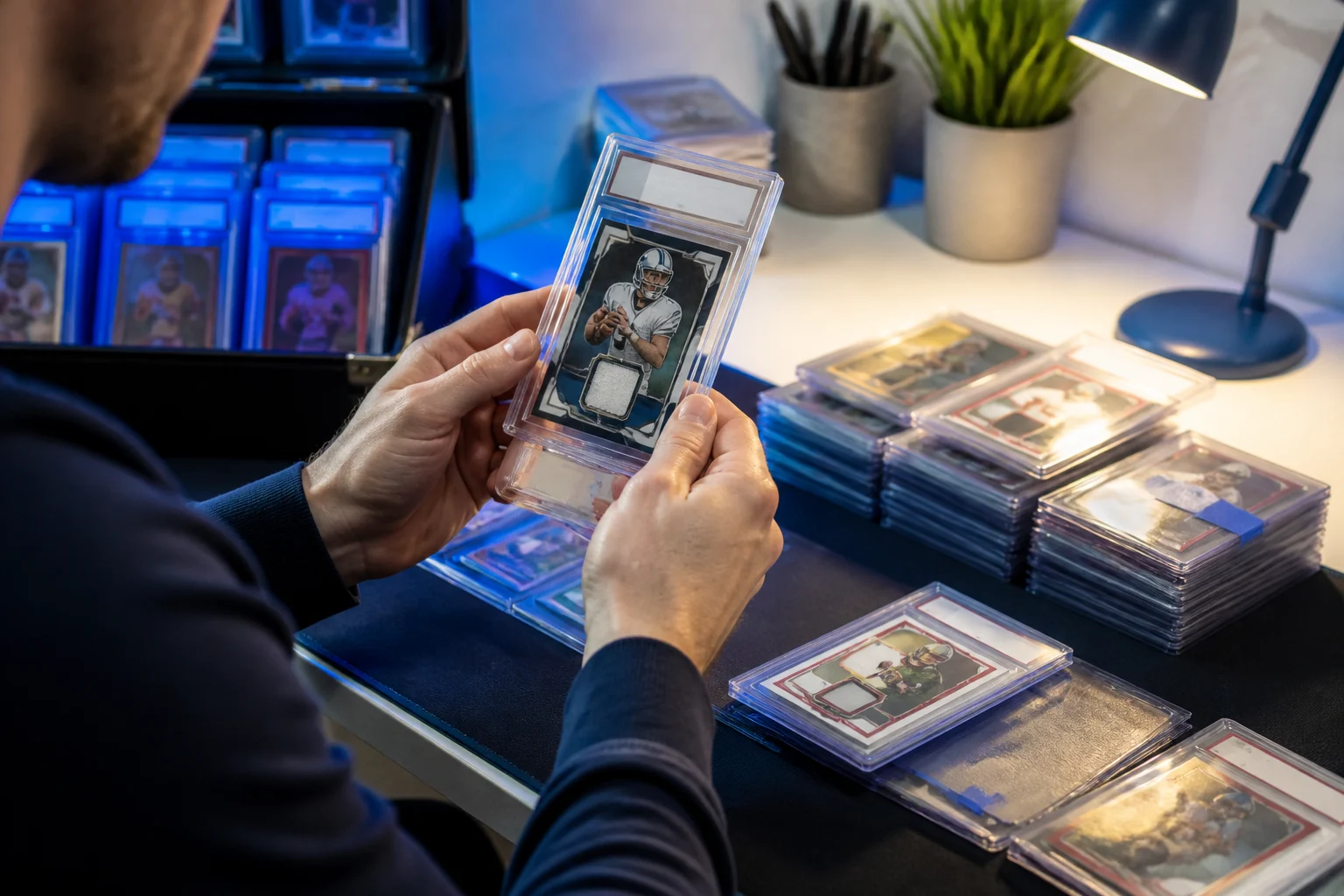
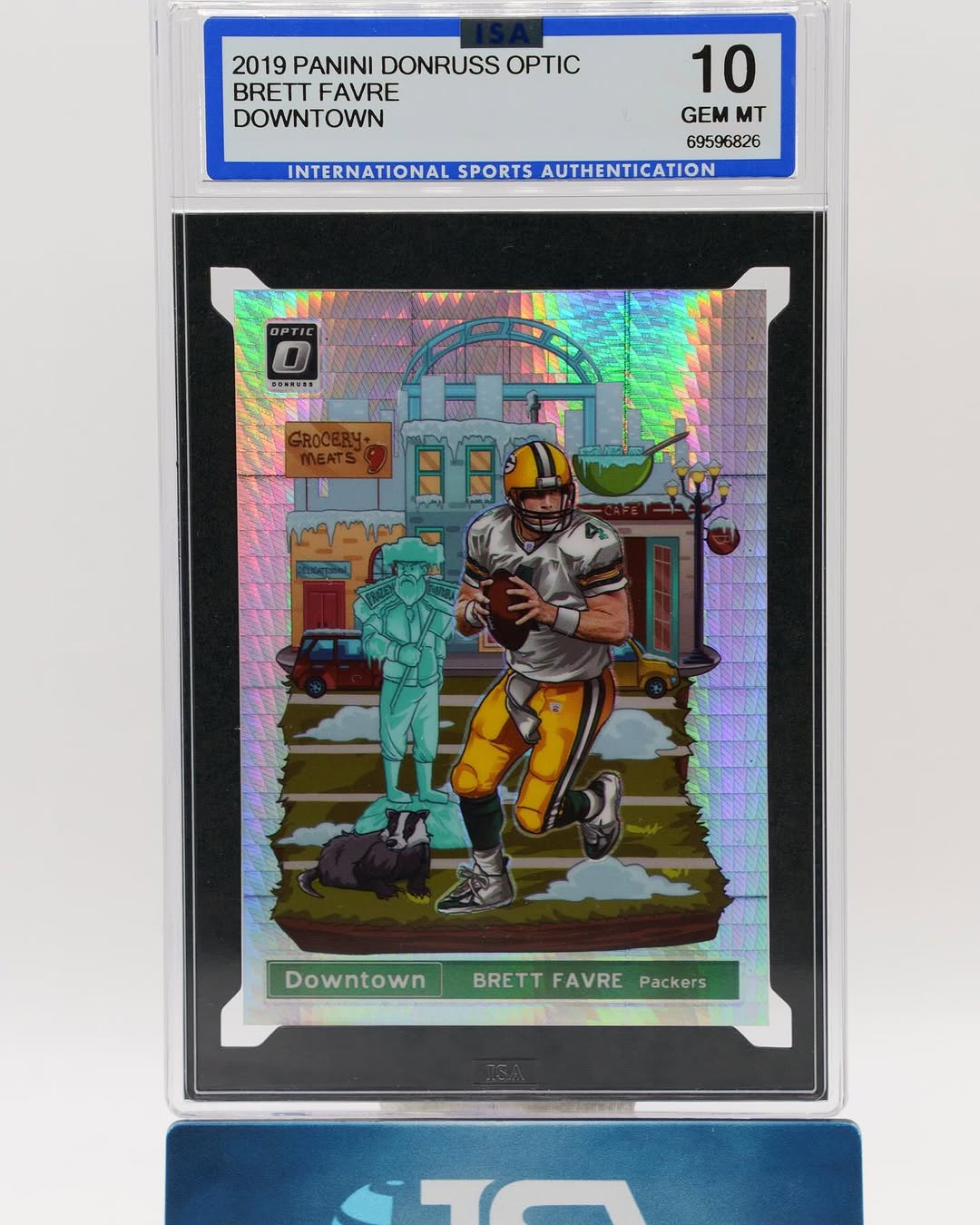
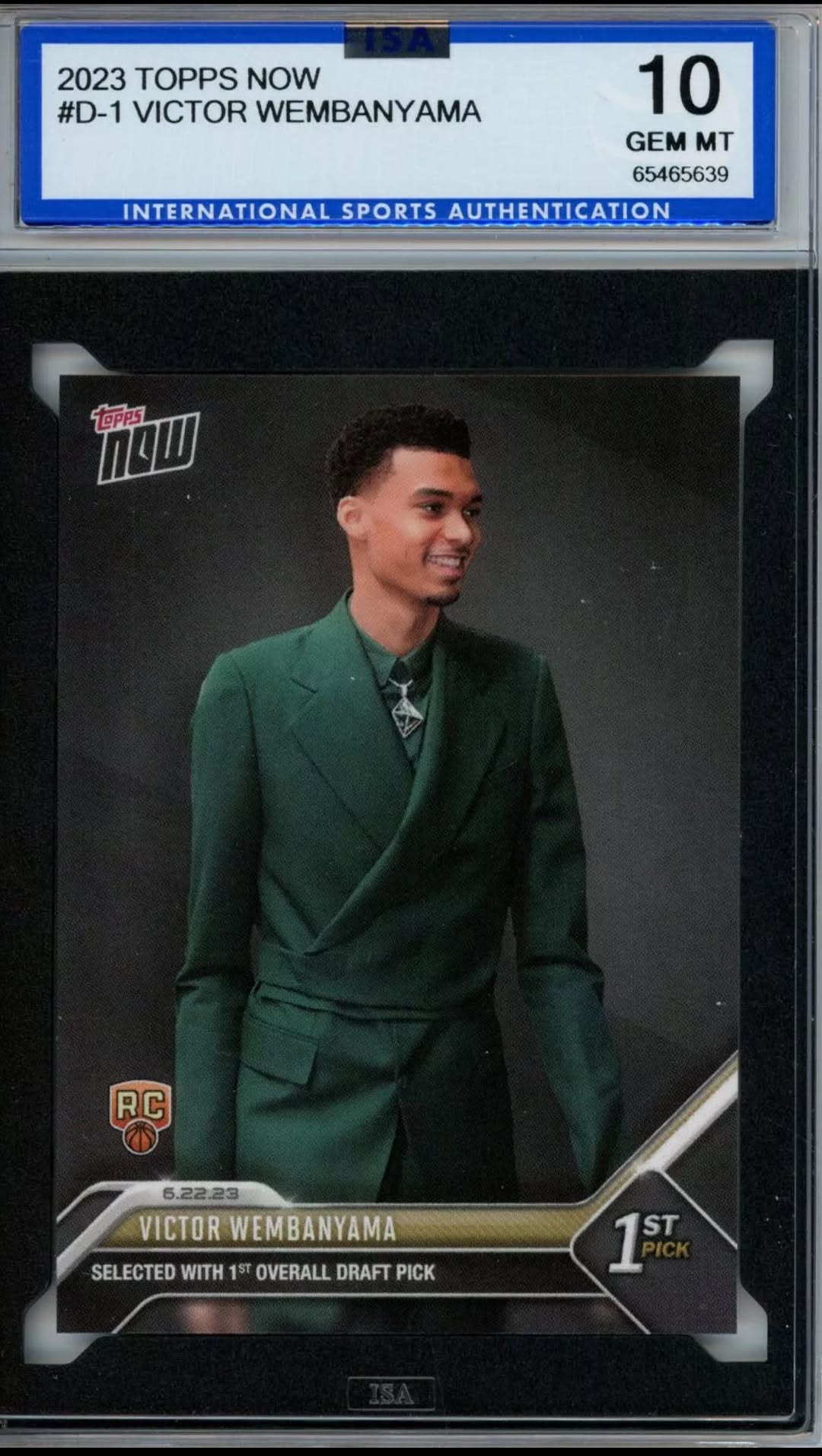
Card encapsulation places a graded card in a protective holder with identifying label information. For sellers, trading card slabs can make inventory easier to display, organize, and handle without repeatedly removing cards from sleeves. That can be useful at busy tables where many buyers examine the same stock.
A slab is not a substitute for careful storage. Protect holders from scratches, impacts, heat, and prolonged sunlight. Use suitable storage and transport supplies, and avoid packing slabs so tightly that removing one risks damage to the others.
Inspect returned holders before listing. Check that the card identification matches your records and that the label is readable. Photograph any visible holder wear or damage and disclose it when selling. Buyers should be able to distinguish a card's assigned grade from the current cosmetic condition of its holder.
Make Certificate Verification Easy for Buyers
ISA offers certificate verification on its website. Include the certificate number in your inventory records and make it readable in listing photographs. At a show, be prepared to direct a buyer to the verification page so they can review the available record themselves.
Verification is a useful reference point, but it should accompany physical inspection rather than replace it. Buyers should compare the certificate record with the card and label presented. A screenshot alone does not establish that a particular physical item matches a record.
This is also where clear communication matters. State the grading company and assigned grade accurately. Do not suggest that a certificate guarantees future value, marketplace acceptance, or a particular resale result.
Build Online Listings Around Evidence
Selling graded cards online works best when buyers can evaluate the exact item being offered. Use photographs of your card rather than stock images. Show the front, back, label, and any noteworthy holder imperfections. Control reflections so surface details and printed information remain visible.
- Title: Include the year, set, player, card number, variation, grader, and grade where space allows.
- Description: Identify the exact card and disclose relevant holder issues.
- Images: Keep the label readable and avoid filters that change color or hide defects.
- Terms: Explain shipping, handling, and returns in line with marketplace rules.
Keep sales language precise. Avoid calling a card a guaranteed investment or predicting a future price. If you mention population figures, rarity, or sales records, verify those claims with an appropriate current source. A short, accurate listing is more useful than a long description filled with unsupported superlatives.
Prepare Your Show Table for Practical Conversations
Organize graded inventory so buyers can browse by sport, player, price range, or another clear system. Keep labels visible and prices easy to find. Maintain a separate inventory sheet with your cost basis, asking price, and minimum acceptable net proceeds.
Expect questions about the grading company. Explain ISA's current service facts plainly: $15 per card, a 14 day turnaround, a 10 card minimum, and no upcharges. Point interested collectors toward verification and grading information rather than making unsupported comparisons with other companies.
If buyers want to research customer experiences, ISA's reviews page offers another starting point. Let them make their own assessment. A transparent conversation supports buyer confidence more effectively than pressure or promises about future resale value.
Choose a Submission Plan You Can Explain
A search for card grading near me may start with location, but the practical decision includes pricing, shipping, accepted cards, turnaround, and how you plan to sell. Match your card grading service to those needs and confirm any unresolved requirements before committing inventory.
For questions about eligibility, timing, or submission details, contact ISA before packing your cards. Once your selection and budget are ready, use the submission page to begin. The goal is a manageable process: carefully selected cards, documented costs, protected inventory, and listings that give buyers useful information.
Submit Cards to ISA Grading
Collectors ready to use ISA Grading can start on the submission page. The current active service is $15 per card with a 14 day turnaround, no upcharges, and a 10 card minimum.
Frequently Asked Questions
How much does ISA charge to grade cards for resale?
ISA currently charges $15 per card, with a 10 card minimum and no upcharges. The minimum submission totals $150 in grading fees. Budget separately for applicable shipping, insurance, supplies, and selling expenses.
How early should I submit cards before a card show?
Plan around ISA's current 14 day grading turnaround, then allow additional time for shipping, intake requirements, return transit, inventory checks, and pricing. Confirm how the turnaround is measured before relying on it for a specific event.
Does grading guarantee that my cards will sell for more?
No. Selling prices depend on the specific card, assigned grade, buyer demand, grading company recognition, and market conditions. Compare relevant completed sales and account for all expenses before deciding whether to grade or sell raw.
How can a buyer verify an ISA graded card?
Buyers can use the certificate verification page on ISA's website. They should compare the available record with the certificate number, label, and physical card being offered. Verification should complement photographs and inspection.
What should I include in an online listing for an ISA graded card?
Include the year, set, player, card number, variation, ISA grade, and certificate number. Use clear photographs of the front, back, and label, disclose visible holder damage, and state your shipping and return terms accurately.