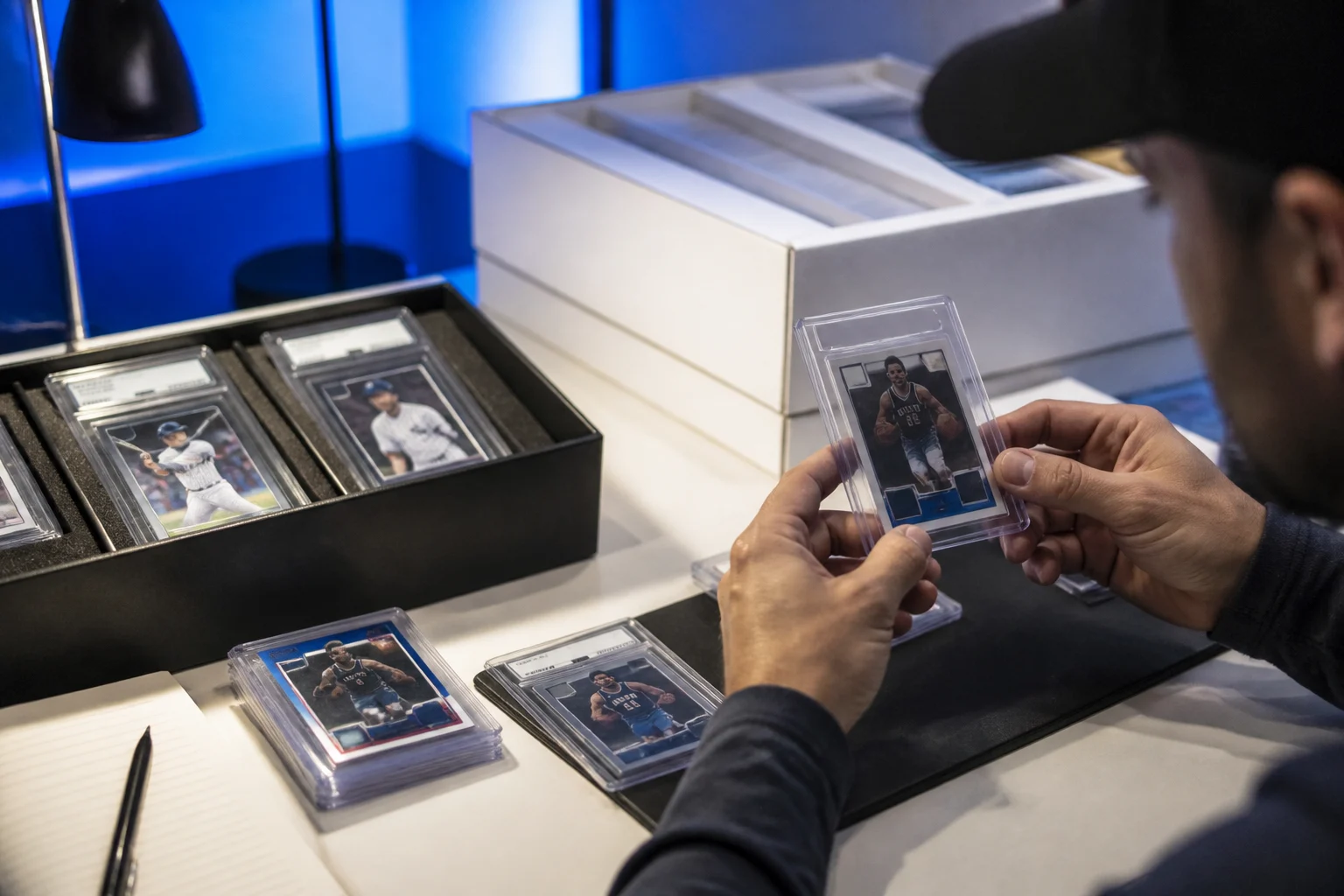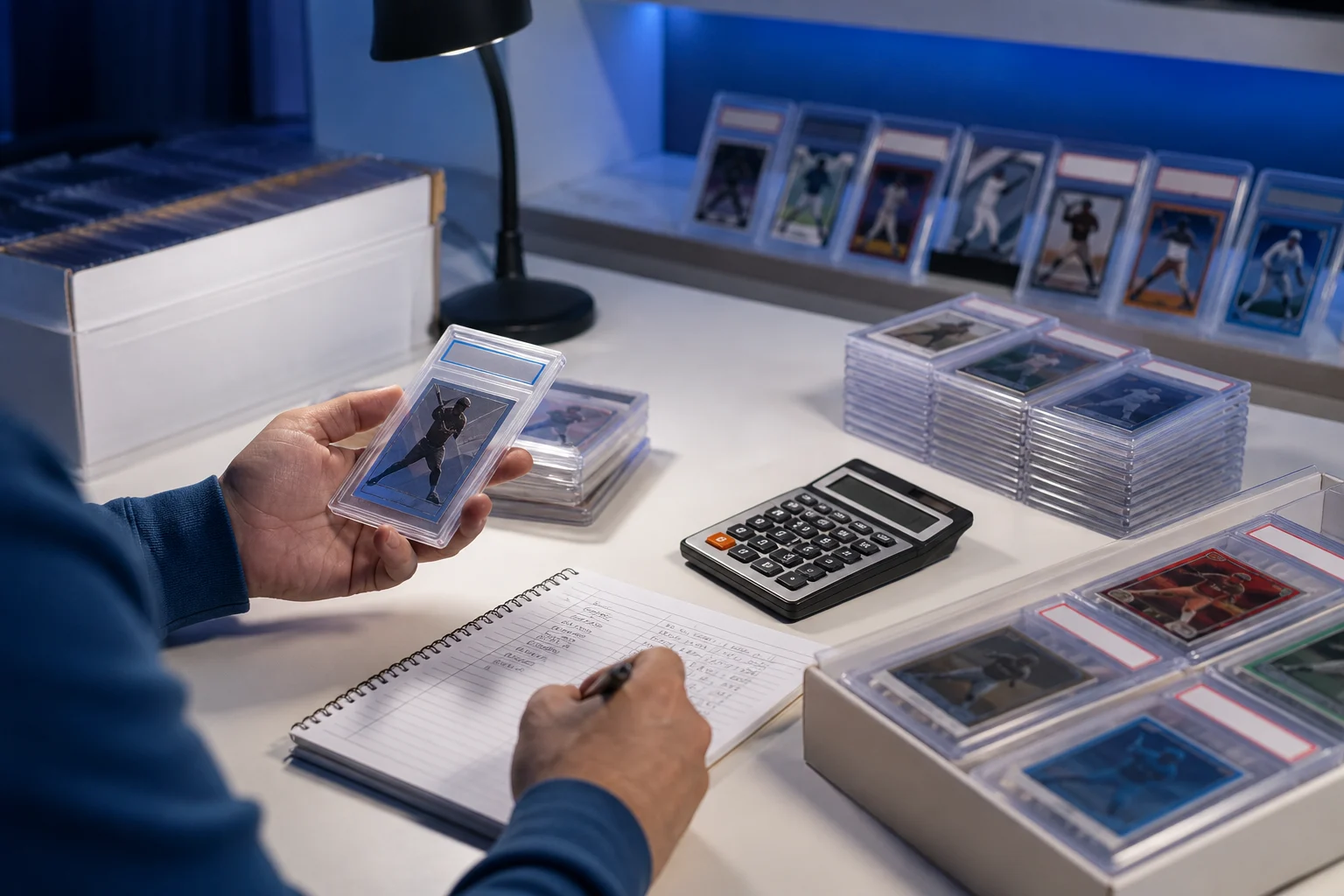
Choosing a sports card grading company in 2026 starts with a practical question: what do you need grading to accomplish? A collector protecting a favorite rookie, a dealer preparing show inventory, and a seller listing vintage singles may have different priorities.
The best fit depends on cost, timing, authentication, condition standards, and how prospective buyers evaluate the finished card. A familiar label alone does not answer every question, and a low advertised price is only useful when you understand the submission requirements.
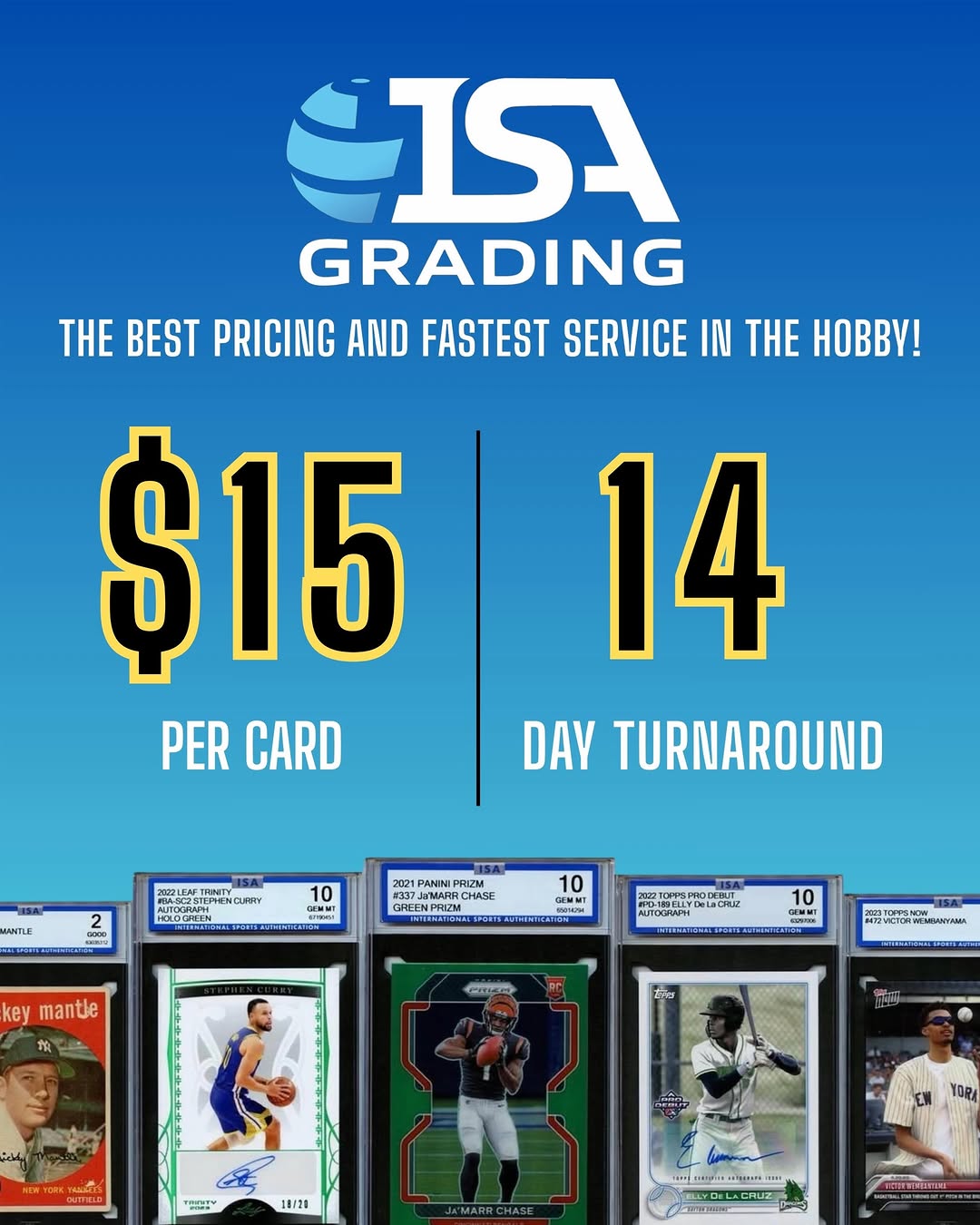
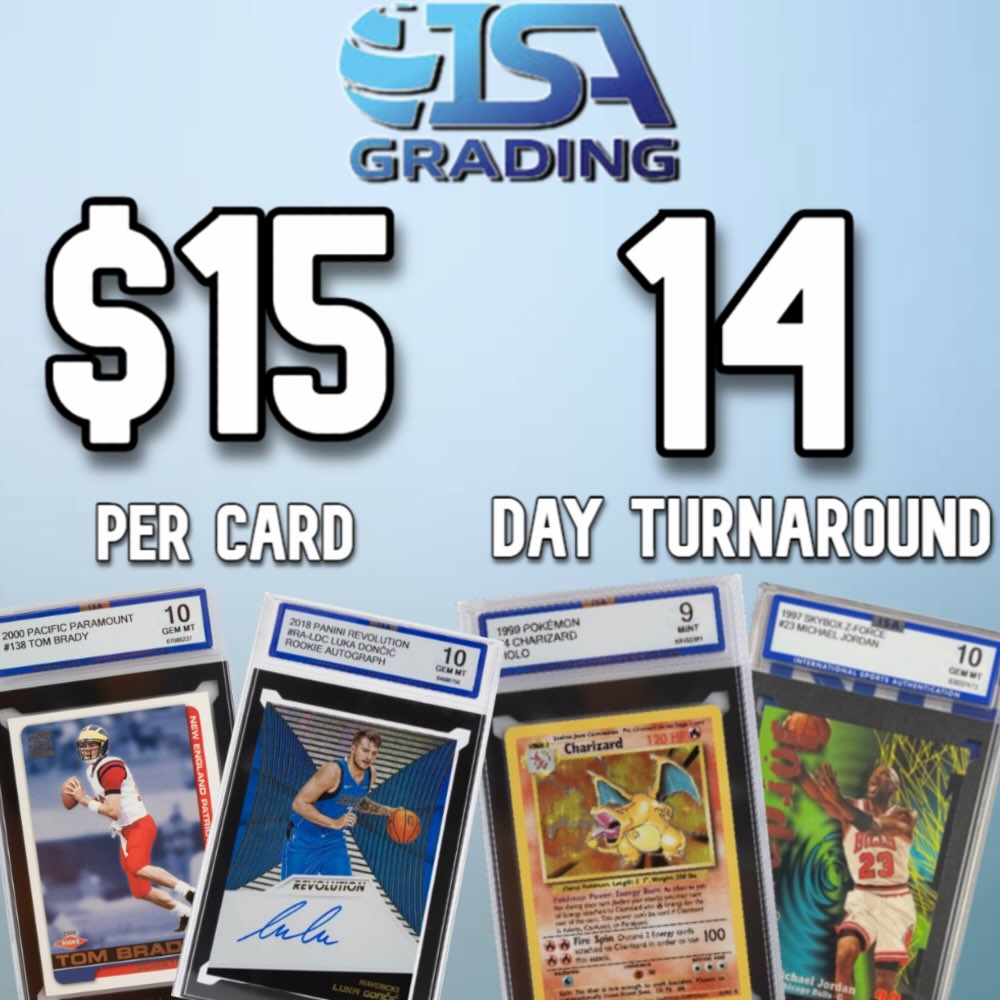
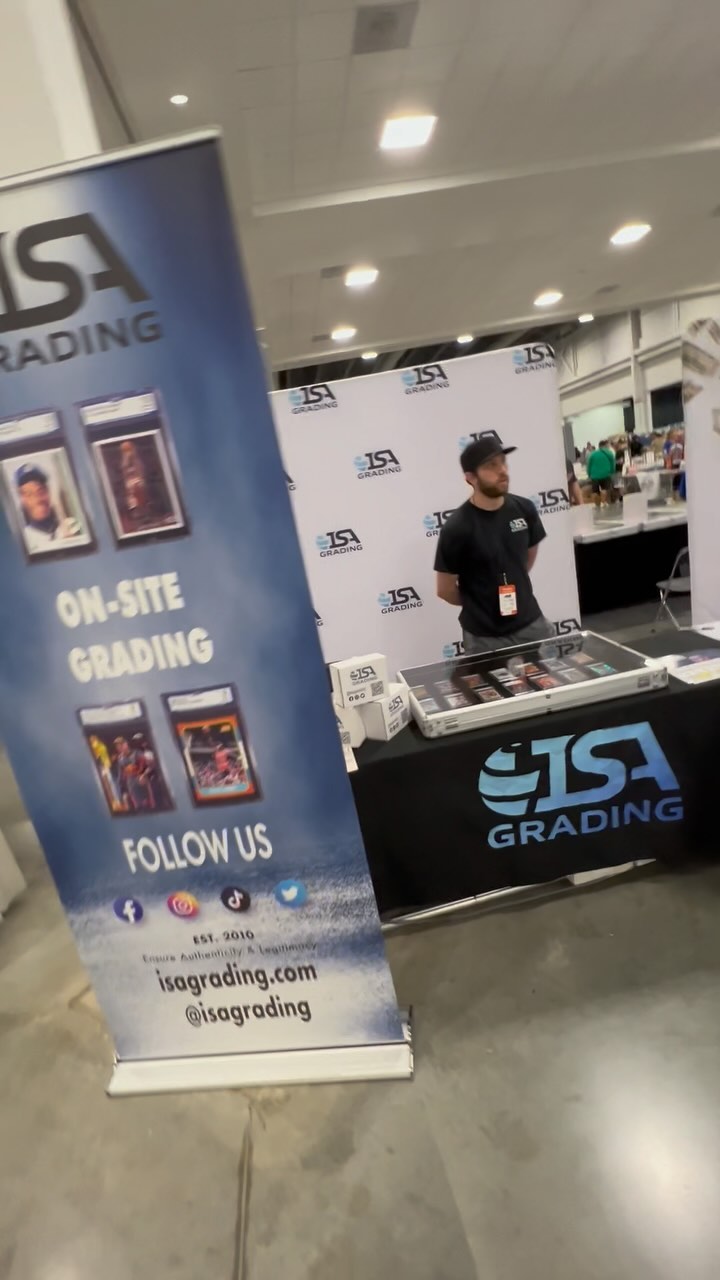
ISA Grading, also known as International Sports Authentication, currently offers sports card grading and authentication at $15 per card, with a 14 day turnaround, a 10 card minimum, and no upcharges. Use those details as a starting point, then evaluate how the service fits your collection and selling plans.
Start With the Reason You Want Cards Graded
Before asking, "Where should I grade my cards?" decide what a successful submission would look like. Your goal affects which cards deserve the expense and which service details matter most.
- Personal collecting: You may prioritize condition documentation, consistent presentation, and easier organization.
- Selling individual cards: Buyer preferences, comparable sales, fees, and listing timelines become important.
- Dealer inventory: Predictable costs and turnaround can help with purchasing decisions and inventory planning.
- Long-term ownership: Authentication, protective housing, and accessible certificate information may carry more weight than immediate resale.
Consider each card separately. Rookie card grading can make sense for a desirable player, but being a rookie does not automatically justify submission. A common card with visible wear may be better kept raw, while a personally meaningful card may be worth grading without any resale expectation.
Compare the Total Cost, Not Just the Advertised Fee
A useful grading budget includes more than the per-card charge. Consider submission minimums, shipping, insurance, packing supplies, and any applicable charges shown during checkout. When comparing providers, check whether the published price applies to your cards and whether additional fees can apply later.
ISA's current $15 card grading service has a 10 card minimum and no upcharges. At the minimum submission size, the grading fees total $150 for 10 cards. That calculation covers grading fees only, not shipping or other applicable checkout charges.
For a dealer submitting 20 cards, the grading fees would be $300 at the current rate. Knowing that amount in advance makes it easier to compare the expense against realistic selling prices rather than optimistic asking prices.
For more detail on the pricing approach, read A Clearer Path to the Slab: How ISA Keeps Grading at $15 Per Card. Always review current submission information before sending a package.
Make Turnaround Time Part of Your Plan
Timing matters when you are preparing for a card show, replenishing inventory, or deciding whether to sell during a player's active season. A grading service should fit your schedule without forcing you to assume that every step happens immediately.
ISA currently offers a 14 day card grading turnaround. Before building a deadline around that timeframe, confirm when the turnaround clock begins, how days are counted, and whether transit time is separate.
Fast card grading can help with planning, but the grading interval is not necessarily the full door-to-door timeline. Leave room for packing, inbound shipping, intake, return shipping, and preparing listings after your cards arrive.
If you have a fixed sales event, work backward from the date and allow a buffer. Avoid committing to a buyer delivery date before you have the graded card in hand. Predictability is useful; treating an estimated schedule as a personal guarantee is not.
Understand Authentication and Condition Grading
Authentication and grading answer related but different questions. Card authentication concerns whether a card is genuine. Card condition grading evaluates its physical state under the grader's standards. A genuine card can still receive a low condition grade.
Sports card authentication is particularly relevant when buyers are concerned about counterfeits or alterations. Do not assume that card authentication also includes autograph authentication, memorabilia authentication, or every other service associated with a card. Ask about any special feature before submitting.
Review the ISA grading scale so you understand the published standards and how grades are described. This gives you a better basis for evaluating results than comparing a card only with online photographs.
Centering, corners, card edges, and the card surface are important inspection areas. Surface scratches, print defects, creases, and edge wear can affect condition even when a card looks appealing at first glance. Your own inspection is a screening step, not a reliable prediction of the final grade.
Evaluate Slabs as Protective Housing, Not Just Labels
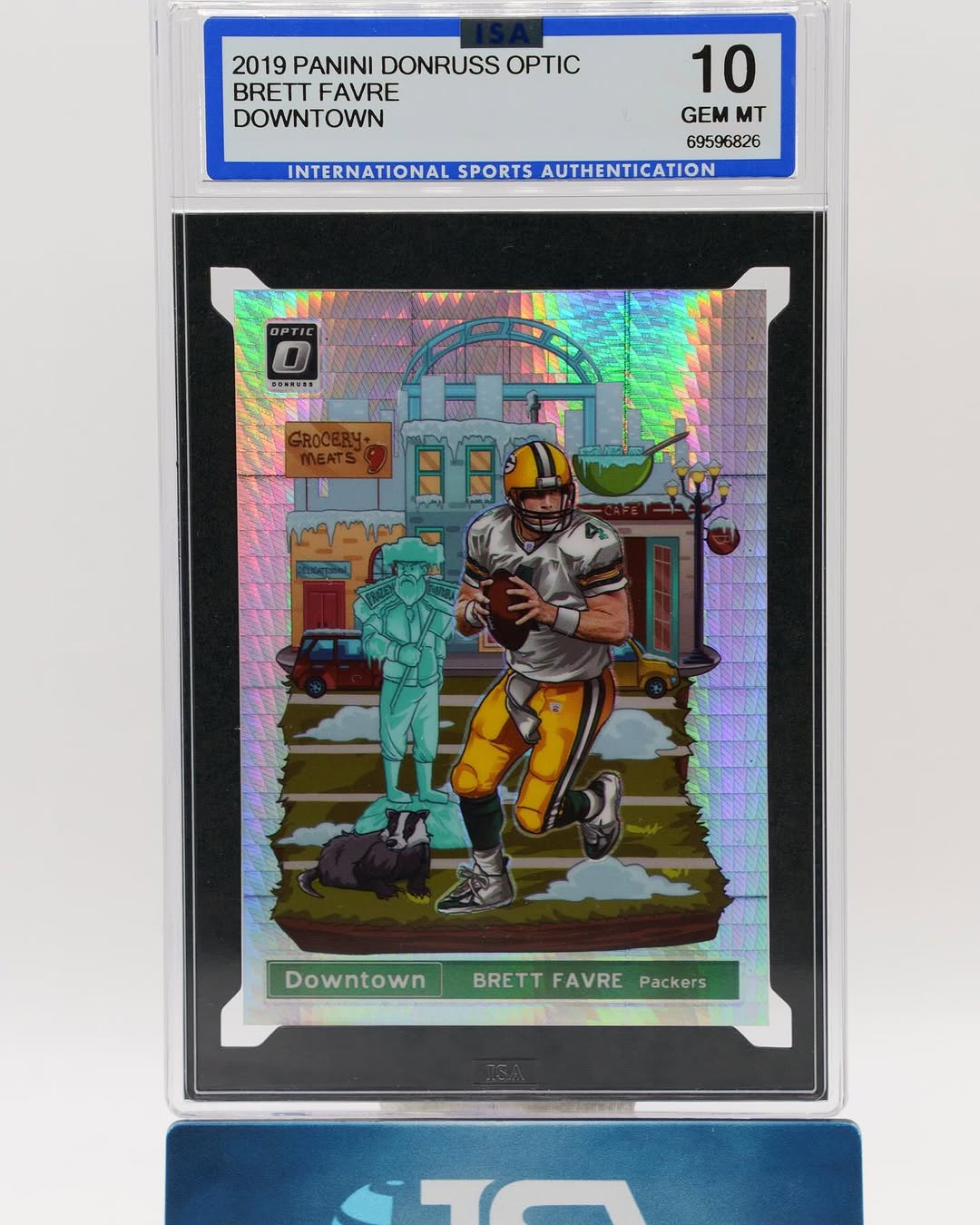
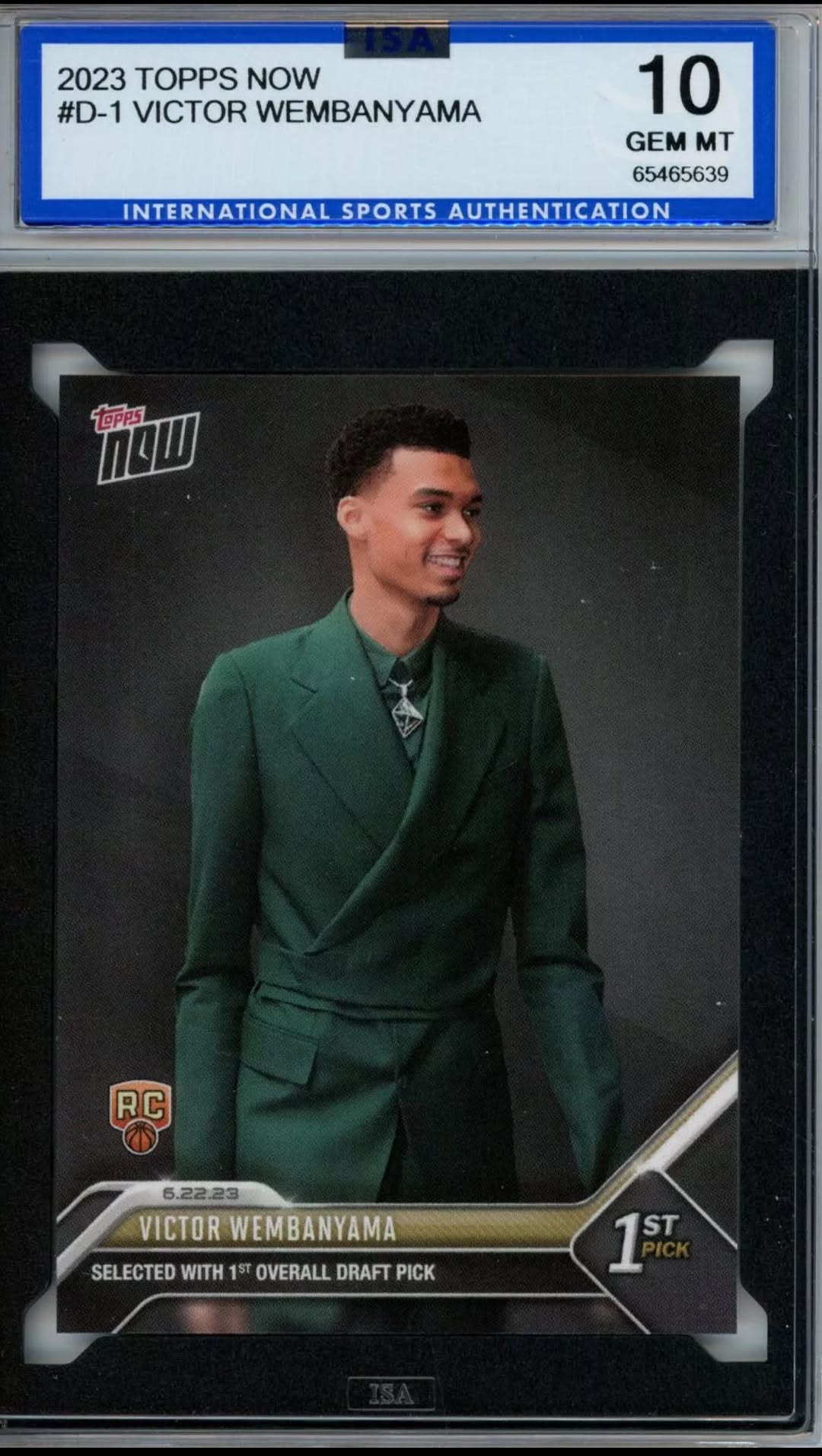
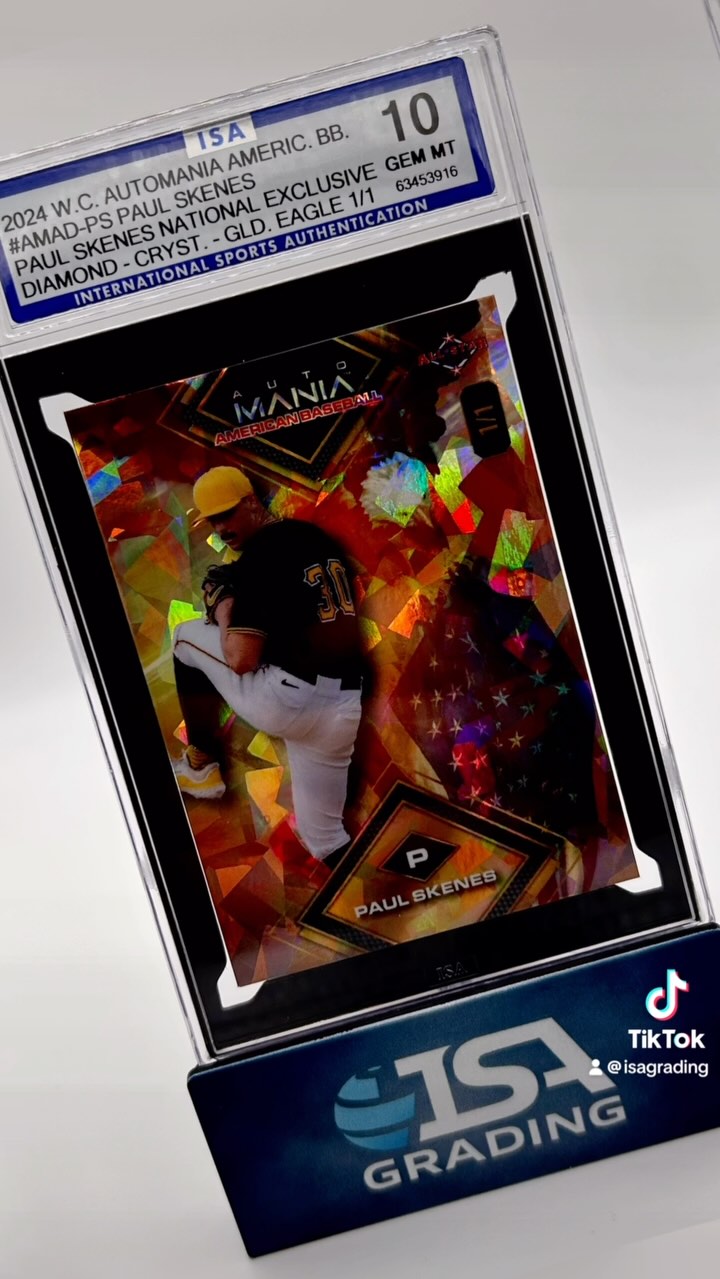
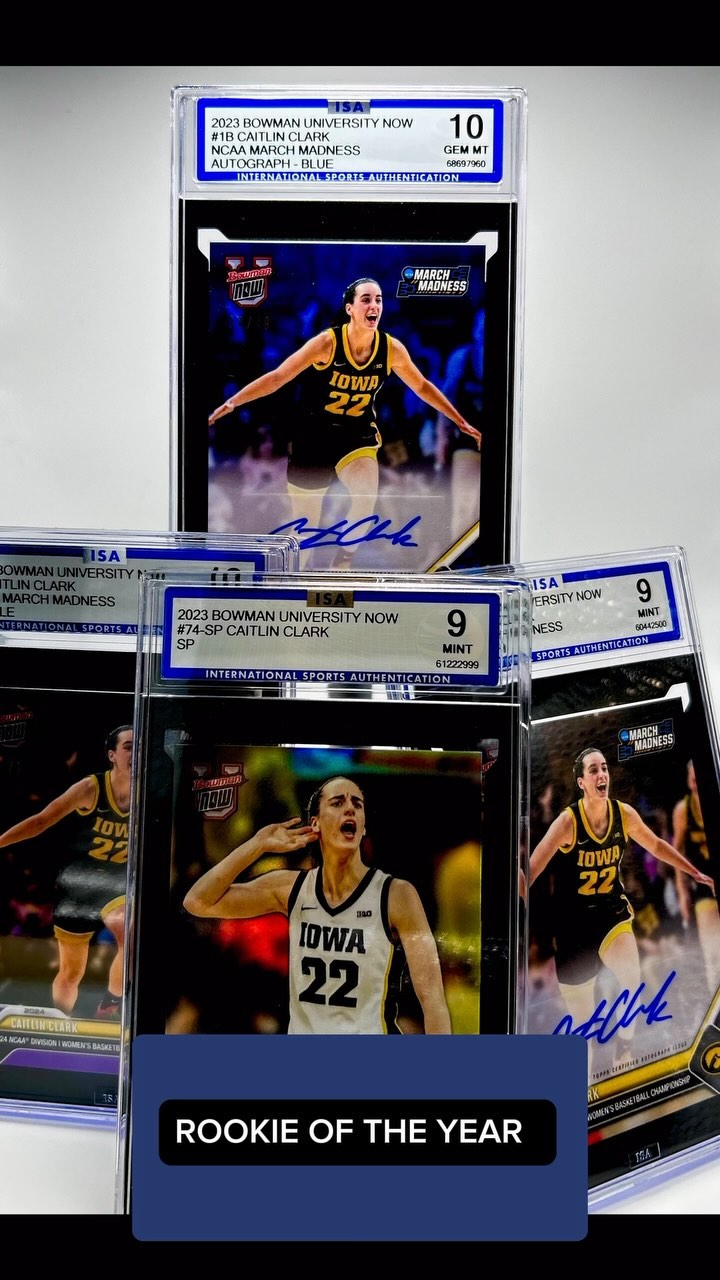
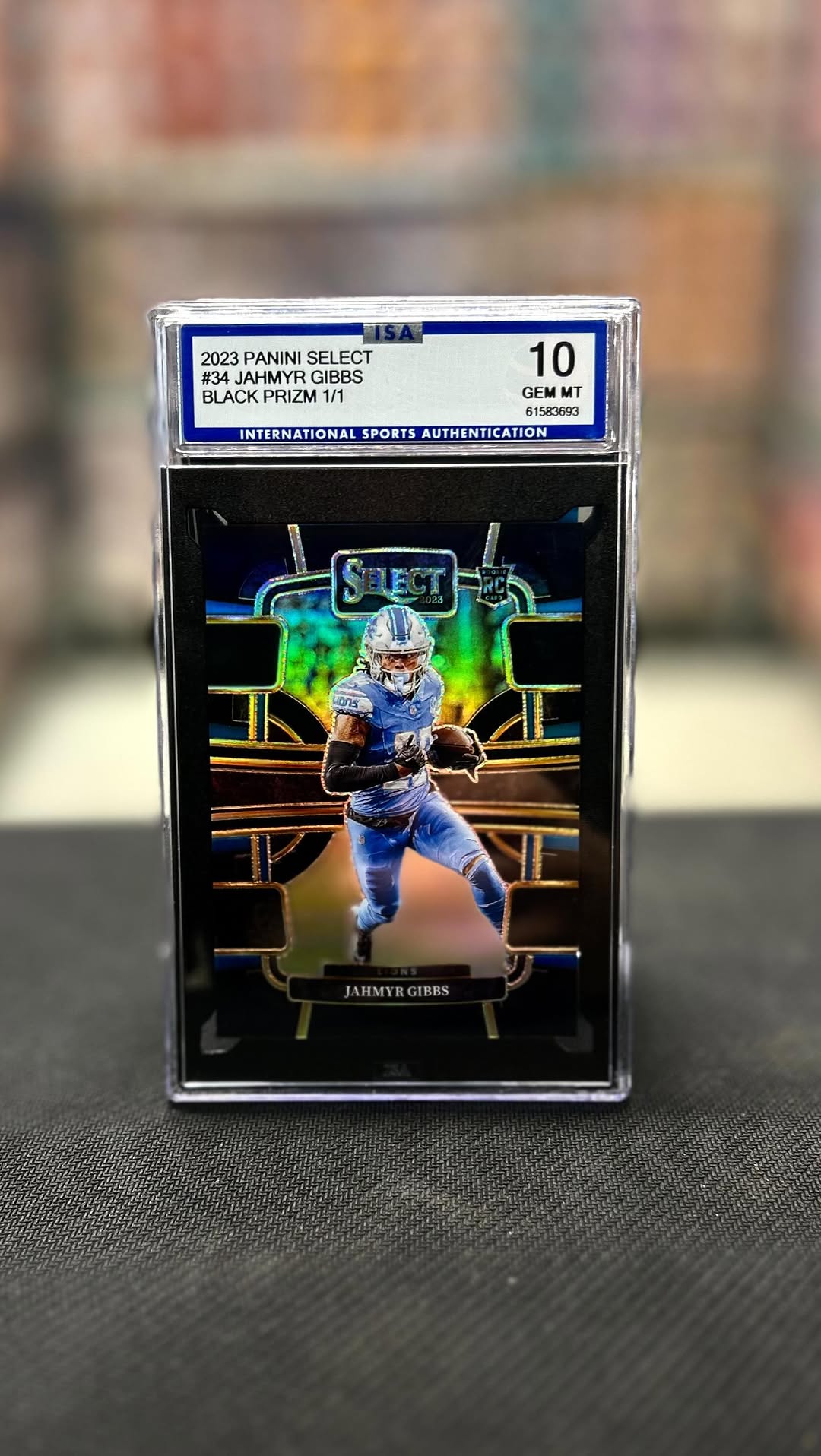
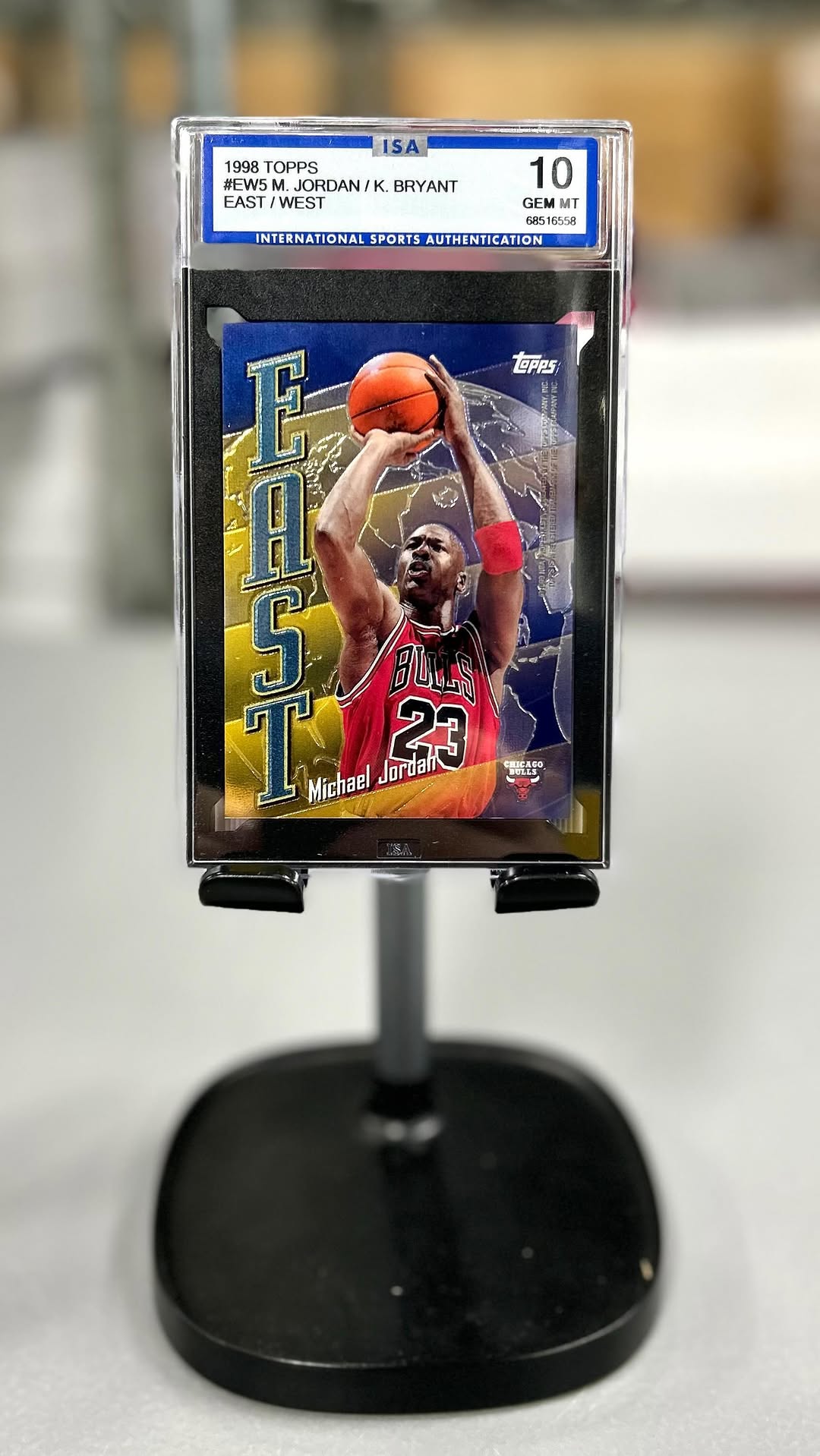
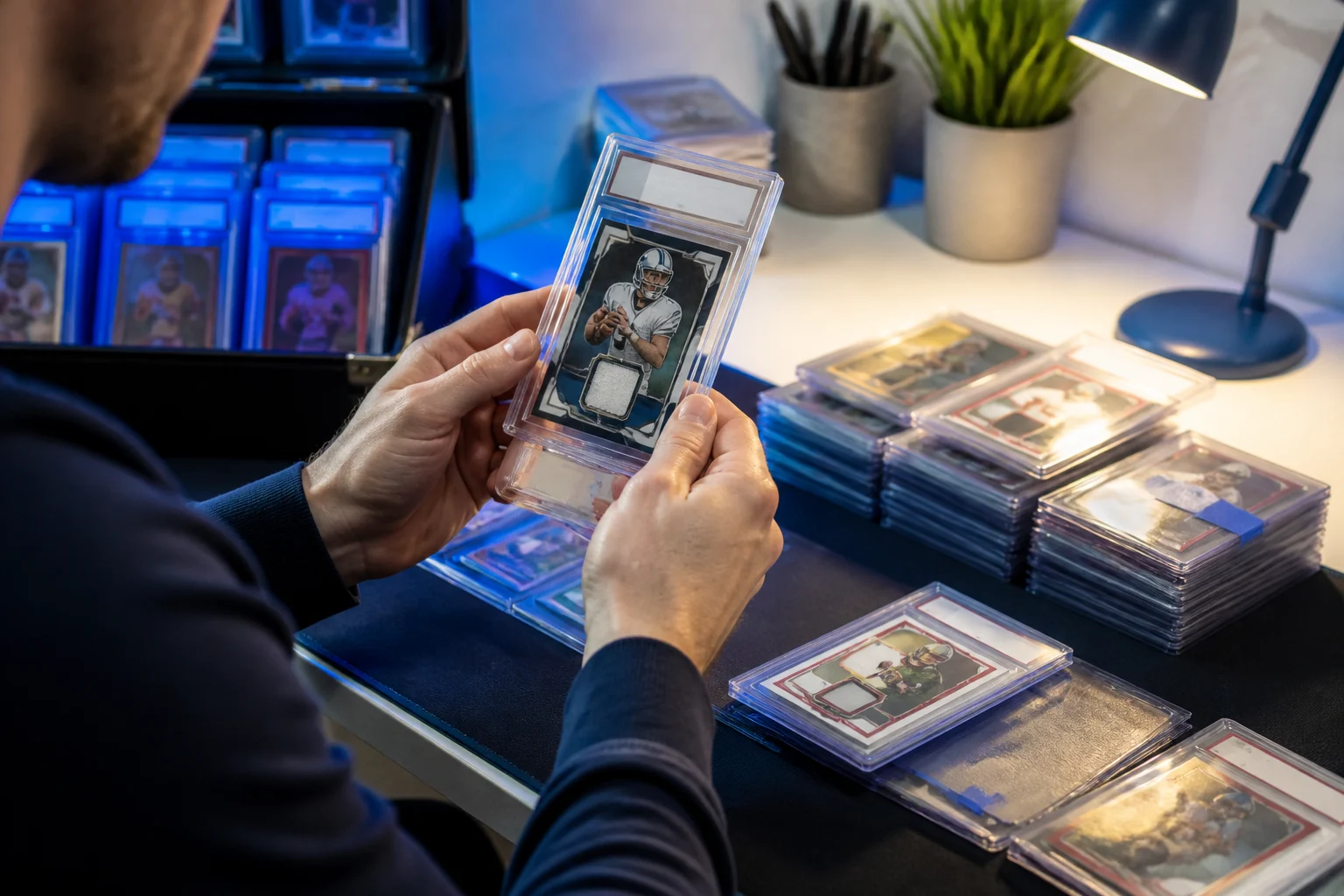
Trading card slabs provide rigid housing and display identifying information alongside the assigned grade. When evaluating a grading company, look at the readability of the label, the presentation of the card, and how easily you can organize or photograph the holder.
Card encapsulation does not make a collectible indestructible. Avoid dropping holders, leaving them in hot vehicles, or storing them in damp areas. Keep slabs out of prolonged direct sunlight and use appropriate storage to reduce scratching and impact.
For sellers, practical details matter. Can a buyer read the card identification and certificate number in your photos? Does glare obscure the card surface? Can you package the holder securely without allowing it to move inside the shipping box?
For a closer look at these considerations, see Beyond the Grade: Card Slabs, Protection, and Certificate Checks. Protective housing is useful, but careful handling remains part of ownership.
Use Certificate Verification to Support Buyer Confidence
A certificate lookup gives collectors and buyers another way to check the information associated with a graded card. ISA offers certificate verification on its website, making that check accessible before a purchase or listing.
Compare the available certificate record with the card and label you are examining. Look for consistency in identifying details, such as the player, set, card number, and grade where those fields are provided. If something does not match, pause and seek clarification.
A matching certificate number is helpful, but it should not replace inspection of the actual item. Review clear photographs of the front and back, the label, and the holder. A lookup alone cannot establish that every item pictured in an online listing is genuine.
When selling, include readable label photographs and accurate card details. Clear information can reduce avoidable questions without promising that a card will sell faster or achieve a particular price.
Match the Service to Your Cards and Their Buyers
Not every collection needs the same approach. Football card grading may involve modern chromium cards, paper rookies, numbered parallels, or older issues. Different materials and production methods can present different condition concerns, so inspect the actual card rather than relying on the product's reputation.
Vintage card grading requires realistic expectations about wear. Rounded corners, staining, creasing, and centering can matter substantially. A lower-grade vintage card may still be desirable, but age alone does not establish value or authenticity.
If you also collect gaming cards, keep sports and gaming submissions distinct in your planning. Searches for Pokemon card grading or TCG card grading may lead to services with different eligibility rules. Confirm whether your specific card type is accepted before including it in a submission.
The same caution applies to unusual sizes, thick cards, and special formats. Do not assume every card fits a standard holder or qualifies for the advertised service.
Prepare a Submission Without Creating New Damage
Good preparation begins with selection, not aggressive cleaning. You cannot undo manufacturing defects or ordinary wear by hoping for a higher grade, and attempts to alter a card can create additional problems.
- Inspect under good lighting. Look at both sides, corners, edges, and the surface from multiple angles. Handle cards carefully and avoid touching exposed surfaces.
- Identify each card accurately. Confirm the year, set, player, card number, and variation where applicable.
- Prioritize deliberately. Separate cards intended for personal preservation from cards being submitted primarily for resale.
- Follow current packing instructions. Use the recommended supplies and organization method rather than assuming another company's process applies.
- Document the shipment. Keep your submission details, a card inventory, and tracking information. Consider suitable shipping insurance.
Do not trim, recolor, press, or otherwise alter cards to influence their apparent condition. If you are uncertain about a card's history or an unusual issue, ask before submitting it.
Plan How You Will Sell Graded Cards
Grading does not guarantee a price increase, a particular grade, or a sale. To evaluate a resale submission, review completed sales for the same card, variation, grade, and grading company when those comparisons are available.
Asking prices are not the same as realized prices. Account for marketplace fees, shipping, grading costs, and your purchase price before estimating a margin. If comparable sales are scarce, treat your valuation as uncertain rather than substituting a sale from a different card.
Buyer preferences can differ across marketplaces and collecting communities. Some buyers prioritize a particular grading label; others focus on the card, price, condition, and documentation. Check your intended market instead of assuming any company's holder produces identical demand.
You can also read ISA customer reviews for individual accounts of the service experience. Reviews are one source of information, not a forecast of your grade, resale result, or exact timeline.
A Practical Checklist Before You Submit
If your search began with "card grading near me," location may be only one part of the decision. For a mailed submission, clear instructions, suitable shipping arrangements, and accessible service information can matter more than physical proximity.
- Confirm that your cards are eligible for the service.
- Check the current price, submission minimum, and turnaround details.
- Read the grading standards and inspect your cards realistically.
- Budget for grading, shipping, insurance, and potential selling fees.
- Review holder presentation and certificate verification.
- Choose cards that support a specific collecting or business goal.
ISA's current offer provides straightforward starting numbers: $15 per card, a 14 day turnaround, a 10 card minimum, and no upcharges. If those terms fit your needs, review the ISA submission page and follow the current instructions. Build the submission around cards you have carefully selected, not an assumed grade or an unsupported resale premium.
Submit Cards to ISA Grading
Collectors ready to use ISA Grading can start on the submission page. The current active service is $15 per card with a 14 day turnaround, no upcharges, and a 10 card minimum.
Frequently Asked Questions
How much does ISA Grading currently charge per card?
ISA currently charges $15 per card with a 10 card minimum and no upcharges. A minimum submission totals $150 in grading fees. Shipping and any other applicable checkout charges should be considered separately.
What is ISA's current grading turnaround?
ISA currently offers a 14 day turnaround. Before planning around a specific date, confirm when the turnaround period begins, how days are counted, and whether shipping time is separate.
How can I verify an ISA graded card?
Use the certificate verification page on ISA's website and compare the available record with the card and label. Review photographs and identifying details as well, since a matching certificate number alone does not verify every item offered in a listing.
Will grading increase the value of my sports cards?
Grading does not guarantee a value increase. Results depend on the card, assigned grade, buyer demand, grading company preferences, and selling costs. Review relevant completed sales and calculate your total expenses before submitting for resale.
What should I inspect before submitting cards for grading?
Check centering, corners, edges, and both surfaces under good lighting. Look for scratches, creases, staining, and other visible issues. Identify each card accurately, avoid alterations, and follow the grading company's current packing instructions.