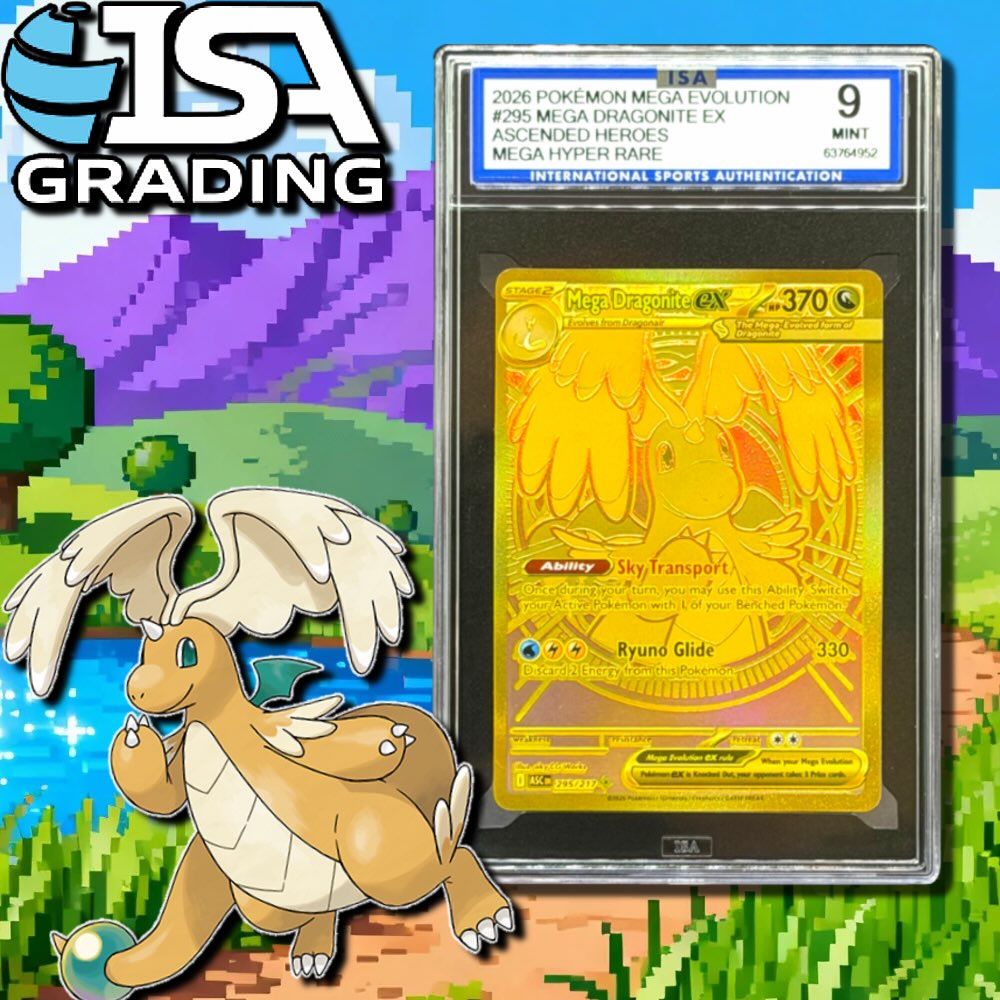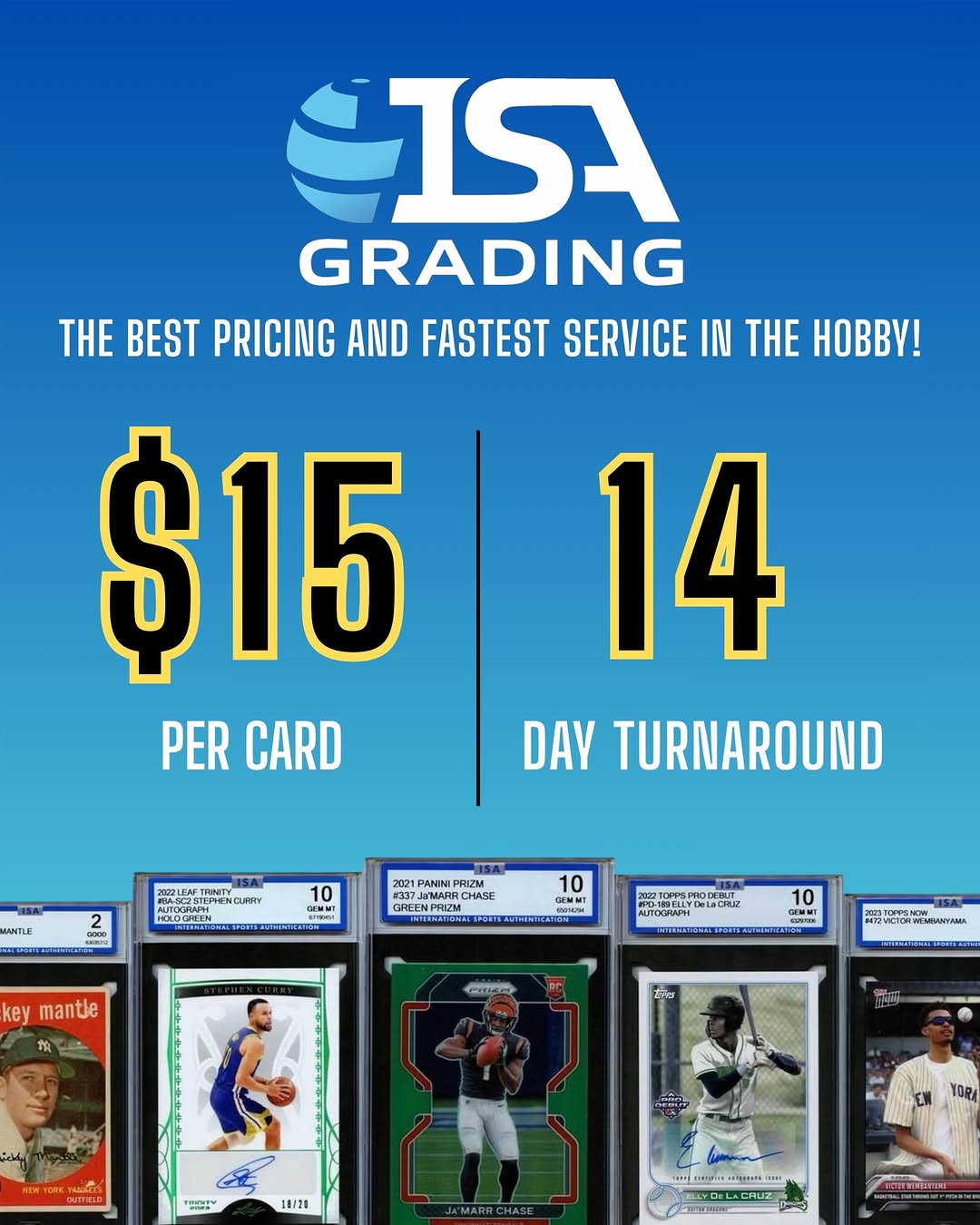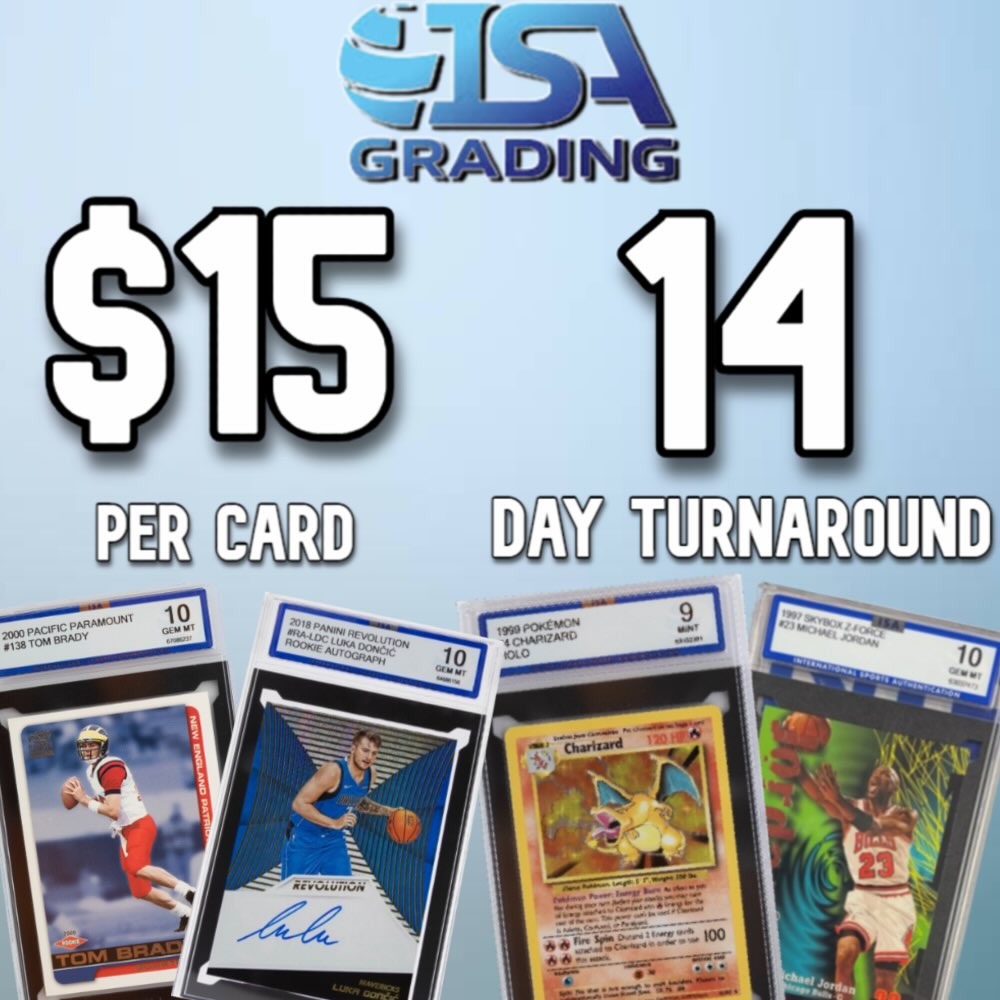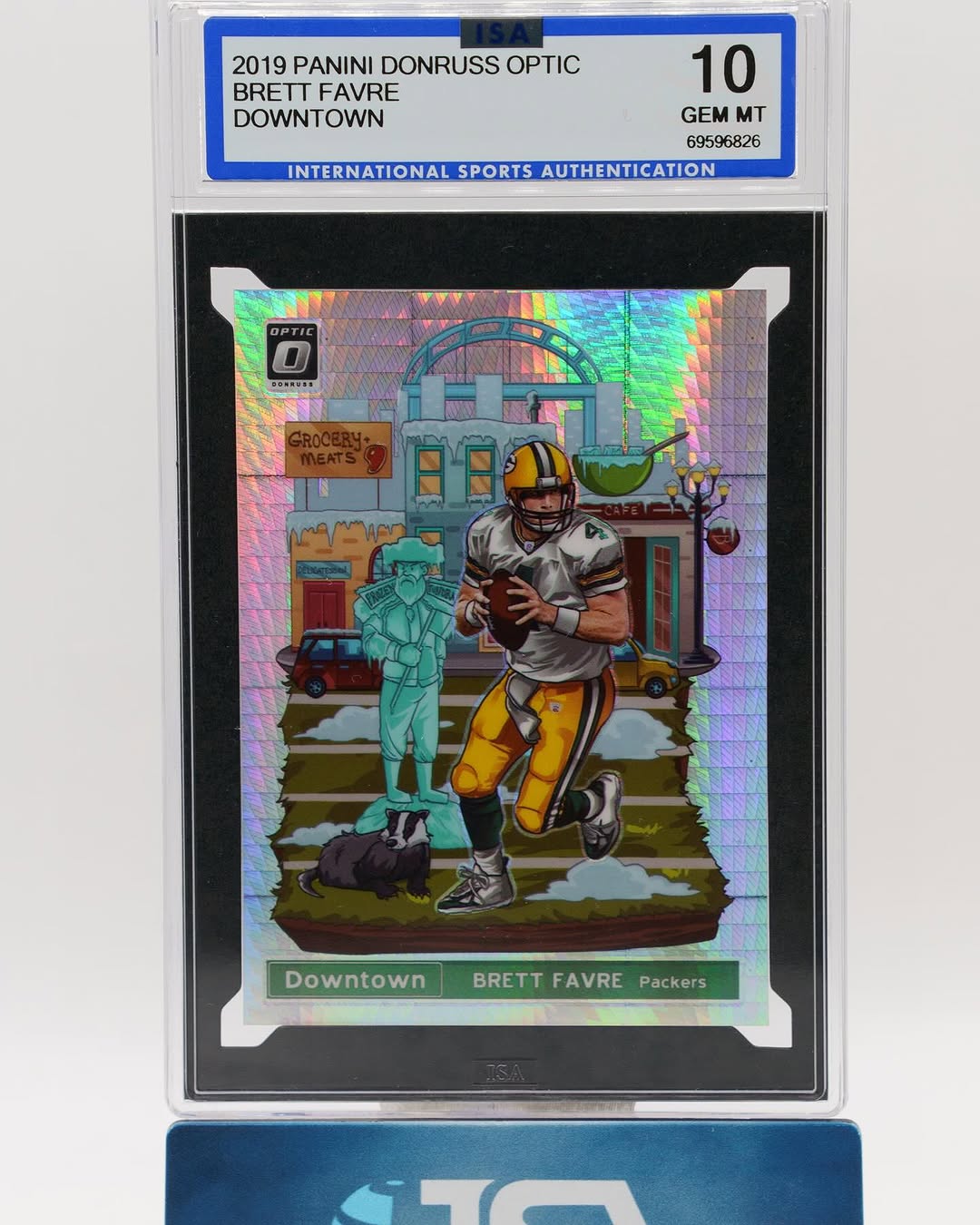
A grading backlog can create more than an inconvenient wait. It can hold up inventory, delay a planned sale, complicate cash flow, and leave collectors wondering when their cards will return. When turnaround times no longer match your goals, comparing grading backlog alternatives is a practical part of managing a collection or card business.
The right alternative is not simply the company advertising the shortest wait. Collectors should compare pricing clarity, grading standards, card protection, certificate verification, submission requirements, and the way buyers respond to a particular holder. ISA Grading, also known as International Sports Authentication, currently offers sports card grading and authentication for $15 per card, with a 14 day turnaround, a 10 card minimum, and no upcharges.
Why grading backlogs matter to collectors and sellers
A raw card and a graded card often serve different purposes. A collector might want card authentication and an objective condition assessment before adding a key rookie to a long term collection. A dealer may need graded inventory ready for a show, online auction, or seasonal sales window. In both cases, time affects the plan.
A lengthy wait can be especially important for active markets. A newly released rookie card may attract the most attention early in a season. Football card grading can be sensitive to weekly performance and playoff interest. Basketball and baseball sellers may also plan listings around milestones, awards, or major hobby events. For more detail about timing, read The Hidden Cost of Waiting: Why Grading Turnaround Shapes Every Card Sale.
Turnaround is not the only concern. A low advertised price can become less useful if submission rules are confusing or additional charges make budgeting difficult. Collectors also need to know how cards will be evaluated, whether certificates can be checked online, and how the resulting trading card slabs fit their selling strategy.
How to compare grading backlog alternatives
Before choosing a card grading service, define what you need from the submission. Someone grading a personal collection may prioritize consistent presentation and card encapsulation. A hobby seller may place more weight on cost, turnaround, buyer familiarity, and the ability to verify certification details.
Review the complete price
Compare the actual service cost rather than focusing only on a promotional headline. Check minimum quantities, service levels, shipping expenses, insurance choices, and potential upcharges. ISA's current active service is $15 card grading with no upcharges and a 10 card minimum. That structure makes it easier to calculate the grading portion of a submission before sending cards.
For additional information about this pricing approach, see A Clearer Path to the Slab: How ISA Keeps Grading at $15 Per Card.
Confirm the published turnaround
Fast card grading should be evaluated using a company's current published service information, not an old social media post or an experience from a different service tier. ISA currently lists a 14 day card grading turnaround. Collectors should always review the active submission details when they are ready to send cards because service information can change over time.
Understand the grading scale
A grade is more useful when collectors can understand the framework behind it. Review how a company addresses condition factors such as card centering, corners, surface quality, and card edges. ISA publishes its criteria on the grading scale page, giving submitters a reference before they build an order.
Consider the intended buyer
Grading company choice can influence buyer interest and resale results. There is no universal holder that fits every card, collector, and sales venue. Research recent sales for comparable cards, note which slabs appear in your preferred marketplace, and consider the expectations of your customers. No grading service can guarantee a particular grade, buyer response, or sale price.
What ISA offers collectors facing delays
ISA provides trading card grading and sports card authentication for collectors, dealers, and hobby sellers. Its current active service combines four straightforward terms:
- $15 per card for the current grading service
- 14 day turnaround under the current service offering
- 10 card minimum per submission
- No upcharges
These terms can help submitters plan a batch without guessing about the base grading cost. For example, the grading fee for the minimum 10 card submission is $150 before shipping or any other costs associated with preparing and sending the package.
A 10 card minimum may suit a collector with several cards ready for review, a dealer replenishing graded inventory, or a group of hobbyists coordinating a submission. Someone with only one or two cards can keep building a grading pile, review additional inventory, or decide whether the minimum fits the value and purpose of the cards.
Prepare cards before submitting them
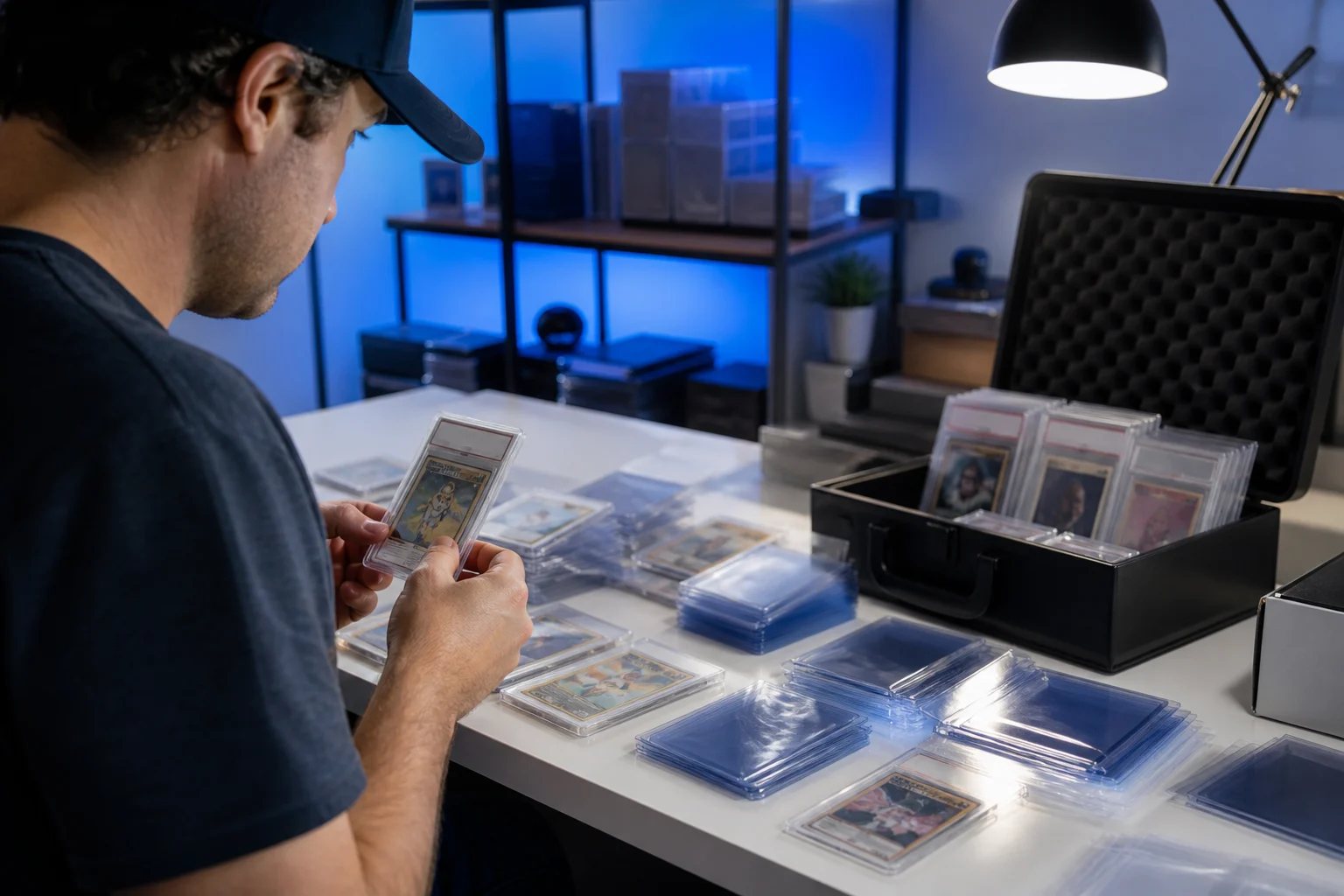
Good grading preparation cannot change a card's existing condition, but it can help you make a more informed submission. When collectors ask, “How should I grade my cards?” the first step is usually careful screening under bright, neutral lighting.
- Check centering. Compare the visible borders on the front and back. Some designs make card centering easy to inspect, while borderless cards may require attention to design elements and print alignment.
- Inspect the corners. Look for softness, whitening, bends, or compression. Use several viewing angles without repeatedly touching the card.
- Review the edges. Card edges can show chipping, rough cuts, flaking, or color loss. Dark borders often make edge wear easier to see.
- Examine the surface. Tilt the card under a light to look for scratches, print lines, dents, stains, or indentations. Do not use chemicals or aggressive cleaning methods.
- Estimate the card's purpose and value. Consider whether the likely grade, grading cost, and intended use make submission reasonable. Sentimental value may justify grading even when resale profit is not the primary goal.
Handle cards with clean, dry hands and touch the edges whenever possible. Place each card in an appropriate inner sleeve and submission holder. Avoid forcing a card into a tight holder, adding adhesive directly to the holder, or using packaging that allows cards to move freely.
Preparation principles apply across rookie card grading, football card grading, Pokemon card grading, and other TCG card grading categories. Different card types may have distinct surfaces, printing characteristics, and common condition issues, but careful inspection remains essential. The guide to basketball, baseball, football, and Pokemon card grading offers more category specific preparation tips.
Card protection and the role of slabs
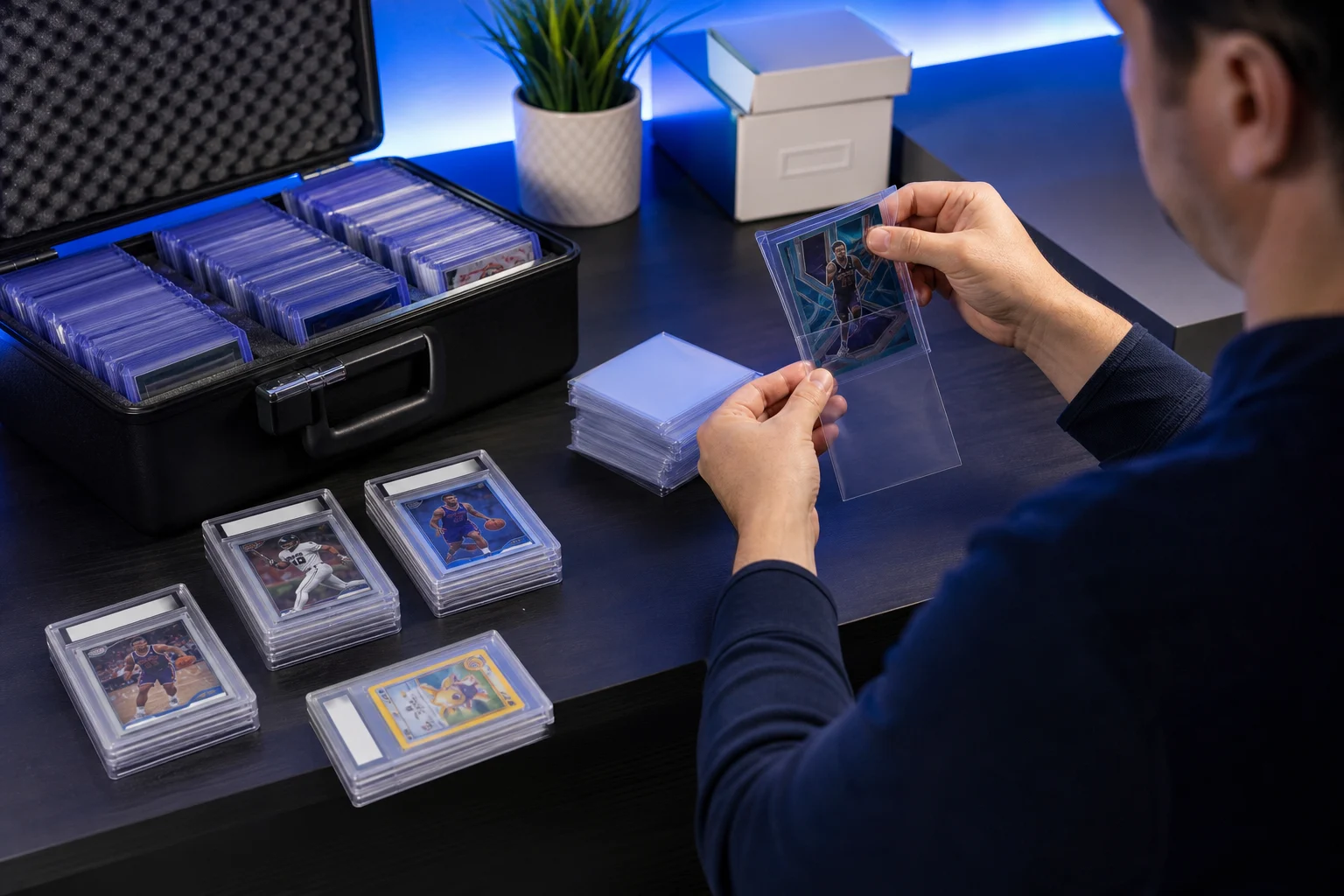
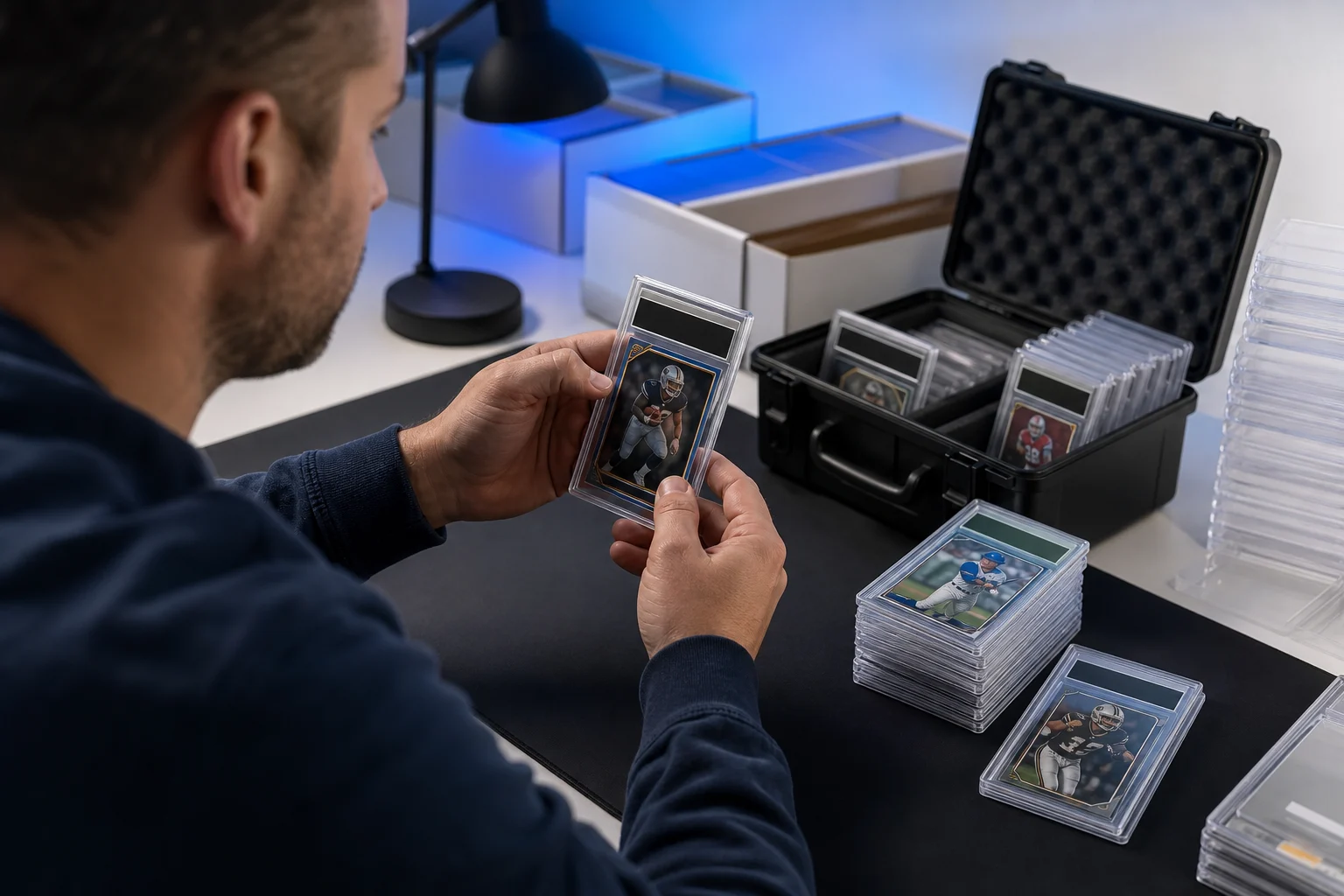
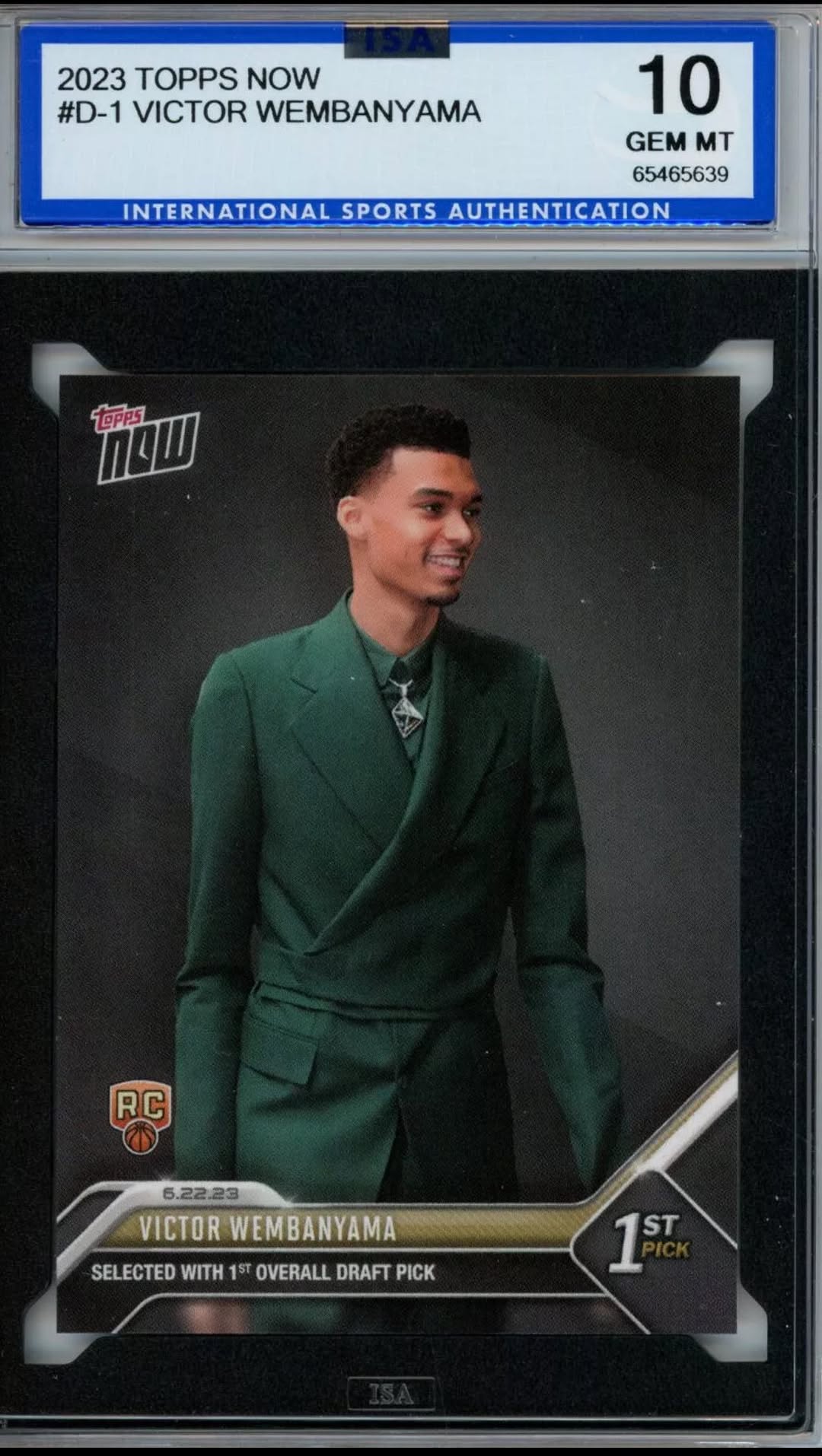
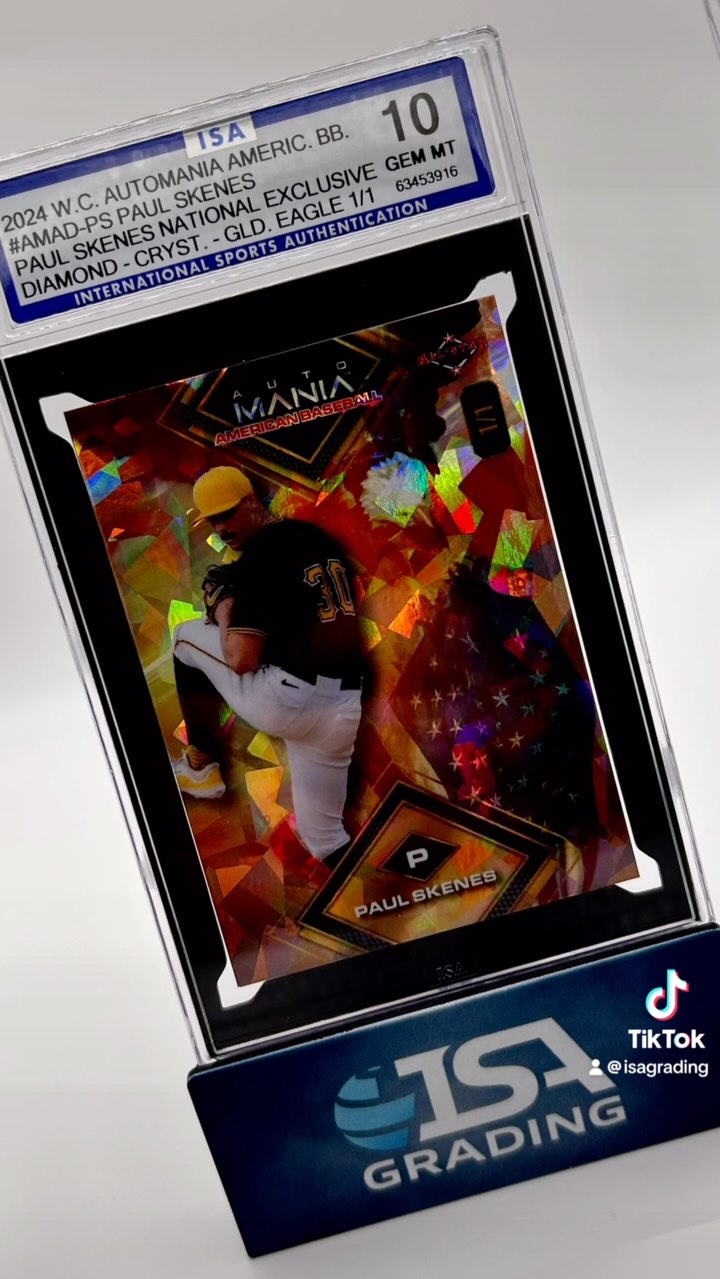
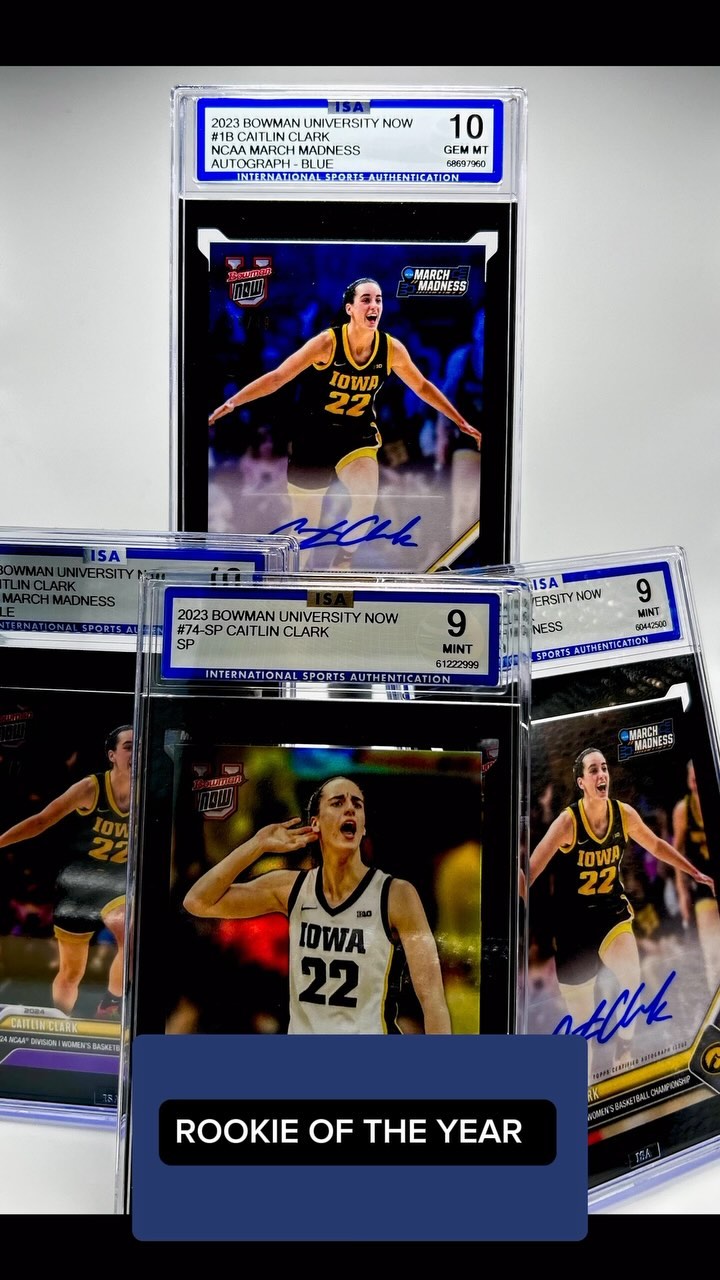
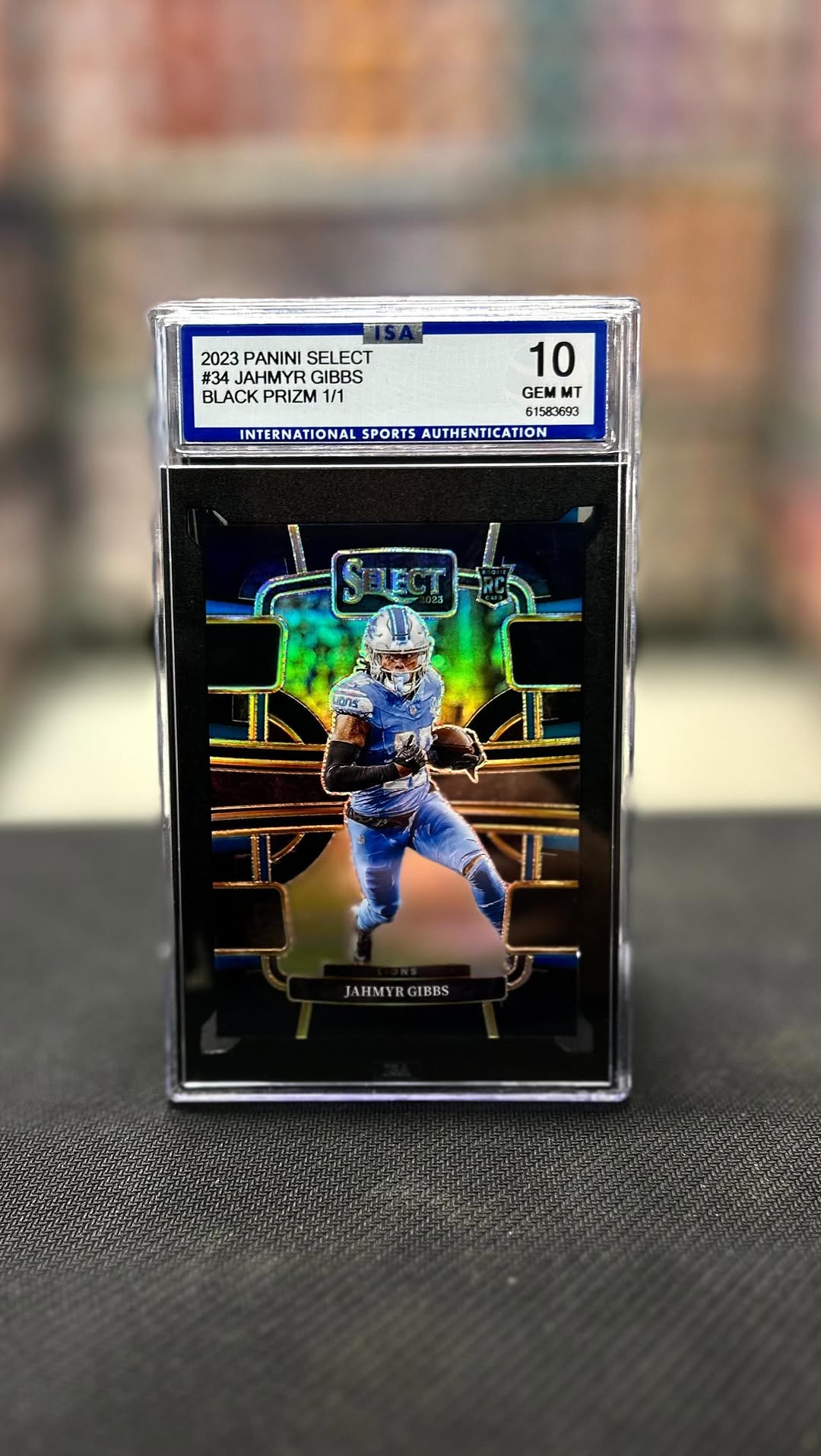
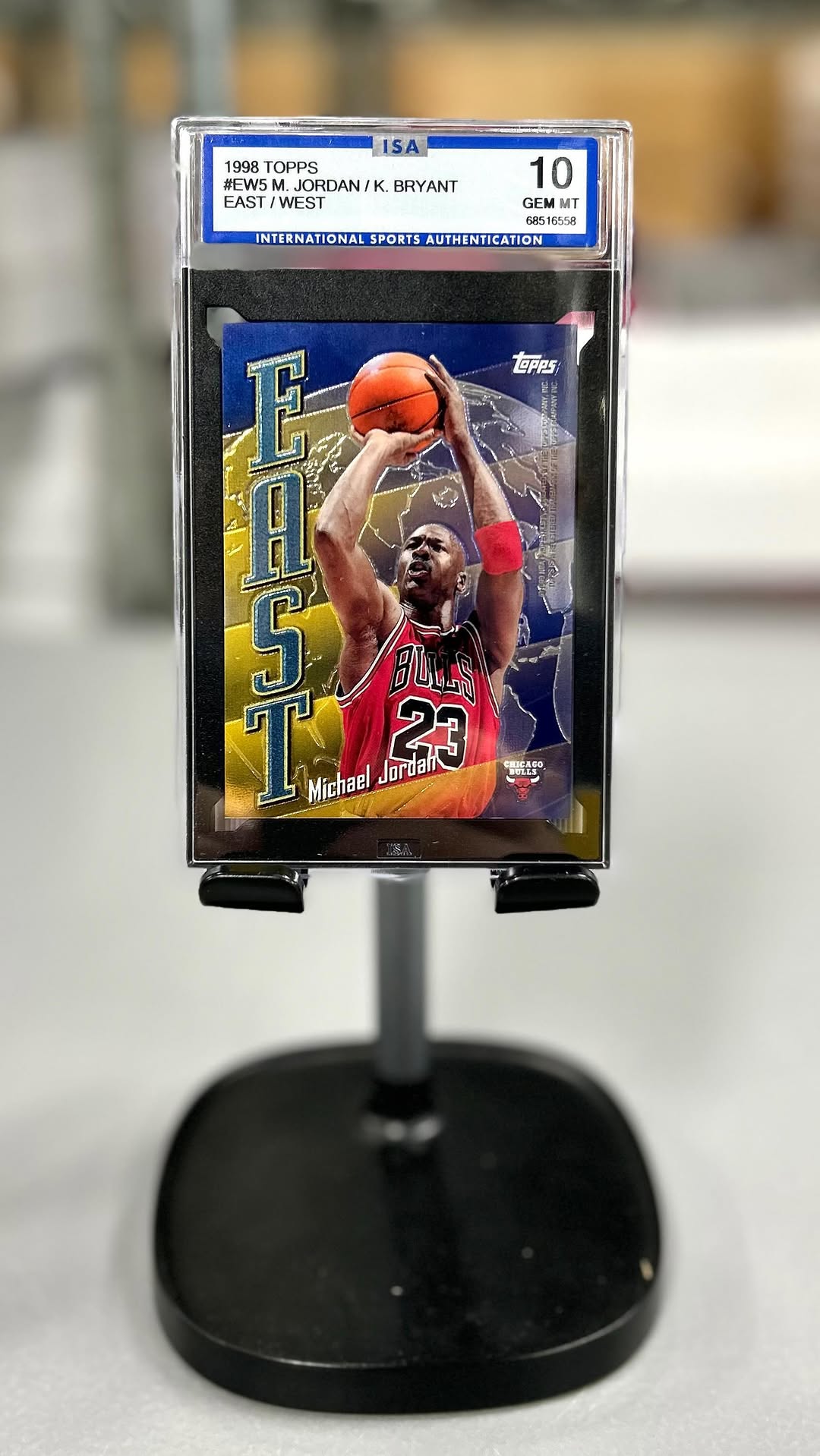
After grading, card encapsulation places the card in a holder with its grade and certification information. A slab helps reduce direct handling and provides a consistent format for storage, display, shipping, and sale. It does not make a card indestructible. Graded cards should still be protected from drops, crushing pressure, direct sunlight, moisture, and extreme temperatures.
When storing trading card slabs, keep them in a stable environment and use a box or case designed to limit movement. For shipping, protect the slab from scratches and impact, place it within cushioning material, and use an appropriately sized outer box. Sellers should photograph the front and back of the slab clearly so buyers can inspect the label, card, and holder condition.
Certificate verification supports buyer confidence
Online certificate verification gives collectors and potential buyers a direct way to check the certification record associated with an ISA graded card. ISA certificate numbers can be researched through the certificate verification page.
Verification is useful when buying a graded card online, preparing a listing, organizing inventory, or checking information before a trade. It should be one part of normal due diligence. Buyers should also review listing photographs, confirm that the label and card match the seller's description, examine the slab for visible concerns, and use secure marketplace practices.
For sellers, including a clear photograph of the certification number can reduce uncertainty and make the listing easier to evaluate. Avoid vague descriptions. State the player or character, year, set, card number, variation, grade, and grading company accurately. If a card has a visible qualifier or relevant label detail, include it rather than relying on a buyer to discover it later.
Selling graded cards after a backlog driven switch
Choosing an alternative card grading service does not automatically determine the selling result. The card itself, assigned grade, player or character demand, scarcity, eye appeal, marketplace, timing, and buyer preferences can all matter.
Before setting a price, search completed sales for the same card and grade when possible. Use current sold data rather than unsold asking prices. If exact comparisons are limited, study nearby grades and similar cards while accounting for meaningful differences. Be cautious about assuming that two grading holders will command identical prices.
A strong listing should include sharp images, accurate certification information, a realistic price, and clear shipping terms. Package the slab carefully and select tracking or insurance based on the transaction's value and your tolerance for risk. Collectors who want to learn about customer experiences can visit the ISA reviews page.
Build a submission around your actual goals
Searching for sports card grading near me can be useful, but physical proximity is only one factor. A mail based grading option may provide a better combination of pricing, turnaround, verification, and submission structure. Compare the full process rather than choosing solely by location or brand size.
Start by separating cards into personal collection, likely resale, and uncertain groups. Inspect each card, estimate a reasonable grade range, research comparable sales, and calculate the grading cost. With ISA's current 10 card minimum, building a focused batch can be more practical than submitting every card that looks clean at first glance.
Collectors should also avoid treating speed as a substitute for careful grading preparation. A fast service is most useful when the cards were screened thoughtfully, packaged securely, and selected for a clear reason. The best backlog alternative is the one that fits your timeline, budget, cards, and intended market.
Moving from a grading pile to a submission
Once you have selected at least 10 cards, record the card details and take photographs before packaging. Review the grading scale, confirm current service information, and organize cards in the same order as the submission documentation. Keep shipment tracking and your submission records until the completed order returns.
ISA's current $15 per card service, 14 day turnaround, 10 card minimum, no upcharges, and online certificate verification offer a clear option for collectors evaluating grading delays. When your cards are screened and ready, begin through the ISA submission page.
Submit Cards to ISA Grading
Collectors ready to use ISA Grading can start on the submission page. The current active service is $15 per card with a 14 day turnaround, no upcharges, and a 10 card minimum.
Frequently Asked Questions
What should collectors compare when looking for grading backlog alternatives?
Compare the current turnaround, complete grading price, submission minimum, upcharge policy, grading scale, certificate verification, holder protection, and likely buyer response. The best option depends on your cards, timeline, budget, and plans for collecting or resale.
How much does ISA Grading currently charge per card?
ISA Grading's current active service is $15 per card with no upcharges. Shipping and other costs connected with preparing and sending a submission should be considered separately.
What is ISA's current turnaround and submission minimum?
ISA currently offers a 14 day turnaround with a 10 card minimum. Collectors should review the active submission page when they are ready to send cards because service details may change.
Can buyers verify an ISA graded card online?
Yes. ISA provides certificate verification on its website. Buyers and sellers can enter the card's certification information on the certificate verification page as part of their normal due diligence.
How should I prepare cards for grading?
Inspect centering, corners, edges, and surfaces under good lighting. Handle cards by their edges with clean, dry hands, place them in appropriate sleeves and submission holders, and package the order so cards cannot shift or be crushed during shipping.