
Grading a card should start with a straightforward decision: does professional evaluation make sense for this card and your goals? That decision gets harder when you cannot easily work out the price, plan around the turnaround, or understand what happens after the card comes back.
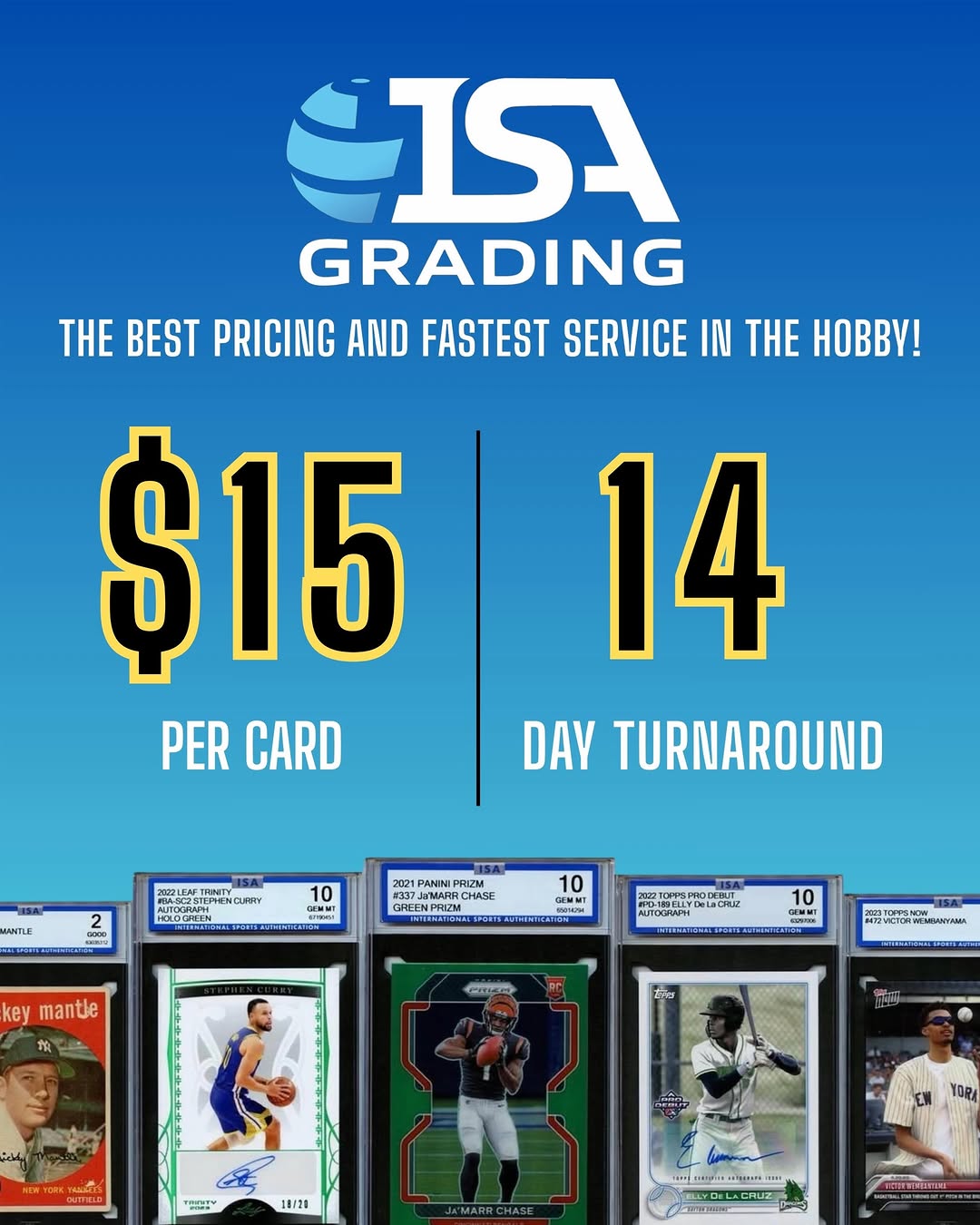
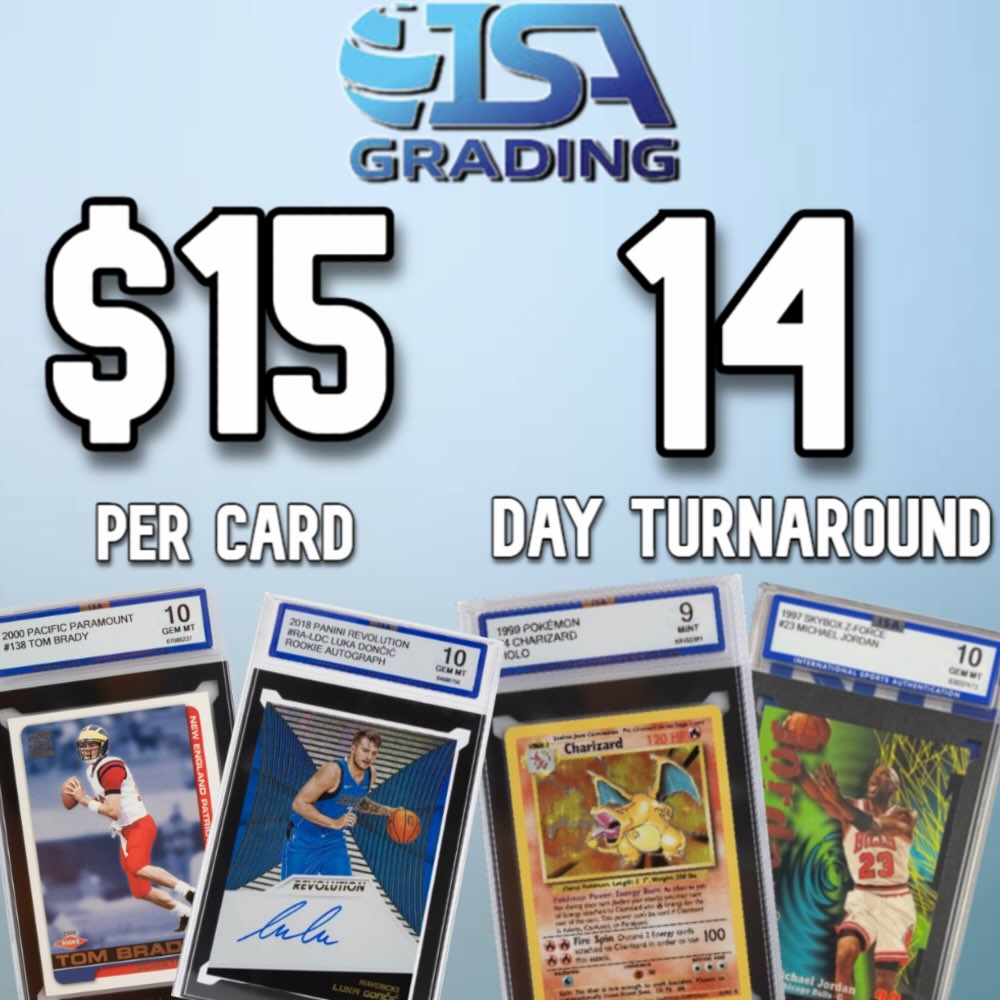
ISA Grading, also known as International Sports Authentication, offers sports card grading and authentication at $15 per card, with a 14 day turnaround, a 10 card minimum, and no upcharges. For collectors, dealers, and hobby sellers researching $15 card grading, those terms provide a clear starting point. The next step is choosing the right cards and preparing a submission that fits your collection or business.
The Price Starts With Simple Math
At $15 per card, a minimum submission of 10 cards carries a grading service cost of $150. A 20 card submission costs $300 in grading fees, and 30 cards cost $450. That makes it easier to set a budget before pulling cards from your collection or inventory.
ISA's no upcharges policy is another important part of that calculation. You can plan around the stated per-card grading price without budgeting for an additional grading upcharge. Keep that separate from your complete submission expense: review the current submission instructions for any shipping, insurance, taxes, or other applicable costs before paying.
Clear pricing does not mean every card should be graded. A $15 service fee can be sensible for one card and difficult to justify for another. The useful question is not simply whether grading is affordable. It is whether the full cost supports your reason for submitting.
- Personal collectors: Consider the value of evaluation, presentation, and long-term organization.
- Dealers: Compare the total investment with realistic selling prices and inventory needs.
- Hobby sellers: Leave room for selling fees, shipping materials, and a result below your hoped-for grade.
What a 14 Day Turnaround Means for Planning
Turnaround matters because your cards are unavailable to display, trade, or ship to a buyer while they are being graded. ISA's current 14 day turnaround gives you a practical reference point when deciding when to submit.
For a collector, that may help coordinate a submission before reorganizing a player collection. For a dealer, it may help plan inventory around an upcoming show or selling period. Baseball card grading, football card grading, and basketball card grading can all involve cards whose demand changes with player performance, season schedules, and hobby interest.
Do not treat the grading turnaround as the entire door-to-door timeline. Account separately for outbound shipping and return transit, and confirm how the turnaround is measured before scheduling a sale. A buyer commitment should leave room for events outside the grading process.
If timing is central to your decision, read why turnaround time matters when grading sports cards. Fast card grading is most useful when it supports a realistic plan, rather than an assumed delivery date.
Choose Ten Cards for a Reason, Not Just to Meet a Minimum
A 10 card minimum encourages you to think in batches. Start by identifying cards with a clear purpose: a favorite player, a collection milestone, a sale candidate, or an item you want professionally evaluated. Then review condition and costs before building the final group.
Avoid filling the last few submission slots with cards you would not otherwise grade. Even at a consistent price, unnecessary submissions can weaken the economics of the entire batch. Waiting until you have ten suitable cards may be better than rushing a group that does not fit your goals.
For Resale, Use Comparable Sales Carefully
Look at completed sales for the same card, including the correct year, set, card number, and parallel. Where possible, compare the same grading company and grade. Asking prices alone do not show what buyers actually paid, and results from another grader may not translate directly.
Rookie card grading deserves the same discipline. A rookie designation can attract interest, but it does not erase condition problems or guarantee demand. Estimate several possible outcomes, including a lower grade than expected, before committing money.
For Personal Collections, Define the Benefit
Not every grading decision needs a resale calculation. You might want a consistent presentation for a favorite team or an independent evaluation of a childhood card. Vintage card grading can also help put visible wear into a standardized condition framework, even when a high numerical grade is unlikely.
Understand Authentication and Condition Before Submitting
Sports card authentication and card condition grading answer different questions. Card authentication concerns whether the submitted item is genuine. Condition grading evaluates the physical state of the card under the grader's standards. A genuine card can still show substantial wear, printing defects, or damage.
Review ISA's grading scale before assigning your own expectations. Familiarity with the scale helps you examine a card more thoughtfully, but a home inspection cannot guarantee the grade it will receive.
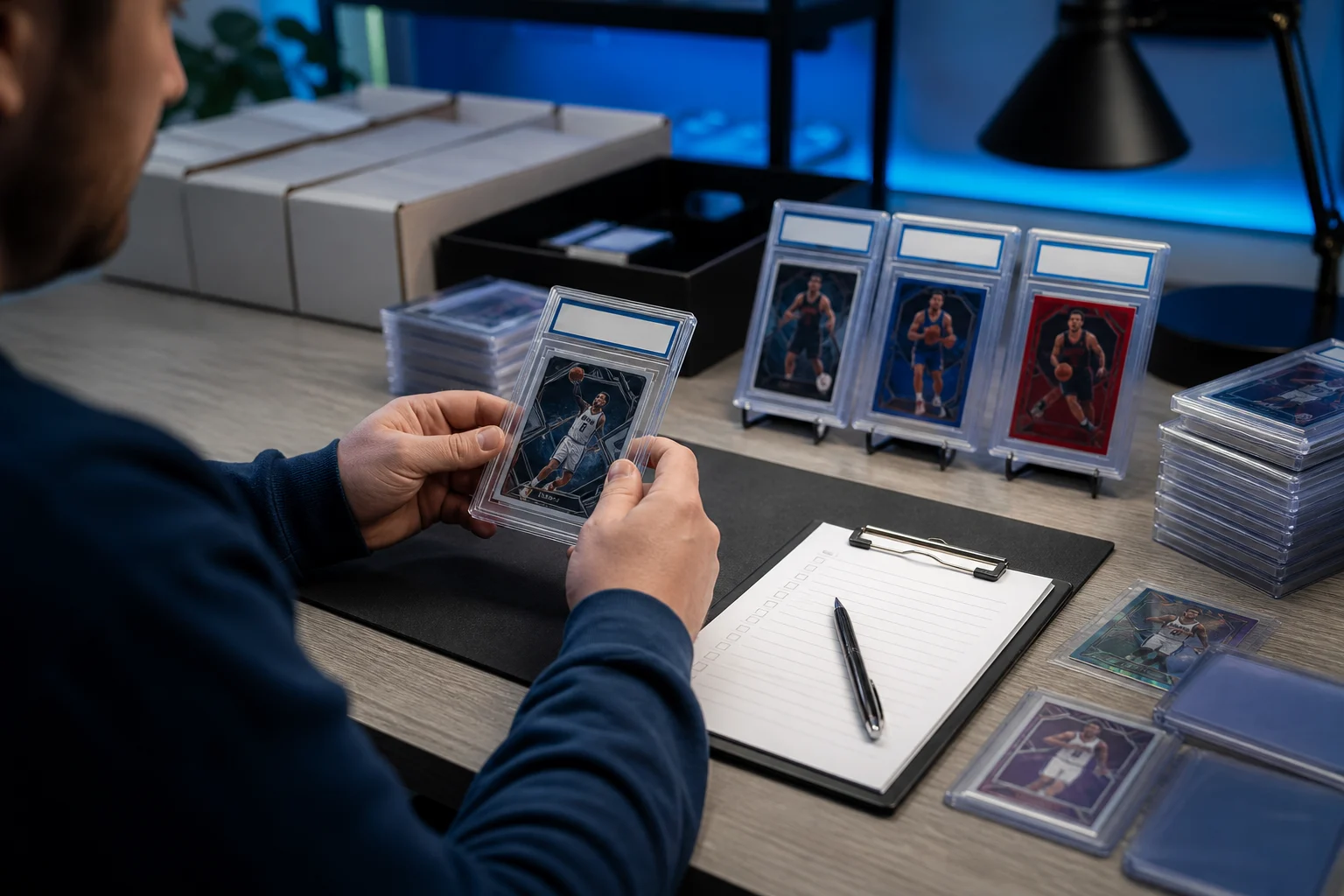
Use good lighting and inspect the front and back. Look at centering, edges, card corners, and the card surface. A sharp-looking front does not rule out a back crease, a small indentation, or surface scratching that becomes visible when the light changes.
- Corners: Check for softness, bends, fraying, or missing color.
- Edges: Look for chipping, rough areas, and handling wear.
- Surface: Inspect for scratches, dents, stains, print lines, and creases.
- Centering: Evaluate the design's positioning on both sides.
Handle cards by their edges when practical, and do not try to improve a grade through cleaning, pressing, trimming, or other alteration. If something about a card concerns you, ask about submission suitability rather than attempting a repair.
Prepare Cards So They Travel Safely
Good preparation is about protecting cards and making your submission easy to identify. Before packaging anything, check the current instructions on the ISA submission page. Follow the listed requirements for holders, paperwork, packing, and shipping rather than assuming another company's process applies.
Create an inventory of the cards you are sending. Record the player, year, set, card number, and any important variation. Keeping your own photographs can also help you track the submission and distinguish similar cards.
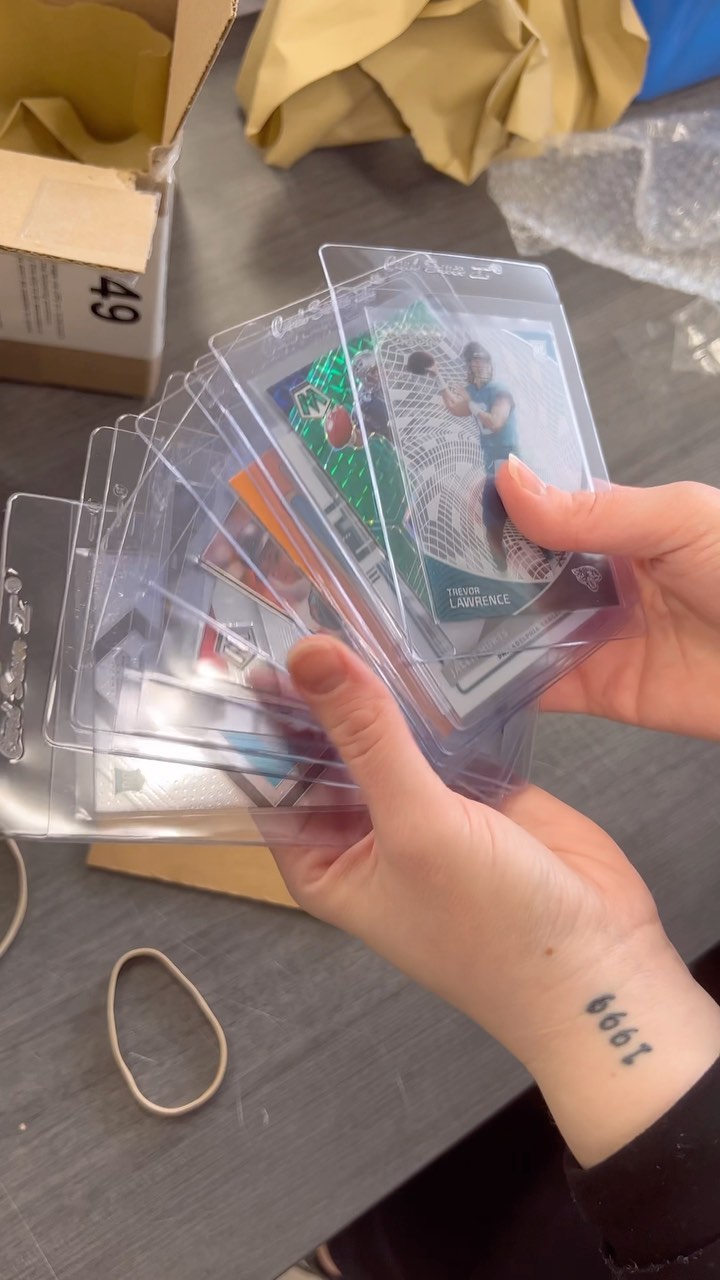
Use the protective materials specified in the instructions. Pack the cards so they do not shift freely inside the shipping box, but avoid pressure that could bend them. Keep adhesive away from card surfaces and avoid packaging that requires risky handling to open.
For a broader preparation checklist, see Before You Grade: A Collector's Guide to Sports and Pokemon Cards. Collectors researching TCG card grading or Pokemon card grading should confirm current eligibility and submission requirements for their particular cards rather than assume every category or format is accepted.
What Slabs Add to a Collection
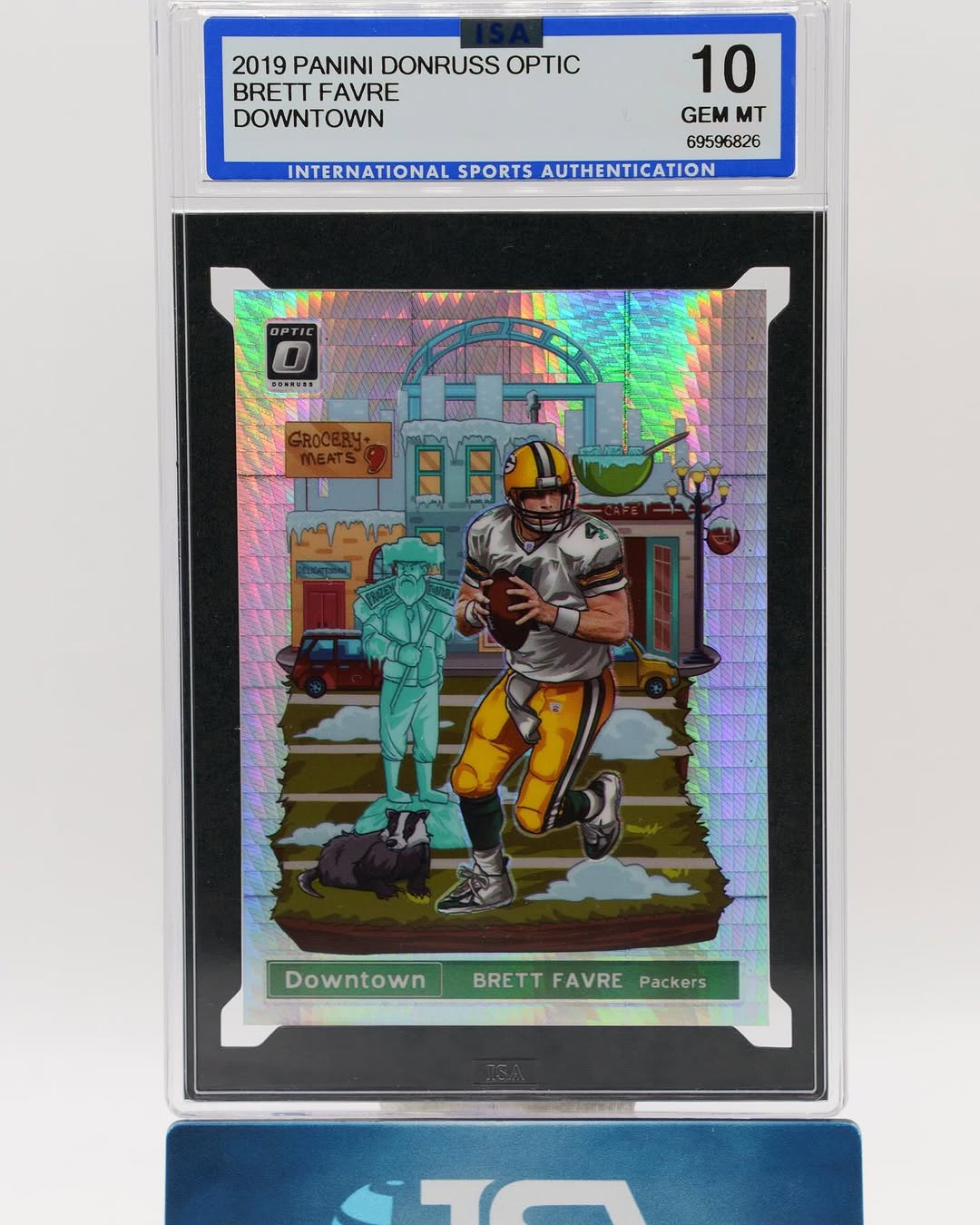
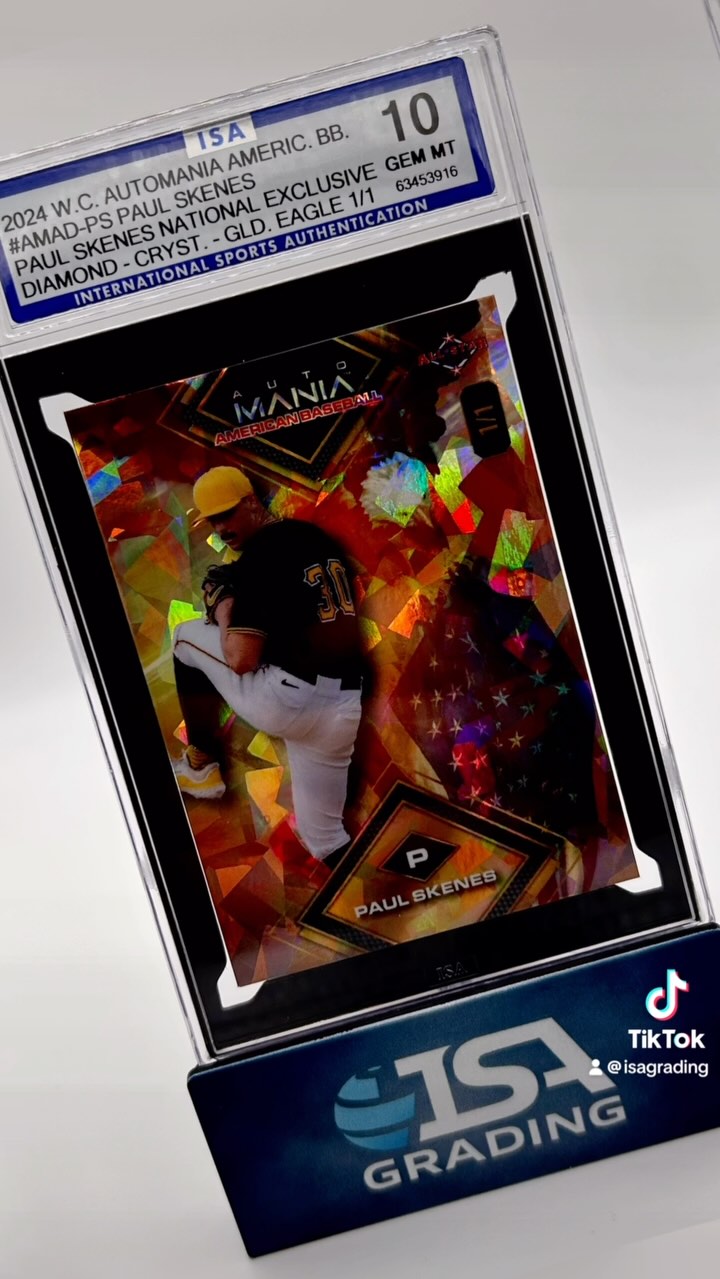
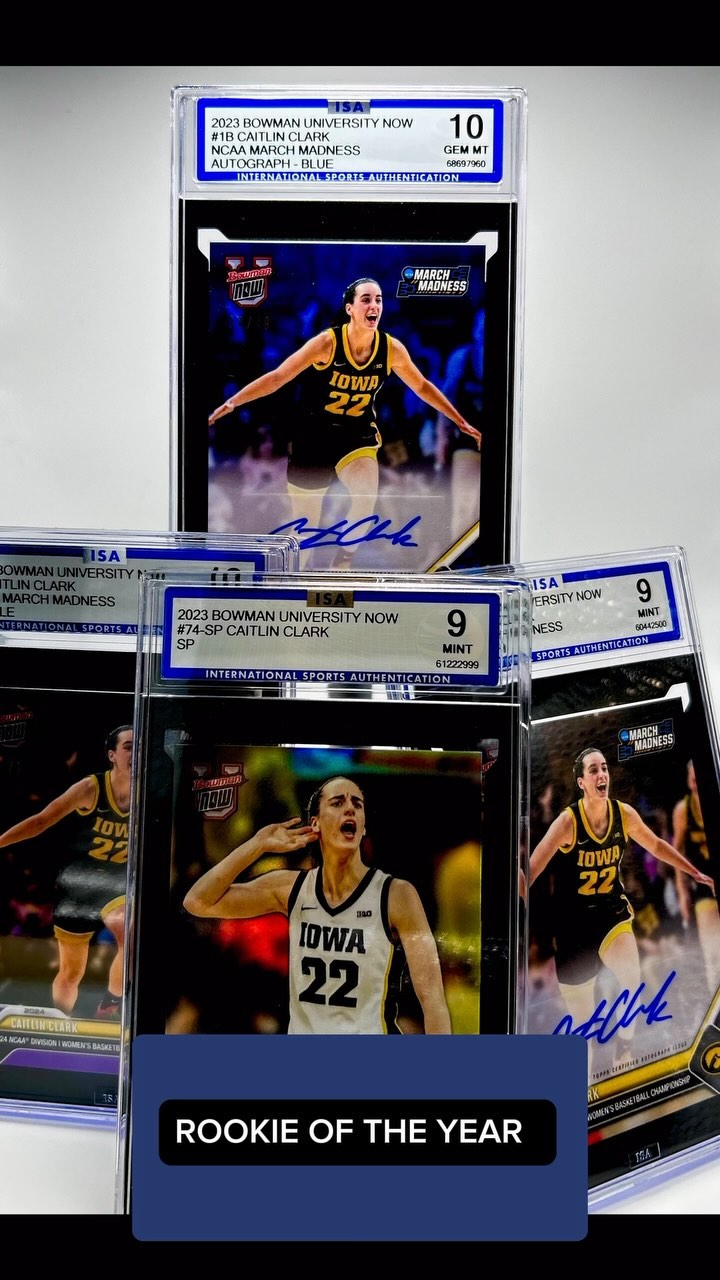
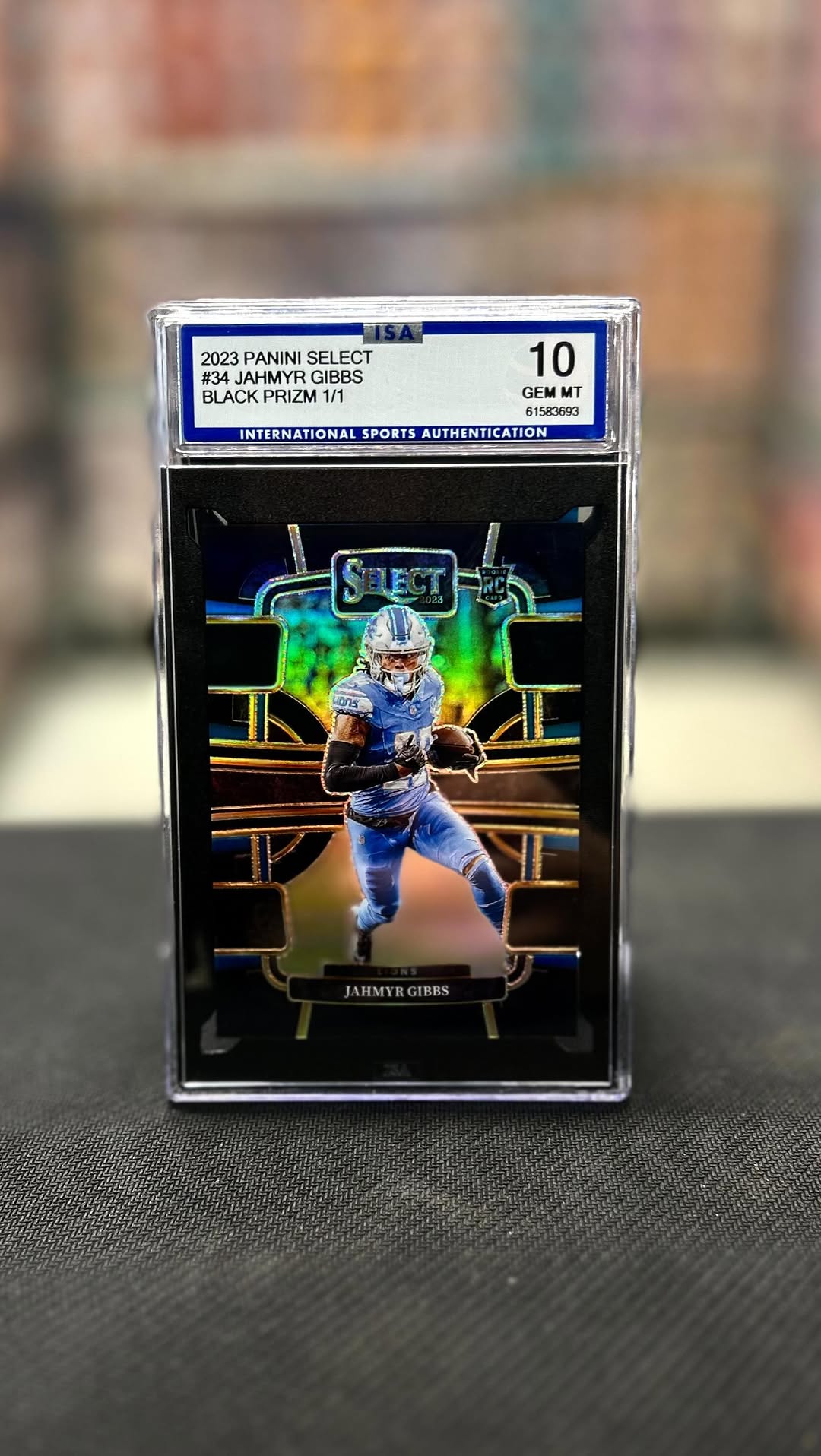
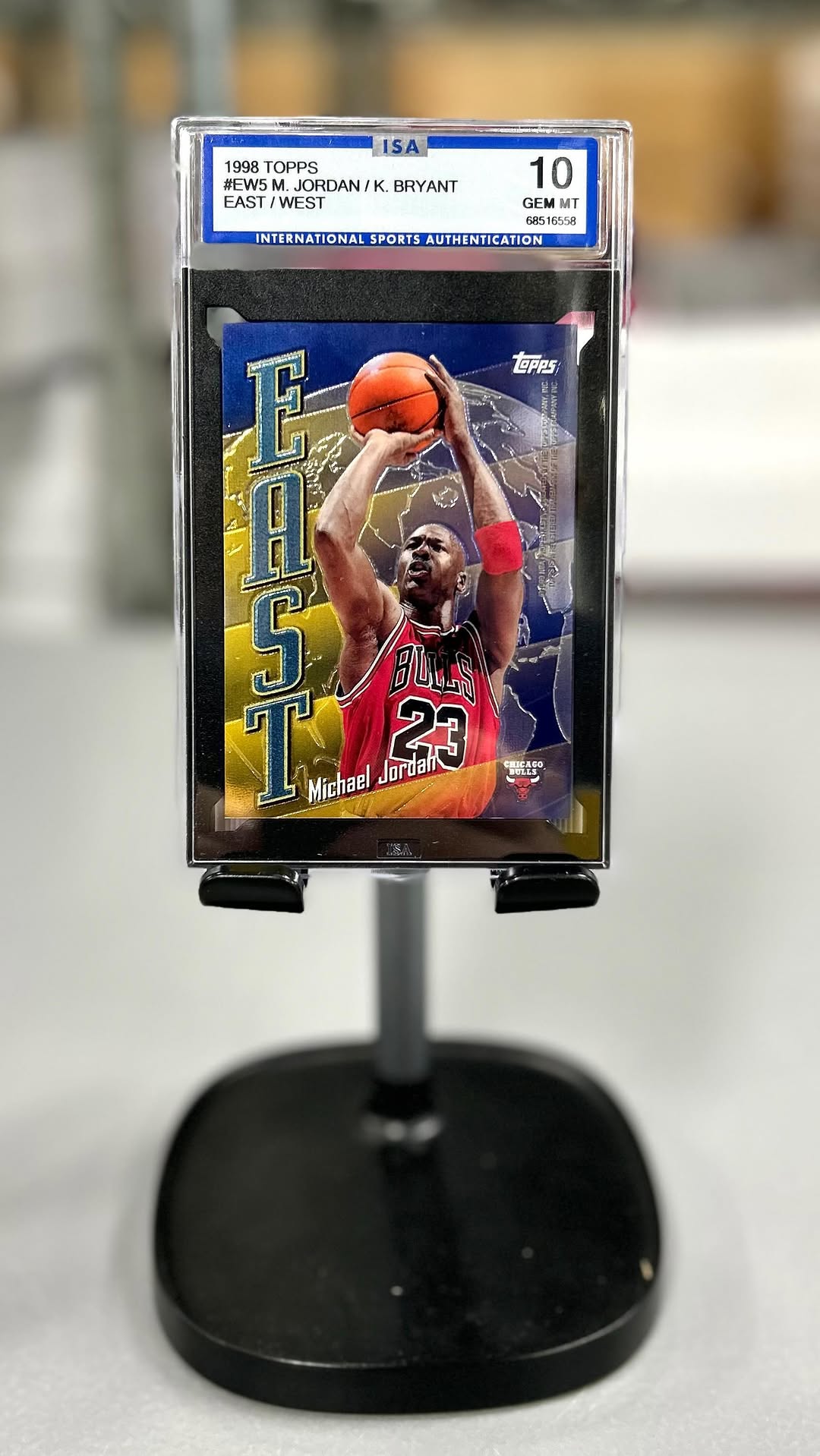
Trading card slabs give graded cards a consistent, enclosed presentation. They can reduce direct handling of the card and make it easier to organize a collection by player, set, or grade. For sellers, a holder and grading label also provide useful information to photograph and describe.
A slab is not a reason to ignore storage conditions. Keep graded cards away from excessive heat, prolonged direct sunlight, and moisture. Store and transport holders carefully to limit scratches, impacts, and other damage to the holder itself.
Buyers may care about the appearance of the slab as well as the card inside it. Clear photographs should show the front, back, label, and any visible holder issues. Good presentation supports an informed purchase, but encapsulation does not guarantee a sale price or eliminate normal market risk.
Use Certificate Verification to Support Buyer Confidence
ISA provides online certificate verification. This gives collectors and prospective buyers a way to look up a certificate and compare the available record with the card and label in front of them.
When reviewing a graded card, compare the certificate number and any identifying details displayed in the verification result. If the information does not match, pause the transaction and ask questions. A lookup is most useful when it is part of a broader review, not treated as a substitute for inspecting the actual item.
For sellers, make the label readable in listing photographs so buyers can conduct their own checks. For collectors managing larger holdings, recording certificate numbers alongside card descriptions can make inventory tracking more practical.
Verification supports transparency. It does not establish a card's current market value or guarantee the identity of a seller.
Selling Graded Cards Without Overpromising
Trading card grading creates a documented condition assessment, but the market still decides what a buyer will pay. Player demand, card scarcity, grade, eye appeal, and buyer preferences can all influence a transaction. Grading alone does not guarantee a premium over an ungraded example.
Build listings around observable details. Identify ISA as the grader, state the assigned grade accurately, and include the exact card information. Photograph the actual item rather than relying on a stock image. Disclose visible holder damage and avoid claims such as guaranteed investment returns or a certain future value.
Before listing, calculate your position using the card's acquisition cost, grading fee, applicable submission expenses, selling fees, and outbound shipping. That calculation helps you choose between selling now, holding the card, or keeping it in your collection.
Collectors evaluating a grading service can also read ISA customer reviews for individual experiences. Treat those accounts as one source of context, alongside current service terms and your own priorities.
A Practical Submission Checklist
Before sending your cards, make sure the batch meets both the service requirements and your own expectations:
- Select at least ten cards with a clear collecting or selling purpose.
- Inspect each card and allow for a grade below your initial estimate.
- Calculate grading fees at $15 per card, then review other applicable submission costs.
- Plan around the current 14 day turnaround while allowing separately for shipping.
- Follow current preparation instructions and keep an inventory of what you send.
- Decide how you will store, display, verify, or list the cards when they return.
ISA's $15 per card service keeps the grading price straightforward: a 10 card minimum, a 14 day turnaround, and no upcharges. Pair those terms with careful selection and realistic expectations, and you have a useful framework for deciding which cards belong in your next submission.
Submit Cards to ISA Grading
Collectors ready to use ISA Grading can start on the submission page. The current active service is $15 per card with a 14 day turnaround, no upcharges, and a 10 card minimum.
Frequently Asked Questions
How much does ISA Grading charge per card?
ISA Grading's current service costs $15 per card with no upcharges. The submission minimum is 10 cards, so a minimum submission has $150 in grading fees. Review current submission details for any shipping, insurance, taxes, or other applicable costs.
What is ISA Grading's current turnaround time?
ISA's current turnaround is 14 days. Confirm how the turnaround is measured before submitting, and account separately for outbound shipping and return transit when planning a sale or collection deadline.
Does ISA require a minimum number of cards?
Yes. ISA currently requires a minimum submission of 10 cards. Choose cards that fit your collecting or selling goals rather than adding unsuitable cards solely to reach the minimum.
How can I verify an ISA graded card?
Use the certificate verification page on ISA's website. Compare the certificate number and available record details with the card and label. If anything does not match, ask questions before completing a purchase.
Does grading guarantee that my card will sell for more?
No. A graded card's selling price depends on factors such as the specific card, assigned grade, demand, and buyer preferences. Compare relevant completed sales and include all submission and selling costs when evaluating potential resale value.