When collectors search for “PSA shutting down,” they may be reacting to a rumor, an unavailable submission option, or uncertainty about an existing order. Those situations are not interchangeable. A temporary submission pause is different from a permanent closure, and this article does not establish that PSA is closing or has stopped accepting submissions.
The useful question is what you would do if your preferred grading route became unavailable. Whether you have one important rookie or a dealer inventory waiting for slabs, a practical plan starts with verified information, careful storage, and a realistic comparison of your options.
Check What Has Actually Changed Before Moving Cards
Start with the grading company's official website, submission portal, account notices, and customer support. Look for the exact service affected, the date of the announcement, and whether the restriction concerns new orders, particular service levels, or cards already in the system. An old screenshot can circulate long after its context has changed.
Keep three questions separate:
- Can you submit new cards? Availability may differ by service or submission category.
- What happens to existing orders? A restriction on new submissions does not, by itself, explain the status of cards already received.
- What is the current estimated timeline? Confirm whether an estimate applies to your specific order or only to new submissions.
If your cards are already with a grader, save your order details, tracking information, and relevant correspondence. Ask that company about its current procedures before making assumptions about returns, cancellations, or transfers. Do not send duplicate payments or act on an unsolicited message without verifying its source.
Decide Whether Waiting or Switching Fits Your Goal
A PSA alternative is not automatically the right choice for every card. Your decision should reflect why you wanted the card graded in the first place. A personal collection, a scheduled sale, and a customer consignment can have different priorities.
If you are completing a collection in matching holders, waiting may preserve the consistency you want. If you need inventory ready for a show, predictable timing may matter more. For a valuable card, buyer preferences and comparable sales deserve extra attention before changing graders.
Separate your cards into three groups: cards worth waiting on, cards suitable for another grading service, and cards that can remain raw. This avoids treating an entire submission as one decision. It also helps prevent frustration from turning into unnecessary grading expenses.
Compare Turnaround Time With Your Actual Selling Calendar
Fast card grading is useful when it supports a specific plan, such as replenishing a display case or preparing listings before a show. Speed alone does not make a submission worthwhile, and no turnaround can guarantee that demand will remain strong when your cards return.
Build your schedule around more than the grading window. Allow for packing, outbound transit, intake, return shipping, photography, and listing preparation. Ask when the stated turnaround begins and whether days are calendar days or business days. Do not assume different companies measure time the same way.
ISA Grading currently offers a 14 day card grading turnaround. Before submitting against a firm deadline, confirm the timing details and leave room for shipping. For a closer look at inventory planning, read how grading turnaround shapes a card sale.
Make Pricing Clarity Part of the Comparison
A grading fee should be evaluated alongside the full cost of getting a card ready to sell or store. Depending on the submission, that can include packaging, shipping, insurance, and selling fees. Check current terms instead of relying on a remembered price or an old discussion thread.
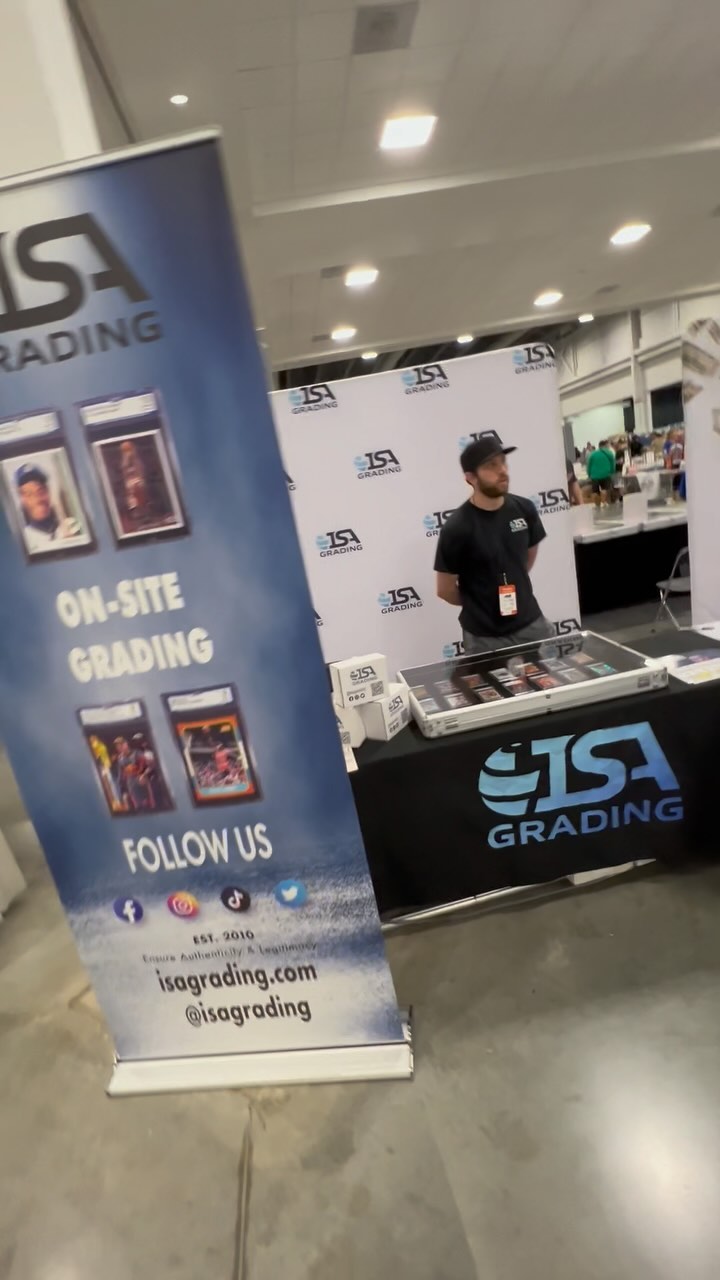
ISA Grading, also known as International Sports Authentication, provides sports card grading and authentication. Its current service is $15 per card, with a 10 card minimum and no upcharges. At that minimum, the grading charge is $150. Confirm any shipping or other applicable charges before sending your package.
For collectors comparing $15 card grading options, the absence of upcharges makes the grading portion easier to budget. It does not mean every card will be profitable to grade. ISA's explanation of its $15 per card service offers additional context for collectors considering no upcharge card grading.
Choose Cards Based on Condition and Purpose
Before asking “Where should I grade my cards?”, ask which cards deserve a grading fee. Review recent completed sales for the same card, variation, and relevant condition range. Active asking prices show what sellers hope to receive, not necessarily what buyers have paid.
Estimate outcomes conservatively. Compare the raw value with plausible graded results, then account for grading, shipping, and selling costs. If the numbers only work at the highest possible grade, your plan depends heavily on an uncertain result. Sentimental value can justify grading, but it is different from an expected financial return.
For rookie card grading, confirm the year, set, player, card number, and parallel before choosing sales comparisons. With basketball card grading, distinguish base cards from numbered parallels, inserts, and autographs. Similar-looking cards can have very different markets, so accurate identification comes before any estimate of grading value.
Inspect Condition Without Trying to Repair It
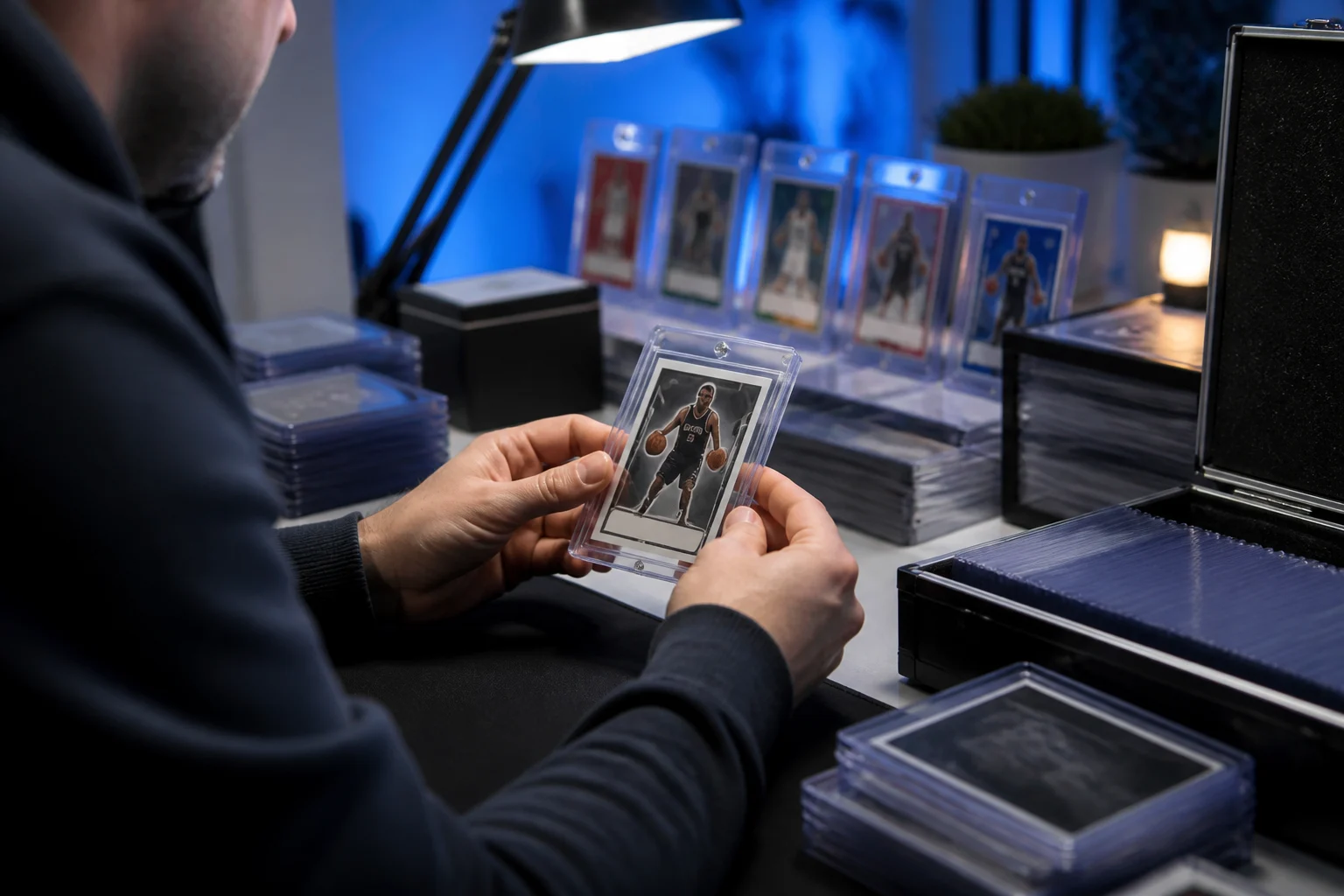
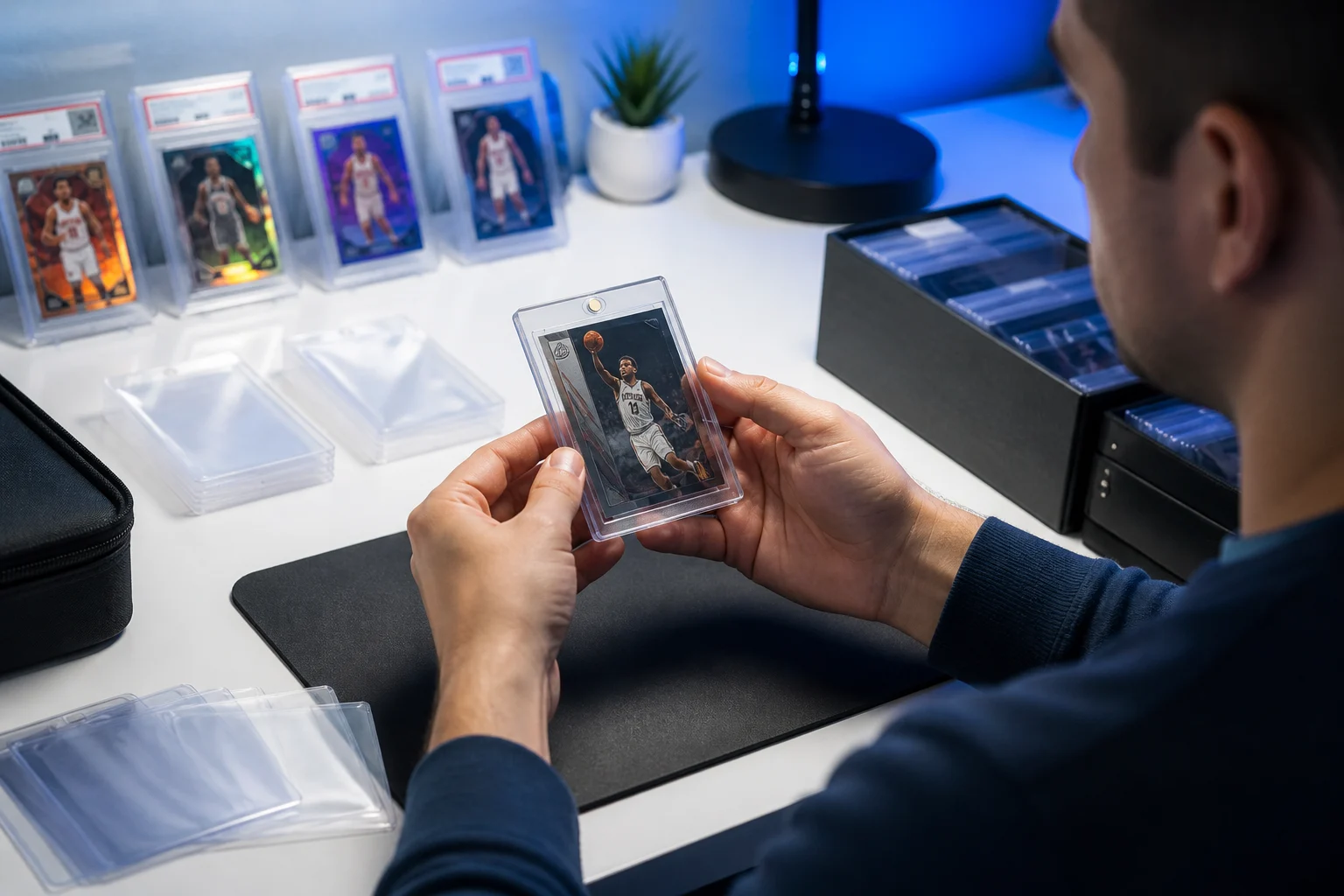
A careful inspection helps you set expectations, although it cannot establish a professional grade. Work on a clean, uncluttered surface under good lighting. Handle cards gently and avoid unnecessary contact with the printed area.
- Card centering: Compare borders and the placement of the printed image on both sides.
- Card corners: Look for whitening, bends, fraying, and small impacts that may be less visible through a sleeve.
- Edges: Check for chipping, roughness, dents, and damage along foil or colored borders.
- Card surface: Examine for scratches, print lines, indentations, stains, and creases, using different light angles.
Do not trim edges, press creases, recolor wear, or apply cleaners in an attempt to improve a result. Such interventions can alter a card and affect how a grading service evaluates it. Review ISA's grading scale to understand its condition framework without treating your own inspection as a guaranteed grade.
Give Vintage Cards and Unusual Issues Extra Attention
Vintage card grading often involves different practical concerns from submitting modern pack-fresh cards. Older stock may be fragile, and wear can be harder to distinguish from production characteristics. Avoid repeatedly removing an older card from its holder simply to inspect it again.
If you have an unusual size, a scarce regional issue, an altered-looking card, or an autograph that needs separate review, confirm service eligibility first. Sports card authentication and autograph authentication are not automatically the same service. Ask what is covered rather than assuming every type of authentication is included.
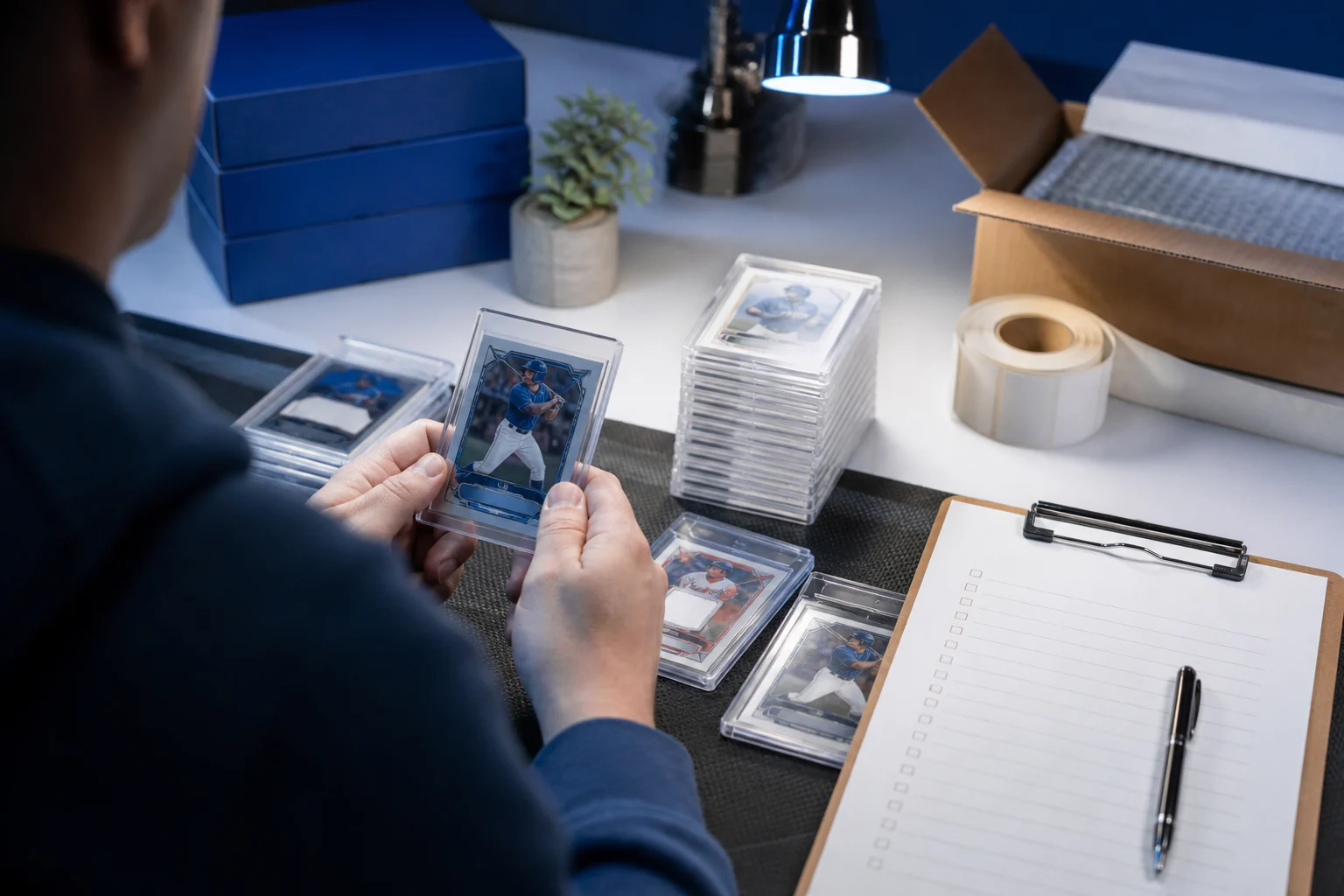
A photographed inventory is useful for any submission. Record the card identity, visible condition concerns, and any serial number. Keep those records with your submission documents so you can reconcile the returned order accurately.
Protect Cards While You Wait and During Shipping
A submission delay is a reason to store cards carefully, not to handle them more often. Keep them in suitable protective holders in a stable, dry location away from direct sunlight. Store heavy objects separately so they cannot put pressure on cards or holders.
Before shipping, follow the receiving company's current packaging instructions. Use appropriate individual protection, prevent movement inside the package, and avoid adhesive contacting a card. Keep your inventory and required submission information organized so the package contents can be identified.
Choose tracking and consider insurance appropriate to the shipment. Retain photos and shipping records. If cards are already in slabs, confirm the receiving service's rules before requesting a crossover, reholder, or other service. Opening a slab yourself can damage the card and should not be treated as a routine preparation step.
Understand What Slabs and Verification Add
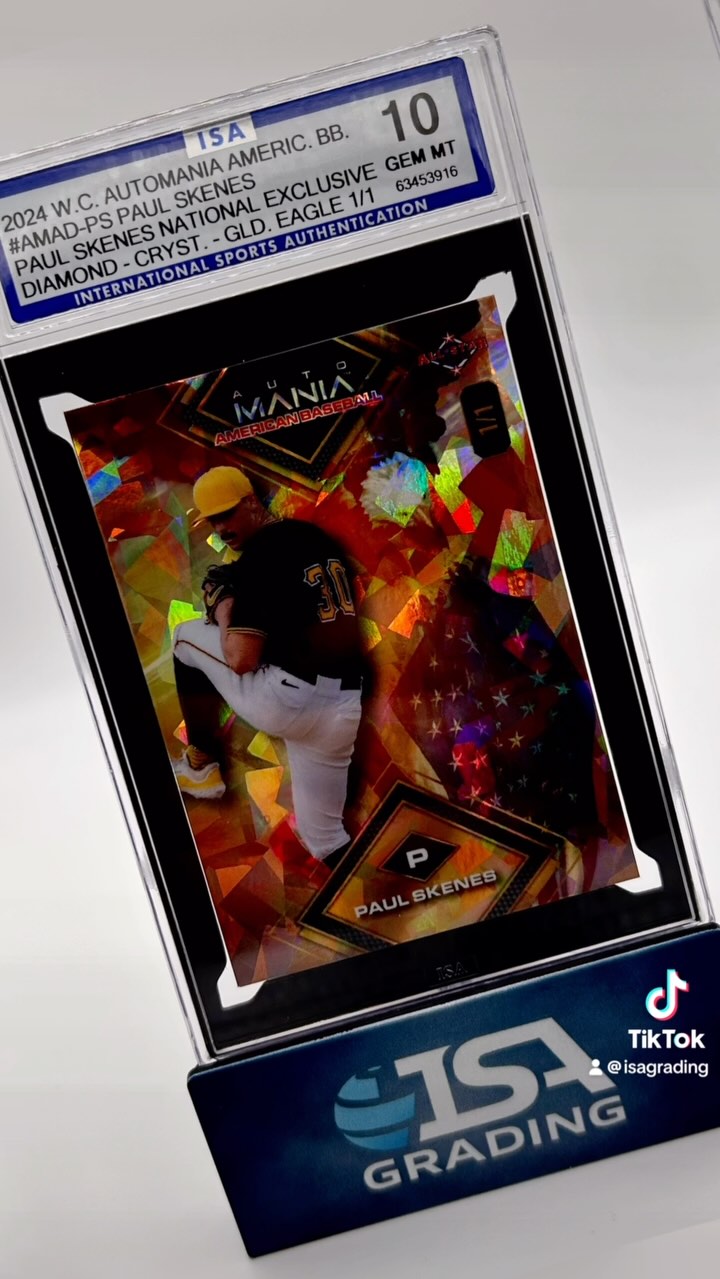
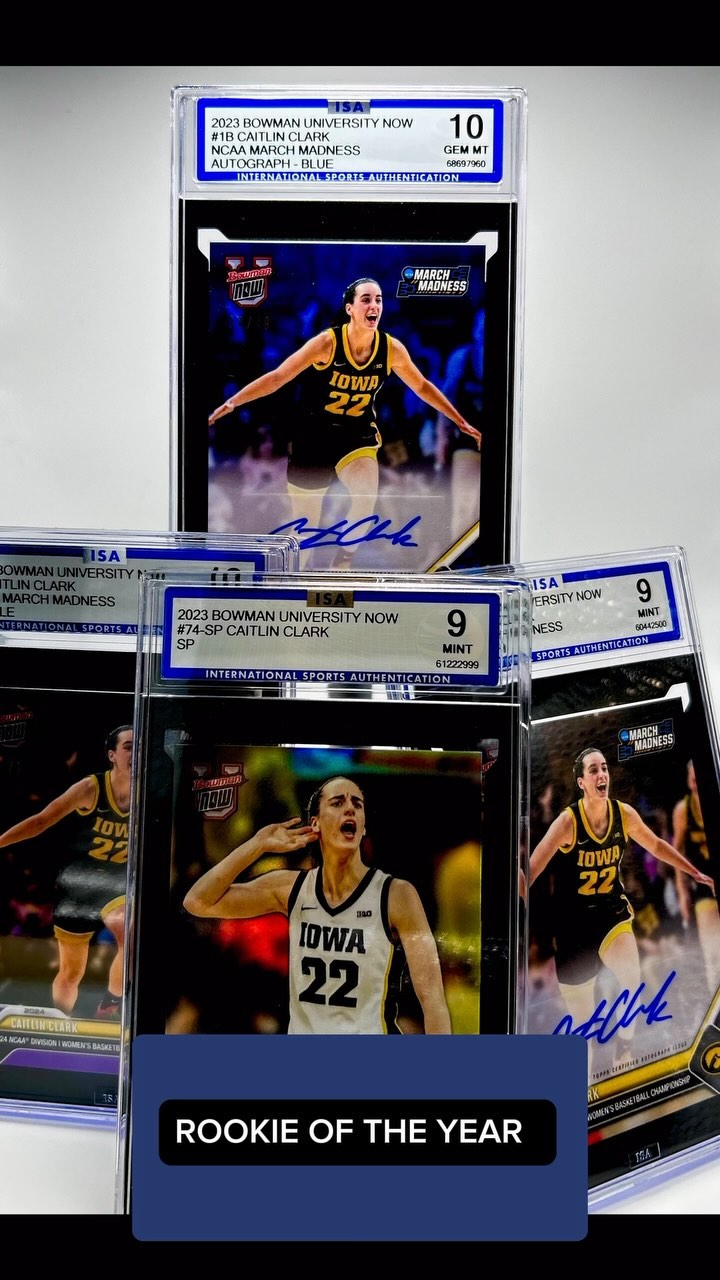
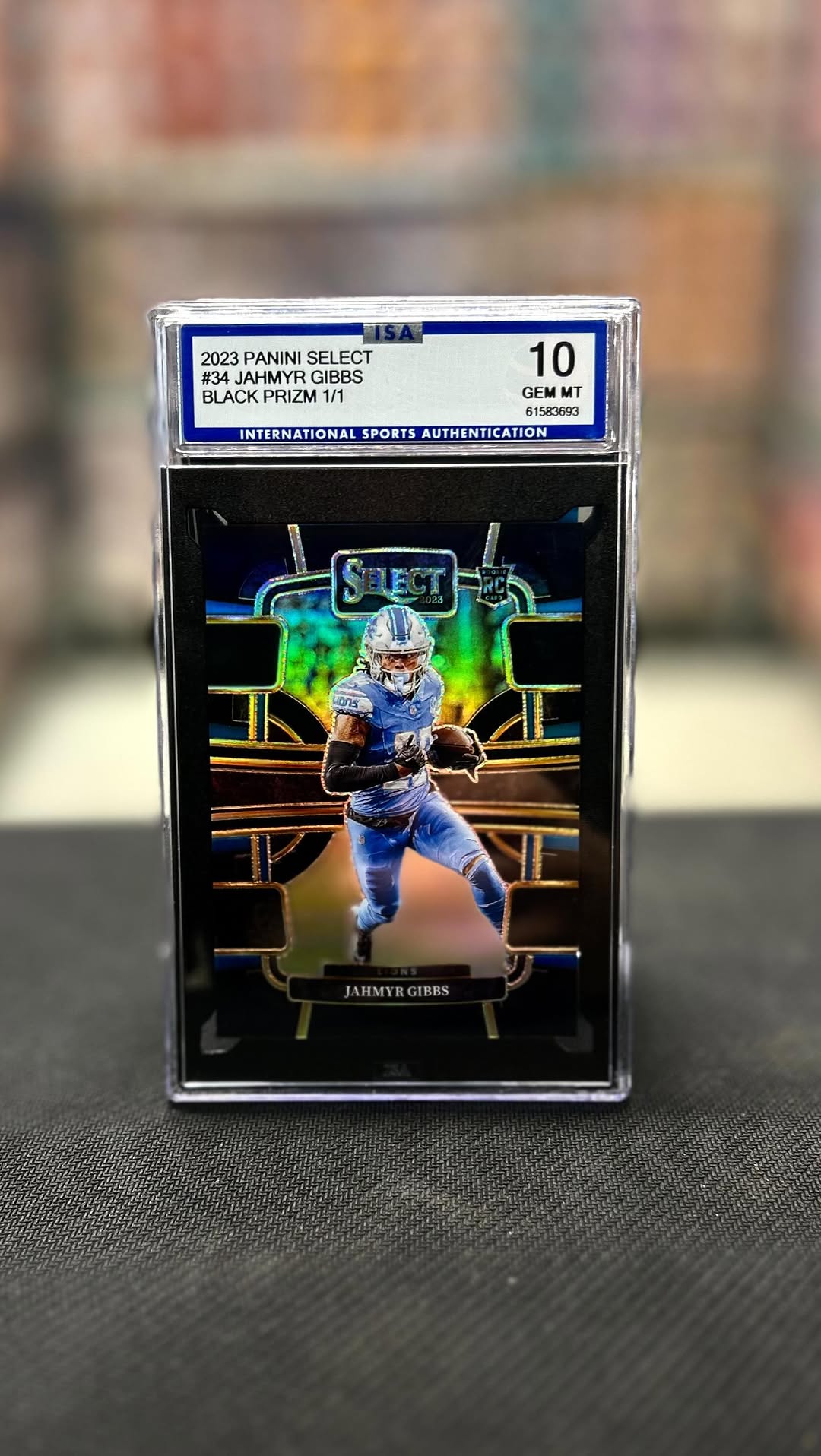
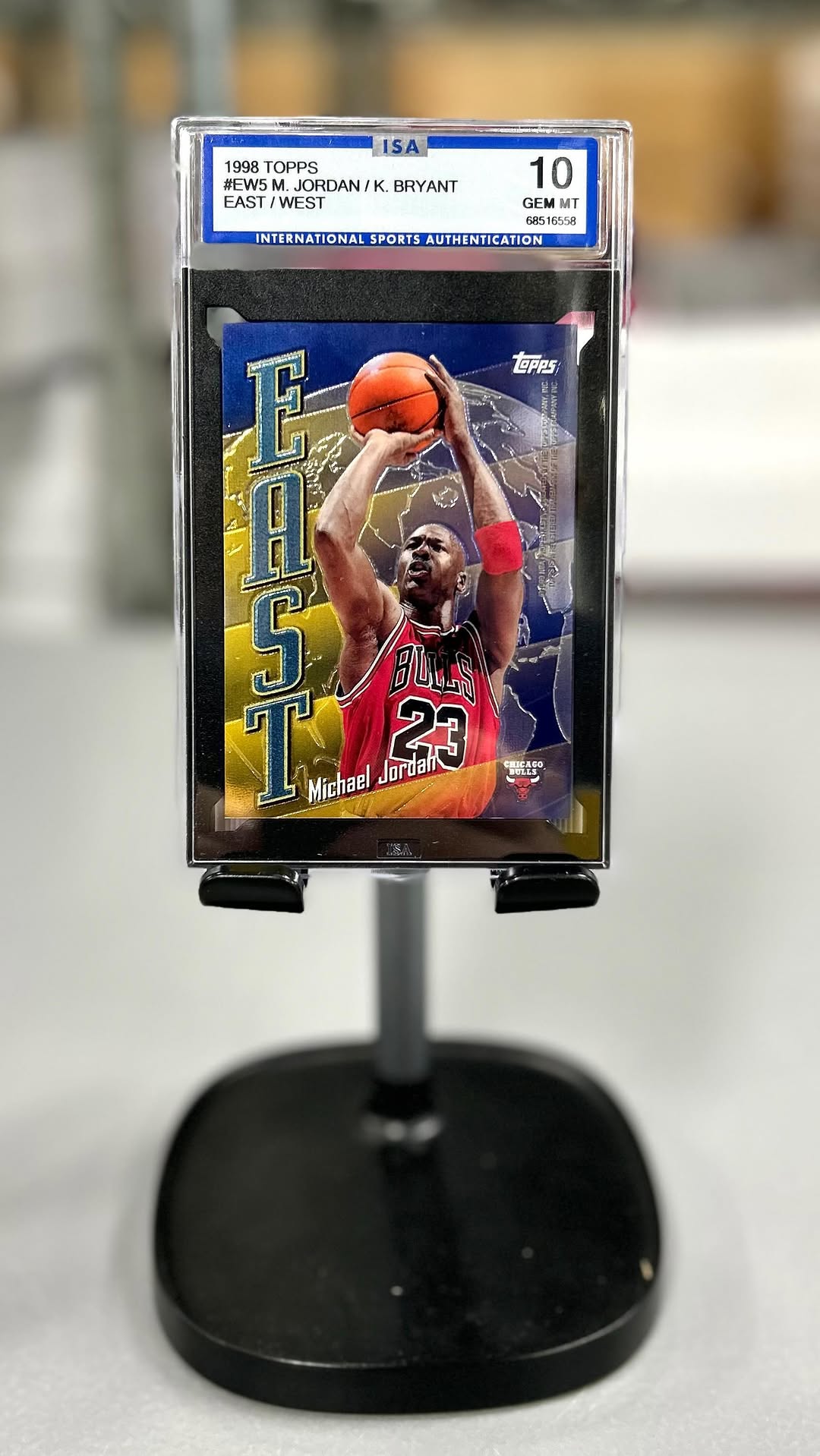
Card encapsulation places a card in a protective holder that presents its identification and assigned grade together. A slab can make handling, organization, and display more convenient, but it does not eliminate the need for careful storage. Holders can still become scratched or damaged.
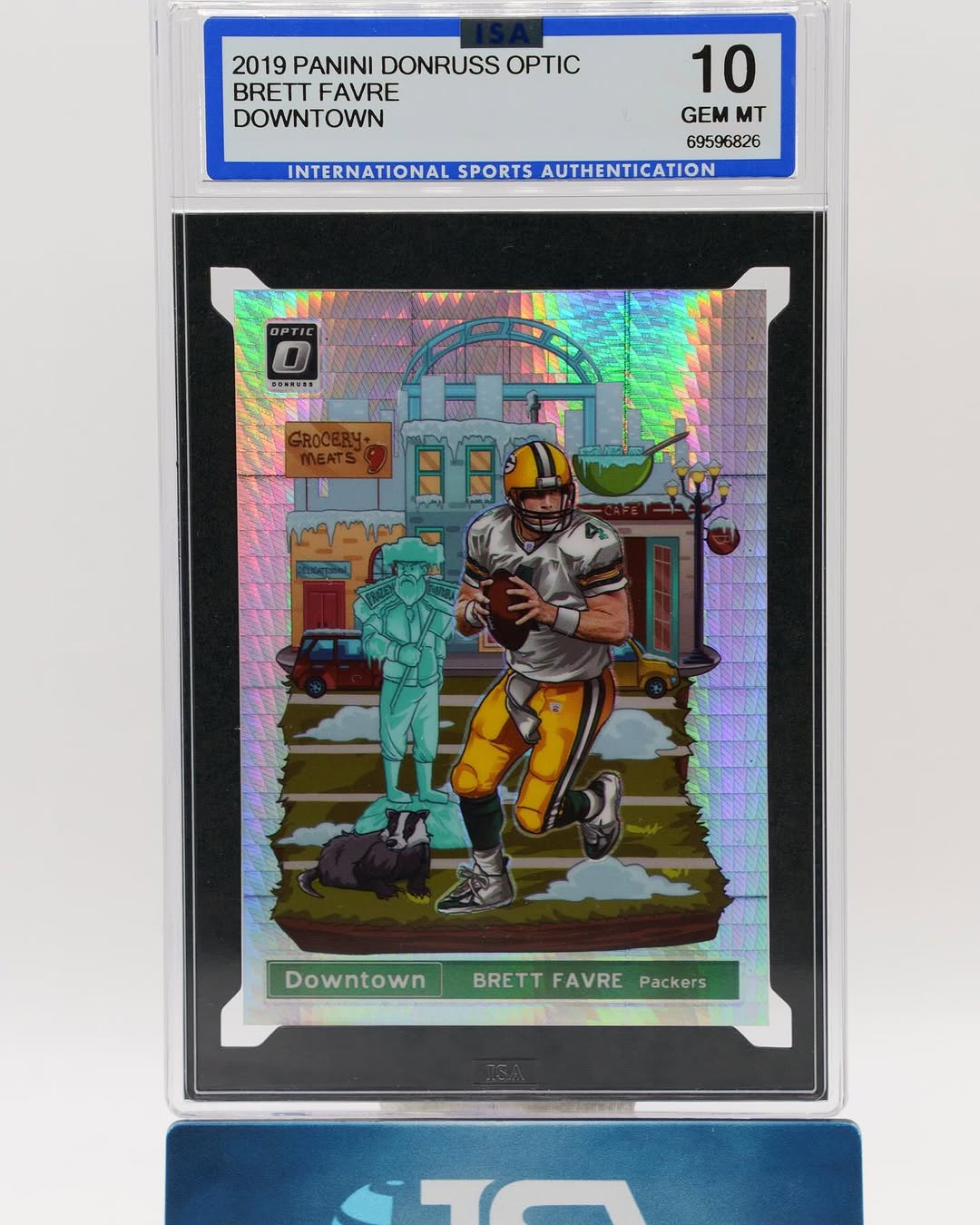
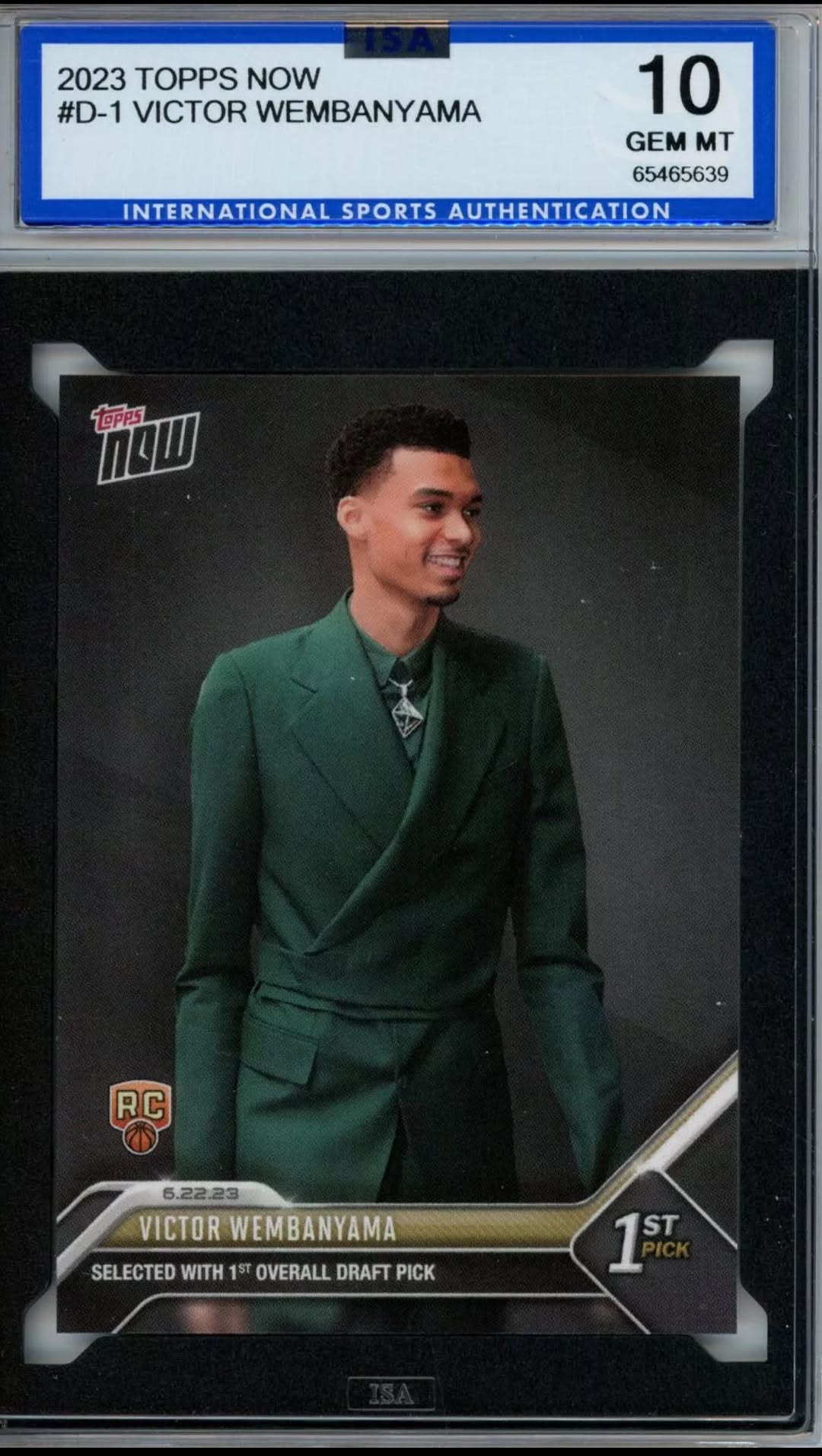
Certificate verification gives buyers another detail to check. ISA provides online certificate verification, which collectors can use to compare available certificate information with the card and label in front of them. Review the details rather than checking only that a number produces a result.
A matching online record is useful, but it should not replace scrutiny of listing photos, seller history, and the physical holder. Card authentication, condition grading, and confidence in a particular transaction are related considerations, not interchangeable guarantees.
Prepare to Sell the Card, Not Just the Grade
When selling graded cards, show clear images of the front, back, label, and holder. Identify the grading company explicitly and describe relevant slab wear. Accurate descriptions help buyers understand what they are purchasing and reduce avoidable questions.
Use completed sales from the same grading company where possible. A numerical grade from one company does not establish the same market value as that number from another. If direct comparisons are scarce, acknowledge the uncertainty instead of borrowing a price from a different holder as though it were equivalent.
Dealers should also track the time between buying a card and receiving sale proceeds. A manageable grading bill and dependable workflow can support inventory planning, but neither guarantees a sale. Keep customer commitments tied to confirmed information, especially when preparing consignments or show inventory.
Build a Submission Plan You Can Repeat
If you search “card grading near me,” evaluate the service itself, not just proximity. Review submission requirements, grading standards, communication options, and verification tools. Collector experiences on ISA's reviews page can provide additional context, but your own cards, budget, and selling audience should drive the decision.
For collectors considering ISA as a trading card grading option, the current starting point is straightforward: $15 per card, a 14 day turnaround, a 10 card minimum, and no upcharges. Choose the cards deliberately rather than adding weak candidates simply to reach the minimum.
When you are ready, review the current instructions on ISA's submission page and build a documented order. Whether you wait for your preferred grader or choose another card grading service, the strongest plan rests on verified updates, protected cards, clear costs, and realistic expectations.
Submit Cards to ISA Grading
Collectors ready to use ISA Grading can start on the submission page. The current active service is $15 per card with a 14 day turnaround, no upcharges, and a 10 card minimum.
Frequently Asked Questions
Is PSA shutting down?
This article does not establish that PSA is shutting down or has stopped accepting submissions. Check PSA's official website, submission portal, and account notices for current information. A service restriction or temporary submission pause is not the same as a permanent closure.
What should I do if my cards are already at PSA during a submission pause?
Check your order status and contact PSA directly about the services affecting your order. Keep submission records, tracking information, and correspondence. Do not assume a pause on new submissions changes the handling of cards already received.
What does ISA Grading currently charge?
ISA Grading currently offers sports card grading and authentication at $15 per card, with a 10 card minimum, a 14 day turnaround, and no upcharges. The minimum grading charge is $150. Confirm shipping costs, timing details, and current submission instructions before sending cards.
Will switching grading companies affect my card's resale value?
It can. Buyers may value grading companies differently, and the same numerical grade does not necessarily command the same price across different holders. Review recent completed sales for the same card and grading company before estimating resale value.
How can a buyer verify an ISA certificate?
Use the certificate verification page on ISA's website and compare the available record with the card and slab label. Verification is one part of evaluating a purchase. Buyers should also review clear photos, holder condition, listing details, and seller history.