Sending a favorite rookie, a vintage star, or a dealer’s next sales batch for card authentication involves more than choosing a company and packing a box. You need to understand the service, assess the cards honestly, and protect them from the moment they leave your collection.
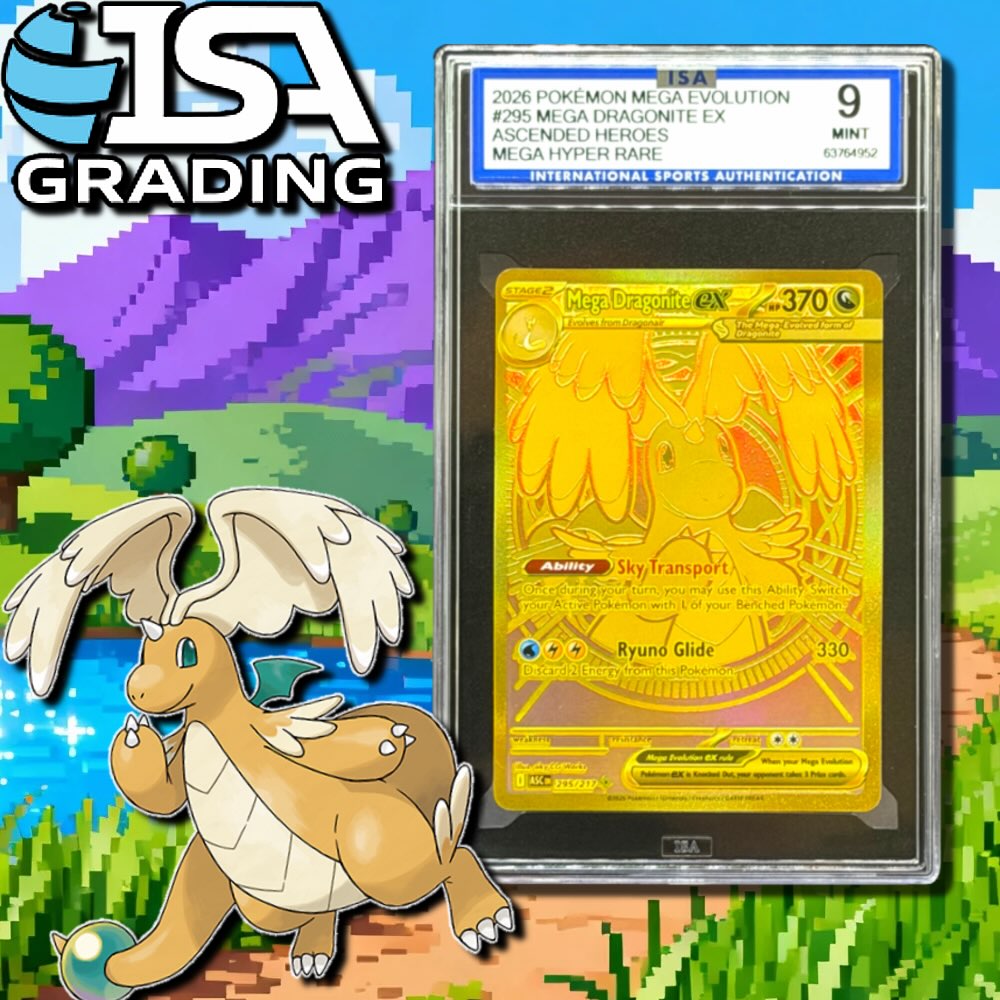
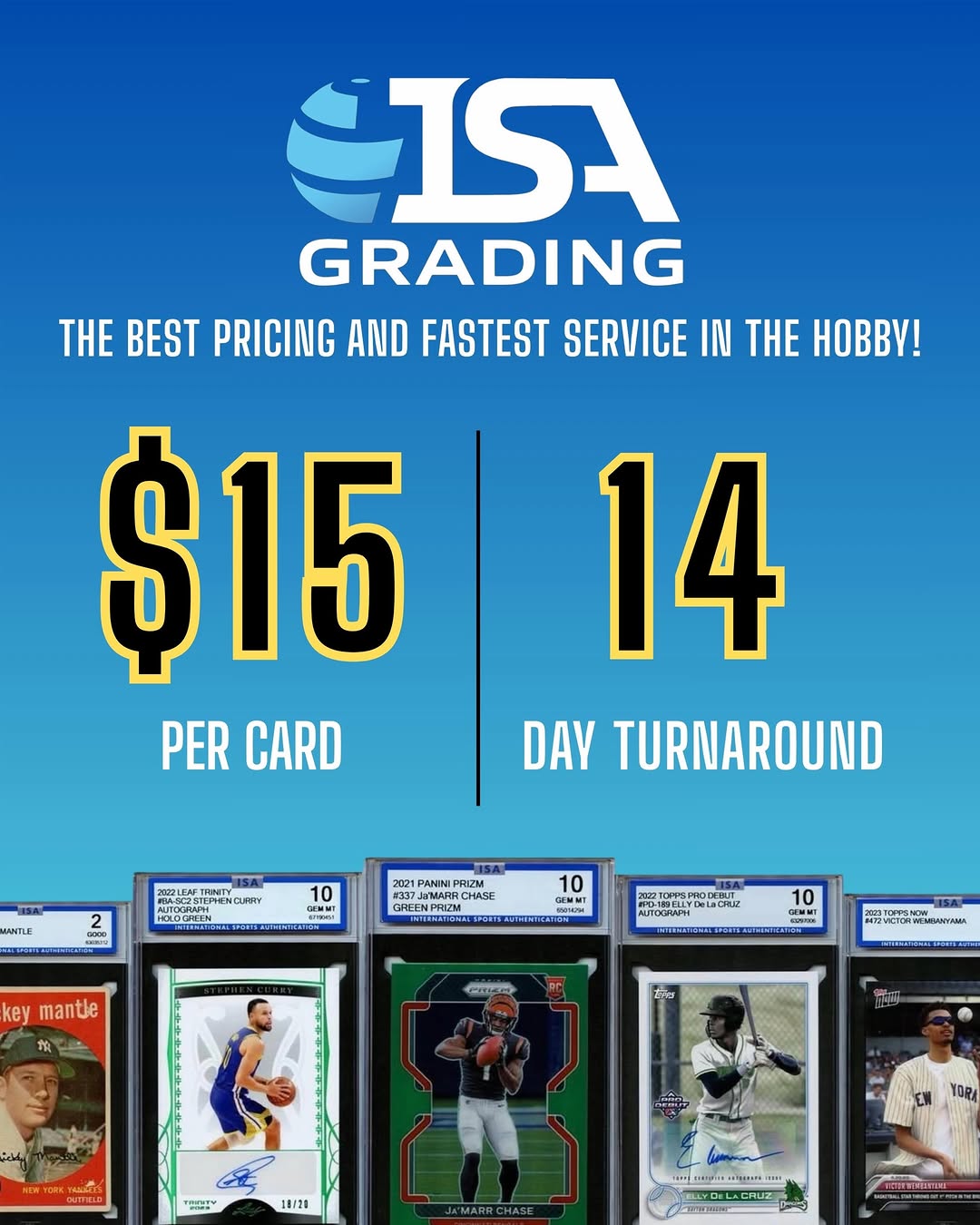
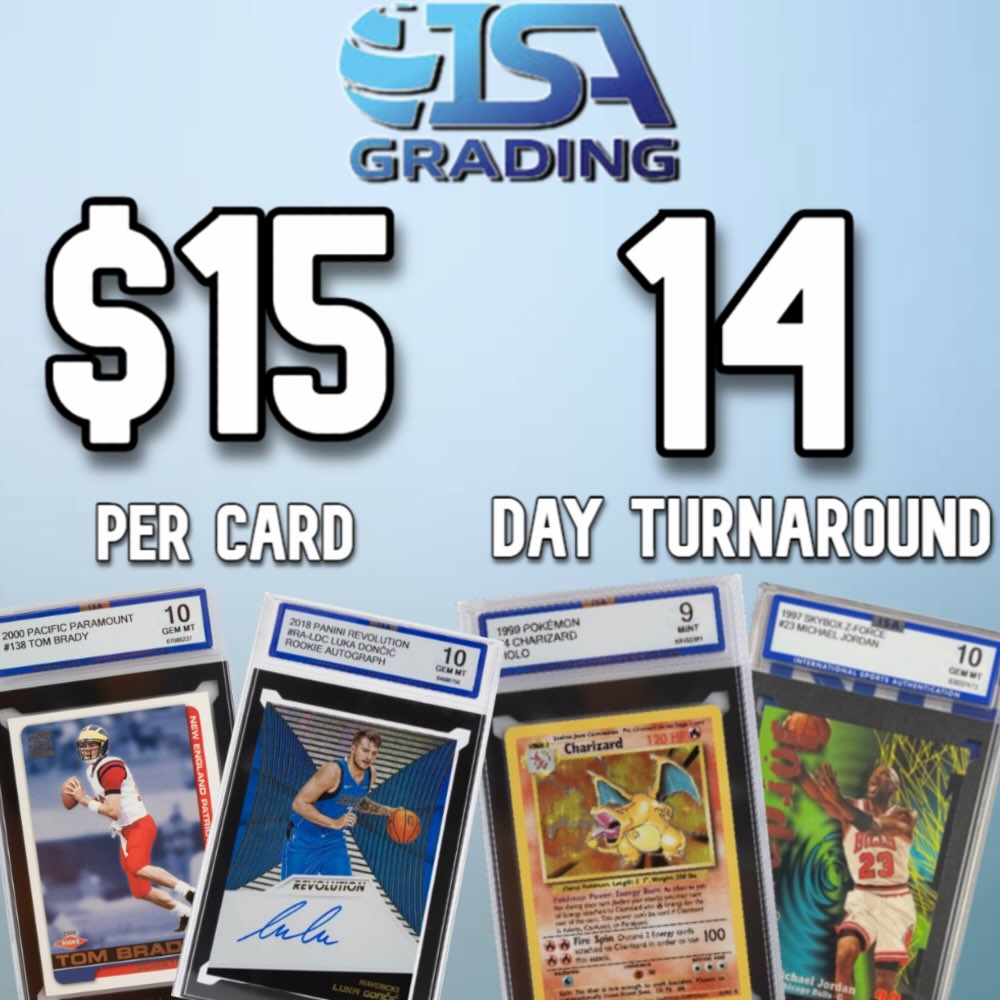
ISA Grading, also known as International Sports Authentication, provides sports card grading and authentication. Its current active service is $15 per card, with a 14 day turnaround, a 10 card minimum, and no upcharges. Those terms give collectors a clear starting point, but good preparation still matters. Here is what to check before you submit.
Know what authentication and grading tell you
Authentication and grading answer related but different questions. Card authentication addresses whether a card is genuine. Card condition grading evaluates its physical condition under the grading company’s standards. A genuine card can still have worn edges, poor centering, or a damaged surface.
Do not assume that authenticity guarantees a high grade, or that professional grading guarantees a particular selling price. Alterations, uncertain identification, and condition problems can affect an evaluation. If you suspect trimming, recoloring, or another modification, ask about eligibility before spending money on submission.
It also helps to distinguish card authentication from autograph authentication. If a card has a signature, especially one added after production, confirm what the service covers. Never assume that a sports card grading service includes a separate opinion on every autograph.
Select a submission that fits your collecting goals
Start by deciding what you want the submission to accomplish. A collector preserving a childhood favorite has different priorities from a dealer preparing inventory for a show. Neither goal requires every card to have strong resale potential.
For selling, look at completed sales for the exact card, including year, set, player, card number, parallel, and relevant variation. Asking prices show what sellers hope to receive, not necessarily what buyers pay. Compare realistic condition outcomes rather than assuming your card will earn the highest grade.
- Personal collection: Consider sentimental value, identification, and long-term handling needs.
- Resale inventory: Compare likely proceeds with acquisition, grading, shipping, and selling costs.
- Rookie cards: Confirm the exact issue and variation before choosing candidates for rookie card grading.
- Older cards: For vintage card grading, examine wear and possible alterations without expecting modern printing characteristics.
With a 10 card minimum, build a deliberate group rather than adding cards solely to fill the order. If you have fewer suitable candidates, waiting may make more sense than paying to grade cards that do not fit your goals.
Inspect condition before you commit
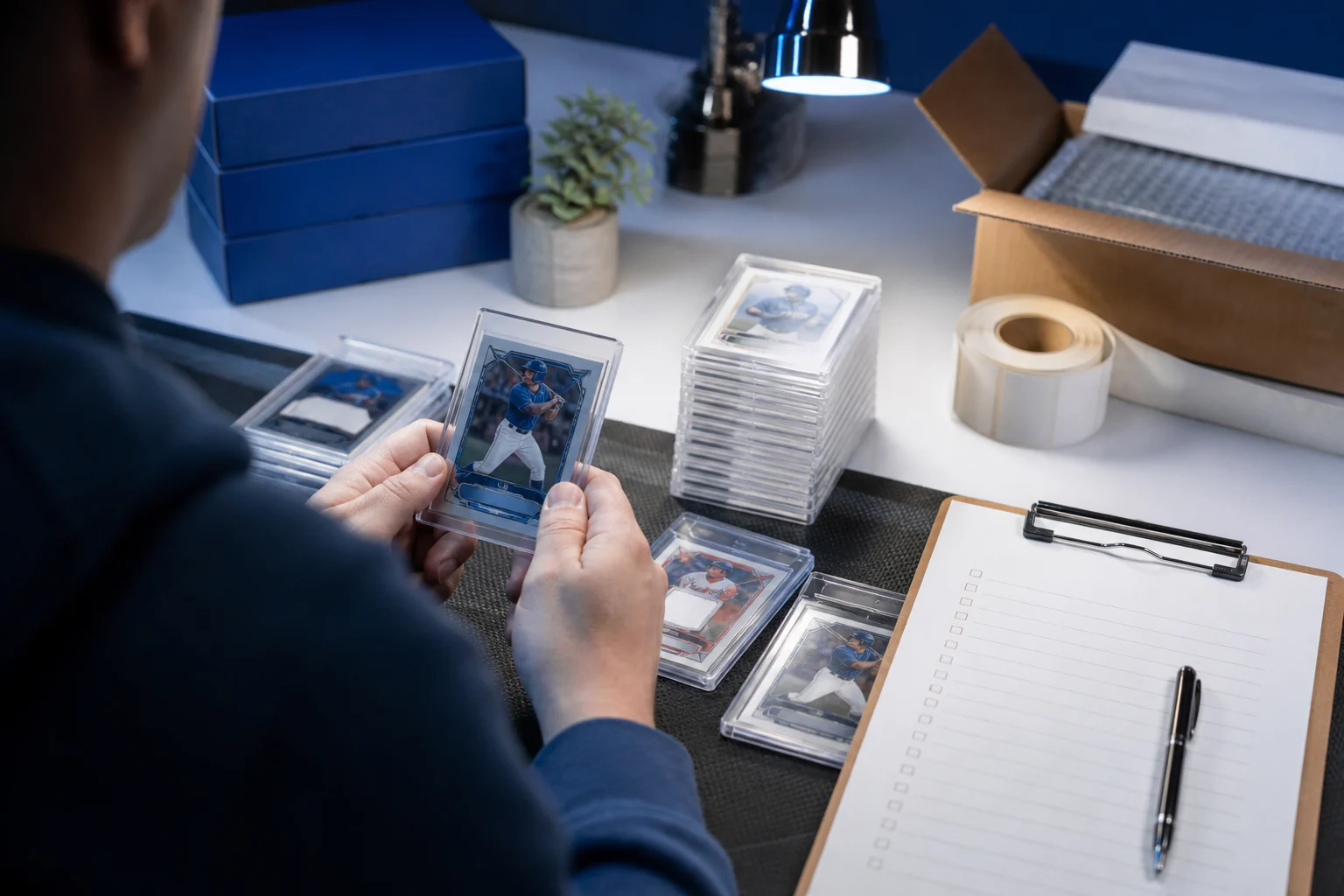
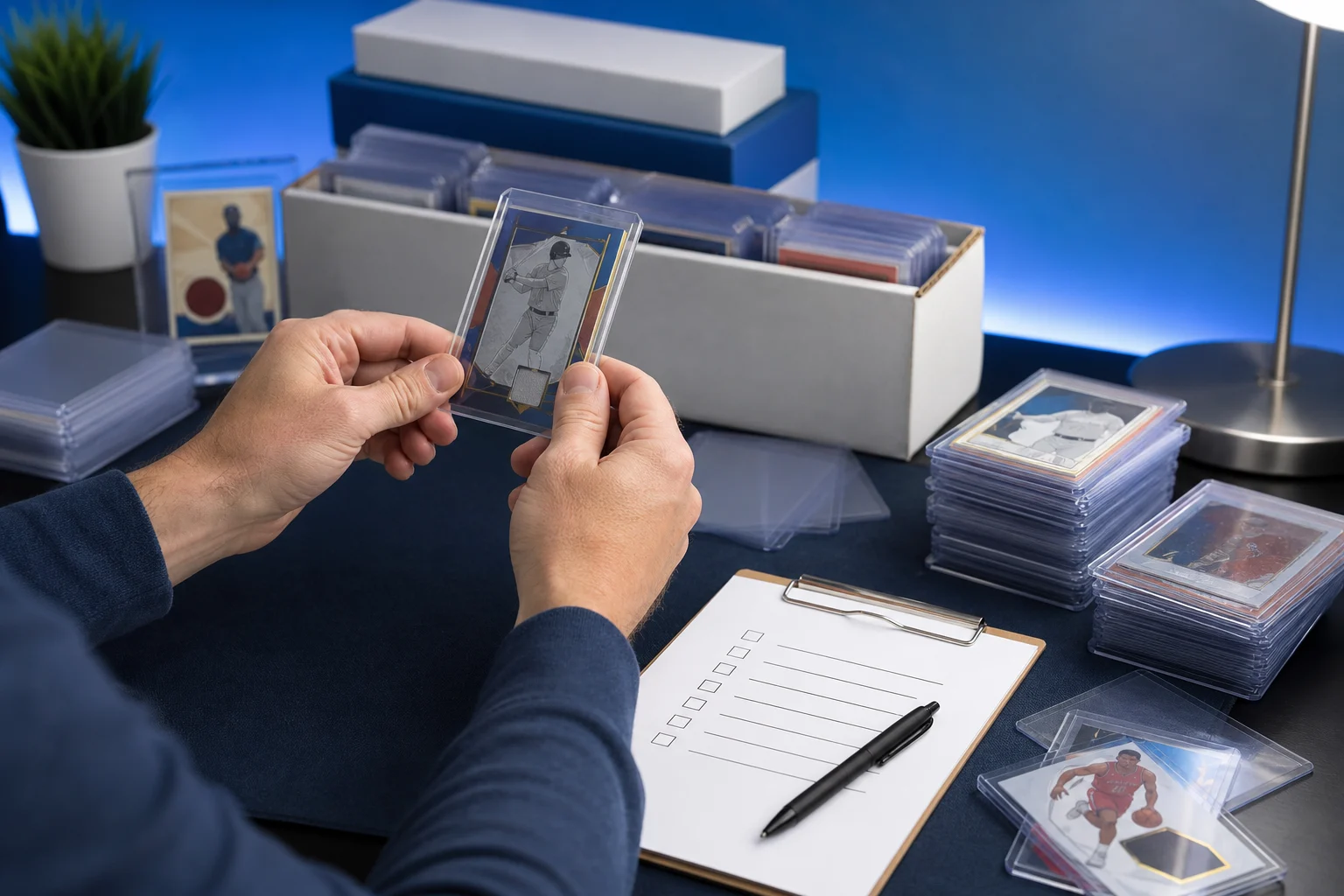
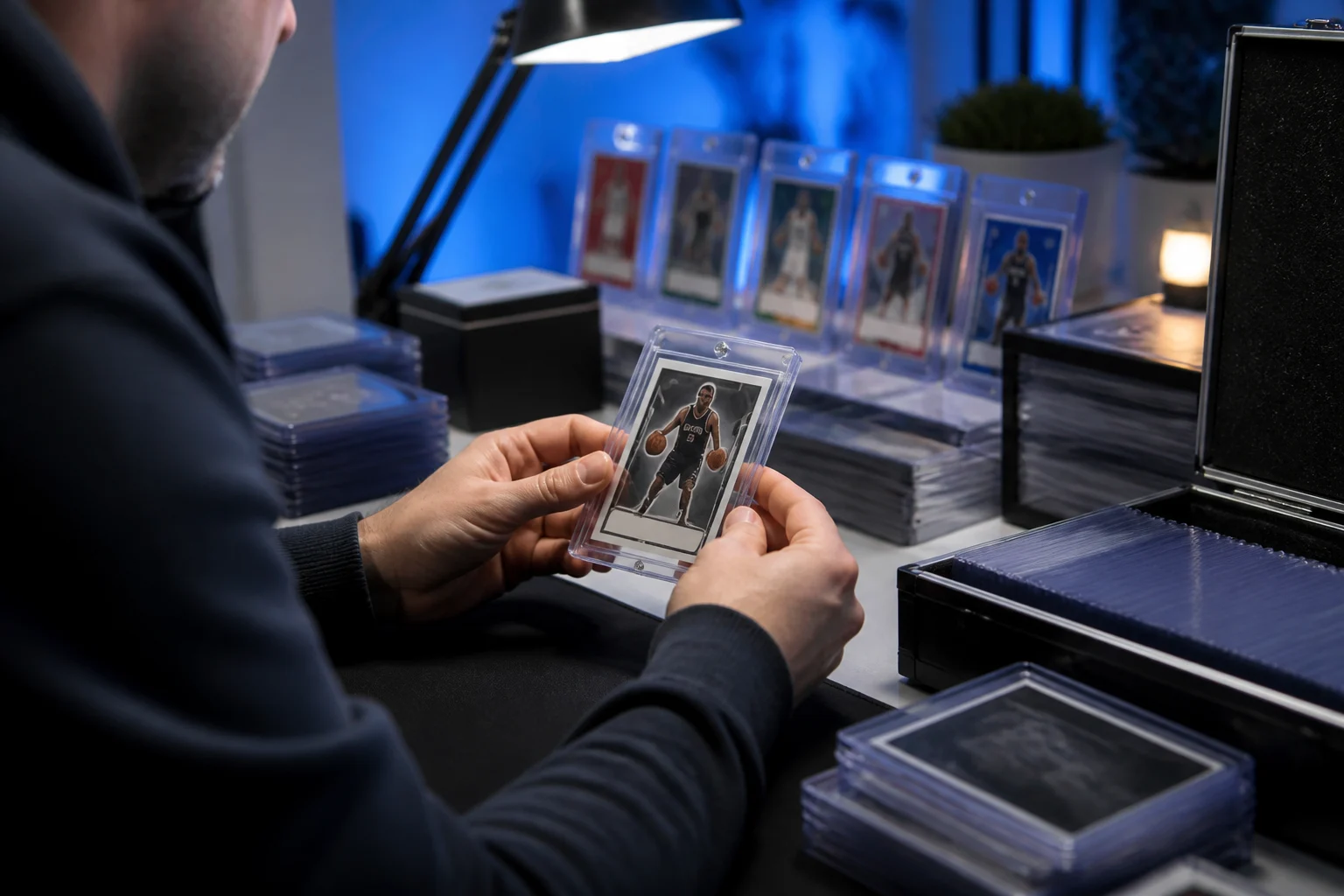
A careful inspection will not predict an exact grade, but it can reveal issues you missed while flipping through a binder. Use a clean workspace, good lighting, and gentle handling. Hold cards by their edges and avoid touching printed surfaces.
Review ISA’s grading scale before evaluating your cards. Use the published standards as your reference instead of relying only on how attractive a card looks from across a table.
Check corners and edges
Look at all four card corners from the front and back. Whitening, soft tips, bends, and compressed fibers may be easier to see under angled light. Inspect edges for chipping, rough spots, and separation between layers. Dark borders can make small flaws especially noticeable.
Study centering and the surface
Card centering concerns how the printed design sits within the card’s borders or intended layout. Compare left to right and top to bottom, including the reverse. Some designs make centering difficult to judge, so use the actual design rather than assuming every visible border should look identical.
Examine the card surface under changing light angles for scratches, indentations, print lines, stains, and creases. Reflective stock can hide defects in one position and reveal them in another. A card that came straight from a pack can still have production or handling flaws.
These checks apply across basketball card grading, football card grading, and other sports. Different materials may reveal different problems, but a popular player or scarce parallel does not erase physical defects.
Avoid preparation that changes the card
Preparation should focus on inspection, identification, and safe handling, not improving the card through physical intervention. Do not trim edges, recolor wear, press out creases, polish surfaces, or apply chemicals. Such treatment can damage the card or raise alteration concerns.
If a card has residue, stuck material, or a surface issue you do not understand, pause and ask for guidance rather than experimenting. Trying to remove a flaw can create a larger one. Avoid repeated removal from sleeves just to inspect the same spot.
For modern cards, thickness, foil, and textured finishes deserve extra care during handling. The collector guide Before the Slab: A Collector’s Guide to Grading Modern Rookie Cards offers related reading as you organize potential submissions.
Build a clear budget before shipping
ISA’s current $15 per card service makes the grading portion straightforward to calculate. A minimum submission of 10 cards totals $150 in grading fees. That figure is not necessarily your complete transaction cost; check applicable shipping, insurance, taxes, and any other stated charges before paying.
No upcharge card grading means ISA does not add grading upcharges. Keep that separate from shipping or other disclosed costs. Review the current submission information rather than assuming every expense is included in the per-card rate.
For resale planning, calculate your total investment per card. Include the purchase price, grading fee, allocated shipping expense, and expected marketplace fees. Then compare that total with conservative completed-sale evidence. A higher numerical grade can matter to buyers, but neither grading nor authentication promises a profit.
For more context on the service price, read A Clearer Path to the Slab: How ISA Keeps Grading at $15 Per Card.
Plan around turnaround without promising a sale date
ISA currently lists a 14 day turnaround. Before making a deadline-dependent submission, confirm how that period is measured and whether transit, intake, or return shipping affects your overall schedule. Do not automatically interpret turnaround as the time from dropping a package at the carrier to receiving it back.
Fast card grading can help with inventory planning, but a show date or online release schedule should include room for shipping delays and other contingencies. Avoid promising a buyer a specific delivery date before you have the graded card in hand.
Review the submission FAQ for current guidance. If your plans depend on a precise timeline, clarify the details before sending the cards rather than after the shipment is underway.
Document your cards and prepare the paperwork
Make a simple inventory before packing. Record each card’s year, manufacturer, set, player, card number, and variation where applicable. Note serial numbers exactly as printed. Similar-looking parallels can have different identities, so check details rather than guessing.
Photograph the front and back of each card in clear lighting. These images provide a useful personal record, although they may not reveal every condition issue. Keep copies of your submission information, payment records, tracking details, and any correspondence.
Follow the instructions on ISA’s card submission page for preparing your order. Match the cards to your paperwork and follow any stated ordering requirements. Accurate identification helps prevent avoidable questions, especially when a batch includes multiple versions of the same player’s card.
Pack for protection, not just presentation
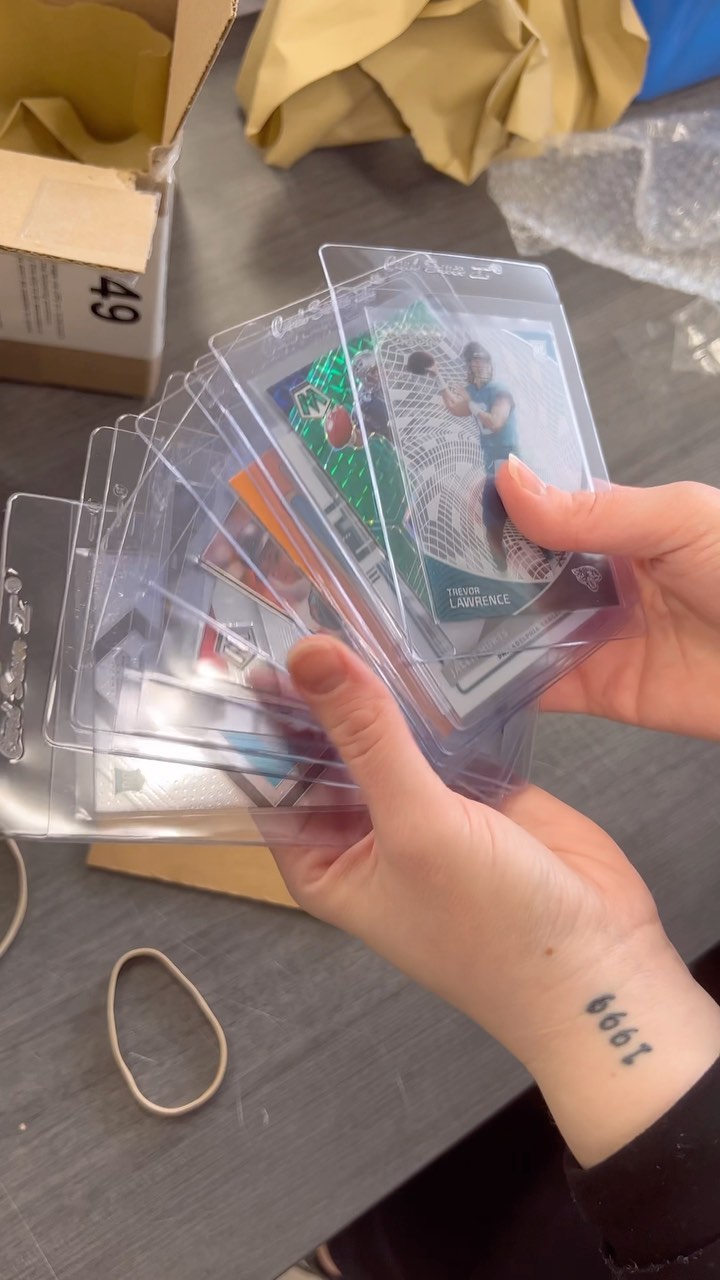
The aim is to keep cards supported, separated, and protected from movement during transit. Check current holder and packaging requirements before buying supplies. Do not assume a storage method you use at home is also the requested submission method.
- Use clean, appropriately sized sleeves and protective holders that meet the submission instructions.
- Support the group so cards cannot slide around or bend inside the package.
- Keep adhesive away from cards and holder openings where it could contact a card.
- Use a sturdy outer box with cushioning that limits movement.
- Place paperwork where it is accessible without pressing against exposed cards.
- Retain tracking information and review the carrier’s coverage terms.
For thick cards, memorabilia cards, or unusual sizes, verify eligibility and holder requirements first. Never force a card into a tight sleeve or holder. Shipping insurance also deserves attention: carriers may have exclusions, documentation requirements, or reimbursement limits for collectibles.
Understand slabs and certificate verification
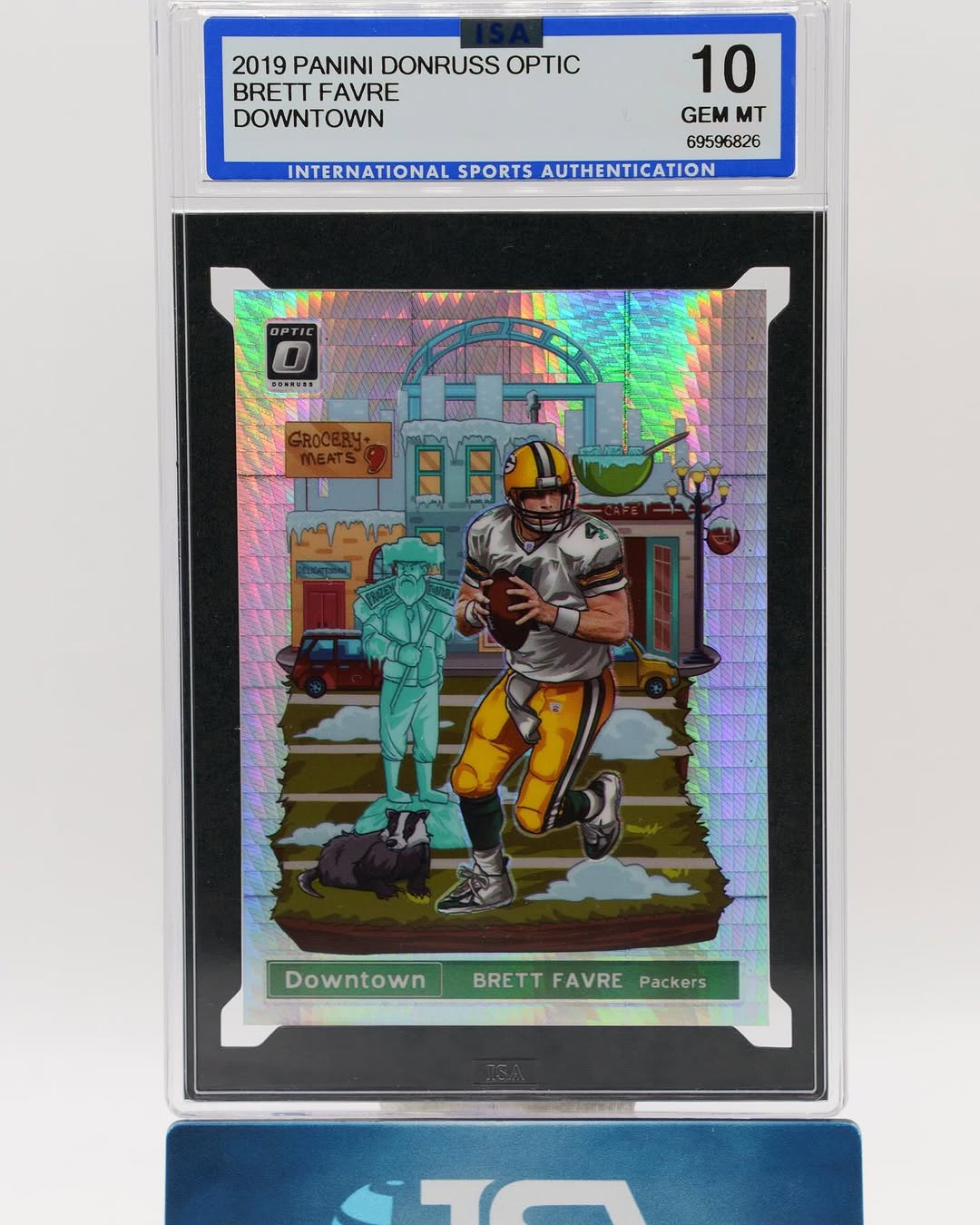
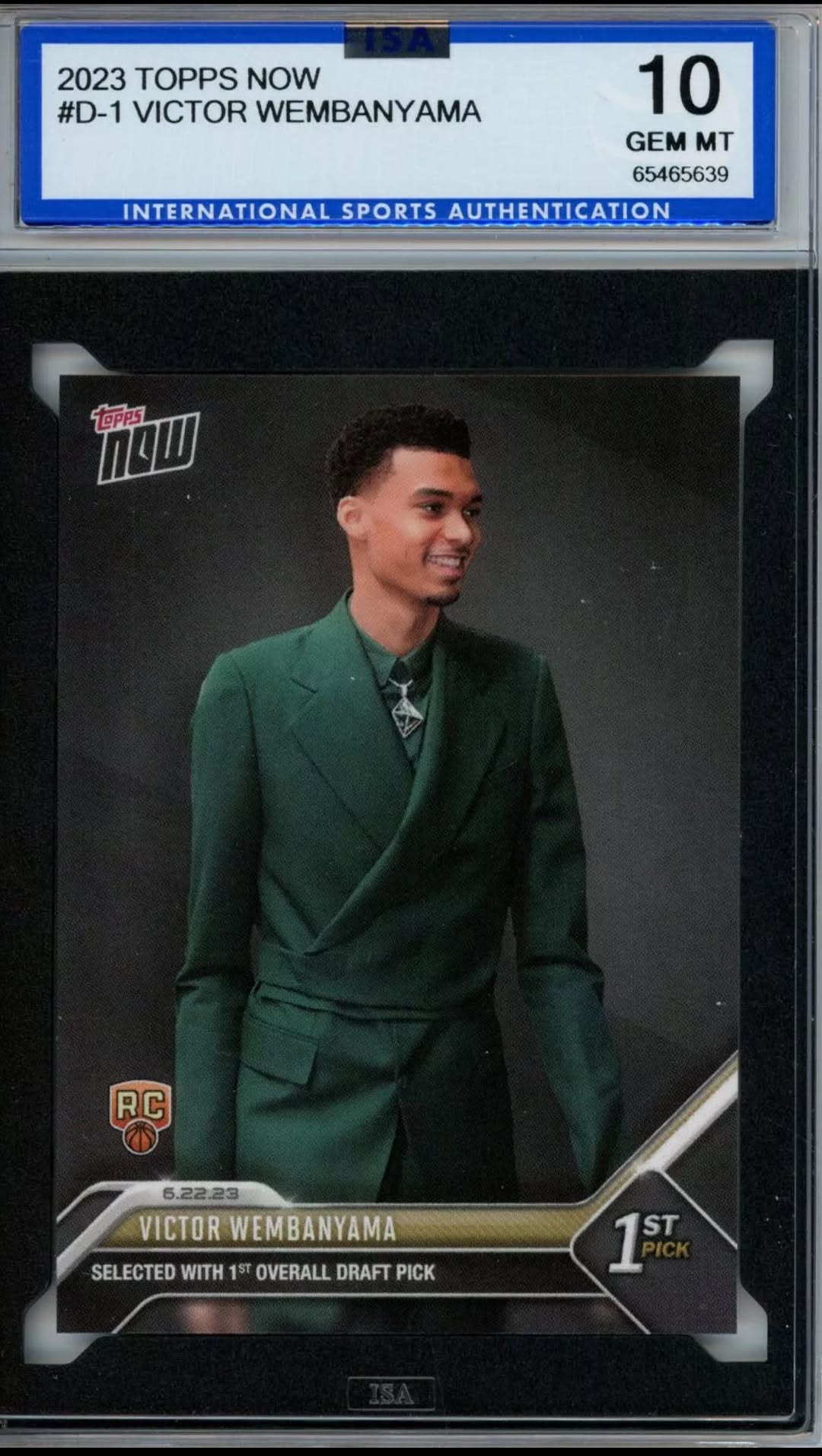
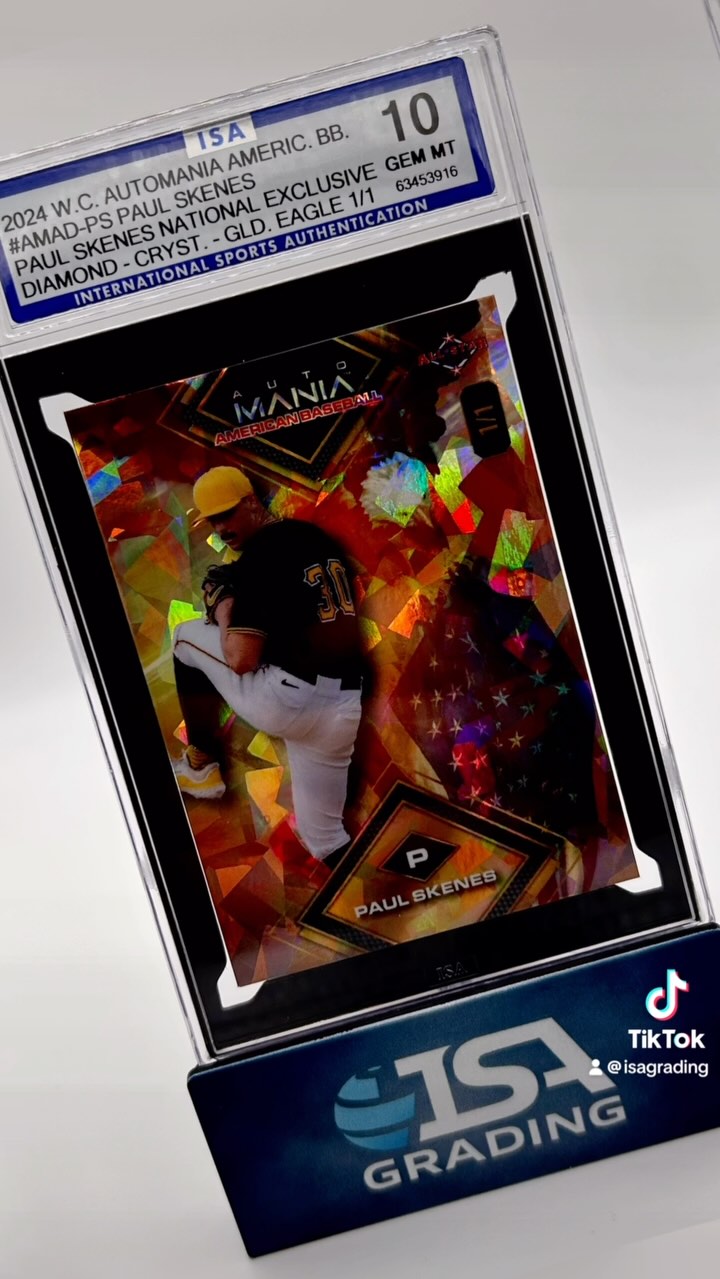
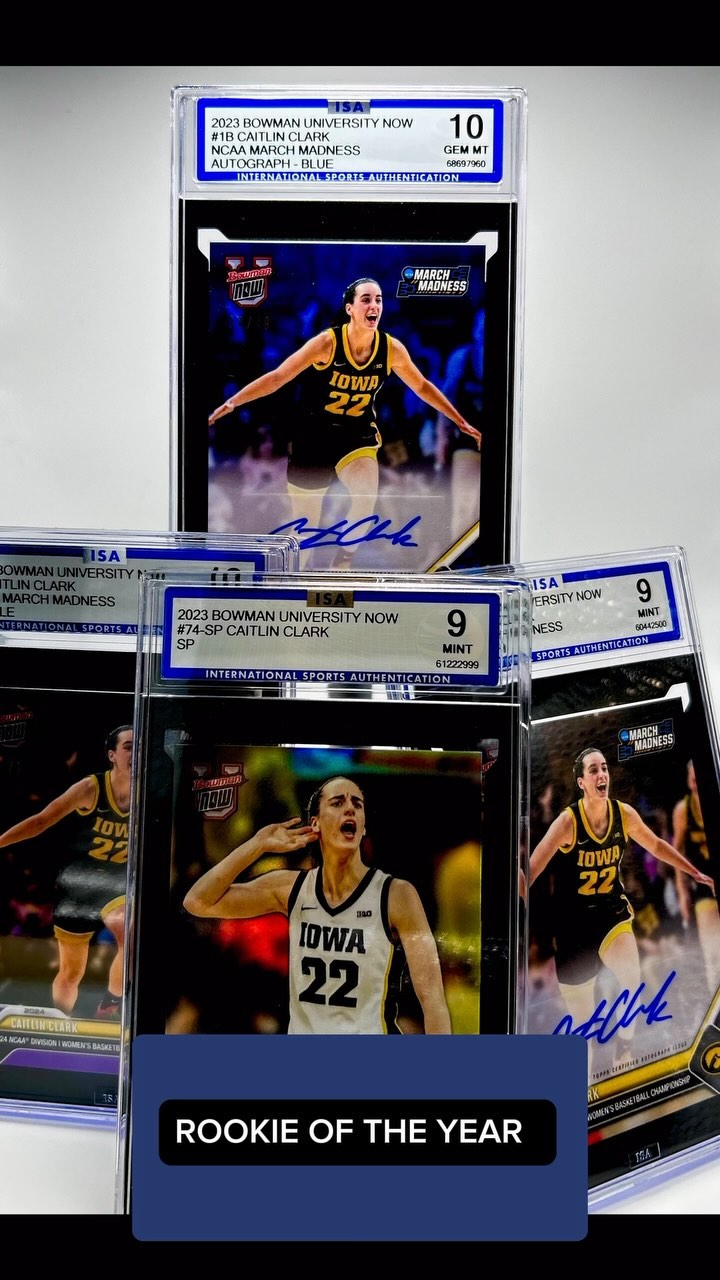
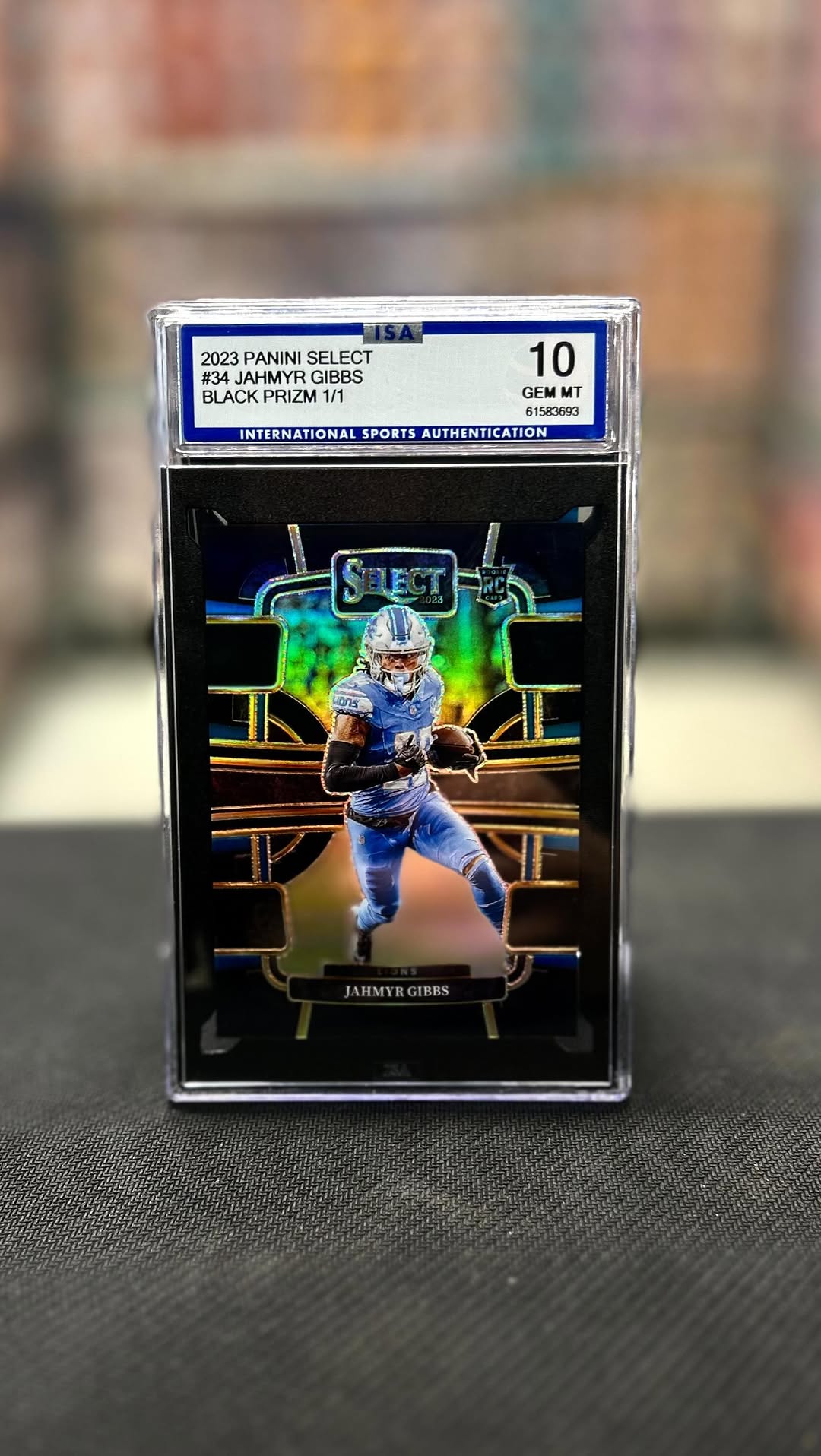
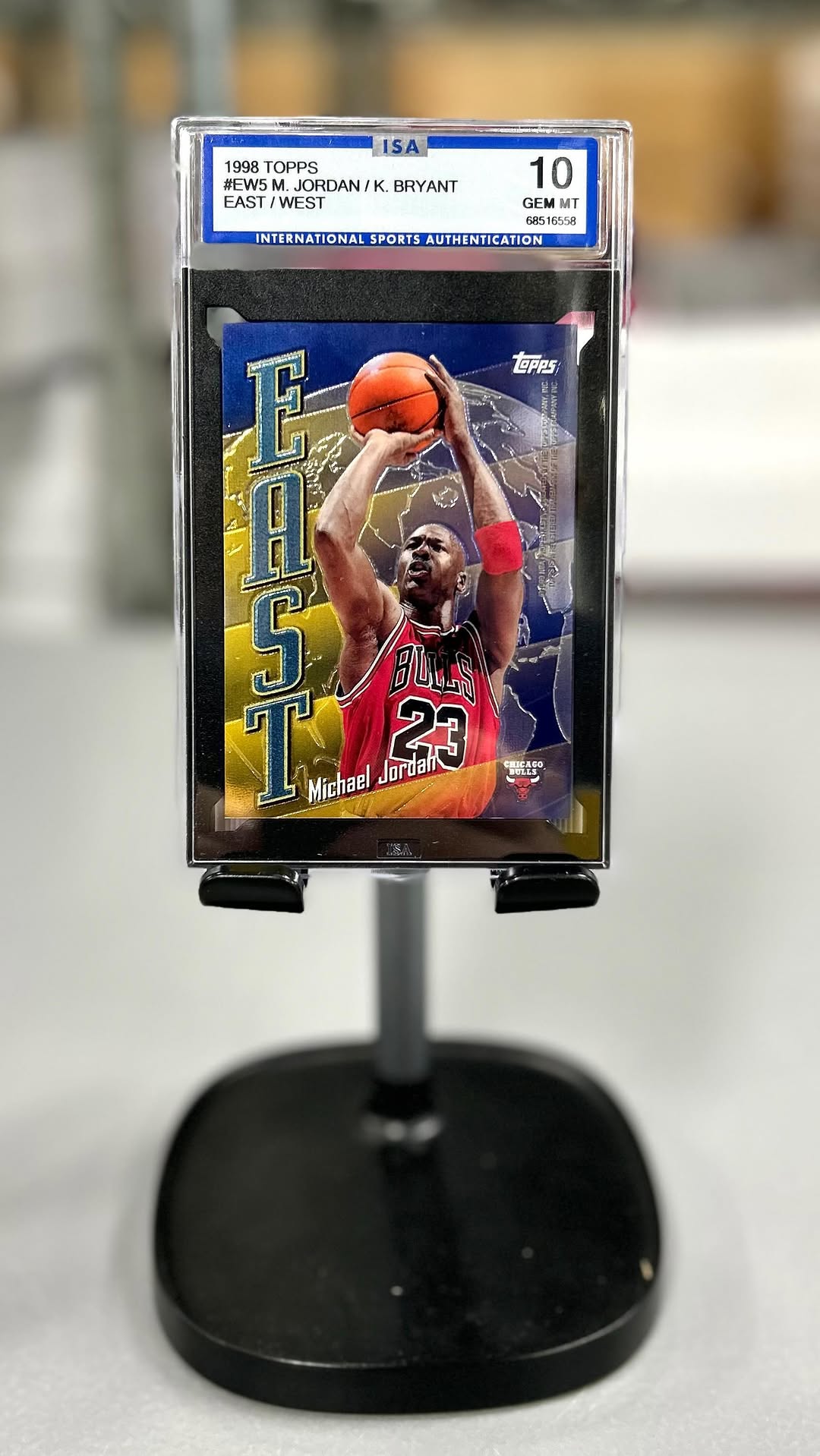
Card encapsulation places a card in a protective holder after evaluation. Trading card slabs help reduce direct handling and display identifying information, but they are not a substitute for careful storage. Protect encapsulated cards from excessive heat, moisture, sunlight, and impact.
When your cards return, compare the labels with your submission records. Check the player, year, set, variation, and other identifying details. Inspect the holders as well, and raise any questions through the company’s support channels.
ISA offers online certificate verification. Use it to compare a certificate number with the available record. When buying or selling, also compare the physical card and label with that information. A matching number is useful, but it should not replace inspection of the actual item and its seller.
Prepare for selling graded cards responsibly
Clear listings support buyer confidence. Show sharp photographs of the slab’s front and back, identify ISA as the grading company, and state the grade exactly as displayed. Include relevant card details and make certificate information available so buyers can check it.
Avoid implying that the same numerical grade commands an identical price across all grading companies. Demand, card scarcity, presentation, and the selling venue can affect results. Use relevant completed sales where available, and explain your item accurately rather than promising investment returns.
If you began with a search for card grading near me, remember that location is only one consideration. Service terms, packing requirements, verification access, and your collecting goals matter too. A well-prepared trading card grading submission starts with cards you understand, a budget you can explain, and a realistic plan for what happens when the slabs return.
Submit Cards to ISA Grading
Collectors ready to use ISA Grading can start on the submission page. The current active service is $15 per card with a 14 day turnaround, no upcharges, and a 10 card minimum.
Frequently Asked Questions
How much does ISA charge for card grading and authentication?
ISA’s current active service is $15 per card with a 10 card minimum and no upcharges. A minimum submission totals $150 in grading fees. Check the current submission details for applicable shipping, insurance, taxes, and any other stated charges.
What is ISA’s current turnaround time?
ISA currently lists a 14 day turnaround. Confirm how the turnaround period is measured and account for shipping when planning your overall schedule, especially if you need cards for a show or sale.
Should I clean cards before submitting them for authentication?
Avoid chemicals, polishing, pressing, trimming, or other treatments that could damage or alter a card. If you find residue or an unfamiliar surface issue, ask for guidance before attempting to remove it.
How should I protect cards when shipping them for grading?
Follow ISA’s current submission instructions for sleeves, holders, and packaging. Use a sturdy box, support the cards against bending, limit movement, and keep adhesive away from cards. Retain tracking information and review any shipping coverage limits.
How do I verify an ISA certificate?
Use the certificate verification page on ISA’s website to look up the certificate number and compare the available record with the card and slab label. Verification is a useful check, but buyers should also inspect the item and evaluate the seller.