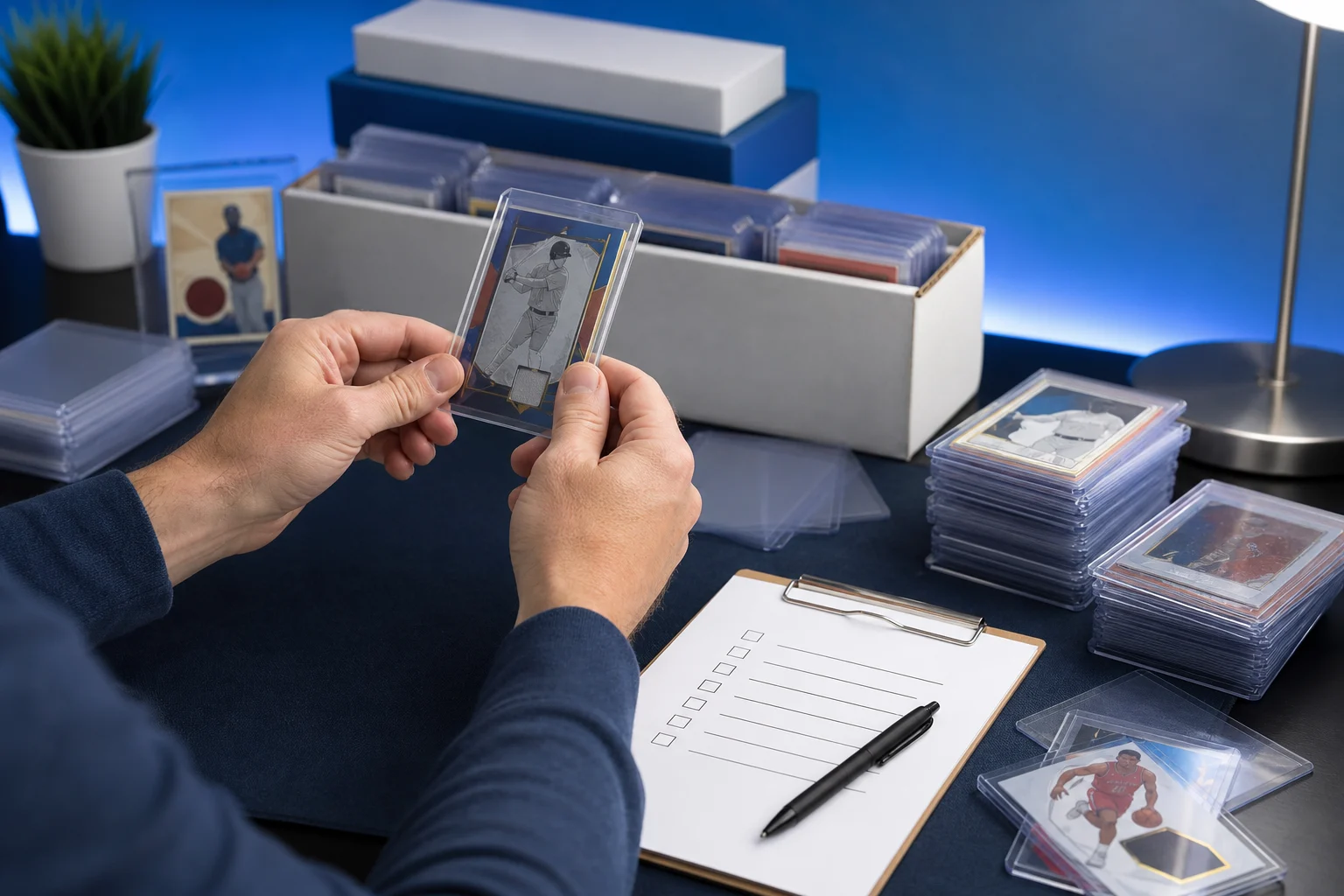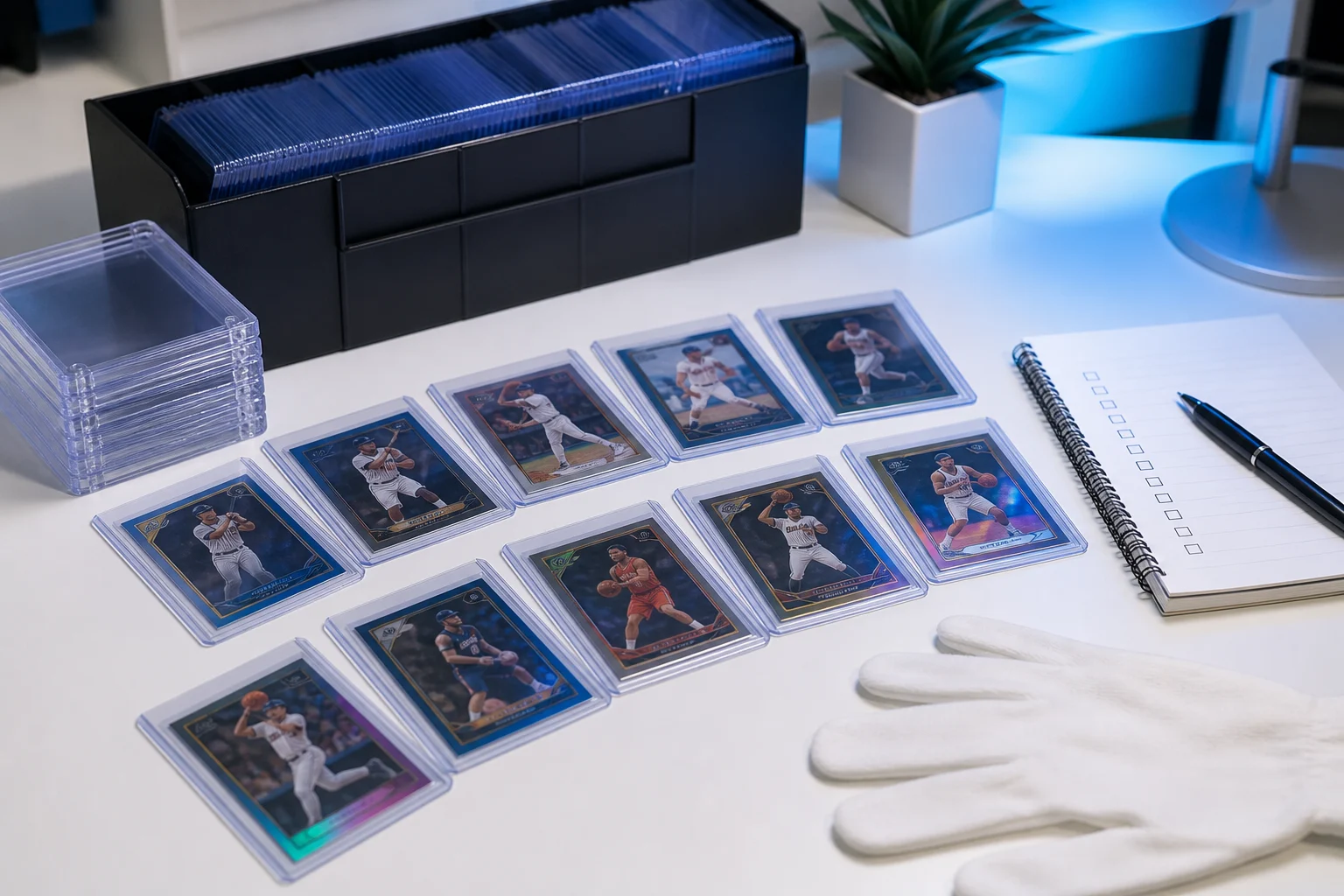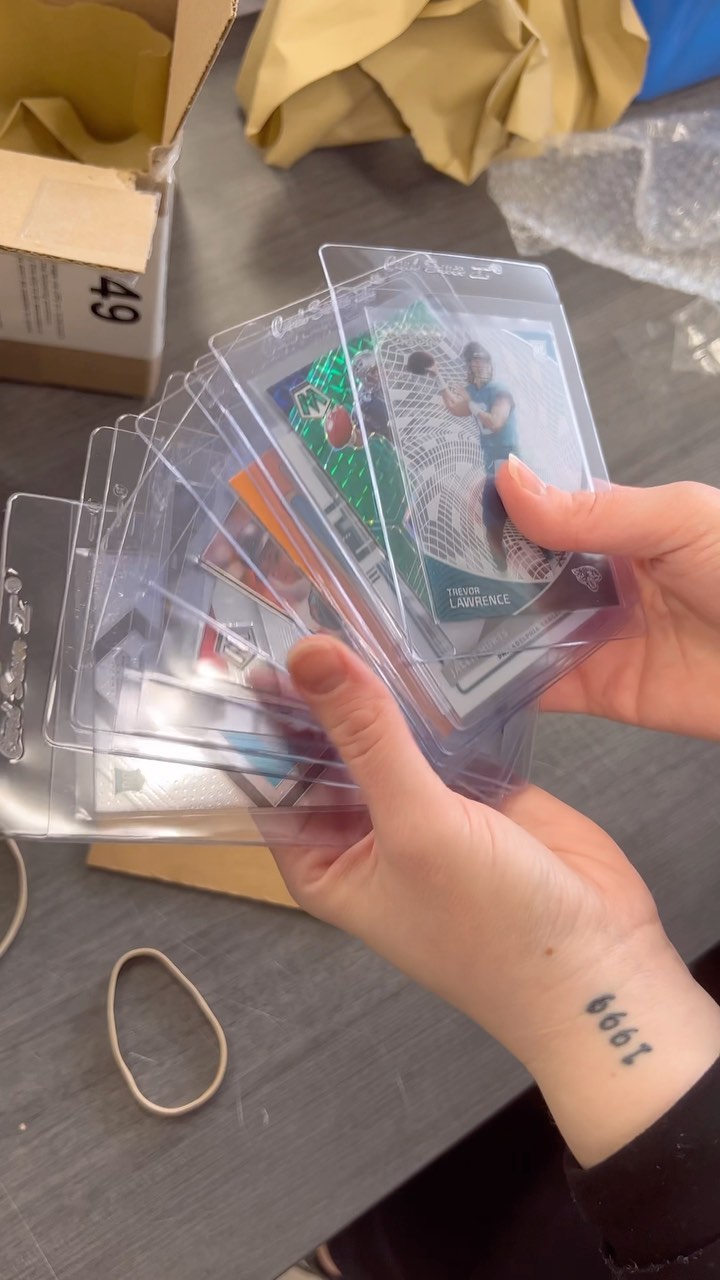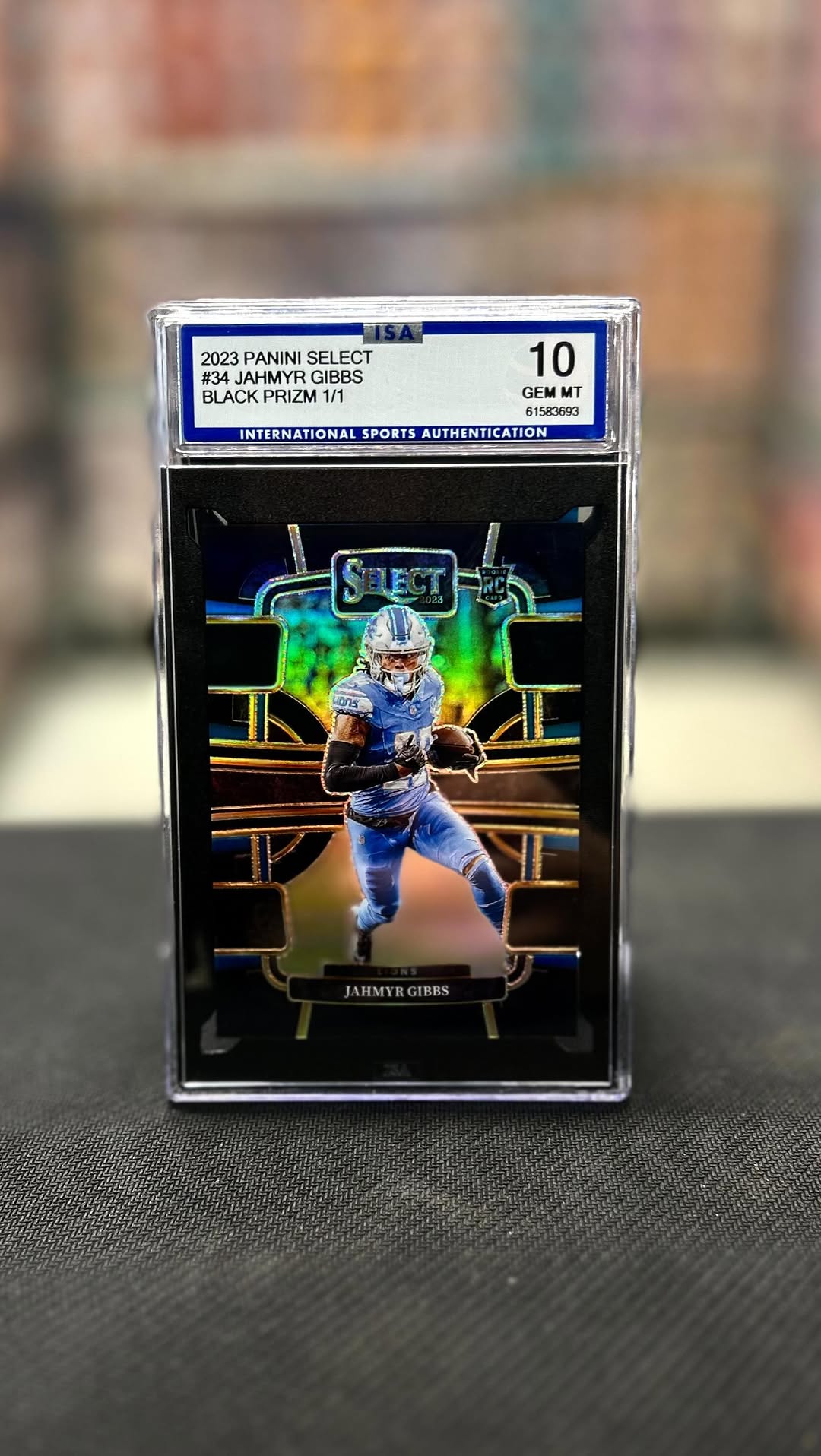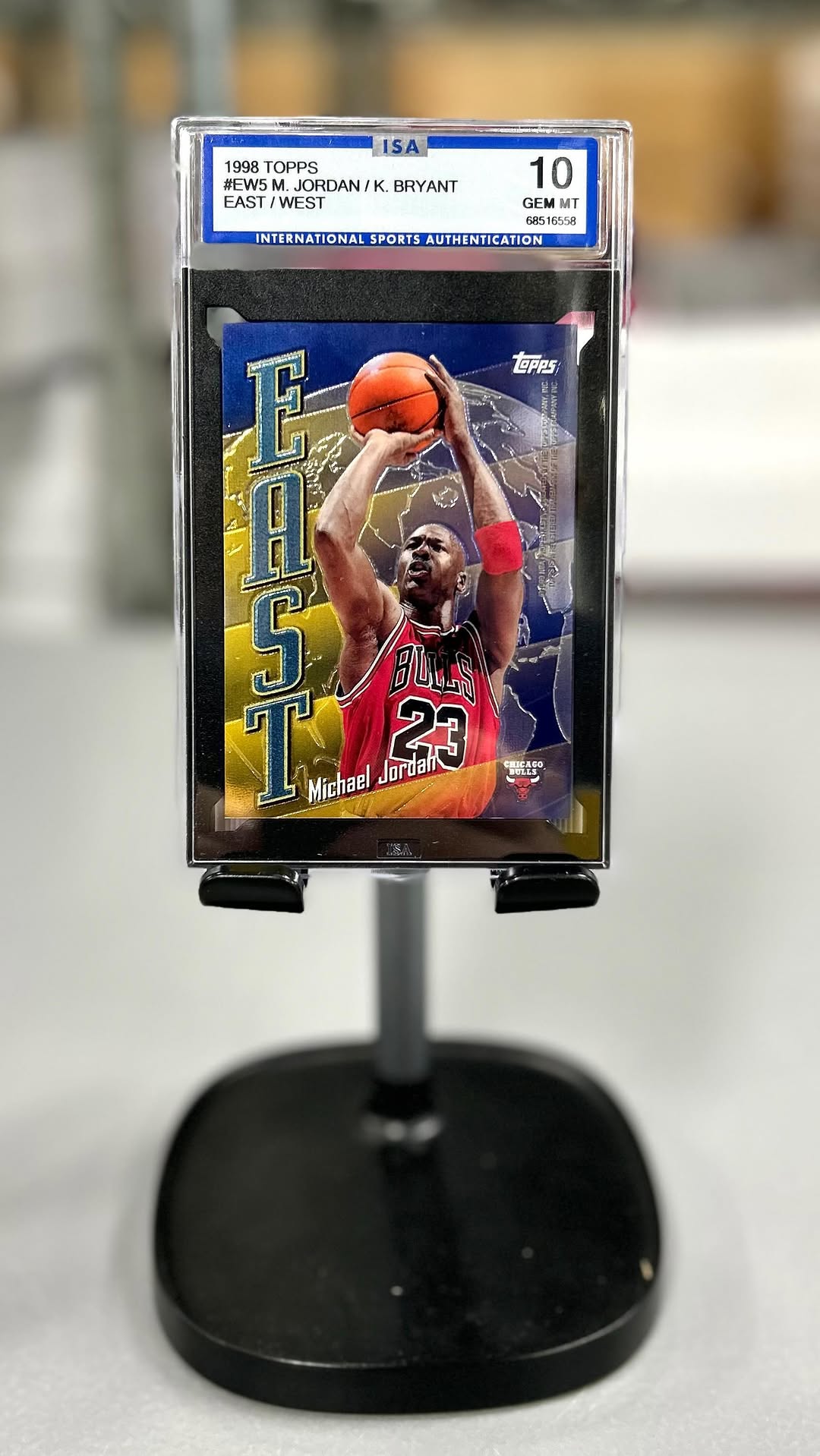
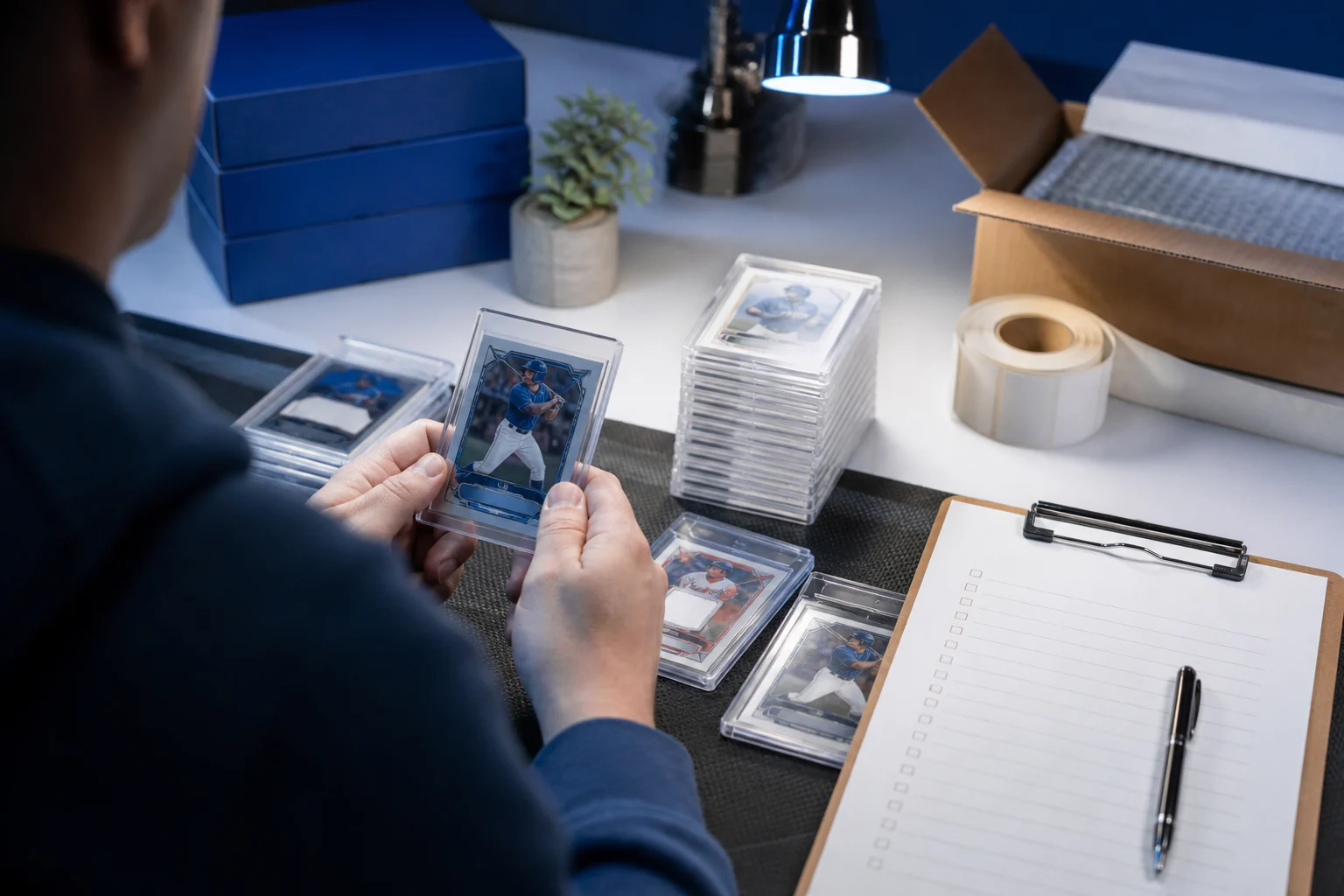
Sending cards for grading means giving up access to them for a while. During that time, a collector cannot reorganize those cards in a display, and a dealer cannot photograph the finished slabs or deliver them to a buyer. That makes turnaround time a practical part of choosing a sports card grading service, not just a number to compare.
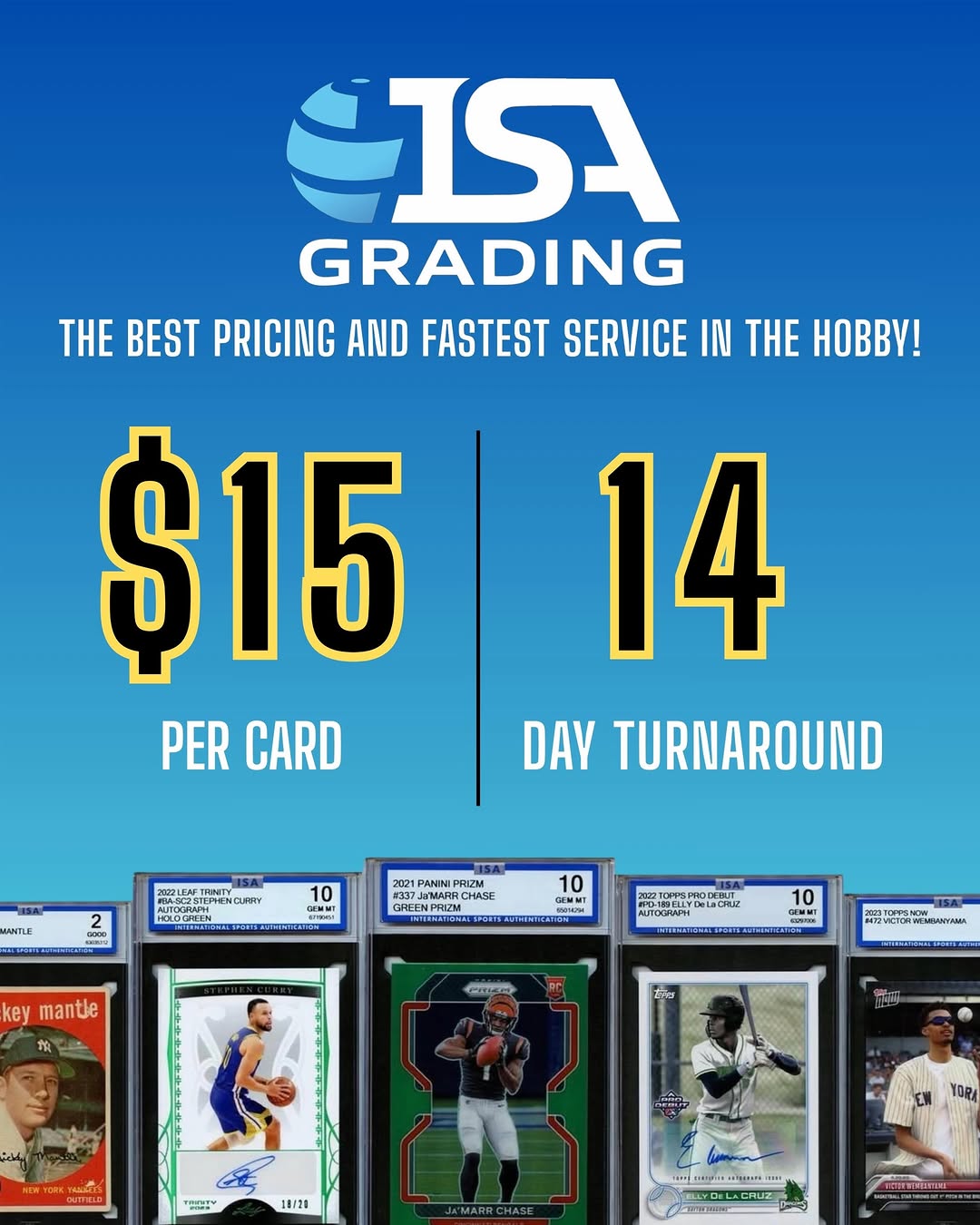
ISA Grading, also known as International Sports Authentication, currently offers sports card grading and authentication at $15 per card, with a 14 day turnaround, a 10 card minimum, and no upcharges. Those details provide a useful starting point for planning. The next step is understanding how the grading window fits into your complete submission timeline.
Grading Turnaround Is Only Part of the Calendar
A published turnaround should not automatically be treated as the total time between packing your cards and receiving them back. Outbound shipping, delivery, submission processing, grading, return shipping, and your own preparation can all affect when cards become available again. Confirm which stages are included before setting a deadline.
ISA's current turnaround is 14 days. Before scheduling a sale or show around that window, check whether the quoted days are calendar or business days, when the clock starts, and how return shipping is handled. Do not assume answers that have not been confirmed.
Work backward from the date you need the cards
If you want graded cards ready for a show, start with the day you need to pack your inventory, not the day the show opens. Allow time after delivery to inspect the returned cards, photograph the holders, research comparable sales, and prepare listings or price labels.
- Set a realistic date for having the cards back in your hands.
- Account for outbound and return shipping separately.
- Confirm the grading timeline and its starting point.
- Leave a buffer for delivery delays and submission questions.
- Reserve time for photographs, pricing, and inventory updates.
This approach is more useful than assuming that mailing a package exactly 14 days before an event will leave enough time.
Why Timing Matters When Selling Graded Cards
For dealers and hobby sellers, cards waiting for grading are inventory that is temporarily unavailable for sale in its finished form. A shorter grading window can help with inventory planning, but it does not guarantee a sale, a particular grade, or a higher price.
Timing can matter around season openings, playoff appearances, notable performances, and collector events. Someone preparing a football card grading submission before the season may have a different schedule from a collector sending a childhood collection for long-term storage. Basketball card grading and baseball card grading submissions can also follow different selling calendars.
Markets remain unpredictable. A player can become more popular while a card is away, or interest can cool before it returns. Treat turnaround as something you can plan around, not a way to predict future demand.
Avoid selling against an unconfirmed return date
Listing a graded card before it comes back can create problems if the return date changes or the assigned grade differs from your expectation. Wait until you can inspect the returned card and document its actual label information before making firm promises to a buyer.
For sellers managing several batches, a simple spreadsheet helps. Record the cards submitted, submission date, shipping information, expected milestones, grading expense, and intended selling channel. This makes it easier to see which inventory is available and which is still away.
Clear Pricing Makes Turnaround Easier to Evaluate
Speed and cost belong in the same decision. A grading timeline may suit your plans, but the expense still needs to make sense for the cards you selected. ISA's current $15 per card rate and no-upcharge structure make the grading service charge straightforward to calculate.
At the 10 card minimum, the grading charge is $150 for 10 cards. That figure is the grading calculation, not an assumed all-inclusive delivered total. Account separately for shipping, insurance where applicable, packing supplies, and any other applicable charges confirmed during submission.
Then consider what happens after the cards return. Selling fees, shipping to buyers, acquisition costs, and the eventual grade all affect your result. A card selling for more after grading does not necessarily mean the submission produced a profit.
Before paying, review the current instructions on ISA's card submission page. Check the active terms rather than relying on an old screenshot or another collector's past experience.
Choose Cards That Justify the Wait
The best submission is not always the largest stack you can assemble. Start with cards that have a clear purpose: preserving a personal favorite, obtaining an independent condition assessment, organizing a collection, or preparing suitable inventory for sale.
For resale candidates, research completed sales of comparable cards rather than relying only on asking prices. Compare the same year, set, player, variation, and relevant grade where possible. If the potential economics depend on receiving the highest grade, recognize that uncertainty before submitting.
The 10 card minimum also encourages batch planning. Avoid adding unsuitable cards simply to fill the last few spaces. You may be better served by waiting until you have a stronger group, particularly if there is no immediate deadline. For a more focused selection process, read Make Your First 10 Cards Count.
Keep personal and resale goals separate
A sentimental card does not need to meet the same financial test as dealer inventory. You might value authentication, a documented condition assessment, or a holder for a favorite card regardless of resale potential. Being clear about that goal makes both the expense and the waiting period easier to evaluate.
Preparation Helps You Avoid Preventable Questions
Trading card grading begins with understanding what you are sending. Before packing, identify each card accurately and inspect it under good lighting. Preparation cannot guarantee a grade, but it can help you make better submission decisions and provide clearer information.
Review card centering, card corners, card edges, and the card surface. Look for visible wear, scratches, print defects, creases, and other condition issues. Check the front and back. A clean-looking front does not rule out a problem elsewhere on the card.
Use ISA's grading scale to understand the framework for card condition grading. Your inspection is a screening step, not a substitute for the grader's assessment. Avoid treating an expected grade as a confirmed result.
- Match each card to the correct submission entry.
- Record identifying details such as year, set, player, and card number.
- Photograph the cards for your own records before packing.
- Follow the current holder and packaging instructions.
- Keep a copy of the submission details and shipping receipt.
Do not use chemicals or attempt repairs to improve appearance. If you are uncertain about handling or preparation, seek guidance before proceeding. The related guide Before Your Cards Leave Home offers another useful starting point for thinking through authentication preparation.
Card Protection Matters Before and After Grading
Time away from home is easier to manage when your packing process is deliberate. Use the submission instructions to choose suitable protective holders and shipping materials. Secure the contents against movement without placing adhesives directly on cards or creating unnecessary handling risks.
Choose a shipping method appropriate to the package's value and your circumstances. Keep tracking details, and review any insurance terms carefully rather than assuming every type of loss is covered. Shipping protection and grading are separate considerations.
After the cards return, inspect the package and its contents. Trading card slabs provide a holder for the graded card, but they should not be treated as indestructible or as a reason to ignore storage conditions. Protect holders from impacts, excessive heat, moisture, and prolonged direct sunlight.
For collection management, record each returned grade and certificate number alongside your card information. This gives you a more useful inventory than a folder of submission receipts alone.
Buyer Confidence Extends Beyond the Grade
When selling graded cards, buyers need accurate information about the card and its holder. Clear photographs should show the front, back, label, and any visible holder damage. Write listings using the actual assigned grade rather than an earlier estimate.
ISA offers online certificate verification. Buyers and sellers can use that resource when reviewing a certificate number. Compare the available certificate details with the card and label being offered, and ask questions if something does not match.
Verification is one part of due diligence, not a replacement for checking the complete listing and seller. Sports card authentication and condition assessment also serve different purposes: identifying a card as authentic does not mean it is in flawless condition.
For sellers, including clear certificate information can help buyers research a card without repeated messages. It does not guarantee buyer confidence or a particular selling price, but it supports a more transparent transaction.
Choose Convenience Based on the Whole Submission
Searching for card grading near me can be a reasonable starting point, especially if you prefer local options. Distance alone, however, does not tell you the full cost, grading timeline, submission requirements, or verification resources available.
Evaluate a card grading service against your actual priorities. A collector may care most about preparation guidance and card protection. A dealer may prioritize pricing clarity and repeatable inventory planning. Both should check current terms before sending valuable cards.
If your collection extends beyond sports, do not assume every card category follows the same submission rules. Collectors researching Pokemon card grading or TCG card grading should confirm current eligibility, supported formats, and instructions before including those cards in a shipment.
Build a Schedule You Can Actually Use
Start with your goal, select the cards, calculate the grading charge, and confirm the timeline. Then add shipping and a realistic buffer. For ISA's current service, the planning anchors are $15 per card, a 14 day turnaround, a 10 card minimum, and no upcharges.
Review ISA's frequently asked questions before finalizing the package, especially when a deadline depends on a detail you have not confirmed. Keep your submission records together so you can track the batch without relying on memory.
A useful grading plan ends with more than a return date. It leaves you ready to inspect the slabs, verify certificate details, update your collection records, and decide which cards to keep or sell once they are back in your hands.
Submit Cards to ISA Grading
Collectors ready to use ISA Grading can start on the submission page. The current active service is $15 per card with a 14 day turnaround, no upcharges, and a 10 card minimum.
Frequently Asked Questions
What is ISA Grading's current turnaround time?
ISA Grading currently offers a 14 day turnaround. Before planning around a firm deadline, confirm when that period begins, whether days are calendar or business days, and which processing stages are included. Account for shipping separately unless confirmed otherwise.
How much does it cost to submit 10 cards to ISA?
At the current $15 per card rate, grading 10 cards costs $150. ISA has a 10 card minimum and no upcharges. Shipping, insurance where applicable, and any other applicable charges should be checked separately when calculating your total submission expense.
How far ahead of a card show should I submit cards for grading?
Work backward from the date you need to prepare your show inventory. Allow for preparation, outbound shipping, the confirmed grading window, return shipping, and time to inspect, photograph, and price the returned cards. Include a buffer rather than relying on the grading window alone.
What should I check before sending sports cards for grading?
Inspect card centering, corners, edges, and surface on both sides. Confirm each card's identifying details, document the cards for your records, and follow the current submission and packaging instructions. Your own inspection can guide selection but cannot guarantee an assigned grade.
How can buyers verify an ISA certificate?
Certificate verification is available on ISA's website at /certificate-verification. Review the available certificate information and compare it with the card and label being offered. Verification should be used alongside clear listing photographs and other buyer due diligence.