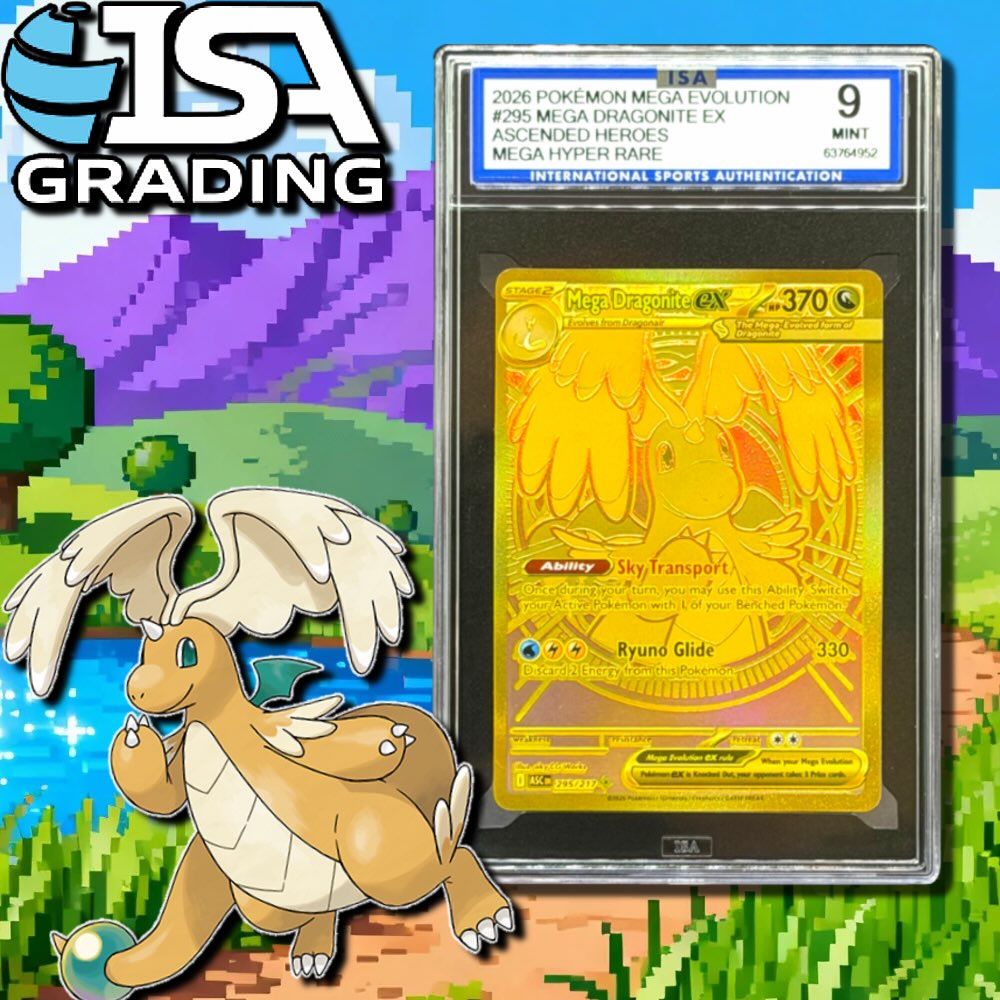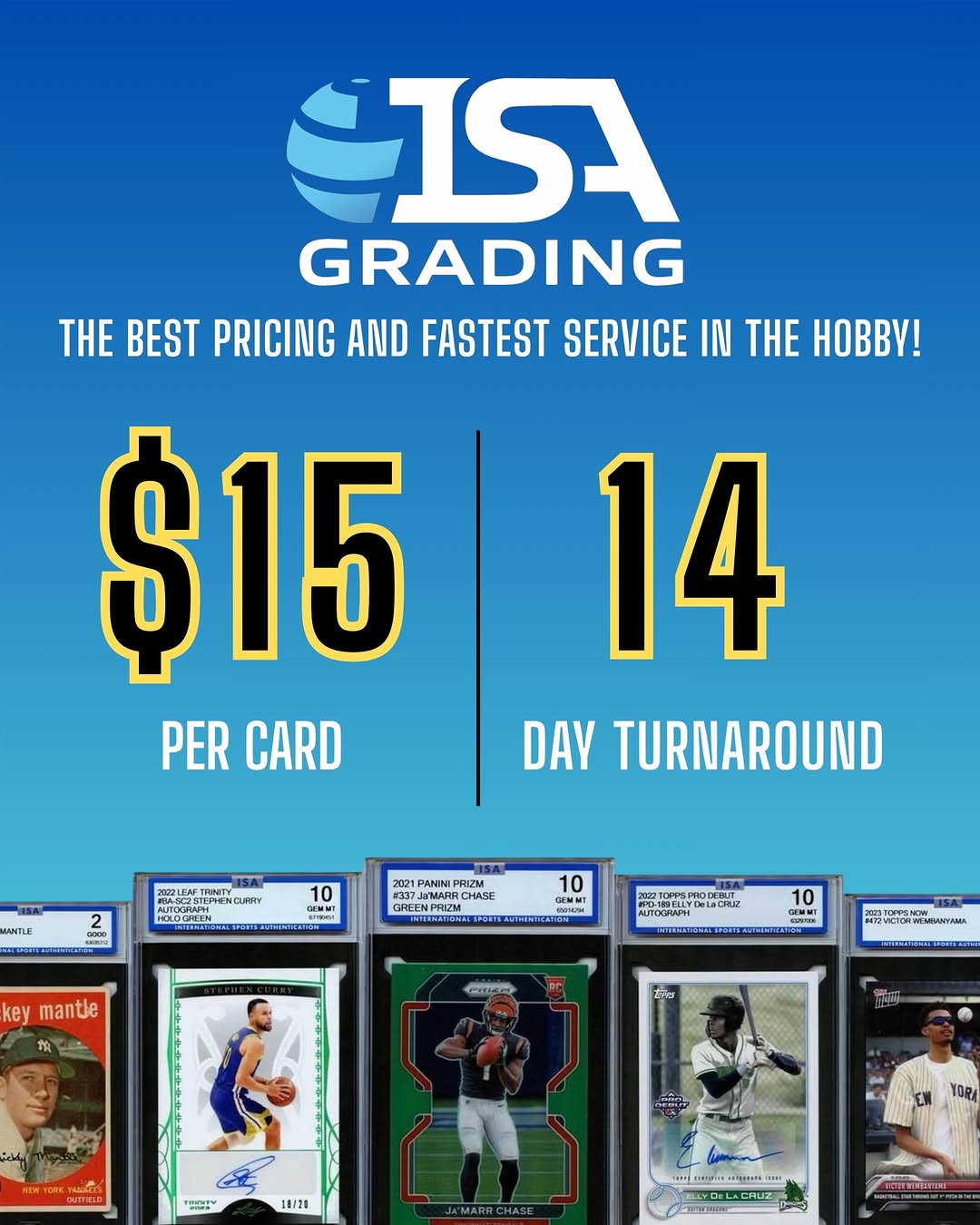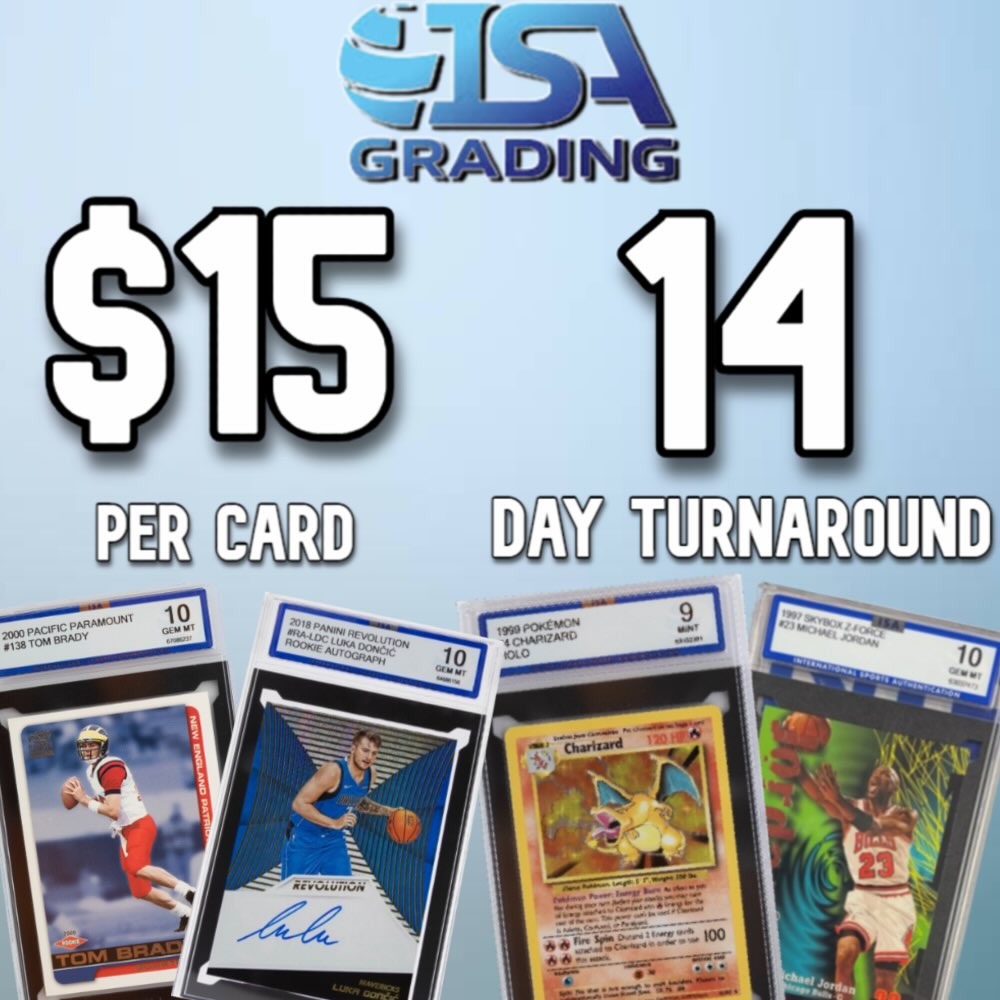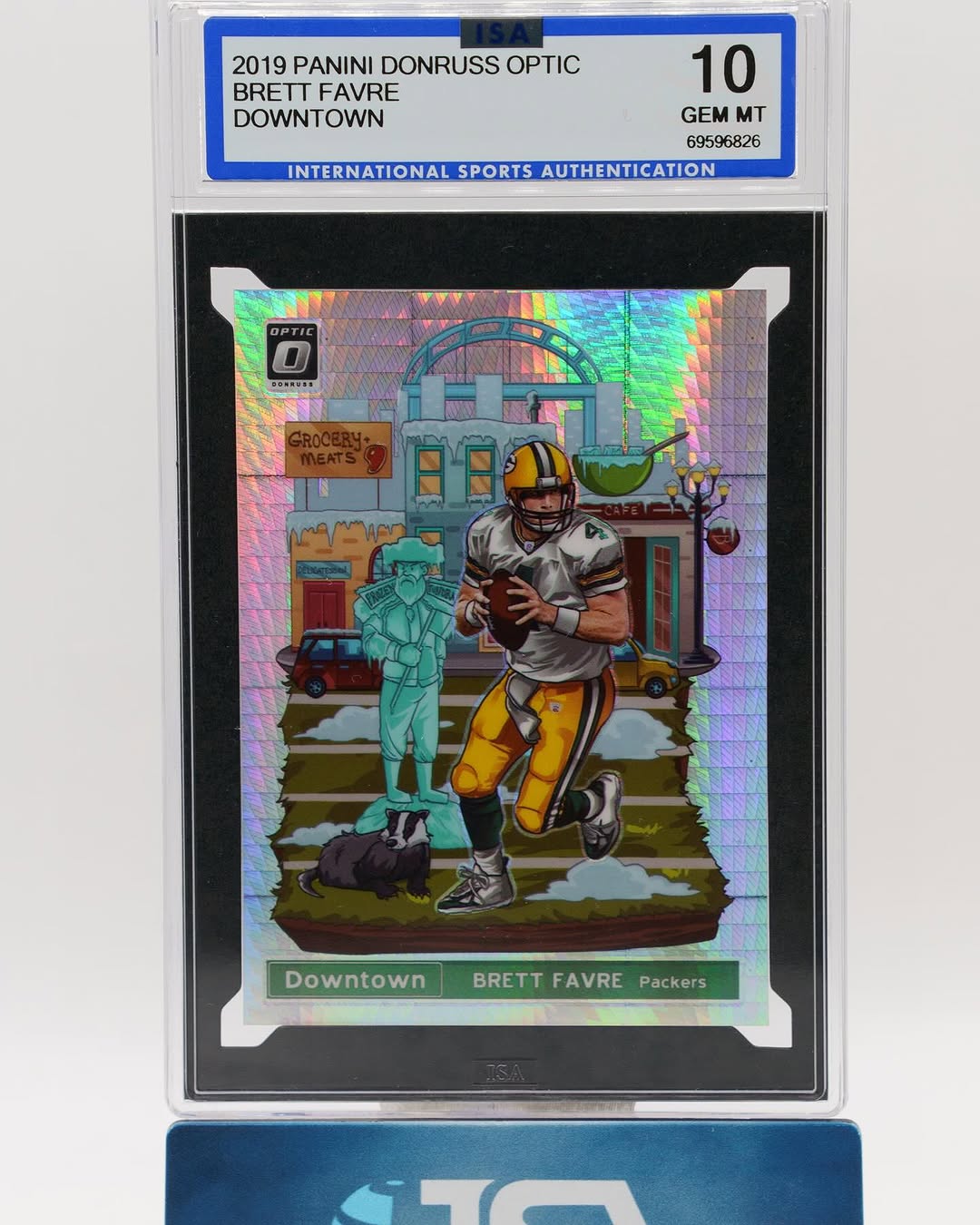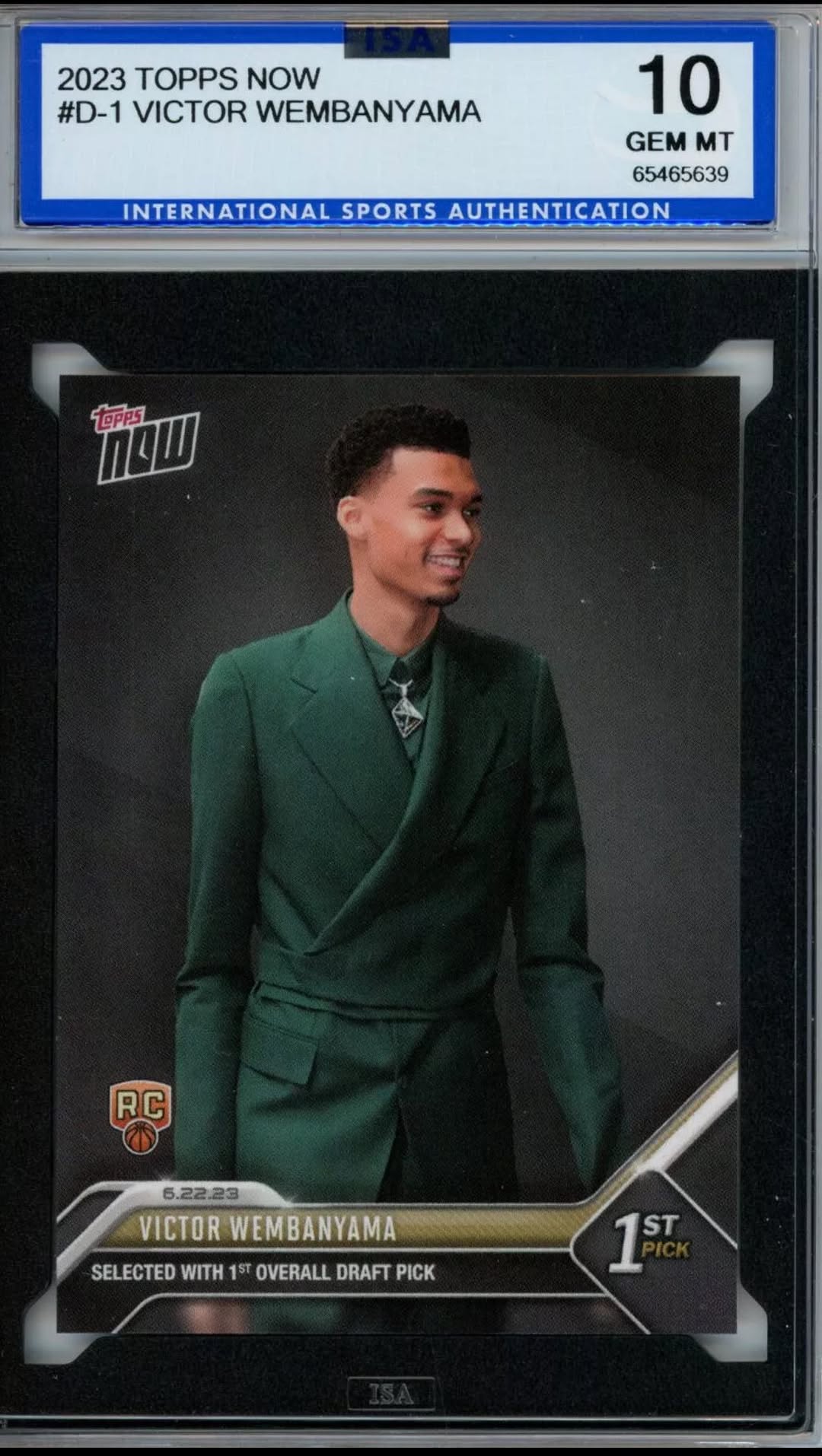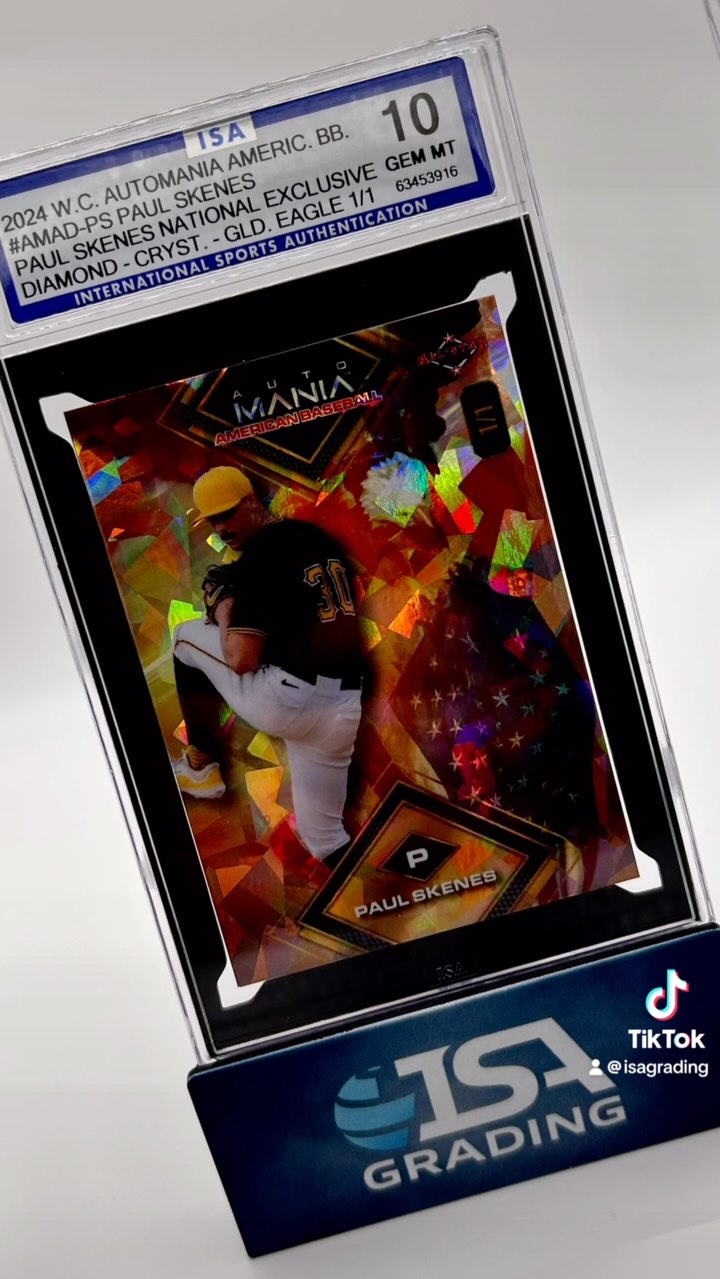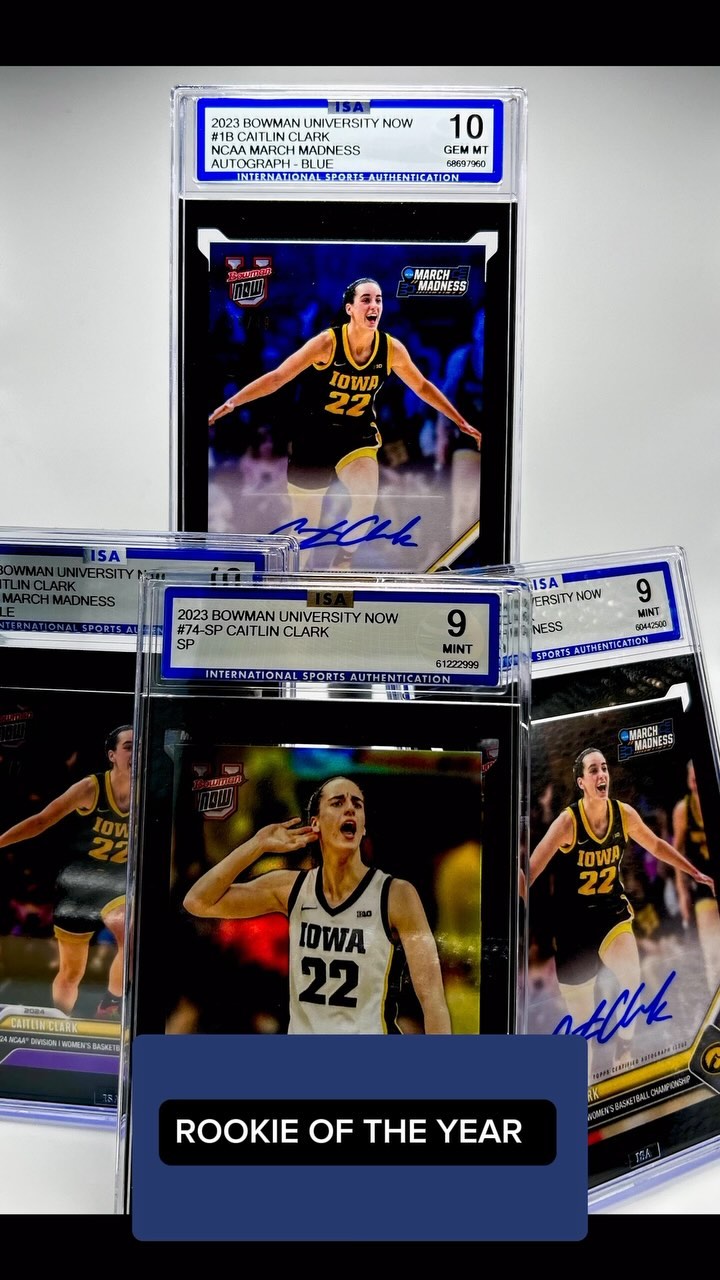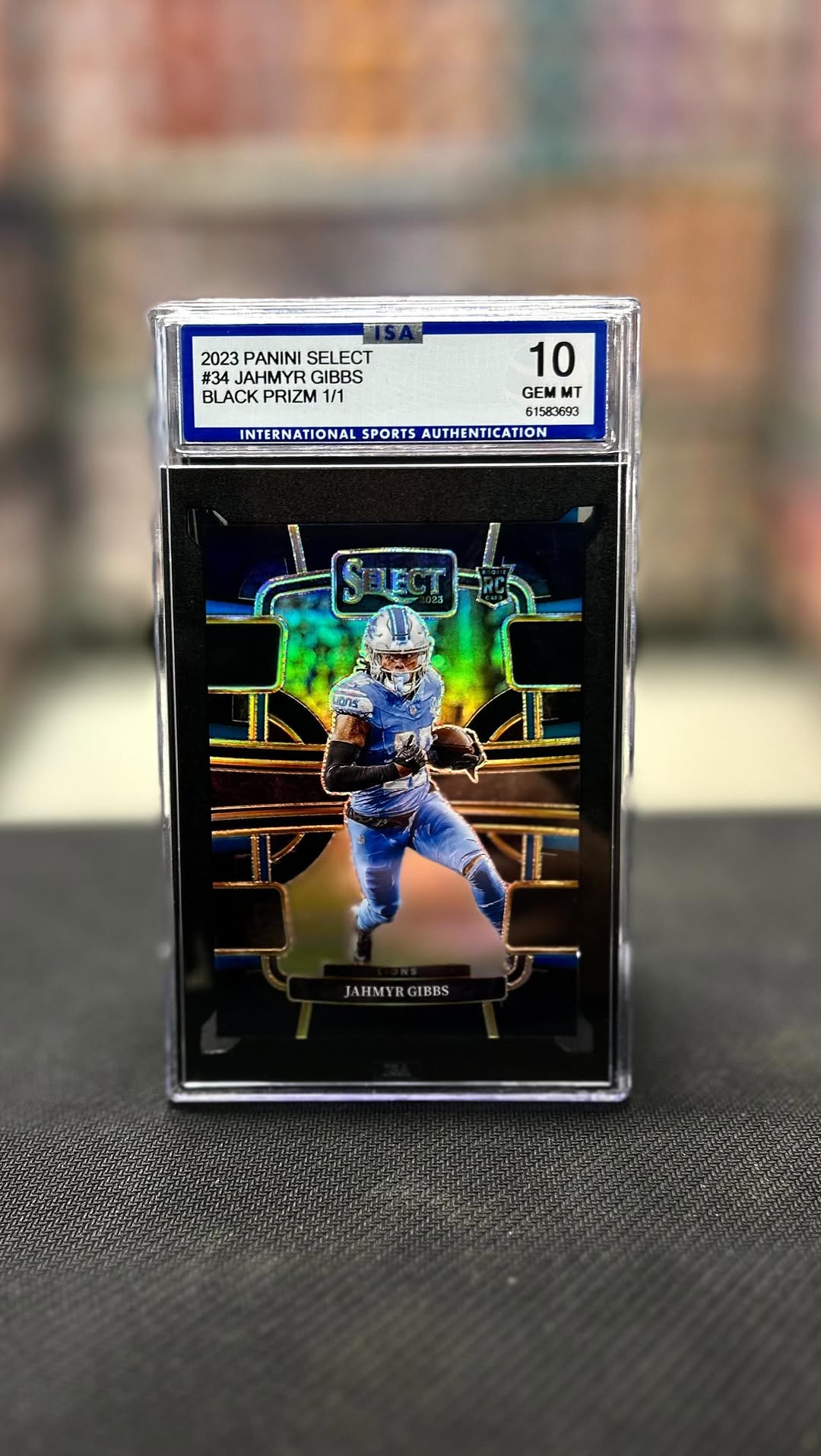
Grading can help collectors protect important cards, document condition, and present inventory more clearly to potential buyers. The same basic standards apply across many collectibles, but basketball, baseball, football, and Pokemon cards each have materials and production traits that deserve special attention.
This guide explains how to inspect cards, prepare a mixed submission, understand service details, and approach selling after grading. It is designed for collectors, dealers, and hobby sellers who want practical guidance without assuming that every valuable or popular card should be submitted.
What graders examine across sports cards and TCG cards
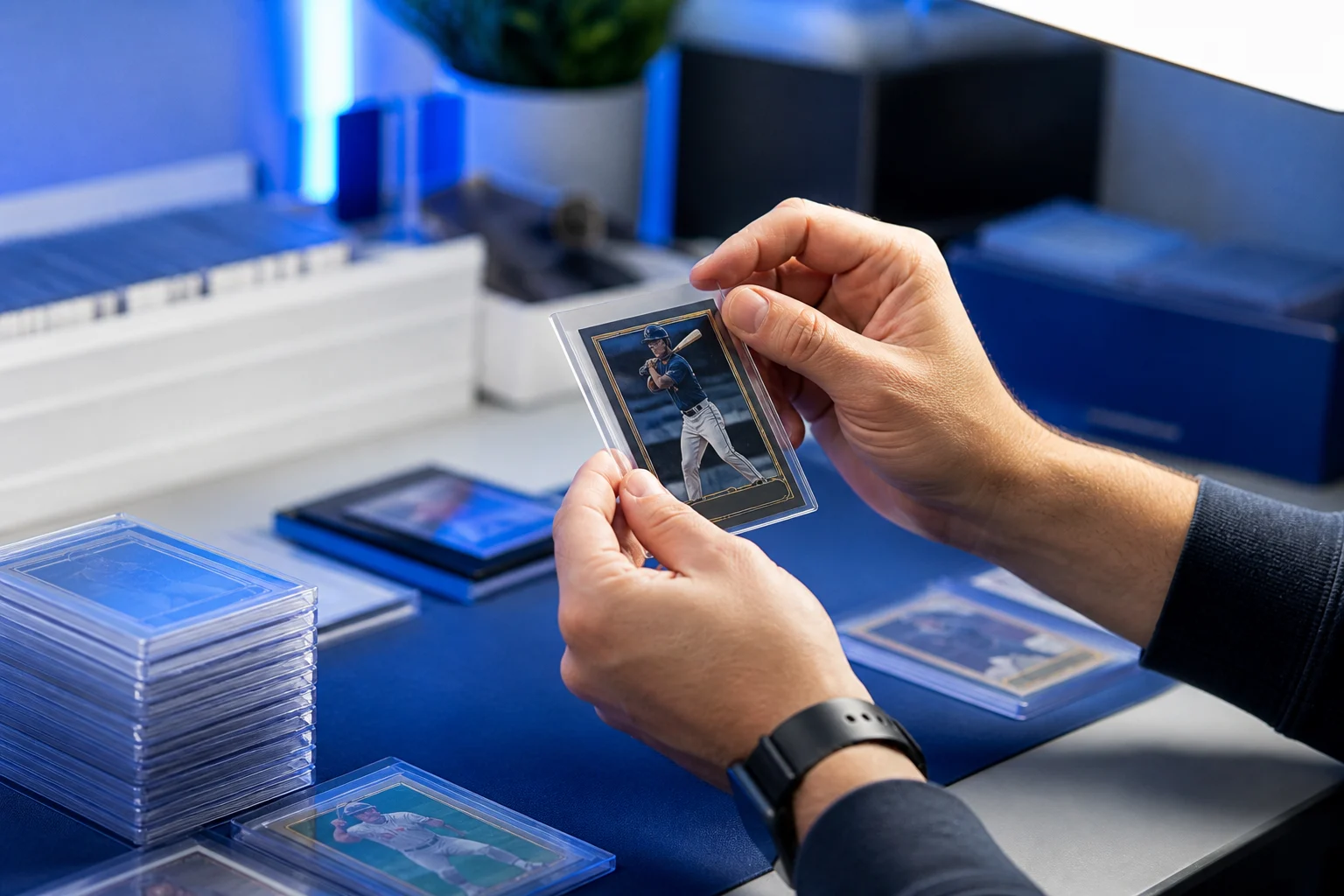
Card condition grading generally focuses on centering, corners, edges, and surface quality. The importance of each visible issue can vary with the card, set, age, and manufacturing process, but collectors should review all four areas before submitting.
- Centering: Compare the borders and design placement from left to right and top to bottom. Remember to inspect the back as well as the front.
- Card corners: Look for soft tips, bends, folds, rounding, and small touches of whitening. Use angled light because damage may not be obvious when viewed straight on.
- Card edges: Check for chipping, roughness, peeling layers, dents, and exposed white stock. Dark borders and foil finishes can make edge wear especially visible.
- Card surface: Search for scratches, print lines, indentations, stains, creases, missing gloss, and other disruptions. Rotate the card under a bright light rather than relying on a single viewing angle.
Collectors should also separate condition from authenticity. A card can be genuine without being in high grade, while a sharp looking card still needs appropriate sports card authentication. ISA provides both grading and authentication as part of its card grading service. Collectors can review the published ISA grading scale before deciding what to submit.
Basketball card grading tips
Modern basketball cards frequently use glossy, chrome style, foil, or optically reflective surfaces. These finishes make attractive cards, but they can also reveal print lines, scratches, fingerprints, dimples, and roller marks. During a basketball card grading review, move the card slowly under direct light and inspect it from several angles.
Pay close attention to rookie cards and popular inserts, but do not let player demand replace a condition check. A desirable card may still have a soft corner, off center design, or surface indentation. Examine die cut cards carefully because their unusual outlines create additional points where wear can appear. Thick memorabilia cards also deserve close inspection around the corners, window, and layered edges.
Never attempt an aggressive polish or chemical cleaning. Altering a card can damage its finish and may create a more serious concern than a fingerprint or small surface flaw. Clean, dry hands and careful handling by the edges are safer than trying to improve the card.
Baseball card grading tips for vintage and modern issues
Baseball collections often span more production eras than other categories. A submission might contain a vintage paper card, a glossy 1980s rookie, and a modern chrome autograph. Each needs to be evaluated according to its actual construction.
On vintage baseball cards, inspect for creases, paper loss, stains, rounded corners, writing, and evidence of trimming. Natural rough cuts can occur on some older issues, but collectors should not cut, sand, recolor, or otherwise modify an edge. If you are sorting older material, Vintage Cards, Clear Standards: What to Expect Before Grading offers additional preparation guidance.
Modern baseball cards require the same surface review used for basketball releases. Chrome finishes may show fine scratches and print lines, while dark paper stock can reveal edge chipping. Autographed or memorabilia cards may be thicker, so avoid forcing them into a holder that is too tight.
Football card grading tips
Football card grading often involves foil rookies, chrome releases, autographs, and patch cards. Reflective cards should be tilted under a strong light to identify scratches, dimples, and factory lines. Dark designs require an especially careful review of card edges because small chips can contrast sharply with the border.
Thicker football cards can develop compressed corners, damaged layers, or surface impressions near memorabilia windows. Check both sides for dents caused by storage pressure. If a card bows slightly because of its stock or finish, do not try to flatten it with heavy books or heat. Pressure can create creases or indentations that were not present before.
Collectors should also check serial numbering, names, set information, and card numbers before completing a submission. Accurate identification helps keep mixed player and set inventories organized throughout the grading process.
Pokemon card grading tips
Pokemon card grading requires particular attention to holofoil scratching, edge whitening, centering, and small dents. A card that appears clean in a binder can reveal fine scratches when removed and viewed under angled light. Check the back carefully because blue borders often make whitening around the edges and corners easy to see.
For modern full art, textured, and specialty cards, inspect the entire card surface rather than focusing only on the artwork. Tiny indentations can be difficult to spot from the front. View the card from multiple angles and look across the surface at eye level.
TCG card grading can be useful for vintage cards, scarce promotional issues, competitive favorites, and modern chase cards, but popularity alone does not guarantee that grading is economical. Consider condition, authenticity concerns, collector demand, and your personal goals. A sentimental card may deserve protection even when resale value is not the primary reason for submitting it.
How to decide which cards to grade
Before asking, “Should I grade my cards?” define the purpose of the submission. A collector building a protected personal collection may choose different cards than a dealer preparing inventory for sale. A seller should compare the likely market range for different grades with the grading fee, shipping costs, and selling expenses.
A practical prescreening process includes these steps:
- Confirm the card identity, year, set, variation, and card number.
- Research recent sales for the same card in comparable grades.
- Inspect centering, corners, edges, and surface under good lighting.
- Remove cards with obvious damage unless authentication or personal importance still supports grading.
- Organize the selected cards in the same order used on the submission paperwork.
A magnifying tool can help identify small flaws, but collectors should avoid trying to predict an exact grade with certainty. Professional grading involves a complete evaluation, and no prescreening method can guarantee a particular result.
Preparing and protecting a mixed submission
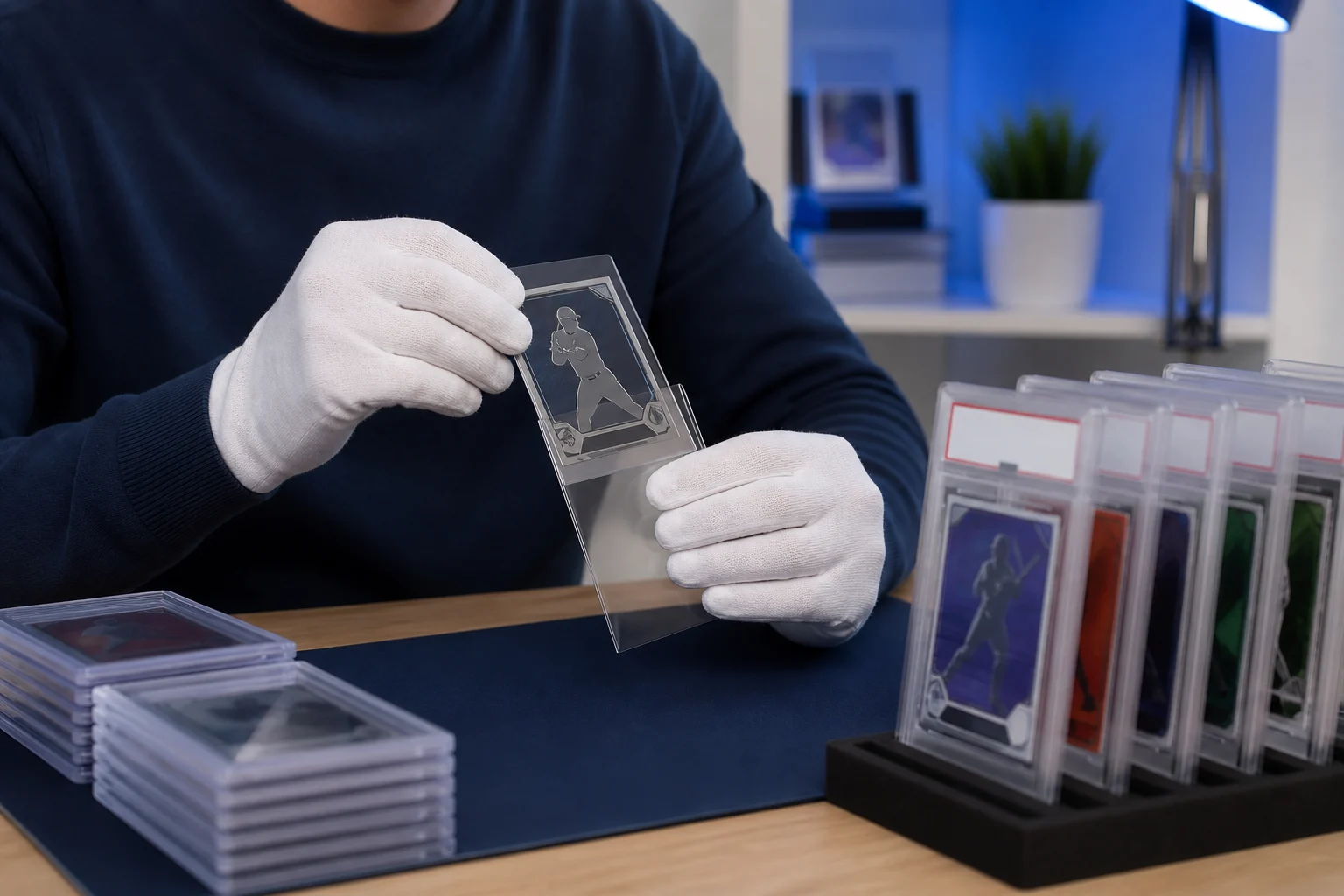
Card protection matters before, during, and after grading. Store each submission card in a clean protective sleeve and an appropriate card holder that does not place excessive pressure on the corners or edges. Follow the current submission instructions for accepted packaging and card order.
Do not place tape directly on a card or use an adhesive in a way that could contact its surface. Avoid loose packaging that allows cards to move around the shipping box. Use internal cushioning and a sturdy outer container, then choose a shipping method with tracking that fits the value and risk level of the package.
Create a simple inventory before shipping. Photographs, card names, set details, and serial numbers can help you maintain accurate records. Dealers handling customer property should keep each customer order clearly separated and documented.
Collectors searching for card grading near me are often looking for more than a nearby address. Packaging instructions, predictable service terms, online status information, and certificate tools can be equally important when selecting a provider.
ISA pricing, minimums, and turnaround
ISA Grading currently offers sports card grading and TCG grading for $15 per card, with a 14 day turnaround, a 10 card minimum, and no upcharges. These published terms make it easier to estimate the base grading cost of a mixed submission before sending it.
For example, collectors can combine eligible basketball, baseball, football, and Pokemon cards to build a submission that meets the minimum. A clear per card fee can also help dealers calculate inventory costs without basing the grading fee on a card's declared market popularity. For more detail, read How ISA Grading Simplifies Sports Card Grading for Just $15 per Card.
Collectors seeking fast card grading should still allow time for their own shipping and submission preparation. The current 14 day card grading turnaround refers to ISA's stated service turnaround, while transit timing depends on the selected carrier and destination. Submission requirements and current service information are available on the submit a card page.
How slabs and certificate verification support buyer confidence
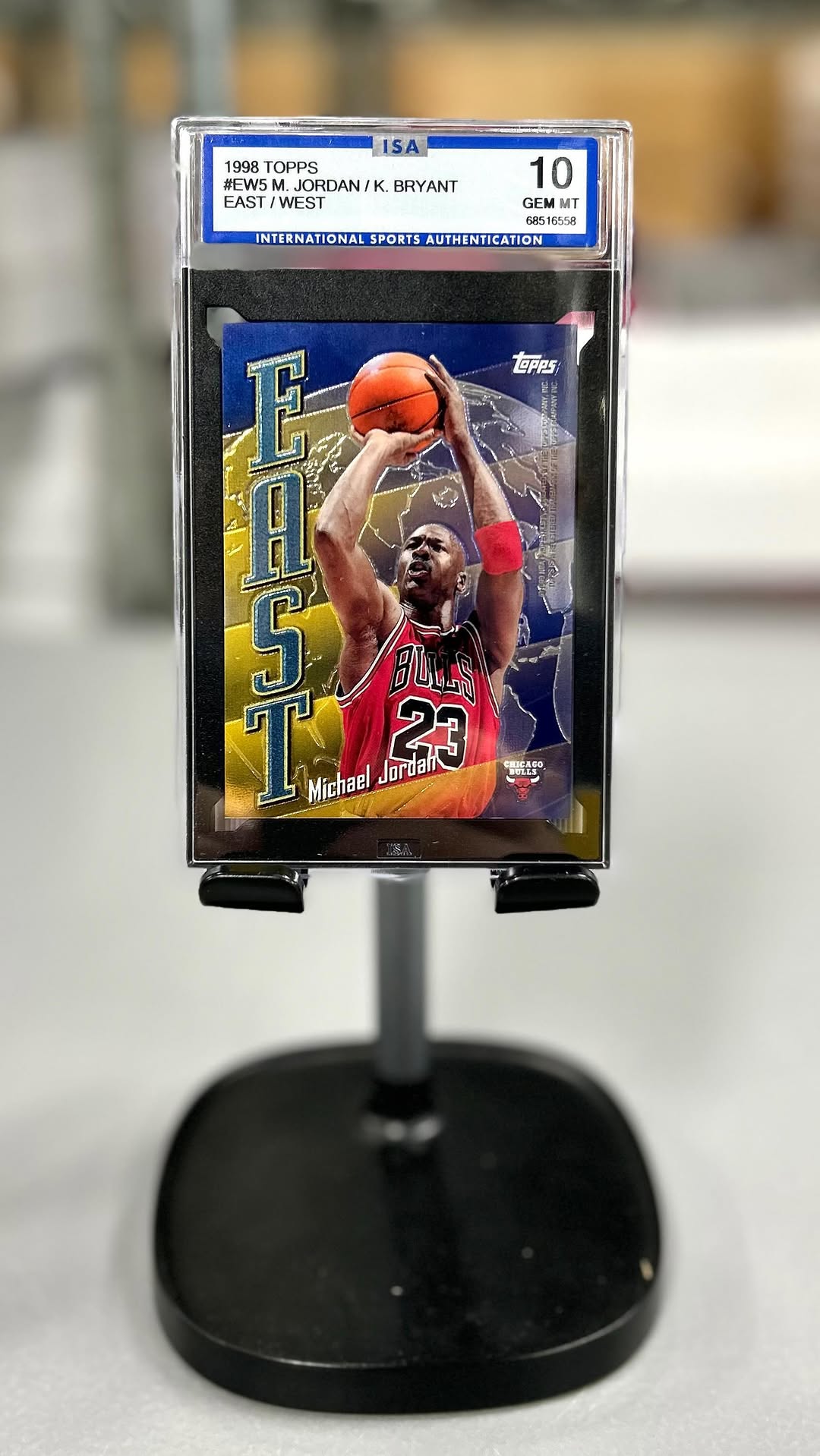
Trading card slabs provide structured protection and display the assigned grade and identifying information. A slab does not make a card immune to damage, so graded cards should still be stored away from moisture, extreme heat, direct sunlight, and crushing pressure.
Buyer confidence also depends on being able to review certification information. ISA offers online certificate verification, allowing collectors and potential buyers to enter the certification details shown on an ISA graded card. Sellers can include a clear image of the front and back of the slab so buyers can read the label and verify the certificate independently.
When receiving graded cards, compare each label with your original inventory. Confirm the player or character, year, set, card number, and any listed variation. Good recordkeeping is useful for personal collections, dealer inventory systems, insurance documentation, and future sales.
Selling graded sports and Pokemon cards
A useful sales listing should identify the exact card, assigned grade, grading company, certification number, and any serial numbering shown on the card. Use clear photographs of the slab rather than relying only on stock images. Avoid descriptions that promise future value or imply that every graded card is rare.
Research recent completed sales instead of using active asking prices alone. Compare the same year, set, variation, grade, and grading company when possible. Market prices can change with player performance, set demand, population, collector interest, and broader hobby conditions.
Package sold slabs carefully. A fitted protective sleeve can reduce scuffing, while padding and a sturdy box help limit movement during transit. Choose tracking, insurance, and signature options based on the value of the shipment and the policies of the sales platform.
Reviews can provide additional context about collector experiences with a service. ISA customer feedback is available on the reviews page. Questions about eligible cards, current submission procedures, or service details can also be checked through the ISA FAQ.
Build a submission around condition and purpose
A strong grading submission begins with realistic inspection and careful organization. Basketball collectors should watch reflective surfaces, baseball collectors should account for different eras and stocks, football collectors should protect thick and foil cards, and Pokemon collectors should examine holofoil, whitening, and small dents.
Choose cards that support a clear collecting or selling goal, protect them properly, and document the shipment. With transparent pricing, a 10 card minimum, no upcharges, and a current 14 day turnaround, ISA Grading gives collectors a straightforward option for submitting multiple sports and TCG categories together.
Submit Cards to ISA Grading
Collectors ready to use ISA Grading can start on the submission page. The current active service is $15 per card with a 14 day turnaround, no upcharges, and a 10 card minimum.
Frequently Asked Questions
How much does ISA Grading charge per card?
ISA Grading currently charges $15 per card with no upcharges. The current submission minimum is 10 cards.
How long does ISA card grading take?
ISA currently lists a 14 day turnaround. Collectors should also account for shipping time to and from ISA when planning a submission.
Can basketball, baseball, football, and Pokemon cards be submitted together?
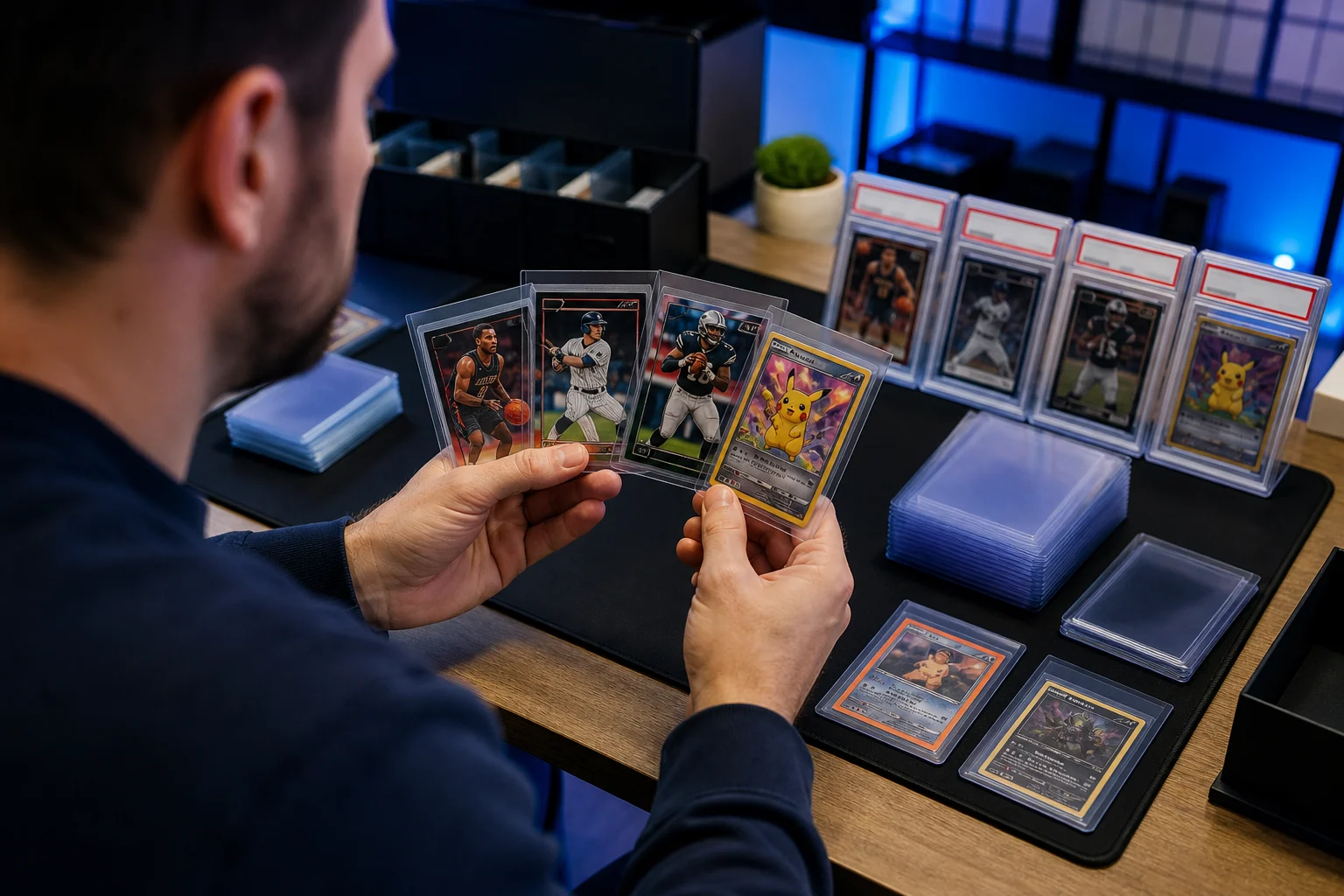
Collectors can prepare a mixed submission containing eligible sports cards and TCG cards. Review the current submission instructions and organize the cards in the same order as the submission documentation.
What should I inspect before submitting a card for grading?
Inspect the front and back for centering, corner wear, edge damage, scratches, print lines, dents, creases, stains, and other surface issues. Use bright angled light and avoid cleaning methods that could alter or damage the card.
How can buyers verify an ISA graded card?
Buyers and sellers can use the certificate verification tool on the ISA website. Enter the certification information shown on the slab and compare the result with the card and label.