When collectors search for card grading near me, they are often looking for more than the closest business on a map. They want a grading service that is accessible, transparent, reasonably priced, and prepared to protect their cards throughout the process. They may also be comparing turnaround times, grading standards, authentication procedures, and the usefulness of the finished slab when it is time to sell.
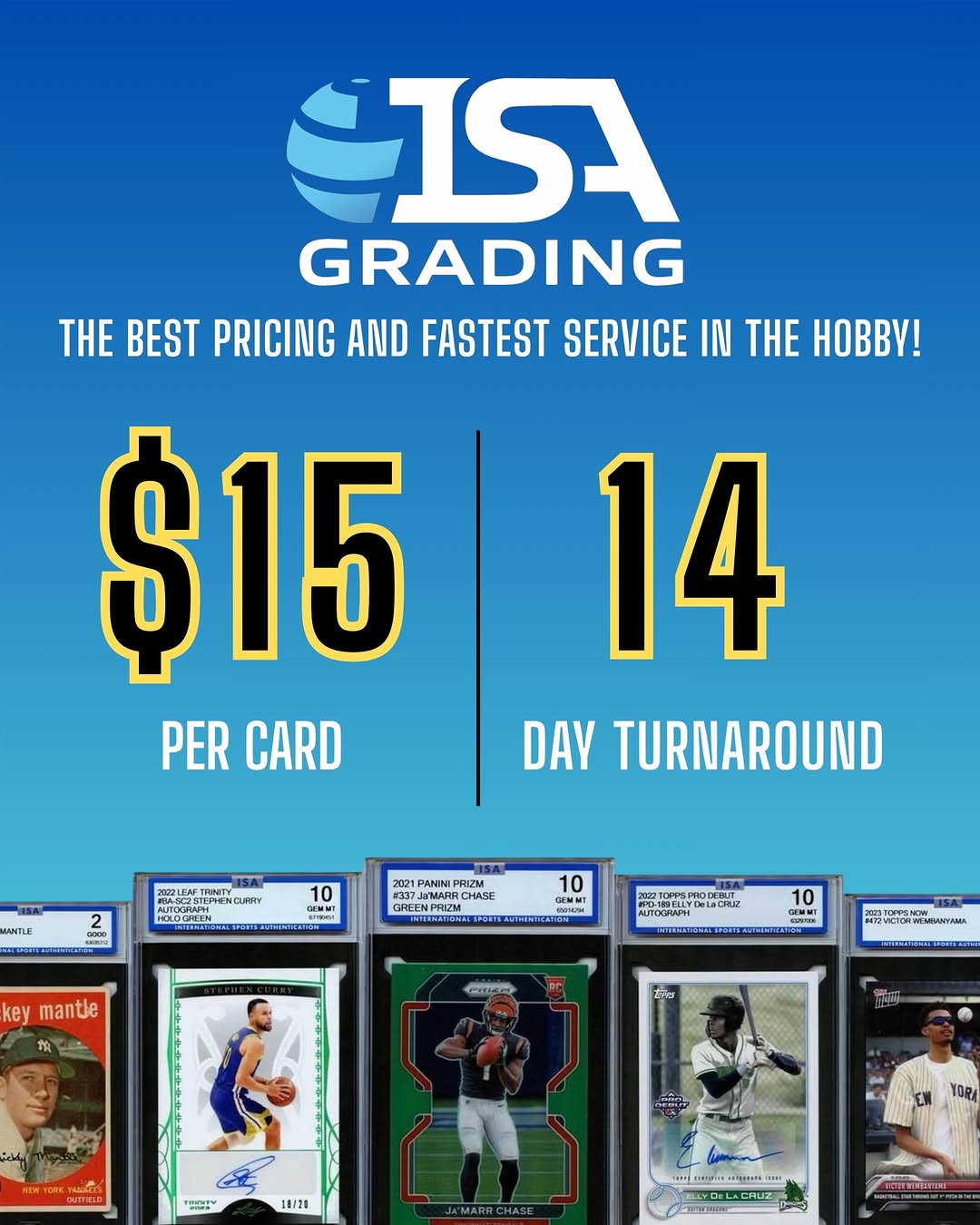
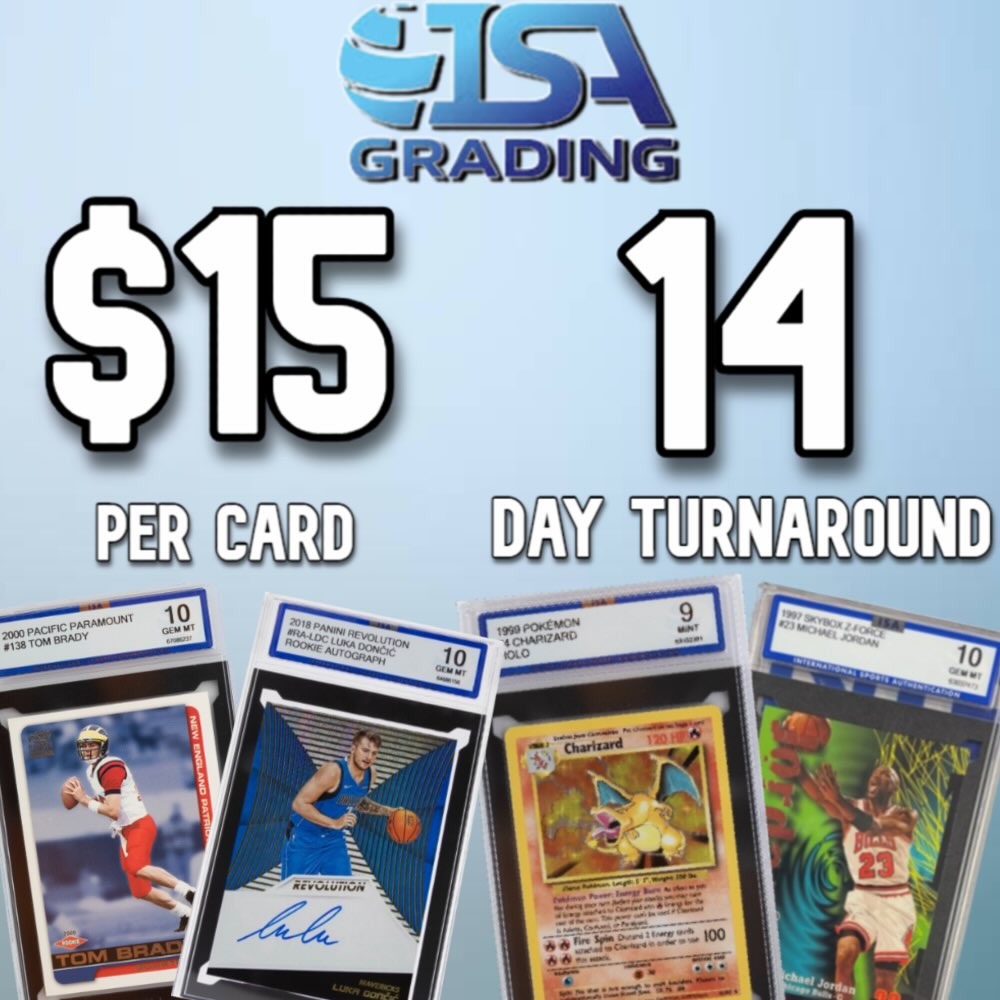
ISA Grading, also known as International Sports Authentication, provides sports card grading and authentication through a mail submission process. Its current active service is $15 per card with a 14 day turnaround, a 10 card minimum, and no upcharges. Understanding how those details fit into a larger grading decision can help collectors choose a service based on practical needs rather than distance alone.
What Collectors Are Actually Looking For
A location based search often reflects a desire for convenience and accountability. A collector may want to avoid unnecessary travel, understand where valuable cards are going, or find clear instructions for submitting a group of cards. For an online submission service, convenience depends on how easily a collector can prepare, ship, track, verify, and eventually sell graded cards.
The strongest grading choice is not always the company with an office nearby. It may be the service that clearly explains its grading scale, charges a predictable amount, communicates the expected turnaround, and provides certificate verification after grading. Before sending cards, collectors can review the ISA grading scale to understand how visible characteristics contribute to the assigned grade.
Collectors commonly compare these factors:
- Total grading cost: The base price should be considered alongside possible value fees, service fees, and other charges.
- Turnaround time: A clear service window helps collectors plan inventory, sales, gifts, and card show schedules.
- Submission minimum: Minimum quantities matter for collectors who have only a few cards ready.
- Card protection: Proper preparation and a secure final holder help reduce handling after grading.
- Verification: Buyers should have a practical way to check the certification associated with a slab.
- Grading standards: Published criteria help submitters inspect cards before paying for professional review.
Pricing Clarity Matters More Than a Low Headline Number
Collectors asking where to grade my cards should look beyond the first price they see. A quoted fee may not represent the full submission cost if a service has extra charges based on a card's declared value, final grade, or market value. Shipping supplies and postage also belong in the collector's budget even when they are not grading fees.
ISA's current active service costs $15 per card and has a 10 card minimum. It is offered as no upcharge card grading, so the grading fee does not increase because a submitted card receives a high grade or has a higher value. A 10 card submission therefore has a grading cost of $150 before the collector's shipping expenses. Collectors can review the current requirements and begin through the card submission page.
This pricing structure can be useful for dealers, hobby sellers, and collectors who want to estimate the cost of a group without waiting to learn whether additional grading charges will apply. Service details can change, so reviewing the submission page before every order remains a sensible practice.
Why Turnaround Time Influences the Entire Decision
Turnaround is not only about patience. A card being graded cannot be listed in its finished slab, delivered to a customer, or placed in a dealer's showcase. Timing may be especially important when a player is approaching a major event, a new product has just been released, or a seller is preparing for a card show.
ISA currently offers a 14 day card grading turnaround with its active service. Collectors should also plan for shipping time before and after grading. Packaging preparation, carrier transit, and delivery are separate parts of the overall schedule. Anyone grading cards for a specific sale date should build in extra time rather than treating the service estimate as the complete door to door timeline.
The relationship between timing and resale planning is explored further in The Hidden Cost of Waiting. Fast card grading is most useful when the stated service is paired with careful preparation and realistic shipping expectations.
How to Inspect Cards Before Submission
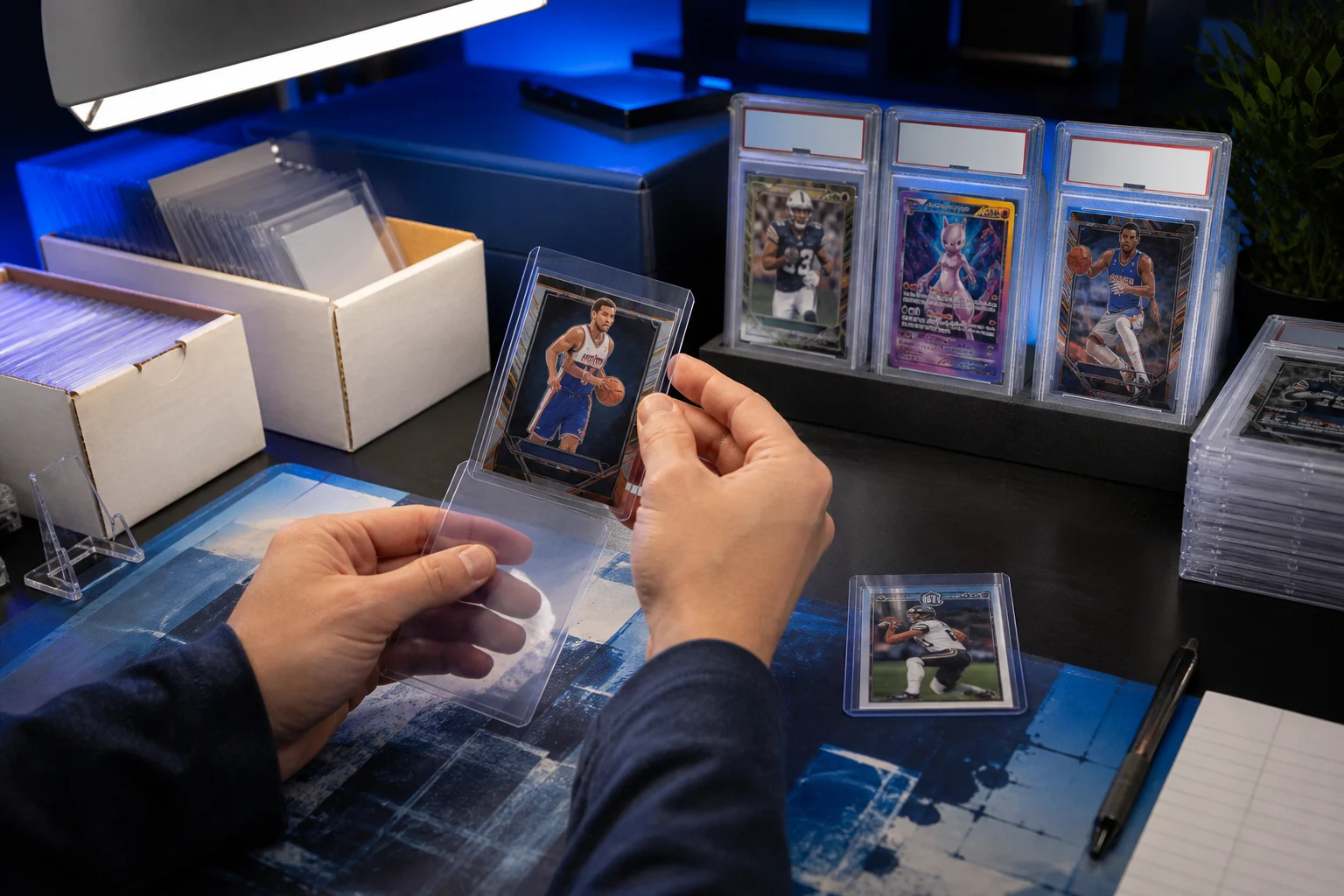
Professional grading begins with a collector's own screening process. Not every card needs to be submitted, and a valuable card is not automatically a high grade card. Strong lighting, a clean workspace, and a careful visual review can help identify obvious condition concerns.
Check the centering
Card centering compares the visible borders around the printed image. Borders may be uneven from left to right or top to bottom. The back should also be examined because front and back alignment can both affect the evaluation. Borderless designs can be harder to judge, so collectors may need to use design elements, text, or frame lines as reference points.
Inspect corners and edges
Card corners can show whitening, soft tips, bends, or compression. Card edges may have chipping, rough cuts, flaking, or small areas of visible wear. Dark borders often make edge wear easier to see, while foil and chrome cards may reveal different production related flaws under angled light.
Review the surface
The card surface should be checked from several angles. Look for scratches, print lines, indentations, stains, creases, dimples, and loss of gloss. Avoid cleaning a card with chemicals or using an aggressive method that could alter the surface. A card that appears clean when viewed straight on may reveal marks when tilted under a light.
Consider the card's age and production
Modern cards and older cards can present different condition issues. Vintage card grading may involve paper wear, print defects, toning, off center cuts, or evidence of alteration. Collectors preparing older material can read Vintage Cards, Clear Standards for additional preparation guidance.
Different Categories Require the Same Careful Preparation
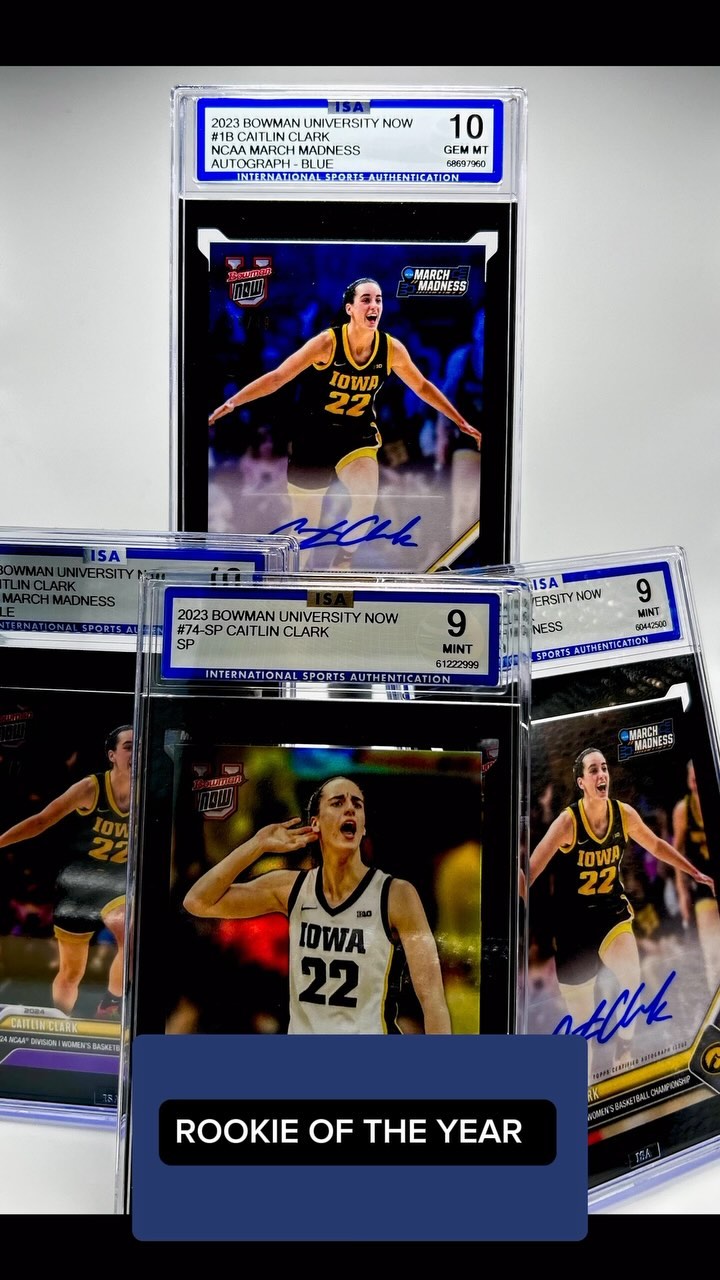
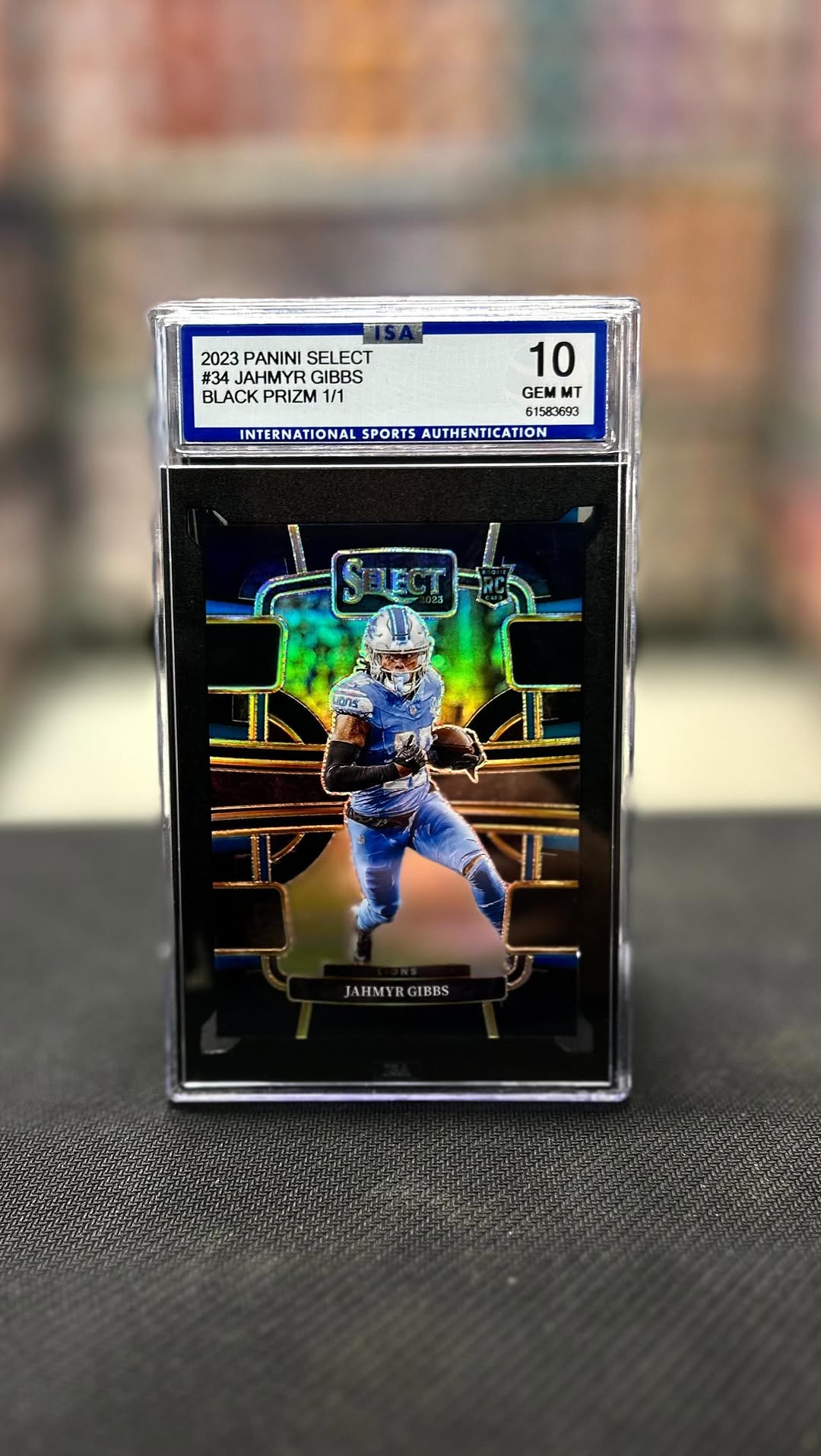
Basketball card grading and football card grading submissions may include base cards, autographs, numbered parallels, patches, and reflective chromium designs. Each card should be inspected individually rather than judged only by the value of the player or the rarity of the parallel.
Pokemon card grading and broader TCG card grading involve many of the same fundamentals, including corners, edges, centering, and surface condition. Holographic areas may make scratches more visible, while the back borders of a trading card can make whitening easier to identify. Regardless of category, collectors should avoid forcing thick cards into holders that are too tight.
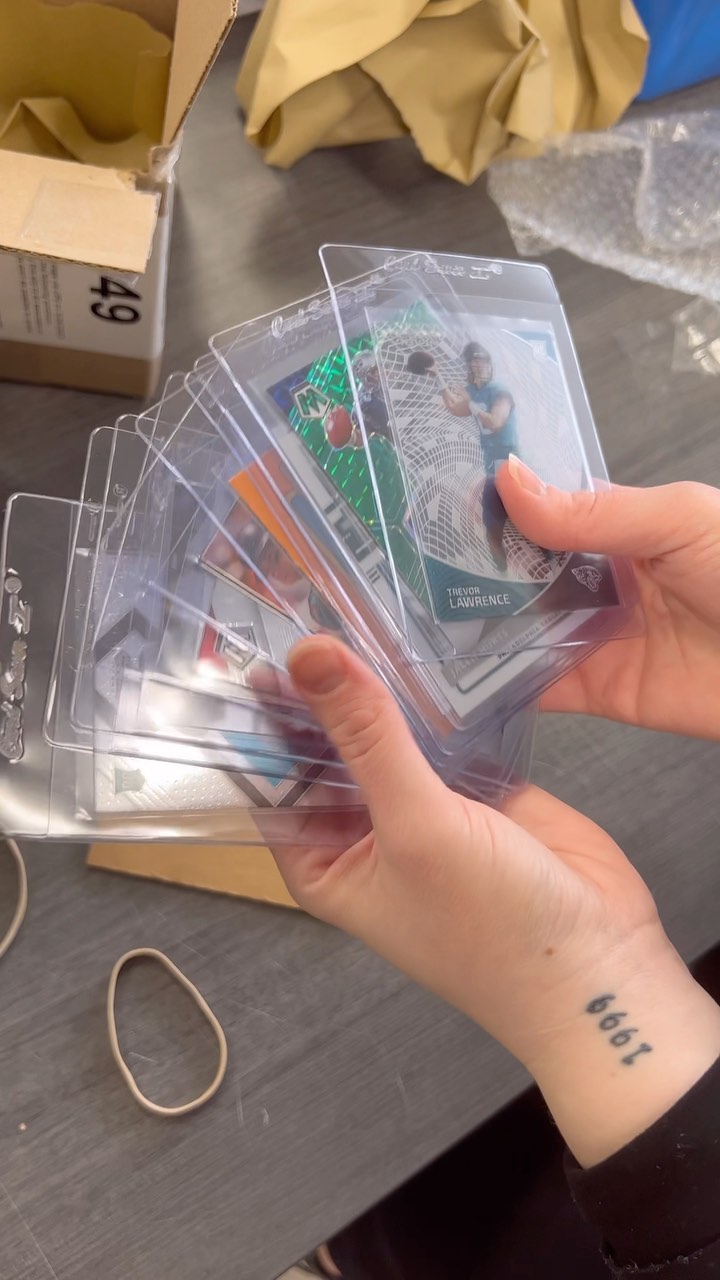
Cards should generally be placed in clean protective sleeves and suitable submission holders. The goal is to limit movement and make the card reasonably accessible for trained handling. Rubber bands, household tape directly around holders, and overloaded containers can create avoidable pressure or make unpacking more difficult.
Shipping Is Part of the Grading Experience
A mail based service can still be convenient when the submission is organized correctly. Start by matching every card to the submission information. Keep a personal inventory that records the year, manufacturer, set, player or character, card number, and any important parallel or variation details.
Use a sturdy outer box with enough packing material to prevent the contents from shifting. Do not allow packing tape to touch the cards or their individual holders. Select a shipping method that fits the value of the package and save the tracking information. Collectors should also photograph their cards and packed submission for their own records.
Before mailing, confirm the current service terms, address, and instructions on the official submission page. This is more reliable than reusing directions from an older order or relying on a social media comment that may no longer reflect the active service.
What the Slab Adds After Grading
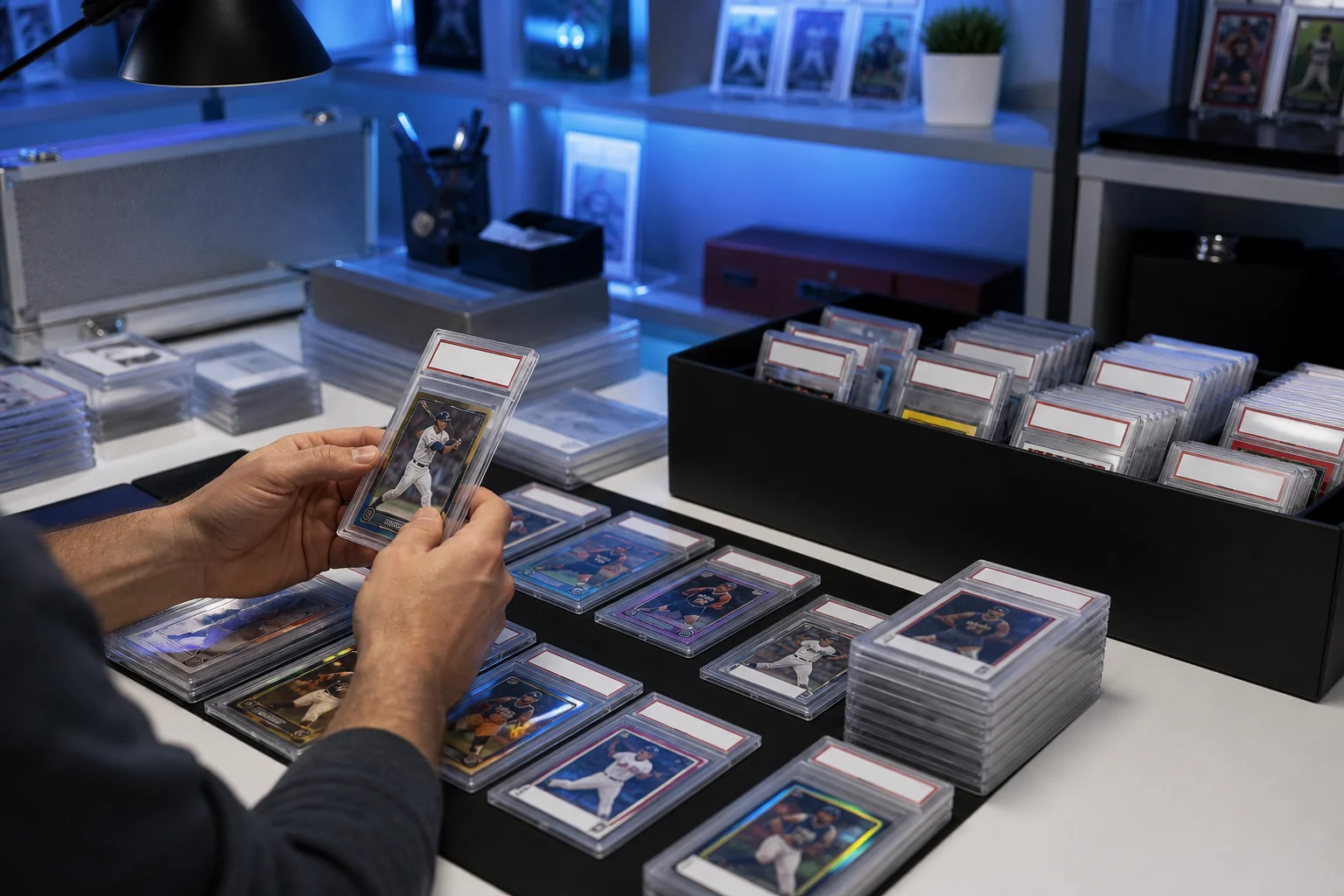
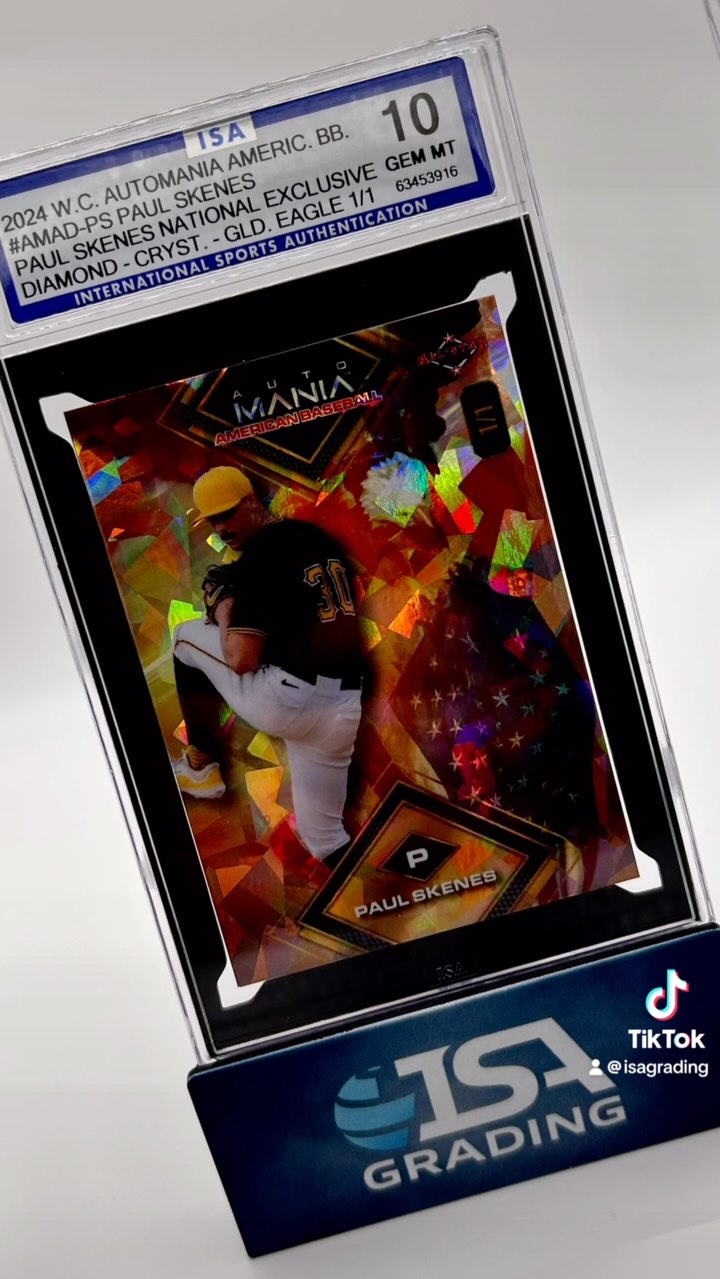
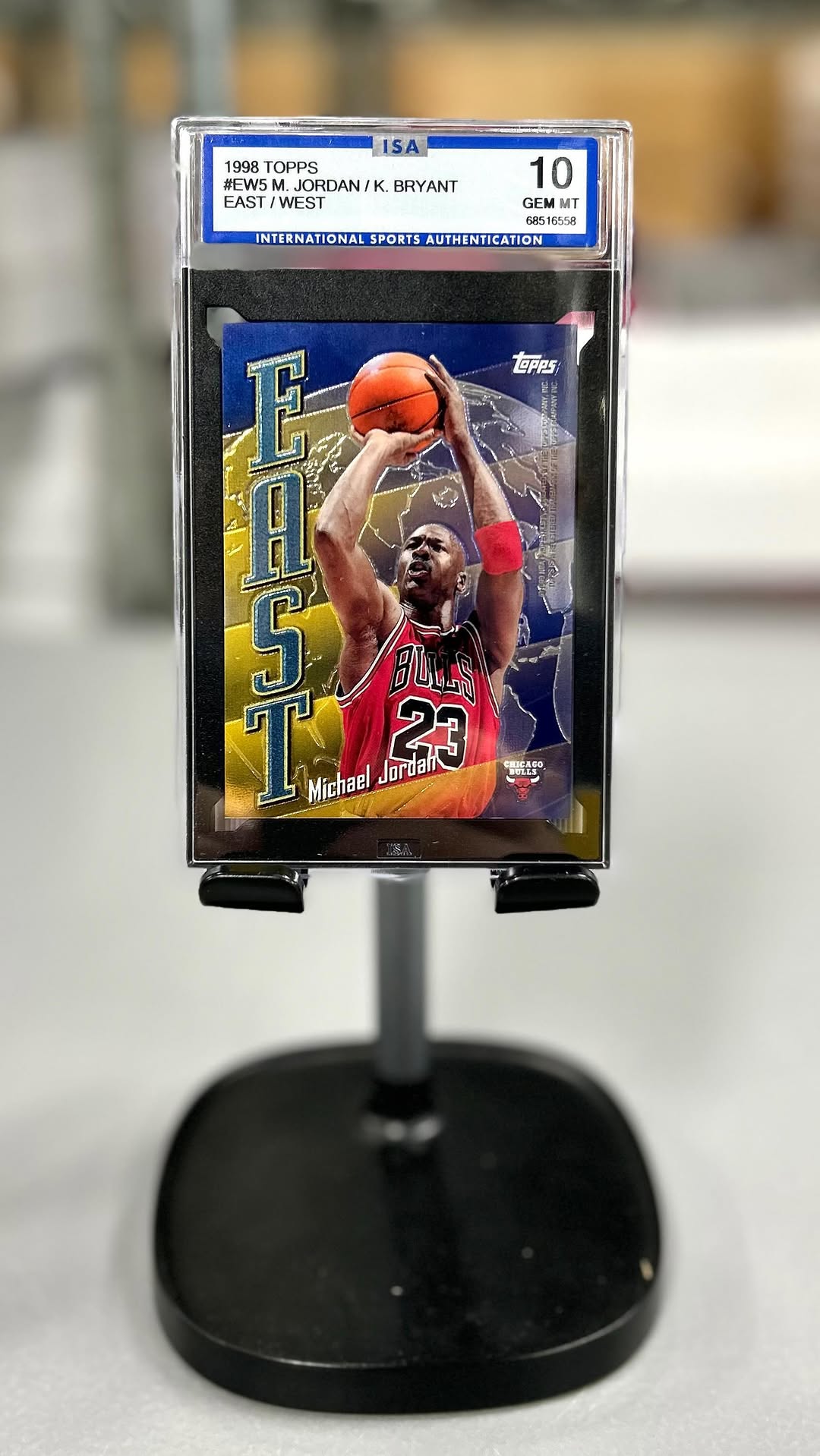
Trading card slabs provide a consistent format for storing, displaying, and presenting professionally graded cards. A slab does not make a card immune to every form of damage. It should still be kept away from excessive heat, direct sunlight, moisture, and impacts. However, the holder reduces the need for direct handling and allows the label to present key information with the assigned grade.
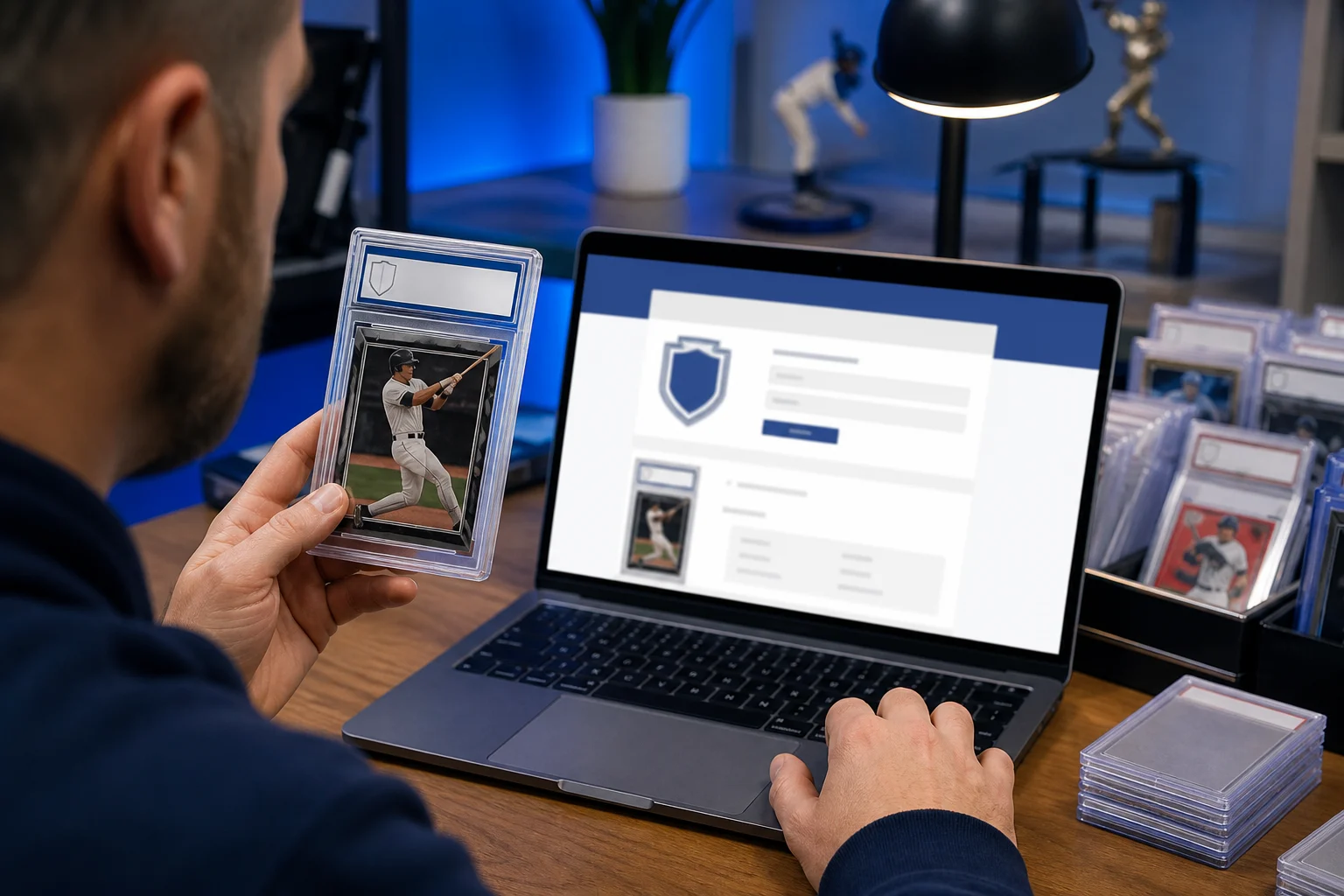
Card authentication and grading also give buyers a structured basis for evaluating a listing. Instead of relying only on a seller's description of condition, the buyer can review the grading label, photographs, certification details, and the grader's published scale. That additional information can improve buyer confidence, especially in online transactions where the buyer cannot inspect the card in person.
Certificate Verification Supports Buyer Confidence
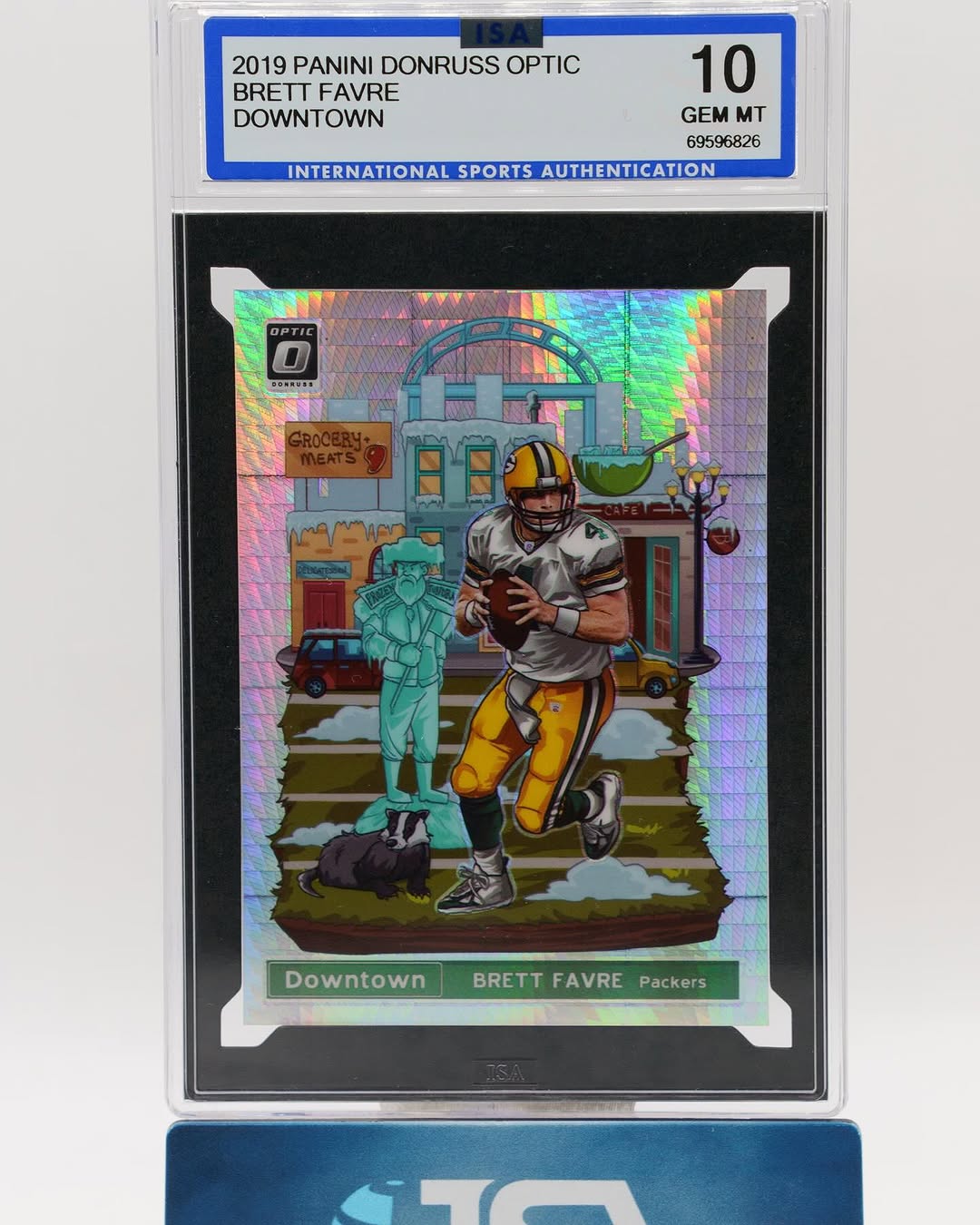
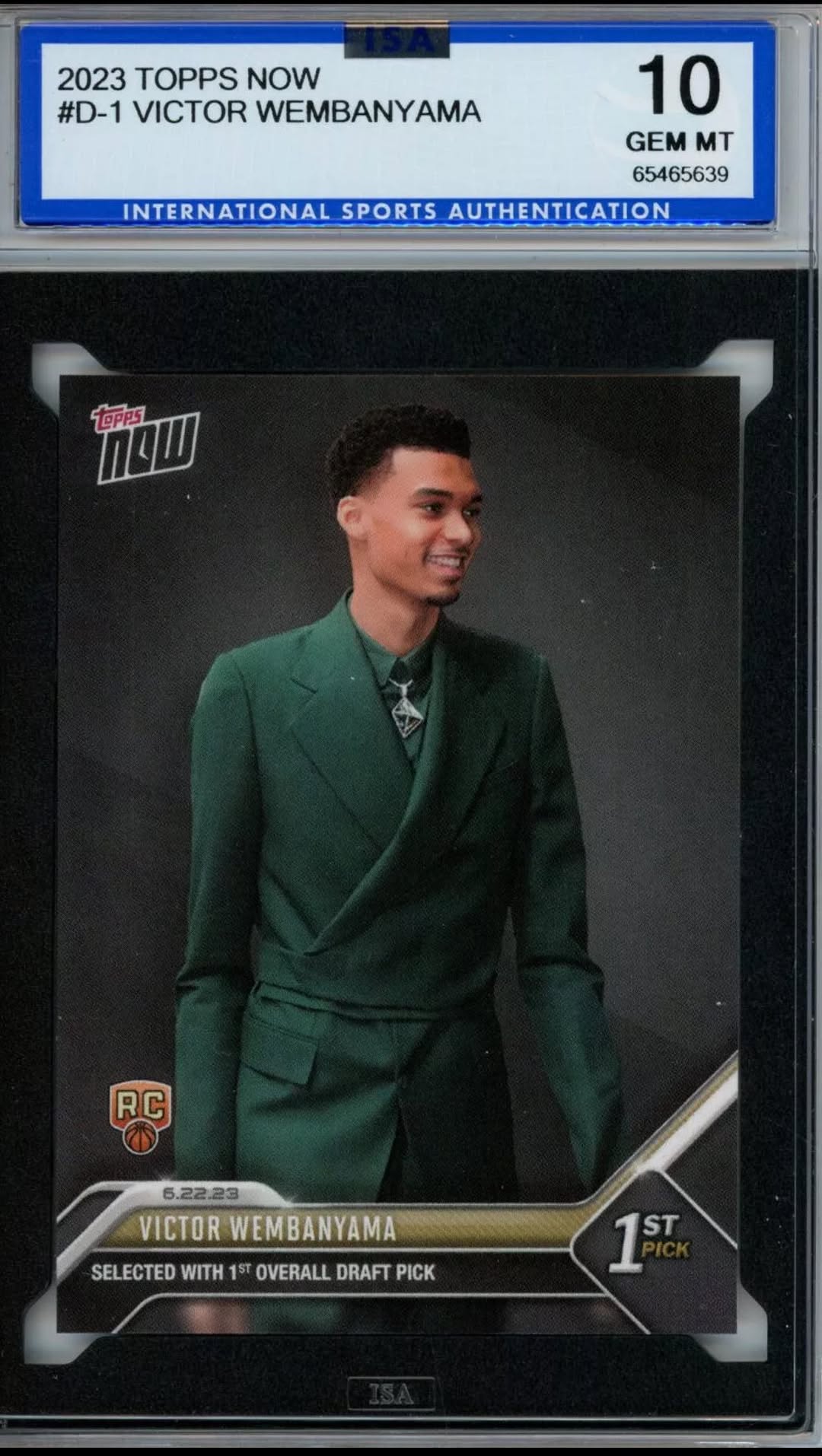
A certification number should be useful after the card leaves the original submitter. ISA provides certificate verification on its website, allowing collectors and prospective buyers to check the record associated with an ISA graded card.
Verification is particularly helpful when a card is offered through an online marketplace, social media, a card show, or a dealer's website. Sellers can include a clear photograph of the front and back of the slab and accurately transcribe the certification number. Buyers can then compare the online record with the label and card shown in the listing.
Verification should complement normal purchasing care rather than replace it. Buyers should still inspect listing images, review seller terms, confirm that the certification details match, and ask questions if photographs are unclear. For a deeper explanation, read The Number Behind the Slab.
Selling Graded Cards Effectively
A graded card listing should be accurate, specific, and easy to review. Include the year, set, player or character, card number, parallel, grade, grading company, and certification number. Use sharp photographs that show the full front and back of the slab. Additional angled images can help reveal foil patterns, refractors, autographs, or surface appearance.
Avoid promising that a card will increase in value. Grades can influence market interest, but prices still depend on player demand, scarcity, set popularity, timing, and comparable sales. Sellers should research recent transactions for the same card in the same grade whenever possible rather than relying only on asking prices.
Dealers may also use the 14 day service window to plan inventory in batches. The 10 card minimum encourages grouped submissions, so it can be practical to sort cards by sales priority, category, or expected listing date. Current customer experiences can be reviewed on the ISA reviews page as one part of the decision process.
Choosing a Service Based on Usable Details
The most useful grading service is one that fits the collector's cards, budget, timeline, and resale plan. Distance can matter, but clear standards and a manageable submission process often matter more. ISA's current offer provides concrete terms collectors can evaluate: $15 per card, a 14 day turnaround, a 10 card minimum, and no upcharges.
Before submitting, inspect each card carefully, calculate the complete cost, prepare secure packaging, and review the latest instructions. After grading, protect the slab, use the certification tools, and create accurate listings. Those steps turn a simple location search into a more informed sports card grading decision.
Submit Cards to ISA Grading
Collectors ready to use ISA Grading can start on the submission page. The current active service is $15 per card with a 14 day turnaround, no upcharges, and a 10 card minimum.
Frequently Asked Questions
How much does ISA charge to grade a card?
ISA's current active service is $15 per card. The service has a 10 card minimum and no upcharges, so a minimum submission has a grading cost of $150 before shipping expenses.
How long does ISA card grading take?
ISA currently lists a 14 day turnaround for its active grading service. Collectors should also allow additional time for shipping to and from ISA and should confirm current service details before submitting.
What cards should I inspect before sending them for grading?
Review every card for centering, corner wear, edge chipping, scratches, print lines, dents, creases, stains, and other surface issues. Inspect the front and back under good lighting and avoid cleaning methods that could alter the card.
Can buyers verify an ISA graded card online?
Yes. ISA provides certificate verification on its website. Buyers can use the certification number on the slab to check the associated grading record and compare it with the card being offered.
Does ISA grade sports cards and trading card games?
ISA provides grading and authentication for collectible cards, including sports cards and trading cards. Collectors should review the current submission instructions before sending basketball, football, Pokemon, vintage, or other cards.