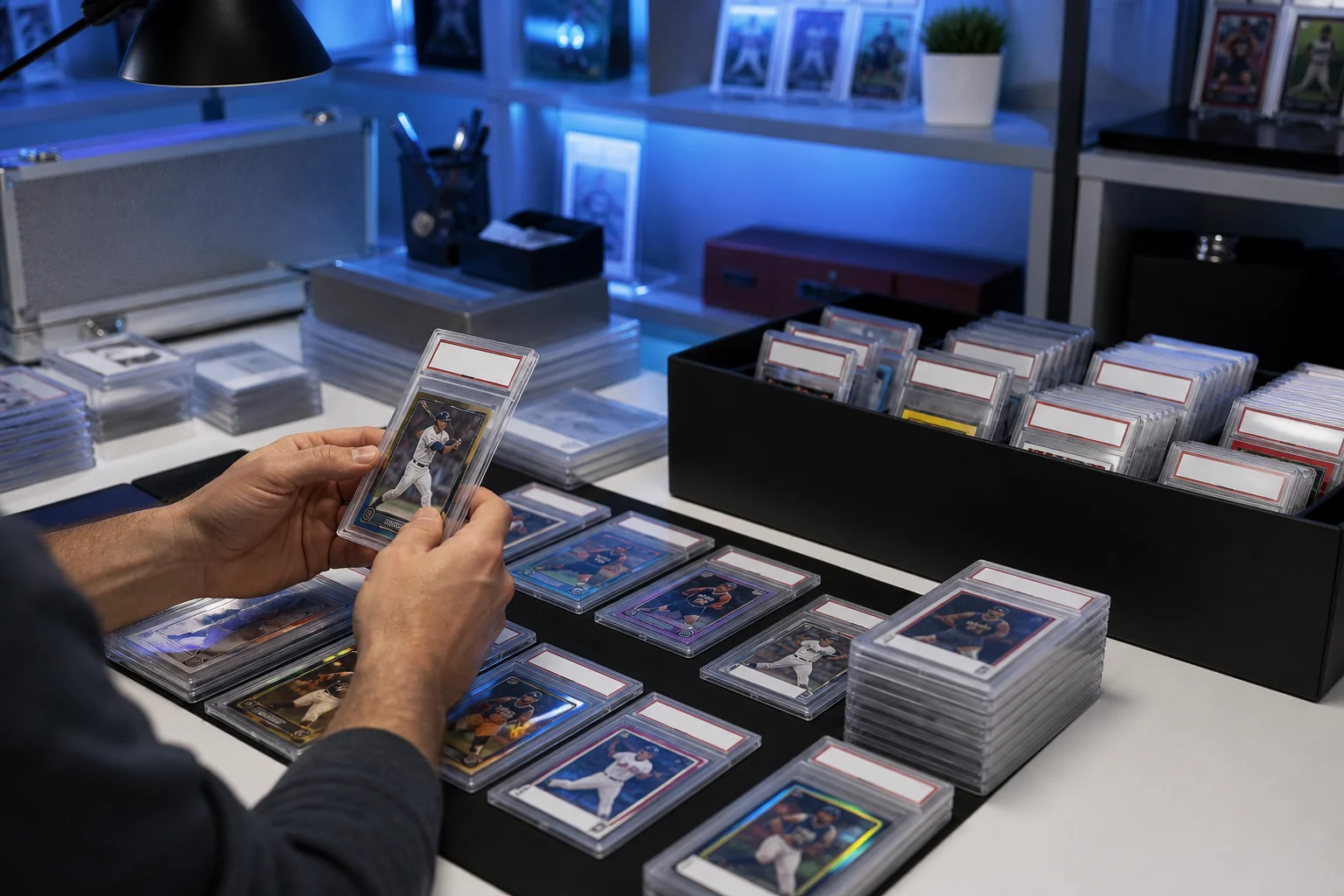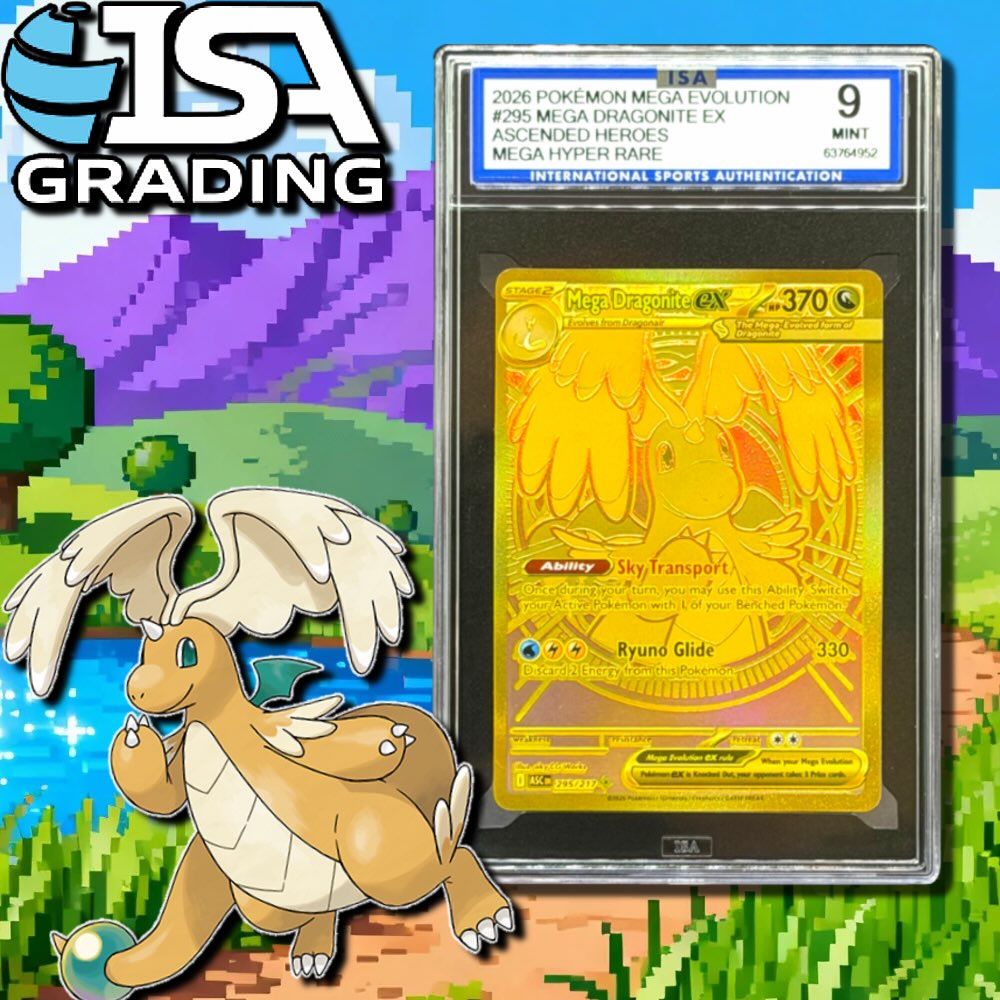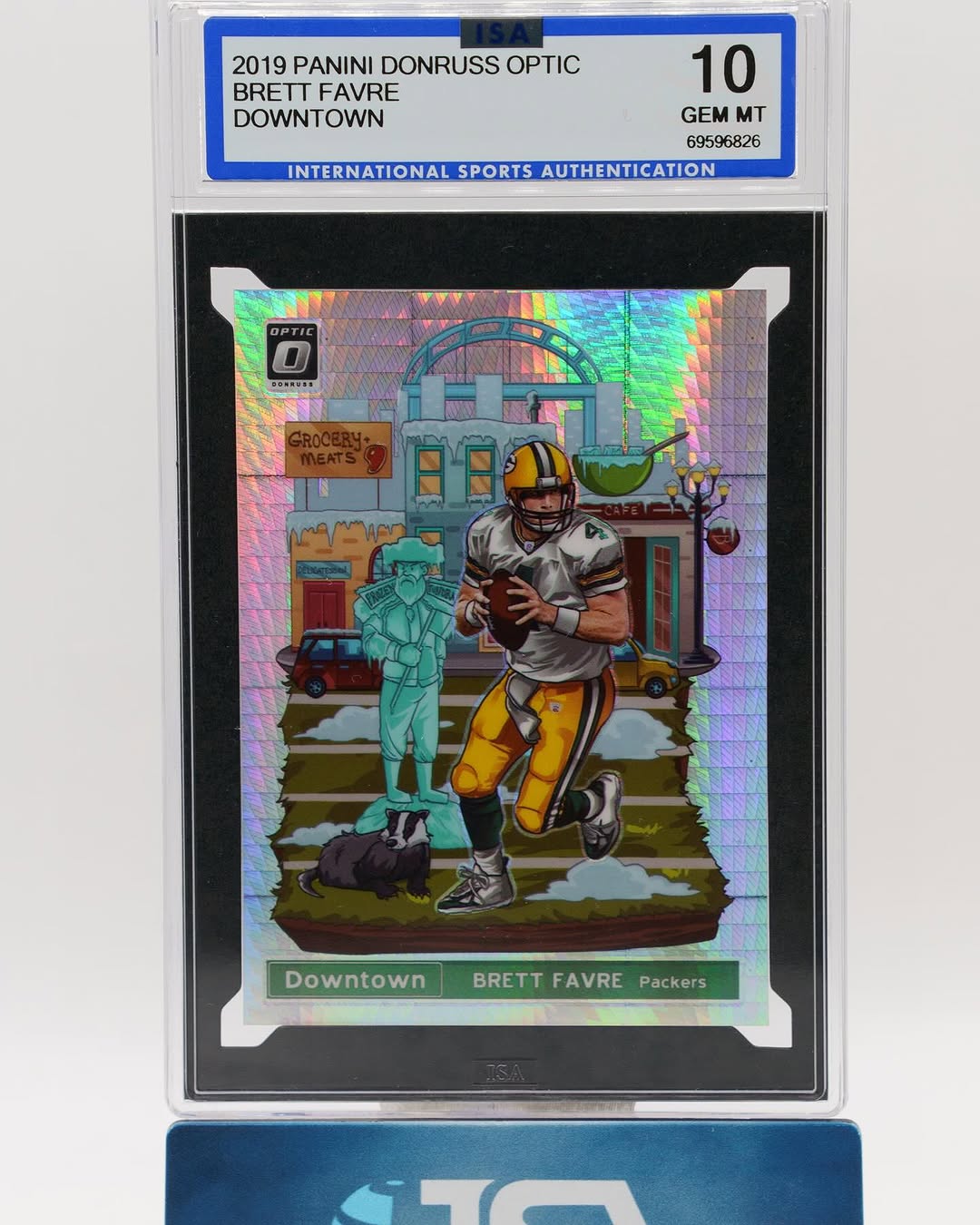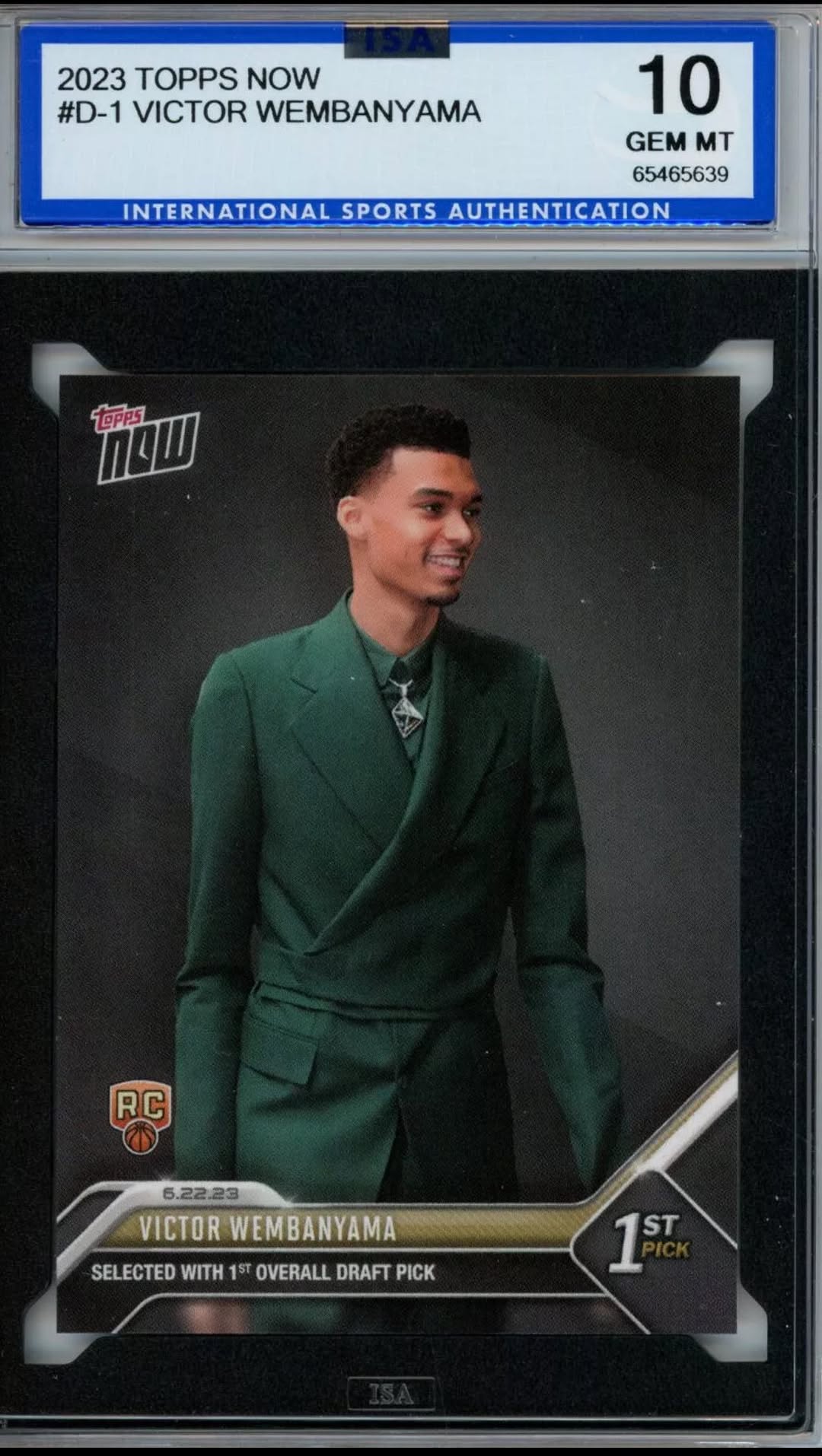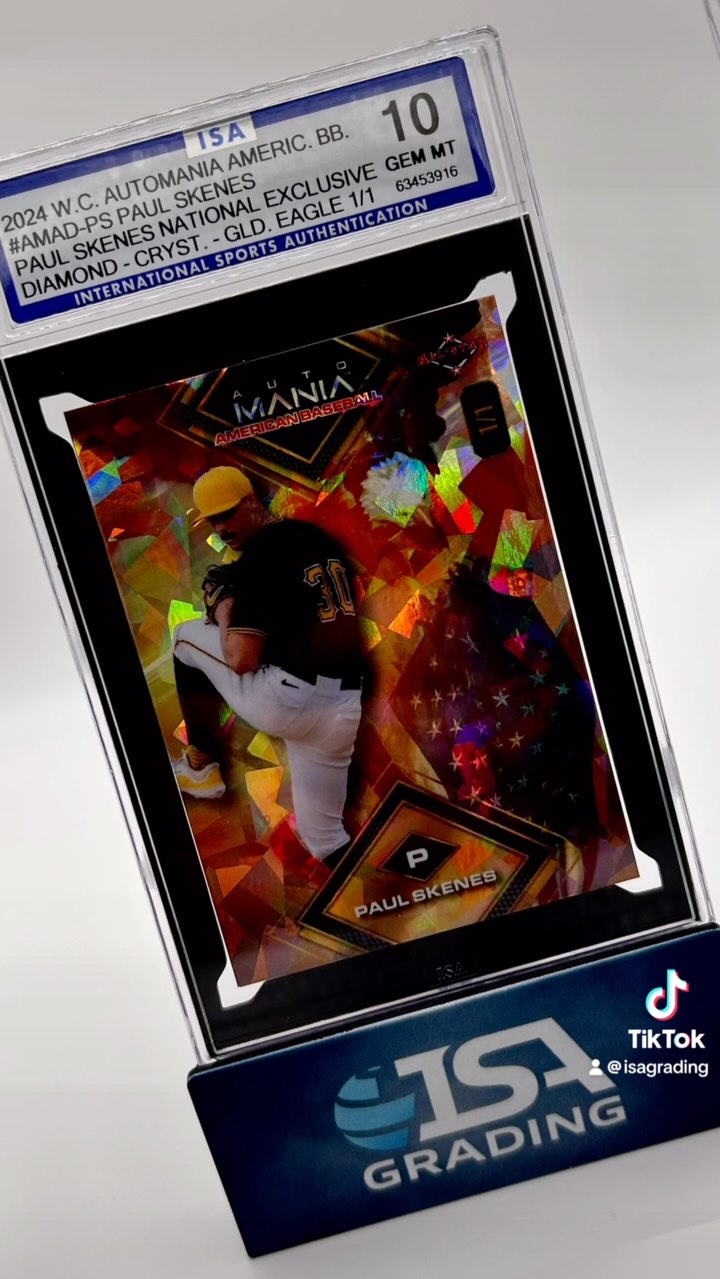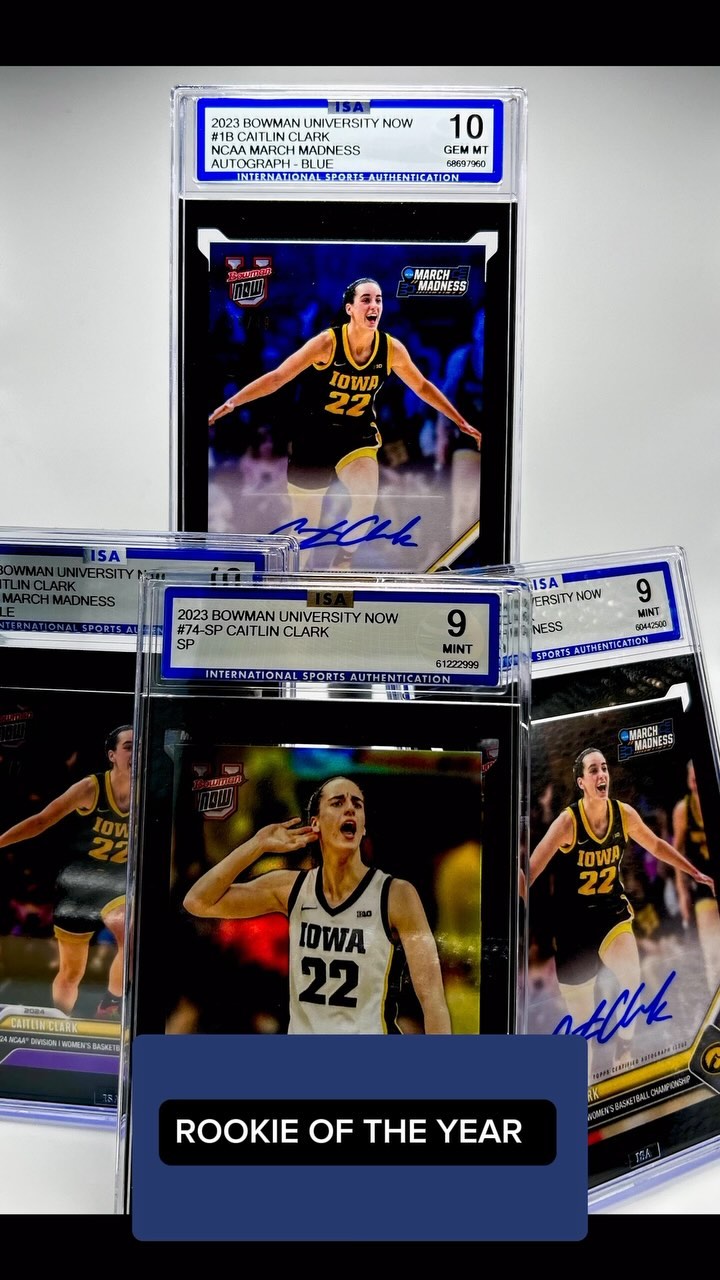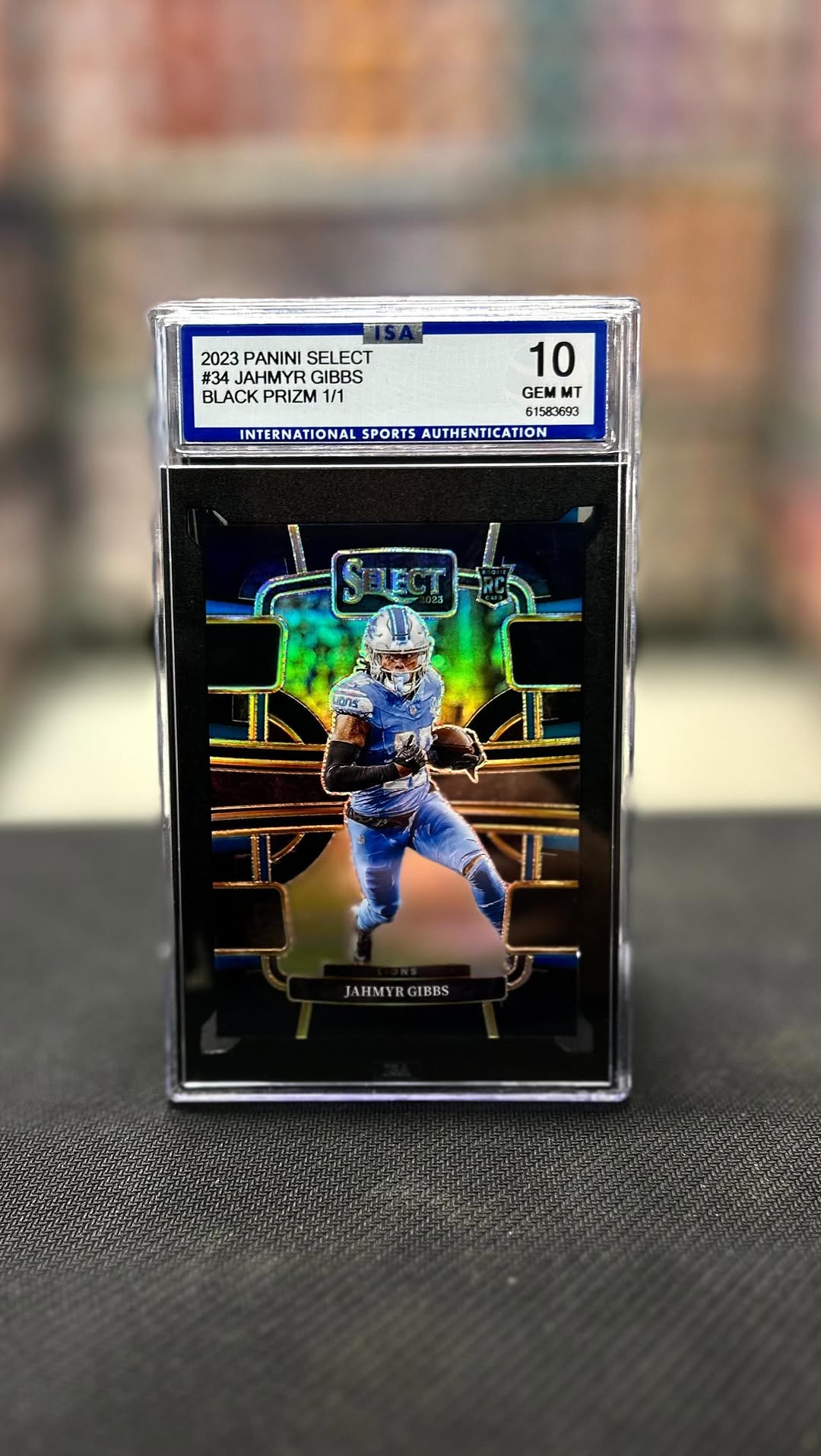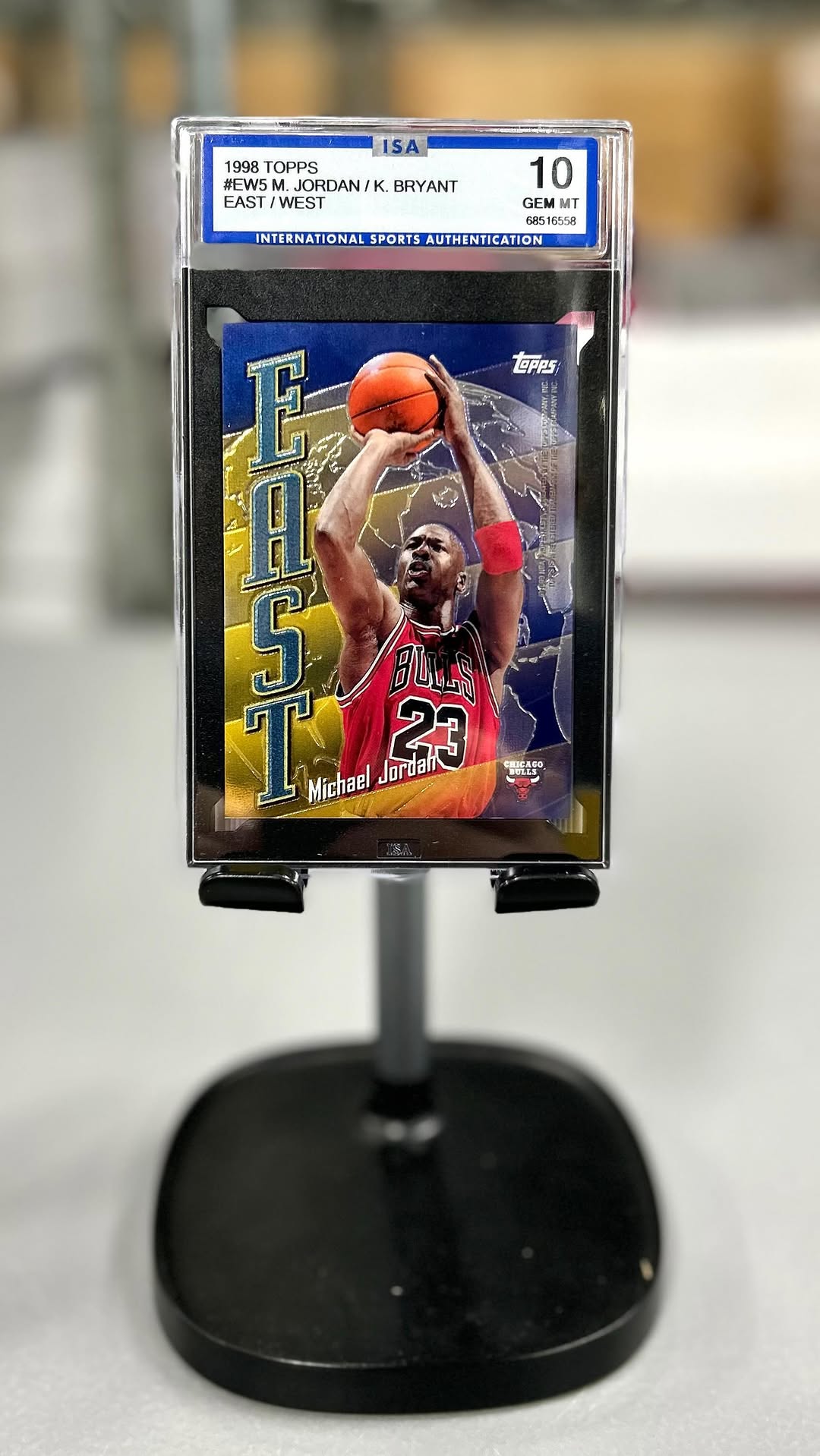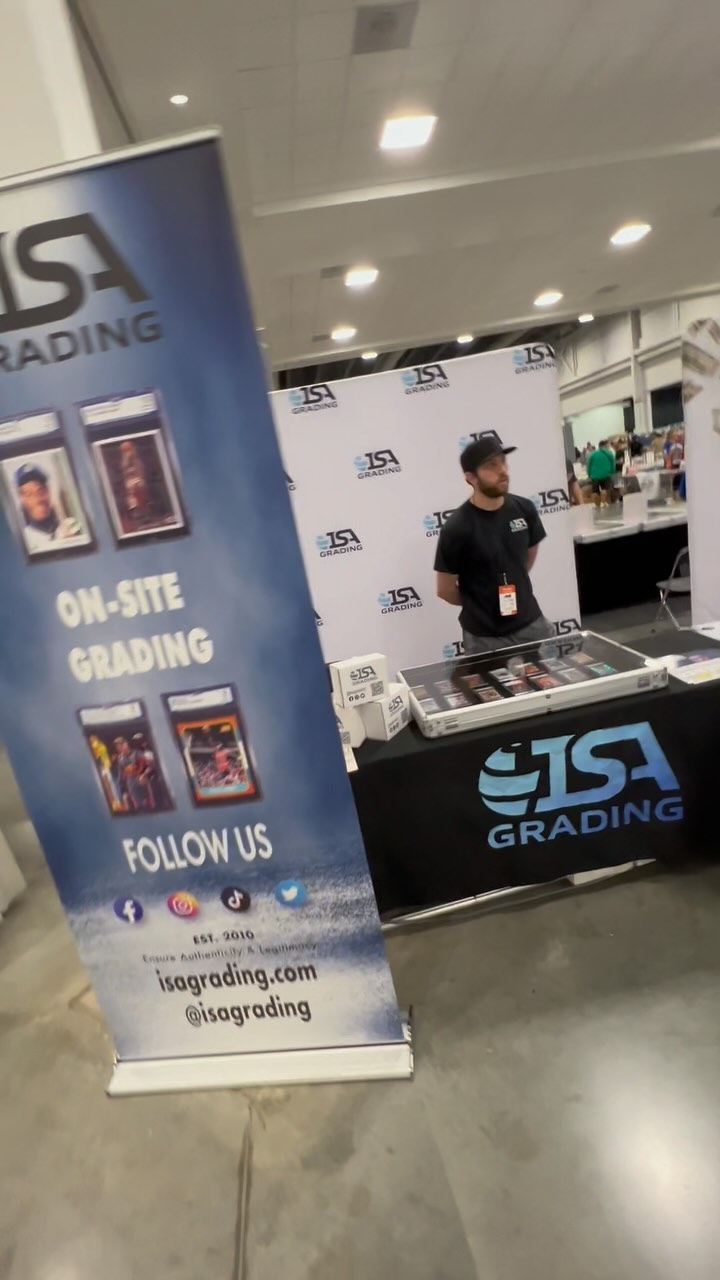
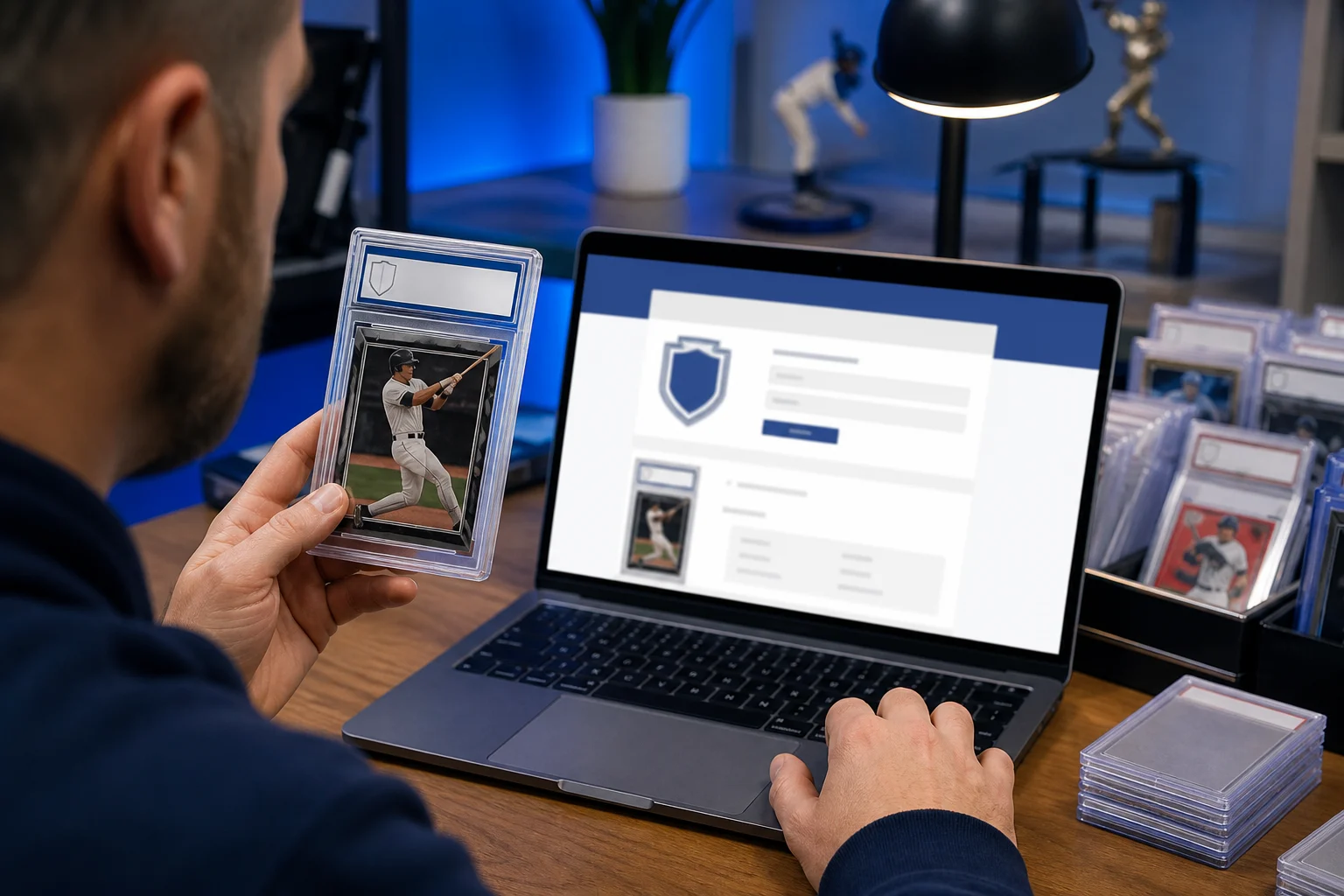
A graded sports card carries several pieces of information into the marketplace. The label identifies the card and displays the assigned grade, while the slab protects the card and makes it easier to handle, display, and sell. Certificate verification adds another useful layer by allowing a buyer to check the certificate associated with the graded card.
For collectors, dealers, and hobby sellers, that check can make a transaction easier to evaluate. Instead of relying only on a listing title or a distant photograph, a buyer can visit the ISA certificate verification page and review the available record tied to the certificate. This simple step supports more informed decisions without replacing careful inspection of the slab, label, card, seller, and transaction terms.
What Certificate Verification Adds to a Graded Card
Certificate verification connects a physical ISA graded card with its corresponding grading record. It gives an interested buyer another reference point when researching a card before a purchase, trade, or consignment. That is useful in an online marketplace, at a card show, in a shop, or during a private transaction.
A grading label is visible inside the slab, but buyers often want to do more than glance at the number. They may want to check the certificate before sending payment, compare the verified information with the seller's description, or confirm that the listing photographs show the card being offered. Verification makes that research more practical.
This matters across many parts of the hobby, including baseball card grading, basketball card grading, rookie card grading, vintage card grading, and TCG card grading. Card values and collector priorities vary widely, but the need for clear, accessible information remains consistent.
Certificate verification should be understood as one part of due diligence. It does not identify the current owner, guarantee a seller's conduct, establish a card's current market value, or replace an inspection of the physical holder. It helps buyers compare the certificate and available record with the card presented for sale.
Why Verification Can Improve Buyer Confidence
Confidence often comes from reducing unanswered questions. A buyer considering a graded card may ask whether the grade shown in the listing matches the slab, whether the certificate can be checked, whether the photographs are current, and whether the holder appears intact. Easy access to certificate verification helps address part of that process.
It provides an independent reference point
A seller writes the title, description, and condition notes for a listing. Certificate verification gives the buyer a separate ISA resource to consult. When the available record, slab label, and listing information are consistent, the buyer has more information supporting the transaction.
It encourages accurate listings
Sellers can verify a certificate while creating a listing and use the slab label as the basis for important details. This reduces the chance of avoidable errors involving the player, set, card number, variation, or grade. The seller should still proofread every listing and clearly disclose any visible damage to the slab.
It makes questions easier to resolve
If a potential buyer asks about a certificate, the seller can direct that person to ISA's website. A clear response is more useful than asking the buyer to depend on an unverified screenshot or a typed claim. Verification can be completed before the parties meet or while they are standing at a show table.
Verification Works Best With Clear Card Photography
A certificate lookup is most useful when the sales listing also includes detailed, current photographs. Sellers should photograph the entire front and back of the slab, keeping the label and certificate information readable. Additional angled images can show the holder's surface and any scratches, chips, or storage wear.
Close photographs also let buyers study the card inside the holder. Depending on the design, buyers may examine card centering, card corners, card edges, print quality, and the card surface. Those visual characteristics help collectors understand the appearance of the card even though the grade has already been assigned.
Lighting should be bright enough to reveal detail without creating glare across the slab. A neutral background helps the edges of the holder remain visible. Sellers should avoid filters that alter color, contrast, or sharpness. If a scratch is on the slab rather than the card, the description should say so clearly when the seller can make that distinction.
For higher interest cards, a short video may help show the card and holder from several angles. The goal is not to create a dramatic presentation. It is to give the buyer enough accurate visual information to compare the physical card, slab label, certificate, and listing description.
How Buyers Can Check an ISA Graded Card
A careful buying process does not need to be complicated. Collectors can use the following steps when evaluating an ISA graded card:
- Review the complete listing. Read the title, description, shipping terms, return terms, and seller disclosures.
- Inspect the photographs. Look at the front and back of the slab, the label, the certificate information, and the card itself.
- Use ISA certificate verification. Check the certificate through the ISA website and compare the available record with the card presented.
- Examine the holder. Look for visible cracks, separation, deep scratches, or other signs of damage that should be discussed with the seller.
- Research the market. Compare the card with relevant completed sales while accounting for grade, eye appeal, scarcity, and timing.
- Ask direct questions. If something is unclear, request better photographs or an explanation before paying.
Verification is especially helpful when a buyer is considering multiple versions of the same card. Small differences in year, set, parallel, variation, or card number can affect collector demand. The buyer should make sure the listing, label, and verification record all refer to the intended card.
Understanding the Grade Alongside the Certificate
Certificate verification confirms a grading reference, but collectors also need to understand what the numerical grade represents. ISA explains its standards on the grading scale page, which can help buyers and submitters learn how condition characteristics relate to assigned grades.
Before collectors grade cards, they commonly inspect card centering, corners, edges, and surface condition. A sharp looking front does not always tell the entire story. The back may show edge wear, stains, print issues, or centering differences. Surface flaws can also appear only under angled lighting.
This preparation is useful for someone searching for a card grading service or asking, How should I grade my cards? Start by identifying each card correctly, examining it under good light, and setting realistic expectations. Do not attempt aggressive cleaning, recoloring, trimming, pressing, or other alterations. If loose dust is present, handle the card carefully and avoid actions that could create scratches or fingerprints.
Collectors interested in broader selection criteria can also read Beyond the Grade: Choosing the Right Sports Card Grading Company in 2026. A grade matters, but so do verification access, pricing clarity, turnaround, customer support, and the overall submission process.
Slabs, Card Protection, and Responsible Storage
Card encapsulation provides a structured holder for a graded card. A slab helps protect the card from routine handling, direct contact, fingerprints, and many common storage risks. It also keeps the grading label and card together, which is important when certificate verification is used during a sale.
A slab is protective, but it is not indestructible. Graded cards should still be kept away from excessive heat, direct sunlight, moisture, and major temperature changes. Collectors should avoid stacking heavy objects on slabs or placing them where they can fall. During shipping, each slab should be cushioned and secured so it cannot move freely inside the package.
Buyers should inspect holder condition because certificate verification does not report every scratch or impact that may occur after encapsulation. If a slab arrives damaged, the buyer should photograph the package and holder promptly and follow the seller's or marketplace's applicable process.
Pricing and Turnaround Affect the Selling Plan
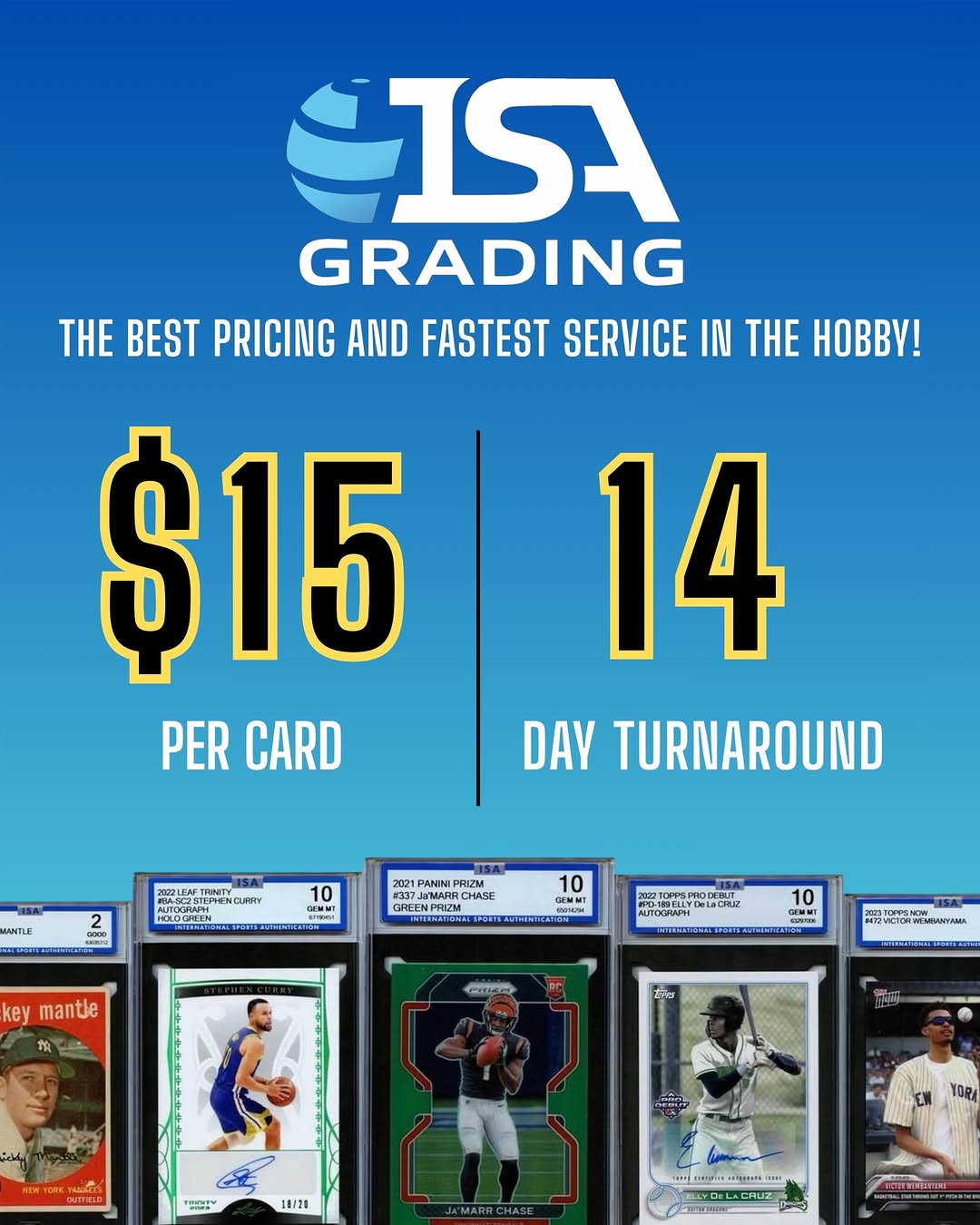
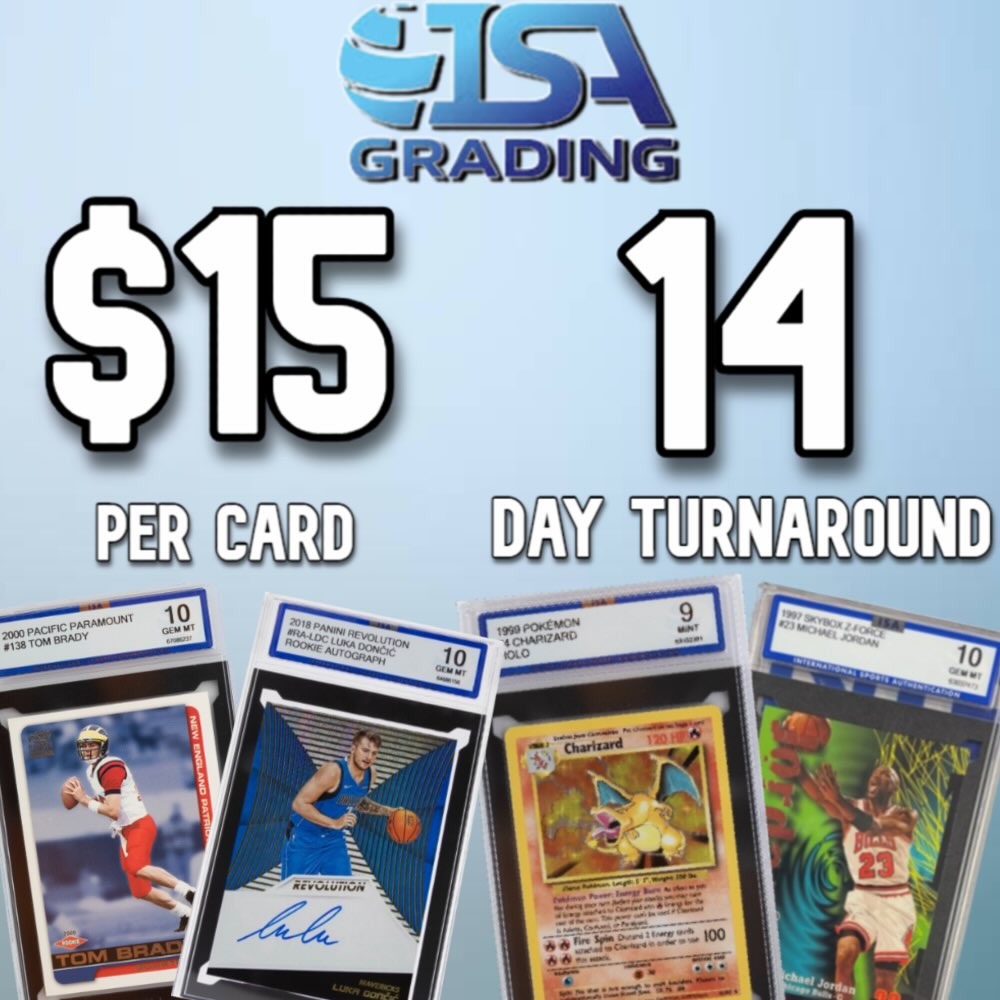
Verification supports the eventual sale, but collectors also need predictable service details before submitting. ISA's current active service is $15 per card, with a 14 day turnaround, a 10 card minimum, and no upcharges. Collectors looking for $15 card grading can use those terms to estimate the grading portion of a submission before accounting for shipping and other personal selling expenses.
A 14 day card grading turnaround can be relevant when preparing inventory for a show, an online release, a seasonal selling period, or a consignment deadline. Fast card grading is most useful when the stated service fits a realistic plan. Submitters should allow time for shipping to ISA, return delivery, photography, listing creation, and potential marketplace processing.
For a deeper look at how timing affects inventory, read The Hidden Cost of Waiting: Why Grading Turnaround Shapes Every Card Sale. Collectors who want more detail about the service structure can also review A Clearer Path to the Slab: How ISA Keeps Grading at $15 Per Card.
Turnaround is not the only consideration. Submitters should evaluate whether the card's likely grade, collector demand, expected selling range, and personal goals justify grading. Some cards are best kept raw, while others may benefit from sports card authentication, an assigned grade, card encapsulation, and online certificate verification.
Preparing Cards for an ISA Submission
A thoughtful submission begins with organization. Group cards by sport, set, year, player, or another system that makes sense for the collection. Review each card under good lighting and record identifying information before packing. This is particularly valuable for similar parallels, vintage issues, and cards with closely related designs.
Use clean, appropriately sized card protection and follow the current instructions on the ISA submission page. Avoid forcing a card into a tight holder. Package the submission so cards remain organized and protected in transit, and select a shipping method appropriate for the contents and value.
Collectors should also understand the difference between personal preference and condition. A favorite rookie may have strong sentimental value even if it has soft corners or surface wear. Grading provides an assessment under the company's standards, not a guarantee of a particular numerical result or resale price.
Selling ISA Graded Cards With Better Information
Once cards return in slabs, sellers can build listings around accuracy and transparency. Use the exact information displayed on the label, include the certificate in clear photographs, and invite buyers to use certificate verification. Do not describe a card as rare, scarce, or an investment unless the statement can be supported and is appropriate to the listing.
Pricing should be based on relevant market evidence rather than the grade alone. Look for completed sales of the same card, set, variation, and grade when available. If direct comparisons are limited, explain the basis for the asking price without presenting speculation as fact.
Seller reputation still matters. Verification cannot replace prompt communication, careful packaging, accurate shipping updates, and fair handling of legitimate concerns. Buyers may also want to read customer feedback on the ISA reviews page when researching the grading company behind the slab.
For general policies and common submission questions, the ISA FAQ page provides another useful resource. Combining clear service information with accessible certificate verification gives buyers and sellers a more complete framework for evaluating graded cards.
A Practical Confidence Tool for the Hobby
Certificate verification is valuable because it is simple, accessible, and directly connected to the graded card. It helps a buyer check information, helps a seller prepare a more accurate listing, and gives both parties a shared reference during a transaction.
Whether the card is a vintage baseball issue, a modern basketball rookie, or a collectible gaming card, confidence grows when the certificate, slab, photographs, and description align. ISA supports that process through grading, card authentication, protective encapsulation, transparent current service terms, and online certificate verification.
Submit Cards to ISA Grading
Collectors ready to use ISA Grading can start on the submission page. The current active service is $15 per card with a 14 day turnaround, no upcharges, and a 10 card minimum.
Frequently Asked Questions
How do I verify an ISA graded card certificate?
Visit the ISA certificate verification page and use the certificate information shown on the graded card's label. Compare the available record with the slab, card, photographs, and seller's description.
Does certificate verification guarantee that a seller is trustworthy?
No. Certificate verification helps check the grading record associated with a card, but it does not verify the current owner or guarantee seller conduct. Buyers should also review photographs, seller feedback, payment protections, and transaction terms.
What should I inspect besides the certificate number?
Inspect the front and back of the slab, label information, holder condition, card centering, corners, edges, and surface. Ask for additional photographs if glare, distance, or image quality hides important details.
What are ISA's current grading service terms?
ISA's current active service is $15 per card with a 14 day turnaround, a 10 card submission minimum, and no upcharges. Submitters should also account for shipping time when planning a sale or event.
Does an ISA slab protect a card from all damage?
A slab protects a card from routine handling and direct contact, but it is not indestructible. Store graded cards away from heat, sunlight, moisture, heavy pressure, and major temperature changes.