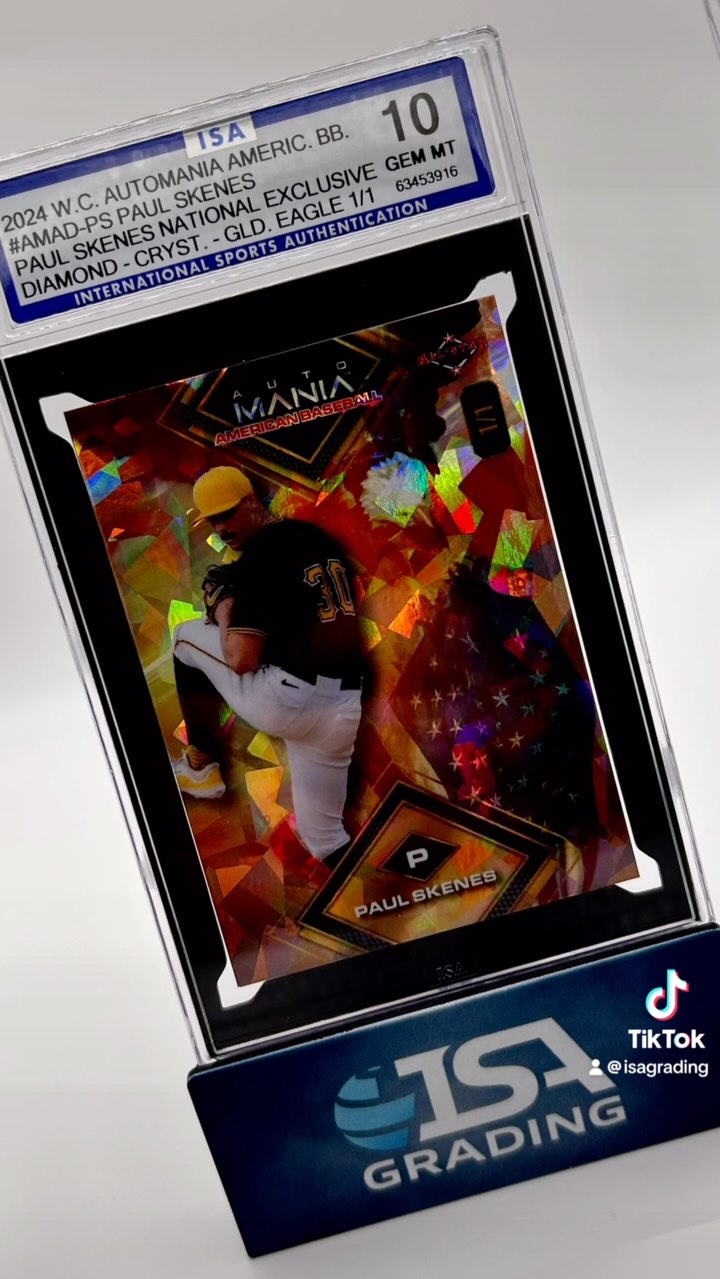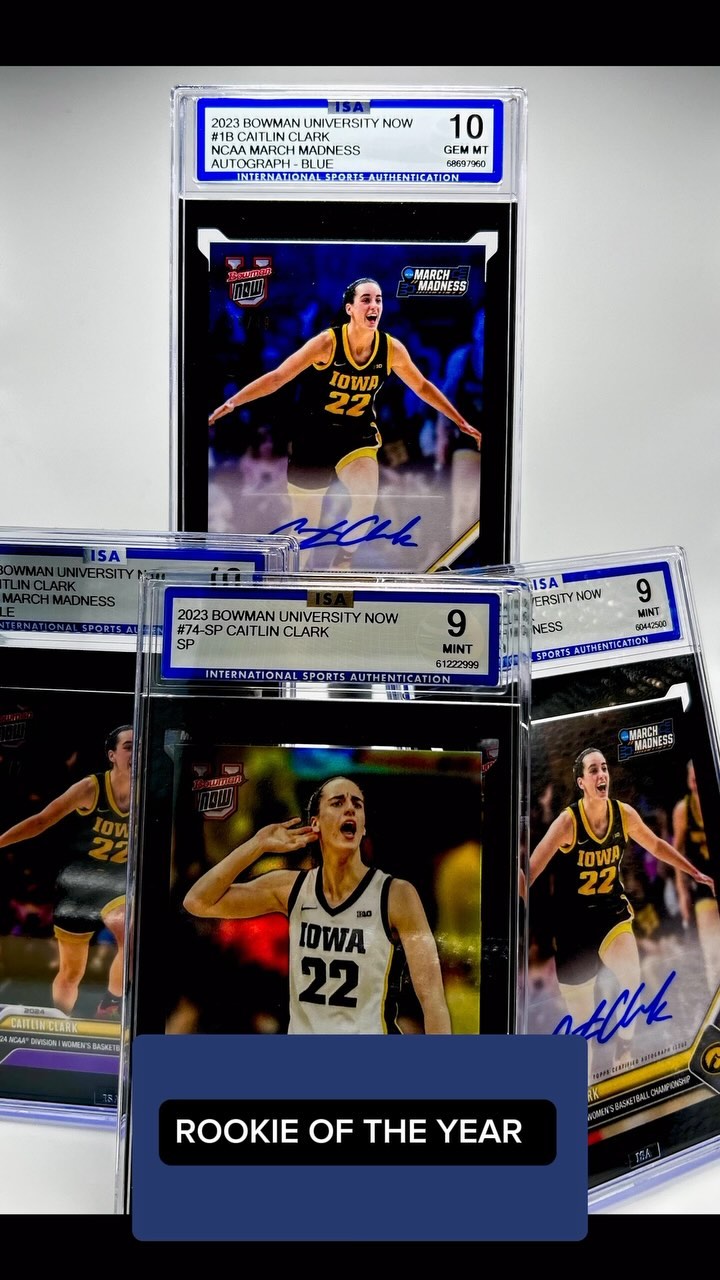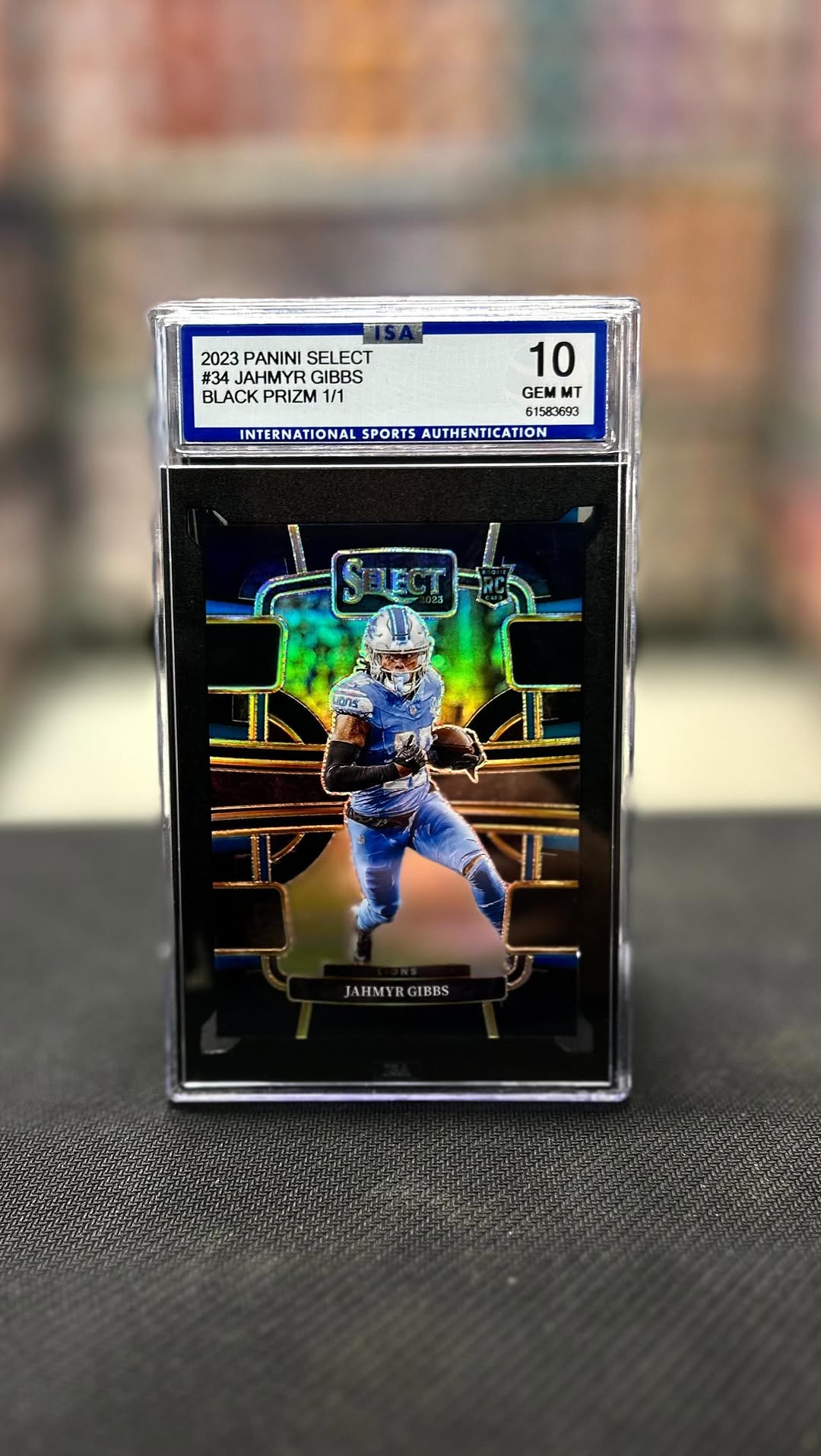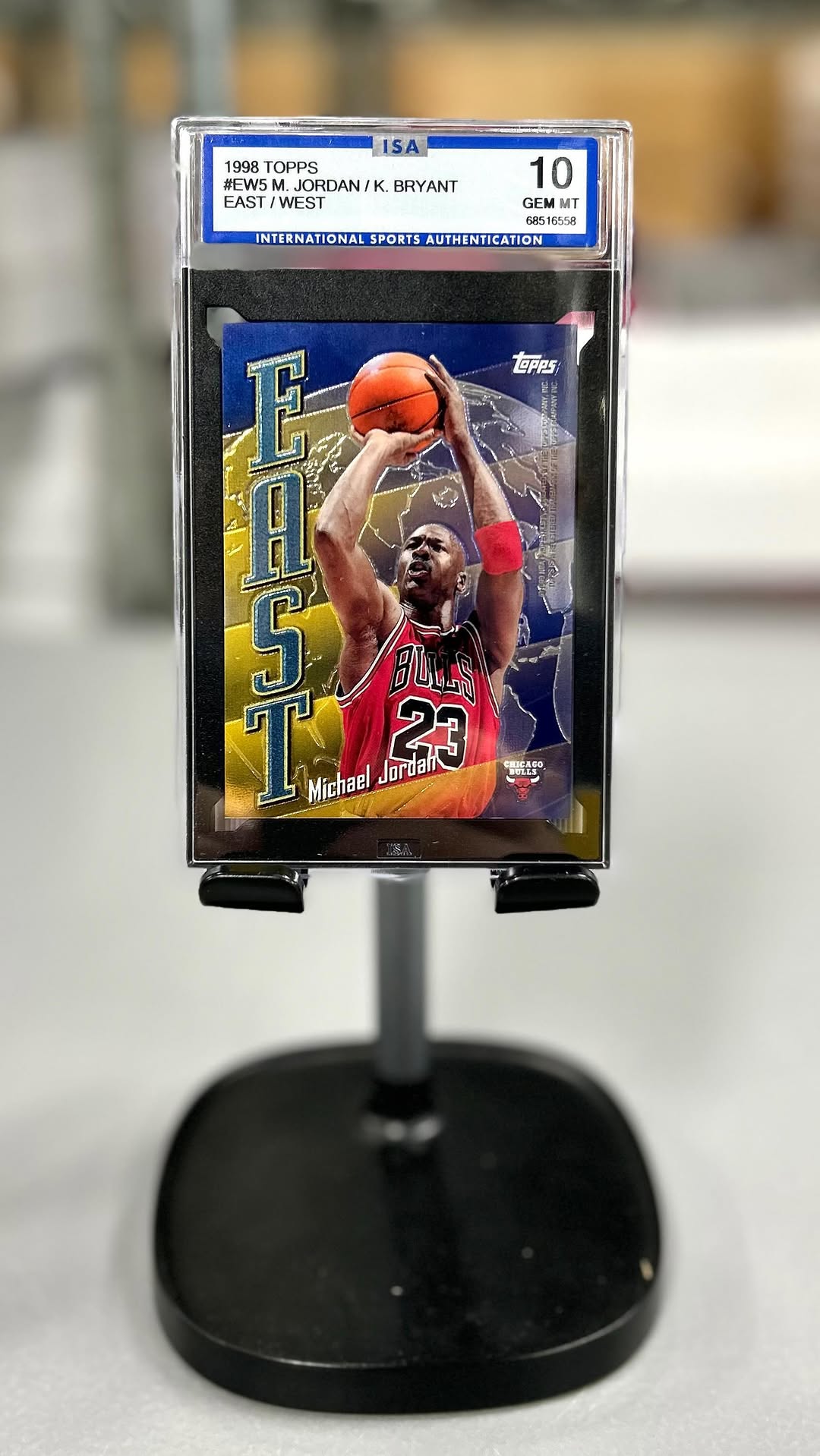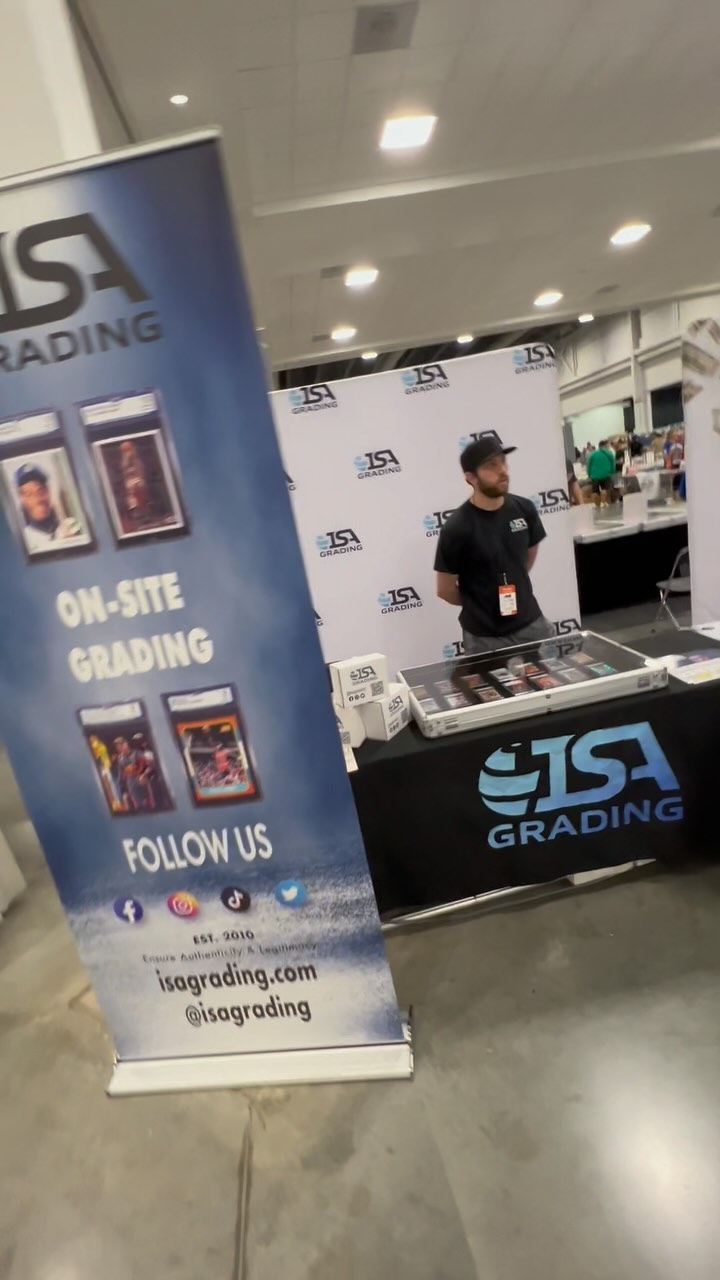
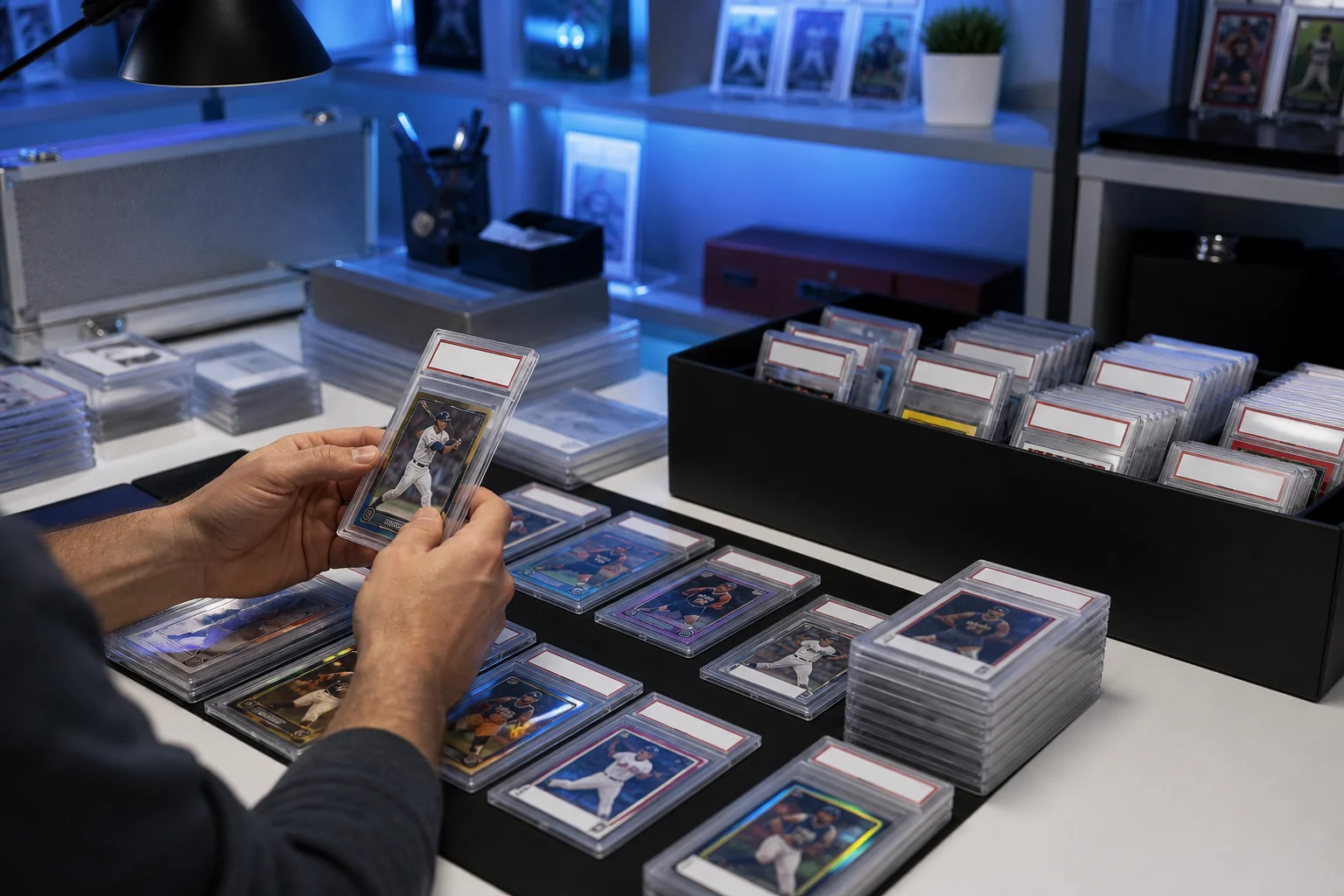
Whether you are setting up at a weekend card show, refreshing dealer inventory, or preparing online listings, grading can make cards easier to present and describe. A professional grade gives buyers a recognized condition opinion, while card encapsulation provides protection for handling, display, storage, and shipping.
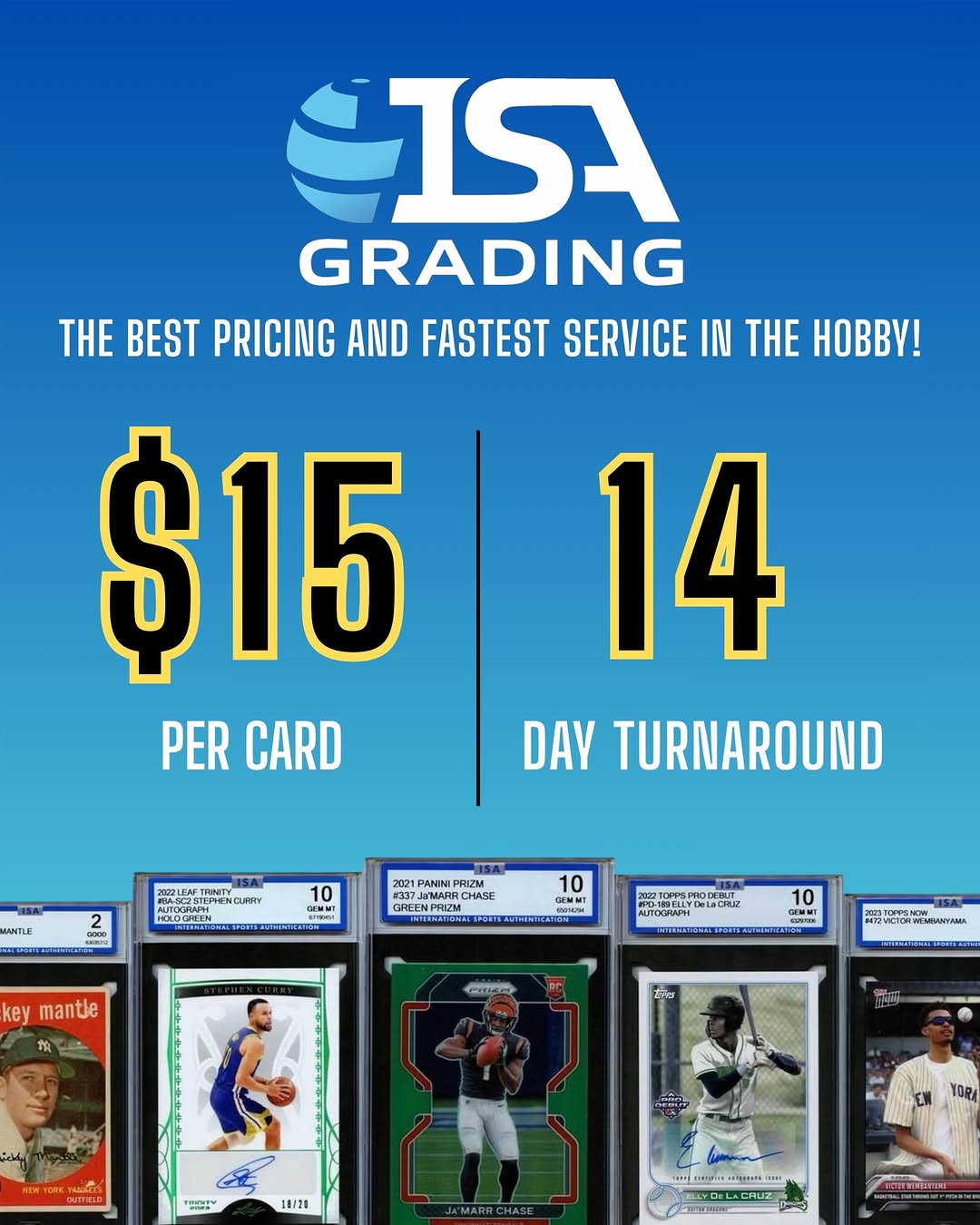
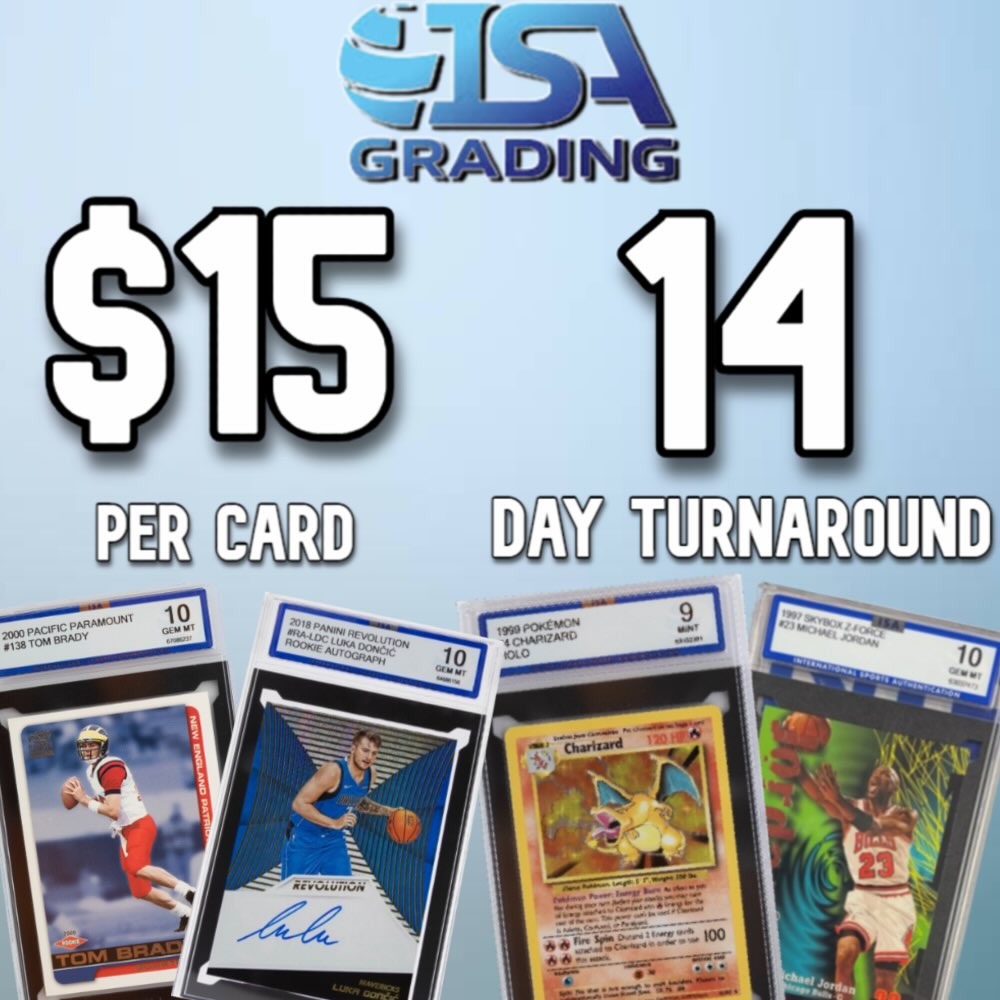
The best results start with a plan. Sellers need to consider card condition, expected demand, grading cost, turnaround time, and the information buyers will want to see. ISA Grading, also known as International Sports Authentication, currently offers sports card grading and card authentication at $15 per card, with a 14 day turnaround, a 10 card minimum, and no upcharges.
Plan grading around your selling schedule
Timing matters when cards are being prepared for a specific show or sales campaign. Before submitting, work backward from the date when you want inventory photographed, priced, packed, and ready for customers. Leave room for your own preparation, shipping to ISA, the current grading turnaround, return shipping, and final inventory work.
ISA currently lists a 14 day card grading turnaround. That clear service window helps collectors and dealers organize submissions without leaving cards unavailable for an undefined period. Sellers looking for fast card grading should still avoid waiting until the last moment. Carrier transit, weather, holidays, and the time needed to create listings can affect the broader schedule even when the grading service itself has a stated turnaround.
For regular sellers, smaller planned batches may be more manageable than allowing raw inventory to accumulate. The current 10 card minimum can support a focused group, such as ten baseball prospects, a selection of vintage cards, or a mixed group of sports and TCG cards. Dealers building a repeatable calendar can also review this grading plan for ready inventory.
Choose cards with a selling purpose
The question should not simply be, Should I grade my cards? A more useful question is, How would grading help me sell, protect, or organize this particular card? Not every raw card needs to be submitted. Grading is most useful when the card has buyer demand, condition sensitivity, authenticity concerns, or enough importance to justify permanent encapsulation.
Cards that may fit a show or sales submission
- Popular rookie cards: Rookie card grading can help buyers compare copies where small condition differences matter.
- Vintage sports cards: Vintage card grading provides an independent condition opinion and authentication for cards that may have wear, printing characteristics, or age related concerns.
- Modern stars and limited issues: Numbered parallels, short print cards, autographs, and key inserts may attract buyers who prefer graded examples.
- Baseball inventory: Baseball card grading can be useful for vintage stars, key rookies, prospects, and condition sensitive modern releases.
- Trading card games: Pokemon card grading and broader TCG card grading can support sales of collectible character cards, rare inserts, promotional issues, and older sets.
Demand and condition should be considered together. A card can be scarce without having a large buyer pool, and a popular card can be readily available in many grades. Review recent completed sales when possible, but remember that past prices do not guarantee a future result. Grading also does not guarantee that a card will sell or increase in value.
Inspect condition before submitting
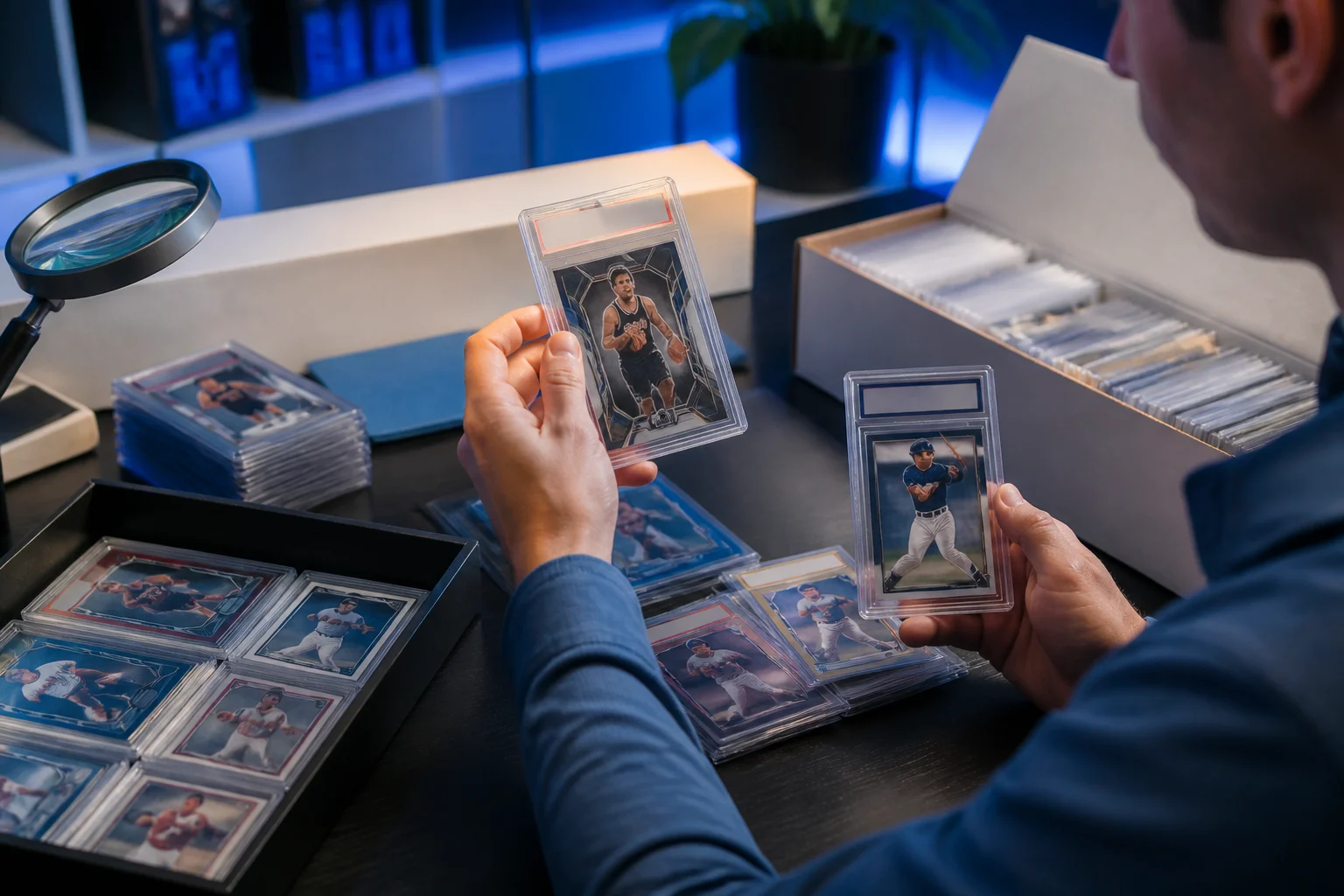
A careful inspection helps you decide which cards belong in a grading batch. Start with clean hands, a clear workspace, and bright indirect lighting. Hold cards by their edges and avoid pressing on the front or back. Tilting a card under light can reveal marks that are difficult to see from a straight viewing angle.
Card condition grading considers multiple attributes. Review the ISA grading scale before submitting so your expectations are connected to published grading standards.
What to examine
- Centering: Look at the borders and the placement of the printed design on both the front and back.
- Card corners: Check for whitening, soft tips, bends, compression, or missing material.
- Card edges: Inspect for chipping, rough cuts, flaking, dents, and visible wear.
- Card surface: Use angled light to find scratches, print lines, indentations, stains, scuffs, or loss of gloss.
Different eras and products can show different manufacturing traits. Vintage cards may have natural toning, rough factory cuts, or print defects. Modern chrome style cards may show fine scratches, dimples, or lines. Foil and TCG surfaces can reveal pressure marks that are easy to miss inside a sleeve.
Do not attempt to recolor, trim, press, polish, or otherwise alter a card before submission. Aggressive cleaning can damage the surface or change the card. If loose dust is present, avoid any method that could scratch the finish. The safest preparation is usually careful inspection and secure packaging rather than an attempt to improve condition.
Collectors evaluating older material may also find this guide to vintage cards and grading standards useful.
Build a submission that matches the cost
Pricing clarity is important for sellers calculating inventory costs. ISA currently offers $15 card grading, applies a 10 card minimum, and has no upcharges. A ten card submission therefore has a grading service cost of $150 before shipping and any supplies used to prepare the package.
No upcharges means the grading fee does not rise because of a card's declared value or the grade it receives. That can make cost planning more straightforward for a mixed submission containing modern rookies, vintage cards, and TCG issues. For more detail, read how ISA keeps grading at $15 per card.
Before submitting, calculate the full project rather than looking only at the grading fee. Consider shipping to ISA, return delivery, sleeves or holders used for safe submission, insurance choices, marketplace fees, show table expenses, and the time required to photograph and list each card. A clear cost basis helps you set realistic asking prices.
When your cards are selected and prepared, use the ISA card submission page to begin the process and review current submission information.
Use slabs as part of card protection
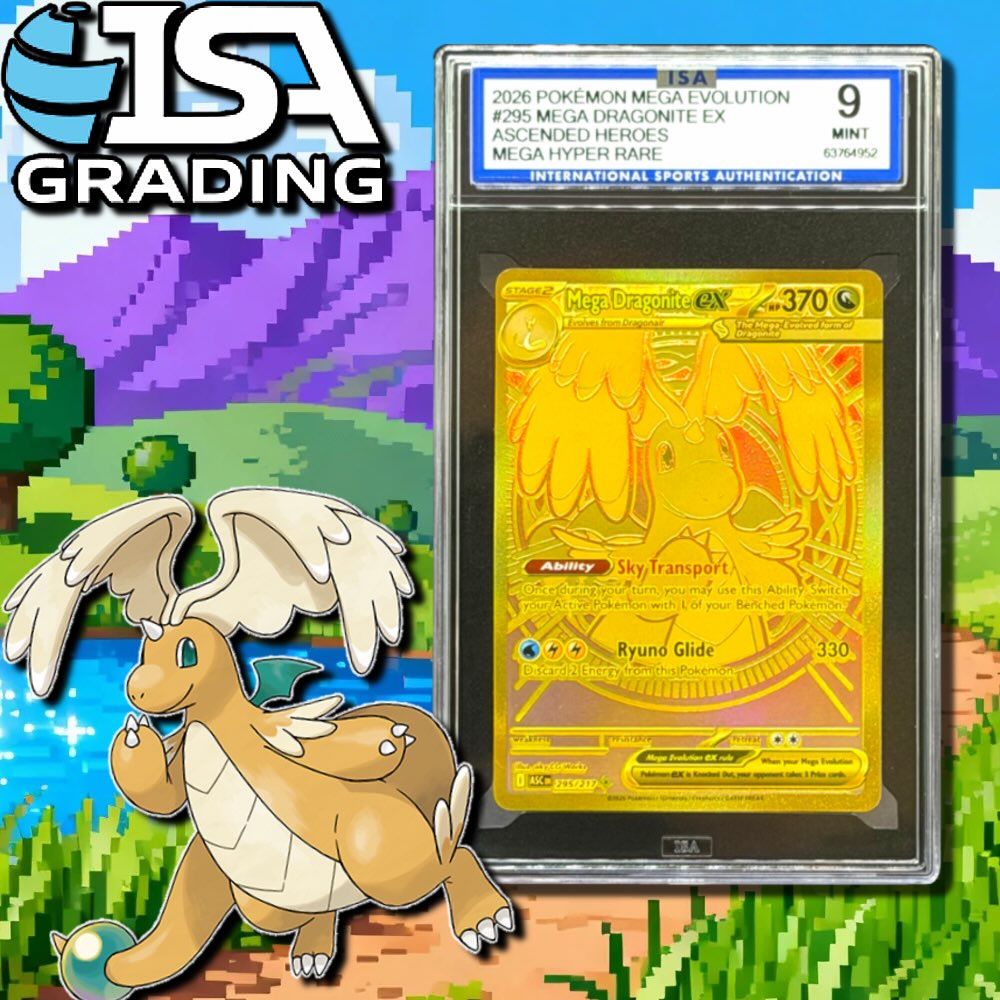
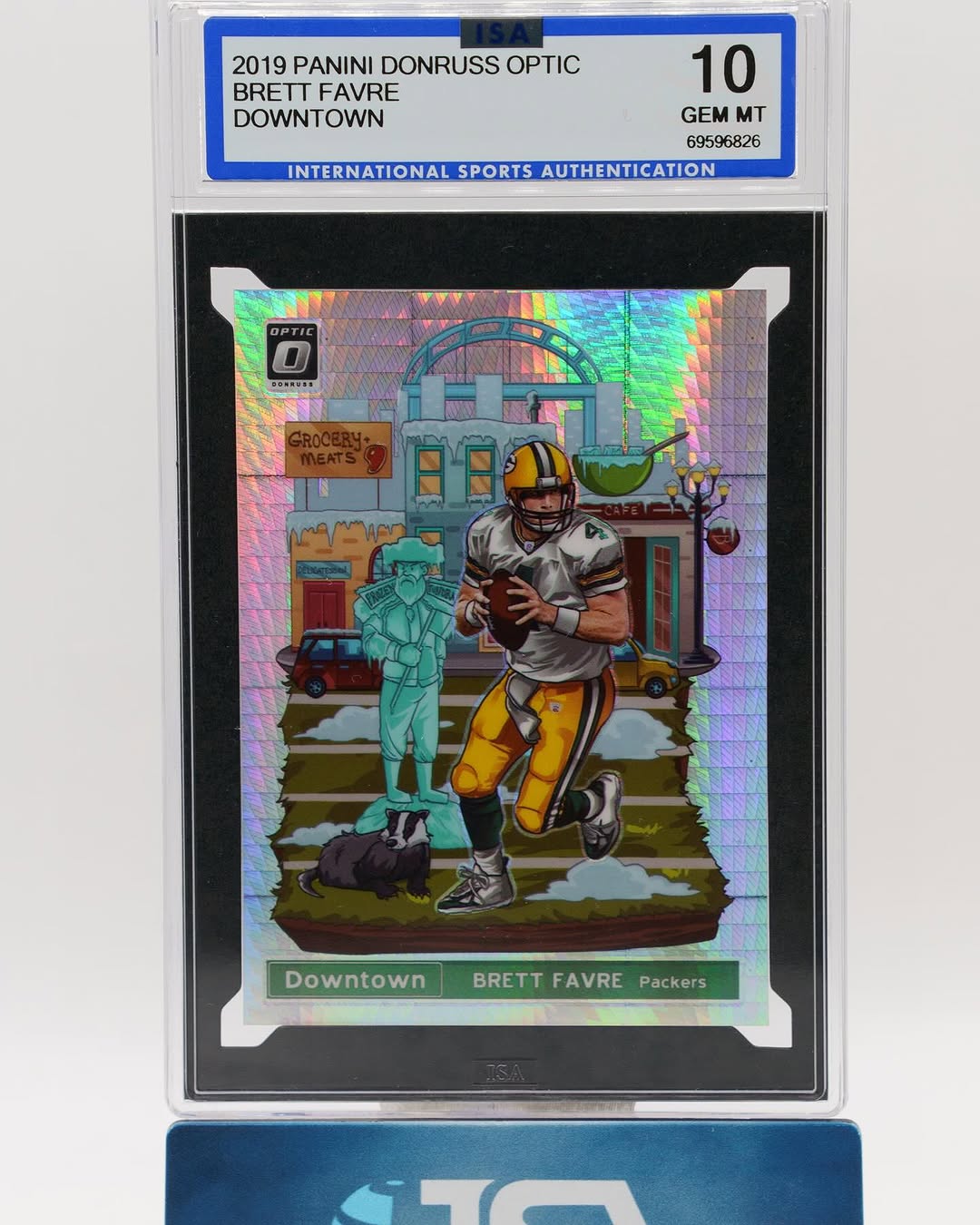
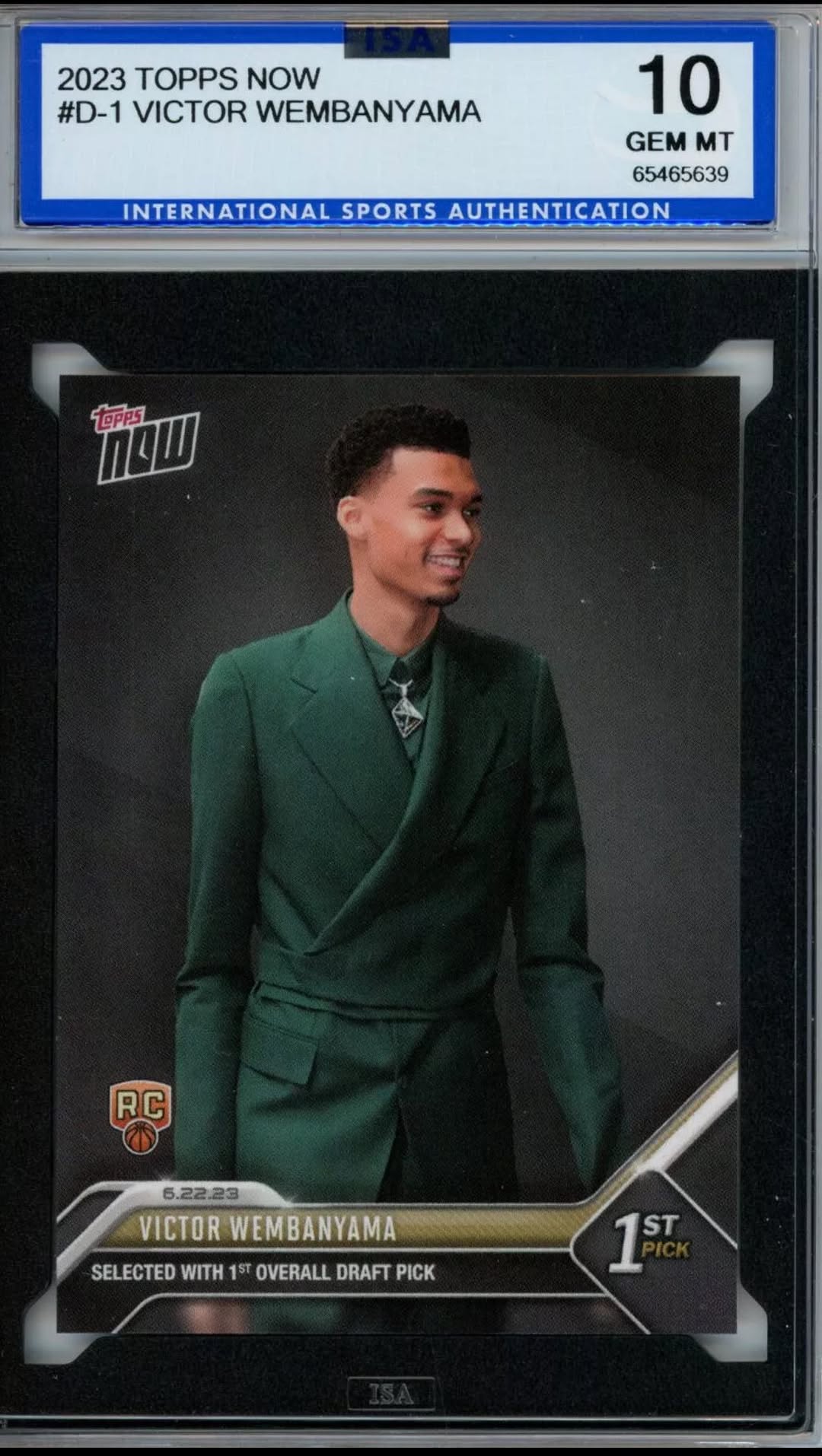
Once grading is complete, the card is sealed in a protective slab with a label identifying the card and its assigned grade. A slab offers a consistent format for display and reduces direct handling of the card. It can also make show cases and online inventory look more organized.
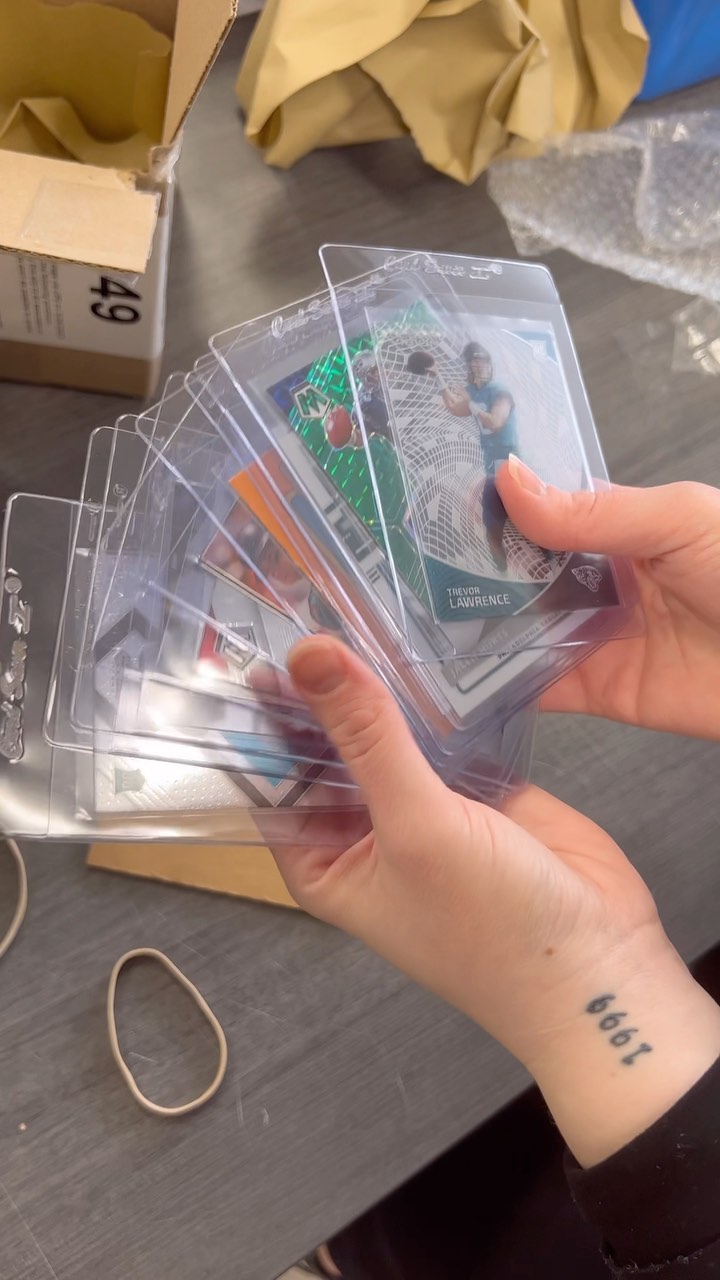
Card encapsulation does not remove the need for careful storage. Keep slabs away from excessive heat, moisture, direct sunlight, and environments with rapid temperature changes. Use fitted slab sleeves when practical to reduce scratches on the holder. During transport, arrange slabs so they cannot slide, strike one another, or place excessive pressure on the cards around them.
Dealers traveling to shows may prefer divided storage boxes, padded cases, or other containers designed to keep holders upright. Online sellers should protect the slab surface, cushion the package, and choose an outer box or mailer that limits movement. Additional information is available in ISA's guide to slabs, protection, and certificate verification.
Present graded cards effectively at shows
Card shows move quickly. Buyers may compare several copies of the same player or set within minutes, so clear organization helps. Grouping cards by sport, player, era, team, set, or price range can make a table easier to browse. Place the grade and asking price where they can be read without repeated handling.
Keep higher value cards in a secure display case or another controlled area. If customers are allowed to inspect a slab, hand over one card at a time and keep the transaction area uncluttered. Clean slab exteriors with a safe microfiber cloth before the event, taking care not to use a product that could cloud or damage the holder.
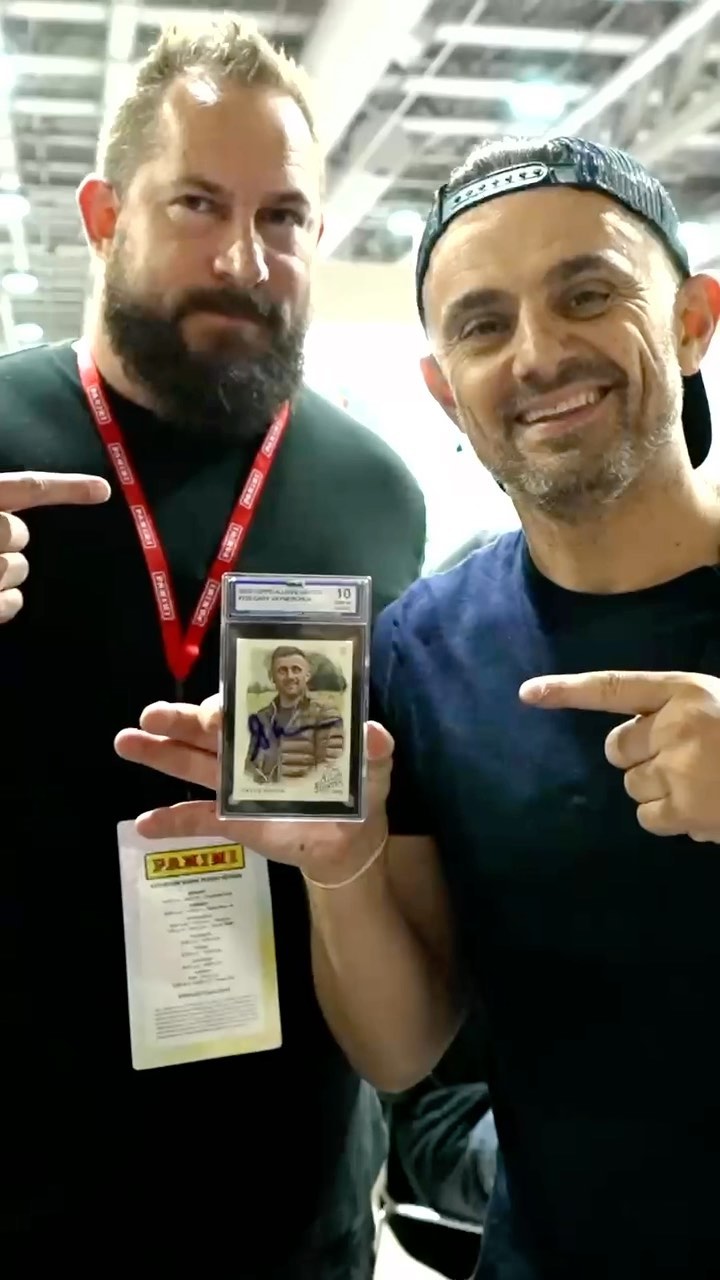
Be ready to explain the card rather than relying only on the grade. Buyers may ask about the set, parallel, serial number, player, autograph, or known product characteristics. They may also want to confirm the certification information. Providing a simple verification path can strengthen buyer confidence without overstating what a grade means.
A professional grade is an expert condition opinion, not a promise of market value. Price discussions should reflect current demand, card scarcity, eye appeal, and comparable sales. A flexible but informed approach is generally more useful than assuming every graded card must sell for a fixed premium over a raw copy.
Create stronger online listings
An online buyer cannot hold the slab, so the listing must do more work. Use sharp, well lit photographs of the complete front and back. Add close images of the label, certification number, card details, serial numbering, and any feature important to the issue. Avoid filters that change color, hide flaws, or make the slab appear clearer than it is.
The title should identify the year, manufacturer, set, player or character, card number, relevant parallel, grading company, and grade when space allows. Confirm all information directly from the card and label instead of copying another seller's listing. For trading card grading inventory, include the language, set name, rarity, and card number where applicable.
The description should distinguish the card's condition from the slab's condition. A graded card can be securely encapsulated while the outer holder develops light storage or handling marks. If the slab has a visible scratch, chip, or scuff, disclose it and show it in a photograph. Clear disclosure reduces misunderstandings and helps buyers know what will arrive.
Include the certification number or direct buyers to ISA's certificate verification page. Online verification allows a prospective customer to check certification information against ISA's website. It is a practical part of card authentication and can be especially helpful when the buyer is unfamiliar with the seller.
A useful online listing checklist
- Photograph the slab front and back in neutral lighting.
- Show the label and certification number clearly.
- Confirm the year, set, card number, player, and parallel.
- State the grade exactly as shown on the label.
- Disclose visible holder wear or damage.
- Explain packaging and shipping methods accurately.
- Check marketplace rules before publishing the listing.
Create a repeatable grading and selling workflow
Consistency makes it easier to manage card show inventory and online sales. Begin by sorting raw cards into categories such as submit, review again, sell raw, and keep. Inspect the likely submissions under good lighting, record basic card information, and photograph valuable cards before packing them.
Next, assemble at least the required 10 card minimum and complete the submission process. Keep your submission records and tracking information organized. When the graded cards return, inspect the package, match each slab to your inventory list, record the grade and certification number, and update your cost basis.
Finally, assign each card a sales channel. Some cards fit a local show, others may reach a broader audience online, and some may be better held in personal inventory. Prepare photographs and listing templates in batches to save time, but verify every title and description individually.
A grading plan works best when it connects selection, preparation, protection, verification, and selling. With ISA's current $15 per card service, 14 day turnaround, 10 card minimum, and no upcharges, collectors and dealers can build a clear process for moving cards from raw inventory to protected, verifiable slabs.
Submit Cards to ISA Grading
Collectors ready to use ISA Grading can start on the submission page. The current active service is $15 per card with a 14 day turnaround, no upcharges, and a 10 card minimum.
Frequently Asked Questions
How much does ISA charge to grade cards?
ISA Grading currently charges $15 per card, requires a 10 card minimum, and does not apply upcharges.
What is ISA's current card grading turnaround?
ISA currently offers a 14 day turnaround. Sellers should also allow time for shipping, preparation, photography, and listing work when planning around a card show or sales date.
How should I prepare cards before grading?
Inspect the centering, corners, edges, and surface under good lighting. Handle cards by their edges, avoid alteration or aggressive cleaning, and package them securely according to the current submission instructions.
Can buyers verify an ISA graded card online?
Yes. Certificate verification is available on the ISA website. Buyers can use the certification information on the slab label to check the card through the certificate verification page.
Does grading guarantee that a card will sell for more?
No. Grading provides a professional condition opinion, authentication, and protective encapsulation, but it does not guarantee a sale or a specific market value. Demand, scarcity, eye appeal, and current comparable sales can all affect price.