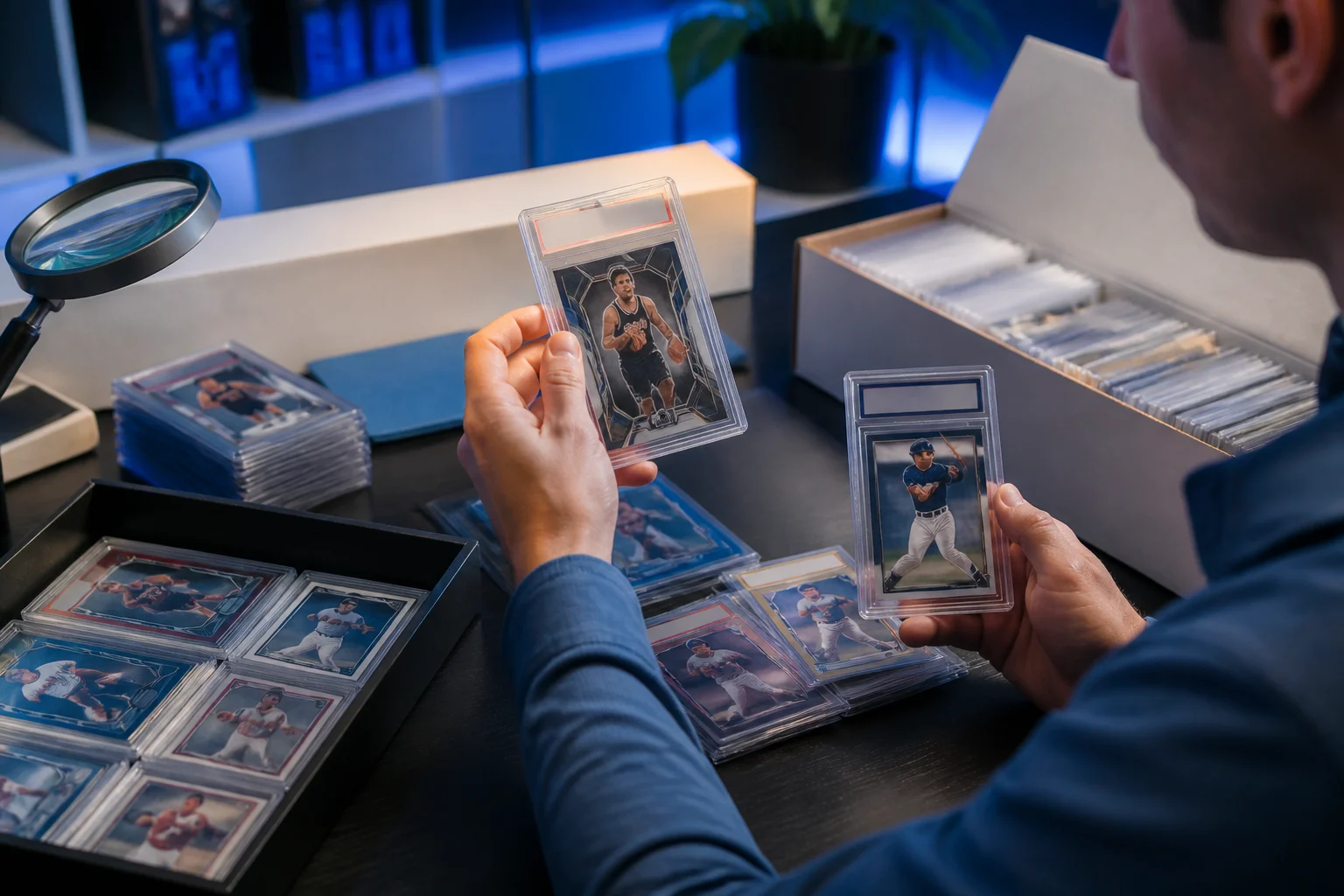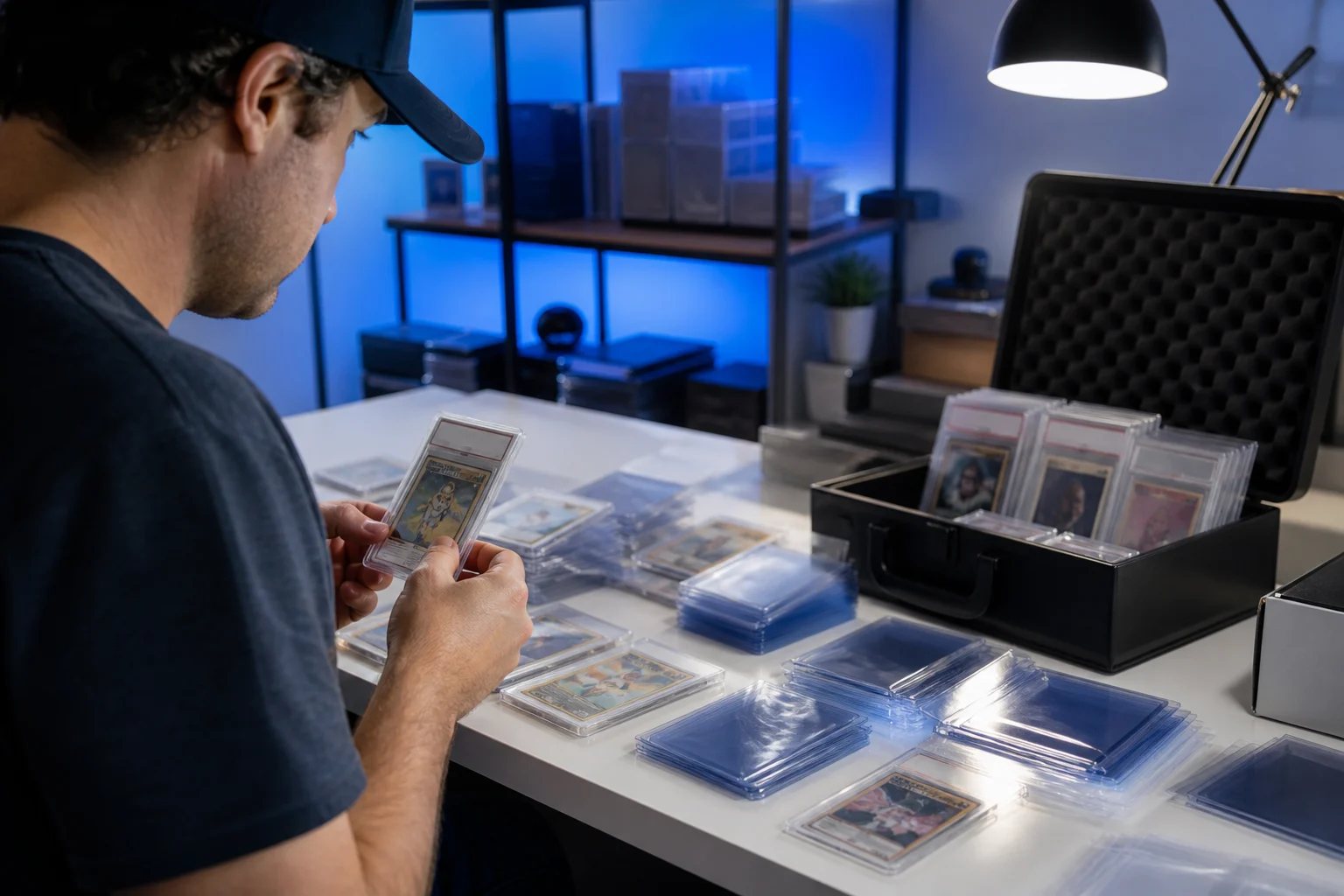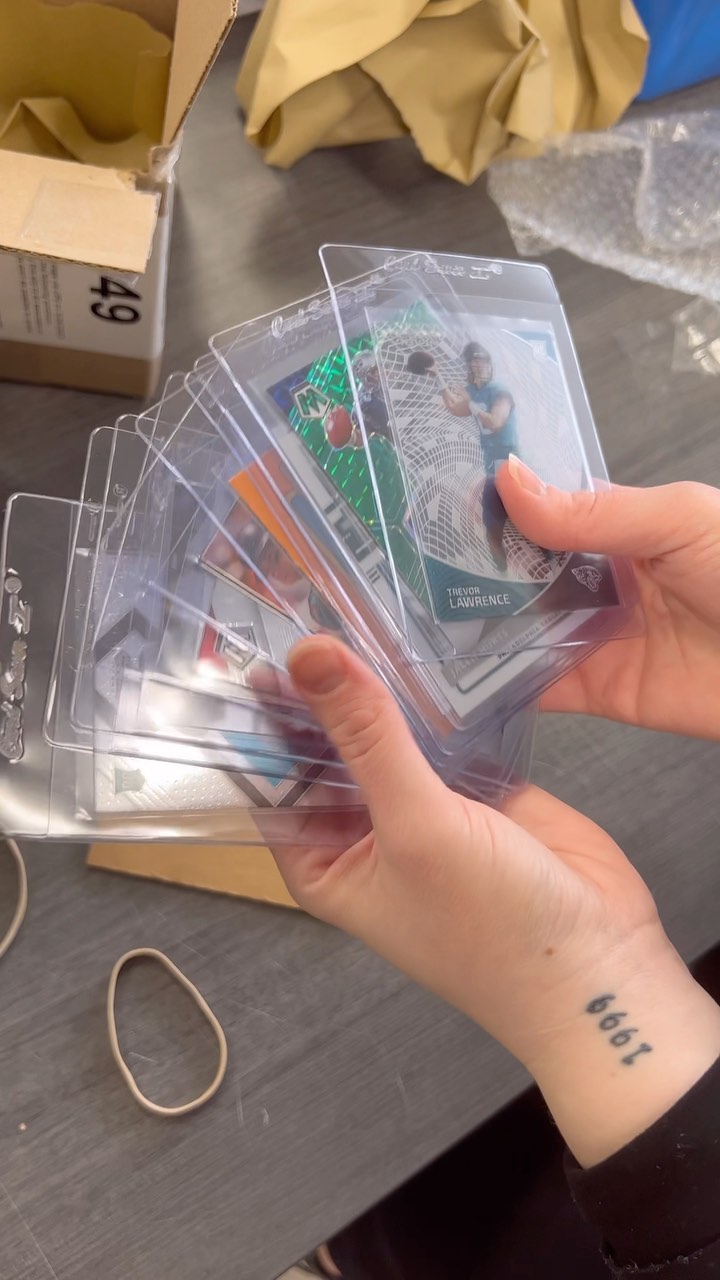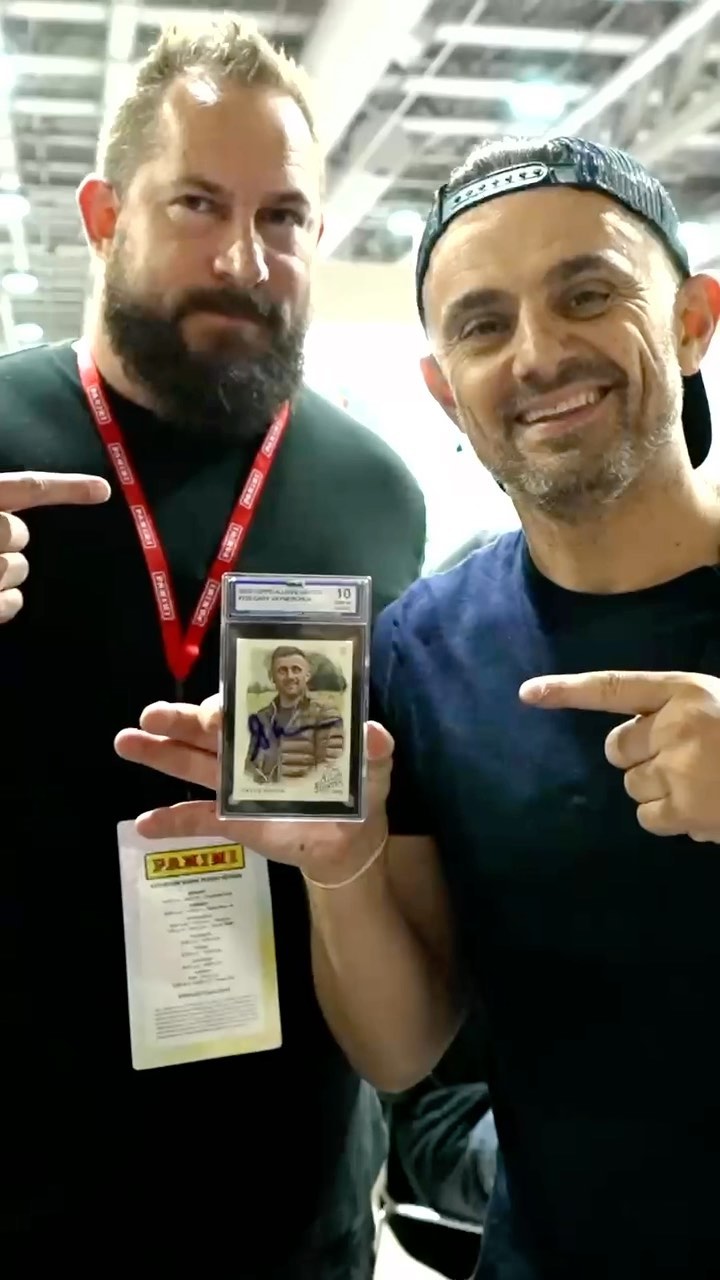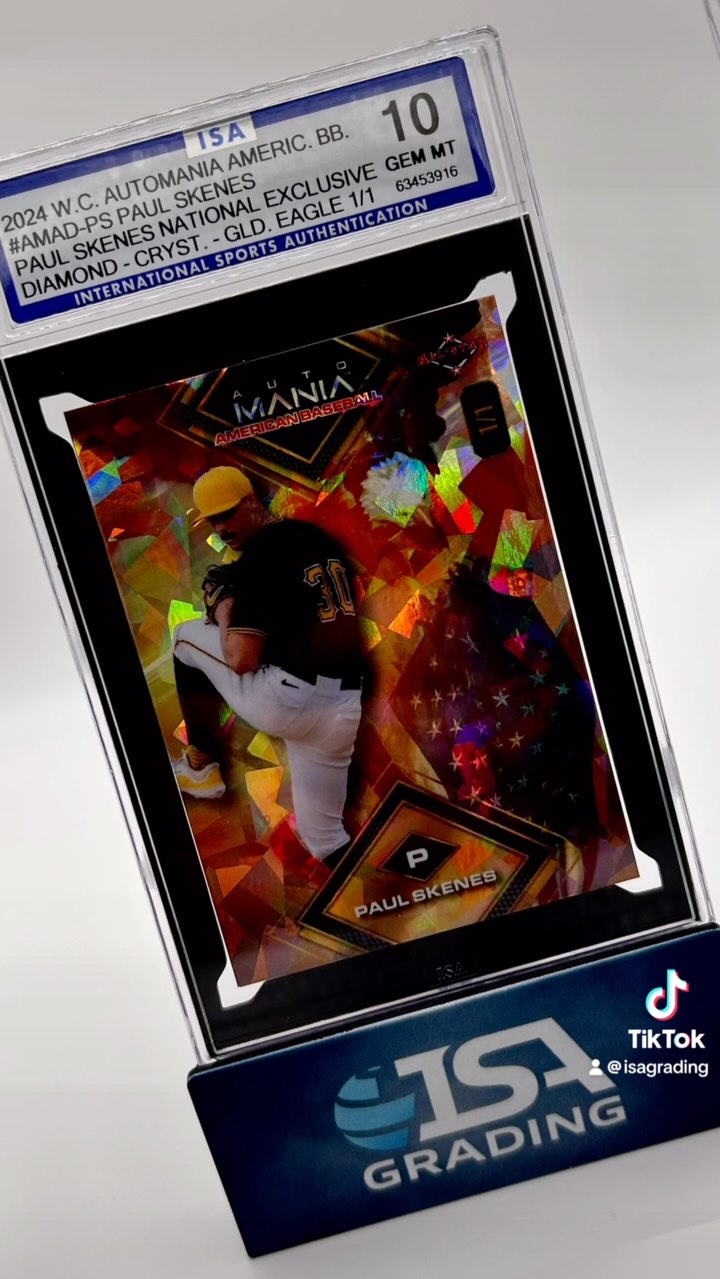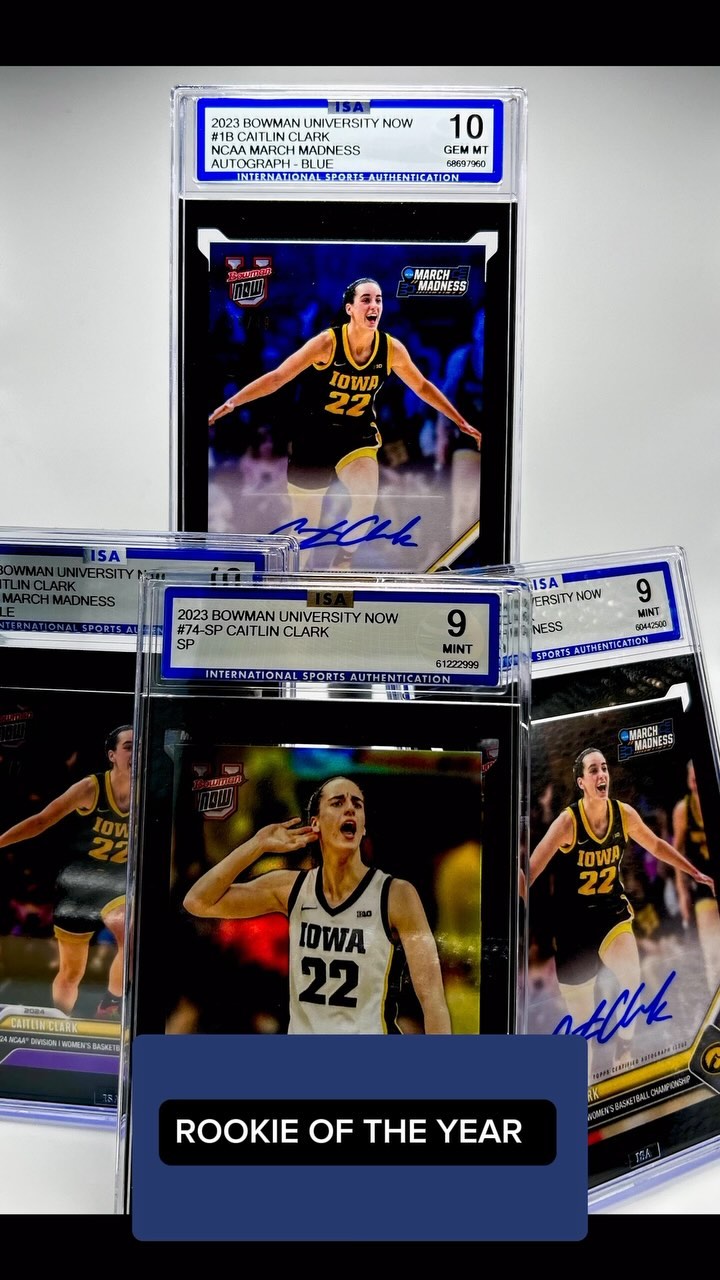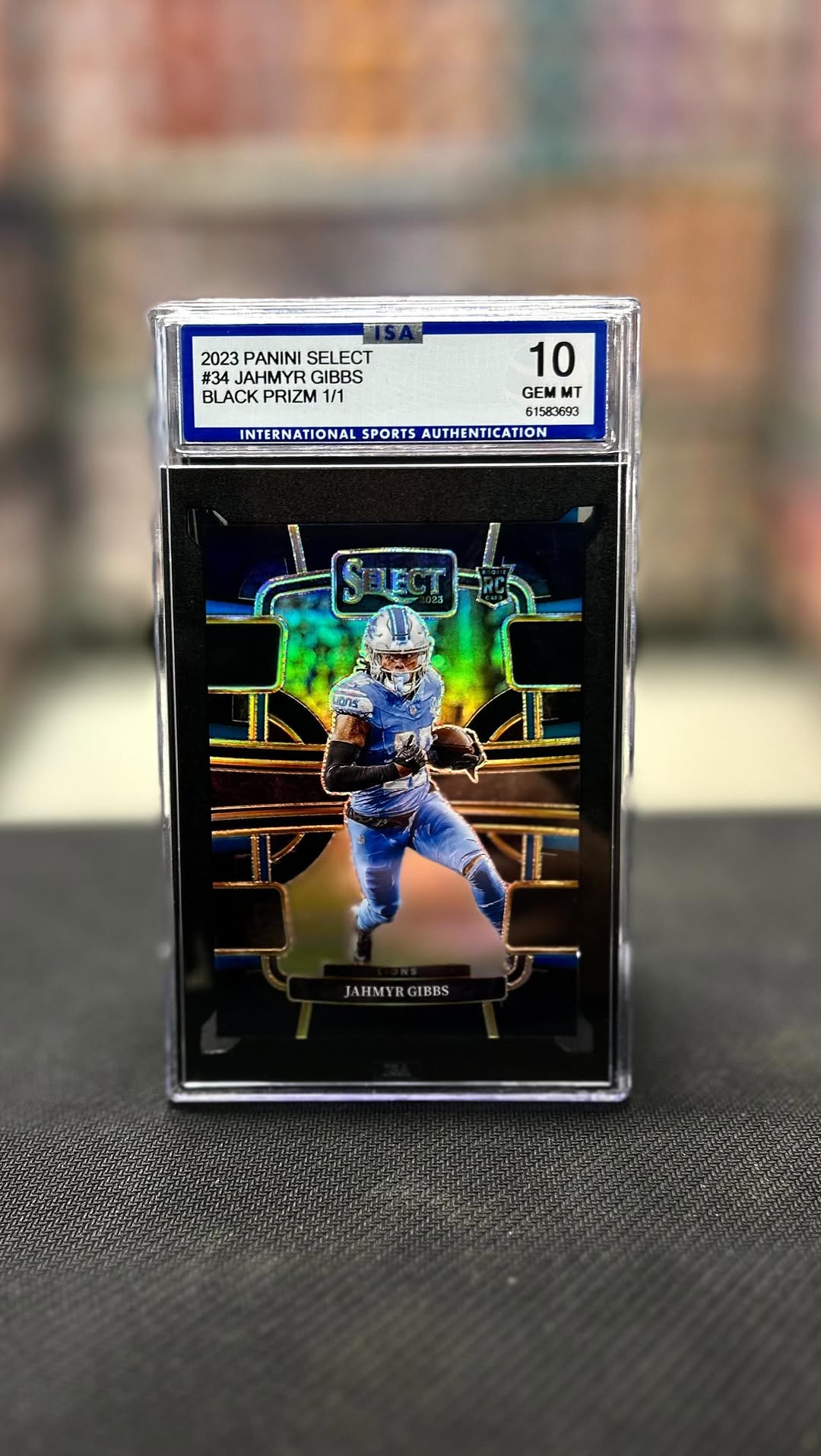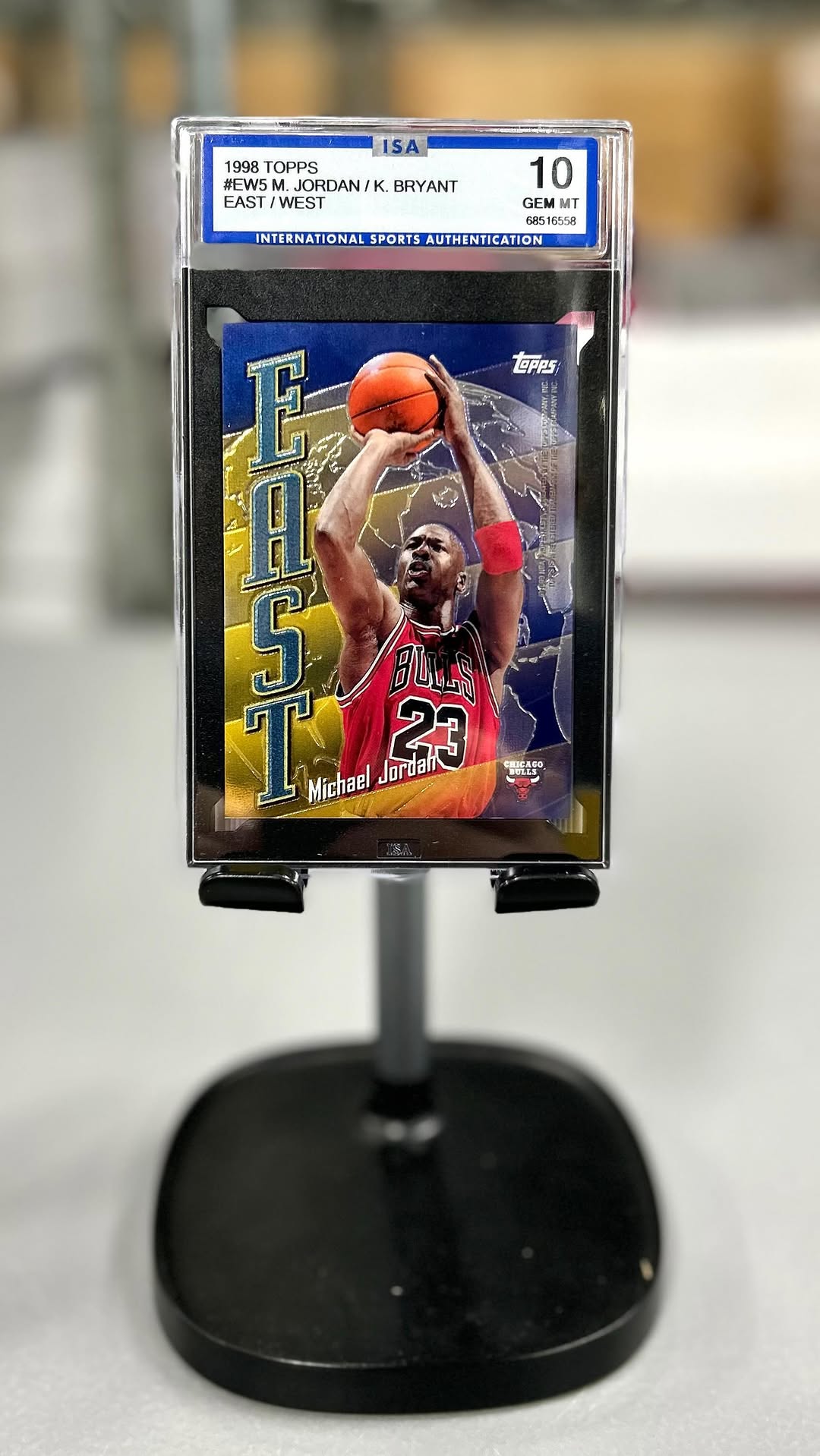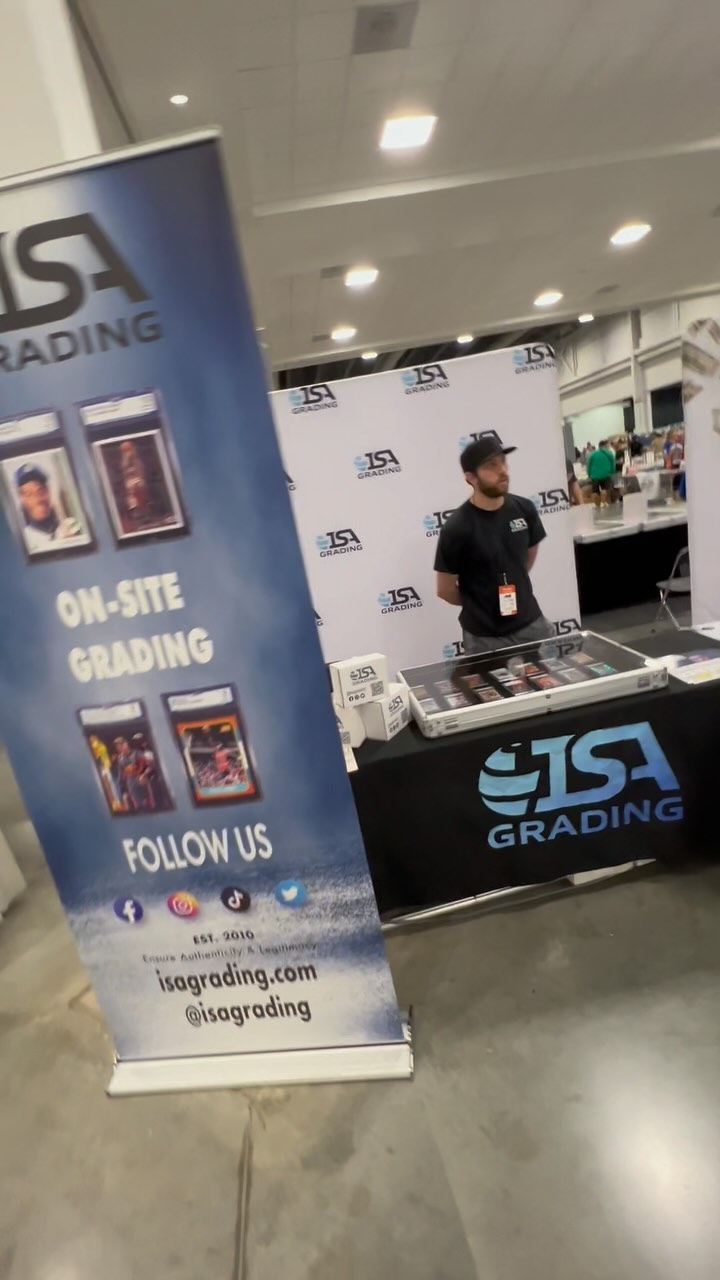

For card dealers, grading is not only about assigning a condition grade. It is part of inventory planning. The service selected, cards submitted, preparation process, turnaround time, and final presentation can all affect when inventory is ready to list or display.
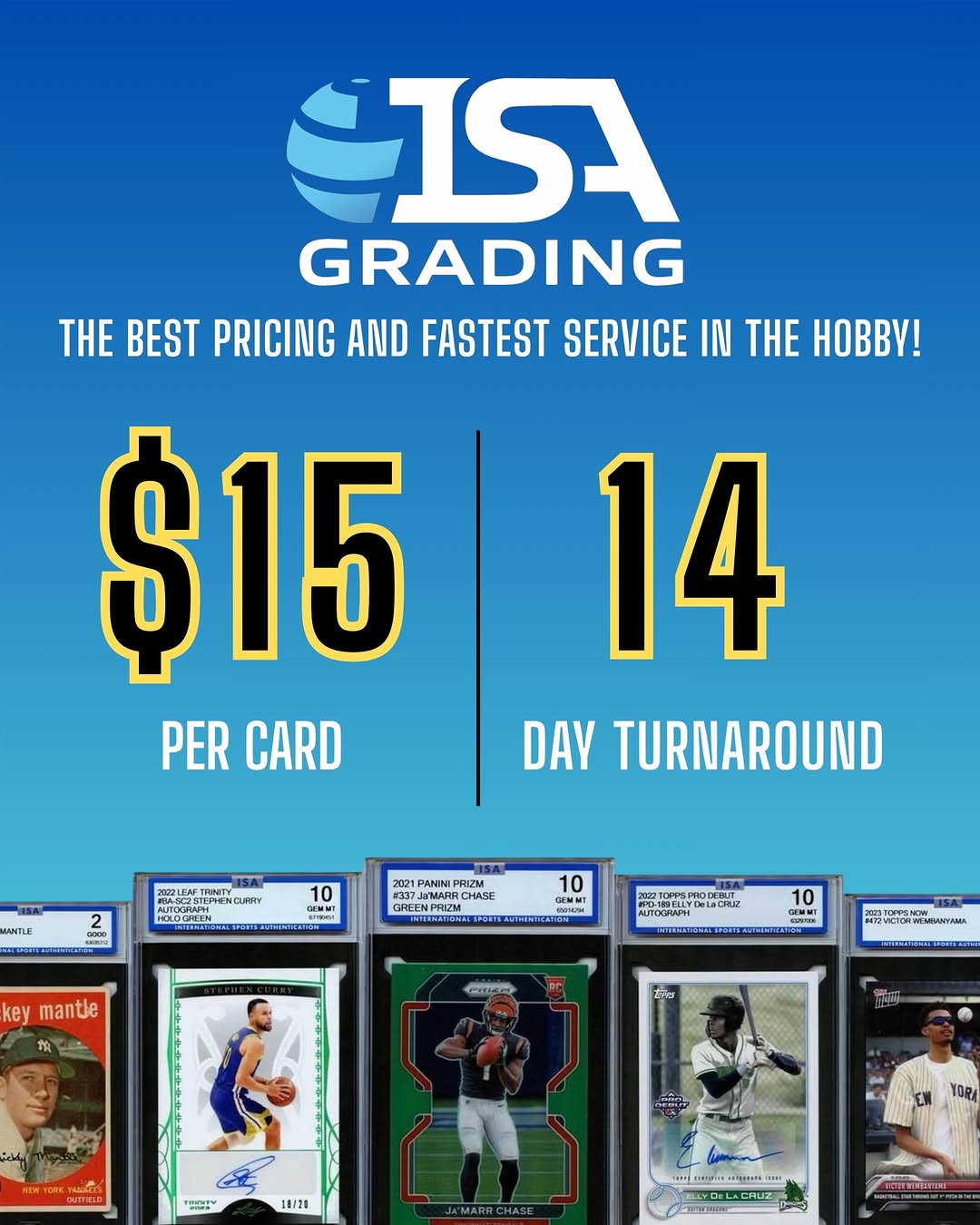
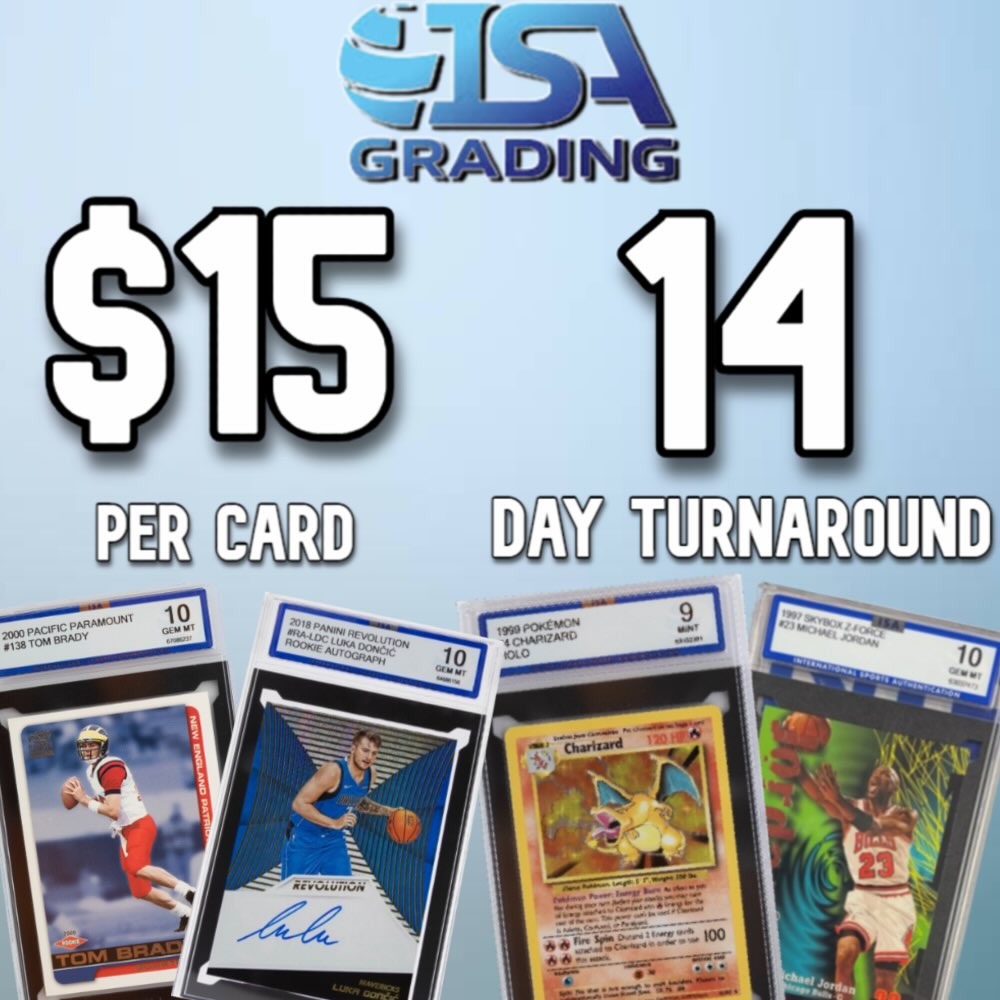
ISA Grading, also known as International Sports Authentication, currently offers sports card grading and authentication for $15 per card, with a 14 day turnaround, a 10 card submission minimum, and no upcharges. Those clear terms can help dealers build a repeatable submission process without creating a complicated pricing worksheet for every batch.
Why grading speed matters to dealers
A collector may be comfortable grading a few personal cards without a firm selling schedule. Dealers often have a different objective. They may be preparing for an upcoming card show, restocking an online store, organizing a consignment group, or converting recently purchased collections into listed inventory.
Turnaround time matters because raw cards waiting for grading are not yet available as finished slab inventory. A long or uncertain process can make purchasing, listing, and show planning more difficult. ISA currently provides a 14 day turnaround, giving dealers a defined service window to consider when planning submission cycles.
A practical approach is to submit on a regular schedule instead of waiting for one very large group. Since the current minimum is 10 cards, dealers can create focused batches based on sport, selling season, card value, or expected sales channel. Before sending a batch, review the instructions on the ISA card submission page.
Clear pricing supports better inventory decisions
Grading cost is one of the first numbers a dealer should include when evaluating a raw card. The purchase price is only part of the total investment. Shipping supplies, insurance choices, grading fees, marketplace fees, and the time required to photograph and list the card may also matter.
ISA currently offers $15 card grading with no upcharges. That means dealers can calculate the grading portion of a 10 card submission at $150 before shipping and other optional costs. Pricing clarity is particularly useful for mixed inventory because the submission can include cards from different sports, sets, years, and potential market values without an added grading upcharge.
No upcharge card grading does not remove the need for careful card selection. It simply makes the service cost easier to understand. Dealers should still estimate realistic selling prices at several possible grades rather than assuming every card will receive the highest result. For more detail on the service model, read A Clearer Path to the Slab: How ISA Keeps Grading at $15 Per Card.
Build submissions around sellable inventory
The best dealer submission is not always a stack of the most expensive raw cards. It is usually a group selected through consistent condition review and realistic demand analysis. Consider whether each card has an identifiable buyer, a useful role in your inventory, and enough potential margin to justify grading.
Start with recognizable demand
Popular players, key rookies, scarce parallels, important vintage issues, and established TCG characters can be practical candidates. Rookie card grading is especially common because buyers often compare graded examples by condition and eye appeal. Baseball card grading and basketball card grading can also help standardize inventory that spans many sets and production periods.
Demand alone is not enough. A desirable card with major damage may not fit the same sales plan as a clean example. Dealers should evaluate the card rather than relying only on the player, set, or recent sale of a higher grade.
Check whether the likely grade supports the cost
Estimate a conservative grade range and compare relevant sold listings when available. Include the grading fee and selling expenses in the calculation. If the expected graded selling price is close to the raw price after costs, the card may be better suited for a raw inventory category.
This step is equally useful for Pokemon card grading and other TCG card grading submissions. Check foil surfaces carefully for scratches, print lines, edge wear, whitening, dents, and handling damage. Sports cards and TCG cards differ in design, but both benefit from a disciplined condition screening process.
Inspect condition before packing
Good submission preparation begins under bright, neutral lighting. Review the front and back of each card without altering it. Card condition grading considers visible characteristics, so dealers should inspect the same core areas repeatedly.
- Card centering: Compare the borders and design placement from left to right and top to bottom. Remember that some designs do not have traditional borders.
- Card corners: Look for softness, whitening, bends, fraying, or compression. Inspect all four corners on both sides.
- Edges: Check for chipping, rough cuts, peeling, dents, and color loss.
- Card surface: Tilt the card under light to identify scratches, creases, indentations, stains, print defects, and gloss issues.
Do not assume a card is flawless because it went directly from a pack into a sleeve. Manufacturing and packaging issues can be present before the card is handled. Likewise, avoid aggressive cleaning, trimming, recoloring, pressing, or any action that could alter the card. If dust is loose and can be removed safely without rubbing the surface, use caution. When uncertain, leave the card as it is.
Dealers working with older collections should take extra care with vintage card grading. Vintage stock, printing methods, cuts, and common condition issues can differ from modern releases. The guide Vintage Cards, Clear Standards: What to Expect Before Grading offers additional preparation context.
Create a repeatable dealer submission workflow
A written workflow reduces mistakes when several employees or consignors are involved. It also helps connect each submitted card with its acquisition cost, owner, and intended sales channel.
- Assign an inventory number. Record the player or character, year, set, card number, variation, and source.
- Screen condition. Review centering, corners, edges, and surface under suitable lighting.
- Estimate the business case. Compare raw and graded sales information and account for fees.
- Photograph the raw card. Keep clear front and back images for internal records.
- Protect the card. Use clean supplies that fit the card properly and follow current submission instructions.
- Build a packing list. Confirm that the physical order matches the submission records.
- Pack securely. Limit movement, protect against pressure and moisture, and choose a tracked shipping method appropriate for the shipment.
Dealers searching for card grading near me may initially focus on distance alone. Location can affect shipping, but pricing, turnaround, grading standards, slab presentation, verification tools, and customer support are also relevant. Review the ISA grading scale before submitting so your team understands the published grade descriptions.
Card protection does not stop at shipment
A graded card becomes part of a dealer's handled inventory. It may be photographed, transported to shows, placed in display cases, shipped to buyers, or stored for future sale. Slabs provide a consistent physical format and help protect cards from routine direct handling, but they should still be treated carefully.
Store graded cards in a stable, dry environment away from direct sunlight, excessive heat, and avoidable pressure. Use appropriately sized storage boxes, sleeves, or bags for slabs when desired. During shipment, prevent holders from striking each other or moving freely inside the package.
A slab should not be described as indestructible or as protection against every environmental condition. Sensible storage and packaging still matter. Dealers who want a closer look at the relationship between holders, verification, and resale can read Inside the Slab: Protection, Verification, and Smarter Card Sales.
Use certificate verification to support buyer confidence
Buyer confidence depends on accurate listings and information that can be checked. ISA provides certificate verification on its website. Dealers can direct prospective buyers to the certificate verification page so they can review the available record associated with an ISA graded card.
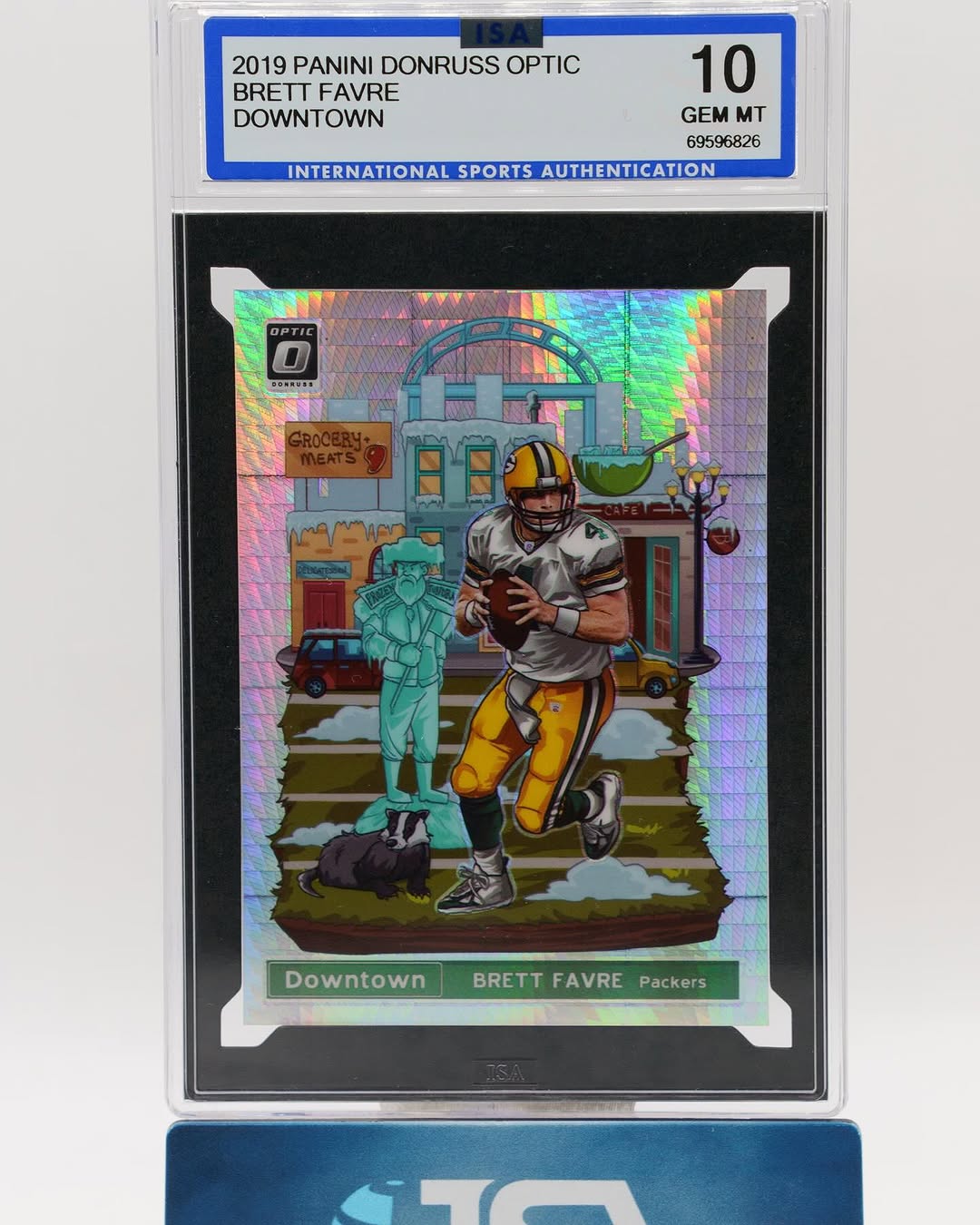
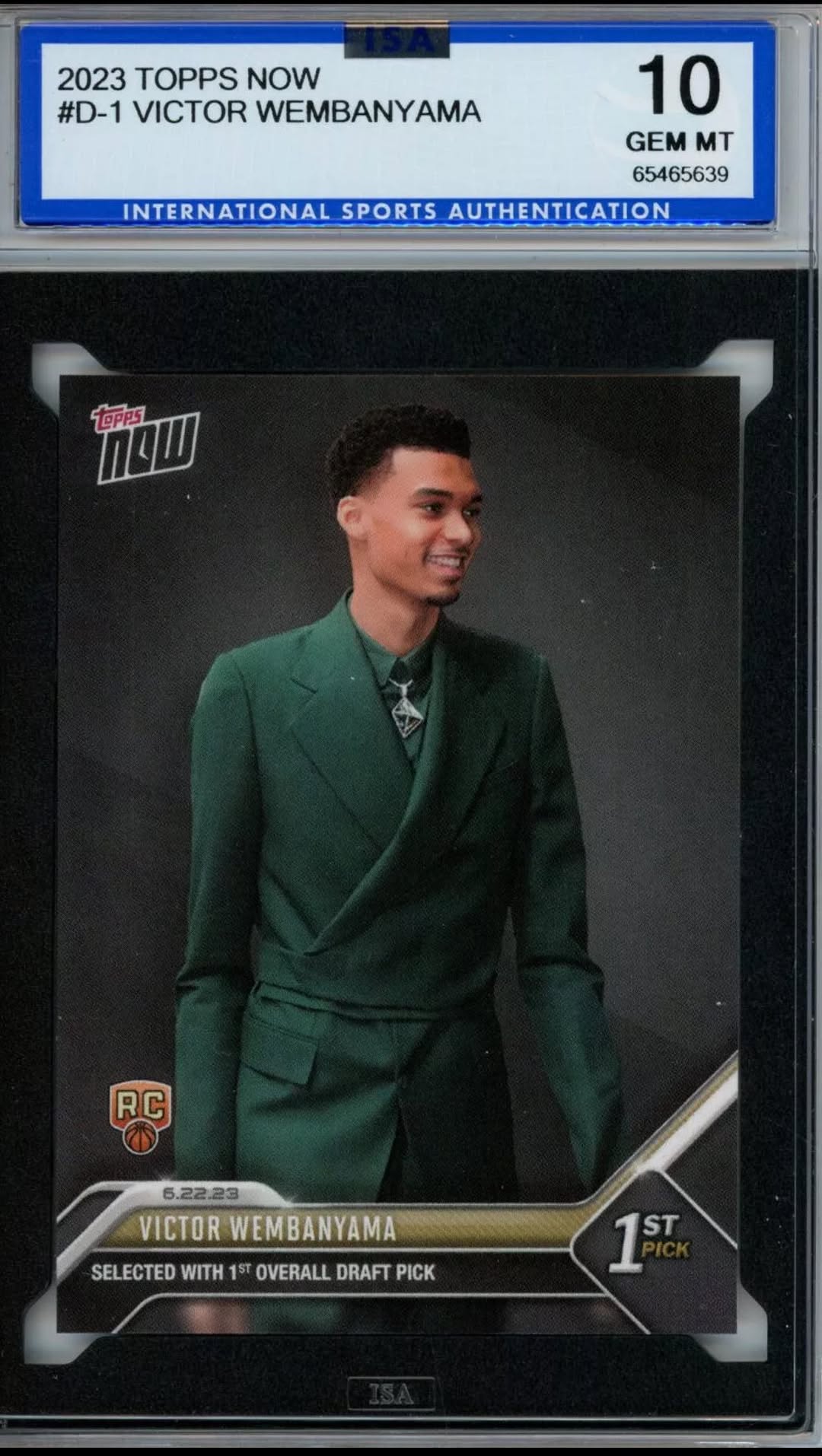
When creating a listing, photograph the front and back of the slab clearly. Make sure the label and certificate number are readable, but also type the card details into the listing instead of asking buyers to rely only on images. Include the grading company, assigned grade, year, set, player or character, card number, and relevant parallel or variation.
Certificate verification supports transparency, but sellers should still inspect every returned card before listing it. Confirm that the card, label, grade, and internal inventory record correspond. This is especially important for consignment operations and businesses with several similar copies of the same card.
Selling graded cards with accurate descriptions
Sports card authentication and grading provide information that buyers can use, but a professional listing still requires care. Avoid promising future value or describing a grade as guaranteed to produce a particular sale price. Markets can change, and two cards with the same numerical grade may attract different buyer interest based on player demand, scarcity, presentation, and timing.
Use recent comparable sales when they are truly comparable. Match the grading company, grade, set, card number, parallel, autograph status, and other important attributes. An asking price is not the same as a completed sale. If comparable data is limited, explain the card accurately and set a price that reflects your inventory strategy.
Clear images are essential. Show the full slab, label, card front, card back, and any relevant serial numbering. Do not conceal holder wear or use lighting that misrepresents the card. Accurate descriptions can reduce confusion and give buyers useful information before purchasing.
Customer experiences can also help submitters understand a service. Dealers considering their first ISA batch can visit the ISA reviews page while evaluating whether the current service fits their needs.
Plan batches by category and sales timing
Not every category needs the same submission strategy. Modern sports cards may be organized around product releases, rookie performance, or the playing season. Vintage inventory may require more research into variations and authenticity concerns. Pokemon card grading and other trading card grading may be scheduled around set demand, competitive play, or collector interest.
A dealer might create one batch for baseball card grading before the season, another for basketball card grading ahead of a major show, and a separate group for vintage card grading. The 10 card minimum allows a focused submission without requiring every category to be mixed together.
Use the 14 day turnaround as one part of the schedule, while allowing additional time for your own intake, shipping, return processing, photography, and listing. Grading should fit into a broader inventory calendar rather than being treated as the only step between purchasing and selling.
A practical way to decide what to submit next
When asking which service should grade my cards, dealers should begin with measurable needs. How many cards are ready? When is the inventory needed? What is the total grading budget? Does each card have a realistic path to sale? Are the published standards and verification process suitable for the business?
ISA's current service provides a straightforward set of terms: $15 per card, a 14 day turnaround, a 10 card minimum, and no upcharges. Combined with online certificate verification, those features can support a predictable submission routine for dealers who value pricing clarity and inventory timing.
Before shipping, perform one final count, confirm the submission information, inspect the protective packaging, and keep copies of the relevant records. A careful process protects more than the cards. It also protects the accuracy of the dealer's inventory system from intake through final sale.
Submit Cards to ISA Grading
Collectors ready to use ISA Grading can start on the submission page. The current active service is $15 per card with a 14 day turnaround, no upcharges, and a 10 card minimum.
Frequently Asked Questions
How much does ISA charge dealers for card grading?
ISA Grading currently charges $15 per card with no upcharges. The current submission minimum is 10 cards, so the grading fee for a minimum size submission is $150 before shipping and any other applicable costs.
What is the current ISA grading turnaround time?
ISA currently offers a 14 day turnaround. Dealers should also allow time for shipping, return intake, photography, inventory updates, and listing before planning a sale or card show.
How should dealers prepare cards for grading?
Inspect card centering, corners, edges, and surface under bright, neutral lighting. Record each card, use clean protective supplies, follow ISA's current submission instructions, and pack the shipment to limit movement, moisture, and pressure.
Can buyers verify an ISA graded card online?
Yes. Certificate verification is available on the ISA website. Dealers can include a readable certificate number in listings and direct buyers to the certificate verification page.
What types of cards can fit a dealer grading submission?
Dealer submissions may include baseball, basketball, football, vintage, rookie, Pokemon, and other TCG cards. Each card should be screened for condition, buyer demand, expected selling price, and total costs before submission.