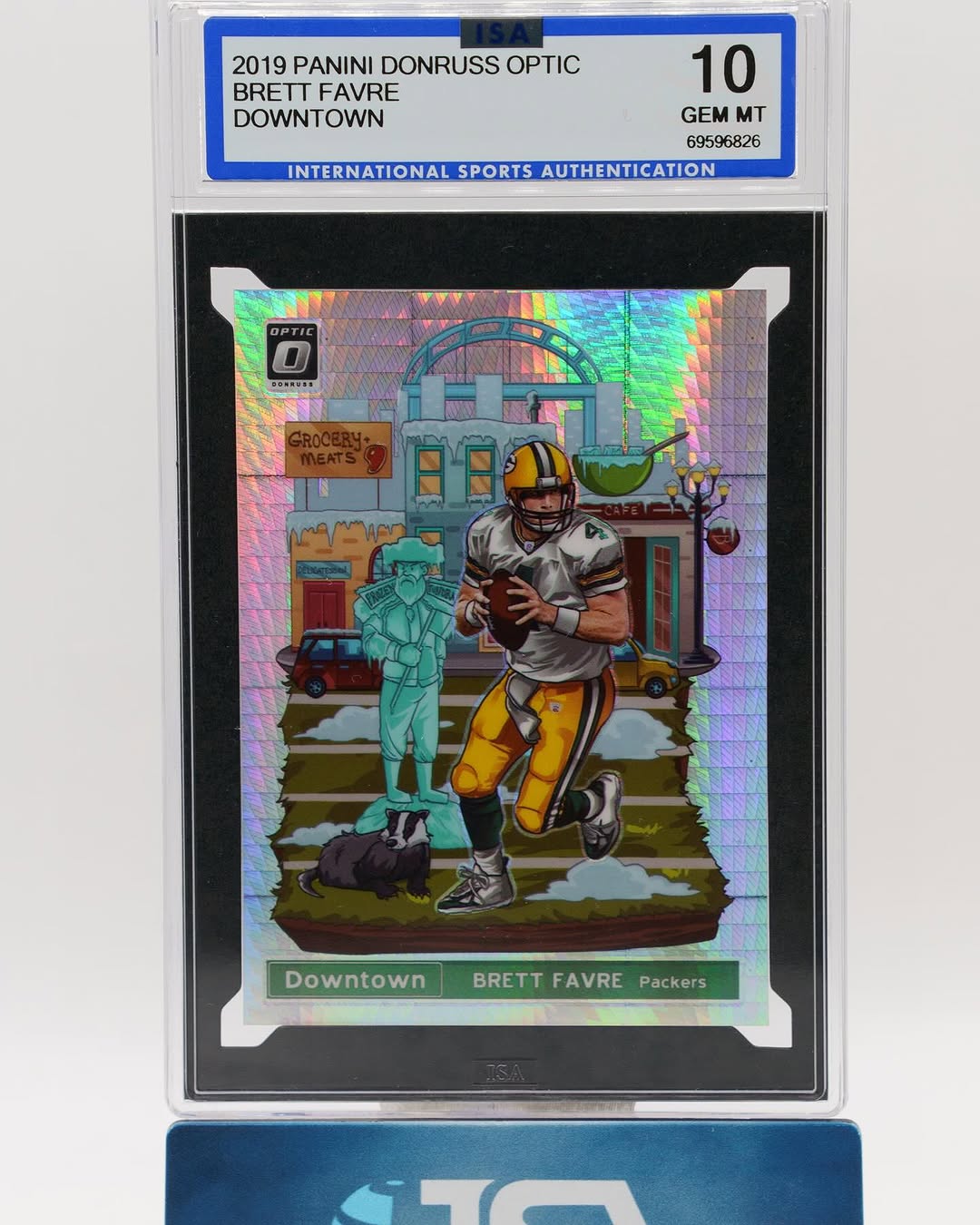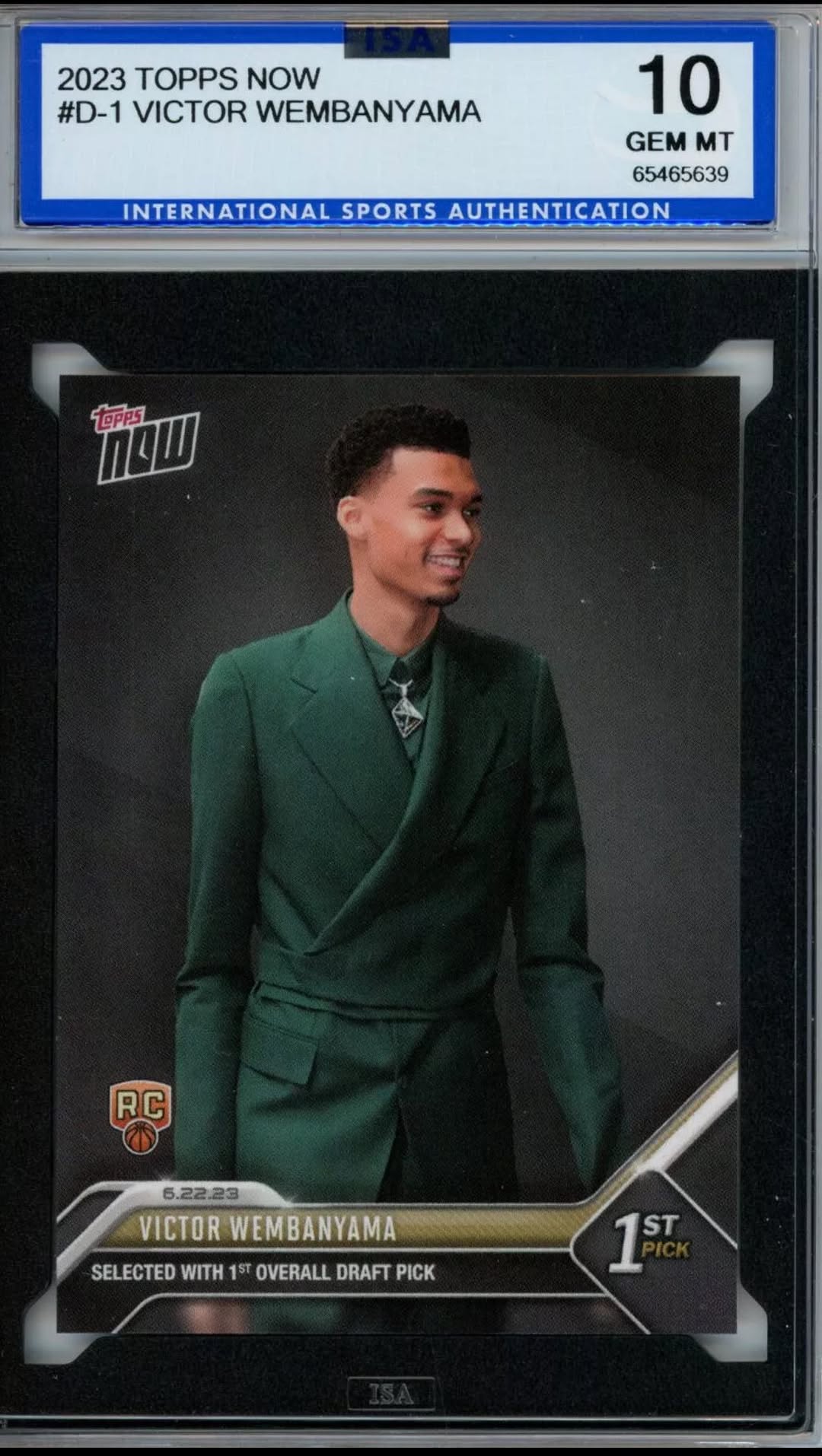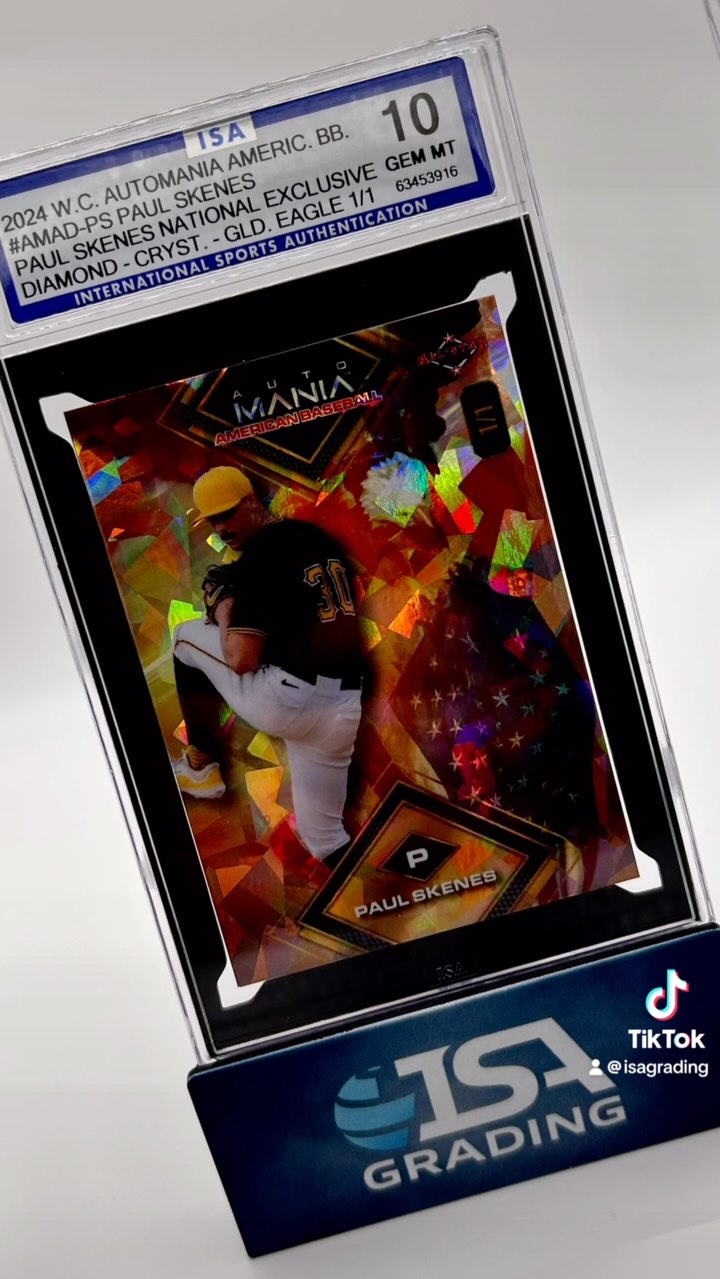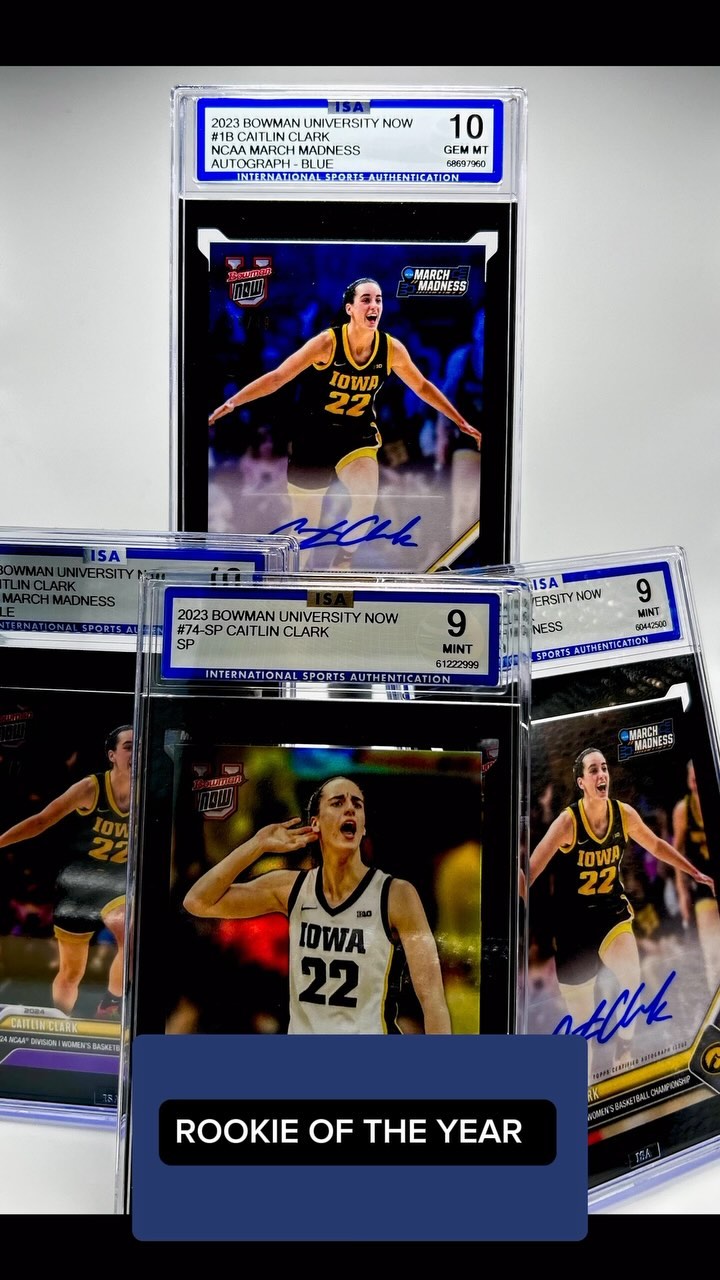
A graded card is more than a number on a label. The slab, grading information, and certification record work together to help collectors identify, protect, organize, and sell cards. Understanding each part can make the submission process easier and help buyers evaluate a graded card with greater confidence.
Whether you collect rookie cards, vintage baseball, modern football, or Pokemon cards, the same practical questions apply. How does a slab protect the card? What does certificate verification confirm? How should a card be prepared for grading? What should a buyer inspect before making a purchase? This guide explains those details and outlines the current ISA Grading service.
What a Card Slab Does
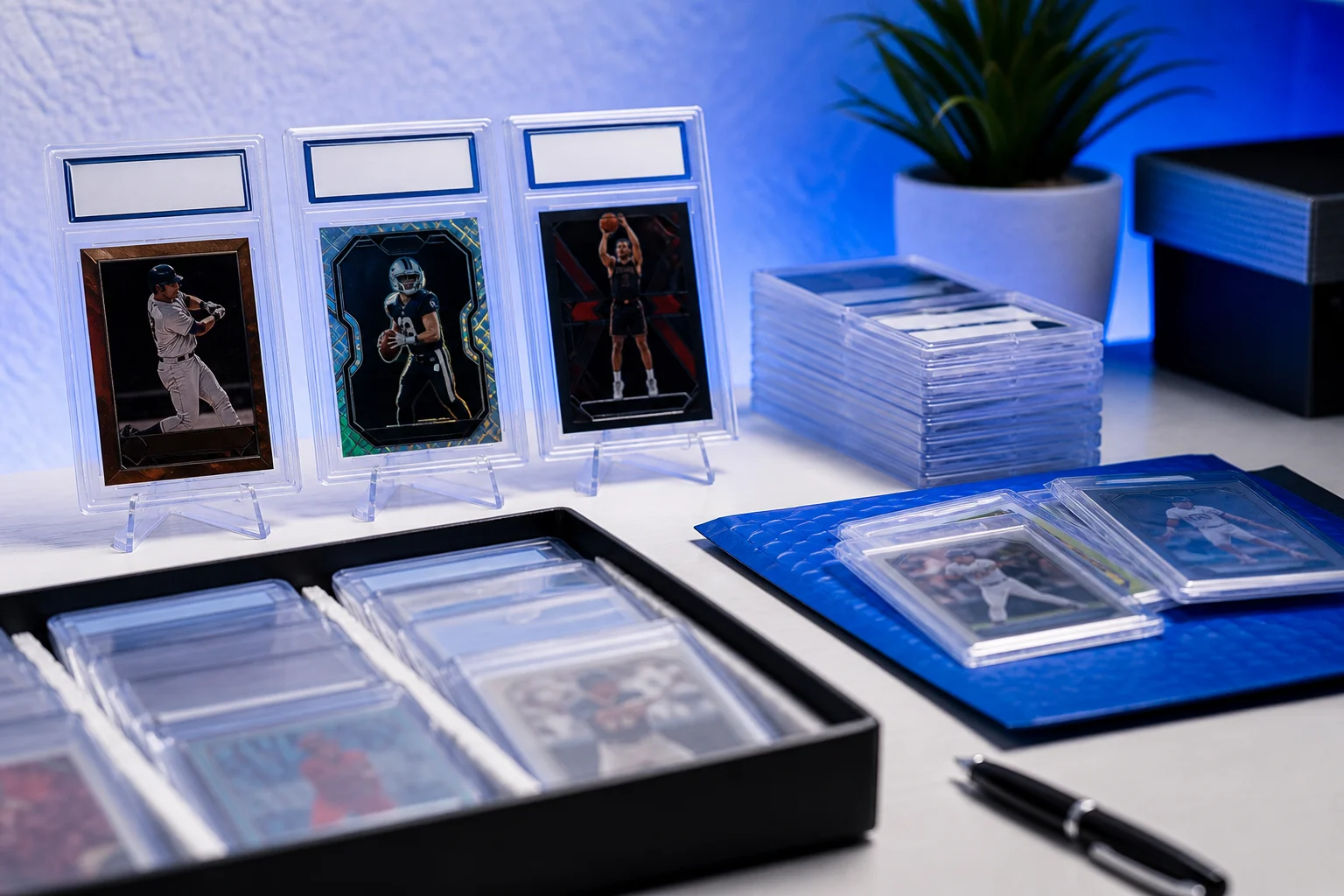
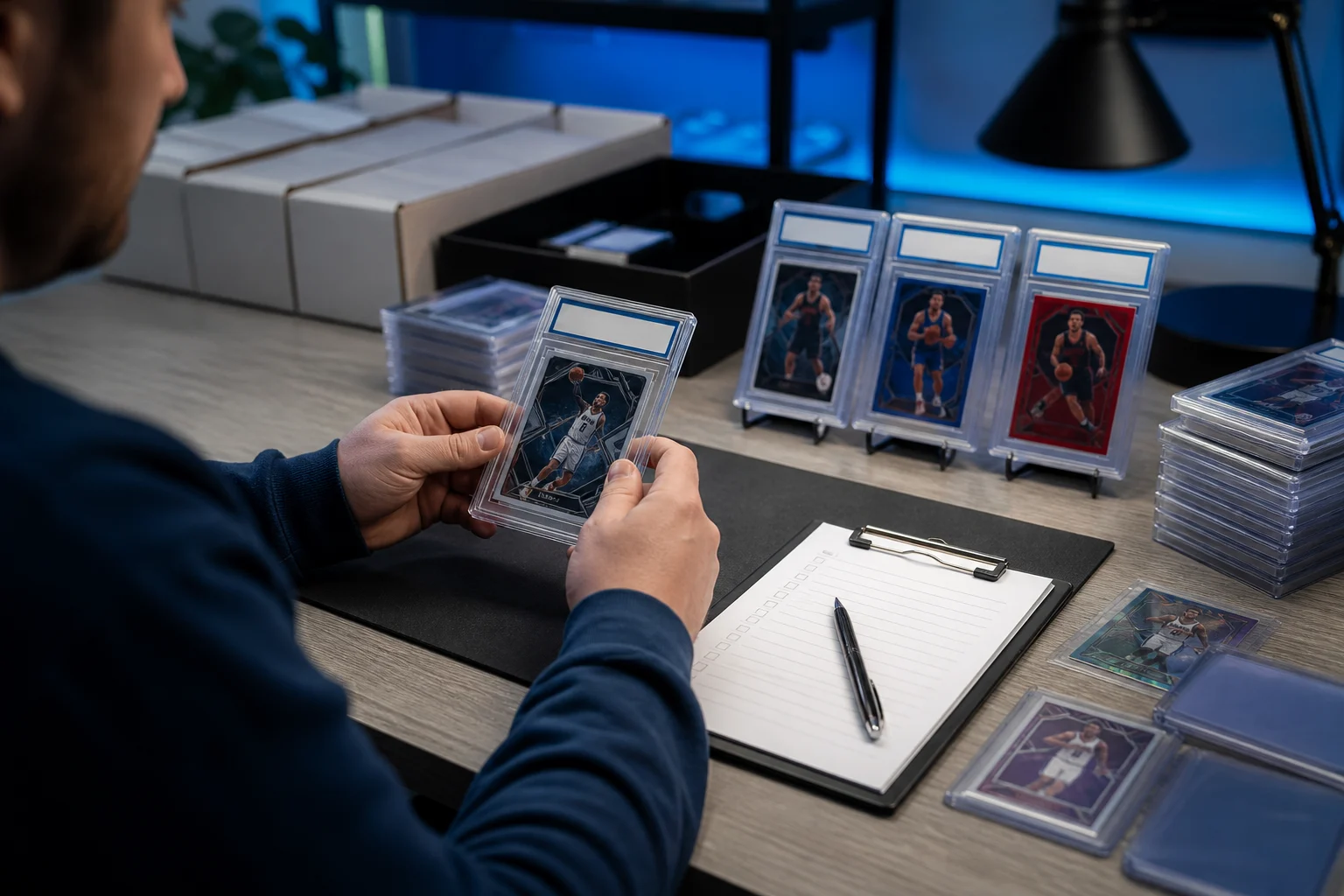
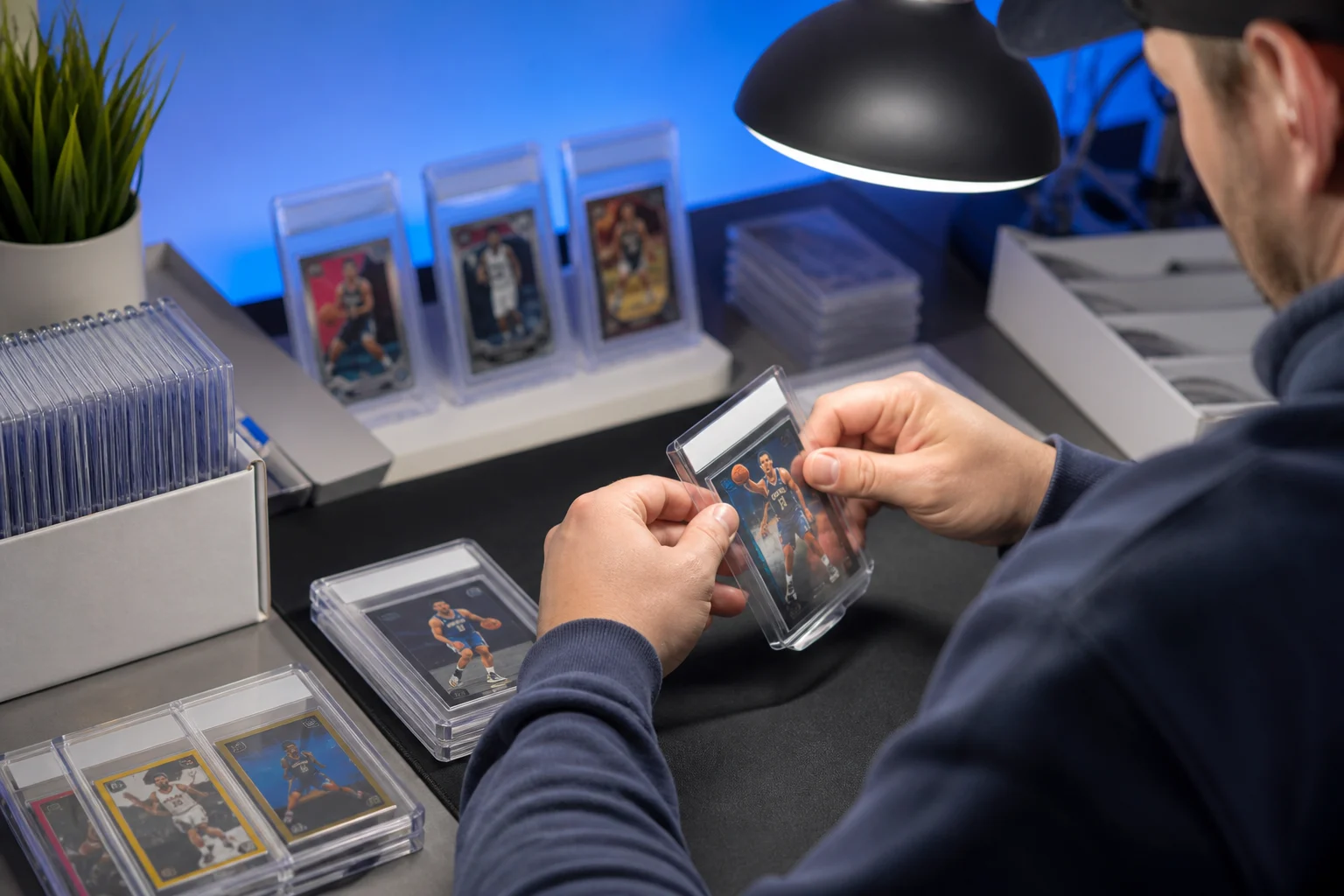
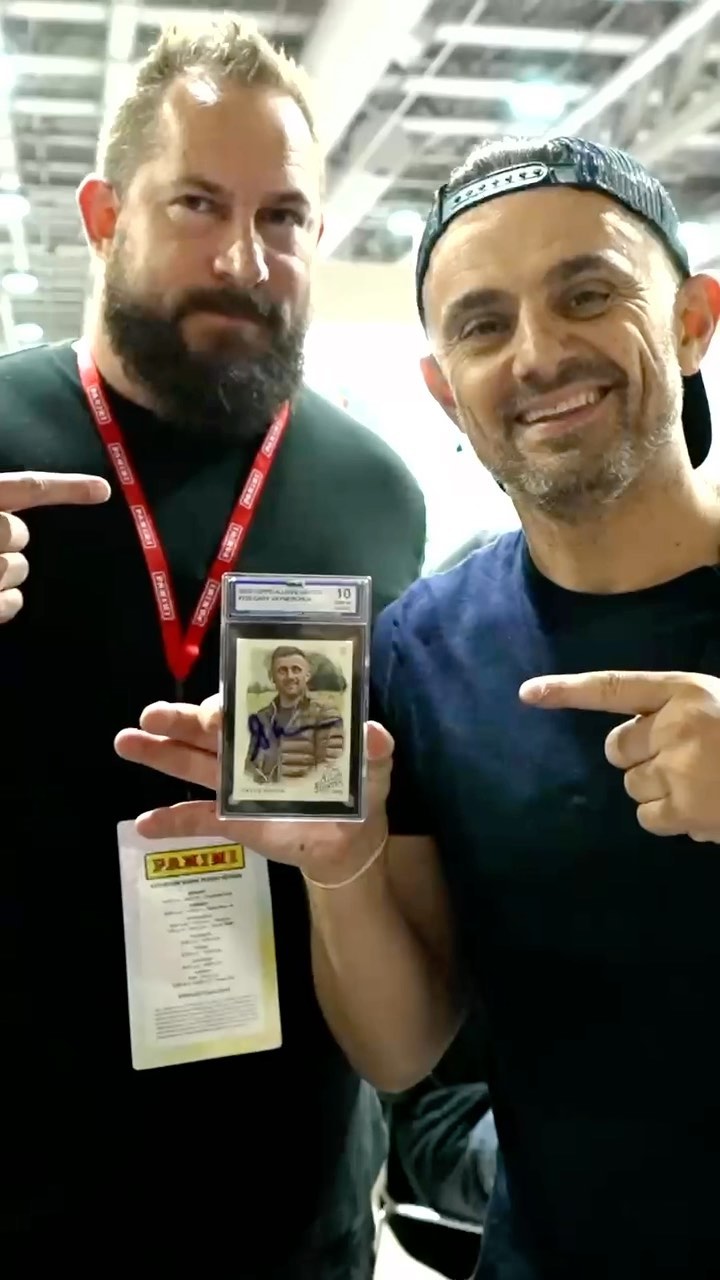
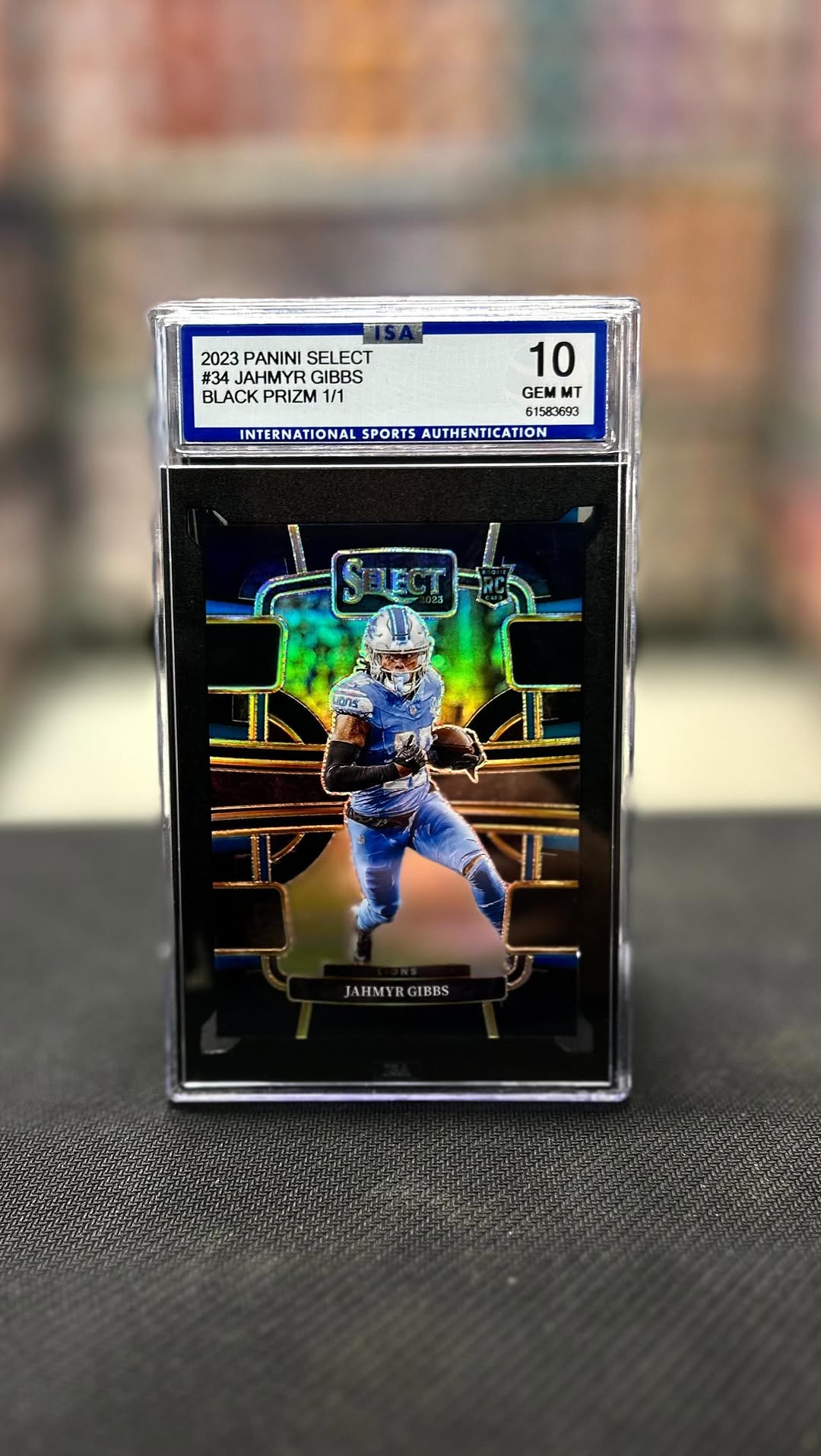
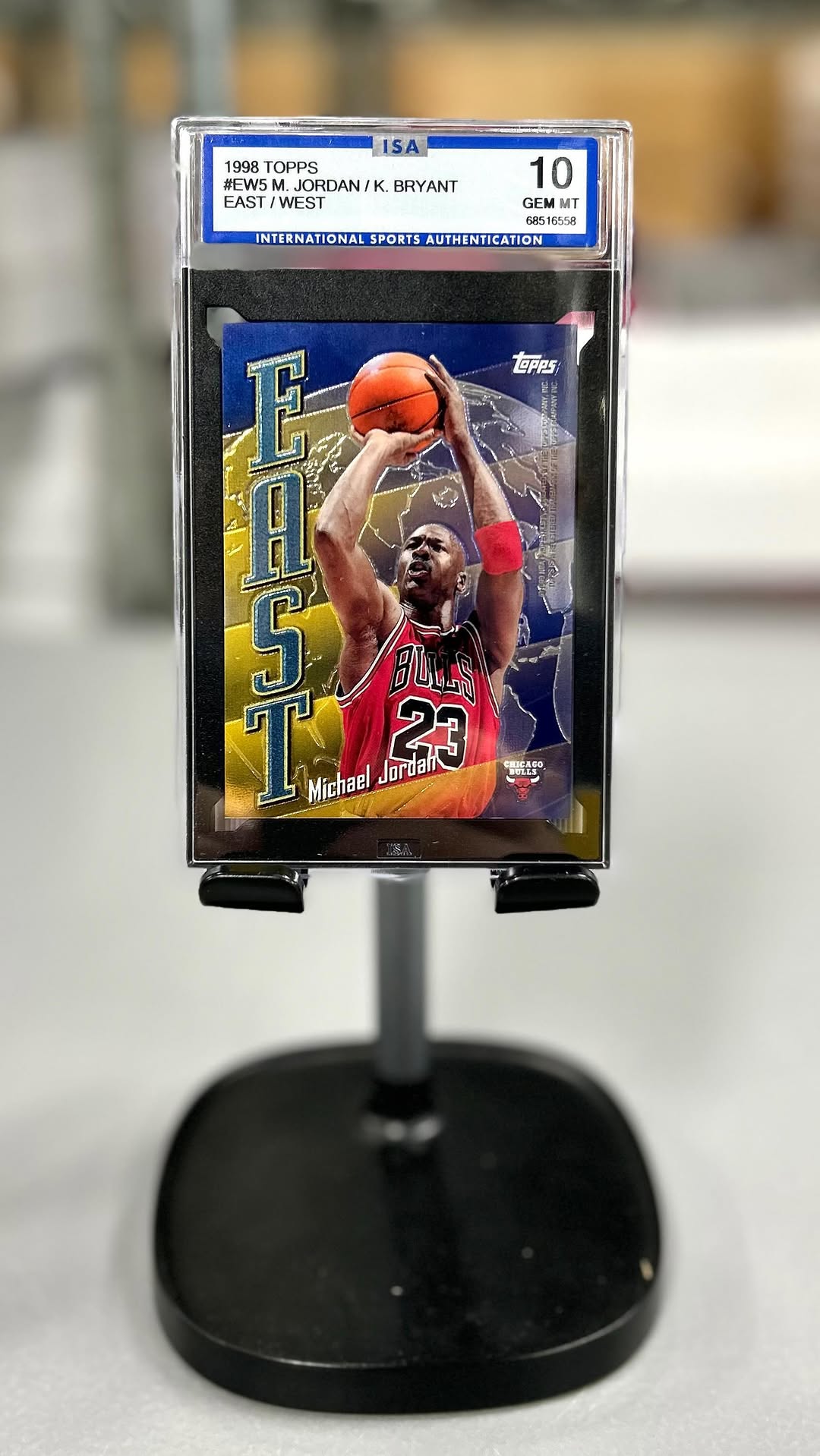
A slab is the rigid holder used to encapsulate a card after grading and sports card authentication. It separates the card from routine handling while presenting the assigned grade and identifying information on a label. This format makes graded cards easier to store, display, sort, transport, and list for sale.
Encapsulation can reduce exposure to fingerprints, direct handling, dust, and accidental contact with the card surface or card corners. That protection is valuable because even small changes can affect a card. A scratch, bent corner, new surface mark, or damaged edge may alter how the card presents if it is later removed and evaluated again.
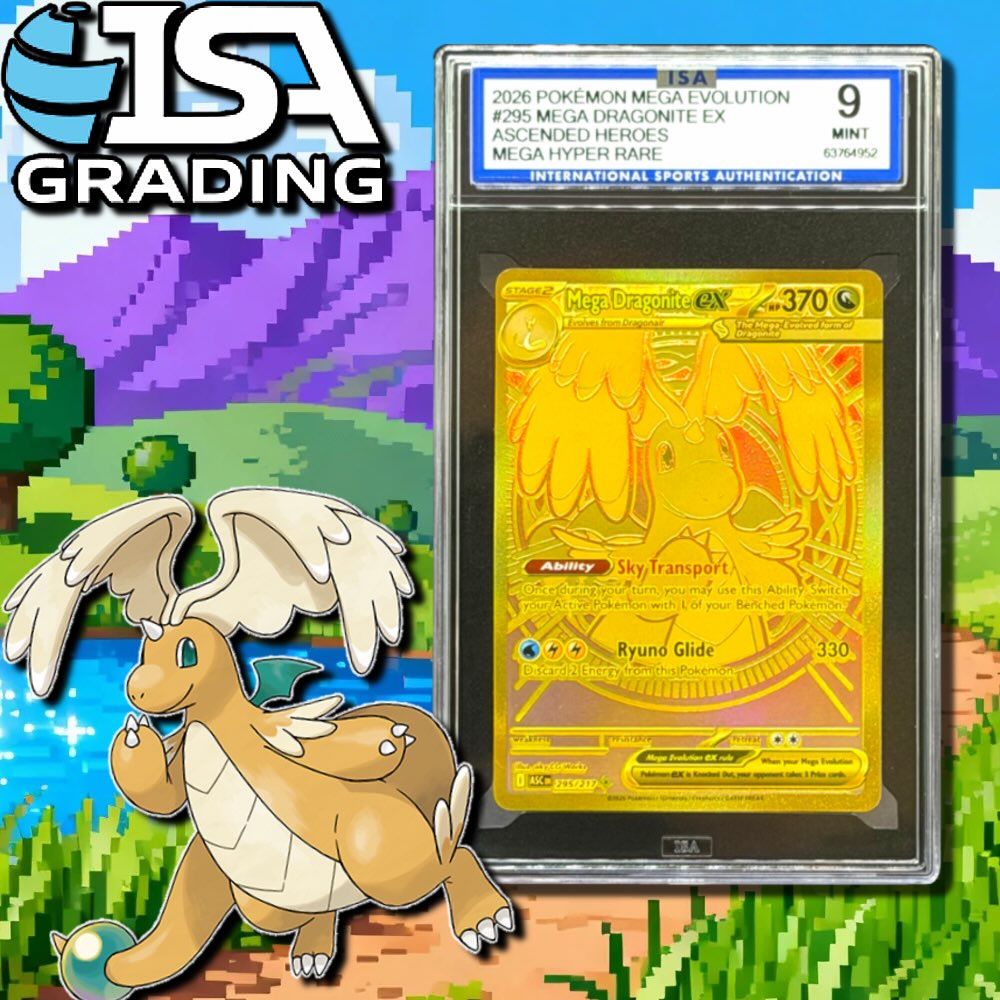
A slab also gives collectors a consistent way to view essential information. Depending on the card and certification record, the label may identify details such as the player or character, year, set, card number, and assigned grade. Sellers can photograph that information for listings, while buyers can compare it with the card and online record.
What a Slab Cannot Prevent
Encapsulation does not make a card indestructible. A holder can still be scratched, cracked, exposed to excessive heat, or damaged during a fall. It should not be treated as waterproof, and it should not be left for long periods in direct sunlight or in a vehicle where temperatures can change quickly.
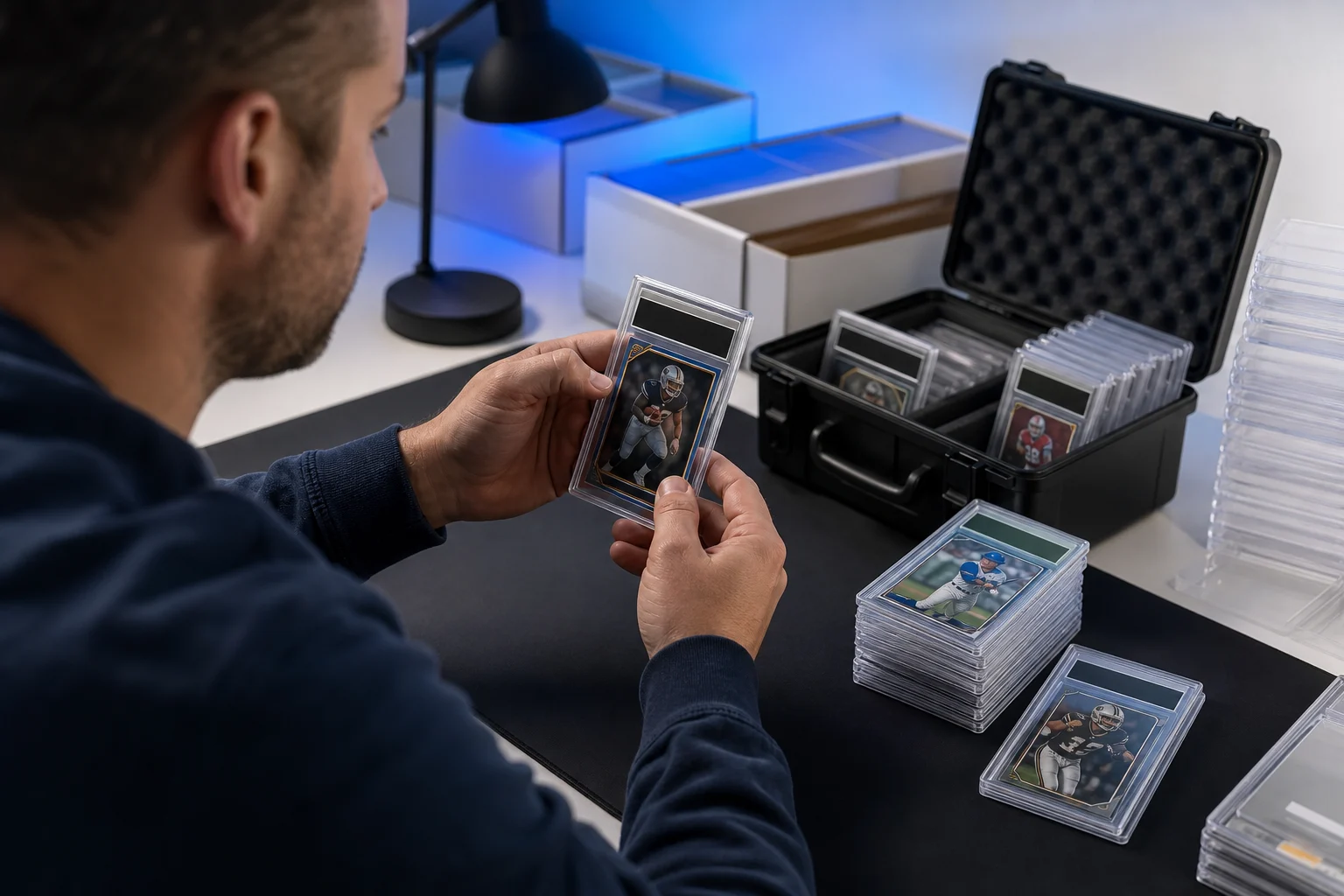
Collectors should hold slabs by their edges and store them upright in a stable location. Protective sleeves made for graded holders can help limit superficial scratching during storage or transport. When shipping a slab, use padding and a sturdy outer box rather than relying on an envelope alone.
Why Certificate Verification Matters
Certificate verification connects the physical graded card with the grading company's online record. ISA provides a certificate verification page where collectors, dealers, and prospective buyers can enter the certification number shown on an ISA label.
The returned information should be reviewed against the card in hand or the card shown in a sales listing. Check the year, set, subject, card number, grade, and other available details. A mismatch is a reason to pause and request clearer photographs or additional information from the seller.
Certificate verification is useful in several common situations:
- Reviewing a graded card before buying it online
- Confirming listing details before publishing a card for sale
- Checking inventory at a card show or dealer table
- Organizing a personal collection by certification number
- Confirming that a returned submission matches the related records
A successful lookup confirms that the certification number corresponds with an ISA record. It does not replace a careful inspection of the physical holder, label, and card. Buyers should compare photographs, inspect the slab for damage or unusual alteration, and use secure payment and marketplace practices. Certificate verification is one part of responsible buying, not a substitute for judgment.
Look Beyond the Number on the Label
The assigned grade is important, but collectors should also examine the card itself. Eye appeal can vary between cards with the same numerical grade. Personal preferences may include strong card centering, a clean image, an appealing autograph placement, or minimal visible print defects.
Before buying, request clear images of the slab front and back. The certification number and label details should be readable. Look at the holder under good lighting and note cracks, deep scratches, chips, or gaps that could interfere with presentation. For an expensive purchase, ask for angled photographs that show glare sensitive areas more clearly.
It also helps to understand the standards behind the grade. ISA explains its approach on the grading scale page. Reviewing the scale can help submitters set realistic expectations and help buyers understand what a particular grade represents.
Preparing Cards for Grading
Collectors often ask, How should I grade my cards without damaging them during preparation? The safest approach is careful inspection and minimal handling. Grading preparation should focus on identifying condition, recording card details, and packaging cards securely. It should not involve aggressive cleaning, recoloring, trimming, pressing, or other alteration.
Inspect the Main Condition Areas
Use bright, indirect light and examine both sides of each card. A magnifying tool can help, but it is not required for a useful first review. Focus on the areas that commonly influence trading card grading:
- Centering: Compare the visible borders and design alignment on the front and back.
- Corners: Check card corners for whitening, rounding, bends, or compression.
- Edges: Look for chipping, rough cuts, dents, and areas of lost color.
- Surface: Tilt the card under light to identify scratches, creases, print lines, stains, indentations, or gloss changes.
Do not assume that a card pulled directly from a pack will receive the highest grade. Modern production and packing can leave print defects, imperfect centering, edge wear, or surface marks. A careful prescreen helps collectors decide whether the grading cost fits the card's condition and purpose.
Handle and Package Cards Carefully
- Wash and dry your hands before handling raw cards.
- Hold each card by the edges and avoid touching the main surface.
- Place the card in an appropriate soft sleeve without forcing the corners.
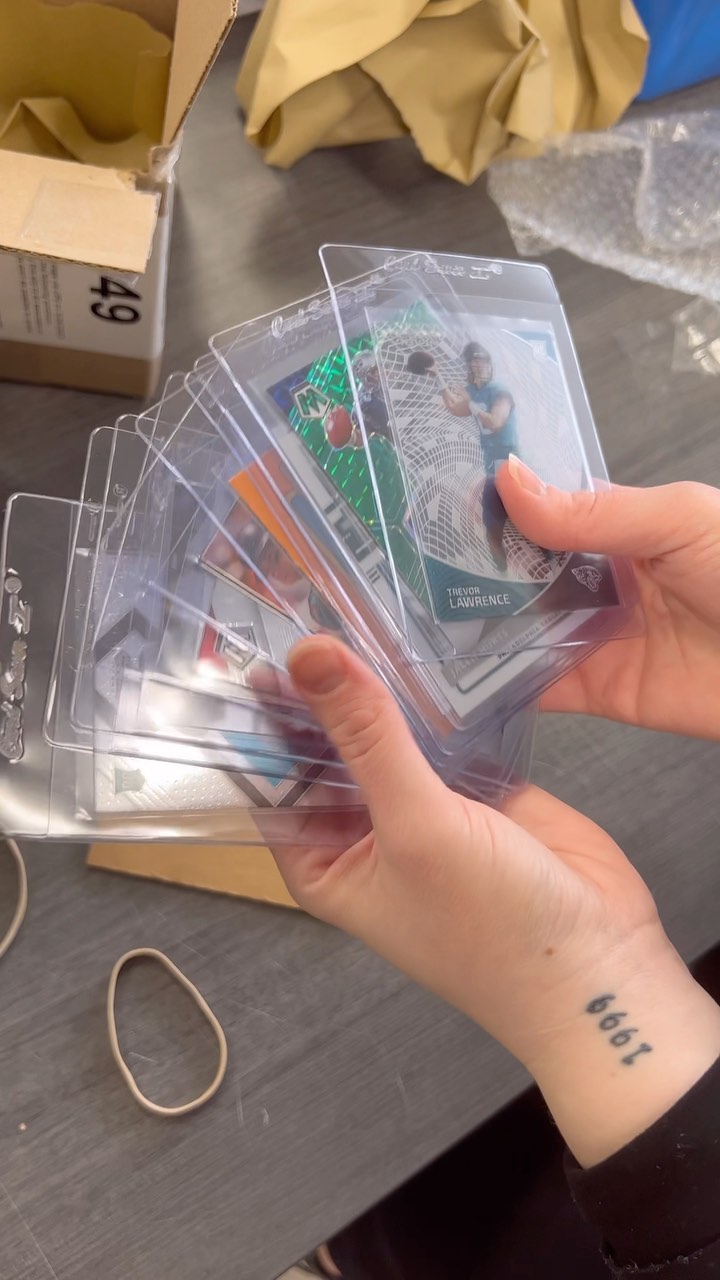
- Use a suitable semi rigid holder or the packaging specified by the submission instructions.
- Keep cards in the same order as the submission paperwork.
- Protect the group from movement, then use a sturdy shipping box with adequate padding.
- Retain photographs, the card list, tracking information, and shipping receipt.
Older cards may require extra patience because paper stock, corners, and surfaces can be more fragile. Collectors considering vintage card grading can read Vintage Cards, Clear Standards: What to Expect Before Grading before building a submission.
ISA Grading Pricing and Turnaround
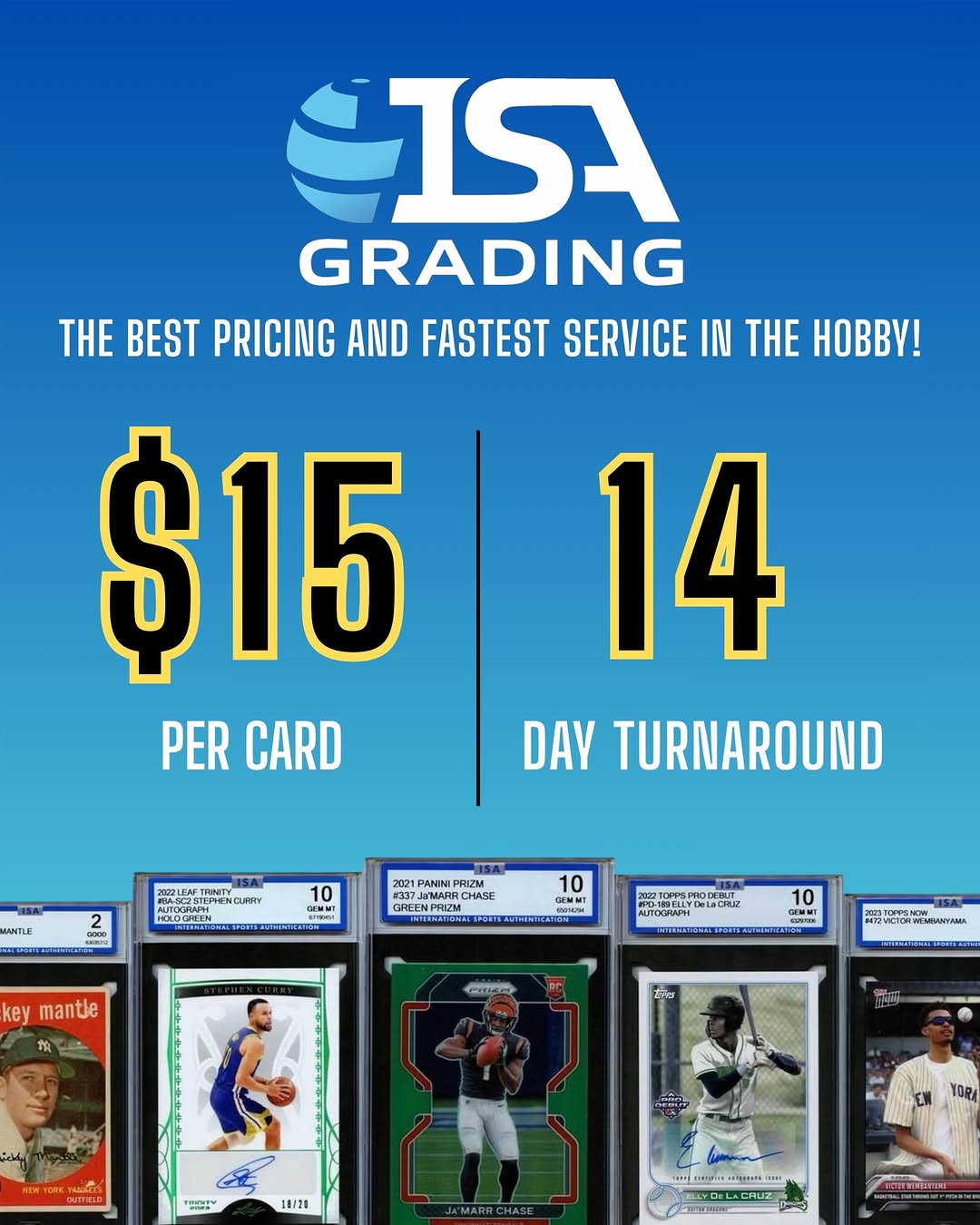
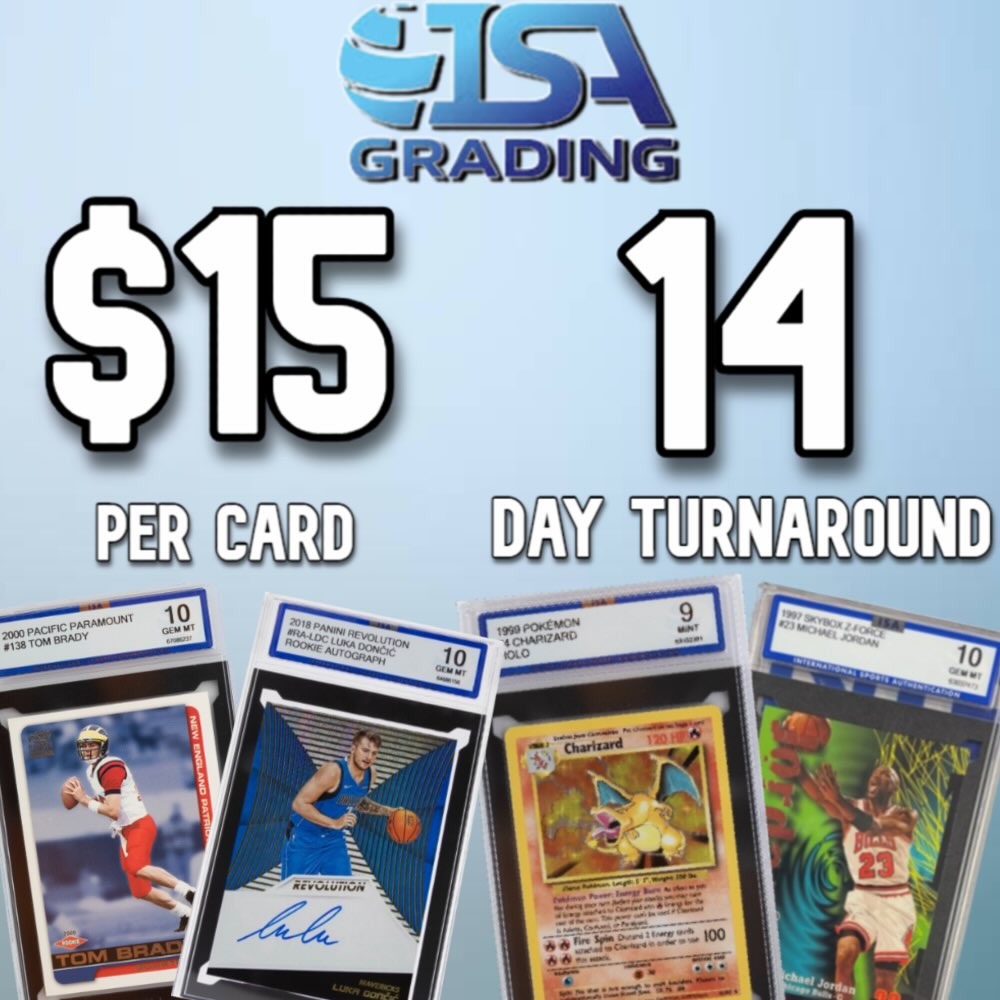
Pricing clarity and turnaround time are practical concerns for collectors and dealers. ISA Grading's current active card grading service is $15 per card, with a 14 day turnaround, a 10 card minimum, and no upcharges. Submitters can review the instructions and begin an order on the card submission page.
This structure can make budgeting more direct. For a minimum submission of 10 cards, the grading service portion is $150 before applicable shipping or other order expenses. Because ISA offers no upcharge card grading, the grading price does not increase based on a card's value after grading.
Turnaround can affect more than collector patience. Dealers may be preparing inventory for a show, while sellers may want to list a rookie card during an active season. The article The Hidden Cost of Waiting: Why Grading Turnaround Shapes Every Card Sale explains why timing should be part of a submission plan.
Fast card grading is most useful when the service terms are understood before shipping. Confirm the current service information, prepare an accurate card list, and follow the submission requirements. For more detail about ISA's pricing model, read A Clearer Path to the Slab: How ISA Keeps Grading at $15 Per Card.
Using Grading Across Different Card Categories
The reasons for grading can differ by category. Baseball card grading often involves vintage stars, modern parallels, prospects, and established rookie cards. Football card grading may be timed around a player's season, a major game, or a collector's set building goals. Rookie card grading across sports can help create a consistent, protected collection, but submission decisions should still consider condition, demand, and personal importance.
Pokemon card grading and broader TCG card grading require the same careful attention to card centering, edges, corners, and surface condition. Holofoil areas can reveal scratches under angled light, while the back may show edge or corner wear that is easy to miss during a quick front inspection.
No grading outcome is guaranteed before professional review. Online photos, price guides, and personal inspection can help with selection, but they cannot confirm the final grade. A collector choosing sports card grading should submit based on realistic condition observations and a clear goal, such as long term protection, collection organization, authentication, or resale.
How Slabs and Verification Support Card Sales
Graded cards can simplify communication between buyers and sellers. The slab displays the grading company and grade, while the certificate number gives the buyer a record to check. This does not guarantee a sale or a specific price, but it can reduce uncertainty about how the seller is describing the card.
A strong graded card listing should include:
- Clear photographs of the full front and back of the slab
- A readable label and certification number
- The exact year, set, subject, card number, and grade
- Disclosure of visible slab scratches, cracks, or other holder damage
- Accurate shipping, insurance, and return terms
- No unsupported statements about future value or investment performance
Before publishing a listing, run the number through certificate verification and compare the result with your title and description. Avoid hiding the certificate number unless a selling platform or specific security concern requires it. Buyers need enough information to perform their own checks.
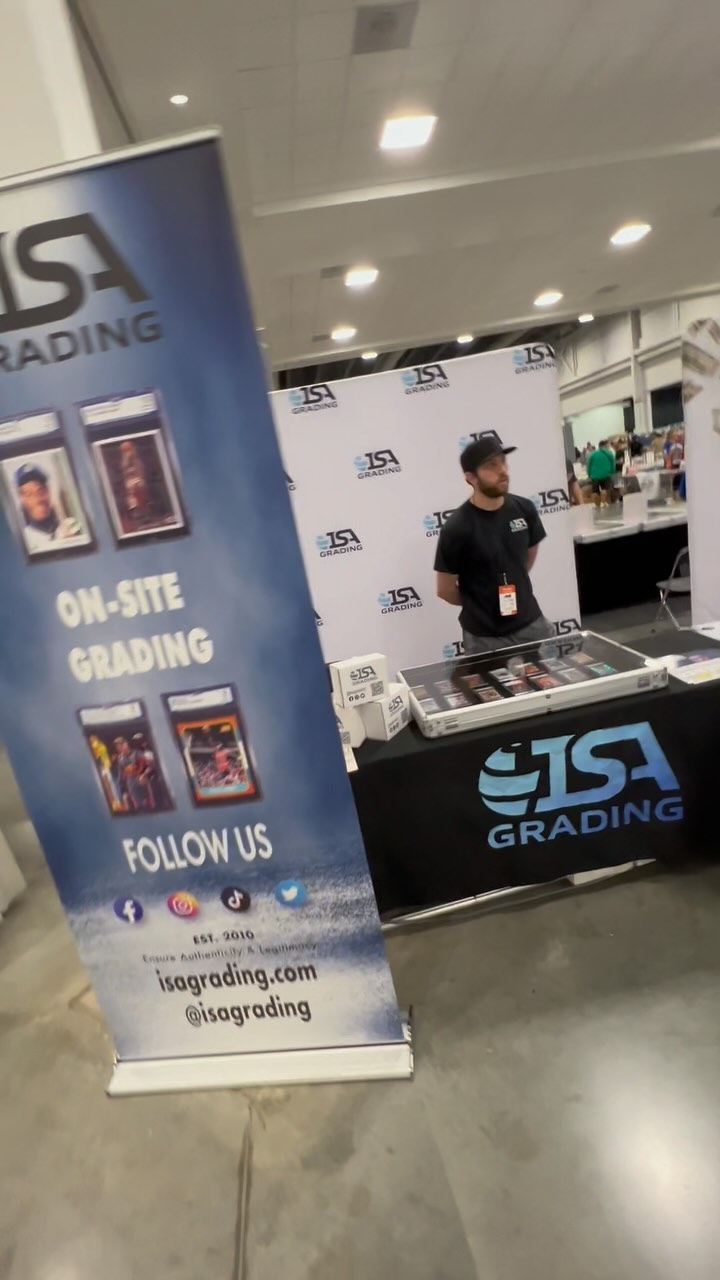
At shows, dealers can organize slabs by sport, set, player, grade, or price range. Online, consistent photos and accurate certification details make inventory easier to manage. For practical sales ideas, see Maximizing Your Sports Card Sales with ISA Grading at Shows and Online.
A Practical Slab and Verification Checklist
Use this checklist when receiving a submission, buying a graded card, or preparing inventory for sale:
- Compare the physical card with the identification shown on the label.
- Enter the certificate number on the official verification page.
- Compare the online record with the year, set, subject, card number, and grade.
- Inspect the slab under good light for cracks, deep scratches, or unusual damage.
- Photograph the front, back, label, and any holder flaw before a sale.
- Store the slab away from direct sunlight, moisture, heat, and unstable stacks.
- Package the slab securely when shipping or transporting it to a show.
Slabs, professional card authentication, and certificate records serve related but distinct purposes. The holder provides physical protection from routine handling, the grade communicates a professional condition opinion, and verification connects the certification number with an online record. Used together, these tools can help collectors care for their cards and help sellers provide clearer information to prospective buyers.
Submit Cards to ISA Grading
Collectors ready to use ISA Grading can start on the submission page. The current active service is $15 per card with a 14 day turnaround, no upcharges, and a 10 card minimum.
Frequently Asked Questions
How do I verify an ISA graded card certificate?
Enter the certification number from the ISA label on the certificate verification page. Compare the returned year, set, subject, card number, and grade with the physical card or listing photographs.
How much does ISA Grading currently charge per card?
ISA Grading's current active service is $15 per card with a 10 card minimum, a 14 day turnaround, and no upcharges. Shipping and other applicable order expenses should be considered separately.
Does a card slab protect against every type of damage?
No. A slab reduces direct handling and exposure to fingerprints, dust, and accidental contact, but it can still be scratched, cracked, overheated, or exposed to moisture. Store slabs carefully and package them securely for shipping.
What should I inspect before submitting a card for grading?
Review the front and back under bright, indirect light. Check centering, corners, edges, and surface condition for wear, scratches, creases, stains, dents, print lines, or other visible defects.
Does certificate verification guarantee that a graded card is safe to buy?
Certificate verification confirms that a number corresponds with an ISA record, but buyers should still inspect the slab and card, compare all listing details, review seller information, and use secure marketplace and payment practices.