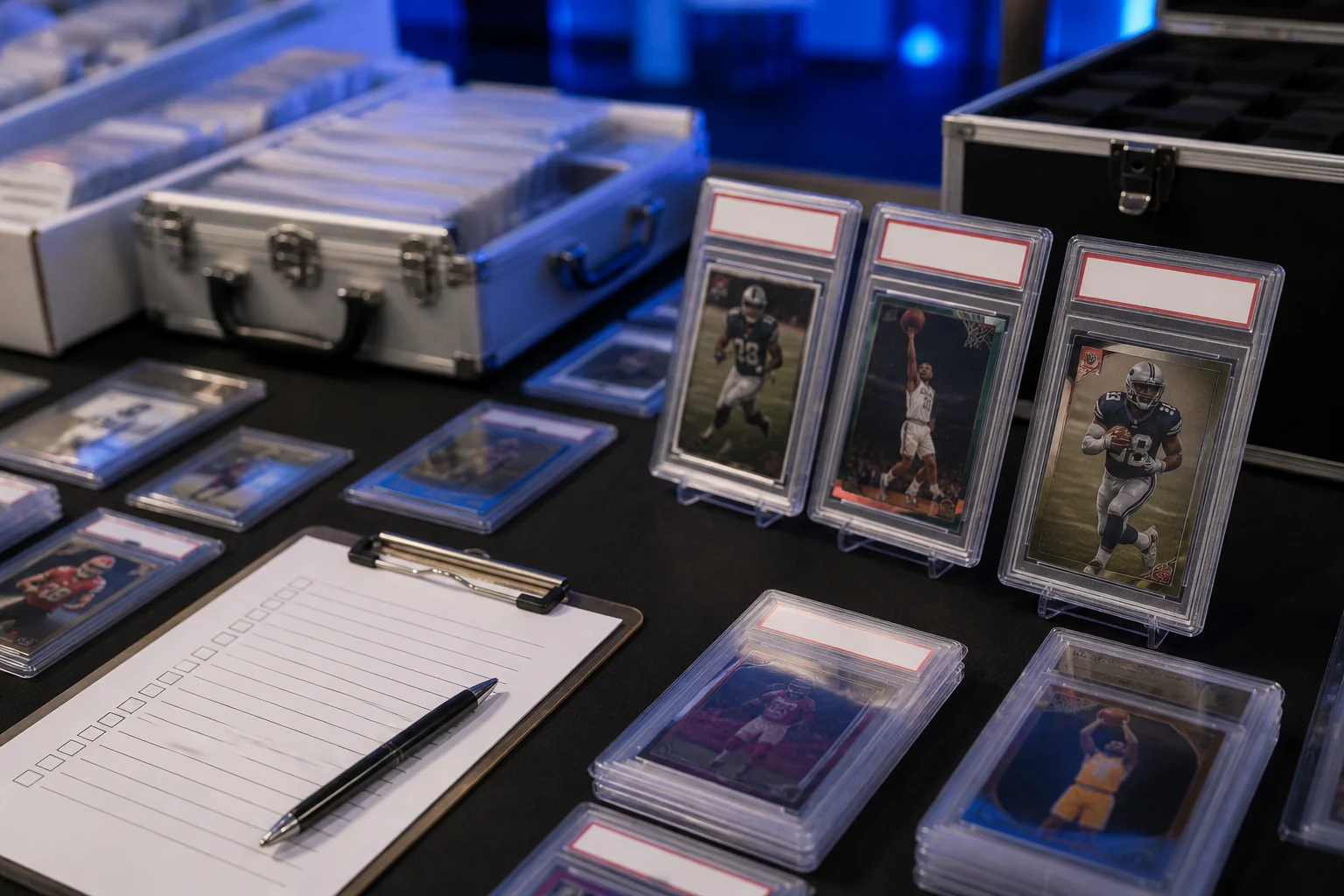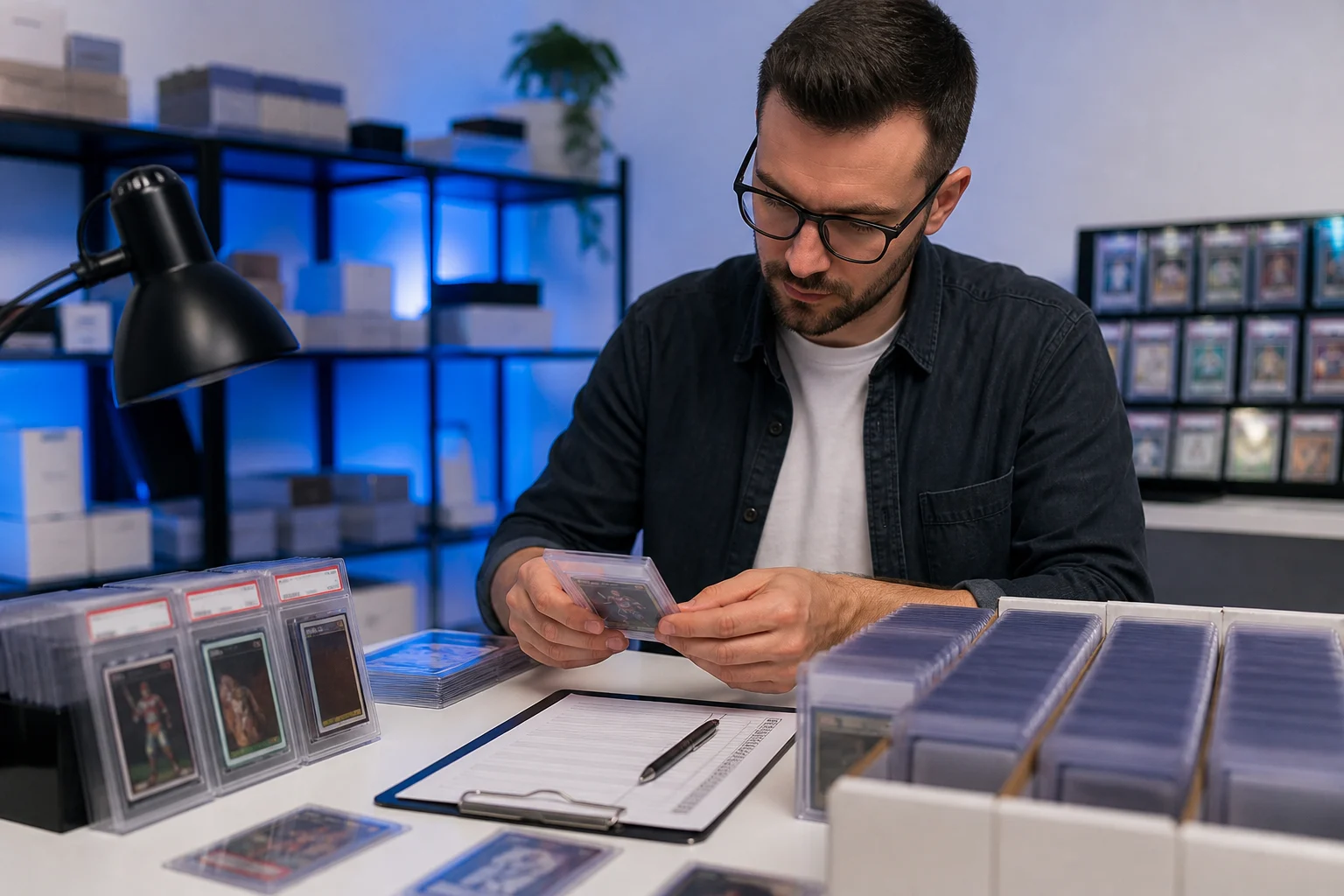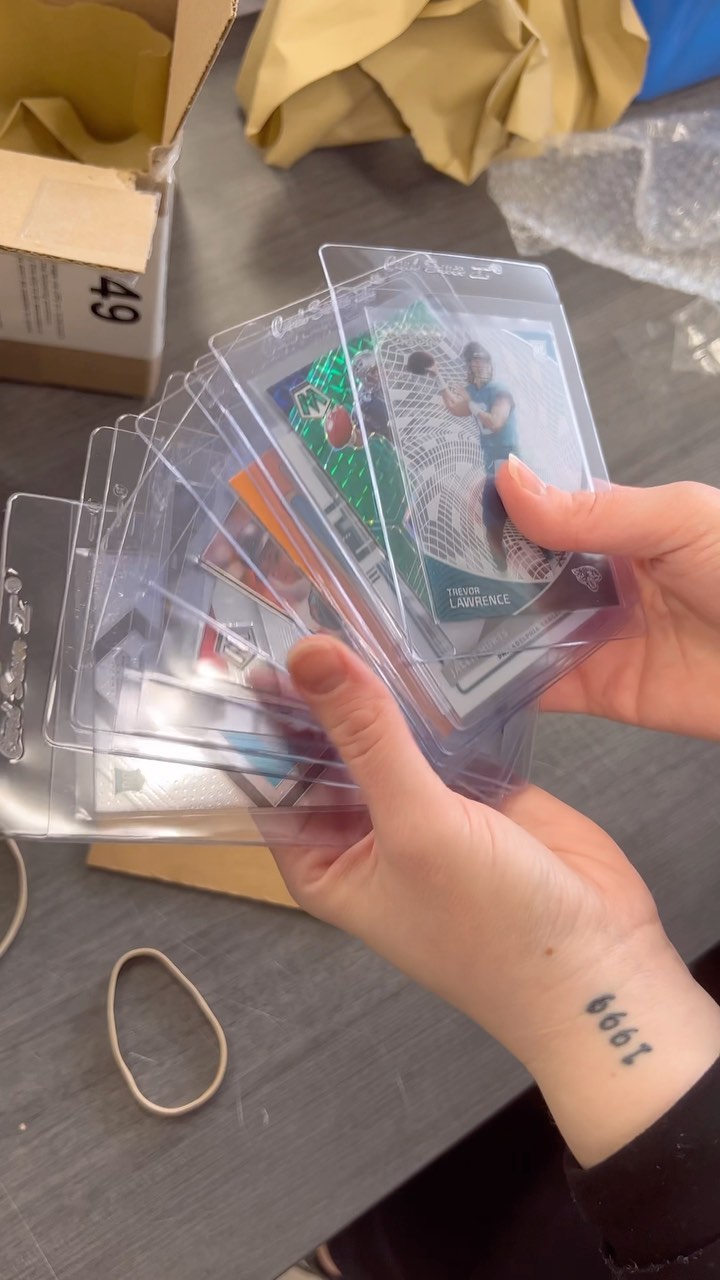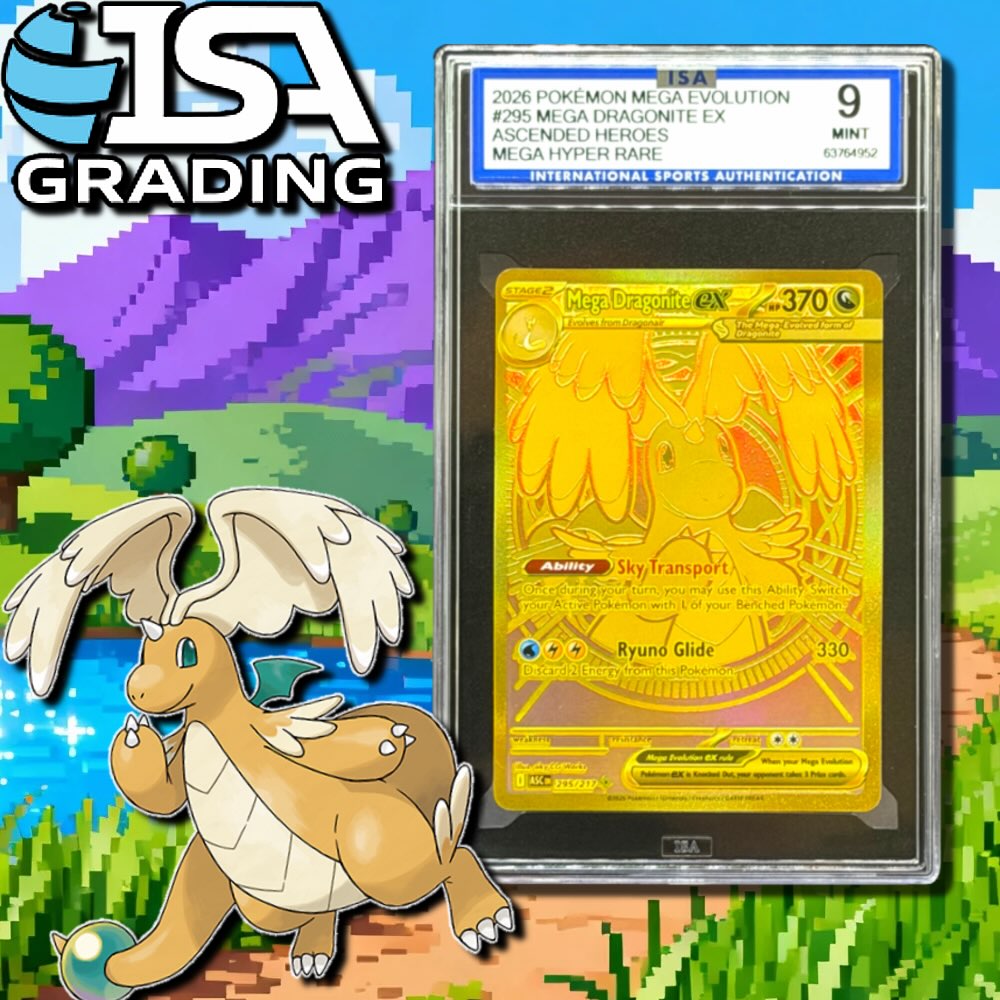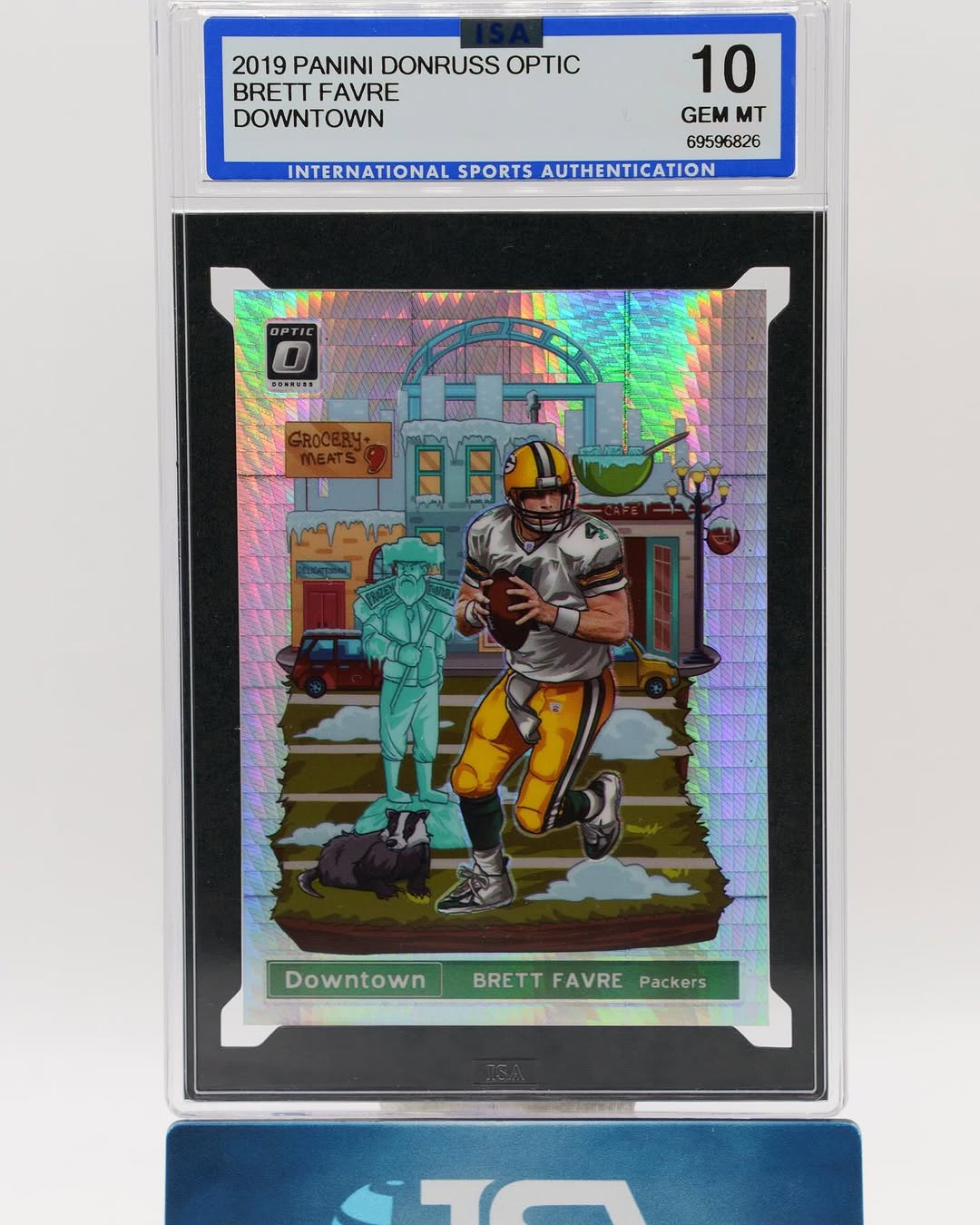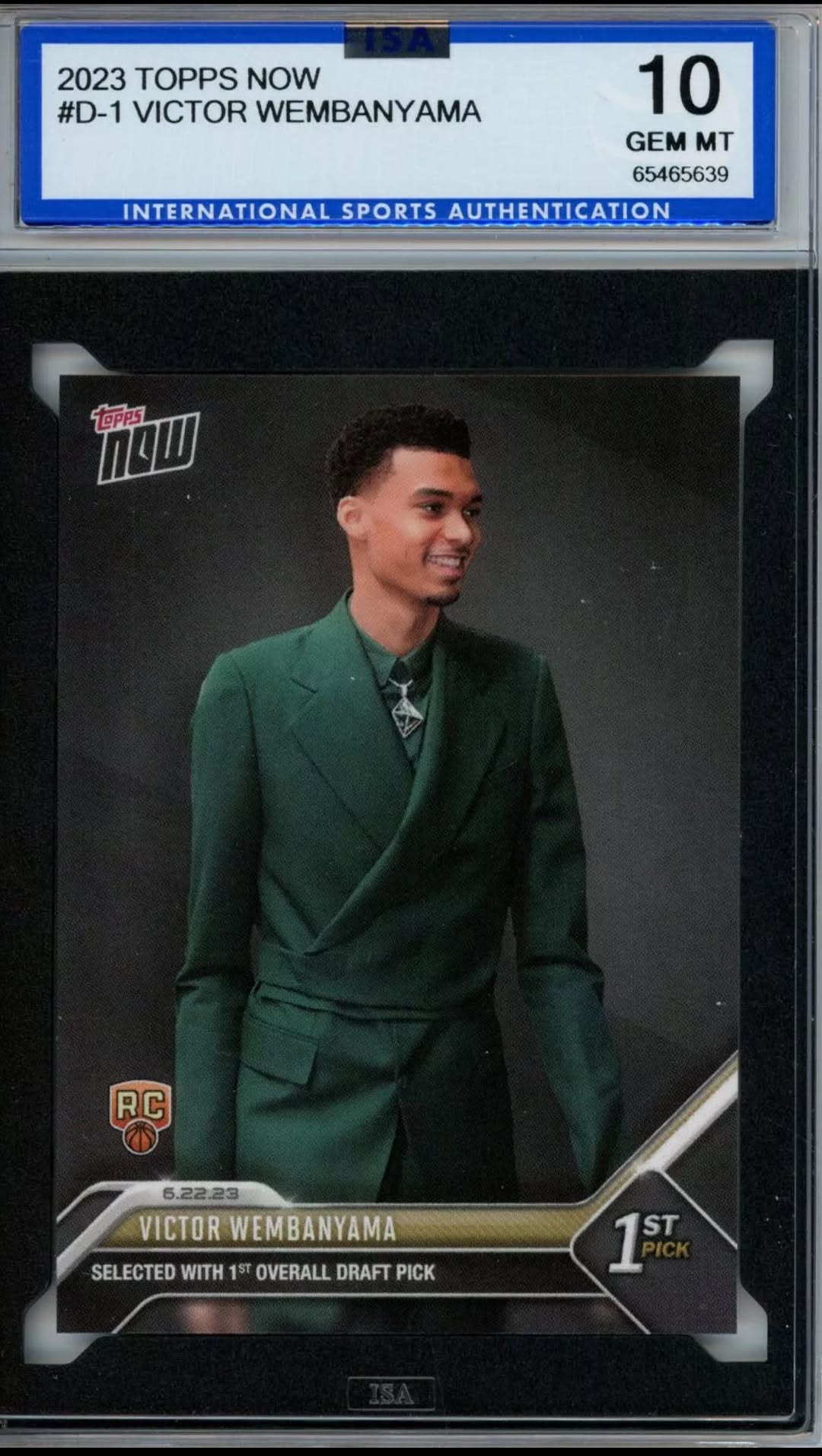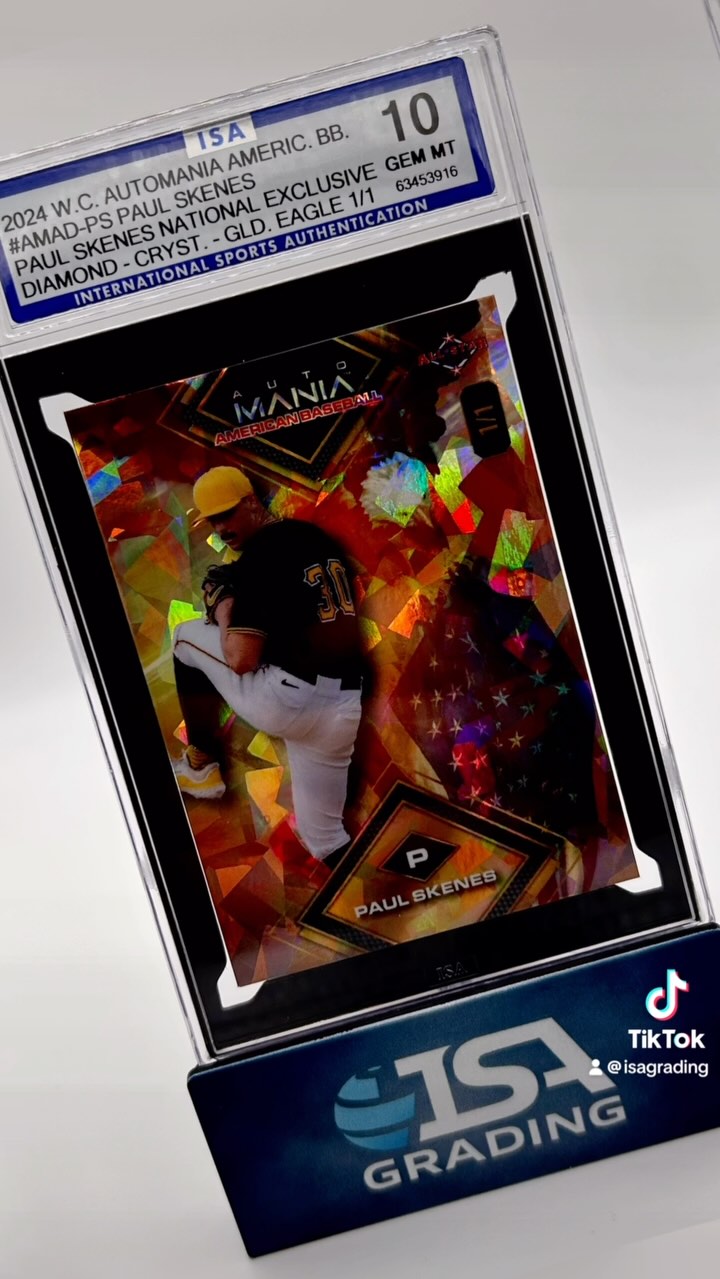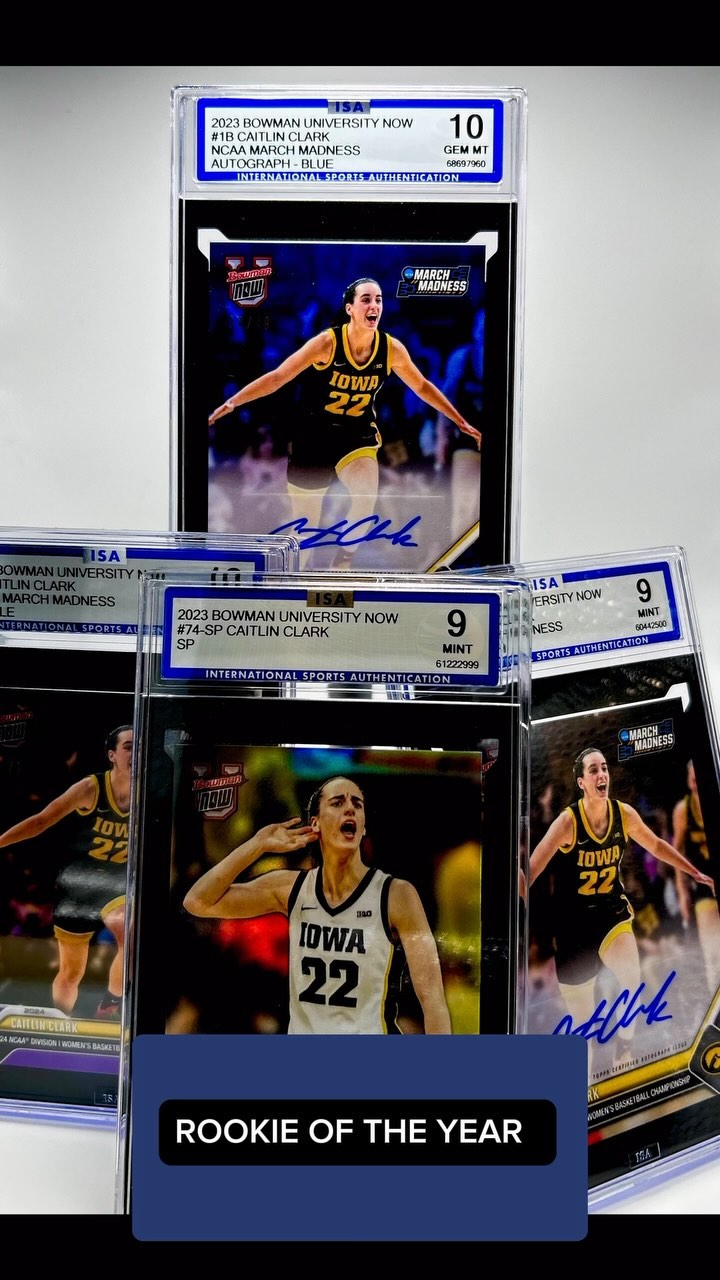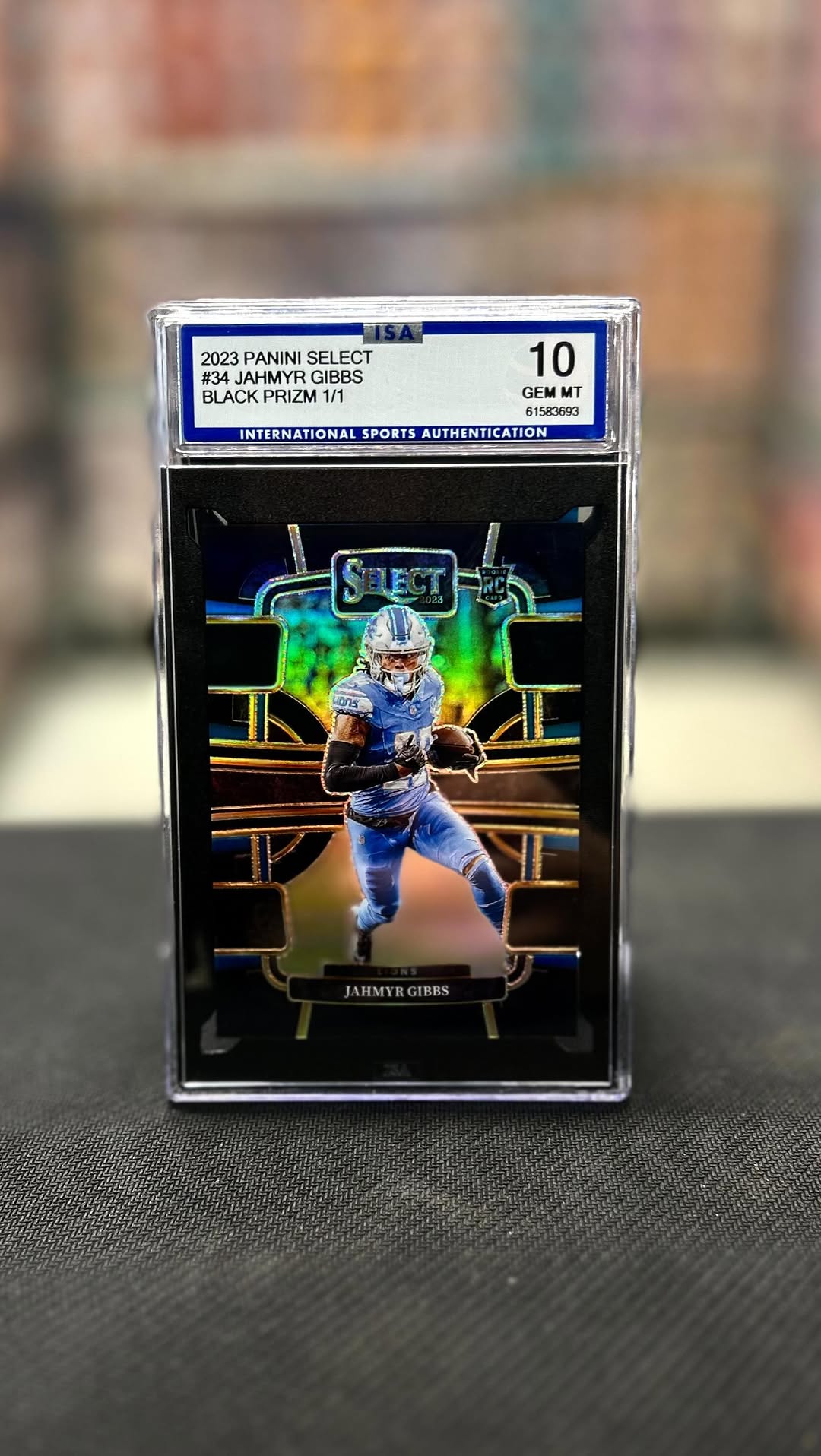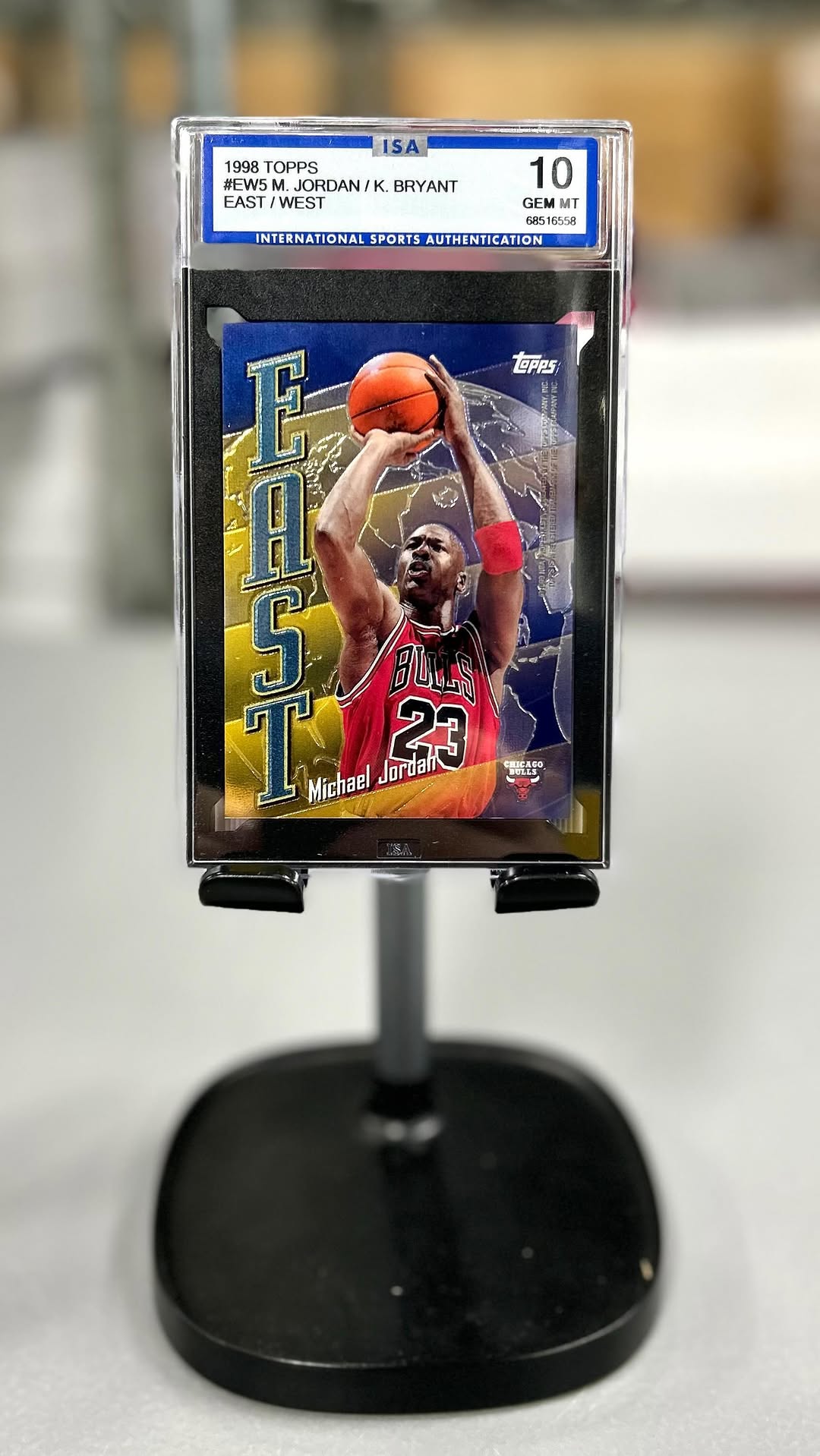
A graded card can look convincing in a listing photo. The label is readable, the holder looks clean, and the seller describes it as ready for your collection. Before you commit, though, one question deserves a closer look: does the certificate information match the card being offered?
ISA Grading, also known as International Sports Authentication, provides certificate verification on its website. For collectors, dealers, and hobby sellers, that lookup adds a useful checkpoint between spotting a card and buying it. It connects the certificate number on a slab with the information available through ISA, helping buyers make a more informed decision.
Certificate verification is not a substitute for inspecting a card or evaluating a seller. Its value comes from combining a record check with clear photographs, careful comparisons, and sensible questions.
What Certificate Verification Actually Tells a Buyer
A certificate number serves as a reference for a graded card. Entering that number through the official verification page lets you check the associated record and compare the information provided with the item in front of you.
Start with the ISA certificate verification page rather than relying only on a seller's screenshot. Compare the details available in the result with the slab label and the card. Depending on what the record displays, relevant details may include the player, year, set, card number, or assigned grade.
A matching record is useful evidence of consistency, but it does not independently prove that the physical slab in a listing is genuine or unchanged. A certificate number can be copied into a misleading listing. That is why verification works best as one part of your buying process, not as a blanket guarantee.
How to Check an ISA Certificate Before Buying
1. Get a readable view of the label
Ask for a current, clear photograph showing the full slab and a close view of its label. You should be able to read the certificate number without guessing. If glare, a cropped image, or low resolution hides part of the number, request another photo before proceeding.
2. Enter the number yourself
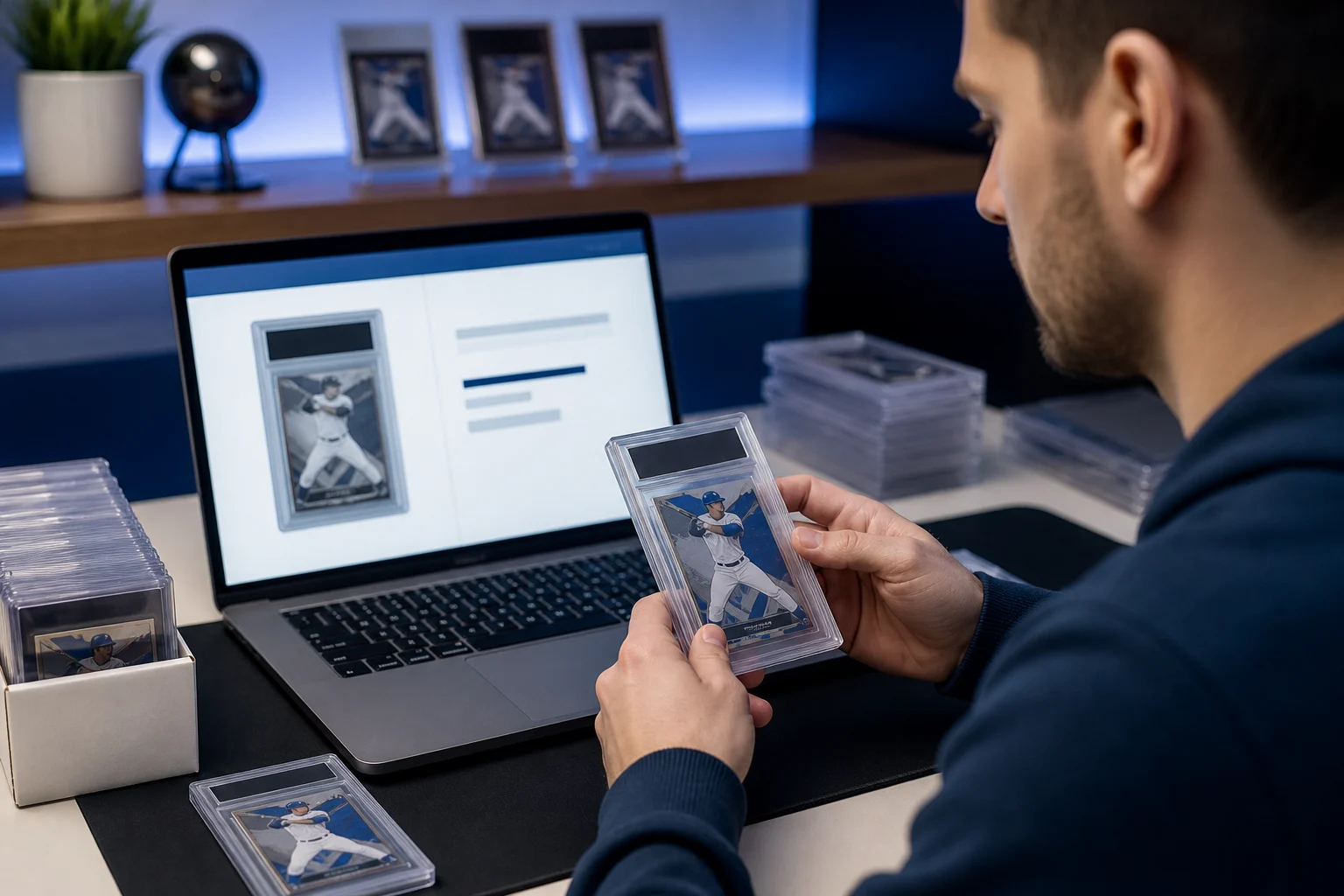
Use ISA's website to perform your own lookup. A screenshot can provide context, but it should not replace an independent check. Read the number carefully, especially if certain digits are difficult to distinguish in the seller's photo.
3. Compare the available information
Check each relevant detail shown in the verification result against the label and card. Do not stop at the player's name. A different year, card number, variation, or grade could materially change what you are buying. If a field is not provided, do not assume the lookup has confirmed it.
4. Investigate discrepancies before paying
A missing result or mismatch is a reason to pause, not immediate proof of wrongdoing. First, check for a typing mistake and confirm that you read the label correctly. If questions remain, ask the seller for clarification or contact ISA with the certificate number and clear photographs.
Inspect the Slab as Well as the Record
Certificate verification checks information. Physical inspection addresses a different concern: whether the holder, label, and card appear consistent with the item described. Both matter when evaluating trading card slabs.
Review front and back photographs, then ask for angled views if the holder is difficult to assess. Look for cracks, unusual gaps, label irregularities, or damage that the listing does not disclose. These observations are reasons to ask questions, not grounds to declare a slab counterfeit without further evidence.
- Check the entire holder: Cropped photos can hide damaged corners or edges of the slab.
- Separate holder condition from card condition: A scratch on the plastic is not necessarily a scratch on the card.
- Request useful lighting: Heavy glare can conceal surface details and make the label harder to read.
- Review seller practices: Clear answers, stated return terms, and appropriate transaction protections support a more informed purchase.
Card encapsulation provides a protective enclosure for a graded card, but a slab does not make its contents immune to every hazard. Careful storage and shipping still matter. Avoid prolonged direct sunlight, excessive heat, and handling that could damage the holder.
Understand the Grade Behind the Certificate
A successful lookup does not explain every reason a card received its grade. Buyers should also understand how condition is evaluated and whether the visible card fits their collecting preferences.
Card centering, surface condition, card corners, and card edges all deserve attention. Two cards with the same numerical grade can have different visual strengths. One might have more appealing centering, while another has less noticeable edge wear. The better choice depends partly on what you value.
Review the ISA grading scale before comparing listings. A grade provides a condition reference, but it does not promise a specific resale price or ensure that every buyer will prefer the same example.
This distinction is especially useful in vintage card grading. Older cards can show printing characteristics, wear, or visual differences that deserve a closer look. Certificate verification helps check the record, while photographs help you decide whether that particular card belongs in your collection.
Why Verification Helps Sellers Build Buyer Confidence
When selling graded cards, your job is to make the item easy to understand. A buyer should not need several messages just to identify the card, read the grade, or see the back of the holder.
Include clear slab photographs and accurate card details in the listing. Make the certificate number readable so interested buyers can perform their own verification. Describe any notable holder damage separately from the card's grade, and avoid presenting an asking price as proof of market value.
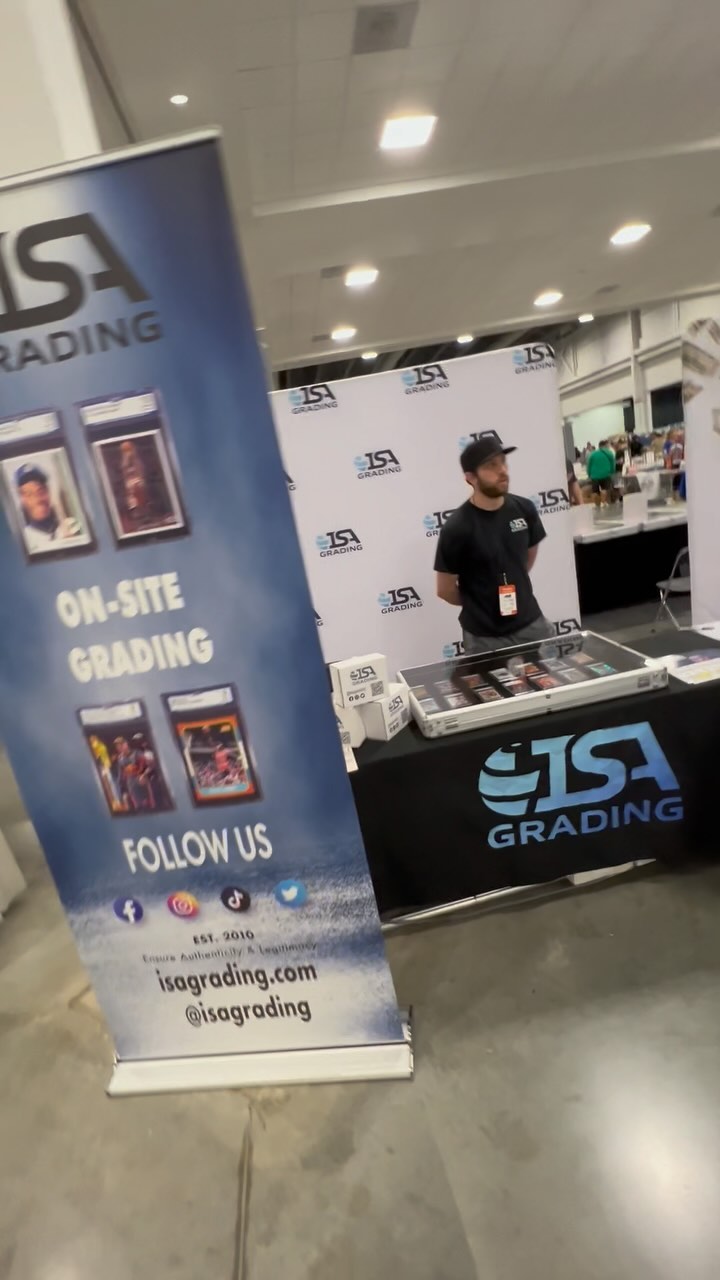
For dealers at a card show, the same principle applies. Let buyers examine the holder and look up the certificate before completing a transaction. Verification gives both parties a shared reference point when discussing the card.
That transparency can reduce avoidable uncertainty, but it does not guarantee a faster sale or a higher price. Demand, player interest, condition, comparable sales, and the seller's reputation still influence the transaction.
Keep Grading Costs and Timing Clear
Buyer confidence starts before a card reaches a sales table. Collectors choosing a card grading service also need clear expectations about submission costs and timing.
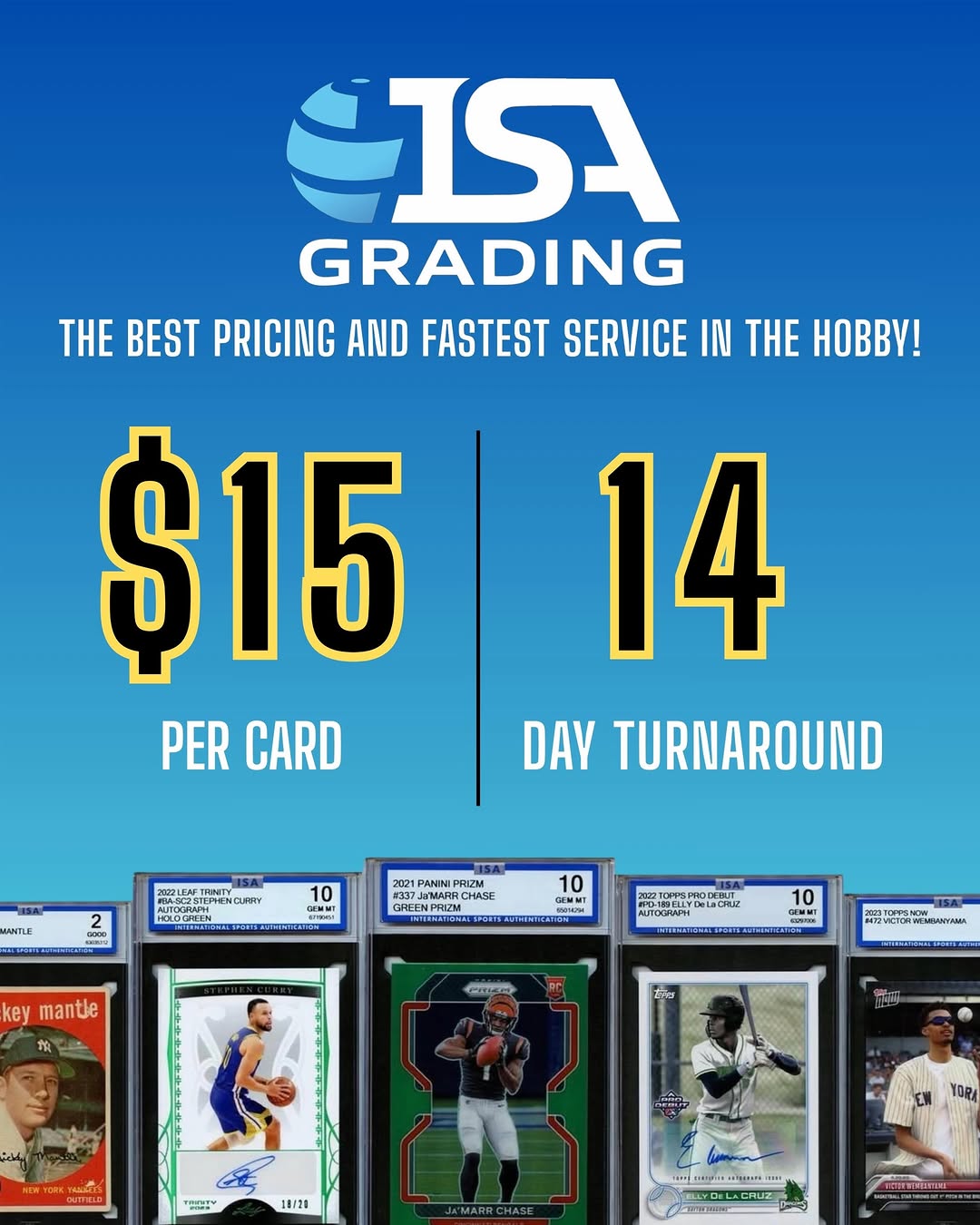
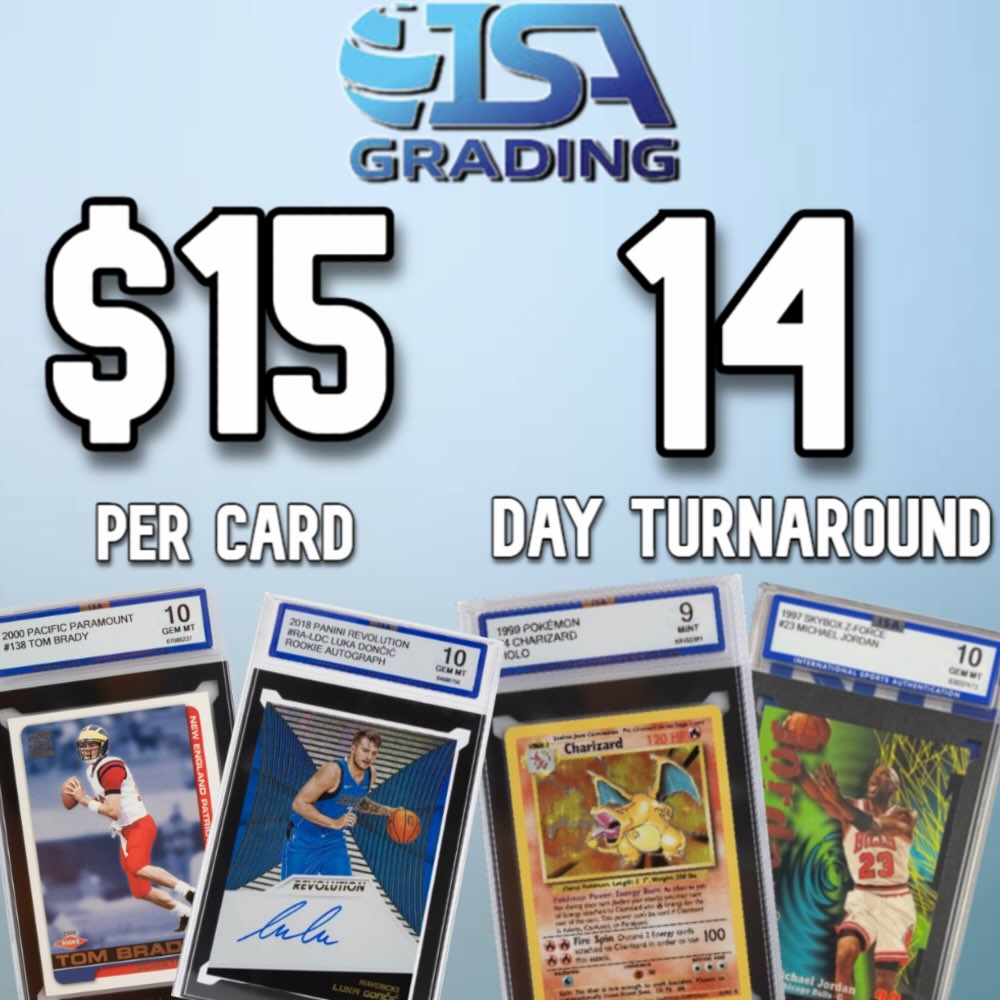
ISA's current active sports card grading and authentication service is $15 per card, with a 14 day turnaround, a 10 card minimum, and no upcharges. At that per-card rate, a minimum submission has $150 in grading fees. Confirm any applicable shipping, insurance, or other charges separately rather than assuming that figure is the entire transaction cost.
No upcharge card grading makes the grading-fee portion easier to calculate. It does not mean every card is worth submitting. Compare the likely usefulness of grading against the fee, shipping expenses, the card's condition, and realistic market demand. The article A Grading Budget That Holds: Why No Upcharges Matter offers related budgeting context.
If fast card grading matters for an upcoming sale, plan around more than the stated turnaround. Allow time for shipping in both directions, preparing the submission, receiving the cards, and creating listings. Confirm how the turnaround is measured and check current service details before mailing a time-sensitive order.
Prepare Cards With Verification and Resale in Mind
Good preparation reduces confusion later. Before submitting, create an inventory with enough identifying information to distinguish each card. Record the player, year, set, card number, and any variation you can reliably identify. Keep your own photographs as a reference.
Handle cards carefully and inspect them under suitable lighting. Look at centering, corners, edges, and surfaces without attempting treatments that could alter the card. Follow ISA's current packaging and submission instructions rather than assuming every grading company uses the same process.
For a more structured review, use Before You Send Your Cards: A Collector's Authentication Checklist. Preparation is particularly useful when several cards look nearly identical or when a submission includes variations that are easy to confuse.
After the graded cards return, match them to your inventory and record their certificate numbers. Check the holders and labels before listing anything for sale. Keeping that information organized makes future buyer questions easier to answer.
Apply the Same Habits Across Your Collection
The core buying process stays useful across football card grading, basketball card grading, and rookie card grading: identify the exact card, understand the grade, inspect the holder, and verify the certificate where available. A popular player or highly anticipated rookie does not remove the need for those checks.
Collectors researching Pokemon card grading or other trading card grading options can use the same due-diligence habits. However, do not assume that a company's sports card service accepts every trading card category. Confirm current eligibility and submission requirements directly before sending cards.
If your search begins with card grading near me, compare more than physical distance. Pricing clarity, accepted card types, submission requirements, certificate access, and timing can all affect whether a service fits your needs. Local convenience alone does not answer those questions.
Make Verification Part of Every Graded Card Transaction
A practical buying routine is straightforward: read the label, check the certificate through the official website, compare the available details, inspect the slab, and resolve discrepancies before paying. For sellers, provide the photos and information that let a buyer follow that routine without unnecessary friction.
ISA certificate verification supports that process by giving collectors access to a record they can check themselves. Used alongside card authentication, condition assessment, and responsible transaction practices, it adds a useful layer of transparency without replacing personal judgment.
If you are preparing your own cards for grading, review ISA's current requirements on the card submission page. Build your 10 card minimum around cards that fit your collecting or selling plans, budget using the current $15 per card rate, and leave room in your schedule beyond the stated 14 day turnaround. A well-prepared submission and an independently checkable certificate give your next buyer clearer information to work with.
Submit Cards to ISA Grading
Collectors ready to use ISA Grading can start on the submission page. The current active service is $15 per card with a 14 day turnaround, no upcharges, and a 10 card minimum.
Frequently Asked Questions
How do I verify an ISA certificate number?
Visit ISA's certificate verification page and enter the number shown on the slab label. Compare the information available in the result with the label and the card. If anything differs, check your entry and seek clarification before purchasing.
Does a matching certificate number guarantee that a slab is genuine?
No. A matching lookup confirms consistency with the available certificate record, but it does not independently authenticate the physical holder in a seller's possession. Inspect the slab, request clear photographs, and consider the seller's reputation and transaction protections.
What should I do if an ISA certificate does not appear in the lookup?
First, make sure you entered the number correctly and can read the label clearly. A missing result alone does not prove fraud. If the issue remains unresolved, contact ISA with the certificate number and photographs, and pause the purchase until you understand the discrepancy.
What are ISA's current grading price, minimum, and turnaround?
ISA's current active service is $15 per card with a 10 card minimum, a 14 day turnaround, and no upcharges. The minimum submission has $150 in grading fees. Confirm current submission details, shipping costs, and how turnaround is measured before sending cards.
How can certificate verification help when selling graded cards?
A readable certificate number allows prospective buyers to check the record themselves. Pair it with clear front and back slab photographs, accurate card details, and disclosure of holder damage. This supports transparency but does not guarantee a sale or a higher price.