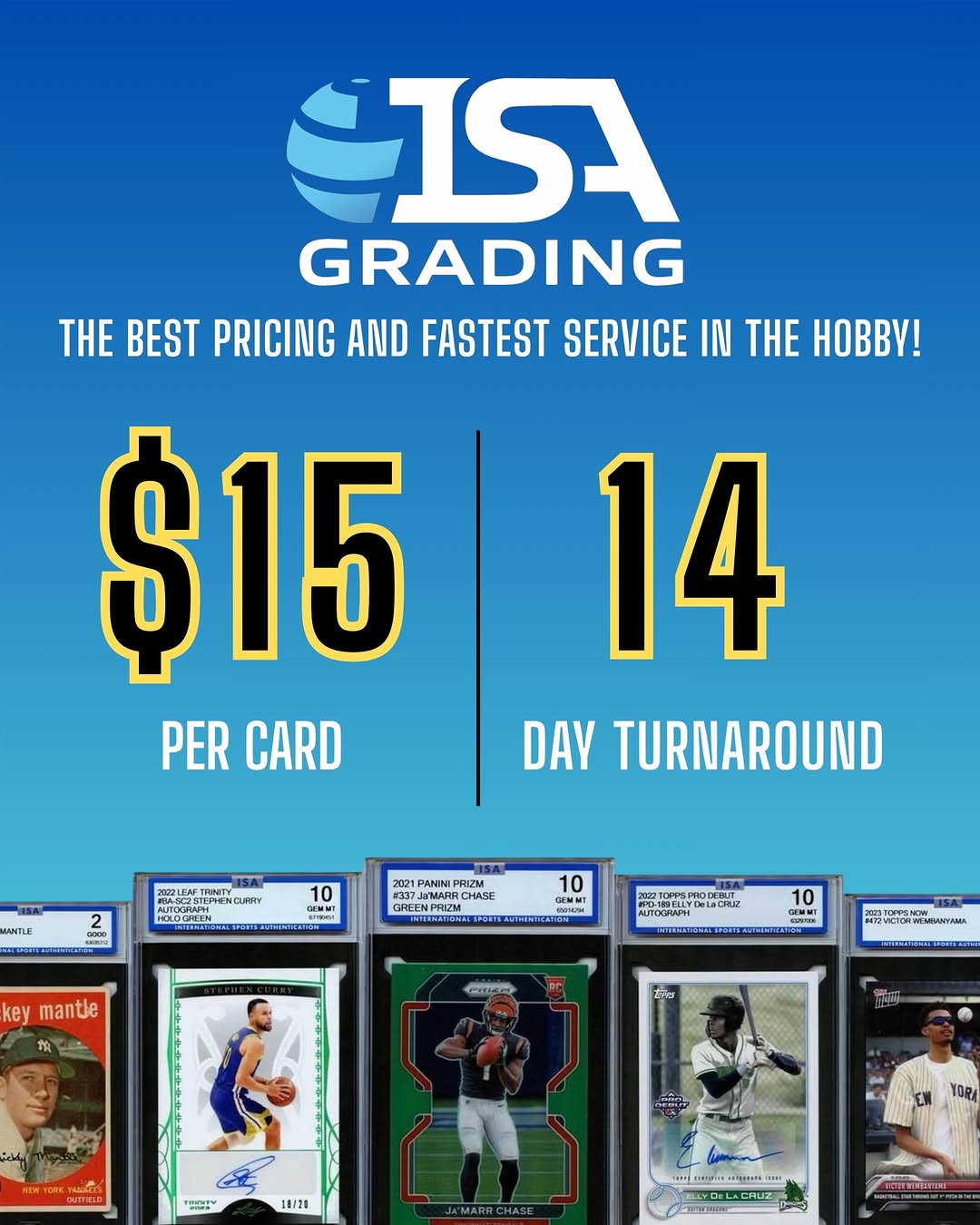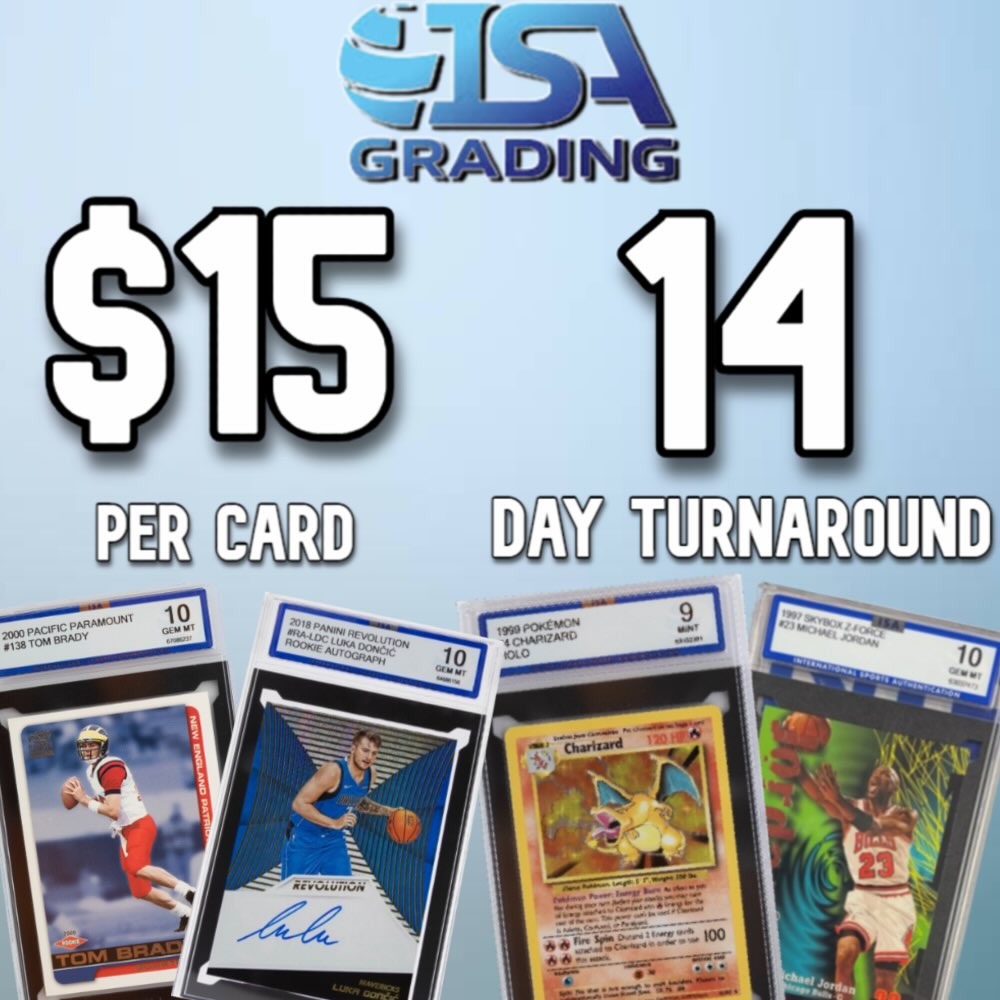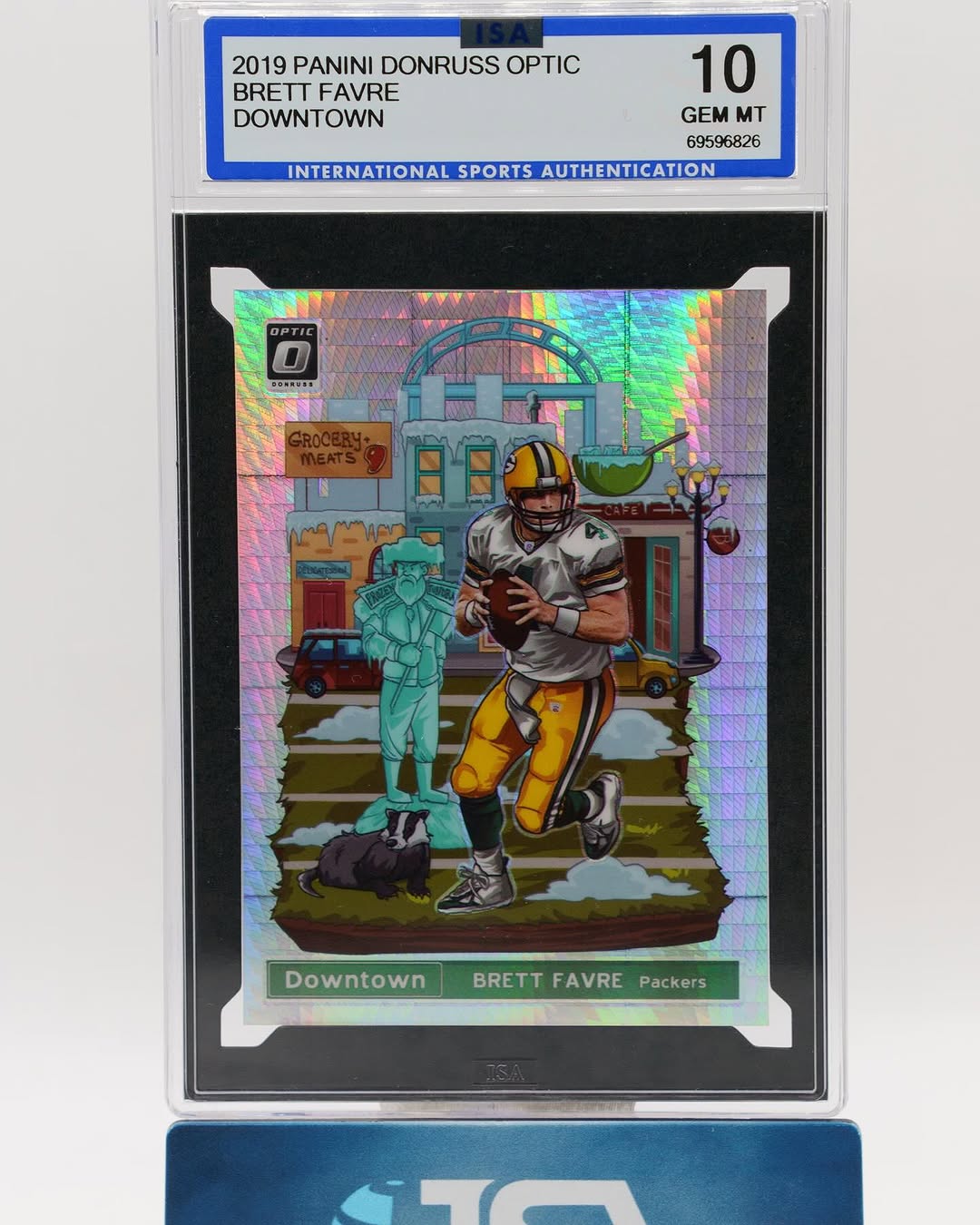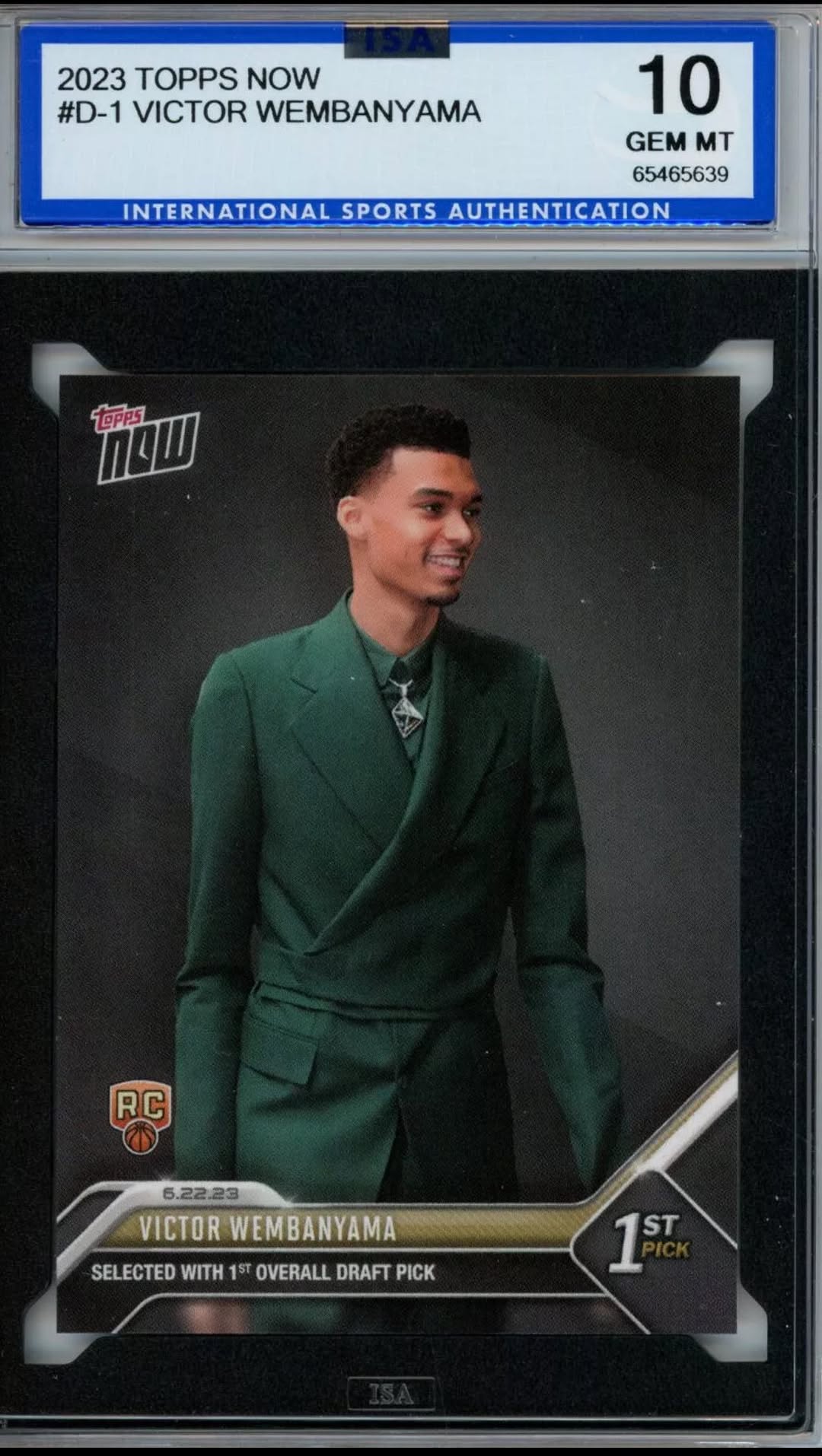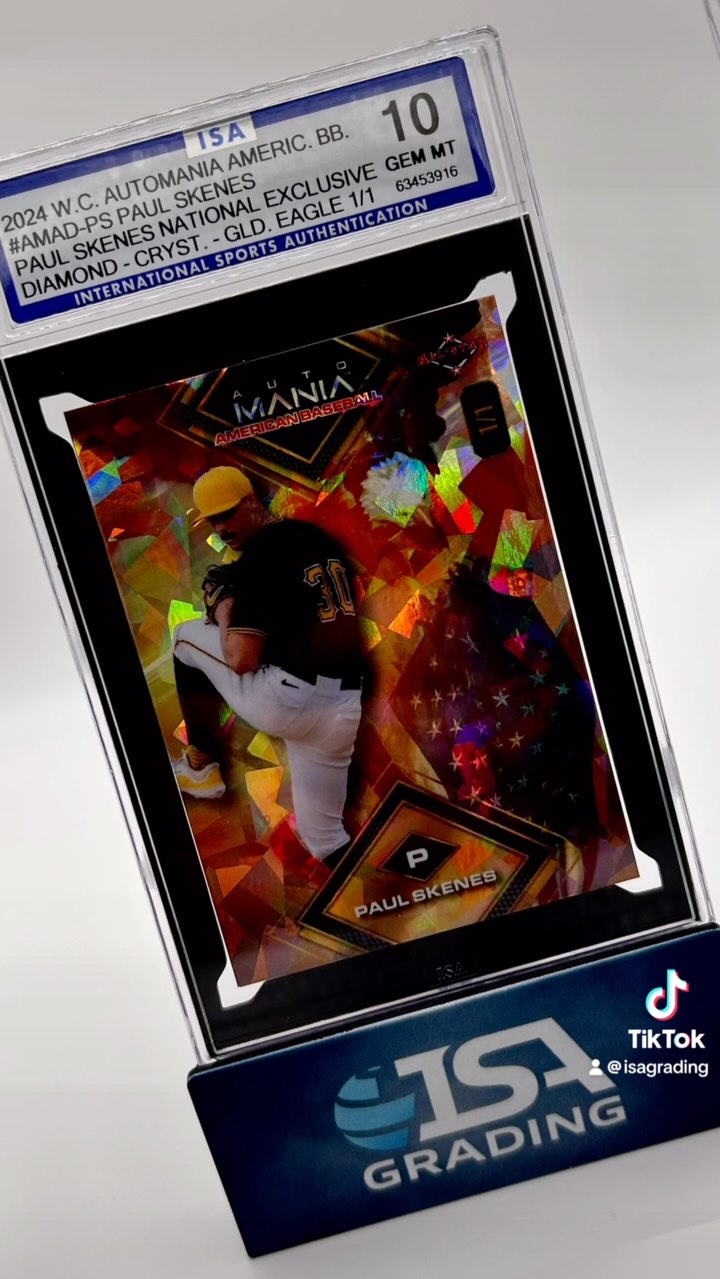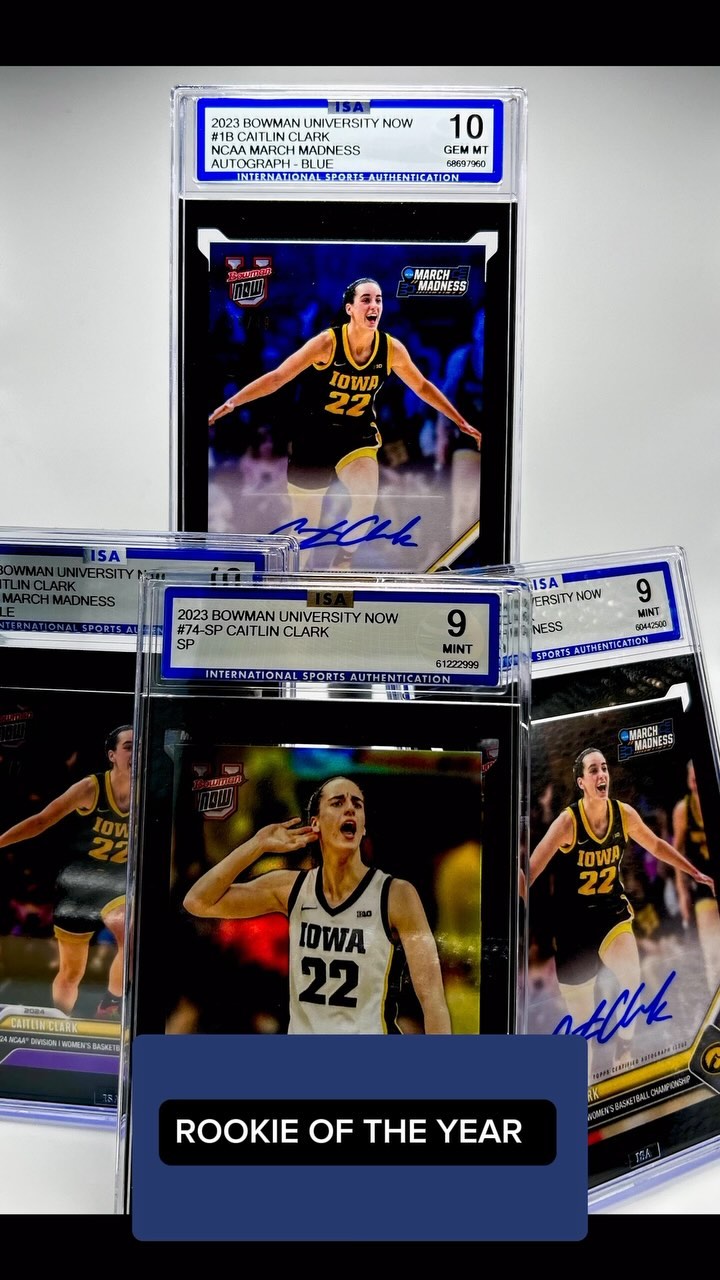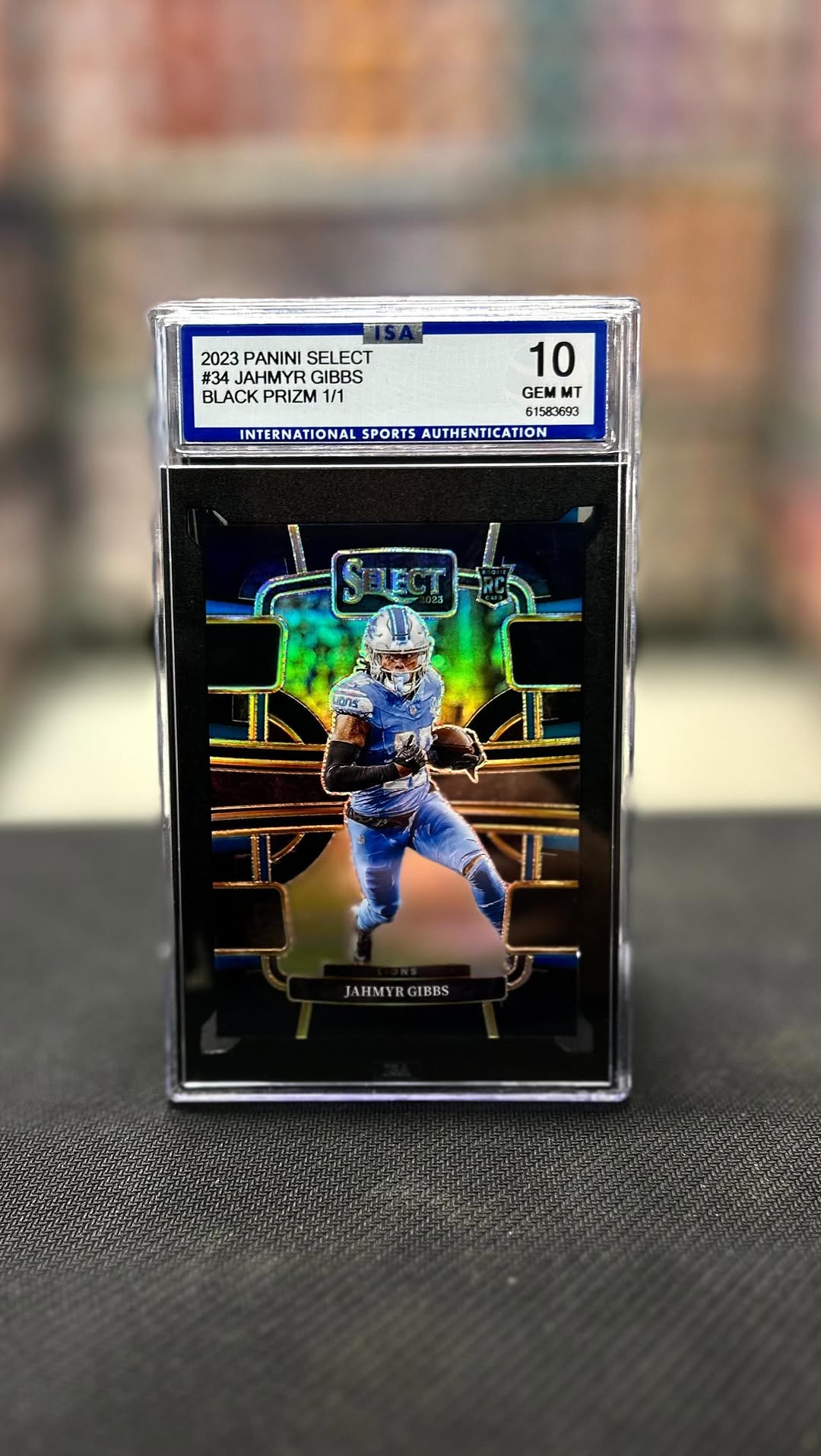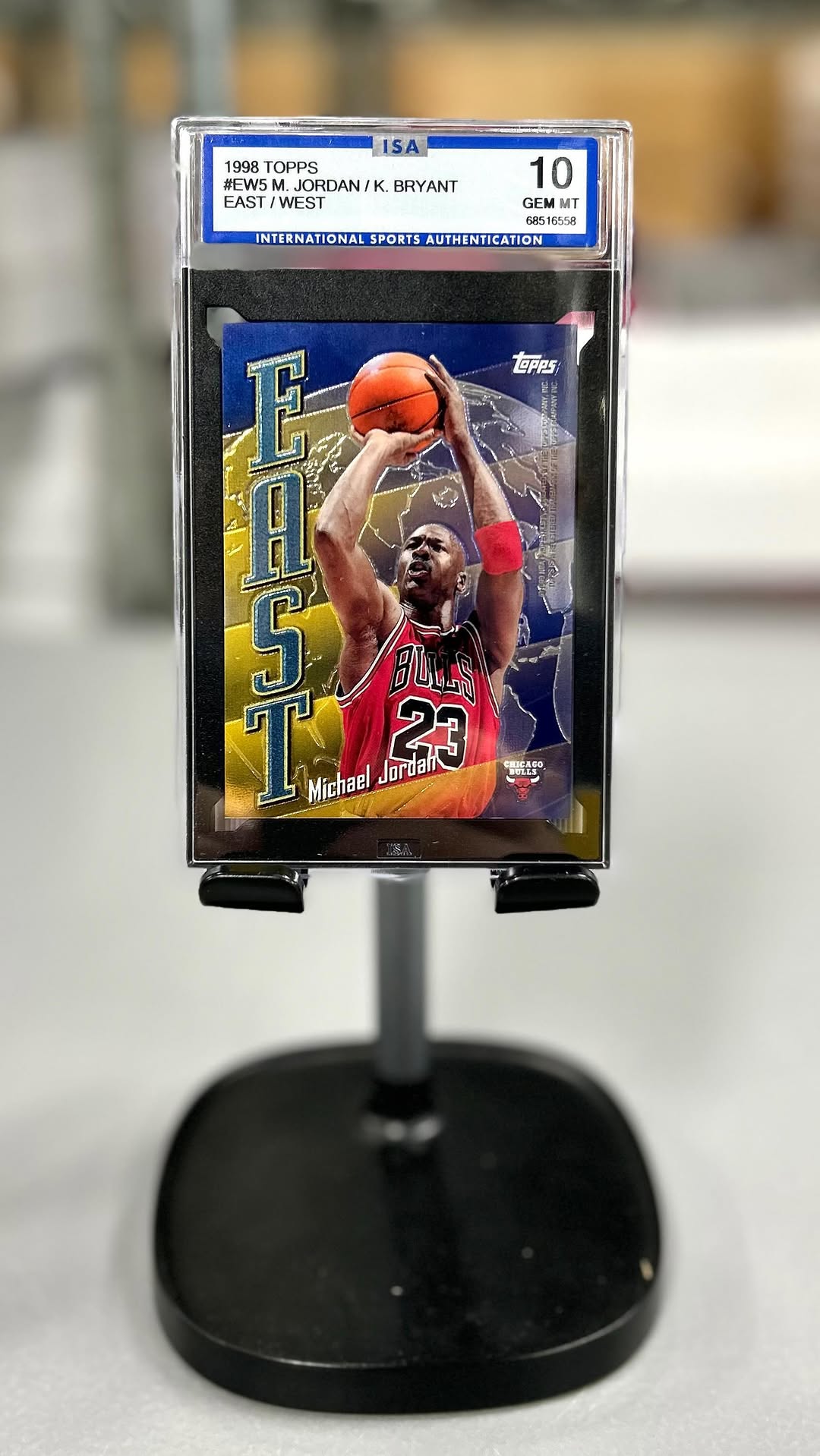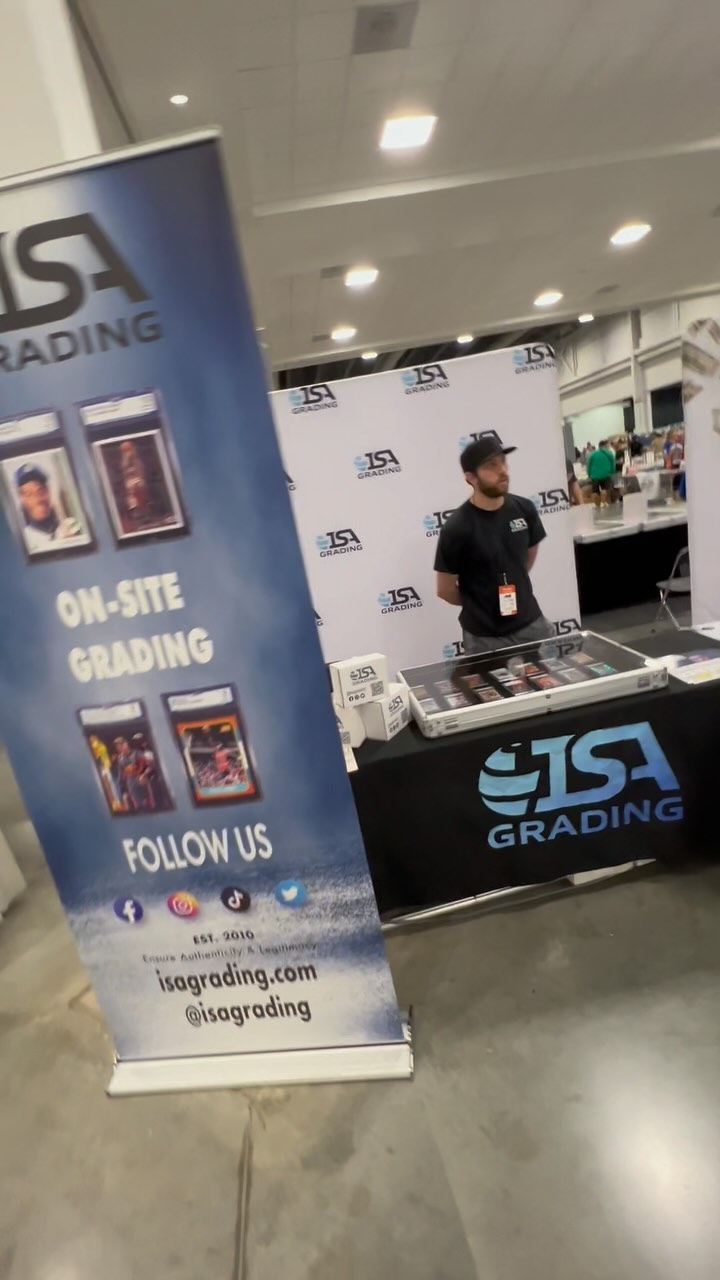
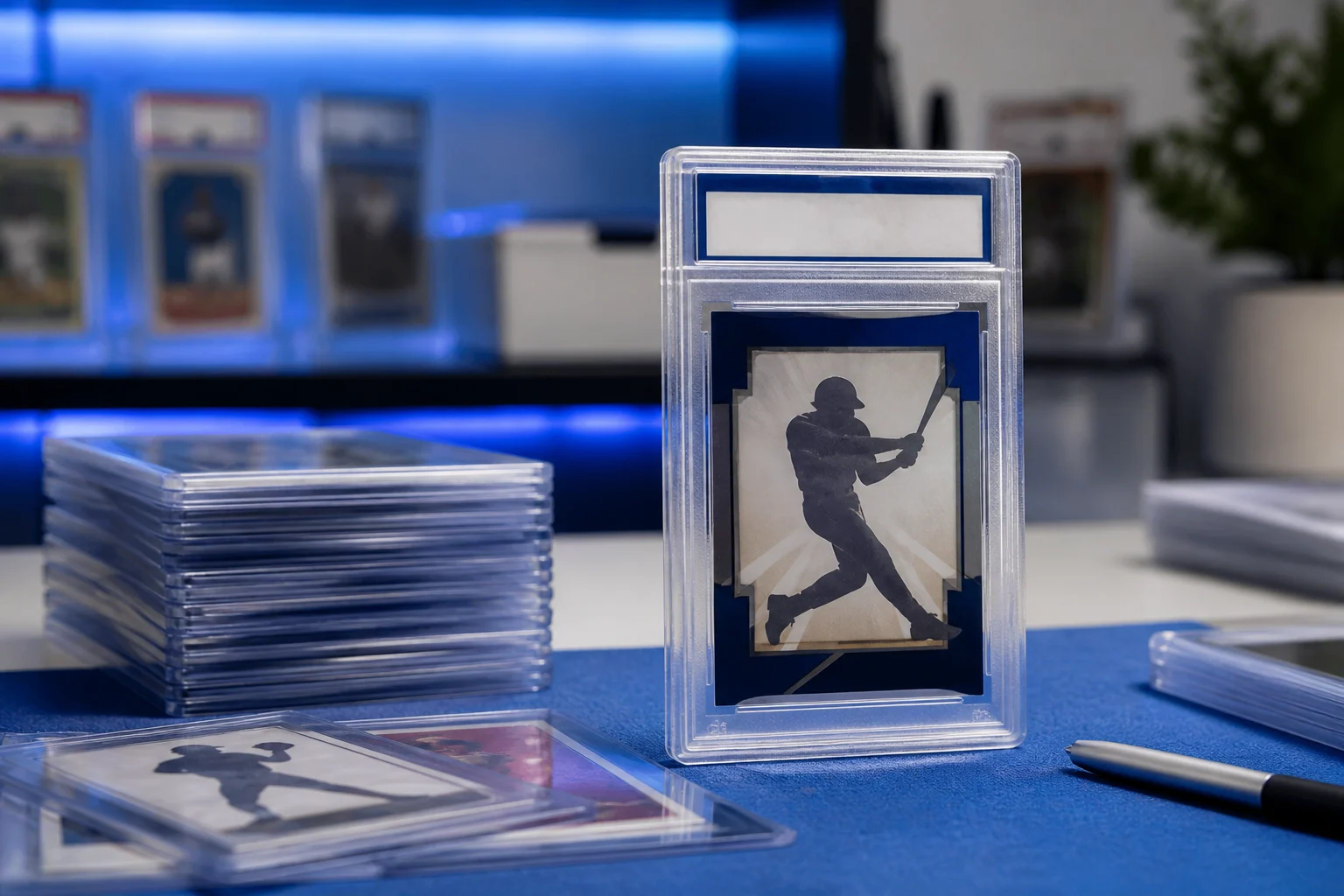
Deciding whether to grade a sports card starts with a simple question: what will it cost? ISA Grading, also known as International Sports Authentication, currently offers sports card grading and authentication at $15 per card, with a 14 day turnaround, a 10 card minimum, and no upcharges. Those terms give collectors and dealers a clear starting point for planning a submission. They do not tell you what grade a card will receive or what a buyer will pay for it, but they make the grading decision easier to evaluate before you send anything in.
Start with the cost of the whole submission
At $15 per card, a submission of 10 cards has a grading cost of $150. That matters because ISA's 10 card minimum makes ten cards the smallest current submission, not an optional target. If you have only one or two cards ready, you can wait until you have enough candidates or decide whether grading them fits a larger collection plan. If you regularly acquire cards for resale, the minimum may be easier to meet as part of a repeatable sorting routine.
Pricing clarity is especially useful when you are deciding between cards with different values. A collector might want to protect a favorite rookie card regardless of its resale prospects. A dealer may need a more selective approach, weighing grading cost, shipping, expected sale price, and the possibility that a lower grade changes the economics. ISA's no upcharges policy removes one possible change to the grading price after a card is submitted. You should still account for shipping and other expenses associated with preparing and sending your cards when working out your total cost.
Before you ask, “Should I grade my cards?” make two lists. Put cards you want to keep in one group and cards you may sell in another. For personal collection cards, preservation and presentation may carry more weight than immediate resale value. For inventory, compare recent sales of genuinely comparable cards, including the same card, grade, and relevant variation when possible. A clear $15 grading price helps with that calculation, but it cannot predict a final grade or guarantee that grading will increase a card's value.
What a 14 day turnaround helps you plan
Turnaround time affects more than patience. It can influence when you photograph inventory, prepare listings, or decide whether a card belongs in an upcoming show case. ISA lists a current 14 day turnaround, giving submitters a timeline to consider alongside the $15 per card price. Allow separately for the time needed to prepare your cards and ship them, as well as return transit. Check the current instructions on the ISA submission page before sending a package so you are working from the latest service details.
Fast card grading can be useful when you have cards you intend to move, but speed alone should not decide what goes in the box. A card with uncertain demand may not become easier to sell simply because it is graded quickly. On the other hand, a card that buyers are actively seeking may benefit from a submission plan that lets you list it while comparable sales are still relevant. For a closer look at the sales side of that decision, read The Timing Edge: How Faster Grading Can Support a Smarter Card Sale.
Choose cards with a purpose
A good submission begins before any card is packed. Spread out your candidates and identify why each one belongs there. A key card from a favorite team might be a collection piece. A recognizable rookie might be intended for sale. A vintage baseball card might need sports card authentication to help a future buyer understand what is being offered. Baseball card grading and football card grading can both serve these goals, but the right cards to submit depend on condition, demand, and your own reasons for owning them.
For sellers, look beyond an asking price that appears attractive. Check completed sales where available, and pay attention to whether you are comparing raw cards with graded cards or one grade with another. Trading card grading adds a third party assessment of a card's condition, but a slab does not make every copy equally desirable. Print variation, player interest, eye appeal, and the grade itself can all affect buyer interest. If a card's likely sale price leaves little room for grading and selling costs, keeping it raw may be the more sensible choice.
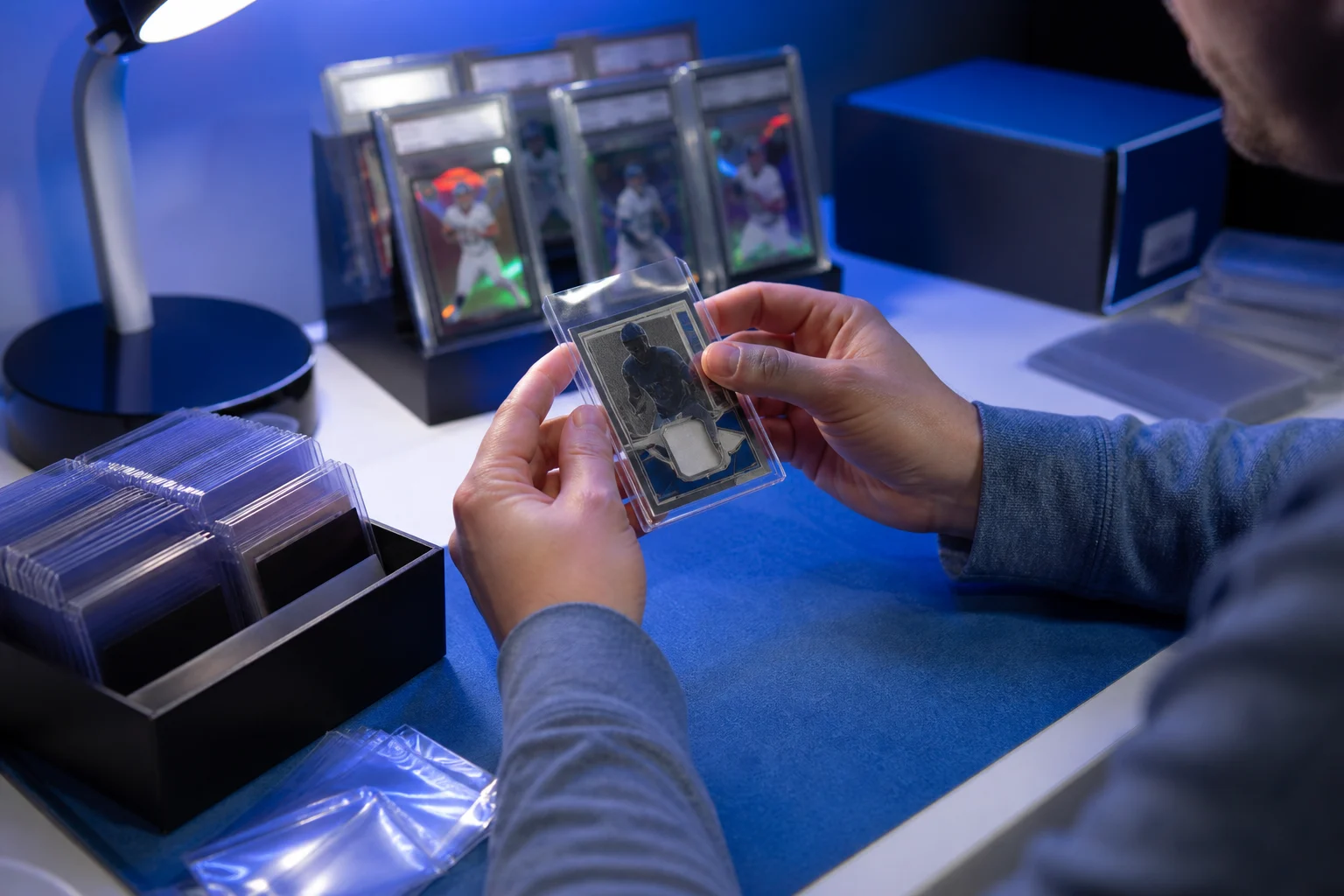
For collectors, value can be personal as well as financial. Rookie card grading may make sense for a card you plan to display or keep in a long-term collection, even if you do not expect to sell it. Trading card slabs provide a consistent format for storage and presentation, while the grading label helps you identify the card and its assigned grade. Think about where the slab will live after it comes back. A safe storage plan still matters because encapsulation is not a substitute for careful handling and a suitable storage environment.
Inspect condition before you submit
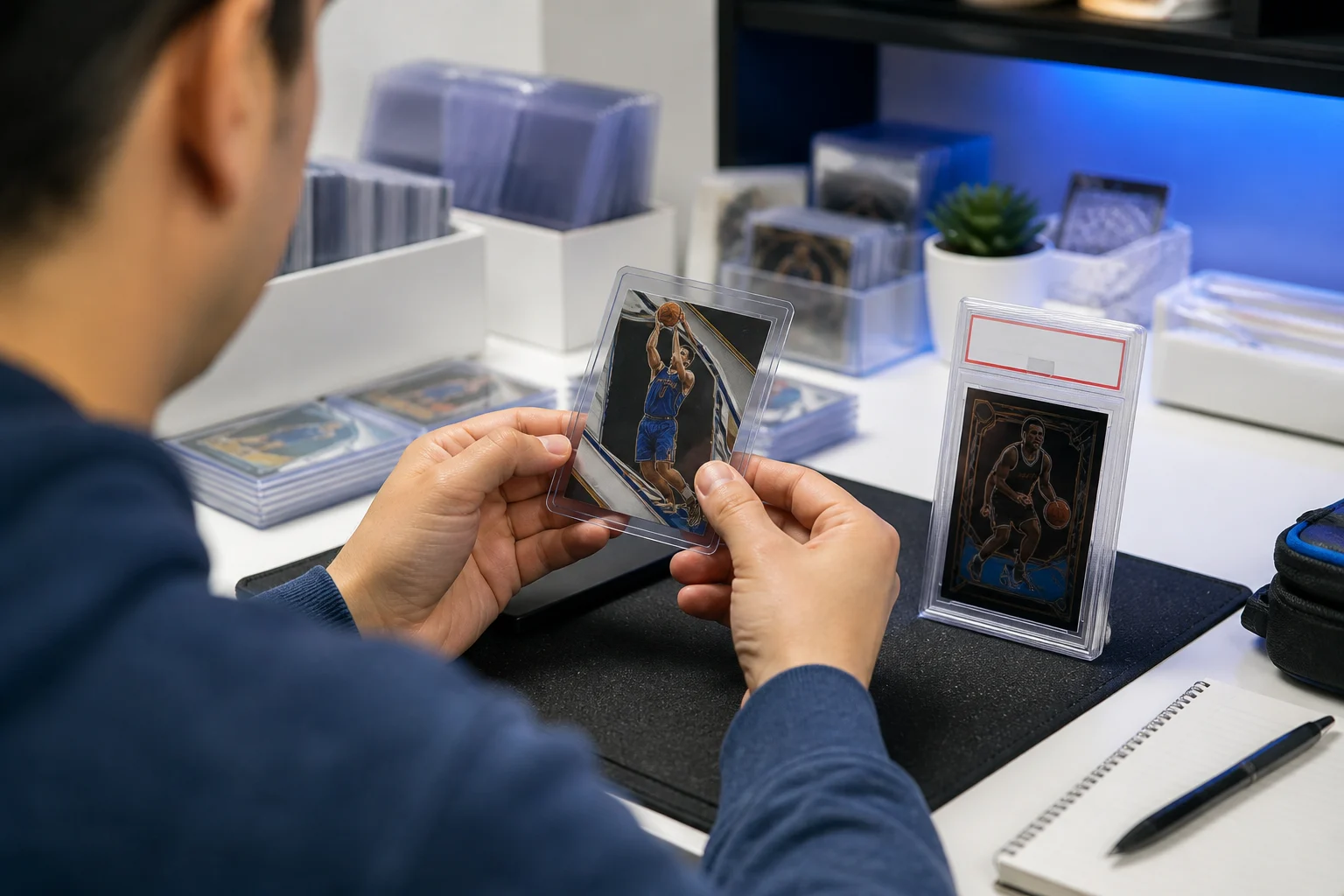
Card condition grading can feel subjective when you are examining your own collection. Give each candidate a calm, consistent review under good lighting. Look at the card surface from more than one angle for scratches, indentations, print defects, or marks that are easy to miss head-on. Inspect card corners for whitening, soft tips, or visible bends. Examine card edges for chipping and wear. Check card centering on the front and back rather than relying on a quick glance at the front image.
Do not assume a card is flawless because it went straight from a pack into a sleeve. Manufacturing issues can be present before anyone handles a card, and storage or handling can introduce damage later. Likewise, avoid deciding on a precise grade based only on phone photos. Photos can help you record condition, but lighting and angles can hide problems. ISA publishes a grading scale that you can consult while setting expectations. Use it to understand the grading framework, not as a promise that your own estimate will match the final result.
Be particularly careful when a card has a visible issue you are tempted to fix. Aggressive cleaning, trimming, recoloring, or other alteration can create serious problems for a card and its eligibility for an unqualified grade. When in doubt, leave the card as it is and focus on documenting what you can see. The aim of your review is to make a better submission decision, not to turn a damaged card into a different one.
Protect the cards on the way to grading
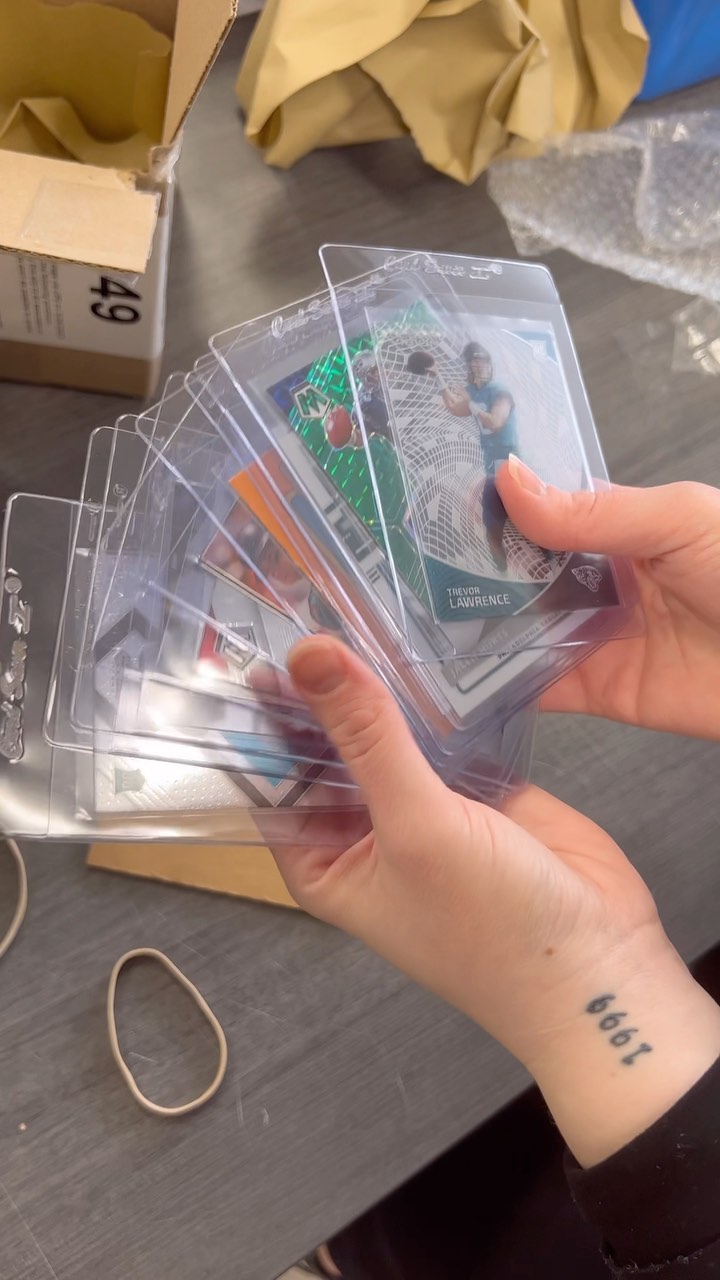
Grading preparation has a practical goal: get each card to the grader in the condition you chose to submit it. Handle cards with clean, dry hands and use appropriate protective supplies. Make sure a card can enter its sleeve without force, and avoid dragging a corner against an opening. Keep the cards organized in the order required by the current submission instructions, and use packaging that limits movement in transit. Review ISA's packing directions before you ship rather than assuming that an old routine or another company's instructions apply.
It also helps to make a simple record of the submission. Note the cards you included, take clear photos for your own inventory, and retain the relevant shipping and submission information. These steps will not change a card's grade, but they make it easier to track what you sent and manage your collection while the cards are away. For a broader look at sleeves, storage, and the move into slabs, see From Penny Sleeve to Slab: A Practical Card Protection Plan.
Use the slab and certificate information thoughtfully
When a graded card returns, the holder and label make its assigned grade visible without requiring a buyer to rely only on the seller's description. That can support buyer confidence, particularly in an online listing where the buyer cannot inspect the card in person. ISA also provides certificate verification on its website. Sellers can include the certificate number in a listing when appropriate, and buyers can use the verification tool to check the card information associated with that certificate.
Certificate verification is useful, but it is not a reason to skip looking closely at a listing. Buyers should still review clear images of the front and back of the slab, read the label, and compare the listing details with the verification result. Sellers should photograph the actual card they are offering, describe any visible issues with the holder, and avoid implying that a grade guarantees future value. Sports card authentication and grading provide information that can make a transaction easier to assess; accurate presentation remains the seller's responsibility.
Make the $15 price work for your collection
A repeatable approach makes a 10 card minimum less daunting. As you sort new purchases or revisit stored cards, set aside possible grading candidates in a clearly marked group. Record the card, your reason for considering it, any condition concerns, and whether you intend to keep or sell it. When the group reaches ten cards, review it again. Cards that looked promising at first may no longer fit your plans, while others may be worth submitting even without a near-term sale in mind.
If you are searching for “card grading near me,” it can be tempting to focus only on location. Instead, compare the details that affect your submission: current price, minimum quantity, turnaround, packing instructions, and how you will verify a certificate later. ISA's current terms are $15 per card, a 14 day turnaround, a 10 card minimum, and no upcharges. If you want to hear how other customers describe their experiences, you can also read ISA's reviews while forming your own expectations.
The most useful question is not whether every card should be graded. It is whether grading a particular card serves a clear purpose at a cost you understand. ISA's published service terms give you a straightforward basis for that decision. Choose candidates carefully, inspect their condition without assuming a grade, protect them in transit, and plan how you will store or sell them when they return. That approach makes $15 card grading a practical tool for your collection rather than a decision you make on price alone.
Submit Cards to ISA Grading
Collectors ready to use ISA Grading can start on the submission page. The current active service is $15 per card with a 14 day turnaround, no upcharges, and a 10 card minimum.
Frequently Asked Questions
How much does ISA card grading cost?
ISA Grading's current active service is $15 per card, with no upcharges. Its 10 card minimum means the grading cost for a minimum submission is $150. Account separately for shipping and other expenses involved in preparing and sending your cards.
What is ISA's current turnaround time?
ISA lists a current 14 day turnaround. Check the current submission instructions for service details, and allow additional time for preparing your cards and for shipping in both directions.
Can I submit fewer than 10 cards to ISA?
ISA's current submission minimum is 10 cards. If you have fewer candidates, you can wait until you have enough cards that fit your collecting or selling goals.
How can a buyer verify an ISA graded card?
ISA offers certificate verification at /certificate-verification. Buyers can use the certificate information to check the associated card details and should also examine clear images of the actual slab and label.
Will grading make my card worth more?
Not necessarily. A card's grade, demand, eye appeal, and selling costs all matter. Review comparable completed sales and inspect the card's condition before deciding whether grading fits your goals.