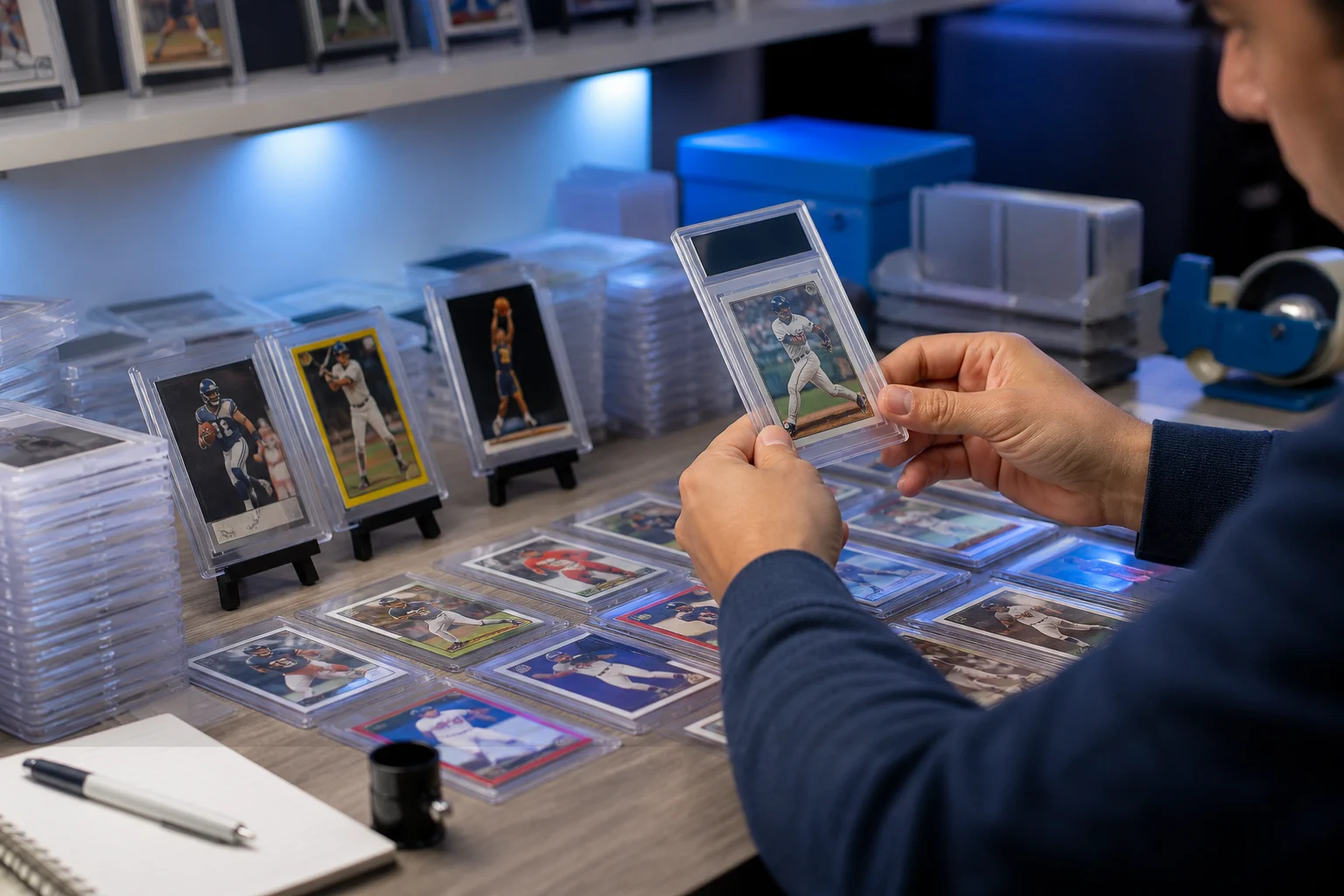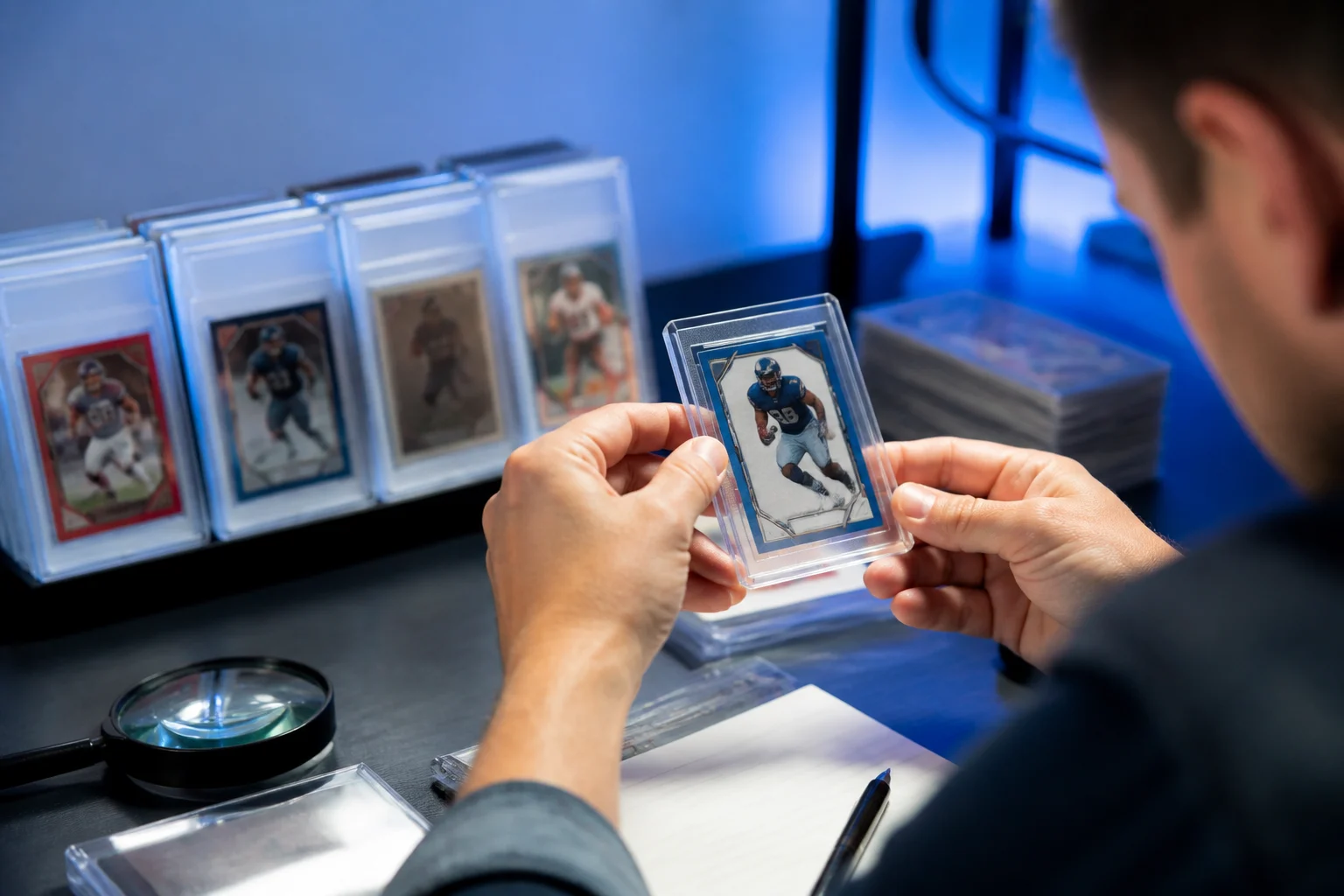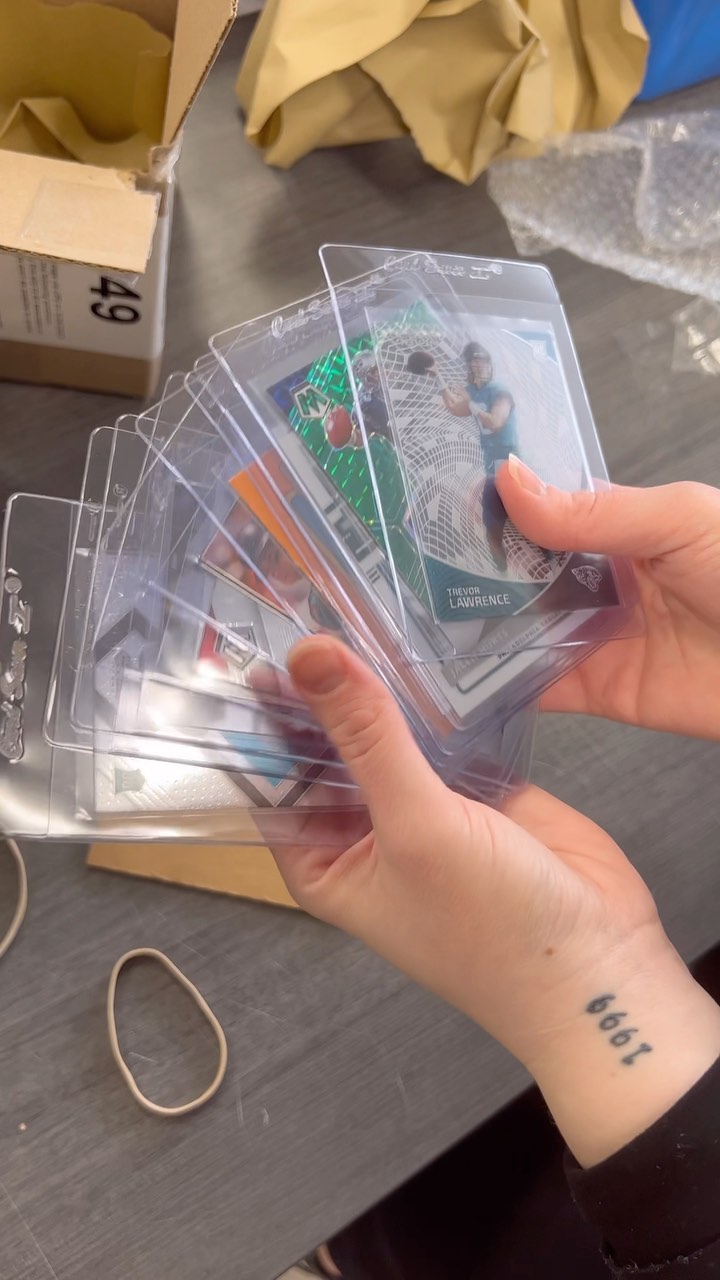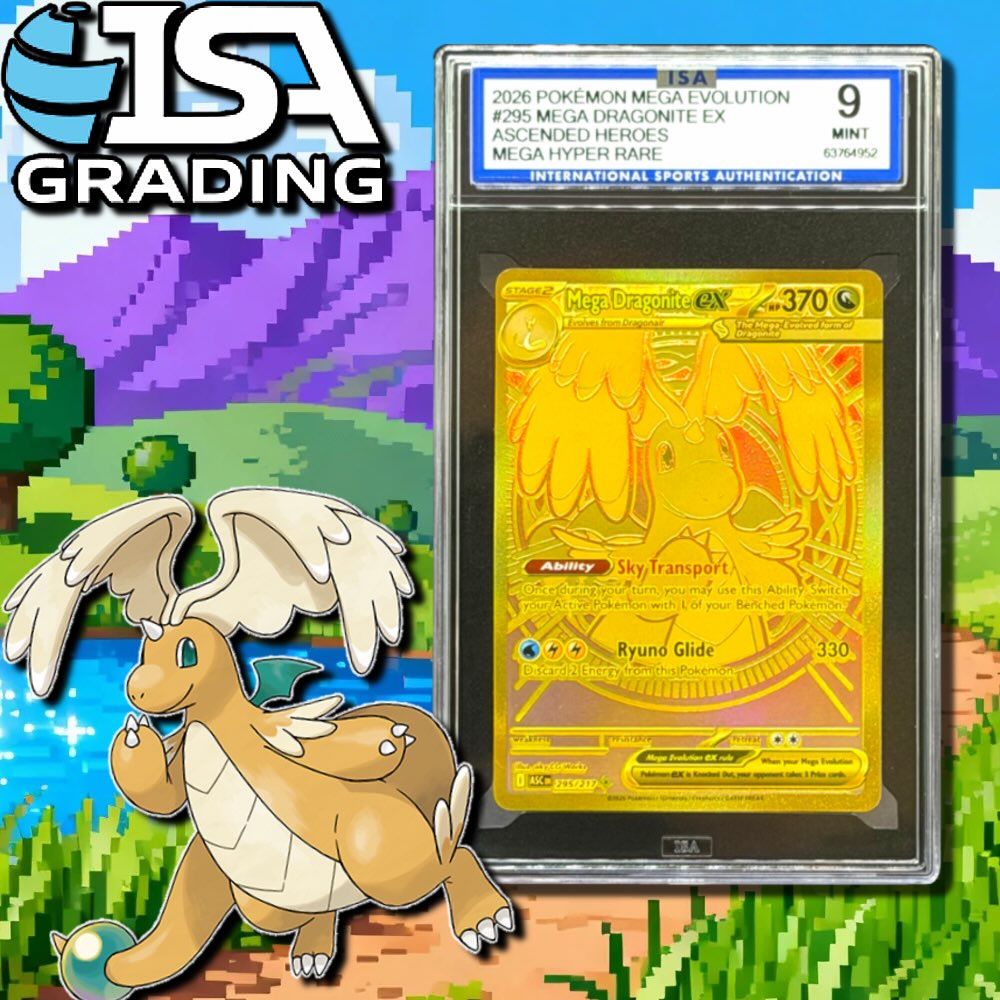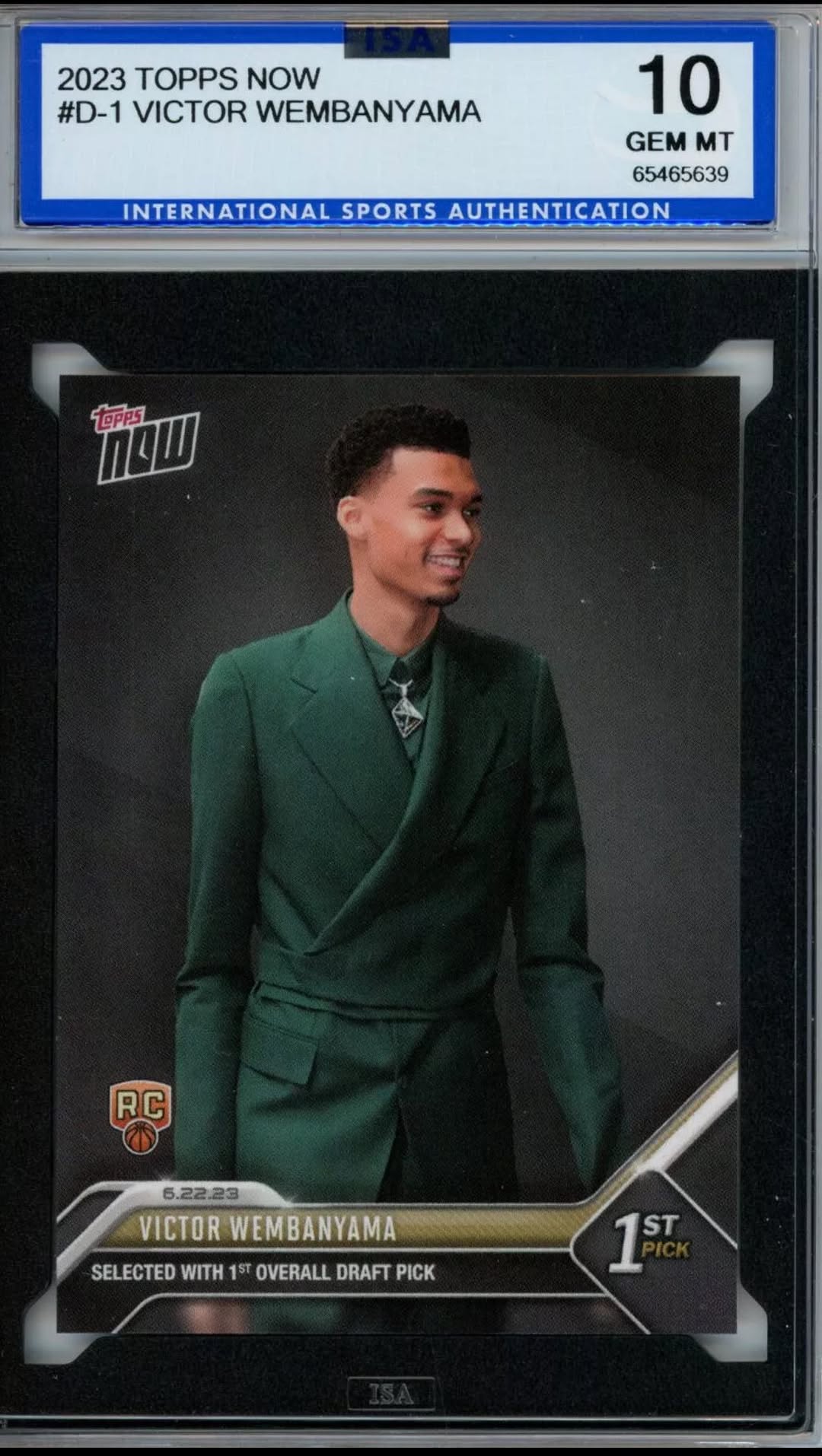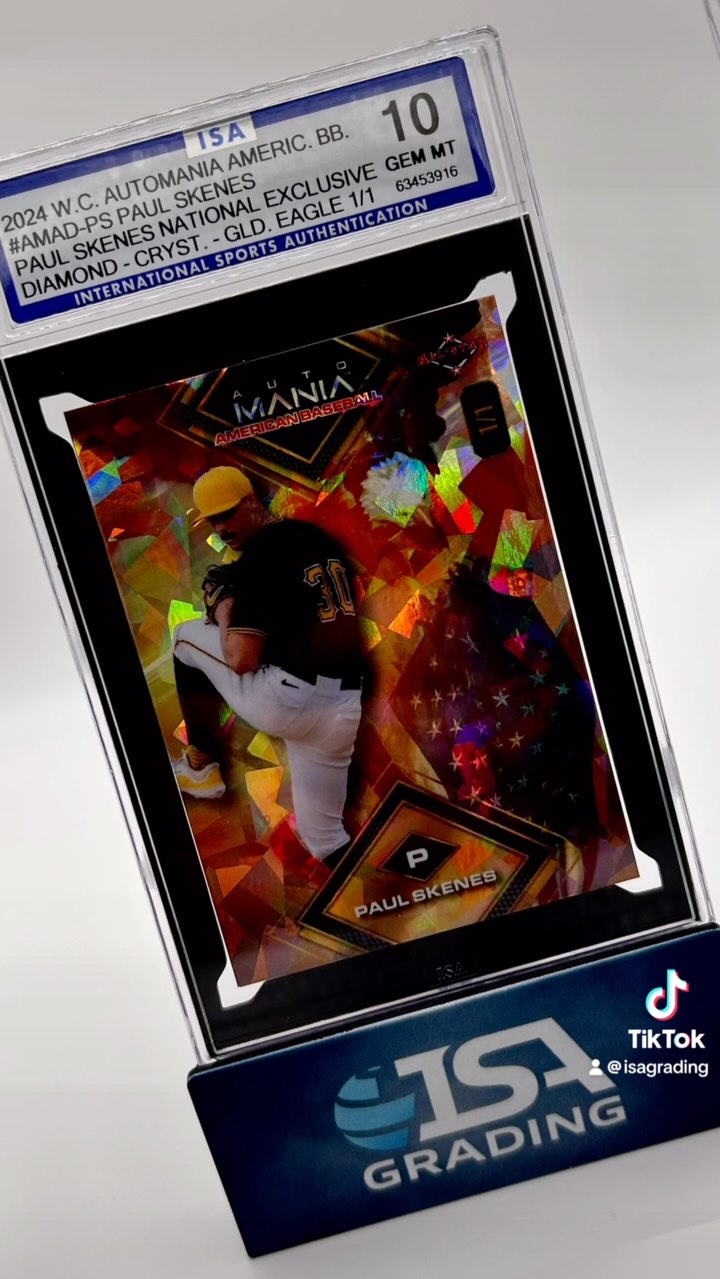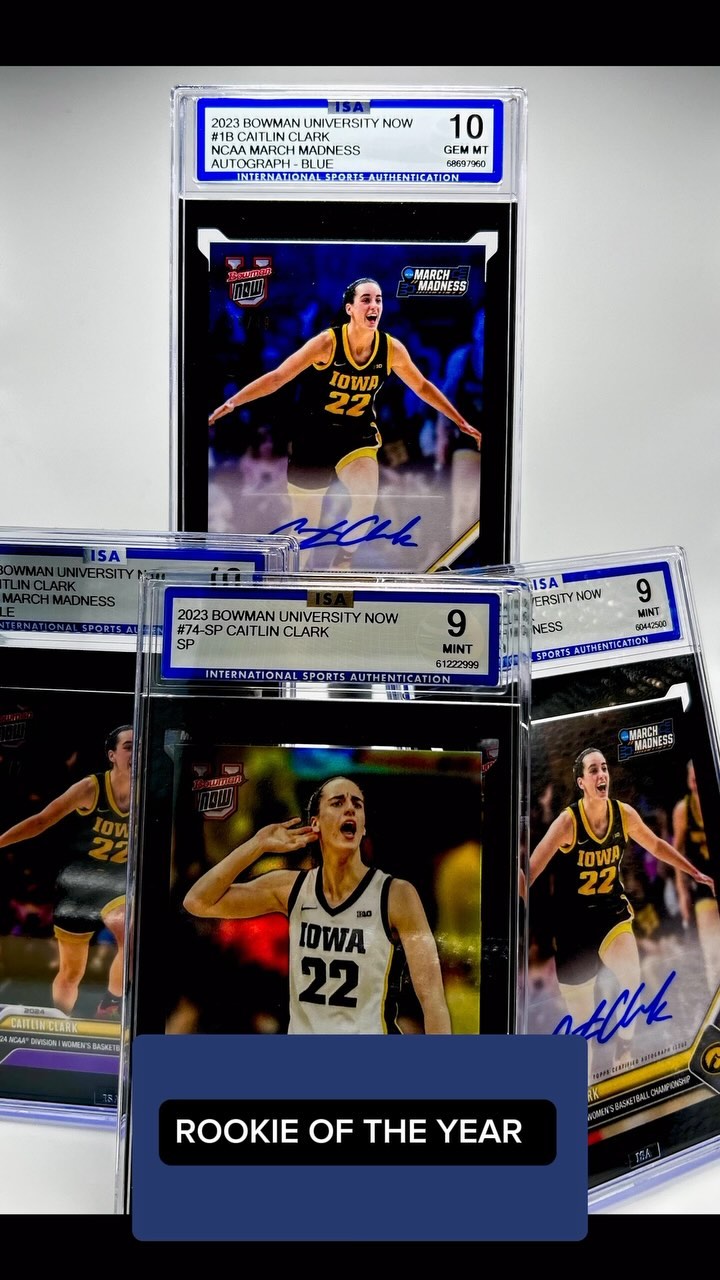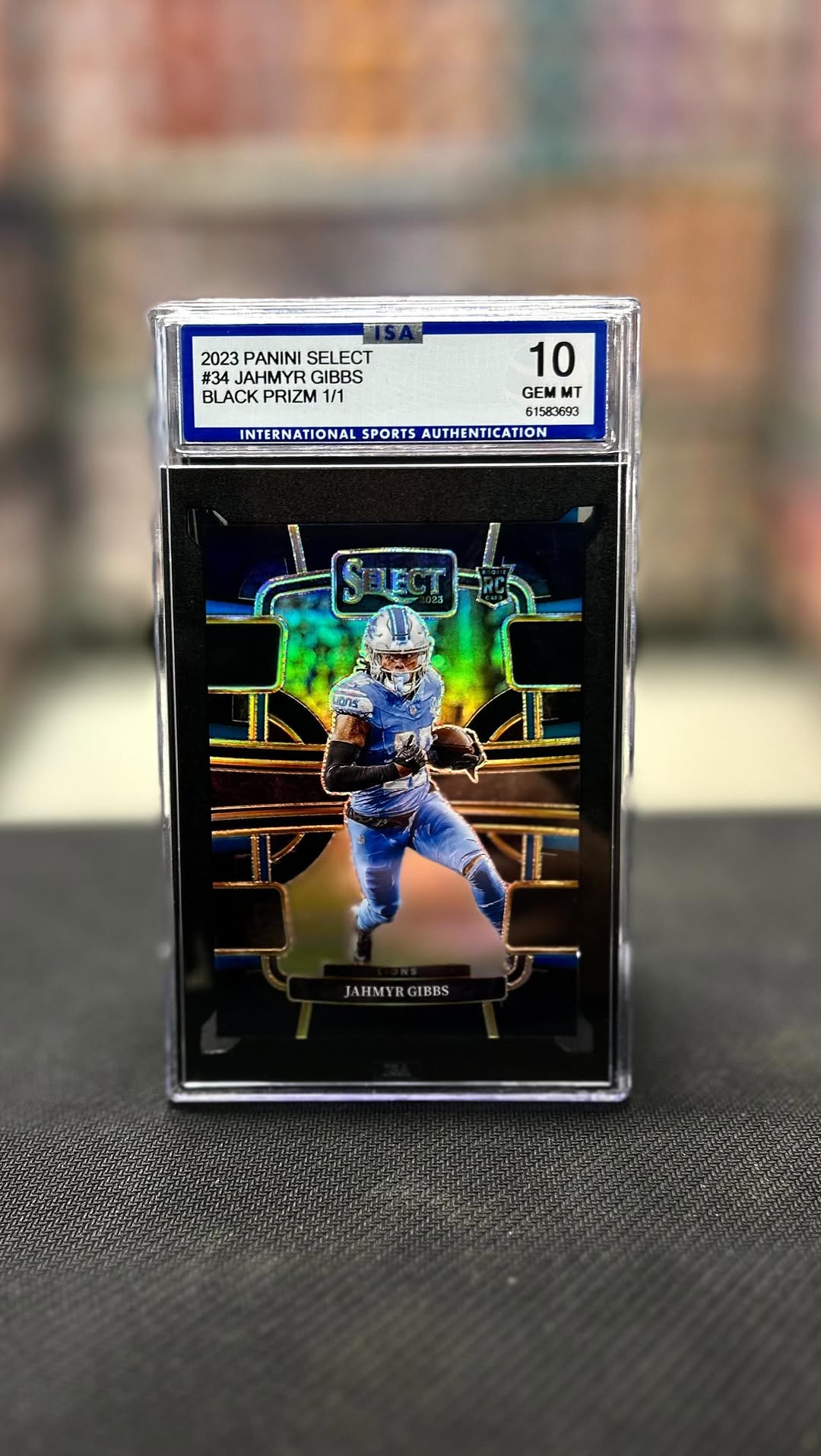
A card can pass through many hands before reaching a permanent collection. It may move from a pack to a sleeve, from a dealer case to a shipping box, and eventually into a professionally graded holder. Every step presents a chance to preserve the card or accidentally damage it.
A practical card protection plan covers more than storage. Collectors, dealers, and hobby sellers should consider handling, grading preparation, shipping, card encapsulation, certificate verification, and the way a graded card will be presented to future buyers. The following steps can help protect raw and graded cards without assuming that every card requires the same treatment.
Start with the right protection goal
Before buying supplies or submitting a card, decide what you are trying to accomplish. A personal collection may prioritize long term organization and display. A dealer may need inventory that can be photographed, transported, and sold efficiently. An owner preparing to grade my cards may be focused on preserving their current condition before evaluation.
Professional grading does not improve a card's condition. Card condition grading records an independent assessment of the card as submitted. Good preparation is therefore about preventing new damage, not creating a higher grade. Review the ISA grading scale to understand how factors such as card centering, card corners, card edges, and the card surface contribute to the overall evaluation.
Inspect raw cards before handling them further
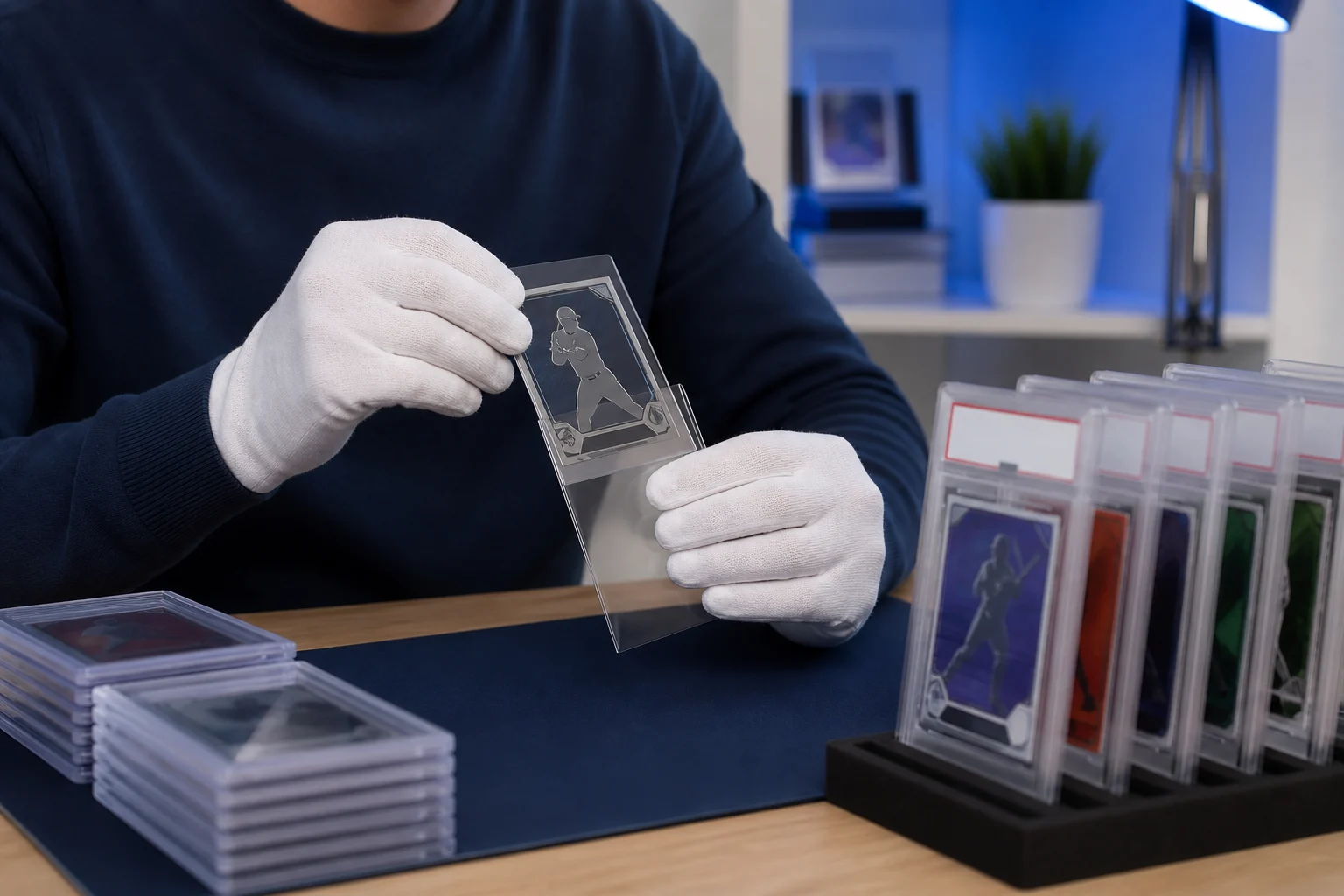
Use a clean, dry workspace with bright, indirect lighting. Keep drinks, food, adhesives, and loose objects away from the inspection area. Wash and dry your hands before touching cards. Clean hands often provide better control than bulky gloves, which can catch a corner or make a card easier to drop.
Hold a card by its edges whenever possible. Tilting it under a light can reveal scratches, print lines, dents, stains, surface impressions, and gloss problems. Examine the front and back because damage on either side can affect the grade. Magnification can help identify small flaws, but avoid pressing tools against the card.
Different issues may matter for different products. Modern chrome basketball card grading submissions often require close surface inspection because reflective finishes can reveal fine scratches. Baseball card grading candidates with dark borders may show edge wear clearly. Vintage card grading requires particular care because older stock can be fragile, unevenly cut, or affected by decades of storage. Rookie card grading deserves the same objective inspection as any other card, regardless of the player's popularity or the card's market value.
Choose sleeves and holders that fit correctly
A standard penny sleeve is a useful first layer for many raw sports cards. Open the sleeve carefully and guide the card in without forcing the corners against the plastic. If the fit is tight, use a properly sized sleeve rather than applying pressure. Oversized, thick, or memorabilia cards may require supplies made for their dimensions.
A semi rigid holder can add support for storage and submission. The card should be fully sleeved before entering the holder, and it should not be bent to make it fit. Avoid placing adhesive tape directly on a sleeve, holder, card, or graded slab. If a closure is needed for transport, use a resealable outer bag or another method that cannot leave residue on the card holder.
Do not use household cleaners, polish, chemical solutions, or abrasive cloths on a card surface. Attempts to remove marks can create scratches, alter the finish, or cause other permanent changes. If loose dust cannot be removed safely without touching the card, leaving it alone is usually more prudent than risking damage.
Build grading costs and timing into the plan
Protection also includes limiting unnecessary handling and uncertainty. When collectors repeatedly move raw cards between storage methods while deciding whether to submit, the chance of a dropped card, pinched corner, or scratched surface increases. A clear grading plan allows promising cards to move from inspection to secure packaging with fewer transitions.
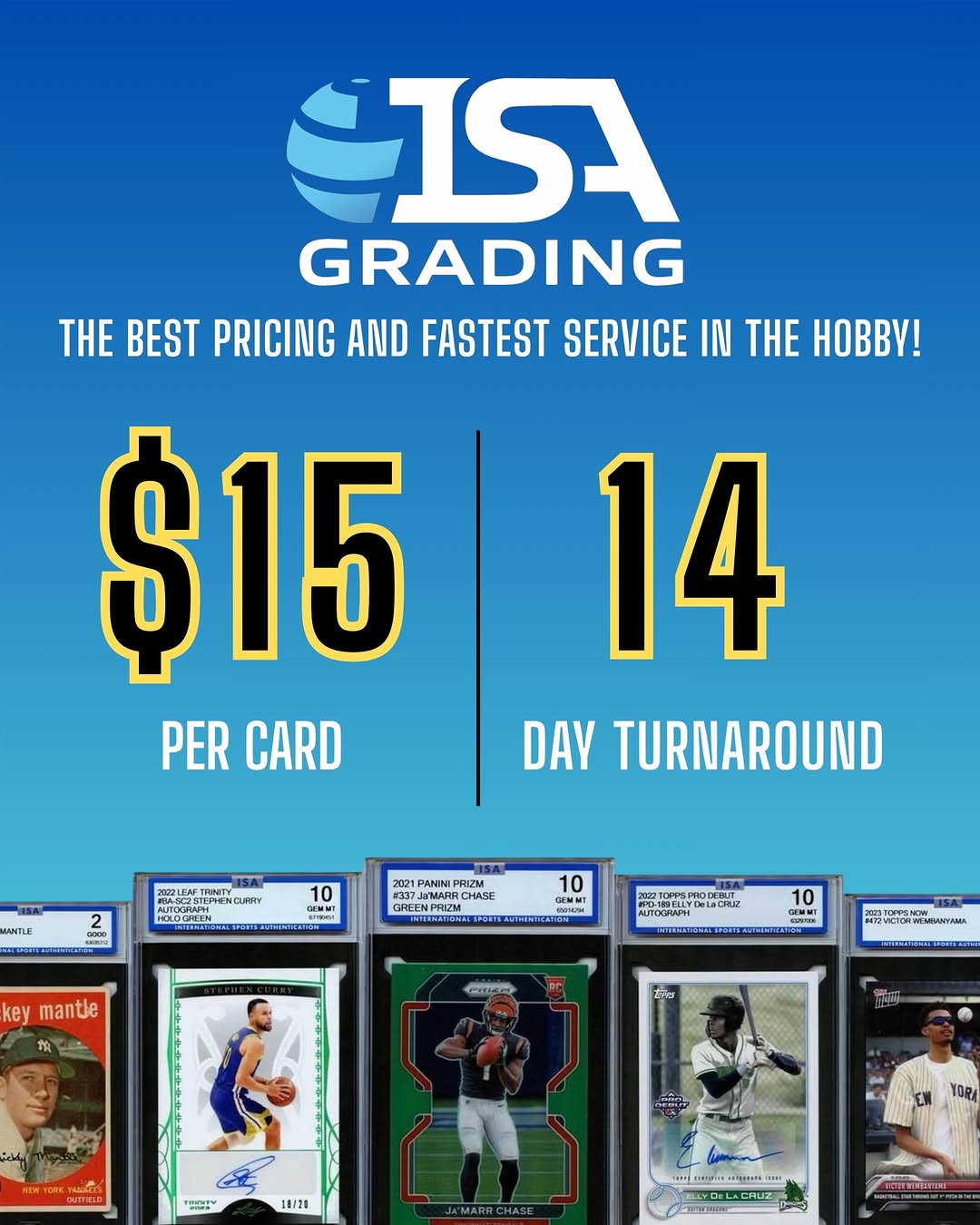
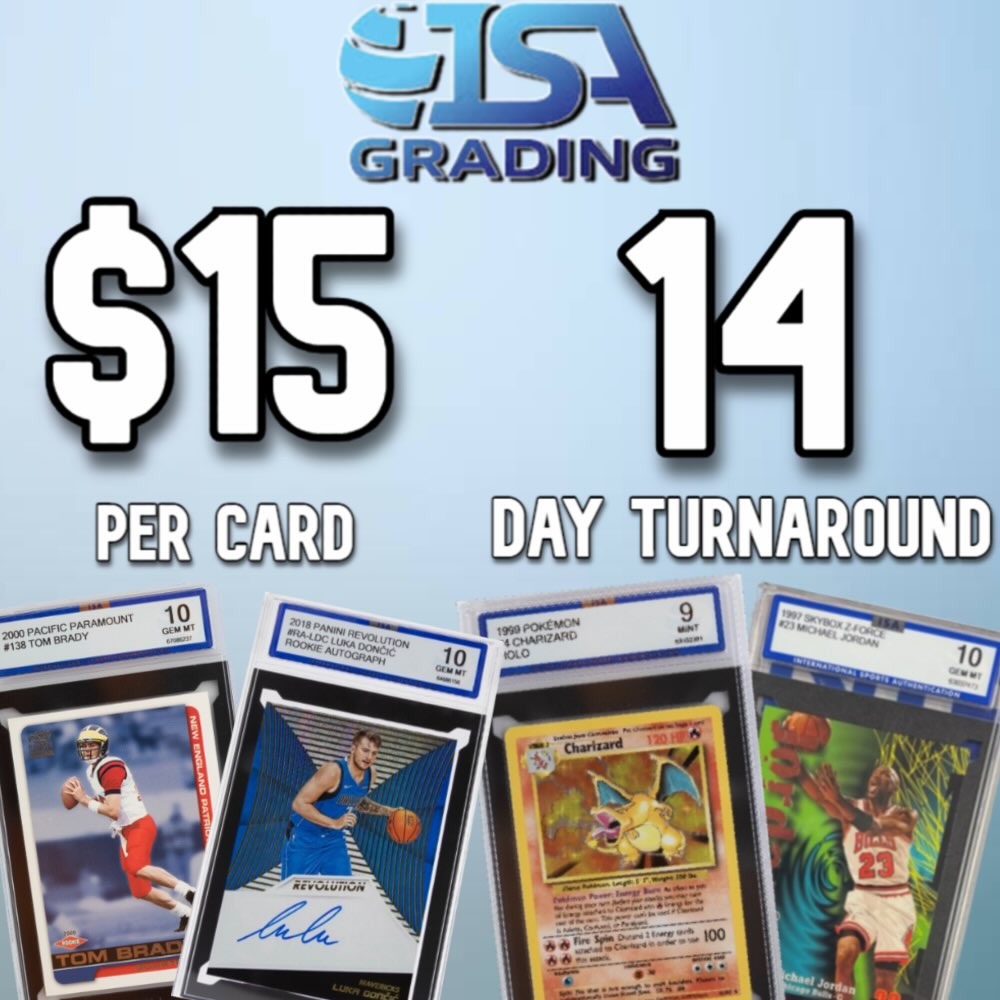
ISA Grading currently offers sports card grading and authentication at $15 per card, with a 14 day turnaround, a 10 card minimum, and no upcharges. Collectors looking for $15 card grading or no upcharge card grading can calculate the grading charge without worrying that a card's declared value will create an added grading fee under the current service.
The ISA submission page provides the starting point for a submission. Before sending cards, confirm the current service information and follow the listed submission instructions. For more detail about the pricing structure, read A Clearer Path to the Slab. Dealers building larger batches can also review From Raw Cards to Ready Inventory.
Pack submissions to reduce movement
Once cards are sleeved and placed in suitable holders, organize them in the same order as the submission paperwork. This can reduce avoidable sorting and handling. Keep a private inventory with the year, brand, set, player, card number, and any identifying variation. Photos of the cards before packing can also support your own records.
Group protected cards securely so they cannot shift freely, but do not compress them with excessive force. Place the group between sturdy pieces of cardboard slightly larger than the holders. Use an outer bag or wrap to help keep the stack together, then cushion it inside a rigid shipping box. Fill open space so the contents do not rattle.
Use a shipping method that provides tracking and choose insurance based on your assessment of the package's value. Keep the tracking number, submission details, and photographs until the completed order has returned safely. Turnaround time matters to collectors and sellers, but secure packing should never be sacrificed to save a few minutes.
Handle graded cards as protected collectibles
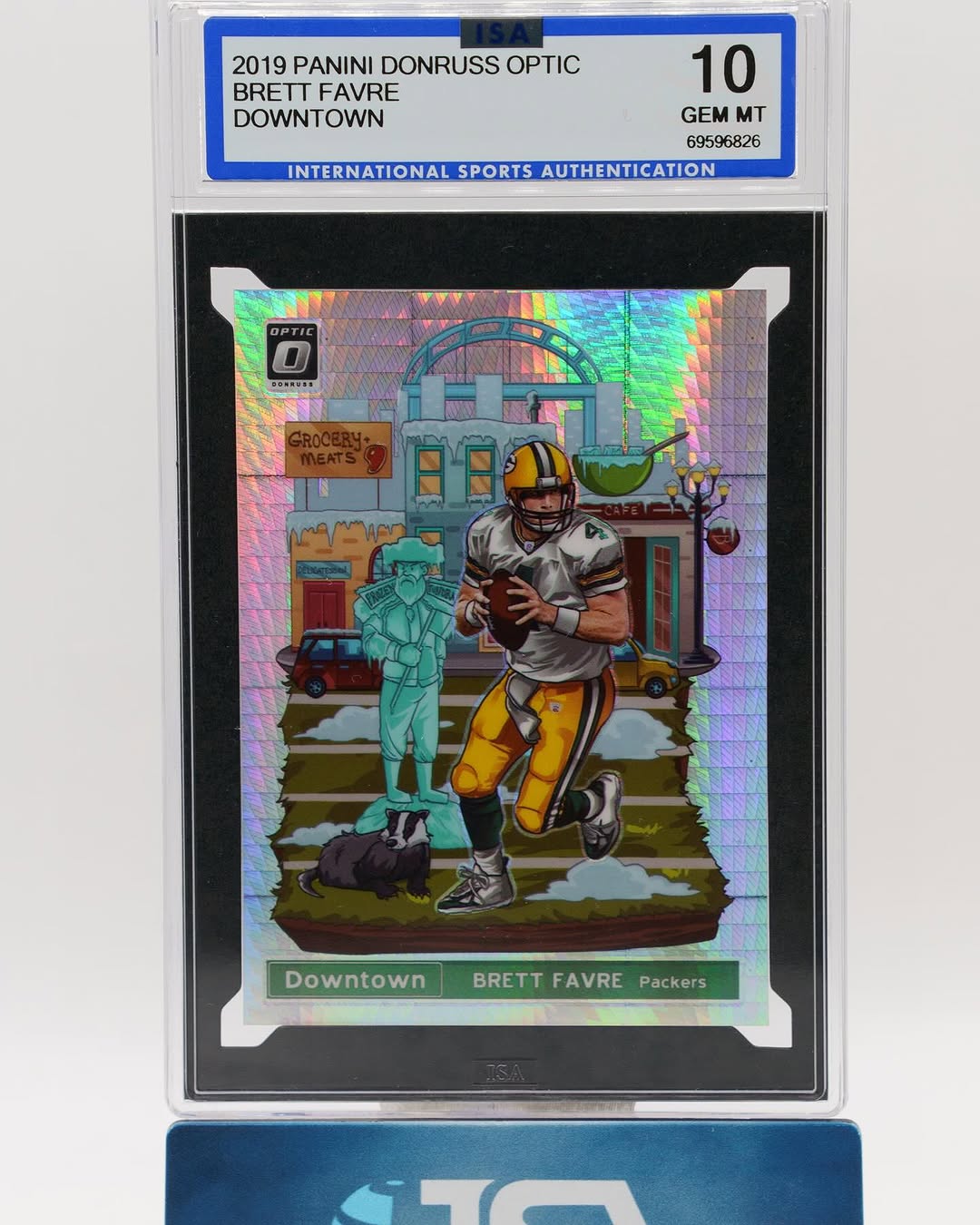
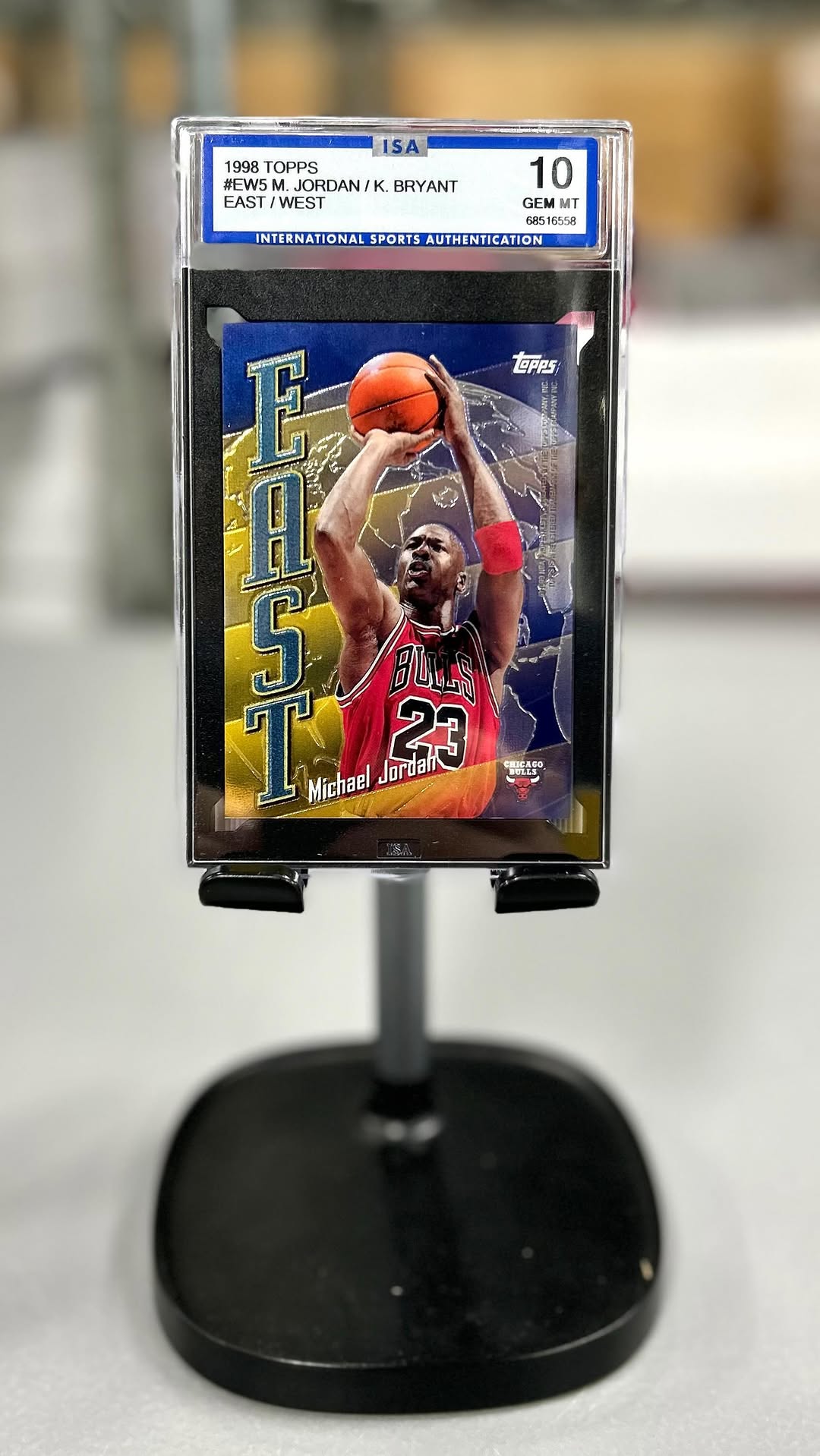
Trading card slabs provide substantial protection from routine handling, contact, and bending, but they are not indestructible. A holder can still be scratched, cracked, exposed to moisture, or damaged by excessive heat and pressure. Pick up a slab by its sides instead of placing fingers across the viewing area.
A fitted slab sleeve or resealable bag can reduce light surface scratches during storage and transport. Store graded cards upright in a box designed for slabs, using dividers that do not press against the holders. Do not overfill a box. Tight packing can make removal difficult and increase the chance of dropping a slab.
For shipping a graded card, place the slab in a protective outer sleeve, add cushioning, and use a rigid box. Avoid mailing a valuable slab in an unpadded envelope. When shipping several slabs, separate them so the holders do not rub directly against one another. Confirm that the box remains stable when gently moved.
Card encapsulation protects the card from direct handling, but it does not eliminate environmental risks. Keep slabs away from prolonged direct sunlight, damp basements, hot vehicles, and areas with large temperature swings. A cool, dry, stable location is generally better for long term storage.
Use certificate verification to support buyer confidence
A graded card should be accompanied by information that buyers can review. ISA provides online certificate verification, allowing a collector or prospective buyer to look up the certification information associated with an ISA graded card. This is a useful step when cataloging a collection, preparing a listing, or evaluating a possible purchase.
Certificate verification supports transparency, but buyers should still inspect the slab and listing photographs. Check that the certification number shown online corresponds with the number on the label. Review the card description, grade, and visible condition of the holder. If anything appears inconsistent, request clearer photographs or additional information before completing a transaction.
Card authentication and sports card authentication can address important questions about an item, while grading communicates the assigned condition. Sellers should describe those services accurately rather than implying that a grade guarantees value, future demand, or a particular selling price.
Present graded cards clearly when selling
A strong sales listing starts with sharp photographs of the slab's front and back. Include close images of the label and certification number, and disclose visible scratches, chips, or cracks in the holder. Photograph the slab against a plain background with enough light to show the card without heavy glare.
Use a precise title that includes the year, manufacturer, set, player, card number, grade, and grading company. Mention relevant variations only when they can be verified. Avoid vague claims such as perfect investment or guaranteed increase. A professionally graded card can give buyers useful condition information, but market prices still depend on the player, set, scarcity, demand, timing, and comparable sales.
Dealers should record where each slab is listed and remove duplicate listings promptly after a sale. Before shipping, compare the certification number on the sold card with the order record. This simple check helps prevent fulfillment mistakes. Sellers planning around release schedules, player news, or seasonal demand may also find The Timing Edge useful when deciding when to submit and list inventory.
Match protection choices to the card
Not every card belongs in the same sleeve, holder, storage box, or grading batch. A low value duplicate may only need basic archival storage, while a scarce vintage card or key rookie may justify professional grading, detailed documentation, and insured shipping. The decision should reflect the card's condition, importance, replacement difficulty, and intended use.
Collectors searching for card grading near me may discover that location is only one factor. Pricing clarity, turnaround time, grading standards, certificate tools, submission minimums, and communication also affect the overall experience. ISA's current 10 card minimum can work well for collectors who build a focused batch instead of shipping one card at a time.
If you are uncertain about submission requirements, card eligibility, or the way a particular item should be prepared, use the ISA contact page before packing the order. Asking a question before shipment can help avoid preventable delays or unsuitable packaging.
Create a repeatable protection routine
- Inspect every card under clean, indirect light.
- Record the card's identifying details and current condition.
- Place it in a properly sized sleeve and suitable holder.
- Review grading standards and select cards objectively.
- Pack submissions so the cards cannot shift or bend.
- Verify certification details after grading.
- Store or ship slabs with protection from scratches and impact.
A consistent routine makes card care easier to manage across personal collections and dealer inventory. It also reduces unnecessary handling while giving future buyers clearer information about the graded card they are considering.
Submit Cards to ISA Grading
Collectors ready to use ISA Grading can start on the submission page. The current active service is $15 per card with a 14 day turnaround, no upcharges, and a 10 card minimum.
Frequently Asked Questions
How should I protect a card before sending it for grading?
Place the card in a properly sized penny sleeve and a suitable semi rigid holder, unless the submission instructions specify otherwise. Keep the card away from tape, moisture, excessive pressure, and loose movement inside the shipping box.
Does cleaning a sports card improve its grade?
Cleaning does not guarantee a better grade and can permanently damage or alter a card. Avoid chemicals, polish, abrasive cloths, and aggressive surface work. The safest approach is usually to preserve the card in its current condition.
How much does ISA card grading currently cost?
ISA Grading currently offers service at $15 per card with a 14 day turnaround, a 10 card minimum, and no upcharges. Collectors should review the submission page before sending cards to confirm current service details.
How can I verify an ISA graded card?
Use the certificate verification page on the ISA website and enter the certification information from the slab. Compare the online result with the card description, grade, label, and certification number shown on the holder.
Are graded card slabs completely damage proof?
No. Slabs protect cards from routine handling, contact, and bending, but holders can still be scratched, cracked, or harmed by moisture, heat, pressure, and impact. Store slabs in sleeves and rigid boxes in a stable environment.