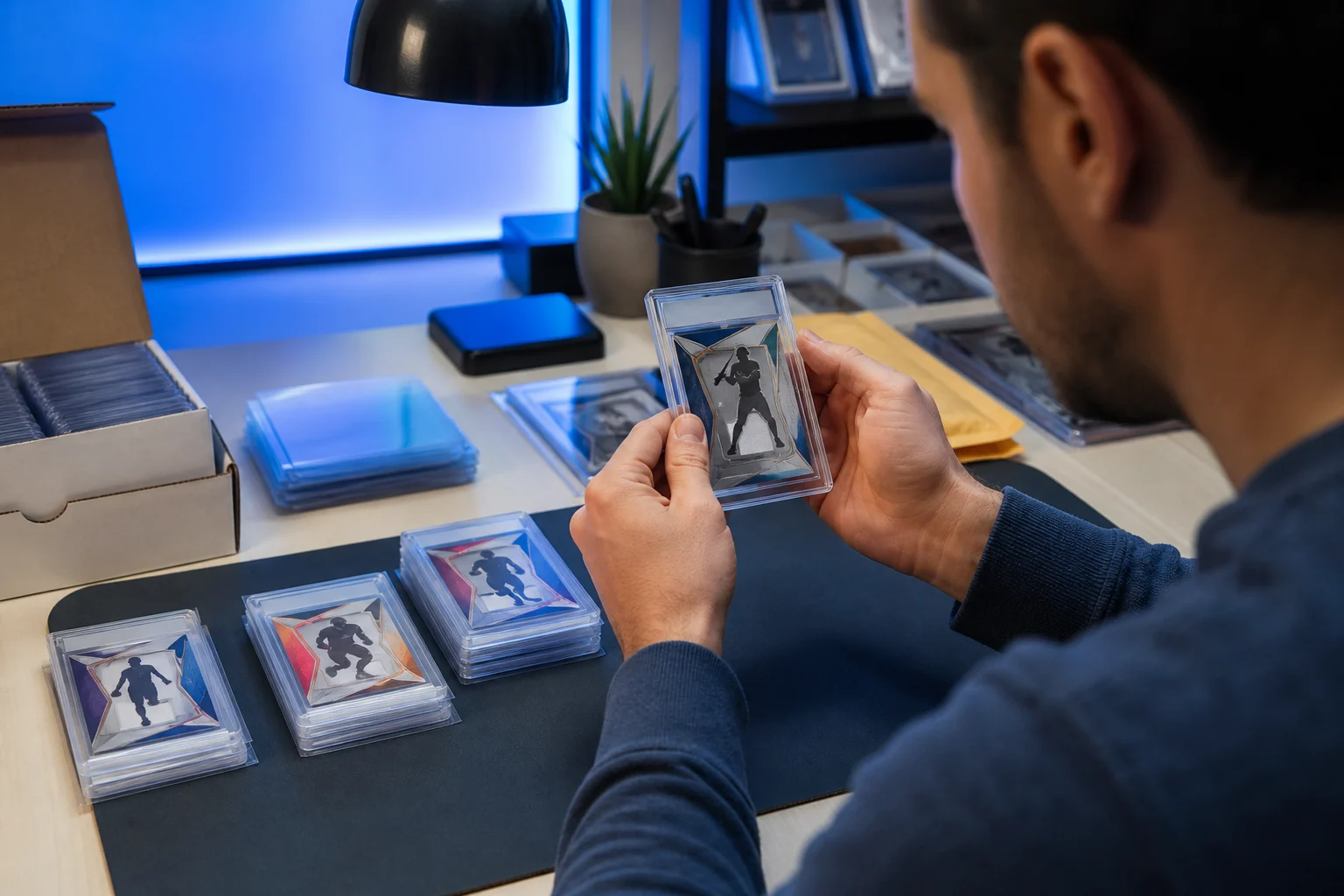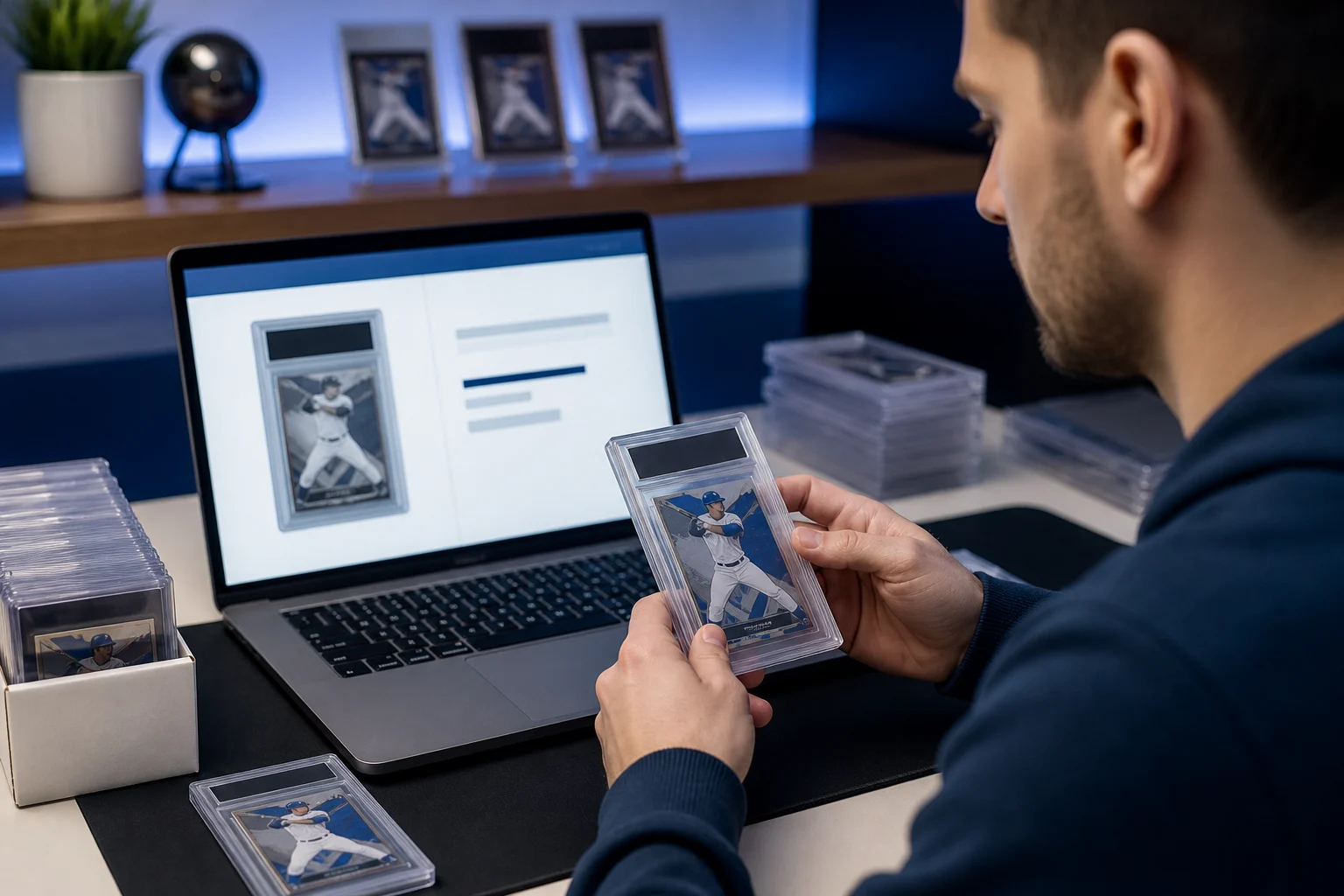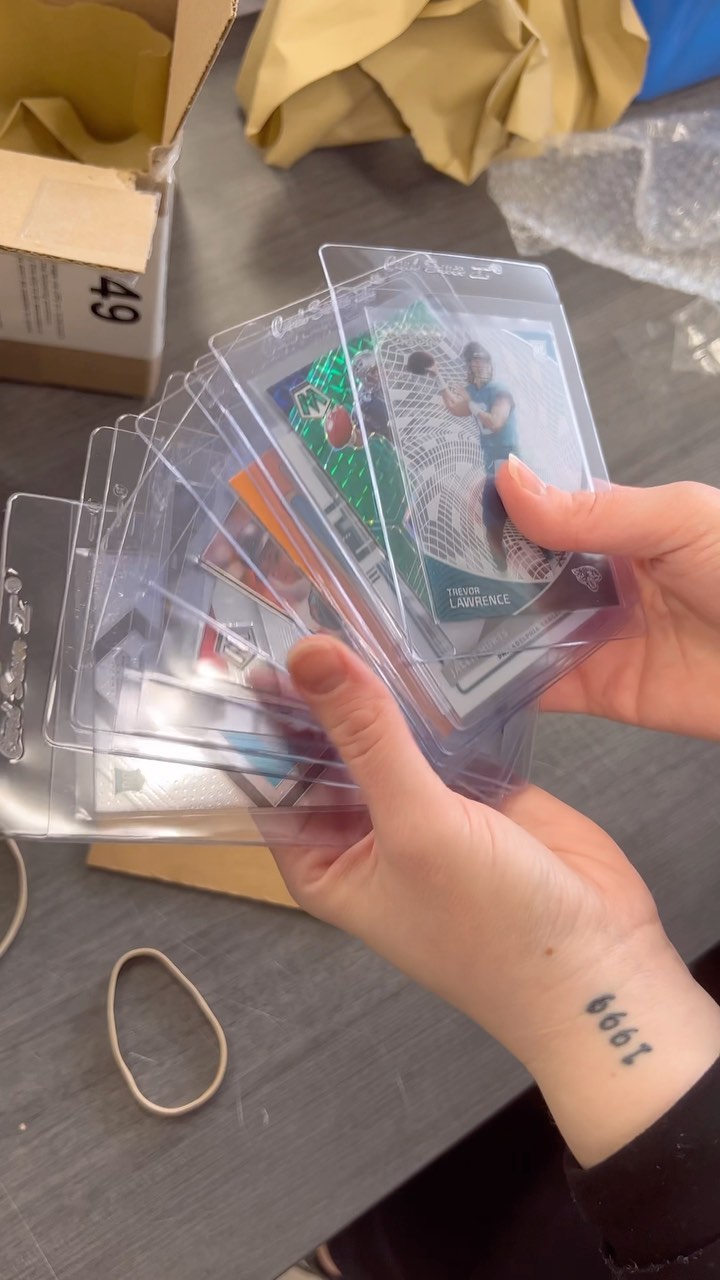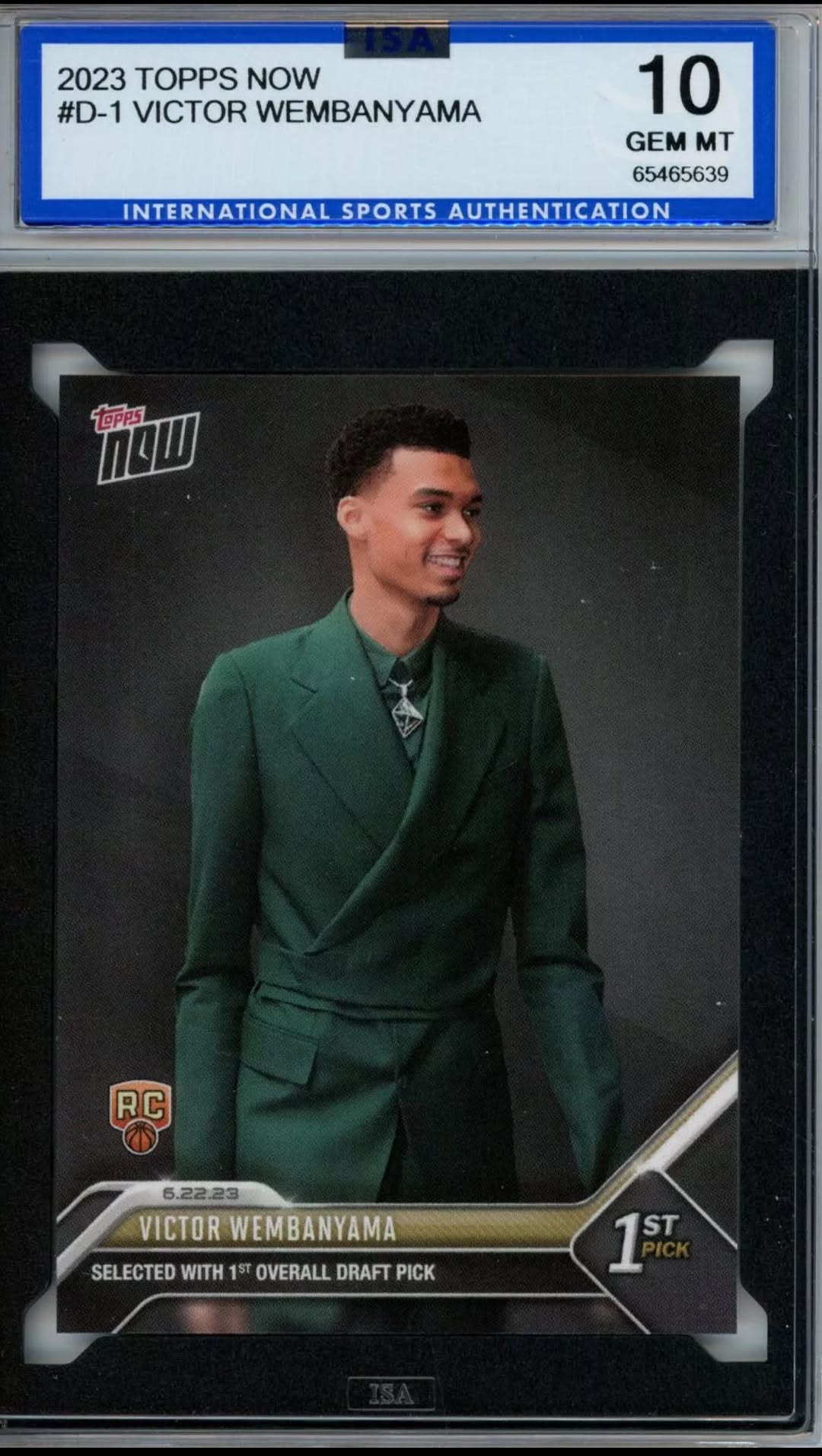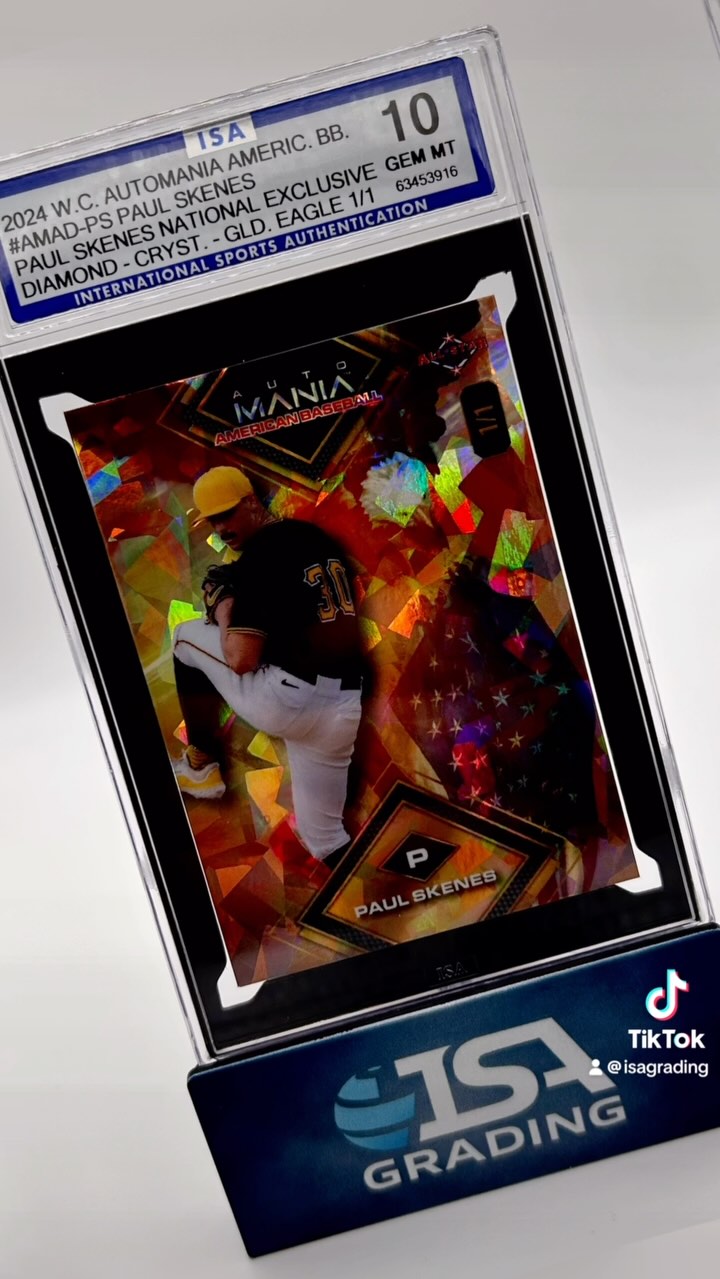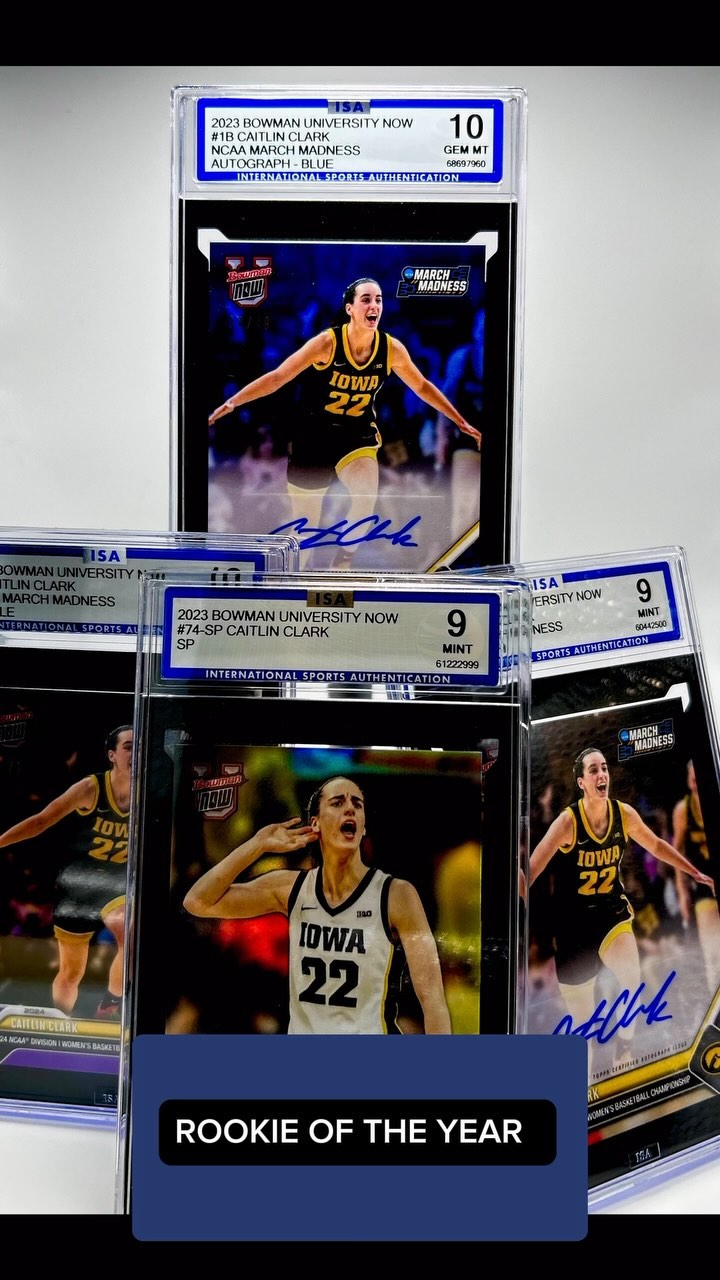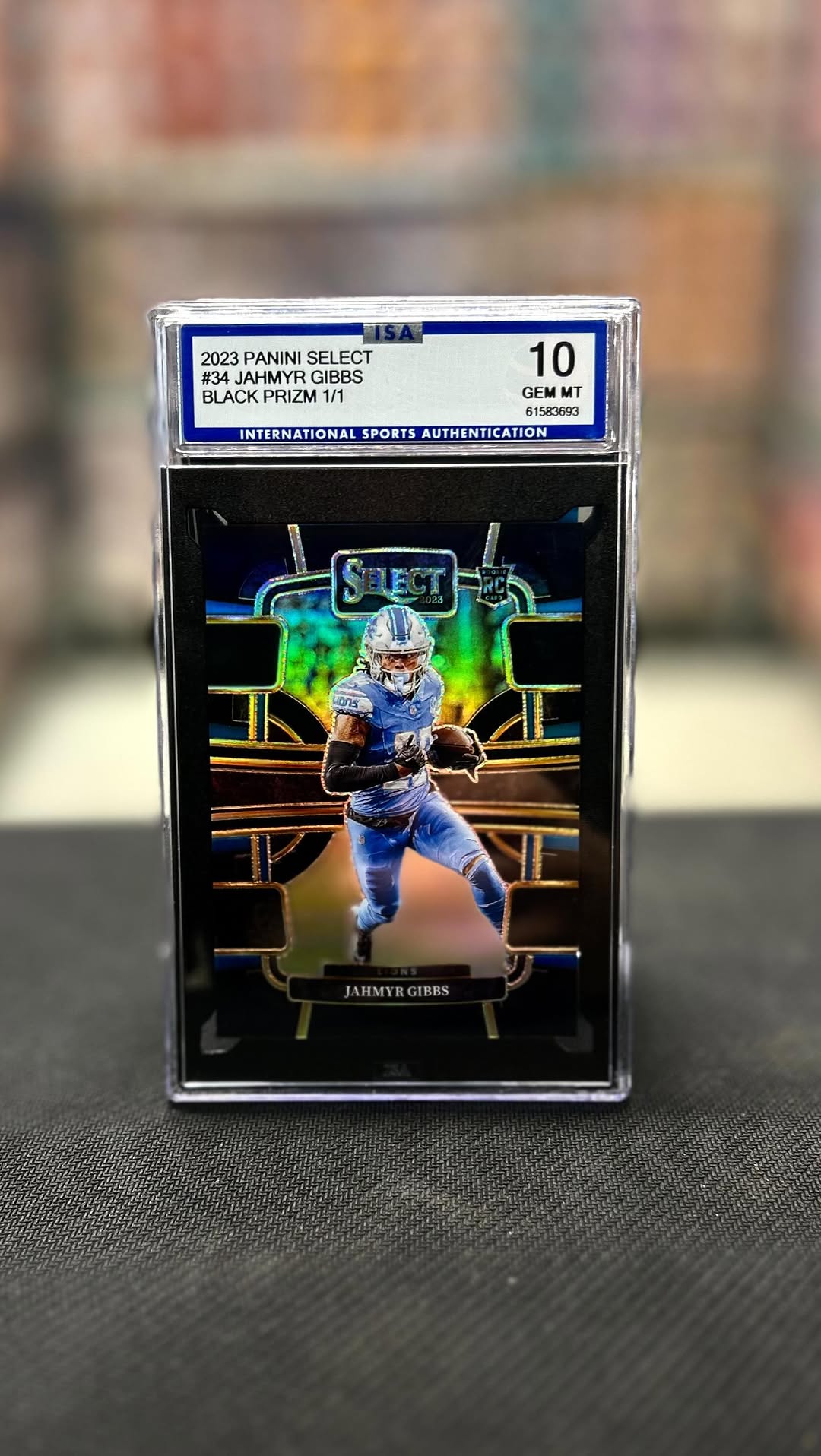
A good grading submission starts before the shipping box comes out. Choosing the right cards, recording their details, and protecting them during packing can help you avoid preventable problems. For collectors and dealers, a ten-card batch is also a manageable way to organize a collection or prepare inventory for sale.
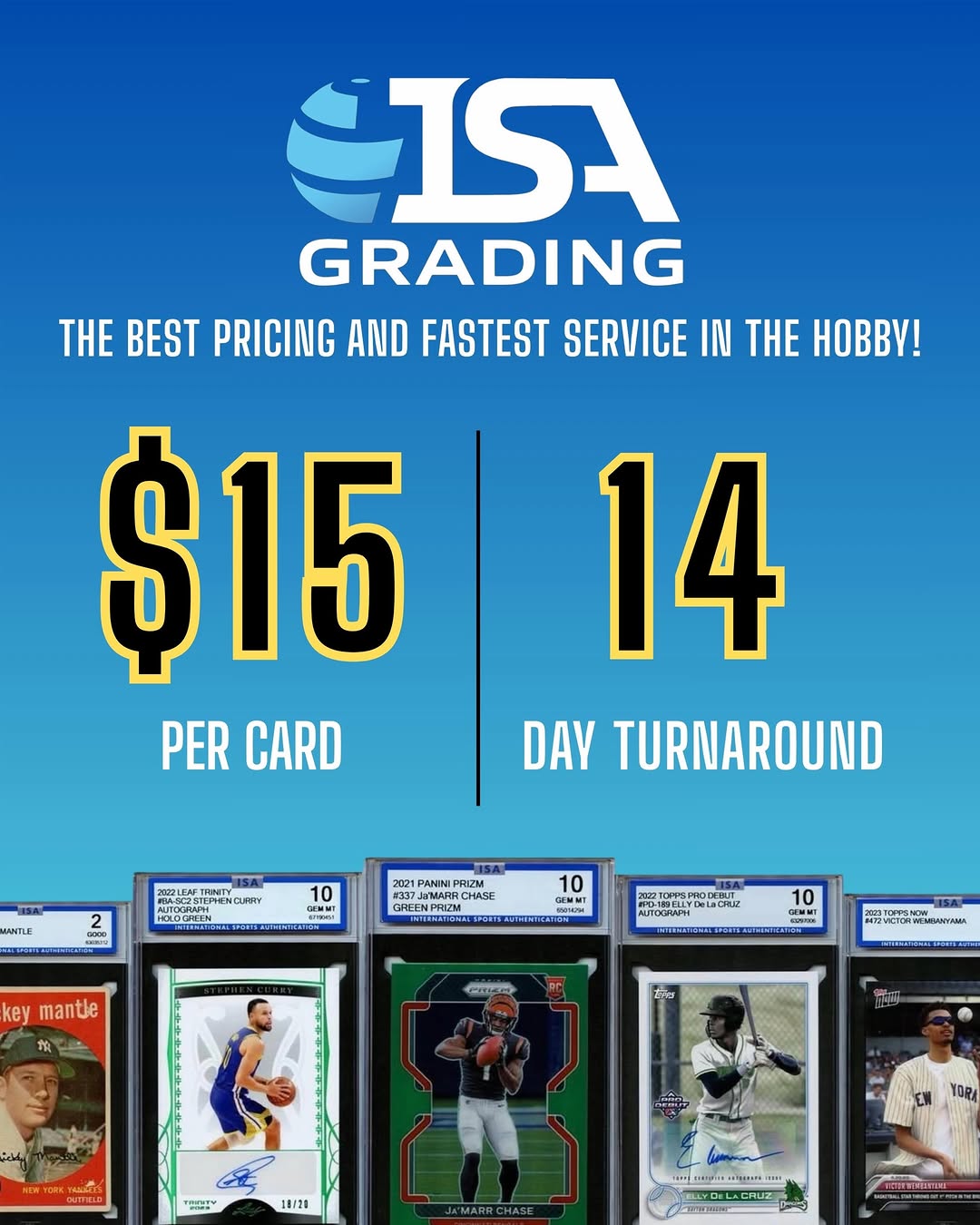
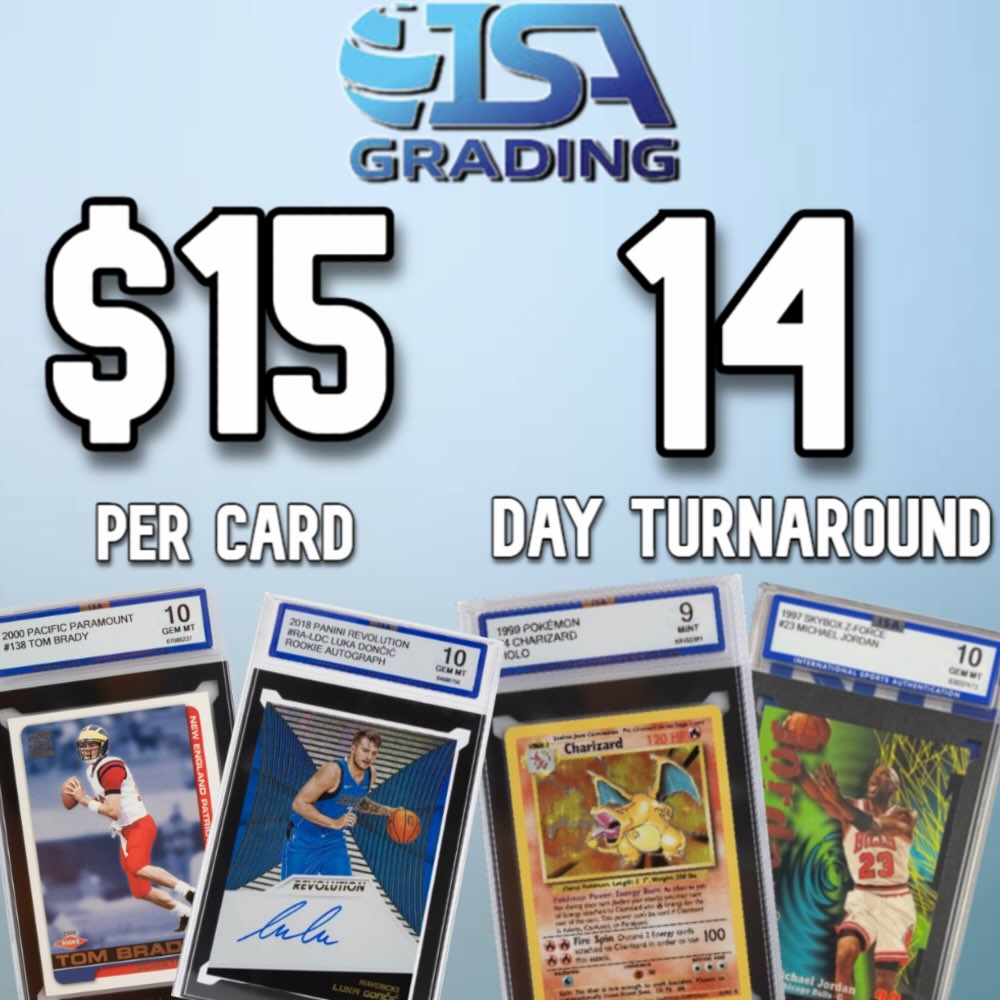
ISA Grading, also known as International Sports Authentication, currently offers sports card grading and authentication at $15 per card, with a 10 card minimum, a 14 day turnaround, and no upcharges. Here is how to prepare a submission with realistic condition expectations, clear costs, and a plan for the cards when they return.
Start with the purpose of your ten-card batch
Before selecting individual cards, decide what this submission needs to accomplish. Are you protecting personal favorites, documenting a vintage collection, or preparing cards for an upcoming sale? That answer should influence your choices more than the possibility of a high grade.
For a personal collection, sentimental importance may justify grading a card with visible wear. For resale inventory, the calculation is different: acquisition cost, grading expense, selling fees, and likely demand all matter. Authentication and condition assessment can be useful, but neither guarantees that a card will sell or increase in value.
Pull a few candidates beyond the minimum, then narrow the group to ten. Keep those extra cards separate once you finalize the batch so a last-minute swap does not leave your submission information out of sync.
Build a clear grading budget
At ISA's current rate, ten cards cost $150 in grading fees. No upcharges means there is no additional grading upcharge to budget for. Do not assume that $150 represents every expense associated with the submission, however. Confirm any applicable shipping, insurance, taxes, or other charges before completing your order.
For sellers, allocate costs to each card rather than treating the entire batch as one expense. A modestly priced card can become difficult to sell profitably after grading, shipping, marketplace fees, and your original purchase price are included.
This is where no upcharge card grading provides a useful planning advantage: the stated grading fee is easier to incorporate into your inventory worksheet. For more on that approach, read A Grading Budget That Holds: Why No Upcharges Matter.
Select cards using evidence, not optimism
Look at recent completed sales for the exact card whenever reliable examples are available. Match the year, set, card number, parallel, variation, and autograph or memorabilia designation. Asking prices show what sellers hope to receive, not necessarily what buyers will pay.
Consider more than one possible grade when evaluating a resale candidate. If the numbers work only at the highest grade, the submission carries more risk than a quick glance at one strong sale suggests. Raw cards can have condition issues that become apparent only under closer inspection.
The same discipline applies to basketball card grading, baseball card grading, and football card grading. Player popularity is relevant, but the exact issue, supply, condition, and buyer interest still matter. For rookie card grading, verify the specific card's identity rather than relying only on a seller's description or a familiar photograph.
Inspect condition without trying to change it
Use a clean, dry workspace with good lighting. Handle cards carefully by their edges, avoid touching the printed surfaces, and inspect one card at a time. A soft, clean work surface can reduce accidental contact with a hard tabletop, but keep food, drinks, and loose debris away.
Review ISA's grading scale before assigning your own expectations. Your inspection is a screening step, not a promised result. Professional card condition grading may identify defects that were difficult to see at home.
Check centering, corners, edges, and surfaces
- Card centering: Compare opposite borders on the front and back when the design provides clear reference points. Borderless cards require closer attention to the printed layout.
- Card corners: Look for rounding, bends, fraying, or small touches of exposed material. Inspect all four corners on both sides.
- Card edges: Check for chipping, whitening, rough areas, and damage along dark or foil borders.
- Surfaces: Tilt the card gently under light to look for scratches, indentations, creases, print lines, stains, or other visible issues.
Do not rub, polish, press, trim, recolor, or apply substances to a card in an attempt to improve its grade. An attempt to remove a mark can create damage or alter the card. If something looks unusual, document it and ask questions rather than experimenting.
Give older cards realistic expectations
Vintage card grading often involves different collecting priorities from modern submissions. A well-loved older card may have rounded corners, imperfect centering, or surface wear and still be an important piece of a collection. Inspect the back carefully for writing, paper loss, staining, and other issues that may be easy to overlook.
Do not confuse age with an exemption from condition standards. Instead, decide whether authentication, condition documentation, and encapsulation serve your goal even if the card receives a lower grade.
Confirm eligibility before adding unusual cards
Check current submission instructions for the cards you plan to send, especially unusual sizes, thicker memorabilia cards, or items with special handling needs. Do not assume that every format can be submitted under identical requirements.
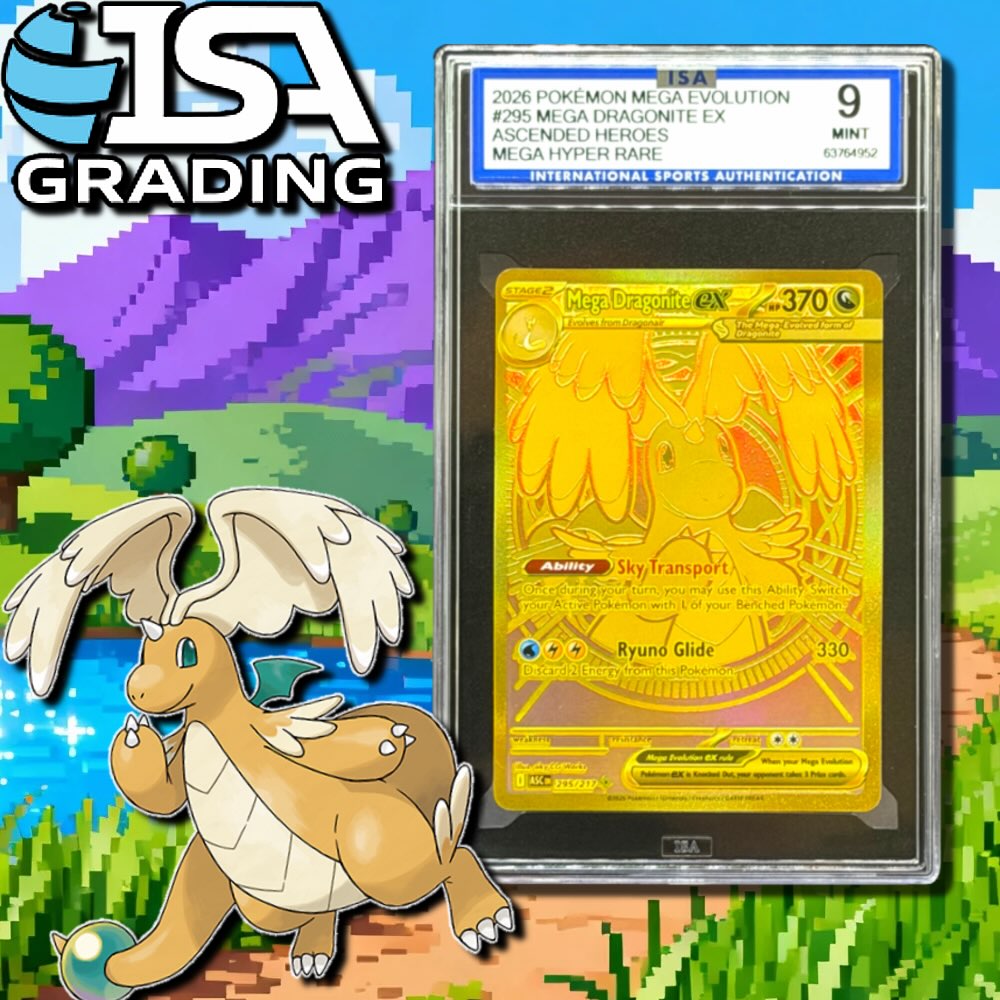
If your search began with Pokemon card grading or TCG card grading, confirm whether ISA currently accepts your specific game, set, language, and card format before including it. Trading card grading is a broad category, and acceptance should not be inferred from a company's sports card services. Keep unconfirmed items out of the shipment until you receive guidance.
Create a ten-card inventory before packing
Open the ISA submission page and follow its current instructions. Use the required submission method and supply the requested information. Do not substitute your own inventory for any required form, although a personal worksheet is useful for tracking.
For each card, record enough detail to distinguish it from similar cards in your collection:
- Player or subject name.
- Year, manufacturer, and set name.
- Card number and any relevant subset.
- Parallel, variation, serial numbering, autograph, or memorabilia details.
- Your inventory reference and any condition notes.
Photograph the front and back of each card before packing. These images help you retain a record of what you selected, although they do not replace insurance requirements or carrier documentation. Keep submission confirmations and shipping receipts with the same records.
Protect each card and keep the order consistent
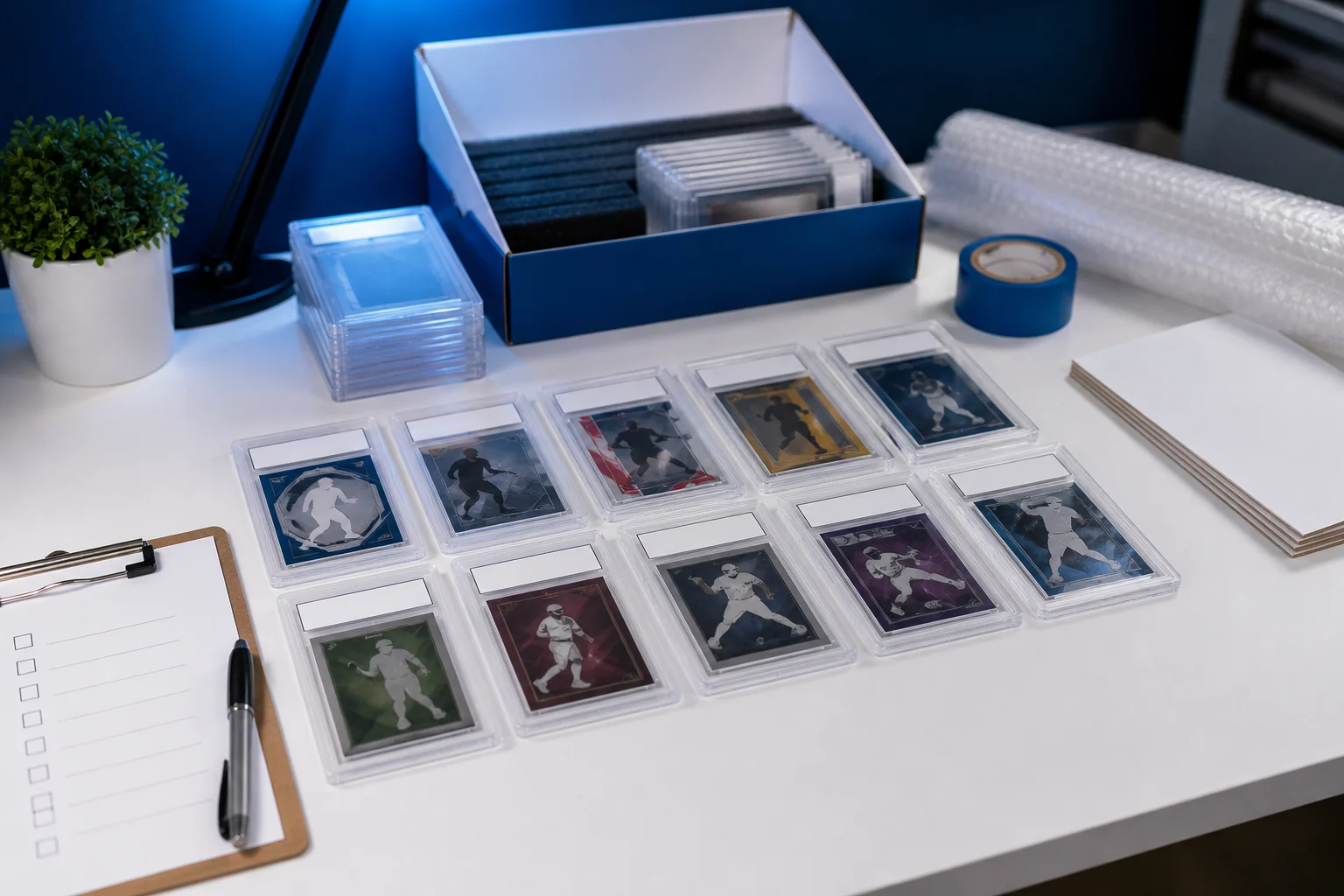
Follow ISA's current packaging instructions for sleeves and holders. The goal is to limit movement and surface contact while making the cards reasonably accessible for intake. If the instructions specify a holder type, use that type rather than assuming another option is interchangeable.
Where appropriate under those instructions, place each card into a clean, properly sized sleeve before its protective holder. Never force a thick card into a tight opening. A holder that pinches an edge or catches a corner can undermine careful preparation.
Keep the physical cards in the same sequence as your submission information. If identification labels are requested, apply them only where instructed on the outside of the protective packaging, never directly to a card. Avoid adding adhesive near exposed card openings.
Group the protected cards so they cannot slide around freely. Use appropriately sized outer packaging and cushioning, following any specific directions ISA provides. Do not compress the stack so tightly that pressure transfers to the cards.
Check the shipment before sealing the box
Set aside a few uninterrupted minutes for a final review. Many avoidable submission problems are administrative: an incorrect card count, an omitted form, or an address copied from an old message.
- Count all ten cards against your final inventory.
- Verify that descriptions match the cards and their order.
- Include required paperwork and follow payment instructions.
- Confirm the current shipping address from official submission information.
- Check that cushioning limits movement without crushing the contents.
- Choose tracking and consider insurance appropriate to the shipment's value and carrier terms.
Keep the tracking number and confirm any insurance documentation requirements before handing over the package. For collectors searching for card grading near me, proximity may be convenient, but do not assume local drop-off is available. Confirm the accepted submission method first.
Plan around turnaround without promising a sale date
ISA currently lists a 14 day card grading turnaround. Before coordinating a show, auction, or customer commitment, confirm how that period is measured, when it begins, and whether calendar or business days apply. Shipping time and any intake requirements also belong in your schedule.
Fast card grading can support inventory planning, but a listed turnaround should not become an unconditional delivery promise to your own buyer. Leave room for shipping disruptions and questions that may require follow-up.
If your cards relate to an upcoming season, tournament, or player milestone, work backward from your preferred listing date. This guide to grading timelines and market planning explains why timing belongs in the decision alongside price and condition.
Inspect returned slabs and prepare accurate listings
When your submission returns, compare the cards and labels with your records. Check the player, set, card number, and other identifying details. Examine the slabs for visible issues, retain your paperwork, and raise any questions before listing the cards for sale.
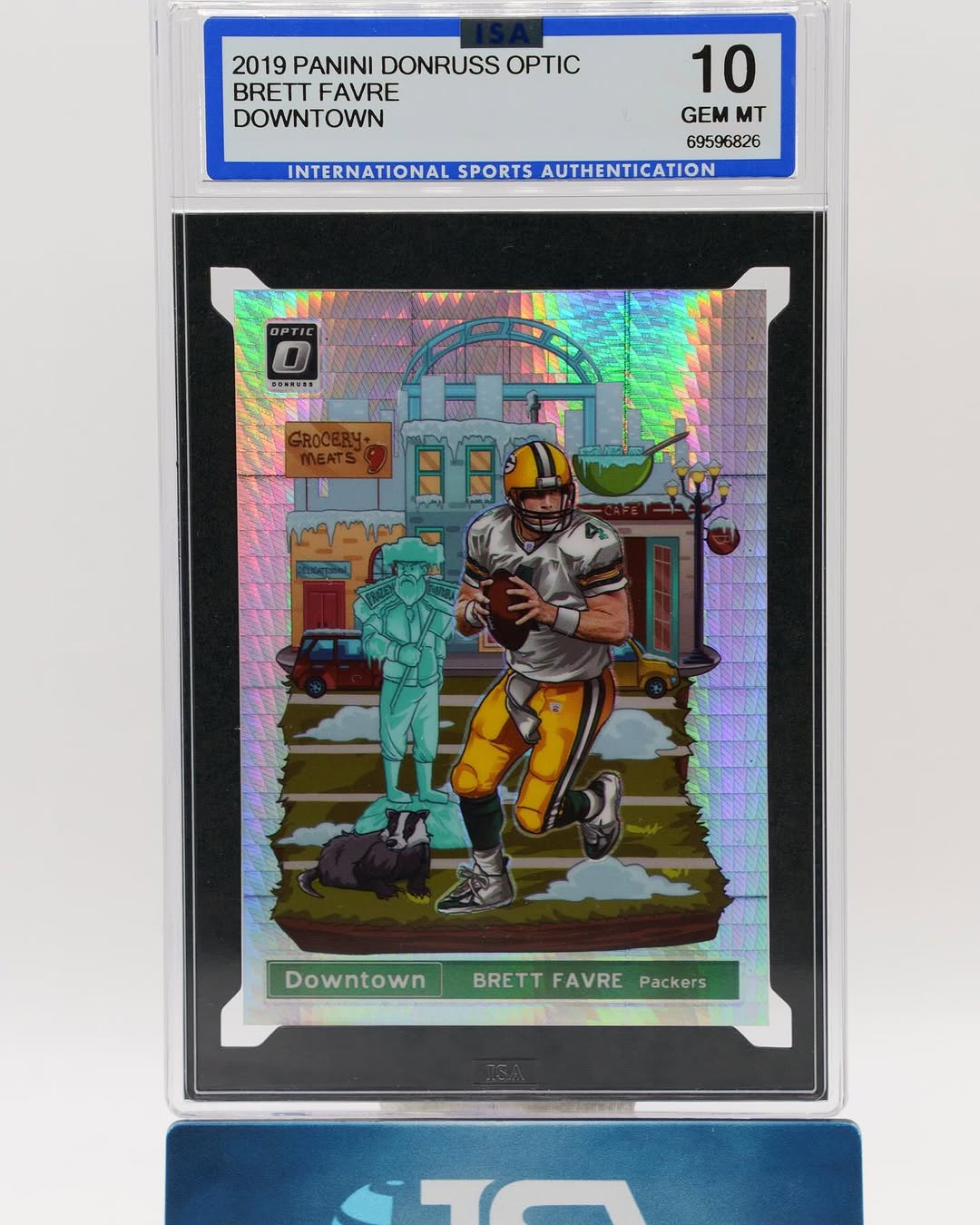
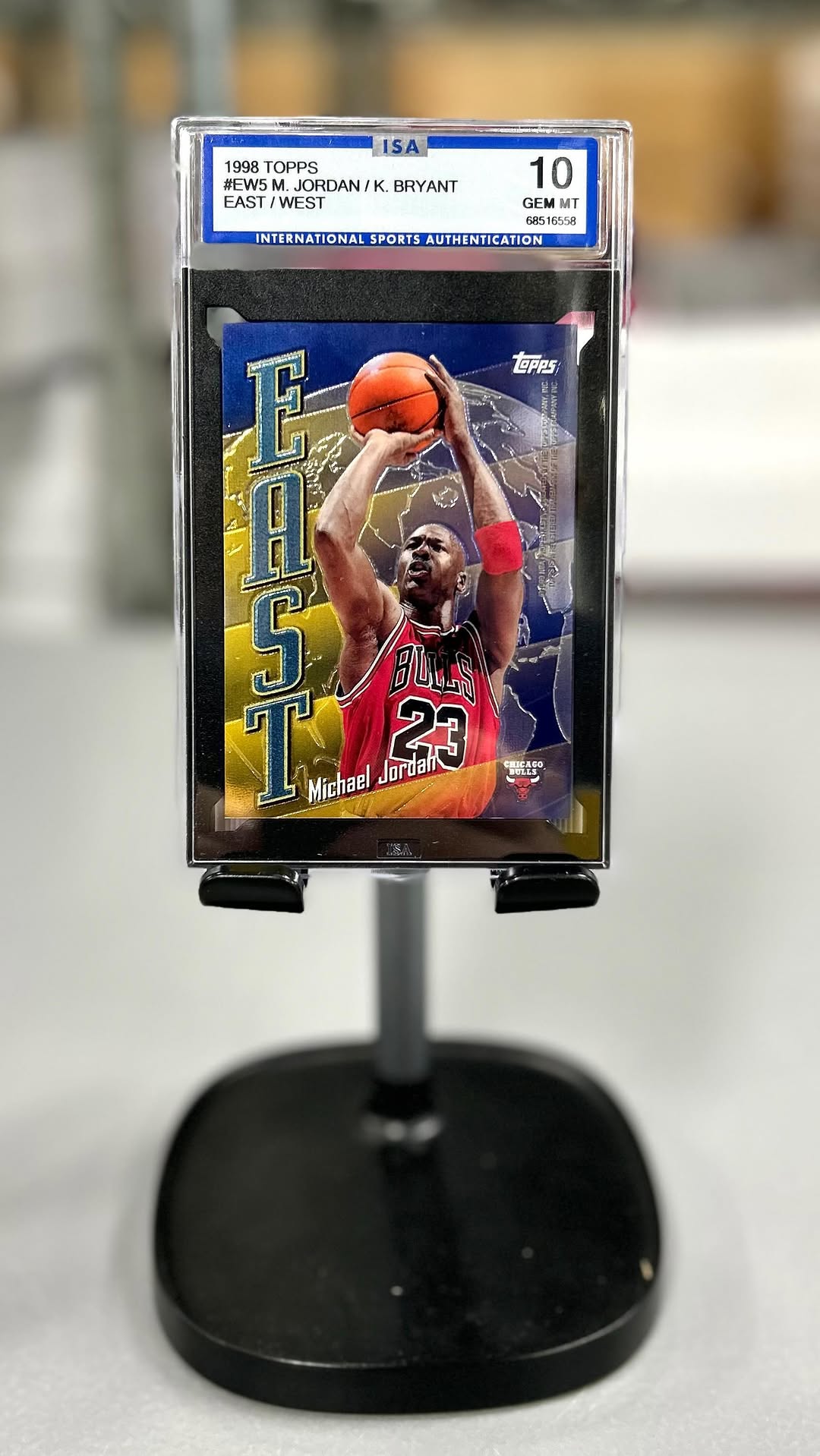
Use ISA's certificate verification page to check certificate information. For buyers, access to a verification record provides a way to cross-check the details on a label. It should support careful evaluation, not replace inspection of the card, holder, listing photographs, and seller.
When selling graded cards, photograph the front and back of each slab clearly. State the grading company and exact grade, identify the card accurately, and disclose visible holder wear. Avoid suggesting that encapsulation guarantees future value or eliminates every buying risk. Clear photographs and consistent information do more for buyer confidence than exaggerated sales language.
Keep a repeatable submission routine
Save your ten-card worksheet, actual expenses, submission dates, and eventual sale results if applicable. Over time, those records can help you identify which cards fit your collecting goals and which purchases leave too little room for grading costs.
Before sending your batch, confirm any unresolved questions about eligibility, packing, charges, or turnaround through ISA's contact page. A strong submission is not simply ten valuable cards in a box. It is ten clearly identified, carefully protected cards backed by accurate information and realistic expectations.
Submit Cards to ISA Grading
Collectors ready to use ISA Grading can start on the submission page. The current active service is $15 per card with a 14 day turnaround, no upcharges, and a 10 card minimum.
Frequently Asked Questions
How much does a 10 card ISA Grading submission cost?
ISA's current grading rate is $15 per card, so a ten-card submission has $150 in grading fees, with no upcharges. Confirm any applicable shipping, insurance, taxes, or other charges before submitting.
What is ISA Grading's current turnaround time?
ISA currently lists a 14 day turnaround. Confirm when that period begins, how days are counted, and how shipping affects your overall schedule before planning a sale or event.
Should I clean my cards before submitting them?
Do not rub, polish, press, trim, recolor, or apply substances to improve a card's appearance. These actions can damage or alter it. Inspect cards carefully and follow ISA's current preparation and packaging instructions.
Can I include Pokemon or other TCG cards in my submission?
Confirm current eligibility with ISA before including Pokemon or other TCG cards. Ask about your specific game, set, language, size, and format rather than assuming all trading cards are accepted.
How do I verify an ISA graded card?
Use the certificate verification page on ISA's website to check the certificate information. Compare the available record with the slab label and card, and review clear photographs and seller information when making a purchase.